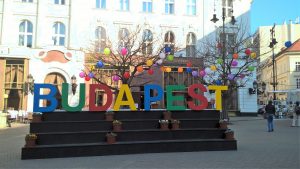
Don't forget to check out the Spring and Easter Fair on Vörösmarty square, it's open until the end of April. You can buy local, artisanal handicraft products, pottery, ceramics, jewellry and leather products. There are workshops and concerts every weekend. Also, you can taste the most fantastic treats of the Hungarian cuisine, traditional Easter dishes as ham and knuckle, and great cakes, including of course the festive chimney cake. Enjoy!
Don’t forget to check out the Spring and Easter Fair on Vörösmarty square, it’s open until the end of April. You can buy local, artisanal handicraft products, pottery, ceramics, jewellry and leather products. There are workshops and concerts every weekend.
Also, you can taste the most fantastic treats of the Hungarian cuisine, traditional Easter dishes as ham and knuckle, and great cakes, including of course the festive chimney cake. Enjoy!
This is of course a very subjective lists and is based on my own experiences and on my guests' feedback. There are hundreds of great restaurants in Budapest and it's very hard to pick only 5 as I keep discovering new places all the time and show them to my guests on my Foodie tours.. These are the places I'd recommend to my guests and where I would go with my family, too. I only selected places with Hungarian meals, so that you can taste the best dishes of our cuisine. Aszu restaurant: great food, great wines and cozy atmosphere with live cimbalom music. My favourite is the Chicken Paprikás. Budapest Bistro: such a nice place near the Parliament with very special and modern Hungarian dishes and live piano music. My favourite is the Hungarian Bistro plate. Pest-Buda Restaurant: is in the heart of the Buda Castle District, a classy little place with red and white checkered tablecloth. My favourite is the Goulash soup. Rézkakas Bistro: an amazing mix of the authentic Hungarian dishes and international flavours topped with great wines. This is one of the very few places where vegeterians can have a fantastic selection, too. My favourite is the Lajosmizse “terrine de foie gras". WineKitchen: yes, it's a Michelin-star restaurant, still the prices are reasonable, the staff is friendly and they offer fresh and creative daily menus every day. My favourite is the Fresh fish from the market. +1: Strudel House: a place where you can actually see the strudel making and you can try the best sweet and salted Hungarian strudels. My favourite is the sweet cottage cheese strudel.
This is of course a very subjective lists and is based on my own experiences and on my guests’ feedback. There are hundreds of great restaurants in Budapest and it’s very hard to pick only 5 as I keep discovering new places all the time and show them to my guests on my Foodie tours.. These are the places I’d recommend to my guests and where I would go with my family, too. I only selected places with Hungarian meals, so that you can taste the best dishes of our cuisine.
Aszu restaurant: great food, great wines and cozy atmosphere with live cimbalom music. My favourite is the Chicken Paprikás.
Budapest Bistro: such a nice place near the Parliament with very special and modern Hungarian dishes and live piano music. My favourite is the Hungarian Bistro plate.
Pest-Buda Restaurant: is in the heart of the Buda Castle District, a classy little place with red and white checkered tablecloth. My favourite is the Goulash soup.
Rézkakas Bistro: an amazing mix of the authentic Hungarian dishes and international flavours topped with great wines. This is one of the very few places where vegeterians can have a fantastic selection, too. My favourite is the Lajosmizse “terrine de foie gras”.
WineKitchen: yes, it’s a Michelin-star restaurant, still the prices are reasonable, the staff is friendly and they offer fresh and creative daily menus every day. My favourite is the Fresh fish from the market.
+1: Strudel House: a place where you can actually see the strudel making and you can try the best sweet and salted Hungarian strudels. My favourite is the sweet cottage cheese strudel.
Every year, Hungary’s Cake of the Country is officially announced: a “birthday cake” created to reflect both traditional flavours and modern creativity. In Hungary, the 20th of August is more than a national holiday. It marks the founding of the Hungarian state by Saint Stephen — and it’s also the day when the country celebrates its love of pastry in a very special way. A Sweet National Tradition The Cake of the Country is selected by a professional jury of master confectioners. Each year, pastry chefs from across Hungary are invited to submit creations that: reinterpret classic Hungarian tastes use high-quality, often regional ingredients connect symbolically to the national holiday The result is not just a dessert, but a snapshot of how Hungarian pastry culture evolves over time. Cake of the Country 2016: Green Gold of Őrség In 2016, the winning cake was called Green Gold of Őrség — a name inspired by both colour and region. Created in a small pastry shop in Salgótarján, the cake subtly echoed the red, white, and green of the Hungarian flag, while highlighting one of the region’s most characteristic ingredients: pumpkin seed oil. The cake’s layers combined: pumpkin seed oil and almond flour sponge white chocolate ganache crunchy pumpkin seed praline raspberry jelly pumpkin seed jelly The result was rich yet balanced, with nutty depth softened by fruit and chocolate — a modern composition rooted in local flavors. Tasting the Cake of the Country in a Historic Setting One of the joys of this tradition is that the Cake of the Country doesn’t remain a concept — it’s meant to be tasted. In 2016, I had the pleasure of trying Green Gold of Őrség with my guests at Ruszwurm Confectionery (closed in 2025), one of Budapest’s oldest cake shops, tucked away near Matthias
Every year, Hungary’s Cake of the Country is officially announced: a “birthday cake” created to reflect both traditional flavours and modern creativity.
In Hungary, the 20th of August is more than a national holiday. It marks the founding of the Hungarian state by Saint Stephen — and it’s also the day when the country celebrates its love of pastry in a very special way.
A Sweet National Tradition
The Cake of the Country is selected by a professional jury of master confectioners. Each year, pastry chefs from across Hungary are invited to submit creations that:
reinterpret classic Hungarian tastes
use high-quality, often regional ingredients
connect symbolically to the national holiday
The result is not just a dessert, but a snapshot of how Hungarian pastry culture evolves over time.
Cake of the Country 2016: Green Gold of Őrség
In 2016, the winning cake was called Green Gold of Őrség — a name inspired by both colour and region.
Created in a small pastry shop in Salgótarján, the cake subtly echoed the red, white, and green of the Hungarian flag, while highlighting one of the region’s most characteristic ingredients: pumpkin seed oil.
The cake’s layers combined:
pumpkin seed oil and almond flour sponge
white chocolate ganache
crunchy pumpkin seed praline
raspberry jelly
pumpkin seed jelly
The result was rich yet balanced, with nutty depth softened by fruit and chocolate — a modern composition rooted in local flavors.
Tasting the Cake of the Country in a Historic Setting
One of the joys of this tradition is that the Cake of the Country doesn’t remain a concept — it’s meant to be tasted.
In 2016, I had the pleasure of trying Green Gold of Őrség with my guests at Ruszwurm Confectionery (closed in 2025), one of Budapest’s oldest cake shops, tucked away near Matthias Church in the Buda Castle District.
Enjoying a contemporary award-winning cake in such a historic café perfectly captures what Hungarian pastry culture does best: blending past and present on the same plate.
Why These Cakes Matter
The Cake of the Country is not about trends or spectacle. It’s about:
craftsmanship
regional identity
and the quiet pride Hungarians take in their culinary traditions
Each year’s cake becomes part of a larger story — one that connects national history, local ingredients, and everyday pleasures.
Hungarian cakes and cafés are often part of the stories I share on my Budapest Foodie Tours, especially when exploring historic neighbourhoods like the Buda Castle District. If you enjoy discovering a city through its sweets, traditions, and everyday rituals, I’d be happy to show you some of Budapest’s most characterful cafés — past and present.
Slice of the Green Gold of Őrség cake, the 2016 Cake of the Country, featuring layered Hungarian pastry and pumpkin seed flavours
Hungarians have a well-known sweet tooth, and among the many beloved treats, marzipan holds a special place. This smooth almond paste appears not only in cakes and pastries, but also in something far more unexpected: tiny — and sometimes life-size — works of art. In Hungary, marzipan is not just something you eat. It’s something you admire. When Michael Jackson Meets the Hungarian Parliament So, what do Michael Jackson and the Hungarian Parliament building have in common? In Szentendre, the answer is simple: they can both be made of marzipan. The Szentendre Marzipan Museum is one of the most unusual — and sweetest — museums in Hungary. Located in the heart of Szentendre, it displays dozens of marzipan sculptures ranging from famous Hungarian historical figures to international celebrities and iconic buildings. Some of the figures are small and intricate, others surprisingly large — all made with astonishing detail and patience. More Than a Museum: A Working Atelier What makes the Szentendre Marzipan Museum especially engaging is that it’s not just a static exhibition. Visitors can also peek into the atelier, where new marzipan figures are still being created by hand. Watching the process gives a new appreciation for the craft behind these playful sculptures — and for the amount of time and skill required to turn sugar and almonds into recognizable faces, buildings, and scenes. A Small Museum with Big Personality The Marzipan Museum is not large, but that’s part of its charm. It fits perfectly into a relaxed stroll through Szentendre, adding a lighthearted and slightly quirky stop between galleries, cafés, and cobblestoned streets. And of course, no visit is complete without stepping into the small shop at the end, where you can buy beautifully made marzipan sweets — far too pretty to eat… at least at first. The
Hungarians have a well-known sweet tooth, and among the many beloved treats, marzipan holds a special place. This smooth almond paste appears not only in cakes and pastries, but also in something far more unexpected: tiny — and sometimes life-size — works of art. In Hungary, marzipan is not just something you eat. It’s something you admire.
When Michael Jackson Meets the Hungarian Parliament
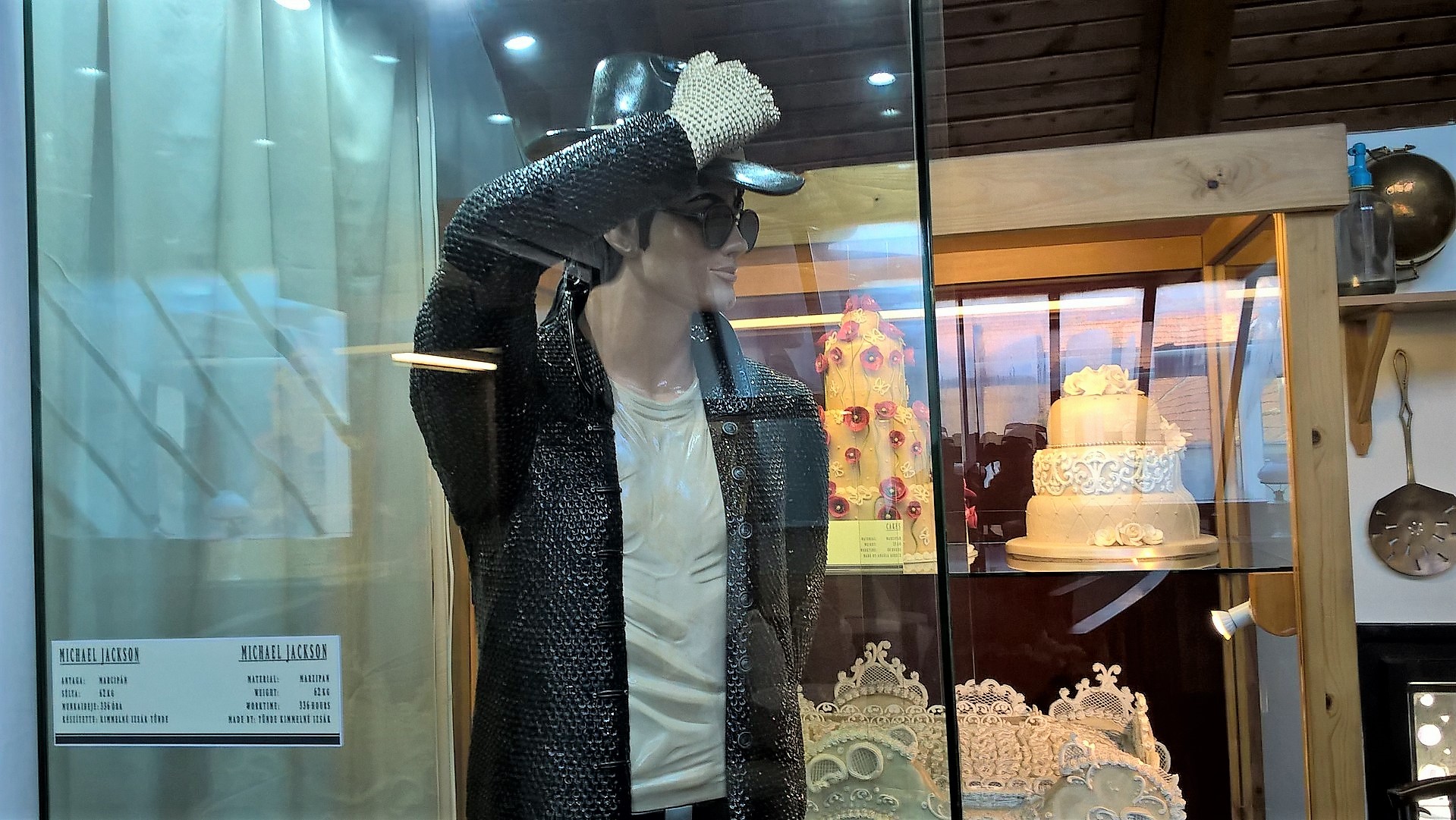
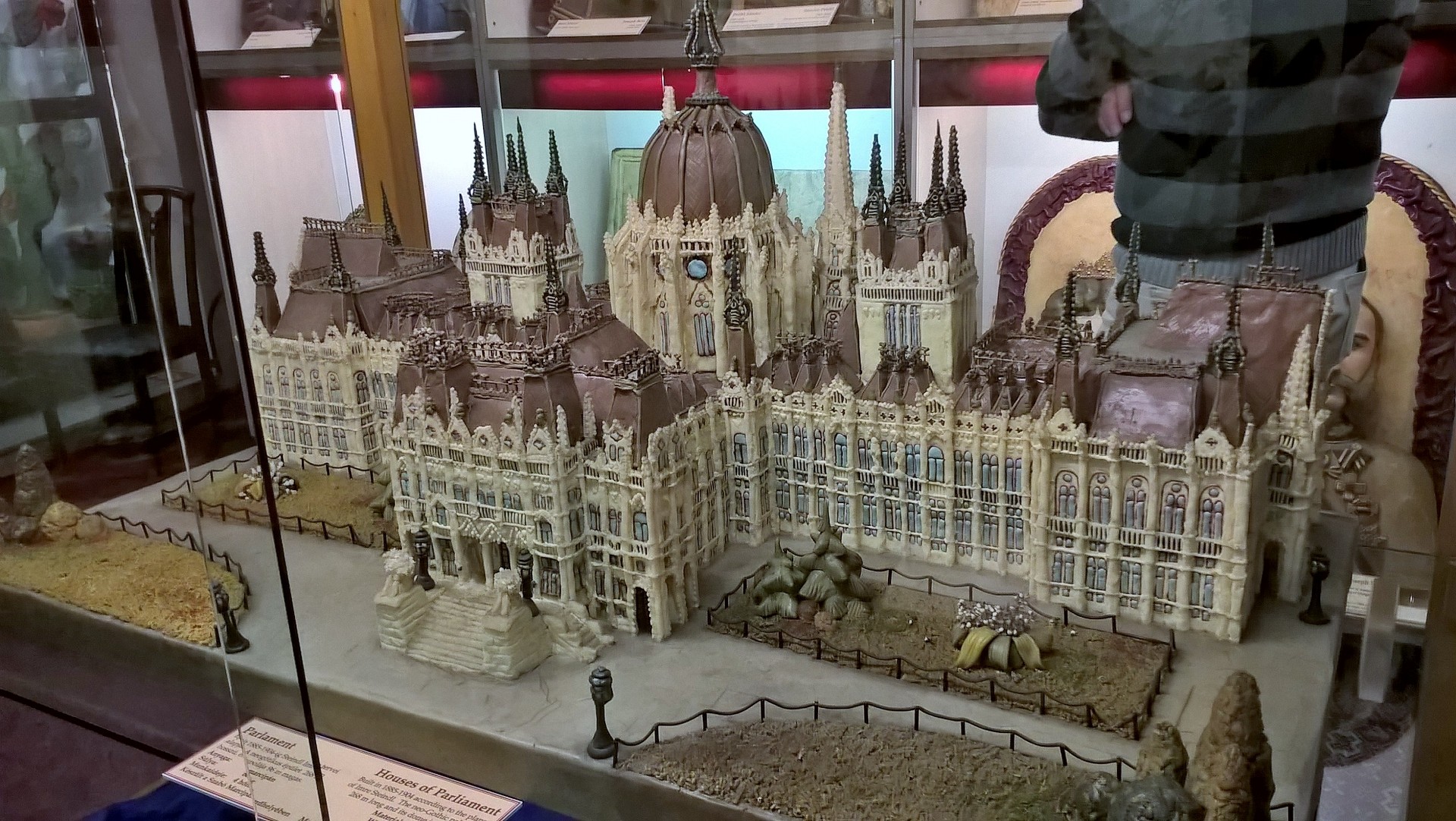
So, what do Michael Jackson and the Hungarian Parliament building have in common? In Szentendre, the answer is simple: they can both be made of marzipan.
The Szentendre Marzipan Museum is one of the most unusual — and sweetest — museums in Hungary. Located in the heart of Szentendre, it displays dozens of marzipan sculptures ranging from famous Hungarian historical figures to international celebrities and iconic buildings.
Some of the figures are small and intricate, others surprisingly large — all made with astonishing detail and patience.
More Than a Museum: A Working Atelier
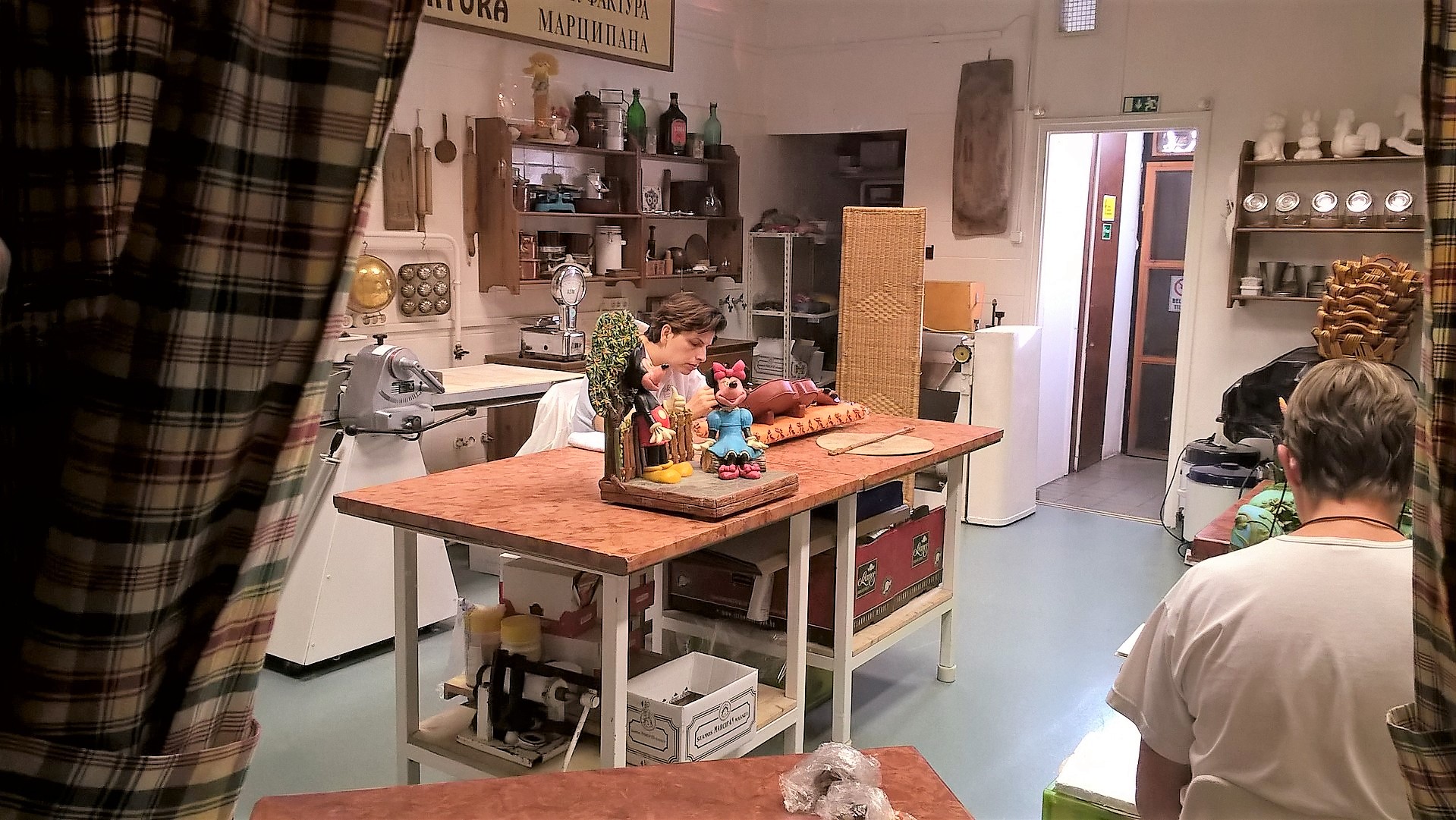
What makes the Szentendre Marzipan Museum especially engaging is that it’s not just a static exhibition. Visitors can also peek into the atelier, where new marzipan figures are still being created by hand.
Watching the process gives a new appreciation for the craft behind these playful sculptures — and for the amount of time and skill required to turn sugar and almonds into recognizable faces, buildings, and scenes.
A Small Museum with Big Personality
The Marzipan Museum is not large, but that’s part of its charm. It fits perfectly into a relaxed stroll through Szentendre, adding a lighthearted and slightly quirky stop between galleries, cafés, and cobblestoned streets.
And of course, no visit is complete without stepping into the small shop at the end, where you can buy beautifully made marzipan sweets — far too pretty to eat… at least at first.
The Marzipan Museum is one of those small surprises I’m always happy to include when showing guests around Szentendre. It’s also a delightful stop on my Danube Bend and Szentendre tours, especially for travellers who enjoy local traditions with a playful twist.
If you’d like to explore Szentendre — from its art scene to its sweetest corners — feel free to get in touch, and we can shape a day that suits your interests and pace.