Located in the heart of the Buda Castle District, Sándor Palace is one of Budapest’s most elegant yet often overlooked landmarks. Standing just steps away from Buda Castle, the palace serves as the offices of the President of Hungary, combining political importance with refined architectural beauty. From Aristocratic Home to Presidential Palace Sándor Palace was built in the early 19th century as a noble residence and soon became one of the most prestigious addresses in Buda. Over the decades, it served various purposes, including government offices and ministerial residences. The building suffered heavy damage during World War II and remained neglected for decades during the Communist era. Its careful restoration after the political changes restored the palace to its former elegance, and today it once again plays a central role in Hungarian public life. Architecture and Atmosphere The palace is a fine example of Neo-Classical architecture, with a restrained yet harmonious façade that fits perfectly into the Castle District’s historic surroundings. While the interior is not generally open to the public, the exterior alone makes it a worthwhile stop during a Castle Hill walk. One of the highlights for visitors is the changing of the guards, which takes place regularly in front of the palace and adds a ceremonial touch to the quiet square. Sándor Palace on a Guided Tour During a guided walk through the Castle District, Sándor Palace offers an excellent opportunity to talk about: Hungary’s modern political system the transition from monarchy to republic life in the Castle District past and present the contrast between royal, aristocratic, and presidential power Its location makes it an easy and natural stop on a Budapest city tour or a thematic history walk. Why Include Sándor Palace in Your Itinerary? Sándor Palace is ideal for travelers who enjoy: elegant architecture without crowds
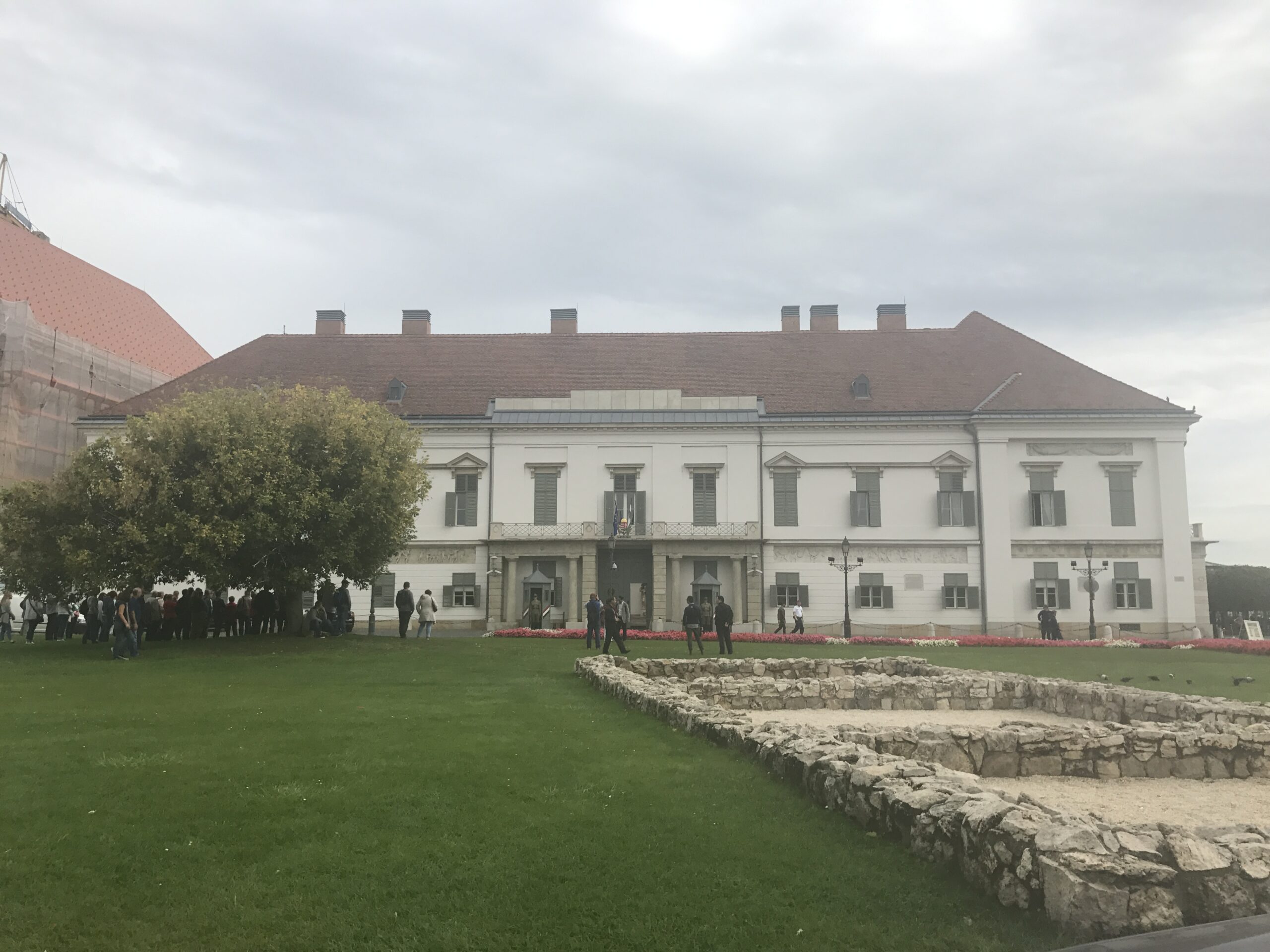
Located in the heart of the Buda Castle District, Sándor Palace is one of Budapest’s most elegant yet often overlooked landmarks. Standing just steps away from Buda Castle, the palace serves as the offices of the President of Hungary, combining political importance with refined architectural beauty.
From Aristocratic Home to Presidential Palace
Sándor Palace was built in the early 19th century as a noble residence and soon became one of the most prestigious addresses in Buda. Over the decades, it served various purposes, including government offices and ministerial residences.
The building suffered heavy damage during World War II and remained neglected for decades during the Communist era. Its careful restoration after the political changes restored the palace to its former elegance, and today it once again plays a central role in Hungarian public life.
Architecture and Atmosphere
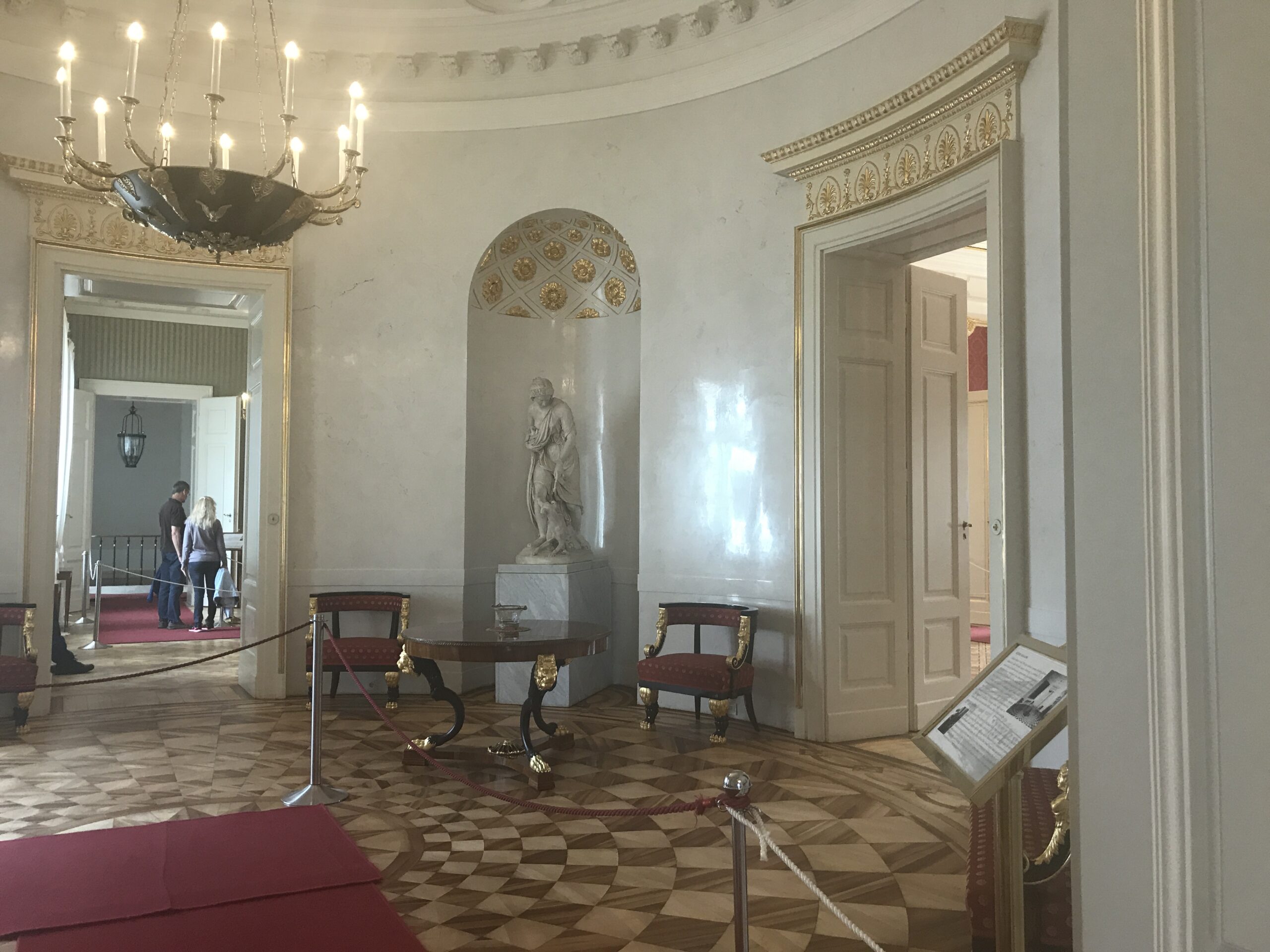
The palace is a fine example of Neo-Classical architecture, with a restrained yet harmonious façade that fits perfectly into the Castle District’s historic surroundings. While the interior is not generally open to the public, the exterior alone makes it a worthwhile stop during a Castle Hill walk.
One of the highlights for visitors is the changing of the guards, which takes place regularly in front of the palace and adds a ceremonial touch to the quiet square.
Sándor Palace on a Guided Tour
During a guided walk through the Castle District, Sándor Palace offers an excellent opportunity to talk about:
-
Hungary’s modern political system
-
the transition from monarchy to republic
-
life in the Castle District past and present
-
the contrast between royal, aristocratic, and presidential power
Its location makes it an easy and natural stop on a Budapest city tour or a thematic history walk.
Why Include Sándor Palace in Your Itinerary?
Sándor Palace is ideal for travelers who enjoy:
-
elegant architecture without crowds
-
political and modern Hungarian history
-
hidden landmarks beyond the usual highlights
-
quiet corners of the Castle District
It adds depth and context to any visit to Buda Castle.