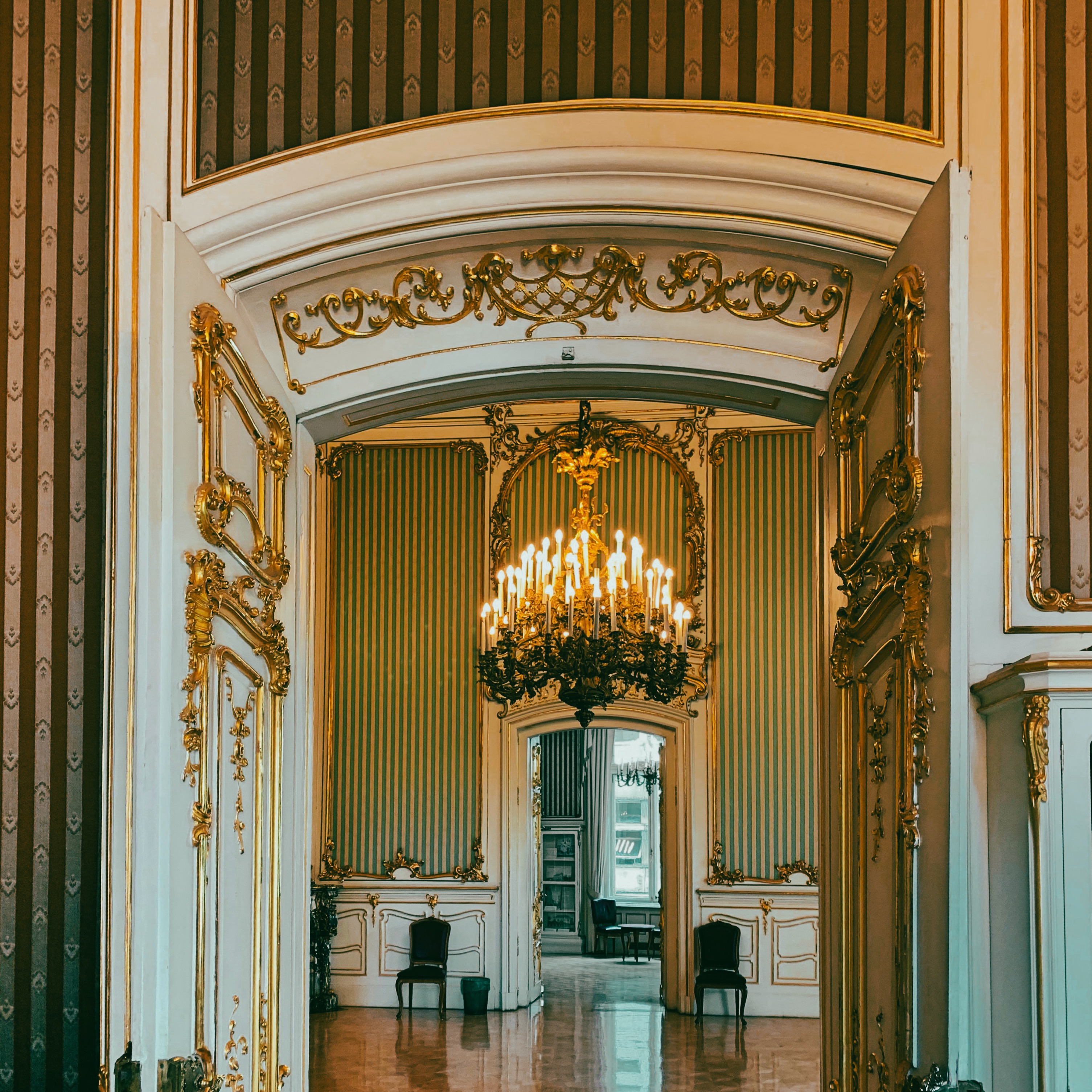
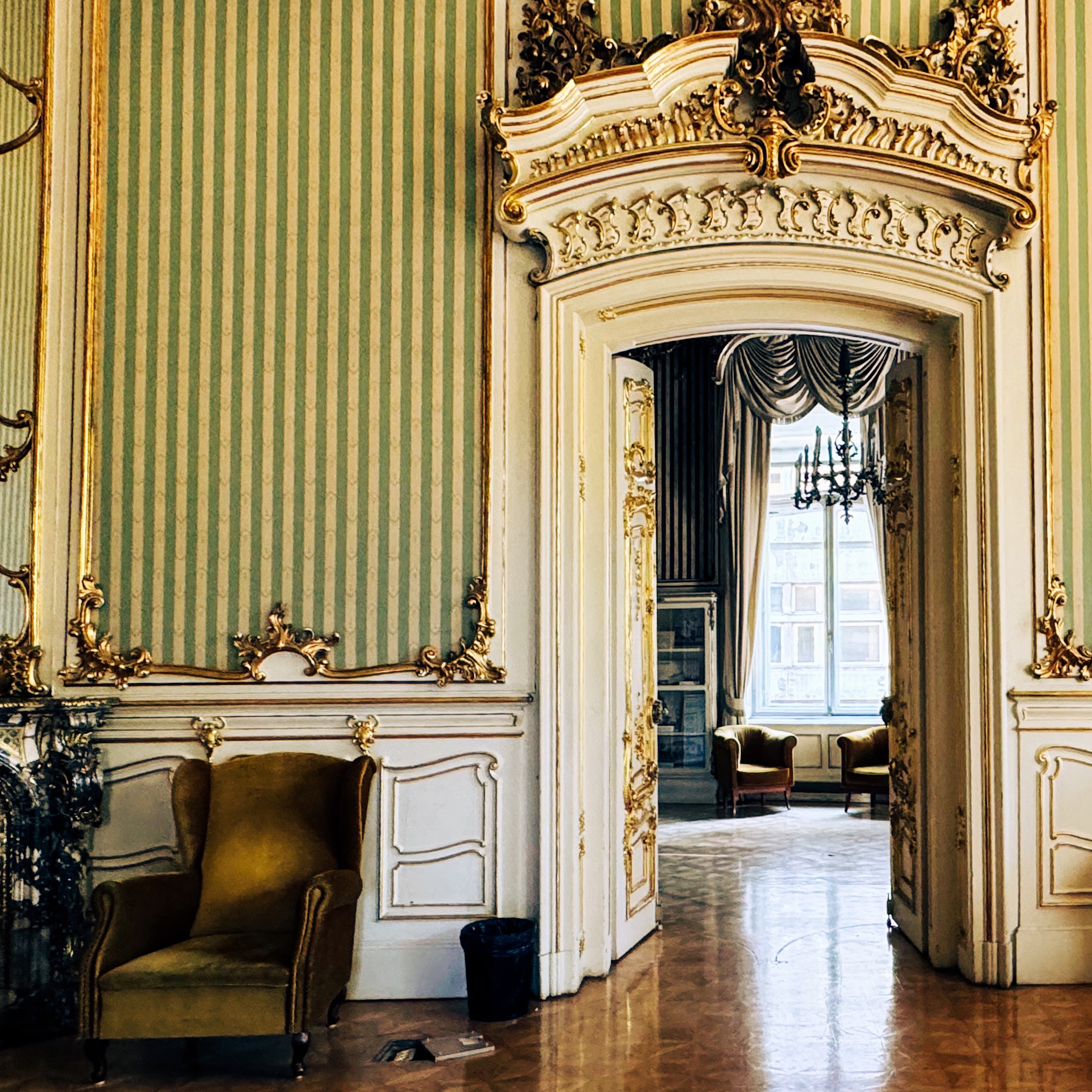
Some places just feel right for certain cakes — and this is one of them. Rákóczi túrós at Anna Café is a perfect example of how a classic Hungarian cake and a timeless Budapest café belong together.

A classic Hungarian cake in a timeless Budapest café

Rákóczi túrós is one of the most beloved traditional Hungarian desserts, and for good reason. It’s balanced rather than sweet, familiar rather than showy, and deeply connected to Hungarian café culture. A soft pastry base, creamy túró filling, a thin layer of apricot jam, and that light, slightly crisp meringue on top — every layer has its role.

This is the kind of cake Hungarians order instinctively, without reading the menu twice.

The cake: a Hungarian classic

Rákóczi túrós isn’t about reinvention.
It’s about getting the proportions right.

When it’s well made, the filling is creamy but not heavy, the jam adds just enough brightness, and the meringue gives a gentle contrast in texture. It’s a cake that invites you to slow down — ideally with a coffee, a proper plate, and time to enjoy it without rushing.

It’s no coincidence that this dessert belongs in a classic café setting.

The café: Anna Café in Budapest

That’s exactly why Anna Café feels like such a natural match.

Anna Café is one of those places that fits effortlessly into Budapest’s historic café tradition. Elegant interiors, high ceilings, and a calm, welcoming atmosphere make it an easy choice whether you’re stopping for cake, coffee, or a longer break in the city.

The location by St. Stephen’s Basilica is a favourite of mine — central, beautiful, and ideal for a quiet café moment in the middle of the city.

More than one café, more than one mood

One of the things I love about Anna Café is that it isn’t just one place — it’s a small collection of cafés, each with its own rhythm.

In summer, I often choose the Anna Café near the Central Market Hall, where sitting outside feels relaxed and local, especially after a walk through the market or along the Danube.

In the evening, the Anna Café on Váci Street has a completely different energy. The lights, the movement of the street, and the option to switch from coffee to a glass of wine make it a lovely place to end the day.

Different locations, different moods — but the same sense of quiet elegance.

A café moment as part of the Budapest food experience

Exploring Budapest through food isn’t only about restaurants or markets — it’s also about slowing down in a local café. On my Budapest foodie tours, I always encourage visitors to experience both sides of the city’s culinary culture: hearty Hungarian dishes and the quieter pleasure of coffee and cake. A stop at a classic café, whether for Rákóczi túrós or another traditional dessert, is often what turns a good food experience into a truly memorable one.

Why this combination works

Some Budapest cafés are perfect for trends. Others are perfect for traditions.

Rákóczi túrós and Anna Café belong together because neither is trying to be more than it is. They represent the kind of Budapest café experience that has lasted for decades: well-made classics, comfortable surroundings, and moments that don’t need explaining.

Rákóczi túrós, the way I love it — at Anna Café.

Part of my Budapest Cafés series, where classic cakes, beautiful interiors, and timeless café moments come together.

Rákóczi túrós at Anna Café | Classic Hungarian Cake in Budapest

Budapest is often called the City of Baths, and this title is far more than a poetic nickname.
Thanks to its natural thermal springs, bathing has been part of daily life here for centuries – shaping the city’s culture, architecture, and rhythms of everyday living.

With historic thermal baths, mineral-rich waters, and year-round outdoor pools, Budapest is one of the world’s most important spa cities.

A city built on natural thermal springs

Budapest lies on a unique geological fault line where 123 natural thermal springs reach the surface. These waters have been used since Roman times, making Budapest a bathing destination for nearly 2,000 years.

The Romans built the first bath complexes here, followed by Ottoman-era Turkish baths in the 16th century. Later, in the 19th and early 20th centuries, elegant spa buildings transformed bathing into a social and cultural ritual.

What makes Budapest special is that this tradition never disappeared – it simply became part of modern life.

Thermal baths are part of everyday life in Budapest

Unlike many spa cities, Budapest’s thermal baths are not just tourist attractions.
Locals visit them regularly – before work, after work, or as part of their weekly routine.

You’ll often see elderly men playing chess in warm water, friends chatting in outdoor pools, or couples quietly relaxing together. For Hungarians, bathing is linked to health, stress relief, and well-being, but also to habit and community.

It’s normal life – just warmer.

Historic baths and stunning architecture

Budapest’s baths are as famous for their architecture as for their thermal water.
Each one reflects a different period of the city’s history, from Ottoman domes to grand 19th-century spa palaces.

The most famous is Széchenyi Thermal Bath, one of Europe’s largest thermal bath complexes. Its outdoor pools are open year-round and are especially atmospheric in winter, when steam rises into the cold air.

Another architectural gem is Gellért Thermal Bath, known for its Art Nouveau design, mosaics, and stained glass.
Please note: Gellért Thermal Bath is currently closed for renovations, with reopening planned in the coming years.

For a more historic experience, Rudas Thermal Bath offers an authentic Ottoman atmosphere with its 16th-century domed pool, still used much as it was centuries ago.

Locals often favour Lukács Thermal Bath, known for its strong medicinal waters and calmer, less touristy feel.

Even without bathing, these buildings alone tell the story of Budapest’s spa culture.

Bathing in Budapest in every season

One of the most iconic Budapest experiences is soaking in a steaming outdoor pool while it’s cold outside. Snow falling, warm mineral water, and historic surroundings create a scene you won’t forget.

Budapest’s thermal baths are open all year, making the city a great destination in any season. Winter offers a magical, calm atmosphere, while summer feels social and lively.

There is no bad time to visit a Budapest bath – only different experiences.

How to experience Budapest’s bath culture as a visitor

To truly enjoy Budapest’s thermal baths:

  • Slow down – bathing here is about relaxation, not rushing

  • Try thermal pools, not only swimming pools

  • Observe locals and follow their rhythm

  • Treat it as a cultural experience, not just a spa visit

Understanding the meaning behind the tradition makes the experience far more memorable.

Why Budapest truly is the City of Baths

Budapest’s bath culture is not a relic of the past – it’s alive and evolving. It connects ancient history with modern wellness, impressive architecture with everyday routines, and locals with visitors from around the world.

That’s why Budapest isn’t simply a city with baths. It’s a city defined by them.

If you’d like to understand Budapest’s thermal baths beyond just visiting one, my Budapest Baths walking tour explores the history, traditions, and everyday role of bathing in the city. We walk between historic bath buildings, talk about Ottoman and modern spa culture, and I share practical tips on how locals actually use the baths today.

It’s a relaxed, story-focused walk designed to help you experience Budapest’s bath culture with confidence and local insight.

Budapest Thermal Baths | City of Baths

Glass House Budapest is a Holocaust memorial shaped by solidarity, Carl Lutz’s rescue efforts, and the enduring presence of loss.

There are places in Budapest I can talk about easily. Cafés, streets, viewpoints, small local stories that make people fall in love with my city.

And then there are places like the Glass House. I hesitated for a long time before writing this. Not because the story isn’t important — but because it is. And because some places resist being turned into “content.”

A quiet building with a heavy story

From the outside, the Glass House is unassuming. It doesn’t announce itself. People walk past it every day without noticing, without knowing what happened here.

During the Second World War, this building became a place of protection and rescue. Under diplomatic protection, thousands of Hungarian Jews found temporary safety within its walls. It was a space where paperwork, courage, and quick decisions meant the difference between life and death.

It is often described as a story of heroism — and it is. But it is also inseparable from an overwhelming reality: the vast majority of Hungarian Jews were not saved.

Both truths exist here at the same time.

Carl Lutz and the courage to act

The story of the Glass House cannot be told without mentioning Carl Lutz, the Swiss vice-consul in Budapest during the final years of the war.

Using diplomatic protection papers — and by deliberately stretching their intended meaning — Lutz helped save tens of thousands of Hungarian Jews. The Glass House became one of the central locations of these rescue efforts, a place where documents, quick thinking, and moral courage offered a fragile form of protection.

What makes his actions especially striking is that he did not act as a hero in the grand, cinematic sense. He acted as a civil servant who chose responsibility over obedience, and humanity over safety.

His story reminds us that heroism is often quiet, bureaucratic, and deeply risky — and that it is always shaped by the terrible context in which it exists.

Heroism does not cancel loss

This is something I think about often when standing inside the Glass House. We need stories of courage. We need examples of solidarity, of people who chose to help when helping was dangerous. These stories matter deeply.

But they don’t soften the loss. They don’t balance the numbers. They don’t turn tragedy into something easier to carry.

The Glass House doesn’t offer comfort. It offers honesty.

Why this place still matters

It would be easier to keep this story in the past — to treat it as history, finished and safely contained behind museum walls.

But the questions it raises are not historical.

What do we do when laws are unjust? What responsibility do individuals have within broken systems? What does solidarity look like when it comes at a real personal cost?

The Glass House doesn’t answer these questions. It simply insists that we ask them.

A personal note

As a guide, I am often asked for “hidden gems.” Usually that means something charming, beautiful, Instagrammable.

The Glass House is hidden in a different way. It is hidden because it asks something of us. Time. Attention. Emotional presence.

I don’t share this place to recommend it lightly, and certainly not as a checklist item. I share it because remembering matters. Because courage deserves to be named. And because loss deserves to be acknowledged without being packaged or softened.

Some places are not meant to impress us. They are meant to stay with us.

The Glass House is one of them.

For me, that memory doesn’t end at the Glass House itself. Carl Lutz is commemorated elsewhere in Budapest too — in quiet plaques, memorials, and places you might pass without noticing unless you know what you’re looking for.

I find that fitting. His legacy isn’t contained in one building. It is scattered across the city, woven into its streets, just like the lives he helped save.

The Glass House is one of those places where that legacy feels especially close — where courage and loss exist side by side, and where remembering remains an active choice.

Glass House Budapest

Winter in Budapest can be cold — sometimes very cold. But that doesn’t mean it’s a bad time to visit. Quite the opposite.

Winter is when Budapest slows down, becomes more atmospheric, and reveals its cozy side. With the right balance of warm indoor experiences, short scenic walks, and smart planning, the city is a wonderful winter destination.

Here are my favourite things to do in Budapest when temperatures drop — all tried and tested as a local guide.

Thermal Baths: The Ultimate Winter Experience

If there’s one thing Budapest does better in winter than almost anywhere else, it’s thermal baths.

Stepping into hot, steamy water while the air around you is cold is a uniquely Budapest feeling — and winter is actually the best season for it.

Local tips:

  • Go early morning or late afternoon on weekdays

  • Outdoor pools feel warmer in winter than in summer

  • Take your time — this is not a rushed experience

Thermal baths are not just relaxing, they’re also deeply part of Budapest’s everyday life.

Beautiful Museums (Warm, Inspiring, Never Boring)

Budapest has several museums that are perfect for winter days — not only for their collections, but for their stunning interiors.

Museum of Fine Arts

Grand halls, classical architecture, and one of the best fine art collections in Central Europe. Even a short visit feels special.

Hungarian National Museum

A great place to understand Hungary’s history, with a beautiful staircase and calm atmosphere — ideal on a cold afternoon.

House of Music

A modern, interactive museum set in City Park. It’s engaging, creative, and works well even if you’re not a “museum person”.

Tip: Winter is perfect for museums because you don’t feel like you’re “missing out” on outdoor sightseeing.

Caves: The Perfect Temperature All Year Around

One of Budapest’s most underrated winter experiences is its cave system. Underground, the temperature stays pleasant and stable, making caves ideal no matter the weather outside.

Buda Hills Caves

A fascinating underground network beneath the Buda Hills, combining geology and history.

Cave Church

A unique church carved into the rock at the foot of Gellért Hill — atmospheric and memorable.

Hospital in the Rock

One of the most powerful museums in Budapest, telling the story of wartime and Cold War medicine in an underground hospital setting.

These places are not only warm — they’re also deeply connected to Budapest’s history.

Power Warm-Ups on Public Transport

Here’s a very local winter trick: use Budapest’s public transport strategically.

Trams and metro cars are well-heated and can double as short warm-up breaks between stops.

  • Take a scenic tram ride along the Danube

  • Use the metro to avoid long outdoor walks

  • Plan sightseeing in compact areas rather than crossing the city on foot

Budapest’s transport system is efficient, easy to use, and a lifesaver on freezing days.

Winter-Friendly Walking: Short, Scenic & Slow

Winter is not the season for long walks — and that’s perfectly fine.

Instead:

  • Explore one neighborhood at a time

  • Focus on streets, views, and atmosphere

  • Stop often for cafés or indoor breaks

This slower rhythm is exactly what makes winter in Budapest special.

The Best Way to Explore Budapest in Winter

Winter is the perfect time for:

  • Shorter, half-day private tours

  • Flexible routes adapted to the weather

  • Experiences that mix indoor and outdoor stops

Food-focused tours are especially enjoyable in cold weather — warm dishes, markets, and cafés make winter sightseeing both comfortable and memorable.

If you’re visiting Budapest in winter, I always recommend choosing experiences that work with the season, not against it.

You can explore my private Budapest tours, including shorter walks and foodie experiences, here.

Final Thoughts

Budapest in winter is not about rushing through sights. It’s about warmth, atmosphere, and discovering the city at a gentler pace. If you dress well, plan smartly, and embrace cozy experiences, winter might just become your favorite season in Budapest 🤍

Budapest in Winter ❄️ Cozy Things to Do When It’s Freezing

Snow has a way of transforming Budapest, Budapest in winter feels noticeably different. The familiar streets grow quieter, footsteps slow down, and the city reveals a softer, more intimate side. Winter in Budapest isn’t about rushing between sights — it’s about atmosphere, details, and moments that invite you to pause.

If you’re wondering whether Budapest is worth visiting in winter, the answer is a gentle but confident yes.

A Slower Side of Beautiful Budapest in Winter

When snow falls, Budapest feels more personal. Locals linger a little longer in cafés, parks feel almost private, and even the busiest areas take on a calm rhythm. This is when the city rewards those who enjoy slow travel — walking, observing, and letting places unfold naturally.

Winter light softens the architecture, and familiar landmarks feel less crowded and more contemplative. It’s a season for wandering without a strict plan, following quiet streets instead of highlights lists.

Walking Through a Snowy City

Budapest is a city made for walking, and winter emphasises this beautifully. Snow-covered paths along the Danube, peaceful parks, and residential streets offer some of the most memorable walks of the year.

Exploring on foot allows you to notice small details — the sound of trams in the snow, steam rising from café windows, and the contrast between warm interiors and the cold outside. These moments are often missed during busier seasons.

If you enjoy discovering cities at a relaxed pace, winter walks are an ideal way to experience Budapest. You can find more ideas and inspiration on my Budapest walking tours page, where I share different ways to explore the city beyond the obvious routes.

Winter Landmarks Without the Crowds

Some of Budapest’s most iconic sights feel especially atmospheric in winter. Snow highlights the lines of historic buildings, bridges feel more dramatic against a pale sky, and viewpoints offer crisp, clear perspectives.

  • The Hungarian Parliament and its surroundings in winter
  • Budapest’s bridges and how they connect the city’s two sides
  • Scenic riverside walks along the Danube

These places take on a quieter, more reflective character when the city slows down.

Winter is also an ideal time to explore Budapest’s museums, especially smaller, less crowded places that reward curiosity and attention to detail. If you enjoy discovering hidden cultural gems, you may like my visit to the Róth Miksa Memorial House, a beautifully preserved Art Nouveau museum that offers a quiet and inspiring indoor experience.

Warm Pauses Inside

One of the joys of Budapest in winter is the rhythm between outside and inside. After a walk in the cold, stepping into a café feels especially comforting. Foggy windows, warm drinks, and unhurried conversations are all part of the winter experience.

This balance — between exploration and rest — is what makes winter travel here so rewarding. It’s not about seeing everything, but about feeling connected to the city.

Is Winter the Right Time to Visit Budapest?

Winter is perfect for travellers who:

  • Prefer fewer crowds
  • Enjoy slow, mindful travel
  • Love photography and atmosphere
  • Want a more local, authentic experience

While days are shorter and colder, the city’s charm is unmistakable. Budapest doesn’t hibernate — it simply changes pace.

Discover Budapest at Your Own Rhythm

Whether you’re visiting for the first time or returning to see the city from a new perspective, winter offers a unique opportunity to connect with Budapest on a deeper level.

If you’d like help planning a personalised experience or exploring the city through thoughtful walks, feel free to visit my Contact page. I’m always happy to help you discover Beautiful Budapest — one moment at a time.

Budapest in winter

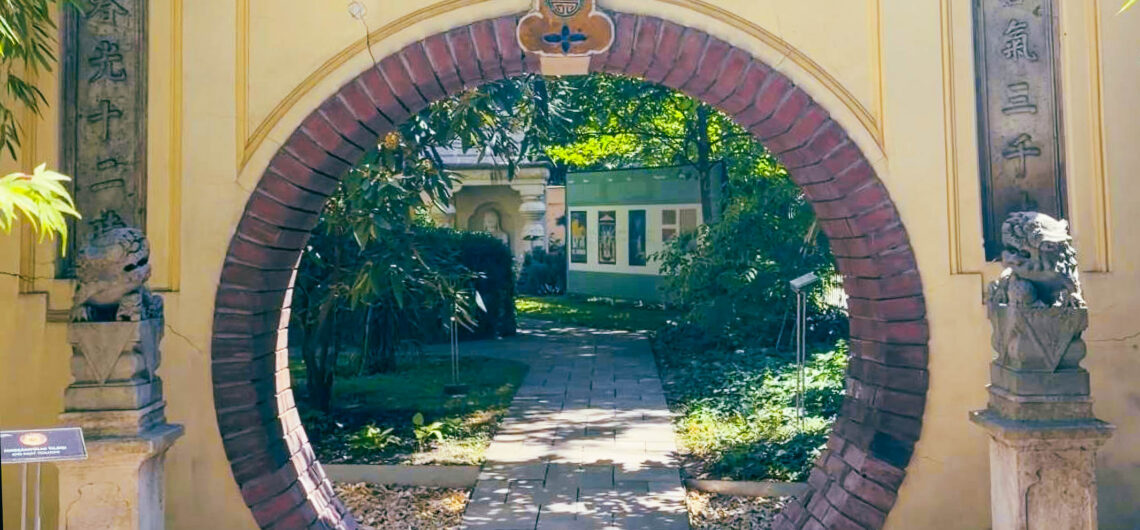
Budapest is world-famous for its grand architecture and historic cafés, but some of its most beautiful Art Nouveau treasures are much more intimate. Tucked away on a quiet street in the 7th district, the Róth Miksa Memorial House is one of those rare places that feels like a personal discovery rather than a tourist attraction.

This small museum offers a different way of experiencing Budapest: through colour, light, and craftsmanship — the very elements that define the city’s Art Nouveau heritage.

Who was Róth Miksa?

Róth Miksa was one of Hungary’s most important masters of stained glass and mosaic art at the turn of the 19th and 20th centuries. His works can still be admired across Budapest, decorating churches, public buildings, and elegant private interiors.

What makes this museum especially meaningful is that it was once his home and workshop. Visiting it feels less like walking through an exhibition and more like stepping into the personal world of an artist whose creations quietly shaped the city’s visual identity.

Many of the themes and techniques you see here reappear throughout Budapest — once you notice them, you start spotting Art Nouveau details everywhere.

What makes this museum so special?

The Róth Miksa Memorial House is small, but rich in atmosphere. Original stained glass windows fill the rooms with soft, colourful light, while mosaics and decorative details reveal the incredible level of craftsmanship behind each piece.

Unlike larger museums, this is a calm and immersive experience. You’re not rushing from room to room — instead, you’re invited to slow down and really observe. It’s one of those places where even visitors who don’t usually enjoy museums find themselves lingering.

If you’re interested in Art Nouveau architecture, design, or photography, this museum offers endless inspiration in a very compact space.

Why I recommend it as a local guide

As a Budapest-based guide, I often look for places that help visitors understand the city’s layers, not just see its highlights. This museum does exactly that.

It’s:

  • ideal on a cold, rainy, or winter day

  • perfect for travellers who appreciate beauty without crowds

  • easy to combine with a café stop or a relaxed walk

  • a wonderful introduction to Budapest’s Art Nouveau world

A visit usually takes 30–45 minutes, but what you learn here adds depth to everything you see afterwards — especially when exploring other Art Nouveau buildings around the city.

This is why stops like this naturally fit into my Art Nouveau-focused walks. That’s where details, stories, and connections bring the architecture to life.

Practical tips for visiting

  • Location: District VII, close to the city centre

  • Visit length: Around 30–45 minutes

  • Best for: Art Nouveau lovers, photographers, couples, curious travellers

  • Good to know: The museum is small and intimate with limited opening hours — part of its charm

If you enjoy discovering places that feel authentic rather than crowded, this museum is a wonderful addition to your Budapest itinerary.

Seeing Budapest through Art Nouveau details

The Róth Miksa Memorial House is proof that some of Budapest’s most memorable experiences happen behind unassuming doors. It’s quiet, refined, and deeply connected to the city’s artistic heritage.

For visitors who want more than just the main sights, exploring Budapest through its Art Nouveau details offers a completely different perspective on the city. Stained glass, mosaics, façades, and hidden interiors reveal a quieter, more refined side of Budapest.

If this way of discovering Budapest speaks to you, feel free to explore my guided walks or get in touch — I’m always happy to help you experience the city beyond the obvious.

Sometimes, the most beautiful stories in Budapest are told through glass, light, and quiet craftsmanship.

Róth Miksa Memorial House – A Hidden Art Nouveau Gem in Budapest

As a Budapest private tour guide, I spend my days sharing streets, stories, cafés, and viewpoints with visitors from all over the world. And while I’ve guided tours for years, this past season felt especially reflective. Slower. More intentional.

Every year, Budapest shows me something new — not because the city changes, but because the people walking through it do.

As the year comes to an end, I wanted to pause and share a few thoughts — not a checklist of highlights, but the moments and lessons that stayed with me, and how they’re shaping the way I’m preparing for 2026.

What Surprised Me This Year

I was reminded, again and again, that people don’t fall in love with Budapest because of facts.

They fall in love with:

  • a quiet park they didn’t expect

  • a café that felt like “their place”

  • a story that suddenly made history personal

  • the feeling of not being rushed

Some of the most meaningful moments happened far away from the famous landmarks. A slow walk in Buda. A spontaneous coffee stop. A question that turned into a long conversation.

It surprised me how often guests told me at the end of a tour:

“This felt like walking with a local friend.”

That, more than anything, stayed with me.

What I Refined as a Private Budapest Tour Guide

This year helped me clarify what kind of guiding matters most to me.

I learned that:

  • Slower is better — fewer places, deeper experiences

  • Customisation beats itineraries — every guest brings a different curiosity

  • Listening is as important as storytelling

Budapest has so many layers. You can’t rush it or reduce it to a highlights reel. The more space I leave for questions, pauses, and personal interests, the more meaningful the experience becomes — for my guests and for me.

Private guiding isn’t about efficiency.
It’s about connection.

What I’m Letting Go Of

I’m gently letting go of the idea that a “good tour” needs to include everything.

  • Not every walk needs to be packed.
  • Not every story needs to be told at once.
  • Not every moment needs an explanation.

Sometimes the city speaks for itself — and my role is simply to create the space for that to happen.

What Excites Me About 2026

Looking ahead, I’m feeling excited and inspired.

In 2026, I want to focus even more on:

  • hidden gardens, quiet streets, and local favourites

  • thoughtful walks through history, especially for returning visitors

  • helping guests feel confident, not overwhelmed, in Budapest

I’m also preparing behind the scenes to open bookings for 2026 in January, with updated details and carefully refined experiences — shaped by everything this past year has taught me.

Until Then…

Budapest is a city you can visit many times and still discover something new — and guiding here continues to teach me just as much as it teaches my guests.
If Budapest is on your list for the coming year, I’d love to share it with you — at the right pace, in your own way.

Until then, thank you for following along, reading, and walking this city with me, even from afar.

See you in Budapest — soon.

A Year as a Budapest Private Tour Guide | Looking Ahead to 2026

The Budapest Christmas trams are one of the most magical signs that winter has arrived in Budapest.
As the days grow shorter and the air turns crisp, thousands of tiny lights begin to move through the city, transforming everyday journeys into moments of quiet wonder.

Every December, Budapest begins to glow in a very special way. Streets, bridges, and public squares are softly illuminated, but some of the most enchanting lights are not fixed in place. They travel gently through the city, reminding us that beauty can appear when we least expect it.

Among Budapest’s winter traditions, the Budapest Christmas trams stand out for their simplicity. There are no announcements or performances — just familiar trams wrapped in thousands of tiny lights, gliding through neighbourhoods and along the river. Locals pause on the pavement to watch them pass. Visitors lift their cameras. For a brief moment, the city seems to slow down.

Christmas in Budapest is atmospheric rather than overwhelming. It’s about warm drinks on cold evenings, softly lit streets, and small details that reveal themselves when you take the time to notice them. Watching the trams roll by has become a favourite winter ritual, and a gentle reminder of why Budapest Christmas trams have become such a beloved seasonal symbol.

For me, these glowing journeys represent more than festive decoration. They reflect something deeper about winter travel — the joy of slowing down, observing everyday life, and finding light even on the darkest evenings.

A small note for travellers

During the Christmas period, I take a short seasonal break and don’t run private tours, allowing time to recharge and enjoy the holidays myself. However, I’m already looking ahead to the New Year and would be very happy to accommodate tour requests from January onwards.

If you’re planning Christmas in Budapest or considering a winter visit in the coming months, I’d love to help you create a personalised experience once the new season begins. From hidden viewpoints and quiet neighbourhoods to local stories and everyday life, winter in Budapest offers its own quiet magic.

A new year always brings new walks, new conversations, and new moments shared in this beautiful city. I’m very much looking forward to welcoming travellers back and creating meaningful experiences together in the months ahead.

Wishing you a peaceful holiday season and a bright start to the New Year.


Finding the light in Beautiful Budapest

There are places in Budapest that I love to recommend to visitors — and then there are places I personally return to again and again. Rudas Baths is one of my weekly rituals, a sanctuary where history, wellbeing, and pure tranquillity blend into the perfect winter escape.

What I love most about Rudas Baths is its harmony of tradition and modern comfort: the quiet, atmospheric Turkish section where centuries of bathing culture surround you, and the bright, rejuvenating wellness area where you can unwind in warm thermal pools or gaze at the Danube from the rooftop jacuzzi.

As the Christmas season approaches and the city becomes a whirl of markets, lights, and celebrations, Rudas Baths becomes my favourite place to warm up and slow down — a gift I give myself every week, and one I absolutely recommend gifting to yourself too.

General Information About Rudas Baths

Rudas Baths is open every day, including holidays, from 6:00 AM to 8:00 PM. Cash desks close one hour before closing, and the pools must be vacated 20 minutes prior.

Turkish Bath Gender Days

The historic Turkish Bath section follows a traditional schedule on weekdays:

  • Men-only: Wednesday (full day) Monday, Thursday, Friday (morning hours, usually until 10:45 AM)

  • Women-only: Tuesday (full day)

  • Co-ed sessions: Every day from 11:00 AM to 8:00 PM, plus all weekend long

During the holiday period (19 Dec – 6 Jan), the Turkish Bath is co-ed all day — a great bonus if you want to visit with your partner or friends.

Christmas & New Year Opening Hours

  • December 24: 6:00 – 13:00

  • December 25–26: 10:00 – 20:00

  • December 31: 6:00 – 18:00 (plus late-night bathing 21:00 – 3:00)

  • January 1: 10:00 – 20:00

Perfect for relaxing between Christmas shopping, festive meals, and exploring Budapest’s winter lights.

The Magic of the Turkish Bath

The heart of Rudas Baths is the 16th-century Ottoman dome, one of the most atmospheric historic bath halls in Budapest. An octagonal pool sits beneath coloured glass skylights that cast soft, warm light through the steam — a scene that hasn’t changed much in centuries.

The thermal water here is rich in minerals, known for its soothing effect on muscles and joints. Whether I go early in the morning when the hall is peaceful and quiet, or in the afternoon when sunlight filters through the dome, the feeling is always the same: grounding, calming, and deeply restorative.

Wellness, Thermal Pools & Rooftop Views

Beyond the historic part, Rudas Baths has a modern wellness wing with warm pools at different temperatures, whirlpools, a large swimming pool, and a rooftop jacuzzi with panoramic Danube views.

It’s one of the best ways to experience winter in Budapest — sitting in hot water, looking out over the river and the hills while cold air swirls around you.

Saunas & Steam Rooms — The Best in Budapest

If you love sauna culture, Rudas Baths is unmatched in the city. The sauna world here is extensive, beautifully maintained, and simply one of the best in Budapest.

Finnish Saunas

High-heat, dry saunas perfect for deep relaxation and detox.

Aroma & Light Therapy Rooms

Gentler heat with calming scents or colours for mental relaxation.

Steam Rooms

These are truly outstanding — hot, thick steam with eucalyptus or herbal infusions. Ideal for clearing the mind and skin, especially in winter.

Cold Plunge Pools

A refreshing contrast after heat therapy, great for circulation.

Infrared Sauna

A soothing option that warms the body from within.

I often spend an entire hour just rotating between sauna, steam, plunge, rest, repeat — it’s the kind of ritual that makes you feel brand new. We also include the baths in the Budapest Baths tour. Let me know if you are interested in learning more about Budapest bath culture.

Tips for Visiting Rudas Baths

  • Arrive early to enjoy quieter hours.

  • Bring flip-flops and a towel — mandatory in most areas.

  • Visit the Turkish Bath at least once for the full historic experience.

  • Book ahead around Christmas week; it’s one of the most popular times of year.

Why Rudas Baths Makes the Perfect Pre-Christmas Gift

Between the festive markets, mulled wine, city lights, and the holiday rush, taking an hour or two to slow down becomes the greatest luxury. Whether you’re a visitor or a local, Rudas Baths offers the perfect balance of wellness, history, and winter warmth.

It’s the kind of gift we rarely give ourselves — and the one we appreciate the most.


Rudas Baths Budapest: The Perfect Winter Escape

The Best Food & Drinks at Budapest Christmas Markets (2025 Edition)

Budapest Christmas markets are magical every year — glowing lights, wooden craft stalls, mulled wine simmering in the air, and the comforting aroma of freshly cooked Hungarian classics. Whether you’re wandering Vörösmarty tér, the Basilica Christmas Market, or one of the smaller neighbourhood fairs, these are the must-try foods and drinks of the 2025 festive season. With my passion for Hungarian food and my ongoing mission to find the best bites in Budapest, these are the Christmas market dishes I always recommend to my guests.
What to Eat at the Budapest Christmas Markets

1. Goulash Soup in a Bread Bowl

A true Hungarian winter favourite! Rich and thick paprika broth, tender beef, vegetables — all ladled into a warm, crusty bread bowl. It’s satisfying, it’s authentic, and it warms you up instantly. Interested in my secret recipe
Local tip: Eat the inside first, then tear off the sides — that’s where all the flavour has soaked in.

2. Grilled Hungarian Sausages

Smoky, flame-grilled kolbász or the softer hurka are staples of the market food stalls.
Best with: golden mustard, pickles, and fresh bread.

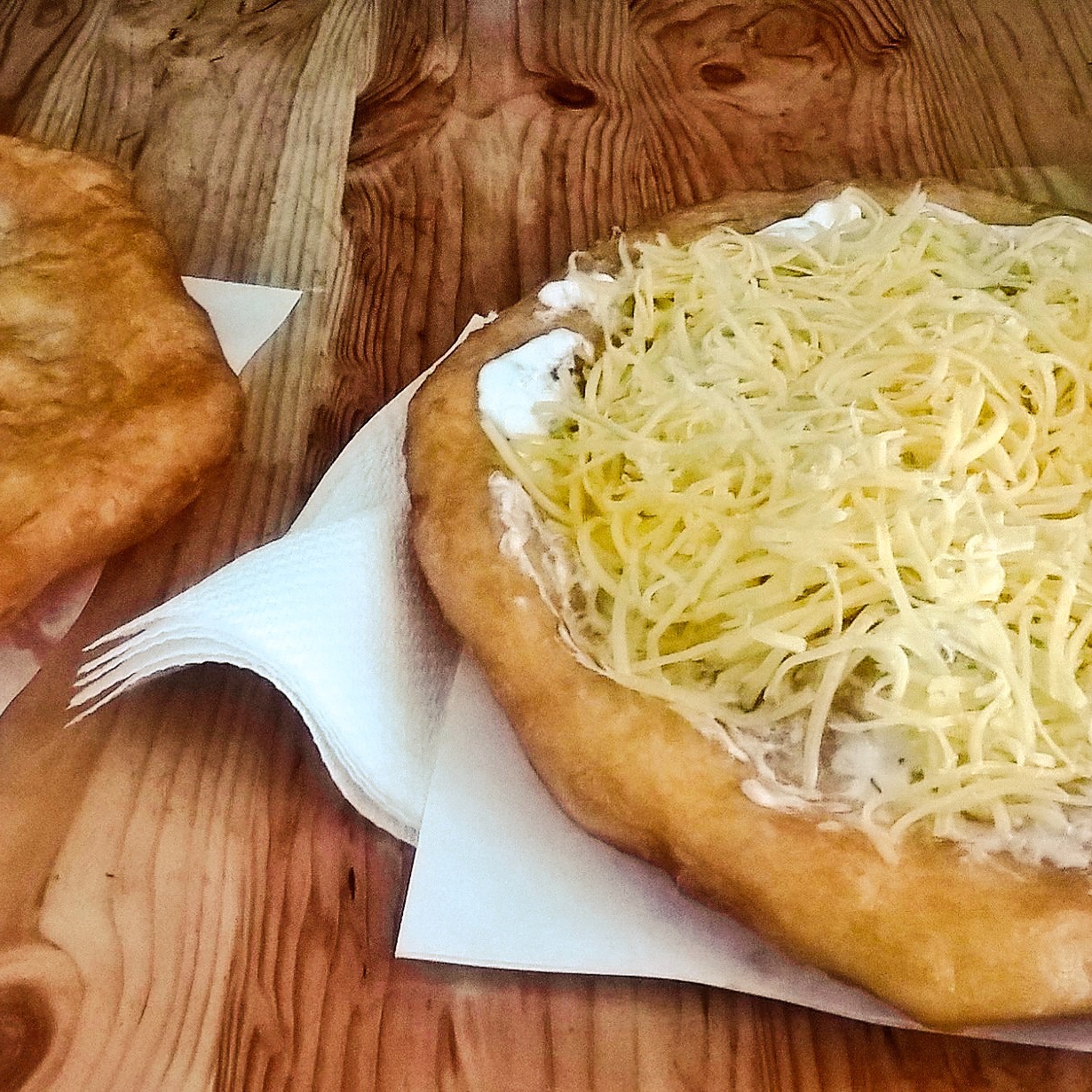
3. Lángos (with Sour Cream & Cheese Only!)

Lángos is the queen of Hungarian street food. At the Christmas markets, I always recommend the classic:
✔️ tangy sour cream
✔️ grated cheese
Simple, traditional, and absolutely delicious.

4. Chimney Cake (Kürtőskalács) — Only the Charcoal-Grilled Version

If you want the real deal, look for stalls using real charcoal. The dough becomes perfectly caramelized on the outside and soft inside. Try the classic flavours: vanilla, cinnamon, or walnut. No ice cream, please 🙂

What to Drink at the Budapest Christmas Markets

1. Hot Chocolate (with Optional Gin!)

Thick and creamy Hungarian hot chocolate is already a treat — but some vendors add gin, turning it into a festive adult dessert in a cup.

2. Spicy Hot Apple (Almás Puncs)

Warm, fruity, and full of cinnamon and clove. It’s perfect if you prefer something lighter than mulled wine.

3. Forralt Bor (Mulled Wine)

No Christmas market visit is complete without it. Budapest’s version is less sugary, more aromatic, and often made with proper wine — look for stalls with large metal kettles.

4. Hot Aperol

A newer tradition but a big crowd favourite: citrusy, slightly bitter, warming, and Instagram-worthy.

Want to Visit the Budapest Christmas Markets With Me?

If you’re visiting Budapest in December, I’d love to show you the Christmas markets during one of my private walking tours.
We can include the most beautiful festive spots, amazing viewpoints, and of course — my favourite food stalls.

👉 Explore my private walking tours here:
https://lovefromhungary.com/tour-category/budapest-private-walking-tours/

If food is your passion, join me for a Foodie Tour in December — and we can enjoy tastings right at the Christmas markets!
👉 December foodie tours:
https://lovefromhungary.com/tours/foodie-tour/

It’s the most delicious way to experience Budapest at Christmas. Don’t hesitate to contact me if you need more details or would like to book a tour!


Top 7 Foods and Drinks to Try at Budapest Christmas Markets!

Most visitors cross it. Few know its story.

The Chain Bridge isn’t just a beautiful structure connecting Buda and Pest — it’s the bridge that changed Hungary. Before it existed, winter ice and ferry delays separated the two sides of the Danube. One tragic moment turned that inconvenience into a bold vision: to build a permanent connection that would unite a city — and a nation.

It all started with a funeral

In 1820, Count István Széchenyi — one of Hungary’s greatest reformers — missed his father’s funeral. The ferry couldn’t cross the river due to bad weather, and there was no bridge to take him from Pest to Buda. Heartbroken and frustrated, he made a promise: Hungary would have a bridge that connected both sides year-round. That promise became the Széchenyi Chain Bridge.

Building the Chain Bridge Budapest: A Marvel of Engineering

When construction began in the 1830s, the Chain Bridge was one of the most ambitious civil engineering projects in Europe. It was designed by English engineer William Tierney Clark and built by Adam Clark, a Scottish engineer (and namesake of Clark Ádám tér on the Buda side).

It officially opened in 1849 and became the first permanent bridge across the Danube in Hungary. Its suspension design was cutting-edge at the time — and symbolised progress, unity, and independence.

Chain Bridge Budapest: The Lion Legend & Missing Tongues

Four massive stone lions guard the entrances of the bridge. There’s a popular urban legend that the sculptor, János Marschalkó, forgot to carve tongues on them — and, in his shame, jumped into the Danube.

The truth? The lions do have tongues. They’re just not visible unless you look very closely from above.

This myth has survived for generations — and it’s one of the stories I love sharing on my tours. Budapest has a knack for hiding the truth in plain sight.

How the Chain Bridge Budapest Survived War and Reborn

In 1945, during World War II, retreating German troops destroyed the bridge along with all others in Budapest. Only the stone pillars remained. But just like the city itself, the bridge rose again. It was carefully reconstructed and reopened in 1949 — exactly 100 years after its original inauguration.

From your private tour guide

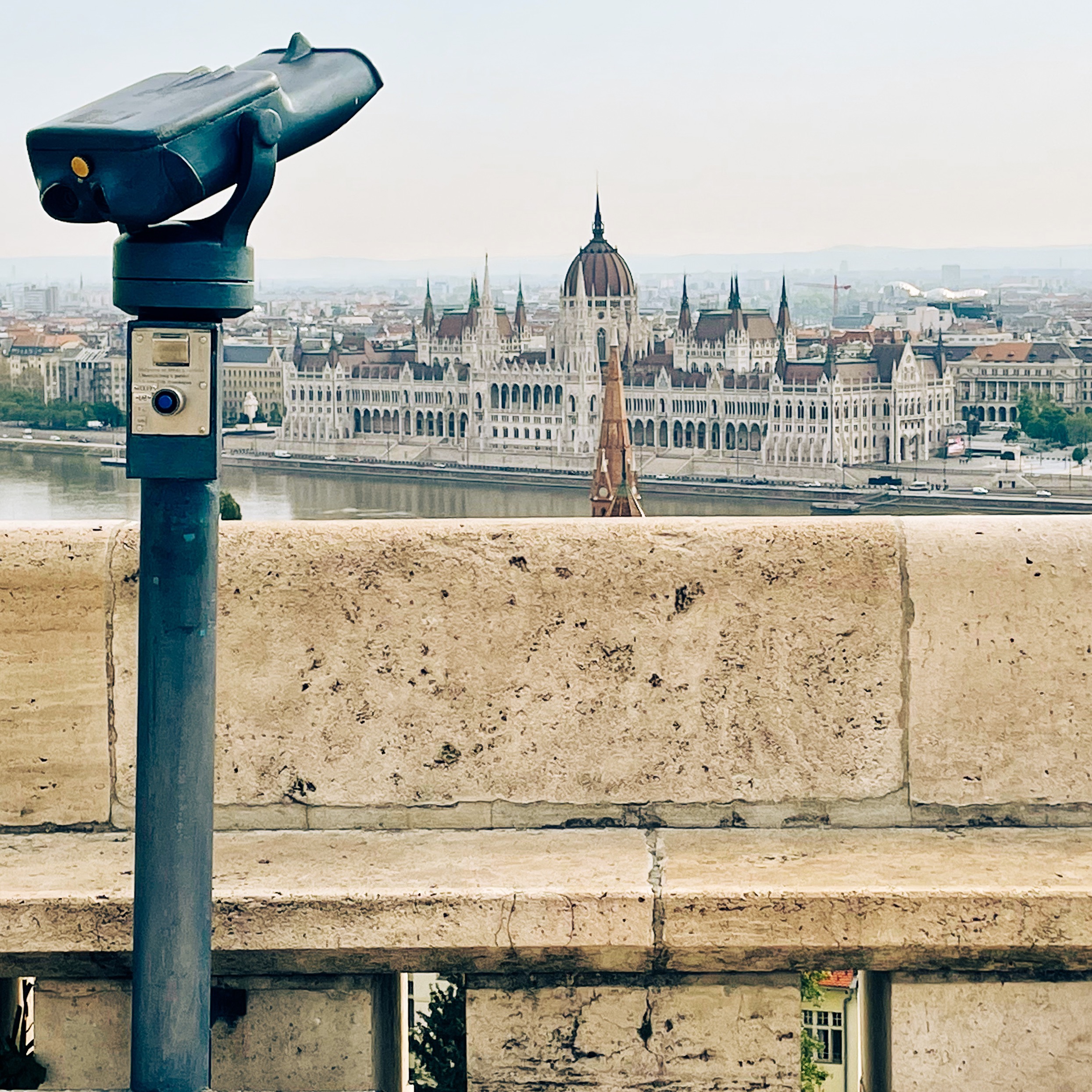
Whenever I guide a walking tour across the Chain Bridge, I pause in the middle and encourage my guests to look both ways. Behind us, Buda Castle rises like a fortress. Ahead, Parliament glows on the Pest side. This bridge isn’t just a route — it’s a symbol of resilience. Of connection. Of Budapest’s unbreakable spirit.

Local tip

Visit just before sunset to catch the golden glow on the river and buildings. And after dark, the bridge is beautifully lit — a perfect, romantic walk for couples or a quiet pause for solo travelers.

Want to explore it with me?

I include the Chain Bridge in many of my private walking tours — and always tailor the experience to your pace, interests, and curiosity. If you’d like to hear more stories like this in person, I’d love to show you the real Budapest.

  • Book a private tour with me here
  • Have questions? Reach out to me directly — I’m happy to help you plan the perfect Budapest experience.
  • And if you enjoyed this post, keep reading my blog for more hidden stories, local tips, and unforgettable sights in Budapest.

Fisherman’s Bastion is without a doubt one of the most photographed and iconic sights in Budapest. Perched high on Castle Hill, this fairytale-like terrace offers breathtaking panoramic views over the Danube, the Hungarian Parliament, and the entire Pest side of the city. Its whimsical turrets, staircases, and white-stone arches draw visitors from around the world — and once you see it, you’ll understand why.

What makes Fisherman’s Bastion truly special is how photogenic and inviting it is from every angle. Whether you’re capturing the early morning light, the towers framed by the neighbouring Matthias Church, or simply walking beneath its arches, each view offers something new. It’s one of those rare places that feels different every time you visit.

To fully experience this magical spot, I recommend joining my Buda Castle Walk — a private tour that explores the history, legends, and hidden corners of the castle district. If you prefer a broader look at the city that includes this highlight, my Full-Day Budapest Tour by Car also includes a scenic stop at Fisherman’s Bastion with plenty of time to explore. Don’t hesitate to contact me for more details or ideas!

Originally built in the late 1800s to celebrate 1,000 years of Hungary, the Bastion is more about beauty than battle — a tribute to the fishermen who once protected this stretch of the medieval walls. Today, it’s a peaceful, inspiring place to slow down and take in the soul of Budapest.

Personal tip: If you’d like to take photos like me, with no people in them, it’s best to visit early in the morning — it’s when the Bastion is at its quietest and most magical.

Curious about the Bastion’s story? This History Tools article dives deep into its medieval defense roots, the fishermen’s role, the Neo‑Romanesque design by Frigyes Schulek, and the significance of its seven symbolic towers.

There’s something truly magical about Budapest that never fades, no matter how many times I walk its streets. From the golden light of sunrise over the Danube to the glow of Parliament at night, every hour brings a new kind of beauty. I love capturing these moments—quiet alleys, bustling markets, soft reflections on the river—each one telling a part of the city’s story.

Taking photos and videos here isn’t just about visuals; it’s about emotion, rhythm, and the atmosphere of everyday life. With every shot, I try to preserve the feeling of being here: the laughter from a café, the hush in a church, the buzz of trams gliding by. Creating this video is my way of sharing that energy, that intimacy, that wonder. Budapest always gives me something new to fall in love with—and I hope you feel a bit of that in every frame.

As a private Budapest tour guide, I’ve had the joy of leading over 2,000 tours in this incredible city—and I can honestly say that every single one has been special. No two tours are ever the same—because no two travellers are ever the same. That’s what makes being a private Budapest tour guide so rewarding.

Some come for the history, others for the food and wine, and many are simply curious to understand what makes this city so magical.

From Strangers to Friends

Whether it’s a half-day stroll through Pest or a full-day adventure across both sides of the Danube, something remarkable always happens.

We start as strangers, but somehow, by the end of the tour, we’re sharing stories like old friends. There’s a closeness that naturally forms when walking through streets filled with meaning and memory. As a result, these moments stay with me long after the tour is over.
Budapest Through My Eyes

Every corner I show holds personal significance—these aren’t just stops on a route; they’re part of my life in Budapest. For example the grandeur of Andrássy Avenue while the quiet courtyards of the Jewish Quarter still feel like hidden gems.

The Magic of a Shared Experience

I love seeing the city through fresh eyes again and again. Watching someone fall in love with Budapest—often without even realising it—is one of the best parts of my job. In fact, I especially love that moment when I catch the first sparkle in their eyes, when I know the city has started to work its magic on them.

Of course, it’s not just about sharing facts—though of course, I share plenty! It’s about creating an experience that reflects each guest’s curiosity, energy, and pace.

Tailored Tours, Every Time

Some guests want slow, thoughtful conversations about architecture and culture; others are eager to try lángos at the market or sip some sparkling wine in Etyek. Either way, I’m here for all of it.

These moments—spontaneous, personal, and often funny—make each tour unforgettable for me too. After all, that’s what makes being a private Budapest tour guide so rewarding.

Budapest is always changing, but it never loses its beauty. And after all these years, I still feel incredibly lucky to call it home—and to share it with others.

Let Me Show You Around

If you’re planning a trip, I’d be honoured to show you around the city that I love. Whether you’re after history, food, or just a warm local connection, consider booking with a private Budapest tour guide who truly knows the heart of the city.

The past few weeks have been filled with unforgettable moments shared with wonderful guests on my food and wine tours across Hungary. From tasting delicious local wines in wine cellars to wandering through bustling markets in Budapest, it’s been a joy to introduce travellers to the authentic flavours of this beautiful country. Every private tour brings new connections, unique stories, and plenty of delicious discoveries.

I’ve gathered a few short clips to share the atmosphere and magic of these recent experiences—full of laughter, learning, and of course, lots of wine! Whether you’re looking for a city-based adventure or a countryside escape, there’s something for every kind of traveller.

If you’re feeling inspired, here are a few tours you might enjoy:
🍷 The Budapest Culinary & Etyek Wine Tour blends urban food culture with a scenic vineyard visit – a true taste of both worlds.
🥖 The Budapest Foodie Tour is perfect for curious eaters wanting to dive into local flavors and hidden gems.
🍇 And the Eger and Wine Tour is a beautiful day trip that combines history, countryside charm, and some of Hungary’s best reds.

You can find all the details and book your next experience here:
👉 https://lovefromhungary.com/tour-category/private-hungary-budapest-food-wine-tours/

Looking forward to sharing a table with you soon!

If you’re looking for a meaningful escape from the city, this private day trip from Budapest to Gödöllő and Hollókő offers a perfect blend of aristocratic elegance and authentic village charm. This full-day, privately guided experience invites you to discover two of Hungary’s most treasured destinations—one rooted in royal Baroque grandeur, the other in timeless rural tradition.

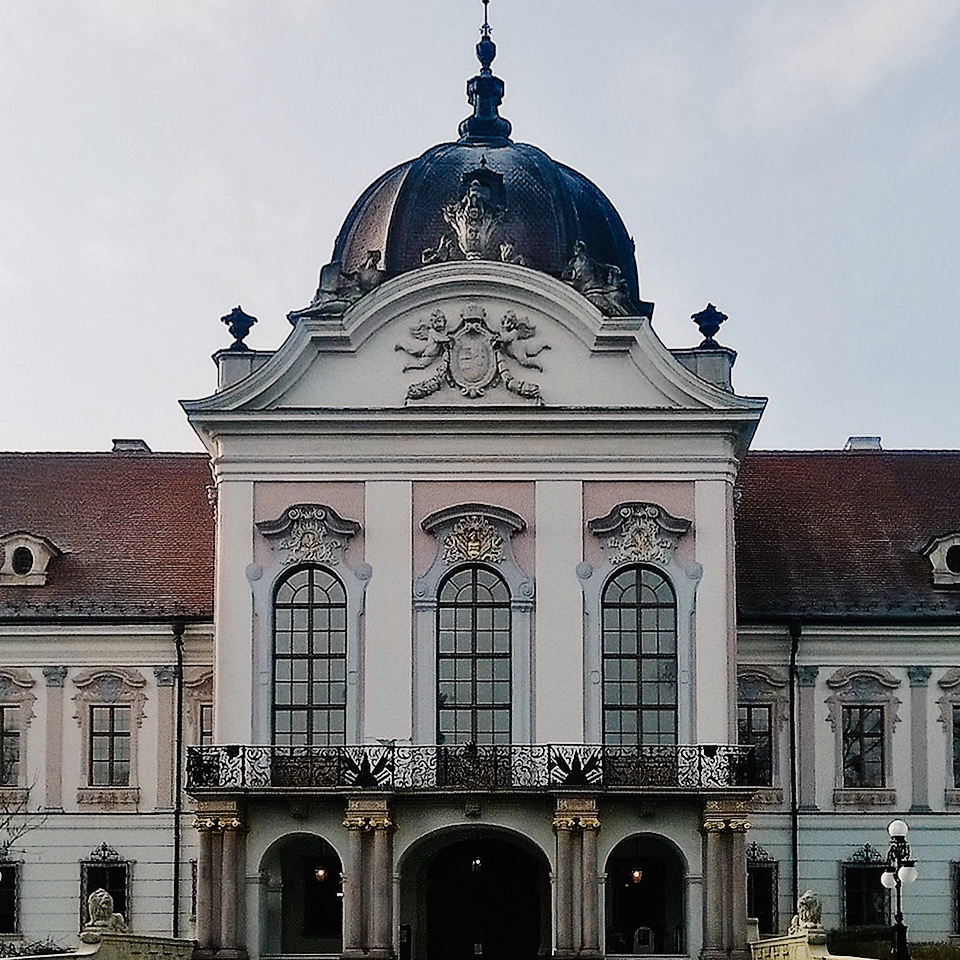
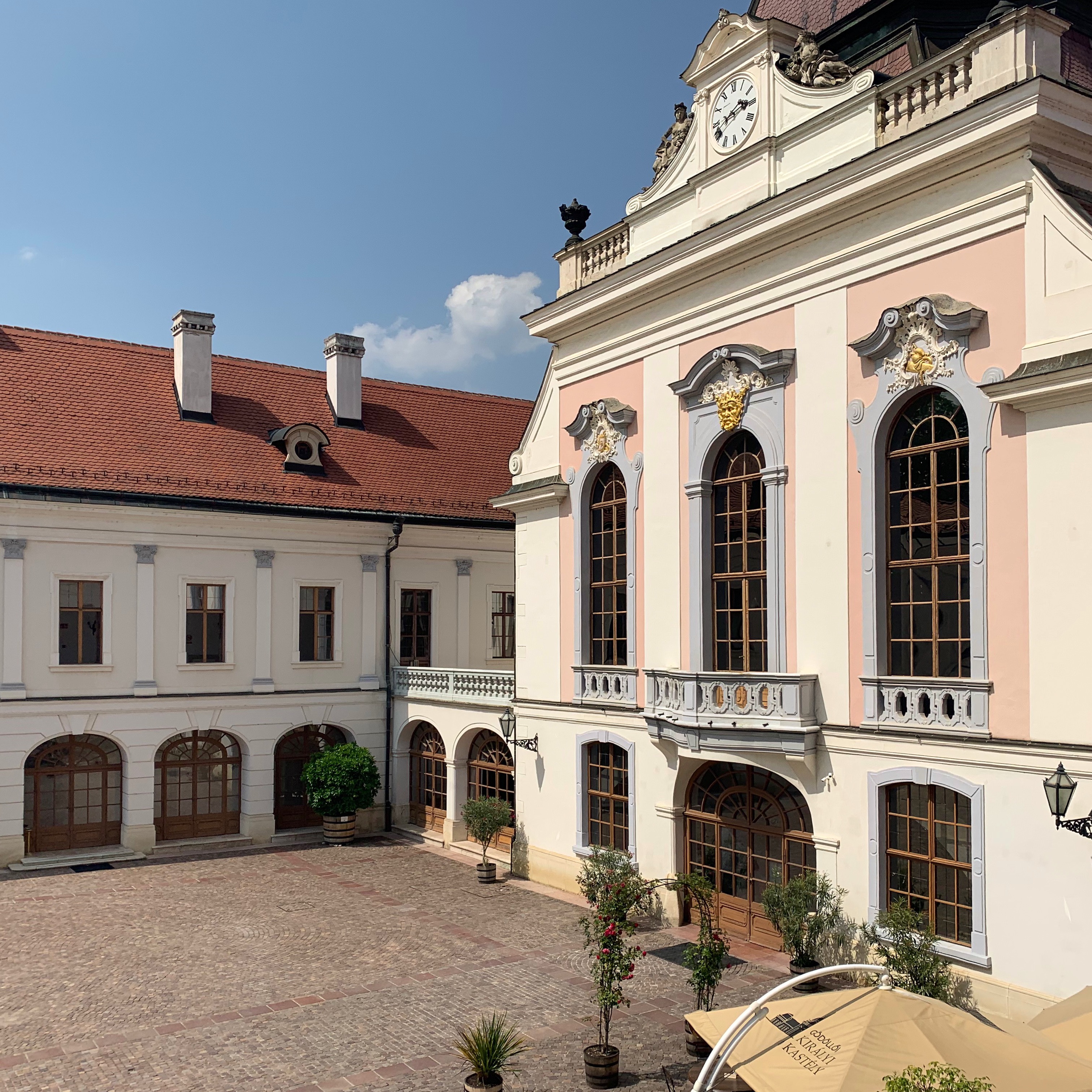
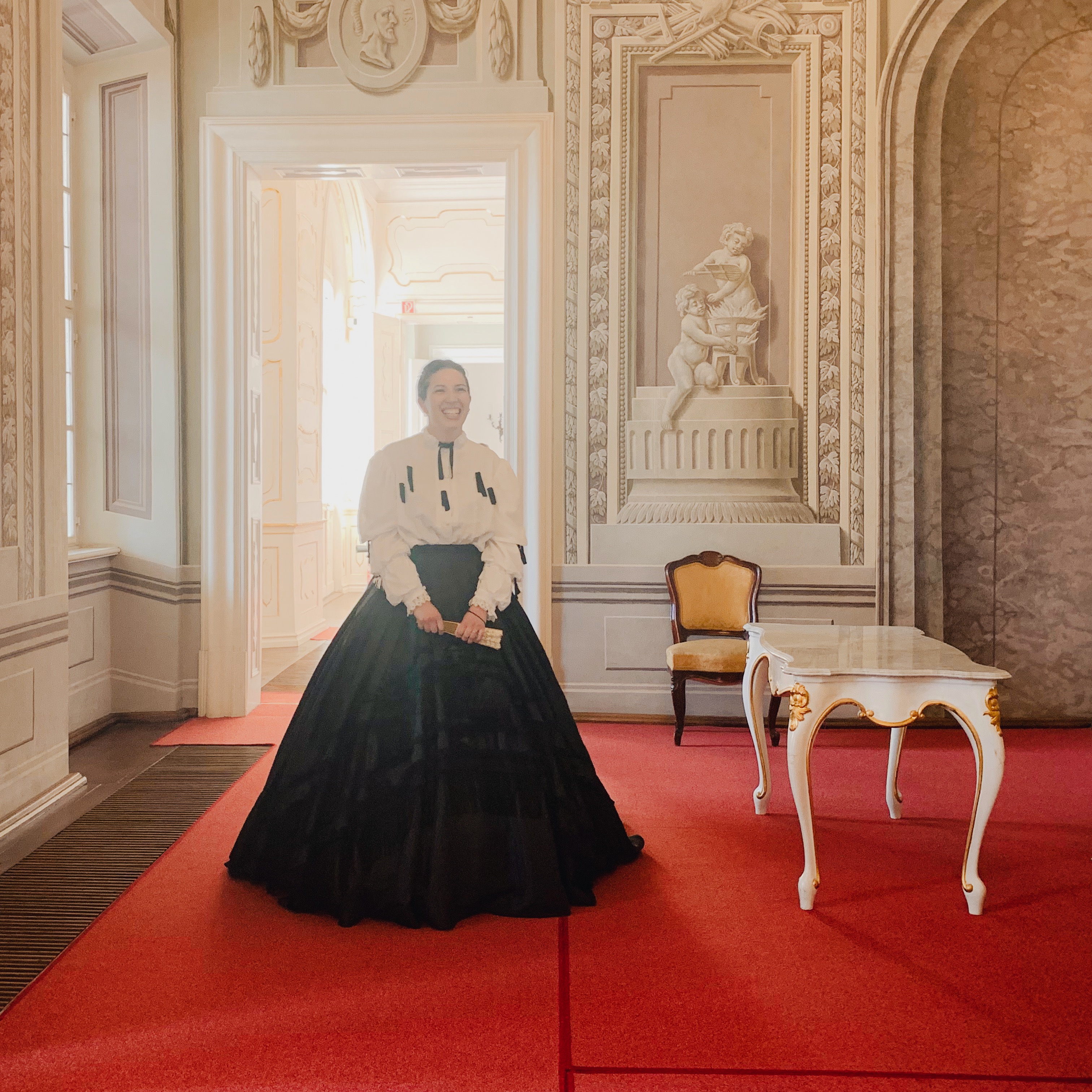
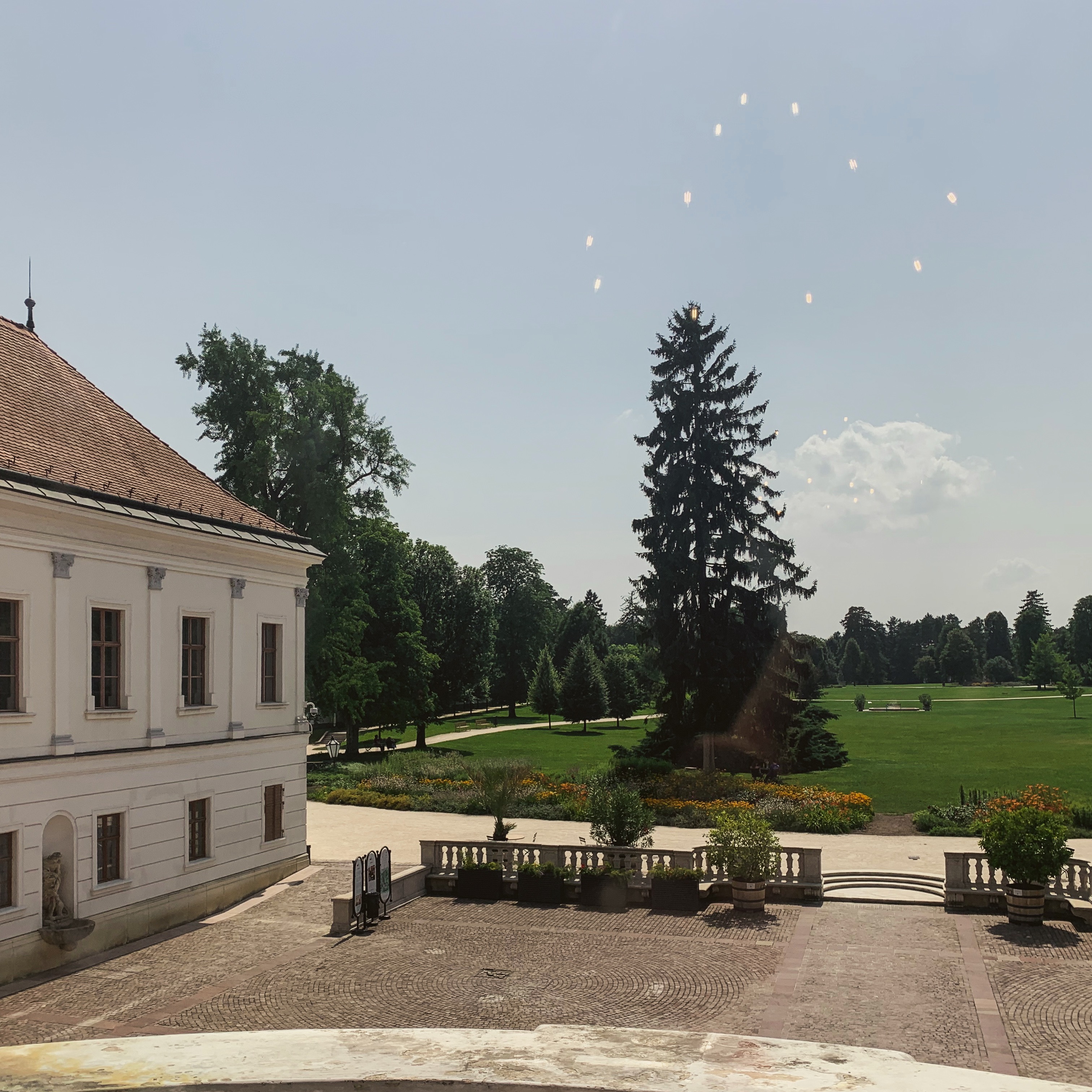
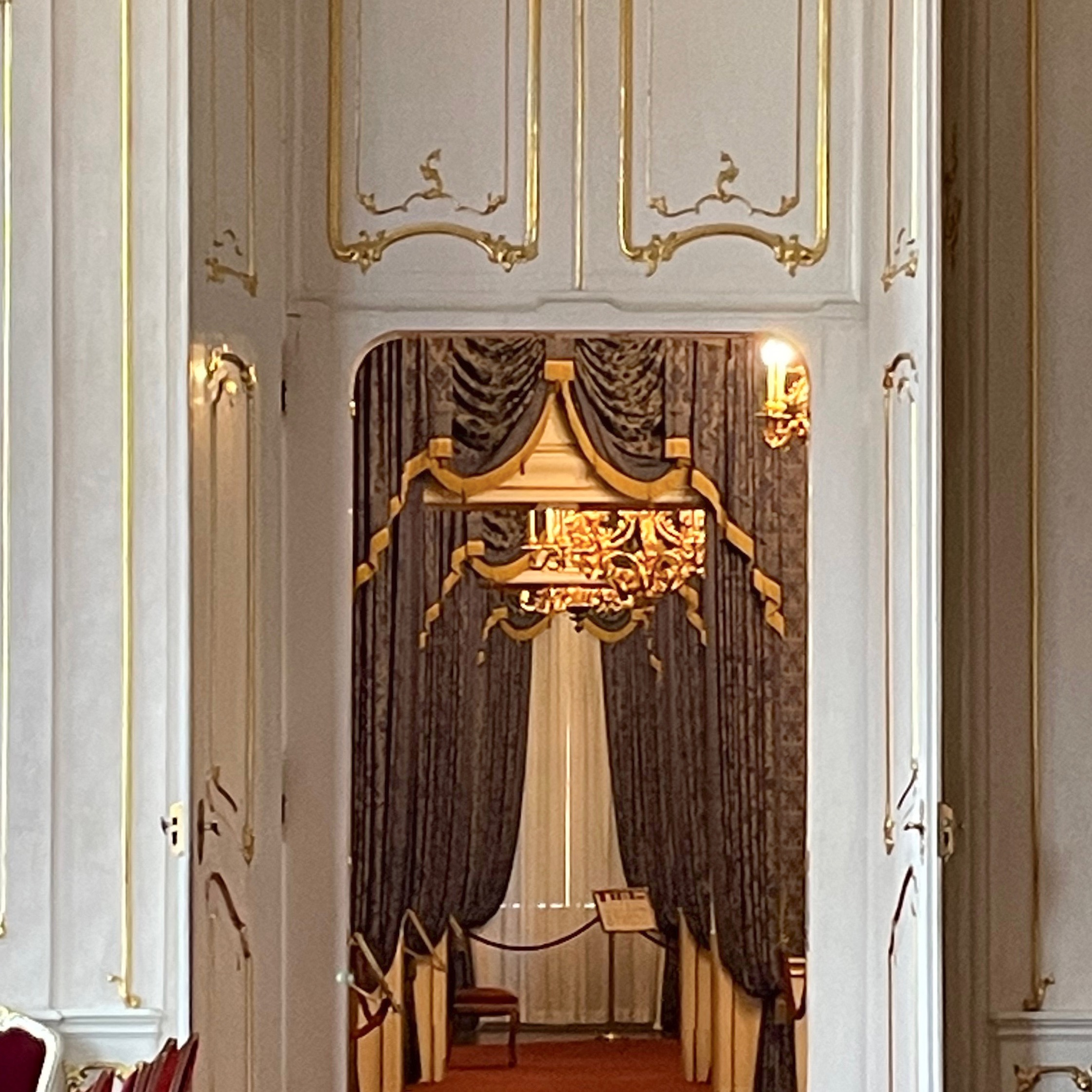
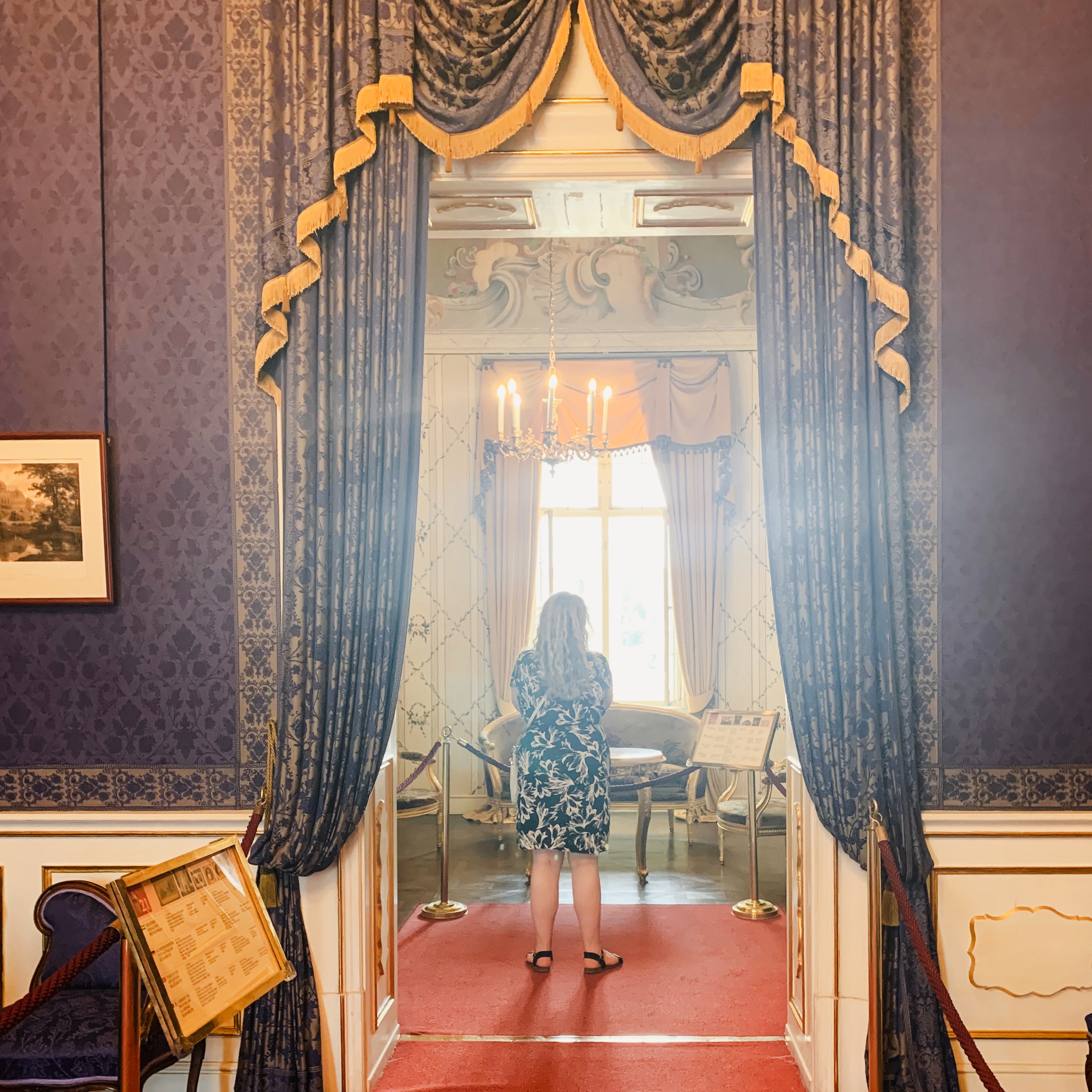
The day begins in Gödöllő, home to Hungary’s second-largest Baroque palace. Originally built by the noble Grassalkovich family, the palace became the beloved summer residence of Queen Elisabeth—known affectionately as Sissi. As you walk through its beautifully restored halls, grand ballroom, and peaceful gardens, you’ll gain a deeper understanding of royal life in 18th- and 19th-century Hungary. The palace’s ornate architecture and tranquil atmosphere offer an unforgettable glimpse into the country’s noble past.

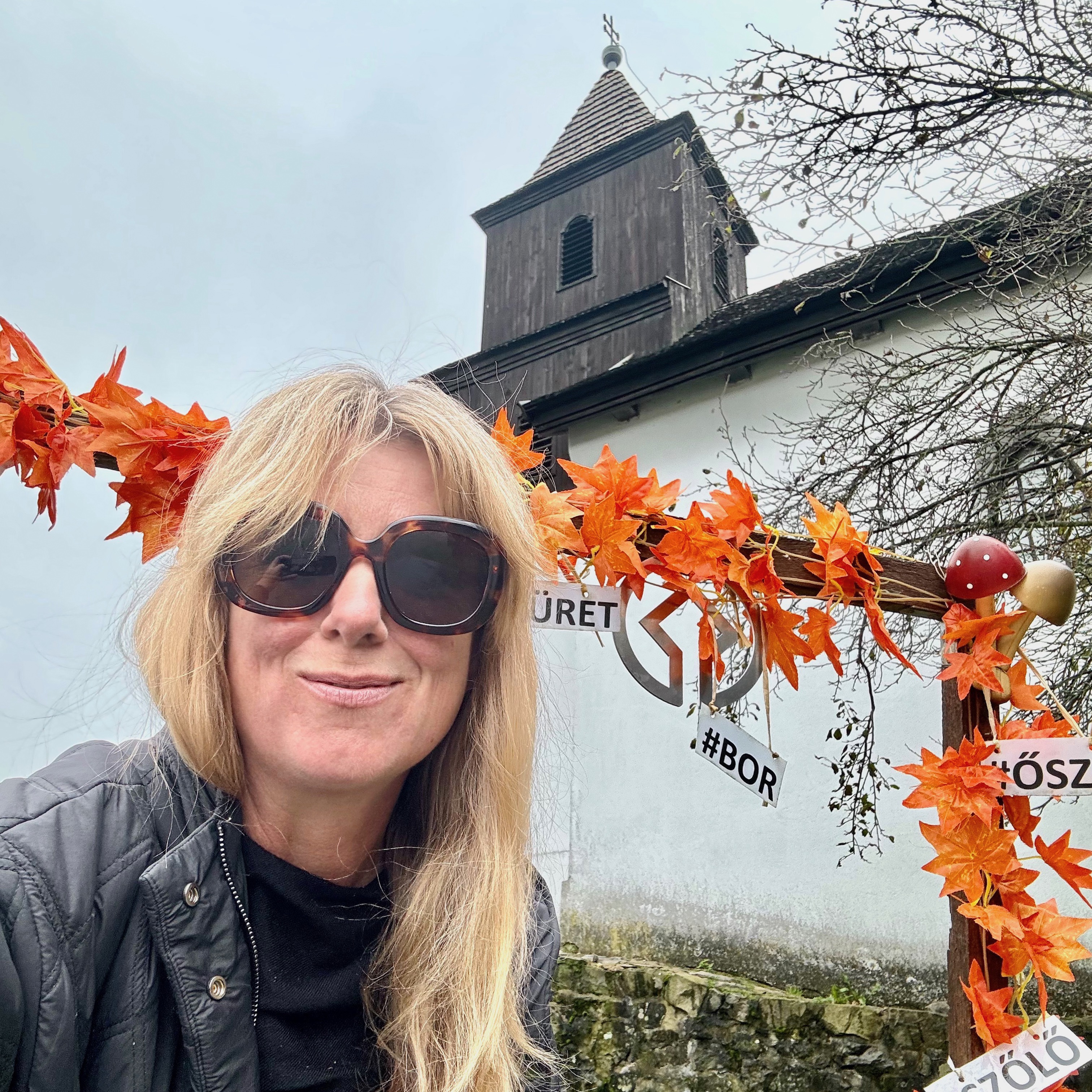
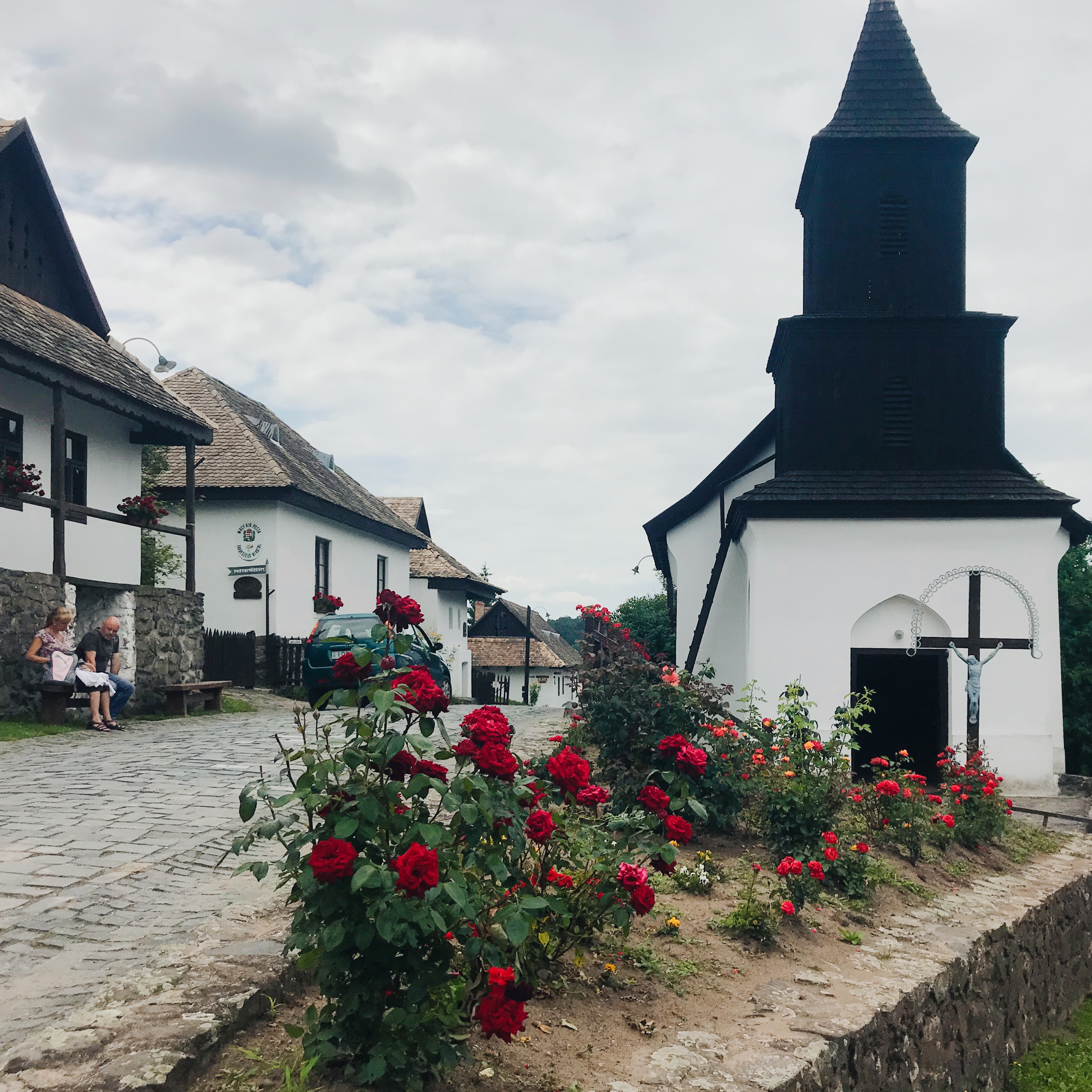
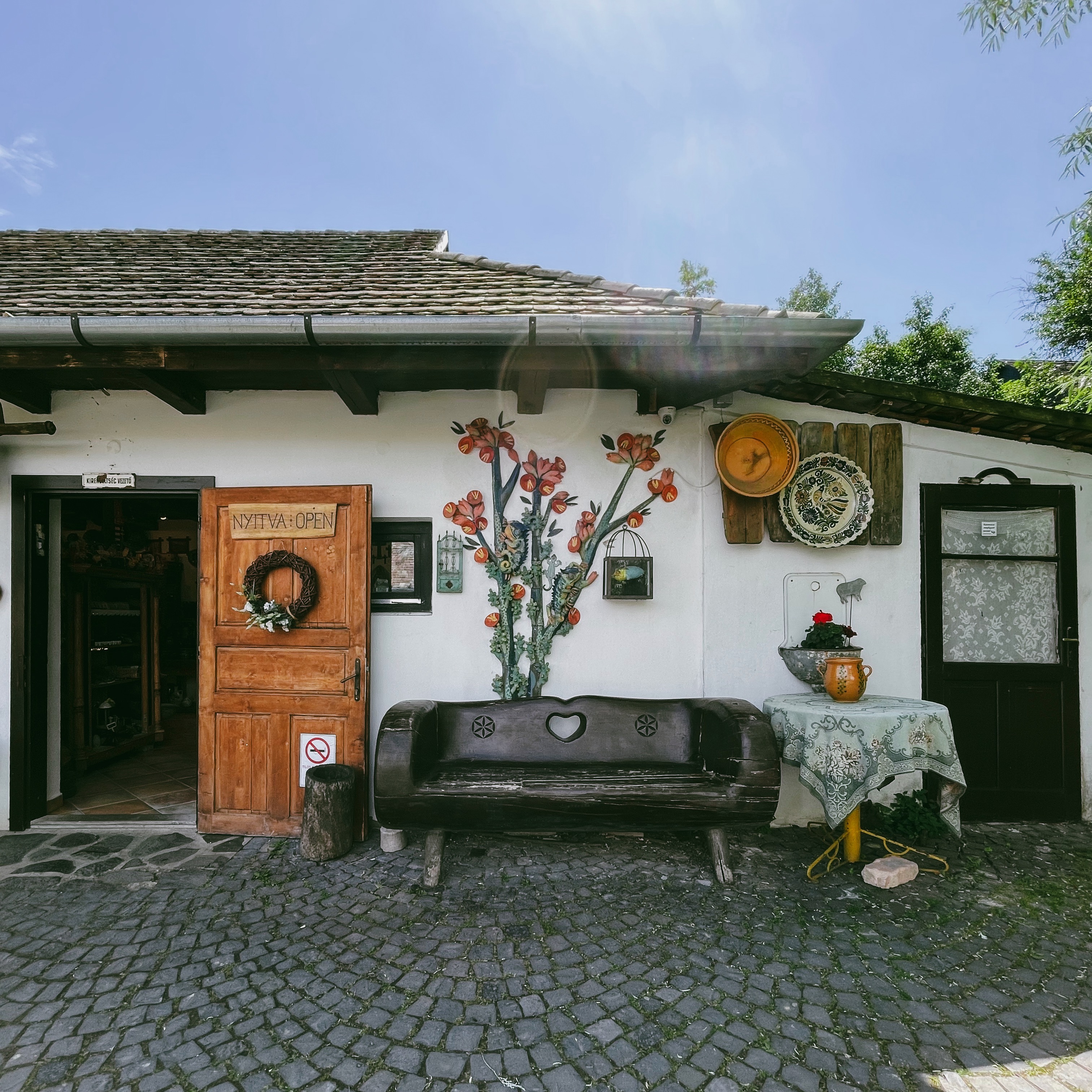
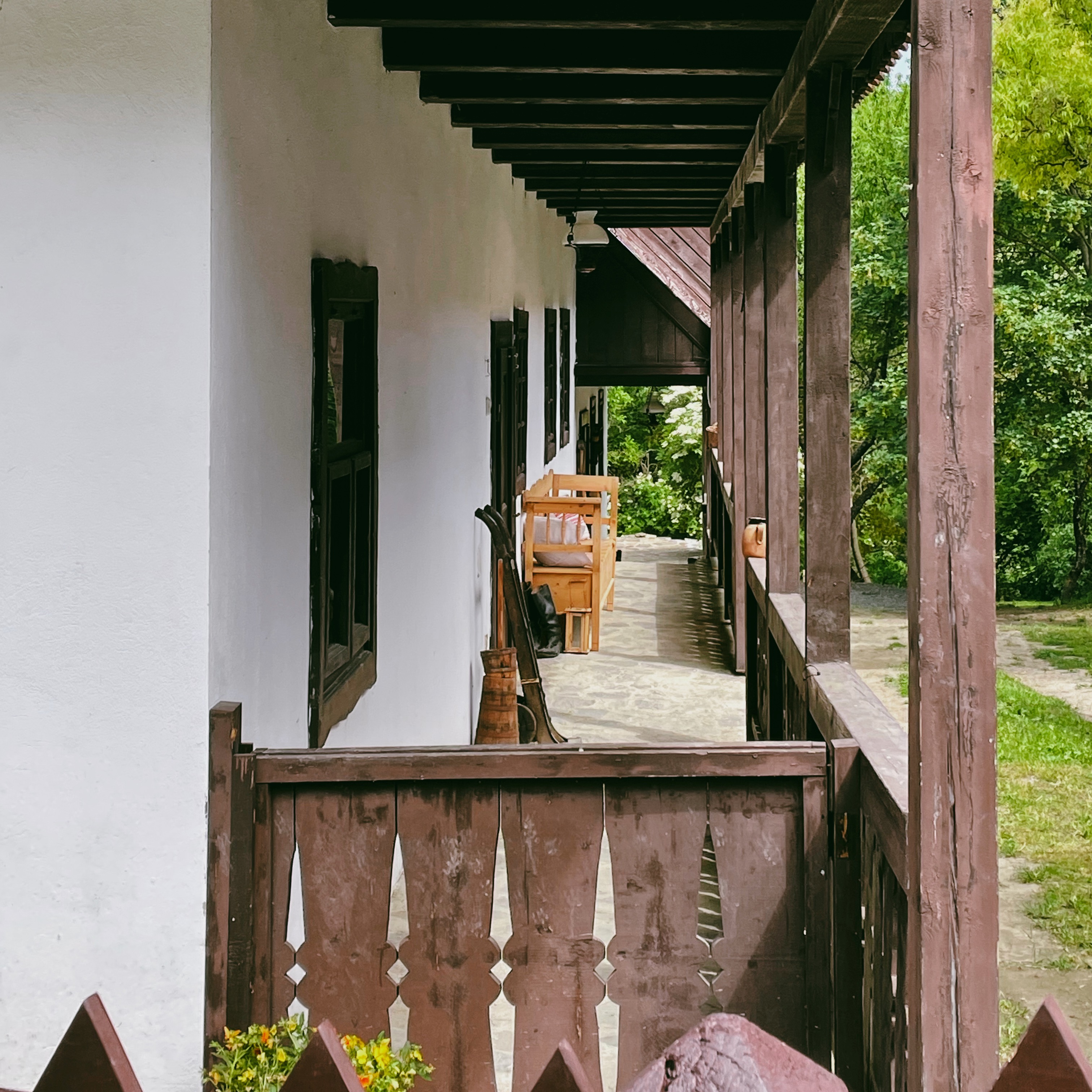
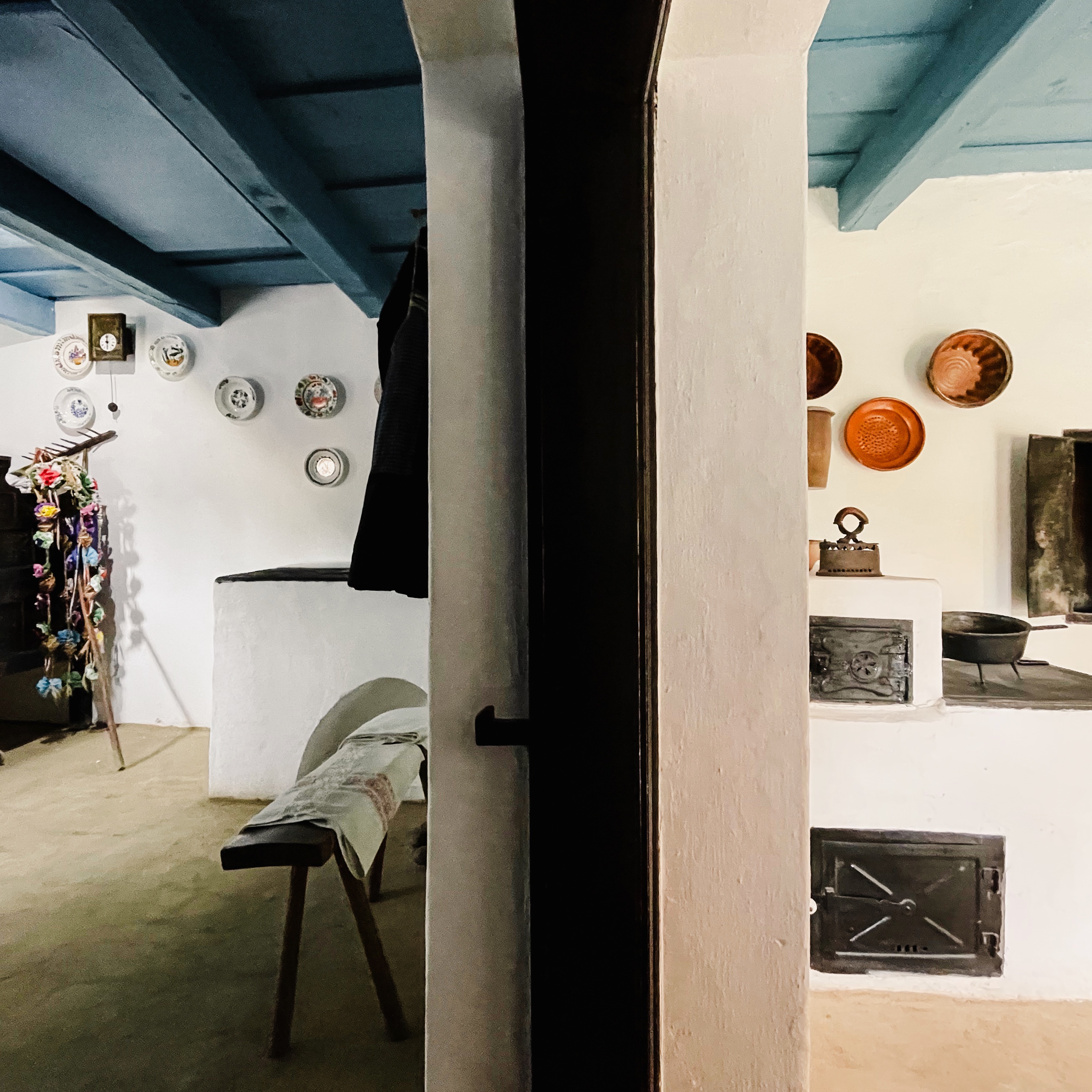
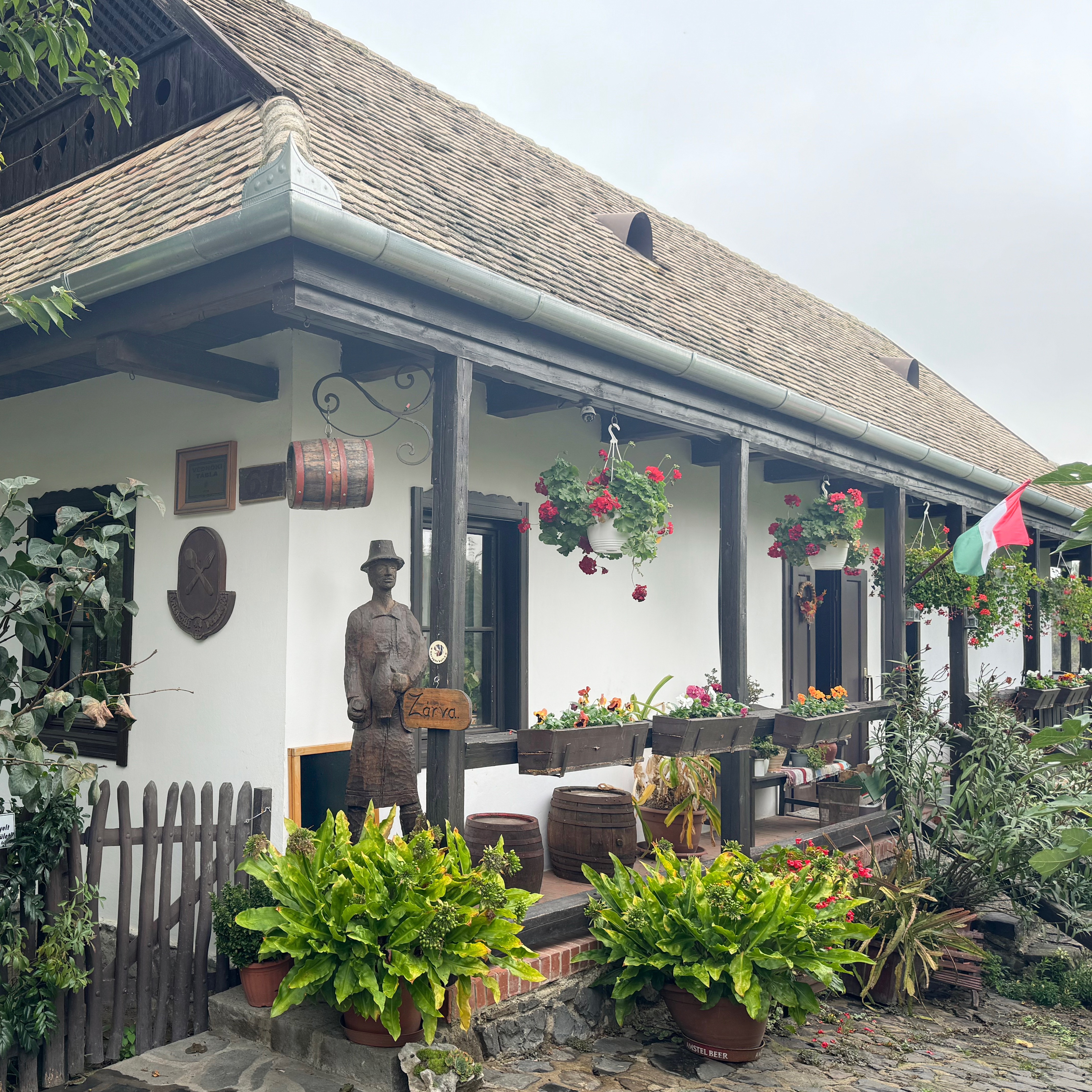
From royal elegance, we move to rustic charm. Your journey continues to Hollókő, a picturesque village that feels untouched by time. This UNESCO World Heritage site is a living museum of traditional Palóc culture, where locals still dress in folk costume on special occasions and artisans create beautiful handmade crafts. Stroll the cobbled lanes, visit the village museum and pottery workshops, and enjoy a slower pace that brings you closer to Hungary’s cultural roots.

One of the many reasons travellers love this tour is its private, customisable nature. Whether you’re passionate about architecture, history, or local handicrafts—or simply want to enjoy a scenic countryside escape without the crowds—I will tailor the experience to suit your interests and comfort level. There’s no rushing from site to site, just time to explore, ask questions, and soak in the surroundings at your own pace.

This tour is ideal for couples, families, or small groups looking for an experience that goes beyond the typical sightseeing tour. It also offers a deeper perspective on Hungarian history, from aristocratic life in the Baroque period to rural customs that have survived into the modern day. With door-to-door transport, a knowledgeable local guide, and stops handpicked for their cultural richness, it’s an enriching and stress-free day outside Budapest.

Whether it’s your first time in Hungary or you’re returning to explore more deeply, this private countryside tour promises a rewarding journey into the heart of Hungarian heritage. It’s not just about seeing places—it’s about experiencing them with insight and intention.


How to Book Your Private Tour

Ready to step into history and explore Hungary’s countryside in comfort? You can find full details and book your Private Baroque Day Trip from Budapest to Gödöllő and Hollókő online at:

BAROQUE TOUR IN GÖDÖLLŐ AND HOLLÓKŐ (Private day trip from Budapest)

Select your preferred date, and don’t hesitate to get in touch if you’d like to customise the itinerary—I’m always happy to make your day extra special!

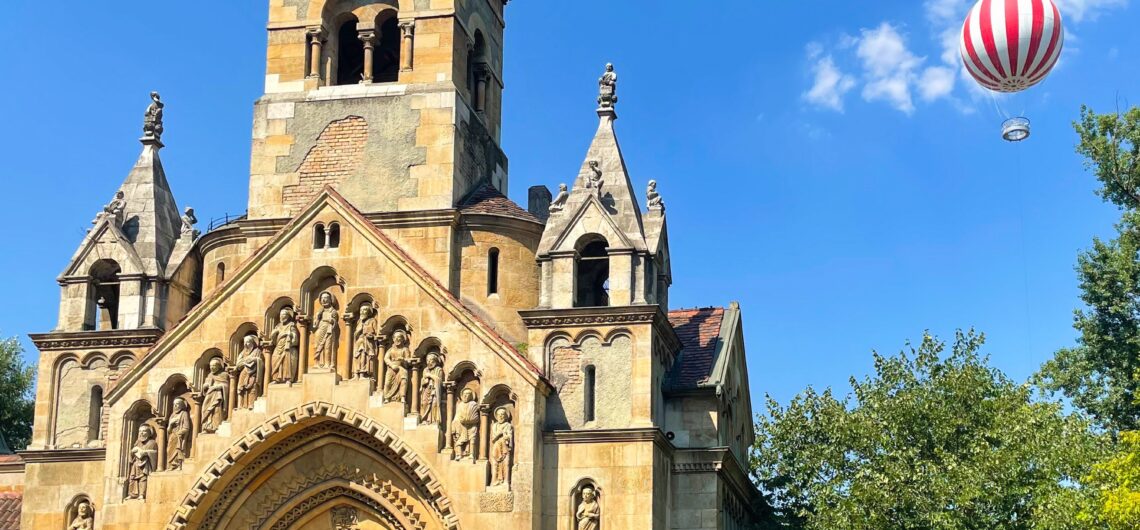
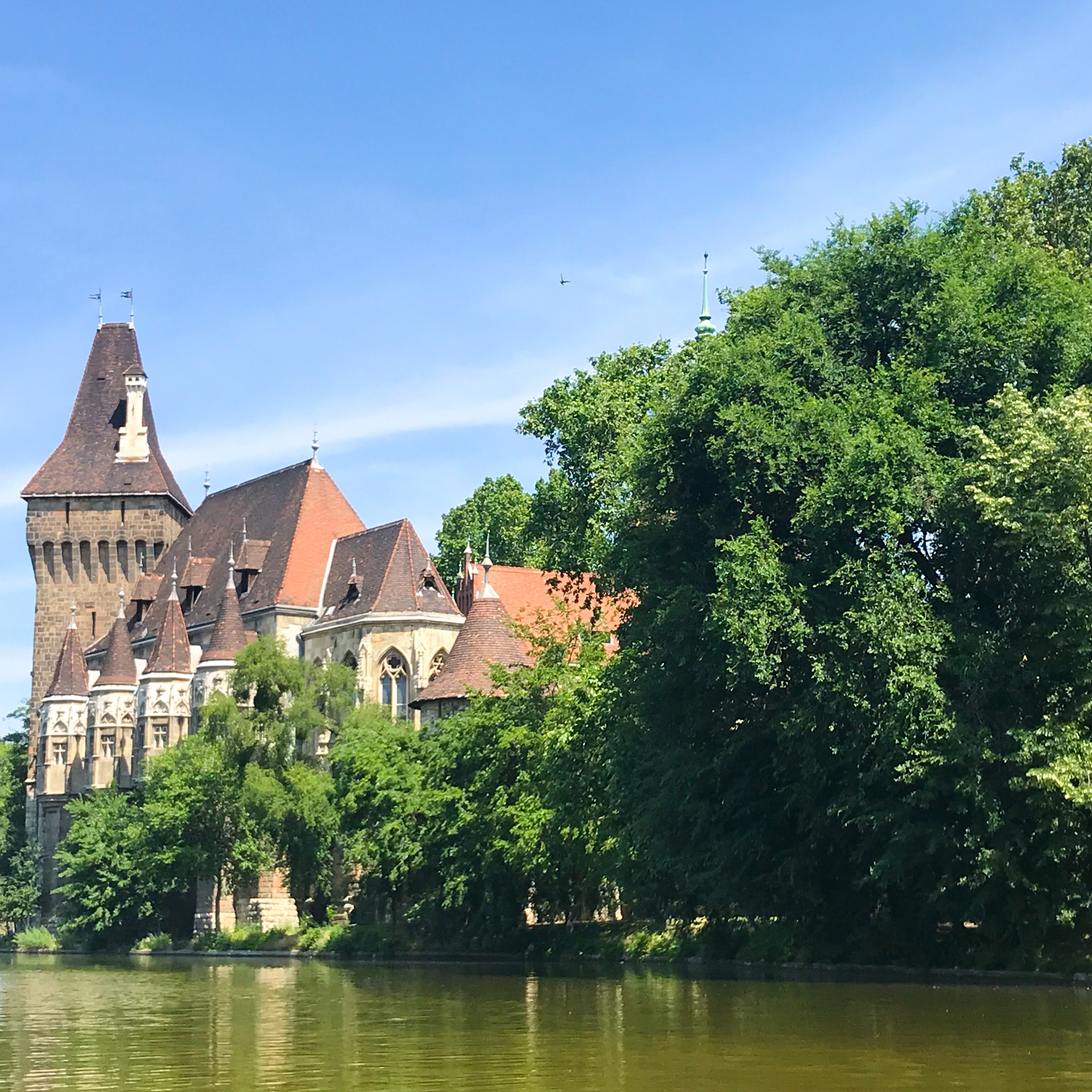
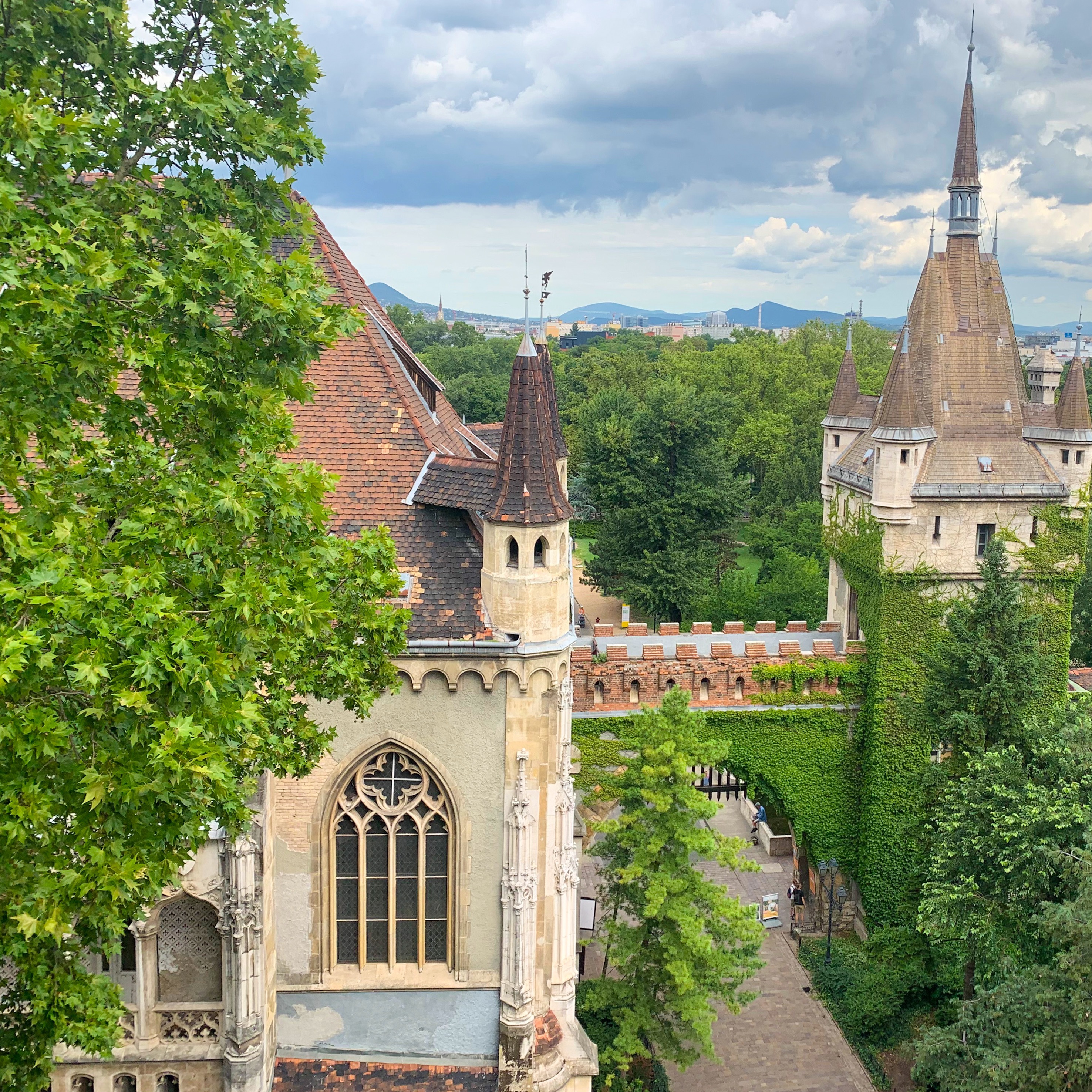
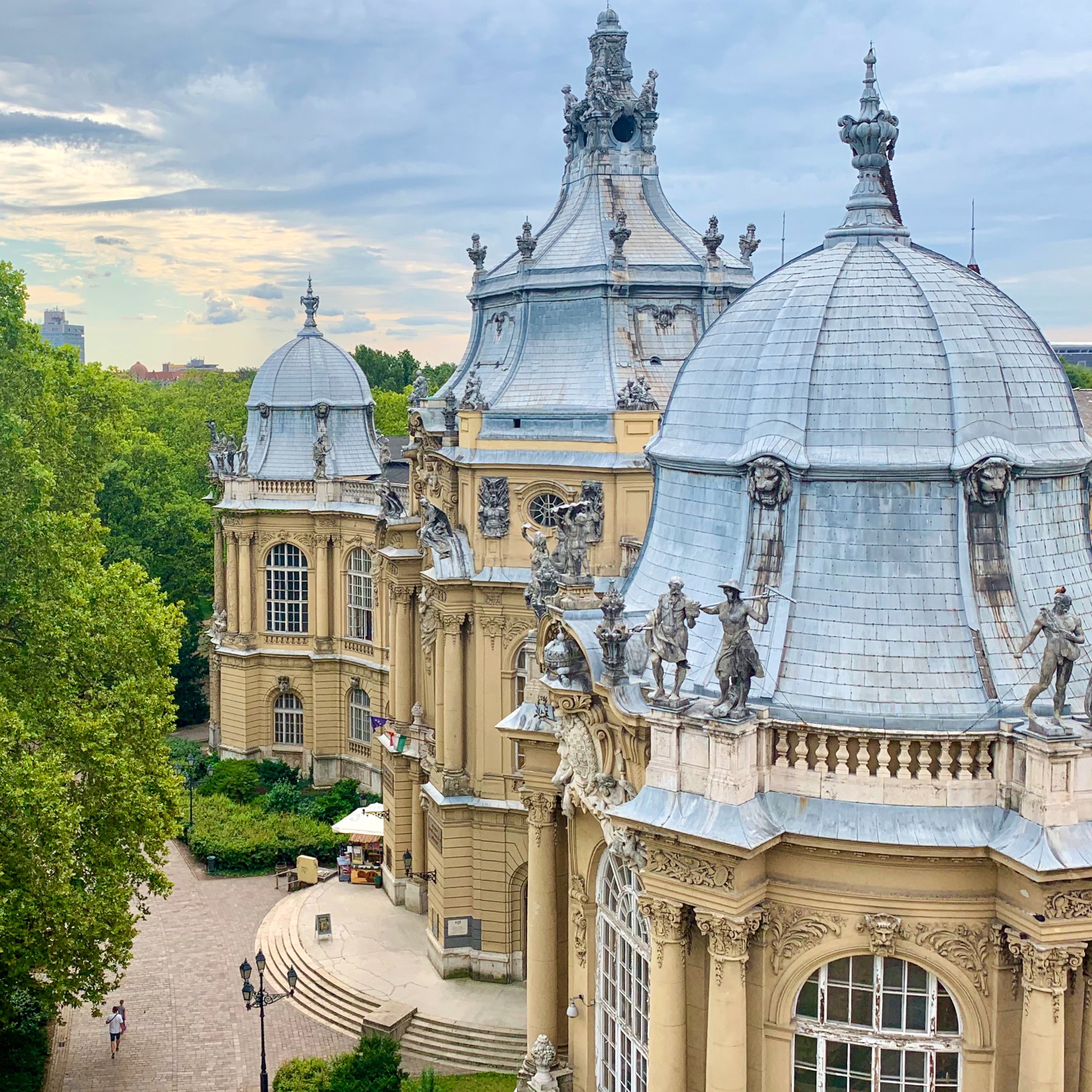
Tucked away in Budapest’s City Park, Vajdahunyad Castle is one of the city’s most charming and photogenic landmarks. Originally built in 1896 for the Millennium Exhibition, the castle showcases a mix of architectural styles — Romanesque, Gothic, Renaissance, and Baroque — all in one fairytale-like complex. It was designed to represent the diverse architectural heritage of Hungary, and walking through its grounds feels like stepping into different centuries.

From the front, the Gothic towers and arched windows echo the legendary Transylvanian castle of the same name. A walk around the back reveals peaceful courtyards, ivy-covered walls, and stunning reflections on the lake. Each angle offers a new photo opportunity, whether you’re standing on the bridge or capturing the castle through the trees.

Vajdahunyad Castle isn’t just a photogenic site—it also houses Hungary’s Museum of Agriculture, the largest of its kind in Europe. Visitors can explore both the architectural beauty and fascinating exhibits inside. A guided tour brings the whole story to life, connecting history, legend, and daily life in Hungary. Inside, the Museum of Hungarian Agriculture is surprisingly fascinating, and nearby, you’ll find statues of historical figures and a whimsical sculpture of Anonymous, the medieval chronicler.

For a truly magical view over Vajdahunyad Castle, don’t miss the chance to climb the castle’s tower or take a ride in the hot air balloon in City Park. Both options offer a unique perspective of this storybook landmark and its stunning surroundings. It’s an unforgettable way to see Budapest from above — peaceful, panoramic, and perfect for photos!

To truly appreciate Vajdahunyad Castle’s stories and its place in Budapest’s cultural landscape, I recommend joining a customised walking or driving tour. I’d love to show you around — book your experience here: https://lovefromhungary.com/fully-customisable-budapest-private-tours/

Learn more about the history of Vajdahunyad Castle on the Agricultural Museum’s official site.

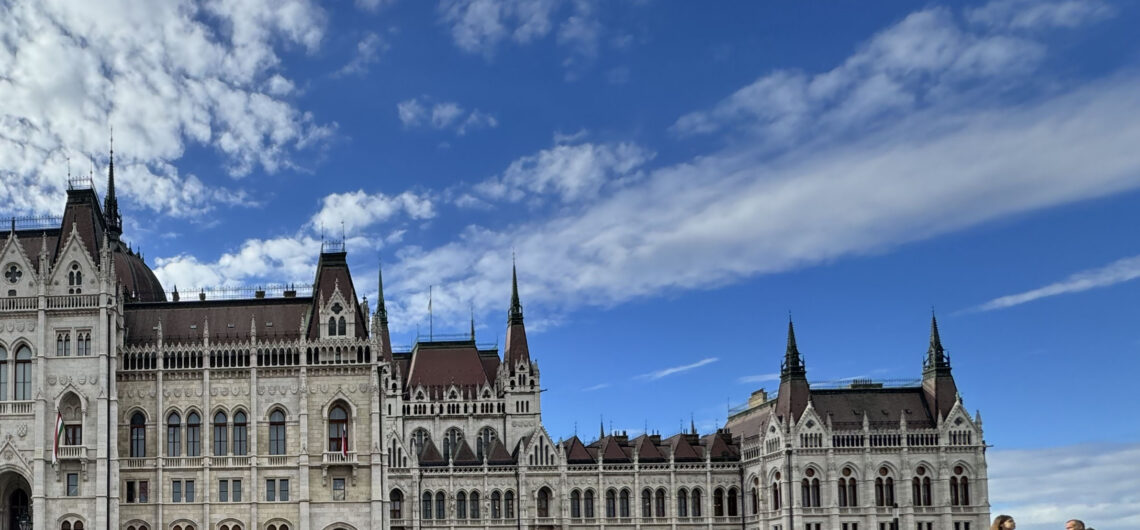
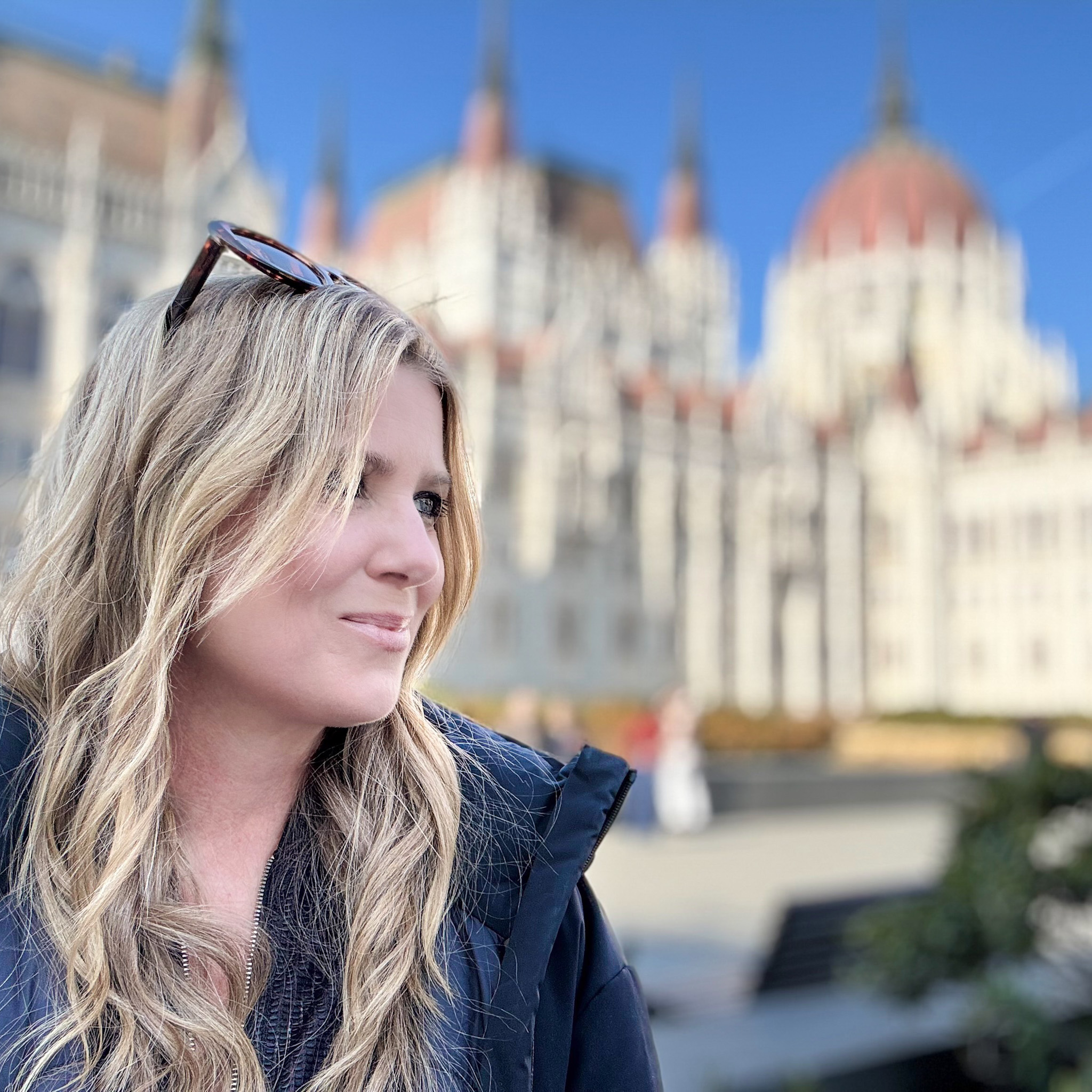
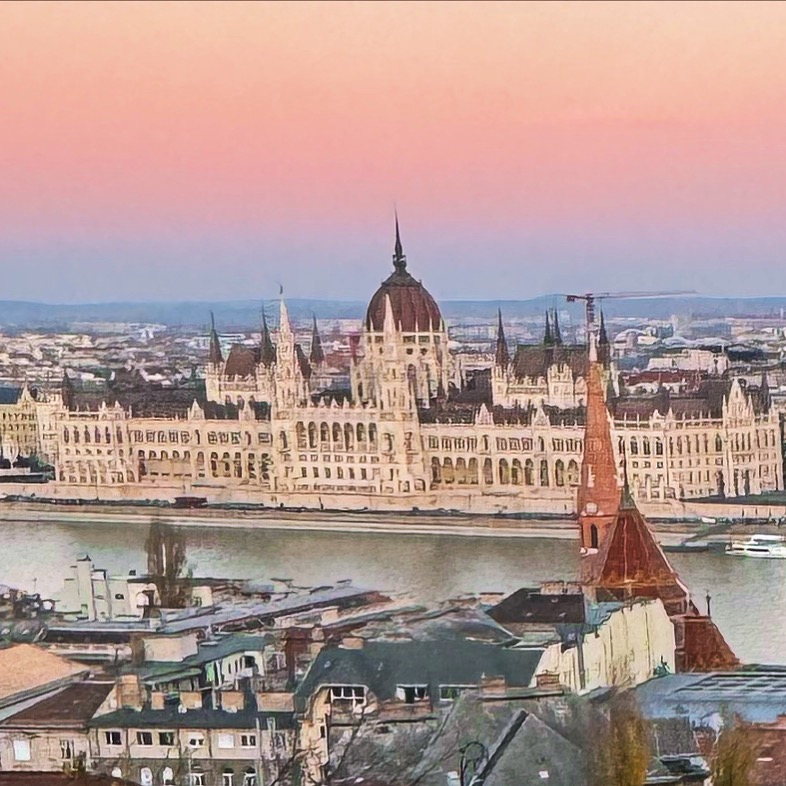
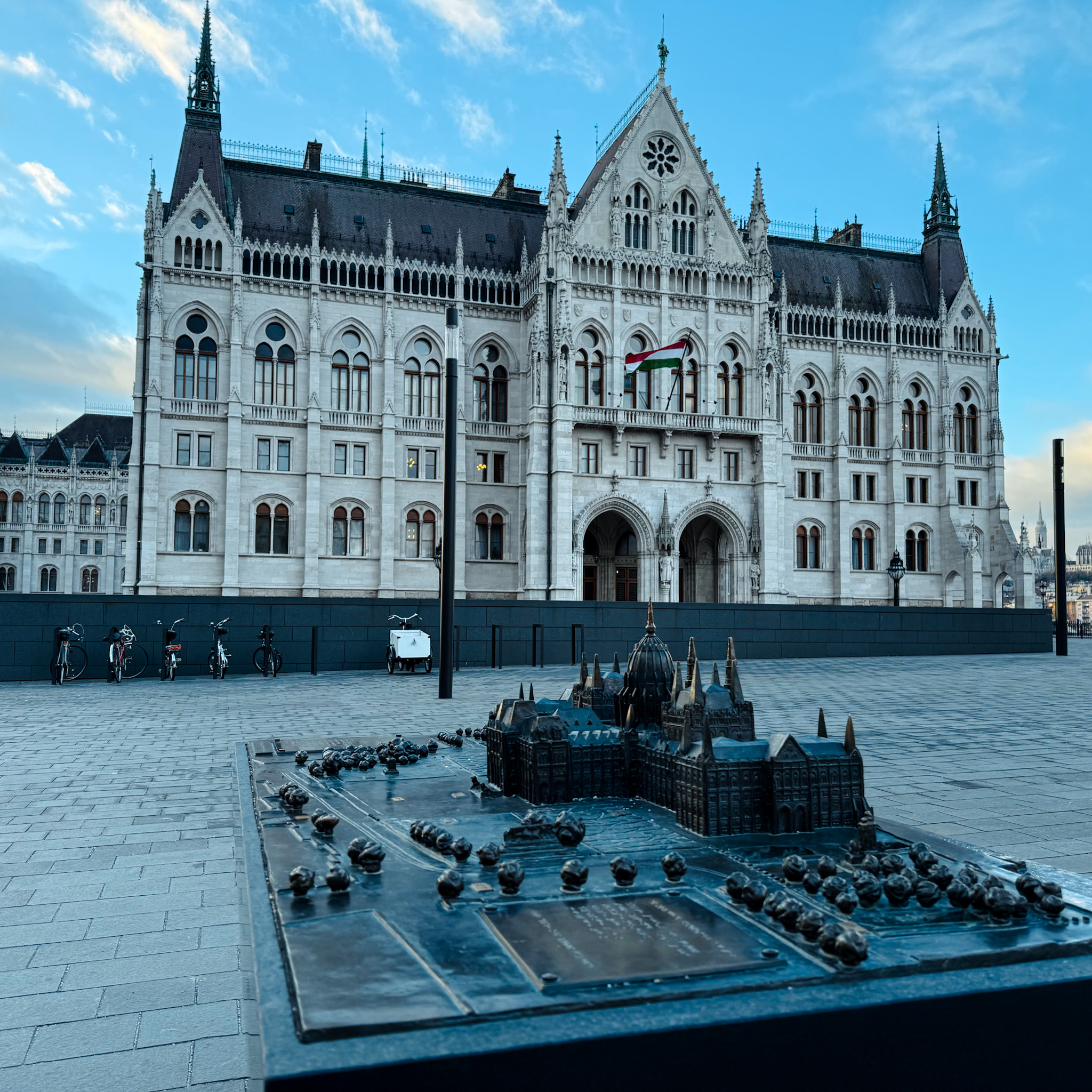
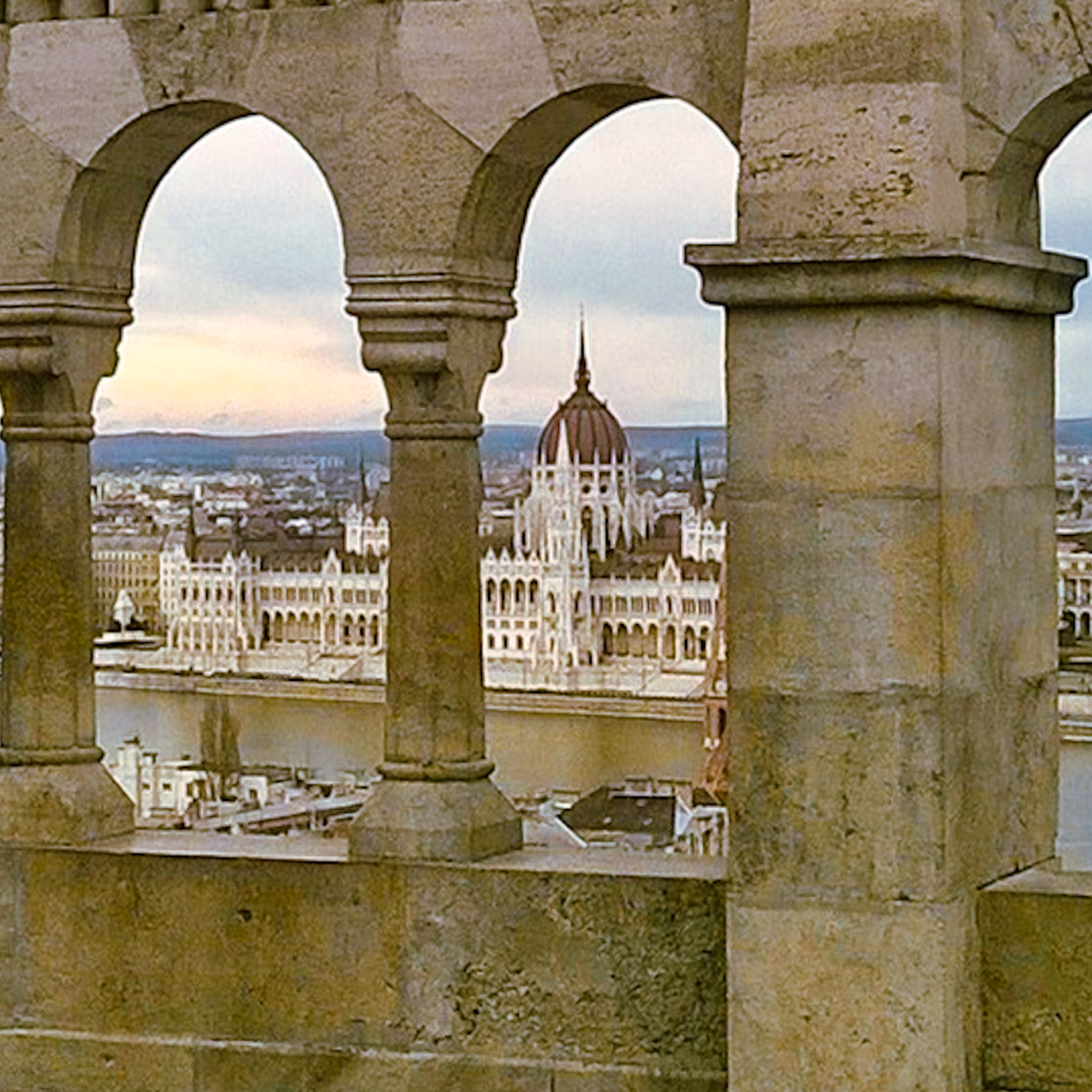
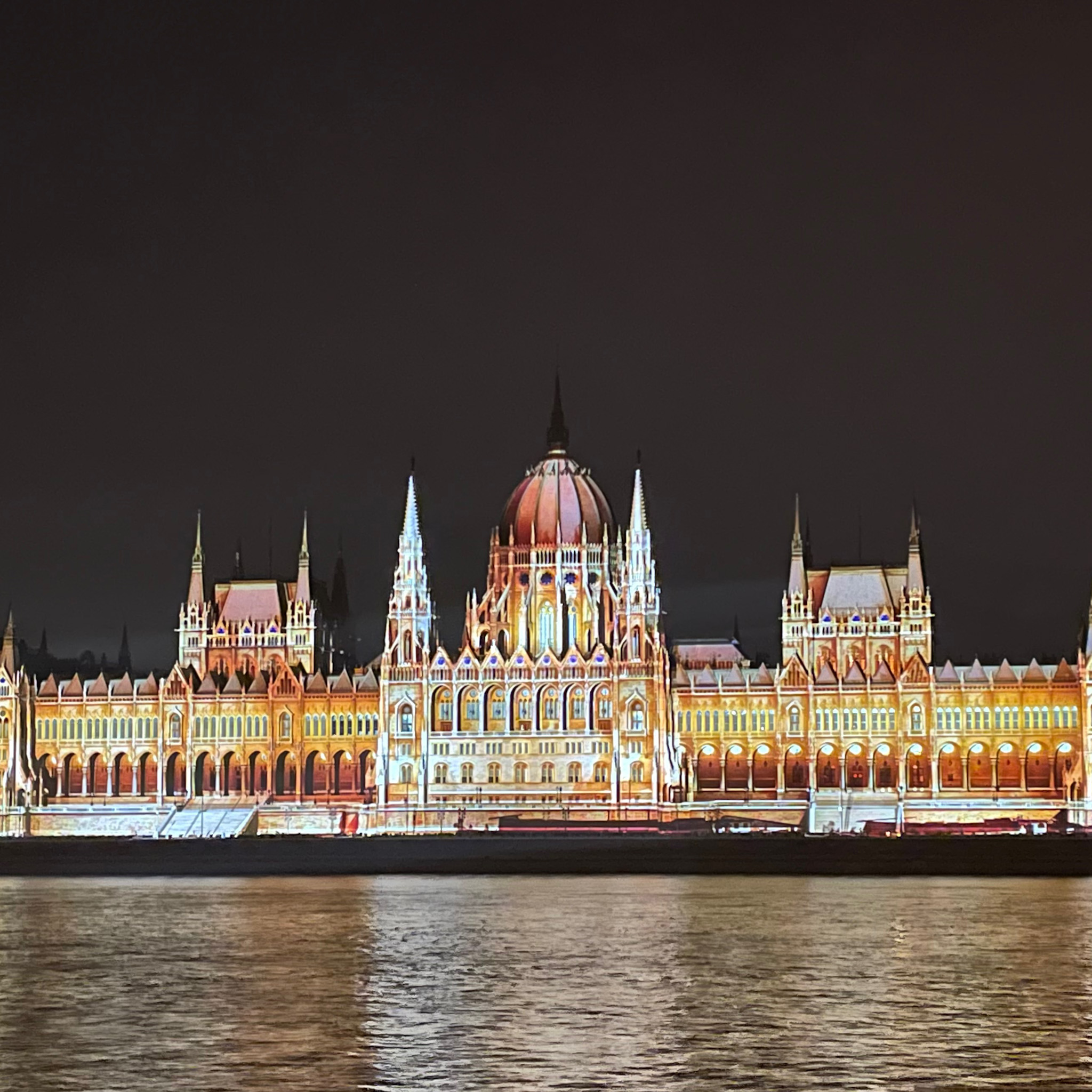
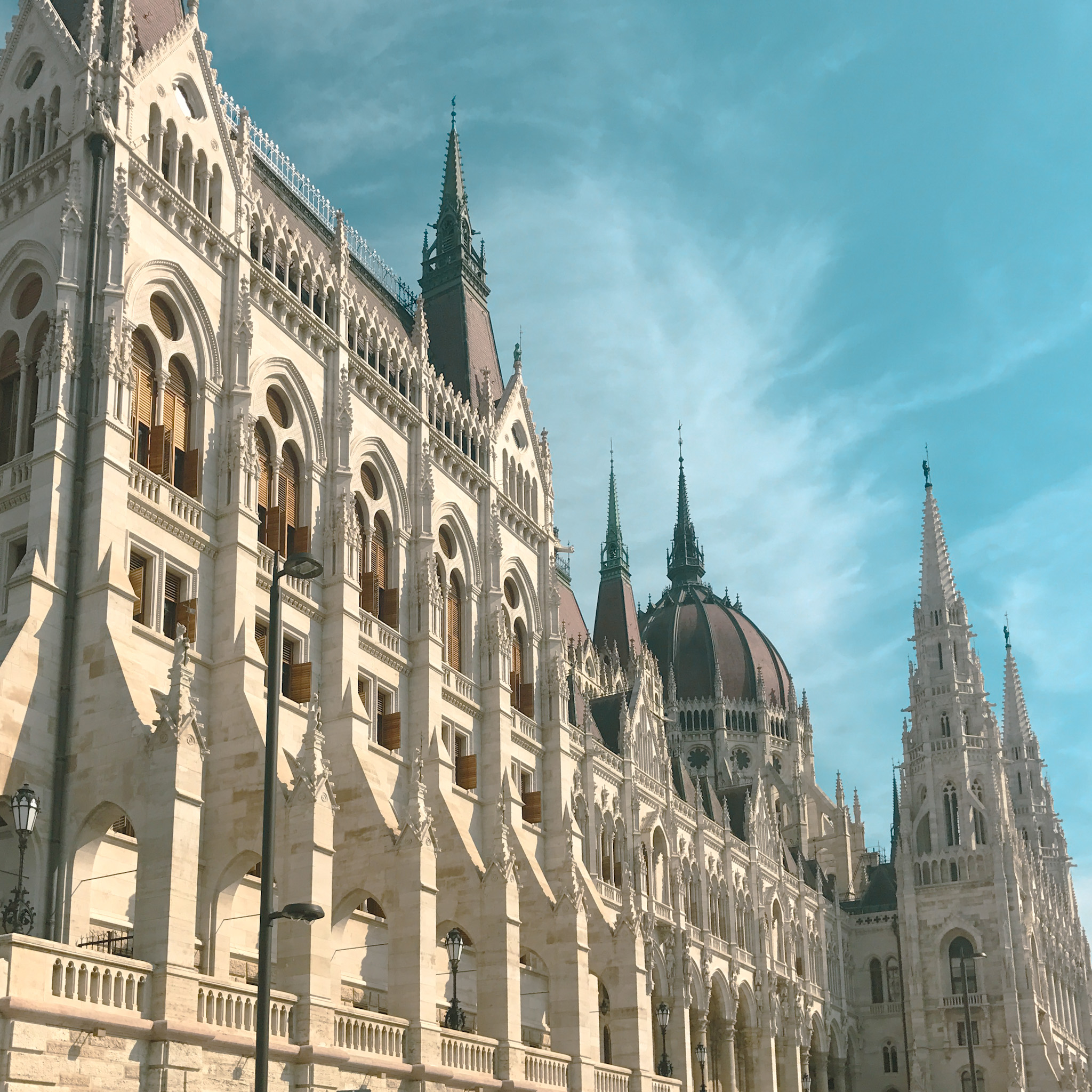
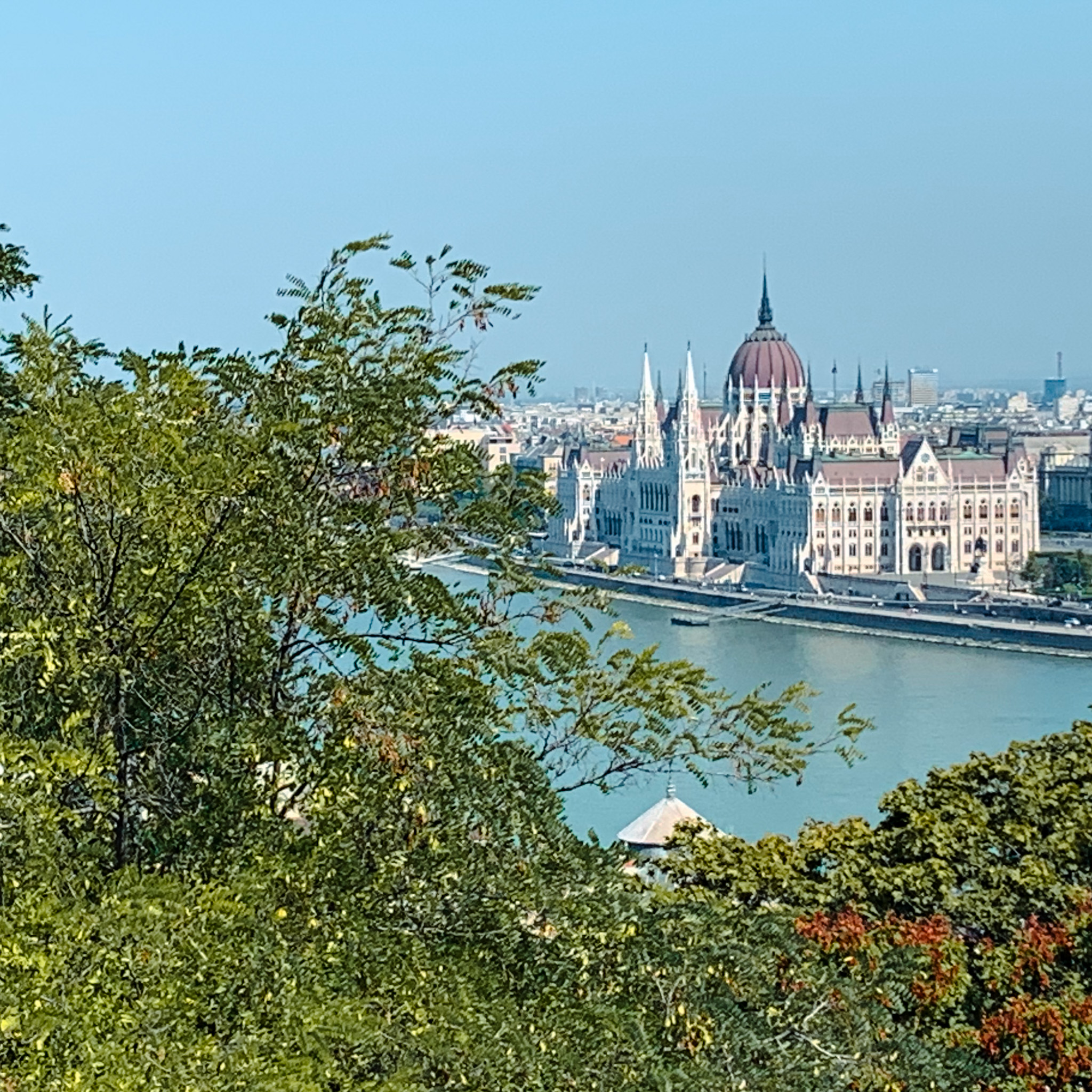
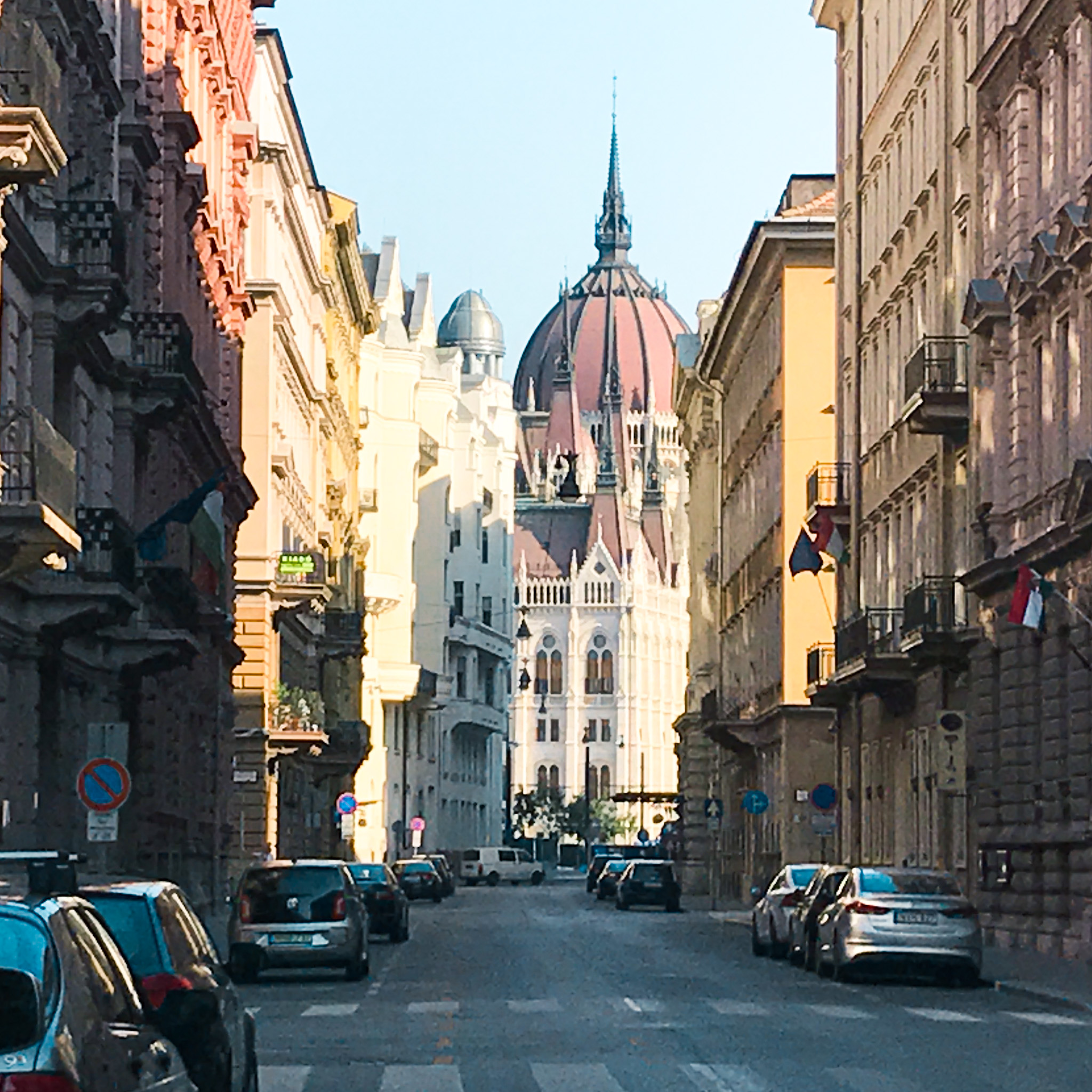
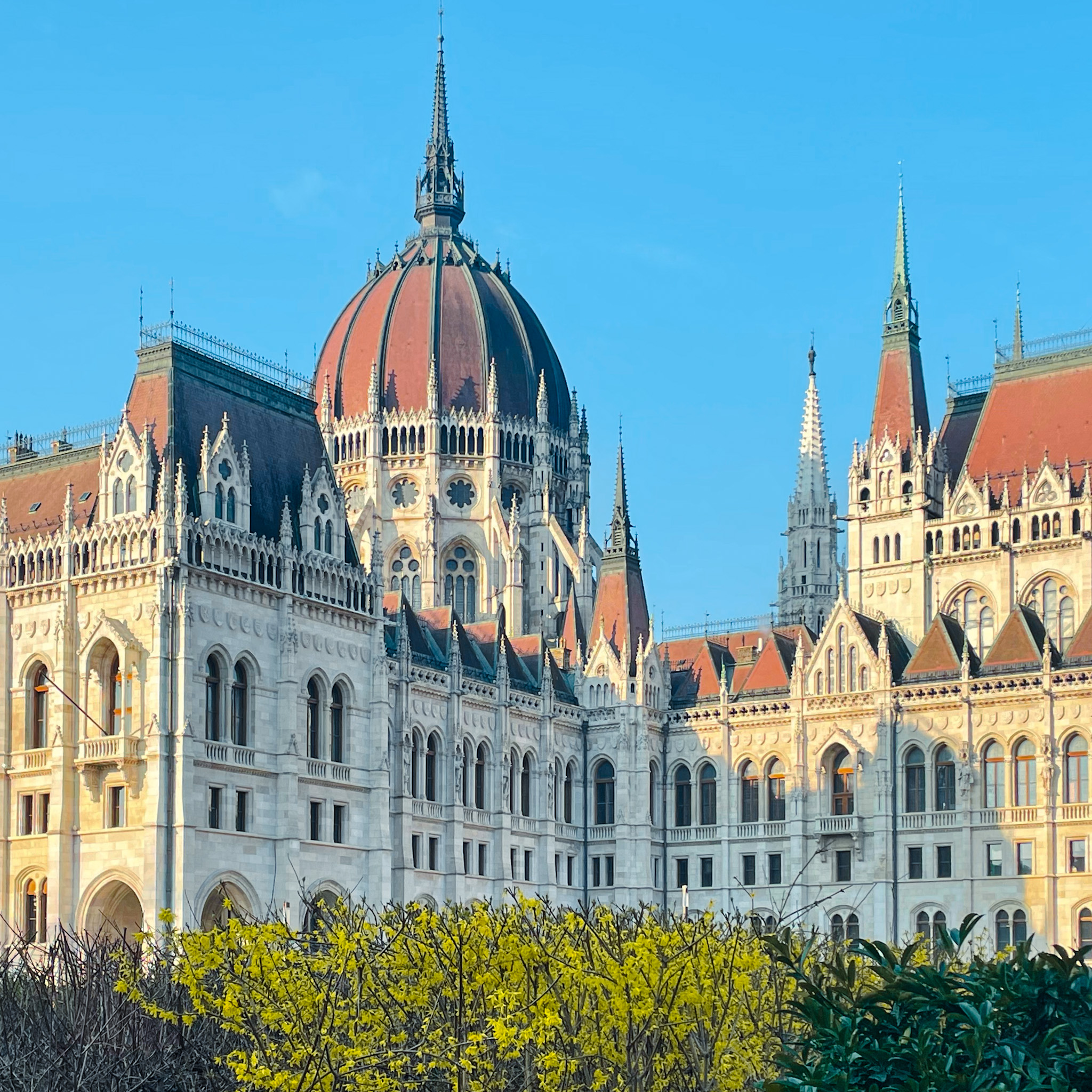
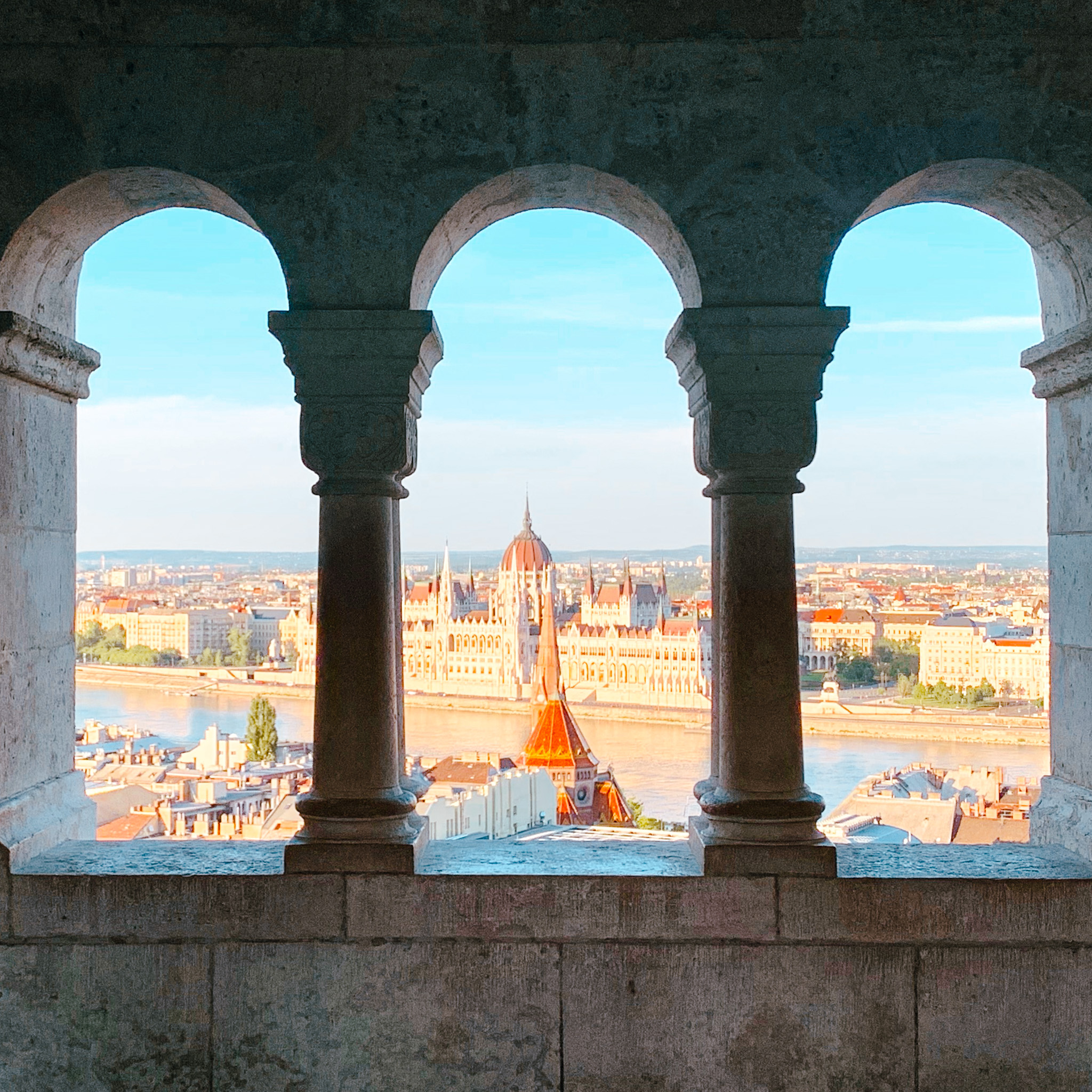
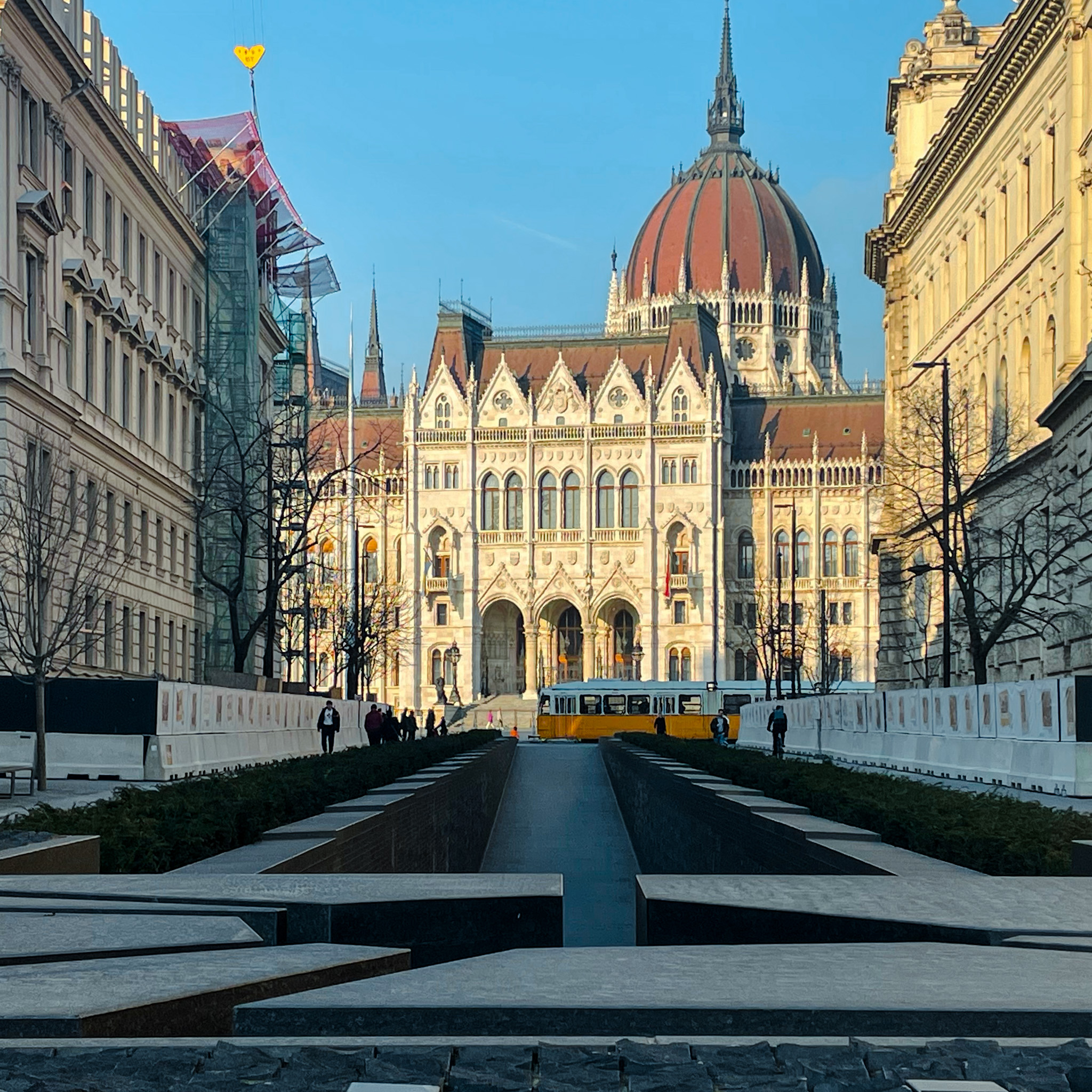
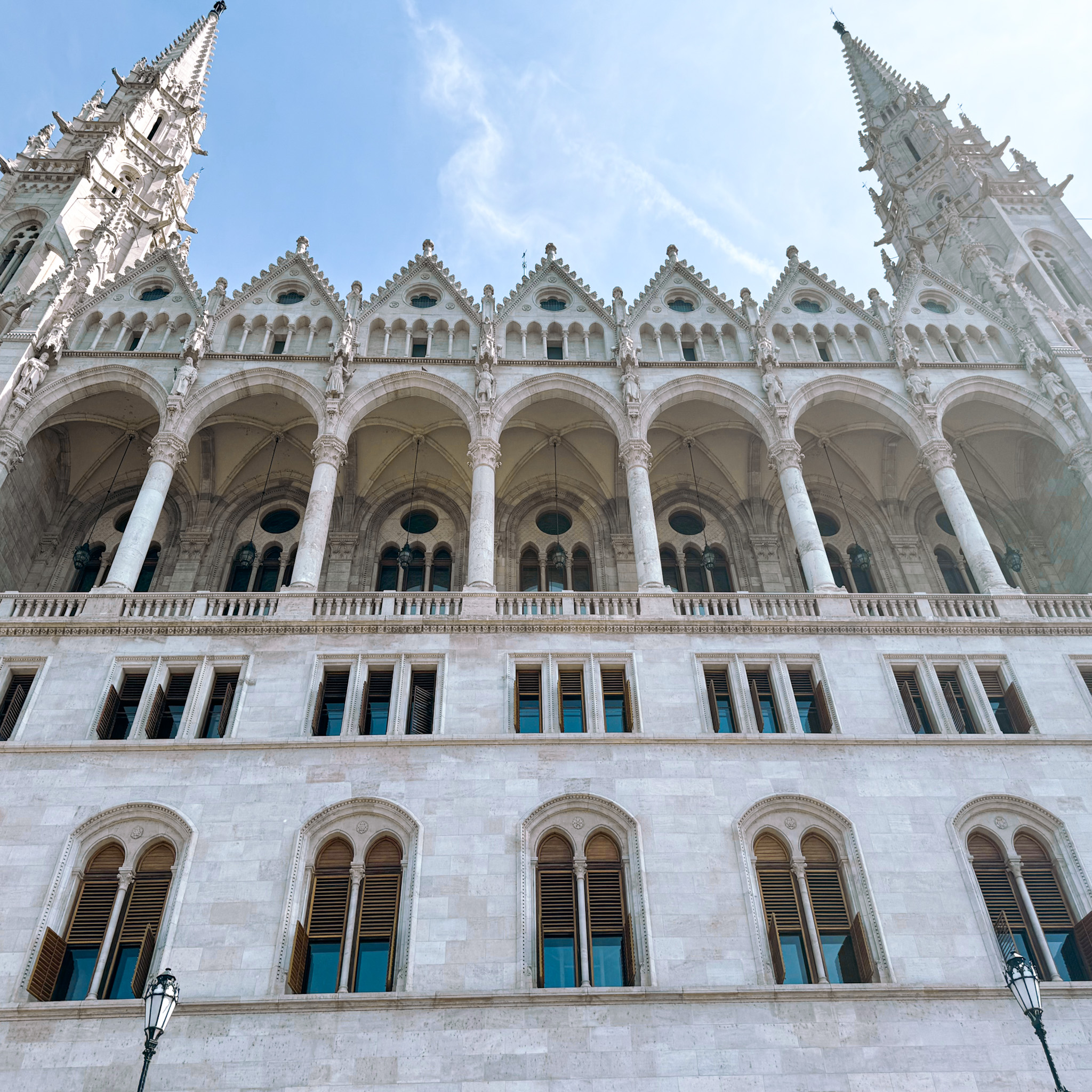
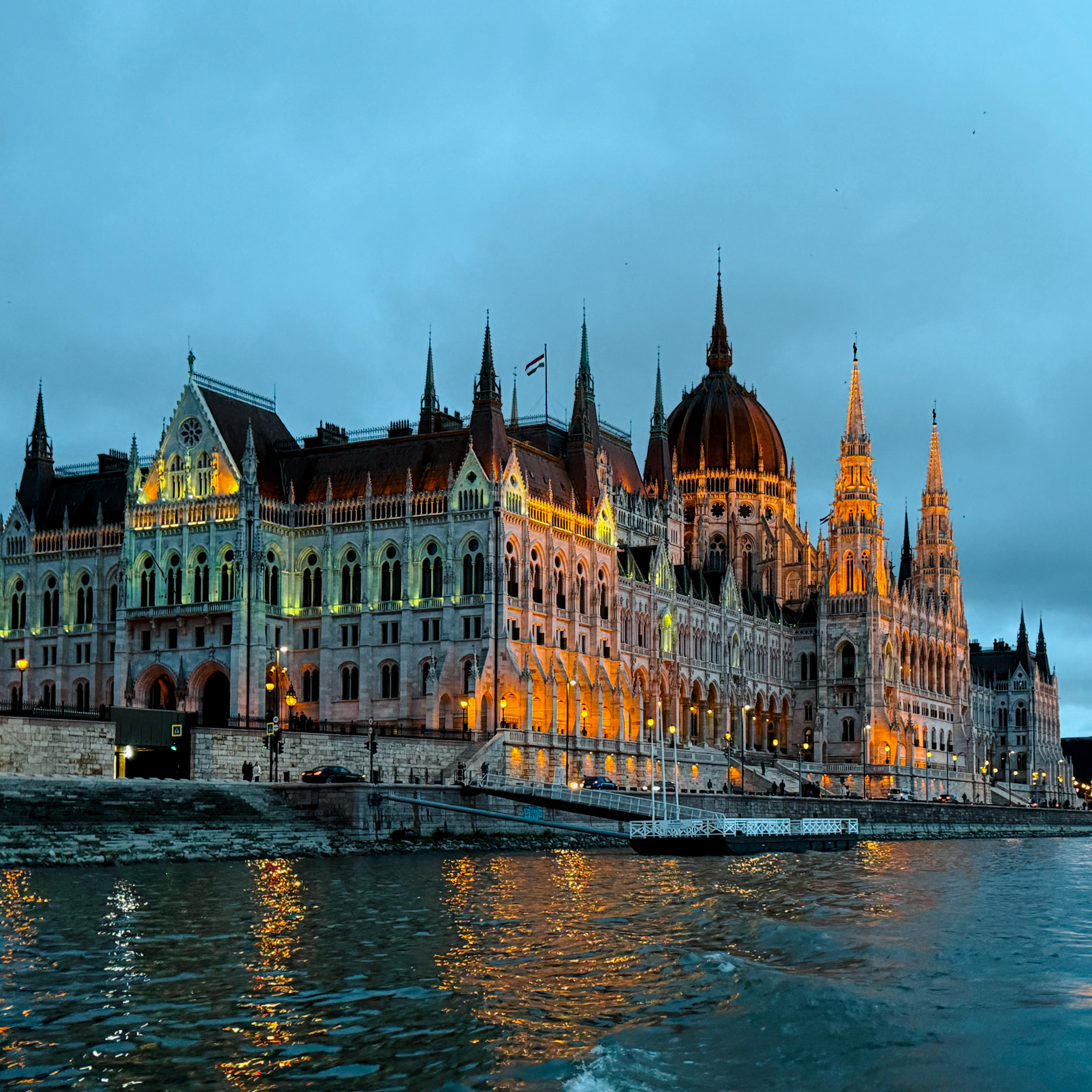
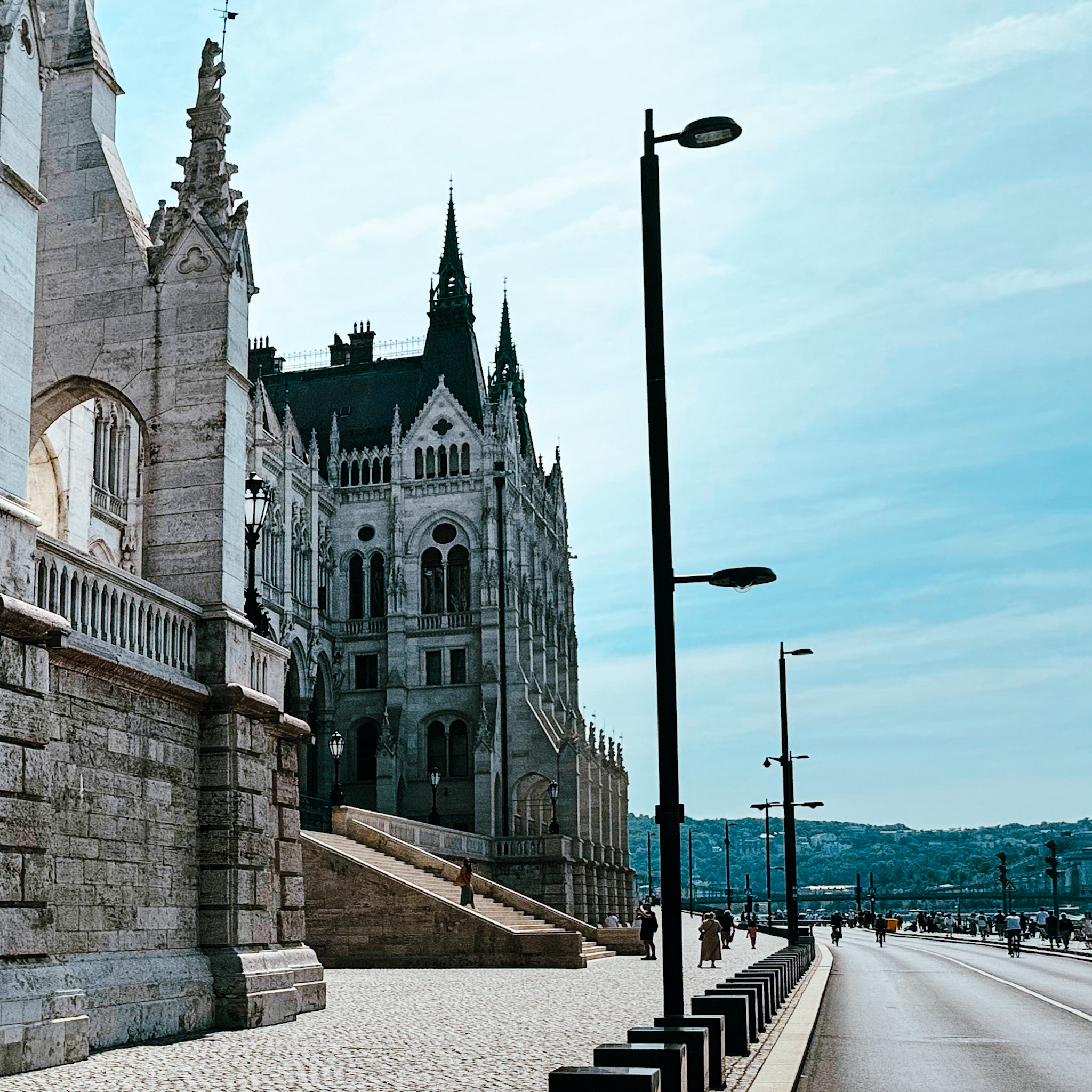
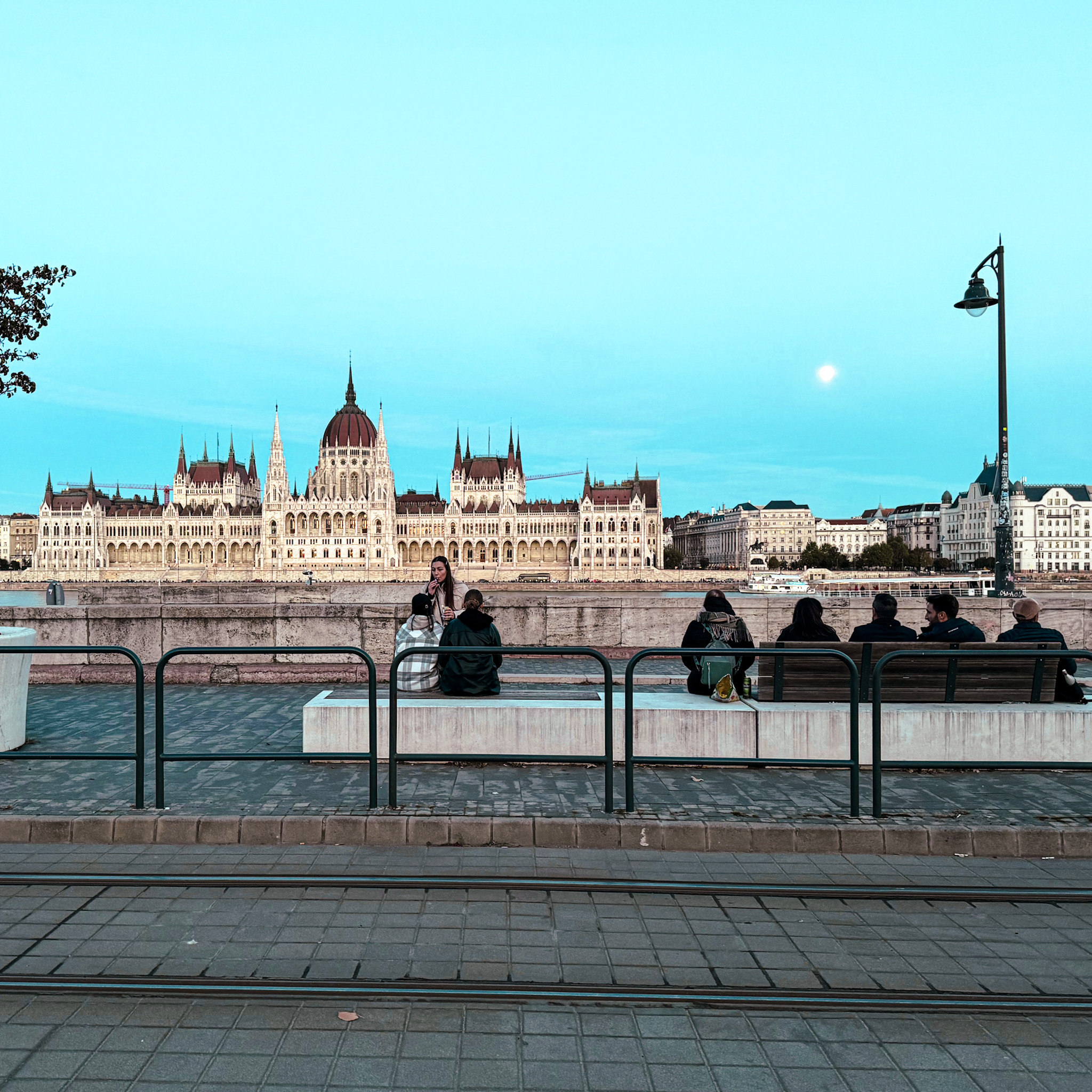
Budapest Parliament Building is one of the most iconic landmarks in Europe, offering stunning views from various angles. Admiring a building from different angles unveils new perspectives and highlights details often overlooked from a single viewpoint. Each shift in position allows for a deeper appreciation of its design, offering unique opportunities to capture its beauty in fresh, unexpected ways.

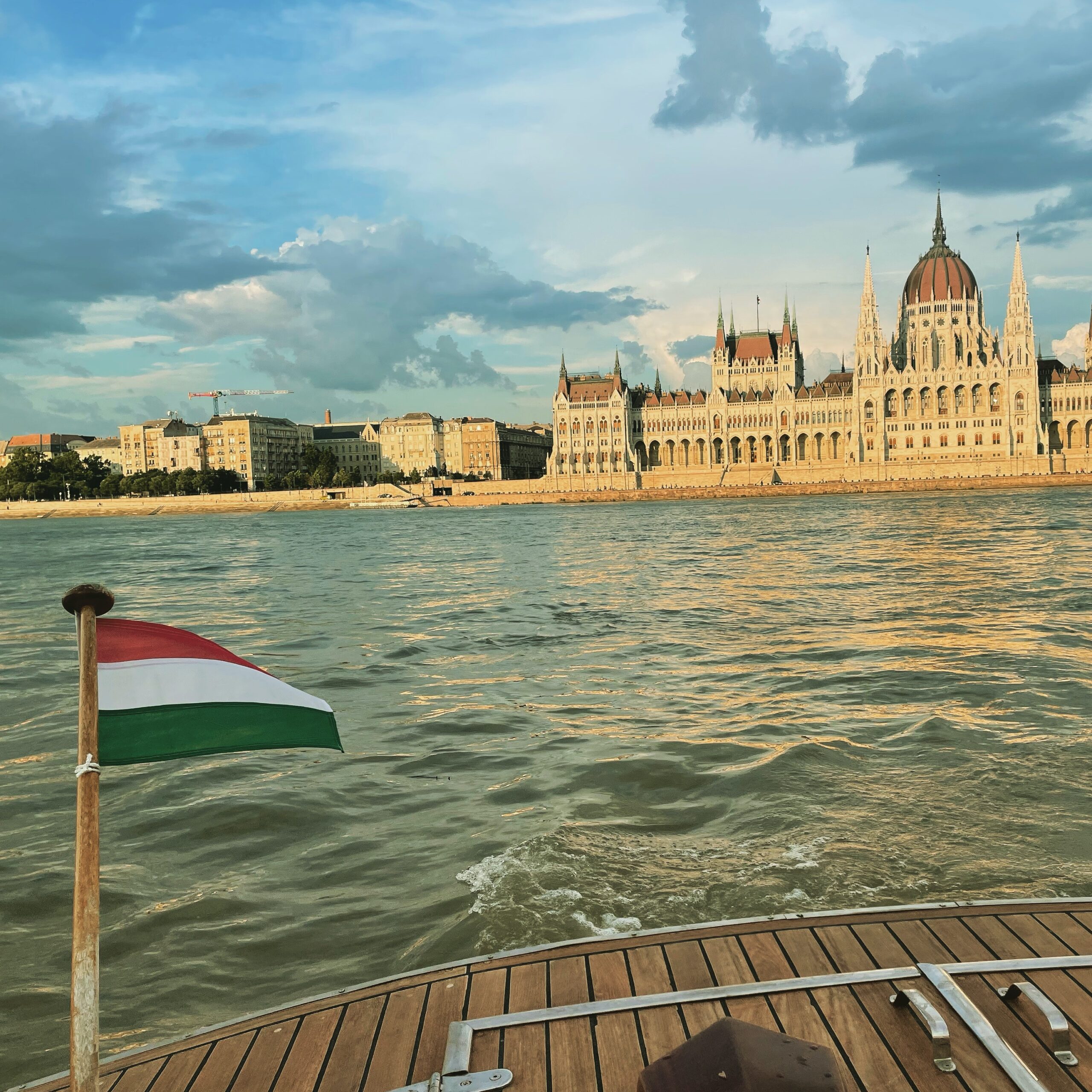
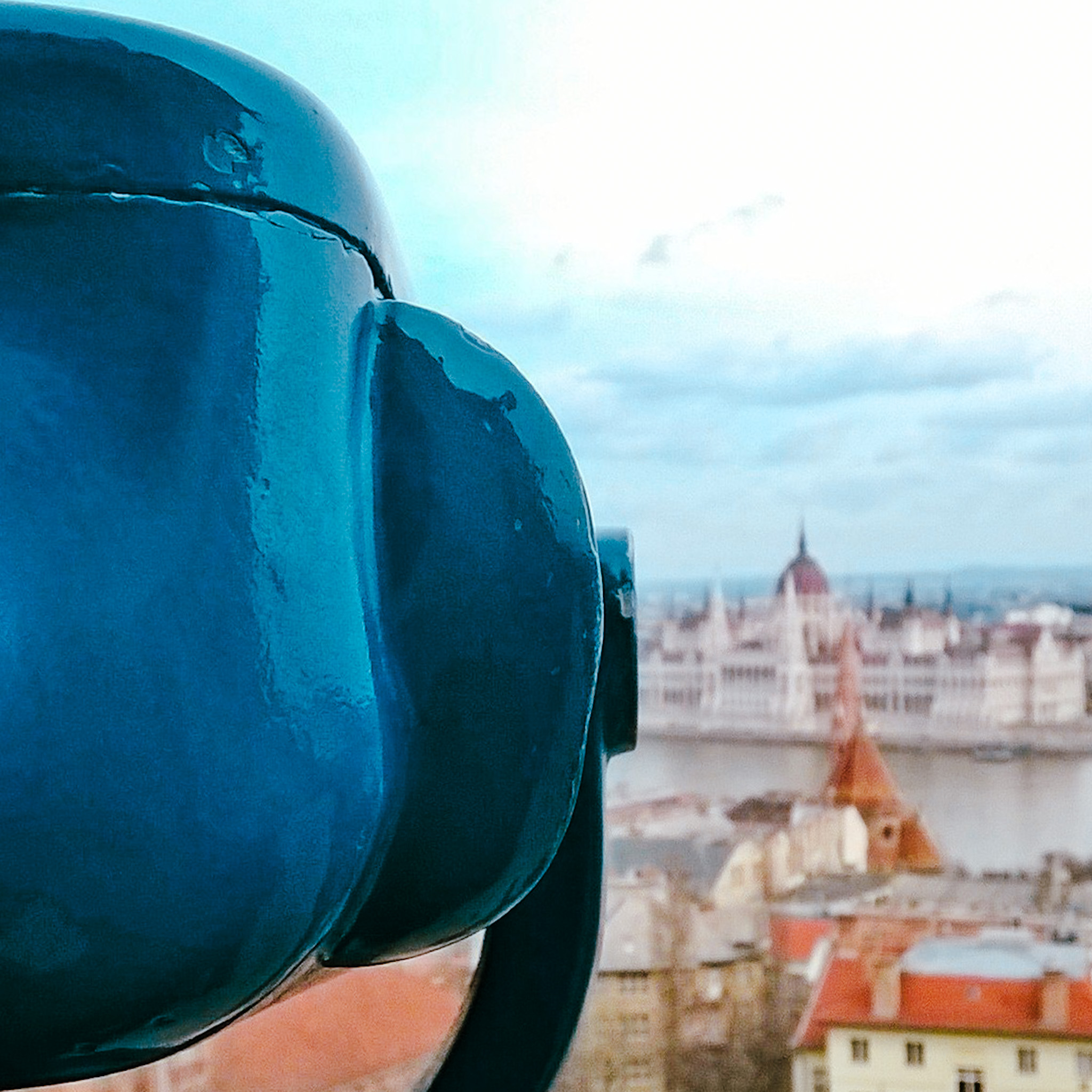
One of the best perspectives is from the banks of the Danube River, where you can capture the full grandeur of the Gothic Revival architecture with the water reflecting the building’s majestic silhouette. A boat tour along the river (I highly recommend Danube Legend) allows for a unique shot from the water, giving you an intimate yet sweeping view of the Parliament and its surrounding bridges. Another fantastic viewpoint is from the Buda side of the city, particularly from Fisherman’s Bastion, where you can beautifully frame the Parliament.

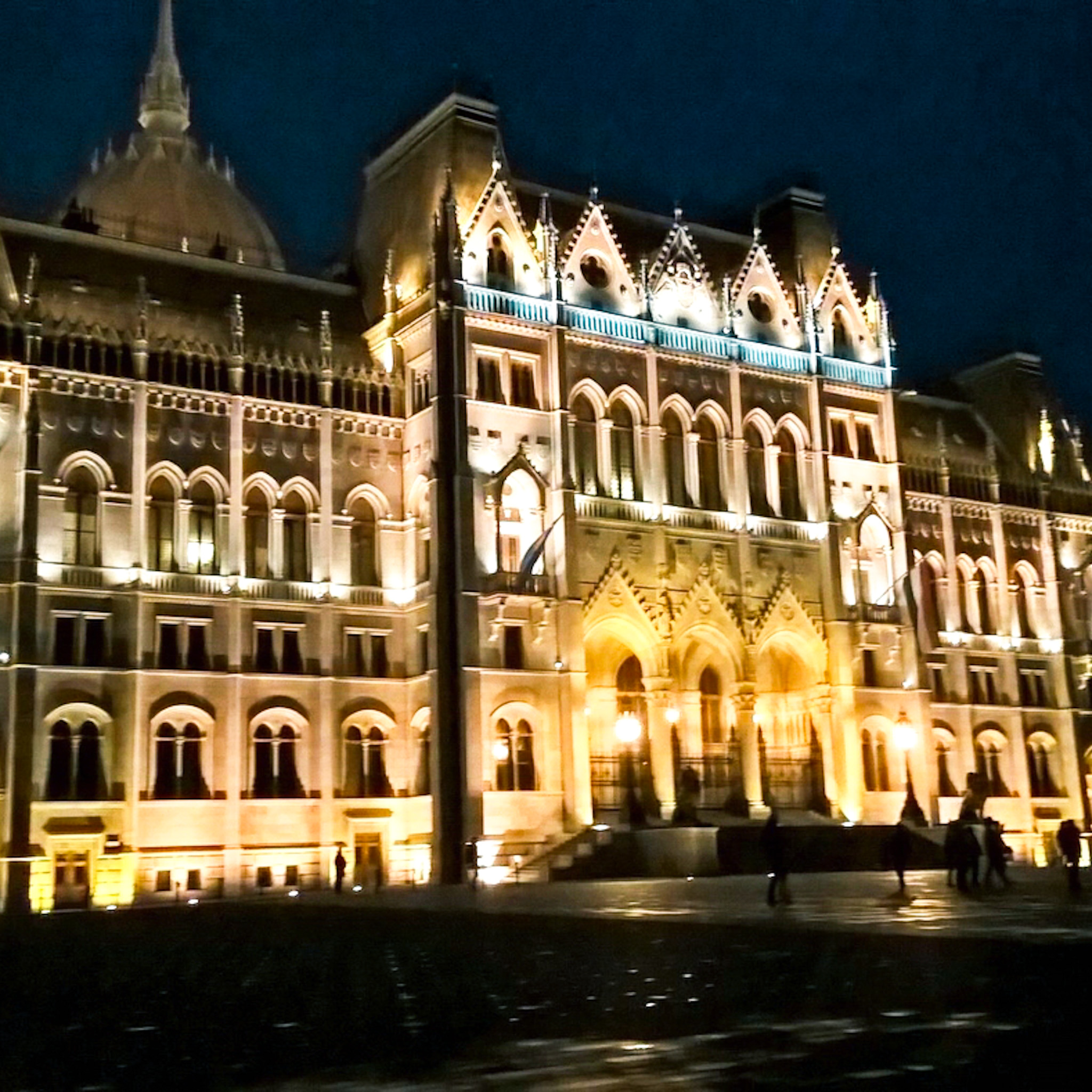
For a more panoramic shot, head to Gellért Hill, offering an elevated vantage point with a wide-angle view of both the Parliament and the sweeping cityscape. A great time to capture the building’s beauty is during golden hour, when the sunlight casts a warm glow on its intricate details, making it shine against the sky. Nighttime photography also offers magical opportunities, as the Parliament is beautifully illuminated, providing a striking contrast to the dark sky. From Margaret Island, you can frame the Parliament against lush green landscapes, making for a peaceful yet grand shot.

Book a private tour to experience the building up close, so that I can reveal hidden details and offer exclusive perspectives that will leave you in awe of its true magnificence.

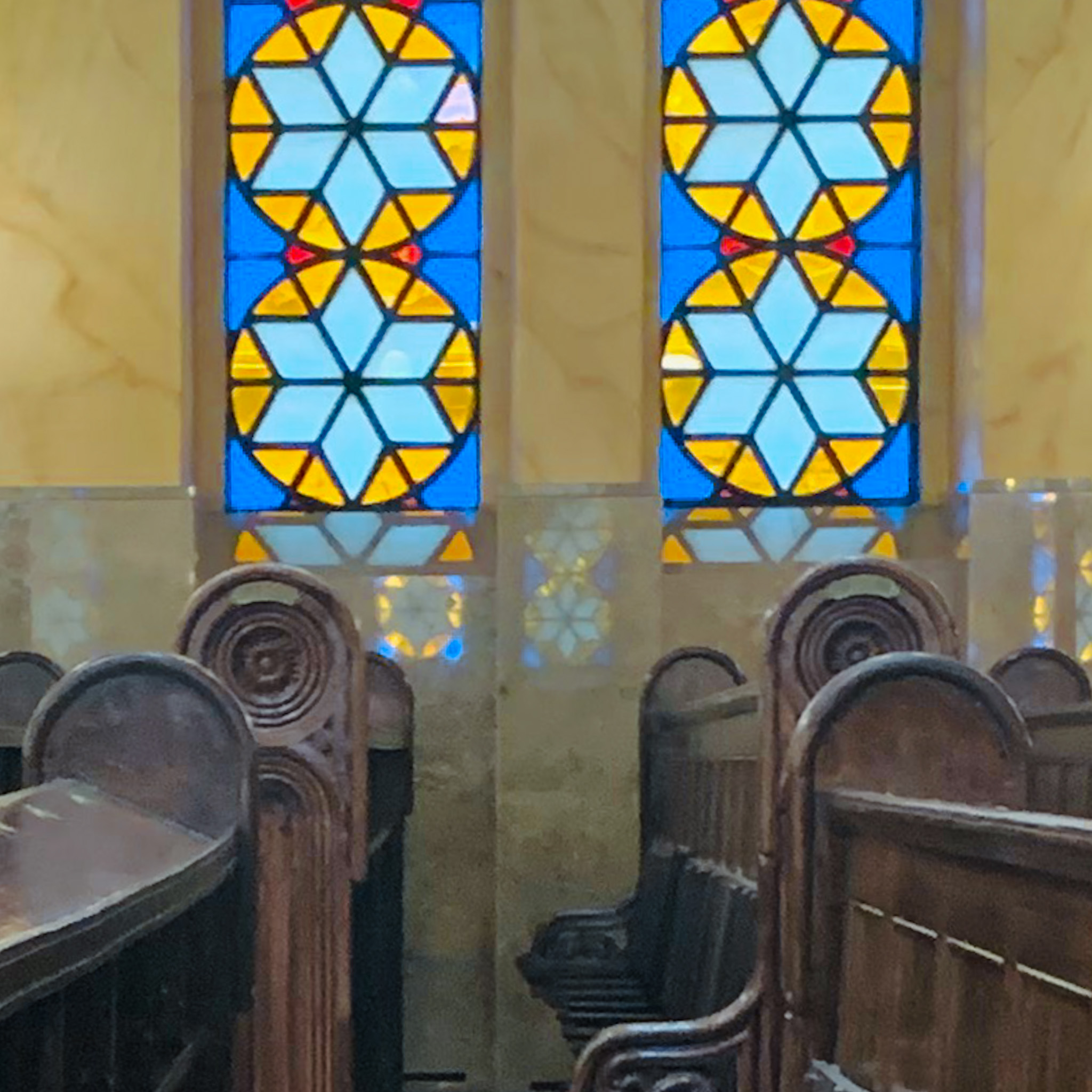
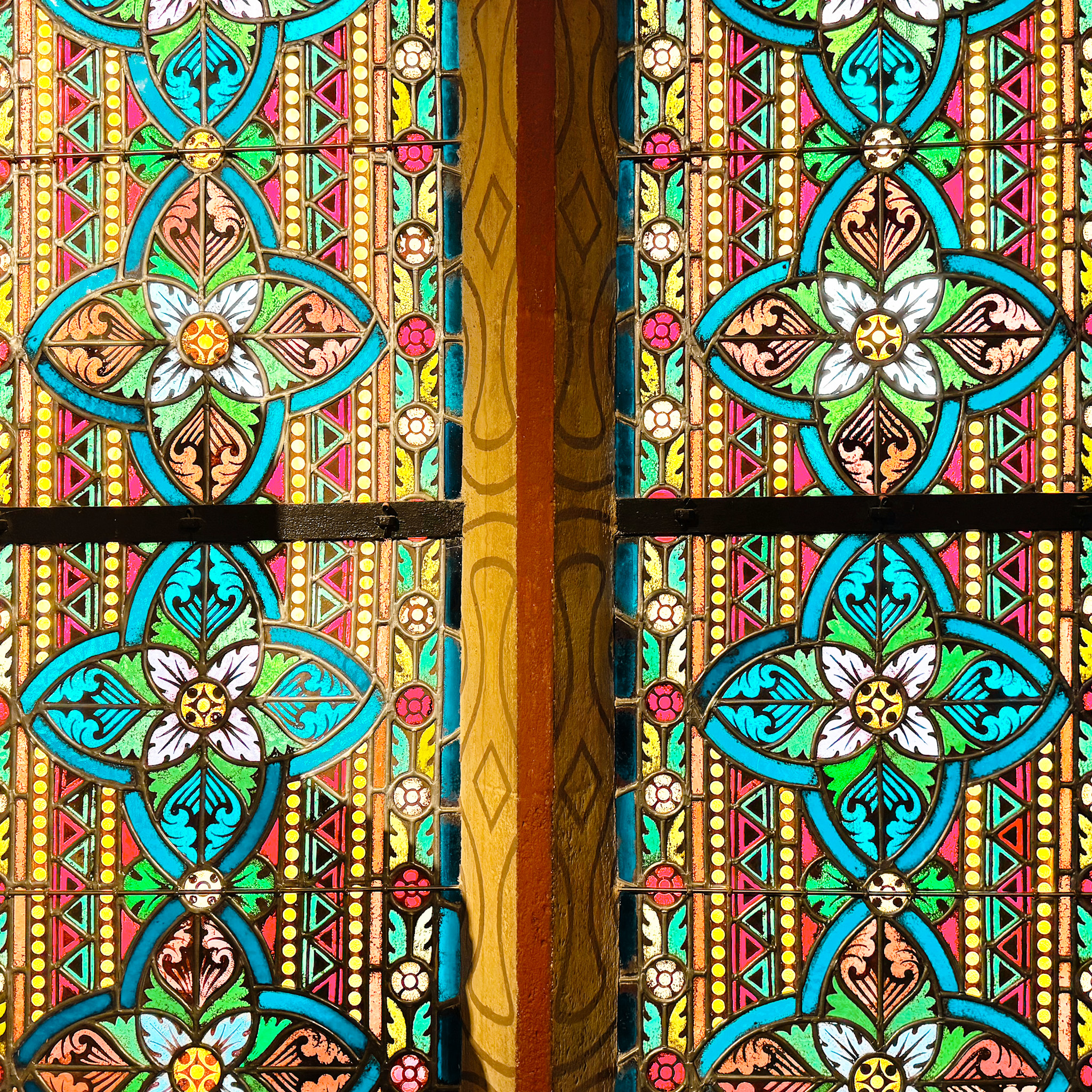
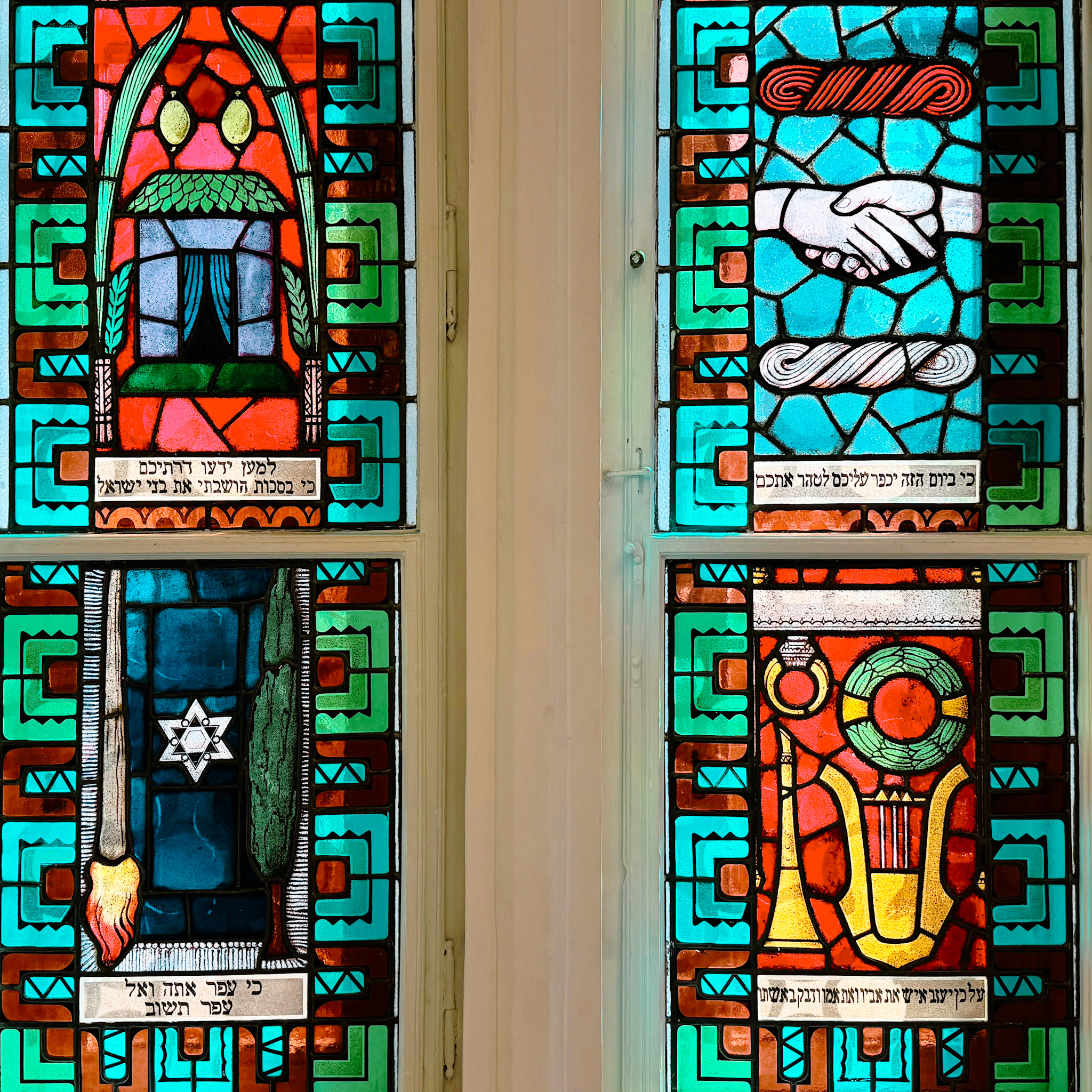
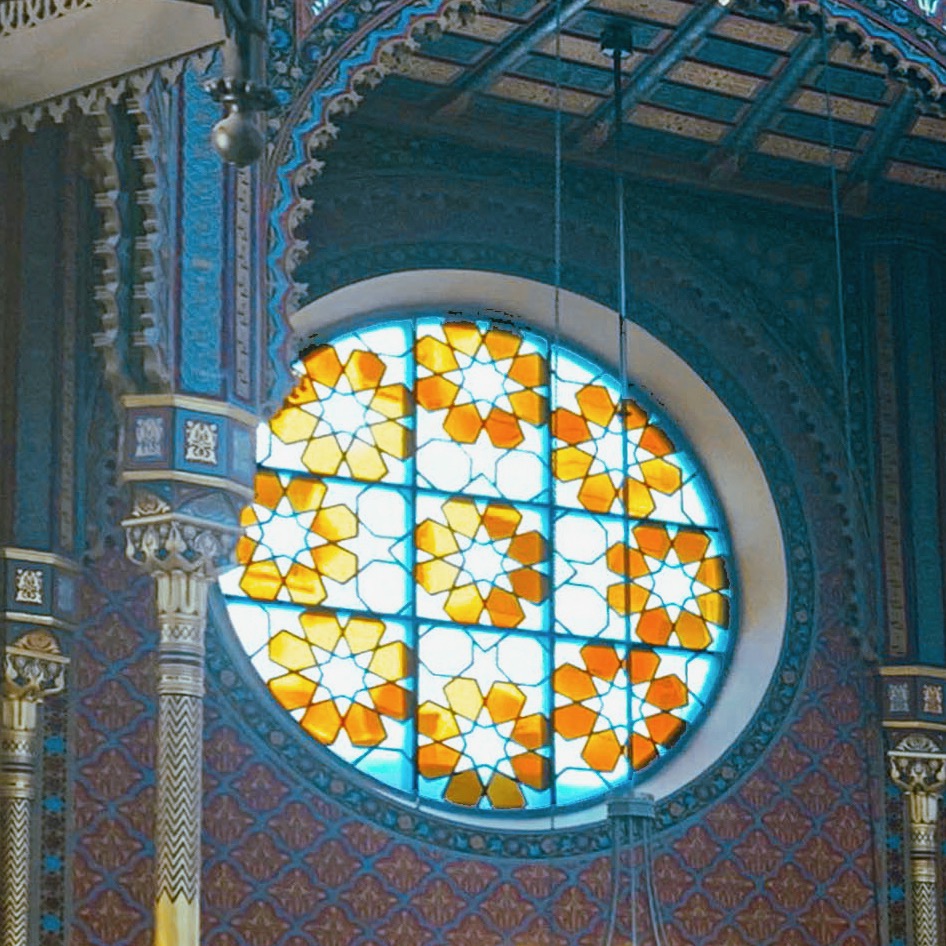
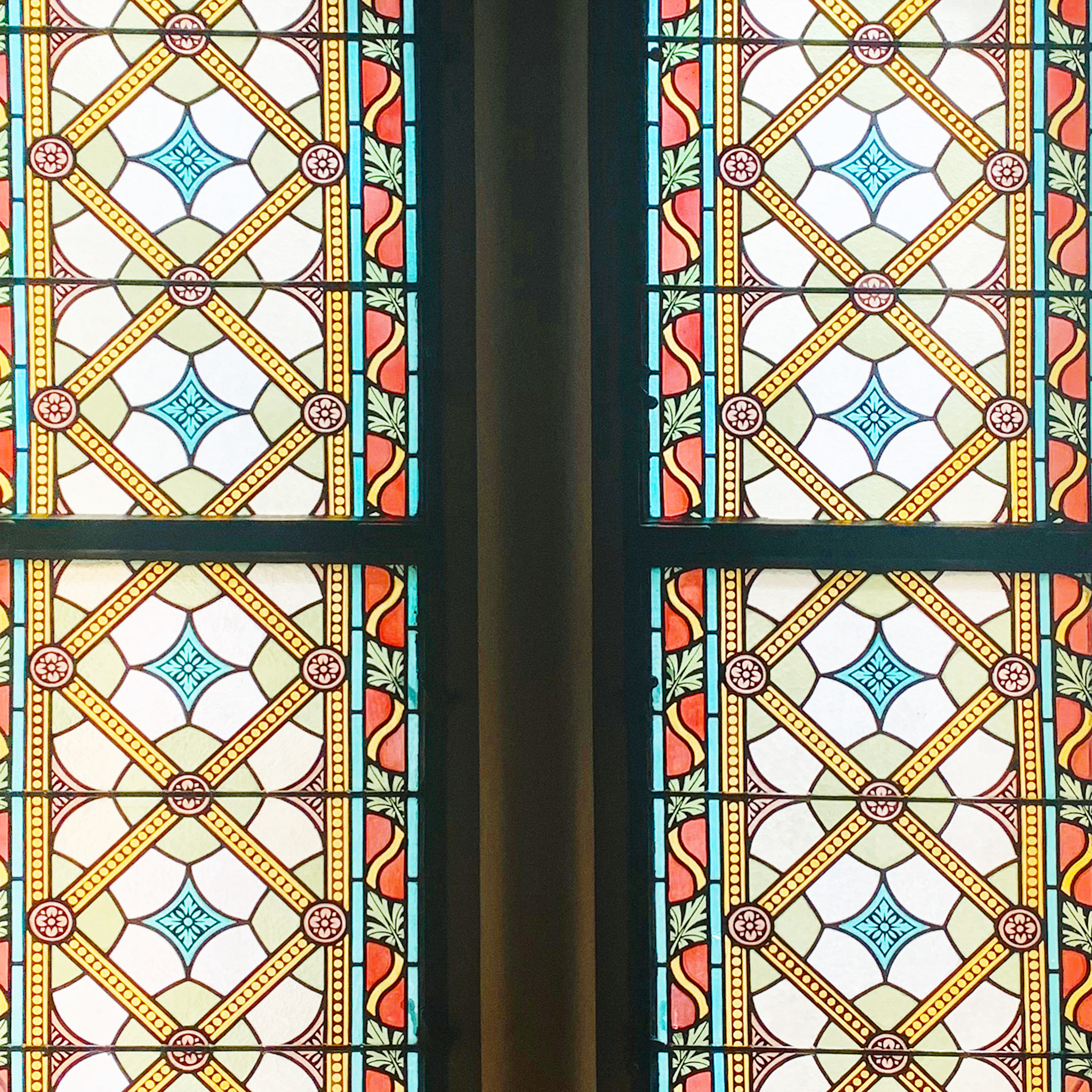
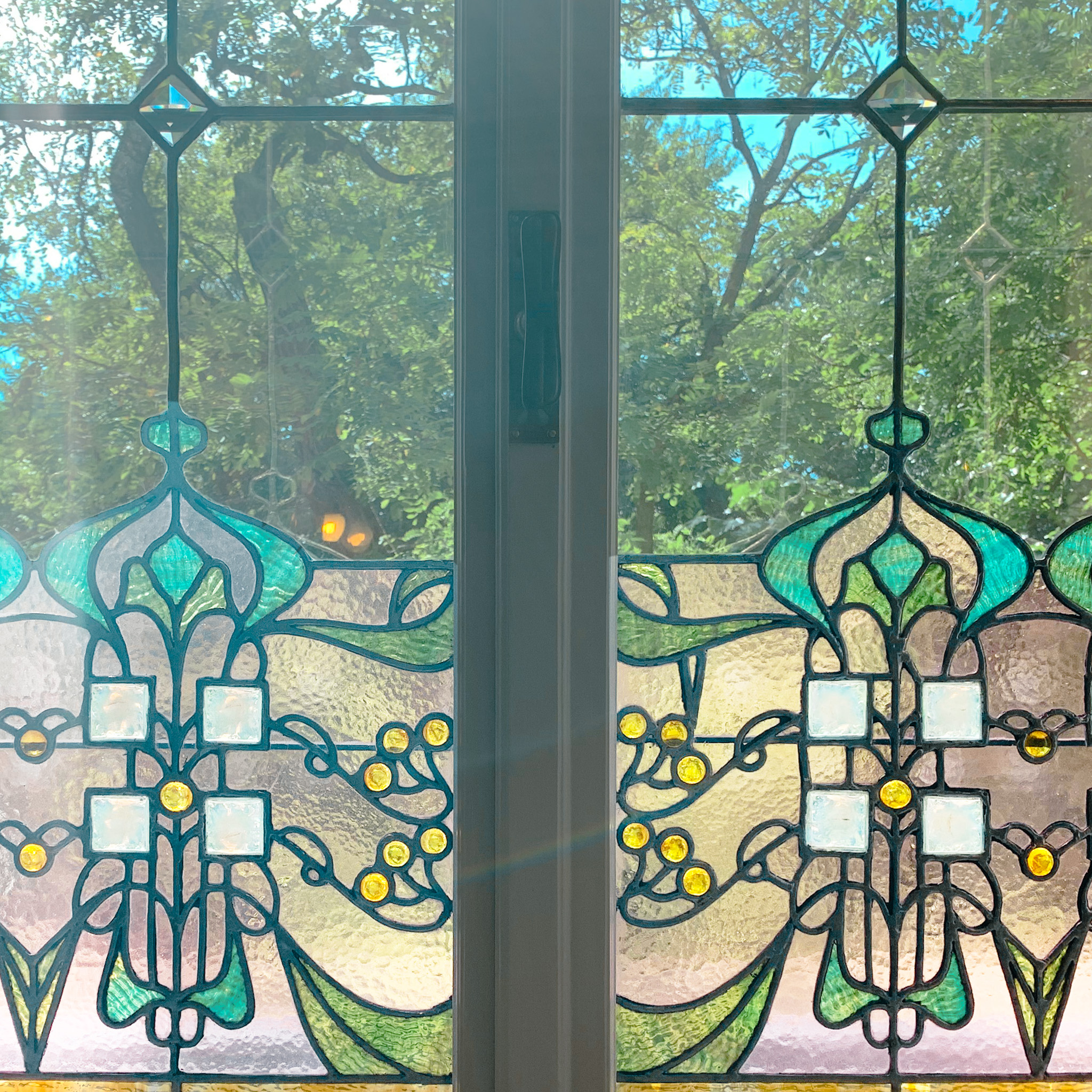
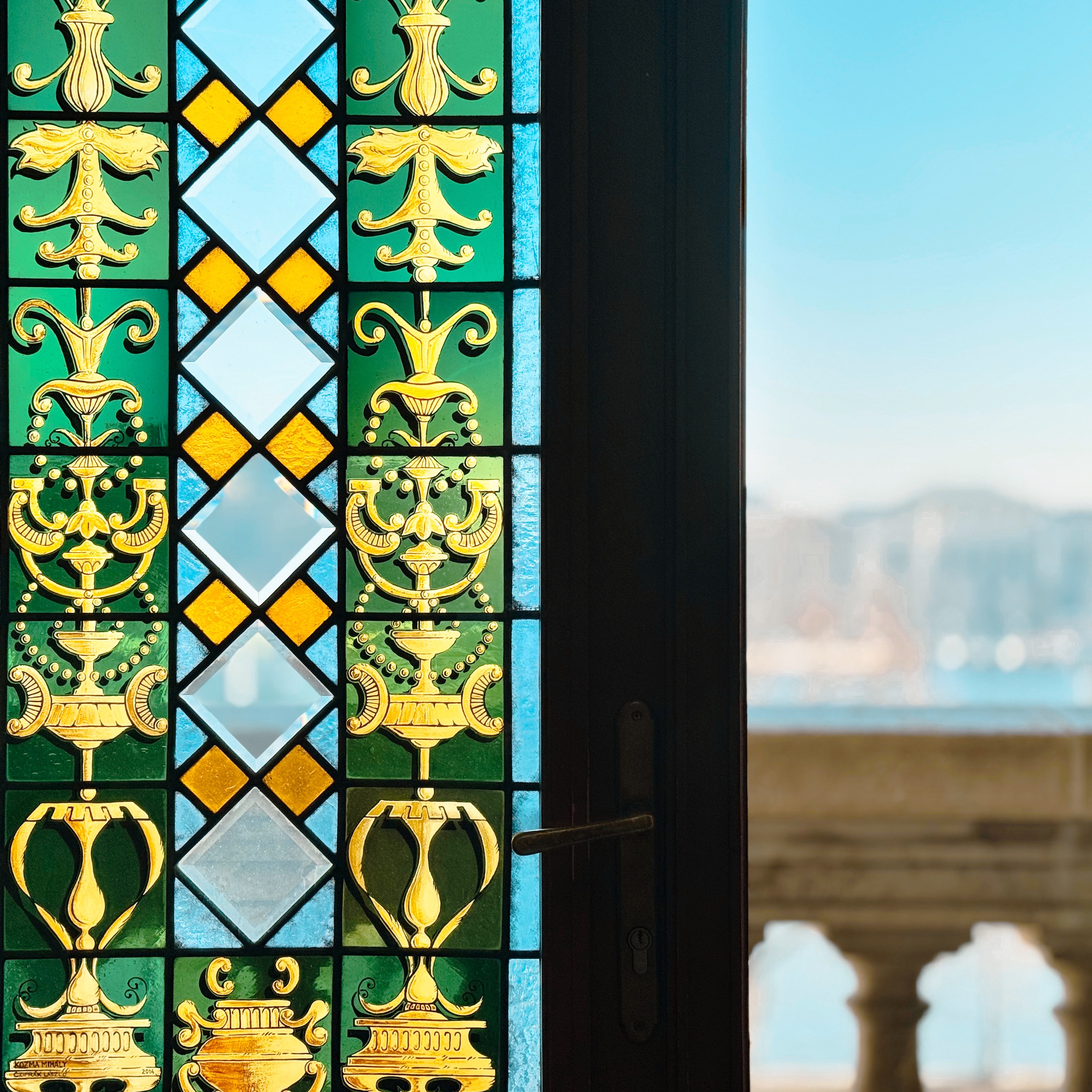
Budapest is a city that dazzles with its architectural wonders, and among its many treasures, stained glass windows stand out as one of its most beautiful and intricate forms of artistry. These stunning windows can be found throughout the city, each piece telling a unique story through its vibrant colors and delicate designs. The tradition of stained glass in Budapest dates back centuries, and it continues to be a significant part of the city’s architectural heritage.

One of the best places to appreciate stained glass in Budapest is the majestic Matthias Church. Inside, visitors can marvel at the intricate stained glass windows that depict biblical scenes and saints, all crafted with painstaking detail. The rich colours and light filtering through the glass create a serene atmosphere that enhances the spiritual experience.

Another iconic location to view stained glass is the Hungarian Parliament Building. Here, you’ll find windows that showcase both historical and symbolic themes, blending art with national identity. The craftsmanship of these windows is a testament to the skilled artisans who worked tirelessly to bring these designs to life.

Beyond religious and governmental buildings, stained glass can be found in many of Budapest’s Art Nouveau and eclectic-style buildings. The early 20th century saw a boom in decorative glasswork, with many structures featuring stunning, nature-inspired motifs and modernist designs. These windows not only enhance the beauty of the buildings but also give a glimpse into the cultural and artistic movements of the time. ne of my favourite spots in Budapest is the Róth Miksa Museum, highly recommended for those interested in stunning stained glass art and the city’s history.

For those interested in learning more about this unique art form, the Hungarian National Museum offers exhibitions that explore the history of stained glass in Budapest and Hungary.

Stained glass in Budapest is more than just a decorative feature—it’s a reflection of the city’s rich history, culture, and artistry. Whether in a grand cathedral, a synagogue or a hidden corner of a historic building, these windows offer a glimpse into the soul of the city. So, next time you’re wandering through Budapest, take a moment to look up and appreciate the vibrant world of stained glass that tells a story centuries in the making or join me for a tour to discover more!

The Wenckheim Palace Budapest story begins quietly—behind heavy doors, beneath chandeliers, and far from the noise of the city outside.

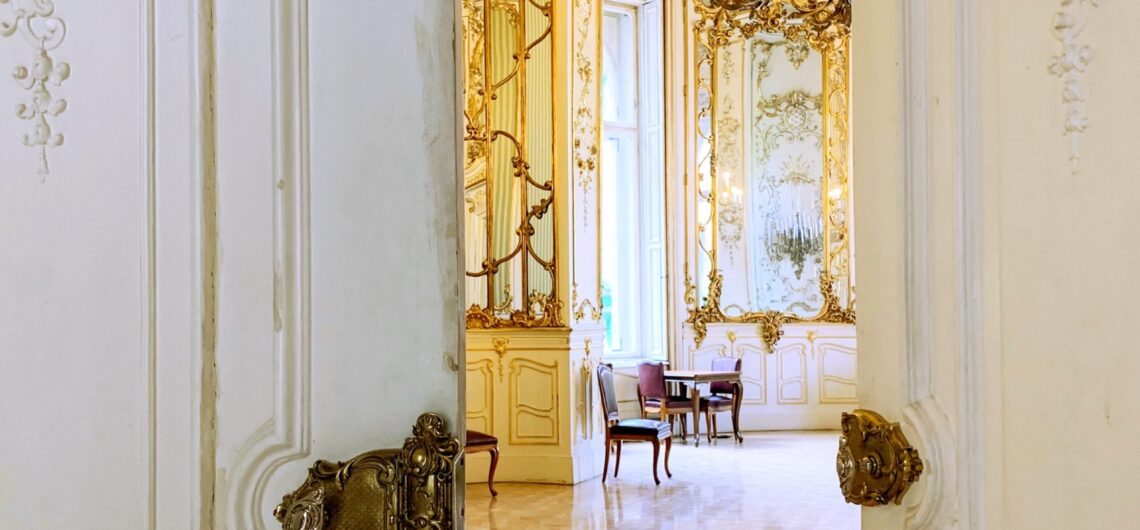
Some buildings in Budapest impress from the outside. Others reveal themselves slowly, once you step inside and let the silence, the light, and the details do the talking. Wenckheim Palace belongs firmly to the second category—a true jewel box hidden in the Palace Quarter.

Built in 1889, the palace was commissioned by Count Frigyes Wenckheim and his wife, Krisztina Wenckheim (yes, they were first cousins), and designed by architect Artúr Meinig. Behind its Neo-Baroque façade, the interiors unfold in an elegant Louis XV style, rich with gilded details, carved woodwork, and soft symmetry. Count Wenckheim was a wealthy landowner and a Member of Parliament, and his Budapest residence quickly became one of the most admired palaces of the 8th district.

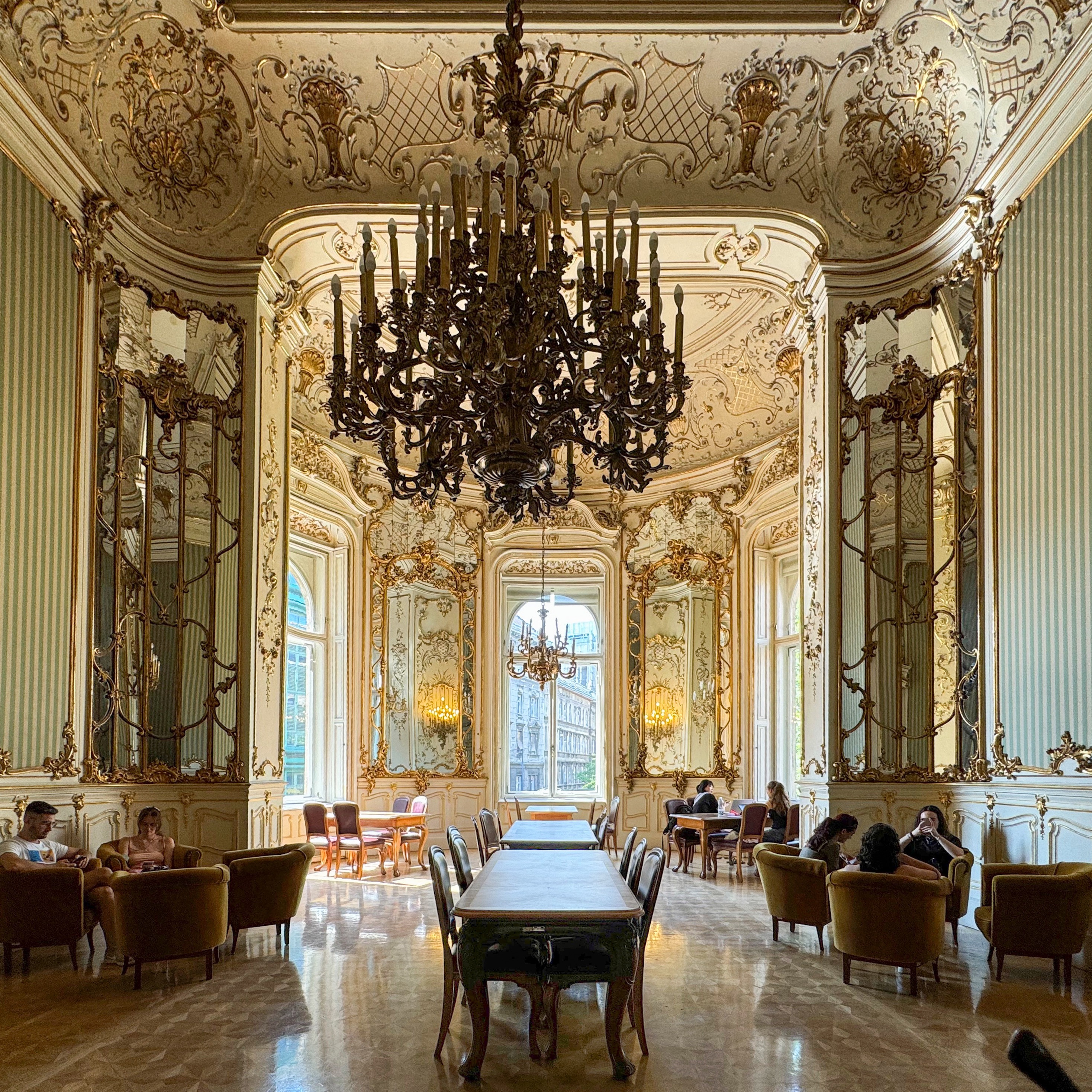
At the heart of the building lies the grand ballroom—ornate, luminous, and surprisingly vast. It could easily host up to 500 guests, and it almost certainly did. The Wenckheim family was known for their magnificent receptions and glittering balls, attended by the elite of the era, including Franz Joseph, Emperor of Austria and King of Hungary. One can still imagine the music, the movement, and the carefully choreographed elegance of late-19th-century high society lingering in the space.

But the Wenckheim Palace story in Budapest is not only one of architecture and aristocratic glamour—it is also rich in drama. The family’s history was so full of passion, scandal, and unexpected turns that it inspired Jókai Mór, one of Hungary’s greatest novelists. Elements of the Wenckheim legacy found their way into his famous novel A Hungarian Nabob, blurring the line between literature and real life in a way that feels quintessentially Budapest.

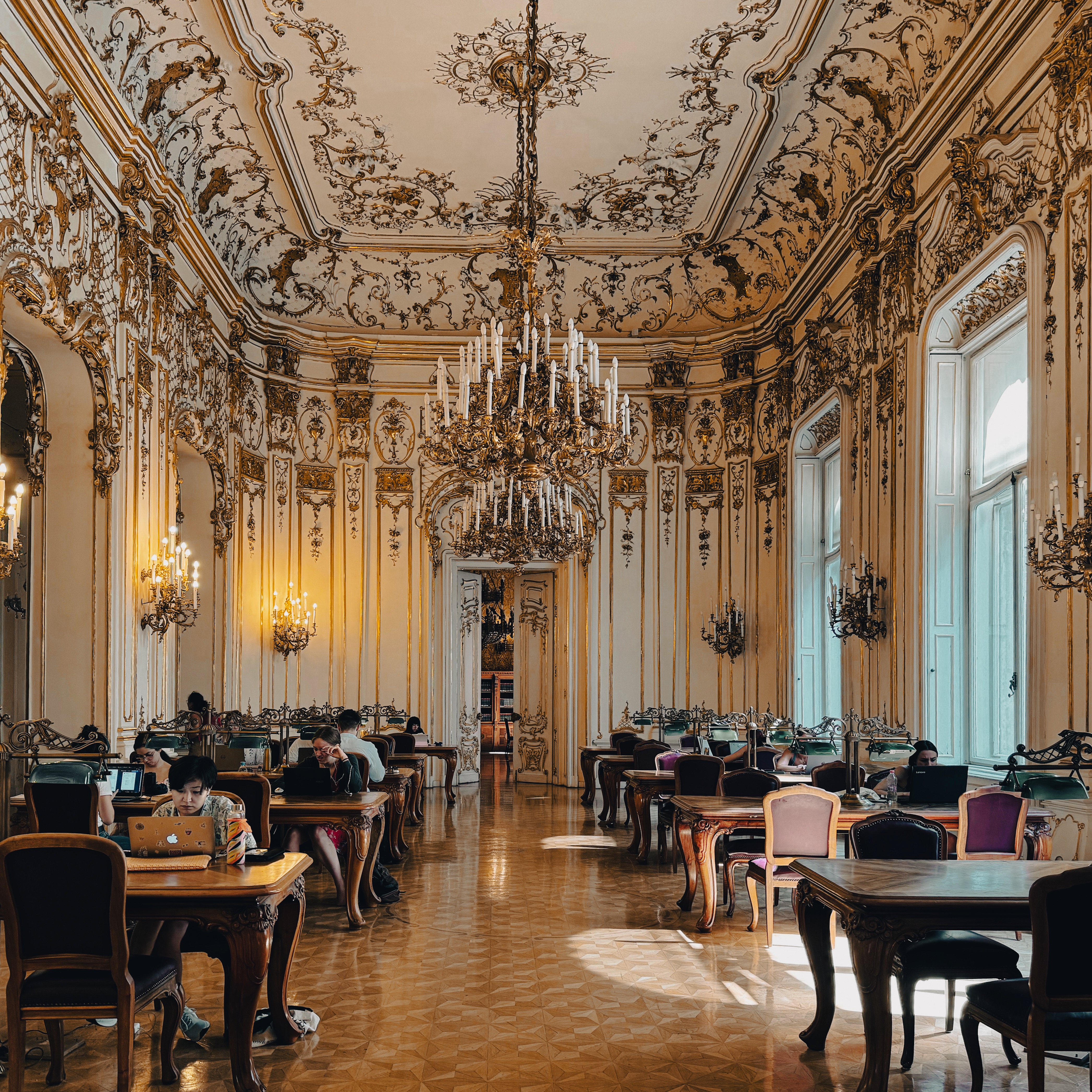
After Count Wenckheim’s death in 1912, the palace gradually lost its private function and was sold to the city in 1927. A new chapter began in 1931, when it became the central building of the Budapest Metropolitan Library. Since then, the palace has lived a wonderfully dual life: a former aristocratic residence where chandeliers now shine over reading desks, and quiet concentration has replaced the sound of orchestras.

Today, students, researchers, and curious visitors move through the same halls that once hosted lavish balls. The contrast is part of the magic—and perhaps the reason filmmakers are so drawn to the building. Wenckheim Palace has appeared in international productions such as Red Sparrow, The Alienist, Spy, and The Phantom of the Opera.

Wenckheim Palace is one of those places where Budapest’s layers come together effortlessly—aristocratic ambition, literary echoes, everyday life, and cinematic allure, all under one roof. It’s not just a building you visit; it’s a story you quietly step into.

If you’re planning your visit and wondering how to include Wenckheim Palace in your itinerary, you may find my Must-See guide to Wenckheim Palace useful. If you’d like to experience Wenckheim Palace as part of a personalised Budapest walk, I’m always happy to weave it into a tour—because places like this are best discovered through their stories.