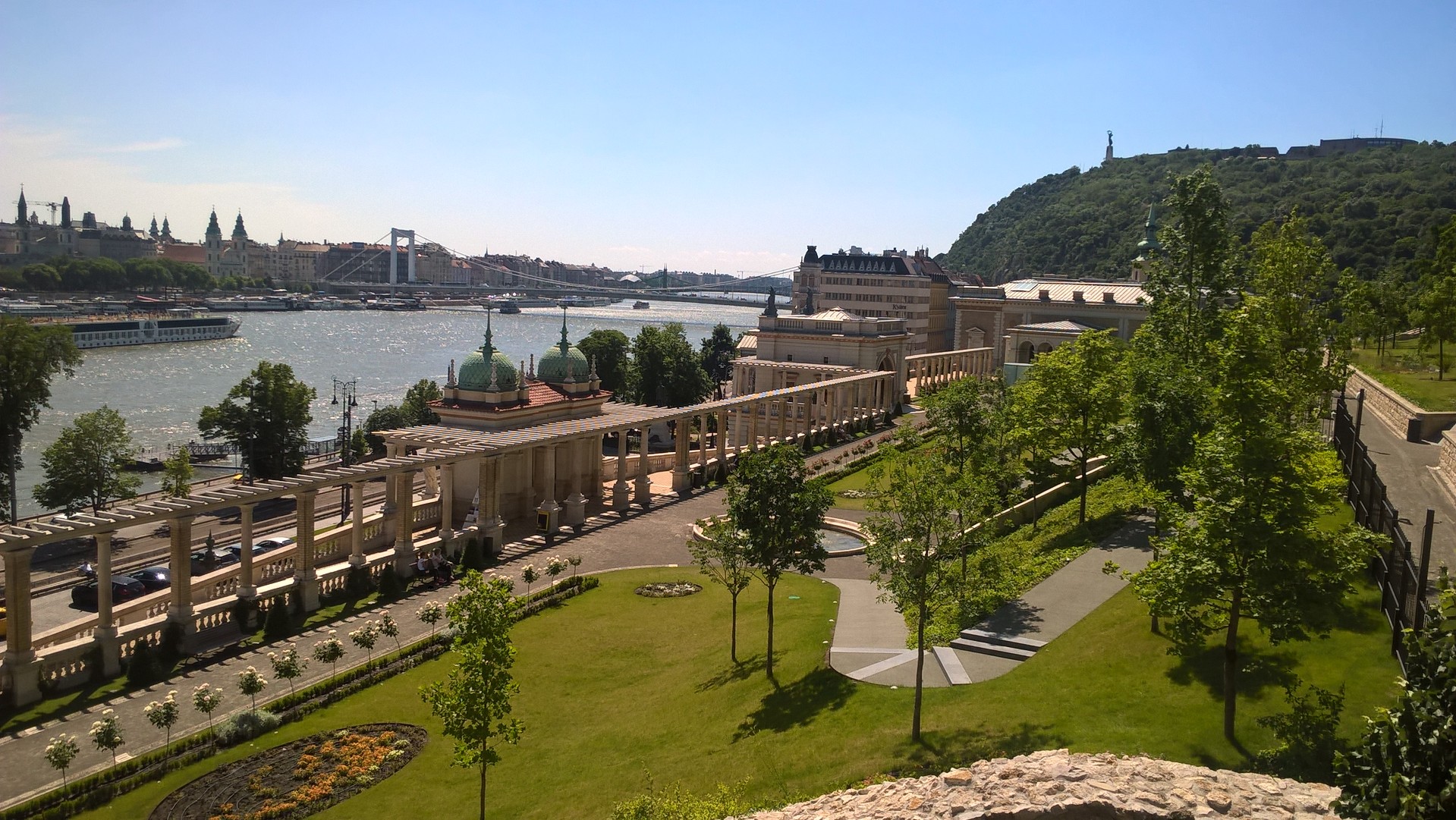
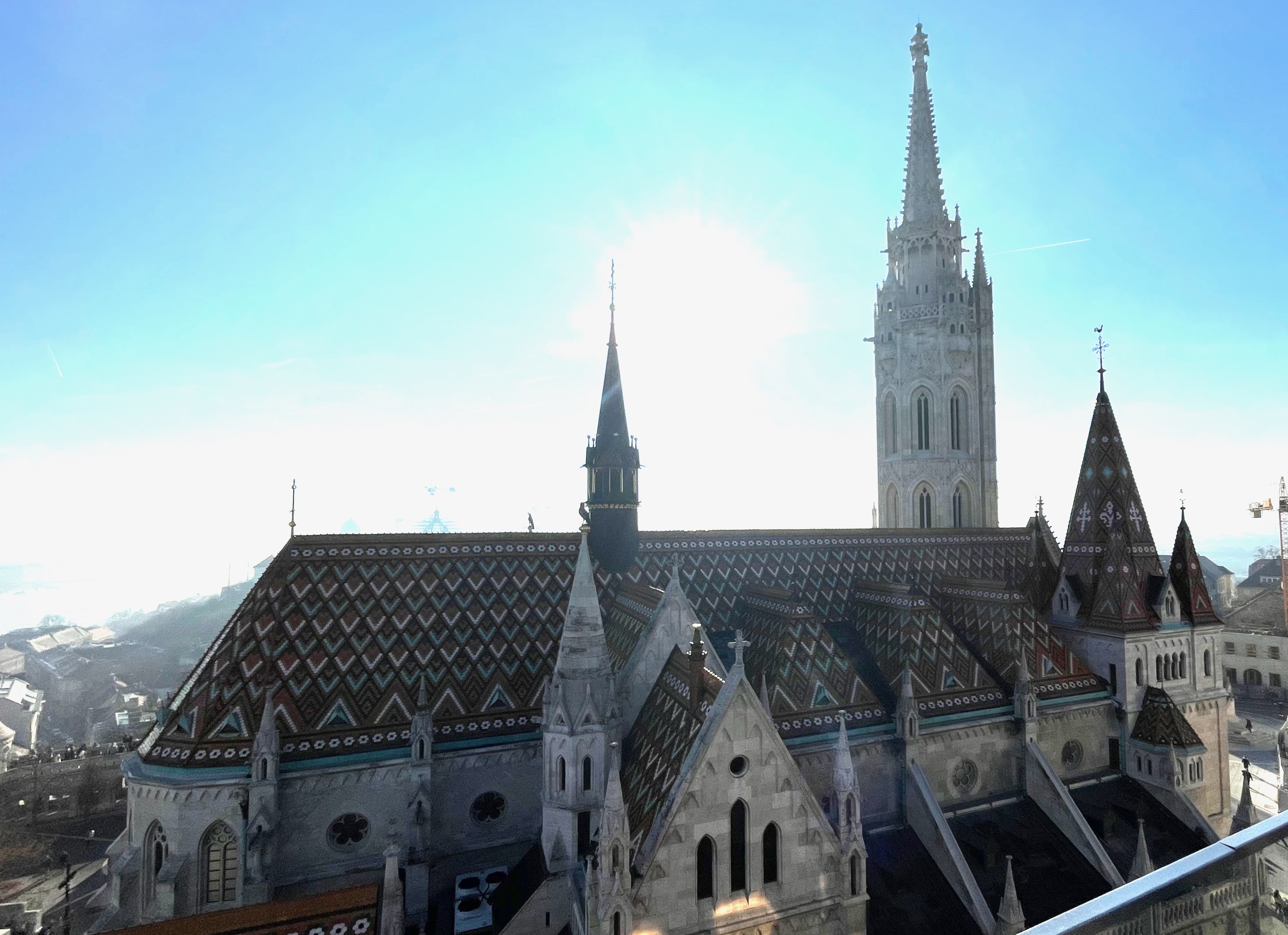
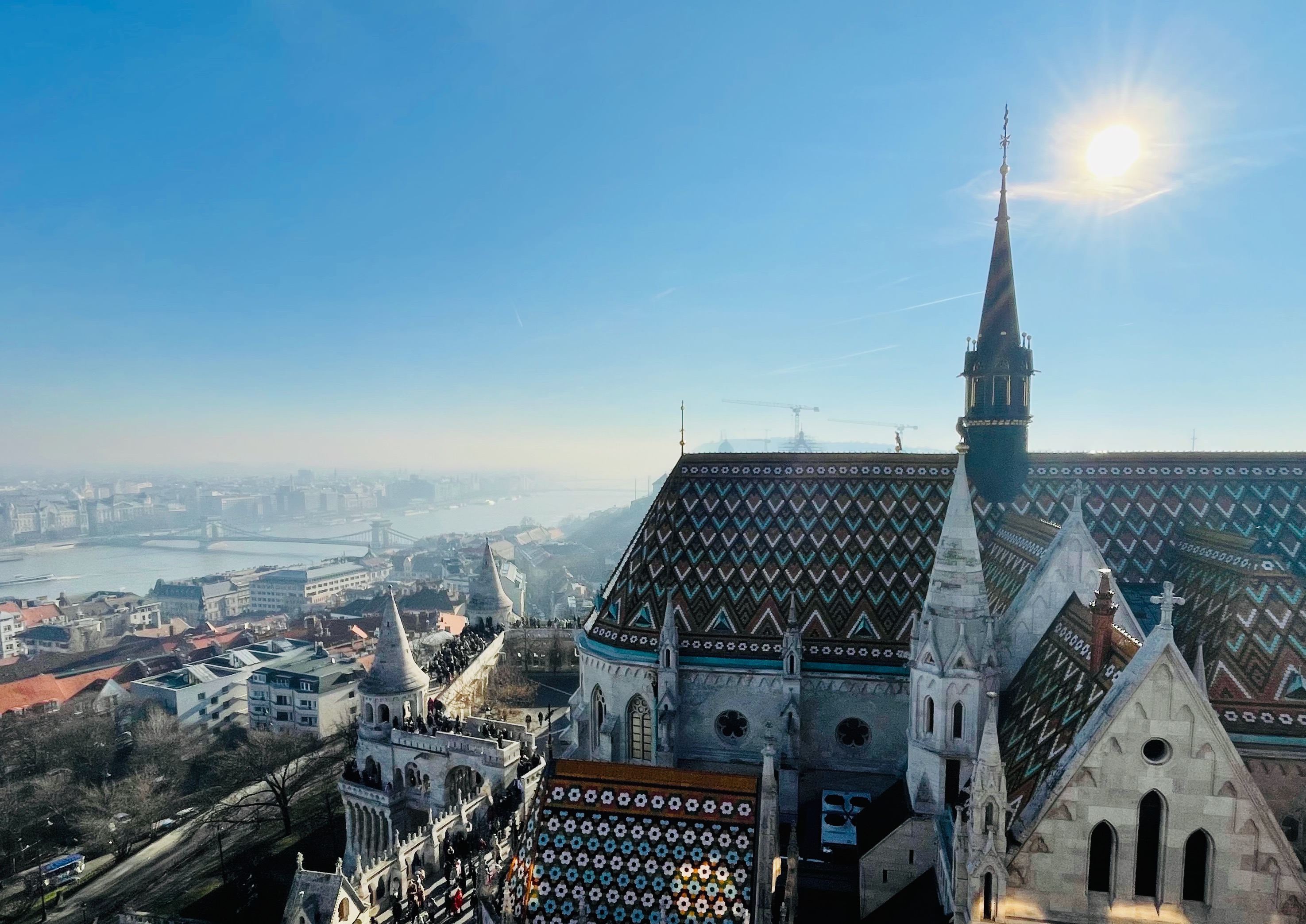
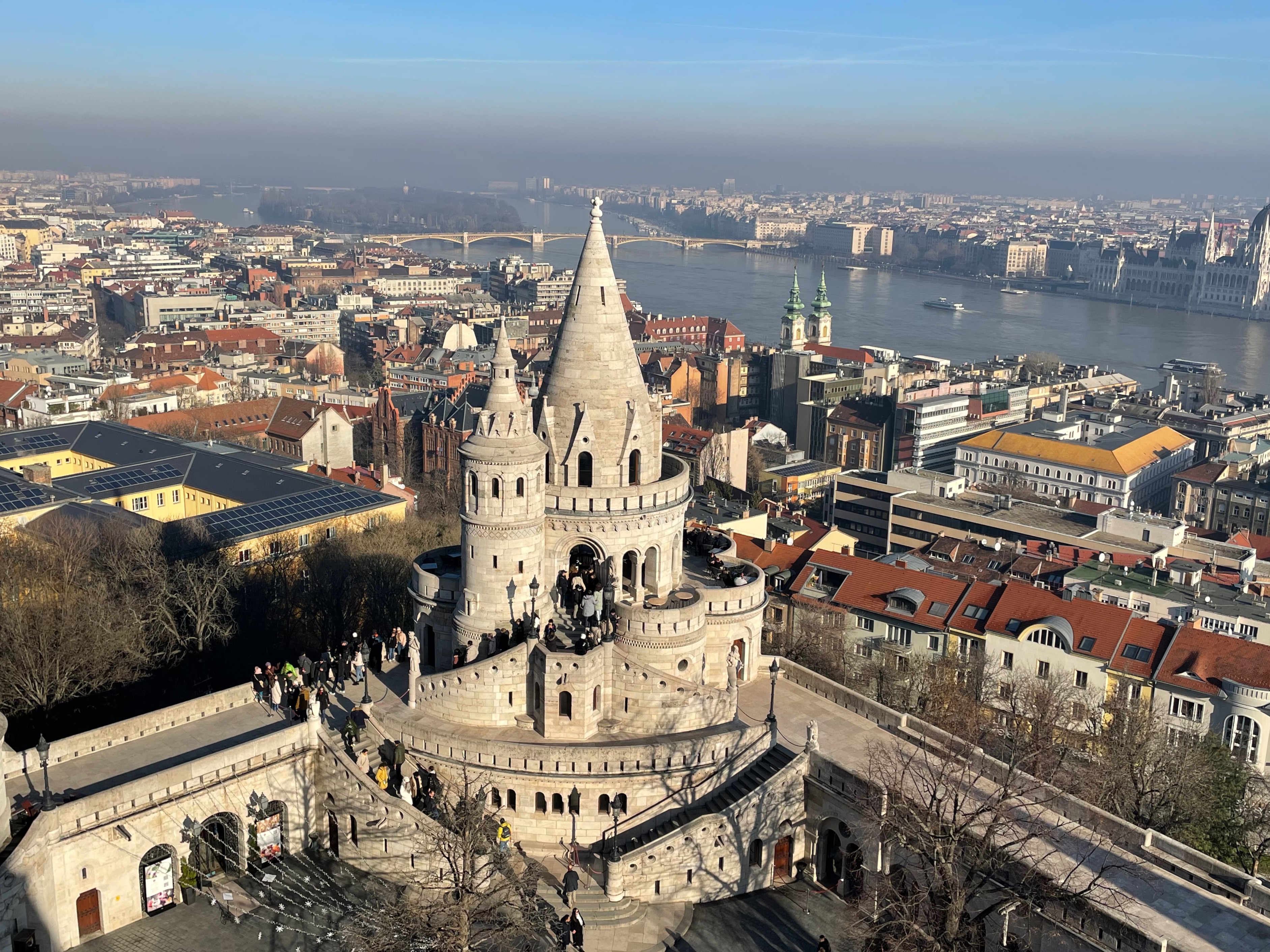
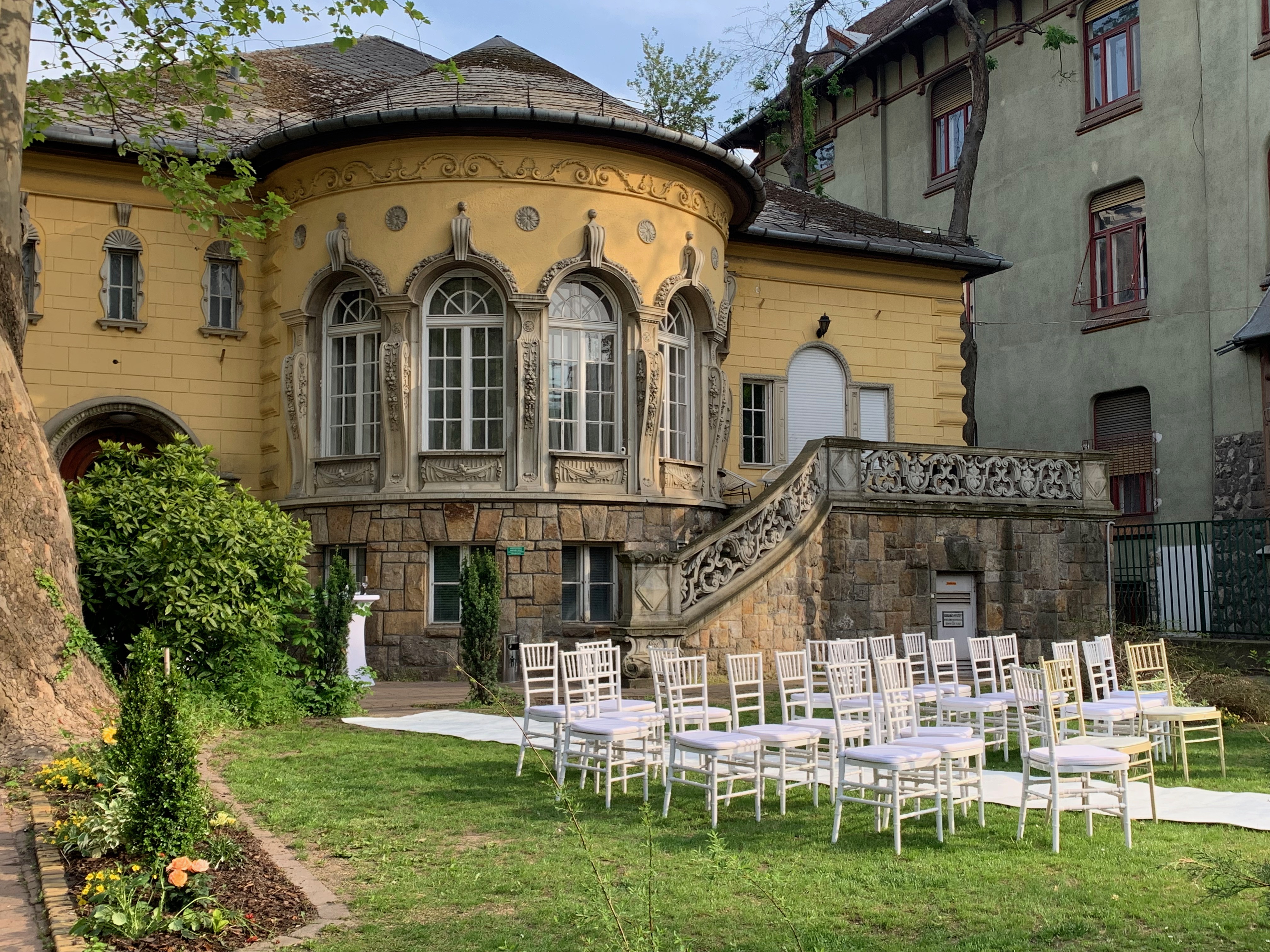
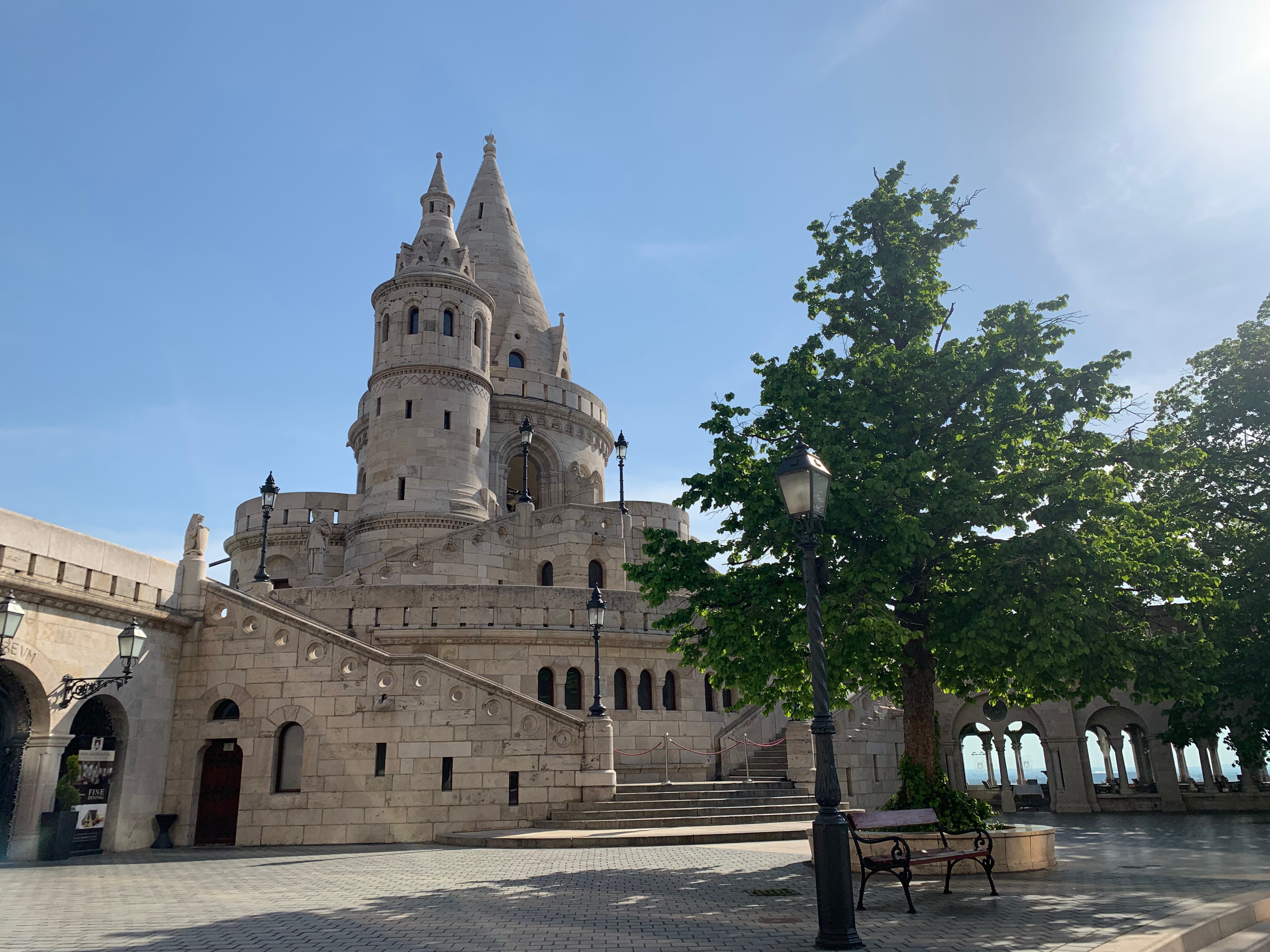
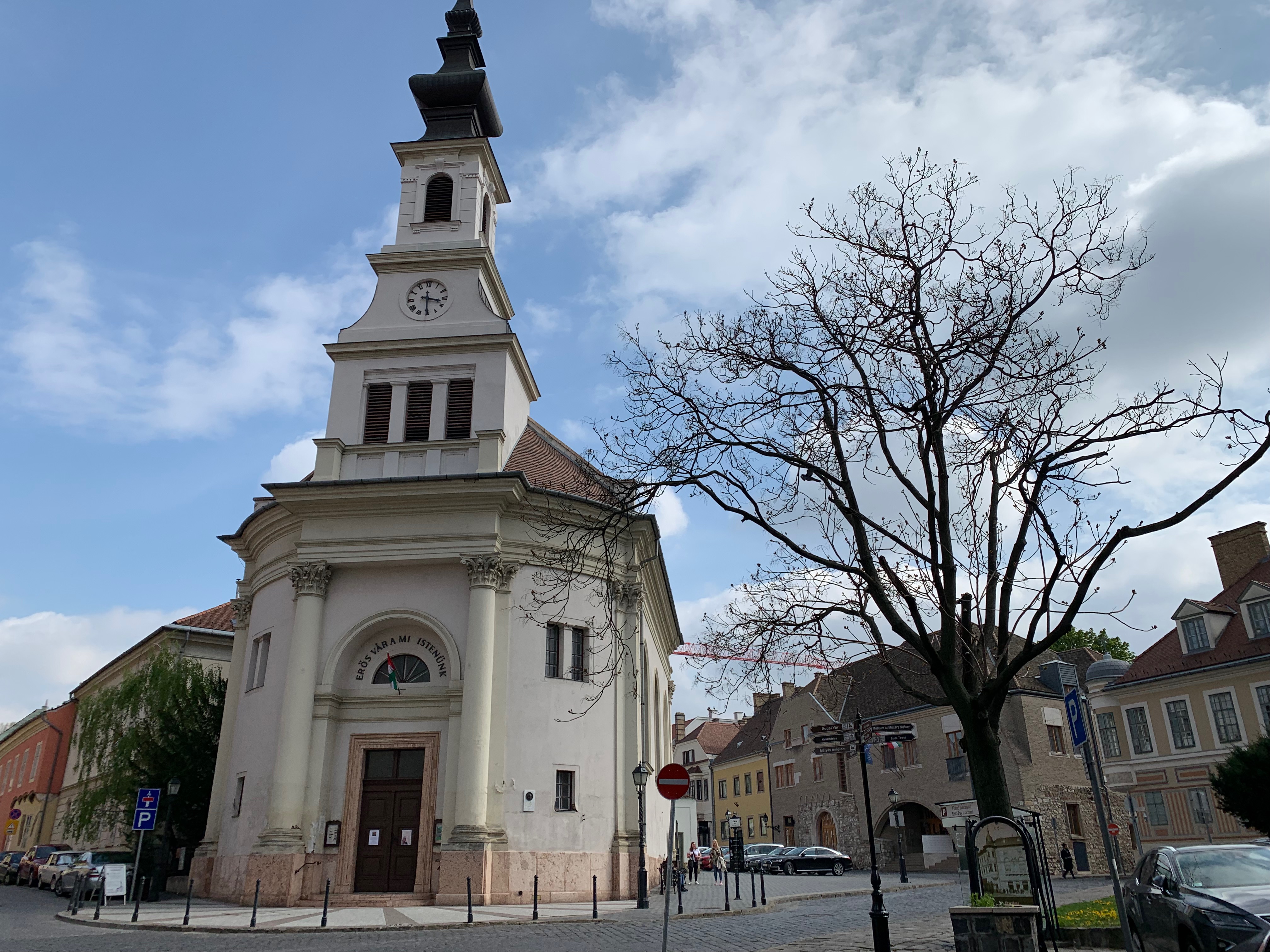
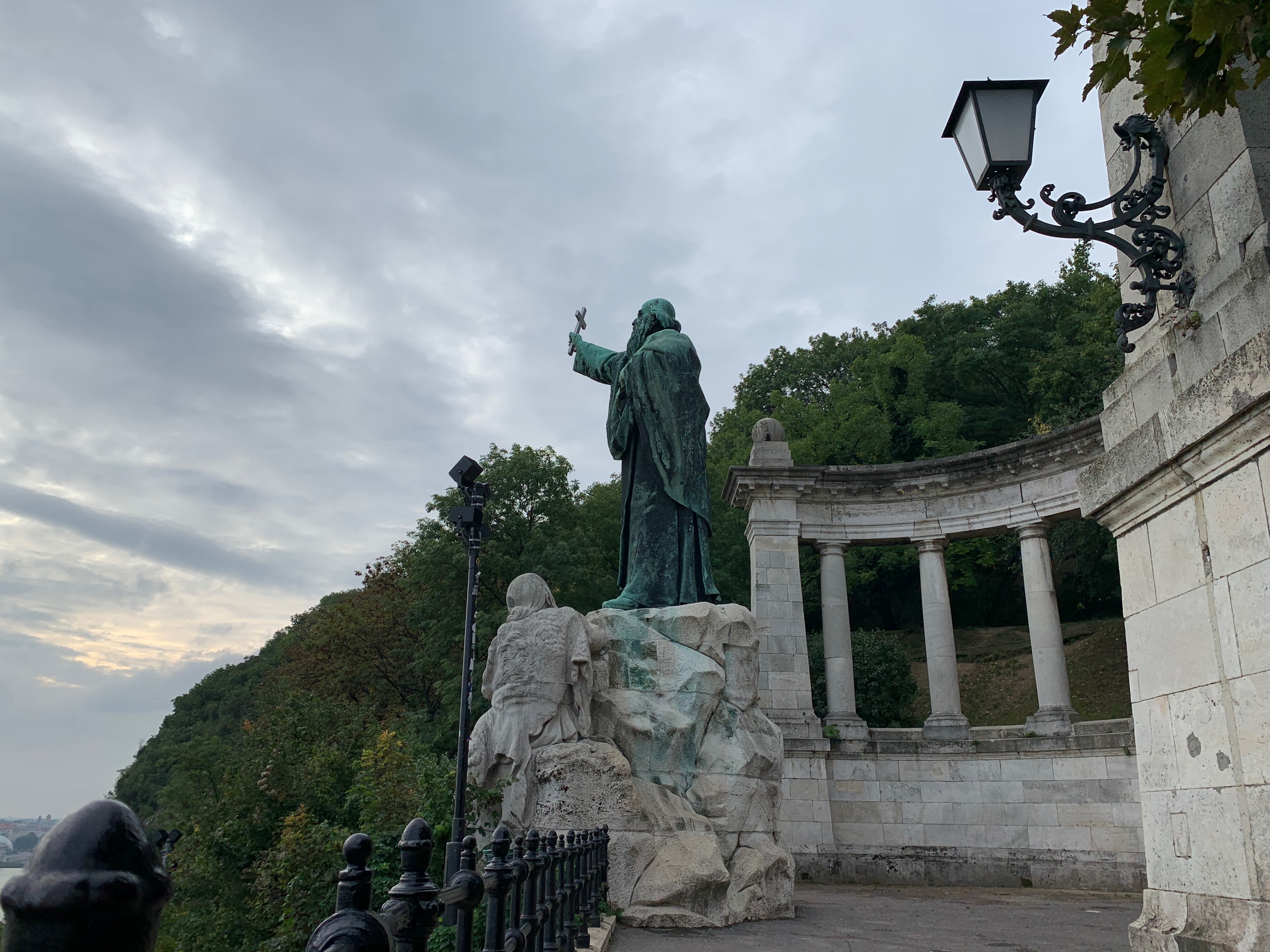
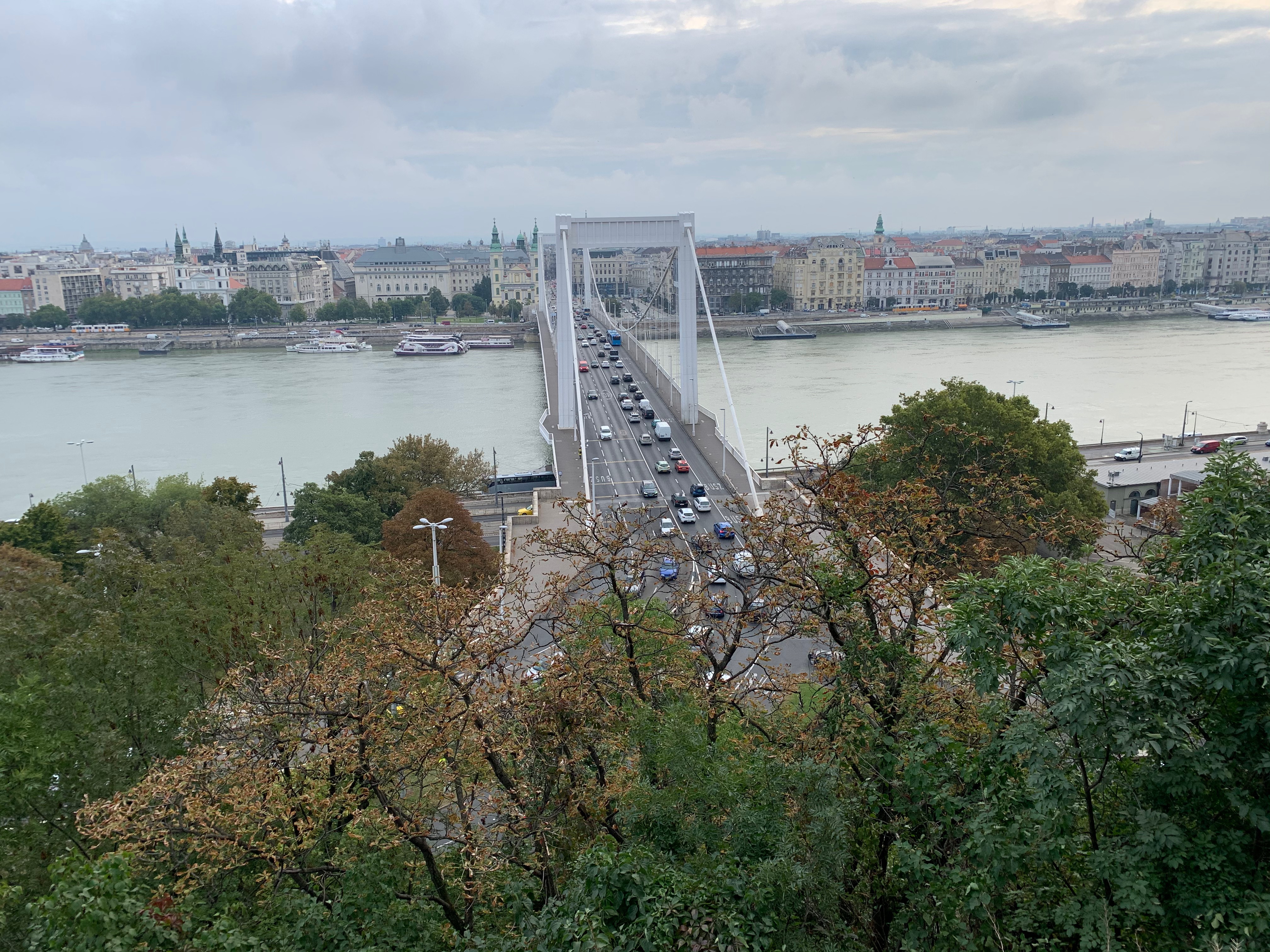
The views from the top of Buda hills are magnificent. There are some great spots to watch sunrise or sunset from, one of my favourite spots is on top of Gellért hill, by the Statue of Liberty. Don’t miss the views during your stay in Budapest!
The views from the top of Buda hills are magnificent. There are some great spots to watch sunrise or sunset from, one of my favourite spots is on top of Gellért hill, by the Statue of Liberty. Don’t miss the views during your stay in Budapest!
My travellers often ask me to recommend some great museums to visit during their stay in Budapest. I’ve put together a list of the museums that I like and that I think would be a great addition to your Budapest experience. I’ve just updated the list, so that you can have the most amazing cultural Budapest experience.
Hungarian National Museum – all about Hungarian history from the ancient times to nowadays. the most significant item on display is the coronation robe of the Hungarian kings from 1000. The interior of the museum is just magnificent.
Hospital in the Rock – a museum in the cave system of the Buda Castle District that served as an underground hospital during WW2. Amazing stories from the war and a very detailed presentation.
Budapest History Museum – dedicated to the history of the Buda Castle complex and Budapest. You can visit the old parts of the castle as well as the newly renovated royal halls.
Memento Park – although it’s located outside the city centre, it’s worth a visit. The cemetery of the old statues of the communist era puts on display Hungarian history in the second half of the 20th century.
Glass House – former Swiss consul Carl Lutz saved the life of thousands of Hungarian Jews during WW2. The museum is dedicated to his amazing work and to all people who found peace and safety in the Glass House of Budapest.
Fine Art Museum – hundreds of thousands of pieces from all the different periods of European fine arts. Plan to spend a couple of hours to see them all.
National Gallery – an amazing collection of Hungarian art form the Middle Ages to nowadays. The museum is located in the Royal Palace of Buda and offers magnificent views over the city.
Ludwig Museum – the contemporary art museum started from a private collection and is expanding dynamically year by year. You can admire art from the late 1960’s to present time.
Ráth György villa – the Art Nouveau fans (myself included) will love this exhibition near the City Park. It’s the home of György Ráth, former director of the Museum of Applied Arts with very unique interiors, furniture and art from the late 19th and early 20th century.
Kiscelli Museum – showcasing the cultural history of Budapest from the 18th century to nowadays. It’s located a little further from the city centre, but it’s worth the extra time.
Robert Capa Contemporary Photography Center – located in the Art Nouveau Ernst House in Nagymező utca is named after Robert Capa, the first photo journalist of the world with his war reportage on the Spanish Civil War, WWII, China, and Vietnam.
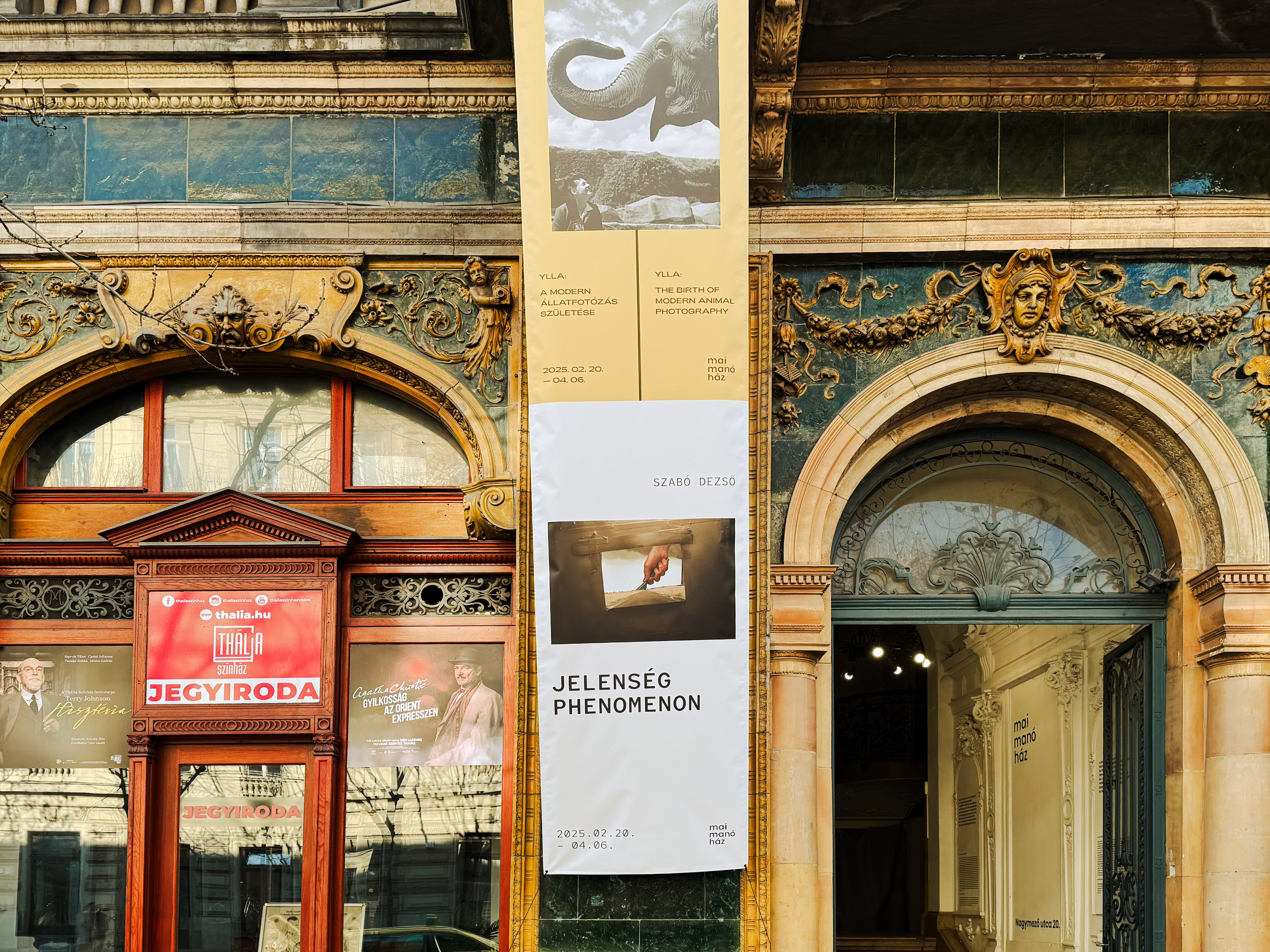
Mai Manó Ház – the Hungarian House of Photographers with temporary exhibitions showcasing the works of some of the greatest Hungarian photographers from the 21th and 21st century.
Liszt Museum – the little museum is located in the home of composer and piano virtuoso Franz Liszt, and actually, you’ll feel like you’re visiting him personally. Most of the items are original and belonged to Franz Liszt.
House of Hungarian Music – one of Budapest’s newest and most exciting cultural institutions, located in City Park. The museum presents Hungarian and international music history in a highly interactive way, with immersive exhibitions, listening stations, and contemporary architecture designed by Japanese architect Sou Fujimoto. Even visitors who don’t usually go to music museums find this place engaging and memorable.
Don’t forget that most of the Budapest museums are closed on Mondays, always check the opening hours before your visit! Feel free to get in touch with me for further details and more information or if you feel like that there is something else you’d like to add to this list. Many of these museums can be easily combined with a custom Budapest walking tour — don’t hesitate to get in touch if you’d like a personalised itinerary built around your interests.
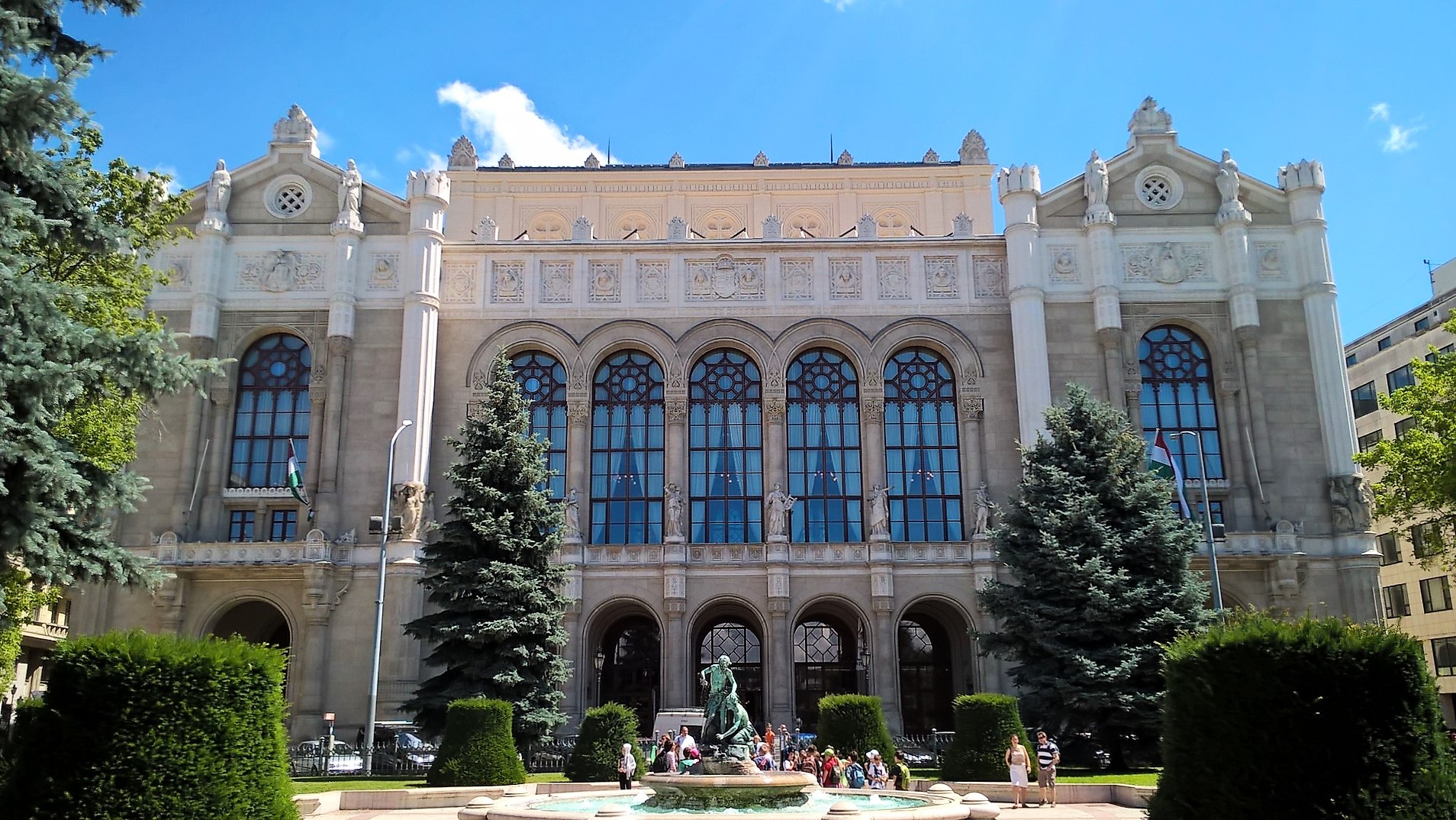
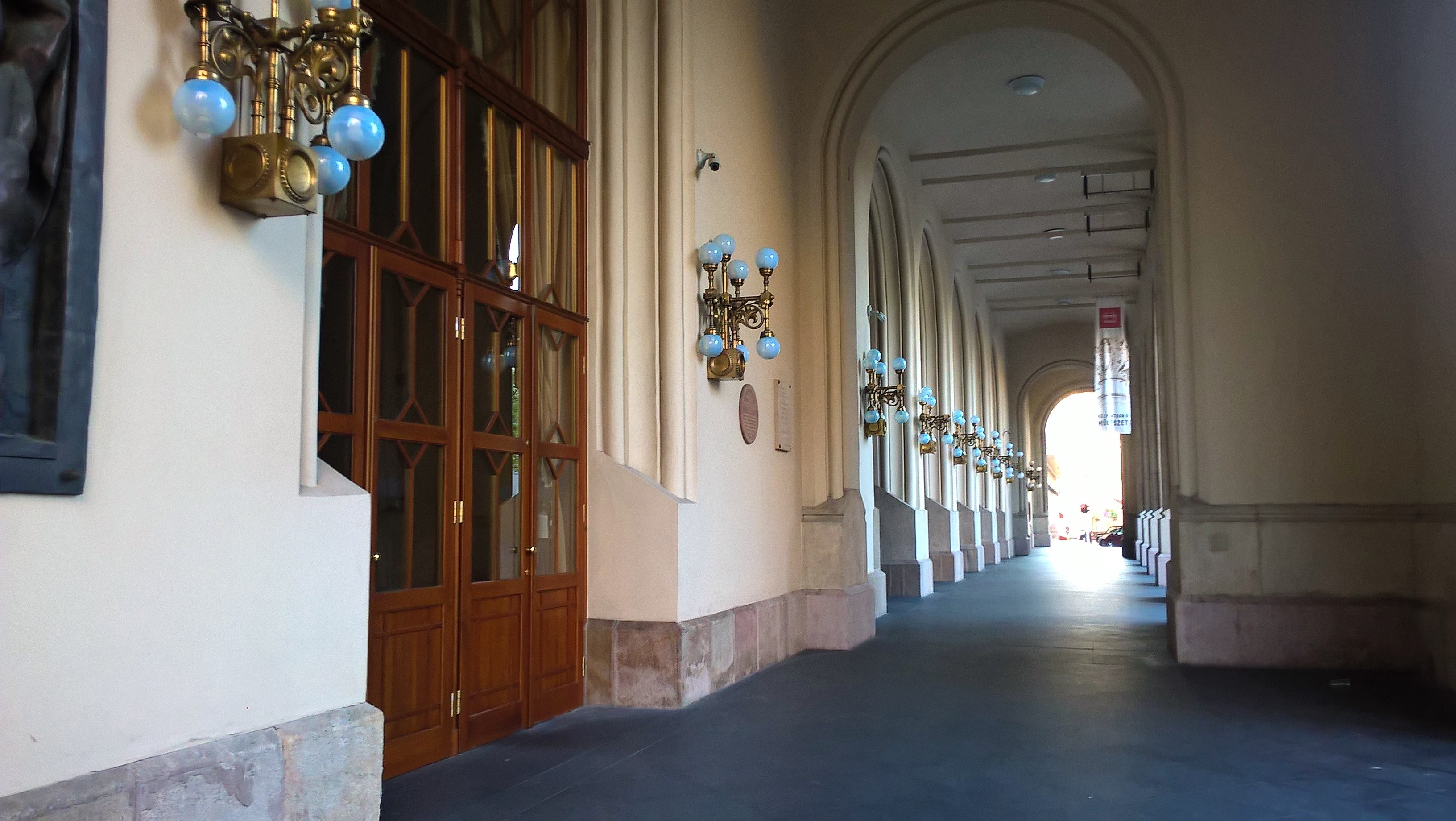
There is this beautiful building along the Danube, one that everybody notices from across the river because it stands out with its beauty and charm. The Pesti Vigadó is a concert hall, an exhibition space, and also a pretty building to discover. The building is from 1859 and was designed by Frigyes Feszl, whose main concept was to create a truly Hungarian Romantic style. The building was unfortunately badly damaged during WW2, but was rebuilt to its original style and beauty. You can buy tickets for a tour in the building or for an event, you won’t be disappointed.
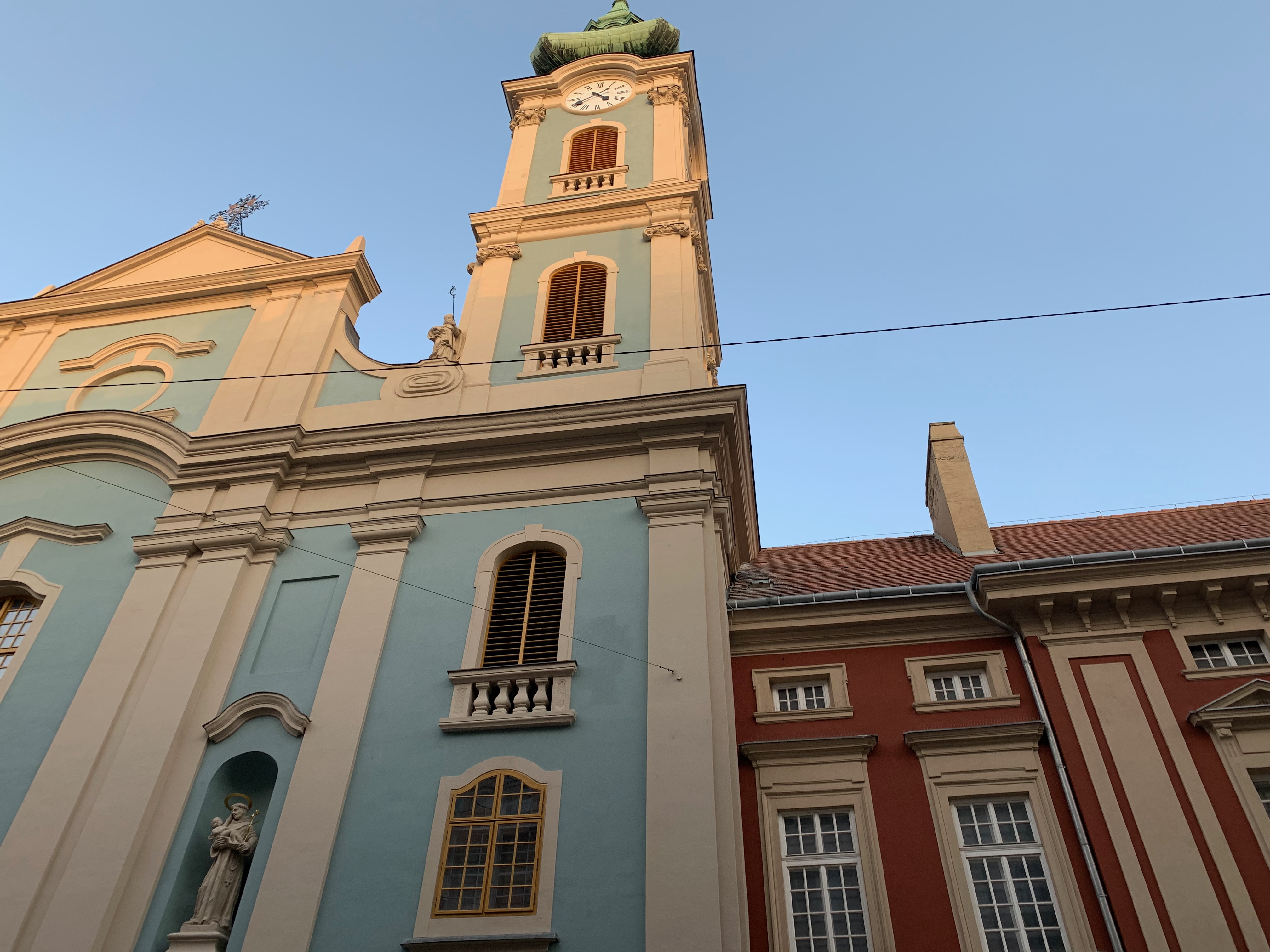
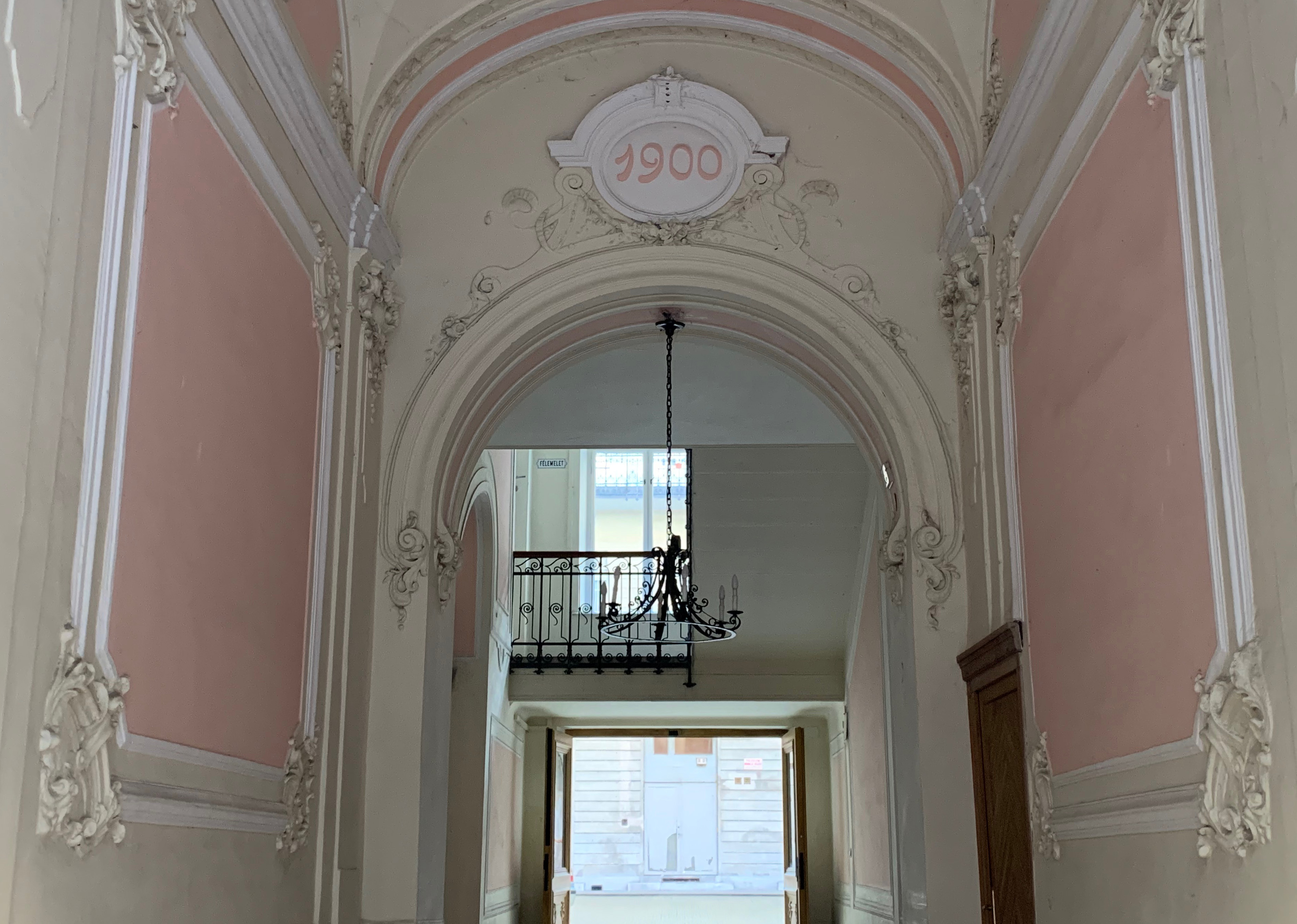
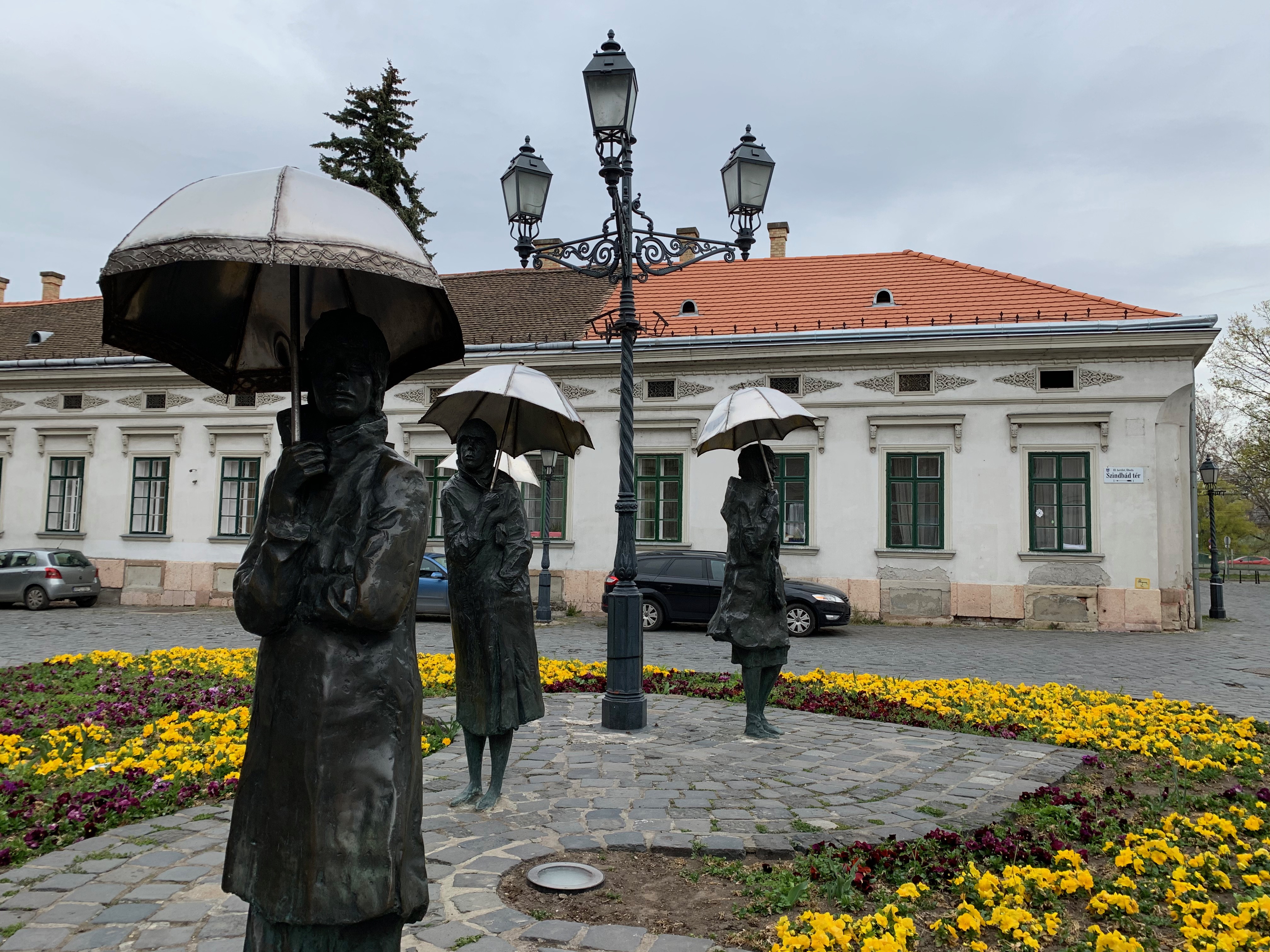
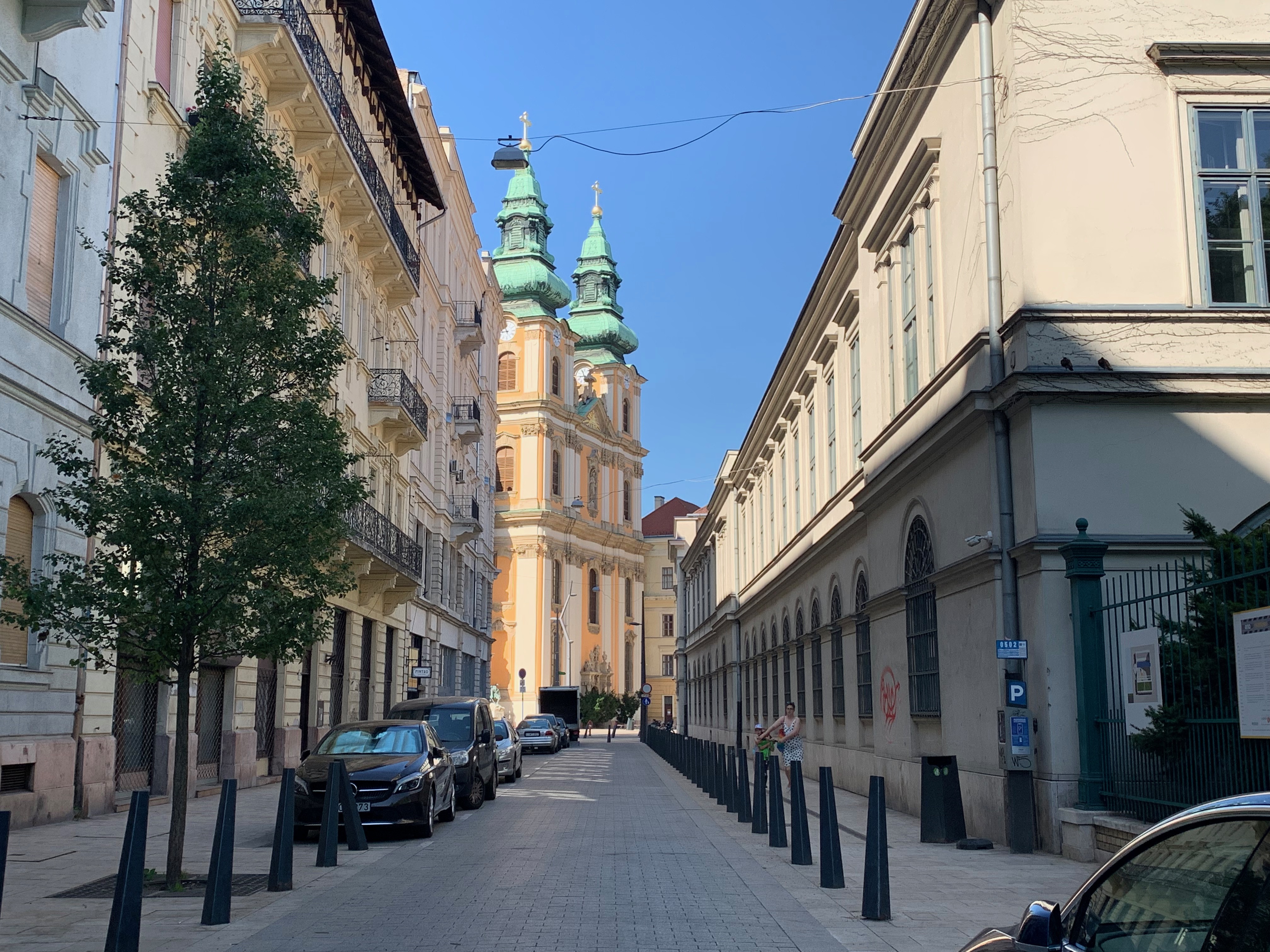
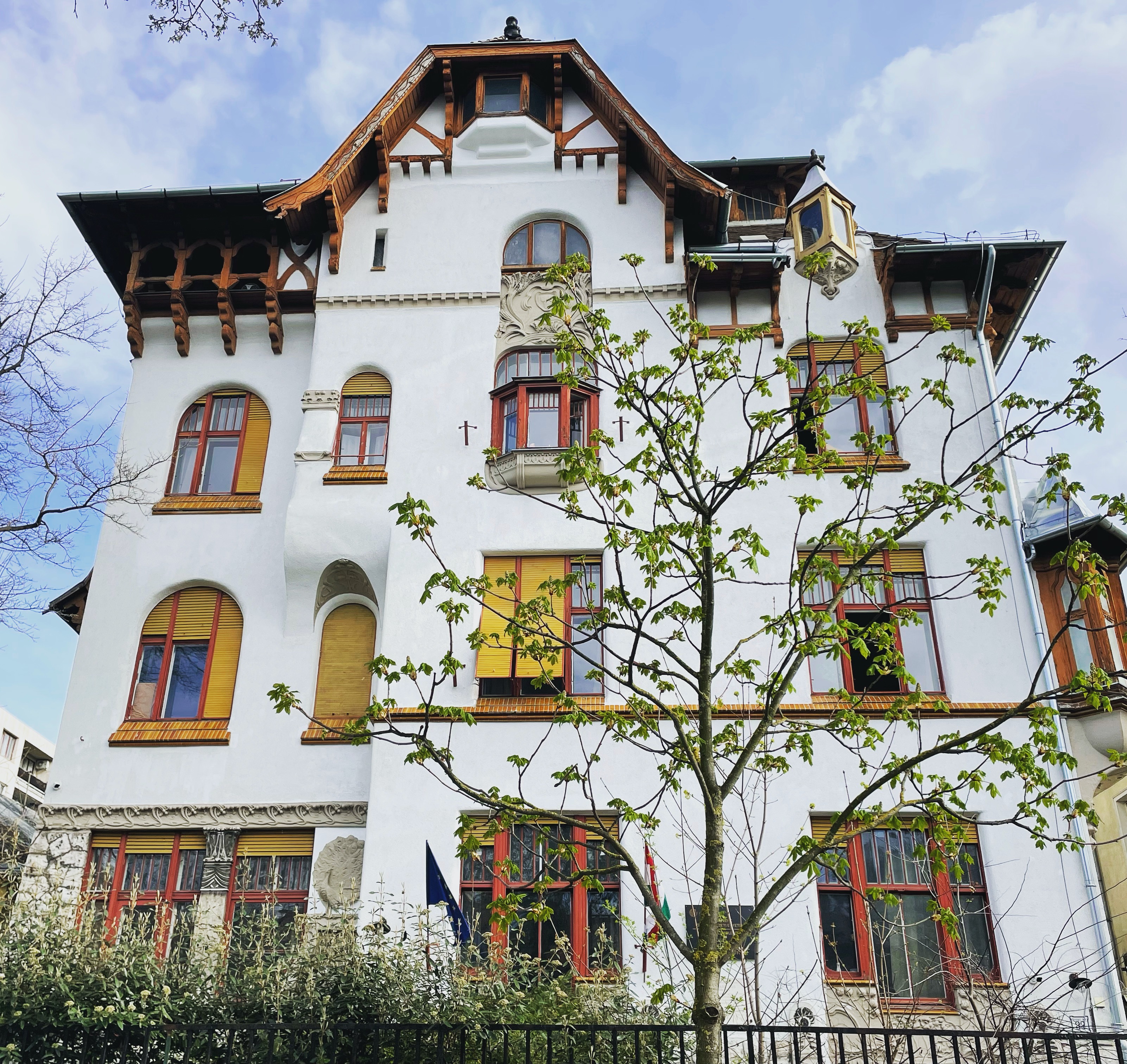
A little photo gallery from the thousands of photographs I’ve been taking while walking around my Beautiful Budapest. These are not the most famous attractions, but some hidden gems that you can discover when you book a tour with me. The reason why I’m sharing these with you is that I very much like the colours, the vibes, the ambience of these places. Feel free to contact me for more details!
I was organising my Beautiful Budapest photographs last week and found some real gems. My Art Nouveau tour is really very popular, I understand why, the buildings are magnificent, the stories are very interesting and there is so much amazing symbolism about the Hungarian Art Nouveau. Here is a little gallery of my top favourite Budapest Art Nouveau details.
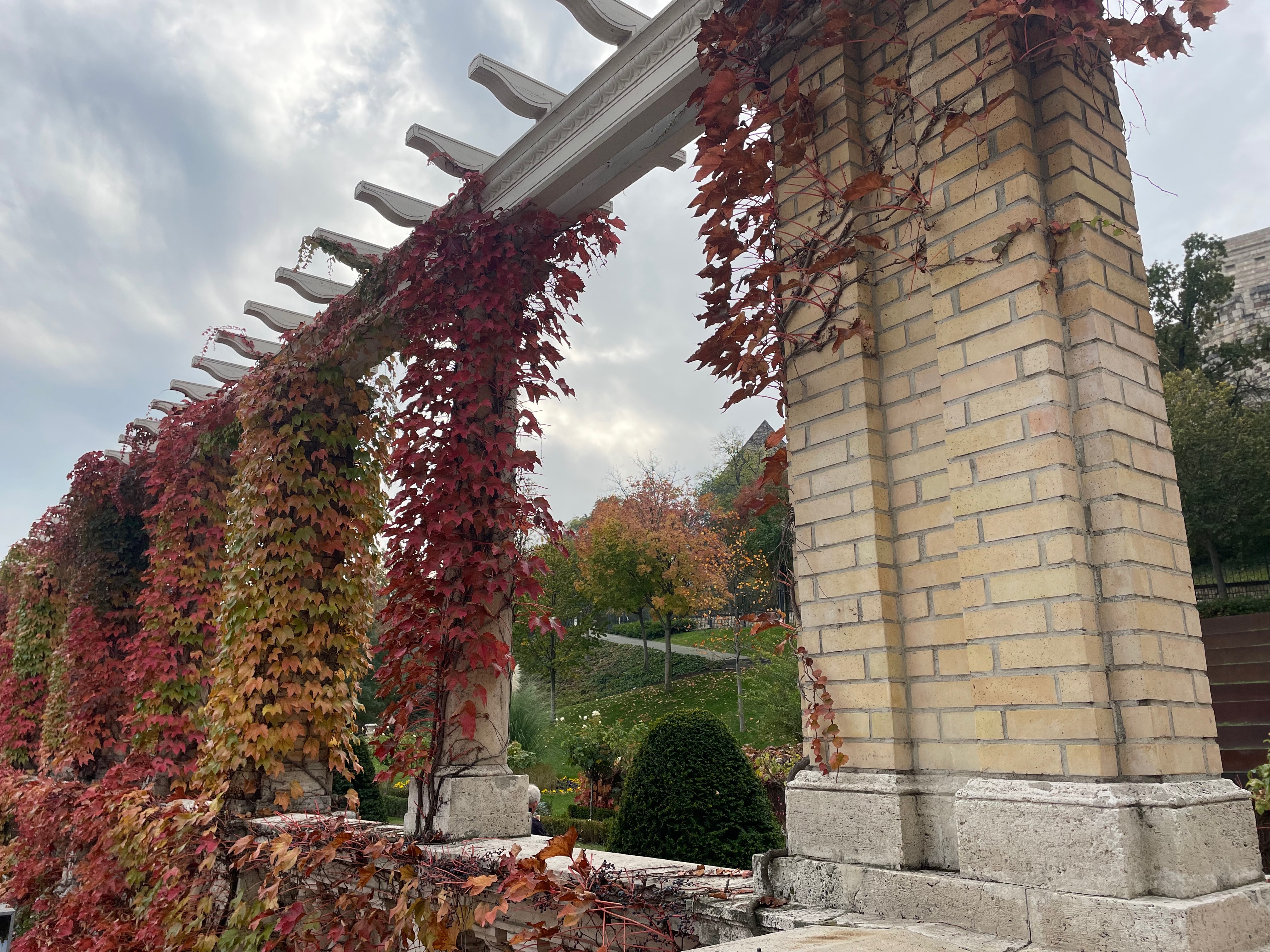
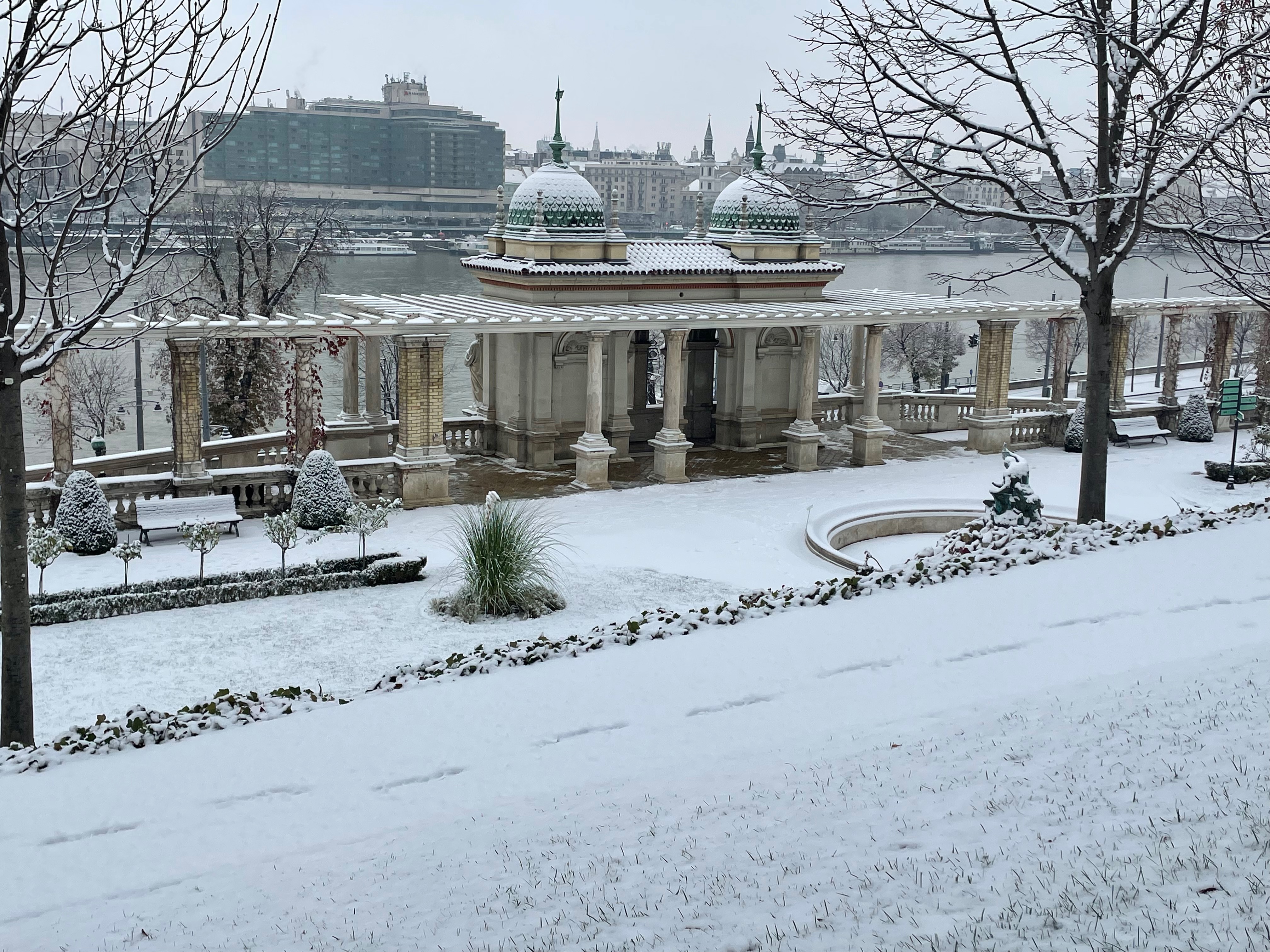
I’m spending a lot of time in Budapest every day, I consider myself very lucky to be able to see the changing of seasons, and I try to capture those special moments. Have a look at this photo gallery to see the four different faces of the Buda Castle Garden Bazaar in spring, summer, autumn and winter. Book a Buda Castle Walking tour with me to see the beautiful Royal Gardens for yourself!
We were very fortunate with my travellers and got invited to the very top of the Buda Castle district, to the rooftop skybar of the Hilton Hotel. I highly recommend the White Raven Skybar, views are amazing and I can guarantee you’ll have a very good time. Don’t forget to reserve in advance!
Every private tour is different, the tour itinerary is fully customisable according to your interests and preferences. Watch this video to get a general idea of what you can expect when you book a full-day walking or driving tour with me. Don’t hesitate to get in touch with me may you need further information. See you soon in Beautiful Budapest!
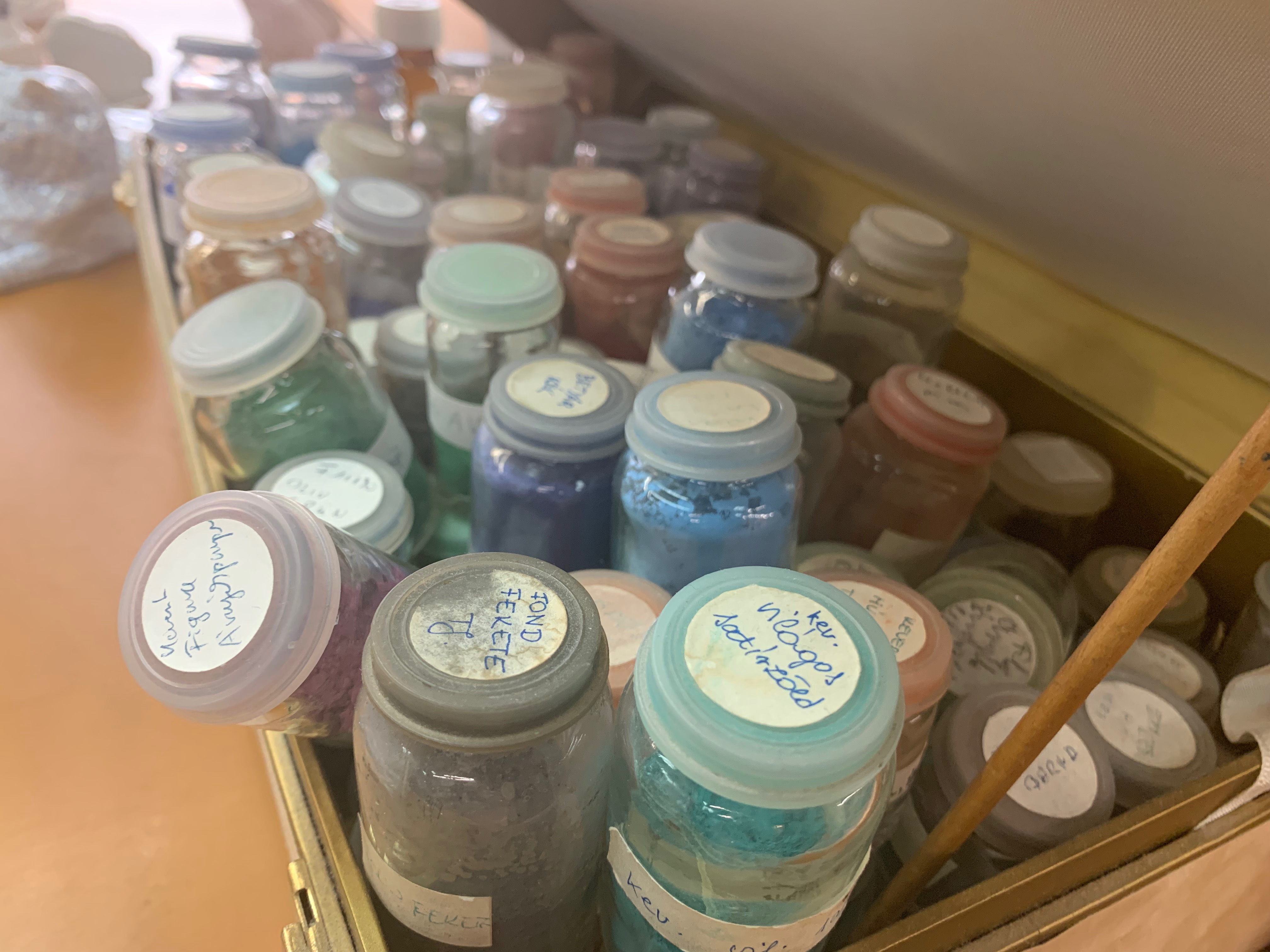
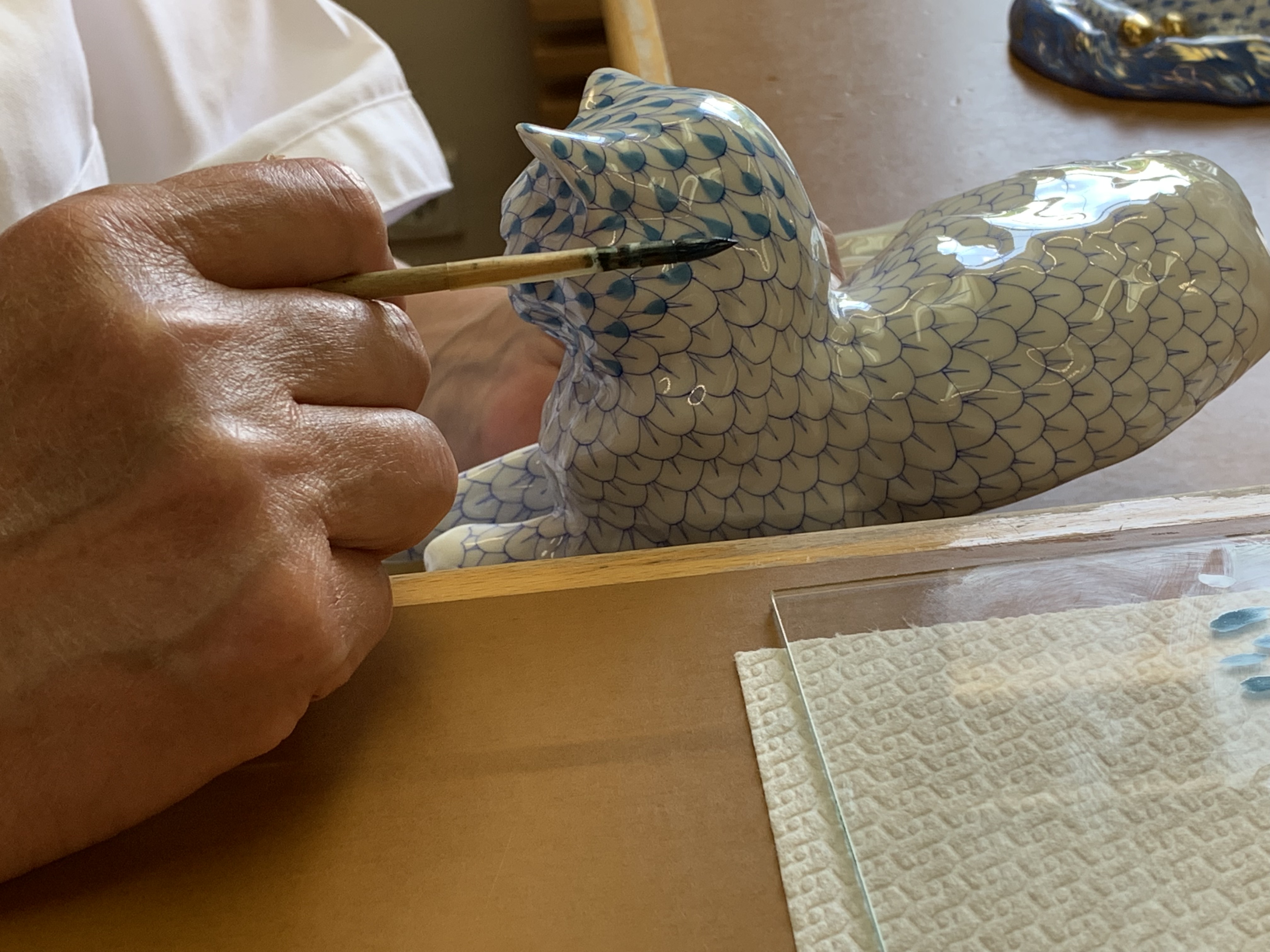
This Private Herend Porcelain Factory Tour from Budapest offers a refined half-day experience into one of Hungary’s most elegant and iconic crafts. If you love craftsmanship, design, and stories hidden behind beautiful objects, this private tour to the Herend Porcelain Factory is a truly special experience.
Although I’ve been offering this visit for several years as part of custom itineraries, it felt like the right moment to make it a standalone tour — because Herend deserves it.
I’ll be honest: I’m genuinely in love with Herend porcelain. It’s unique, elegant, timeless, and unmistakably Hungarian. And every single traveller I’ve taken here so far has been fascinated by what they see.
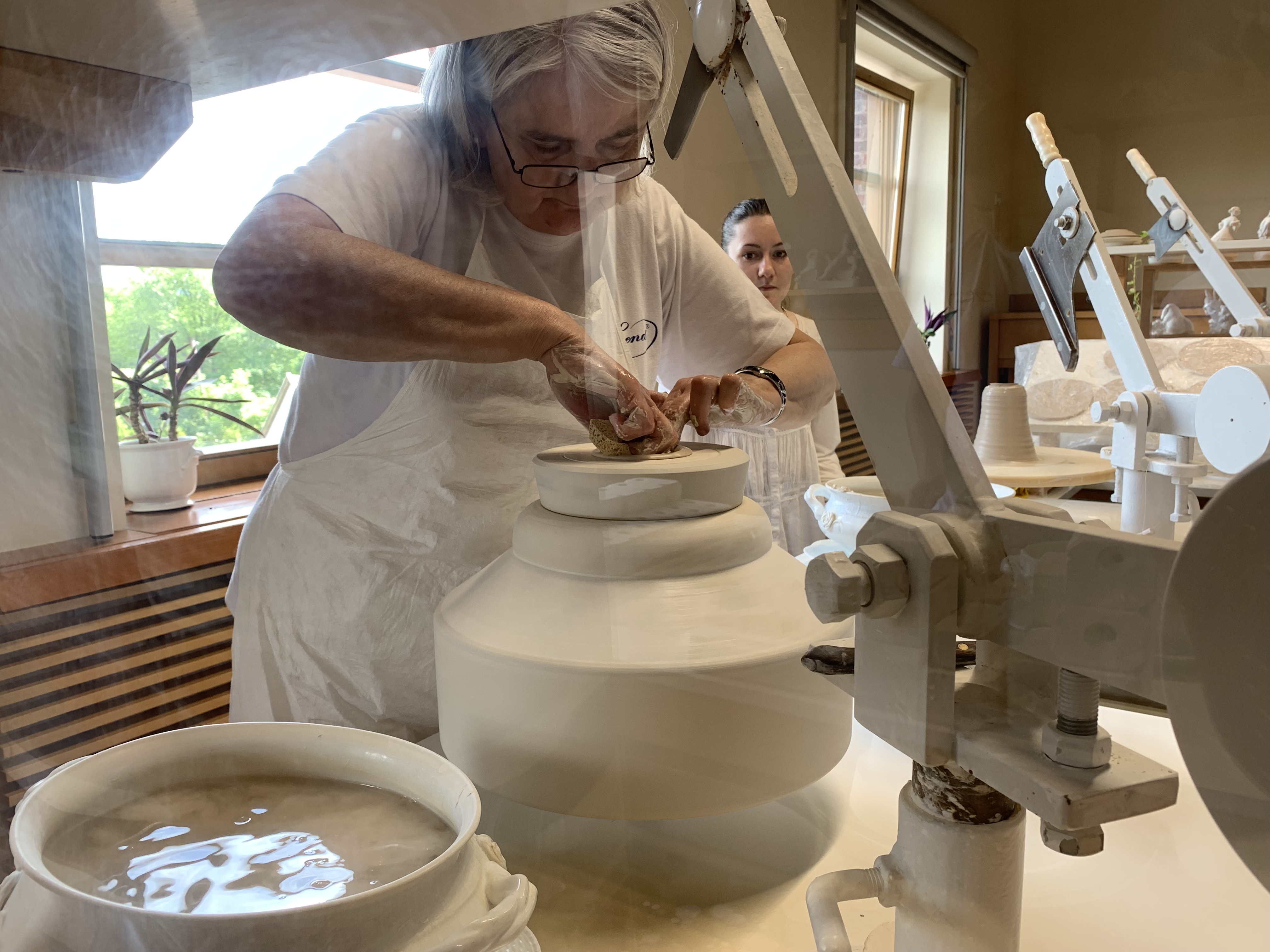
Herend is not a factory in the modern, industrial sense. It’s a living manufactory, where everything is still made by hand using techniques passed down through generations.
During the visit, you’ll discover:
the different stages of porcelain production
the delicate work of hand-painting and gilding
the incredible precision behind even the smallest details
Seeing the artisans at work makes it clear why Herend porcelain is considered luxury craftsmanship rather than mass production.
Duration: approx. 6 hours
Departure: from Budapest (private transportation)
Includes:
private transportation
visit to the Herend Porcelain Factory and Museum
free time in the shop
Style: private, relaxed, unhurried
This tour can also be combined with other countryside stops on request.
Available from April to October only
The Mini-Manufactory is closed during the winter months, which is why this tour is seasonal. I always recommend booking well in advance for spring and summer dates.
This experience is perfect if you:
enjoy design, decorative arts, and craftsmanship
are curious about Hungarian cultural heritage
prefer meaningful, behind-the-scenes experiences
value quality over rushing from sight to sight
No prior knowledge of porcelain is needed — just curiosity.
If you’d like to book the Private Herend Porcelain Factory Tour from Budapest, or if you’d like to customise it (for example, combining it with Lake Balaton or Veszprém), feel free to get in touch.
I’m always happy to help you plan a tour that fits your interests and travel style.
👉 Book the tour here
👉 Contact me with questions
I don’t really share posts on politics or my own political views. This post is different though, because I’ve just started to realise how politics affect travellers’ choices. I’ve just received two cancellations because travellers decided not to visit Hungary because of the country’s prime minister’s political statements and approach.
I think generalisation is dangerous. I think that it’s impossible to form an opinion about a country by this country’s politicians’ statements or approach. That won’t tell you anything about the country’s people, its culture, its architecture, its history. Also, it’s just a temporary state, a snapshot in Hungary’s history of over a 1000 years. And none of the election results shows what all the Hungarians think or how they feel. I think that’s the same all around the world and many of you agree with me.
My travellers are always encouraged to ask questions, I’m happy to discuss everything and anything and I think I always succeed in changing preconceptions or clarify things. I just love to spend time with open minded people who try to understand our country and our culture and also what led to the actual political status quo.
Again, I respect other people’s choices and I don’t want to change them. But the cancellations meant to me that the travellers formed an opinion about me and my country without actually knowing us and it hurts a lot. And, more importantly, Budapest is Beautiful no matter what the politicians do or say. Let me know if you’re interested in seeing it for yourself!
Just a couple of pictures I’ve taken on my tours to show you how beautiful Budapest and its surroundings are in spring.
The Citadel on the top of Gellért hill is being renovated, and unfortunately the entire area is closed because of the construction works. It also means that a truly popular tourist attraction of Budapest is closed and it’s impossible to enjoy the most magnificent views over Buda and Pest. The very bad news is that it remains closed for another few years and it’s impossible to estimate when it reopens. It’s just my personal opinion that they could have left a little path open for the tourists to enjoy the view, but that’s not the case.
You can still take a walk on Gellért hill, and you can climb to the statue of Saint Gellért from where you’ll have a great view over the Pest side of the river.
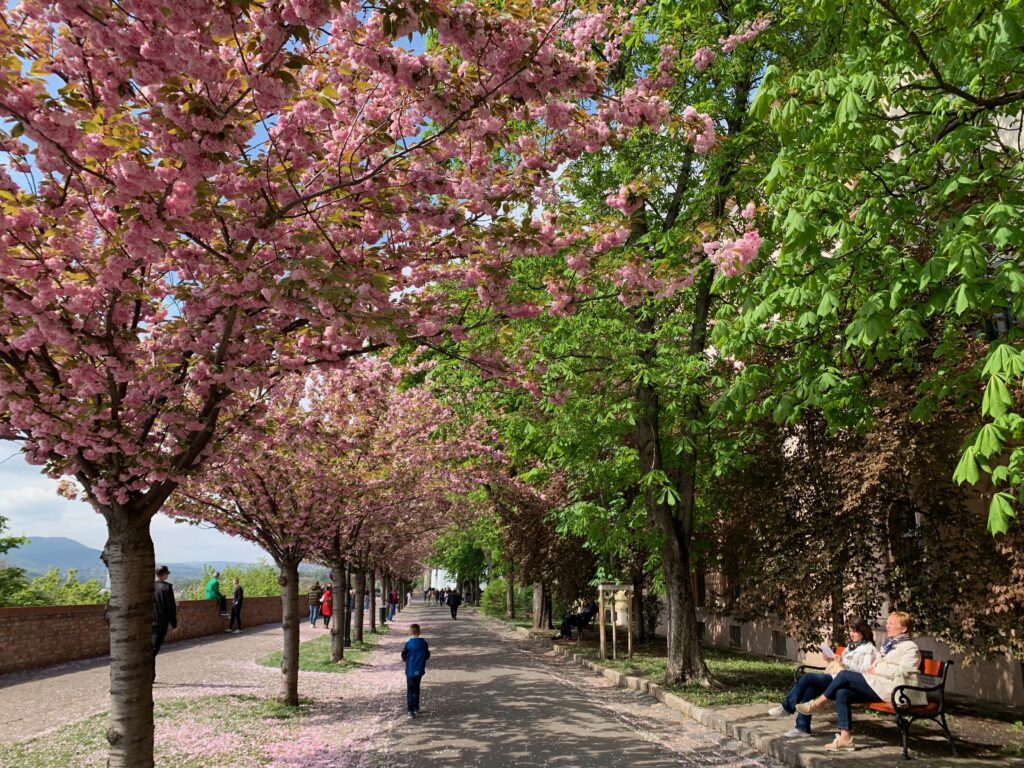
Some of you know how much I love this time of the year, I love the smells and the colours of spring and I’m fascinated by the blossom of the cherry trees all along Tóth Árpád sétány in the Buda Castle district. Walk with me to see more!
I’m taking a lot of pictures and videos while I’m walking around my Beautiful Budapest. Here is a little video to show you some of the attractions I’ve taken recently. I hope by seeing it all of you will want to see it for yourself. Don’t hesitate to book a tour with me, so that you can have the most amazing Budapest experience!
There are a few buildings in Budapest that I genuinely love, and Mai Manó House is definitely one of them. Located just a short walk from Andrássy Avenue, this elegant and slightly whimsical building is full of small details — the kind that reward those who slow down and really look.
We often pass by it while exploring the Pest side of the city, and every time, it feels like discovering it all over again.
Mai Manó House was designed in the 1890s for Mai Manó, the court photographer of Emperor Franz Joseph. As one of the most respected photographers of his time, Mai Manó made sure his profession was proudly reflected in the building itself.
Look closely at the façade and you’ll notice charming details: small angels holding cameras, allegorical figures representing the muses of photography, and richly coloured ceramic tiles that give the building its unique character. The architectural style is Neo-Renaissance, enhanced with floral and animal motifs that add warmth and playfulness to the design.
It’s a façade that doesn’t just decorate the street — it tells a story.
Today, the building functions as the House of Hungarian Photography, hosting both permanent and temporary exhibitions. The exhibitions change regularly, making it a rewarding stop even for repeat visitors.
The interior is just as fascinating as the outside. Elegant staircases, decorative elements, and carefully restored spaces create a calm, inspiring atmosphere — the perfect setting for photography exhibitions that often reflect on history, identity, and contemporary visual culture.
Mai Manó House can be visited, but opening hours may vary depending on exhibitions and events. It’s not a large museum, which makes it ideal as a quiet cultural stop rather than a rushed sightseeing attraction.
It fits particularly well into:
Budapest Art Nouveau and turn-of-the-century walks
Photography- or art-focused itineraries
Customised private tours for visitors looking beyond the usual highlights
If you’d like to include Mai Manó House in your Budapest itinerary, I’m happy to advise on timing and how it can best be combined with nearby sights.
Mai Manó House may not be on every visitor’s list — and that’s exactly what makes it special. For those interested in architecture, photography, and the cultural layers of Budapest, it’s a place that quietly leaves a lasting impression.
If you enjoy discovering Budapest through its stories, details, and creative spaces, this is a stop well worth making.
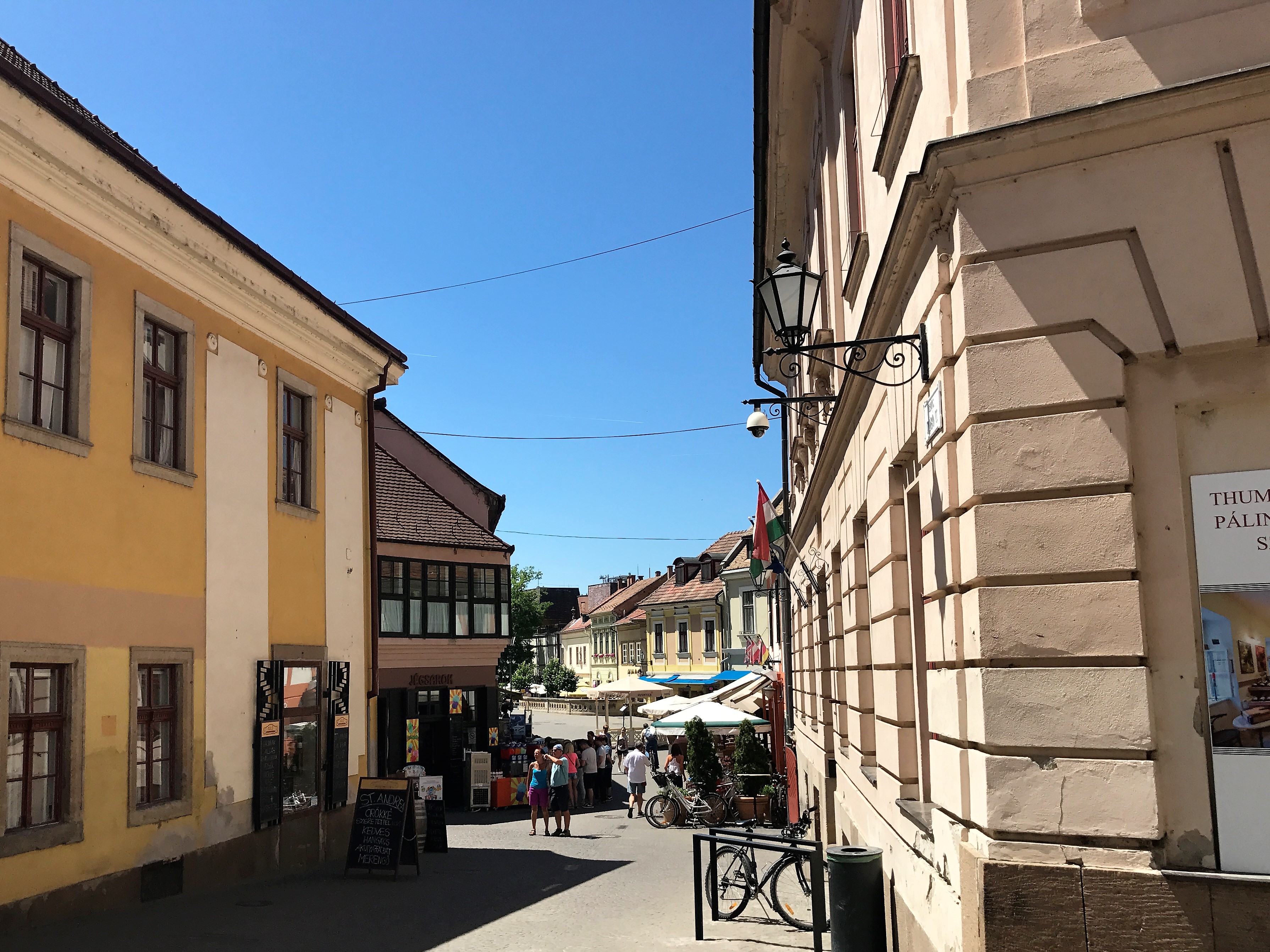
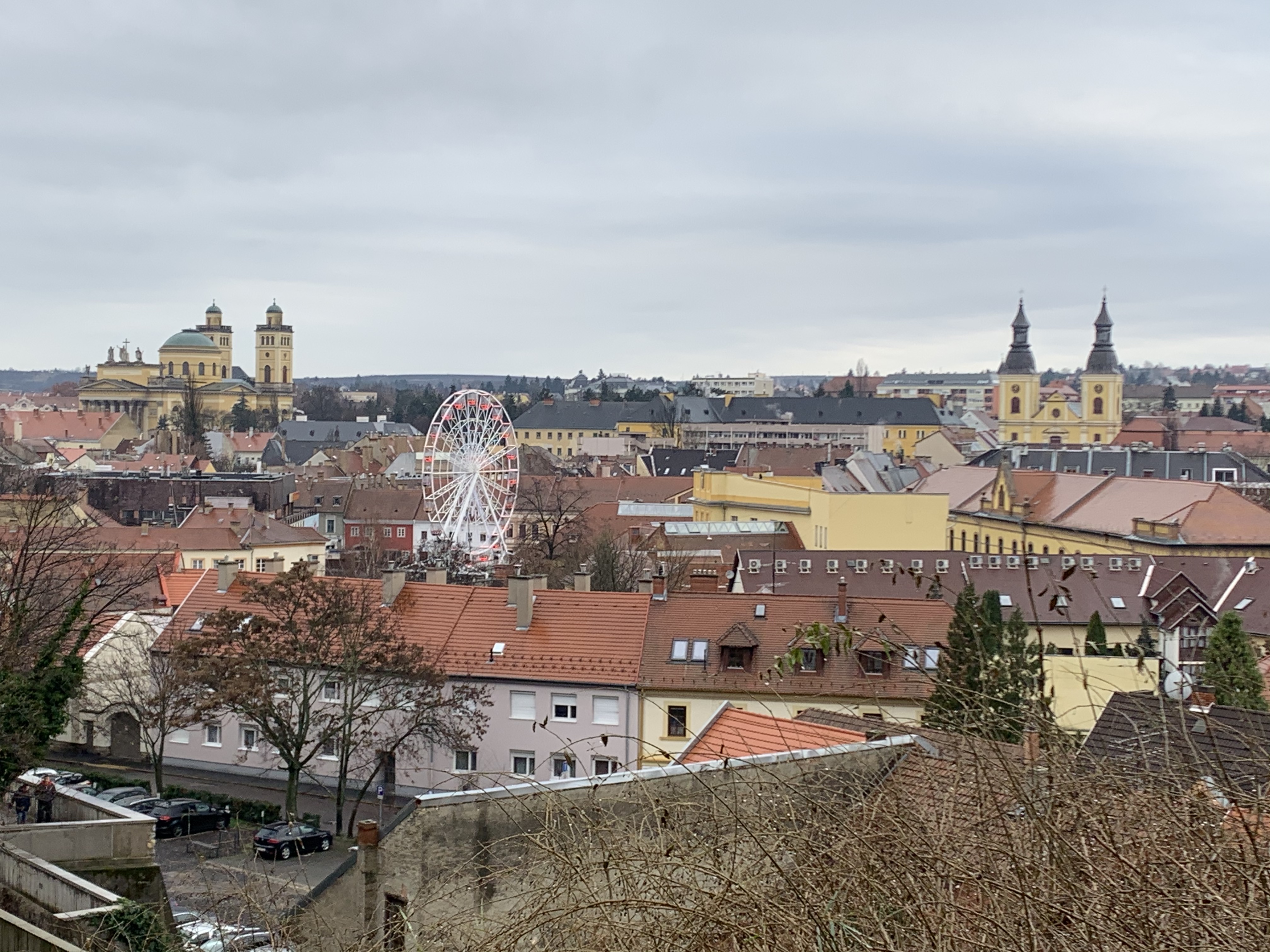
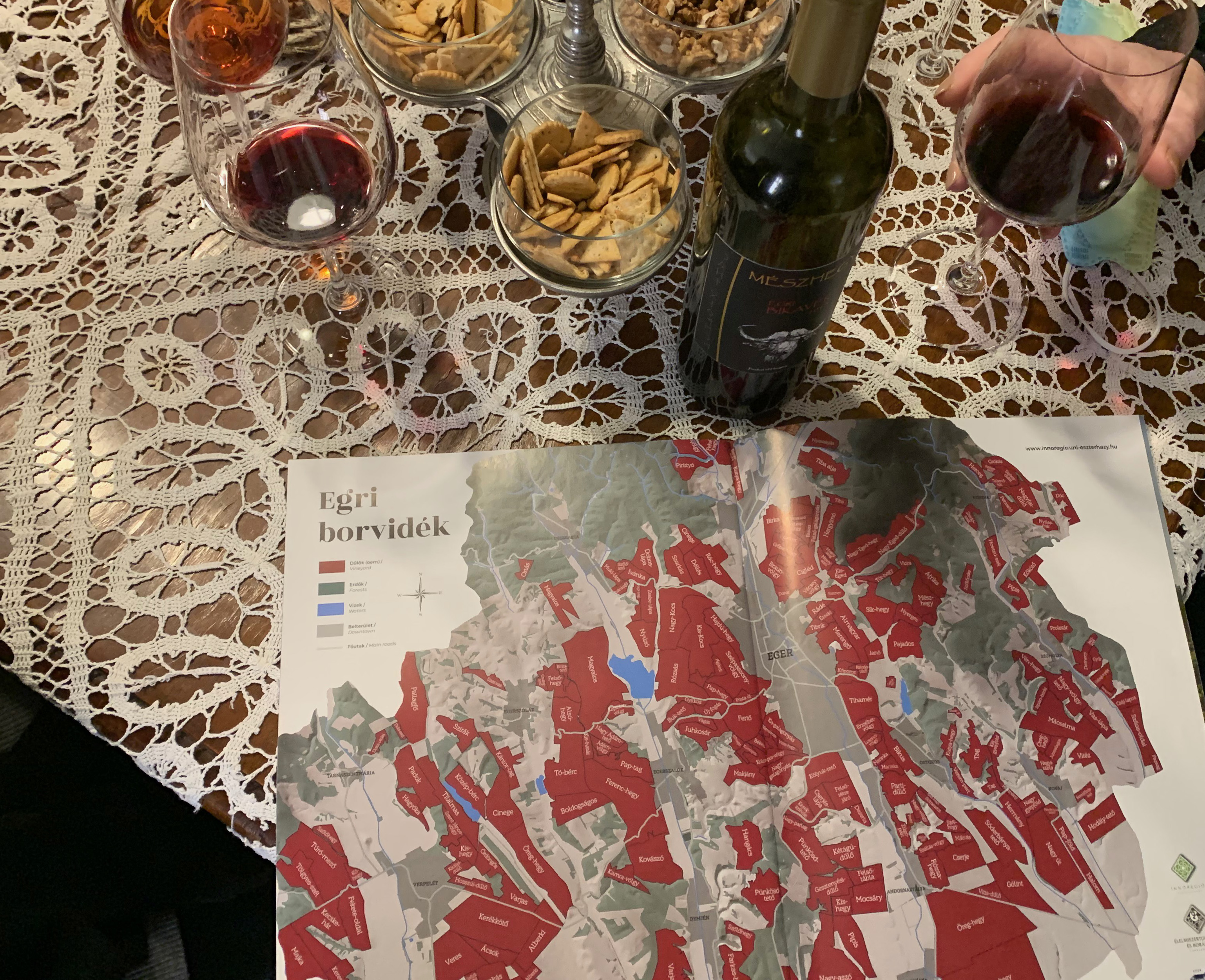
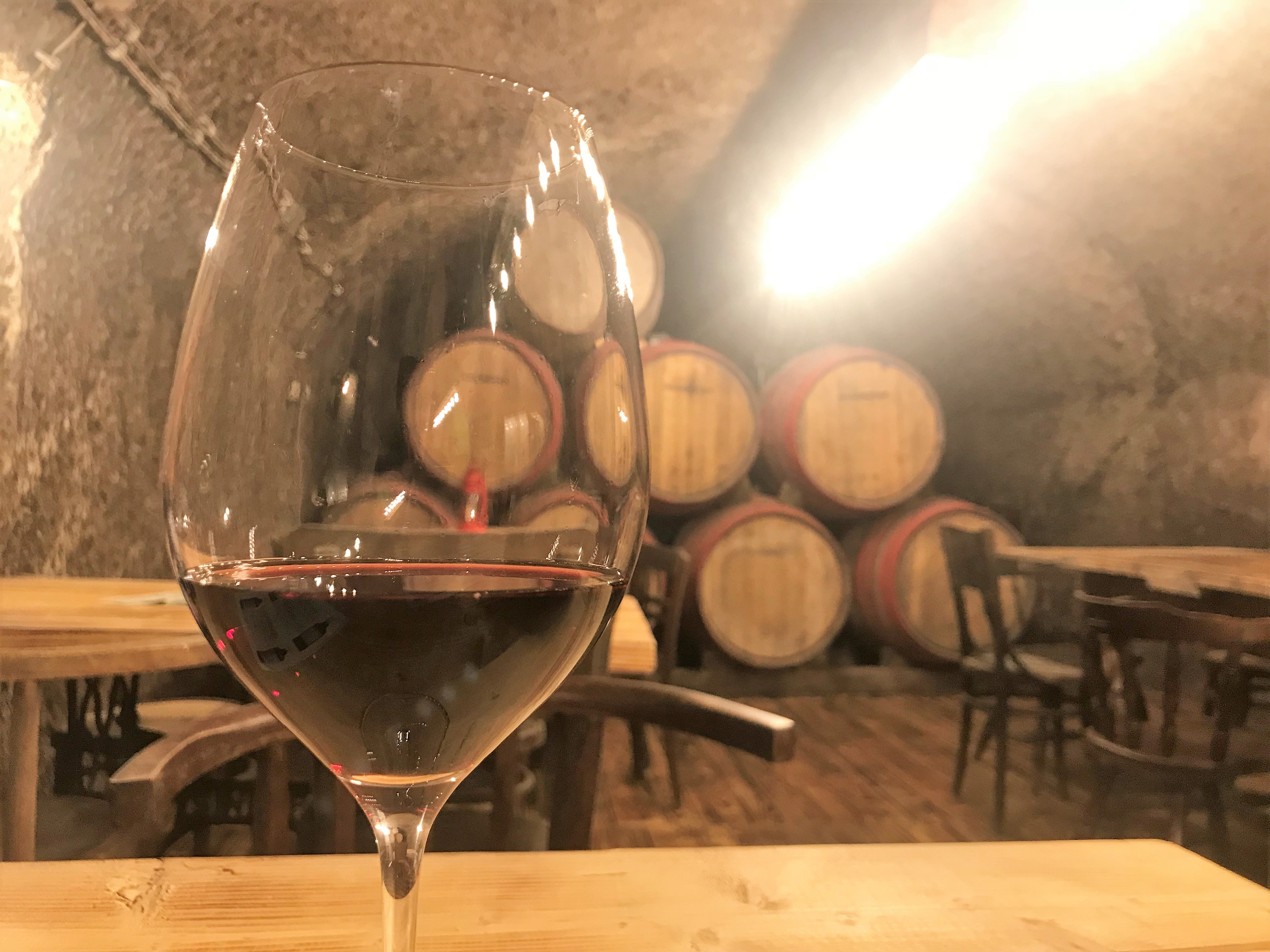
You might have noticed that the Eger Wine Tour is one of my favourite daytrips from Budapest. I love Eger, it’s a charming little town with beautiful Baroque architecture and its castle is still considered as a national symbol of Hungarian patriotism. The tour is topped by wine tasting both in the city centre and in the Valley of the Beautiful Woman, where you can taste Bull’s Blood, the local cuvée.
The weather is getting more and more beautiful day by day so we enjoyed our time in Eger in beautiful sunshine and I can tell you that everybody loved the red wines we tasted. I hope I’ll have the chance to go back to Eger many times this year.
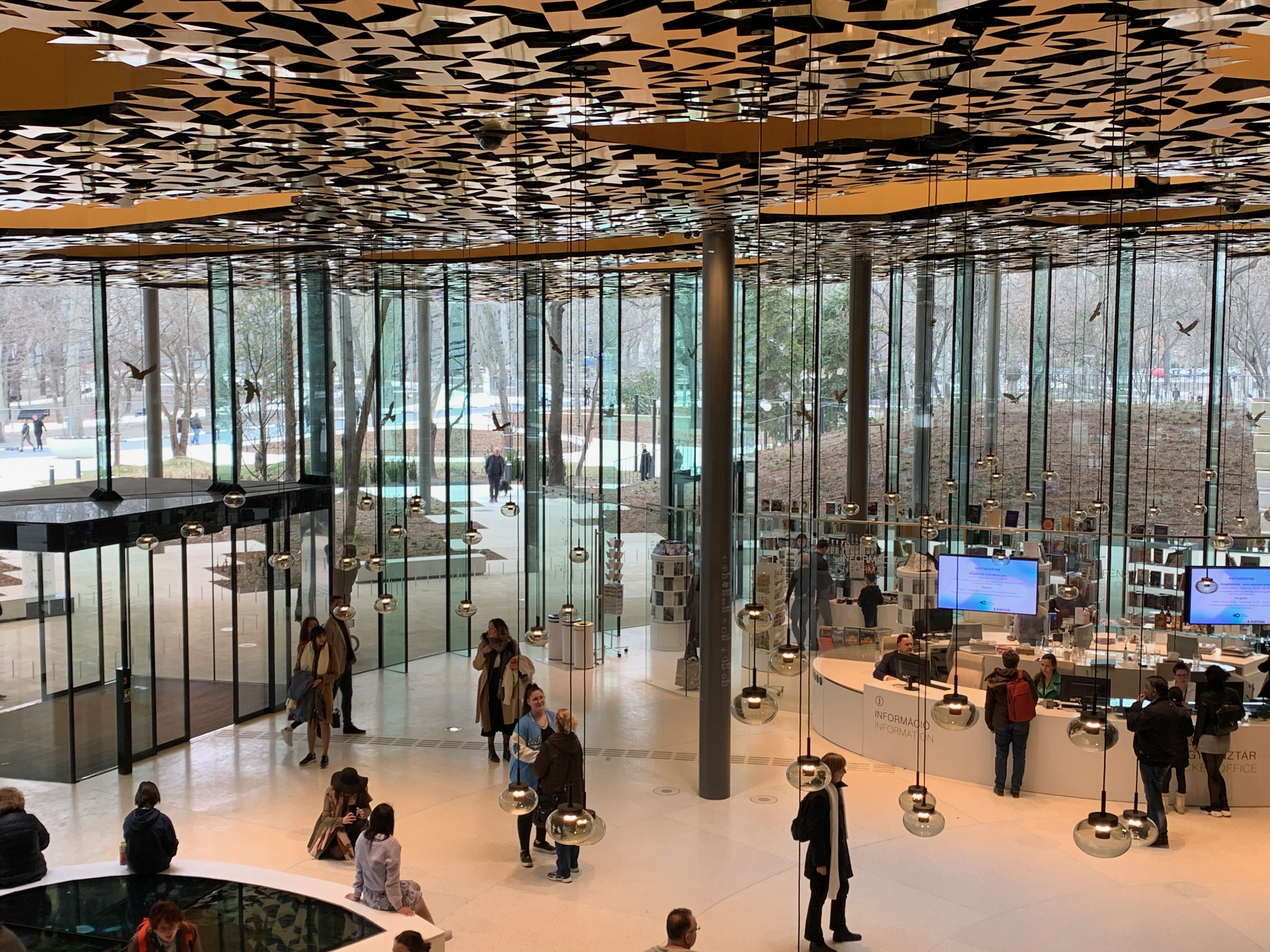
Set in the City Park of Budapest, the House of Hungarian Music is one of the city’s most exciting contemporary cultural spaces. Both the building and the exhibitions inside are designed to surprise, inspire, and invite visitors to experience music in a completely new way.
From the moment you approach it through the trees, it’s clear that this is not a traditional museum.
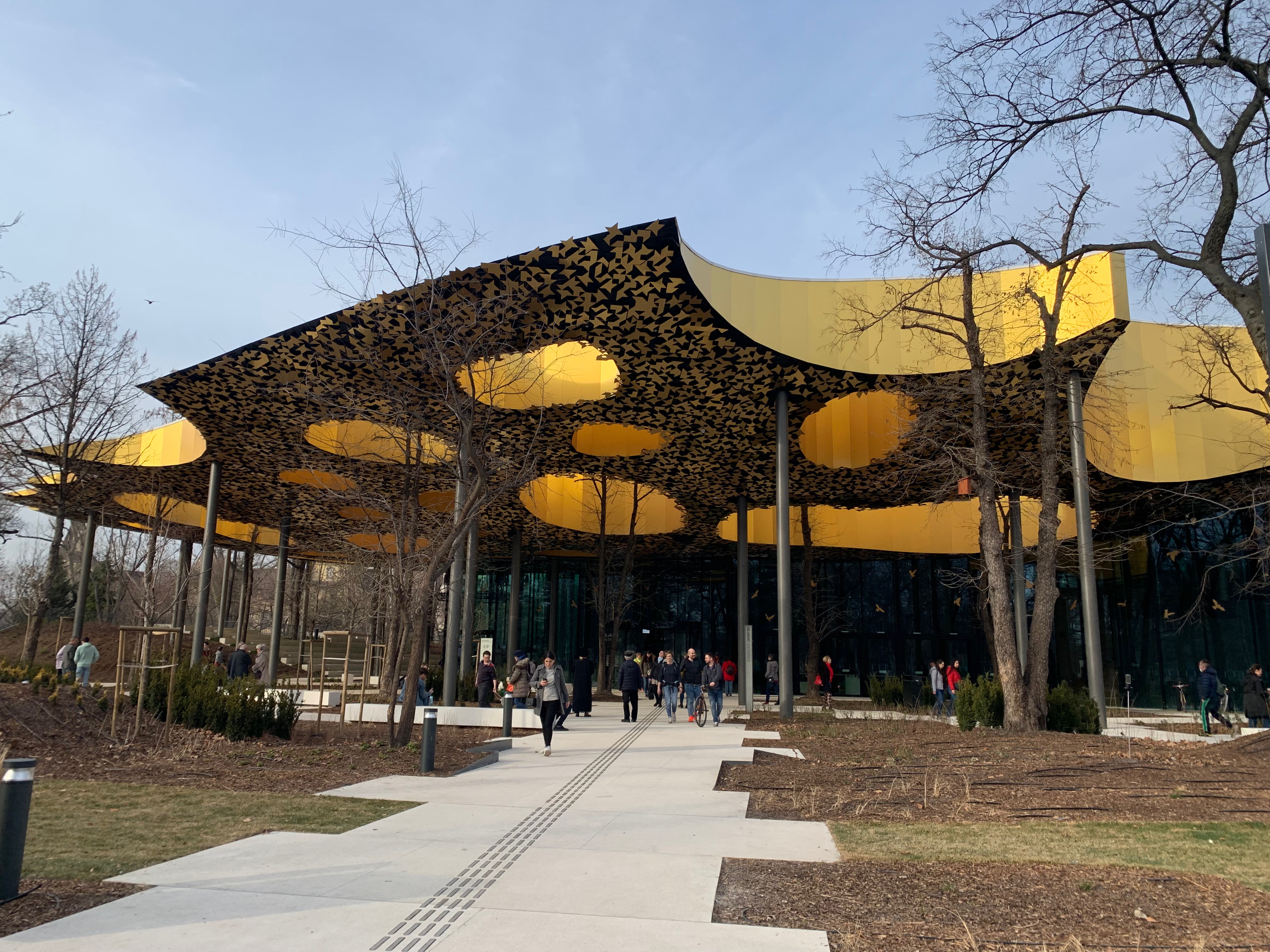
The building was designed by Japanese architect Sou Fujimoto, and its appearance is as bold as its concept. With its flowing forms and unusual silhouette, it almost feels like an ornate spaceship that has gently landed among the trees of City Park.
One of its most striking features is the series of 12-metre-high glass walls, which blur the boundary between inside and outside. Hundreds of golden, stylised leaf motifs decorate both the exterior and interior, creating the impression of a shimmering golden forest. On sunny days, the light reflects beautifully on each leaf, making the entire structure feel alive.
What I love most about the House of Hungarian Music is how organic it feels. Despite its contemporary design, the building doesn’t dominate its surroundings — instead, it seems to grow out of the park itself.
The main architectural concept was to integrate the building into the natural environment of City Park, and this idea is present everywhere. The sweeping roofline echoes the movement of tree canopies, while the vast glass surfaces reflect the greenery around them. Trees, plants, and landscaped paths flow naturally around the structure, blurring the line between architecture and nature.
Even the everyday elements — paths, benches, and nearby walkways — feel intentionally woven into the setting. Walking around the building, it never feels isolated or imposing; rather, it becomes part of the park’s rhythm, changing character with the light, the seasons, and the movement of people around it.
This harmony between nature, movement, and music is what makes the House of Hungarian Music truly special — and it’s the detail that stays with me the longest.
Inside, the museum invites visitors to experience music with all their senses.
One of the highlights is the Sound Dome, where a unique audio-visual show surrounds you with music and sound coming from all directions. As the layers gradually come together, the experience feels almost experimental — like witnessing a carefully crafted musical reaction unfolding in real time.
Beyond the dome, the permanent exhibition takes visitors on a journey through Hungarian music across different periods and styles. This is not a museum you rush through: interactive elements, listening stations, and thematic spaces easily keep visitors engaged for hours.
Music lovers should plan to spend 2–3 hours exploring the exhibitions and installations.
The House of Hungarian Music can be visited independently, and guided visits are sometimes available. As it is a very popular attraction, opening hours and ticket availability can vary, especially during weekends or school holidays.
If you’d like to include it in your Budapest itinerary, I recommend planning ahead. I’m happy to advise on timing and how best to combine it with nearby sights in City Park.
The House of Hungarian Music fits beautifully into:
Cultural and contemporary architecture tours
Music-focused itineraries
Customised private tours that combine historic Budapest with modern highlights
It also pairs well with other City Park landmarks, making it an easy and rewarding stop during a relaxed day in this part of the city.
Innovative, immersive, and visually striking, the House of Hungarian Music offers a fresh perspective on Hungary’s rich musical heritage. Whether you are deeply passionate about music or simply curious to experience something different, this museum is one of Budapest’s most memorable modern attractions.
If you’d like help planning a visit or building a personalised itinerary that includes the House of Hungarian Music, feel free to get in touch.
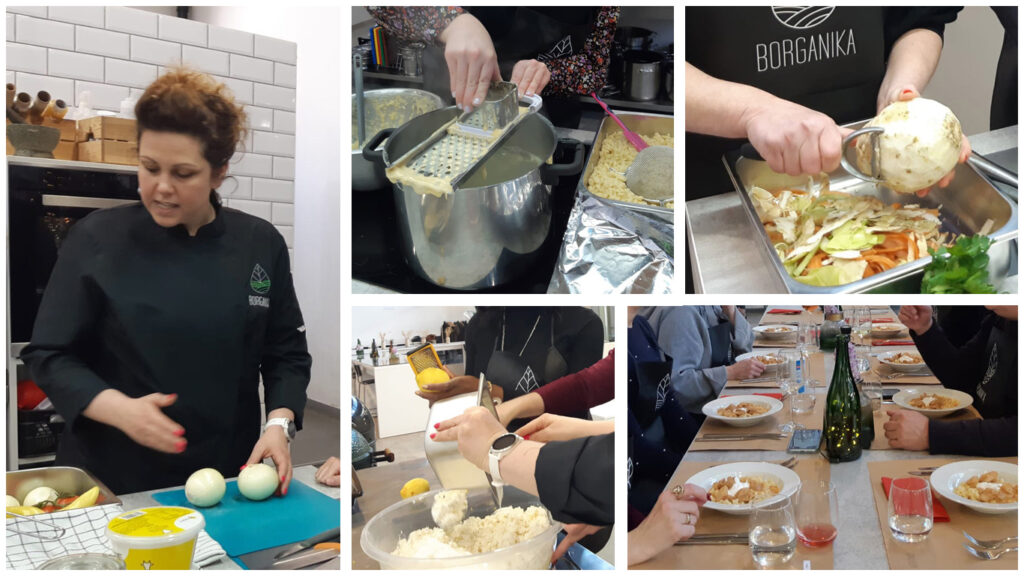
Last week we had the chance to meet and cook with chef Zita from BORGANIKA. Zita has an amazing gastro space in Klauzál market in the Jewish district. She offers cooking classes, all sorts of gastro events and she also hosts private dinners. She is amazing and is truly in love with Hungarian culture and food, all of my guests were fascinated by this unique culinary experience.
We cooked green pea soup, chicken paprikas with nokedli and strudel, it was a lot of fun, we enjoyed cooking and eating together and we also tasted some great Hungarian wines.
It’s a great experience for smaller and larger groups and her enthusiasm and professionalism will most probably brighten your day and contribute to an amazing Budapest experience.
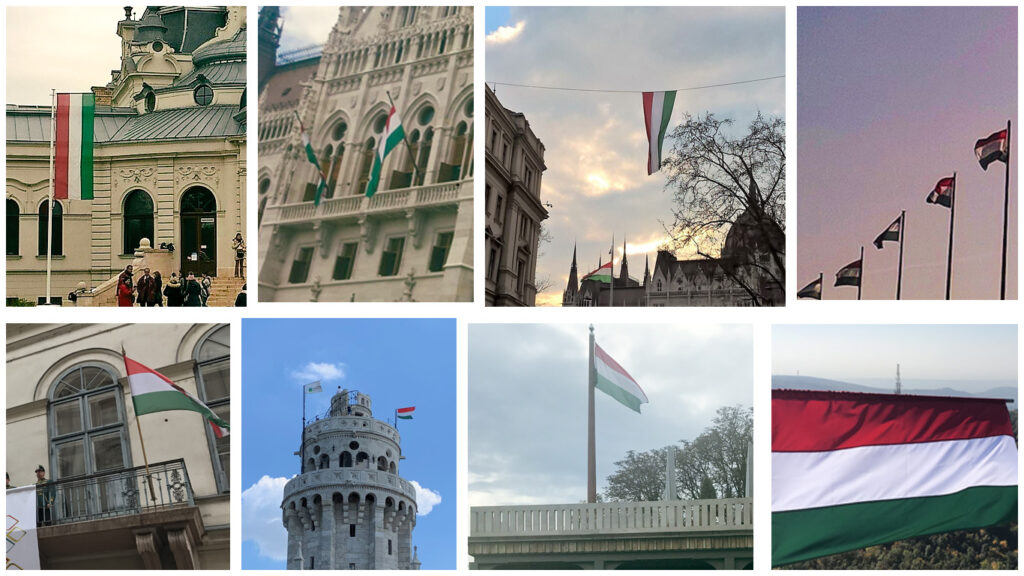
We celebrate Independence Day on the 15th of March, the Hungarian freedom war against the Habsburgs started on the 15th of March in 1848.
I collected some Hungarian flags from all around Budapest for celebration. On the Hungarian flag RED stands for life, blood and passion, WHITE stands for honesty and GREEN stands for hope.