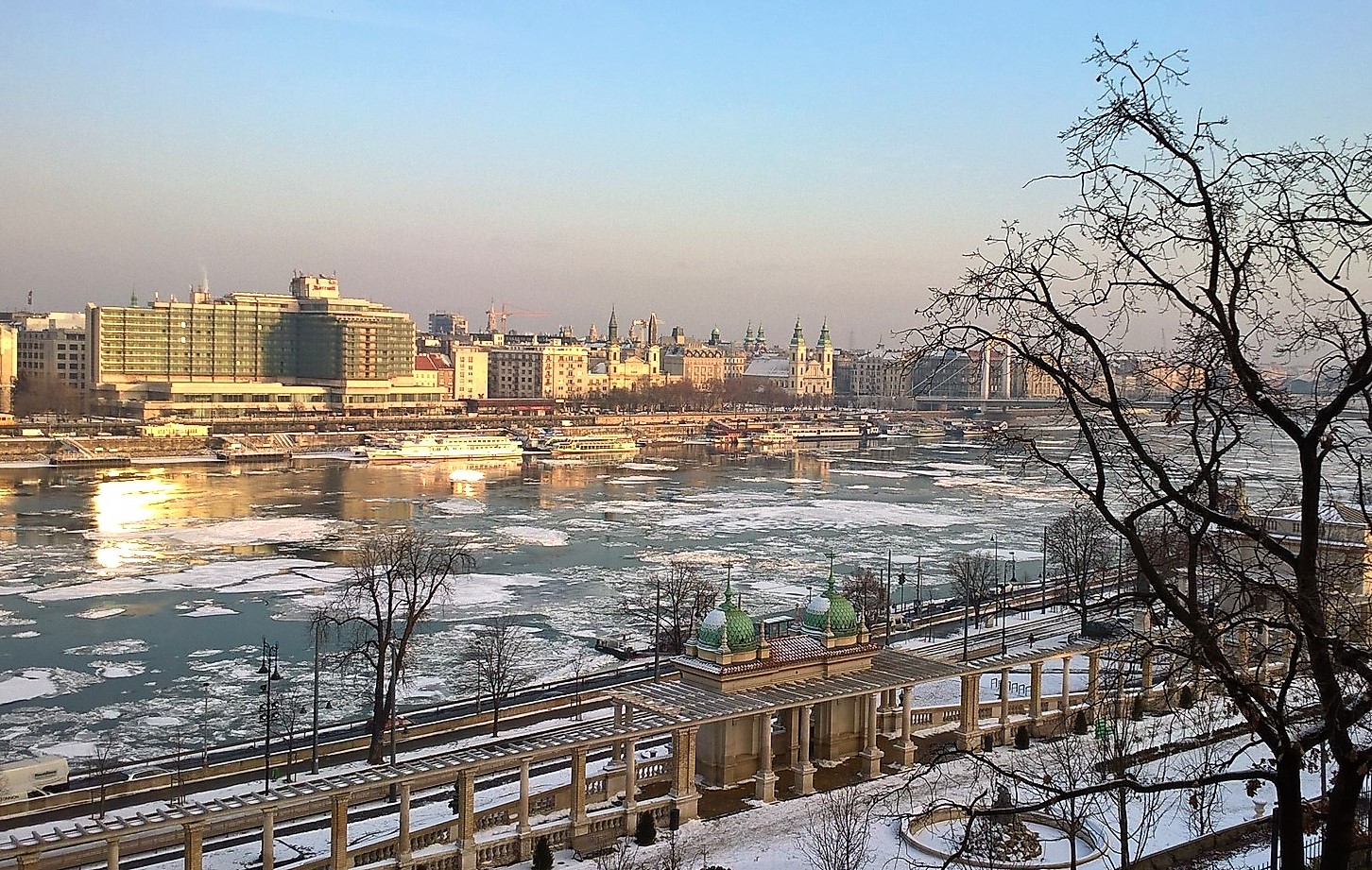
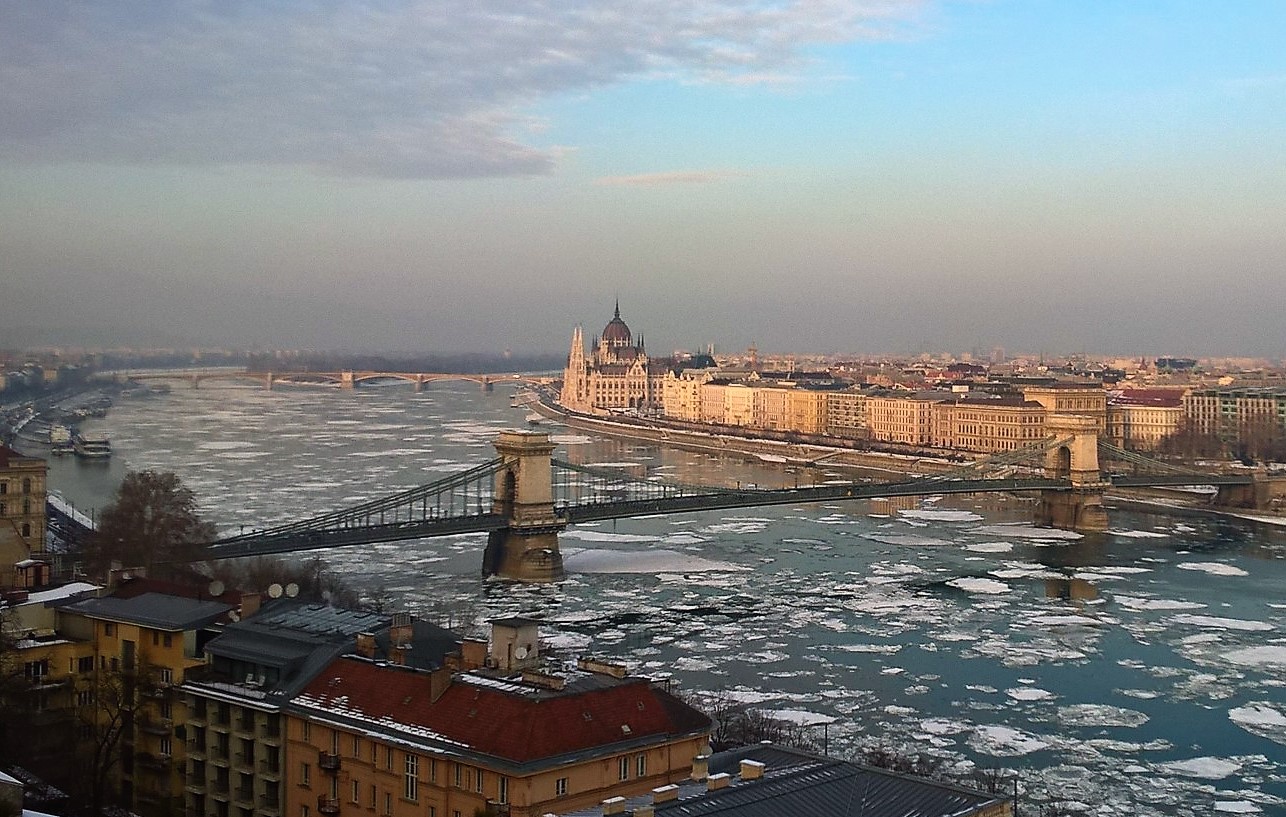
Drifting ice on the Danube river, view from in front of the Royal Palace of the Buda Castle District.
Drifting ice on the Danube river, view from in front of the Royal Palace of the Buda Castle District.
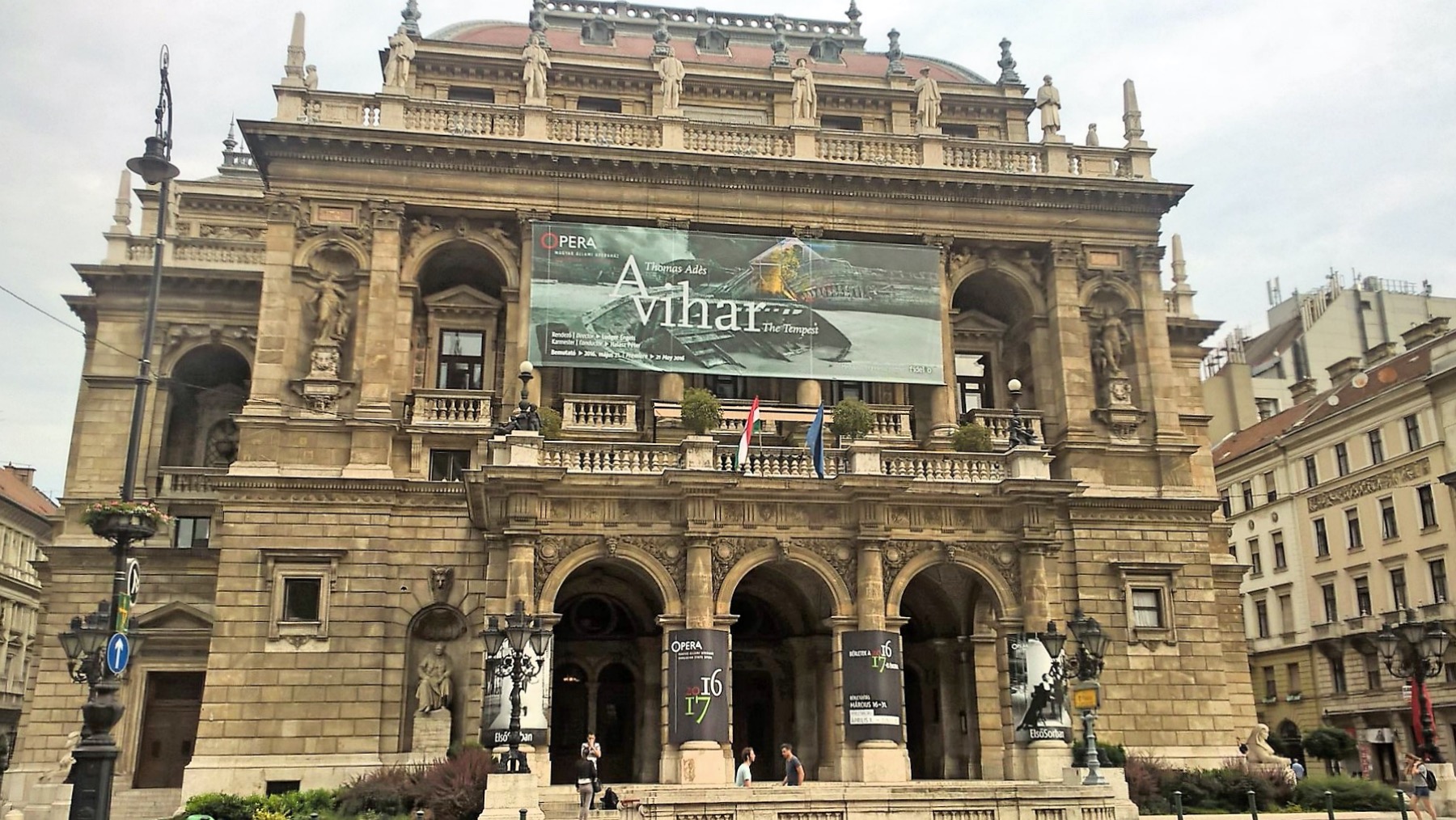
Few buildings capture the spirit of Budapest as perfectly as the Hungarian State Opera House. Elegant, richly decorated, and steeped in history, it is one of the most impressive landmarks along Andrássy Avenue—Budapest’s grand boulevard, often compared to the Champs-Élysées.
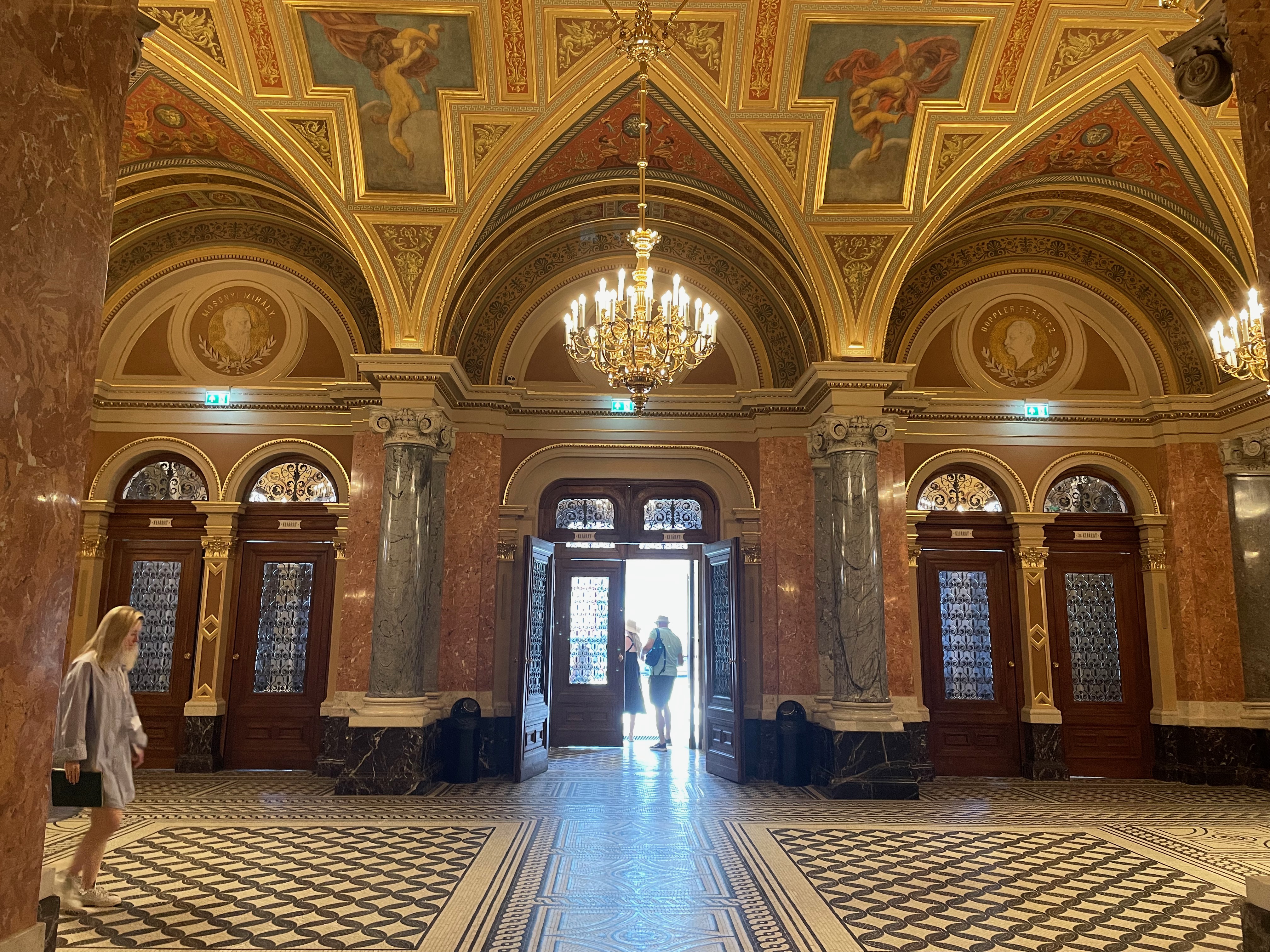
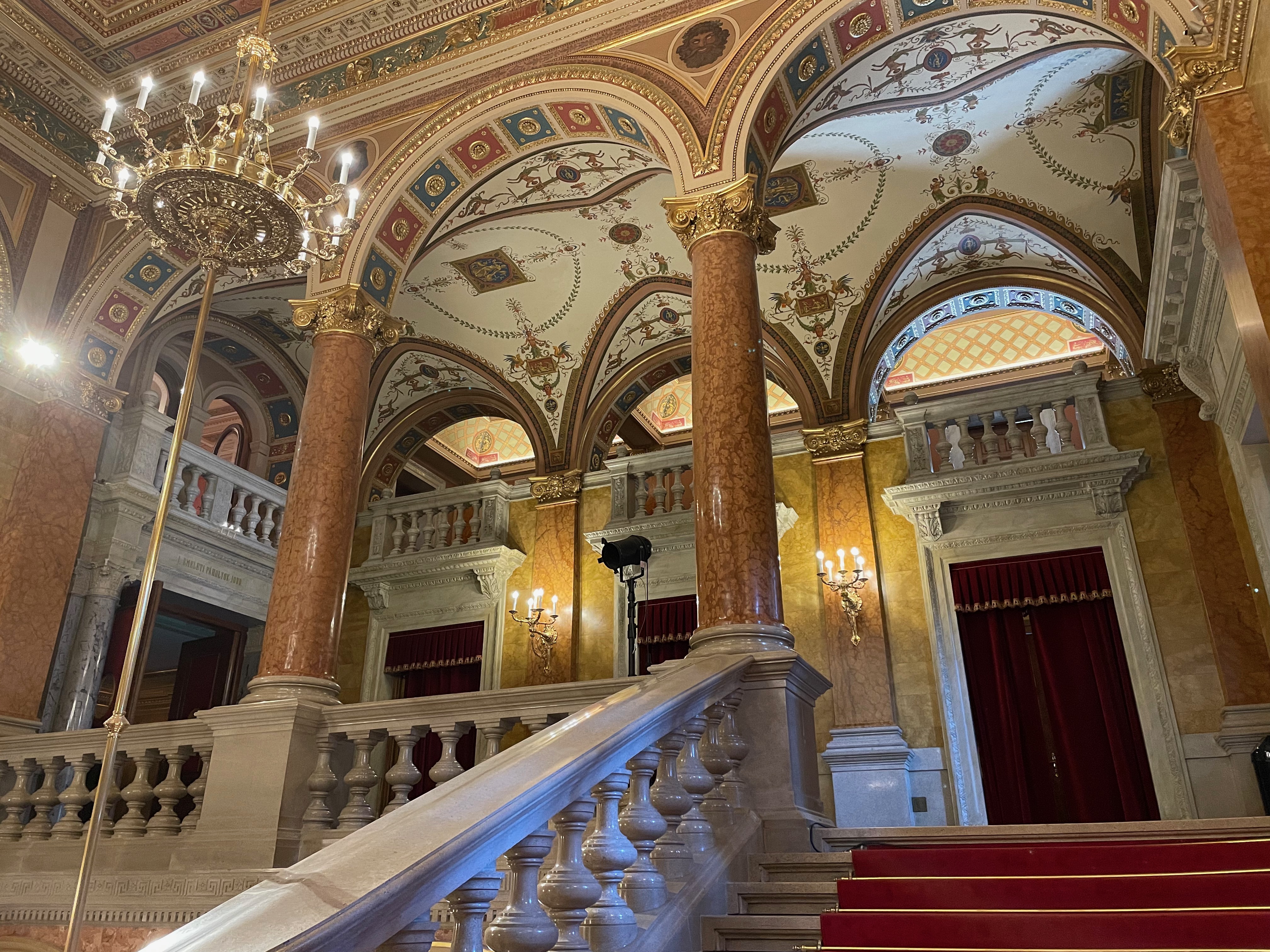
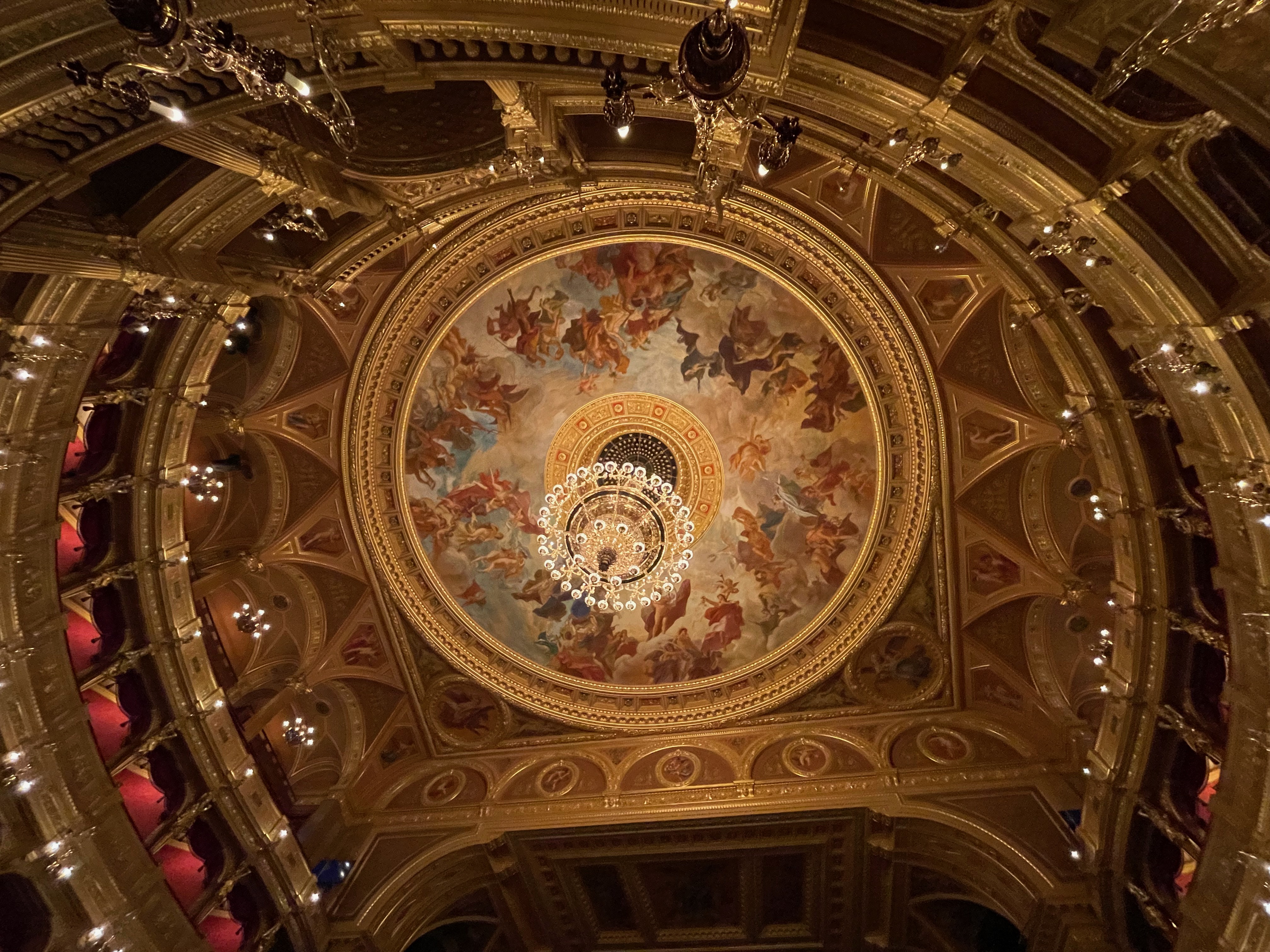
At first glance, the Opera House impresses with its Neo-Renaissance façade, ornate statues, and monumental arched entrance. But as with many things in Budapest, the real magic begins once you step inside. Gilded staircases, frescoed ceilings, velvet-lined boxes, and glittering chandeliers create an atmosphere of old-world elegance that instantly transports you back to the golden age of the Austro-Hungarian Empire.
The Opera House was designed by Miklós Ybl, one of Hungary’s most celebrated architects, and opened its doors in 1884. At the time, Budapest was eager to establish itself as a cultural capital equal to Vienna—and the Opera House was a bold statement of that ambition.
Legend has it that Franz Joseph I, the Austro-Hungarian Emperor himself, was both impressed and slightly irritated by the building. While he had light-heartedly supported its construction, he reportedly did not appreciate the fact that Budapest’s Opera House turned out to be even more richly decorated than the Vienna State Opera. True or not, the story perfectly captures the competitive spirit of the era—and the pride Budapest took in its cultural achievements.
Today, the Hungarian State Opera House is not only a venue for world-class opera and ballet performances, but also a living museum of architecture, music, and history. Guided tours run regularly and are an excellent way to admire the interior while learning about the building’s design, symbolism, and everyday life behind the scenes.
If you have the chance, attending an evening performance is a truly unforgettable experience. Even for visitors who are not regular opera-goers, the setting alone makes it special—and it offers a rare opportunity to experience Budapest much like locals do.
One of the things I love most about the Opera House is that it rewards those who look closely. Statues, frescoes, and decorative elements are all carefully chosen, often carrying political messages, artistic ideals, or subtle jokes that reflect the mindset of 19th-century Hungary.
These are exactly the kinds of details that tend to go unnoticed without local context—and they come to life when you explore the city on foot. During my Pest walking tour, the Opera House is not just a beautiful stop, but part of a larger story about Budapest’s development, identity, and cultural self-confidence.
Because of its location on Andrássy Avenue, the Opera House fits seamlessly into many fully customisable Budapest tours. It pairs beautifully with nearby cafés, historic palaces, and other iconic sights of Pest, making it easy to adapt the visit to your interests—whether you love architecture, music, history, or simply want to understand the city beyond the surface.
Every private tour I offer is tailored to my guests, and the Opera House often becomes a highlight: sometimes as a short architectural stop, sometimes as a deeper historical discussion, and sometimes as the starting point for an evening of culture in Budapest.
Whether you admire it from the outside, explore it on a guided tour, or attend a performance, the Hungarian State Opera House is one of those places that encapsulates Budapest in a single building: elegant but slightly dramatic, proud of its past, and full of stories waiting to be told.
If you’re planning your visit and would like to explore the Opera House as part of a custom private tour or a Pest walk designed around your interests, I’d be delighted to show you this iconic landmark—and the city around it—through a local’s eyes.
I’d like to wish you happiness, peace, love and harmony, I hope all your dreams will come true in 2017.
I’m looking forward to seeing you and to showing you around my beautiful Budapest!
Christmas in Hungary is shaped by traditions that feel familiar across Central Europe, yet retain a few deeply local touches — especially when it comes to family, ritual, and food. Rather than being loud or extravagant, Hungarian Christmas is intimate, reflective, and centered around time spent together.
The Christmas season begins with Advent, the four weeks of quiet preparation before Christmas. Each Sunday, one candle is lit on the Advent wreath — a small ritual that gently marks the passing of time and builds anticipation for the holiday.
Advent is less about rushing and more about slowing down, an idea that carries through the entire Christmas period.
In Hungary, Christmas Eve (24th of December) is the most important moment of the holiday — and it is traditionally a private family celebration.
The Christmas tree is decorated together, but with a charming twist: children usually wait outside the room. According to tradition, the tree and the presents are brought by the Baby Jesus, and children may only enter once the bells ring three times.
That moment — the sound of bells, the lights of the tree, and the reveal — is often remembered for a lifetime.
The 25th and 26th of December are slower, quieter days. The city softens, shops close, and people focus on visiting relatives and friends.
It’s also the perfect time to enjoy Hungarian Christmas food, with special seasonal dishes and sweets that appear only once a year — familiar flavours tied closely to memory and family tradition.
Hungarian Christmas isn’t about spectacle. It’s about small rituals, shared meals, and moments that repeat themselves year after year — quietly shaping how people experience winter, family, and home.
Boldog Karácsonyt — Merry Christmas.

Every year, Hungary’s Cake of the Country is officially announced: a “birthday cake” created to reflect both traditional flavours and modern creativity.
In Hungary, the 20th of August is more than a national holiday. It marks the founding of the Hungarian state by Saint Stephen — and it’s also the day when the country celebrates its love of pastry in a very special way.
The Cake of the Country is selected by a professional jury of master confectioners. Each year, pastry chefs from across Hungary are invited to submit creations that:
reinterpret classic Hungarian tastes
use high-quality, often regional ingredients
connect symbolically to the national holiday
The result is not just a dessert, but a snapshot of how Hungarian pastry culture evolves over time.
In 2016, the winning cake was called Green Gold of Őrség — a name inspired by both colour and region.
Created in a small pastry shop in Salgótarján, the cake subtly echoed the red, white, and green of the Hungarian flag, while highlighting one of the region’s most characteristic ingredients: pumpkin seed oil.
The cake’s layers combined:
pumpkin seed oil and almond flour sponge
white chocolate ganache
crunchy pumpkin seed praline
raspberry jelly
pumpkin seed jelly
The result was rich yet balanced, with nutty depth softened by fruit and chocolate — a modern composition rooted in local flavors.
One of the joys of this tradition is that the Cake of the Country doesn’t remain a concept — it’s meant to be tasted.
In 2016, I had the pleasure of trying Green Gold of Őrség with my guests at Ruszwurm Confectionery (closed in 2025), one of Budapest’s oldest cake shops, tucked away near Matthias Church in the Buda Castle District.
Enjoying a contemporary award-winning cake in such a historic café perfectly captures what Hungarian pastry culture does best: blending past and present on the same plate.
The Cake of the Country is not about trends or spectacle. It’s about:
craftsmanship
regional identity
and the quiet pride Hungarians take in their culinary traditions
Each year’s cake becomes part of a larger story — one that connects national history, local ingredients, and everyday pleasures.
Hungarian cakes and cafés are often part of the stories I share on my Budapest Foodie Tours, especially when exploring historic neighbourhoods like the Buda Castle District. If you enjoy discovering a city through its sweets, traditions, and everyday rituals, I’d be happy to show you some of Budapest’s most characterful cafés — past and present.

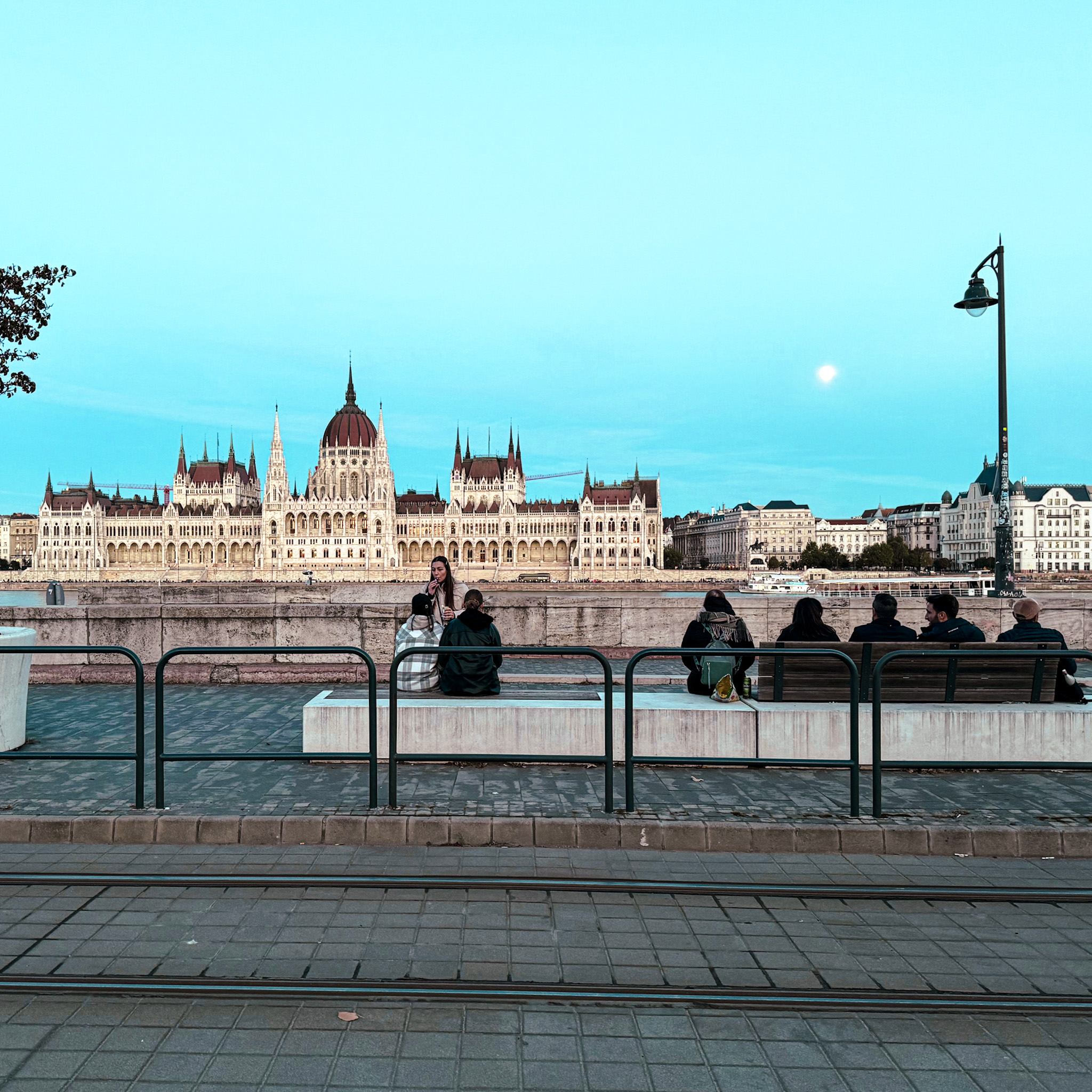
Rising proudly on the Pest side of the river, the Parliament is not only one of Budapest’s most iconic landmarks, but also a powerful symbol of Hungary’s history and identity.
At first glance, visitors often wonder why a relatively small country built one of the largest parliament buildings in Europe. The answer lies in history.
When construction began in the late 19th century, Hungary formed one half of the Austro-Hungarian Monarchy, and the Kingdom of Hungary itself stretched far beyond the country’s present-day borders. This was also a period when monumental public buildings were designed to express confidence, strength, and national pride. The Parliament was meant to say something — about Hungary’s place in Europe, its political ambitions, and its cultural importance. And more than a century later, it still does.
The building’s neo-Gothic style was inspired by great European traditions, yet its scale and ornamentation make it uniquely Hungarian.
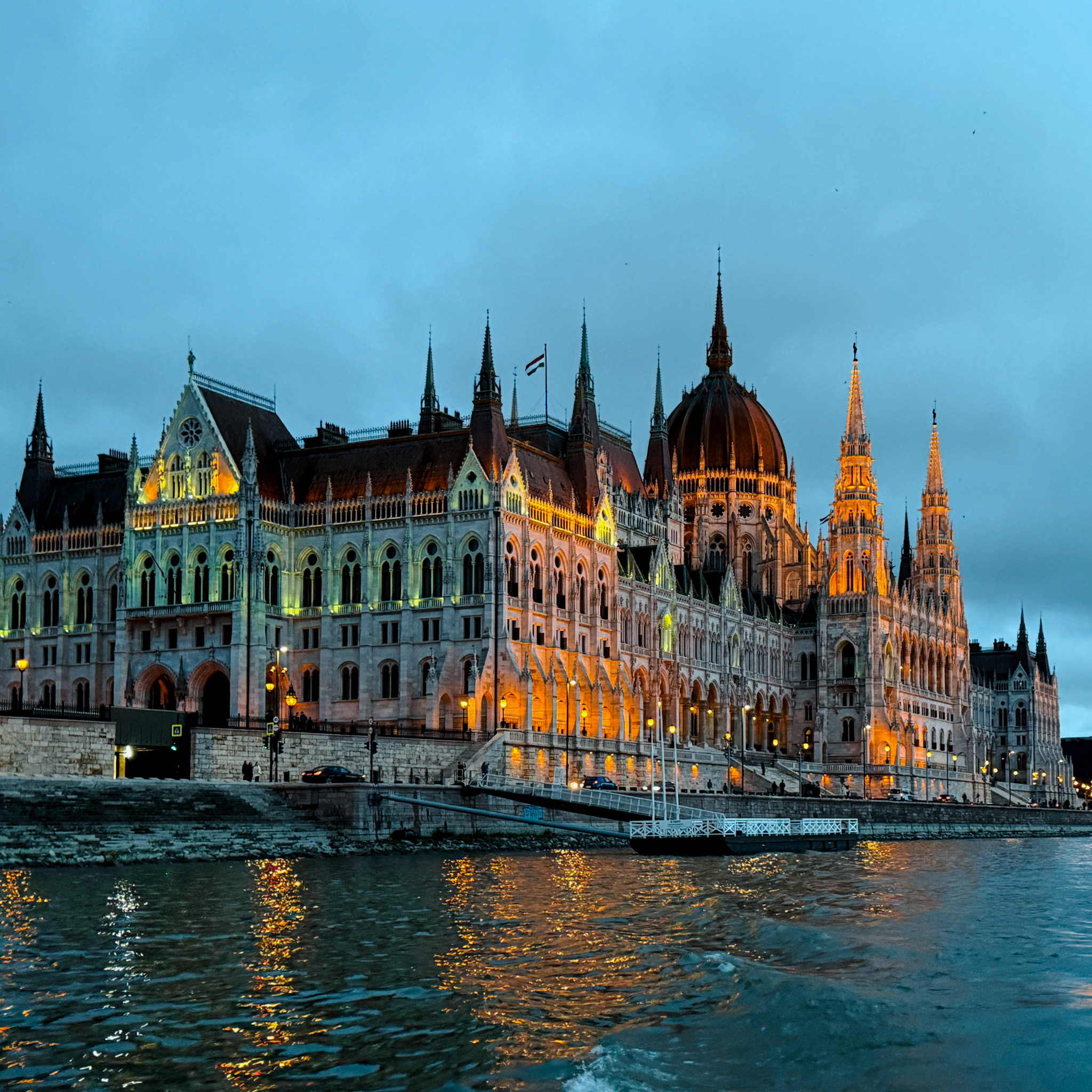
From the outside, countless spires, arches, and statues create a sense of rhythm and symmetry. From the river, the Parliament appears almost theatrical — especially at sunset or after dark, when it’s illuminated and reflected in the Danube.
Every detail was carefully designed to impress, not just foreign visitors, but citizens themselves.
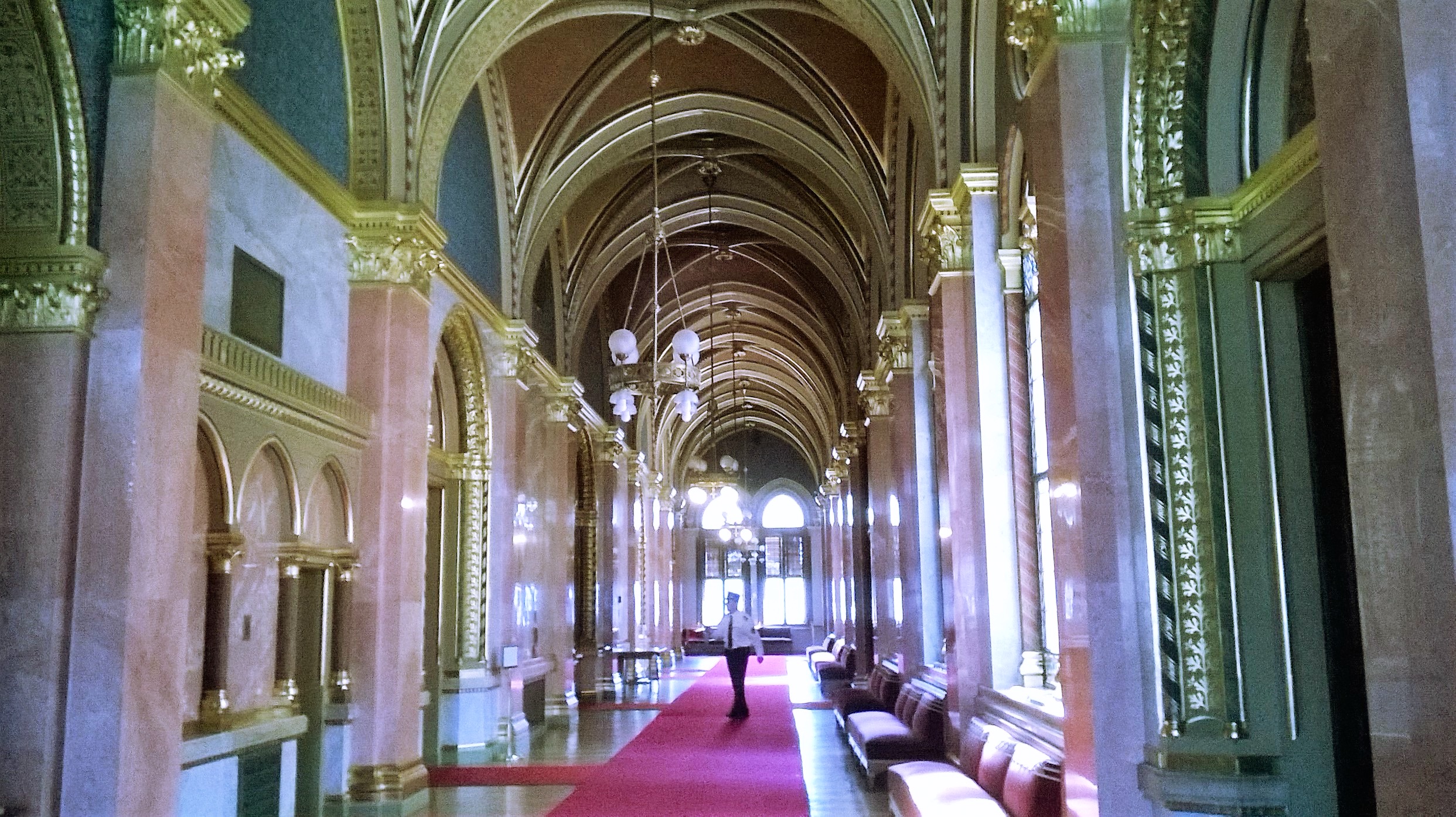
Stepping inside the Parliament reveals a world of ceremonial spaces, rich materials, and symbolism. Ornate staircases, gilded details, and stained glass windows all serve a purpose: to underline the importance of the institution housed within.
One of the most significant elements kept inside is the Holy Crown of Hungary, a powerful national symbol representing more than a thousand years of statehood. Its presence adds a deep historical layer to the building beyond its architectural beauty.
More than just a government building, the Parliament shapes the rhythm of Budapest’s riverfront. It anchors the Pest side of the Danube and forms part of one of the city’s most celebrated panoramas.
Whether seen from a bridge, a river cruise, or from the hills of Buda, it’s a constant point of reference — elegant, imposing, and unmistakably Budapest.
The Parliament is one of the highlights I always enjoy discussing while exploring the Pest side of the city. Seeing it from the outside — with its history, symbolism, and urban context — often adds a new layer of understanding.
It’s also one of the highlights of my favourite walk in Budapest, a route that follows the Danube before continuing through some of the streets and squares I never get tired of exploring.
Parliament is impressive even if you simply stop to admire it from the Danube, but understanding the history, symbolism and stories behind the building adds another dimension to the experience.
It’s one of the landmarks we can explore on my Best Pest Private Walking Tour, together with the surrounding streets, squares and architectural details that help tell the story of Budapest.
Like all my Budapest private tours, the itinerary is fully customisable, so we can spend more time on history, architecture or any other aspect of the city that particularly interests you.
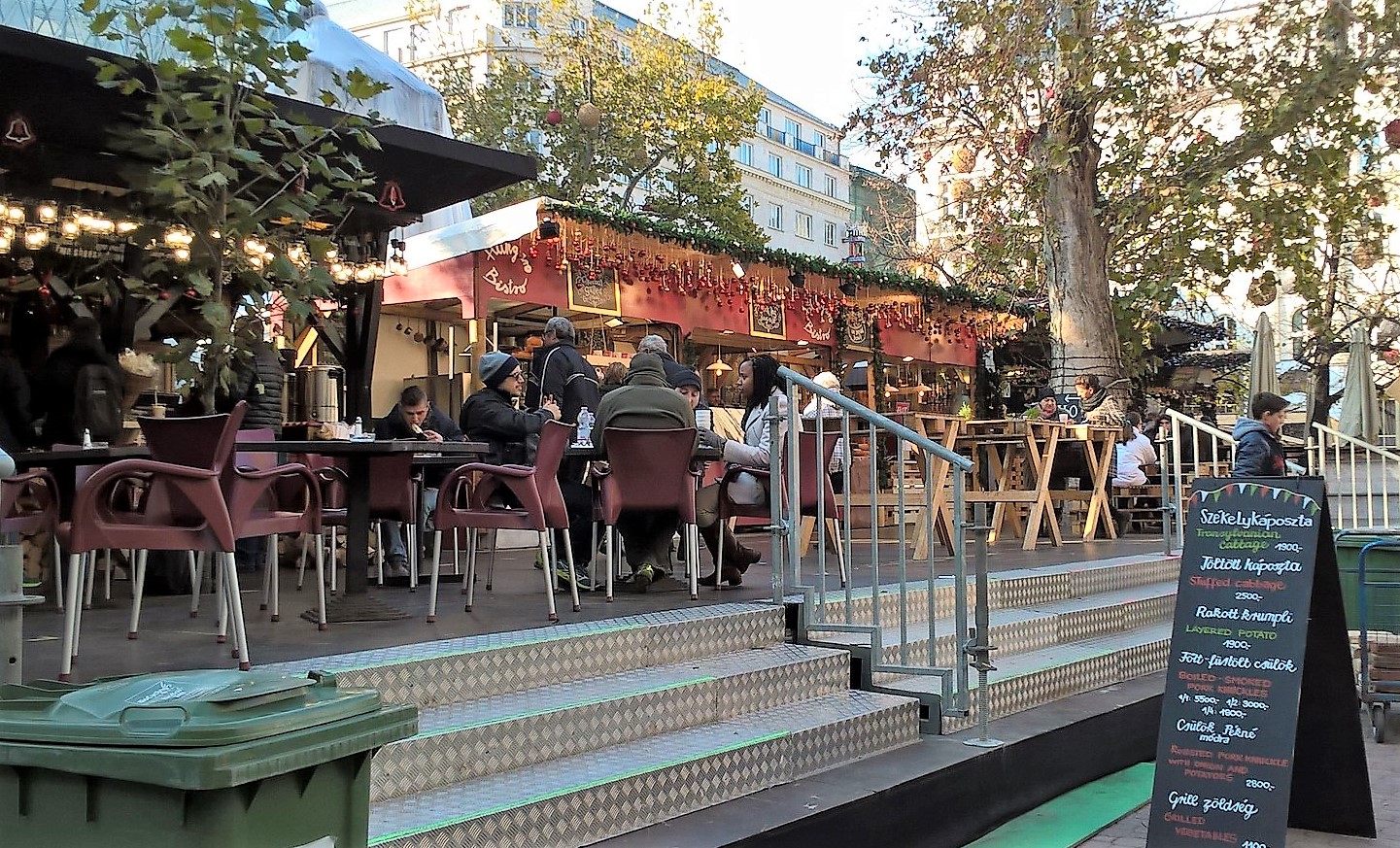
During the four weeks of Advent, several Budapest Christmas Markets bring warmth and light to the city’s historic squares.
Strolling through the markets is as much about atmosphere as it is about food. Wooden stalls glow after dark, the air smells of spices and roasted treats, and locals and visitors gather around steaming mugs to keep warm.
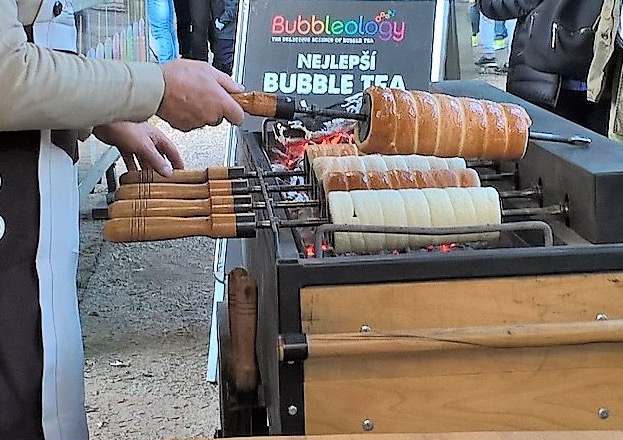
Traditional Hungarian dishes are a highlight, along with mulled wine, rich hot chocolate, and seasonal sweets. One treat you shouldn’t miss is kürtőskalács, or chimney cake — freshly baked, golden, and best enjoyed straight from the stall.
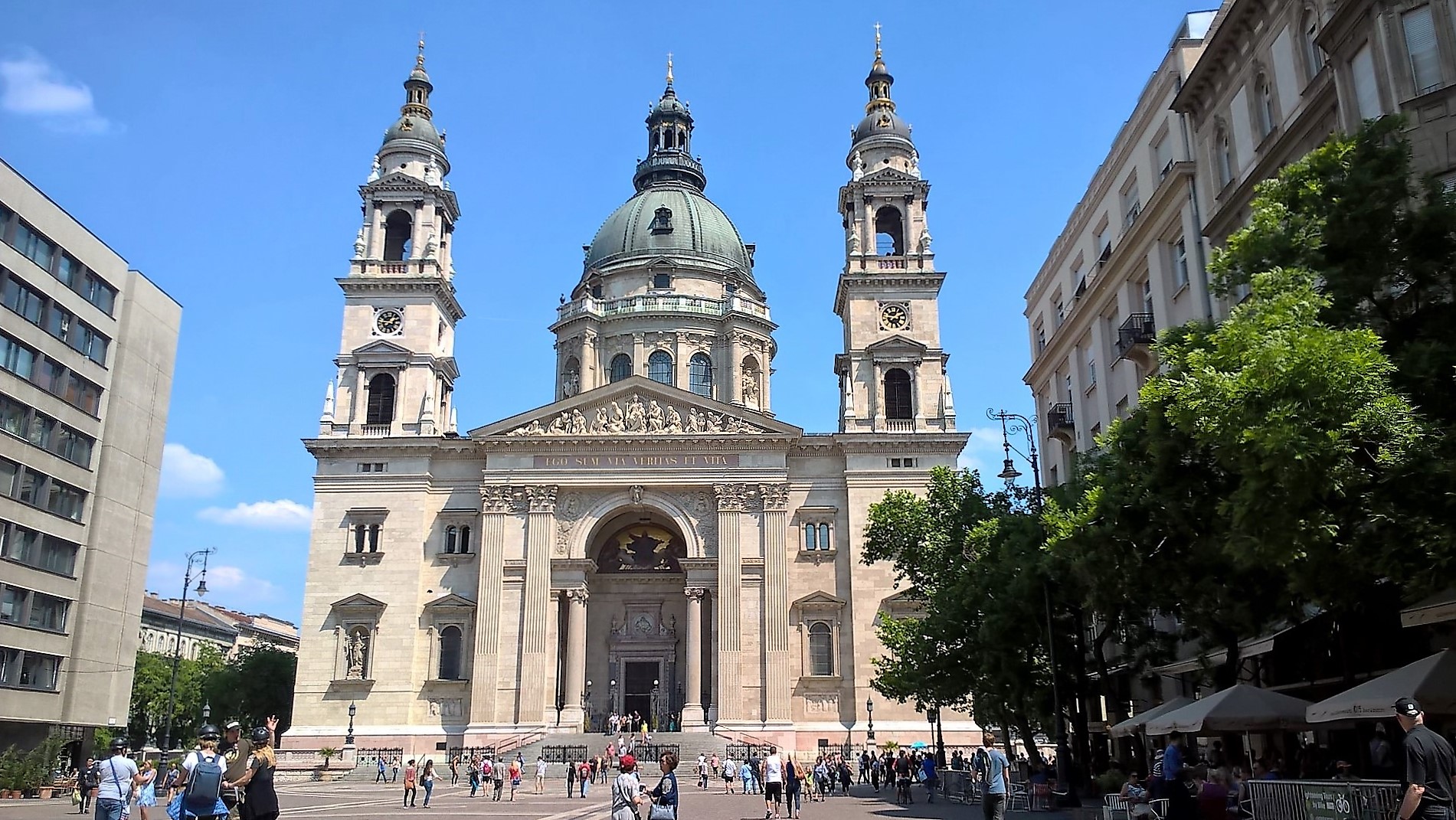
In the city center, the Christmas market in front of St. Stephen’s Basilica is especially atmospheric. In the evenings, a festive light and video projection transforms the façade of the basilica, adding a magical backdrop to the market below.
Budapest’s Christmas markets are not about rushing from stall to stall, but about slowing down, warming up, and enjoying the city in its most festive season.
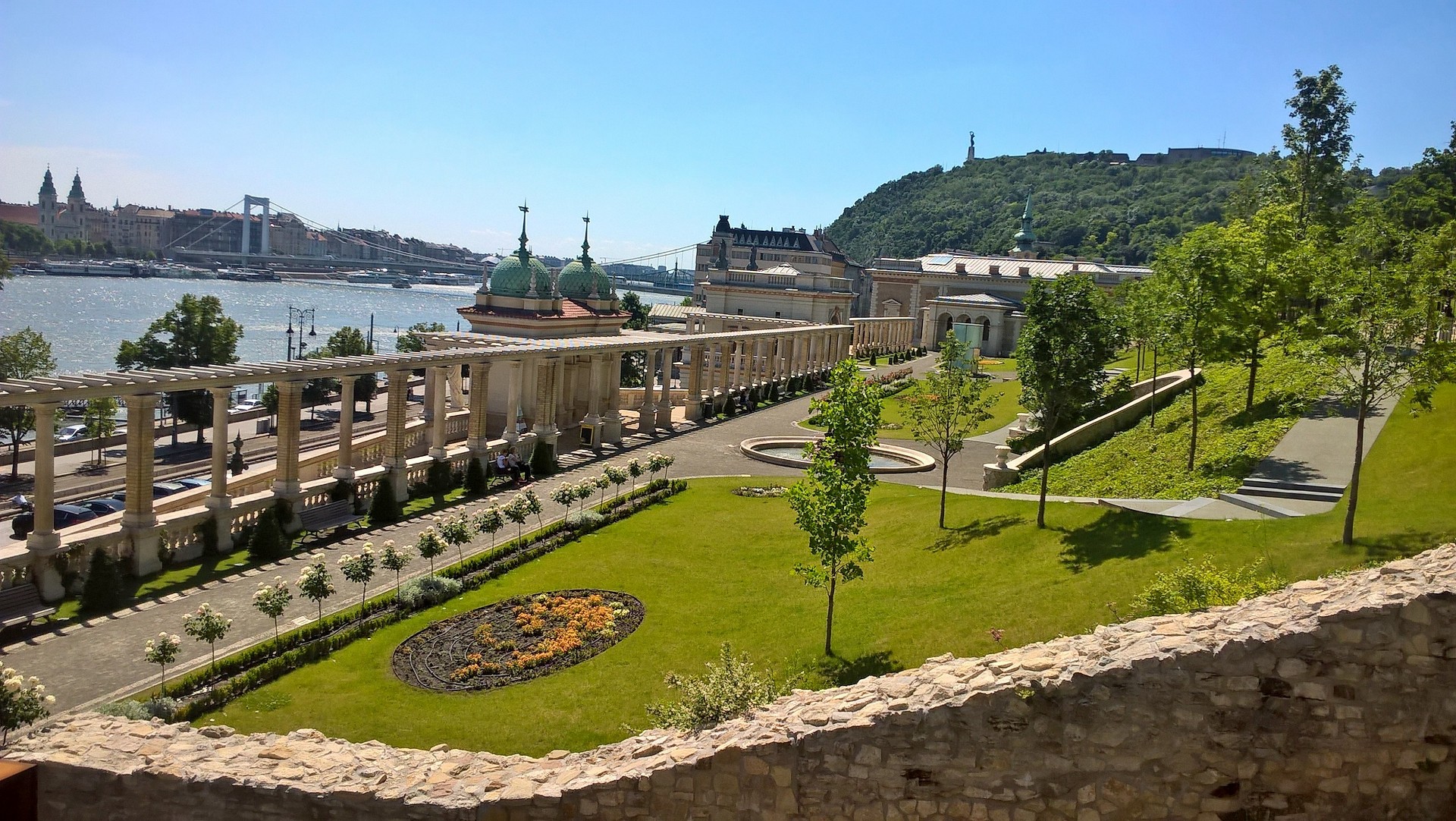
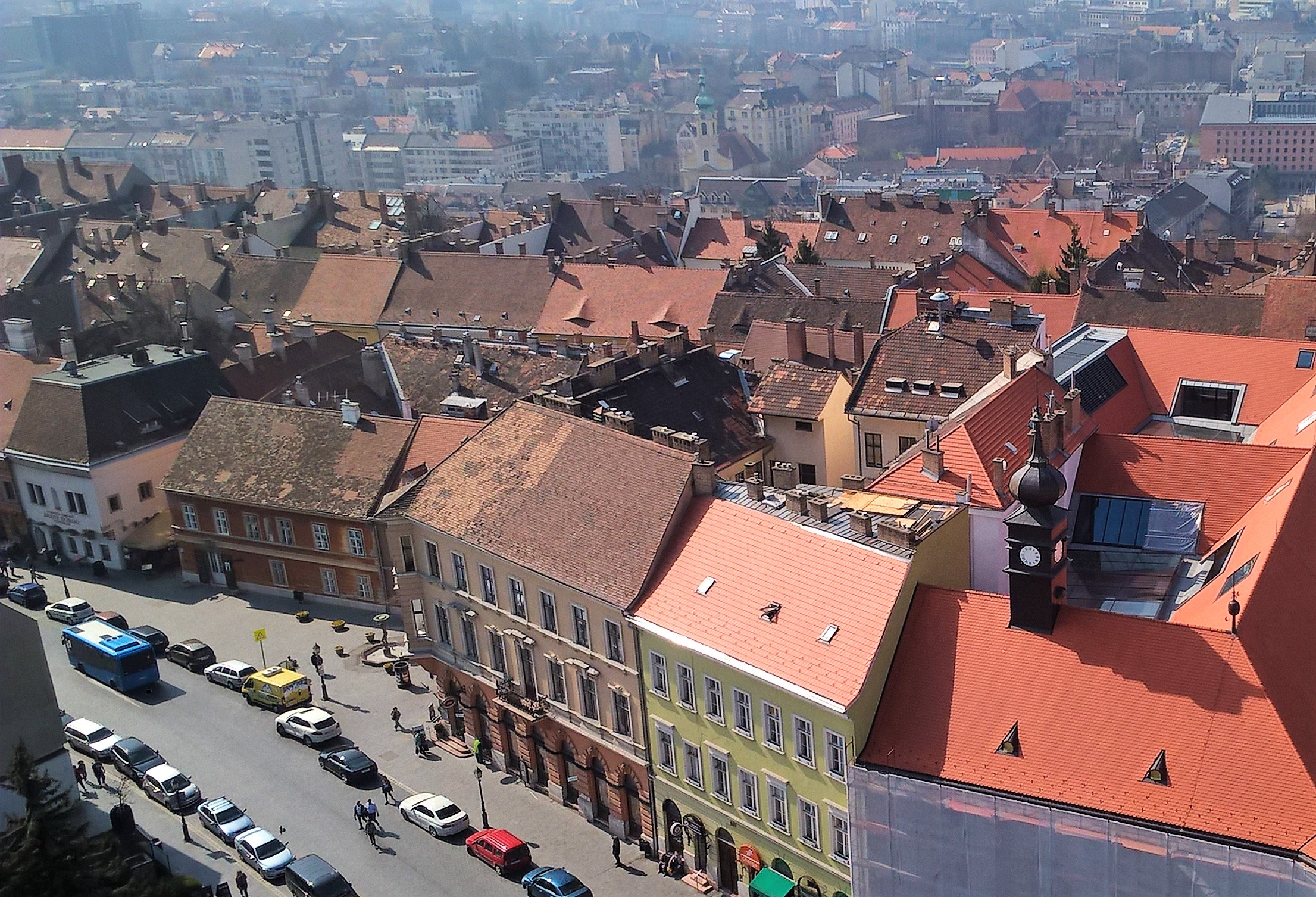
The Buda Castle District is the oldest part of Buda and one of the most atmospheric areas of Budapest. Built high on Castle Hill, it has been the political, religious, and strategic heart of the city since the Middle Ages. Long before Budapest became a unified capital, Buda was already an important royal center. By the mid-13th century, the hilltop was crowned with fortifications, a medieval town, and a royal residence — setting the foundations for the historic district we explore today.
One small but important clarification often surprises visitors: the Buda Castle District is not a single intact medieval castle.
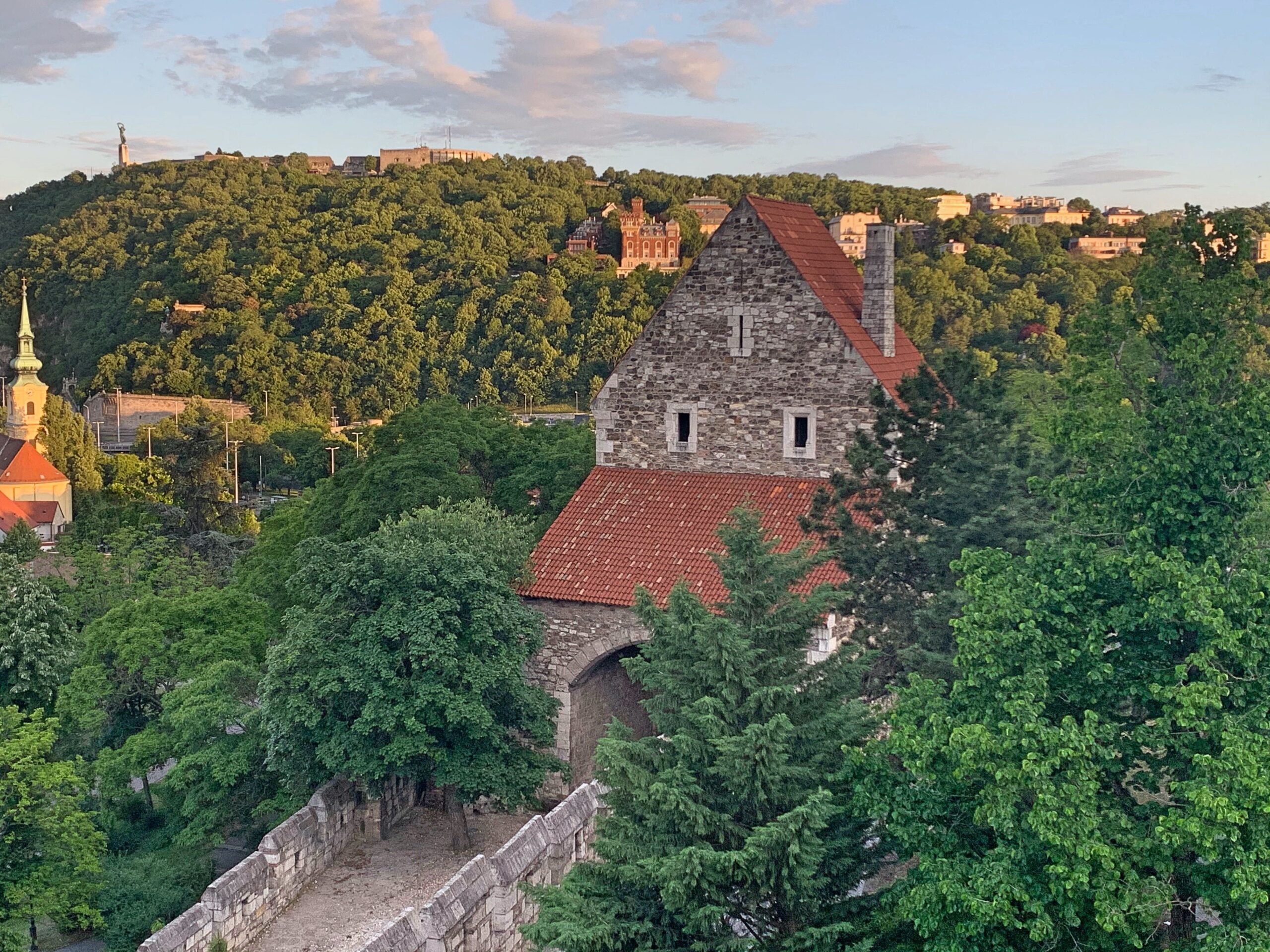
The original Gothic and Renaissance royal palace — once home to Hungarian kings — was largely destroyed during the wars of the 17th century. What survives today are fragments, foundations, and stories. Some of these remains can be seen in the Budapest History Museum, while much of the medieval castle still lies hidden beneath the ground.
What you see above ground today is mostly the result of later rebuilding — especially the grand 18th-century Baroque palace, which now dominates the hilltop.
One of the best ways to experience the district is simply on foot. As you walk uphill along former ramparts and quiet lanes, the layers of history gradually reveal themselves.
The Baroque palace complex today houses major cultural institutions, including the Hungarian National Gallery, while the surrounding streets form the historic old town of Buda.
Cobblestoned streets, pastel façades, and hidden courtyards lead naturally toward one of the district’s most iconic landmarks: Matthias Church.
For those willing to climb higher, the church tower rewards you with one of the finest panoramic views over Budapest — a perspective that makes the city’s geography instantly clear.
Just a few steps away, the Fisherman’s Bastion offers one of the most famous panoramas in Hungary.
From its terraces, the view opens across the Danube to the Pest side, with the Hungarian Parliament building perfectly framed below. It’s a moment that connects medieval Buda with 19th-century Pest — and helps explain why this hill has always been so important.
Beyond the postcard views, the district also tells quieter stories. Walking through the former civilian town, you encounter elegant residences, the striking architecture of the Hungarian National Archives, and traces of communities that once lived side by side here — including the old Jewish quarter of Buda.
These streets feel calmer, more residential, and often reveal details that are easy to miss without context.
Perhaps the most surprising fact about the Buda Castle District lies underground.
Beneath the streets stretches a 12-kilometer-long network of caves and cellars, used over centuries for storage, shelter, and survival. Today, parts of this underground world can be explored through two very different museums.
The Hospital in the Rock served as a military hospital during World War II and later as a nuclear bunker during the Cold War.
The Labyrinth of Buda Castle offers a more theatrical experience — with legends, shadows, and even a brush with Dracula.
The Buda Castle District reveals its true character when explored slowly and with context — beyond just the highlights.
I’d be happy to show you both the famous landmarks and the quieter corners during one of my Budapest walking tours, always adapting the walk to your interests and pace. If you’d like to discover the district through stories, viewpoints, and hidden details, feel free to get in touch.
Hungarians have a well-known sweet tooth, and among the many beloved treats, marzipan holds a special place. This smooth almond paste appears not only in cakes and pastries, but also in something far more unexpected: tiny — and sometimes life-size — works of art. In Hungary, marzipan is not just something you eat. It’s something you admire.
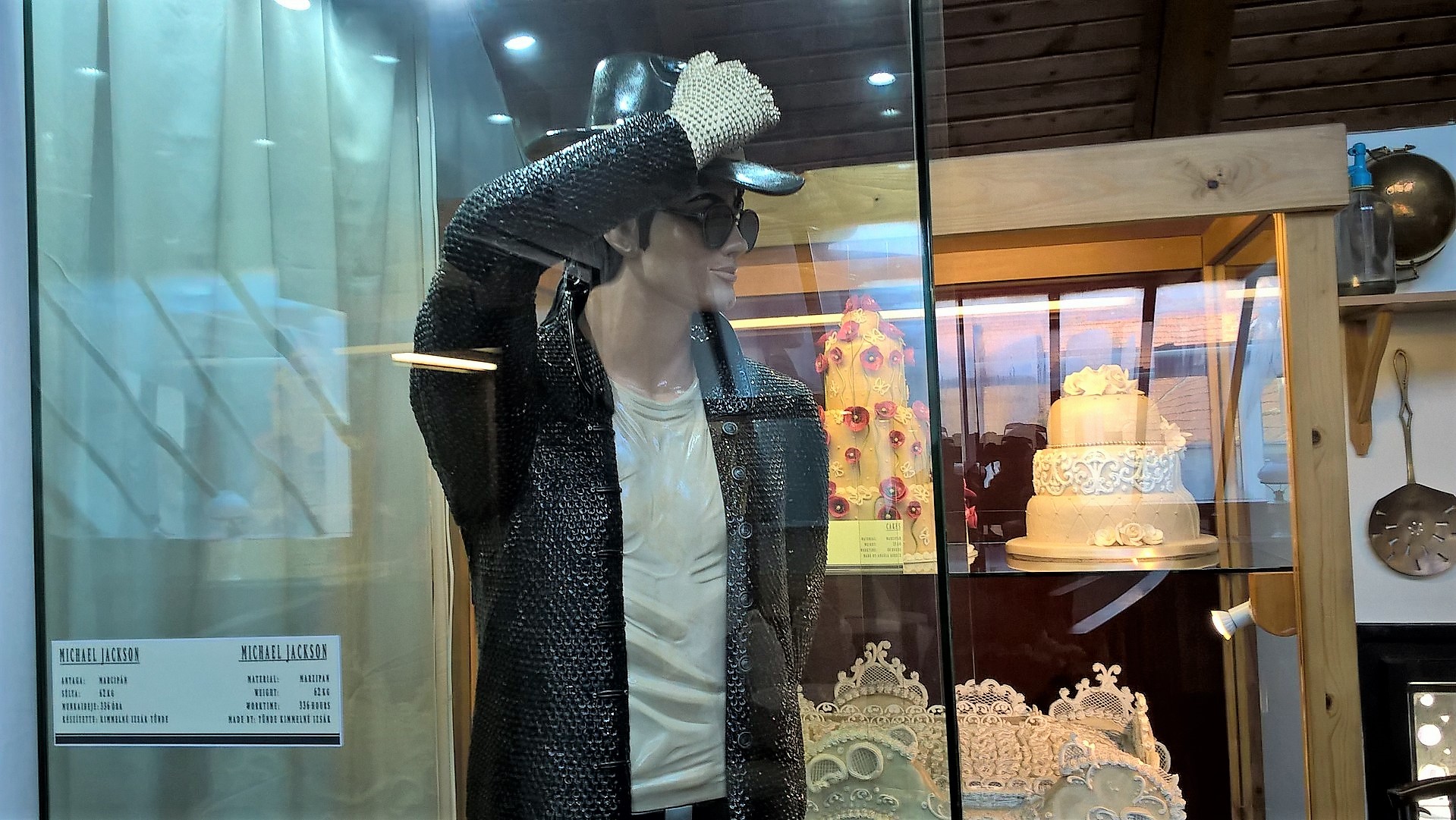
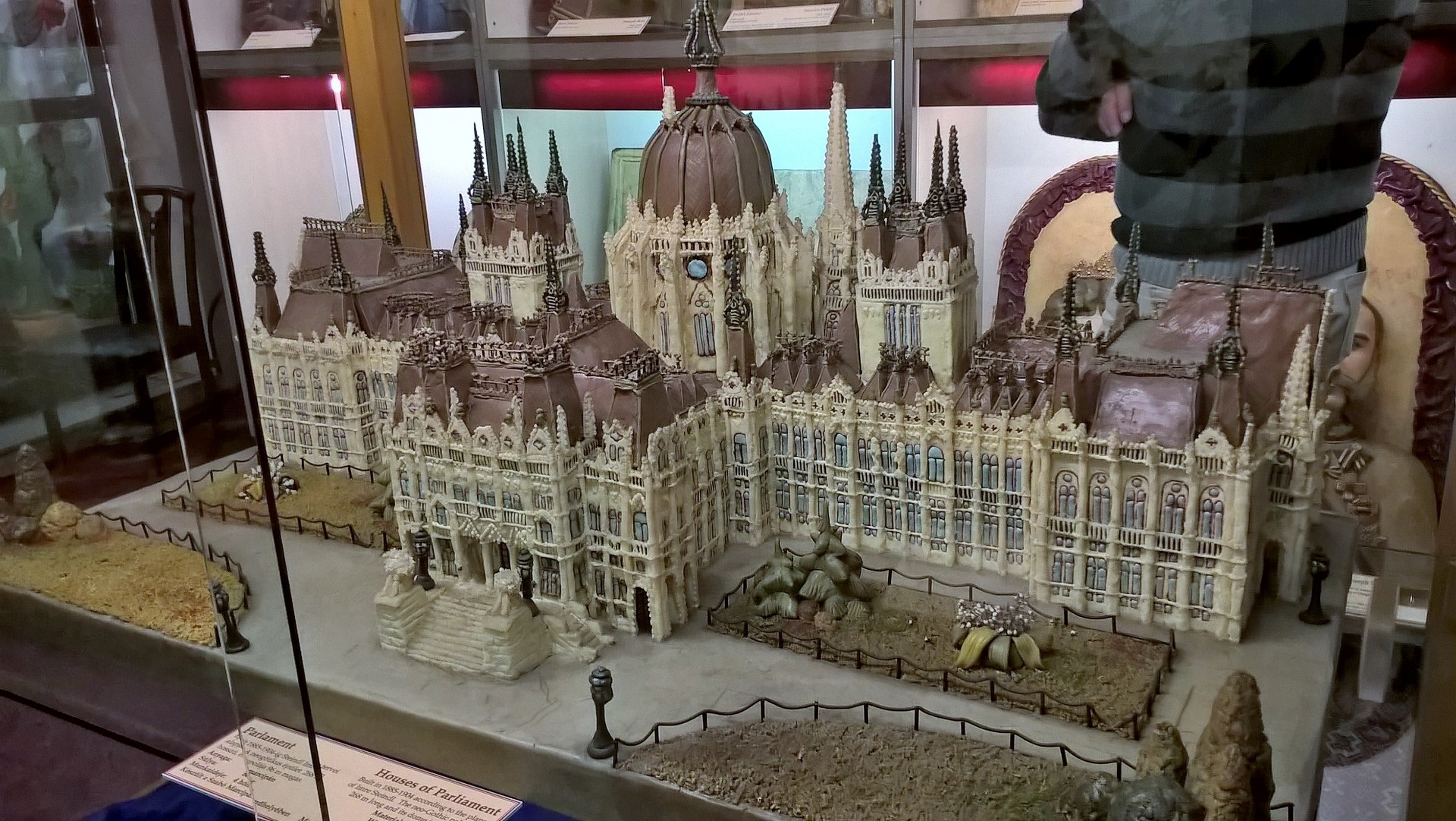
So, what do Michael Jackson and the Hungarian Parliament building have in common? In Szentendre, the answer is simple: they can both be made of marzipan.
The Szentendre Marzipan Museum is one of the most unusual — and sweetest — museums in Hungary. Located in the heart of Szentendre, it displays dozens of marzipan sculptures ranging from famous Hungarian historical figures to international celebrities and iconic buildings.
Some of the figures are small and intricate, others surprisingly large — all made with astonishing detail and patience.
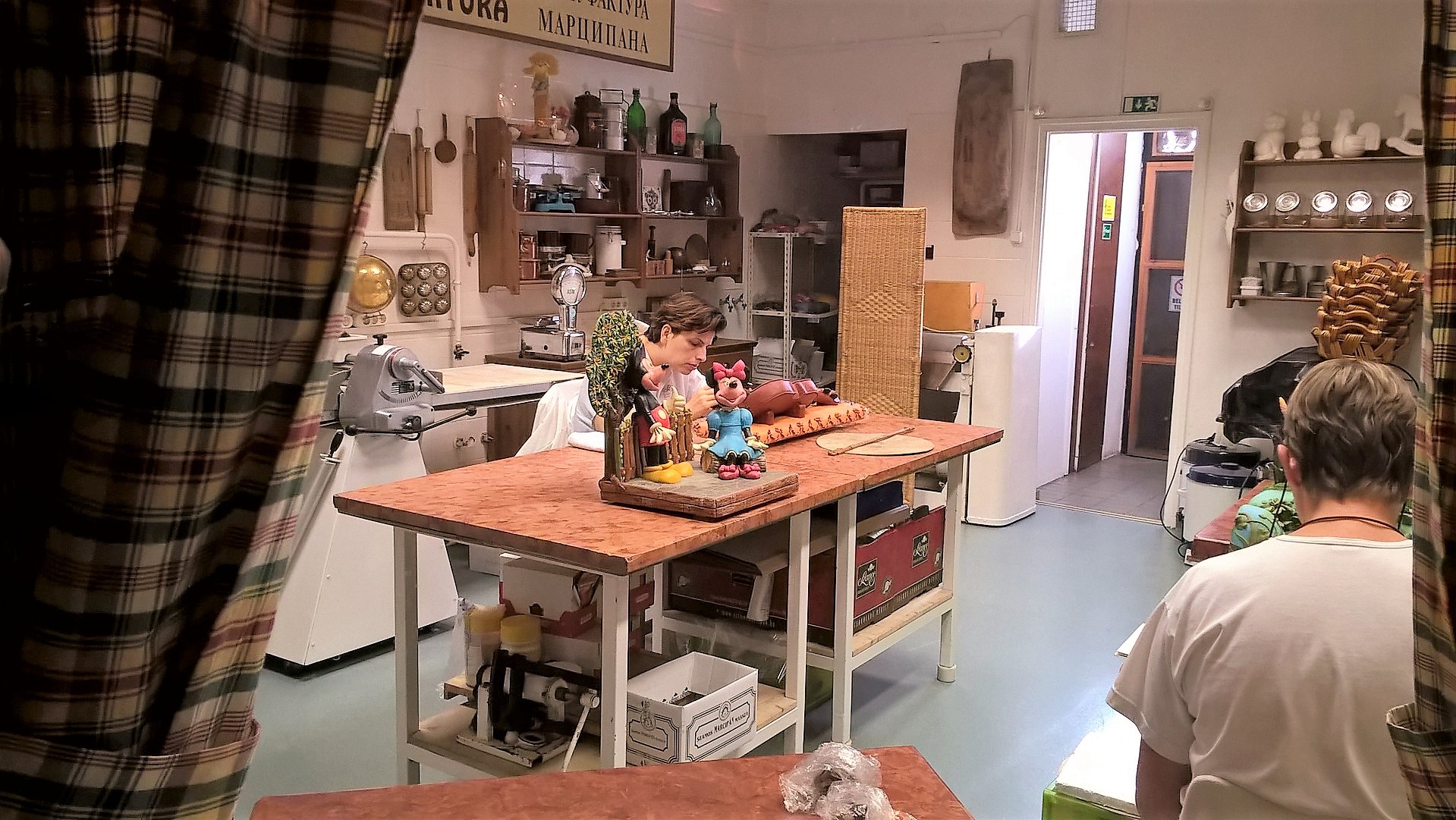
What makes the Szentendre Marzipan Museum especially engaging is that it’s not just a static exhibition. Visitors can also peek into the atelier, where new marzipan figures are still being created by hand.
Watching the process gives a new appreciation for the craft behind these playful sculptures — and for the amount of time and skill required to turn sugar and almonds into recognizable faces, buildings, and scenes.
The Marzipan Museum is not large, but that’s part of its charm. It fits perfectly into a relaxed stroll through Szentendre, adding a lighthearted and slightly quirky stop between galleries, cafés, and cobblestoned streets.
And of course, no visit is complete without stepping into the small shop at the end, where you can buy beautifully made marzipan sweets — far too pretty to eat… at least at first.
The Marzipan Museum is one of those small surprises I’m always happy to include when showing guests around Szentendre. It’s also a delightful stop on my Danube Bend and Szentendre tours, especially for travellers who enjoy local traditions with a playful twist.
If you’d like to explore Szentendre — from its art scene to its sweetest corners — feel free to get in touch, and we can shape a day that suits your interests and pace.
For many visitors, Hungarian food comes with a single, vivid image: red, hearty, and fiery hot.
There’s some truth in that — but it’s only a small part of the story.
Hungarian cuisine is deeply shaped by history, geography, and everyday life, and once you look beyond stereotypes, it reveals an unexpectedly rich and varied food culture.
Paprika is, without question, the defining spice of Hungarian cooking. Sweet, smoked, mild, or hot, it brings colour and depth rather than just heat — and it’s used with far more nuance than most people expect.
Interestingly, this essential ingredient only became central to Hungarian cuisine after the Ottoman period. What began as an imported spice gradually turned into a national symbol, shaping flavors that today feel inseparable from Hungarian identity.
Eating Hungarian isn’t about one iconic dish — it’s about many small, memorable tastes.
When visiting Hungary, some of the most authentic food experiences happen in everyday places:
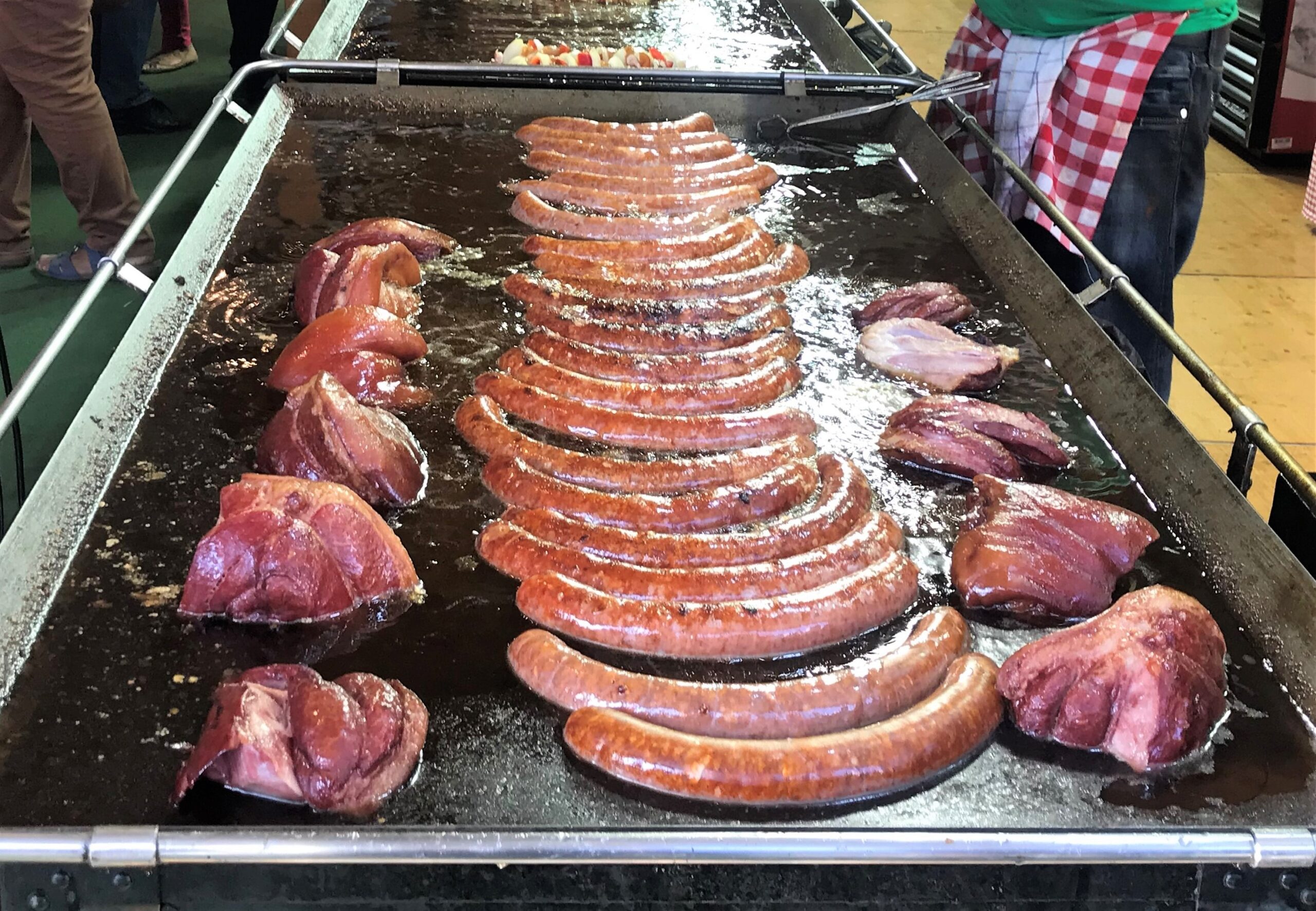
Butcher shops, where fresh sausages and simple hot dogs are enjoyed standing at the counter
Traditional cafés, some over a century old, where cakes and pastries are as important as conversation
Bakeries, filled with the smell of warm dough early in the morning
Open-air cooking, where goulash simmers slowly in a cauldron over an open fire
Street food favorites, like lángos — golden, deep-fried, and endlessly customizable
Sweet stops, from artisan ice cream to handcrafted chocolate and strudel
Pickled vegetables, which balance rich dishes with acidity and crunch
Each bite reflects a mix of rural traditions, urban habits, and seasonal rhythms.
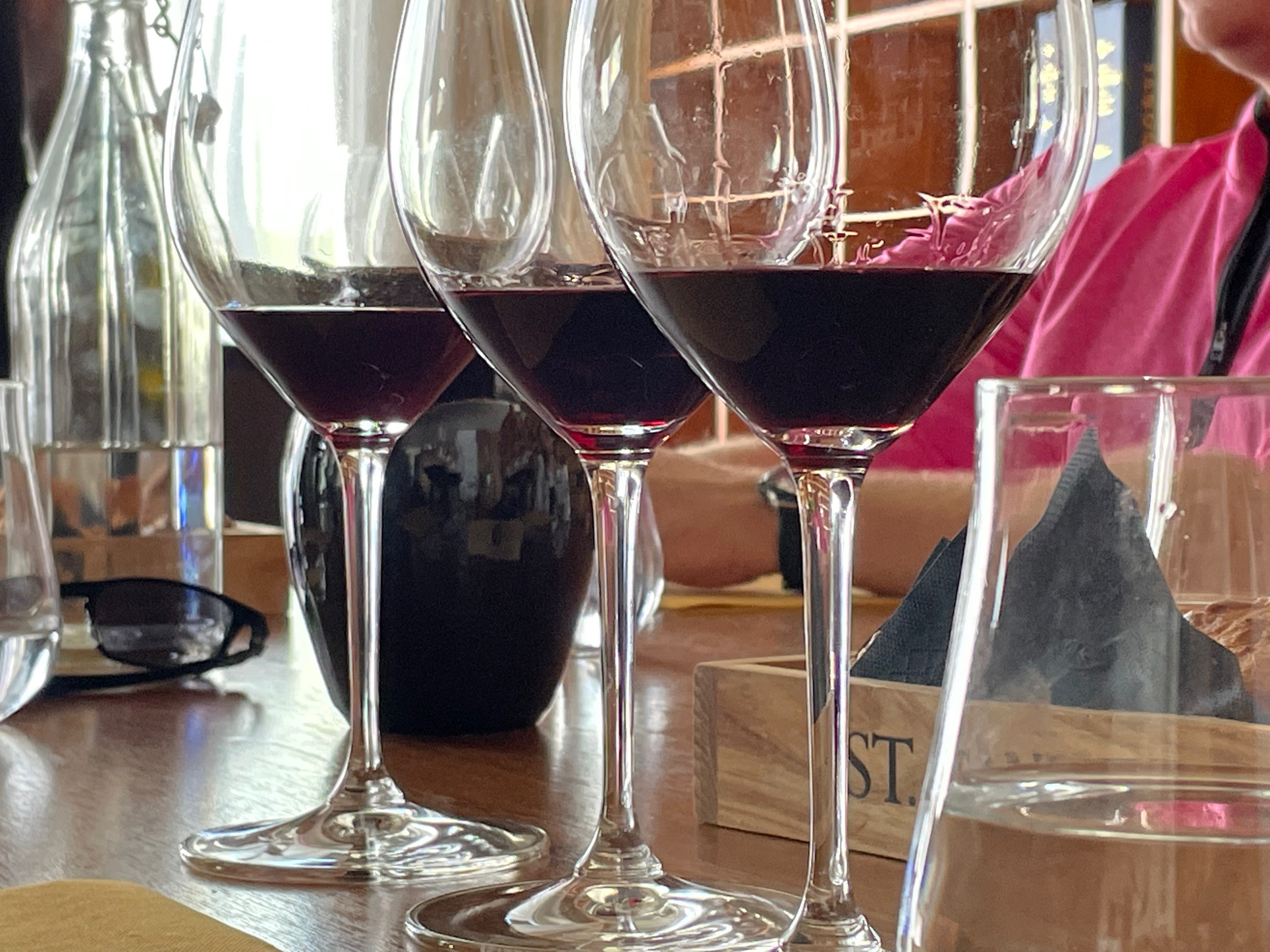
There’s an old Hungarian saying: those who eat must also drink — and food here is rarely separated from wine.
Hungary’s wine culture is as old as its cuisine, with styles ranging from light and refreshing to deep and complex. Sharing food without a glass of wine nearby would feel incomplete, whether at a festive table or a simple neighbourhood spot.
What makes Hungarian cuisine truly memorable isn’t just flavour — it’s the stories behind the dishes, the traditions, and the places where locals actually eat.
Understanding why something is cooked a certain way, when it’s traditionally eaten, and how it fits into daily life transforms food from something you consume into something you experience.
If you’re curious to explore Hungarian food beyond the obvious dishes, I always enjoy introducing guests to local flavours during my Budapest Foodie Tour.
It’s not about rushing from one stop to the next, but about tasting, understanding, and enjoying Hungarian cuisine in a relaxed, authentic way. If that sounds like your kind of experience, feel free to get in touch — I’d be happy to help you discover Budapest through its food.
Why do I like Art Nouveau so much? Because it’s probably the one and only architecture being different in the different European countries. Every country has a special, unique and very characteristic style and it’s nicely reflected in the cities’ architecture.
I very often guide tours of Budapest Art Nouveau buildings (Art Nouveau walk), I find their architecture, their ornaments and their stories absolutely stunning. The most important caracteristics of the Hungarian Art Nouveau are the asymmetrical shapes and curved lines, floral and plant-inspired ornamentation, animal patterns and the rich use of mosaics and ceramic tiles.
Although the period of the Hungarian Art Nouveau didn’t last too long, the colorful and richly ornate buildings looking like jewellery boxes dominate our cityscape even today. The most beautiful furnitures, tea sets and pieces of art can be found in the House of the Hungarian Art Nouveau – Magyar Szecesszio Haza.
Eger Wine Region is one of Hungary’s most historic and characterful wine areas, with a wine culture that stretches back more than a thousand years. For centuries, viticulture has shaped everyday life here, and today Eger stands proudly among the country’s most important wine destinations.
The climate of the Eger wine region is defined by relatively late springs and generally dry conditions, which help grapes ripen slowly and evenly. The soil is equally distinctive: brown forest soil layered over volcanic rhyolite tuff.
This combination of climate and geology gives Eger wines their fresh acidity, mineral backbone, and excellent ageing potential, especially in reds.
Like many Central European wine regions, Eger’s story was deeply affected by the Communist era. Following nationalisation, quality-focused winemaking was replaced by mass production. As a result, wines lost their finesse, reputation, and international recognition.
By the late 1970s, many Eger wines were overly acidic, bitter, or diluted. Fortunately, the region experienced a true renaissance in the mid-1990s, when dedicated winemakers returned to traditional methods, lower yields, and quality-driven production. Today, Eger wines once again rank among Hungary’s finest.
No introduction to the region would be complete without Bull’s Blood of Eger (Egri Bikavér), Hungary’s best-known red wine style.
Bull’s Blood is a medium-bodied red cuvée with a deep ruby colour and lively acidity. Its smooth texture comes from extended ageing—usually at least 12 months—in oak barrels. By regulation, authentic Bull’s Blood must be made from at least three different grape varieties, creating a complex, well-balanced wine that reflects both tradition and terroir.
Although Eger is best known for its reds, the region also produces excellent white wines. Visitors can taste a wide range of styles made from grapes such as:
Riesling
Chardonnay
Muscat Ottonel
Traminer
Zenit
These whites are typically fresh, aromatic, and elegant, making them perfect companions to Hungarian cuisine.
The best way to understand Eger wines is to walk among the vineyards, meet the winemakers, and taste the wines where they are made.
On my Eger Wine and History Tour, you’ll explore the historic wine region, talk with local farmers and winemakers, and learn the stories, traditions, and secrets behind the legendary Bull’s Blood—all while discovering the cultural and historical heritage of Eger itself. Contact me for more information or details!
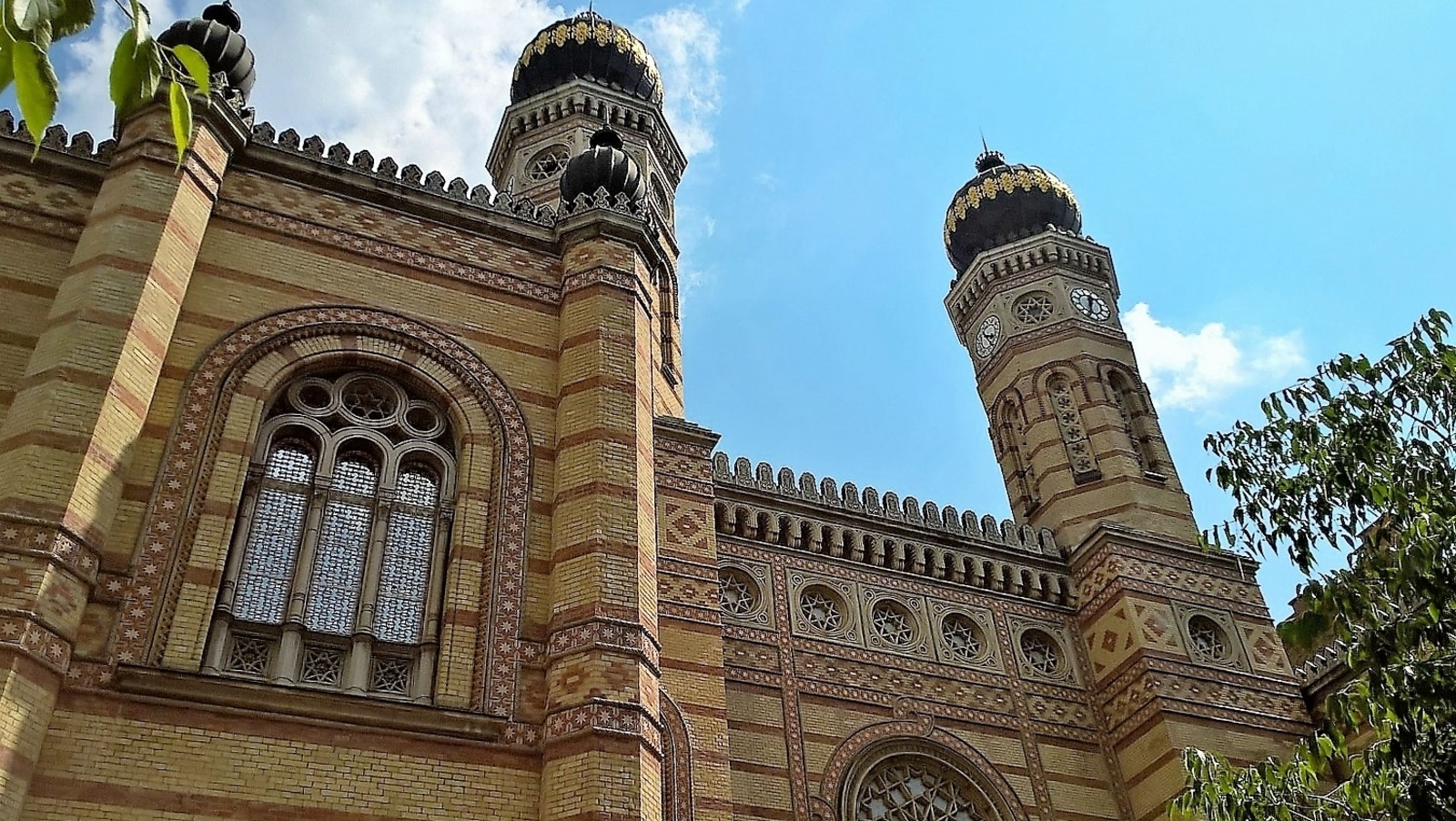
One of the most striking and meaningful landmarks in Budapest is the Great Synagogue, often referred to as the Dohány Street Synagogue. With its distinctive appearance and deep historical significance, it is a place that leaves a lasting impression on nearly every visitor.
Located in the heart of the former Jewish Quarter, the Great Synagogue is not only the largest synagogue in Europe, but also one of the most important cultural and religious centers of the Jewish community in Budapest.
From the outside, the Great Synagogue looks unlike any other religious building in the city. Its Moorish Revival style—with colourful brickwork, onion-shaped domes, and decorative arches—often reminds visitors of a mosque.
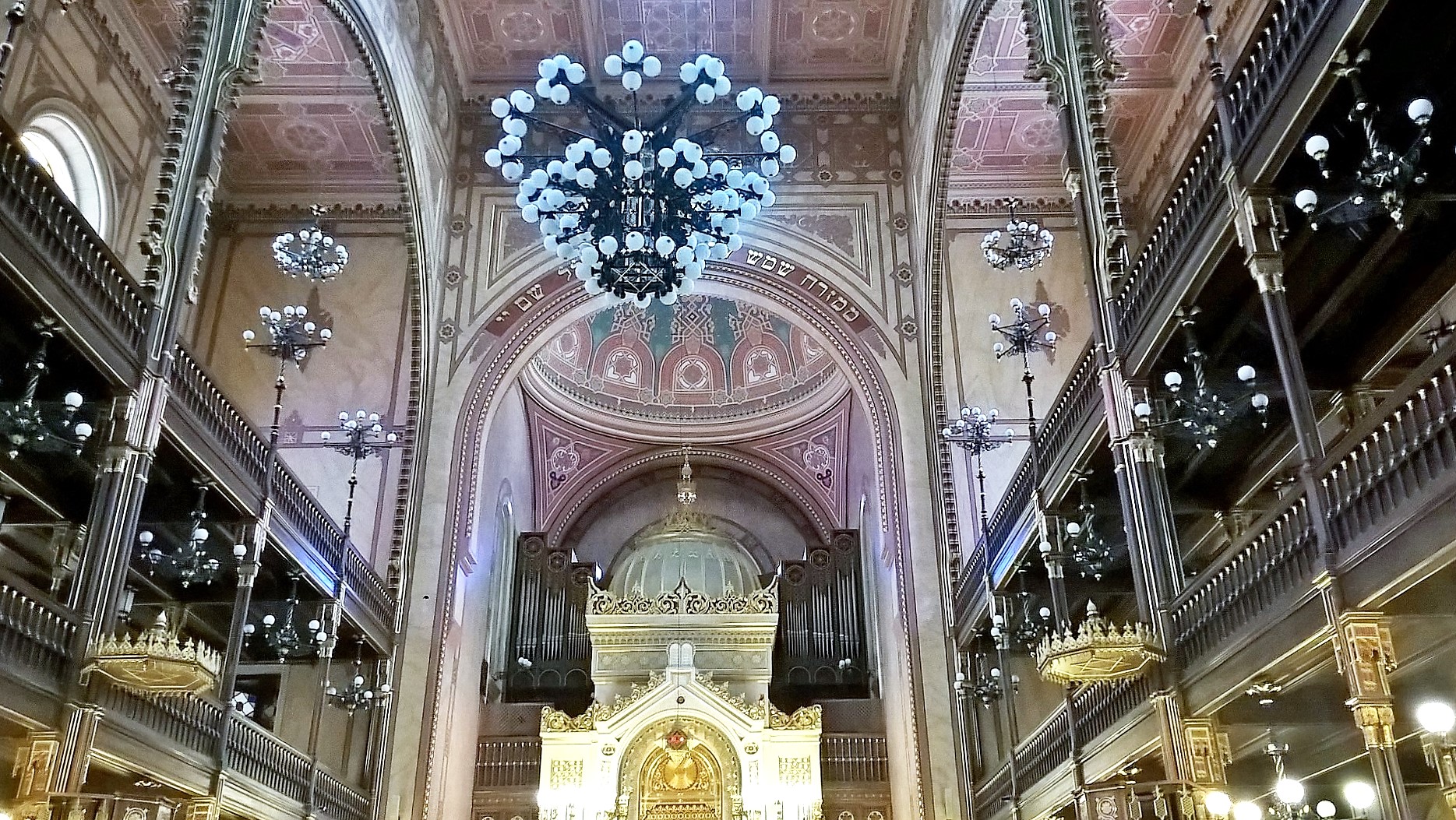
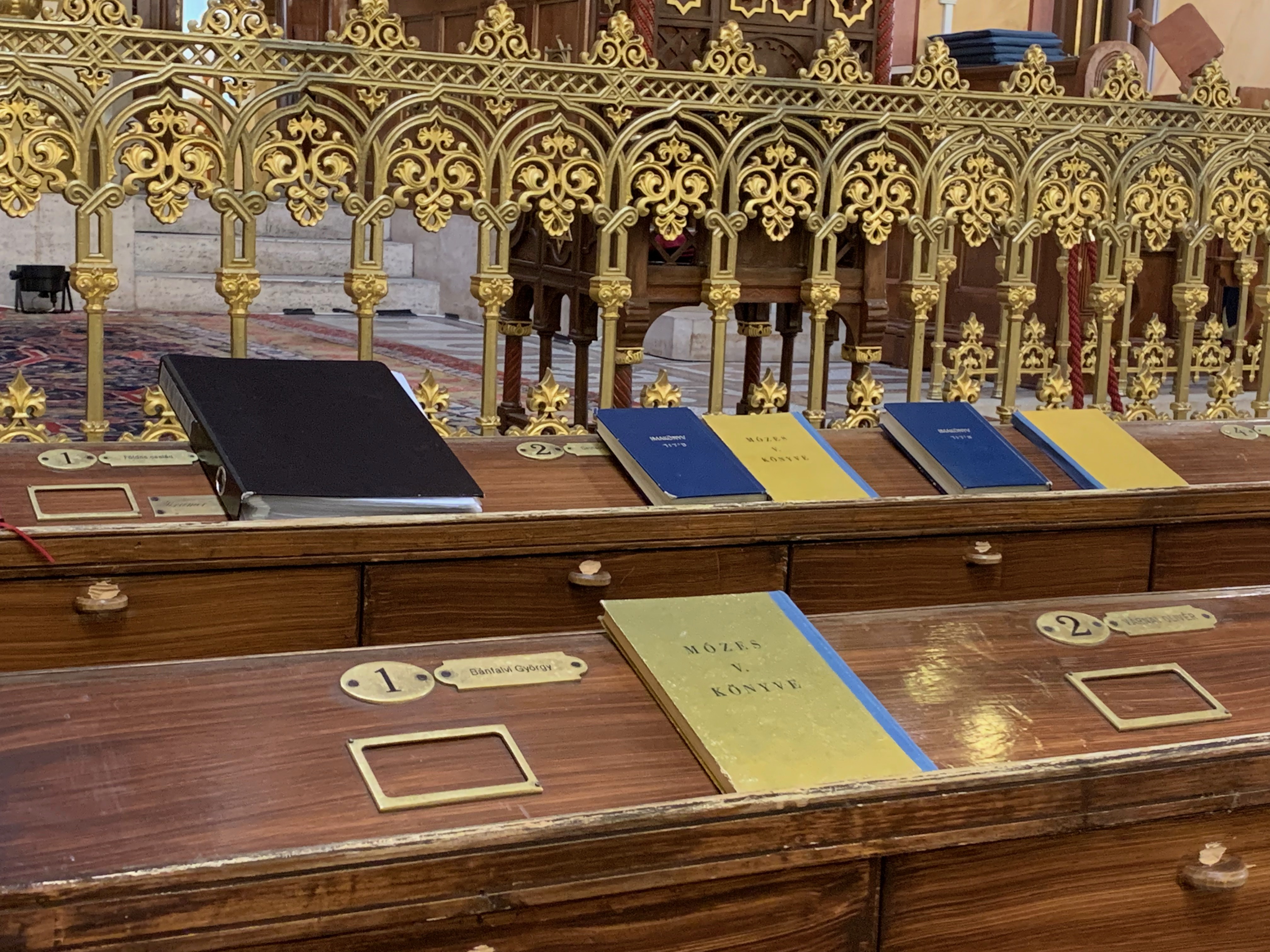
Step inside, however, and the atmosphere changes. The interior layout, seating arrangement, and monumental scale feel closer to that of a Christian church, reflecting the unique approach of 19th-century synagogue architecture. This blend of influences makes the building architecturally fascinating and entirely unique within Budapest.
The Great Synagogue complex is much more than a single building. Visitors are encouraged to explore the Jewish Museum, which shares a wall with the synagogue and offers insight into Jewish life, traditions, and history in Hungary.
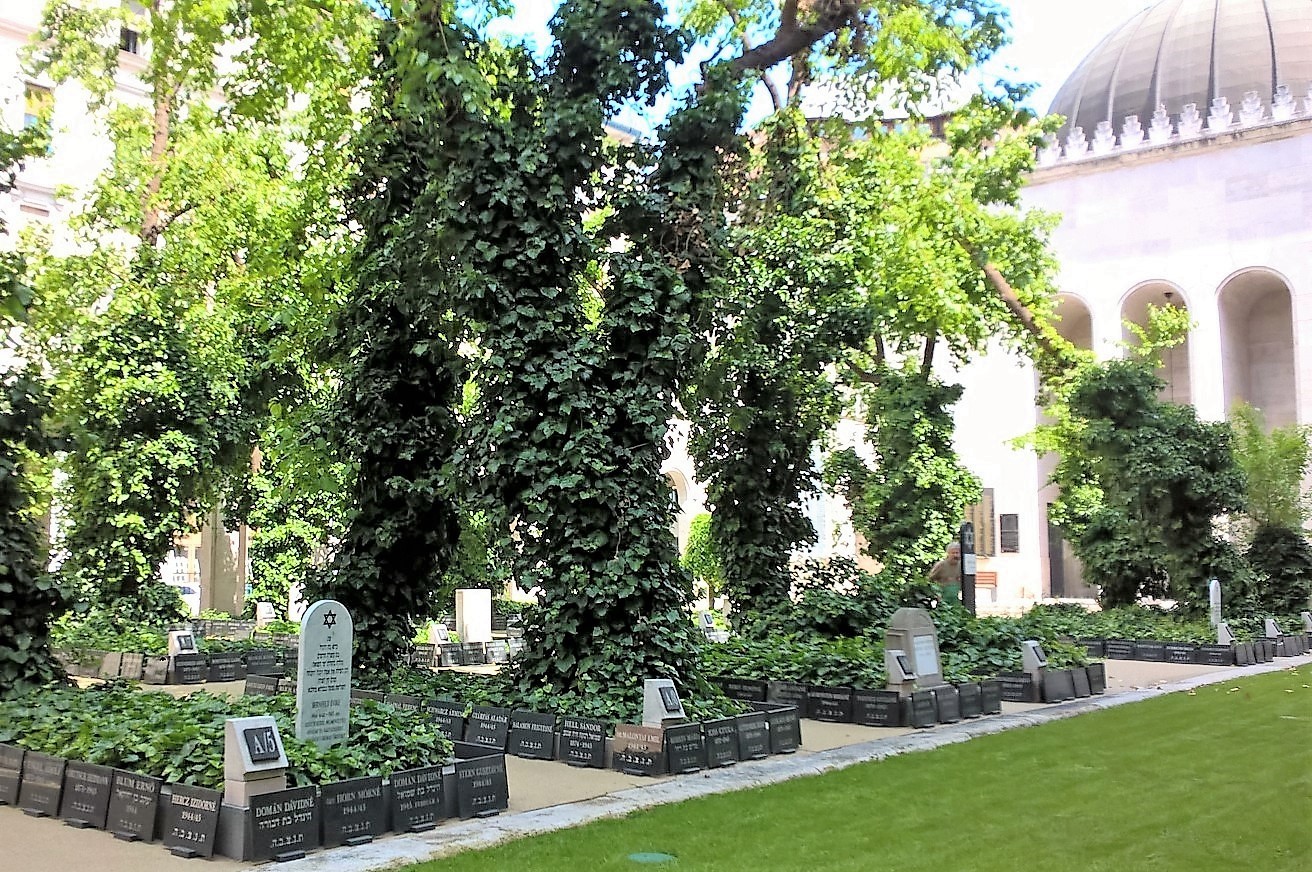
Behind the synagogue lies a quiet garden and memorial area, home to deeply moving Holocaust memorials. These spaces invite reflection and remembrance, adding emotional depth to the visit and helping visitors understand the profound impact of 20th-century history on the local Jewish community.
The synagogue stands at the centre of what was once one of Europe’s most vibrant Jewish neighbourhoods. Exploring the surrounding streets reveals layers of history—from everyday life before World War II to the tragic events of the Holocaust, and the revival of the district in recent decades.
This broader context is what makes a visit especially meaningful. On my Jewish Quarter walk, the Great Synagogue is not just a standalone monument, but part of a larger story about Budapest, memory, resilience, and identity.
While the building itself is extraordinary, understanding its background adds greatly to the experience. The symbolism, architectural choices, and memorial spaces all carry stories that are easy to miss without explanation.
If you’d like to explore the Great Synagogue and its neighborhood as part of a private tour or a Jewish Quarter walk, I’d be happy to guide you through both the visible beauty and the deeper historical layers of this remarkable place.
Seeing Budapest by Public Transport is a surprisingly enjoyable way to experience the city when walking all day starts to feel a bit too much.
I very often encourage my guests to walk as much as possible. Walking is the best way to discover a city at your own pace, notice small details, and absorb the atmosphere of Budapest. But there are moments when you’re tired—or when a short ride can actually add to the experience. In Budapest, some public transport lines are attractions in their own right and offer wonderful ways to see the city without rushing.
And one important reminder before you hop on: always validate your ticket.
This historic underground railway is more than 120 years old and connects the city center with City Park.
Riding Metro Line 1 feels like stepping into the late 19th century. Several stations still preserve their original design, making this short journey a kind of moving museum—perfect for visitors interested in history and atmosphere, not just efficiency.
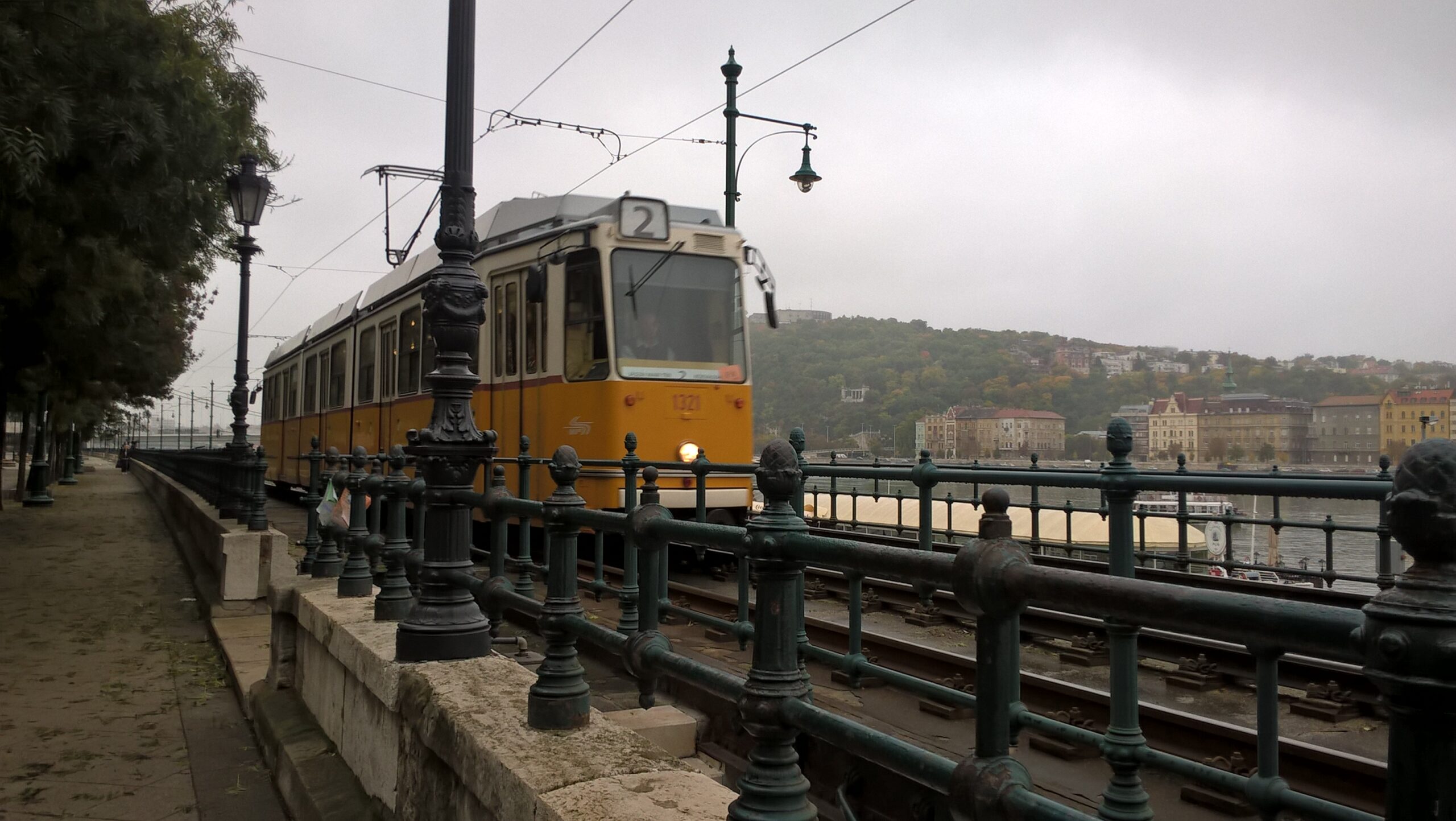
If you take only one tram ride in Budapest, make it Tram 2.
Running along the Pest side of the Danube River, this route offers continuous views of the Hungarian Parliament Building, the river, and the Buda Hills. It’s an easy, relaxed way to enjoy one of the city’s most beautiful panoramas—especially welcome after a long walk.
Bus 16 is the simplest public transport option for reaching the historic Buda Castle District.
Crossing the Chain Bridge and climbing up to Castle Hill, the ride itself becomes part of the sightseeing experience, ending directly among cobblestoned streets and historic buildings.
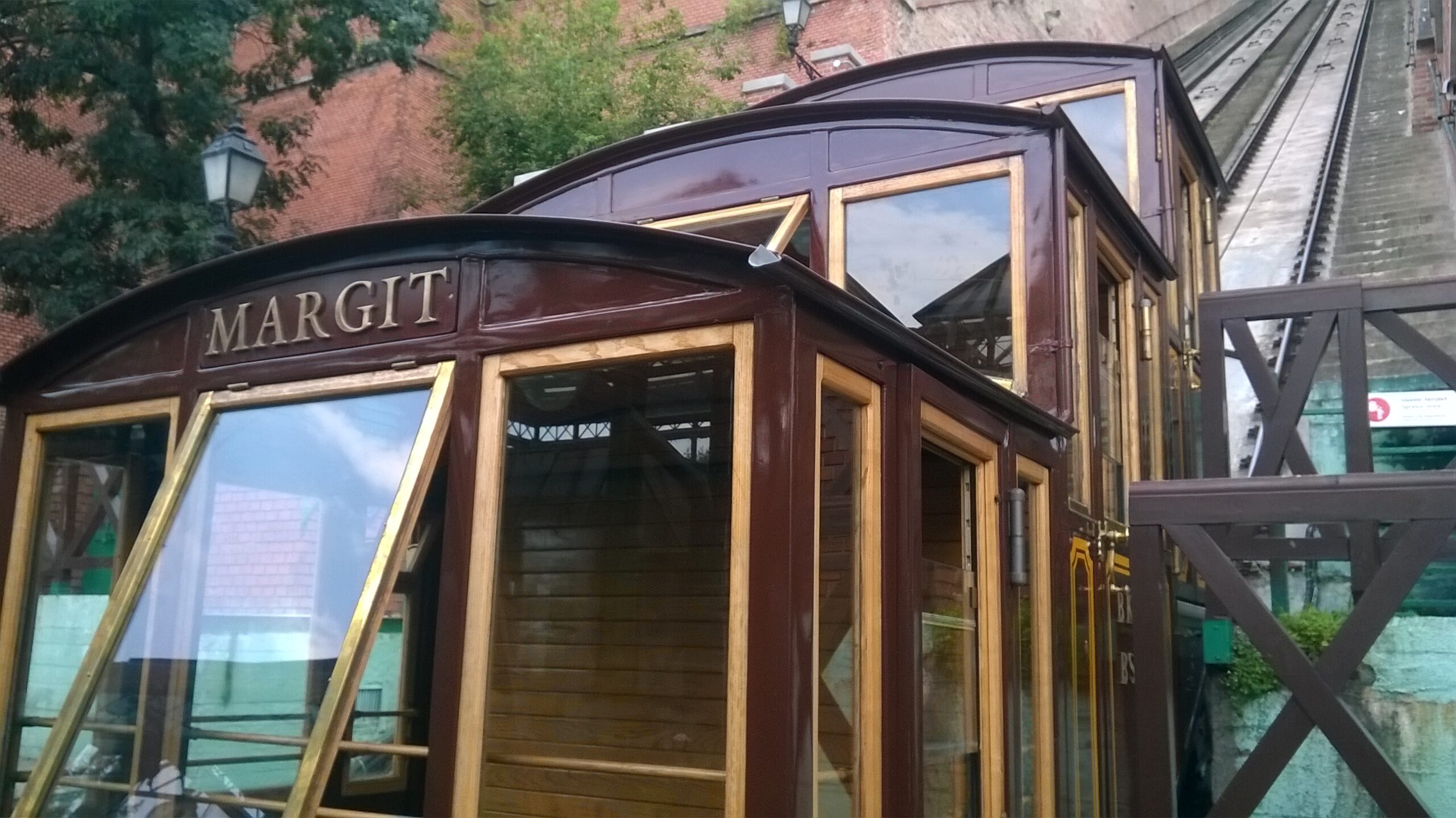
The Funicular is one of Budapest’s most iconic short rides. Connecting the Chain Bridge area with the top of Castle Hill, it offers lovely views along the way and a touch of old-fashioned charm. This truly is a Wes Anderson moment.
It can get busy, but if you take it from the top down, you’ll often avoid the longest lines and still enjoy the experience.
Budapest rewards those who walk—but knowing when to hop on public transport can help you see more without feeling rushed or exhausted. Used thoughtfully, these routes become part of the journey rather than just a means of getting from one place to another.
On my private walking tours, I often suggest or include short public transport rides like these, adapting each day to energy levels, interests, and the rhythm of the city.
A Danube Bend day trip from Budapest is the perfect way to experience countryside landscapes, historic towns, and riverside views — all within easy reach of the capital.
This route follows the gentle curve of the Danube as it turns south toward Budapest, revealing castles, basilicas, and colourful small towns along the way.
Our first stop is Esztergom, once the capital of medieval Hungary and still the spiritual heart of the country.
The town is dominated by Hungary’s largest church, the Esztergom Basilica, whose massive dome shapes the skyline. Inside, visitors discover layers of history — from monumental 19th-century architecture to a beautifully preserved Renaissance chapel dating back to the 16th century.
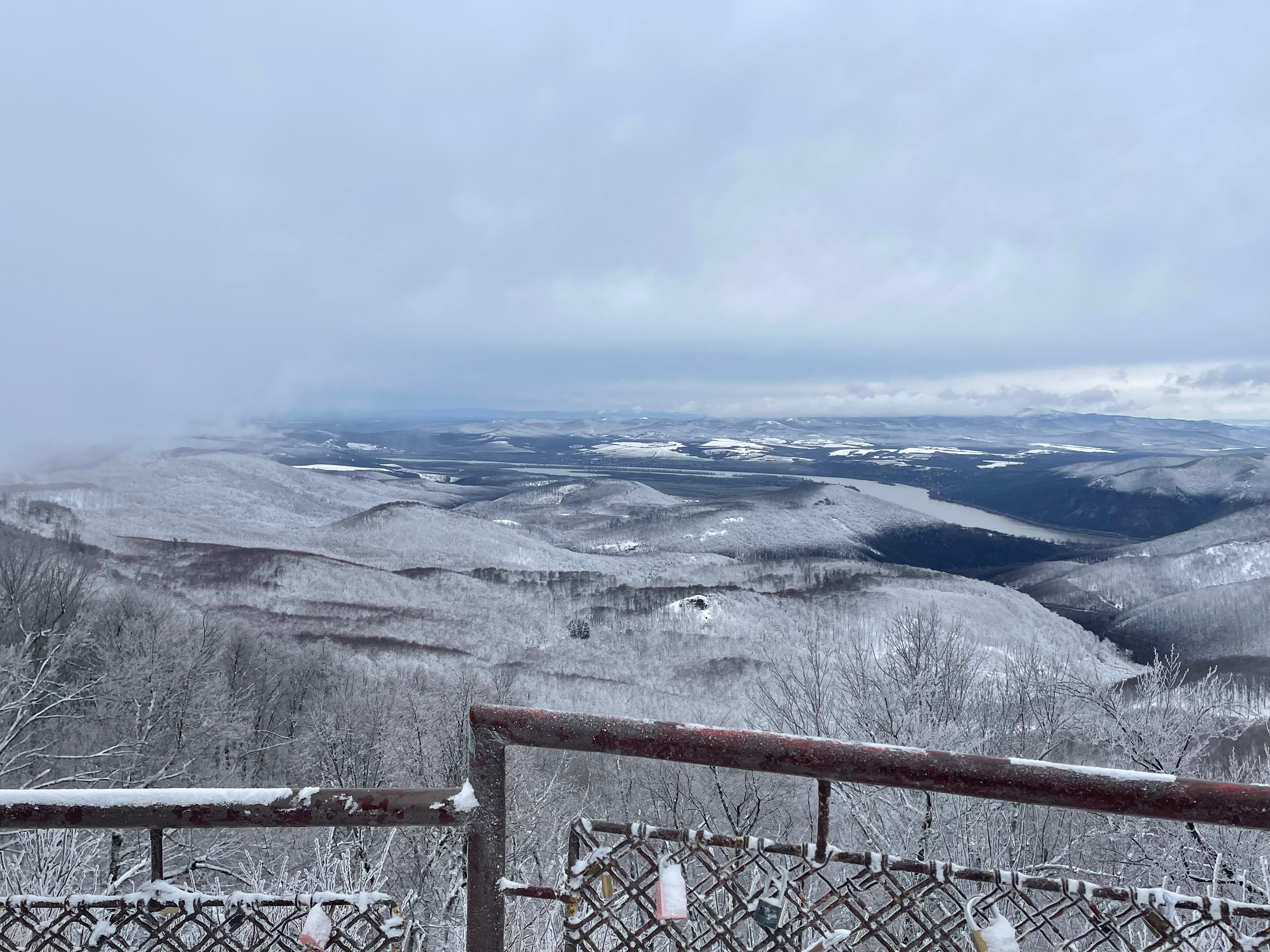
For those who enjoy panoramic views, climbing to the top of the Basilica rewards you with sweeping vistas over the Danube, the surrounding hills, and the Slovak border beyond.
Next, the journey continues to Visegrád, one of the smallest towns in Hungary, yet one of the most historically important.
Perched high above the river, the ruins of the 13th-century castle offer what many consider the best viewpoint in the Danube Bend. From here, the river’s dramatic curve is fully revealed — a scene that has inspired travellers, artists, and photographers for centuries.
Exploring the castle ruins brings medieval Hungary to life, combining royal history with unforgettable natural scenery.
The final stop of the Danube Bend tour is Szentendre, a charming riverside town known for its artistic atmosphere.
With its cobblestoned streets, pastel-colored houses, cozy cafés, and independent galleries, Szentendre feels relaxed and welcoming. It has long attracted artists and creatives, giving the town a distinctly Mediterranean mood despite its Central European location.
Visitors can enjoy free time to wander, browse art shops, taste local sweets — including the famous marzipan creations — or simply sit down for a coffee and watch town life unfold.
When conditions and time allow, returning to Budapest by boat adds a memorable finale to the day.
A day trip from Budapest to the Danube Bend offers an ideal balance of:
historic landmarks
scenic river landscapes
relaxed small-town exploration
Without long travel times, you can experience three very different sides of Hungary in one well-paced day — making this one of the most popular and rewarding countryside excursions from Budapest.
If you’re looking for a private Danube Bend tour from Budapest that focuses on atmosphere, history, and local insight rather than rushing from sight to sight, this route offers a beautiful introduction to Hungary beyond the capital. Feel free to let me know may you need more details!
Yes, the Trabant is noisy and it smells. Every time I get in the Trabi I feel like a child again. It was our family car, our holiday car, I can’t count how many times our precious little car took us to the lake Balaton or to the Mátra mountains. It was the only treasure we had as the communist leaders didn’t really allow people possessing much.
There are some parts of Budapest where the time stopped 30 years ago when the last few Trabants rolled down the assembly line. I’d like to show them to you during the Trabant tour, I’ll tell you about the not that glorious decades of socialism, I’ll share with you funny and poignant stories from behind the Iron Curtain. I’m sure you’ll shortly realize that freedom is one of the most valuable gifts and we have to learn to appreciate it.
Dominating the skyline of Budapest, St. Stephen’s Basilica is one of the city’s most important landmarks—and a building that reveals something new every time you visit.
It is the largest church in Budapest and the third largest in Hungary, both a spiritual center and a powerful symbol of Hungarian history. Whether admired from the outside, explored inside, or viewed from above, the Basilica is an essential stop on any walk through the heart of the city.
Construction of St. Stephen’s Basilica took more than 54 years, and the long building process is reflected in its architectural richness. The final result combines elements of Baroque, Neo-Renaissance, and Classicism, shaped by the visions of three different architects.
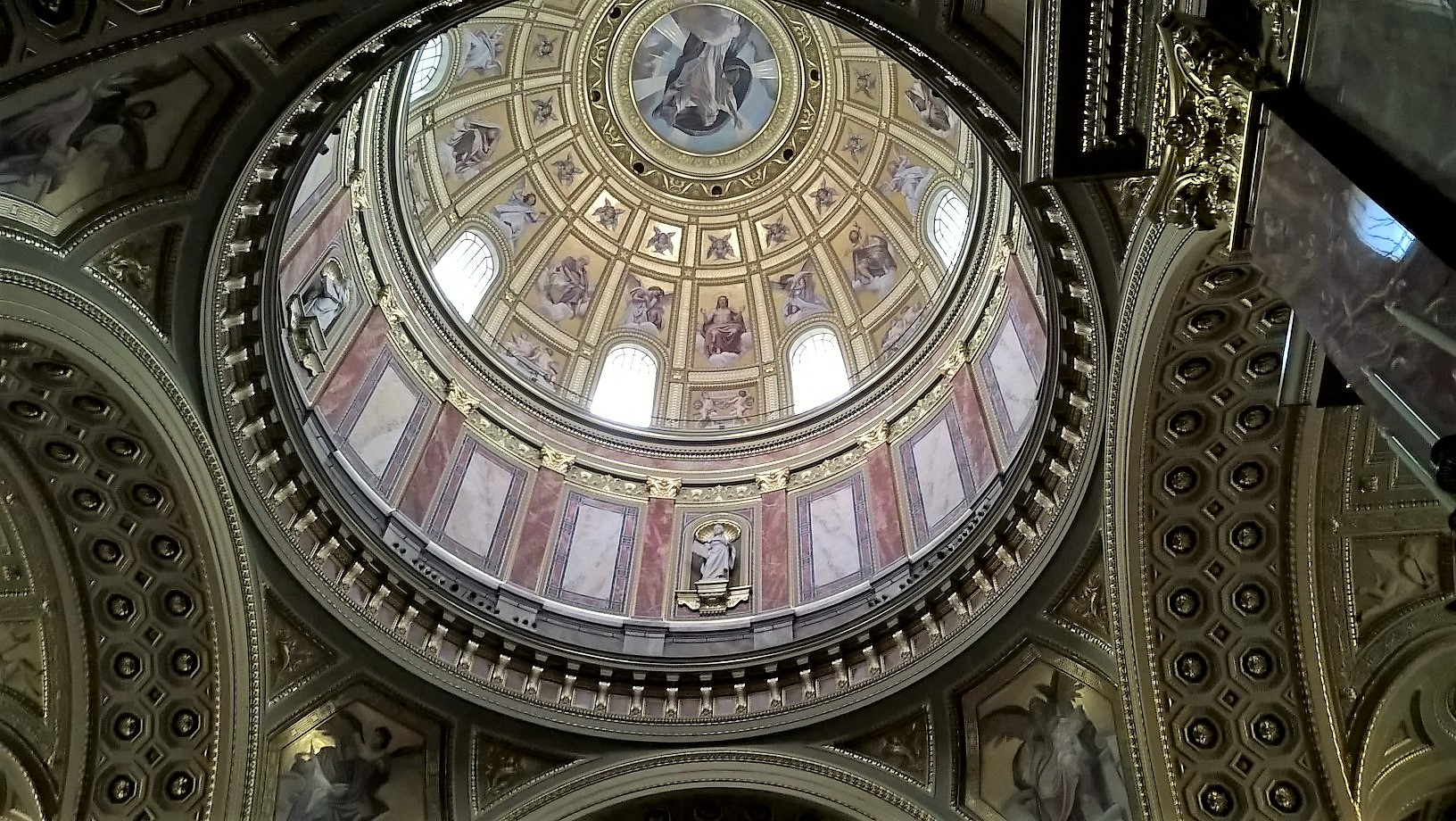
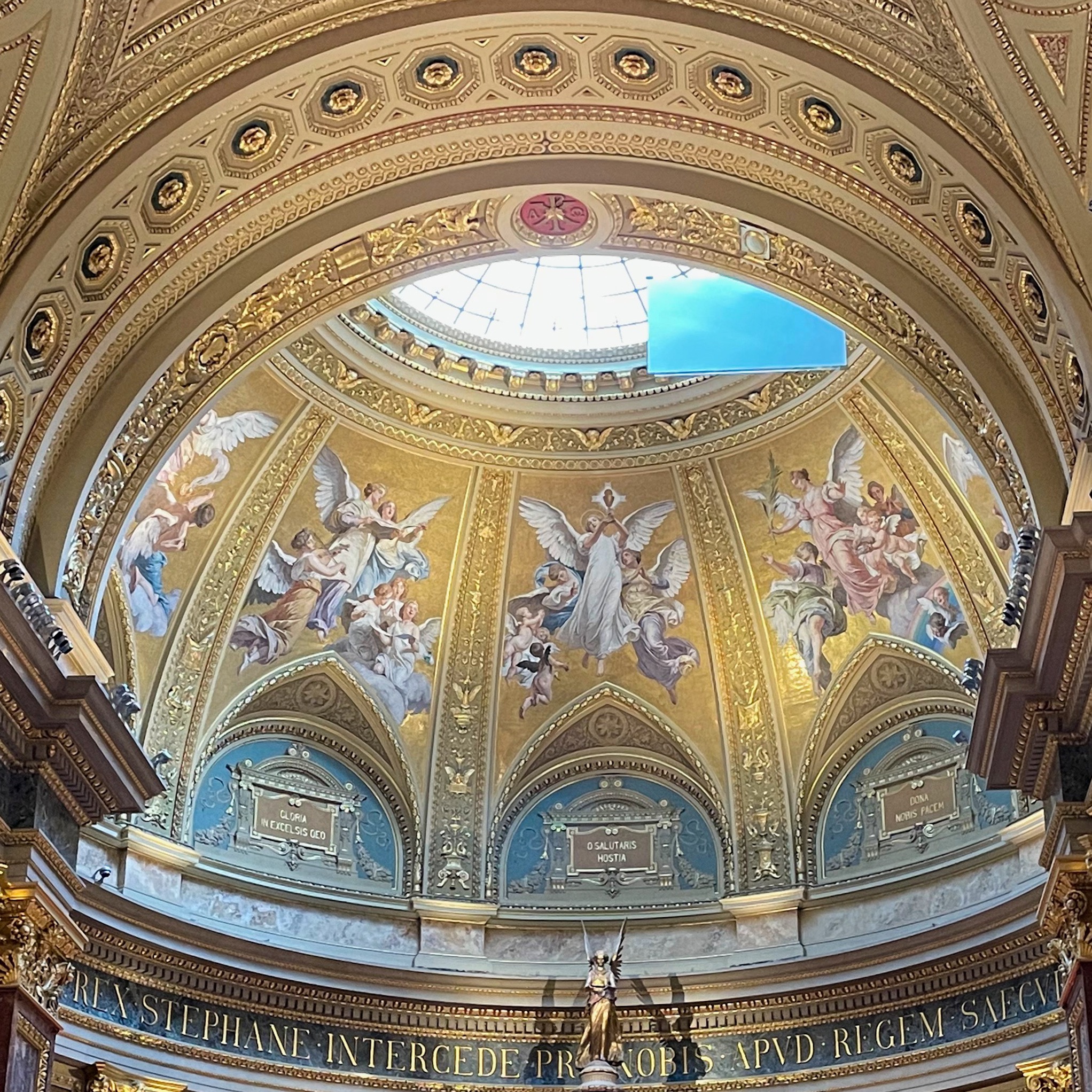
From the outside, the symmetrical façade and towering dome create a sense of balance and grandeur. Inside, the atmosphere shifts to one of quiet opulence: red marble columns, richly decorated chapels, mosaics, and ornaments highlighted with 22-carat gold make this the most lavishly decorated church in Budapest.
Despite its monumental appearance, the Basilica is very much a working church. Regular services, wedding ceremonies, and organ concerts take place here, and the building plays an active role in both religious and cultural life.
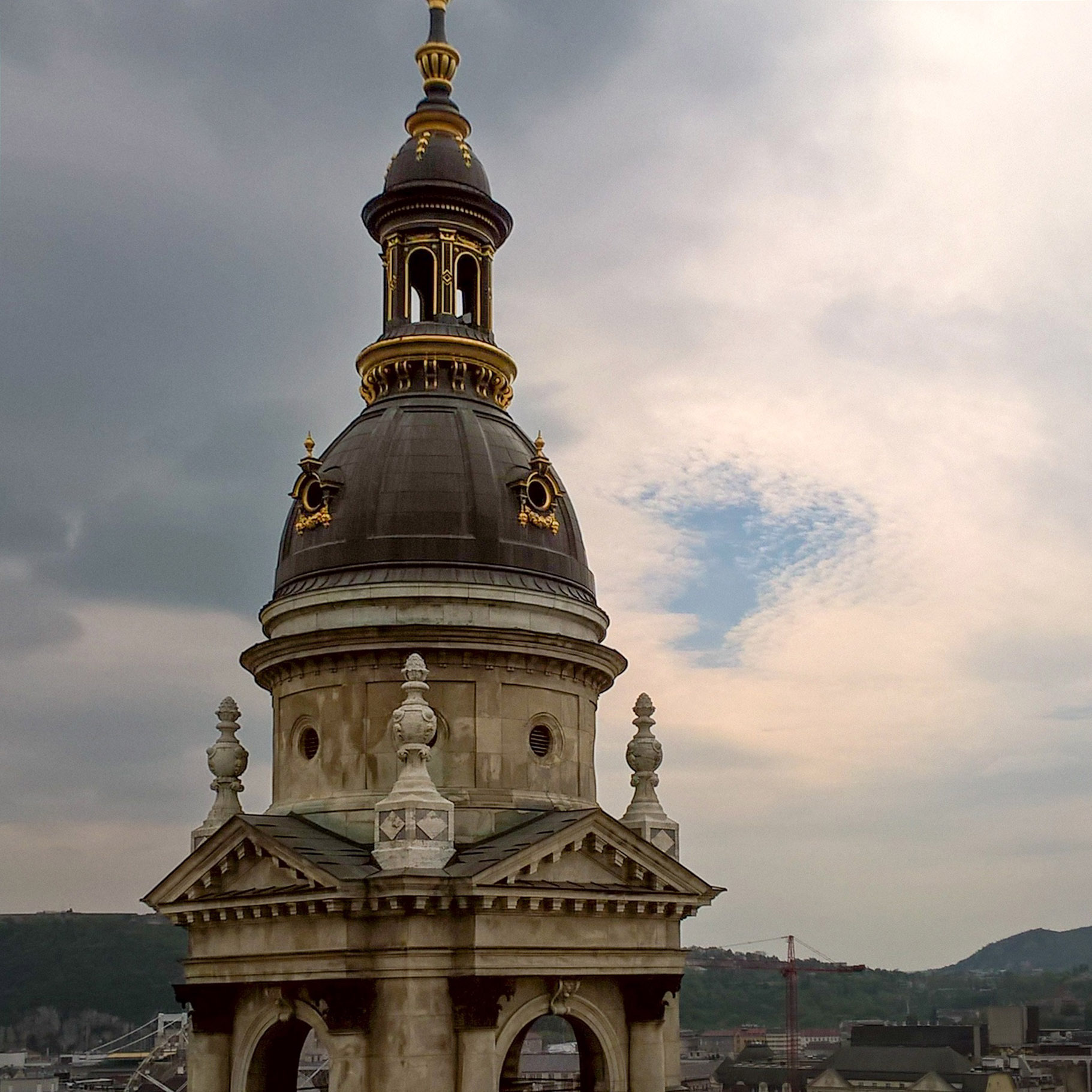
One of the most memorable experiences is ascending to the dome—either by climbing the steps or using the elevator. From the top, you’re rewarded with one of the finest panoramic views over the Pest side of Budapest, with rooftops, boulevards, and landmarks unfolding beneath you.
St. Stephen’s Basilica is not only architecturally impressive; it also houses one of Hungary’s most treasured national relics: the Holy Right—the mummified right hand of Saint Stephen of Hungary, the country’s first king and founder of the Hungarian state.
This nearly 1,000-year-old relic is deeply symbolic and plays a central role in national celebrations, especially on St. Stephen’s Day in August. Even for visitors without a religious background, understanding its significance offers valuable insight into Hungarian history and identity. If you’d like to see the Basilica from a different angle, I’ve also collected some of my favourite views and architectural perspectives of St Stephen’s Basilica.
Because of its central location, St. Stephen’s Basilica fits naturally into many Budapest walking tours. But the building is best appreciated in context — through the surrounding streets, squares and stories that explain how this part of the city developed.
The Basilica is also one of the highlights of my favourite walk in Budapest, where I like to approach it through the quieter surrounding streets and let the building gradually reveal itself before reaching the square.
On my private tours, the Basilica is more than just a photo stop. It becomes a gateway to conversations about architecture, religion, everyday life, and the layers of history that shaped modern Budapest. Each visit is adapted to the interests and pace of my guests, whether they’re drawn to history, culture, or simply the beauty of the city.
Few places in Budapest combine grandeur, history, spirituality, and everyday life as seamlessly as St. Stephen’s Basilica. It’s a landmark you can admire from afar—but one that truly comes alive when you step inside and explore its surroundings.
If you’d like to discover the Basilica and its neighbourhood as part of a Budapest private walking tour, I’d be delighted to show you this iconic building through local stories and personal insights. And because all my Budapest private tours are fully customisable, we can shape the experience around the history, architecture and places that interest you most.
The Budapest coffeehouse culture is more than 150 years old, and for generations cafés have been the beating heart of intellectual life, creativity, and social connection. These were not places for a quick espresso and takeaway cup, but living rooms of the city—spaces where people met to talk, debate, dream, write, and sometimes even change history.
Coffee in Budapest is never just about coffee.
In the late 19th and early 20th centuries, Budapest coffeehouses were places where writers, poets, journalists, and artists spent hours every day. Many of them practically lived there. Coffeehouses provided warmth, light, newspapers, ink, conversation, and inspiration—often all night long.
Legend has it that one Hungarian writer famously stole the keys of his favourite café and threw them into the Danube, ensuring the coffeehouse would stay open 24 hours a day. Whether entirely true or slightly exaggerated, the story perfectly captures how essential these places were to everyday life.
Even politics found its way into cafés. One of the most important moments of the Hungarian War of Independence began not on a battlefield, but with young revolutionaries gathering in a Pest coffeehouse, fuelled by coffee, ideas, and enthusiasm.
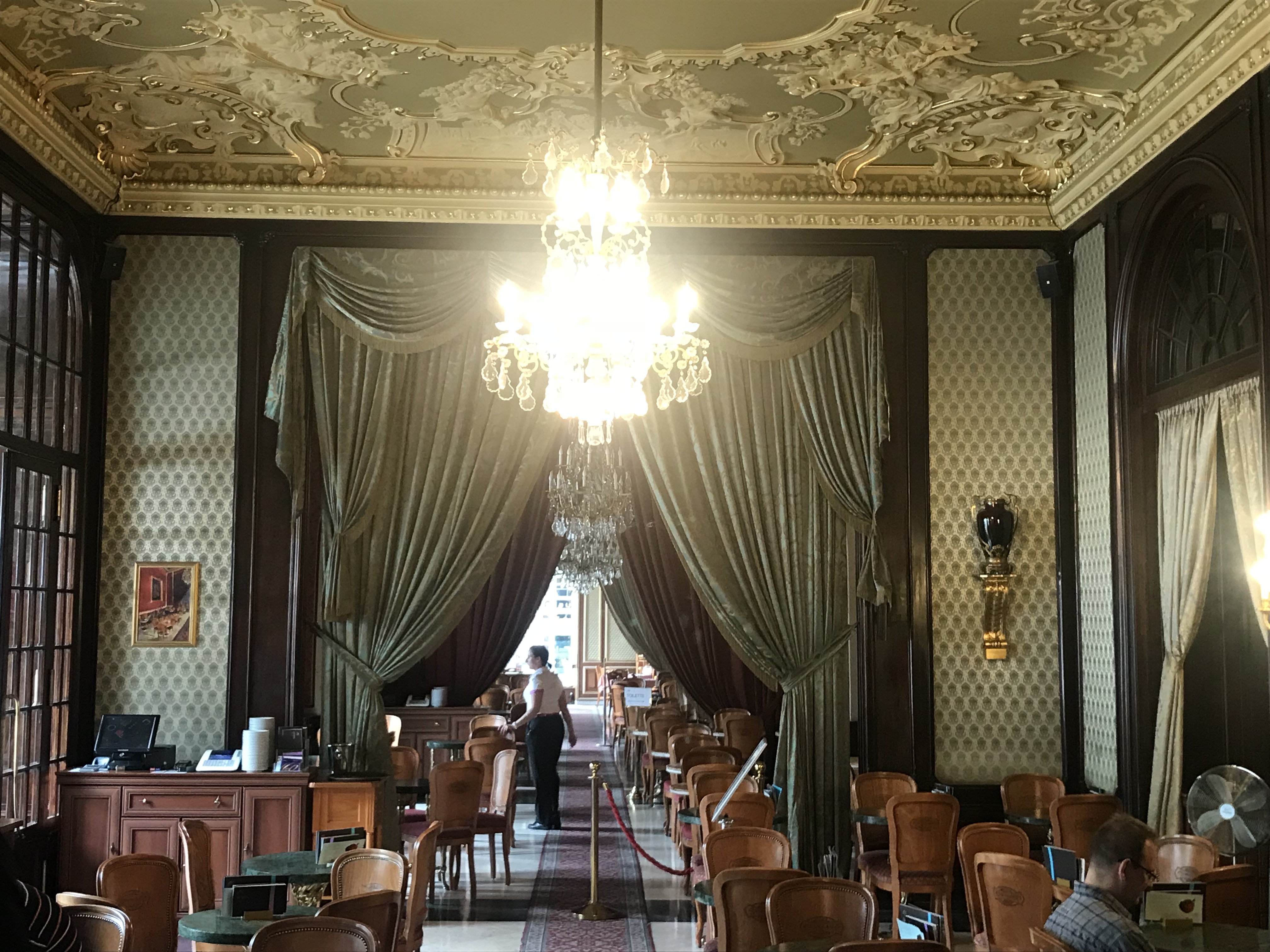
Budapest’s historic coffeehouses are famous for their elegant interiors: chandeliers, marble tables, mirrors, plush seating, and a sense of faded grandeur that still feels alive today. Some cafés became symbols of luxury and refinement, others of literary life or bohemian freedom—but all shared the same role as social spaces.
If you’d like to explore individual cafés in more detail, you can read more about some of the city’s most iconic places:
Gerbeaud Café, a symbol of elegance and classic Hungarian desserts
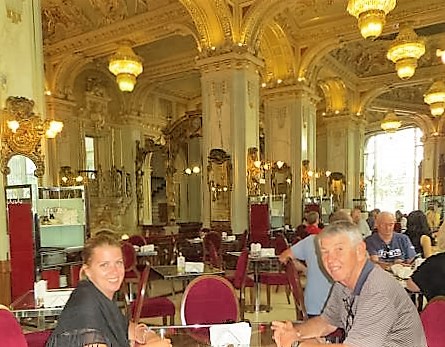
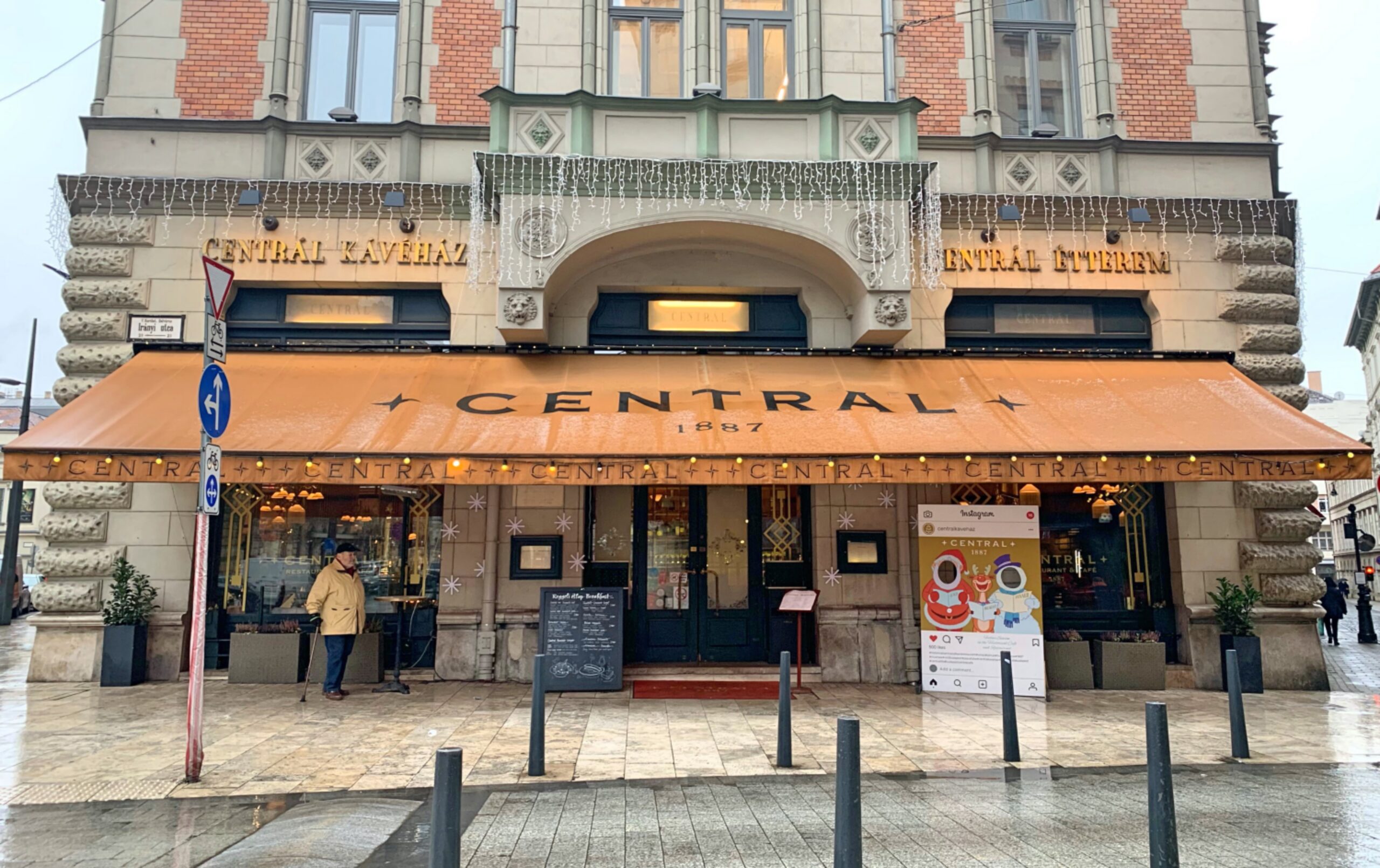
Centrál Café, a legendary meeting place of writers and intellectuals
Book Café, where coffee meets spectacular architecture (closed indefinitely)
Művész Kávéház, a favourite of artists near the Opera House
Each of these cafés tells a slightly different story—but together, they form the unique coffeehouse culture that still defines Budapest today.
What makes Budapest cafés special is that they are not just museums of the past. Locals still meet here to talk, read, work, and linger. Sitting down for coffee is an experience meant to be enjoyed slowly, ideally with a slice of cake and no rush to leave.
This is why coffeehouses fit so naturally into my Budapest Foodie Tour. Exploring the city through its cafés allows you to understand Budapest not only through sights, but through tastes, stories, and everyday rituals.
Whether you’re visiting for the first time or returning to the city, taking time for a café stop is one of the best ways to connect with Budapest’s atmosphere. Coffeehouses reveal how the city thinks, remembers, and relaxes.
So enjoy our coffee.
Enjoy the special atmosphere of Budapest cafés.
And if you’d like to discover the best places—historic and contemporary alike—I’d be delighted to show them to you on a Foodie Tour designed around your interests.
The Jewish Quarter Budapest is where past and present meet: vibrant cafés and street art beside synagogues and memorials. It’s hip, busy and full of surprises—but also a place of remembrance. Here’s what to see on a thoughtful walk—and how to explore with a private guide.
Thoughtful memorials to the wartime ghetto
Ruin pubs, design ateliers and cozy pastry shops
Striking street art and Art Nouveau façades
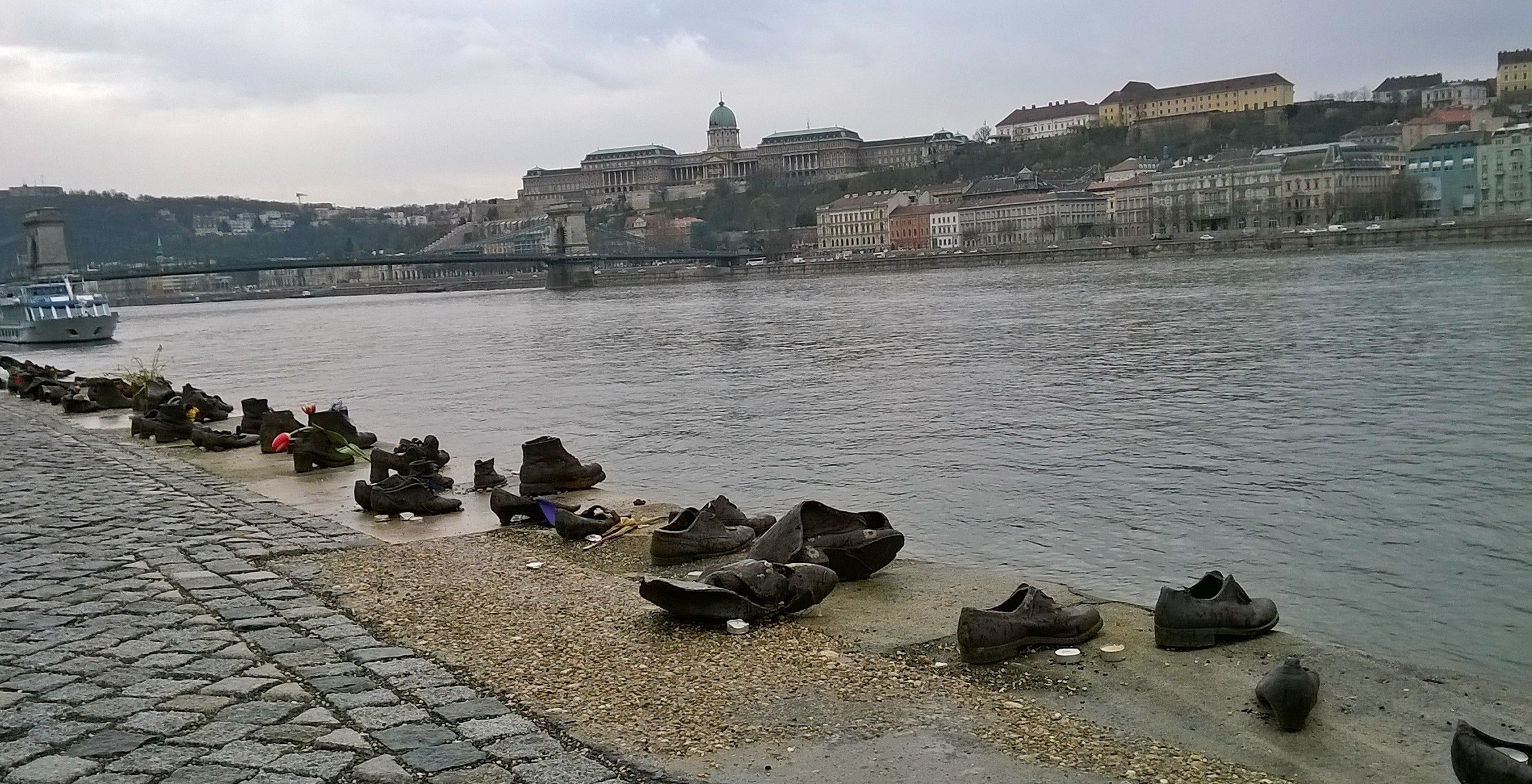
A moving finish at the Shoes on the Danube Bank memorial
Start at the Great (Dohány Street) Synagogue, one of the largest in the world, with its Moorish Revival façade and peaceful courtyard. Continue to the beautifully restored Rumbach Street Synagogue and the colourful, Art Nouveau-inspired Kazinczy Street Synagogue (limited opening hours). Interior visits are possible—just check opening times or join a private Jewish Quarter tour for a smoother experience.
During WWII, the area became the Budapest ghetto. You can still find a short section of the former ghetto wall and several memorials that honour victims and rescuers. I approach these sites with care, sharing context and personal stories that make history easier to grasp without overwhelming younger visitors.
Today’s Quarter is also a creative hub. Ruin pubs and courtyard cafés bring life to once-empty buildings; murals and small galleries pop up on side streets. Between stops, I like to detour for a coffee or a slice of flódni and point out small architectural details many miss.
I often end this walk at the Shoes on the Danube Bank memorial. Simple and powerful, it’s a moment to pause after a day filled with stories.
Timing: Mornings are quieter; evenings are lively. Synagogues are closed on Saturday!
Pace & access: Flat route with frequent stops; easy to adapt for most visitors.
Inside visits: Synagogue interiors on request; entry tickets are separate (see the Great Synagogue’s opening hours).
Dress & respect: Synagogues are active places of worship—modest attire helps.
Private option: Prefer a tailored route at your pace? Book a private Jewish Quarter tour in English or French.
Want deeper stories and stress-free logistics? I guide private tours for your group only (prices cover up to 4 people; ask for larger groups). If booking looks unavailable—or if you run into any issues—please contact me and I’ll try to accommodate.
👉 Book your private Jewish Quarter tour (4 hours; flexible start)
This is of course a very subjective lists and is based on my own experiences and on my guests’ feedback. There are hundreds of great restaurants in Budapest and it’s very hard to pick only 5 as I keep discovering new places all the time and show them to my guests on my Foodie tours.. These are the places I’d recommend to my guests and where I would go with my family, too. I only selected places with Hungarian meals, so that you can taste the best dishes of our cuisine.
Aszu restaurant: great food, great wines and cozy atmosphere with live cimbalom music. My favourite is the Chicken Paprikás.
Budapest Bistro: such a nice place near the Parliament with very special and modern Hungarian dishes and live piano music. My favourite is the Hungarian Bistro plate.
Pest-Buda Restaurant: is in the heart of the Buda Castle District, a classy little place with red and white checkered tablecloth. My favourite is the Goulash soup.
Rézkakas Bistro: an amazing mix of the authentic Hungarian dishes and international flavours topped with great wines. This is one of the very few places where vegeterians can have a fantastic selection, too. My favourite is the Lajosmizse “terrine de foie gras”.
WineKitchen: yes, it’s a Michelin-star restaurant, still the prices are reasonable, the staff is friendly and they offer fresh and creative daily menus every day. My favourite is the Fresh fish from the market.
+1: Strudel House: a place where you can actually see the strudel making and you can try the best sweet and salted Hungarian strudels. My favourite is the sweet cottage cheese strudel.