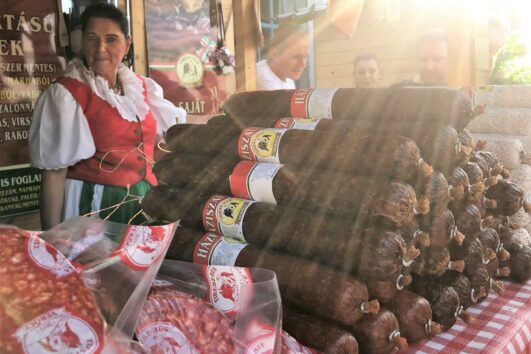
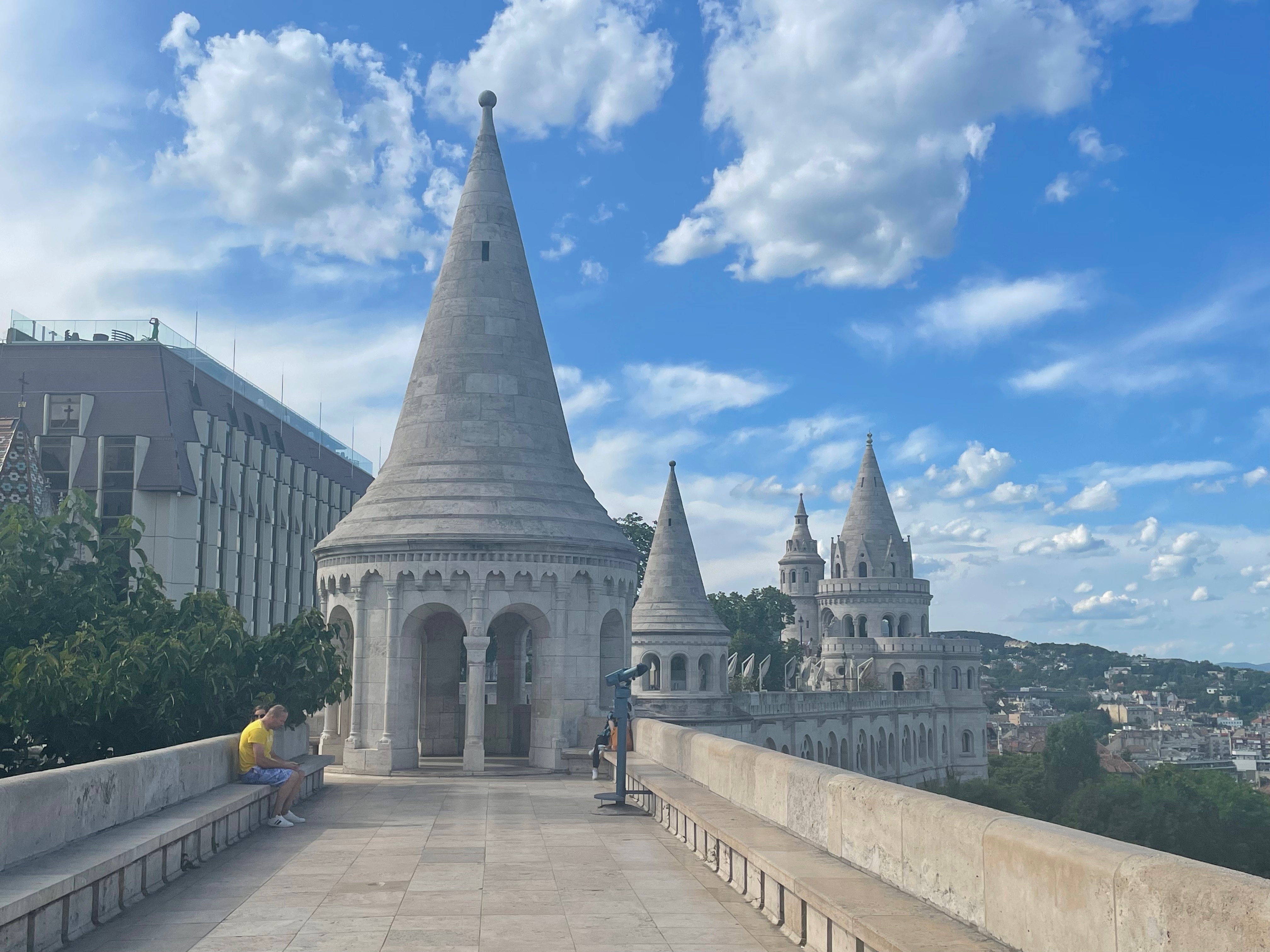
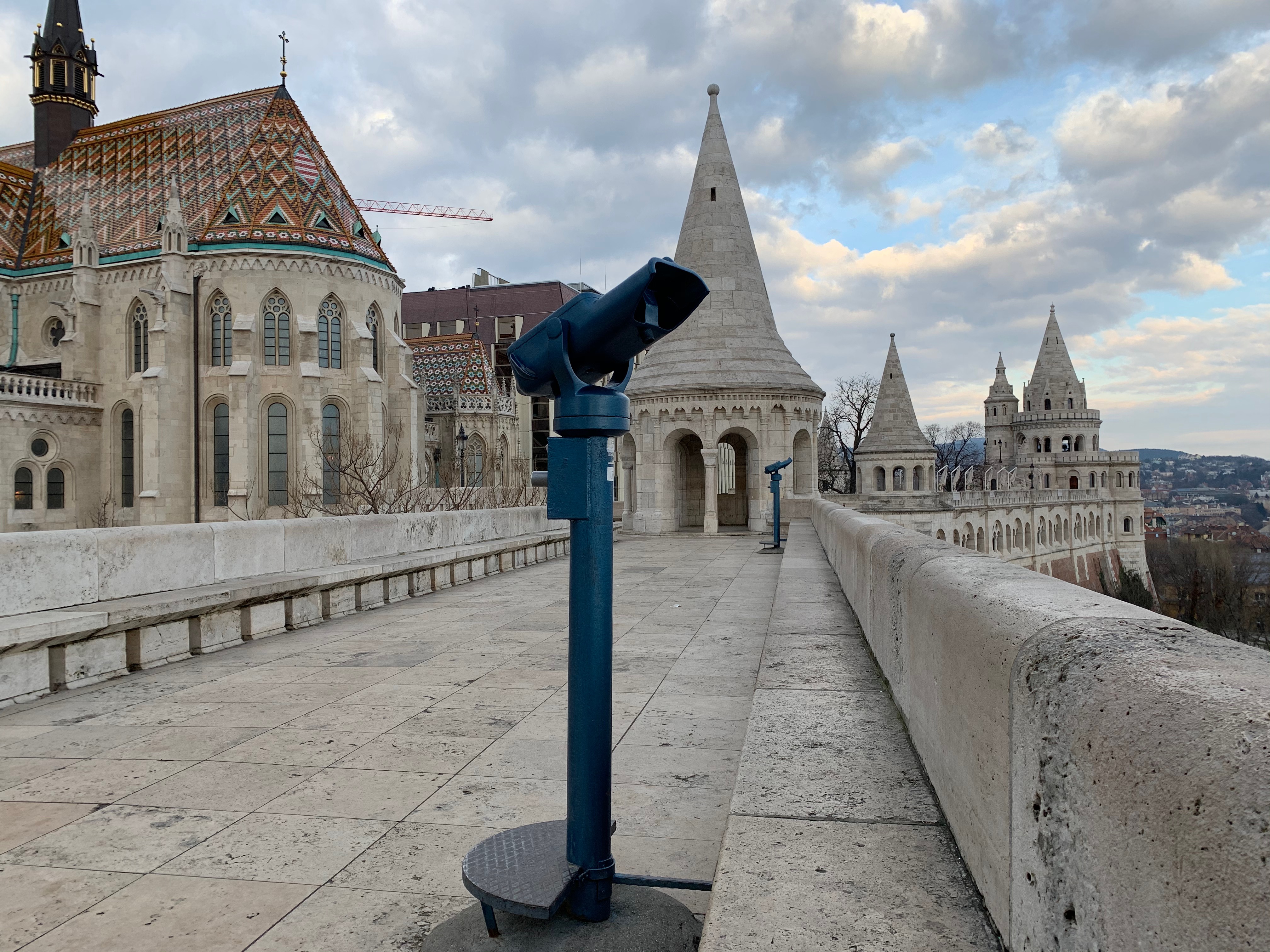
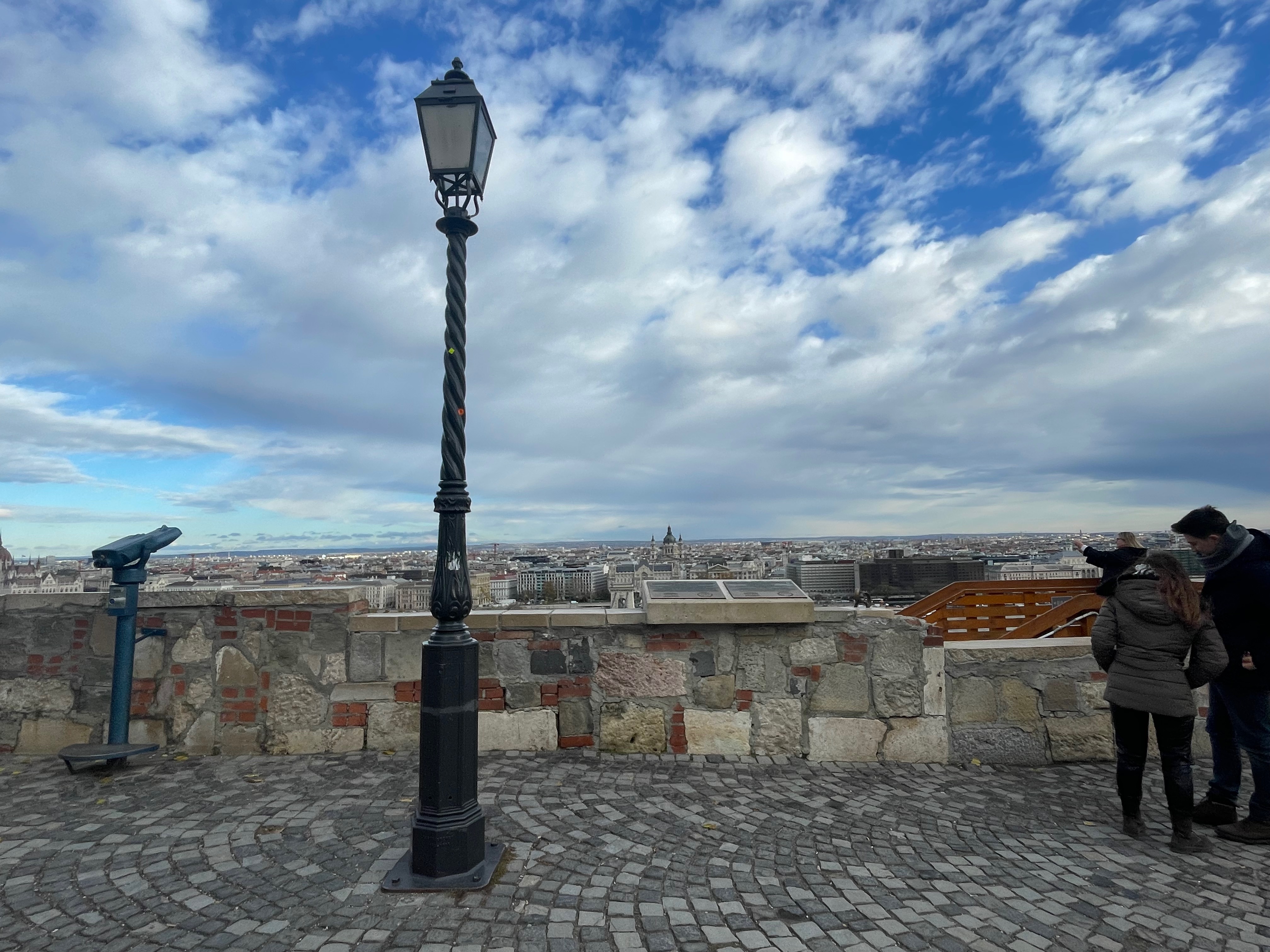
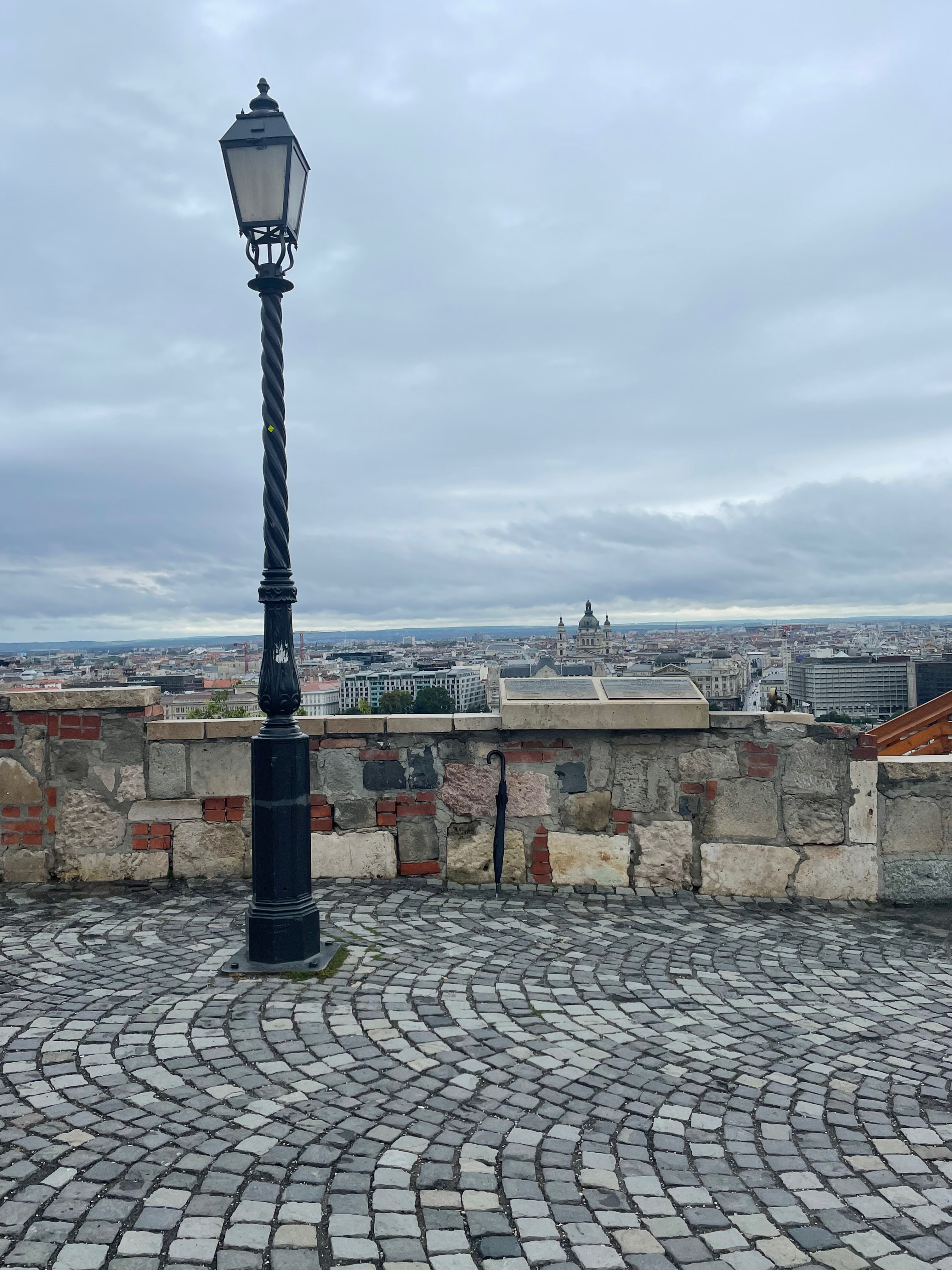
Every year, at the end of August some of the great Hungarian folk artists have a special opportunity to put on display their talent and products: the folk art festival in the Buda Castle district. Visitors can watch and also participate in activities, such as sewing, lace or embroidery making, wood carving and many more. It’s a great occasion to meet local craftsmen and craftswomen, observe their techniques and tricks and also to buy local folk products. I loved the little old ladies teaching me sewing, trust me, they are very patient with visitors much less talented and experienced than they are.


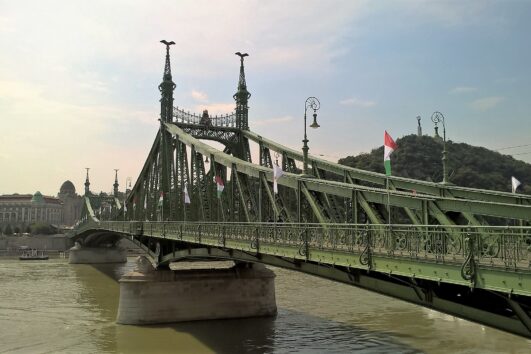
The 20th of August is the only Hungarian national holiday in the summer, celebrations usually go on for days and the city is filled with visitors from all around Hungary and from abroad. The most special attraction every year is the fireworks on the night of the 20th, that can be seen from the banks of the river and the hills around it.
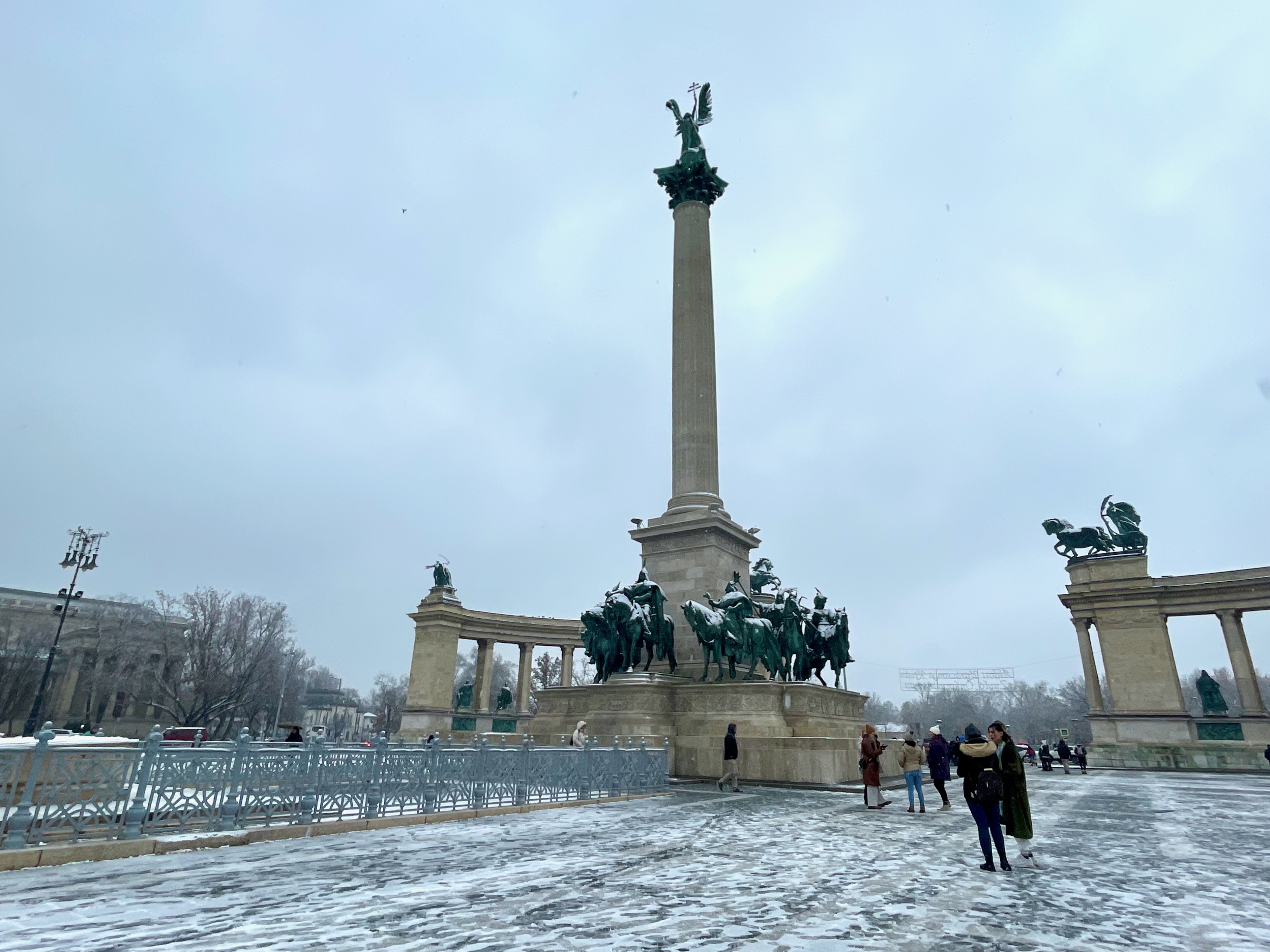
Heroes’ Square truly is the alpha and omega of Budapest sightseeing. Almost every walking or driving tour passes through here — and for good reason. Monumental, symbolic, and visually striking, this grand square tells the story of Hungary in stone and bronze.

At the heart of Heroes’ Square stands the Millennium Monument, crowned by the Archangel Gabriel and surrounded by statues of Hungary’s most important historical leaders. From the arrival of the Magyar tribes in the 9th century to the great kings and national heroes, the entire sweep of Hungarian history unfolds here in a single, powerful composition.

But Heroes’ Square is not only about the past — it’s also a gateway.

The square marks the ceremonial end of Andrássy Avenue, one of Budapest’s most elegant streets, and the entrance to City Park, one of the city’s largest and most loved green spaces. Just a few steps beyond the monuments, Budapest opens up into a world of leisure and culture.

From here, you can easily reach:

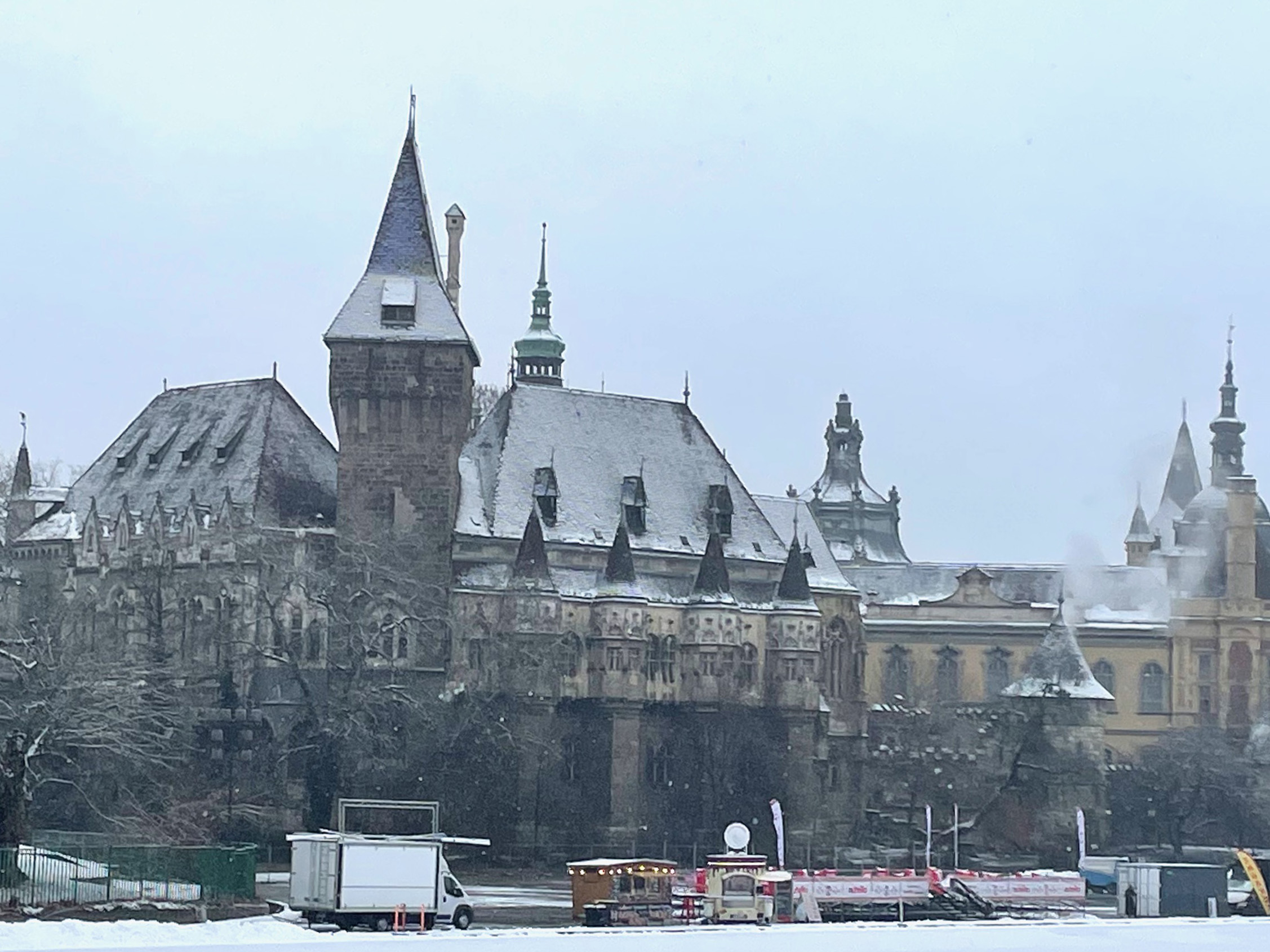
  • Vajdahunyad Castle, with its fairytale mix of architectural styles

  • Széchenyi Thermal Bath, one of Europe’s largest spa complexes

  • Budapest Zoo, one of the oldest zoos in the world

  • the City Park lake, ice skating rink, museums, circus, and excellent playgrounds for children

Heroes’ Square is rarely quiet. It’s usually alive with visitors, locals, tour groups, and photographers — which makes moments of stillness here especially precious. Seeing the square empty and peaceful, as it was this morning, is a reminder of its timeless, almost theatrical beauty.

As a local guide, I always say this: if you want to understand Budapest, start at Heroes’ Square. It sets the tone for the city — proud, complex, layered, and deeply connected to its history — while inviting you forward into one of its most enjoyable districts.

Heroes’ Square is included in most of my customised walking and driving tours, often paired with Andrássy Avenue and City Park. It’s a perfect starting point for discovering how history, everyday life, and grand architecture come together in Budapest.

Heroes square, Budapest

The ancient Roman Empire was the largest empire of the world, at its peak the greatest territorial extent of the empire was almost 2 million square miles with a population from 50 to 90 million people. From the 1st century Romans created settlements along the Danube river to protect the empire from the east. There were several settlements created in the actual territories of Hungary, some ruins can be seen in the Northern part of Buda even today.
You can visit the ruins of an amphitheatre or Aquincum, the centre of the settlement with the remains of the governor’s palace and many residential buildings.

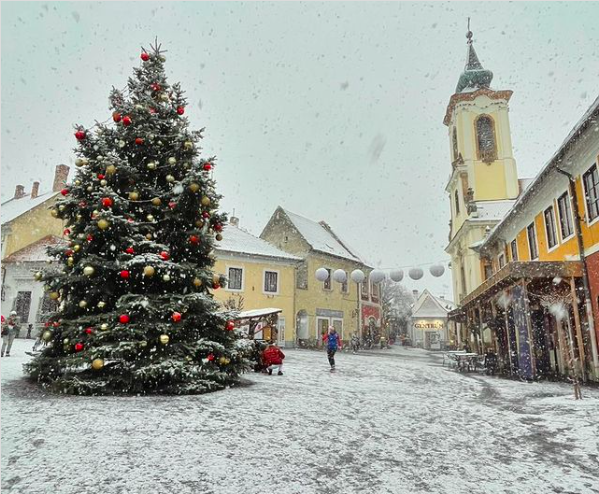
Here are a few pictures I took visiting Szentendre with my travellers yesterday. The photographs don’t do any justice to the spectacular little village, but they give you an idea about what you can expect. Szentendre is only a 20-minute drive from Budapest, also, you can take a local train to get there. I’m offering multiple tours to visit the village, the full-day driving tour to the Danube Bend and the half-day Szentendre driving tour. Book now!


I was very lucky this Easter Monday because I could take my travellers to Hollókő, one of the cutest and most traditional Hungarian villages where people still cherish old traditions. Most of the village people are beautifully dressed up in locally designed costumes.  There is music, great food and drinks, plenty of locally crafted products.

One can also participate in the festivities. The most cherished Hungarian Easter tradition is the “watering”, young men tossing buckets of cold water on girls, to keep them fresh all year long. In exchange they are given hand painted and decorated Easter eggs. Visiting tourists might also get wet if they don’t avoid young men carrying buckets of water :).

Hollókő is a very special village all year around, it was a very special treat to be there and celebrate Easter with locals. Book a tour with me, so that I can tell you more about the village and its traditions!


Tucked away in the heart of the Jewish Quarter of Budapest, the recently renovated Rumbach Street Synagogue is one of the city’s most striking and meaningful landmarks. Together with the Dohány Street and Kazinczy Street synagogues, it forms the famous synagogue triangle — a unique concentration of Jewish heritage within just a few streets.

After decades of neglect, Rumbach has finally reclaimed its place as one of Budapest’s architectural and cultural treasures.

A masterpiece by Otto Wagner

The synagogue was designed by the renowned Austrian architect Otto Wagner and built in the early 1870s. At the time, Wagner was already known for pushing architectural boundaries, and Rumbach is a perfect example of his bold vision.

The building follows the Moorish Revival style, instantly recognisable through its vibrant colours, geometric patterns, and richly decorated details. Inside, shades of red, blue, purple, and gold create an almost otherworldly atmosphere. The craftsmanship is extraordinary, and every corner invites you to stop and look closer.

One of the synagogue’s most distinctive features is its octagonal interior, with eight equal sides. This unusual design was inspired by the Dome of the Rock in Jerusalem, giving the space both architectural balance and symbolic depth.

From thriving community to silence

Before the Second World War, Rumbach Street Synagogue served a smaller local Jewish community. Like so many Jewish institutions in Hungary, its story was tragically interrupted by the Holocaust. Most members of the congregation were murdered, and after the war the building lost its original function.

For decades, the synagogue stood abandoned and deteriorating — a silent witness to the destruction of a once-vibrant community. Its slow decay mirrored the painful absence left behind in the neighbourhood.

A long-awaited rebirth

After many years of planning and careful restoration, Rumbach Street Synagogue finally reopened in 2021. The renovation respected the original design while giving the building a new role as a cultural and historical space.

Today, it is once again open to the public — not only as a synagogue, but also as a venue for exhibitions, concerts, and remembrance. Walking inside feels both uplifting and deeply moving: beauty and loss exist side by side here.

Visiting Rumbach Street Synagogue

The synagogue can be visited, but it’s important to know that opening hours are very limited and irregular. Unlike larger attractions, Rumbach is not always open to visitors, and access often depends on events, services, or guided visits.

If you’re planning a trip to Budapest and would like to include Rumbach Street Synagogue in your itinerary, I strongly recommend contacting me in advance. I’m happy to check whether the synagogue will be open during your stay and advise on the best way to visit.

Rumbach and the Jewish Quarter Walk

Rumbach Street Synagogue is an essential stop — or at least a key reference point — on my Jewish Quarter walk, where we explore not only the major synagogues but also the stories of everyday life, survival, and renewal in this historic neighbourhood.

Seeing Rumbach in context, surrounded by former Jewish homes, courtyards, and memorials, adds layers of meaning that go far beyond architecture alone.

If you’re interested in discovering the Jewish Quarter with a licensed private guide, at a relaxed pace and with personal stories woven into the walk, this tour might be a perfect fit for you.

A place that stays with you

Rumbach Street Synagogue is not just beautiful — it’s unforgettable. Its colours, its silence, and its history linger long after you leave. Whether you’re interested in architecture, Jewish heritage, or Budapest’s complex past, this is a place that truly deserves a spot on your list.

If you’d like help planning your visit or booking a Jewish Quarter walk, feel free to get in touch — I’ll be happy to help you make the most of your time in Budapest.

Christmas markets in Europe are all very popular, some of my favourite markets are in Vienna. In the capital of Austria there are some 10 different markets in the heart of the city and more all around greater Vienna. In some 2 or 3 hours you can have hot punch or mulled wine at several markets and can enjoy the local atmosphere.

If you happen to be in Vienna during the Advent season, I’d recommend to explore as many different markets as you can. The big and famous ones are the one at the Rathaus (City Hall) and the one at Maria Theresien square in between the Art History and Natural History museums. You’ll find more information and a lot of tips and recommendations on the website of the Vienna Tourist Board.

We happened to be in Vienna on a tour last weekend and were truly amazed by the lights, the smells, the flavours and the atmosphere. Don’t hesitate to get in touch with me if you’re looking for Christmas Market tours in Budapest, Vienna or Bratislava!

I know that many of you who are planning a visit to Europe are now concerned about the war in Ukraine. Personally I’m more concerned about the people who are at great risk, those who stayed in Ukraine and those who decided to flee their homeland. This is sad, this is awful and I hope that Russia’s leaders will held responsible for this unscrupulous aggression.

For you, as a traveller, there are no risks when you come to Europe. Yes, by now over 100.000 refugees arrived to Hungary, they are being taken care by local NGOs and charities. The volunteers of these organisations work 24/7 to provide refugees with shelter, food, transport tickets and hope. You won’t see crowds of refugees at the borders or at the train stations because of the heroic work of the volunteers and local people who offer to share their homes with people fleeing the war.

We’re supporting local charities and I’m also supporting a tour guide in Ukraine because I cannot imagine how it feels to lose your ground, your home, your entire life from one day to another. There are many charities to support, they need all the help they can get.

From the bottom of my heart I wish that the heroism of the Ukrainians defeats the aggressor and peace will be restored.

Your reviews on TripAdvisor or on my website are highly appreciated and I’m always very glad to read how much you enjoyed your tours. This is a recent review from my TripAdvisor profile:

Our PR agency spent one weekend in Budapest – a team of 5 people – we wanted to celebrate a challenging business year in this beautiful city so close (and connected) to Vienna. We contacted Julia as we wanted to get some really good insights for Budapest, yet we did not have so much time – so we booked 3 hours with her. Julia took us on an outstanding tour in Budapest – I have never met such a dedicated, experienced and in the meantime passionate tour guide / a person loving her home country – every minute with Julia was interesting and exciting, she gave us such a vivid impression of Budapest from its interesting history / culture / architecture – connecting to todays story .. To be with a tour guides like her is pure luck, thank you Julia for this wonderfuld day – we would book her again and can only recommend to anyone who really wants to get a great insight to Budapest.
Thank you very much!

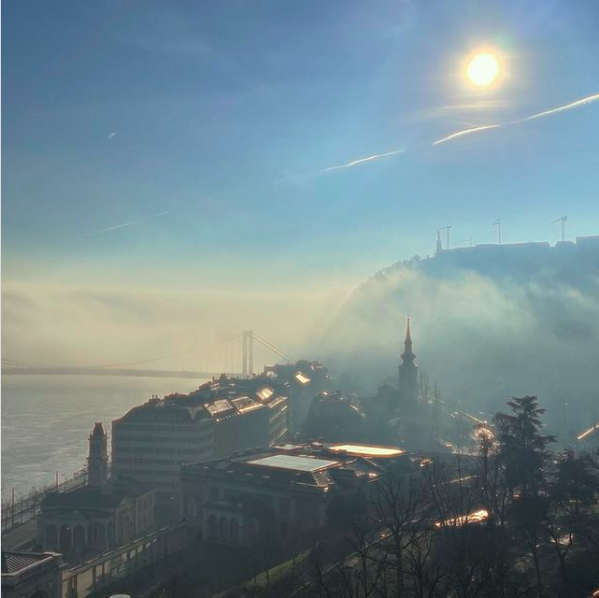
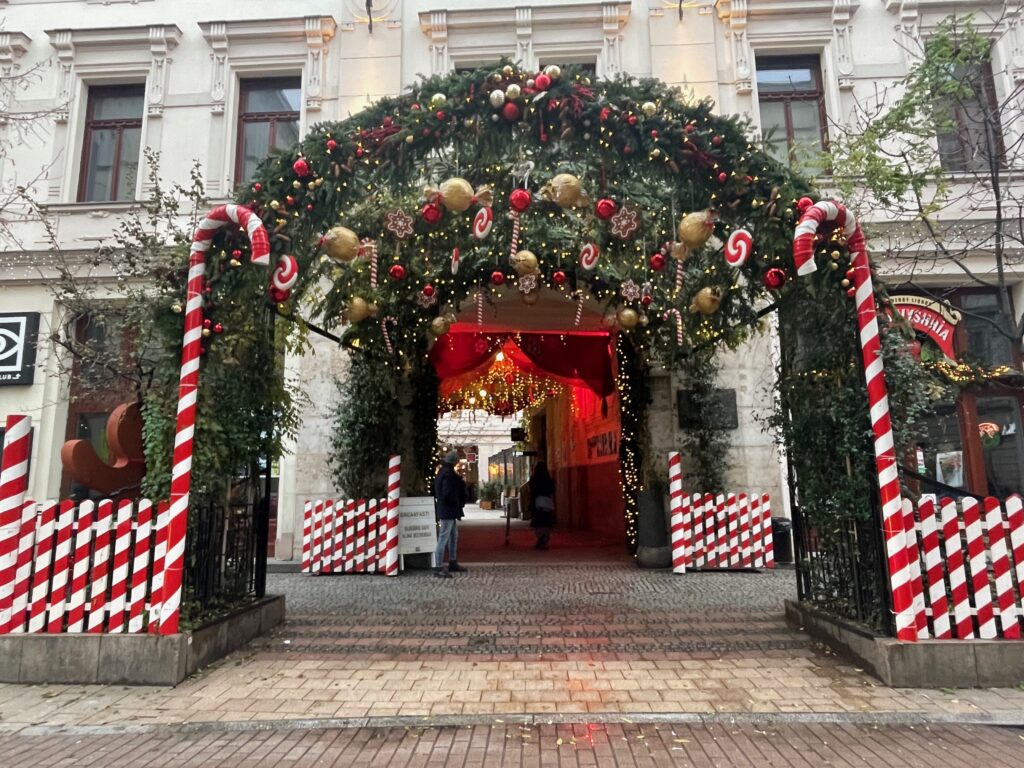
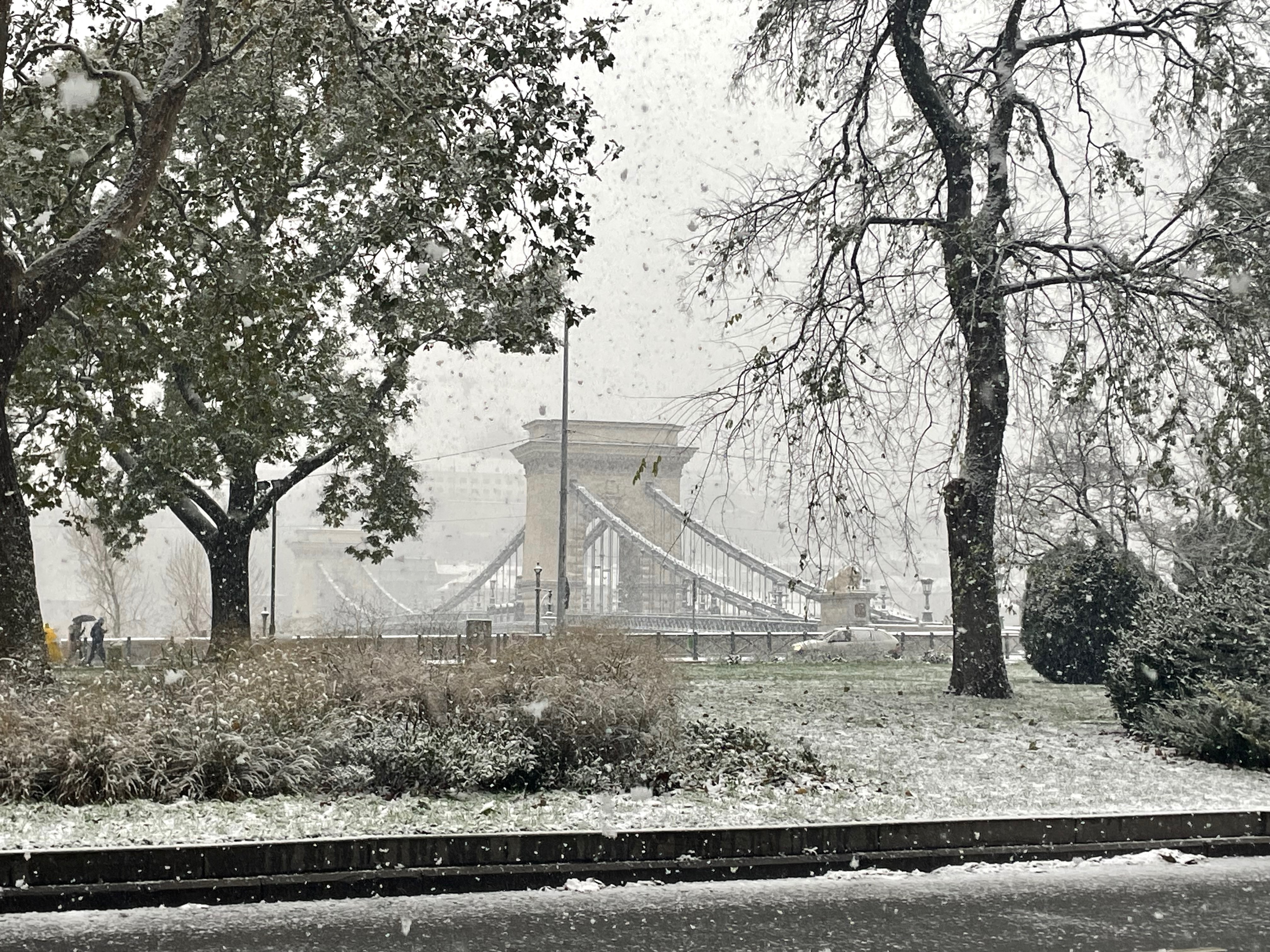
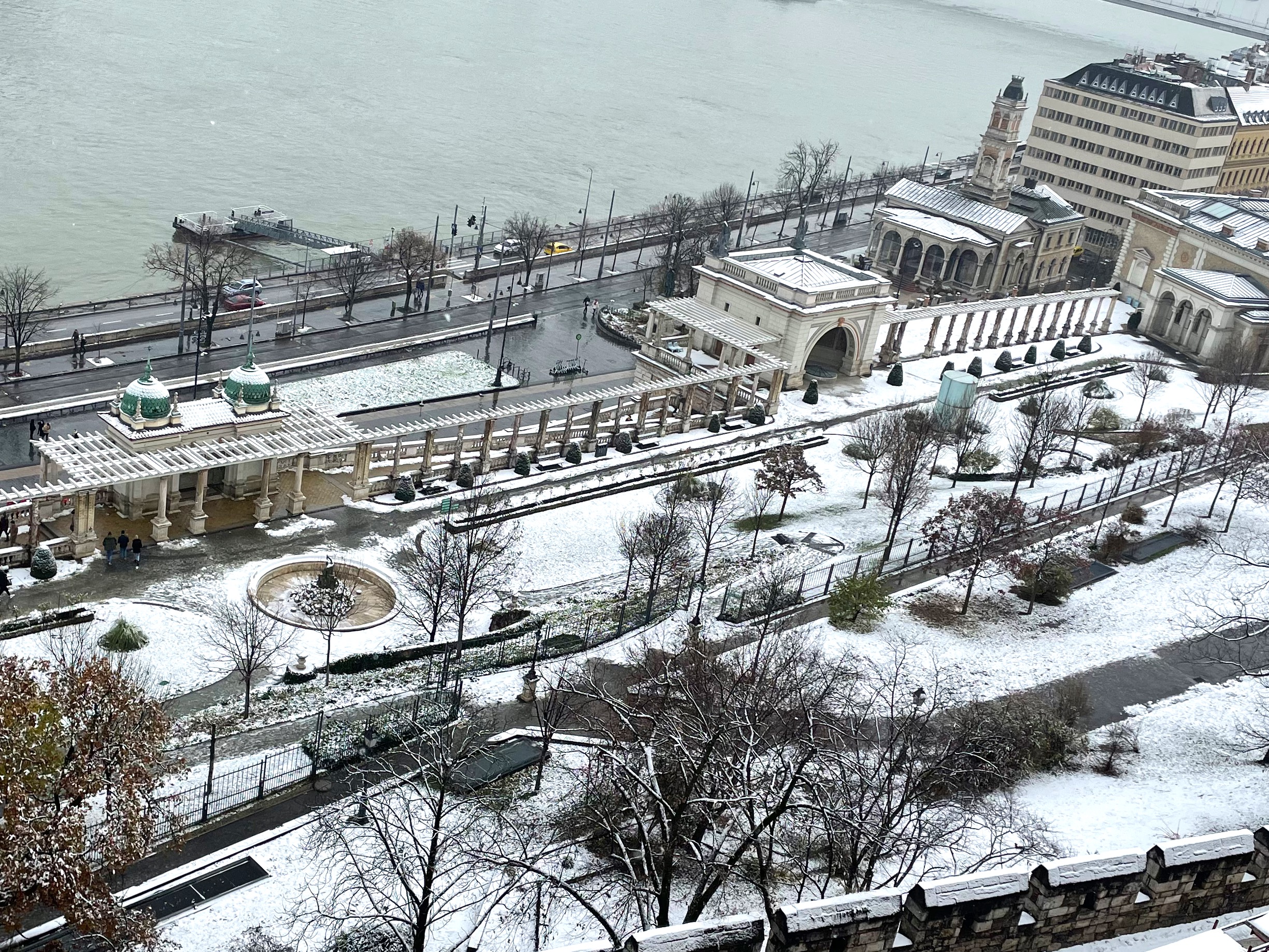
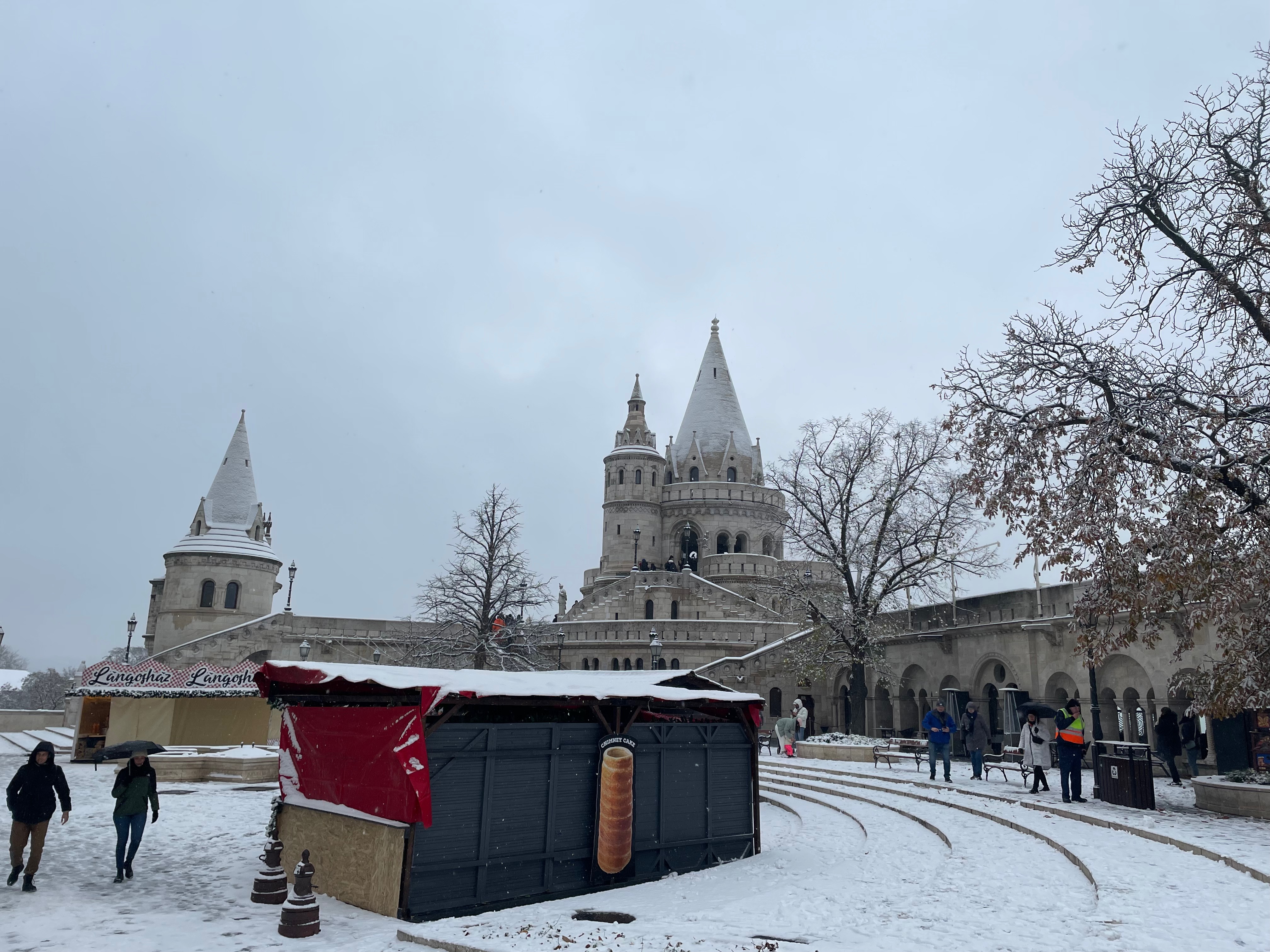
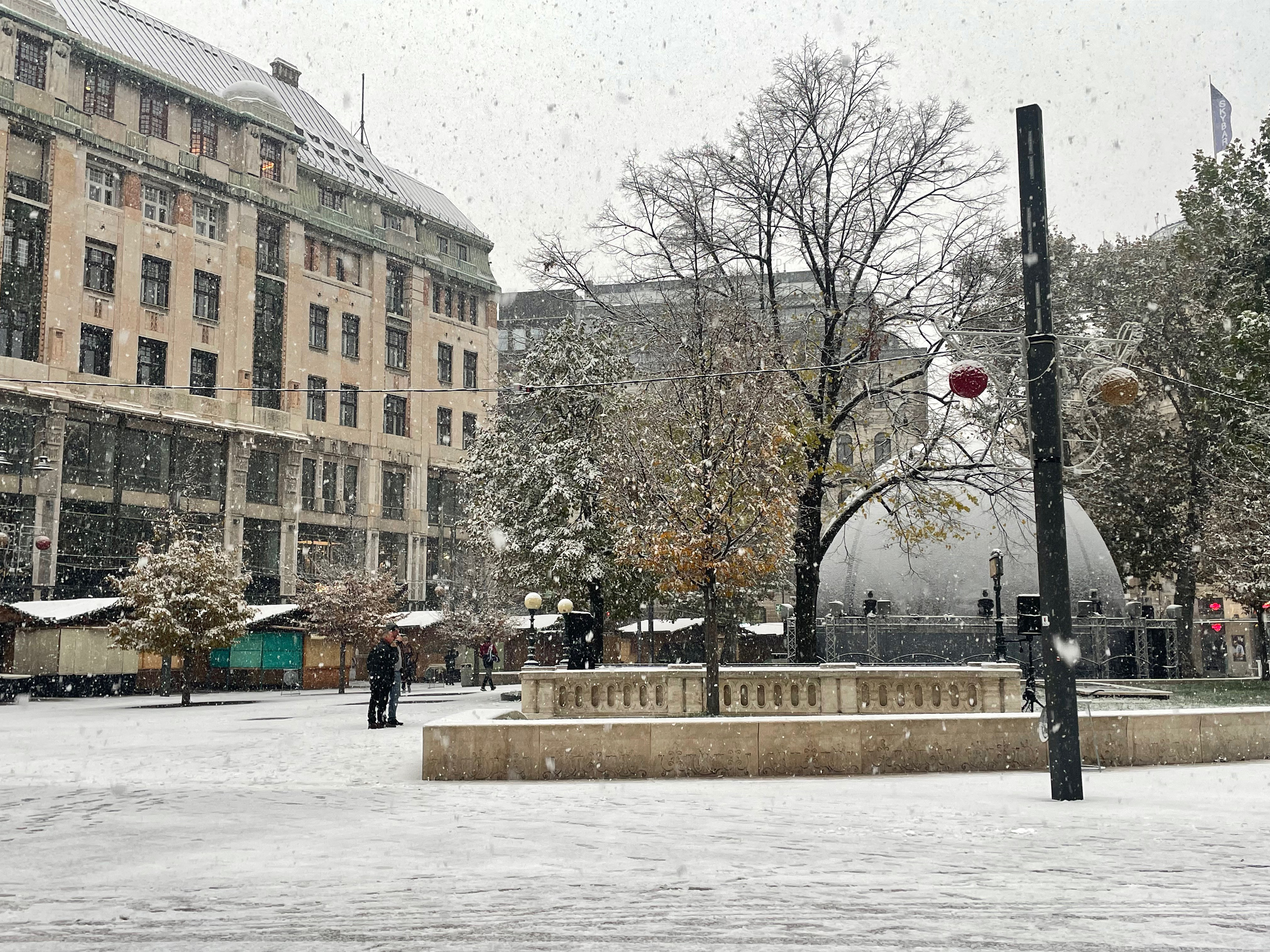
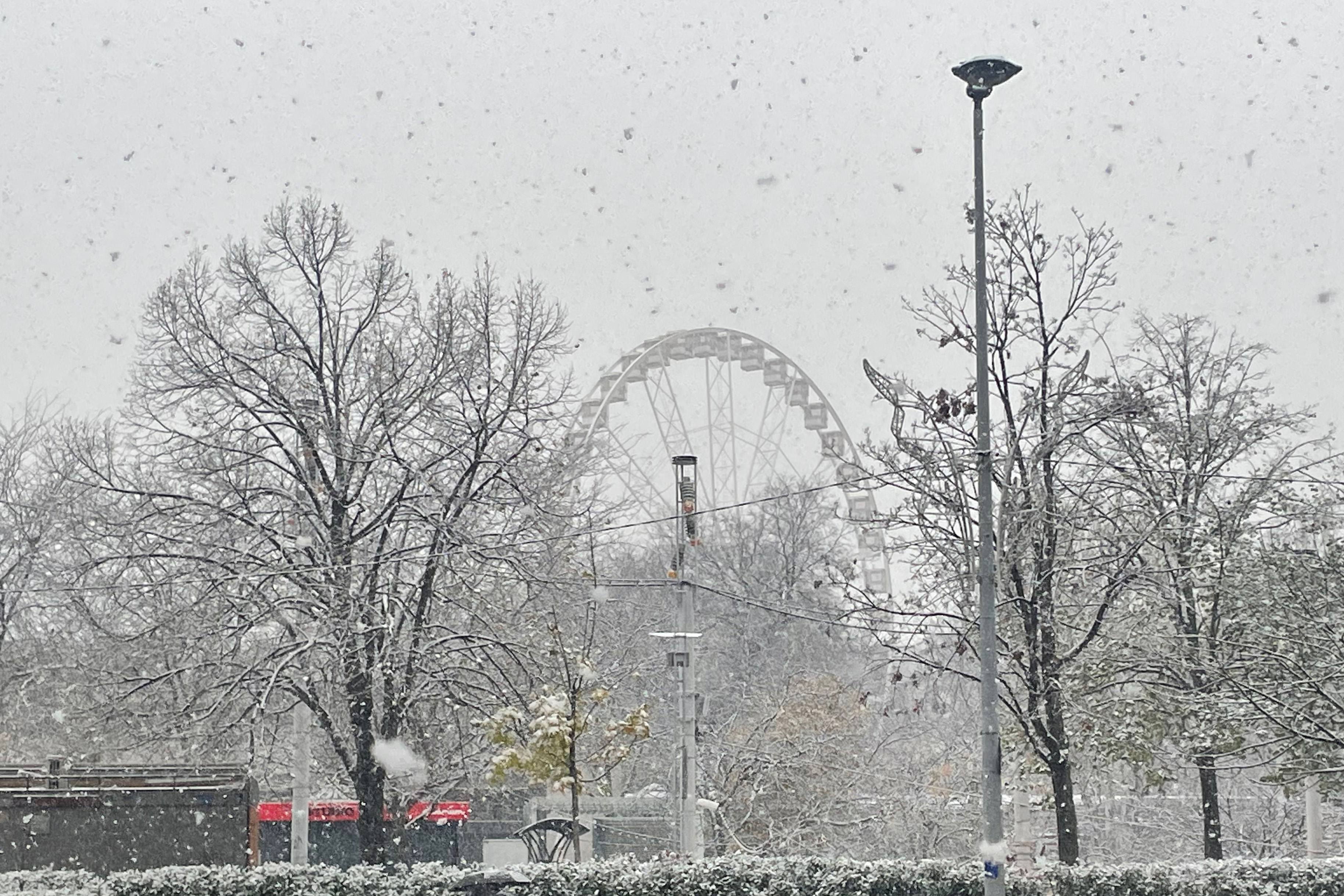
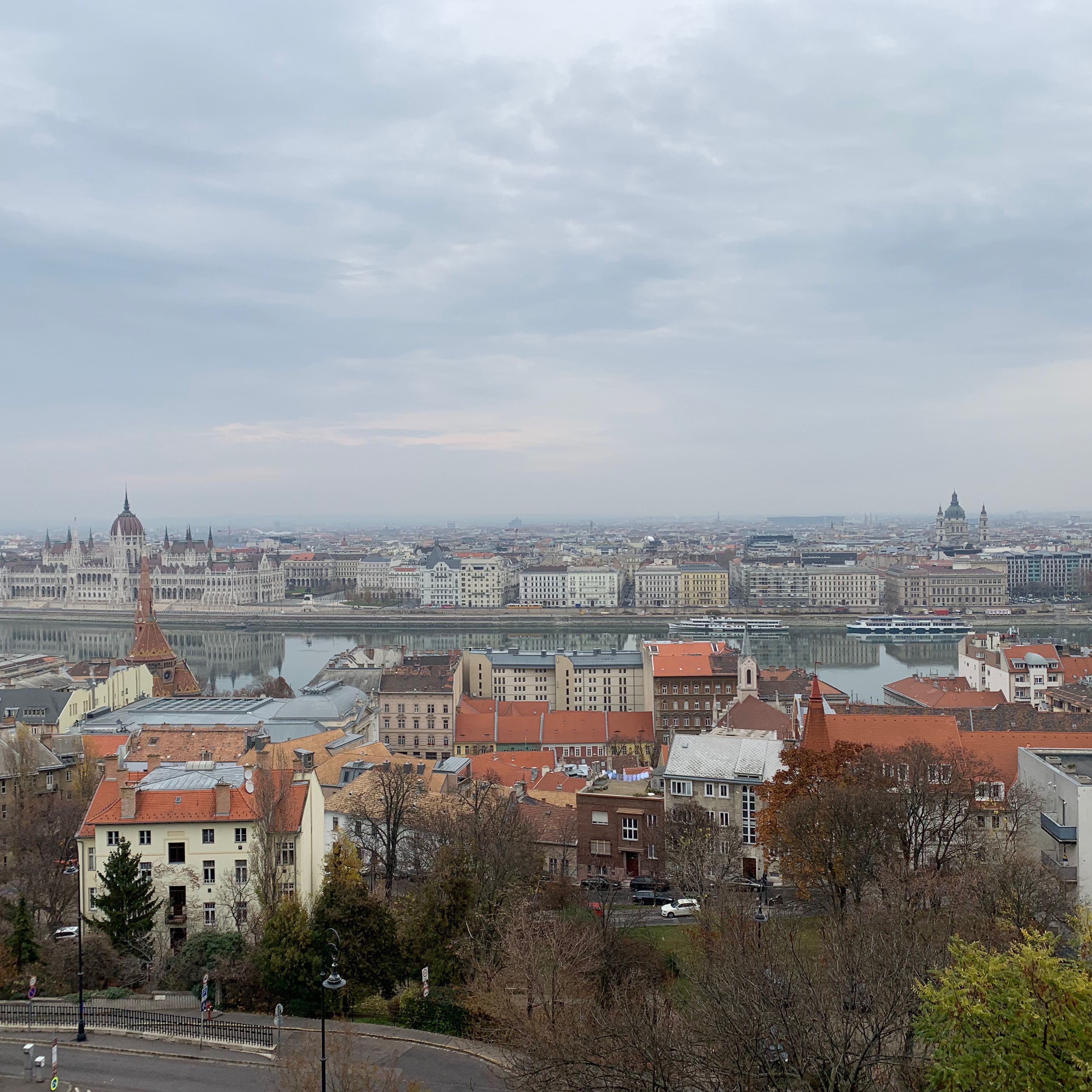
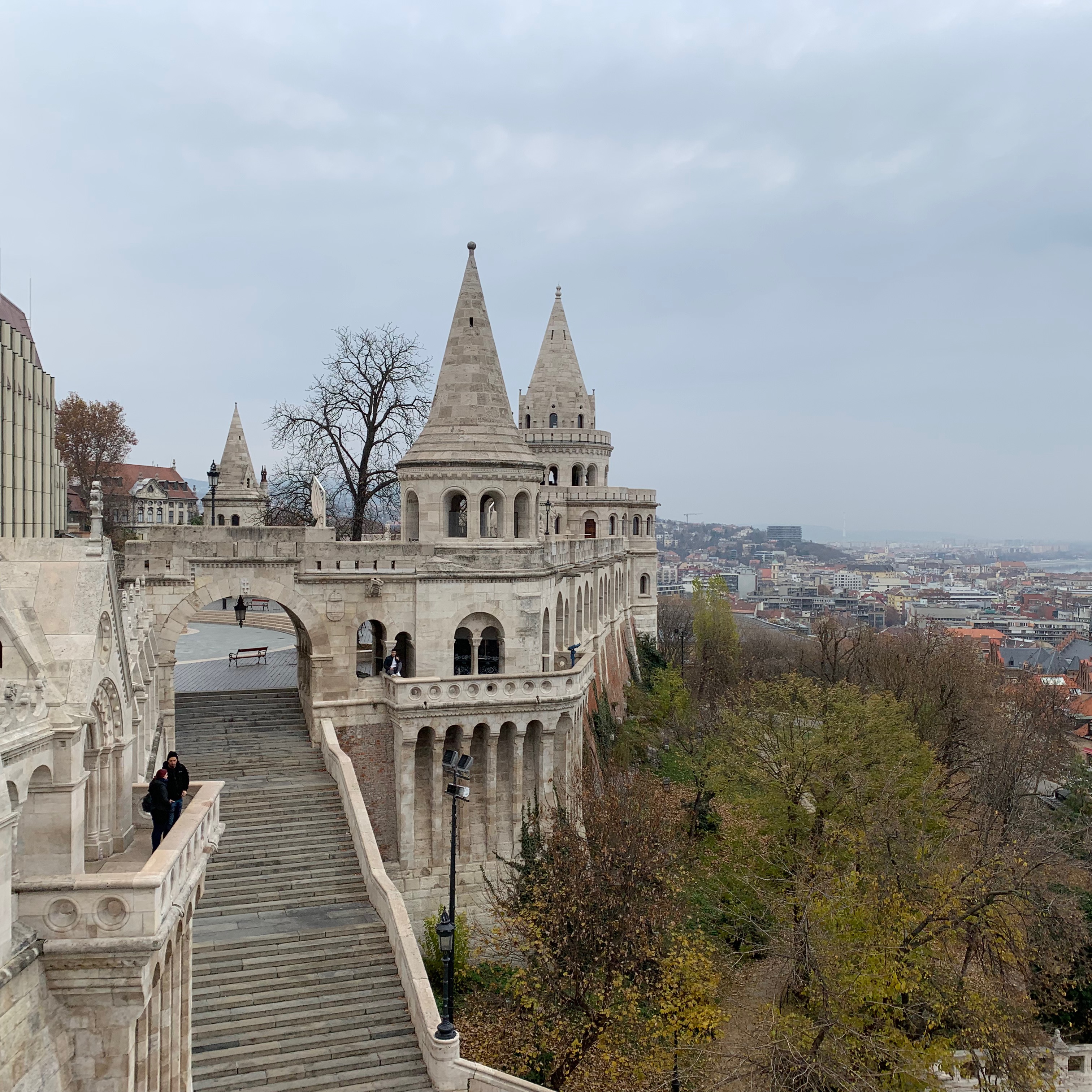
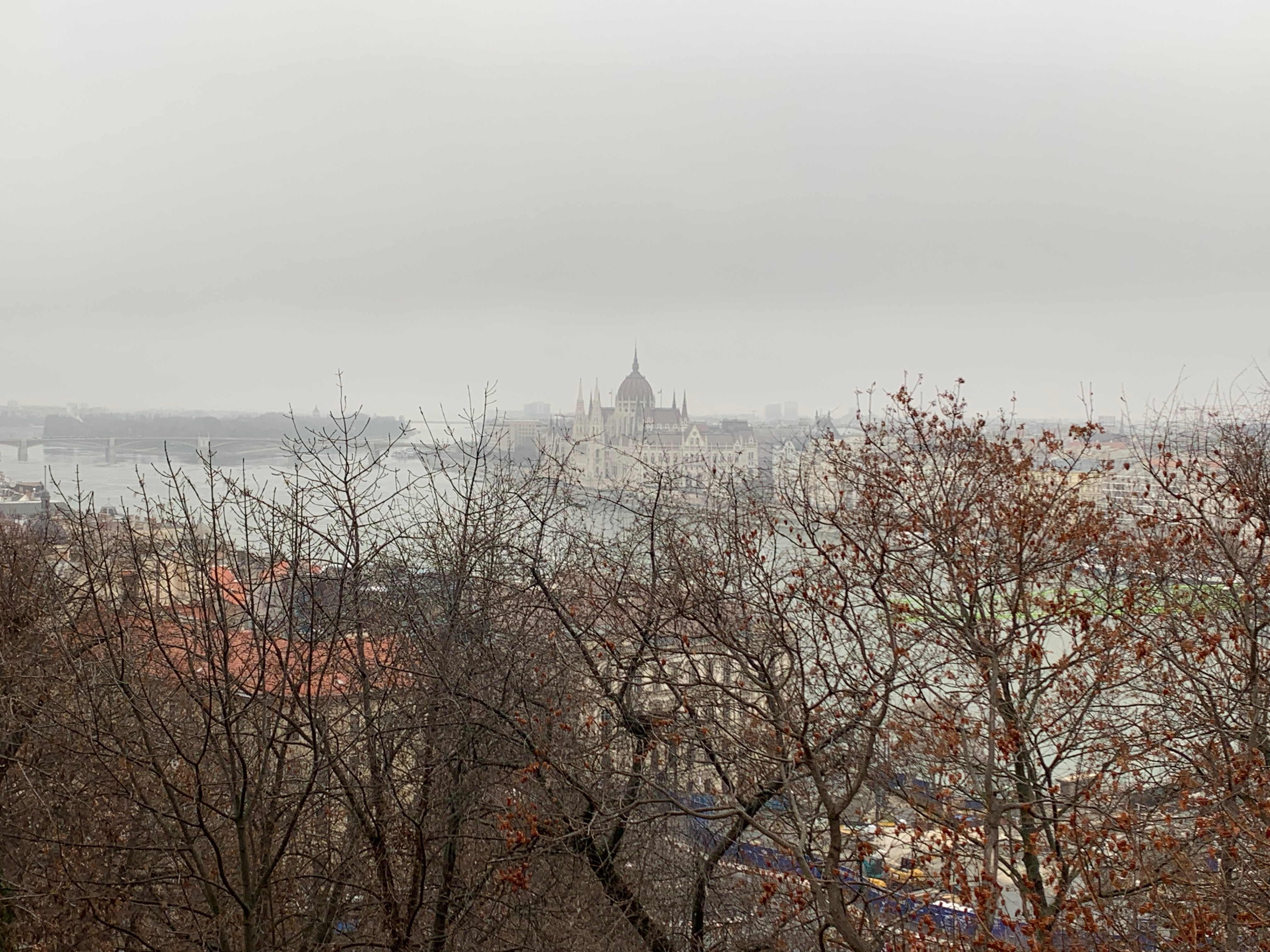
Yes, it’s relatively cold and some days may be foggy and gray but Budapest is still the most beautiful city of the world. However, I’d recommend to book shorter tours if you don’t want to stay out in the cold for a full day 🙂

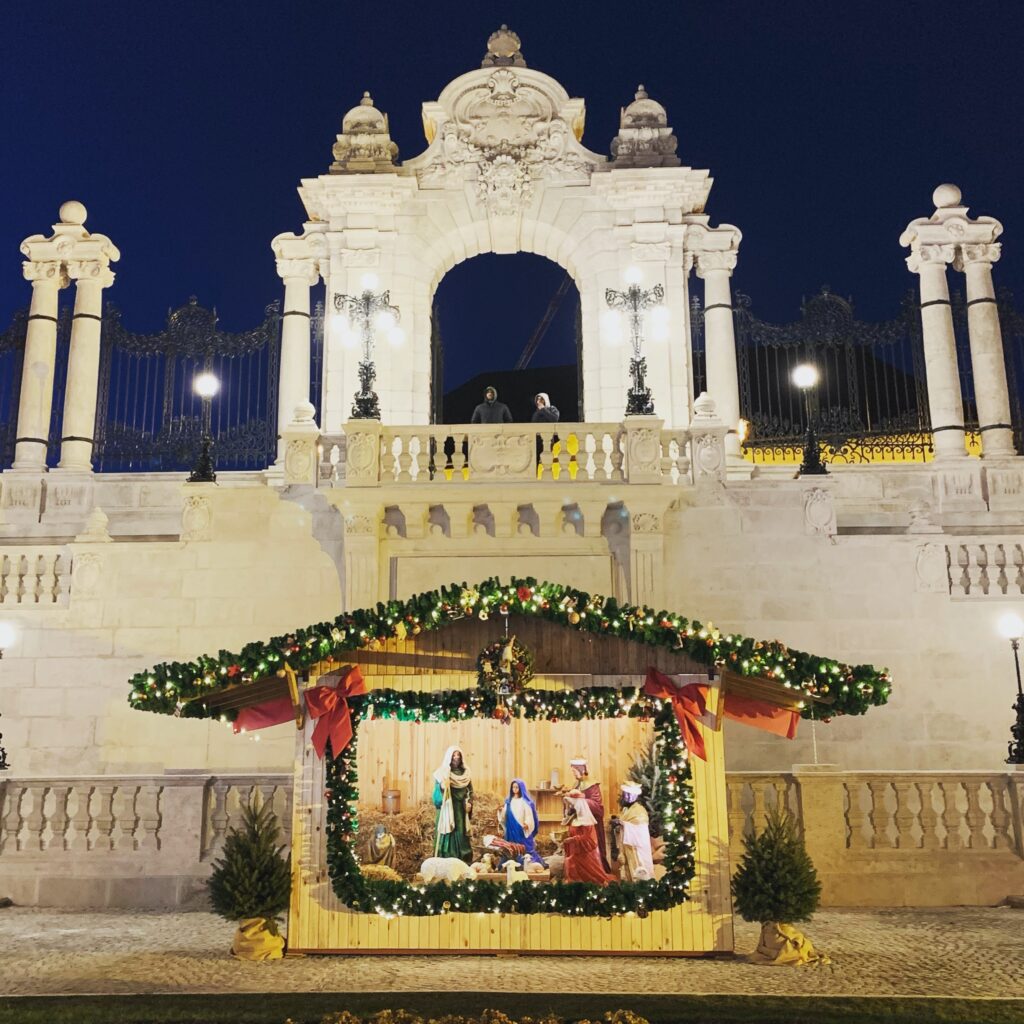
Merry Christmas from Beautiful Budapest! #merrychristmas #boldogkarácsonyt #budapest#beautifulbudapest #christmas


Merry Christmas
Merry Christmas

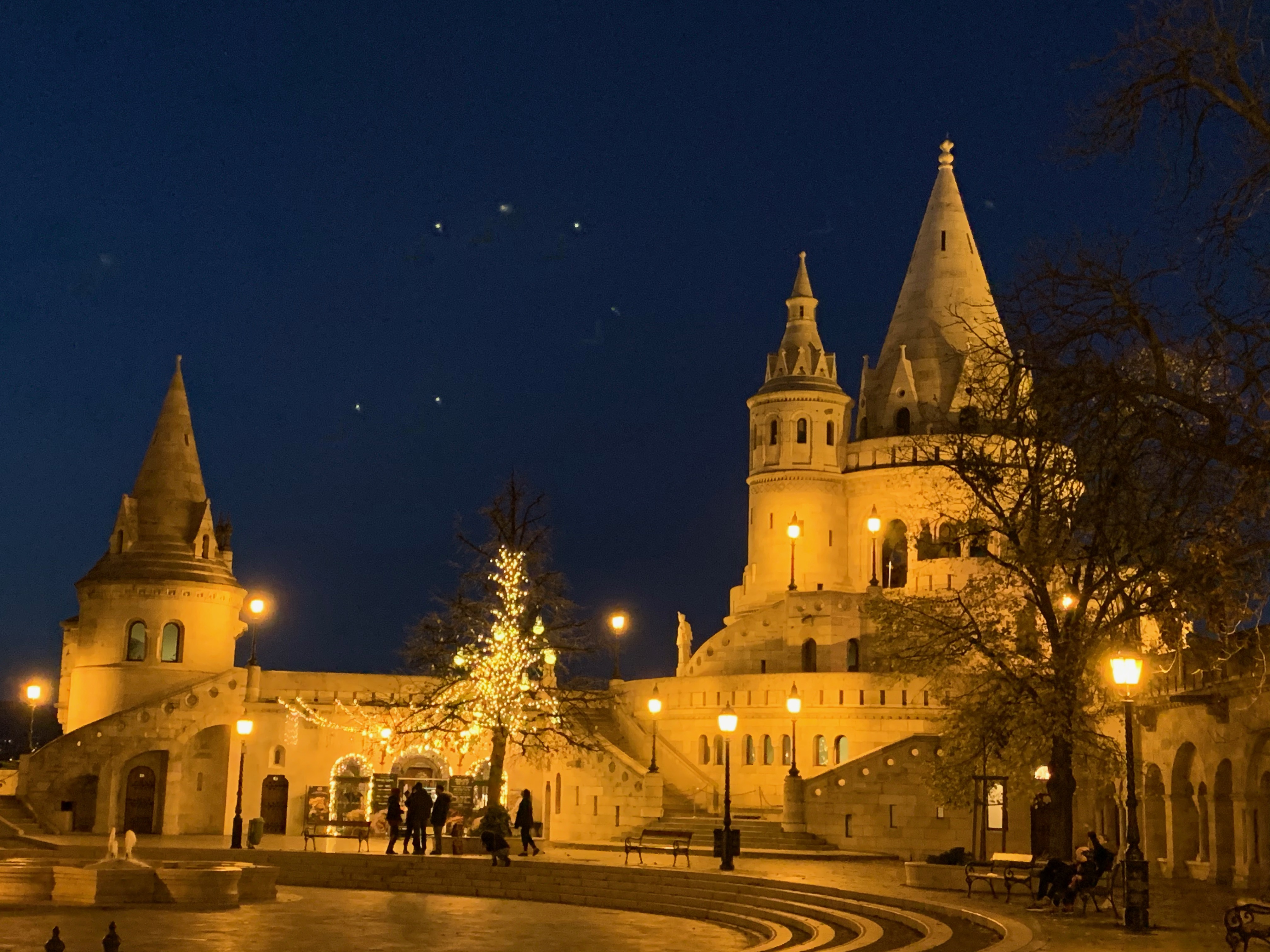
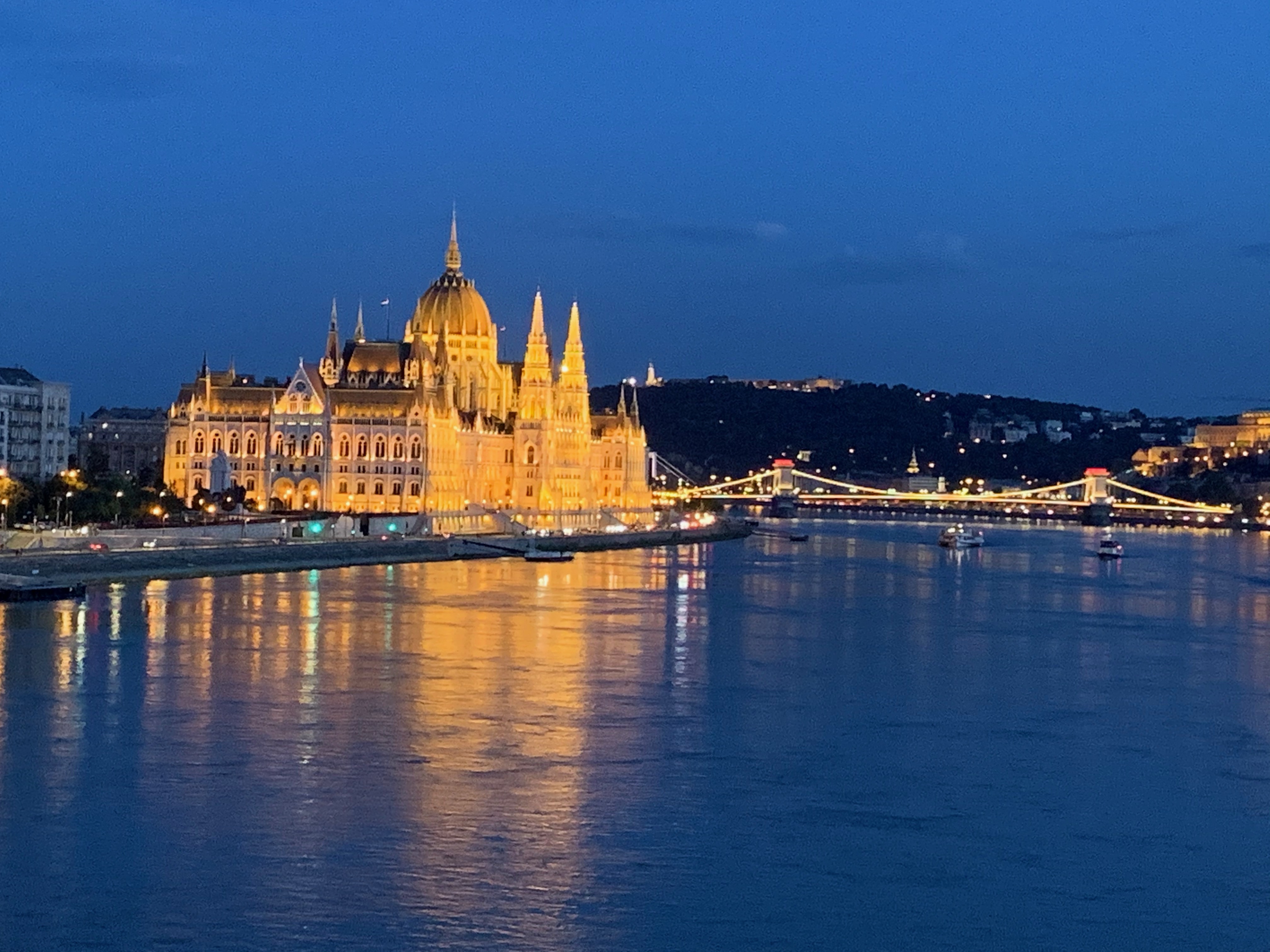
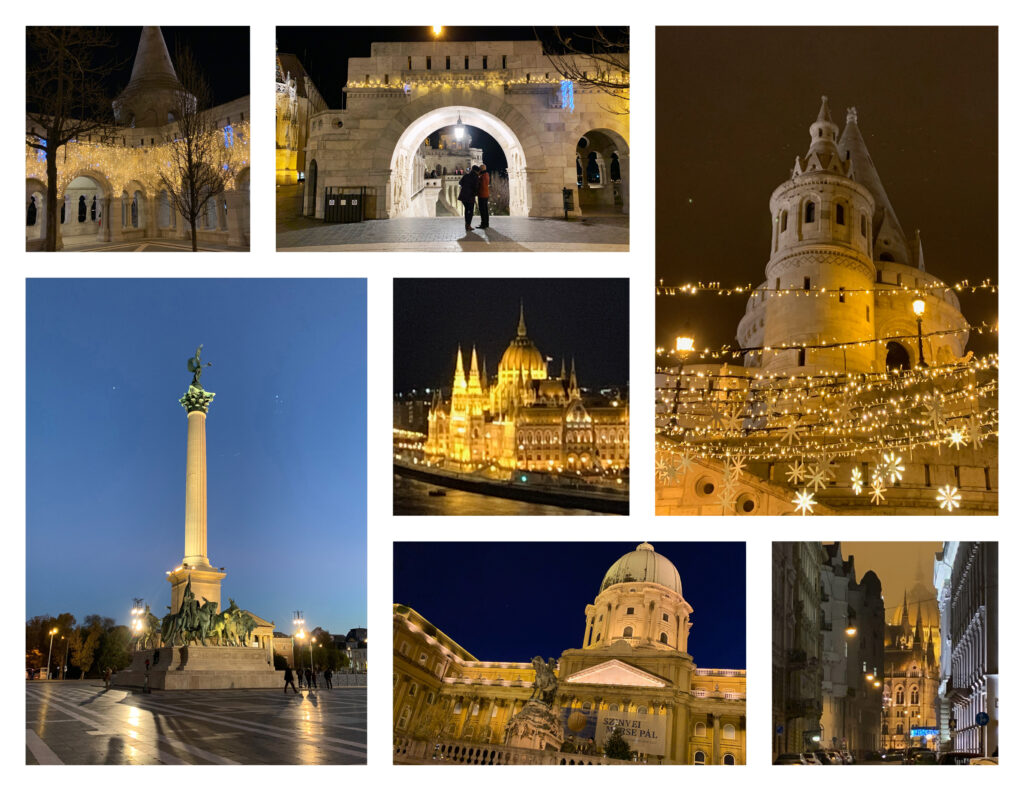
Days are getting shorter and nights are getting longer and this is how Beautiful Budapest looks like with all the amazing lights.

Beautiful Budapest by night

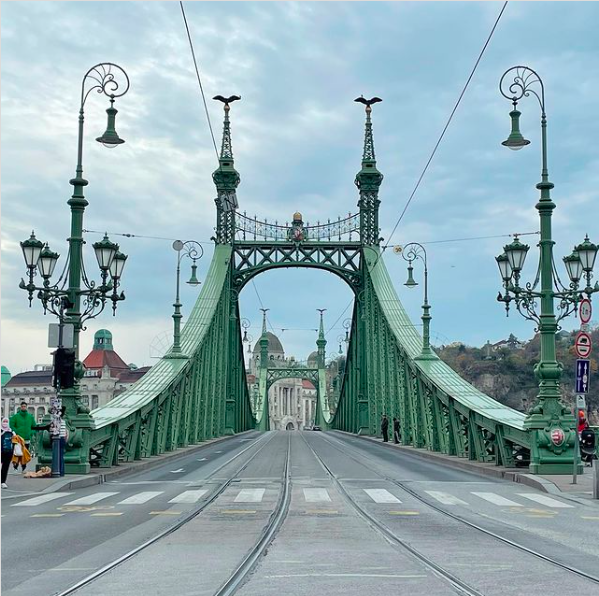
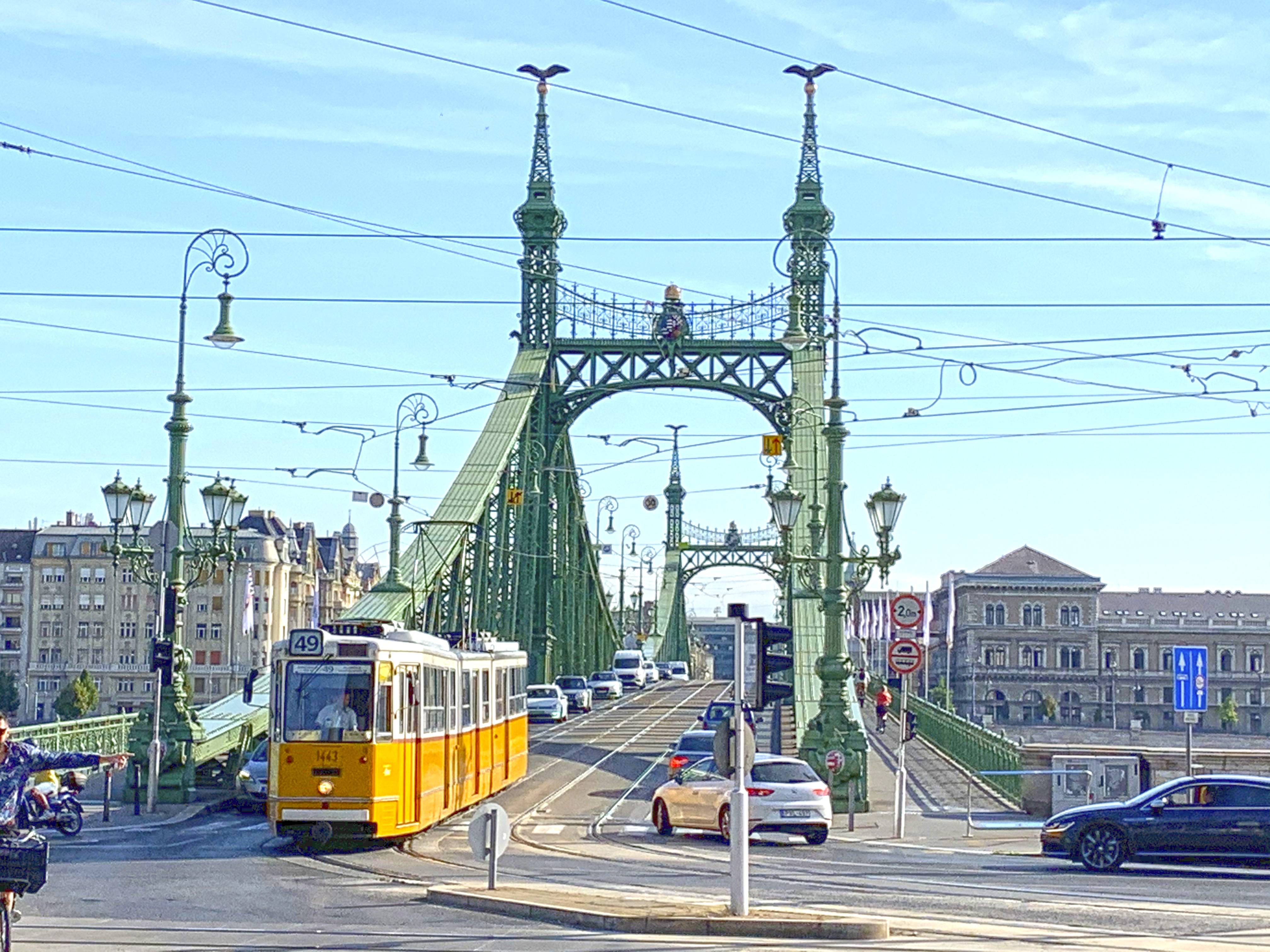
Sometimes it’s hard to get out of bed in the morning but by the time I get to downtown Pest for a tour I’m the most grateful to live in the most beautiful city of the world.