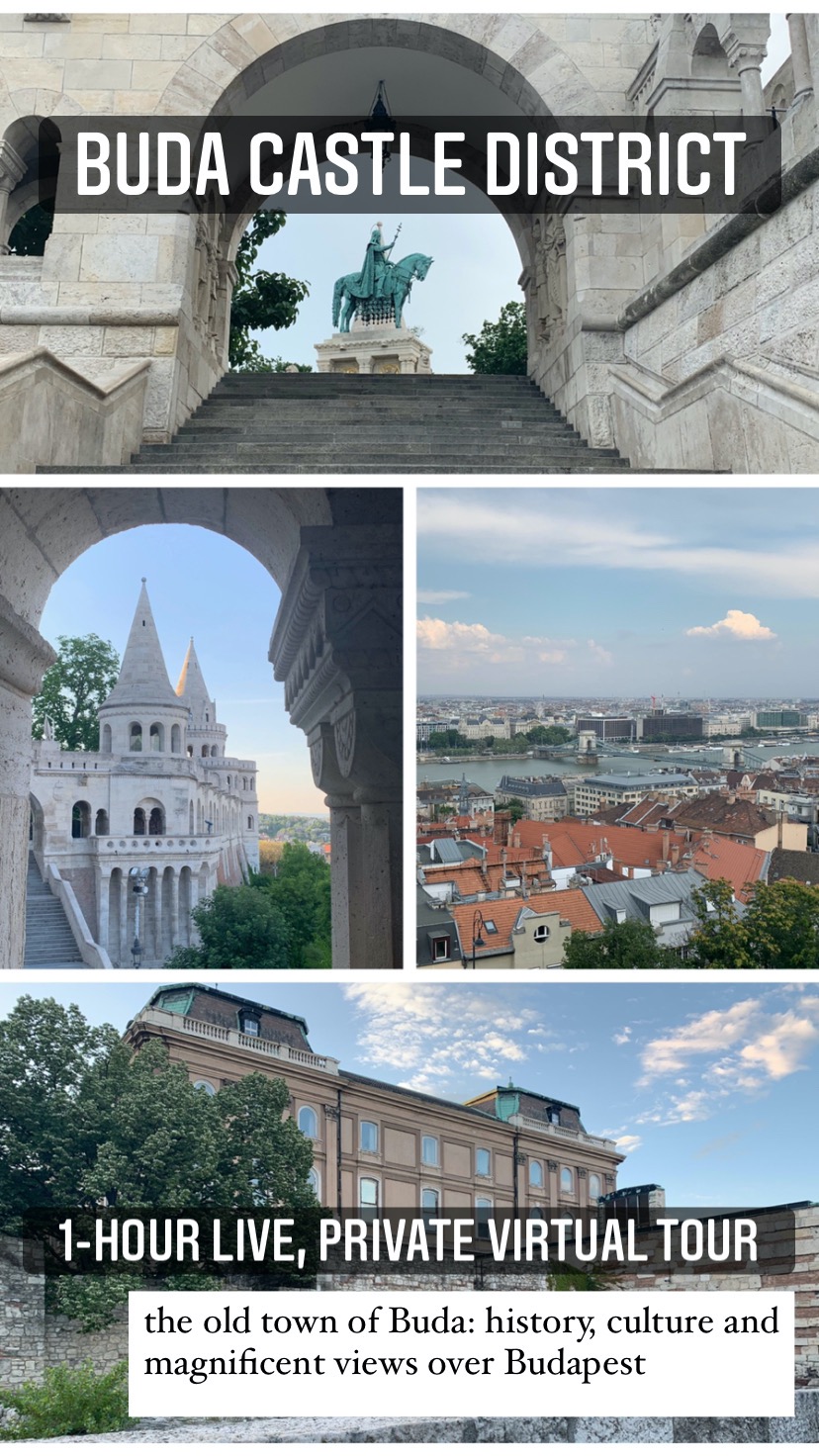
One of my favourite moments of the day is when the street lights of Budapest are switched off just a few minutes before sunrise. Eventually the best place to film it from is the very top of the Fisherman’s Bastion.
One of my favourite moments of the day is when the street lights of Budapest are switched off just a few minutes before sunrise. Eventually the best place to film it from is the very top of the Fisherman’s Bastion.
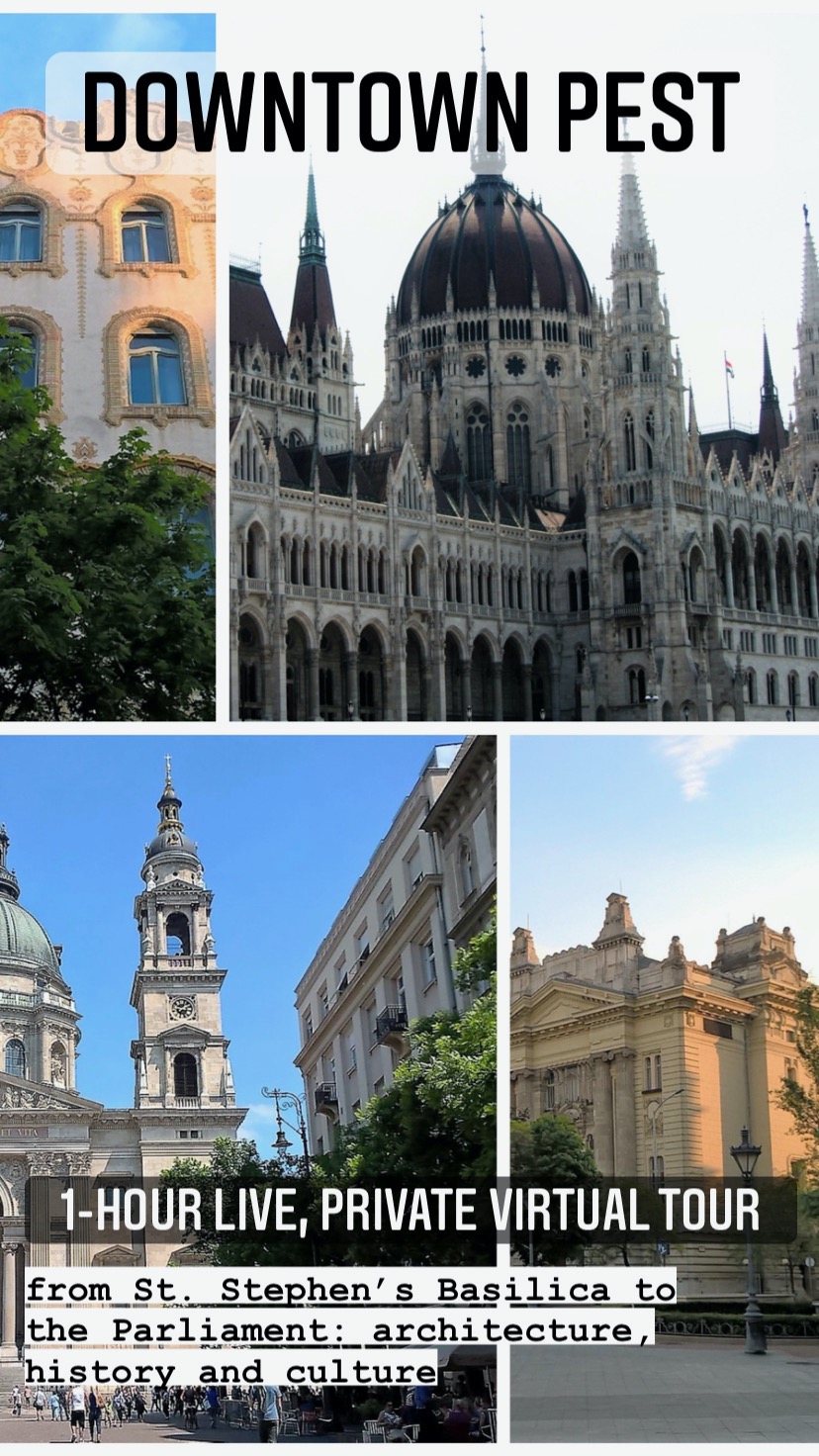
I’m starting a new series to introduce you the most famous statues of Budapest and some of the hidden gems, too. These are the beautiful monuments of Budapest we usually see on our walking or driving tours in Buda and Pest.
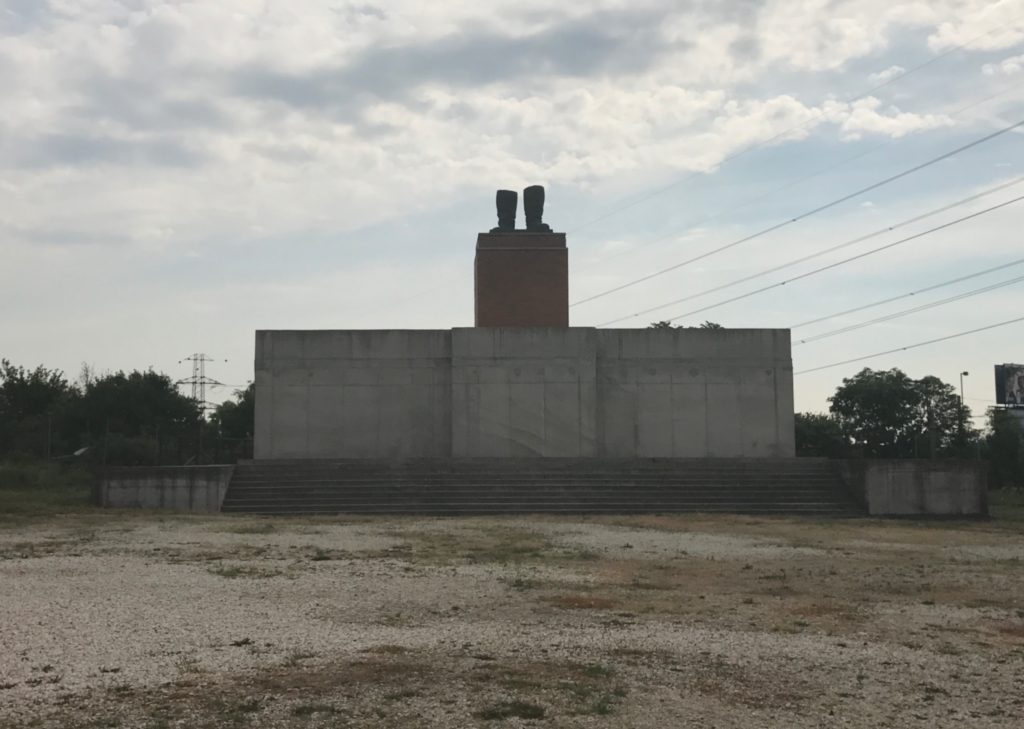
The giant, 8 meters high statue of Stalin was erected in 1951 to commemorate Stalin’s 70th birthday. The statue was destroyed during the 1956 revolution and only the boots of Stalin survived. The replica of the boots is at the entrance of the Memento Park in Buda.
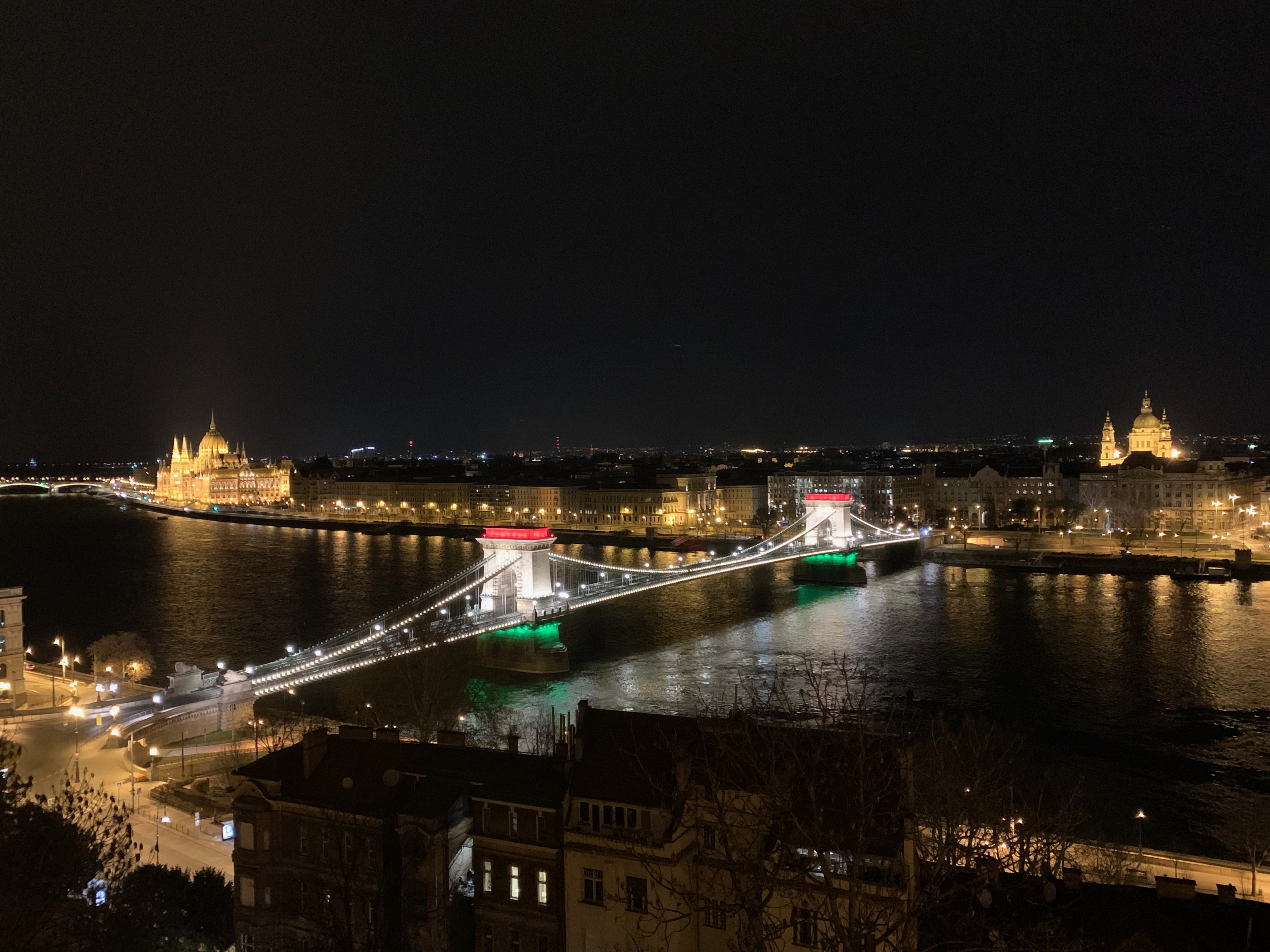
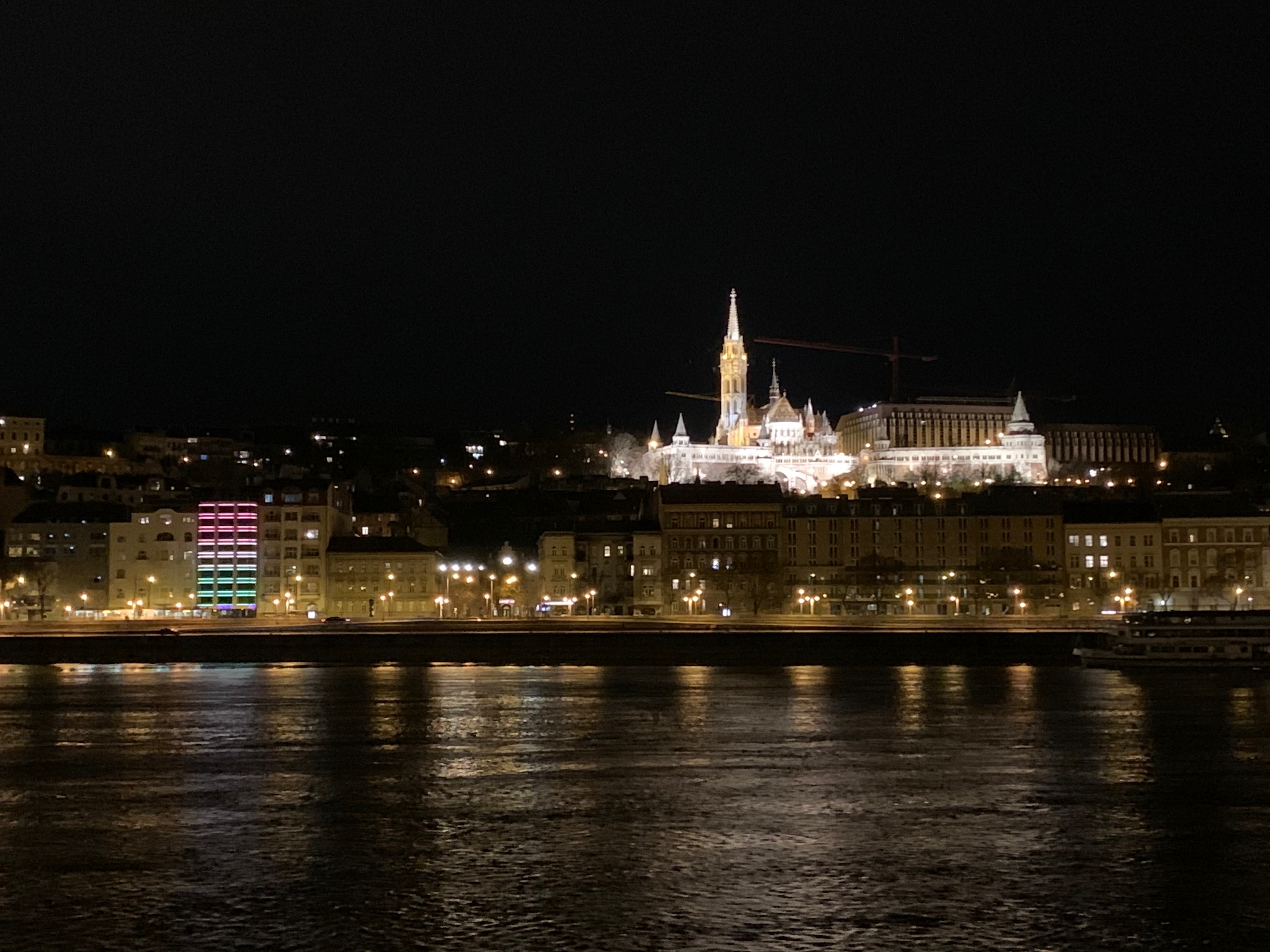
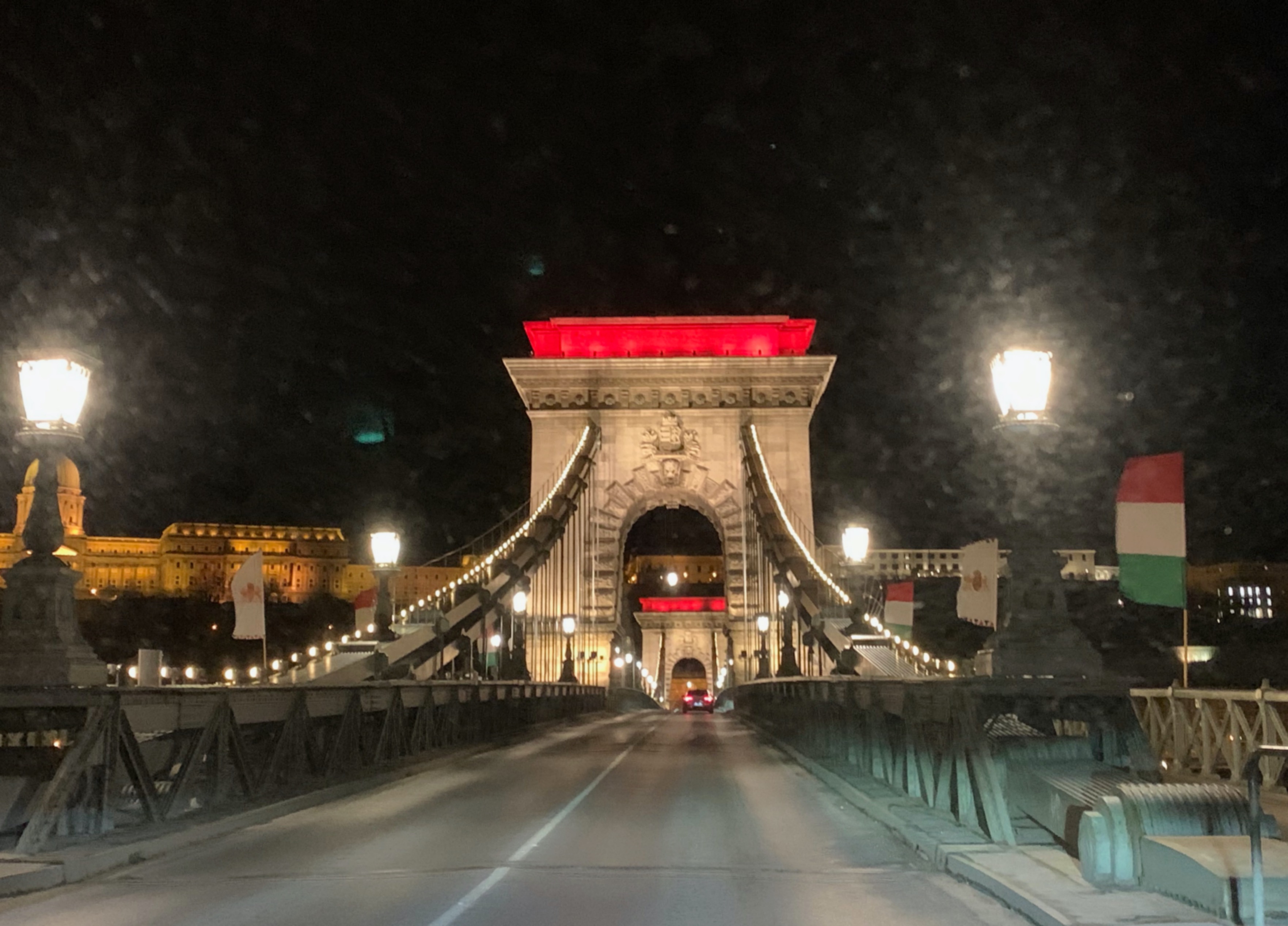
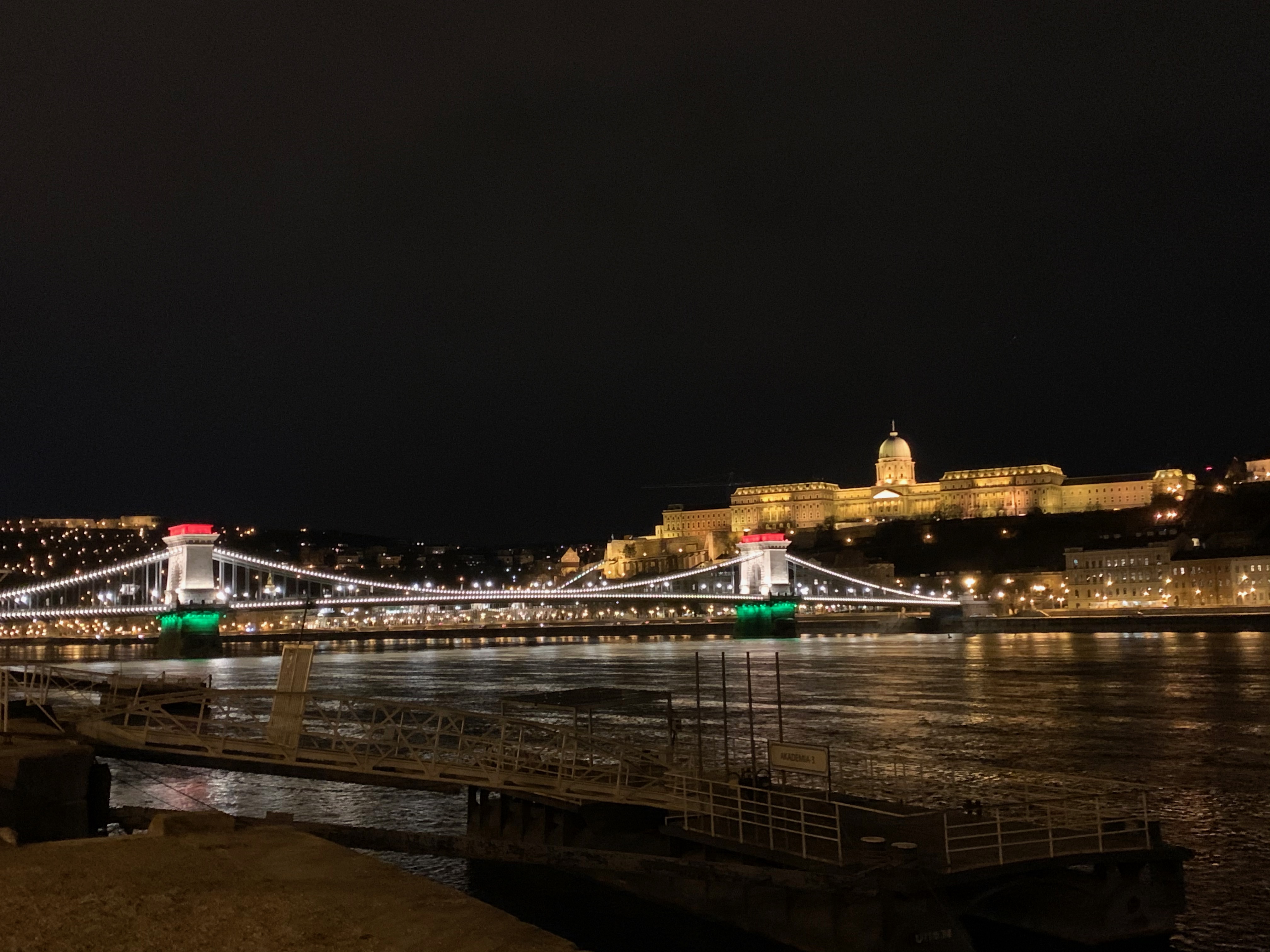
Today is a national holiday in Hungary, we celebrate the outbreak of the revolution of 1848-1849.
Today we celebrate our national independence, the freedom of speech, the freedom of press and we remember the heroism and the courage of the young Hungarians who became united to confront and fight the oppressors.
I hope that the spirit of the revolution lives on in the Hungarian soul and we never give up fighting for the values our ancestors had been fighting for 173 years ago.
It all started almost exactly a year ago and we had no idea back then how COVID-19 was going to change our lives. We really hoped for better but the pandemic is still in its full force and unfortunately numbers are indicating that the situation in Hungary is very, very bad. This is the third wave with far more people in hospital and far more deceased people than before. This is just very sad.
Another lockdown starts today, all shops have to close – except grocery stores and pharmacies. People are recommended to stay at home and work from home office. All schools went digital. We’re told this is for 2 weeks but nobody knows for sure.
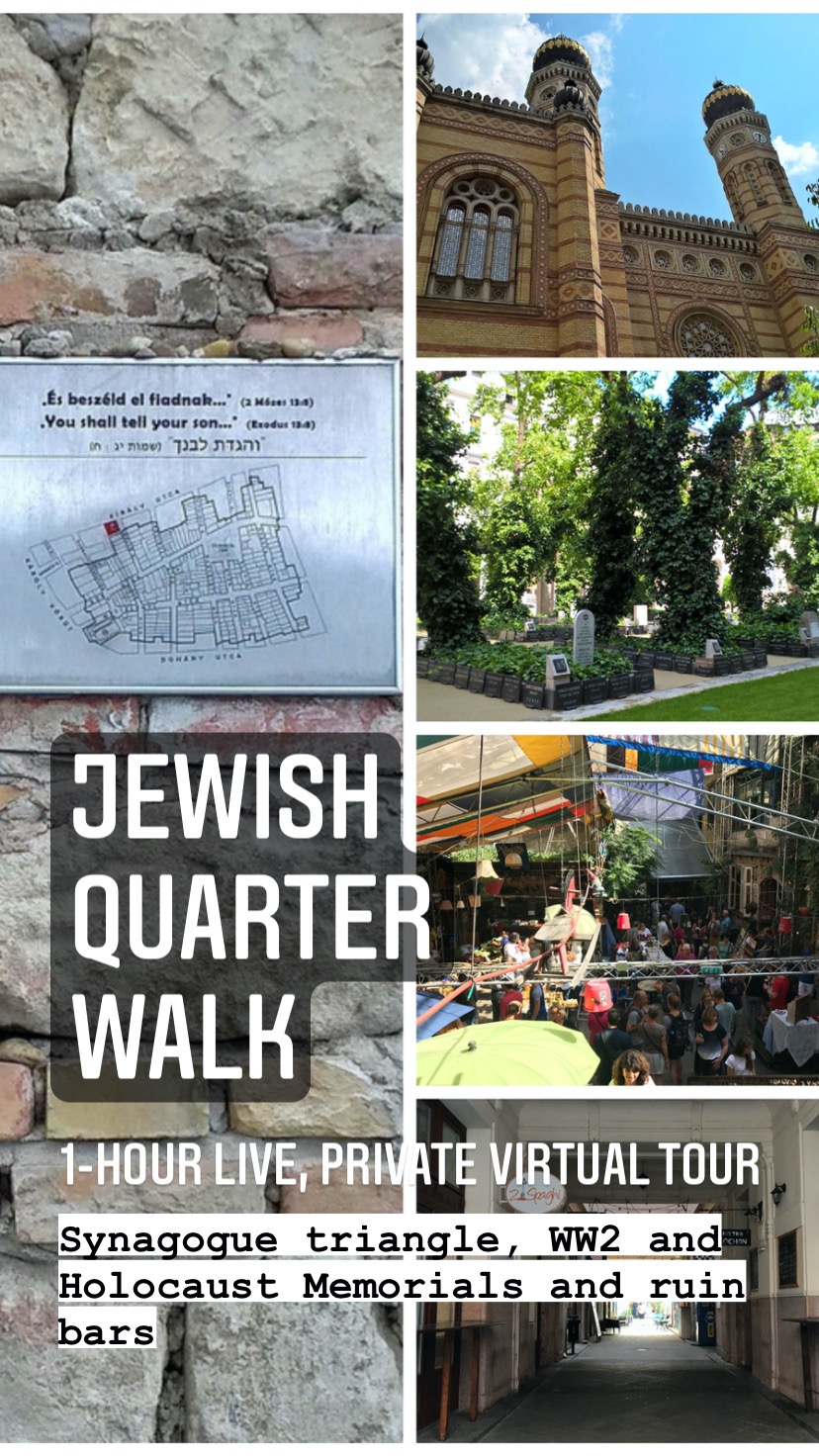
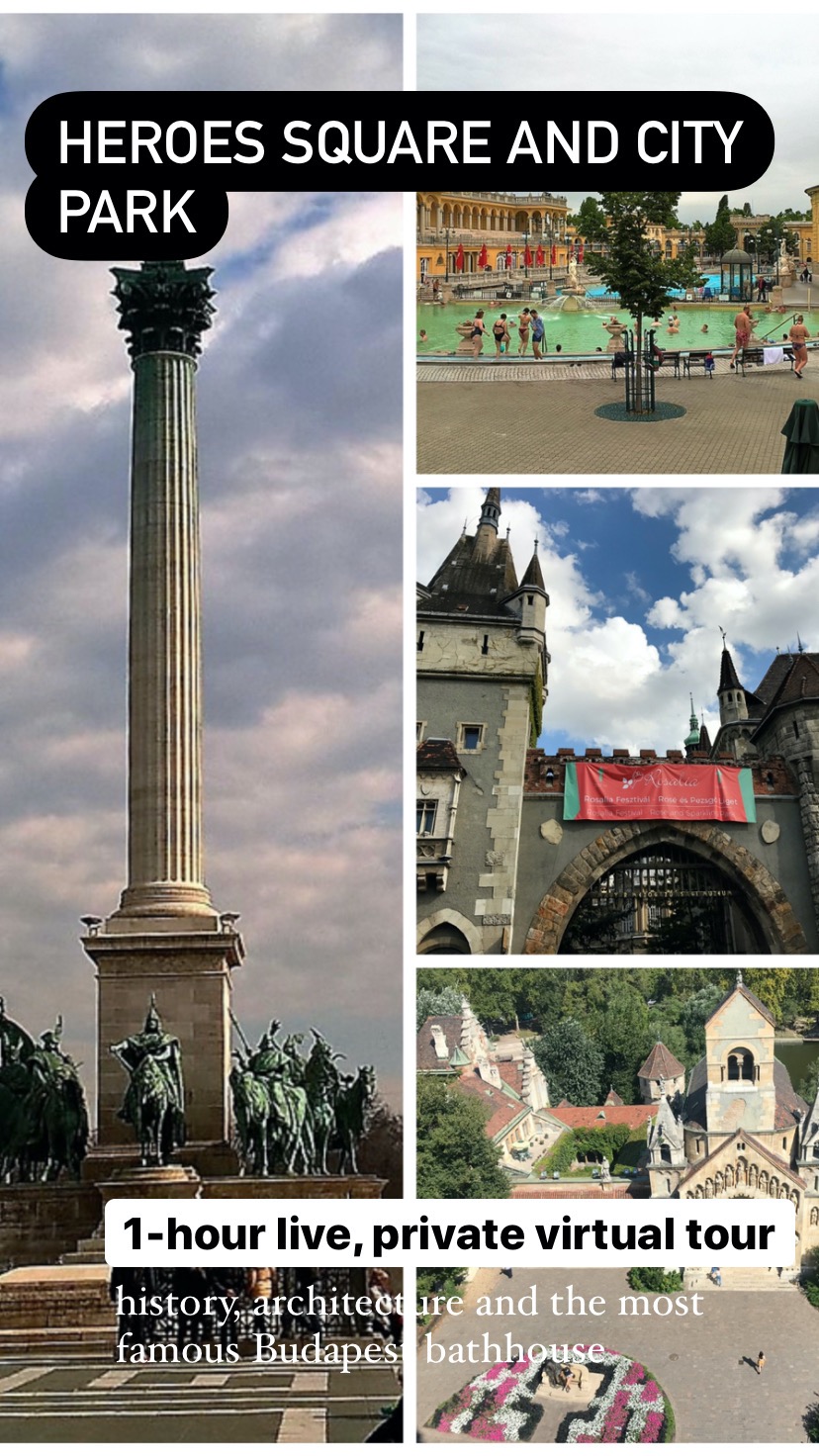
I continue offering virtual city tours and cooking classes and work on different other projects for after the pandemic is over. Let me know if you want to know more!
Stay safe, stay happy and book a tour!