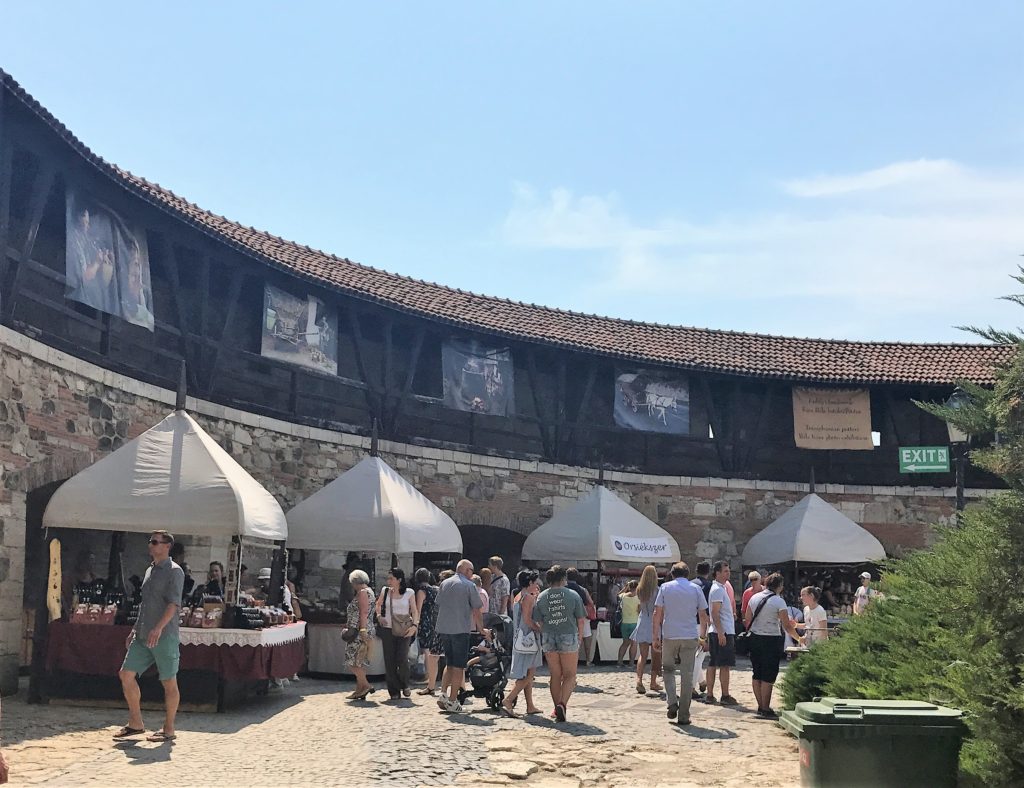
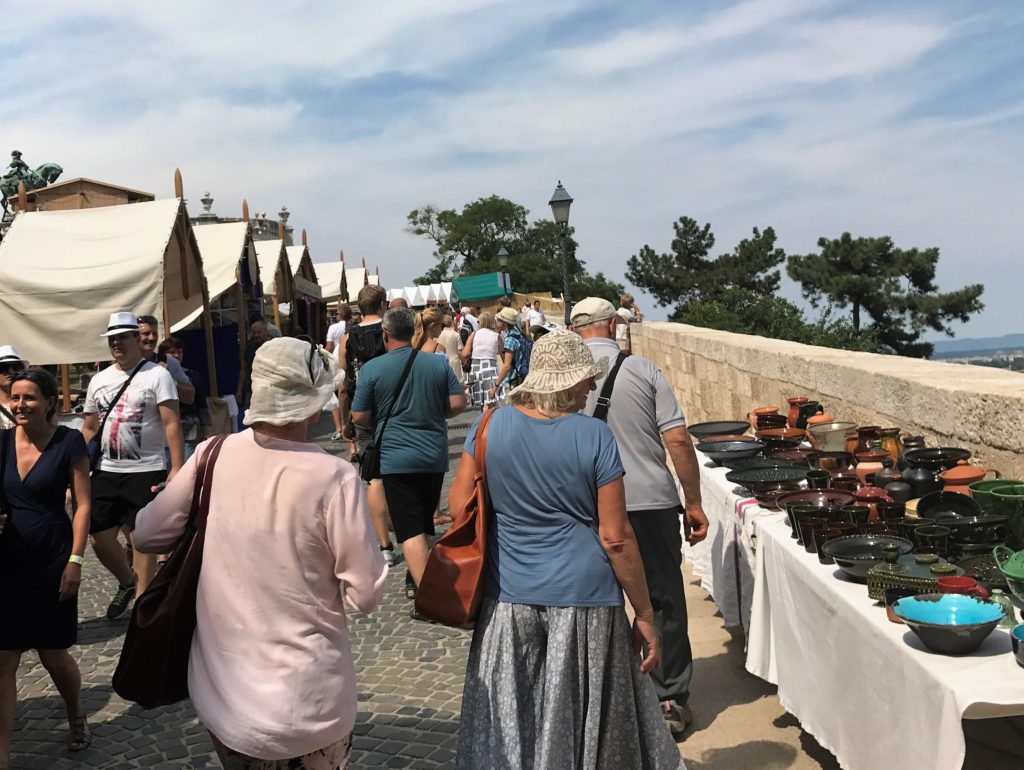
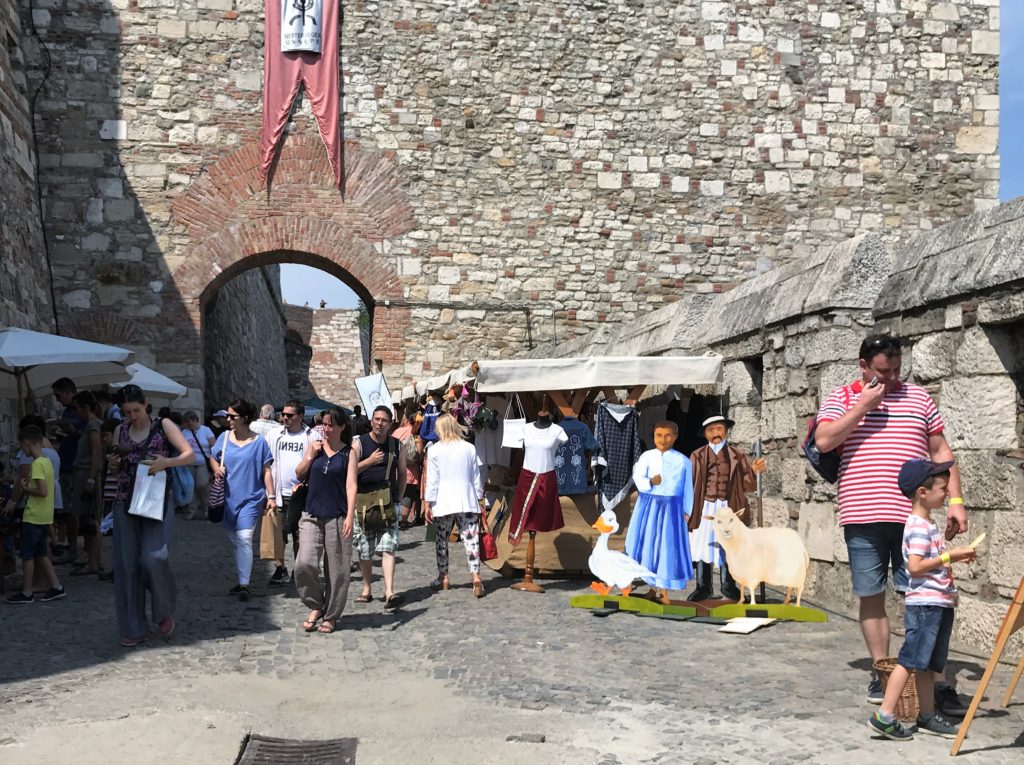
Every year around 20 August, on St. Stephen’s Day, the cobbled streets of the Buda Castle District fill with colours, textures, and the quiet magic of Hungarian folk art. This is the time when some of the country’s most talented folk artists and designers come together for the Summer Folk Art Festival, turning the historic castle area into an open-air celebration of tradition.

What I love most about this festival is that it’s not staged or artificial. Many of the artists you meet are continuing techniques that have been passed down through generations—sometimes within the same family. Their work reflects regional styles from all over Hungary, each with its own patterns, colours, and stories.

Hungarian Folk Art Up Close

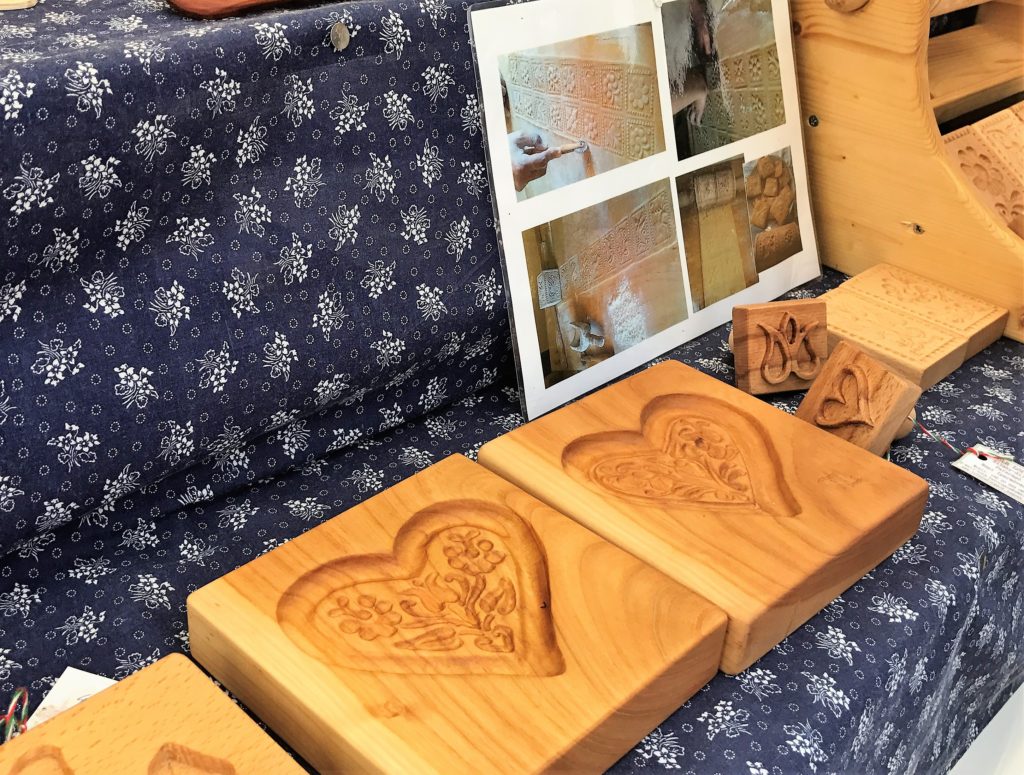
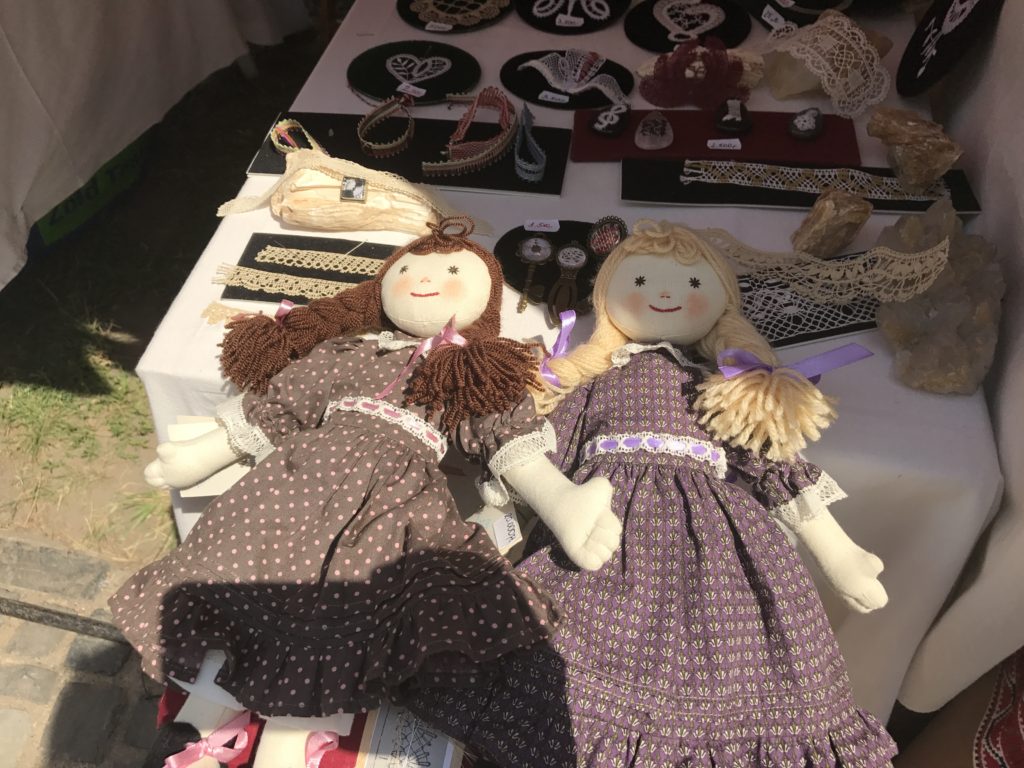
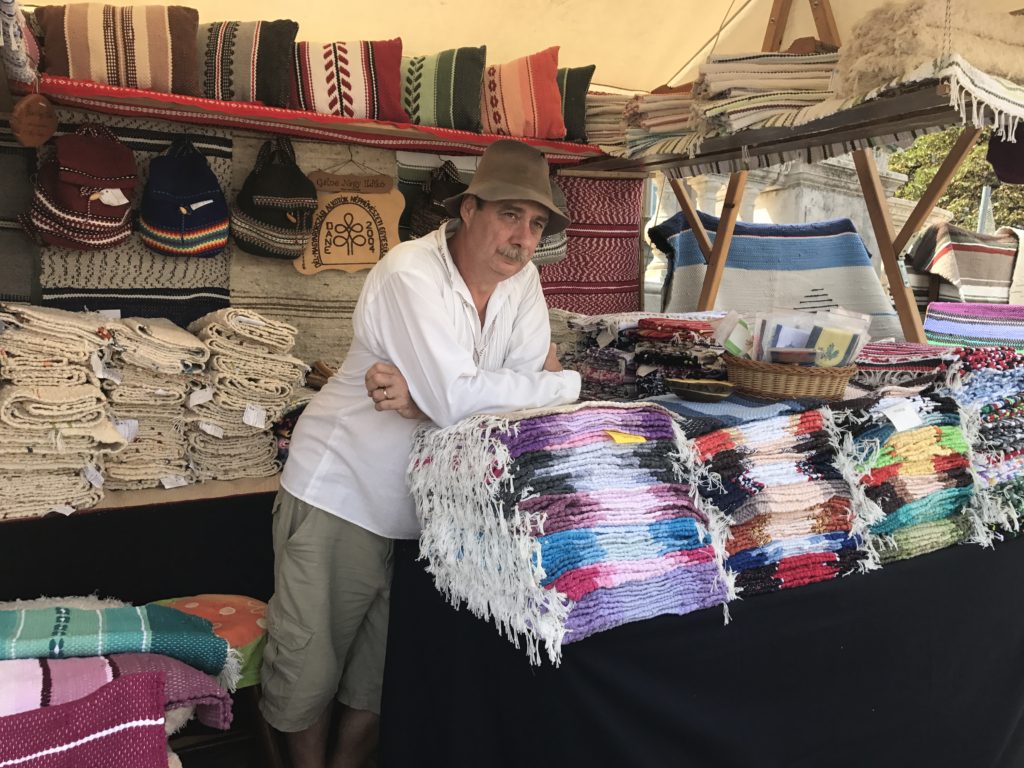
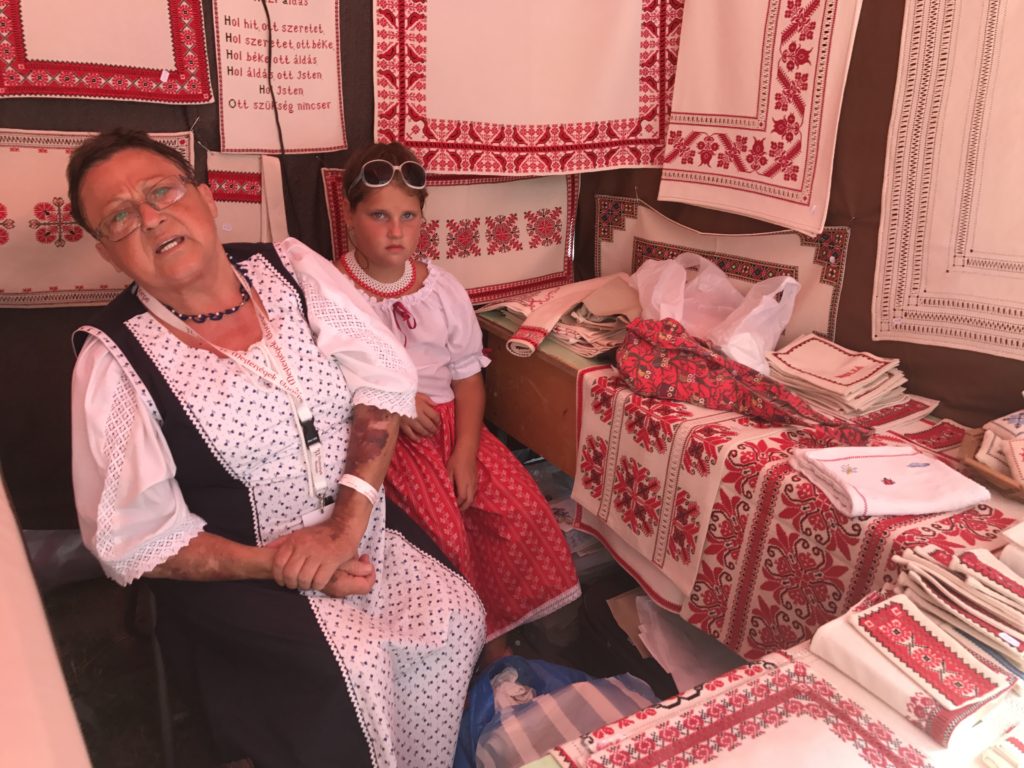
As you wander through the festival, you’ll find beautifully crafted pottery, ceramics, wooden objects, jewellery, embroidered textiles, and woven fabrics. These are not souvenirs made for tourists, but authentic pieces created with patience, skill, and deep respect for tradition.

One of the highlights is that visitors can often try the crafts themselves. Whether it’s weaving, sewing, or embroidery, watching the process (and giving it a go) makes you appreciate just how much work and precision goes into each finished piece.

More Than Just Crafts

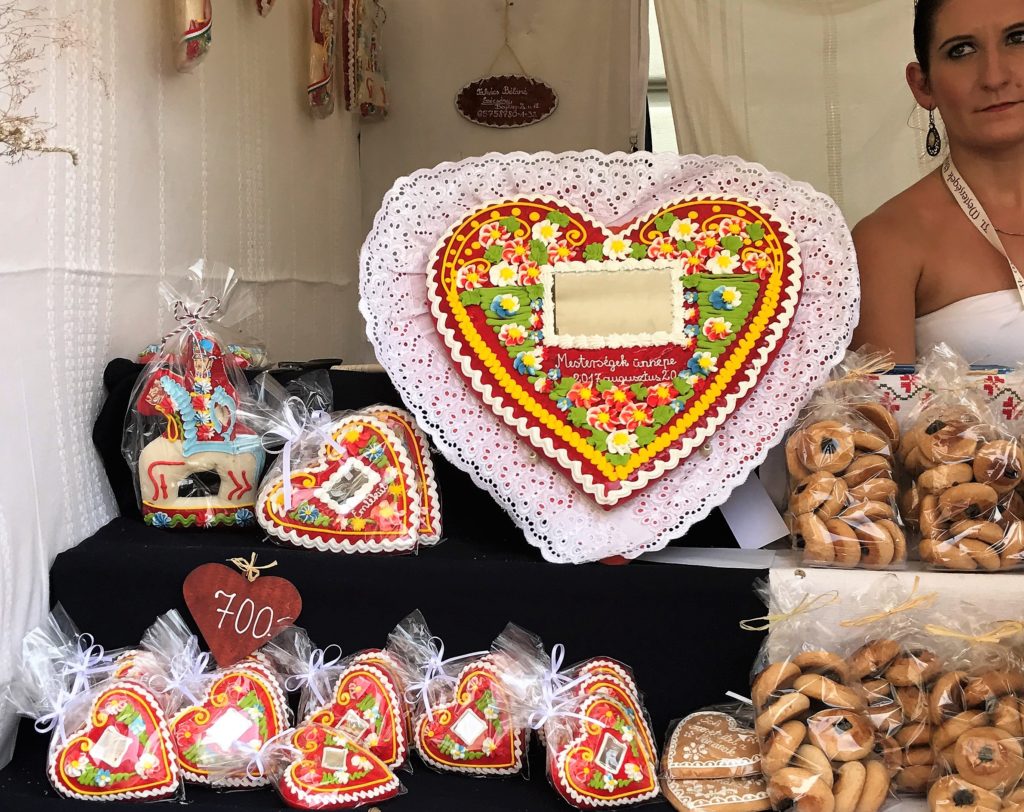
Of course, no Hungarian festival would be complete without food. Alongside the artisan stalls, you can taste traditional Hungarian treats, making this event just as enjoyable for food lovers as for art enthusiasts.

Set against the backdrop of Buda Castle’s historic walls and panoramic views over Budapest, the Folk Art Festival is a wonderful way to experience Hungarian traditions in a relaxed, joyful atmosphere. Even if you’ve visited before, it feels slightly different every year—and that’s part of its charm.

Yes, I agree — the Central Market of Budapest has become a major tourist attraction over the years. And yet, it may come as a surprise that it is still one of the favourite shopping places of locals.

Despite the crowds, the market remains a living, breathing part of everyday Budapest life — and that’s exactly why it’s such a fascinating place to visit.

A Personal Memory of the Central Market

I first visited the market with my grandmother when I was around five years old. At that age, I couldn’t tell the difference between the “aisle of the rich” and the “aisle of the poor” — but I was completely captivated by the smells, colours, and endless variety of products.

That sensory overload is still very much part of the experience today.

The Great Market Hall: 120 Years of History

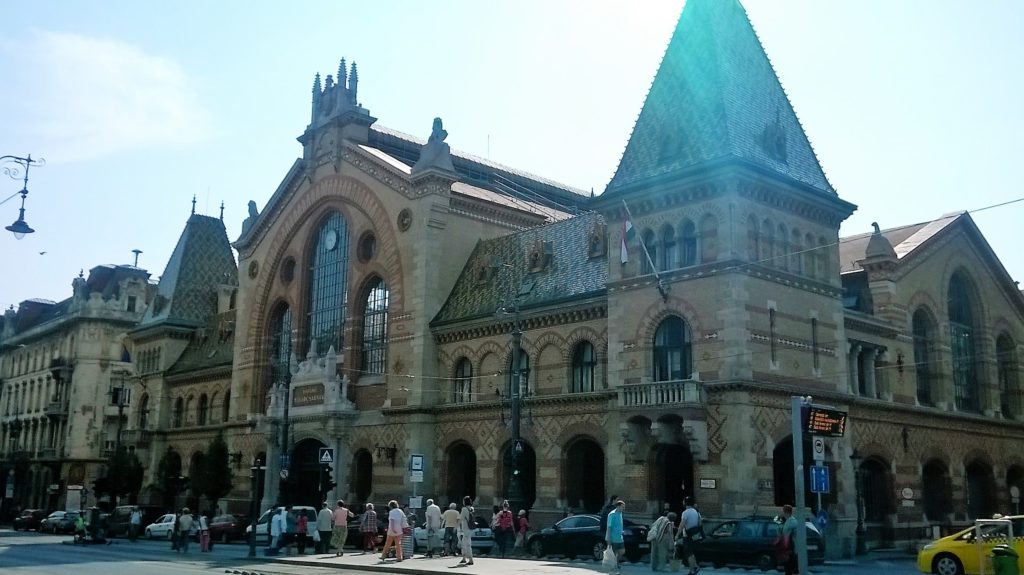
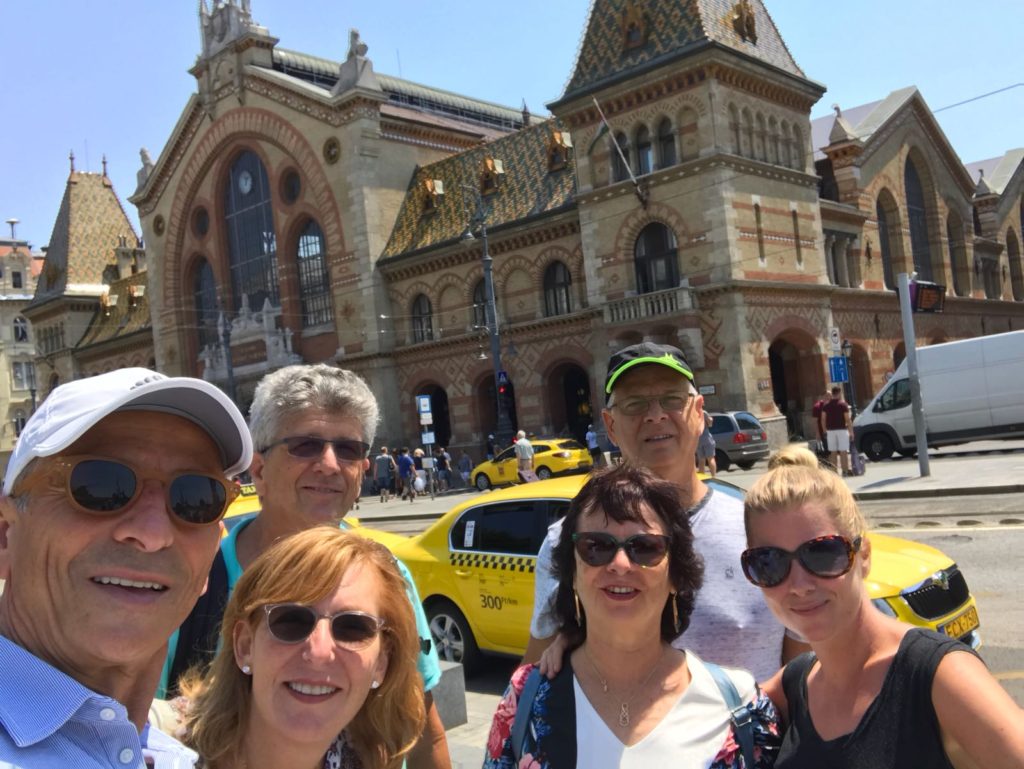
The Central Market, officially known as the Great Market Hall, opened more than 120 years ago and quickly became the heart of Budapest’s food trade.

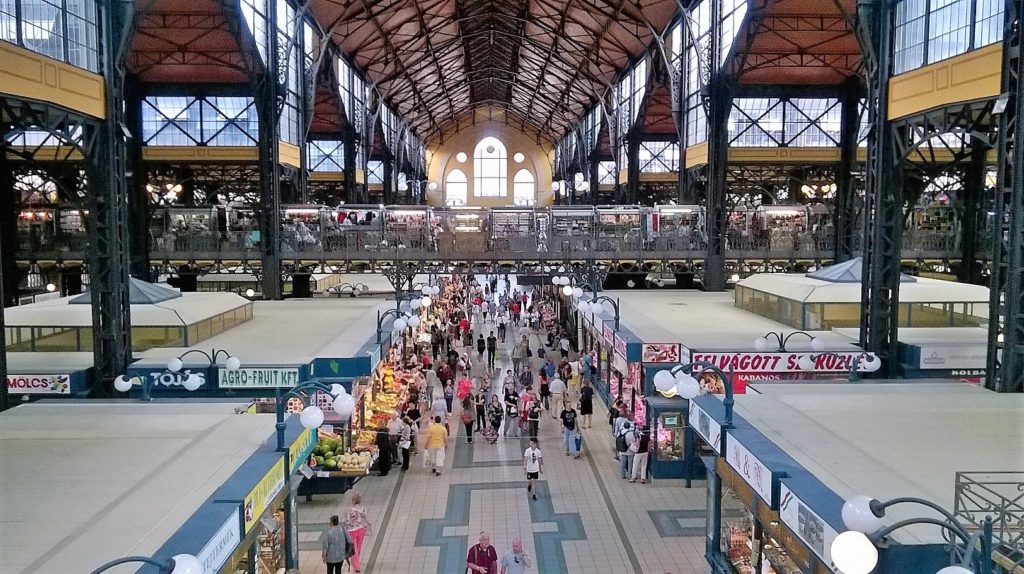
The iron structure and glass roof often remind visitors of a 19th-century train station, while the colorful Zsolnay roof tiles make the building unmistakable from the outside.

Inside, you’ll find:

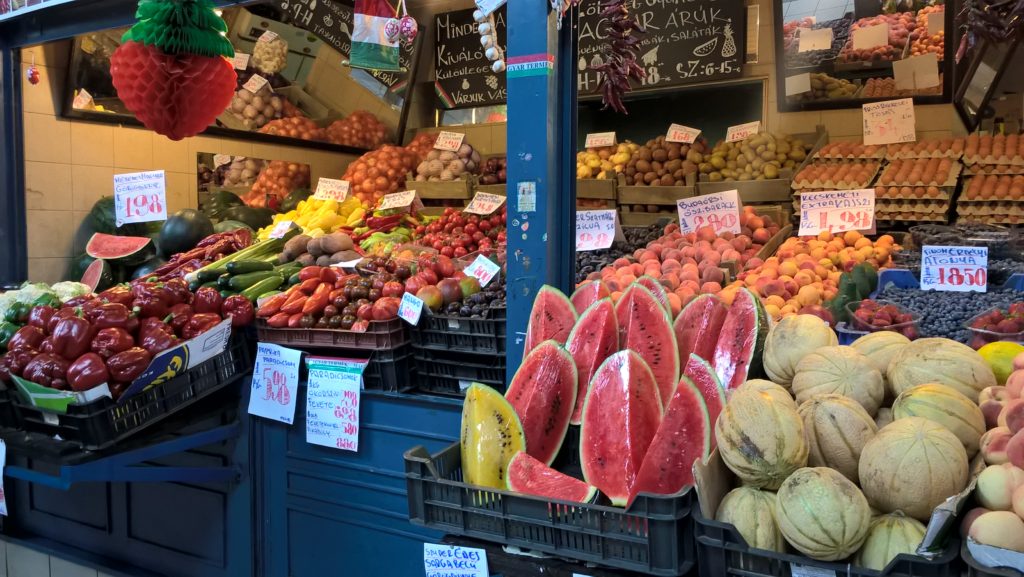
  • Fresh fruits and vegetables from across Hungary

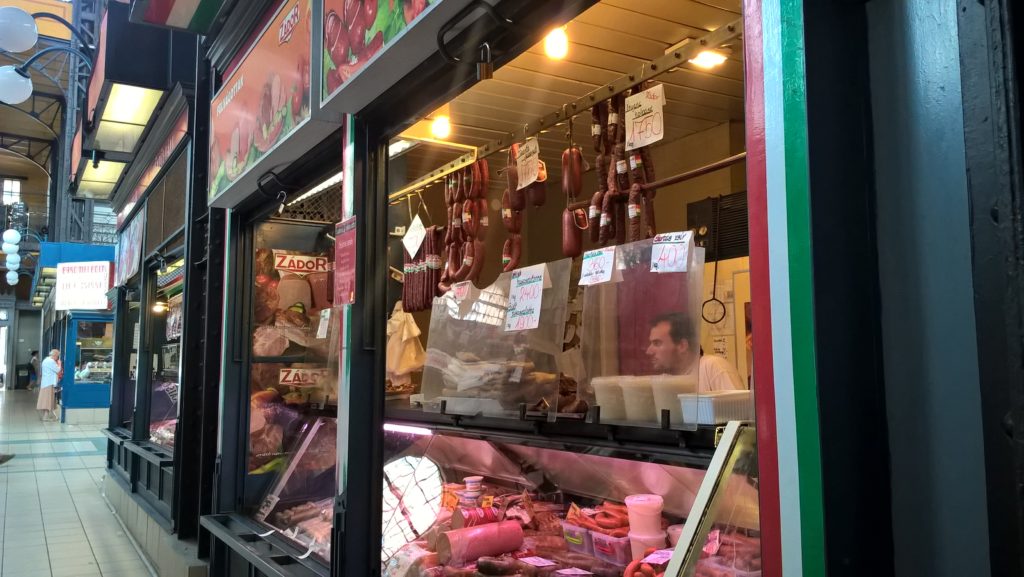
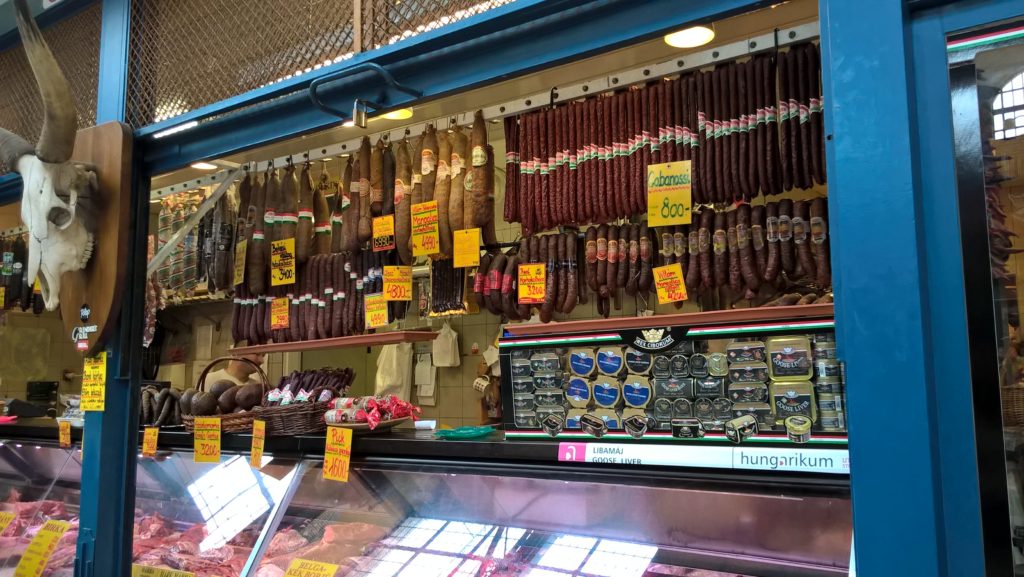
  • Hungarian sausages, salami, and cured meats

  • Paprika in every form imaginable

  • Local cheeses, honey, and preserves

  • Traditional Hungarian pastries and street food

Why the Central Market Is a Foodie Must-See

If you’re curious about Hungarian gastronomy, this market is one of the best places to understand it.

The Central Market showcases:

  • Seasonal Hungarian ingredients

  • Regional food traditions

  • Everyday eating habits of locals

  • The contrast between traditional stalls and modern food counters

It’s lively, noisy, sometimes chaotic — and absolutely authentic.

Visiting the Central Market on a Budapest Food Tour

A visit to the Central Market is part of my Budapest Food Tour (except on Sundays, when the market is closed).

During the tour, I’ll:

  • Help you navigate the market beyond the obvious tourist stalls

  • Explain what locals really buy and why

  • Introduce Hungarian food traditions and shopping habits

  • Make sure you taste one of the best sausages and a proper Hungarian strudel

The market is not just about food — it’s about culture, history, and everyday life.

Combine Market Visit with Wine Tasting

Many guests choose to combine their market experience with a food and wine-focused day, pairing the Budapest food tour with a countryside escape such as the Etyek Wine Tour, Hungary’s closest wine region to the capital.

It’s a wonderful way to connect Budapest’s culinary scene with local wines and rural traditions.

Planning Your Visit to the Central Market of Budapest

If you’d like to explore the Central Market of Budapest with a local guide and truly understand what you’re seeing — and tasting — I’d be happy to show you around as part of one of my private food tours.