Christmas in Hungary is shaped by traditions that feel familiar across Central Europe, yet retain a few deeply local touches — especially when it comes to family, ritual, and food. Rather than being loud or extravagant, Hungarian Christmas is intimate, reflective, and centered around time spent together.

Advent: Waiting and Preparation

The Christmas season begins with Advent, the four weeks of quiet preparation before Christmas. Each Sunday, one candle is lit on the Advent wreath — a small ritual that gently marks the passing of time and builds anticipation for the holiday.

Advent is less about rushing and more about slowing down, an idea that carries through the entire Christmas period.

Christmas Eve: Family and Belief

In Hungary, Christmas Eve (24th of December) is the most important moment of the holiday — and it is traditionally a private family celebration.

The Christmas tree is decorated together, but with a charming twist: children usually wait outside the room. According to tradition, the tree and the presents are brought by the Baby Jesus, and children may only enter once the bells ring three times.

That moment — the sound of bells, the lights of the tree, and the reveal — is often remembered for a lifetime.

Christmas Days: Calm and Connection

The 25th and 26th of December are slower, quieter days. The city softens, shops close, and people focus on visiting relatives and friends.

It’s also the perfect time to enjoy Hungarian Christmas food, with special seasonal dishes and sweets that appear only once a year — familiar flavours tied closely to memory and family tradition.

A Season Meant to Be Felt

Hungarian Christmas isn’t about spectacle. It’s about small rituals, shared meals, and moments that repeat themselves year after year — quietly shaping how people experience winter, family, and home.

Boldog Karácsonyt — Merry Christmas.

Christmas tree decorated with hand-painted Herend porcelain ornaments, reflecting Hungarian holiday traditions

Every year, Hungary’s Cake of the Country is officially announced: a “birthday cake” created to reflect both traditional flavours and modern creativity.

In Hungary, the 20th of August is more than a national holiday. It marks the founding of the Hungarian state by Saint Stephen — and it’s also the day when the country celebrates its love of pastry in a very special way.

A Sweet National Tradition

The Cake of the Country is selected by a professional jury of master confectioners. Each year, pastry chefs from across Hungary are invited to submit creations that:

  • reinterpret classic Hungarian tastes

  • use high-quality, often regional ingredients

  • connect symbolically to the national holiday

The result is not just a dessert, but a snapshot of how Hungarian pastry culture evolves over time.

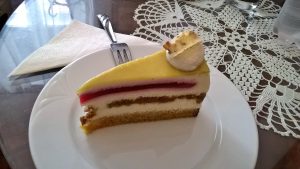
Cake of the Country 2016: Green Gold of Őrség

In 2016, the winning cake was called Green Gold of Őrség — a name inspired by both colour and region.

Created in a small pastry shop in Salgótarján, the cake subtly echoed the red, white, and green of the Hungarian flag, while highlighting one of the region’s most characteristic ingredients: pumpkin seed oil.

The cake’s layers combined:

  • pumpkin seed oil and almond flour sponge

  • white chocolate ganache

  • crunchy pumpkin seed praline

  • raspberry jelly

  • pumpkin seed jelly

The result was rich yet balanced, with nutty depth softened by fruit and chocolate — a modern composition rooted in local flavors.

Tasting the Cake of the Country in a Historic Setting

One of the joys of this tradition is that the Cake of the Country doesn’t remain a concept — it’s meant to be tasted.

In 2016, I had the pleasure of trying Green Gold of Őrség with my guests at Ruszwurm Confectionery (closed in 2025), one of Budapest’s oldest cake shops, tucked away near Matthias Church in the Buda Castle District.

Enjoying a contemporary award-winning cake in such a historic café perfectly captures what Hungarian pastry culture does best: blending past and present on the same plate.

Why These Cakes Matter

The Cake of the Country is not about trends or spectacle. It’s about:

  • craftsmanship

  • regional identity

  • and the quiet pride Hungarians take in their culinary traditions

Each year’s cake becomes part of a larger story — one that connects national history, local ingredients, and everyday pleasures.

Hungarian cakes and cafés are often part of the stories I share on my Budapest Foodie Tours, especially when exploring historic neighbourhoods like the Buda Castle District. If you enjoy discovering a city through its sweets, traditions, and everyday rituals, I’d be happy to show you some of Budapest’s most characterful cafés — past and present.

Slice of the Green Gold of Őrség cake, the 2016 Cake of the Country, featuring layered Hungarian pastry and pumpkin seed flavours
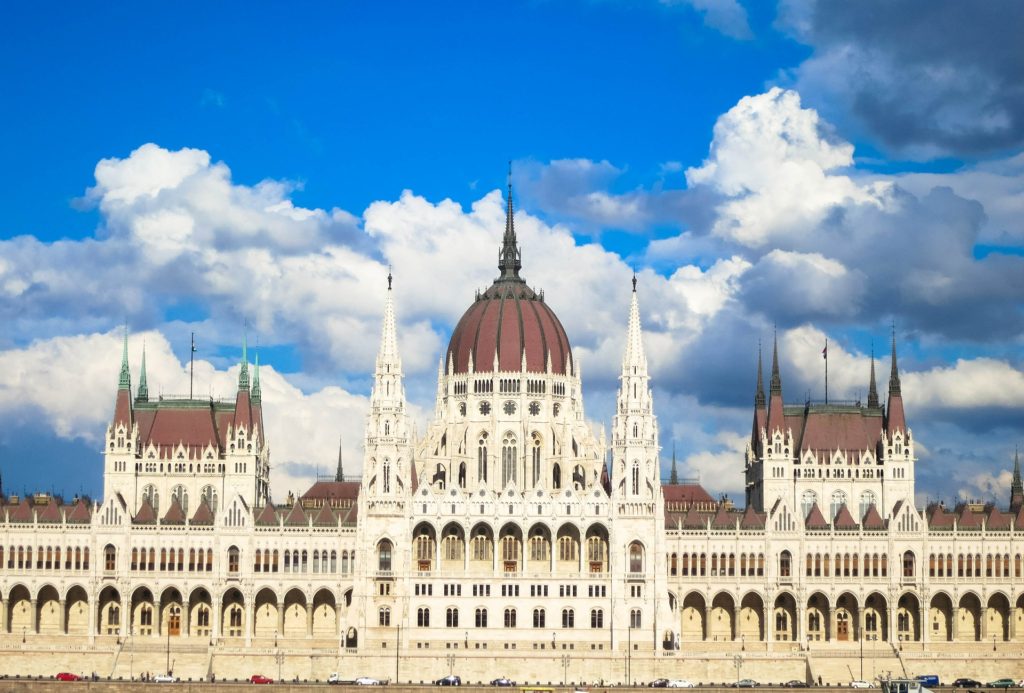
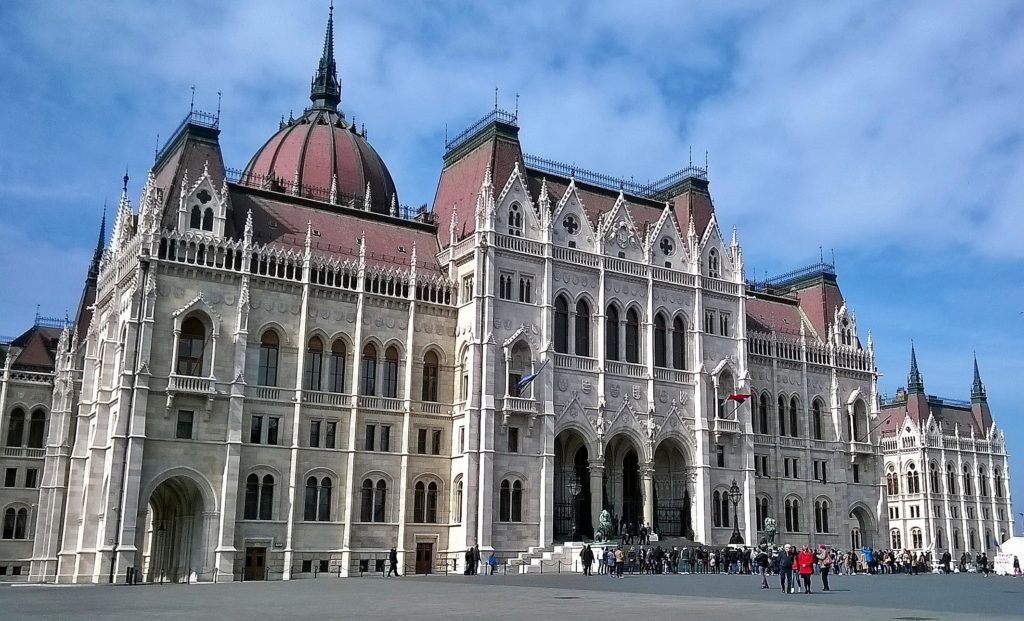
 It’s hard to imagine Budapest without the silhouette of the Hungarian Parliament Building. Whenever you see a photograph of the city — especially from across the Danube — chances are high that this magnificent building takes centre stage.

Rising proudly on the Pest side of the river, the Parliament is not only one of Budapest’s most iconic landmarks, but also a powerful symbol of Hungary’s history and identity.

Why Is Hungary’s Parliament So Grand?

At first glance, visitors often wonder why a relatively small country built one of the largest parliament buildings in Europe. The answer lies in history.

When construction began at the end of the 19th century, Hungary was part of a much larger kingdom, stretching far beyond today’s borders. This was also a period when monumental public buildings were designed to express confidence, strength, and national pride. The Parliament was meant to say something — about Hungary’s place in Europe, its political ambitions, and its cultural importance. And more than a century later, it still does.

Architecture That Tells a Story

The building’s neo-Gothic style was inspired by great European traditions, yet its scale and ornamentation make it uniquely Hungarian.

From the outside, countless spires, arches, and statues create a sense of rhythm and symmetry. From the river, the Parliament appears almost theatrical — especially at sunset or after dark, when it’s illuminated and reflected in the Danube.

Every detail was carefully designed to impress, not just foreign visitors, but citizens themselves.

What Makes the Interior So Special

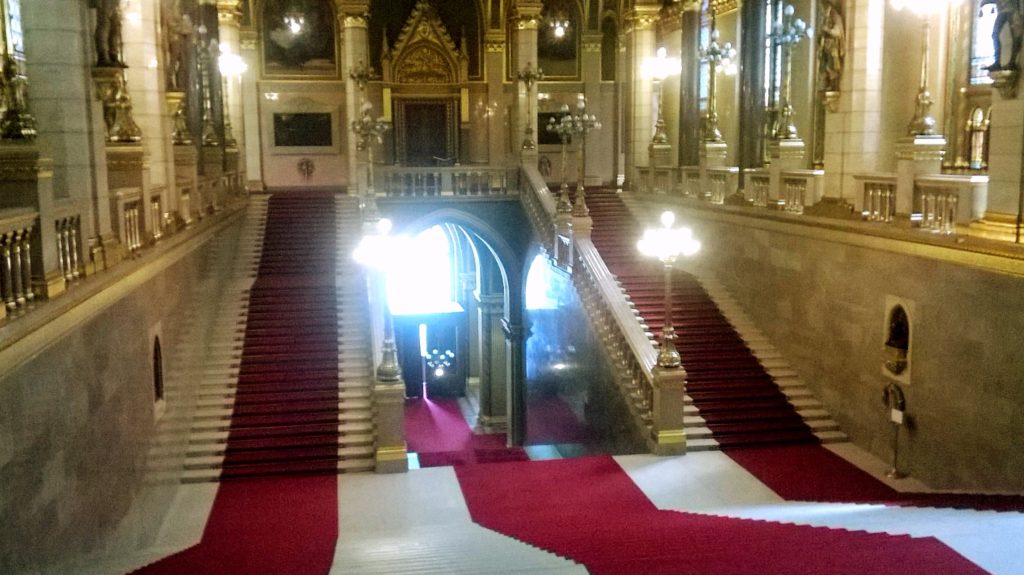
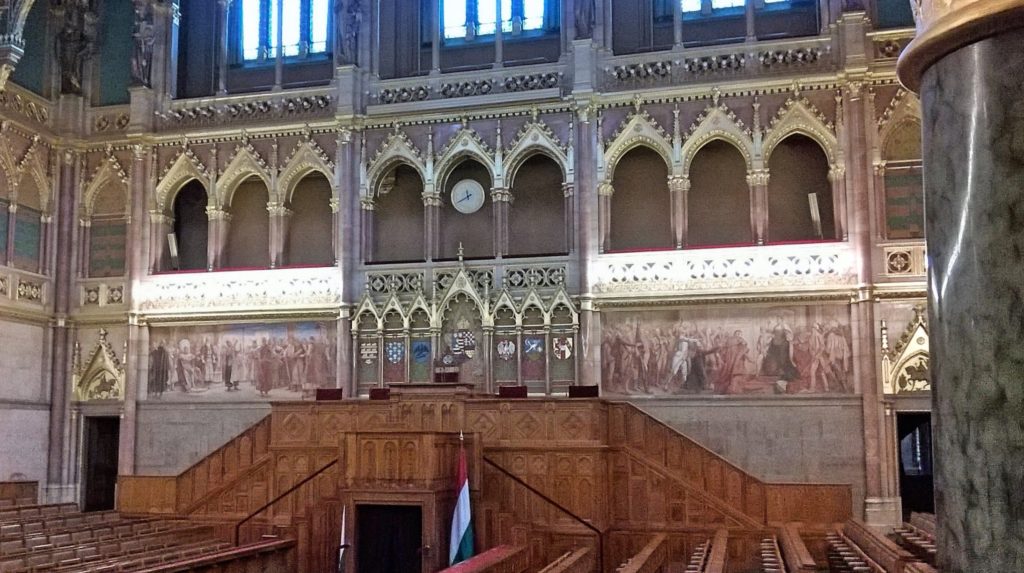
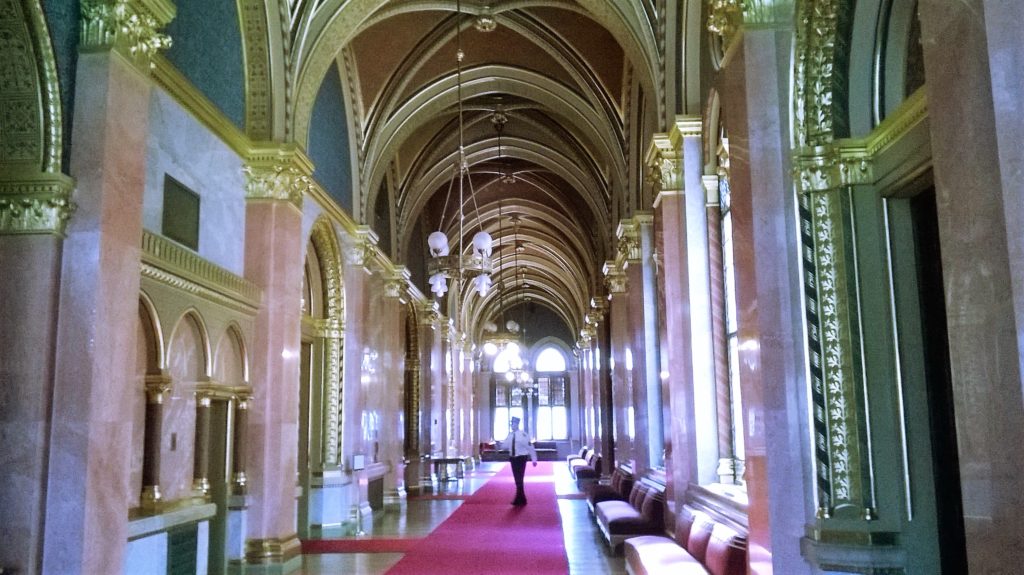
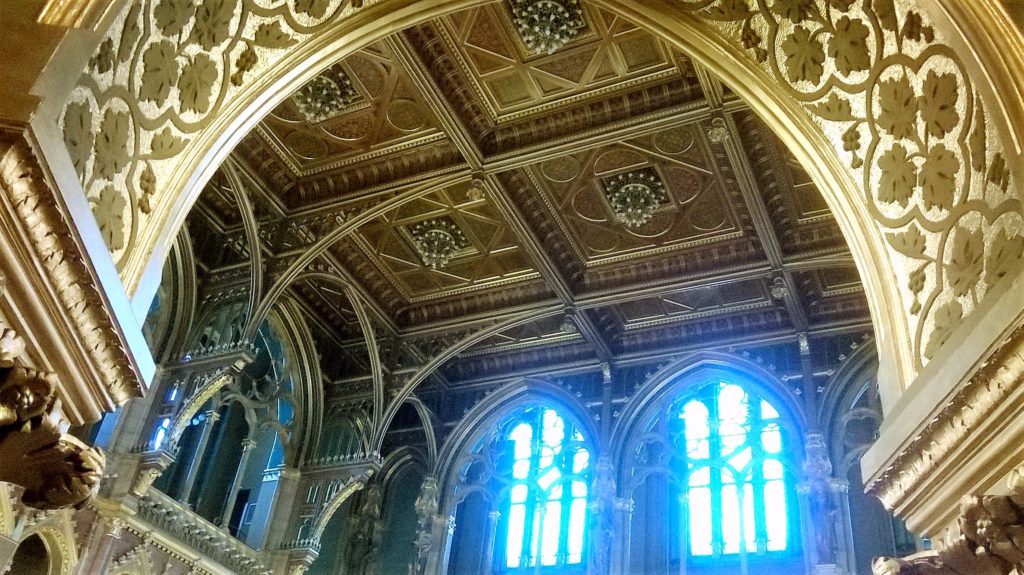
Stepping inside the Parliament reveals a world of ceremonial spaces, rich materials, and symbolism. Ornate staircases, gilded details, and stained glass windows all serve a purpose: to underline the importance of the institution housed within.

One of the most significant elements kept inside is the Holy Crown of Hungary, a powerful national symbol representing more than a thousand years of statehood. Its presence adds a deep historical layer to the building beyond its architectural beauty.

The Parliament and the City

More than just a government building, the Parliament shapes the rhythm of Budapest’s riverfront. It anchors the Pest side of the Danube and forms part of one of the city’s most celebrated panoramas.

Whether seen from a bridge, a river cruise, or from the hills of Buda, it’s a constant point of reference — elegant, imposing, and unmistakably Budapest.

The Parliament is one of the highlights I always enjoy discussing while exploring the Pest side of the city. Seeing it from the outside — with its history, symbolism, and urban context — often adds a new layer of understanding.

If you’d like to discover the stories behind Budapest’s landmarks during a relaxed walking tour, feel free to get in touch. I’d be happy to show you the city through its most iconic — and sometimes overlooked — details.

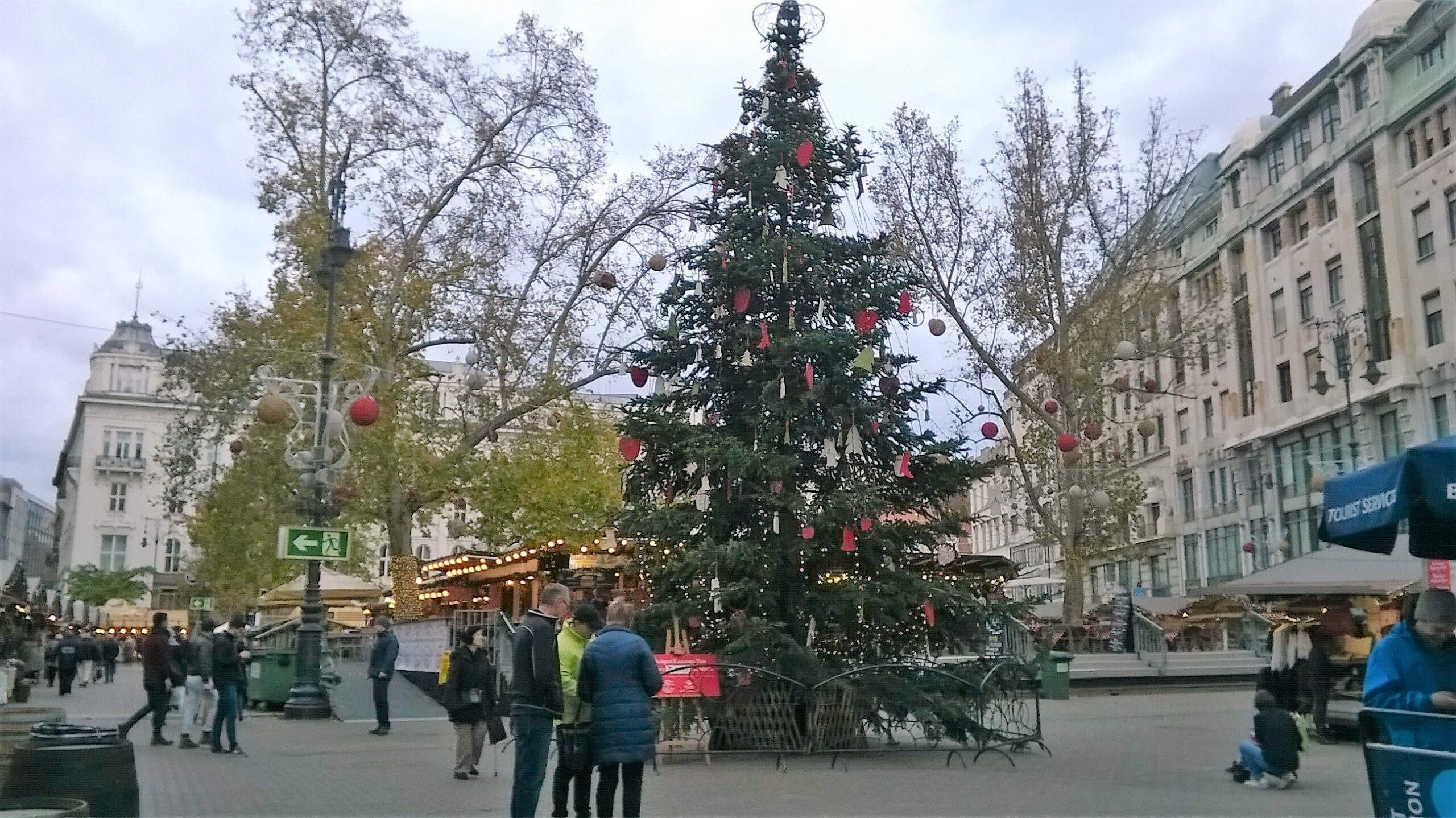
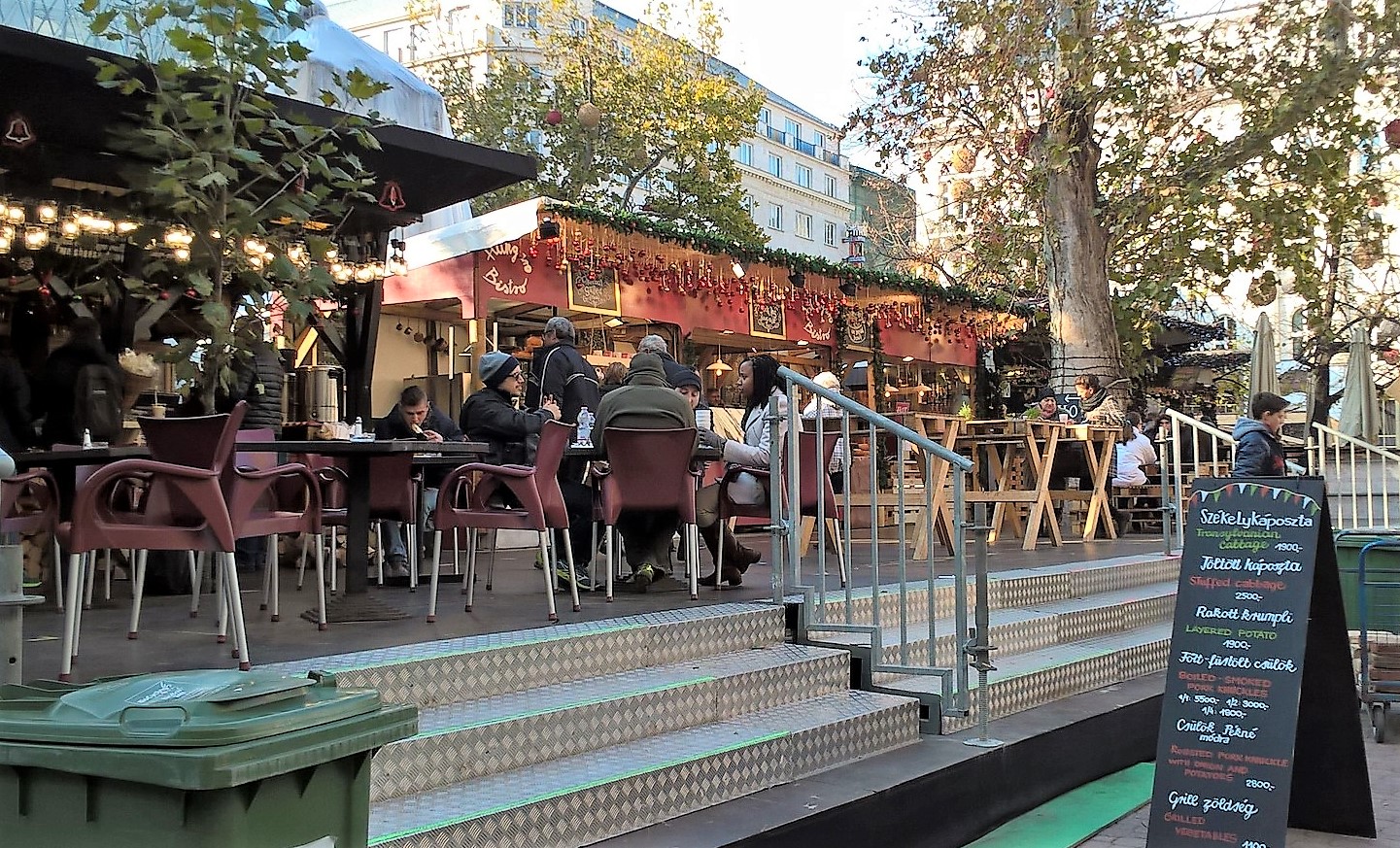
During the four weeks of Advent, several Budapest Christmas Markets bring warmth and light to the city’s historic squares.

Strolling through the markets is as much about atmosphere as it is about food. Wooden stalls glow after dark, the air smells of spices and roasted treats, and locals and visitors gather around steaming mugs to keep warm.

Traditional Hungarian dishes are a highlight, along with mulled wine, rich hot chocolate, and seasonal sweets. One treat you shouldn’t miss is kürtőskalács, or chimney cake — freshly baked, golden, and best enjoyed straight from the stall.

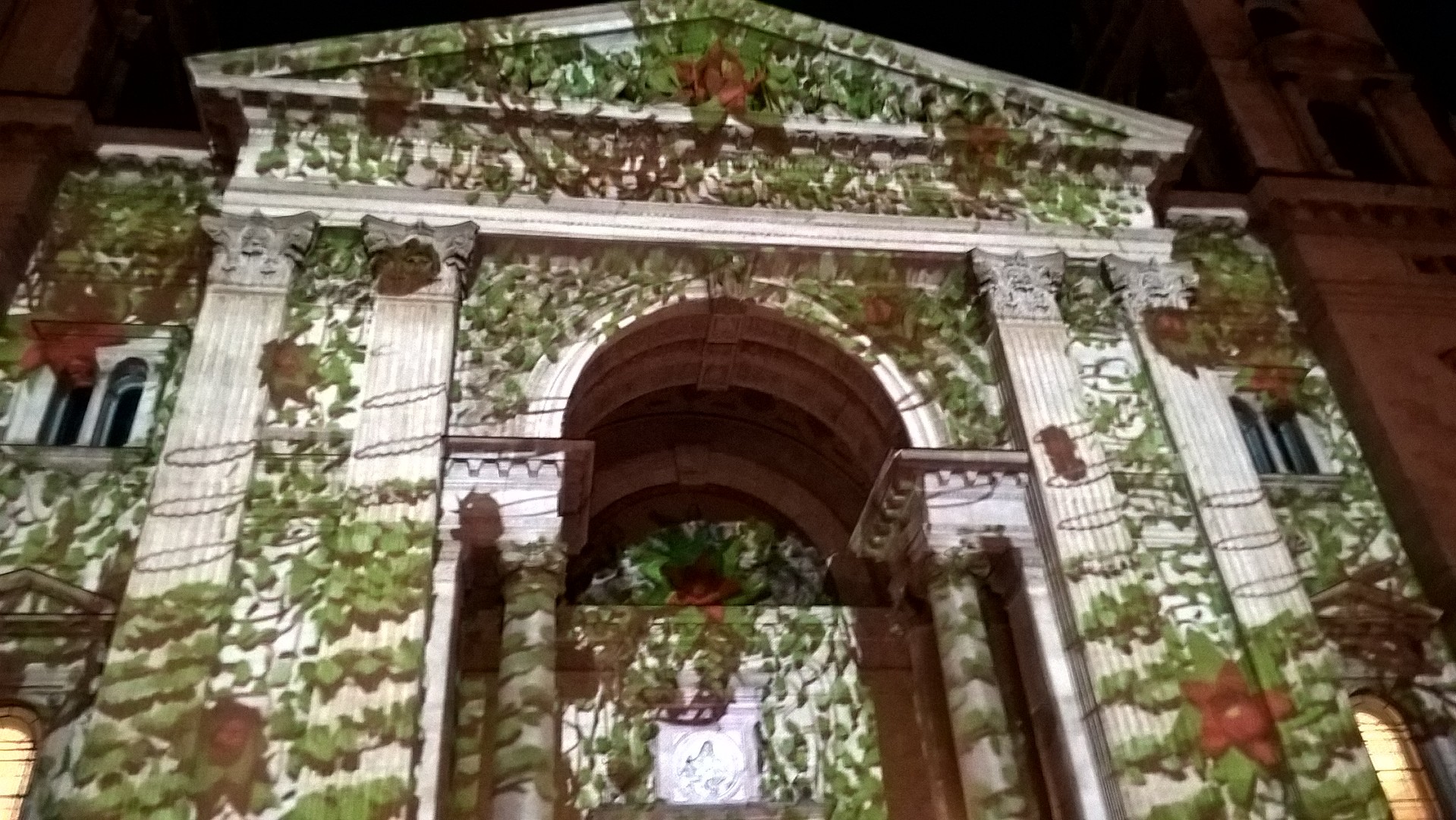
In the city center, the Christmas market in front of St. Stephen’s Basilica is especially atmospheric. In the evenings, a festive light and video projection transforms the façade of the basilica, adding a magical backdrop to the market below.

Budapest’s Christmas markets are not about rushing from stall to stall, but about slowing down, warming up, and enjoying the city in its most festive season.