I’m excited to share the videos I created recently to promote my Budapest private tours, designed to offer a deeper, more personal connection to this amazing city. Through breathtaking shots of landmarks, the videos highlight what makes Budapest an unforgettable destination.

One video takes viewers on a captivating walk through Buda Castle, where I highlight not only the stunning views over the city but also the fascinating history that makes this UNESCO World Heritage site so special. Another video delves into Communist-era Budapest, offering a unique perspective on the city’s past, exploring key sites from that era and giving insights into the lives of locals during that time. I also created a video focusing on Szentendre, a charming town just outside Budapest, where visitors can experience its cobblestone streets, colourful buildings, and vibrant art scene. There is more, and there will be more in the near future 🙂

For those looking for a more customized experience, the Budapest private tour video emphasizes the flexibility and exclusivity of a tailored itinerary, ensuring that every guest’s interests are met. Each video captures the essence of Budapest, from its stunning architecture to its rich history and culture. I’ve carefully crafted these videos to give potential travellers a taste of what they can expect, showcasing how personal and enriching these tours can be. Ultimately, my goal is to inspire travellers to explore Budapest like never before, with an intimate and tailored journey through its most iconic and hidden gems. Don’t hesitate to contact me for more details!


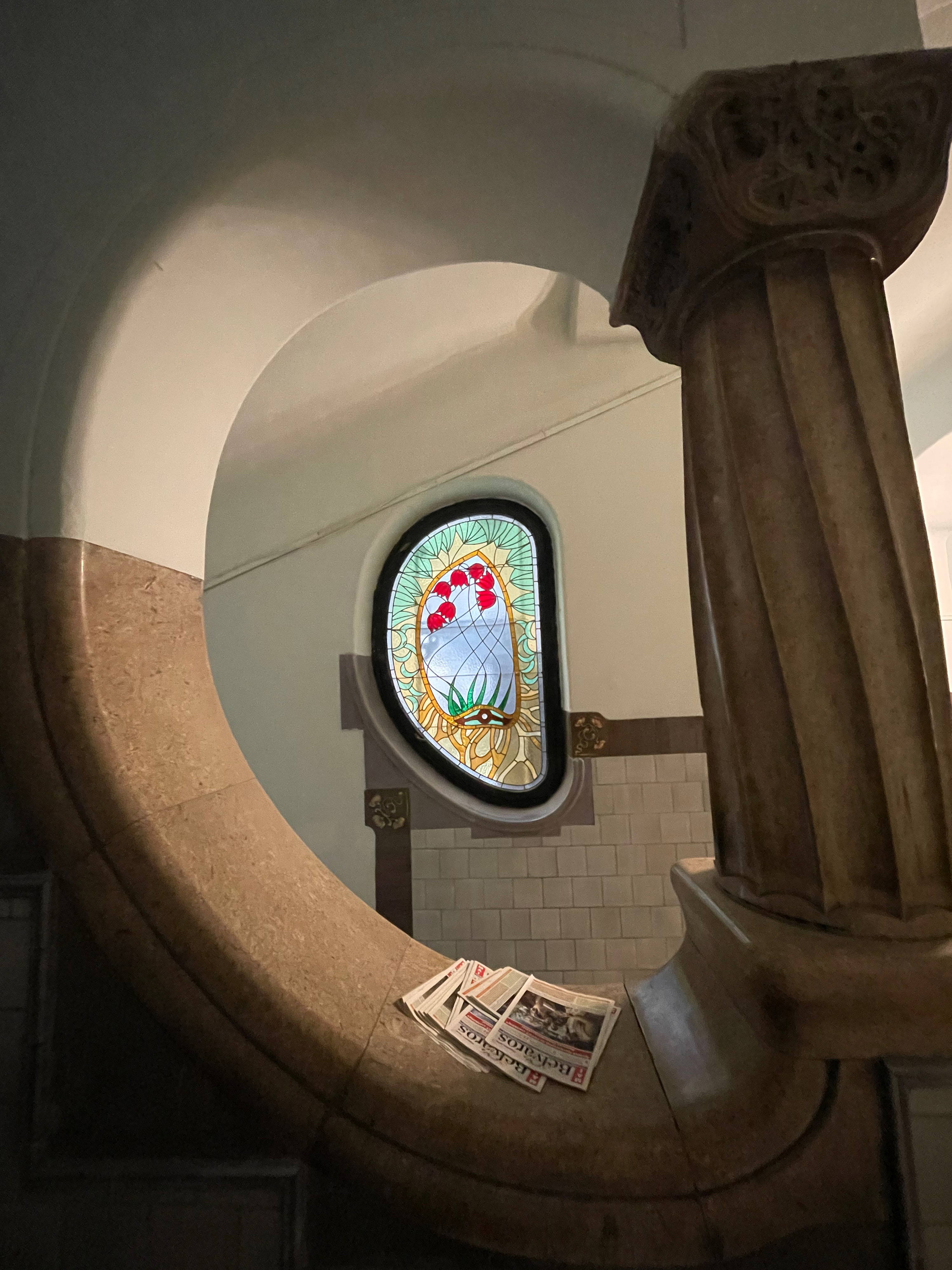
Budapest is a city that dazzles with its architectural wonders, and among its many treasures, stained glass windows stand out as one of its most beautiful and intricate forms of artistry. These stunning windows can be found throughout the city, each piece telling a unique story through its vibrant colors and delicate designs. The tradition of stained glass in Budapest dates back centuries, and it continues to be a significant part of the city’s architectural heritage.

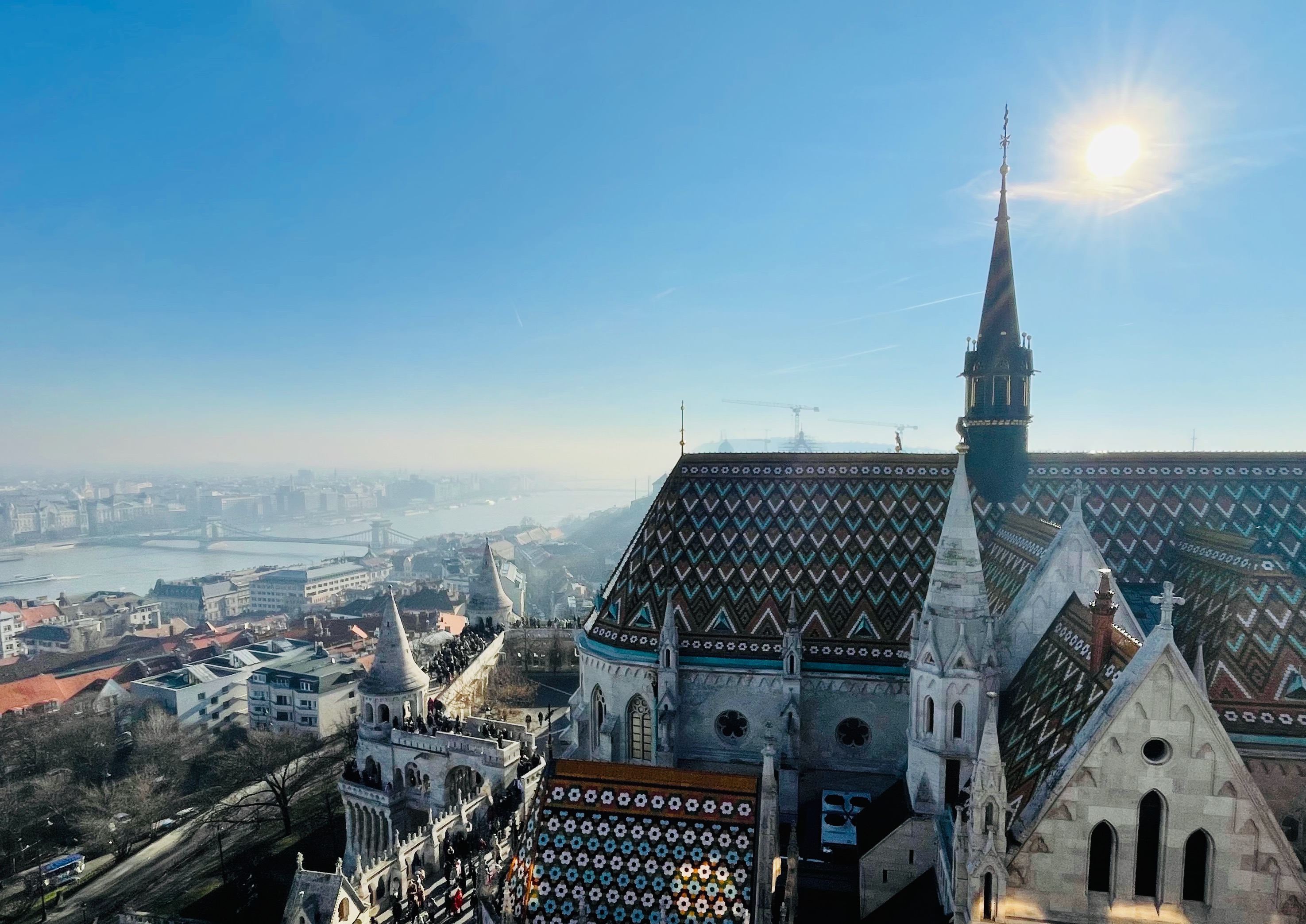
One of the best places to appreciate stained glass in Budapest is the majestic Matthias Church. Inside, visitors can marvel at the intricate stained glass windows that depict biblical scenes and saints, all crafted with painstaking detail. The rich colours and light filtering through the glass create a serene atmosphere that enhances the spiritual experience.

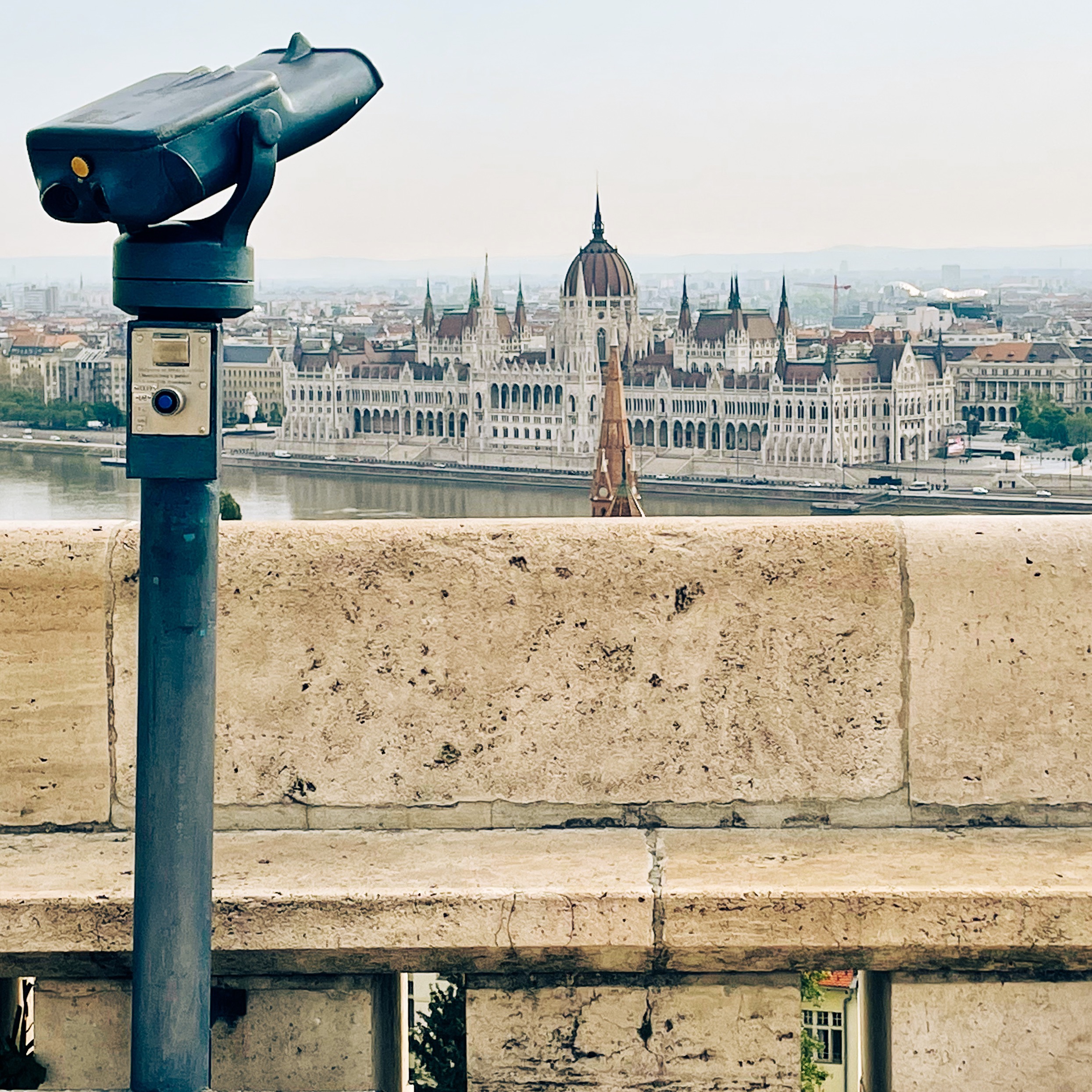
Another iconic location to view stained glass is the Hungarian Parliament Building. Here, you’ll find windows that showcase both historical and symbolic themes, blending art with national identity. The craftsmanship of these windows is a testament to the skilled artisans who worked tirelessly to bring these designs to life.
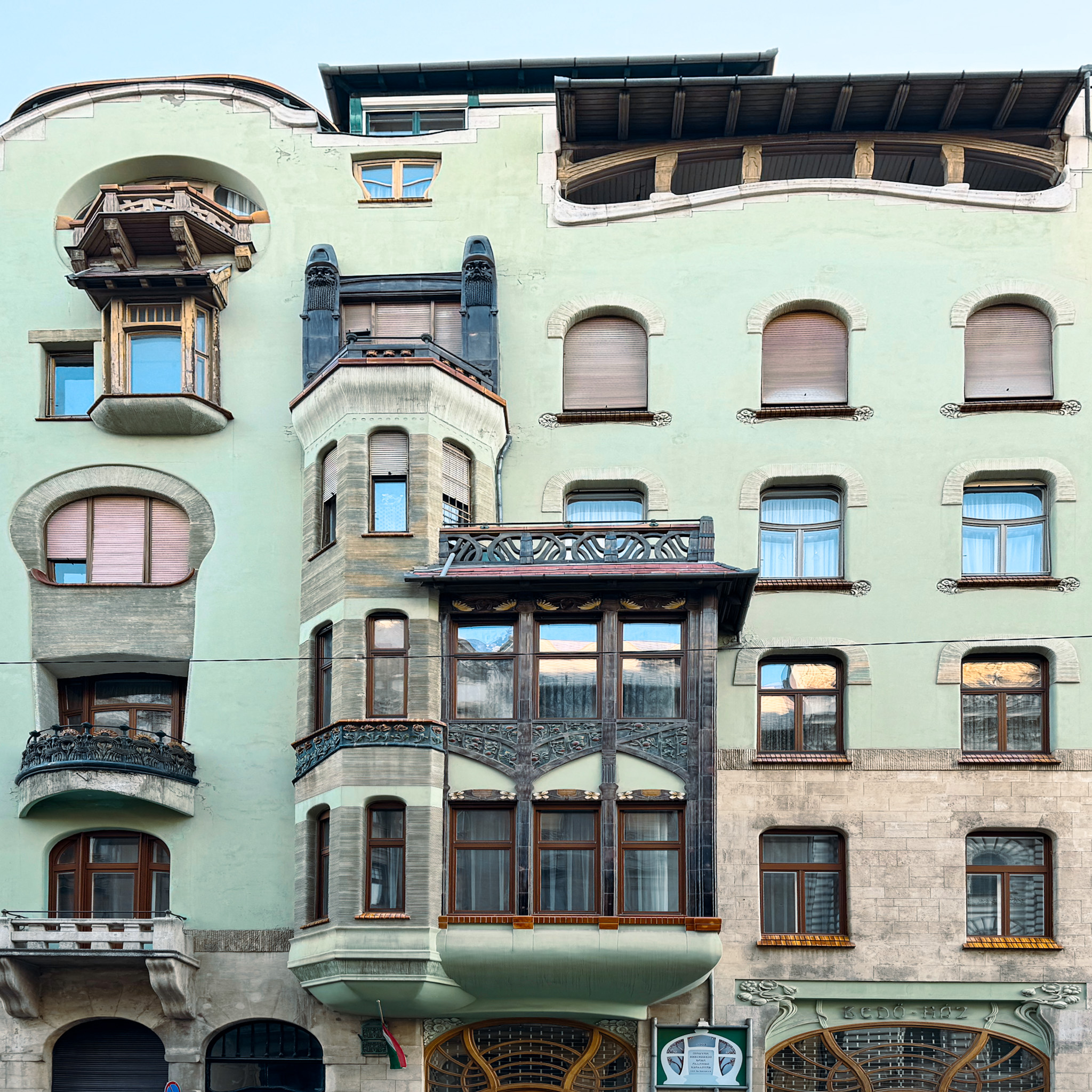
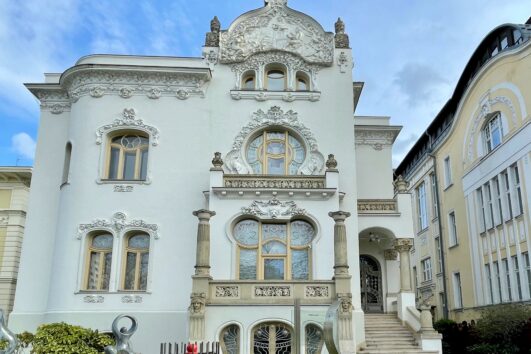
Beyond religious and governmental buildings, stained glass can be found in many of Budapest’s Art Nouveau and eclectic-style buildings. The early 20th century saw a boom in decorative glasswork, with many structures featuring stunning, nature-inspired motifs and modernist designs. These windows not only enhance the beauty of the buildings but also give a glimpse into the cultural and artistic movements of the time. ne of my favourite spots in Budapest is the Róth Miksa Museum, highly recommended for those interested in stunning stained glass art and the city’s history.

For those interested in learning more about this unique art form, the Hungarian National Museum offers exhibitions that explore the history of stained glass in Budapest and Hungary.

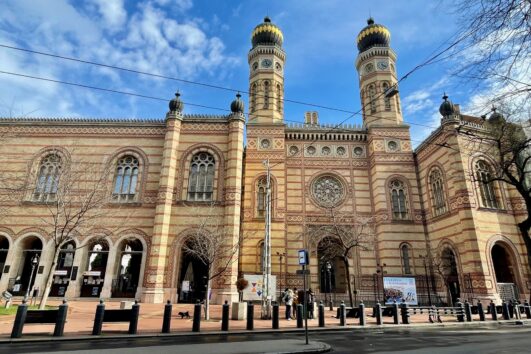
Stained glass in Budapest is more than just a decorative feature—it’s a reflection of the city’s rich history, culture, and artistry. Whether in a grand cathedral, a synagogue or a hidden corner of a historic building, these windows offer a glimpse into the soul of the city. So, next time you’re wandering through Budapest, take a moment to look up and appreciate the vibrant world of stained glass that tells a story centuries in the making or join me for a tour to discover more!

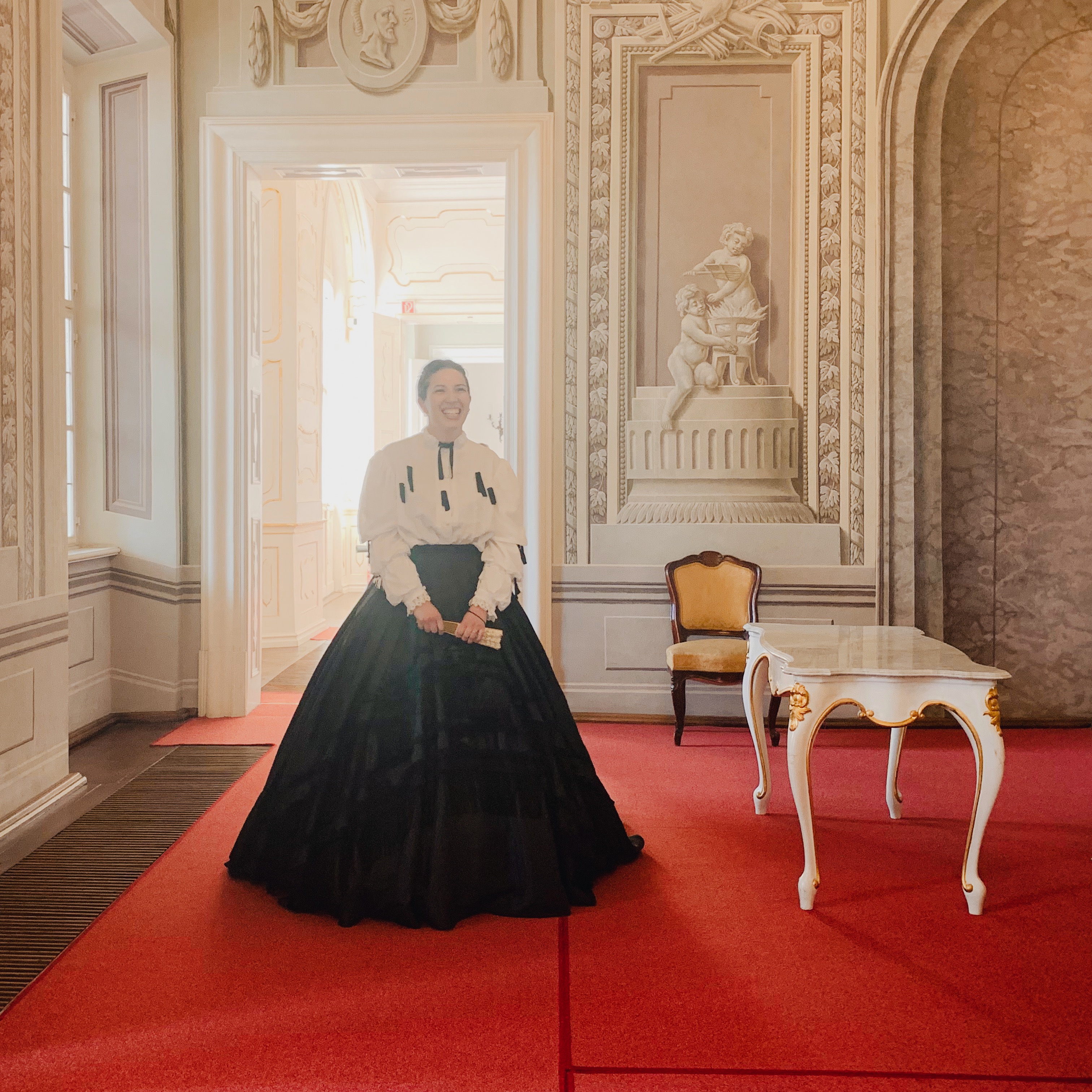
The Wenckheim Palace Budapest story begins quietly—behind heavy doors, beneath chandeliers, and far from the noise of the city outside.

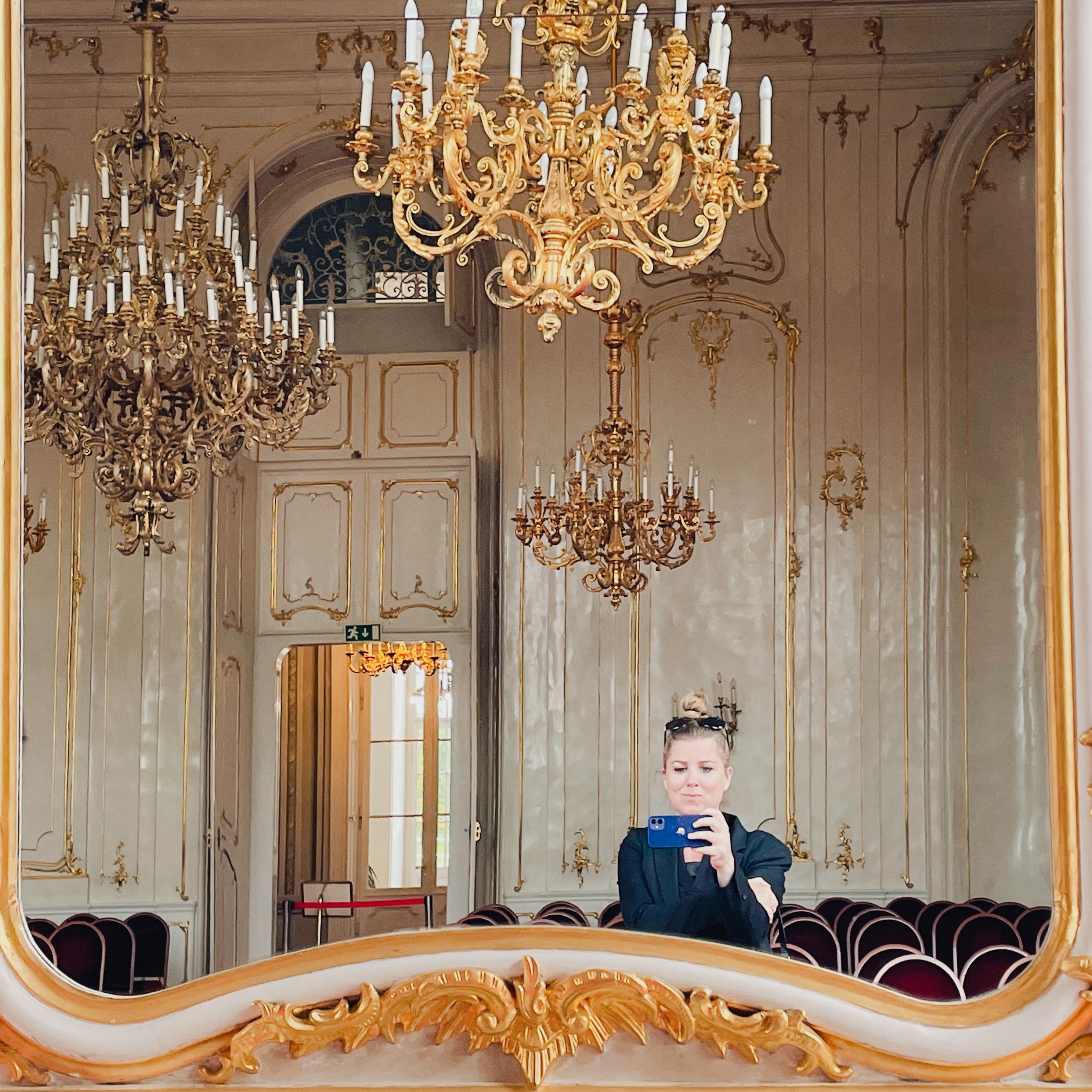
Some buildings in Budapest impress from the outside. Others reveal themselves slowly, once you step inside and let the silence, the light, and the details do the talking. Wenckheim Palace belongs firmly to the second category—a true jewel box hidden in the Palace Quarter.

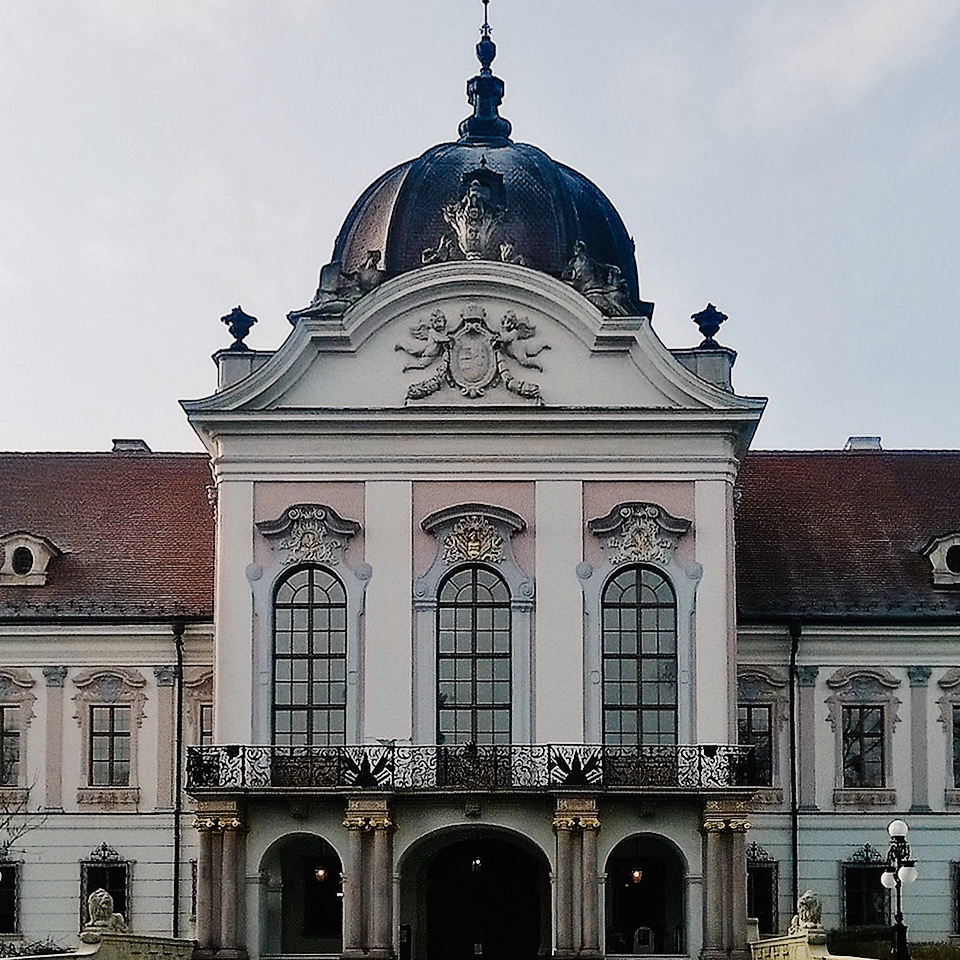
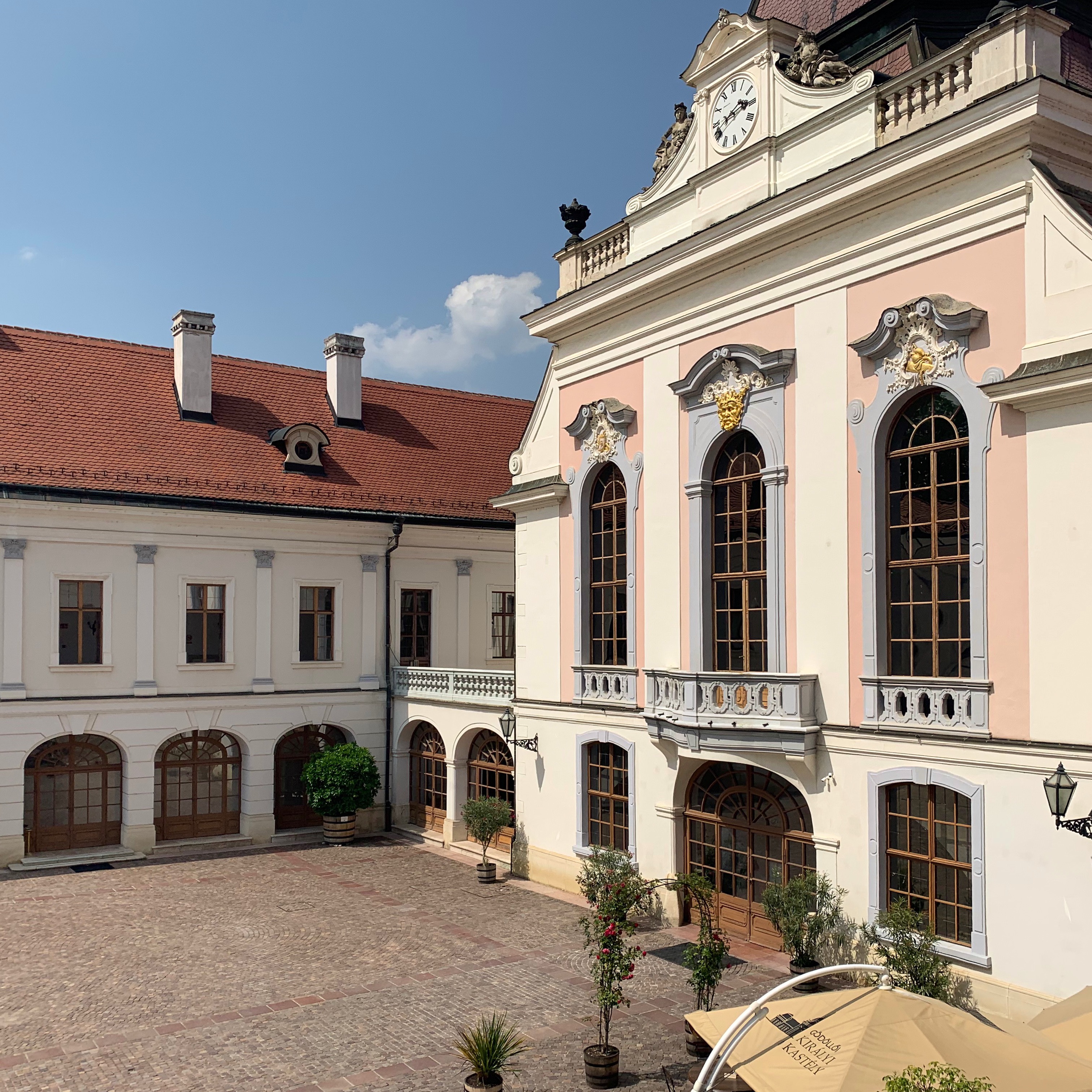
Built in 1889, the palace was commissioned by Count Frigyes Wenckheim and his wife, Krisztina Wenckheim (yes, they were first cousins), and designed by architect Artúr Meinig. Behind its Neo-Baroque façade, the interiors unfold in an elegant Louis XV style, rich with gilded details, carved woodwork, and soft symmetry. Count Wenckheim was a wealthy landowner and a Member of Parliament, and his Budapest residence quickly became one of the most admired palaces of the 8th district.
At the heart of the building lies the grand ballroom—ornate, luminous, and surprisingly vast. It could easily host up to 500 guests, and it almost certainly did. The Wenckheim family was known for their magnificent receptions and glittering balls, attended by the elite of the era, including Franz Joseph, Emperor of Austria and King of Hungary. One can still imagine the music, the movement, and the carefully choreographed elegance of late-19th-century high society lingering in the space.

But the Wenckheim Palace story in Budapest is not only one of architecture and aristocratic glamour—it is also rich in drama. The family’s history was so full of passion, scandal, and unexpected turns that it inspired Jókai Mór, one of Hungary’s greatest novelists. Elements of the Wenckheim legacy found their way into his famous novel A Hungarian Nabob, blurring the line between literature and real life in a way that feels quintessentially Budapest.

After Count Wenckheim’s death in 1912, the palace gradually lost its private function and was sold to the city in 1927. A new chapter began in 1931, when it became the central building of the Budapest Metropolitan Library. Since then, the palace has lived a wonderfully dual life: a former aristocratic residence where chandeliers now shine over reading desks, and quiet concentration has replaced the sound of orchestras.

Today, students, researchers, and curious visitors move through the same halls that once hosted lavish balls. The contrast is part of the magic—and perhaps the reason filmmakers are so drawn to the building. Wenckheim Palace has appeared in international productions such as Red Sparrow, The Alienist, Spy, and The Phantom of the Opera.

Wenckheim Palace is one of those places where Budapest’s layers come together effortlessly—aristocratic ambition, literary echoes, everyday life, and cinematic allure, all under one roof. It’s not just a building you visit; it’s a story you quietly step into.

If you’re planning your visit and wondering how to include Wenckheim Palace in your itinerary, you may find my Must-See guide to Wenckheim Palace useful. If you’d like to experience Wenckheim Palace as part of a personalised Budapest walk, I’m always happy to weave it into a tour—because places like this are best discovered through their stories.

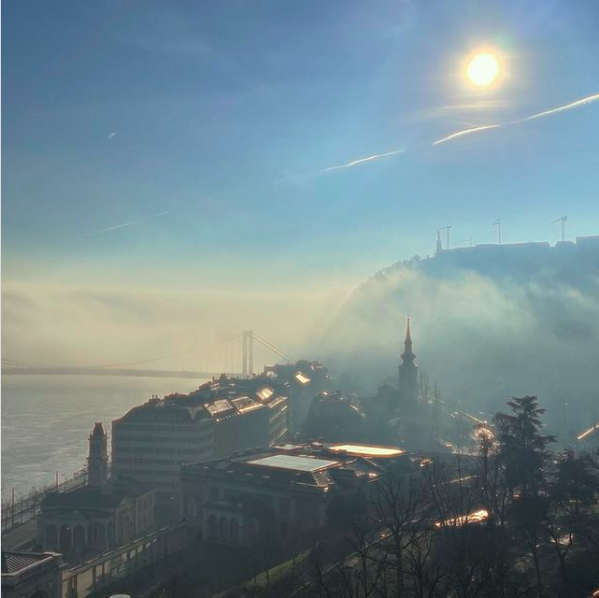
Guiding tours around Beautiful Budapest, I cannot help but snap random moments that are catching my eye. From the vibrant street art to the hidden alleyways, there’s magic in every corner. Sometimes the best shots come when you’re not looking for them at all. This city is full of surprises, and I’m so grateful for every photo I get to capture along the way. Here’s to the joy of spontaneous exploration and the stories each photo tells! Spring is coming, days are getting longer and there is no greater joy than exploring this wonderful city.

Book a tour with me so that you can see some of these attractions and many more! All the private tours are fully customisable, based on your interests and preferences.

St. Stephen’s Basilica is the largest Catholic Church of Budapest and the third largest church of Hungary. After the devastating floods of the Danube river in 1838 local people from the neighbourhood wanted to thank God for saving their lives, and raised a lot of money for the construction of the largest church of the city. Construction works started in 1851 and after multiple unfortunate events (death of two of the church’s architects, a devastating storm when the dome collapsed) it was finally consecrated 54 years later, in 1905. The building is an appealing mix of different styles: Baroque, Classicist and Neo-Renaissance. The artworks (paintings, sculptures and stained glass windows) were all created by Hungarian artists, including Gyula Benczúr, Károly Lotz and Miksa Róth.

The church is dedicated to St. Stephen, the first Christian king of Hungary, the founder of the Catholic Church in Hungary, and the founder of a Christian state. His statue made of Carrara marble is the main altarpiece of the church. The principal relic of the Basilica is the mummified right hand of king Stephen, it is on display in the church hall.

The magnificent views

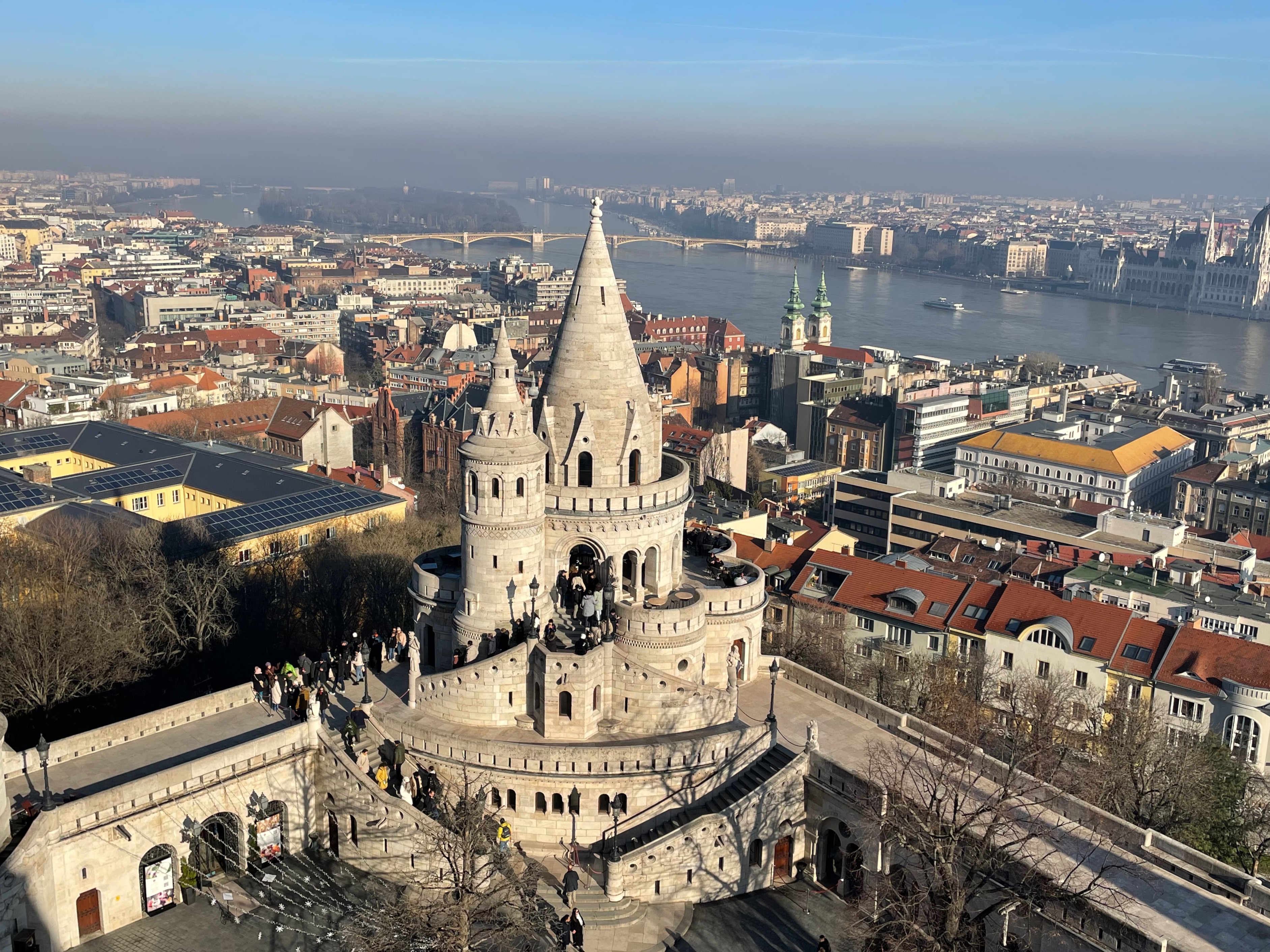
A panorama terrace was created around the main dome of the Basilica at a height of 65 meters, which is the highest viewpoint in Pest, offering a 360-degree panorama over the city. You can take the stairs (about 300 steps) or the elevators to get to the dome. There is a Holy Mass in English in Mary’s chapel at 6.10 PM on Mondays, Wednesdays and Fridays and at 4.00 PM in the Basilica on Sundays and holidays.

We usually try to include the visit of the interior on the Budapest tours if time permits. You can learn more about the Basilica, visiting hours and ticket prices here.

I am spending a lot of time wondering around my beautiful city, and I am fortunate to see its buildings from all different angles and viewpoints. There’s something alluring about capturing a building from multiple angles; each perspective reveals a new layer of its architecture and character. As I moved around, I saw how the light shifted and how the structure seemed to change, transforming with each viewpoint. It’s a reminder that sometimes, to truly appreciate a subject, you need to step back and see it from every possible angle.

I keep saying that I really am a very fortunate person to spend most of my days out and about in my beautiful city. I am taking a lot of photographs and have just realised how many of those pictures capture the truly spectacular ceilings of buildings. I have a nice collection now and I decided to share a few of those photos with you. Unfortunately you cannot see all of these ceilings today, the Book Café has been closed for years for example, and there is no way that I would recommend to queue in front of New York Café for hours, but there are so many more great buildings with magnificent ceilings.

Being a tourist in a new place is not easy, you have to look in all directions all the time, but please, do not forget to look up! Feel free to send me your favourite photos! And I promise to keep adding more photos to the collection from time to time.


Looking for a Budapest walking tour that includes Kolodko statues? In this guide, you’ll find an interactive Kolodko mini statues map to help you locate 14 of the most interesting sculptures in Budapest.

If you have ever noticed a tiny bronze figure sitting quietly on a railing in Budapest, you have likely discovered one of the city’s most delightful secrets: the Kolodko mini statues.

They are small — only about 10–15 cm tall — but they tell monumental stories. Treasure hunting in Budapest begins here.

Who Is Kolodko?

Mihály Kolodko

Mykhailo (Mihály) Kolodko is a Ukrainian-born sculptor who studied monumental sculpture at the Lviv Academy of Arts before moving to Hungary in 2017. Although trained in large-scale art, he became famous for something entirely different: miniature public sculptures placed unexpectedly around cities.

His philosophy is simple:

“Even in small form it is possible to depict a monumental idea.”

And that is exactly what he does.

Why Are Kolodko Statues So Popular in Budapest?

Locals often call his work guerrilla sculpture. The statues appear quietly in public spaces, without official permission. One day they are not there — the next day they are.

People love them because:

  • They feel like hidden discoveries

  • They reference Hungarian history and culture

  • They revive beloved cartoon characters

  • They often carry subtle political symbolism

  • They invite curiosity

During the communist era, Hungarians developed a refined sense for decoding hidden meanings in art, literature and music. Kolodko’s sculptures continue that tradition — playful on the surface, layered underneath.

Some statues have even been stolen. Others are dressed up in winter coats by locals. They are small — but deeply loved.

5 Kolodko Mini Statues You Can Find in Budapest

1️⃣ The Sad Tank (2017)

A tiny Russian tank faces the Parliament building. Its muzzle hangs down, shaped like an elephant’s trunk — a symbolic gesture that the war is over.

This sculpture references the 1956 Hungarian Revolution and quietly comments on history.

2️⃣ The Rabbit with the Checkered Ears (2018)

Perched on Castle Hill, this beloved character from a 1970s Hungarian animated series enjoys the UNESCO-protected Budapest panorama.

Locals instantly recognise him. Visitors often need the story behind him.

3️⃣ Emperor Franz Joseph in a Hammock (2021)

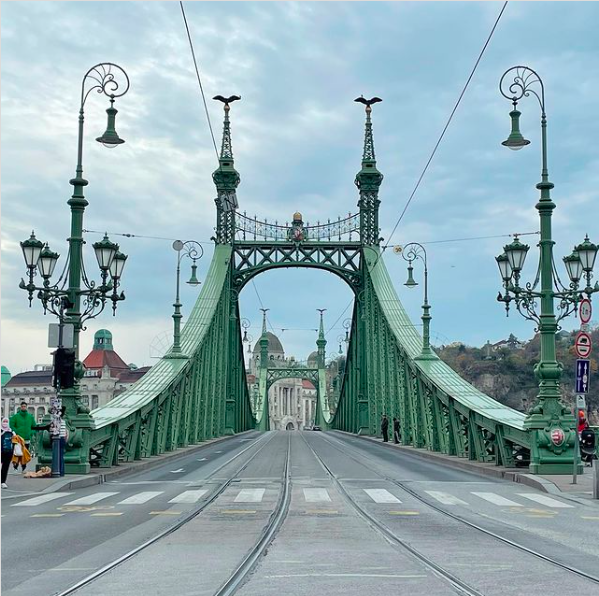
A peaceful metaphor: the emperor relaxing on Liberty Bridge — originally named after him — symbolising reconciliation through time.

4️⃣ There Was Only One Dog Fair in Buda

Inspired by a popular Hungarian folk tale connected to King Matthias. You’ll recognise traditional Hungarian dog breeds like the puli and the vizsla.

5️⃣ Kermit the Frog

Yes — that Kermit. Sitting in front of the former Hungarian Television headquarters, he playfully nods to media history.

How Many Kolodko Statues Are There in Budapest?

There are dozens scattered across the city centre, and new ones occasionally appear.

Some are near:

  • The Danube promenade

  • Buda Castle

  • Liberty Bridge

  • Central Pest

Part of the magic is that they are not always easy to find. And that is intentional.

A Treasure Hunt With Stories

When I guide guests through Budapest, one of my favourite moments is watching someone spot their first Kolodko statue.

It changes the way they look at the city.

They begin to slow down.
They begin to notice details.
They start asking questions.

And that is when Budapest truly opens up. If you would love to discover hidden details like these — and understand the history, symbolism and humour behind them — I would be delighted to design a private walking tour for you.

Kolodko Mini Statues Map – Self-Guided Walking Route

Below you’ll find my curated map of 14 Kolodko mini statues in central Budapest. Most of them are within walking distance of each other, making it easy to turn your exploration into a relaxed city walk along the Danube, Castle Hill and downtown Pest.

You can use the map for a self-guided treasure hunt — or, if you’d like to discover the stories behind these tiny sculptures, I’d be delighted to show them to you on a private walking tour.

FAQ About Kolodko Mini Statues

Who is Mihály Kolodko?
A Ukrainian-Hungarian sculptor known for placing miniature bronze sculptures in public spaces.

Where can I find Kolodko statues in Budapest?
Many are located near the Danube promenade, Buda Castle and central Pest.

Why are they so small?
Kolodko believes that monumental ideas can be expressed even in miniature form.

Are new statues still appearing?
Yes. Occasionally new sculptures appear unexpectedly.

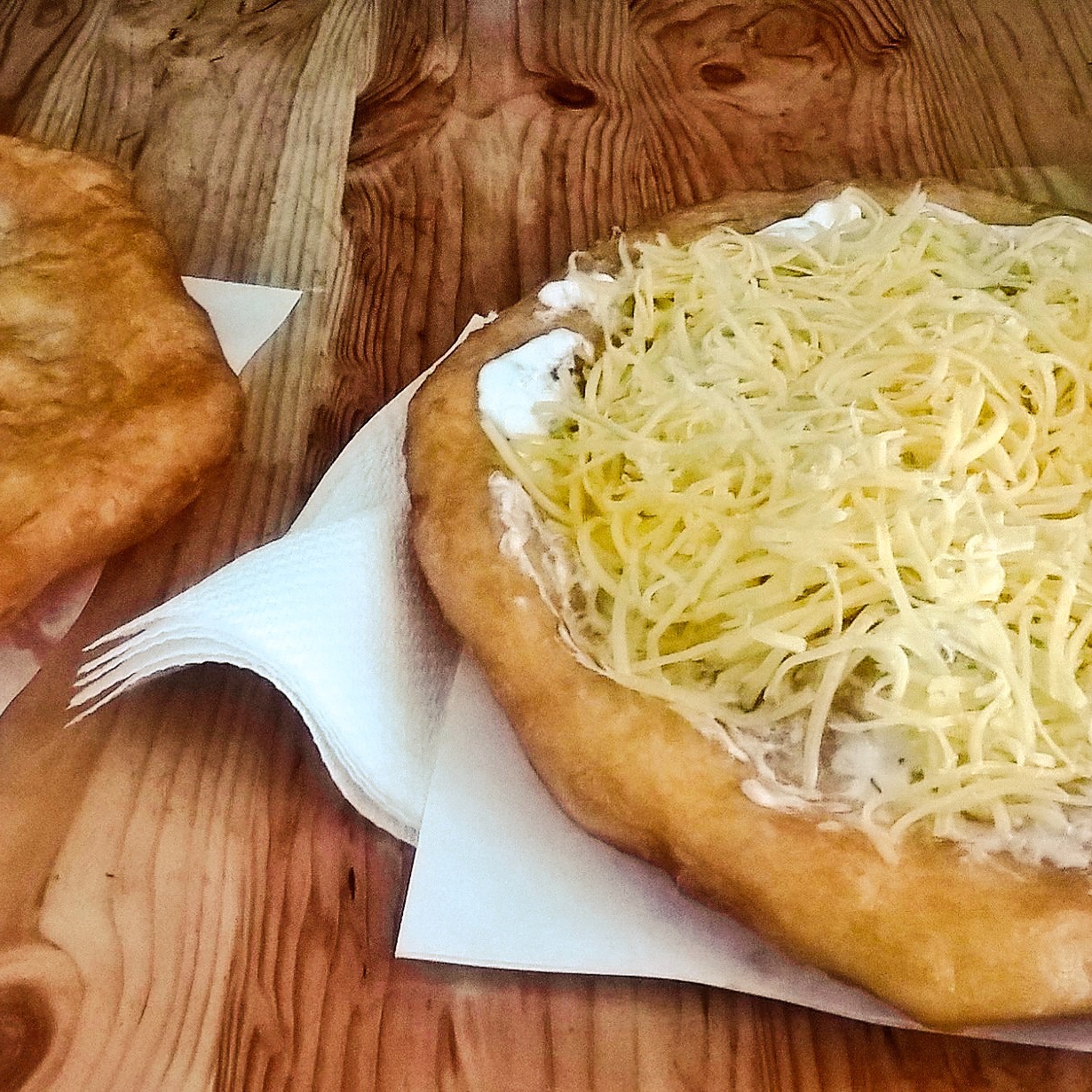
Many of the travellers that contact me are interested in finding some local restaurants for a nice lunch or dinner. Food is such an important part of your overall experience, so I highly recommend to do a research, so that you find the restaurants that best suit your preferences. My list below is based on my personal experiences and on the feedback I’m getting from travellers:

  • MARUMBA
  • Gettó Gulyás
  • Mazel Tov
  • Menza
  • Rézkakas Bistro
  • Aszú Étterem
  • RETEK Bisztro
  • Stand 25
  • Déryné Bisztro
  • TATI Budapest
  • Szaletly Vendéglő
  • Borkonyha

Bon appétit – Jó étvágyat!


It was an absolutely fantastic year, full of fun and happy encounters and can’t wait to take more photographs in 2025 to share our memorable moments. Happy 2025!!

A little photo gallery from the thousands of photographs I’ve been taking while walking around my Beautiful Budapest. These are not the most famous attractions, but some hidden gems that you can discover when you book a tour with me. The reason why I’m sharing these with you is that I very much like the colours, the vibes, the ambience of these places. Feel free to contact me for more details!


I was organising my Beautiful Budapest photographs last week and found some real gems. My Art Nouveau tour is really very popular, I understand why, the buildings are magnificent, the stories are very interesting and there is so much amazing symbolism about the Hungarian Art Nouveau. Here is a little gallery of my top favourite Budapest Art Nouveau details.

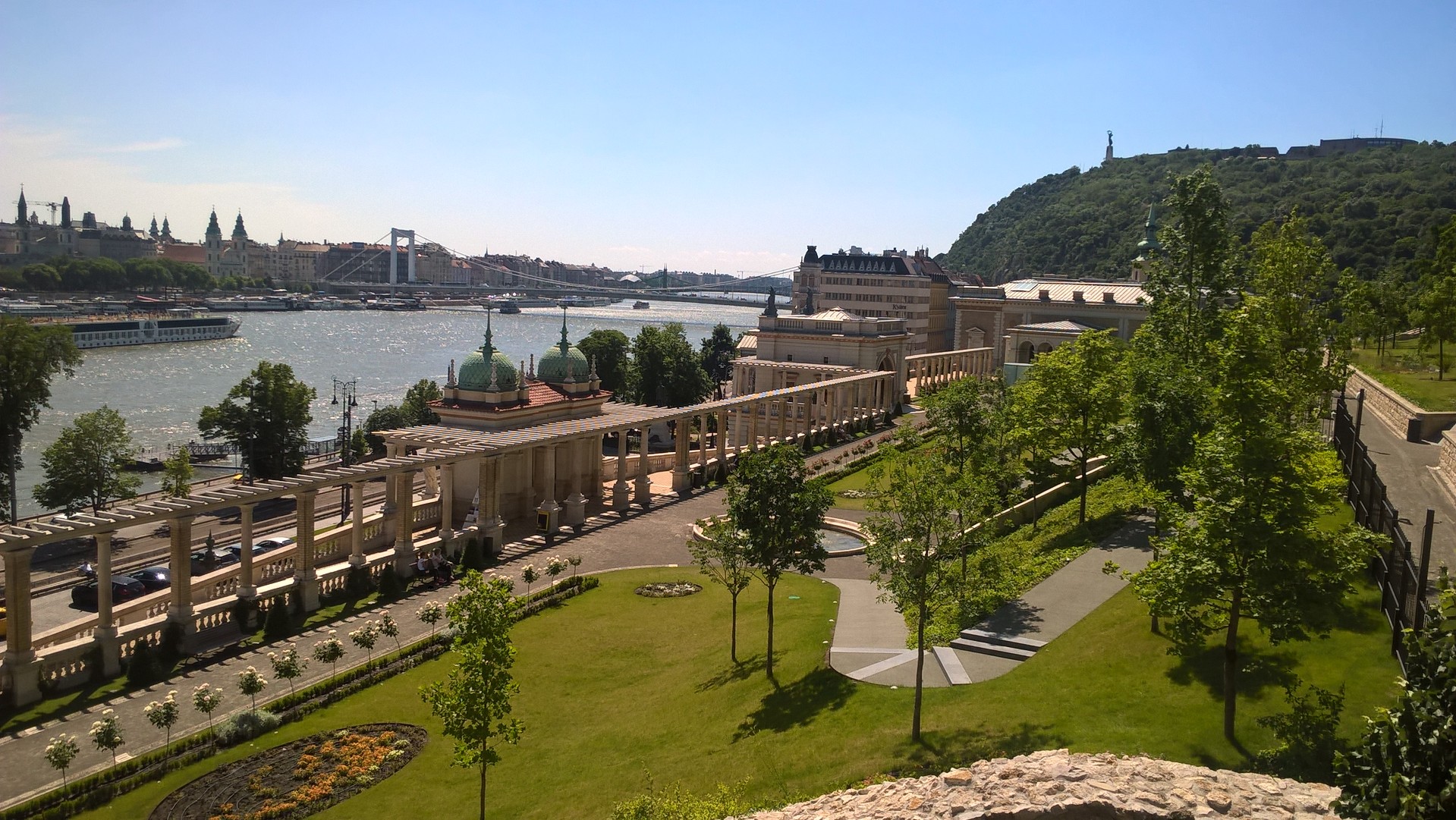
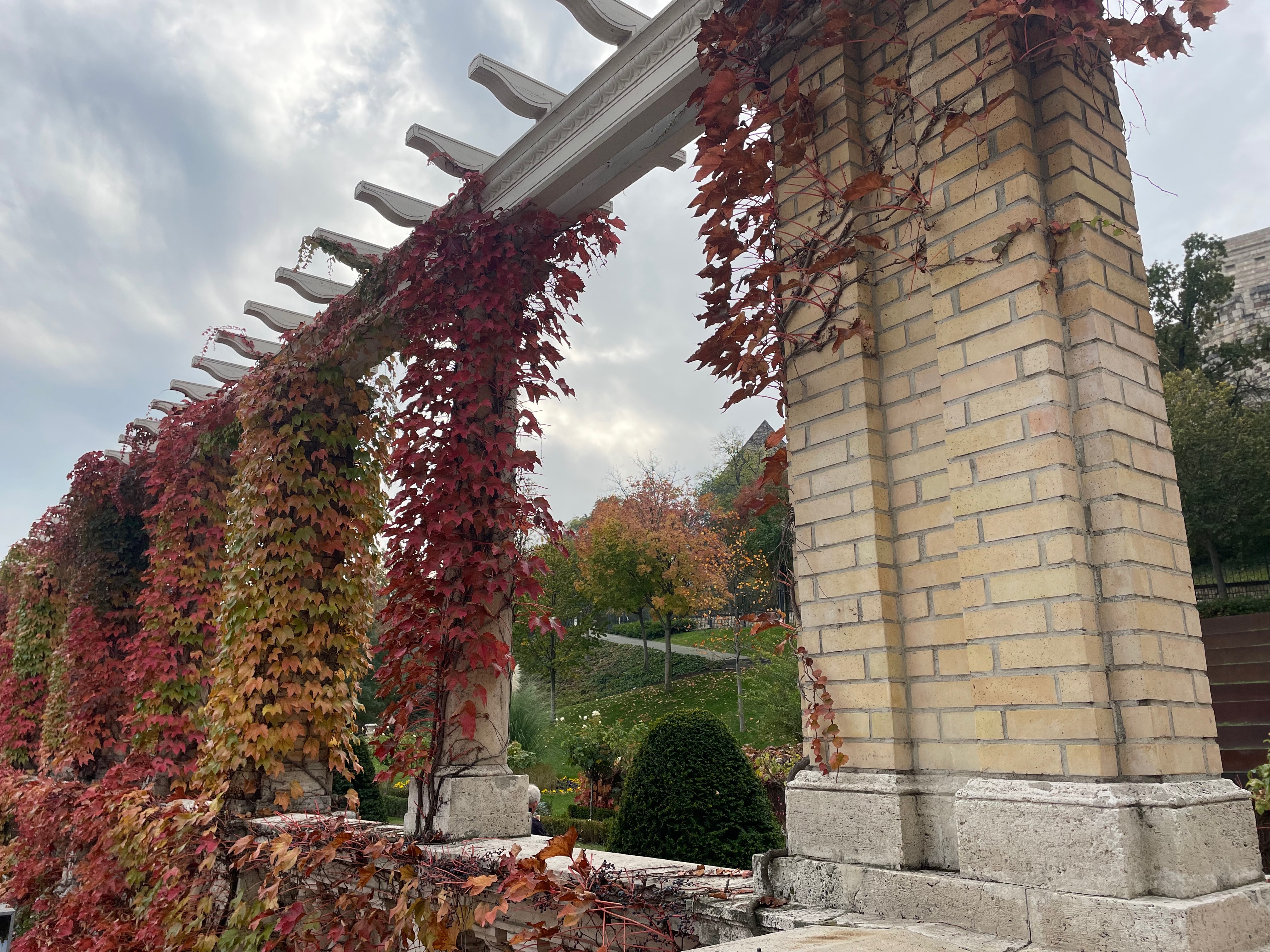
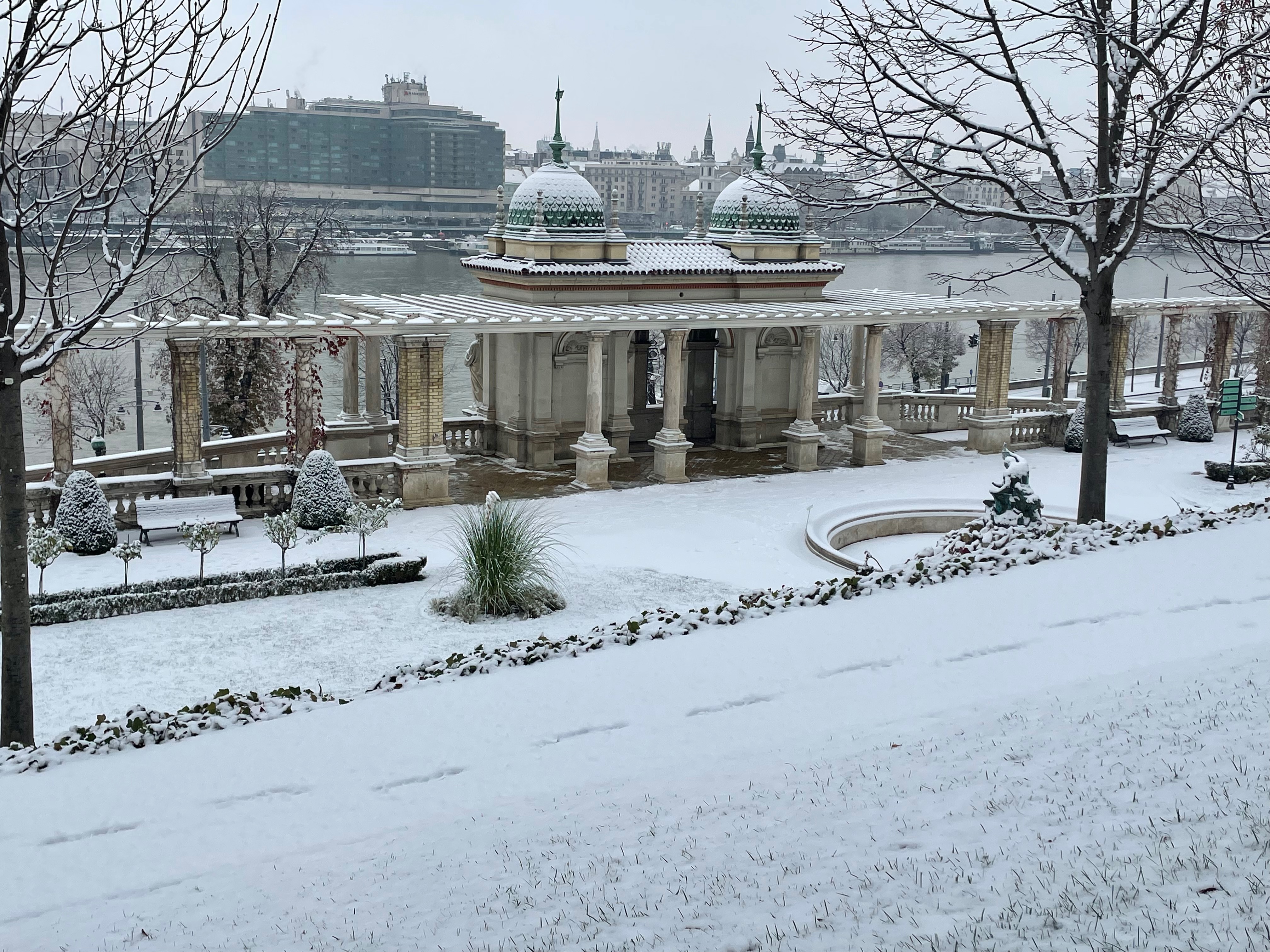
I’m spending a lot of time in Budapest every day, I consider myself very lucky to be able to see the changing of seasons, and I try to capture those special moments. Have a look at this photo gallery to see the four different faces of the Buda Castle Garden Bazaar in spring, summer, autumn and winter. Book a Buda Castle Walking tour with me to see the beautiful Royal Gardens for yourself!


We were very fortunate with my travellers and got invited to the very top of the Buda Castle district, to the rooftop skybar of the Hilton Hotel. I highly recommend the White Raven Skybar, views are amazing and I can guarantee you’ll have a very good time. Don’t forget to reserve in advance!

Every private tour is different, the tour itinerary is fully customisable according to your interests and preferences. Watch this video to get a general idea of what you can expect when you book a full-day walking or driving tour with me. Don’t hesitate to get in touch with me may you need further information. See you soon in Beautiful Budapest!


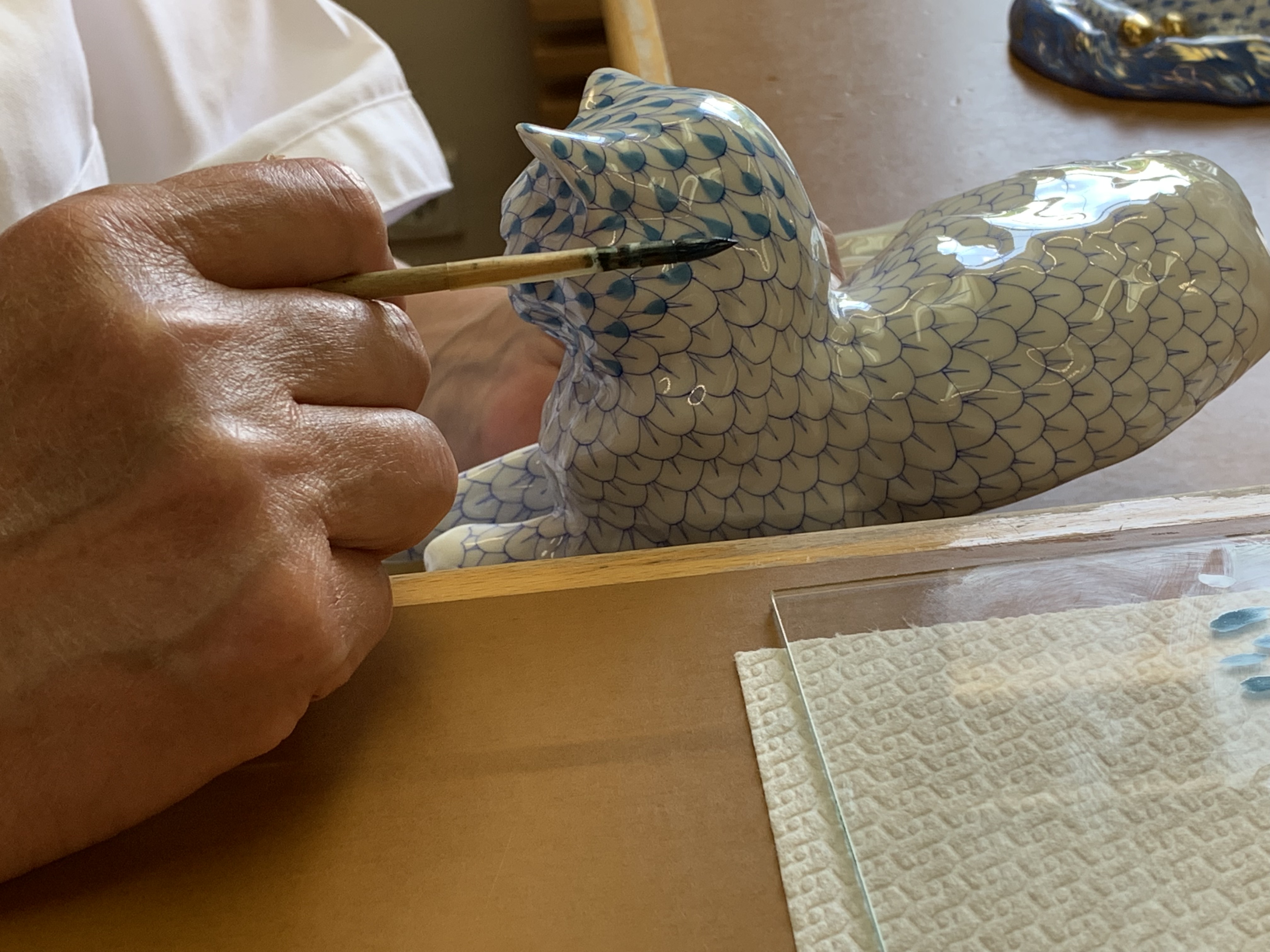
This Private Herend Porcelain Factory Tour from Budapest offers a refined half-day experience into one of Hungary’s most elegant and iconic crafts. If you love craftsmanship, design, and stories hidden behind beautiful objects, this private tour to the Herend Porcelain Factory is a truly special experience.

Although I’ve been offering this visit for several years as part of custom itineraries, it felt like the right moment to make it a standalone tour — because Herend deserves it.

I’ll be honest: I’m genuinely in love with Herend porcelain. It’s unique, elegant, timeless, and unmistakably Hungarian. And every single traveller I’ve taken here so far has been fascinated by what they see.

What makes this tour special?

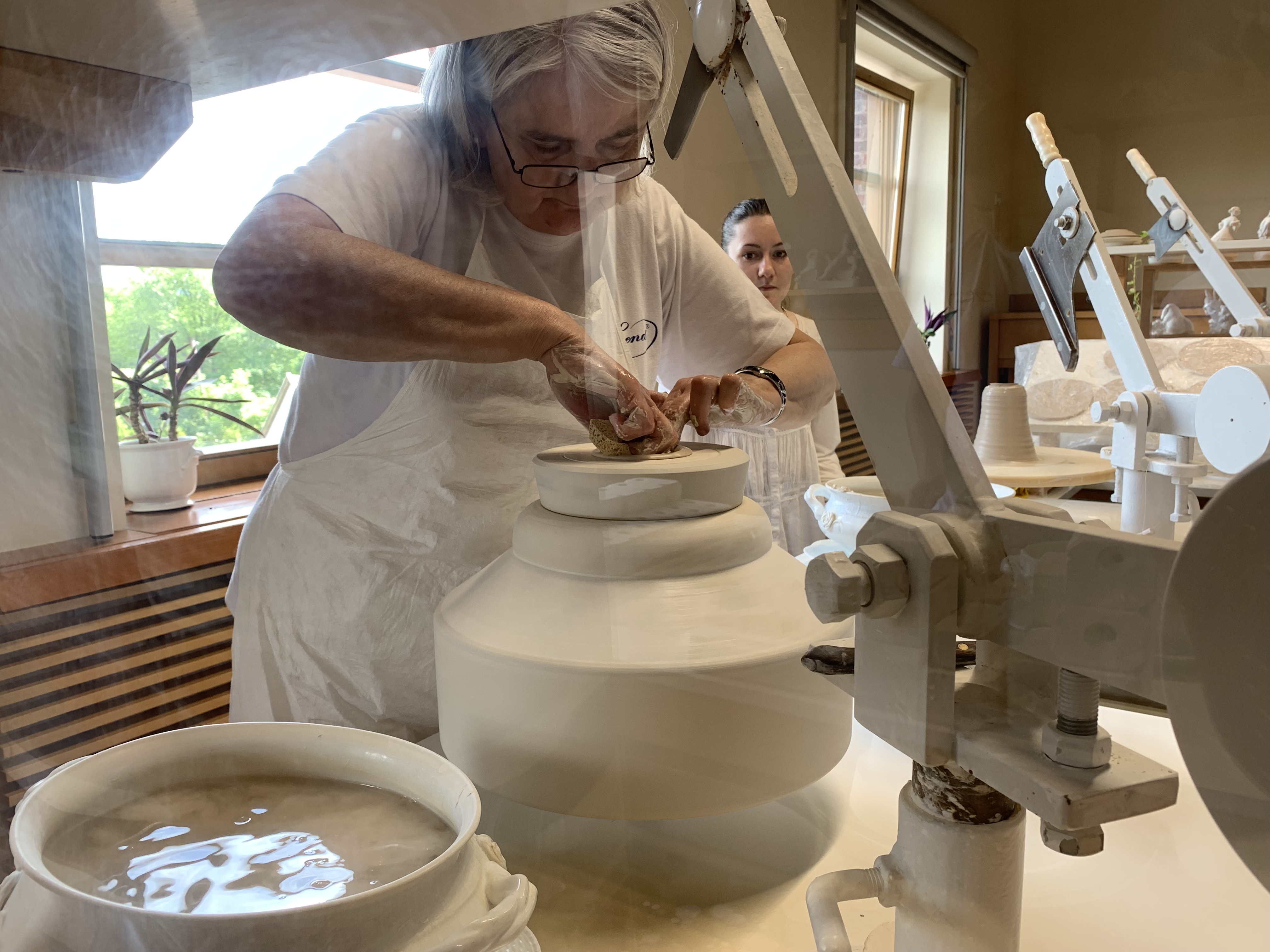
Herend is not a factory in the modern, industrial sense. It’s a living manufactory, where everything is still made by hand using techniques passed down through generations.

During the visit, you’ll discover:

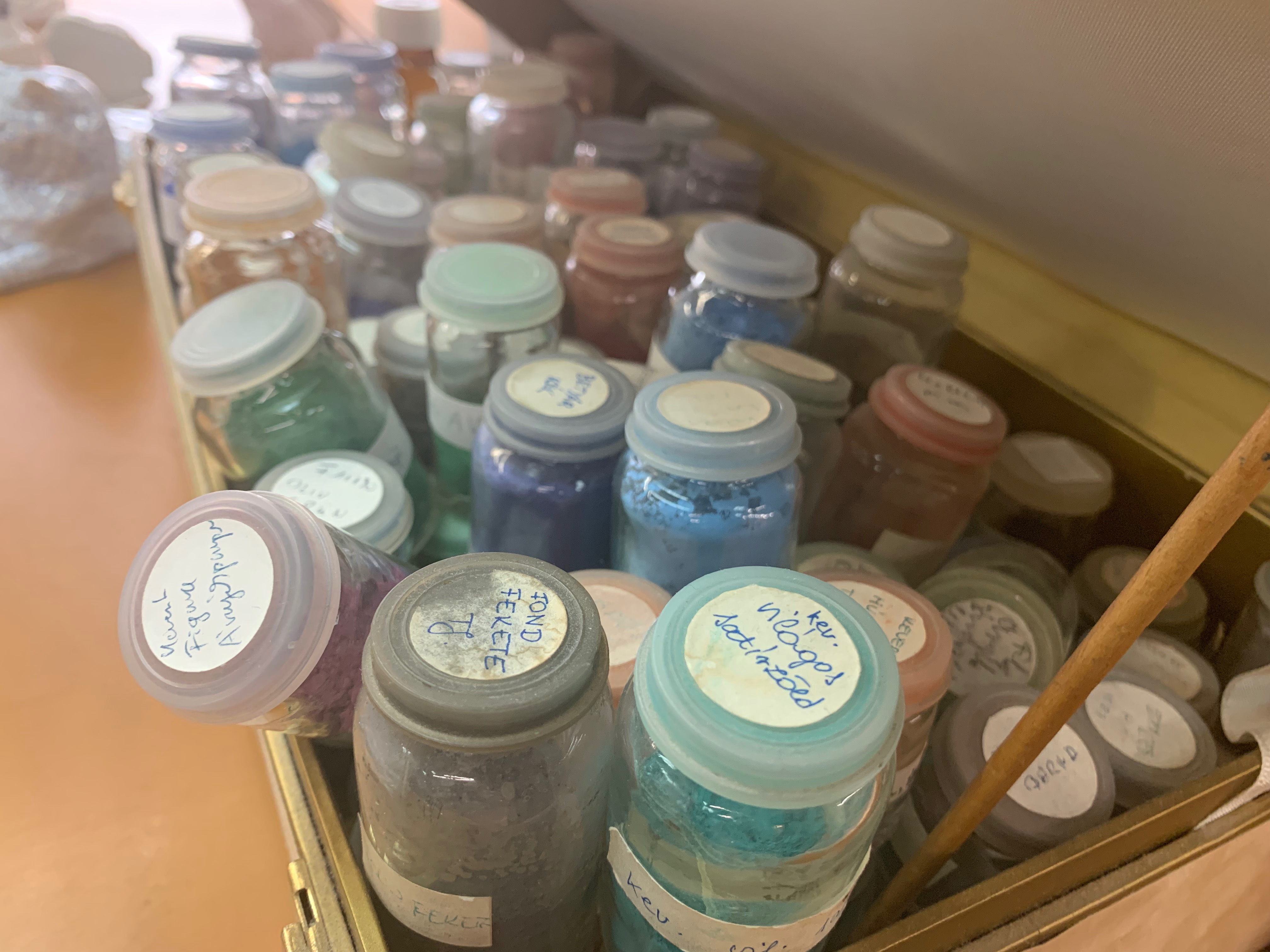
  • the different stages of porcelain production

  • the delicate work of hand-painting and gilding

  • the incredible precision behind even the smallest details

Seeing the artisans at work makes it clear why Herend porcelain is considered luxury craftsmanship rather than mass production.

Tour details at a glance

  • Duration: approx. 6 hours

  • Departure: from Budapest (private transportation)

  • Includes:

    • private transportation

    • visit to the Herend Porcelain Factory and Museum

    • free time in the shop

  • Style: private, relaxed, unhurried

This tour can also be combined with other countryside stops on request.

Availability – important to know

Available from April to October only

The Mini-Manufactory is closed during the winter months, which is why this tour is seasonal. I always recommend booking well in advance for spring and summer dates.

Is this tour right for you?

This experience is perfect if you:

  • enjoy design, decorative arts, and craftsmanship

  • are curious about Hungarian cultural heritage

  • prefer meaningful, behind-the-scenes experiences

  • value quality over rushing from sight to sight

No prior knowledge of porcelain is needed — just curiosity.

Booking & questions

If you’d like to book the Private Herend Porcelain Factory Tour from Budapest, or if you’d like to customise it (for example, combining it with Lake Balaton or Veszprém), feel free to get in touch.

I’m always happy to help you plan a tour that fits your interests and travel style.

👉 Book the tour here
👉 Contact me with questions


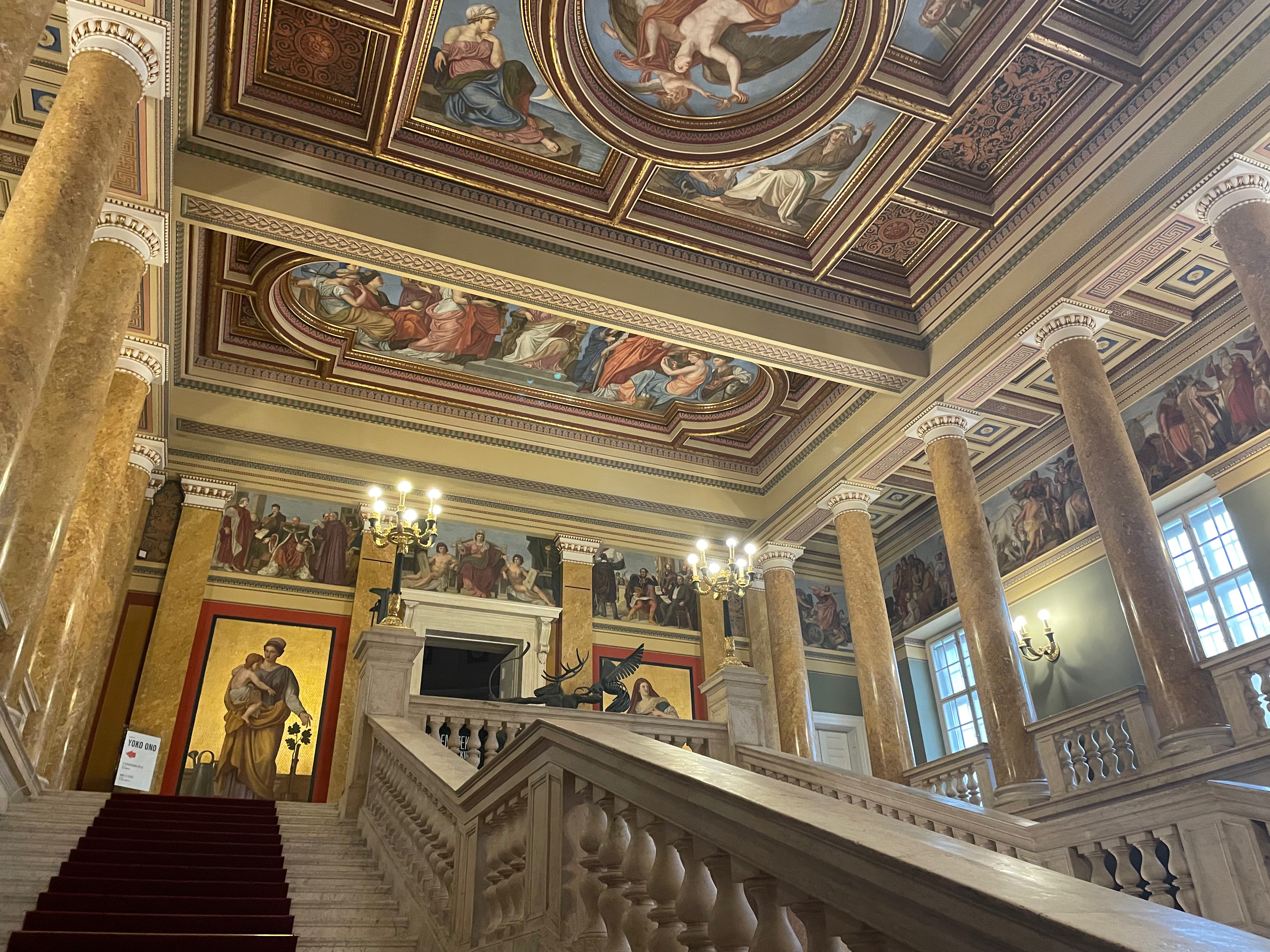
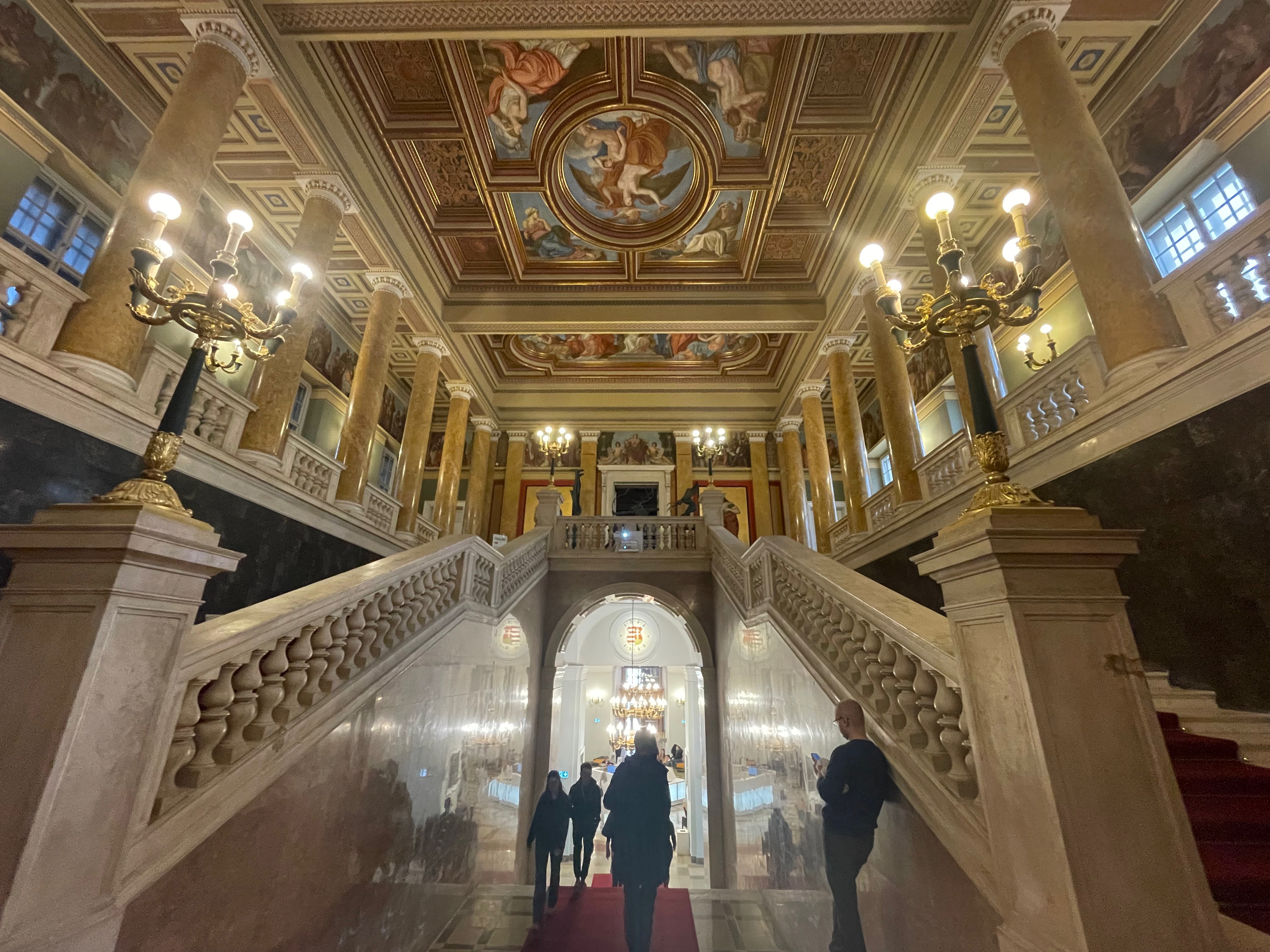
The National Museum is one of the oldest museums of Budapest, founded by Ferenc Széchényi in 1802. It’s one of my favourite museums in the city, not only because it’s beautiful (both the outside and the interiors) but also because there is a beautiful garden around it which serves as a public park. The museum is a special place for Hungarian people, our entire history is on display in an easily digestible manner.

The building is a special place for national pride and heritage, the 1848-49 Hungarian war of independence against the Habsburgs started here, poet Sándor Petőfi read his famous poem on the stairs of the museum.

There are permanent and temporary exhibitions, the coronation robe of the Hungarian kings is on display here, too. A great place to spend a few hours in Budapest in the cold month of January.

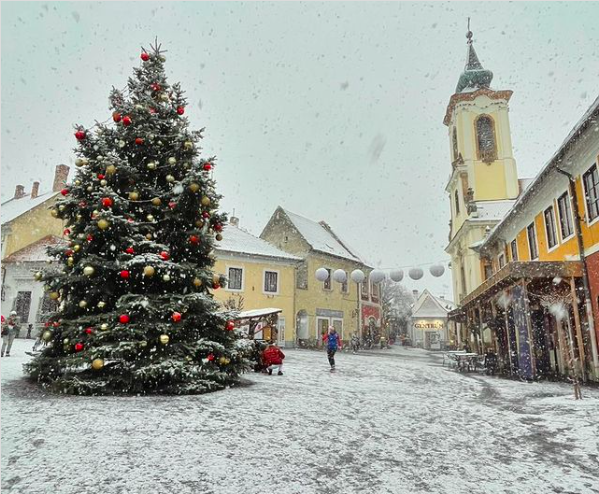
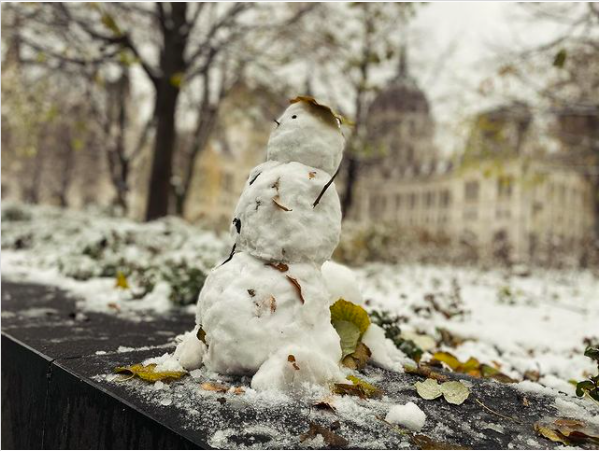
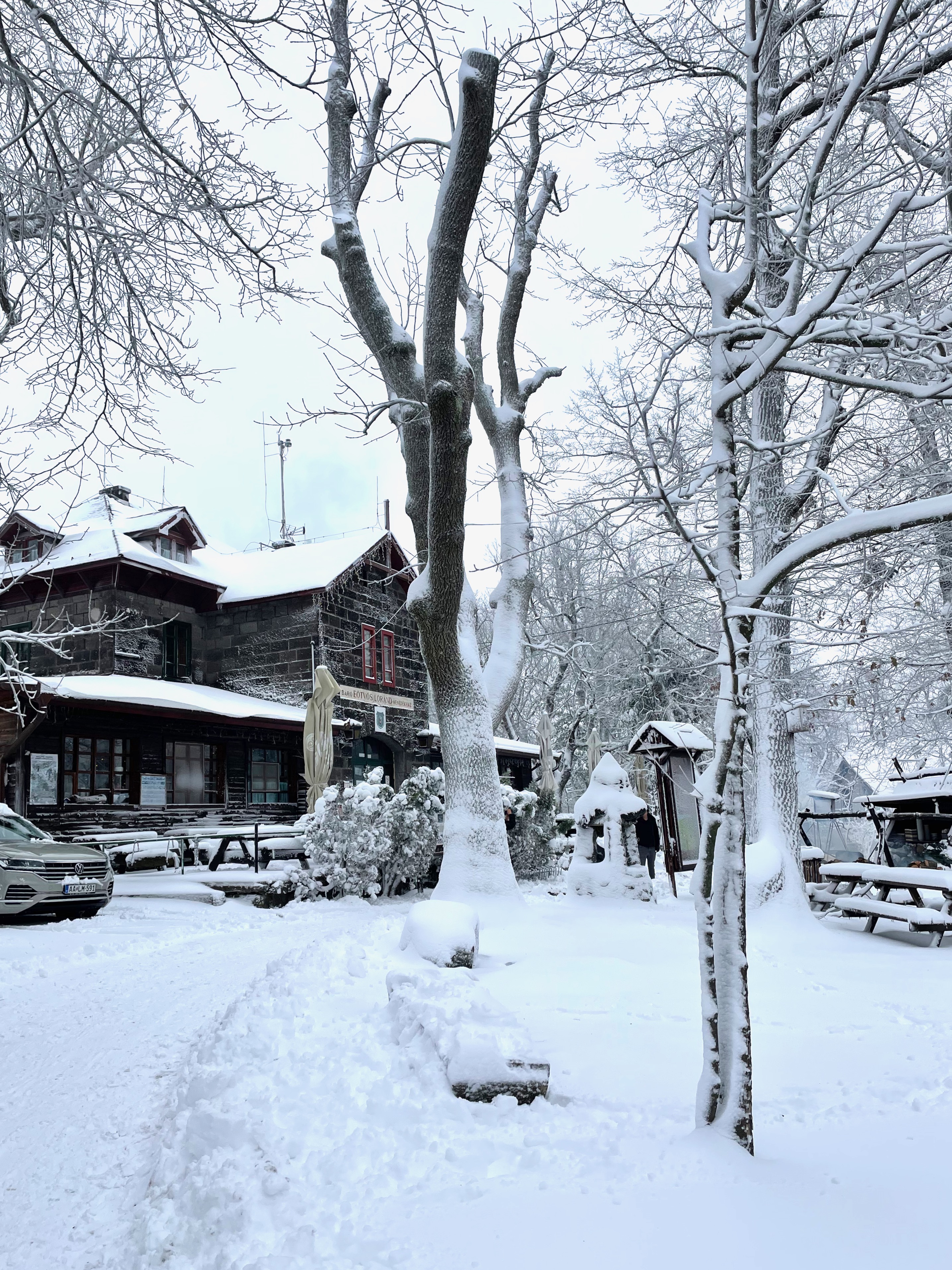
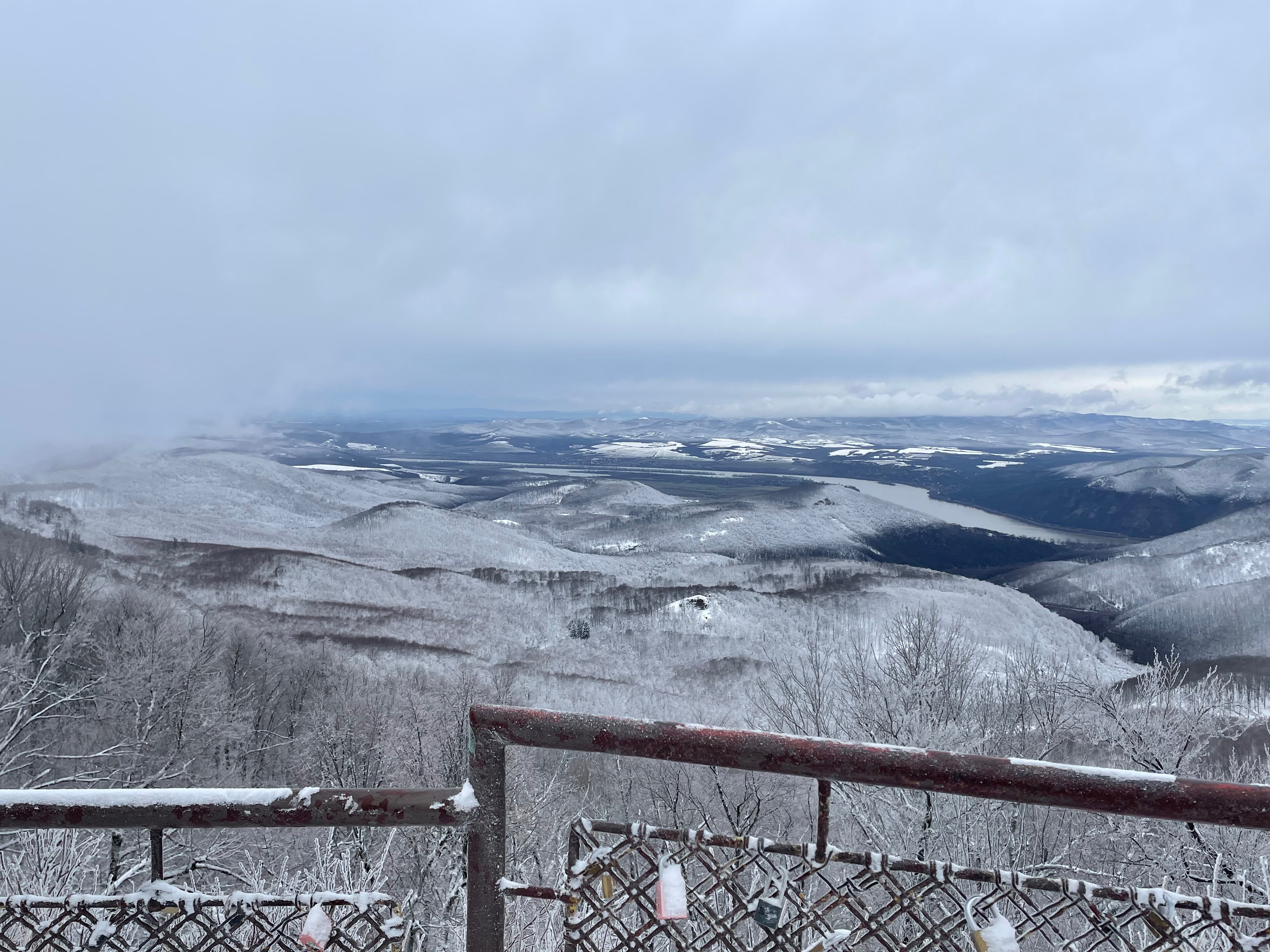
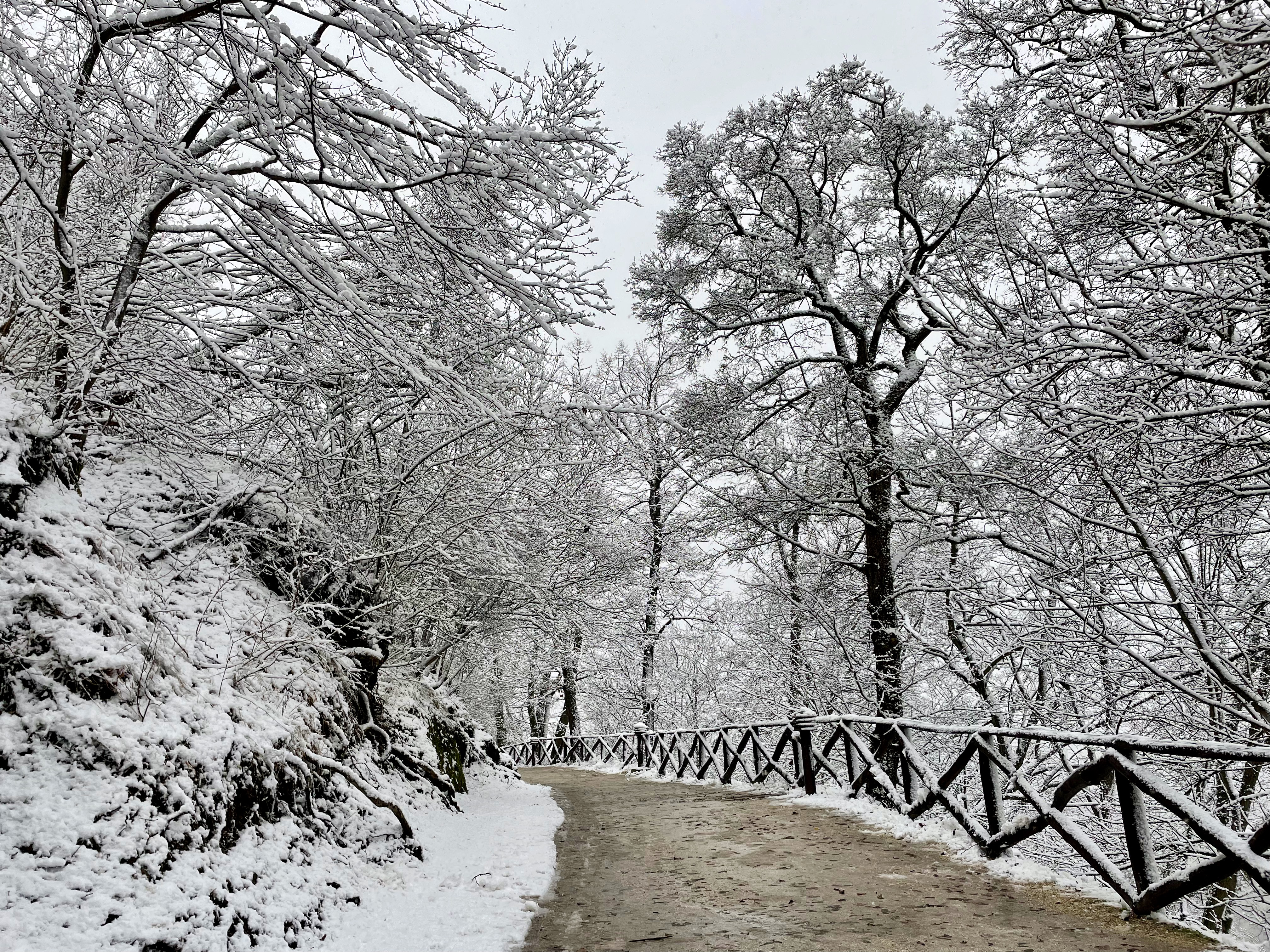
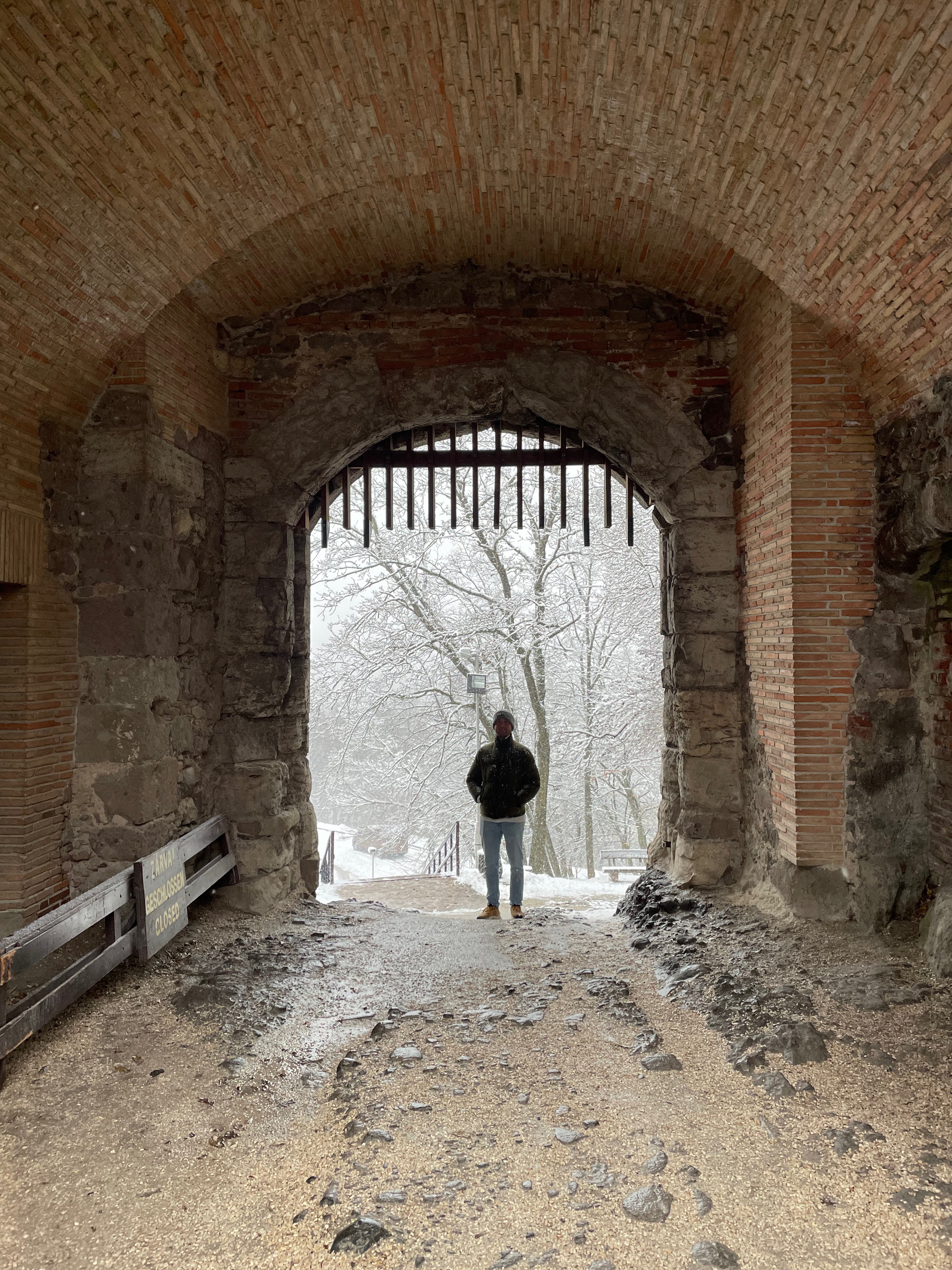
I took these images when we were touring the Danube Bend in December a few weeks ago. We were there just in time to see the magic of winter, unfortunately we don’t get too much snow, thus the visit was very special for both me and my travellers.


I would like to wish you a very happy new year and hope I’ll see you in Beautiful Budapest in 2024.

These were my most popular tours in 2023, feel free to contact me if you’re interested in booking any of my tours or in creating another one customised to your interests and preferences.