Budapest is often called the City of Spas, and with good reason — the city sits on a network of natural hot springs that have been enjoyed since Roman times. Among all the baths, none are quite as legendary as Gellért Baths. With their stunning Art Nouveau architecture, turquoise pools, and steamy atmosphere, they’ve been a favourite of locals and travellers alike for more than a century. If you’re looking for updates on the Gellért Baths renovation, here’s everything you need to know.

Sadly, this Budapest icon is about to close for a while. Starting October 1st, 2025, Gellért Baths will shut their doors for a major 3-year renovation.

Gellért Baths: A Jewel of Art Nouveau

The Gellért Baths first opened in 1918 as part of the famous Gellért Hotel. The design is a masterpiece of Art Nouveau: elegant columns, colorful mosaics, stained glass windows, and a grand central pool that looks more like a cathedral of water than a spa.

Over the decades, the baths have become a symbol of Budapest itself — a place where locals go to relax, heal, and socialise, and where visitors from all over the world come to experience something uniquely Hungarian.

Why the Renovation?

After more than 100 years of almost continuous use, the Gellért Baths are in need of some love. The upcoming renovation will restore the building’s historic beauty while also updating the facilities to meet modern standards.

It’s never easy to say goodbye, even temporarily, but this pause will ensure that future generations can continue to enjoy the magic of Gellért.

My Last Visit

Knowing the closure was coming, I decided to take one last dip. Stepping into the grand central hall, with its soaring columns and sparkling turquoise water, felt more emotional than I expected. The air was thick with steam, the light streaming in through the stained glass, and the water just as soothing as always.

Floating there, I thought about how many people have swum in this very pool since 1918. It felt like being part of history.

One Last Chance

If you’re in Budapest right now, there’s still one final opportunity: Gellért Baths will be open until September 30th, 2025. Don’t miss your chance to enjoy a last soak in this historic treasure before it closes until 2028.

Farewell for Now

It will be strange not to have Gellért Baths as part of Budapest’s daily life for the next three years. But I’m excited to see how the renovation will bring new life to this beloved spa.

Until then, Budapest still has plenty of other baths to enjoy — from the grand Széchenyi Baths to the atmospheric Rudas Baths. But for me, nothing compares to Gellért.

💙 Have you ever been to Gellért Baths? Will you miss it during its renovation?

Farewell, Gellért Baths | Budapest’s Most Beautiful Spa

I am thrilled to share some exciting news with you: I have received the Tripadvisor Travelers’ Choice Award 2025!

This recognition places my tours among the top 10% of attractions worldwide, and I couldn’t be more grateful. What makes this award so special is that it is based entirely on the reviews and ratings left by you — my wonderful guests.

What the Tripadvisor Travelers’ Choice 2025 Award Means

Every year, Tripadvisor celebrates businesses that consistently deliver amazing experiences to travellers around the globe. Only the top 10% of tours, activities, and attractions receive this award, making it a true honour.

For me, this recognition isn’t just about numbers or rankings. It’s about the memories we’ve created together: wandering the streets of Budapest, discovering hidden gardens, tasting local food and wine, or traveling further afield to places like Eger.
Words from My Guests on Tripadvisor

Your kind words mean the world to me. Here are just a few that truly touched my heart:

“This was the most personal, moving experience ever.”

“Her passion for the Jewish culture shines through.”

“Our day trip to Eger with Julia was the highlight of our European vacation.”

Each review reflects something I care deeply about — creating personal, meaningful experiences, sharing my knowledge of Budapest’s Jewish heritage, and helping you discover the beauty of Hungary beyond the capital.

Looking Ahead

Receiving this award gives me even more motivation. So I’ll continue sharing my love for Budapest with travellers from around the world.

As many of you know, I’ll begin taking bookings for 2026 in January. If you are planning a trip to Hungary, I would be honoured to show you my city and its surroundings through a private, customized tour.
From the Heart

This award truly belongs to all of you who have joined my tours, shared your stories, and trusted me to be part of your journey. Thank you for making this possible. 💙
I can’t wait to welcome you to Budapest!

Thank You 💙 Tripadvisor Travelers’ Choice 2025 | Budapest Private Tours

If you’re searching for unique selfie spots in Budapest, you’ve come to the right place. Of course, the city is famous for its postcard-perfect views of the Parliament, Chain Bridge, and Fisherman’s Bastion — but if you’re looking for something different, modern, and a little unexpected, this guide is for you.

Here are six selfie spots that bring out the city’s creative side, from colourful murals to futuristic architecture.

Jewish Quarter Murals – Colourful & Playful

The old Jewish Quarter is full of life — not only in its cafés and ruin bars but also on its walls. Many buildings are decorated with large murals that change from time to time, making each photo unique. They’re bold, vibrant, and the perfect backdrop if you want a splash of colour in your Budapest memories.

Pro tip: Explore Kazinczy Street and its side streets for the best mural finds.

House of Music – Organic & Flowing

Set in City Park, the House of Music is one of Budapest’s newest and most impressive buildings. Its wavy, perforated roof looks like it grew out of the trees, blending architecture with nature. A dream location if you’re looking for something modern yet organic.

Pro tip: Visit during the golden hour — the light through the trees adds a magical touch.

Filatorigát Graffitis – Urban & Creative

By the suburban railway station at Filatorigát, you’ll find Budapest’s biggest open-air graffiti wall. It’s raw, ever-changing, and bursting with creativity. The perfect spot if you’re into street art or want a truly urban background.

Pro tip: Check it out on weekends when local artists often add new works.

Bálna (“The Whale”) – Geometric & Edgy

This glass-and-steel building on the Danube is impossible to miss. Its sharp angles and striking design make it one of the most eye-catching modern landmarks in Budapest. Geometric, edgy, and bold — ideal for a dramatic selfie.

Pro tip: Step inside for unique angles and reflections.

Hajógyári Sziget – Industrial & Raw

Best known as the site of the Sziget Festival, this island also has some quirky industrial corners. Old structures, pipes, and urban details provide a cool contrast to the city’s historic architecture. Perfect if you want something unusual and gritty.

Pro tip: Pair your visit with a walk along the Danube or a picnic in the park areas of the island.

MÜPA – Palace of Arts – Futuristic & Elegant

MÜPA is one of Budapest’s main cultural hubs, and its building is just as impressive as the performances inside. With its glass walls and striking lines, it’s a futuristic and elegant selfie spot that works day and night.

Pro tip: Visit in the evening when the building is beautifully lit.

Final Thoughts about Unique Selfie Spots in Budapest

Budapest is more than its classic sights. These modern, colourful, and sometimes quirky locations are perfect if you want your photos to stand out. Whether you’re drawn to colourful murals, organic architecture, urban graffiti, edgy glass buildings, raw industrial corners, or futuristic elegance, there’s a selfie spot waiting for you.

Want to discover even more hidden and unique selfie spots in Budapest? Follow me on Instagram, and book a private tour with me — I’ll show you the best photo backdrops and authentic local experiences in the city. Contact me here to plan your tour!

If you’re planning a trip and looking for the best photo spots in Budapest, you’ll quickly realize that most guides send you straight to Fisherman’s Bastion. While it’s beautiful, there are so many other iconic locations where you can capture unforgettable pictures. Budapest is one of the most photogenic cities in Europe, I can help you exploring some of the best Budapest spots.

Whether you’re a professional photographer, a casual Instagrammer, or just looking for great selfies, here are 7 classic photo spots in Budapest that go beyond the usual tourist clichés.

1. Parliament from Trianon Monument – Dramatic Backdrop

The Hungarian Parliament is the most recognizable landmark in Budapest. From the Trianon Monument on the Buda side, you’ll get a dramatic view across the Danube — ideal for wide shots and portraits.
Best time to visit: late afternoon for golden light.

2. Vajdahunyad Castle – Fairy-Tale Vibes

Located inside City Park, Vajdahunyad Castle looks straight out of a storybook. Its towers and courtyards provide romantic settings for photos in every season.
Best time to visit: autumn foliage or winter with the ice rink.

3. Philosopher’s Garden – Peaceful with a Panoramic View

On Gellért Hill, Philosopher’s Garden offers both tranquility and sweeping views of Budapest. With statues symbolizing famous thinkers, it’s a thoughtful and unique photo location.
Best time to visit: early morning for soft light and fewer people.

4. National Gallery Dome – Grand & Elevated Perspective

For one of the best panoramic views of Budapest, climb the dome of the Hungarian National Gallery in Buda Castle. It’s an elevated perspective that photographers love.
Note: Dome access is seasonal and ticketed.

5. Margaret Bridge (Middle) – Romantic Riverside Shot

The midpoint of Margaret Bridge offers incredible angles of Parliament, the Chain Bridge, and the Castle District. It’s one of the most romantic riverside spots for pictures.
Best time to visit: sunset for magical light over the Danube.

6. Gül Baba’s Tomb – Rose-Covered and Serene

A hidden gem in Budapest, Gül Baba’s Tomb is surrounded by rose gardens and history. It’s the northernmost Islamic pilgrimage site, and a peaceful place for unique photos.
Best time to visit: late spring or early summer for blooming roses.

7. Cave Church & Liberty Bridge – Spiritual + Edgy Contrast

The Cave Church inside Gellért Hill offers a mysterious and spiritual backdrop. Just outside, Liberty Bridge provides a colorful, urban edge — a great combination for creative photos.
Pro tip: Photograph both the church entrance and the bridge for variety.

Final Thoughts

These classic photo spots in Budapest prove that the city offers much more than Fisherman’s Bastion. From dramatic river views to hidden gardens, each location has its own unique mood. These are just a few of my favorite spots — join one of my private tours to explore more, or get in touch for personalized recommendations.

💡 Save this list for your trip and discover your favorite angles of Budapest. Don’t forget: sometimes the best photo is just around the corner!


How many Budapest bridges can fit into 30 seconds? More than you’d think! The Danube divides the city into Buda and Pest, and its bridges each carry their own personality: historic, modern, romantic, or simply practical. Whether you’re chasing the perfect Parliament view, a quiet sunset, or even an emperor’s silver nail, there’s a bridge waiting to share its secret.

Chain Bridge

“Budapest’s bridge has a twin”
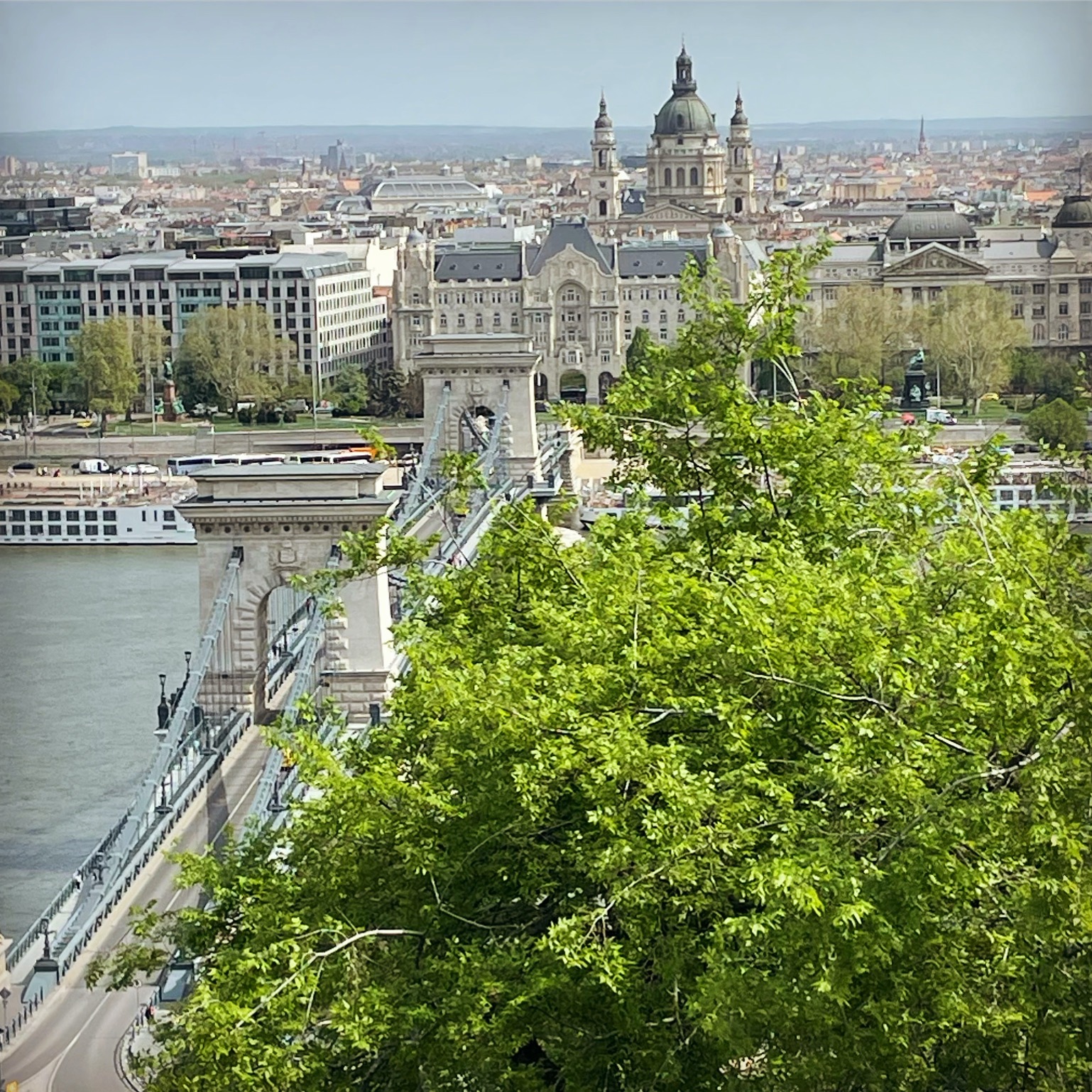
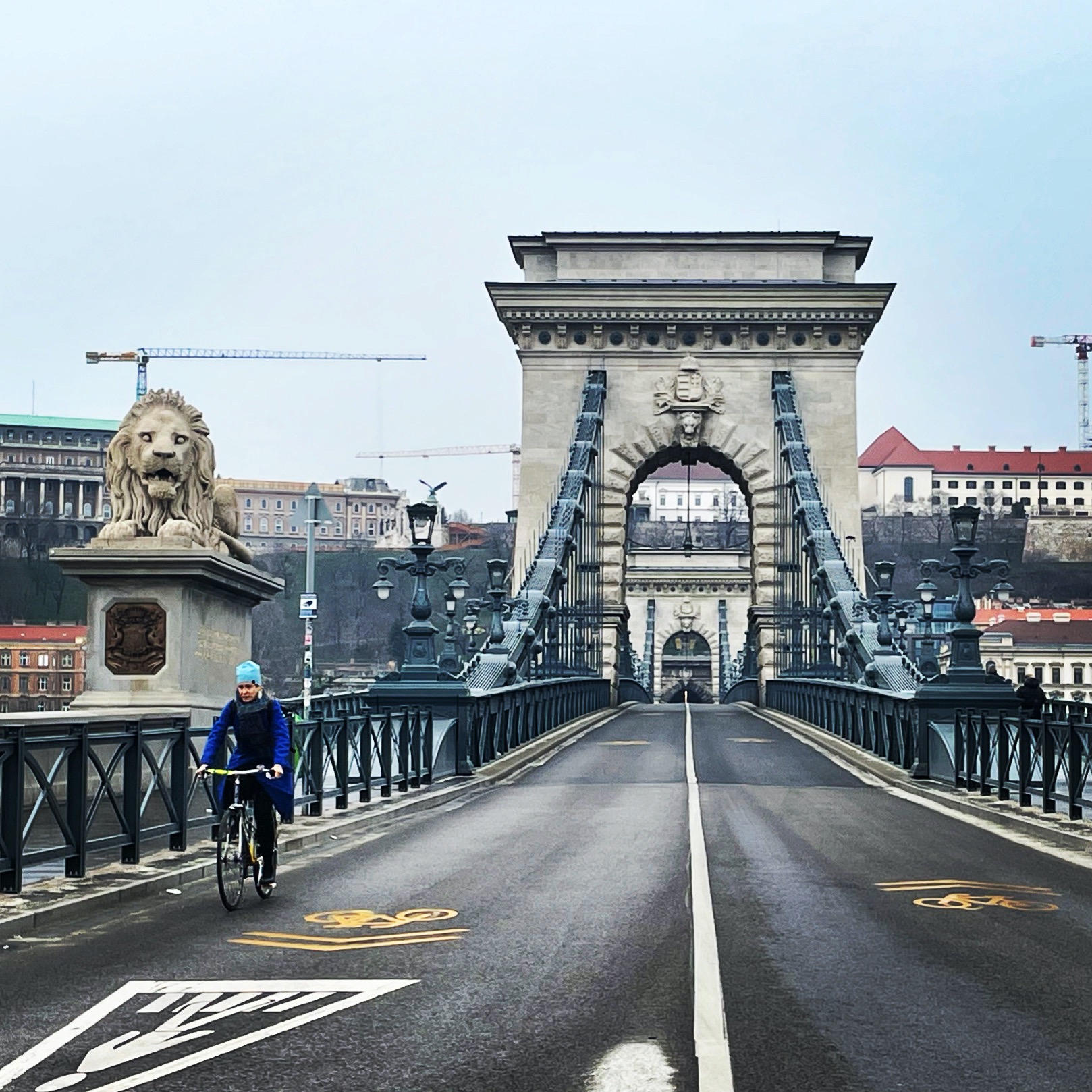
The Chain Bridge was the first permanent crossing of the Danube, opened in 1849. But did you know it has a smaller twin in Marlow, England? Both were designed by William Tierney Clark, with the Marlow Bridge crossing the River Thames. Stroll across it and you’ll feel like you’ve stepped into a miniature Budapest, a little echo of the Danube in the English countryside. I’m happy to cross this beautiful bridge with you when you book a walking tour with me.

Liberty Bridge

“An emperor’s silver nail”
When Liberty Bridge was inaugurated in 1896, Emperor Franz Joseph himself hammered in the last, and only silver, nail. That ceremonial gesture gave the green bridge a unique story among its siblings. Today it’s beloved by locals and students, sometimes even closed for open-air picnics. And, it still carries the emperor’s mark in its foundation. We usually stop for a few minutes to admire the bridge from the Pest side of the river when we go to the Great Market during a Foodie Tour. Also, this is my all time favourite of all Budapest bridges.

Margaret Bridge

“A princess on an island”
Margaret Bridge doesn’t just connect Buda and Pest — it also bends gracefully toward Margaret Island. The island itself was once home to a royal convent, where young Princess Margaret, daughter of King Béla IV, was sent to live. Choosing the island meant giving up courtly life forever, but her presence left a story of sacrifice and faith woven into the bridge’s path. I love taking travellers to the Margaret bridge and island on a customised tour.

Elizabeth Bridge

“Modern white frame of Gellért”
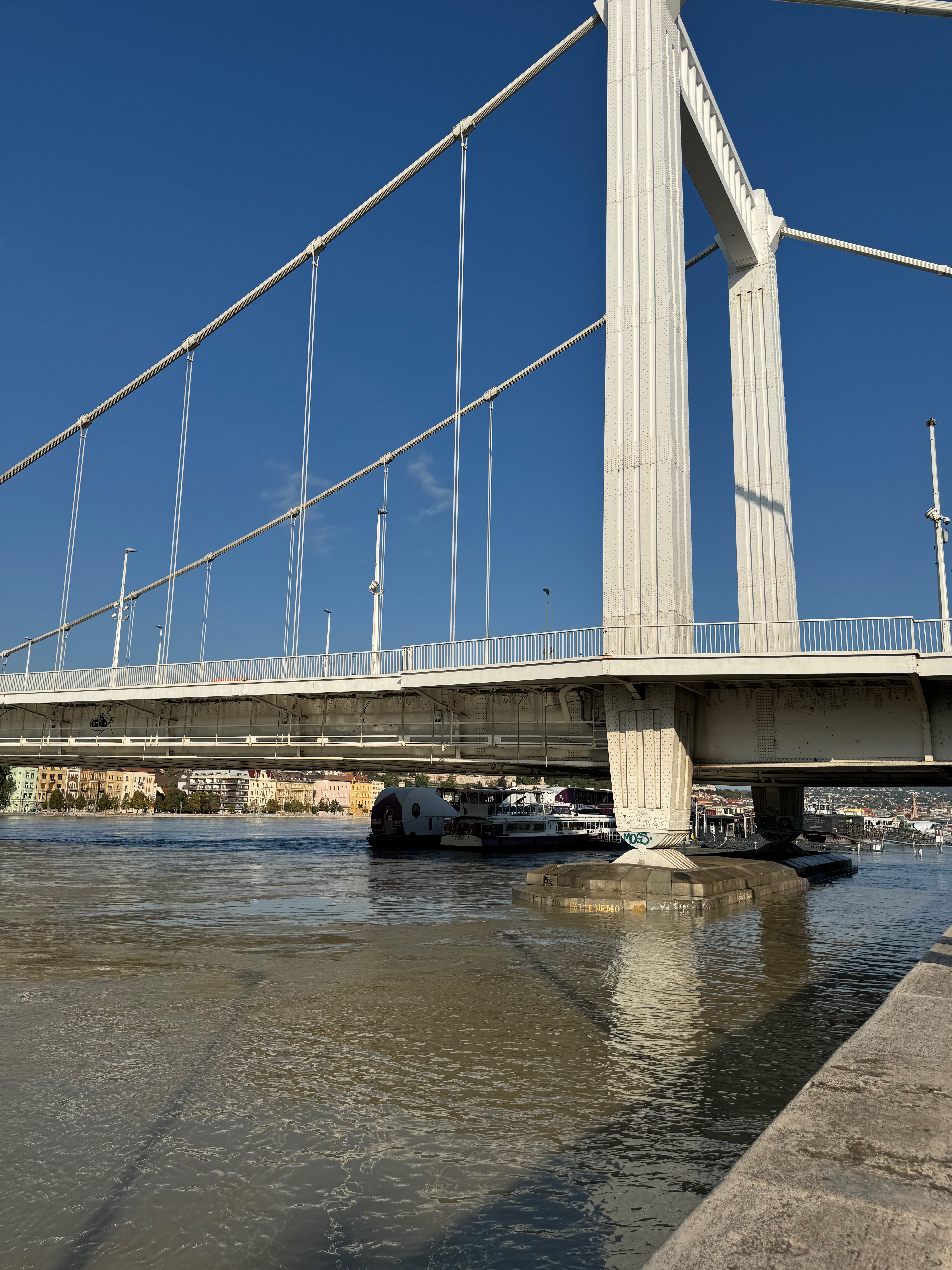
The original Elizabeth Bridge, named after Queen Sisi, was destroyed during World War II. What stands today is a sleek, modern suspension bridge — its white lines perfectly framing Gellért Hill and the Citadel behind it. It’s the only one of the Budapest bridges that was not rebuilt to the original style. It’s a striking contrast to the ornate Budapest bridges nearby, and a favourite spot for photographers chasing symmetry. Want to learn more about the bridge and the story of Gellért? I’m happy to include those in any Budapest driving tour.

Petőfi Bridge

“The Danube’s lost blue bridge”
Before World War II, the bridge that stood here gleamed in a bold shade of blue — a flash of colour across the Danube. After its destruction, the rebuilt Petőfi Bridge was painted grey, practical but subdued. It does its job, but sometimes I wonder how different Budapest’s skyline would feel today if that vibrant blue had survived.

Rákóczi Bridge

“Budapest’s bold red pylons”
The newest bridge across the central Danube, Rákóczi is defined by its industrial steel and striking red pylons. It may not carry centuries of history, but it connects the city to its growing cultural quarter — the National Theatre and Palace of Arts — showing how Budapest keeps building its future across the river.


From twins in England to emperors’ nails, princesses, and lost colors, Budapest’s bridges are full of stories that go far beyond stone and steel. Next time you’re here, don’t just admire them from a tram window — walk across. Each crossing is a chance to step into the city’s history, one story at a time.

Budapest is magical at any time of day, but after sunset, the city transforms into something truly unforgettable, that is Budapest at night for you. The golden domes and bridges light up, the Danube sparkles with reflections, and the streets come alive with locals and visitors enjoying food, drinks, and vibrant nightlife. Whether you’re looking for romance, culture, or just a good time, Budapest at night has it all.

Why Budapest at Night is Special

  • Golden Danube Reflections – Both riverbanks are part of a UNESCO World Heritage site, and at night the view becomes pure magic.

  • Fairy-tale Landmarks – The Parliament glows like a palace, the Chain Bridge twinkles, and Fisherman’s Bastion looks straight out of a storybook.

  • Lively Atmosphere – Cafés, ruin pubs, and wine bars buzz with energy late into the night.

  • Safe & Walkable – The historic center is compact and safe, making it perfect for evening strolls.

Top Experiences After Dark

1. The Parliament & Chain Bridge Lit Up

The most iconic postcard view of Budapest. From either side of the Danube, the glowing Parliament and illuminated Chain Bridge create a breathtaking panorama.

2. Evening Walk or Danube River Cruise

A stroll along the Danube Promenade is always a treat, but for the ultimate night experience, hop on a Danube Legend river cruise. You’ll float past the Parliament, Buda Castle, and the bridges shimmering in gold.

3. Ruin Pubs & Wine Bars in the Jewish Quarter

Budapest is famous for its ruin pubs—quirky bars built inside abandoned buildings and courtyards. For a more refined evening, try a Hungarian wine tasting at Doblo Wine Bar, my favourite in the Jewish Quarter.

4. Gellért Hill & the Citadel Views

For those who don’t mind a short climb, the reward is one of the most spectacular panoramic views of Budapest by night. The entire city glitters at your feet.

5. Night Trams & Metros (Bonus Tip)

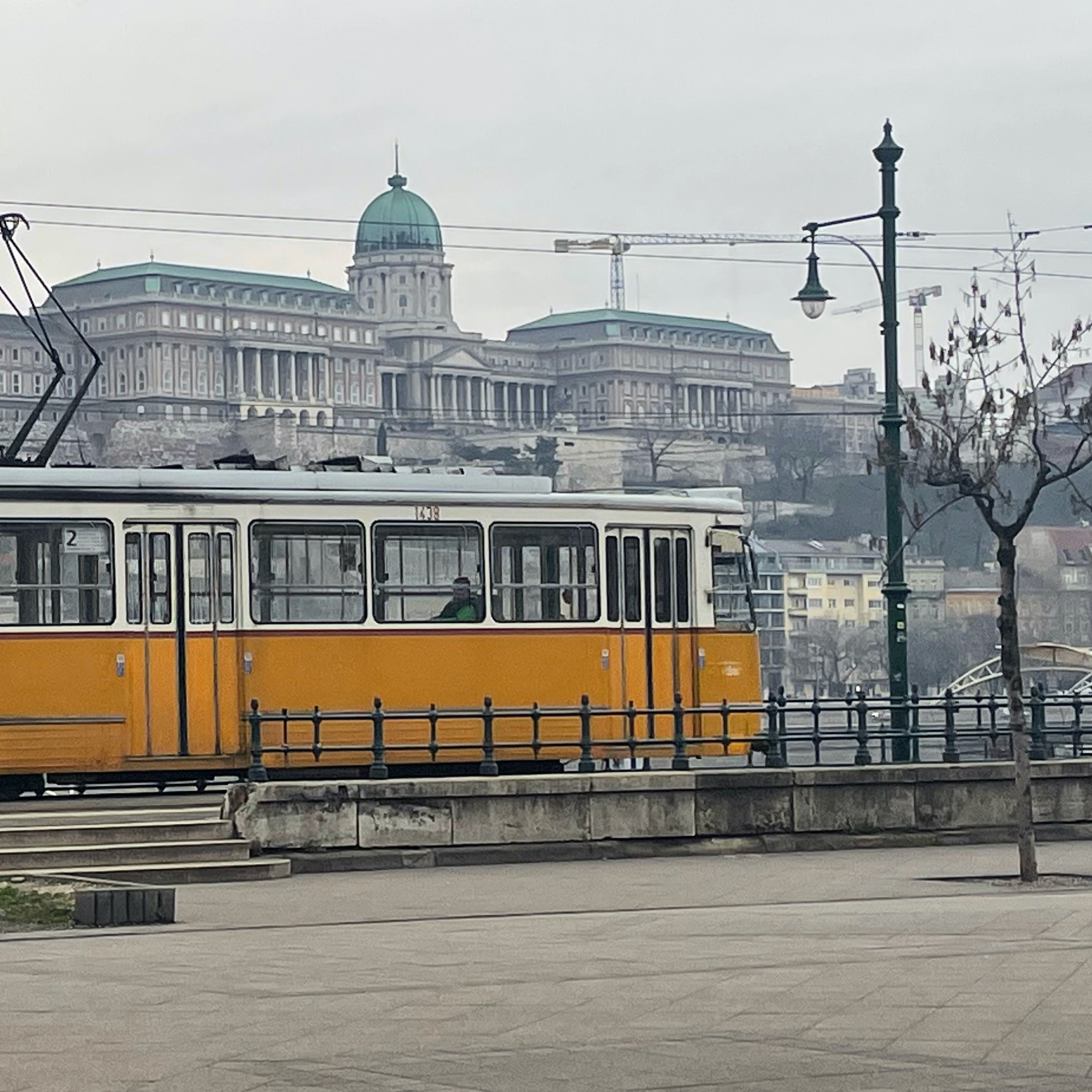
Budapest’s public transport is not just practical—it’s scenic, too. Tram 2 along the Danube is often called one of the world’s most beautiful tram rides, and it’s especially magical after dark.

Practical Tips for Enjoying Budapest at Night

  • Best Time for Photos: Start at blue hour (just after sunset) for the perfect golden glow, then stay as the city lights come on.

  • Safety: Central Budapest is generally very safe, even at night. Just keep an eye on your belongings in crowded bars.

  • Photography: Bring a tripod or use a steady surface for night shots.

  • What to Wear: Even in summer, evenings by the Danube can be breezy, so a light jacket is handy.

Final Thoughts

Budapest truly shines after dark. Whether you’re sipping wine in the Jewish Quarter, cruising the Danube, or watching the Parliament sparkle from Fisherman’s Bastion, the city offers a unique and unforgettable nighttime experience. Reach out if you have questions or would like to learn more about Budapest or private tours!

So next time you’re here, don’t call it a night too early—that’s when Budapest is just getting started.

Herend porcelain is more than just fine china — it’s a living piece of Hungarian cultural heritage. Located in the small town of Herend, about 1.5 hours from Budapest, the factory has been producing hand-painted porcelain since 1826. Today it’s one of the most famous porcelain makers in the world, treasured by collectors, royals, and anyone who appreciates timeless craftsmanship.

A Walk Through the Factory

On a factory tour, you’ll see every step of the porcelain-making process. Skilled artisans shape the pieces, then pass them on to painters who spend hours — sometimes days — adding delicate patterns by hand. Finally, the porcelain is glazed and fired, creating that distinctive shine.

Every brushstroke is unique, which means no two Herend pieces are ever exactly the same.

My Favourite Pattern — The Rothschild

Of all the designs, my personal favourite is the Rothschild pattern. It was created in the 19th century for the famous banking family and features colourful songbirds perched on leafy branches. The design was inspired by a romantic story: birds returning a lost pearl necklace in the Rothschild garden.

To me, it perfectly combines elegance with a touch of playfulness.

The Herend Museum & Shop

After your tour, you can visit the Herend Porcelain Museum, where historic pieces are on display — from rare royal commissions to everyday designs that have stood the test of time. The shop next door is a dream for collectors: you’ll find everything from traditional tea sets to modern pieces.

Visiting Tips

  • 📍 Location: Herend, Hungary

  • 🚆 Travel: About 1.5–2 hours from Budapest by car or train

  • 🎟️ Tours: Offered in several languages, including English

  • 🏺 Tickets include: A guided factory tour, entry to the museum, and a short introductory film

Why Visit Herend?

Herend porcelain is part of Hungary’s living heritage. A visit here isn’t just about beautiful ceramics — it’s about meeting the people who keep centuries-old traditions alive.

If you’d like to include Herend in your trip, I offer a private guided tour or can tailor a custom tour that combines the factory visit with other highlights of the region.

📌 Follow me on Instagram for more Hungarian travel and café tips!

📌 Watch my video version here:

Looking for the perfect Budapest café? The city’s coffee culture is as rich as its history, offering everything from cozy book-filled corners to elegant, chandelier-lit spaces. As a local guide and coffee lover, I’ve chosen four Budapest cafés that each have a completely different atmosphere — so no matter your mood, you’ll find a place to enjoy a great cup of coffee.

1. Massolit Books & Café Budapest — Cozy & Quiet

If you’re dreaming of a Budapest café where you can truly relax, head to Massolit Books & Café in the Jewish Quarter. Part English-language bookstore, part café, it’s a warm, inviting spot with shelves of books and a peaceful little garden.

This café is perfect for reading, journaling, or simply escaping the city buzz for a while. Order a coffee or a pot of tea, pair it with homemade cake, and let the hours pass by.

Local tip: Browse their second-hand book selection — you might find the perfect travel read.

2. Lumen Café — Creative & Local

For a Budapest café with a strong local vibe, Lumen Café in the Palotanegyed (District VIII) is a must. It’s a gathering place for artists, students, and anyone who loves a creative, slightly bohemian atmosphere.

Set around a courtyard, Lumen also doubles as a cultural space, hosting exhibitions, talks, and music events. The coffee is excellent, but the real draw is its friendly, creative energy.

Local tip: Try one of their seasonal specialties, like hibiscus soda in summer or a spiced latte in winter.

3. Madal Café — Trendy & Buzzing

Madal Café is one of the most popular Budapest cafés among locals and visitors alike. Known for its third-wave coffee and minimalist design, it’s perfect for meeting friends, working remotely, or simply enjoying people-watching in the heart of the city.

The coffee here is ethically sourced and consistently great — their flat white is a top choice. With multiple locations, the one at Király utca is especially bright and inviting.

Local tip: Their matcha latte is an excellent alternative if you’re not in the mood for coffee.

4. Művész Kávéház — Elegant & Timeless

If you want a Budapest café with history and elegance, visit Művész Kávéház on Andrássy Avenue, right across from the Hungarian State Opera House. This iconic café has been serving guests since the late 19th century and still boasts chandeliers, marble tables, and an old-world charm that’s hard to resist.

It’s the perfect place for a slow coffee paired with a slice of Dobos torte or Sacher cake.

Local tip: Ask for a table by the window to enjoy one of the most beautiful streets in Budapest.

Final Thoughts on Budapest Cafés

Budapest’s café culture offers something for everyone — from quiet reading corners to bustling creative hubs and elegant classics. These four Budapest cafés are my personal favourites, and each one is worth visiting for its unique atmosphere. Book a foodie tour with me if you’re interested in learning more!

Follow me on Instagram for more Budapest café tips

Summer in Budapest is magical—but let’s be honest, it can get hot. Here are eight ways to enjoy a true coolcation in Budapest. Luckily, locals know exactly how to handle it. Instead of hiding inside, we embrace the season in the most refreshing ways possible. If you’re planning a visit and want to stay cool while soaking up the city’s charm, this guide is for you.

1. Chill Out in the Shade of Historic Parks

Budapest’s tree-lined parks are natural air conditioners. Head to Károlyi Kert (my personal favourite spot) or City Park (Városliget) for shaded walkways, a lake, and peaceful spots to relax. Margaret Island is another favourite, right in the middle of the Danube—perfect for a picnic or a nap under ancient trees. For a hilltop breeze and forest paths, try Normafa, a local escape into nature with stunning views.

2. Stay Hydrated at Budapest’s Public Drinking Fountains

You don’t have to carry gallons of water around town. Budapest has dozens of public drinking fountains, many of them tucked into parks and squares. Keep a refillable bottle with you and look out for these small, life-saving oases—often beautifully designed and easy to miss if you’re not paying attention.

3. Hit the Beach—Yes, in Budapest!

Craving a beach day? Budapest has a few surprising options. At Római-part, the relaxed riverside area in northern Buda, you can dip your toes in the Danube, lounge in the shade, or sip drinks at waterside bars. Kopaszi-gát, on the south side of the city, offers a modern take with grassy lawns, stylish cafes, and urban beach vibes. For a full pool day, head to Palatinus Strand on Margaret Island.

4. Sip a Fröccs, Hungary’s Favorite Summer Drink

When the sun hits its peak, Hungarians reach for a fröccs: a light, fizzy mix of wine and sparkling water. It’s refreshing, customizable, and a total Budapest essential. You can try it at bars like Fröccsterasz, Élesztő, or any cozy neighborhood spot. Want to order like a local? Try a kisfröccs (small spritz) or hosszúlépés (“long step”) depending on your ratio preference.

5. Treat Yourself to Artisan Gelato

Ice cream is a must in Budapest summers—but go beyond the touristy rose cones. Head to Cioccolatte for award-winning flavours. Fragola is beloved for rotating fruit sorbets and Hungarian specialties like túró (sweet cottage cheese). For something more traditional, visit Artigiana Gelati on the Buda side.

6. Walk Through a Cloud: Mist Gates in the City

As you stroll through the city, especially around Erzsébet tér, Deák tér, or near the Bálna, you might stumble into a mist gate: a dreamy cloud of chilled vapor that cools you instantly. Kids love them, adults secretly love them, and they make for great slow-motion videos.

7. Too Hot? Go Underground

Budapest has a whole world beneath the surface—and it stays cool all year round. Here’s your underground checklist:

  • Hospital in the Rock: a WWII emergency center turned Cold War museum
  • Cave Church: spiritual and silent, carved into Gellért Hill
  • Pál-völgyi & Szemlő-hegyi Caves: natural limestone formations, tours at 10-12°C

Bring a light jacket—you’ll be glad you did.

8. Soak in the Golden Hour by the Danube

Evenings in Budapest are pure magic. As the heat fades, locals flock to the riverbanks. Watch the sunset behind Parliament, stroll across the Liberty Bridge, or sip something cool on a rooftop terrace. It’s the perfect way to end a heat-filled day: slow, golden, and full of atmosphere.

Final Thoughts: Your Budapest Coolcation Starts Here

Summer doesn’t have to mean sticky sidewalks and sunburns. In Budapest, it means shady parks, fizzy drinks, misty streets, and underground adventures. Whether you’re lounging at the beach, walking through a cloud of mist, or escaping into a cave, there’s always a refreshing way to enjoy the city.

Save this post, watch the Instagram Reel for inspiration, and plan your chill-out trip to Budapest.


Hungarian Kids’ Favourite: the Dobos Cake

As a kid growing up in Budapest, I truly believed the Dobos cake (Dobos torta) was named after drummers—because that glossy caramel top is so crunchy, you could literally drum on it. Dobos means “drummer” in Hungarian, and in my world, it made perfect sense.

Little did I know at the time that József C. Dobos, the master confectioner and inventor of this iconic cake, simply lent his name to one of Hungary’s most famous pastries. His creation debuted in 1885, at the National Exhibition in Budapest, won over Emperor Franz Joseph I and Empress Elisabeth, and quickly became a symbol of elegance and innovation in confectionery.

What Makes the Dobos Cake So Special

In 1884, Dobos set out to create a cake that would last longer than most pastries, in a time before refrigeration. He layered six thin sponge cakes with rich chocolate buttercream, coated the sides with nuts, and crowned it with a shiny caramel crust. That hard top wasn’t just decorative—it sealed in freshness and made long‑distance shipping possible.

The final product was minimalistic yet elegant—a departure from the lacy pastries of the era. The unusual combination of sponge, buttercream, and caramel earned the cake a permanent place in European culinary history. In 1906, Dobos generously released the recipe to the local pastry guild, ensuring its legacy for generations.

Why Our Childhood Misbelief Was Perfect

That crunchy caramel top was so distinct, even adults joked that it looked—and sounded—like a drum. Tapping it with a finger gave a crisp, satisfying crack. I’ve heard many fellow locals say they once thought Dobos literally meant “drummer cake.” That childhood myth made every bite feel a bit like play, and I still smile thinking of those memories.

My Favourite Spot: Művész Kávéház

When I want to relive that sugary nostalgia, I head to Művész Kávéház, located on Andrássy Avenue—Budapest’s elegant boulevard, lined with neo‑Renaissance mansions and steeped in café culture. Founded in 1898, Művész was a beloved haunt for artists and intellectuals, and its interiors still reflect that bohemian grandeur.

There, the Dobos is served exactly as tradition intended: crisp caramel, tender sponge, rich buttercream—and you’re invited to tap it gently before diving in. The ambiance, the history, the taste—it’s one of those perfect moments I love creating with guests on my foodie tours of Budapest.

Why I Share This Story on My Tours

Whenever I bring guests to Művész not just for a cake, but for the story behind it:

  • The infamous childhood myth everyone laughed at.

  • The real history of József Dobos and the cake’s European fame.

  • The sensory experience: tap the caramel, taste the layers, feel its place in Budapest’s café legacy.

It’s these layered stories—much like the layers of the cake—that make Budapest feel alive and personal for visitors.

Final Thoughts

So next time you see a slice of Dobos cake glistening under café lights, you don’t just eat it—you drum it. It’s a small gesture that connects childhood wonder, historic pride, and Budapest’s irresistible sweetness. Also, have a look at my tours or reach out if you have questions!

Tag someone you’d tap it with… and keep the tradition going.

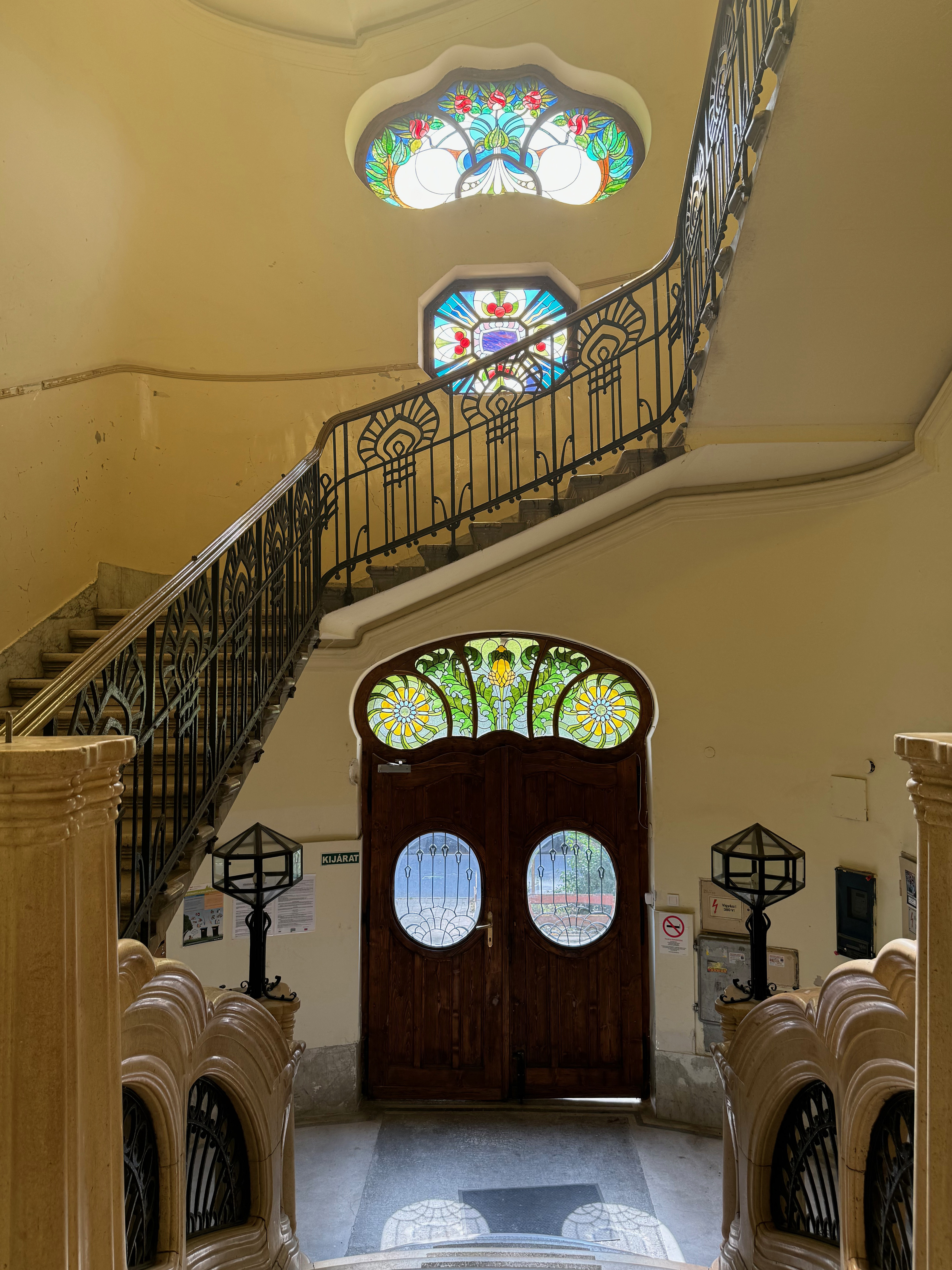
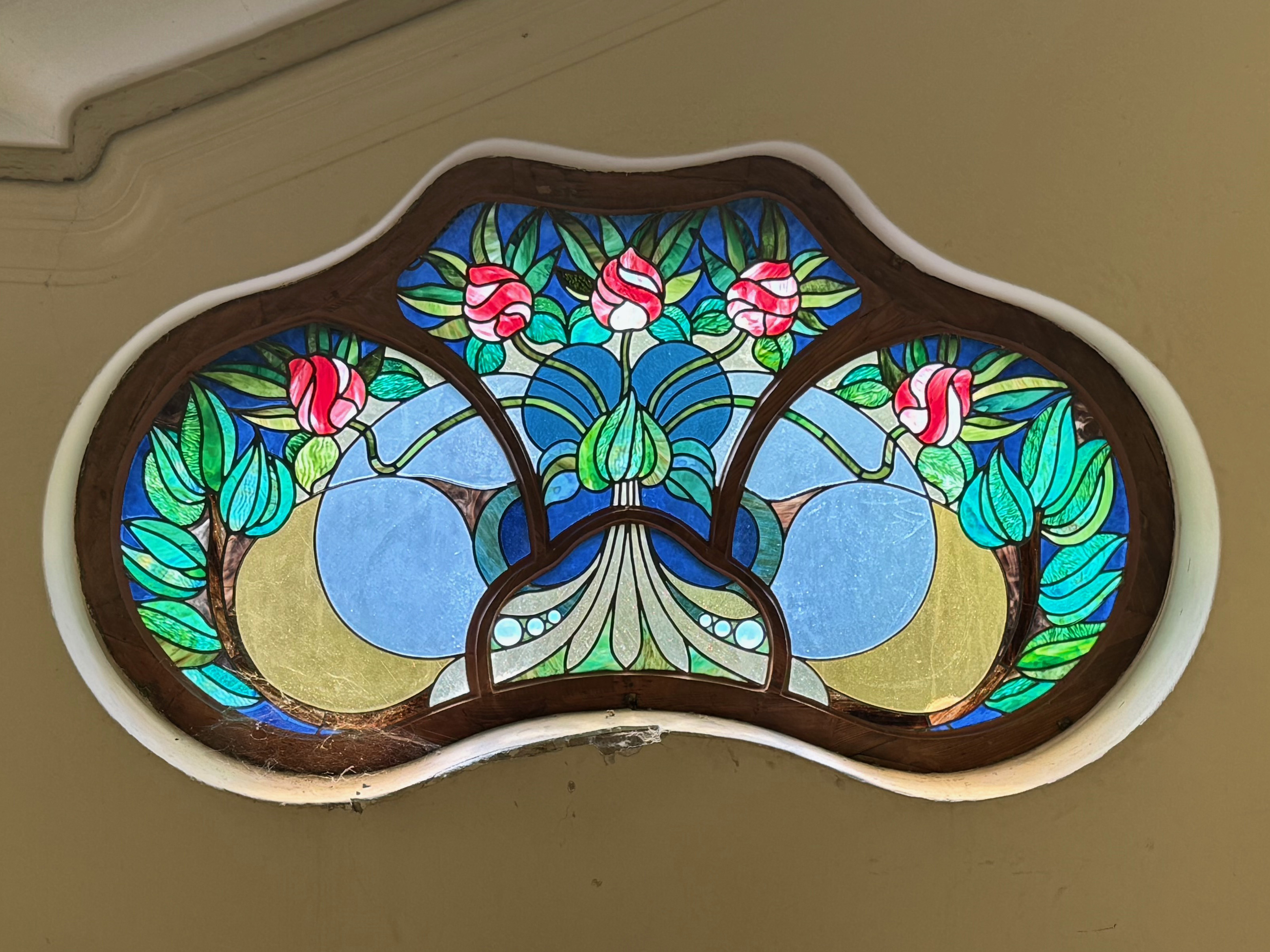
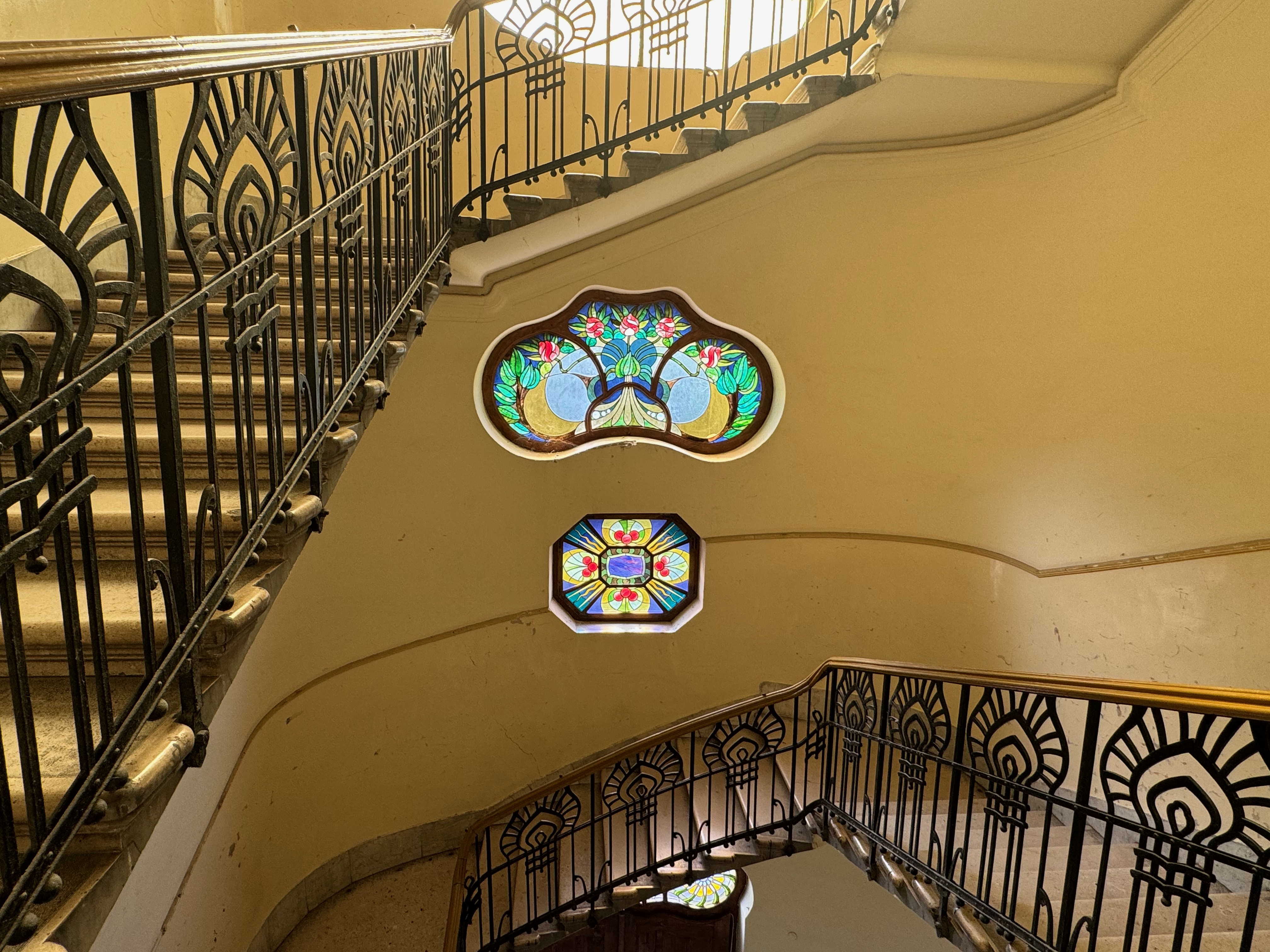
You might have noticed already how much I’m fascinated by the Art Nouveau movement of the late 19th and early 20th century. I love the design, the colours, the shapes and the fantastic symbolism, the stories the buildings and objects tell us. We were fortunate enough to discover this beautiful little gem of Art Nouveau in the 6th district of Budapest with my travellers who were looking for their family roots in Budapest earlier this year.

The house is from 1904, designed by the Hungarian architect genius Albert Kálmán Kőrössy for the Sonnenberg family. Like many other buildings from the same period of time this building was also in a very bad shape by the end of the 20th century. Some of the residents decided to restore it to its original beauty, and they have been doing an amazing job. It is a very long and expensive process, some of the stained glass windows were already restored, and they are just exquisite. I cannot wait to see the rest of the project.

Join me for an Art Nouveau walk to find out more about this super exciting time period and the symbolism of Hungarian Art Nouveau. Also, you’ll find more details about the Sonnenberg house and the restoration process here.

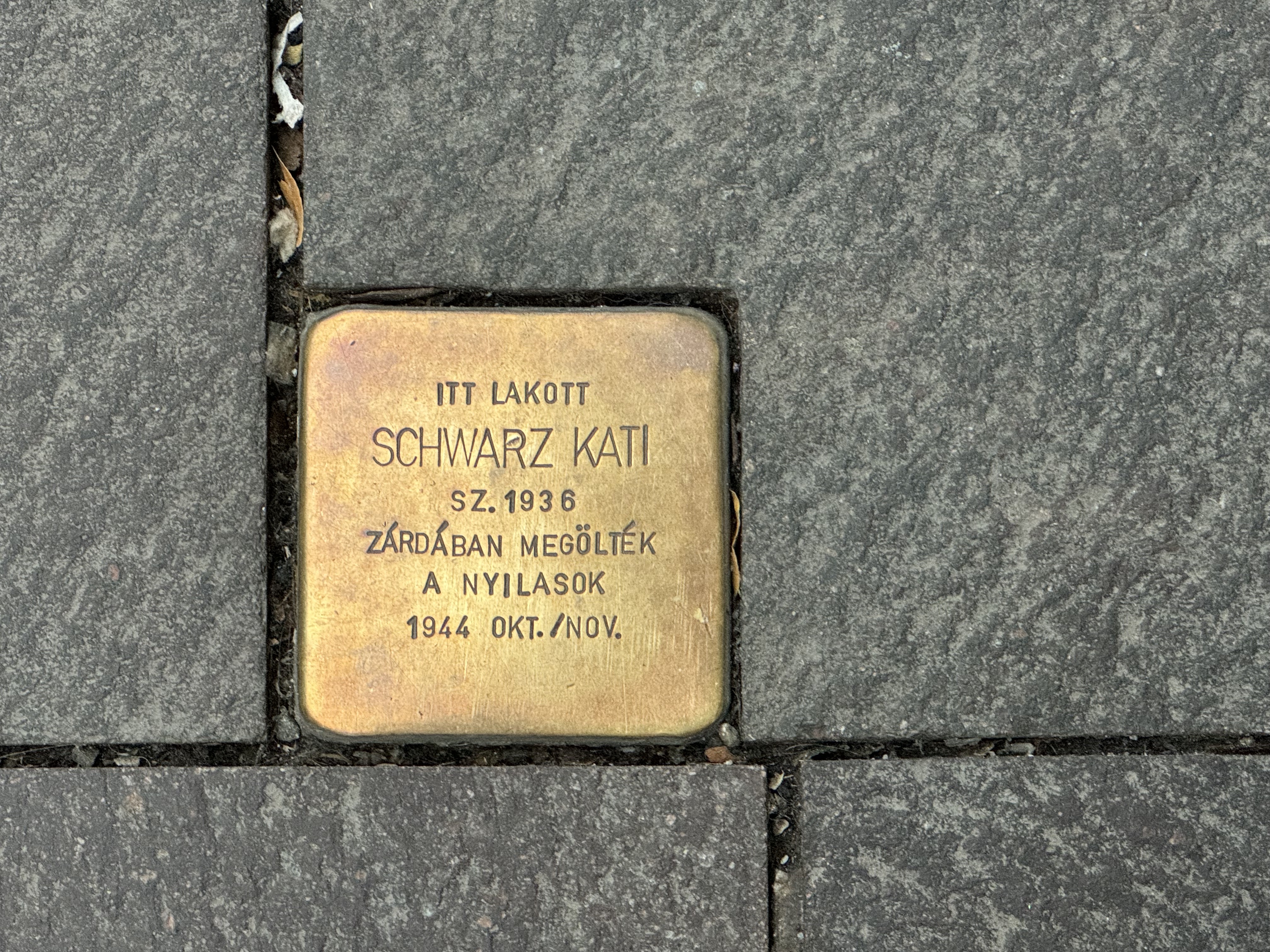
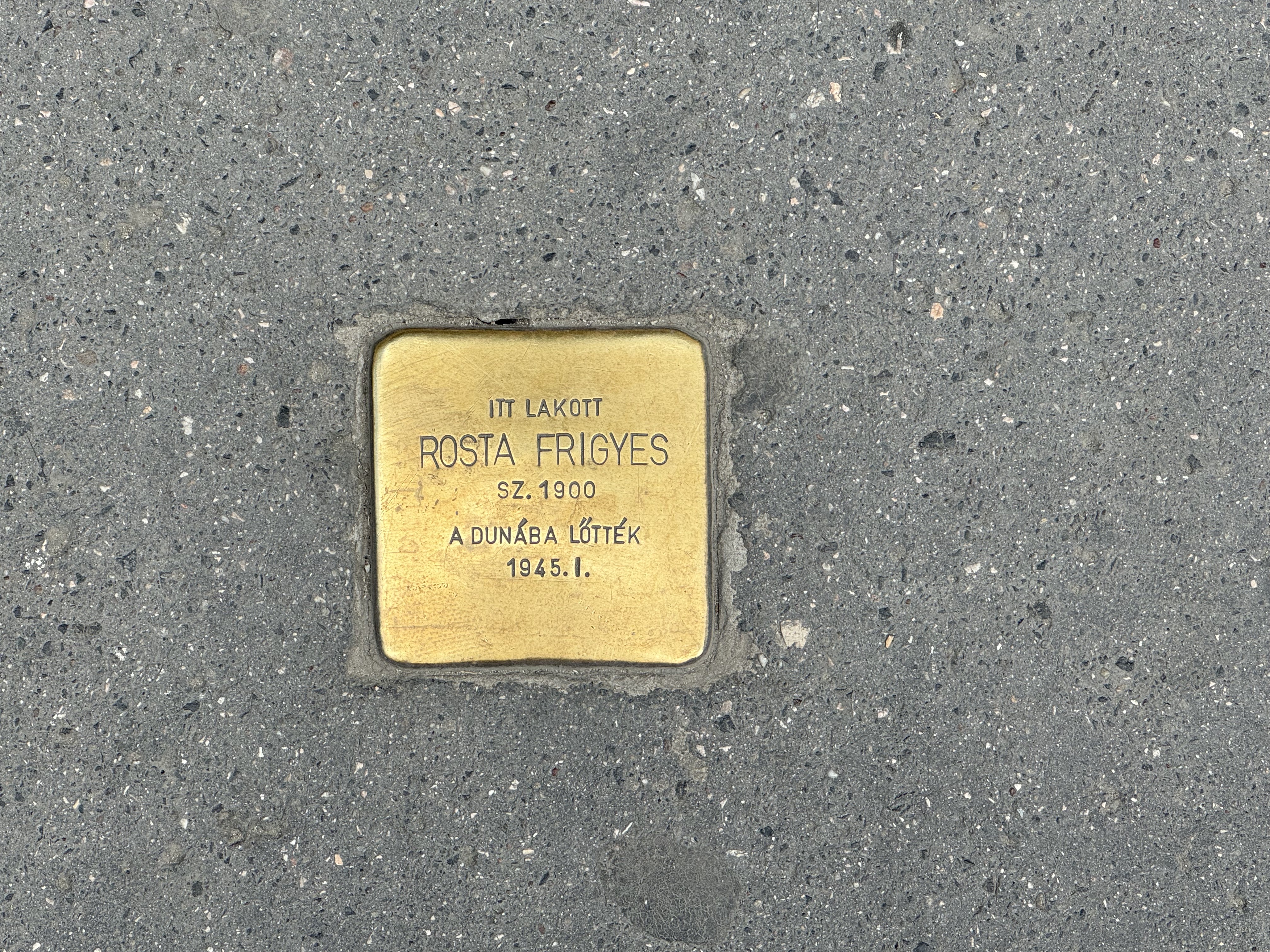
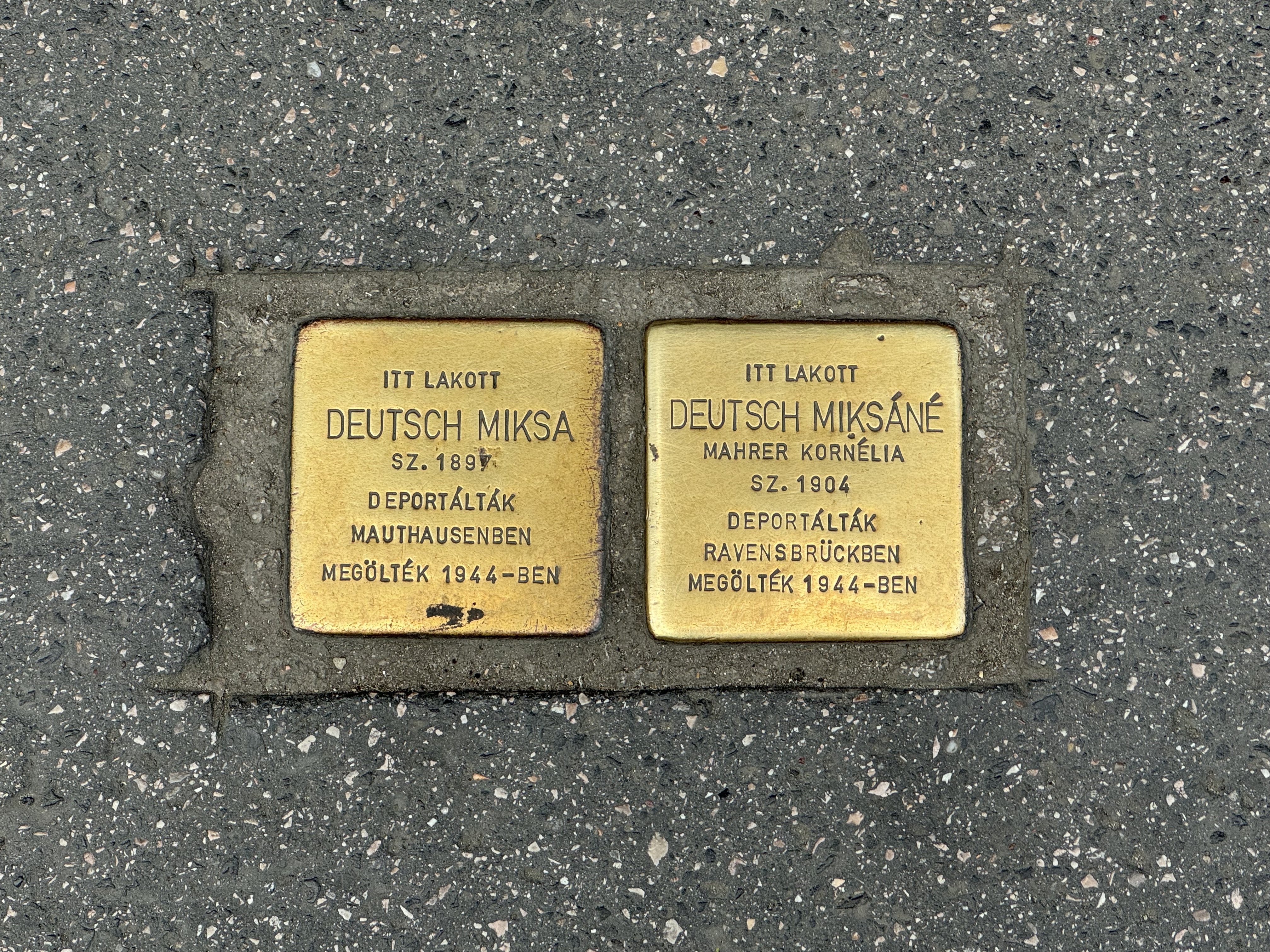
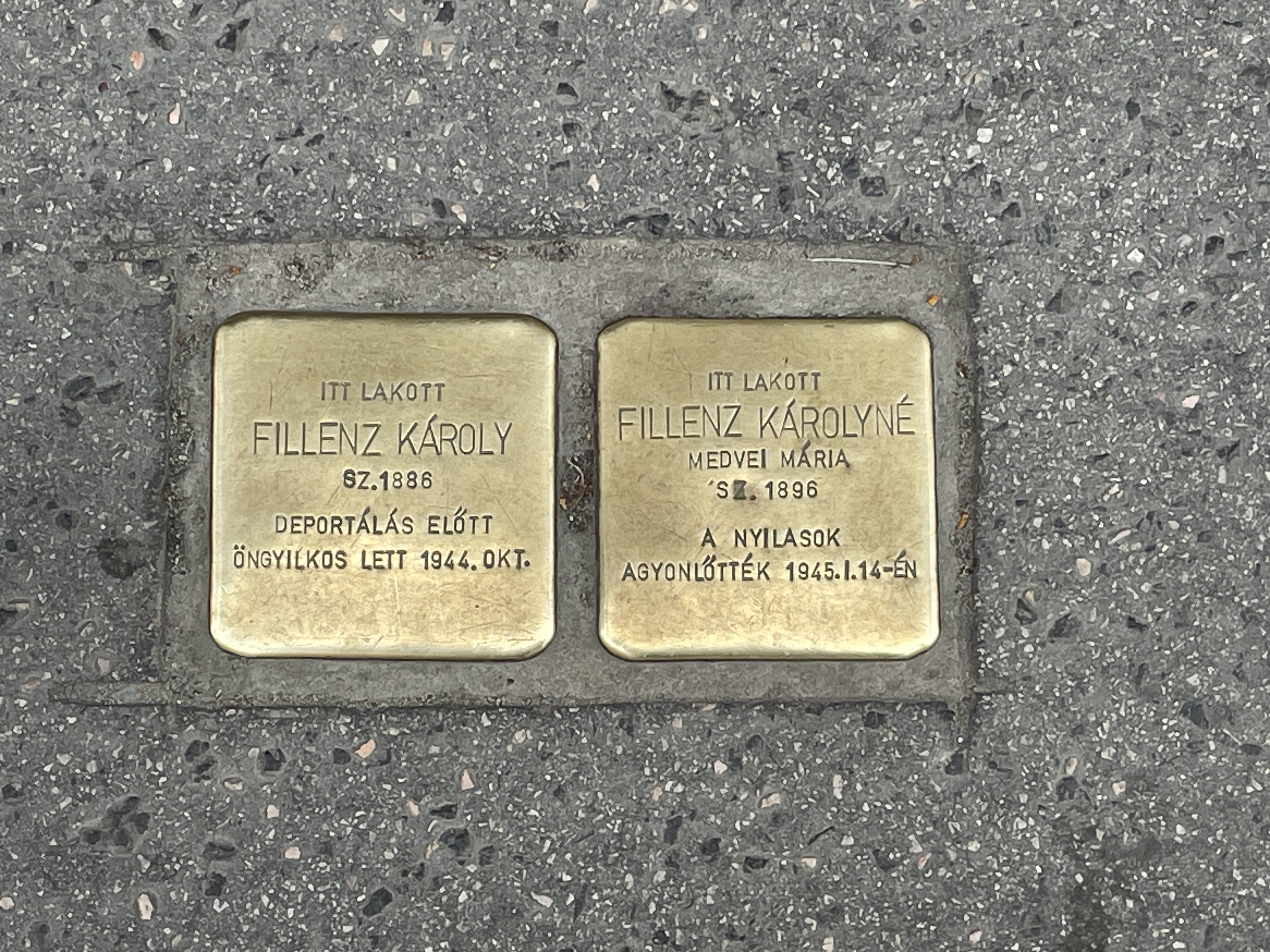
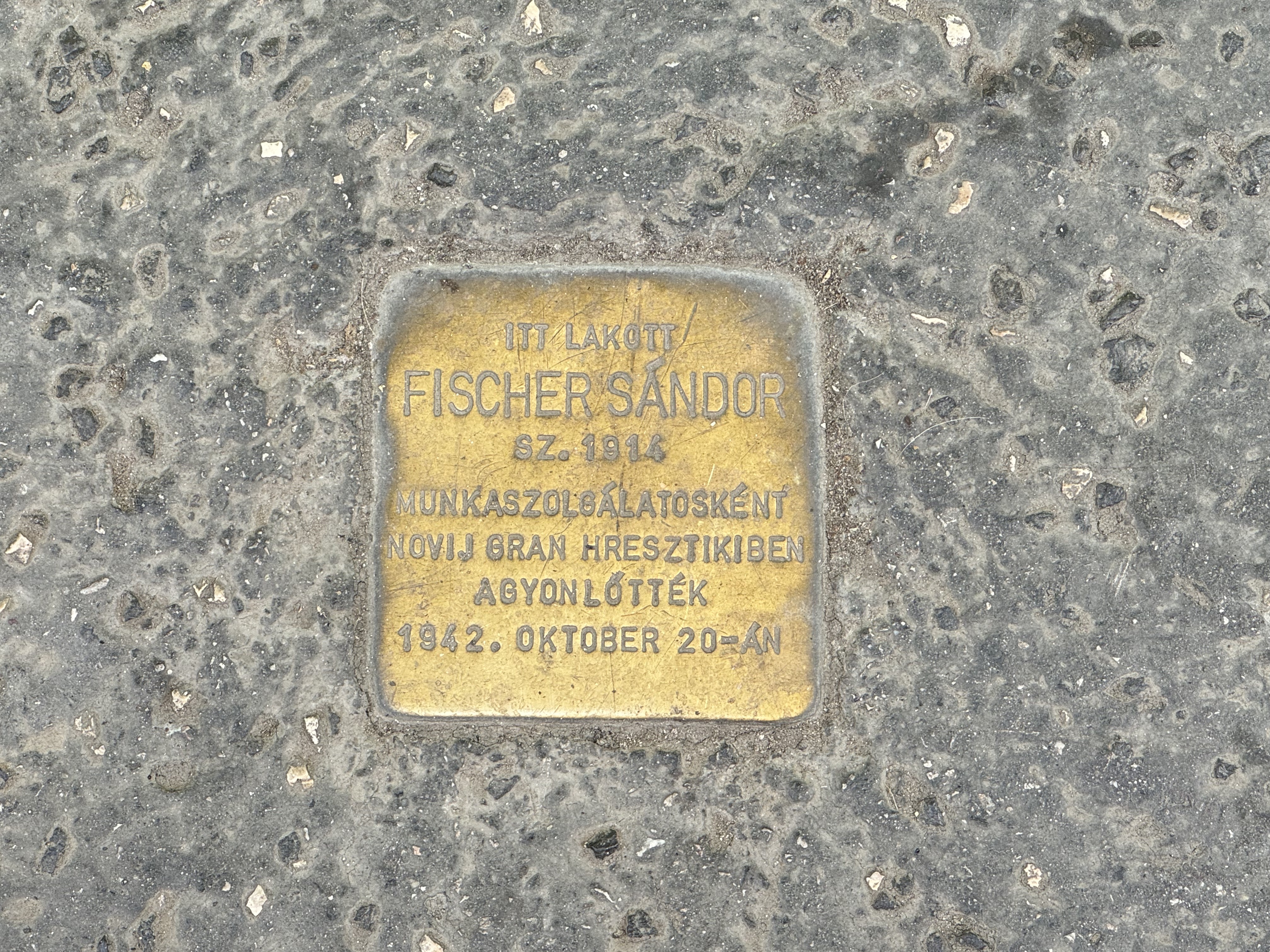
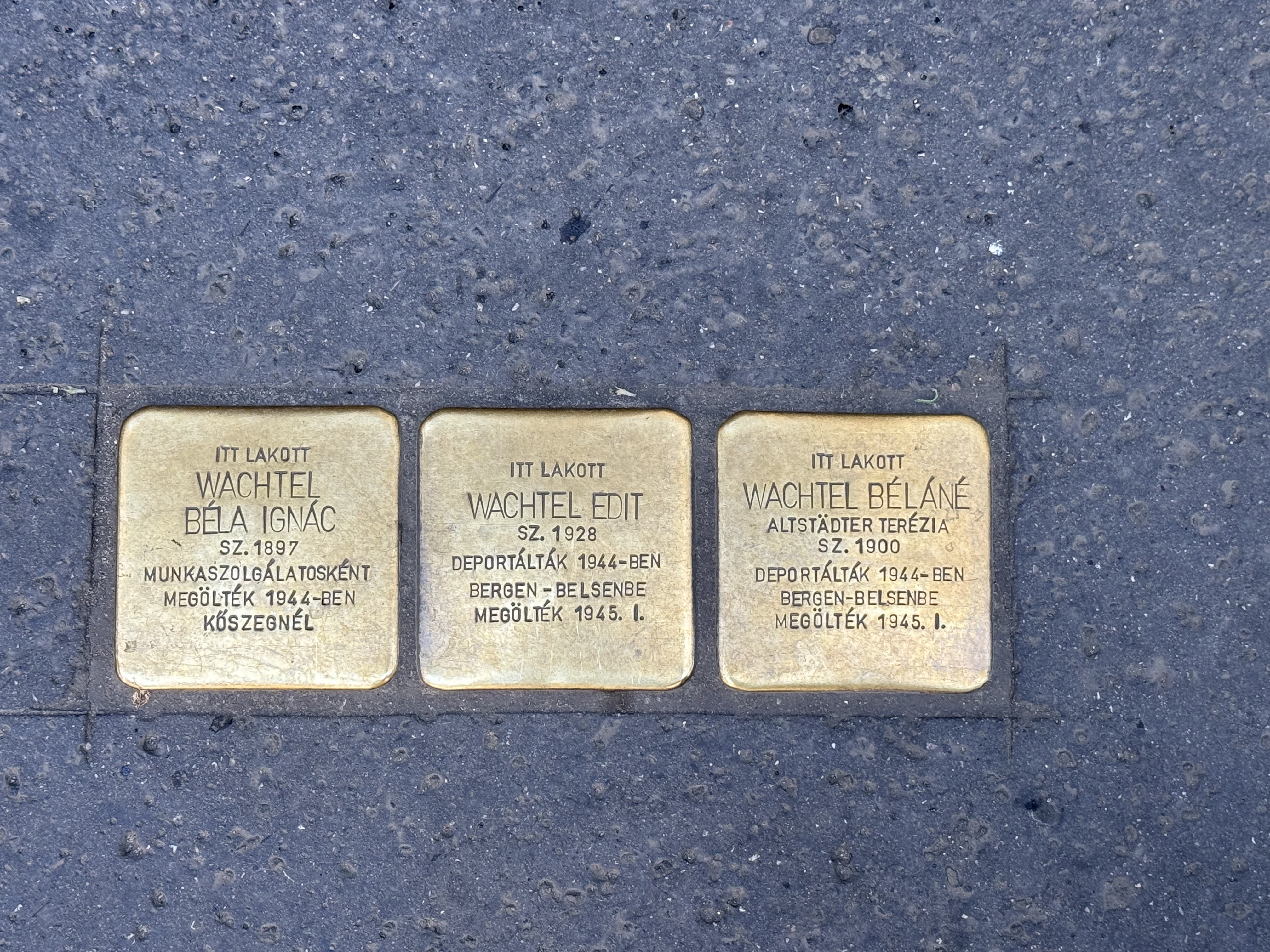
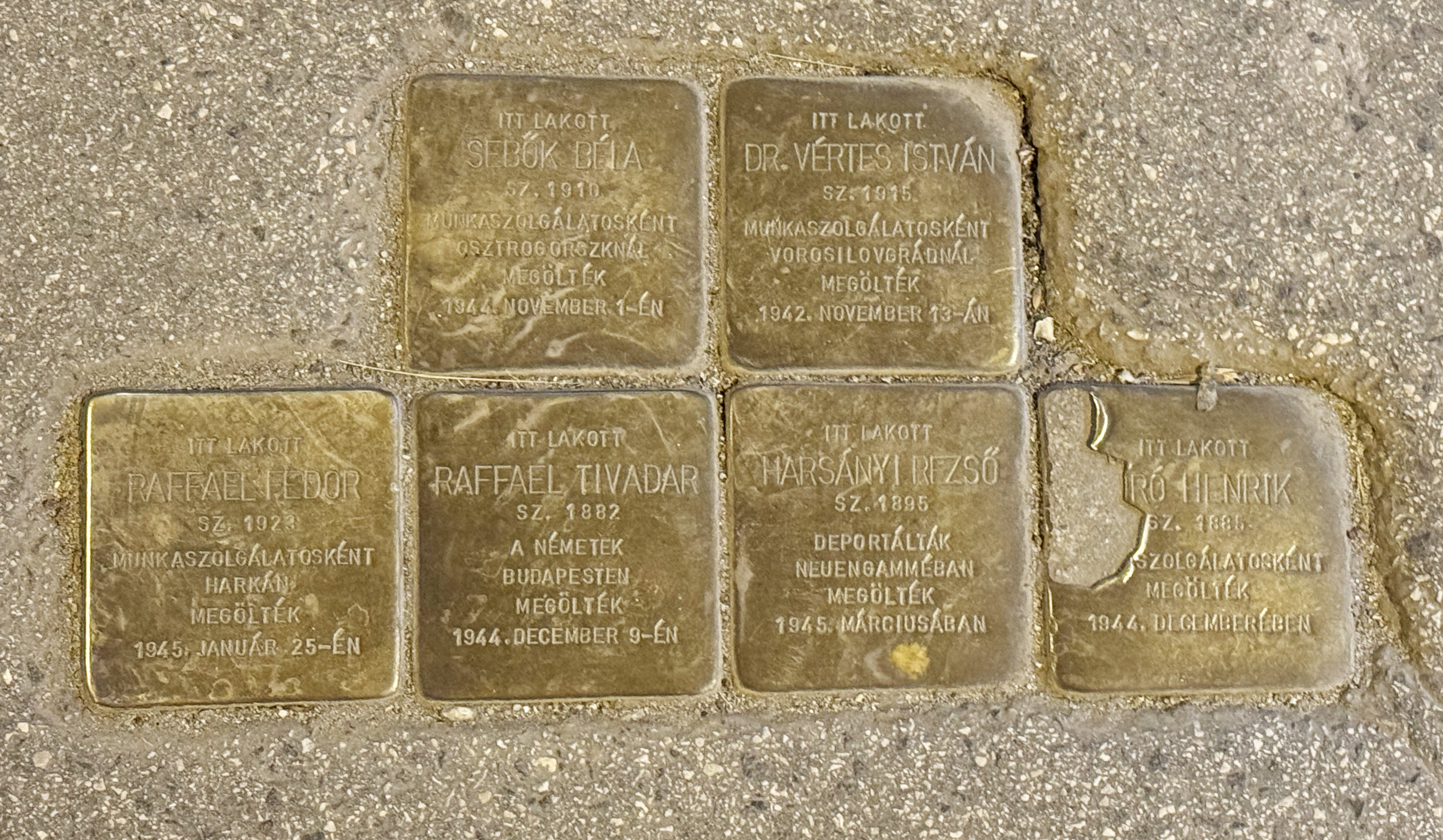
We stumble upon these little brass plaques in the pavement of the streets of Budapest, we see most of them on the Jewish Quarter walking tour. These little plaques remember people who were killed in the Holocaust, placed in the pavement in front of the building they lived, their last address of choice.

I love the idea of never forgetting people. I love how discreet these little plaques are and how they make you think, the actual train of thoughts that can take you much further than intended. I also love that this is probably the largest ever Holocaust memorial, still, you only see little parts of it. The amazing project of Gunter Demnig began in 1996 and about 95,000 plaques have now been placed across Europe. Don’t forget to look “down” sometimes. I can promise you that once you notice a plaque, you’ll all of a sudden see them all. Here is a little gallery of the ones I’ve come across the last couple of days.

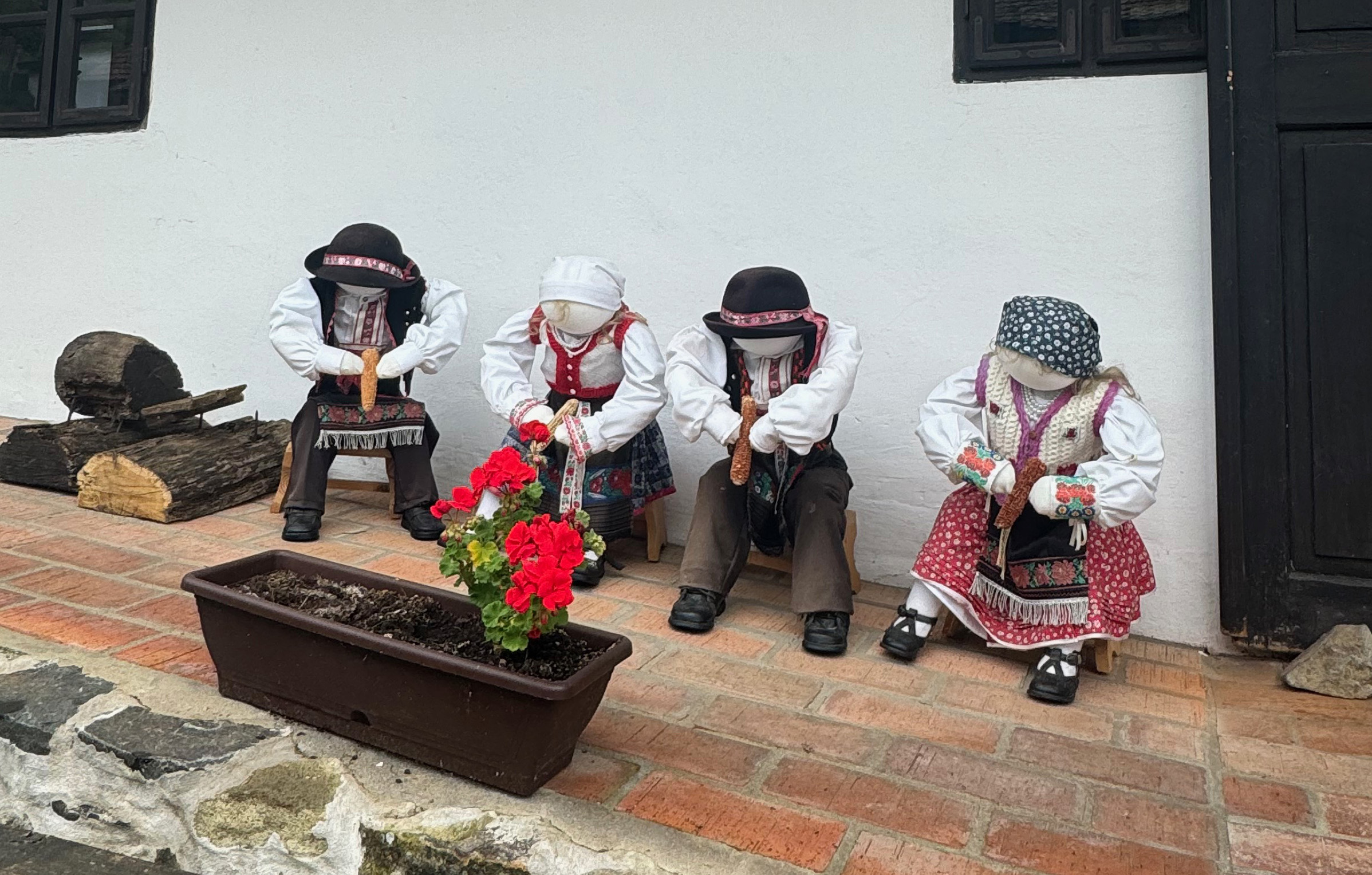
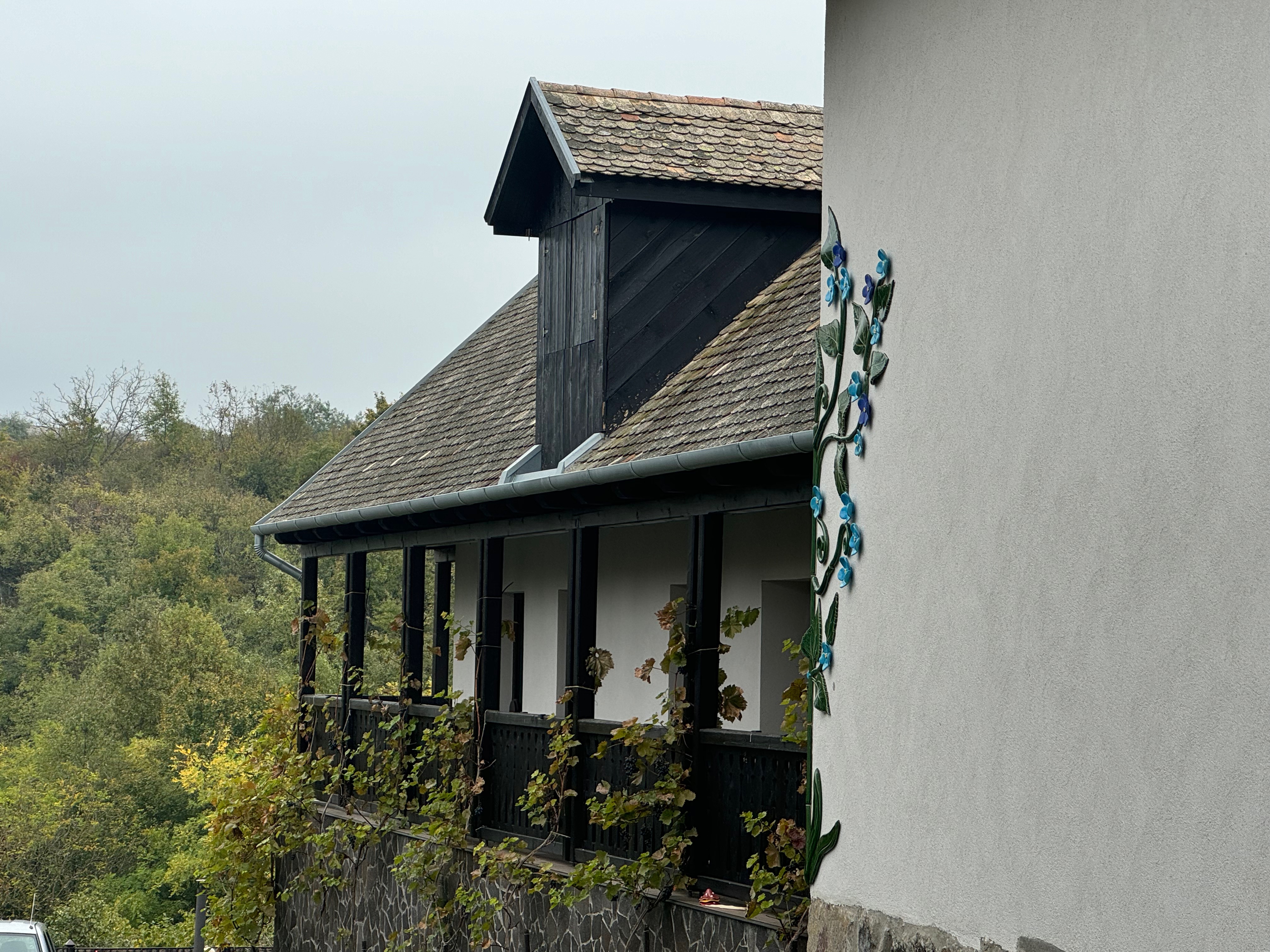
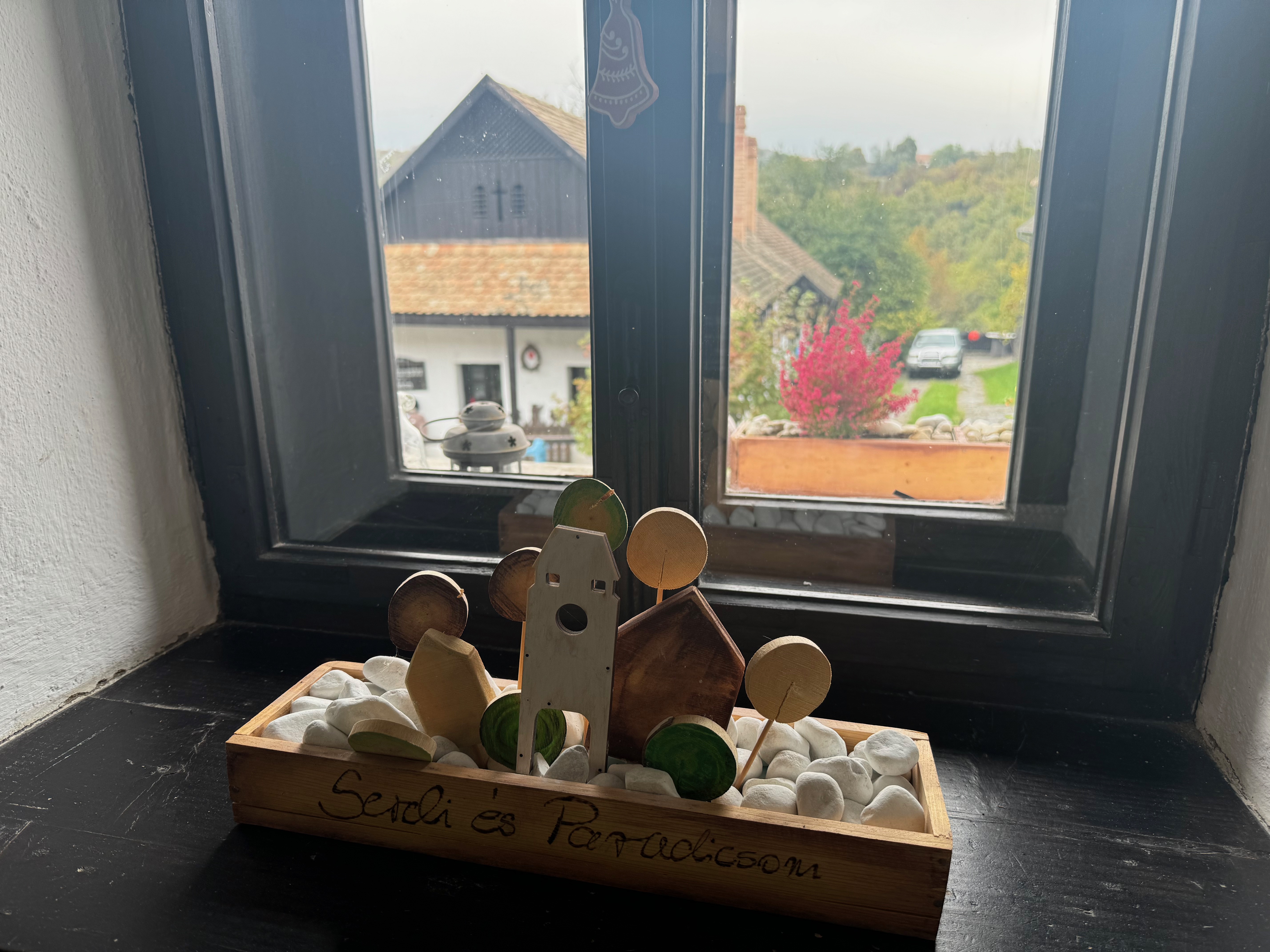
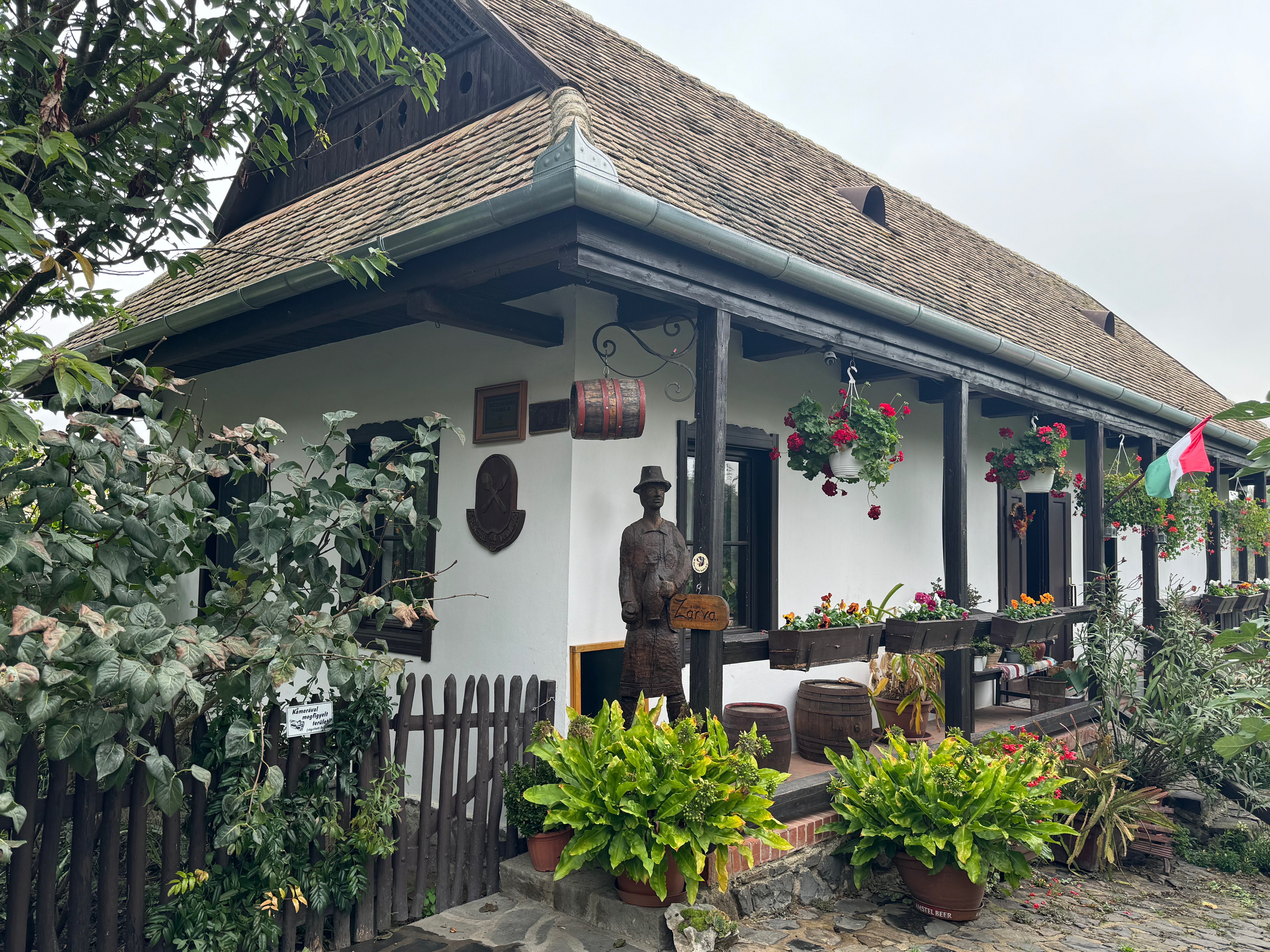
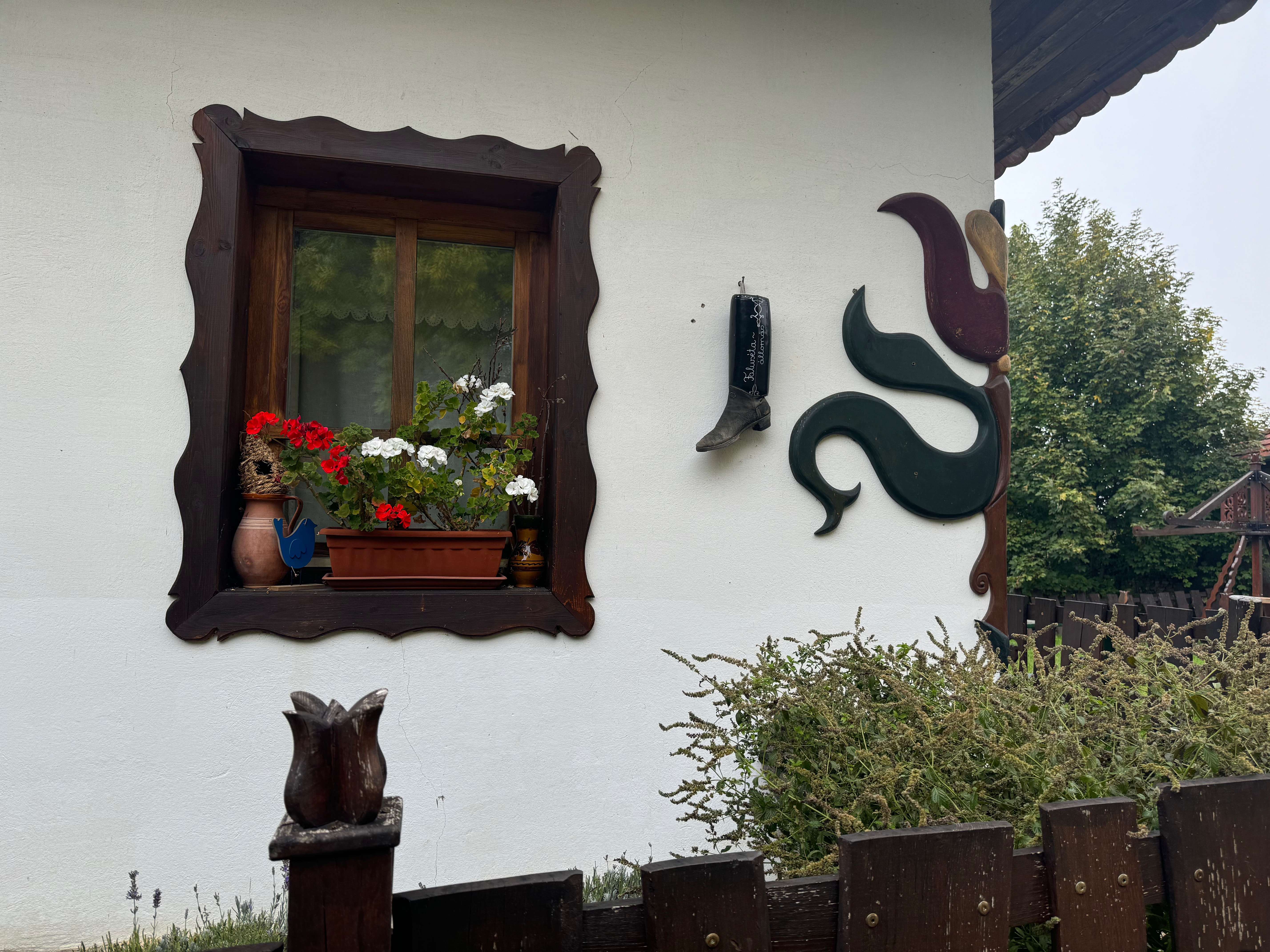
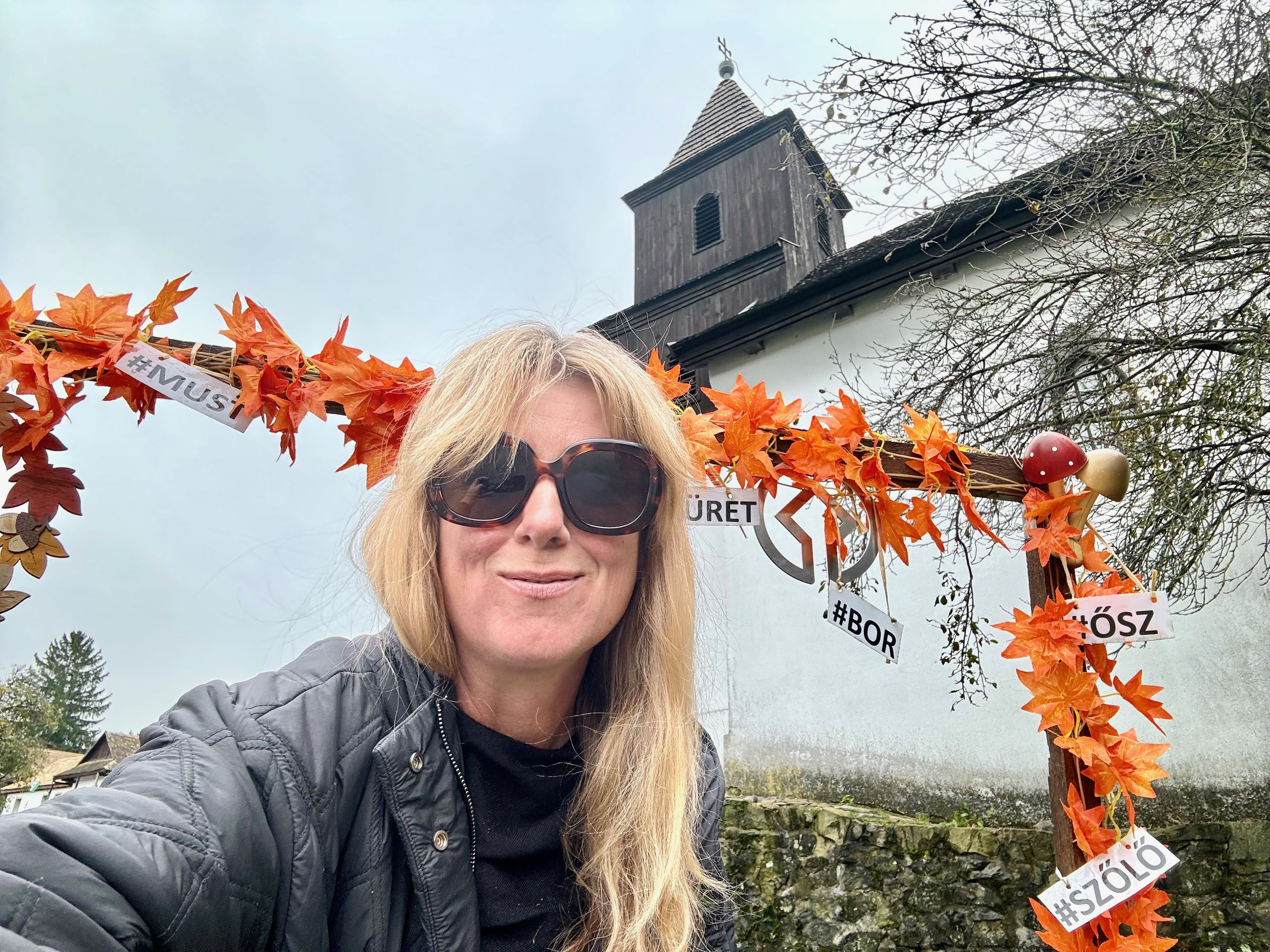
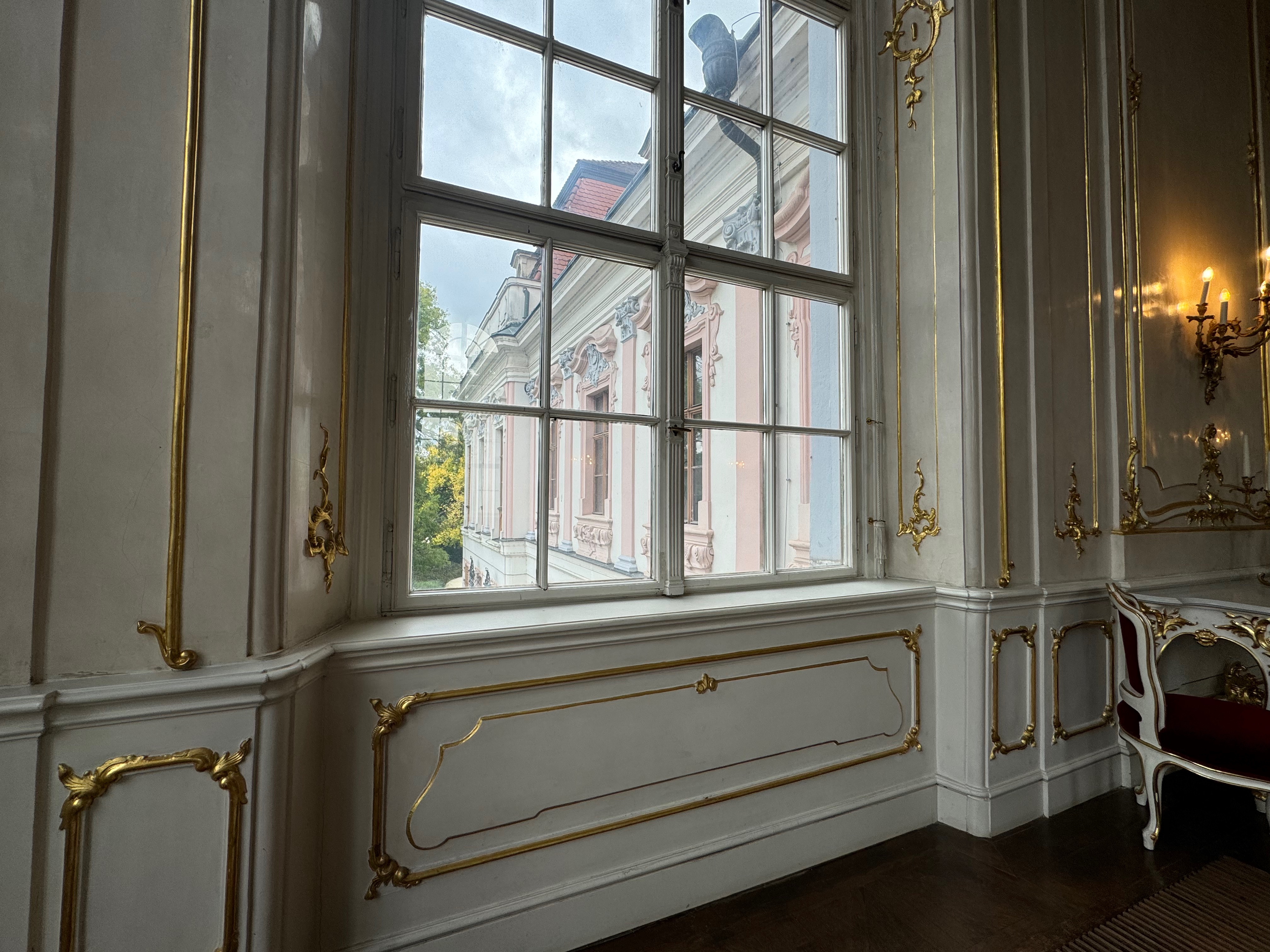
The reason why I love the Gödöllő and Hollókő tour is because it is a great opportunity to explore the magnificent Hungarian Baroque architecture, urban and rural, exquisite and ordinary. It is not just a travel back in time, it is also a great way to learn more about Hungarian culture and about the life of our predecessors, the lifestyle that defined our everyday life and culture today. In addition, you will have the chance to meet some very friendly local people who cherish the local traditions and try to keep them alive. I have more pictures for you of the Gödöllő palace and Hollókő.

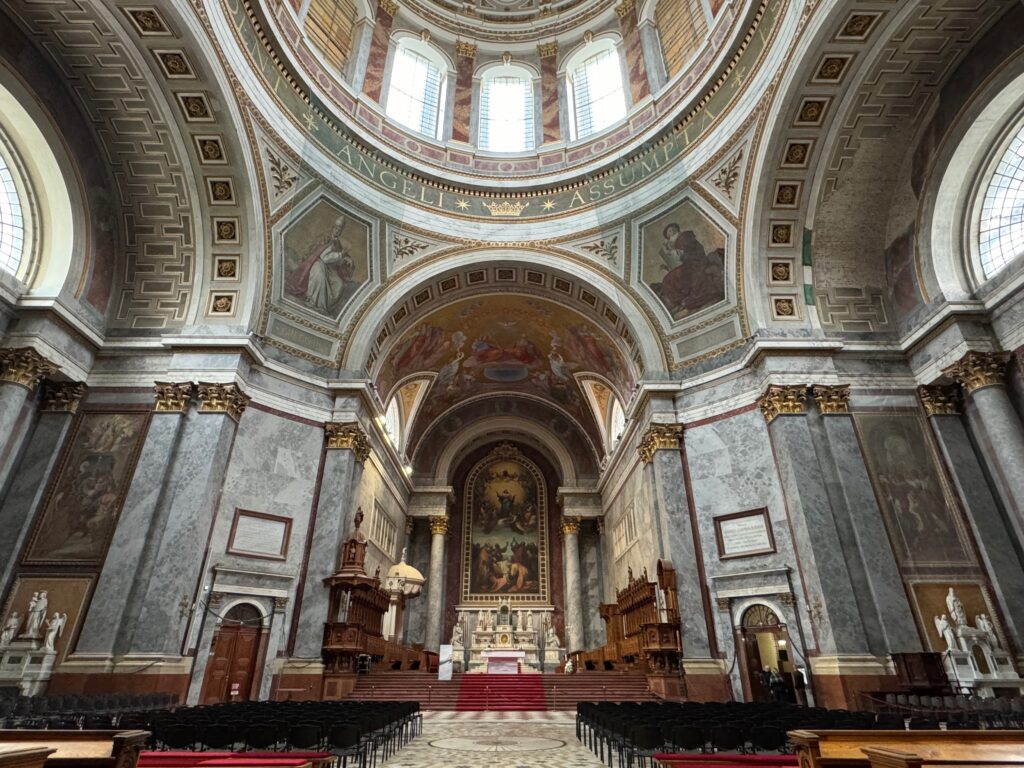
The largest Catholic Church of Budapest, the magnificent Esztergom Basilica is included in my popular Danube Bend private tour. The renovation works started in 2018 and we can already see some amazing parts of the interior beautifully restored. I am fascinated by how spacious and monumental the interior has become, it definitely is worth a visit when you spend some time in Beautiful Budapest.

Esztergom Basilica, the largest Catholic Church in Hungary

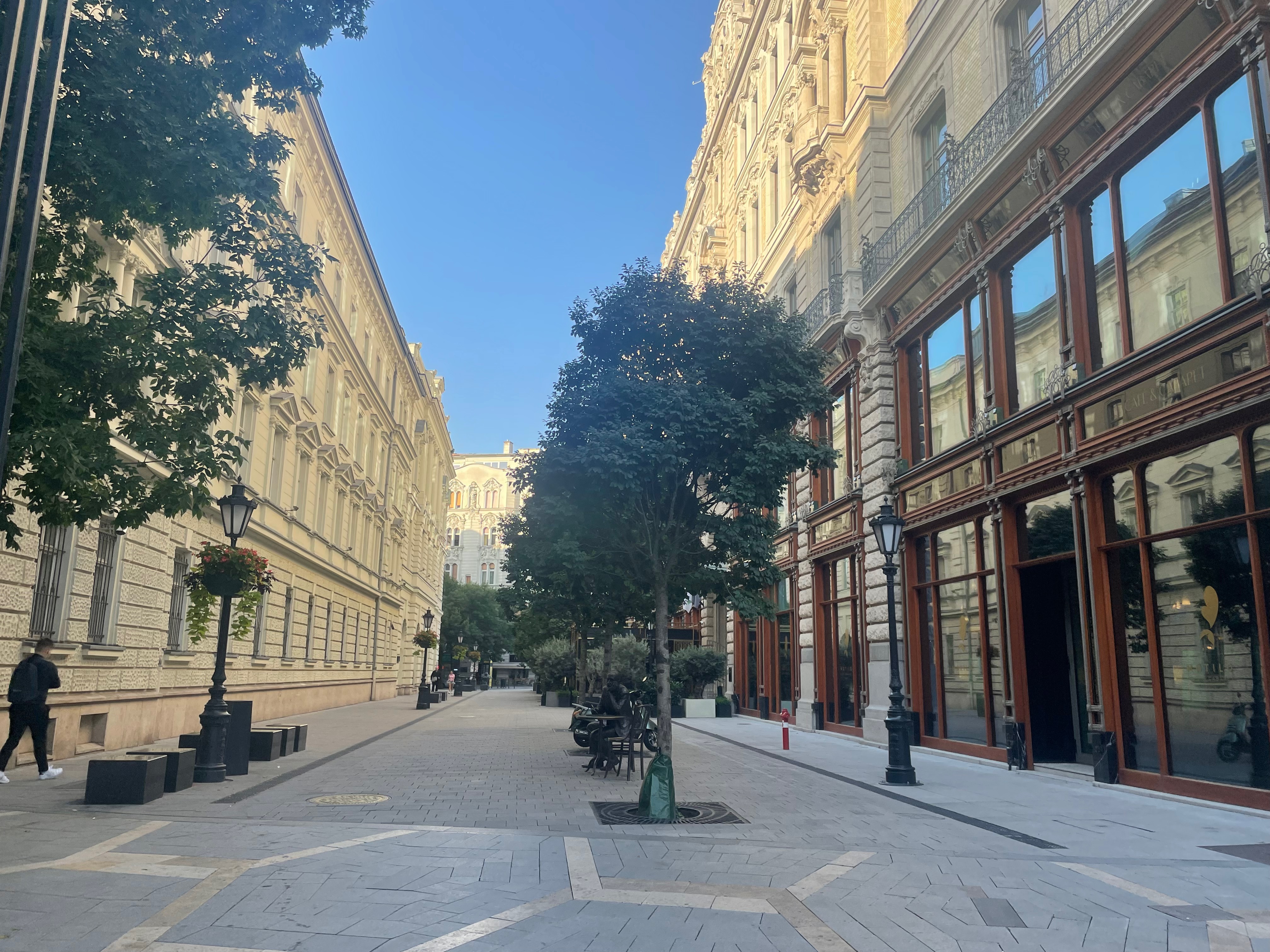
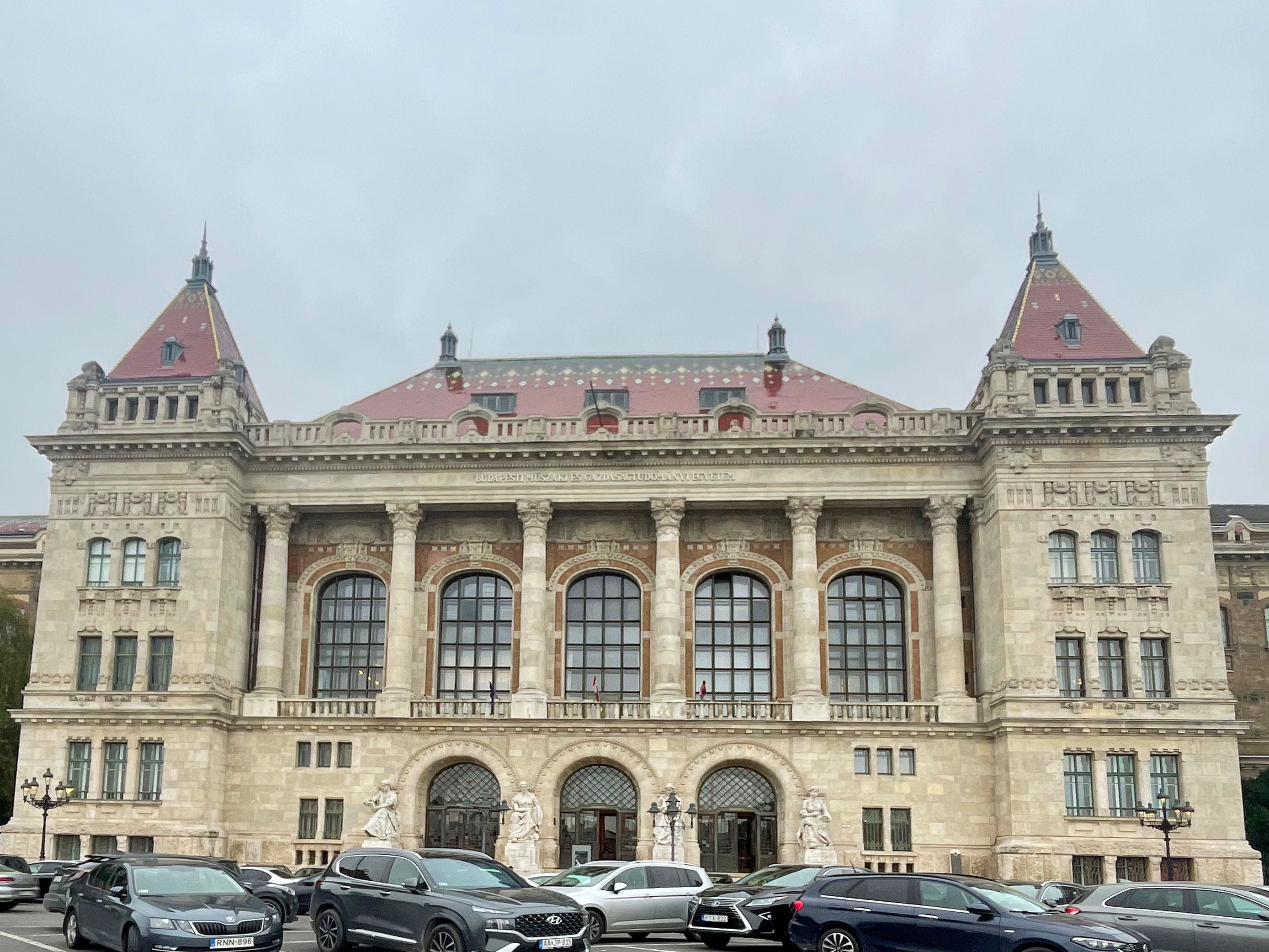
A little photo gallery from the thousands of photographs I’ve been taking while walking around my Beautiful Budapest. These are not the most famous attractions, but some hidden gems that you can discover when you book a tour with me. The reason why I’m sharing these with you is that I very much like the colours, the vibes, the ambience of these places. Feel free to contact me for more details!

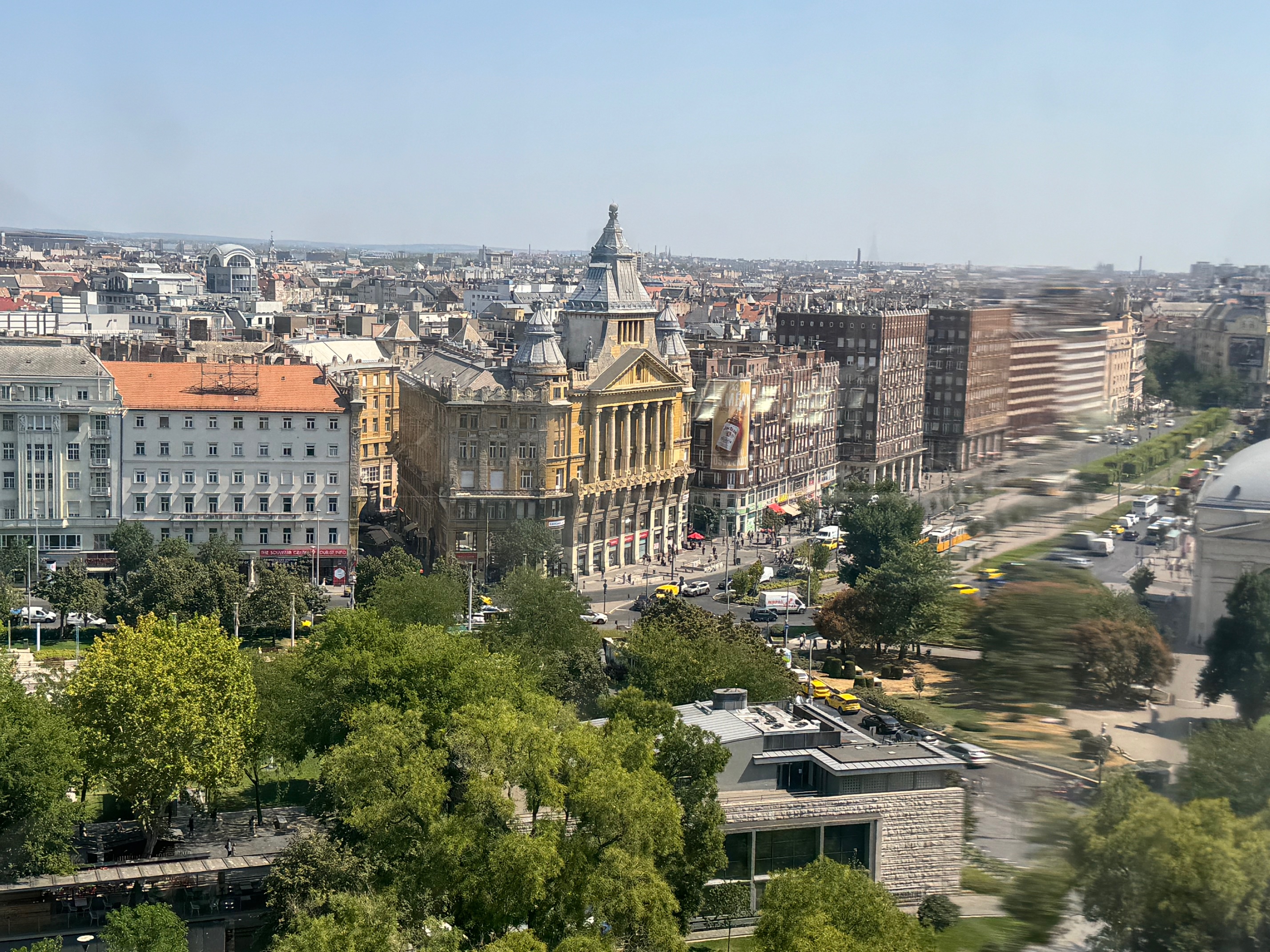
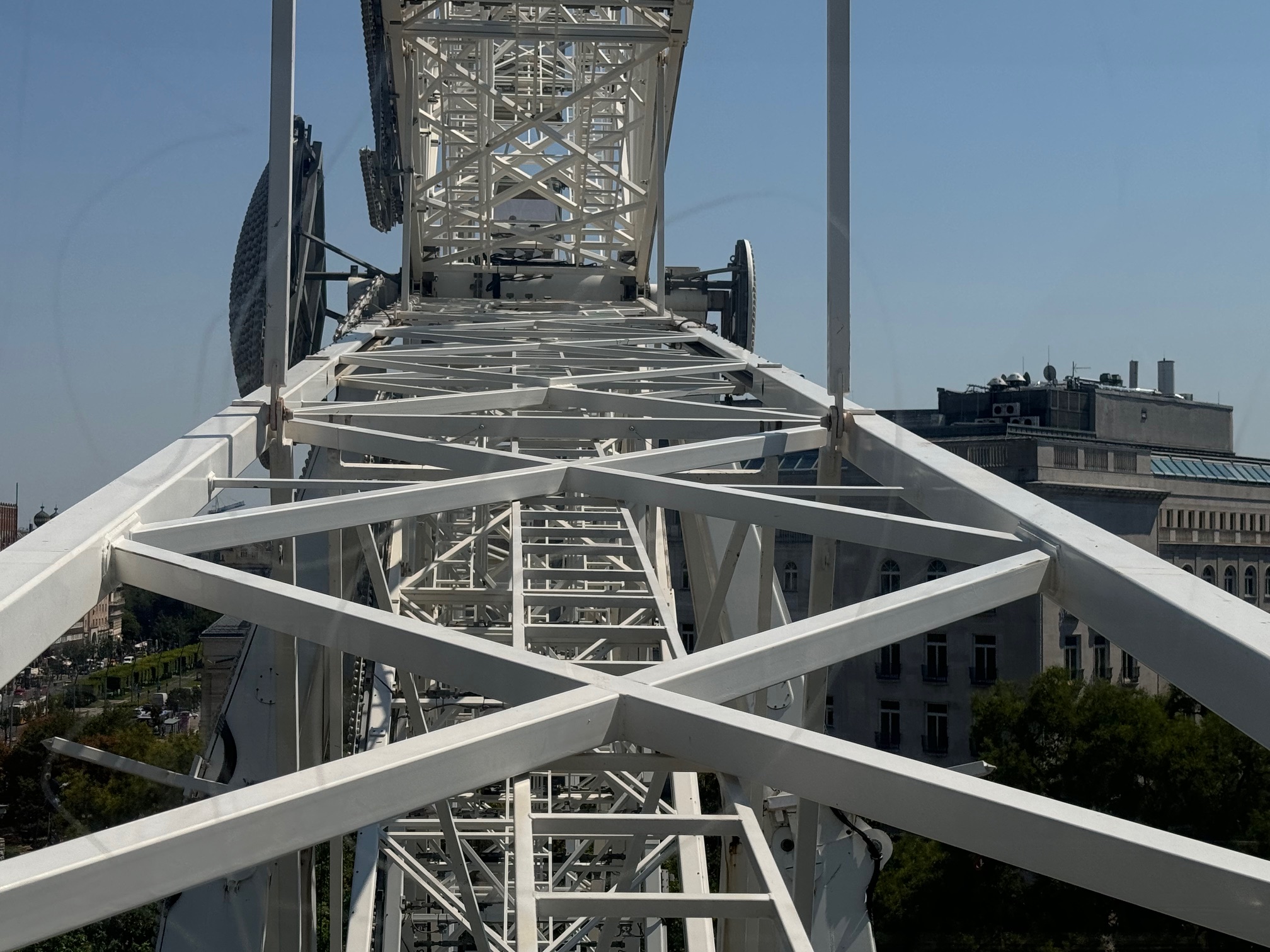
Riding Budapest Eye, the ferris wheel located in the heart of the city centre is always a great experience, especially when the weather is nice and you have an amazing view from the birds’ eyes view 🙂

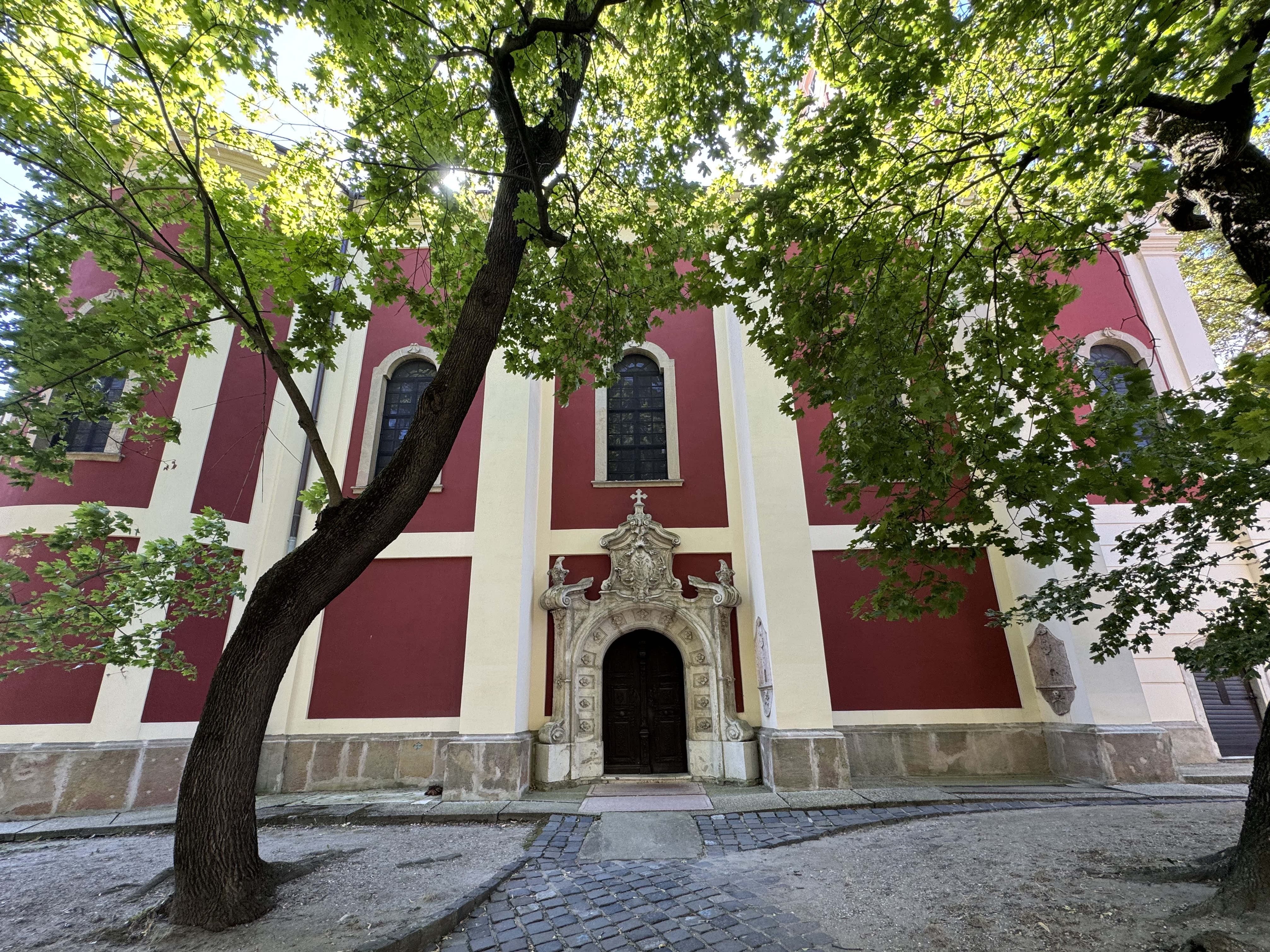
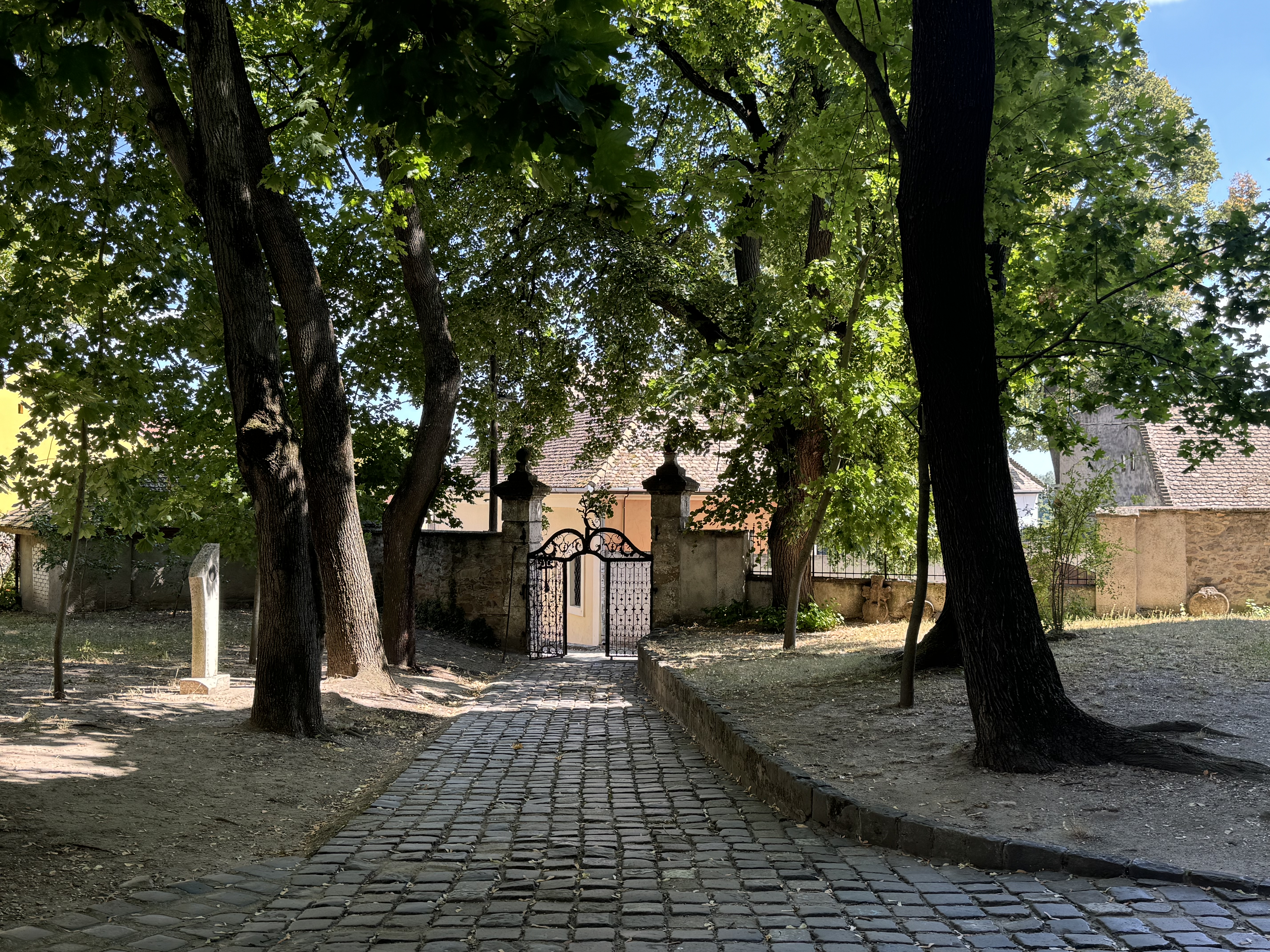
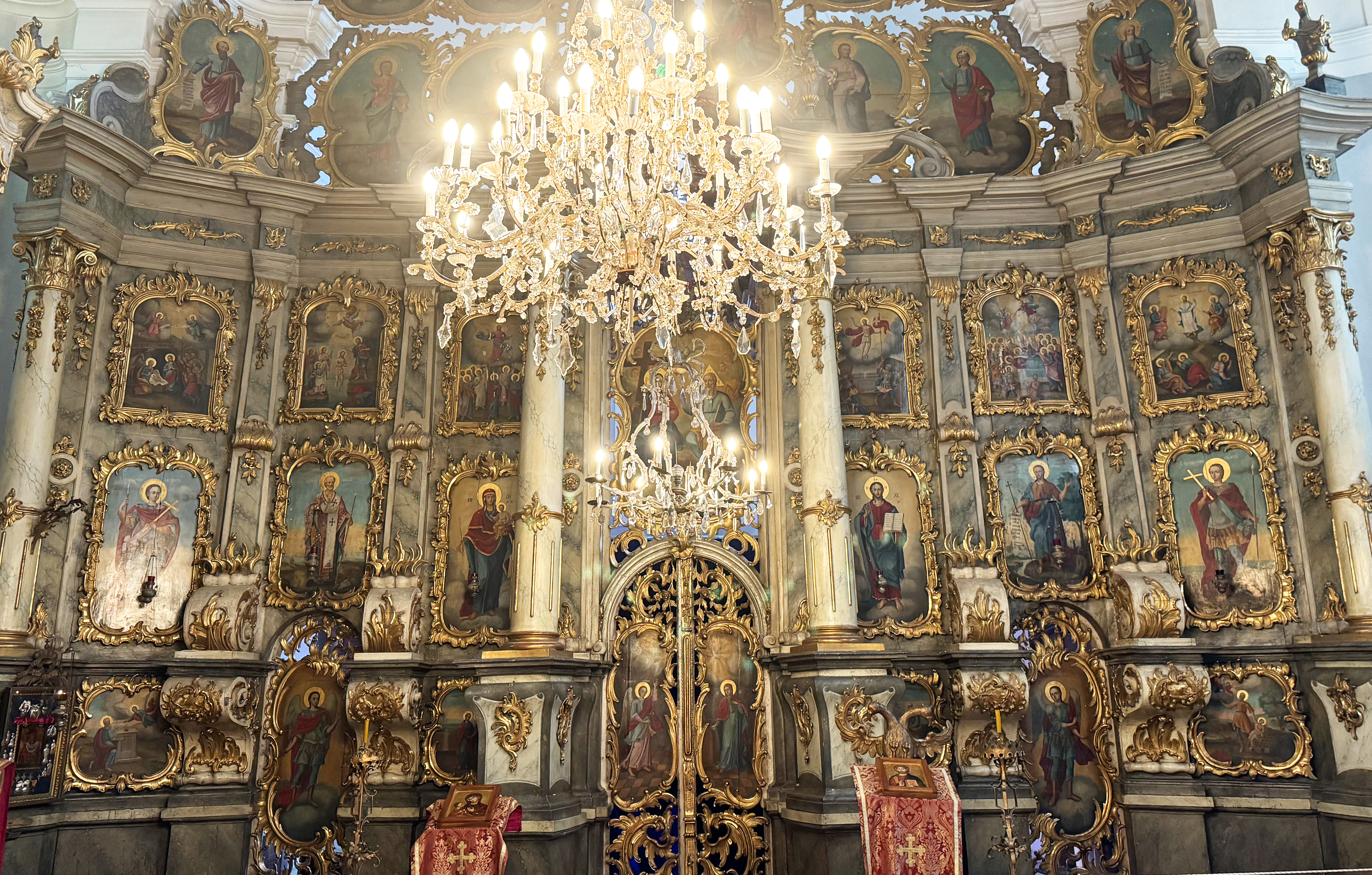
Belgrade church, a very popular spot of our Danube Bend or Szentendre tours. This is a real hidden little gem surrounded by trees, the Serbian Orthodox Church of Szentendre. Unfortunately the church is only open for visitors on weekends, however, I highly recommend to see the interior to see the magnificent iconostasis.