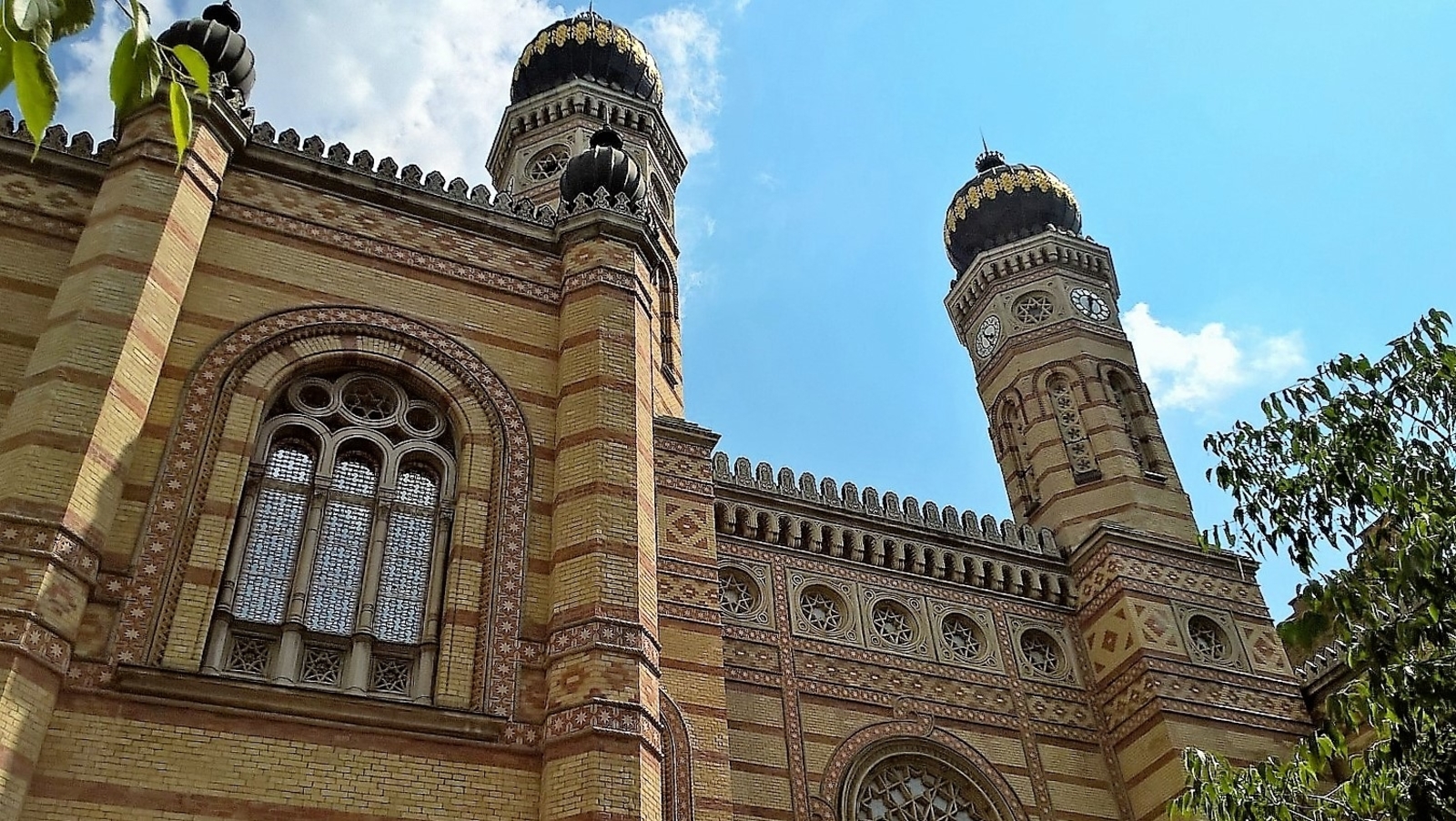
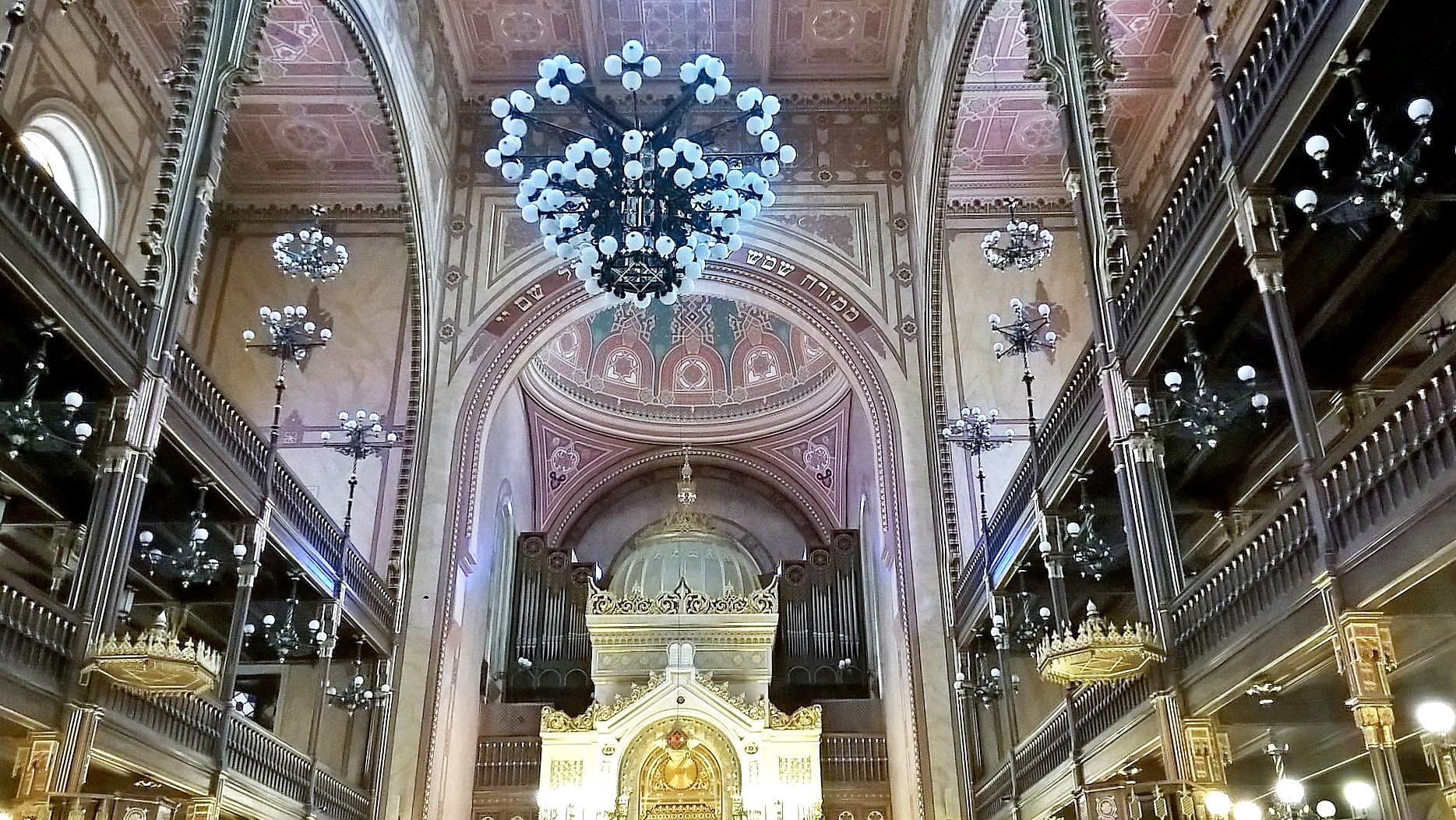
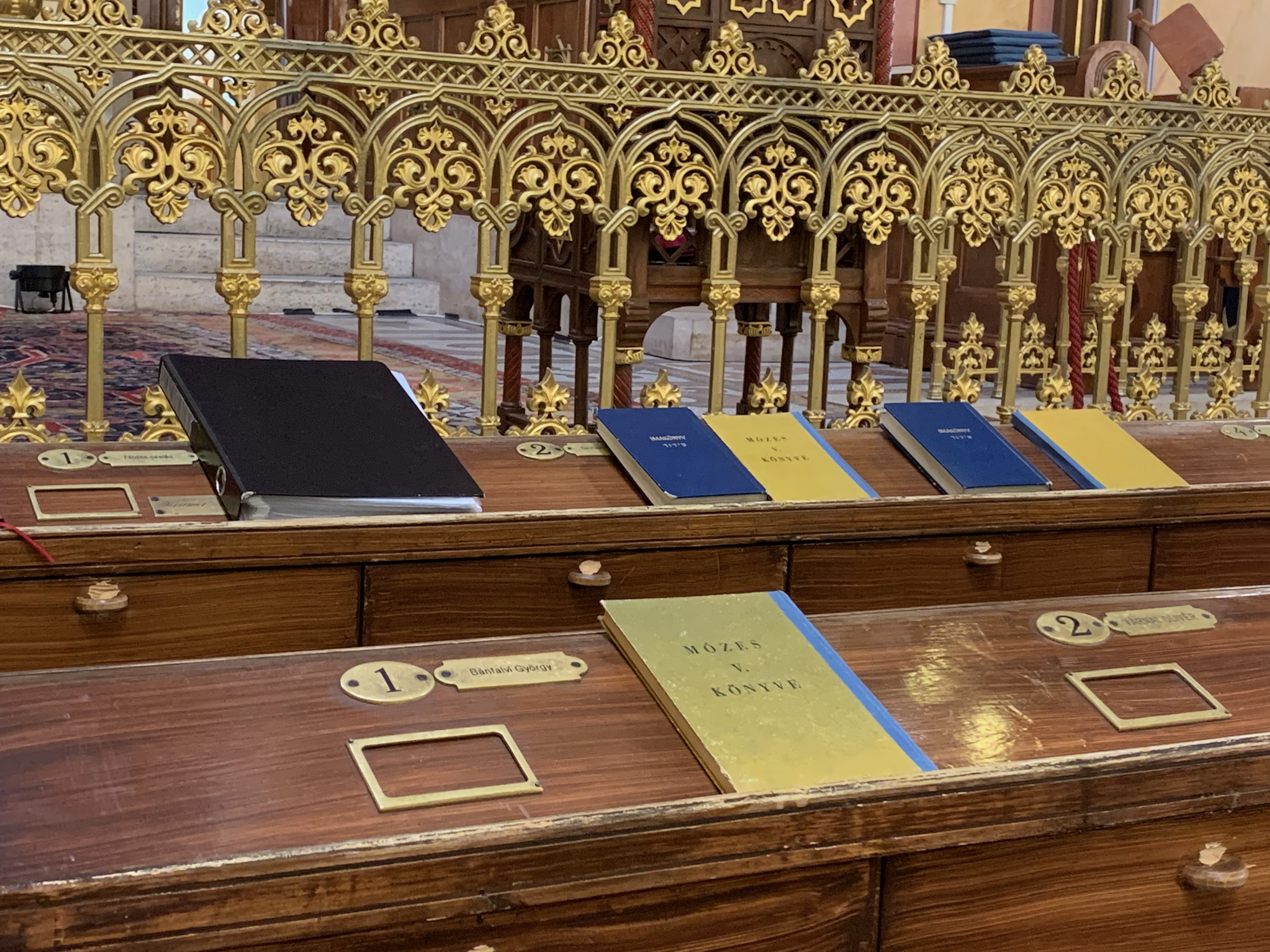
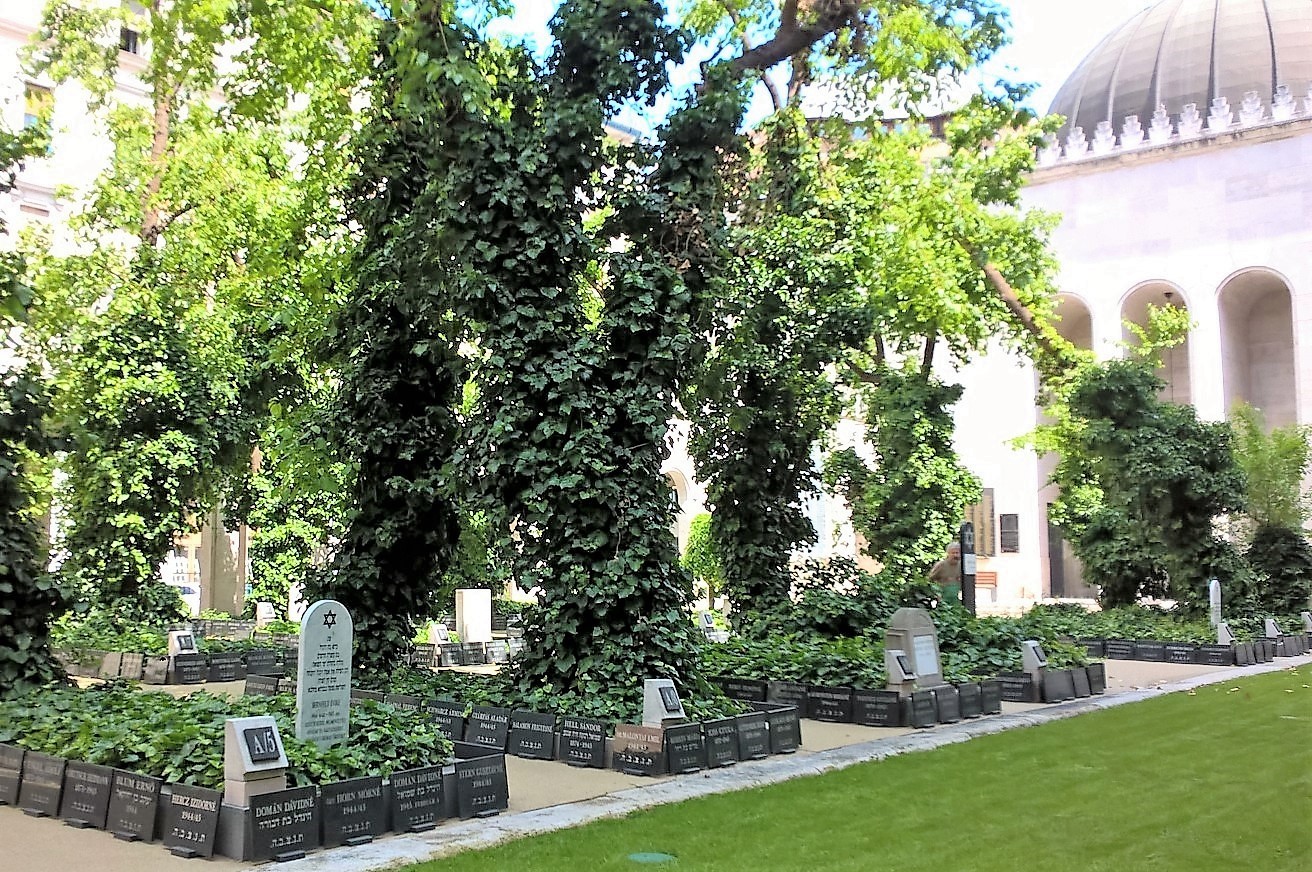
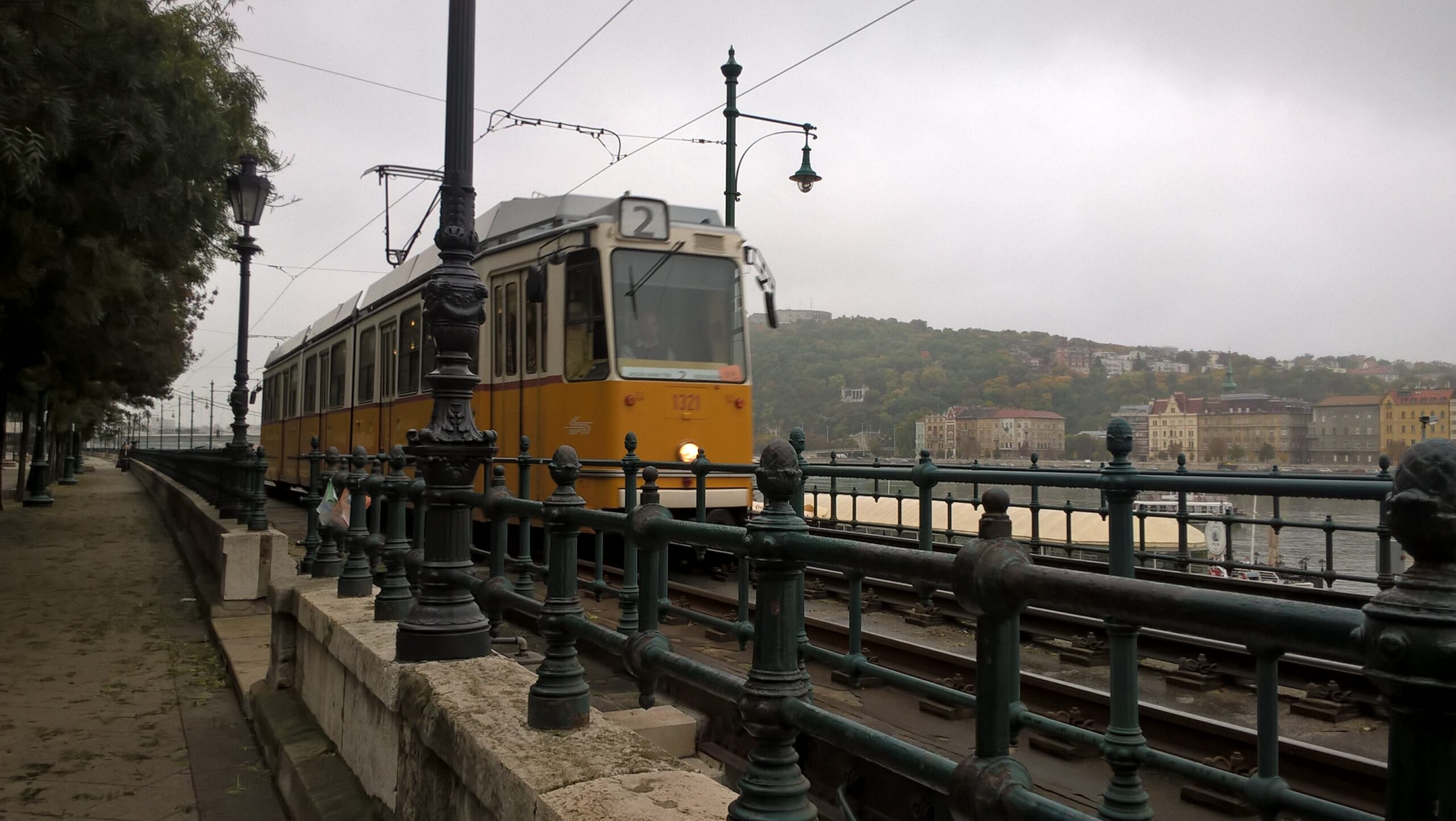
Few buildings capture the spirit of Budapest as perfectly as the Hungarian State Opera House. Elegant, richly decorated, and steeped in history, it is one of the most impressive landmarks along Andrássy Avenue—Budapest’s grand boulevard, often compared to the Champs-Élysées.

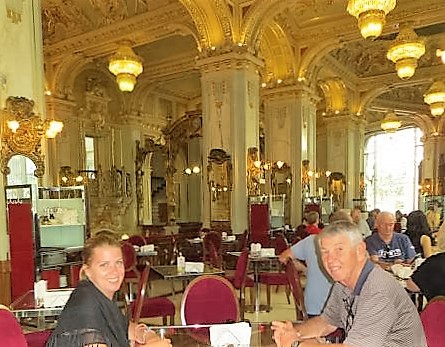
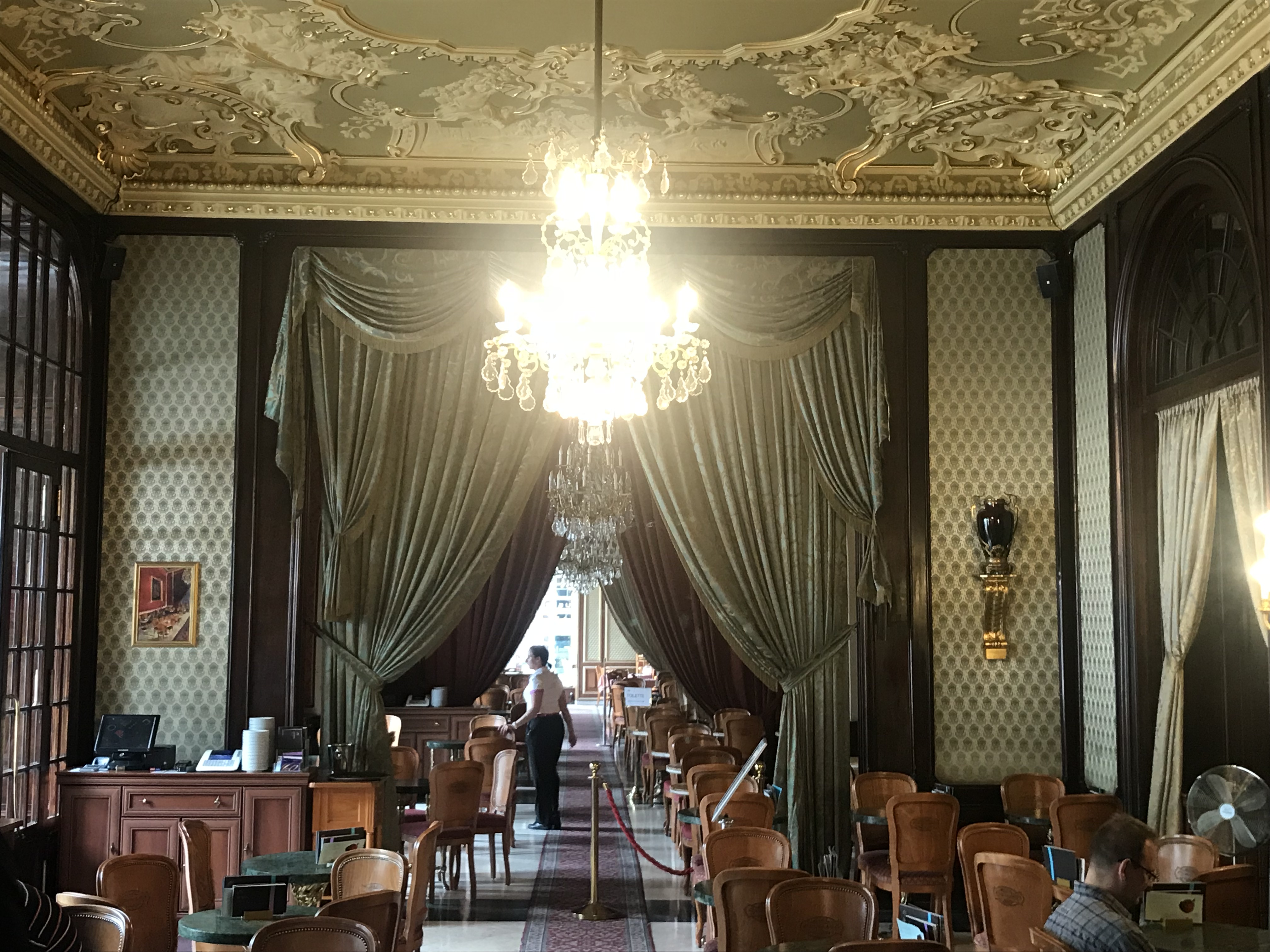
At first glance, the Opera House impresses with its Neo-Renaissance façade, ornate statues, and monumental arched entrance. But as with many things in Budapest, the real magic begins once you step inside. Gilded staircases, frescoed ceilings, velvet-lined boxes, and glittering chandeliers create an atmosphere of old-world elegance that instantly transports you back to the golden age of the Austro-Hungarian Empire.

A Symbol of Budapest’s Cultural Ambition

The Opera House was designed by Miklós Ybl, one of Hungary’s most celebrated architects, and opened its doors in 1884. At the time, Budapest was eager to establish itself as a cultural capital equal to Vienna—and the Opera House was a bold statement of that ambition.

Legend has it that Franz Joseph I, the Austro-Hungarian Emperor himself, was both impressed and slightly irritated by the building. While he had light-heartedly supported its construction, he reportedly did not appreciate the fact that Budapest’s Opera House turned out to be even more richly decorated than the Vienna State Opera. True or not, the story perfectly captures the competitive spirit of the era—and the pride Budapest took in its cultural achievements.

More Than Just an Opera House

Today, the Hungarian State Opera House is not only a venue for world-class opera and ballet performances, but also a living museum of architecture, music, and history. Guided tours run regularly and are an excellent way to admire the interior while learning about the building’s design, symbolism, and everyday life behind the scenes.

If you have the chance, attending an evening performance is a truly unforgettable experience. Even for visitors who are not regular opera-goers, the setting alone makes it special—and it offers a rare opportunity to experience Budapest much like locals do.

Hidden Details, Stories & Urban Legends

One of the things I love most about the Opera House is that it rewards those who look closely. Statues, frescoes, and decorative elements are all carefully chosen, often carrying political messages, artistic ideals, or subtle jokes that reflect the mindset of 19th-century Hungary.

These are exactly the kinds of details that tend to go unnoticed without local context—and they come to life when you explore the city on foot. During my Pest walking tour, the Opera House is not just a beautiful stop, but part of a larger story about Budapest’s development, identity, and cultural self-confidence.

A Natural Stop on a Custom Budapest Tour

Because of its location on Andrássy Avenue, the Opera House fits seamlessly into many fully customisable Budapest tours. It pairs beautifully with nearby cafés, historic palaces, and other iconic sights of Pest, making it easy to adapt the visit to your interests—whether you love architecture, music, history, or simply want to understand the city beyond the surface.

Every private tour I offer is tailored to my guests, and the Opera House often becomes a highlight: sometimes as a short architectural stop, sometimes as a deeper historical discussion, and sometimes as the starting point for an evening of culture in Budapest.

Why the Opera House Belongs on Every First Visit

Whether you admire it from the outside, explore it on a guided tour, or attend a performance, the Hungarian State Opera House is one of those places that encapsulates Budapest in a single building: elegant but slightly dramatic, proud of its past, and full of stories waiting to be told.

If you’re planning your visit and would like to explore the Opera House as part of a custom private tour or a Pest walk designed around your interests, I’d be delighted to show you this iconic landmark—and the city around it—through a local’s eyes.

I’d like to wish you happiness, peace, love and harmony, I hope all your dreams will come true in 2017.

I’m looking forward to seeing you and to showing you around my beautiful Budapest!



Christmas in Hungary is shaped by traditions that feel familiar across Central Europe, yet retain a few deeply local touches — especially when it comes to family, ritual, and food. Rather than being loud or extravagant, Hungarian Christmas is intimate, reflective, and centered around time spent together.

Advent: Waiting and Preparation

The Christmas season begins with Advent, the four weeks of quiet preparation before Christmas. Each Sunday, one candle is lit on the Advent wreath — a small ritual that gently marks the passing of time and builds anticipation for the holiday.

Advent is less about rushing and more about slowing down, an idea that carries through the entire Christmas period.

Christmas Eve: Family and Belief

In Hungary, Christmas Eve (24th of December) is the most important moment of the holiday — and it is traditionally a private family celebration.

The Christmas tree is decorated together, but with a charming twist: children usually wait outside the room. According to tradition, the tree and the presents are brought by the Baby Jesus, and children may only enter once the bells ring three times.

That moment — the sound of bells, the lights of the tree, and the reveal — is often remembered for a lifetime.

Christmas Days: Calm and Connection

The 25th and 26th of December are slower, quieter days. The city softens, shops close, and people focus on visiting relatives and friends.

It’s also the perfect time to enjoy Hungarian Christmas food, with special seasonal dishes and sweets that appear only once a year — familiar flavours tied closely to memory and family tradition.

A Season Meant to Be Felt

Hungarian Christmas isn’t about spectacle. It’s about small rituals, shared meals, and moments that repeat themselves year after year — quietly shaping how people experience winter, family, and home.

Boldog Karácsonyt — Merry Christmas.

Christmas tree decorated with hand-painted Herend porcelain ornaments, reflecting Hungarian holiday traditions

Every year, Hungary’s Cake of the Country is officially announced: a “birthday cake” created to reflect both traditional flavours and modern creativity.

In Hungary, the 20th of August is more than a national holiday. It marks the founding of the Hungarian state by Saint Stephen — and it’s also the day when the country celebrates its love of pastry in a very special way.

A Sweet National Tradition

The Cake of the Country is selected by a professional jury of master confectioners. Each year, pastry chefs from across Hungary are invited to submit creations that:

  • reinterpret classic Hungarian tastes

  • use high-quality, often regional ingredients

  • connect symbolically to the national holiday

The result is not just a dessert, but a snapshot of how Hungarian pastry culture evolves over time.

Cake of the Country 2016: Green Gold of Őrség

In 2016, the winning cake was called Green Gold of Őrség — a name inspired by both colour and region.

Created in a small pastry shop in Salgótarján, the cake subtly echoed the red, white, and green of the Hungarian flag, while highlighting one of the region’s most characteristic ingredients: pumpkin seed oil.

The cake’s layers combined:

  • pumpkin seed oil and almond flour sponge

  • white chocolate ganache

  • crunchy pumpkin seed praline

  • raspberry jelly

  • pumpkin seed jelly

The result was rich yet balanced, with nutty depth softened by fruit and chocolate — a modern composition rooted in local flavors.

Tasting the Cake of the Country in a Historic Setting

One of the joys of this tradition is that the Cake of the Country doesn’t remain a concept — it’s meant to be tasted.

In 2016, I had the pleasure of trying Green Gold of Őrség with my guests at Ruszwurm Confectionery (closed in 2025), one of Budapest’s oldest cake shops, tucked away near Matthias Church in the Buda Castle District.

Enjoying a contemporary award-winning cake in such a historic café perfectly captures what Hungarian pastry culture does best: blending past and present on the same plate.

Why These Cakes Matter

The Cake of the Country is not about trends or spectacle. It’s about:

  • craftsmanship

  • regional identity

  • and the quiet pride Hungarians take in their culinary traditions

Each year’s cake becomes part of a larger story — one that connects national history, local ingredients, and everyday pleasures.

Hungarian cakes and cafés are often part of the stories I share on my Budapest Foodie Tours, especially when exploring historic neighbourhoods like the Buda Castle District. If you enjoy discovering a city through its sweets, traditions, and everyday rituals, I’d be happy to show you some of Budapest’s most characterful cafés — past and present.

Slice of the Green Gold of Őrség cake, the 2016 Cake of the Country, featuring layered Hungarian pastry and pumpkin seed flavours

 It’s hard to imagine Budapest without the silhouette of the Hungarian Parliament Building. Whenever you see a photograph of the city — especially from across the Danube — chances are high that this magnificent building takes centre stage.

Rising proudly on the Pest side of the river, the Parliament is not only one of Budapest’s most iconic landmarks, but also a powerful symbol of Hungary’s history and identity.

Why Is Hungary’s Parliament So Grand?

At first glance, visitors often wonder why a relatively small country built one of the largest parliament buildings in Europe. The answer lies in history.

When construction began at the end of the 19th century, Hungary was part of a much larger kingdom, stretching far beyond today’s borders. This was also a period when monumental public buildings were designed to express confidence, strength, and national pride. The Parliament was meant to say something — about Hungary’s place in Europe, its political ambitions, and its cultural importance. And more than a century later, it still does.

Architecture That Tells a Story

The building’s neo-Gothic style was inspired by great European traditions, yet its scale and ornamentation make it uniquely Hungarian.

From the outside, countless spires, arches, and statues create a sense of rhythm and symmetry. From the river, the Parliament appears almost theatrical — especially at sunset or after dark, when it’s illuminated and reflected in the Danube.

Every detail was carefully designed to impress, not just foreign visitors, but citizens themselves.

What Makes the Interior So Special

Stepping inside the Parliament reveals a world of ceremonial spaces, rich materials, and symbolism. Ornate staircases, gilded details, and stained glass windows all serve a purpose: to underline the importance of the institution housed within.

One of the most significant elements kept inside is the Holy Crown of Hungary, a powerful national symbol representing more than a thousand years of statehood. Its presence adds a deep historical layer to the building beyond its architectural beauty.

The Parliament and the City

More than just a government building, the Parliament shapes the rhythm of Budapest’s riverfront. It anchors the Pest side of the Danube and forms part of one of the city’s most celebrated panoramas.

Whether seen from a bridge, a river cruise, or from the hills of Buda, it’s a constant point of reference — elegant, imposing, and unmistakably Budapest.

The Parliament is one of the highlights I always enjoy discussing while exploring the Pest side of the city. Seeing it from the outside — with its history, symbolism, and urban context — often adds a new layer of understanding.

If you’d like to discover the stories behind Budapest’s landmarks during a relaxed walking tour, feel free to get in touch. I’d be happy to show you the city through its most iconic — and sometimes overlooked — details.

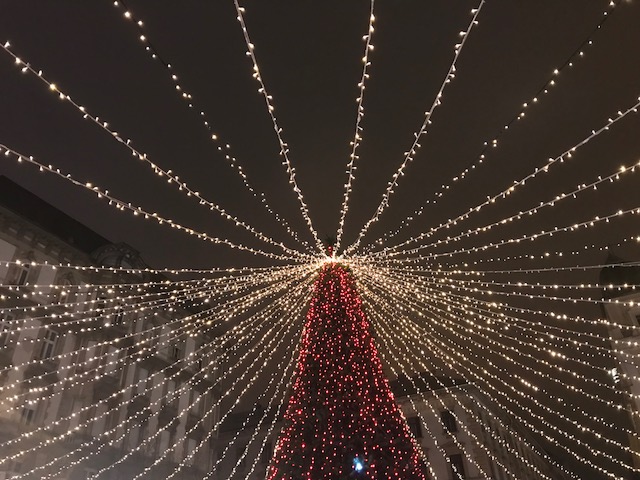
During the four weeks of Advent, several Budapest Christmas Markets bring warmth and light to the city’s historic squares.

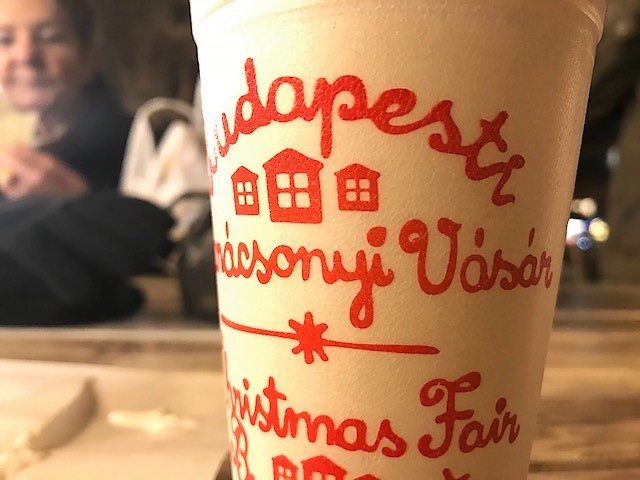
Strolling through the markets is as much about atmosphere as it is about food. Wooden stalls glow after dark, the air smells of spices and roasted treats, and locals and visitors gather around steaming mugs to keep warm.

Traditional Hungarian dishes are a highlight, along with mulled wine, rich hot chocolate, and seasonal sweets. One treat you shouldn’t miss is kürtőskalács, or chimney cake — freshly baked, golden, and best enjoyed straight from the stall.

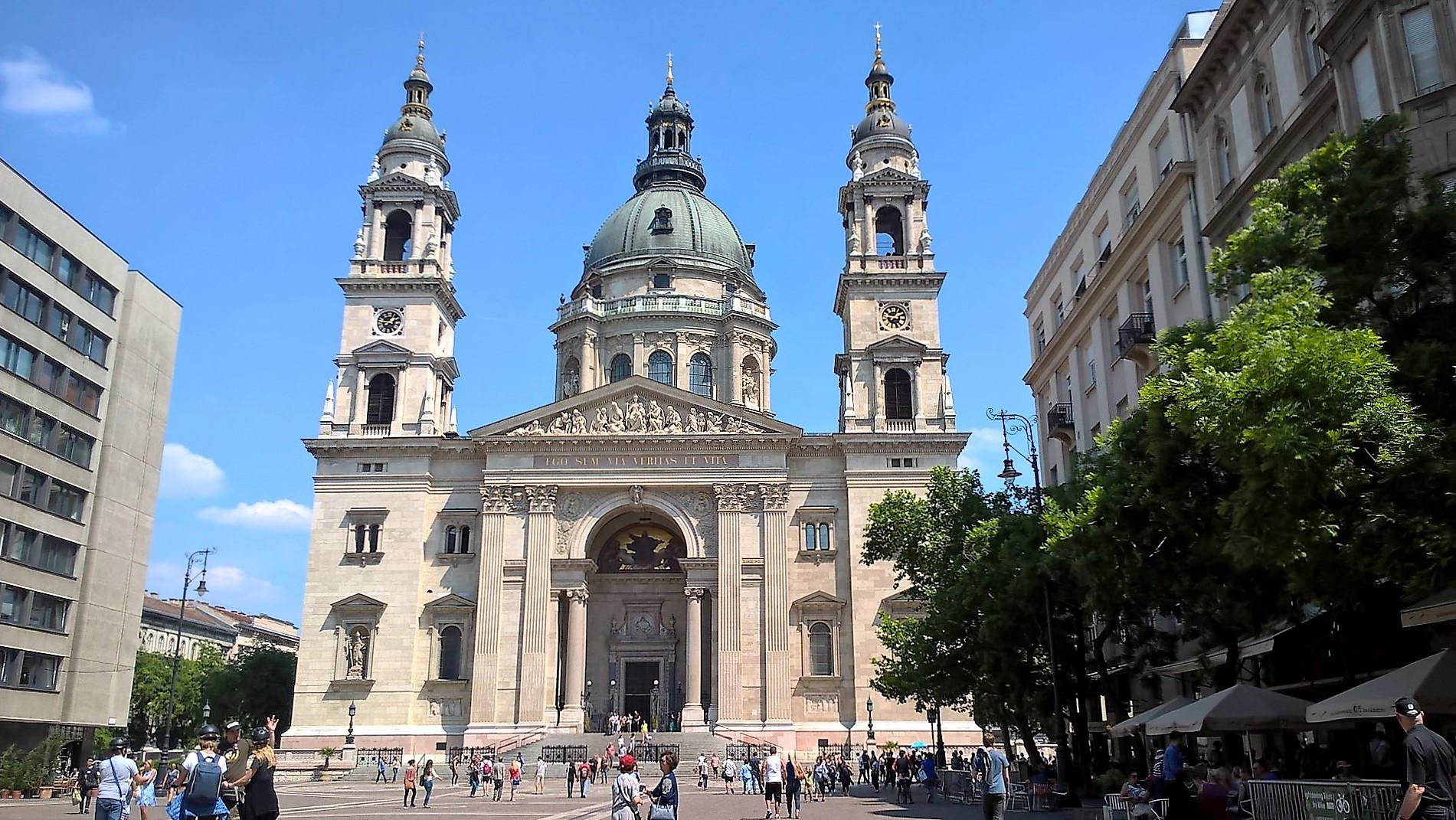
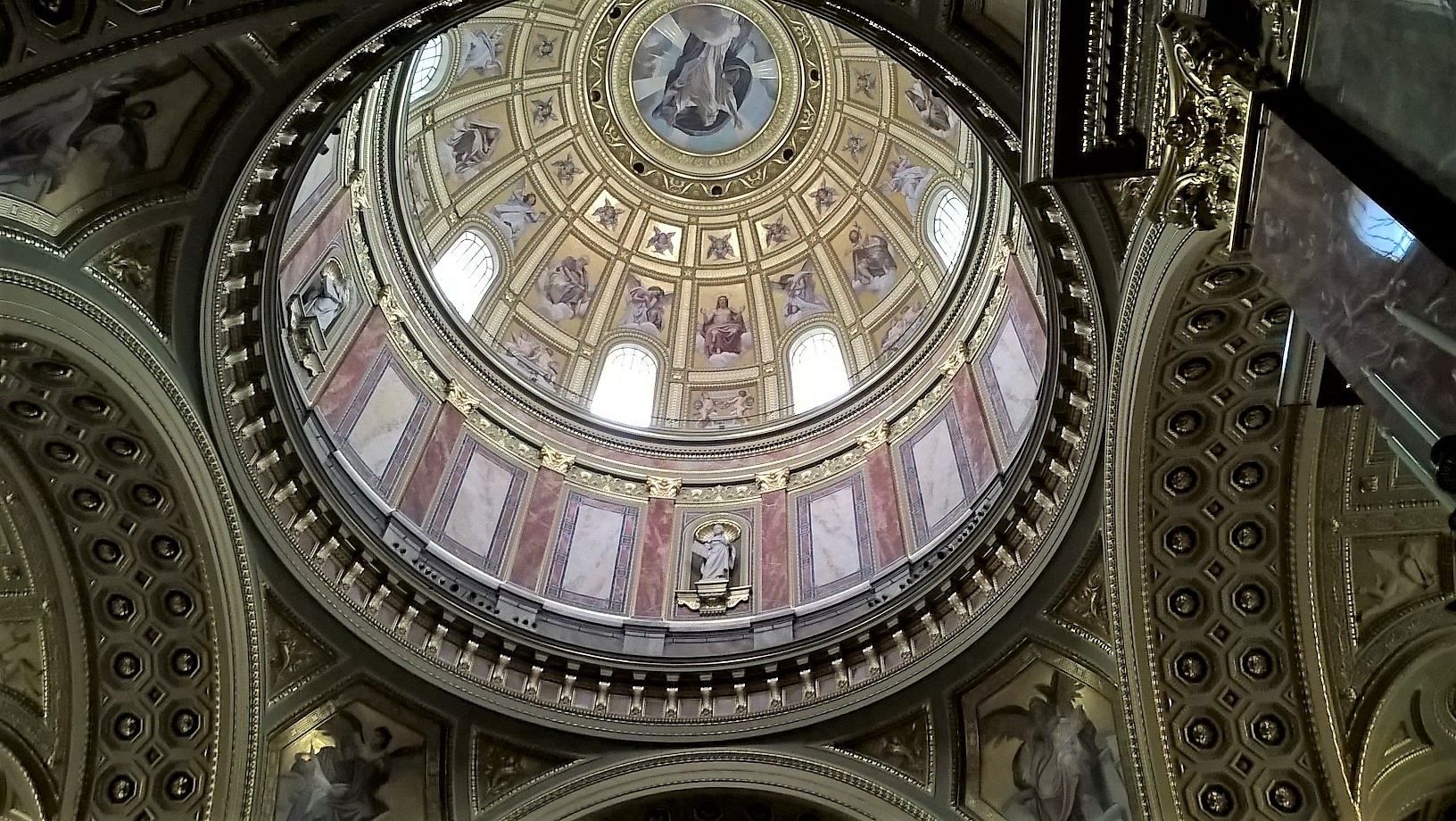
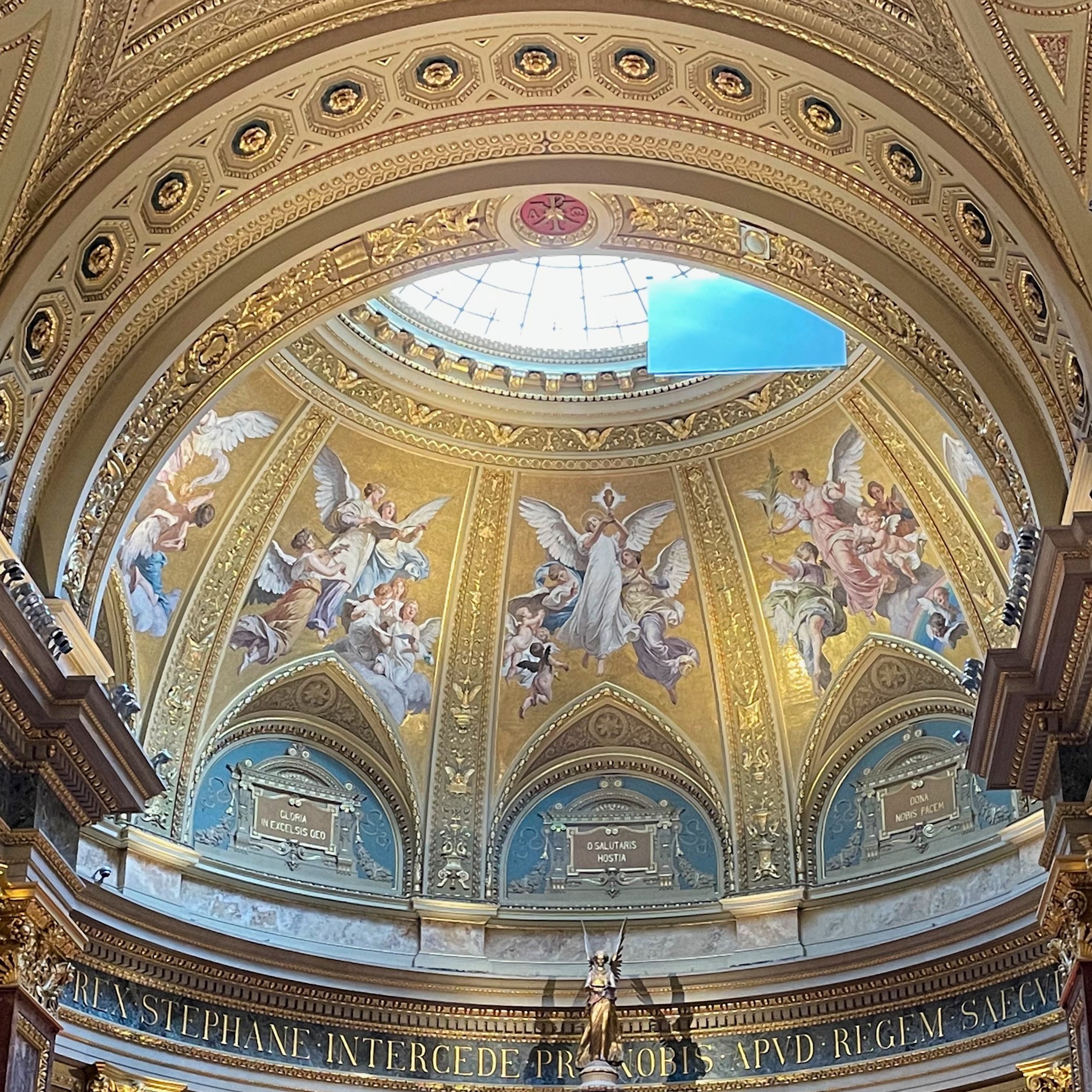
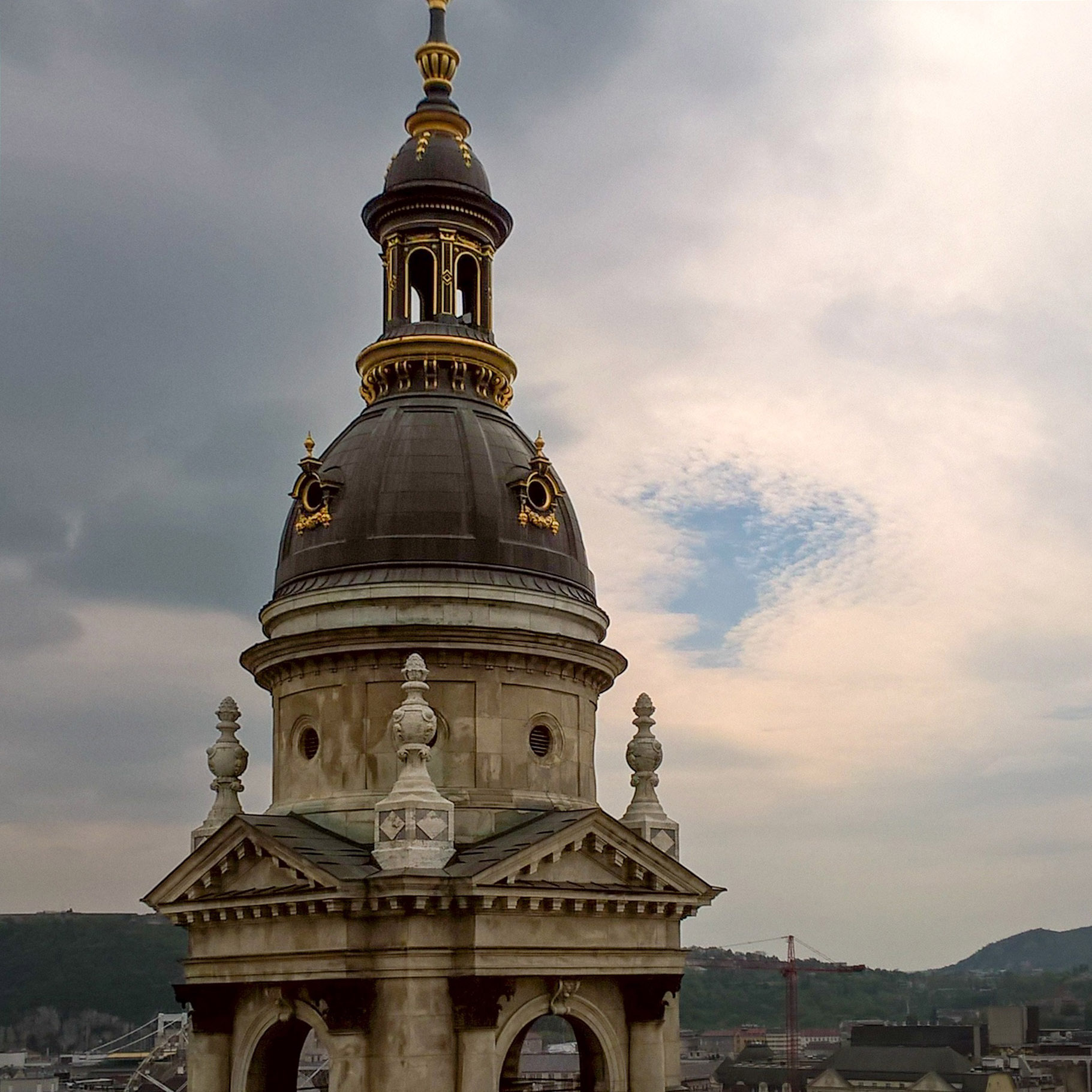
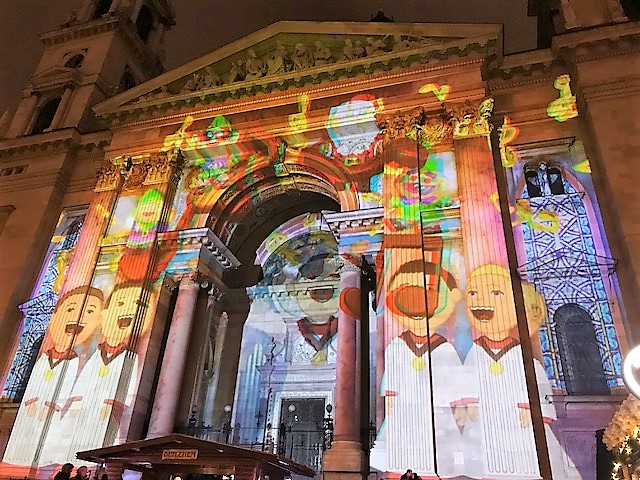
In the city center, the Christmas market in front of St. Stephen’s Basilica is especially atmospheric. In the evenings, a festive light and video projection transforms the façade of the basilica, adding a magical backdrop to the market below.

Budapest’s Christmas markets are not about rushing from stall to stall, but about slowing down, warming up, and enjoying the city in its most festive season.


The Buda Castle District is the oldest part of Buda and one of the most atmospheric areas of Budapest. Built high on Castle Hill, it has been the political, religious, and strategic heart of the city since the Middle Ages. Long before Budapest became a unified capital, Buda was already an important royal center. By the mid-13th century, the hilltop was crowned with fortifications, a medieval town, and a royal residence — setting the foundations for the historic district we explore today.

Not a “Real” Castle — and That’s the Story

One small but important clarification often surprises visitors: the Buda Castle District is not a single intact medieval castle.

The original Gothic and Renaissance royal palace — once home to Hungarian kings — was largely destroyed during the wars of the 17th century. What survives today are fragments, foundations, and stories. Some of these remains can be seen in the Budapest History Museum, while much of the medieval castle still lies hidden beneath the ground.

What you see above ground today is mostly the result of later rebuilding — especially the grand 18th-century Baroque palace, which now dominates the hilltop.

Walking Through Centuries

One of the best ways to experience the district is simply on foot. As you walk uphill along former ramparts and quiet lanes, the layers of history gradually reveal themselves.

The Baroque palace complex today houses major cultural institutions, including the Hungarian National Gallery, while the surrounding streets form the historic old town of Buda.

Cobblestoned streets, pastel façades, and hidden courtyards lead naturally toward one of the district’s most iconic landmarks: Matthias Church.

For those willing to climb higher, the church tower rewards you with one of the finest panoramic views over Budapest — a perspective that makes the city’s geography instantly clear.

Views That Define Budapest

Just a few steps away, the Fisherman’s Bastion offers one of the most famous panoramas in Hungary.

From its terraces, the view opens across the Danube to the Pest side, with the Hungarian Parliament building perfectly framed below. It’s a moment that connects medieval Buda with 19th-century Pest — and helps explain why this hill has always been so important.

The Civilian Town and Forgotten Quarters

Beyond the postcard views, the district also tells quieter stories. Walking through the former civilian town, you encounter elegant residences, the striking architecture of the Hungarian National Archives, and traces of communities that once lived side by side here — including the old Jewish quarter of Buda.

These streets feel calmer, more residential, and often reveal details that are easy to miss without context.

A City Beneath the City

Perhaps the most surprising fact about the Buda Castle District lies underground.

Beneath the streets stretches a 12-kilometer-long network of caves and cellars, used over centuries for storage, shelter, and survival. Today, parts of this underground world can be explored through two very different museums.

The Hospital in the Rock served as a military hospital during World War II and later as a nuclear bunker during the Cold War.
The Labyrinth of Buda Castle offers a more theatrical experience — with legends, shadows, and even a brush with Dracula.

The Buda Castle District reveals its true character when explored slowly and with context — beyond just the highlights.

I’d be happy to show you both the famous landmarks and the quieter corners during one of my Budapest walking tours, always adapting the walk to your interests and pace. If you’d like to discover the district through stories, viewpoints, and hidden details, feel free to get in touch.


Hungarians have a well-known sweet tooth, and among the many beloved treats, marzipan holds a special place. This smooth almond paste appears not only in cakes and pastries, but also in something far more unexpected: tiny — and sometimes life-size — works of art. In Hungary, marzipan is not just something you eat. It’s something you admire.

When Michael Jackson Meets the Hungarian Parliament

So, what do Michael Jackson and the Hungarian Parliament building have in common? In Szentendre, the answer is simple: they can both be made of marzipan.

The Szentendre Marzipan Museum is one of the most unusual — and sweetest — museums in Hungary. Located in the heart of Szentendre, it displays dozens of marzipan sculptures ranging from famous Hungarian historical figures to international celebrities and iconic buildings.

Some of the figures are small and intricate, others surprisingly large — all made with astonishing detail and patience.

More Than a Museum: A Working Atelier

What makes the Szentendre Marzipan Museum especially engaging is that it’s not just a static exhibition. Visitors can also peek into the atelier, where new marzipan figures are still being created by hand.

Watching the process gives a new appreciation for the craft behind these playful sculptures — and for the amount of time and skill required to turn sugar and almonds into recognizable faces, buildings, and scenes.

A Small Museum with Big Personality

The Marzipan Museum is not large, but that’s part of its charm. It fits perfectly into a relaxed stroll through Szentendre, adding a lighthearted and slightly quirky stop between galleries, cafés, and cobblestoned streets.

And of course, no visit is complete without stepping into the small shop at the end, where you can buy beautifully made marzipan sweets — far too pretty to eat… at least at first.

The Marzipan Museum is one of those small surprises I’m always happy to include when showing guests around Szentendre. It’s also a delightful stop on my Danube Bend  and Szentendre tours, especially for travellers who enjoy local traditions with a playful twist.

If you’d like to explore Szentendre — from its art scene to its sweetest corners — feel free to get in touch, and we can shape a day that suits your interests and pace.


For many visitors, Hungarian food comes with a single, vivid image: red, hearty, and fiery hot.
There’s some truth in that — but it’s only a small part of the story.

Hungarian cuisine is deeply shaped by history, geography, and everyday life, and once you look beyond stereotypes, it reveals an unexpectedly rich and varied food culture.

Paprika: More Than Just Heat

Paprika is, without question, the defining spice of Hungarian cooking. Sweet, smoked, mild, or hot, it brings colour and depth rather than just heat — and it’s used with far more nuance than most people expect.

Interestingly, this essential ingredient only became central to Hungarian cuisine after the Ottoman period. What began as an imported spice gradually turned into a national symbol, shaping flavors that today feel inseparable from Hungarian identity.

A Cuisine Best Discovered Bite by Bite

Eating Hungarian isn’t about one iconic dish — it’s about many small, memorable tastes.

When visiting Hungary, some of the most authentic food experiences happen in everyday places:

  • Butcher shops, where fresh sausages and simple hot dogs are enjoyed standing at the counter

  • Traditional cafés, some over a century old, where cakes and pastries are as important as conversation

  • Bakeries, filled with the smell of warm dough early in the morning

  • Open-air cooking, where goulash simmers slowly in a cauldron over an open fire

  • Street food favorites, like lángos — golden, deep-fried, and endlessly customizable

  • Sweet stops, from artisan ice cream to handcrafted chocolate and strudel

  • Pickled vegetables, which balance rich dishes with acidity and crunch

Each bite reflects a mix of rural traditions, urban habits, and seasonal rhythms.

Eating Also Means Drinking

There’s an old Hungarian saying: those who eat must also drink — and food here is rarely separated from wine.

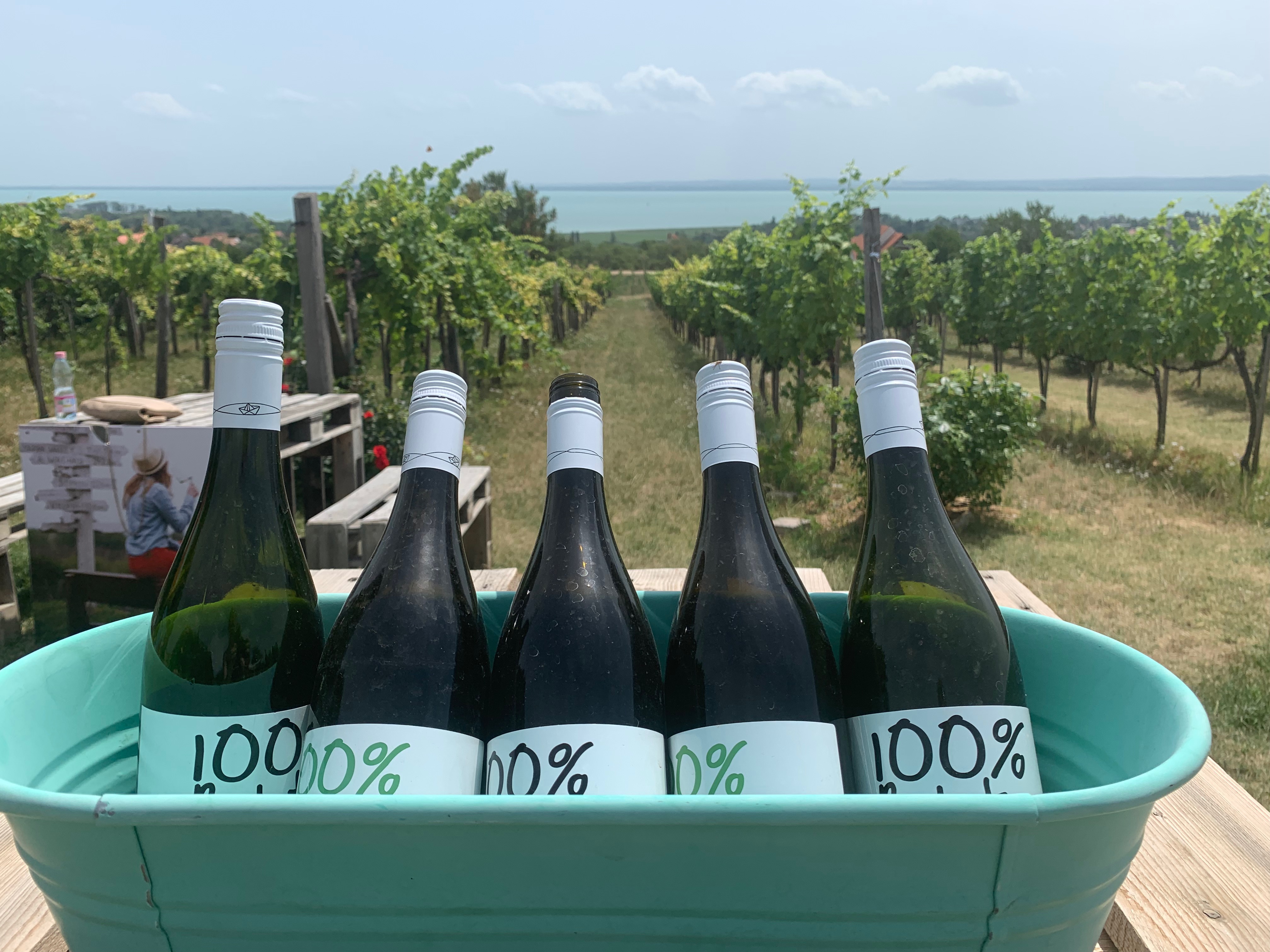
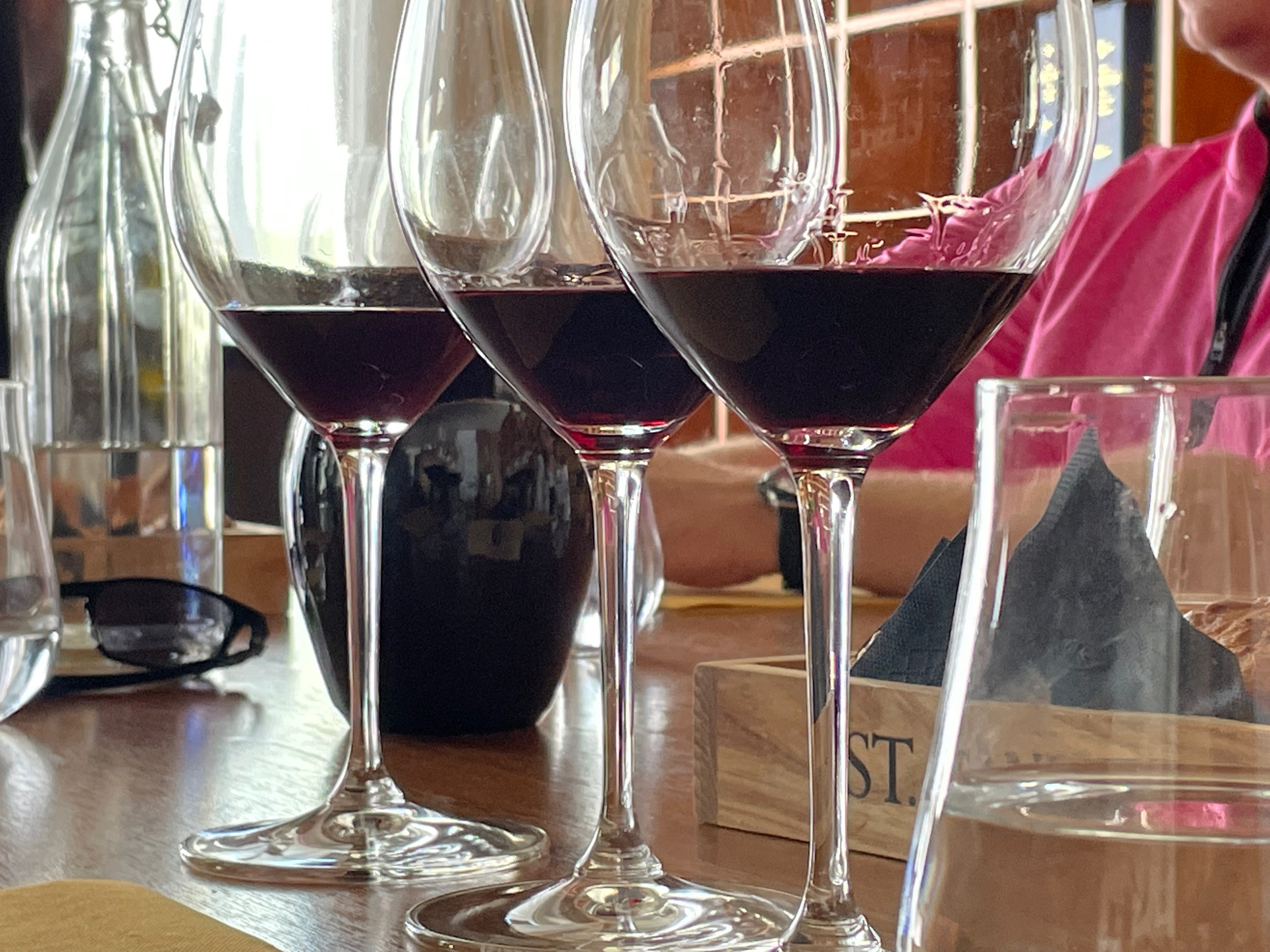
Hungary’s wine culture is as old as its cuisine, with styles ranging from light and refreshing to deep and complex. Sharing food without a glass of wine nearby would feel incomplete, whether at a festive table or a simple neighbourhood spot.

Why Hungarian Food Is Best Experienced with Context

What makes Hungarian cuisine truly memorable isn’t just flavour — it’s the stories behind the dishes, the traditions, and the places where locals actually eat.

Understanding why something is cooked a certain way, when it’s traditionally eaten, and how it fits into daily life transforms food from something you consume into something you experience.

If you’re curious to explore Hungarian food beyond the obvious dishes, I always enjoy introducing guests to local flavours during my Budapest Foodie Tour.

It’s not about rushing from one stop to the next, but about tasting, understanding, and enjoying Hungarian cuisine in a relaxed, authentic way. If that sounds like your kind of experience, feel free to get in touch — I’d be happy to help you discover Budapest through its food.


Perched high above the city in the heart of the Buda Castle District, Matthias Church is one of the most remarkable and layered monuments in Budapest. More than just one of the city’s oldest churches, it is a living witness to over a thousand years of Hungarian and European history — still functioning today as an active place of worship.

Walking through its doors is like stepping into a richly illustrated history book, where every wall, pattern, and symbol tells a story.

Where Sacred History Meets Power and Politics

The church stands on the highest point of Castle Hill, within the Buda Castle District, a location chosen deliberately. For centuries, this was the center of royal power, religious authority, and military strategy.

Although commonly called Matthias Church, its official name is the Church of Our Lady. The popular nickname comes from King Matthias Corvinus, one of Hungary’s most beloved rulers, who left a strong mark on the building’s history — including royal ceremonies and architectural additions.

A Rare Blend of Christian and Ottoman Heritage

One of the church’s most fascinating aspects is something many visitors miss at first glance:
the coexistence of Christian and Muslim decorative elements.

During the Ottoman occupation in the 16th century, the church was converted into a mosque. While later reconsecrated as a Christian church, traces of this period remain visible — a rare and tangible reminder of how cultures overlapped, clashed, and influenced one another in Central Europe.

Very few churches in Europe still preserve such visible layers of both traditions in one space.

A “New” Church with an Old Soul

At first glance, Matthias Church looks surprisingly fresh and colorful — almost too perfect to be medieval. That’s because much of what we see today dates from a major 19th-century restoration.

Rather than aiming for strict historical accuracy, the restorers created a romantic, idealized vision of the Middle Ages, rich in symbolism, patterns, and colour. The result is an interior that feels theatrical, immersive, and deeply atmospheric.

Look closely, and you’ll notice:

  • painted walls instead of bare stone

  • intricate motifs inspired by folk art and medieval manuscripts

  • a strong sense of storytelling rather than minimalism

The Roof That Became an Icon

One of the most photographed features of Matthias Church is its spectacular roof, covered with around 250,000 colorful ceramic tiles produced by the famous Zsolnay factory.

The geometric patterns shimmer differently depending on the light and weather, making the church a visual highlight of the skyline in every season — from bright summer sun to snowy winter days.

Climbing the Spire: A Different Perspective

For those willing to climb higher, the church’s spire offers a rewarding experience. On the way up, you can:

  • admire the roof structure from close range

  • see the church bells

  • gain a rare, elevated view over the rooftops of Buda and Pest

From the top, the city feels surprisingly quiet and distant — a contrast to the crowds below and a reminder of why this hill has always been such a strategic and symbolic location.

Why Matthias Church Is Worth More Than One Visit

Matthias Church is not just something to “tick off” a sightseeing list. It’s a place that reveals more the deeper you look — whether through its symbols, its hidden historical layers, or the stories connected to kings, invasions, restorations, and everyday faith.

It’s also one of the key stops on my Buda Castle walks, where these details come to life through stories — including a few darker and more unexpected chapters that most guidebooks leave out.

Timeless Visitor Tips

  • Visit once for the exterior views, and once for the interior — they feel like two different experiences

  • Look beyond the altar: side chapels and wall details often hold the most interesting stories

  • Even if you’re not usually drawn to churches, the colours and symbolism here make it unique in Europe

If you’d like to experience Matthias Church as part of a broader story rather than a rushed visit, I’m always happy to stop here during one of my Budapest walking tours.

Exploring the church in context — together with the Castle District, its viewpoints, and hidden details — often makes the experience much richer and more memorable.

If this sounds like your kind of travel, feel free to get in touch and we can shape a walk that suits your interests and pace.

I’m the extremely proud winner of Travel and Hospitality Awards’ Private Tour Company – of the Year 2018 in Hungary. This is an award I appreciate a lot and it’s also a great feedback showing that my guests are happy with my services as their private Budapest tour guide. It’s time to celebrate!
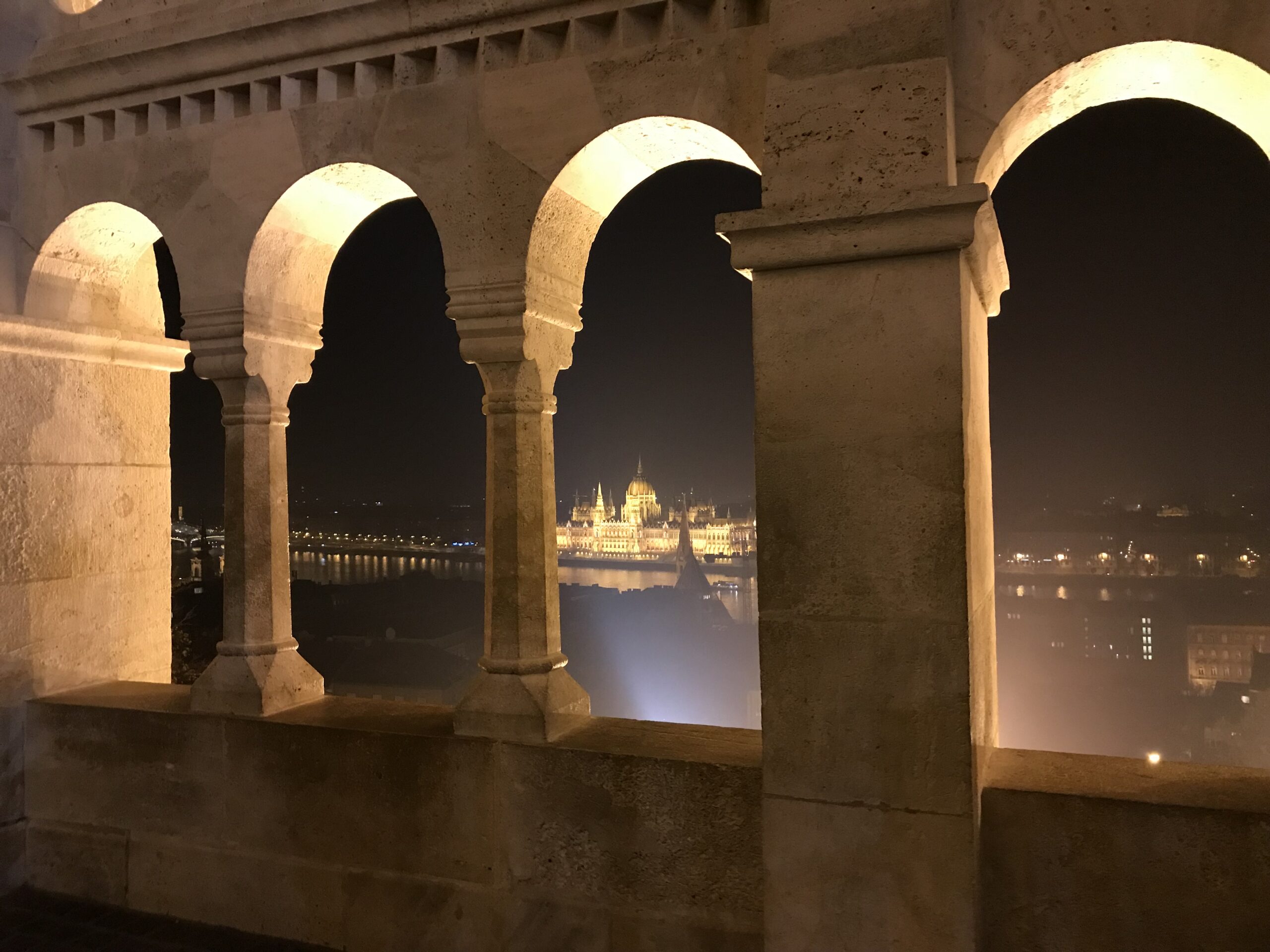
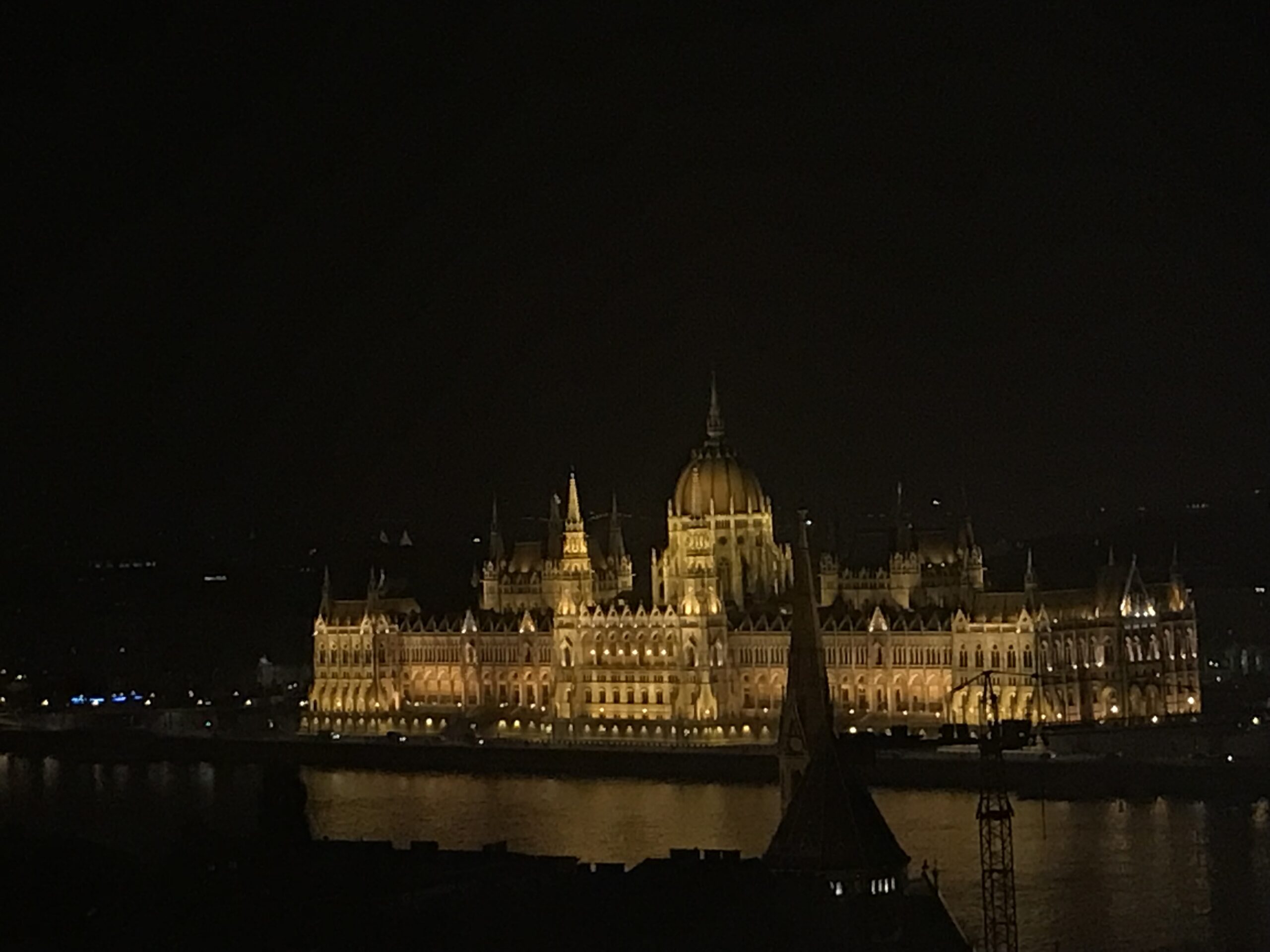
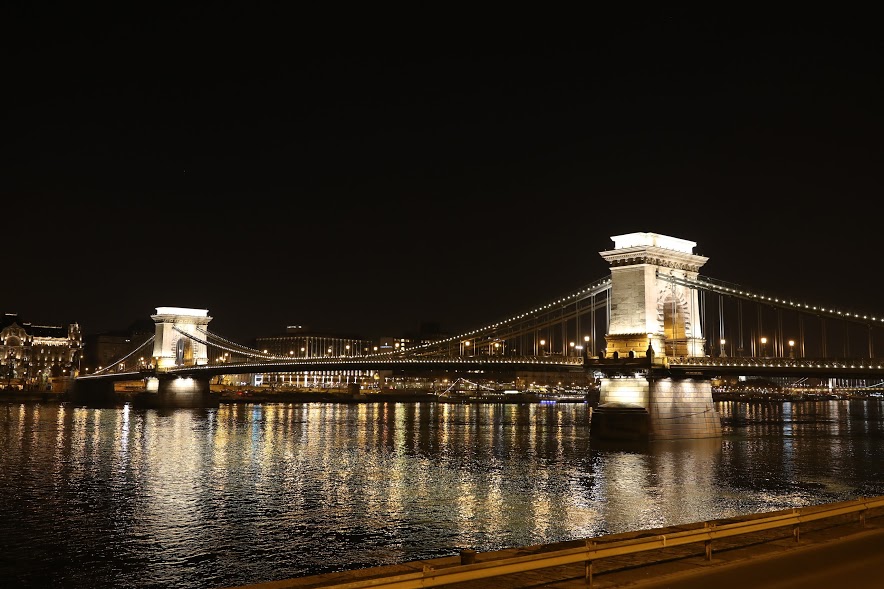
Budapest is beautiful day and night, surprisingly it’s like a totally different town when darkness falls. I enjoy very much walking around Beautiful Budapest when one can enjoy its amazing lights especially looking at them from the Buda hills or from near the Danube River.


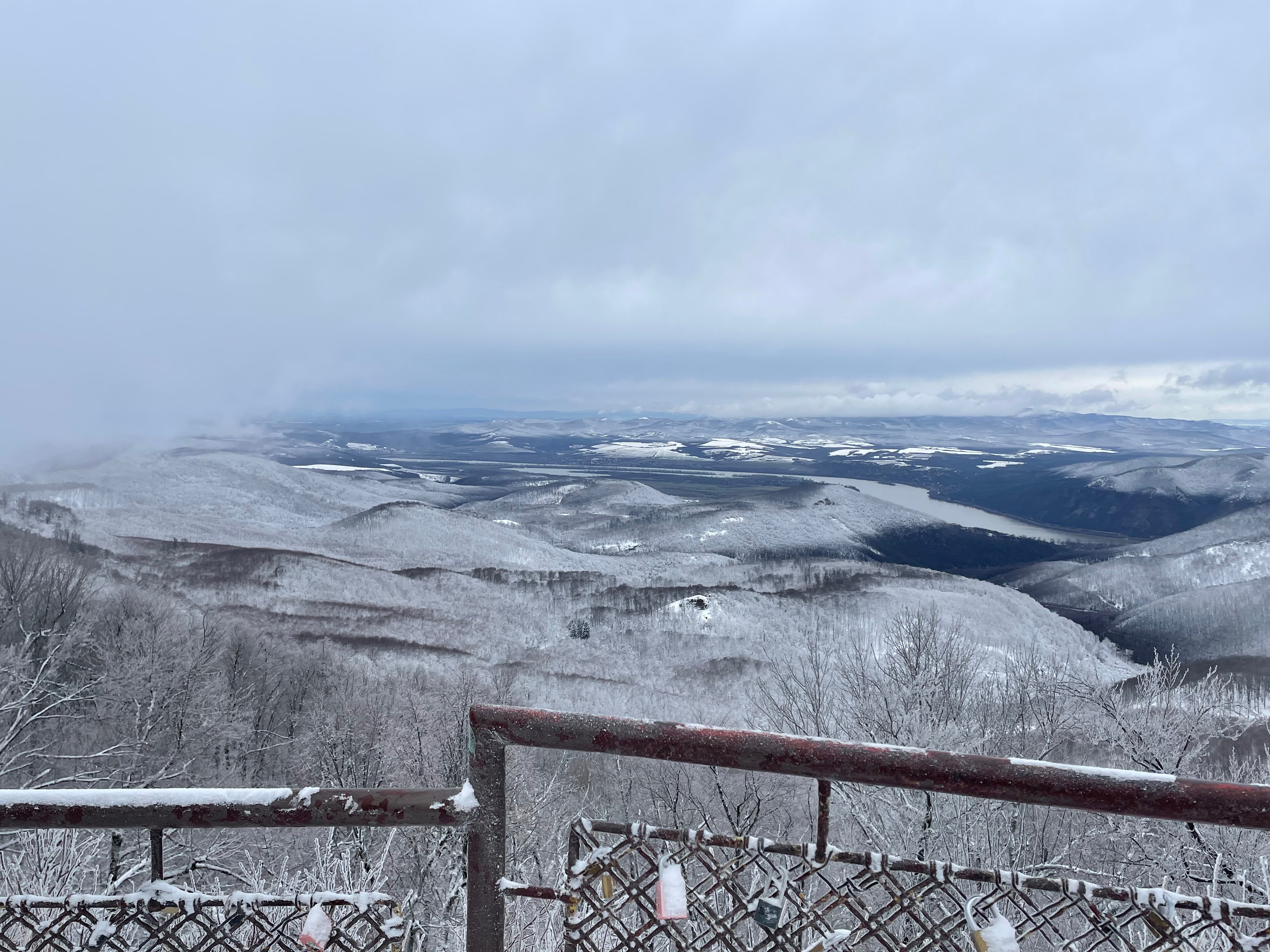
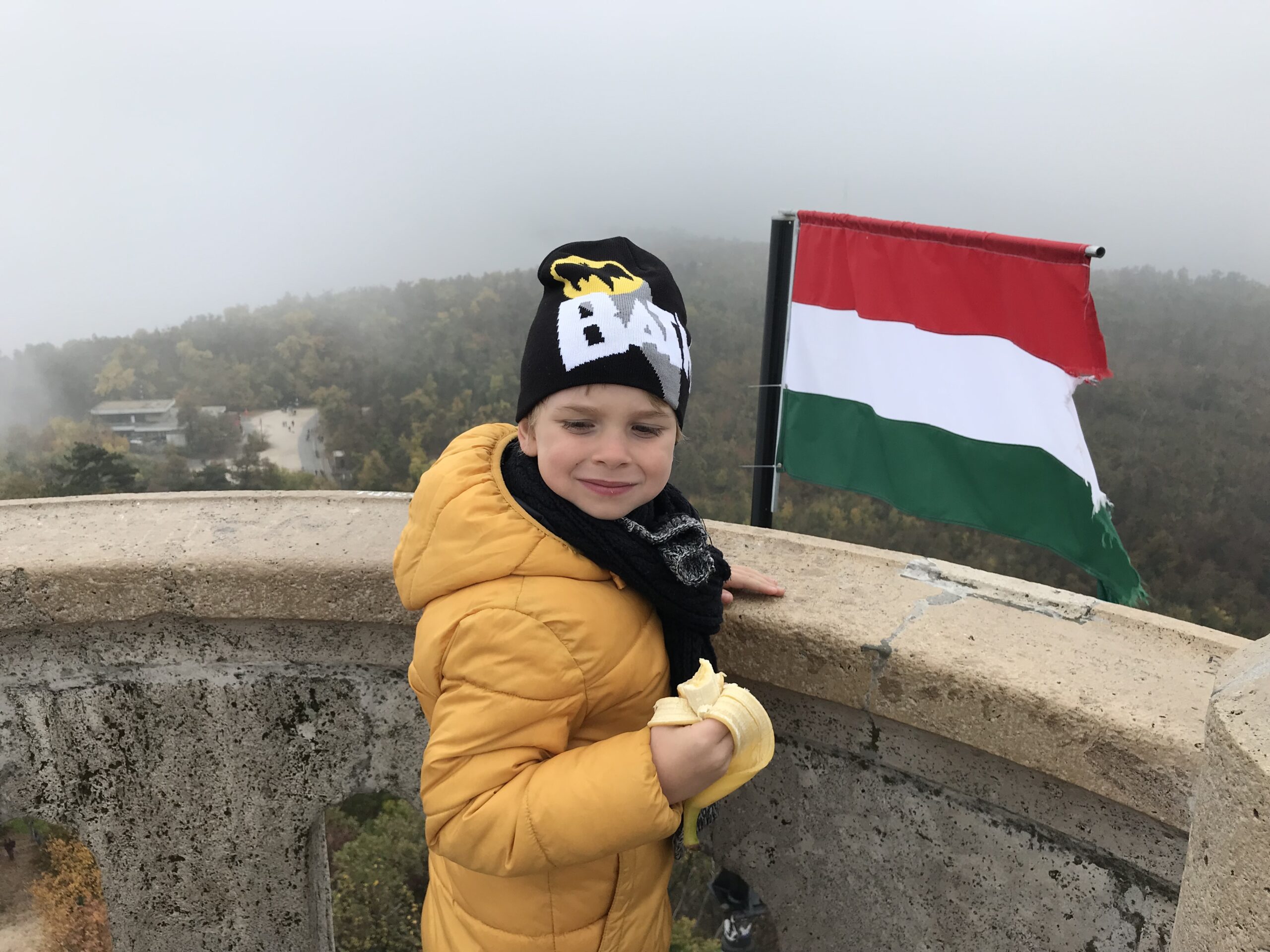
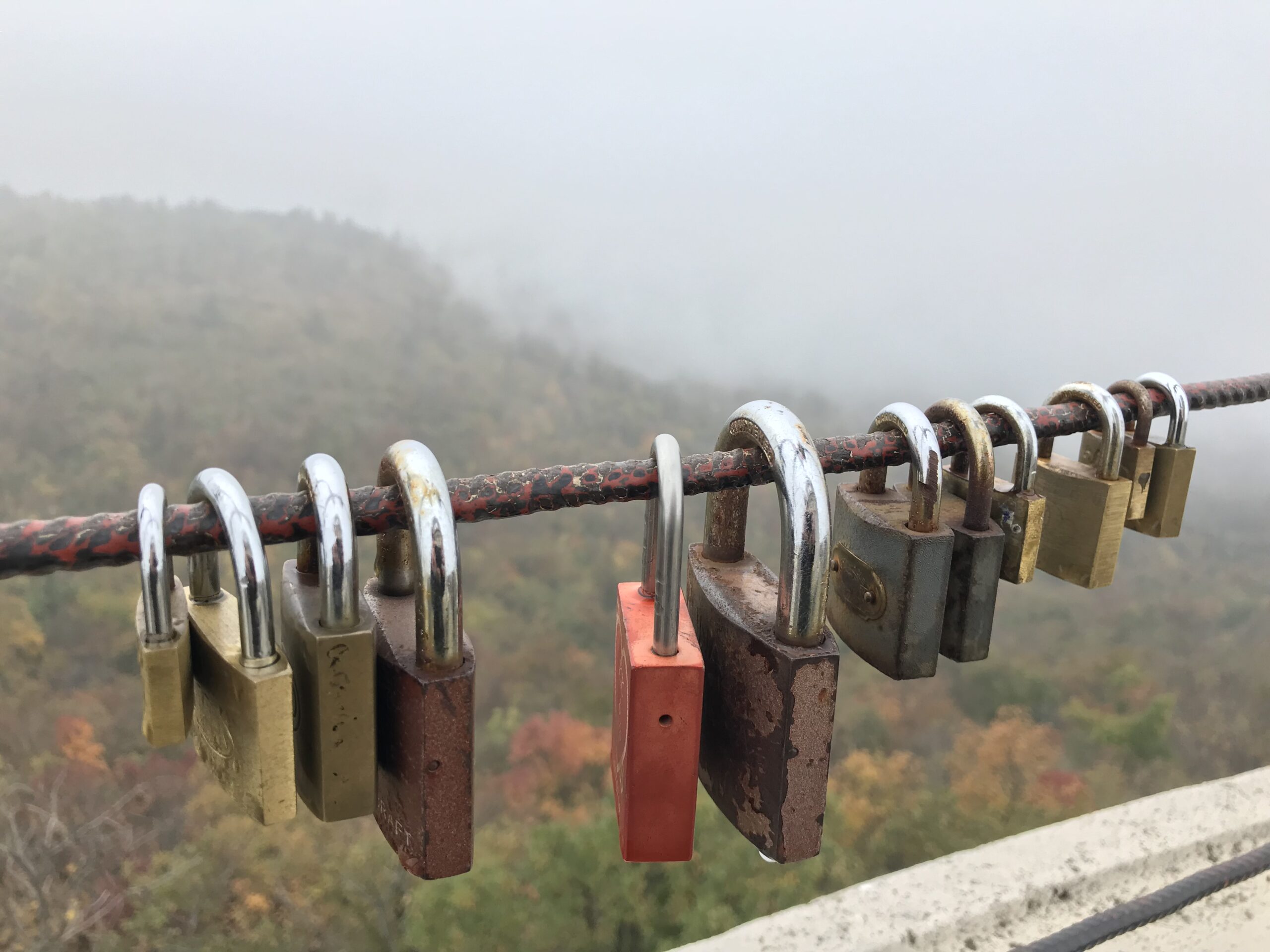
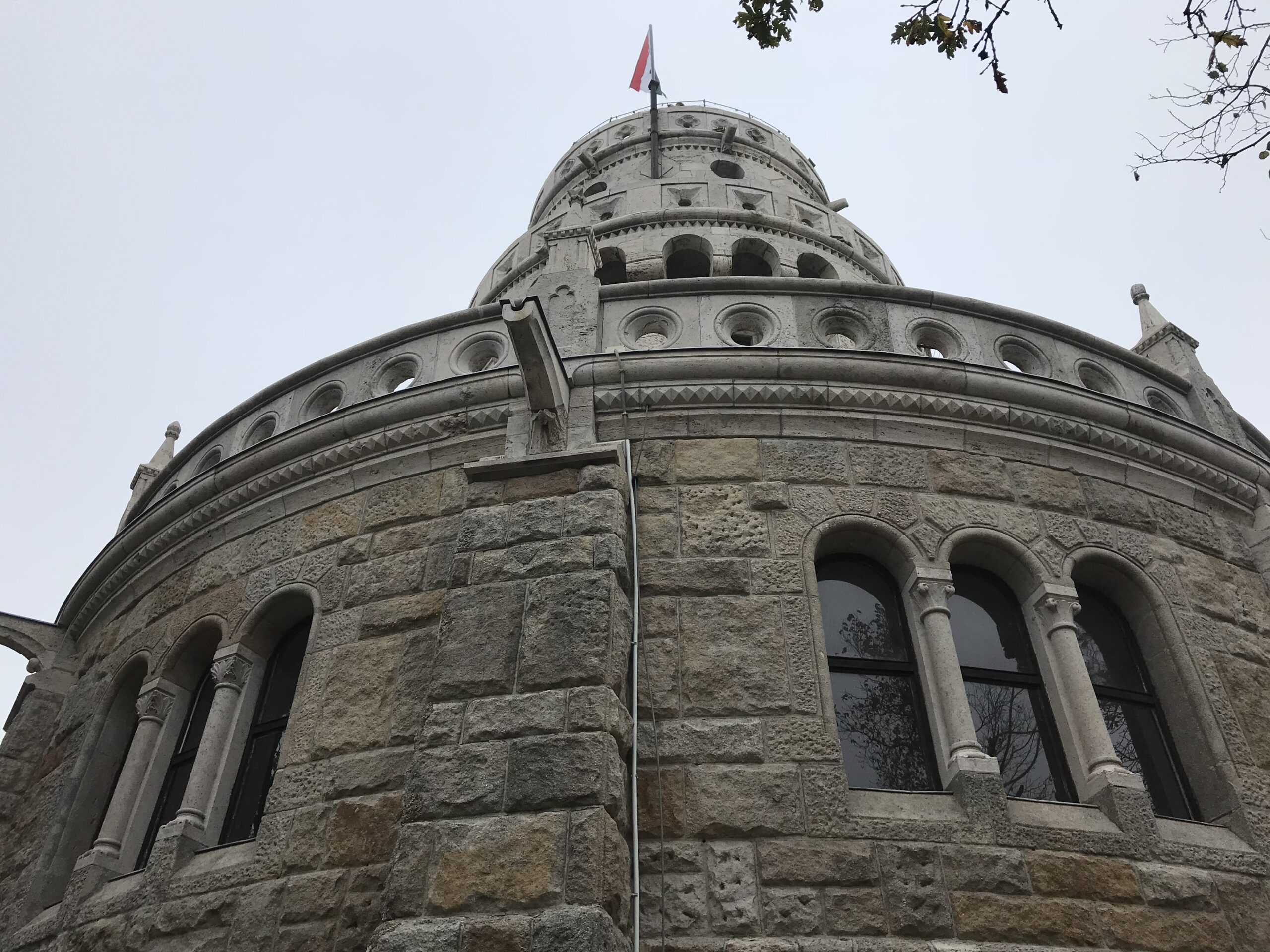
We decided to celebrate the National Day by hiking around the beautiful Buda hills. We hoped to enjoy some splendid view over Budapest from the top of the Elisabeth tower but couldn’t wait until the fog eventually lifted. It was a beautiful day shared with many other hikers who visited the area despite the sad weather.


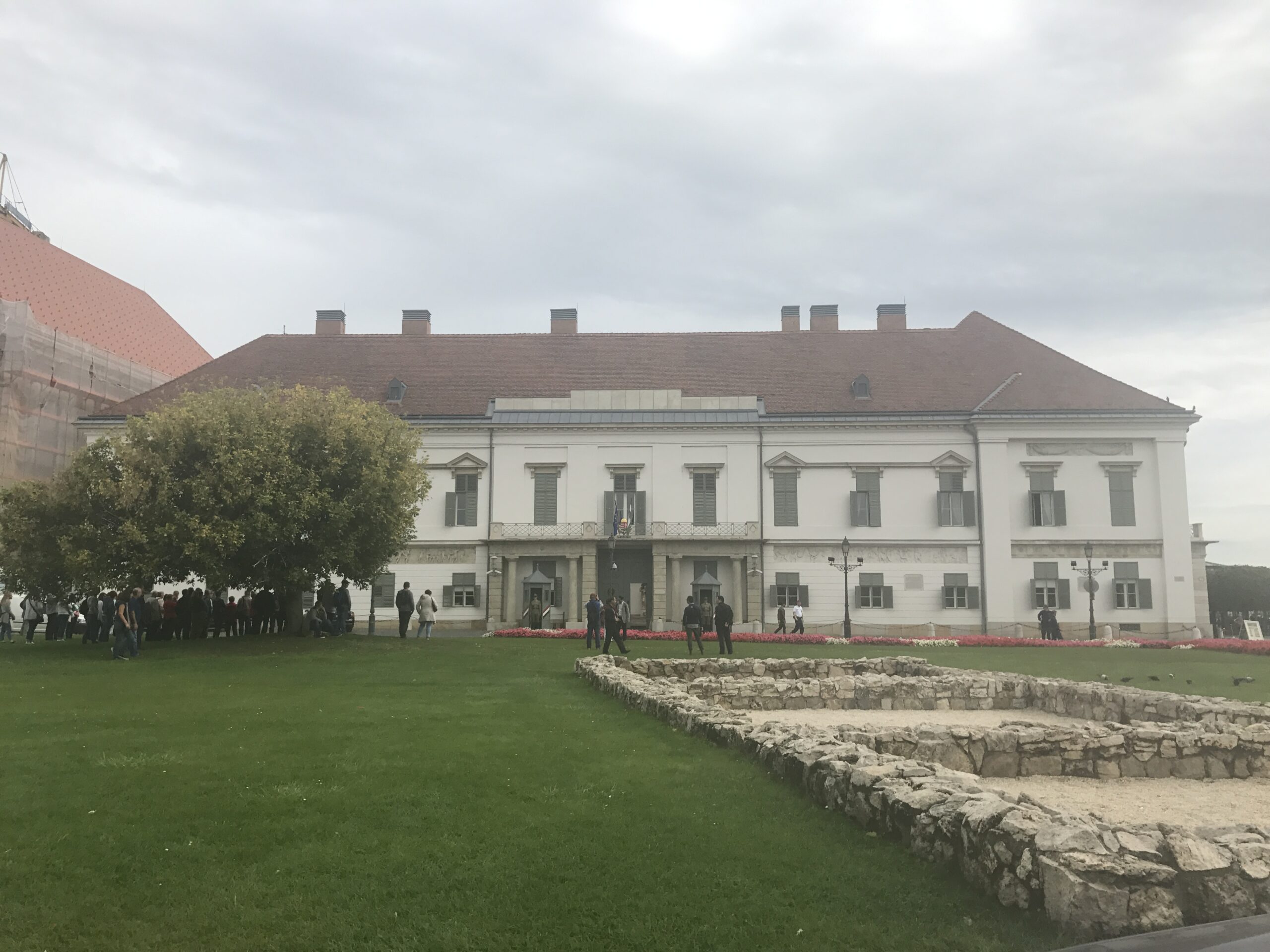
Located in the heart of the Buda Castle District, Sándor Palace is one of Budapest’s most elegant yet often overlooked landmarks. Standing just steps away from Buda Castle, the palace serves as the offices of the President of Hungary, combining political importance with refined architectural beauty.

From Aristocratic Home to Presidential Palace

Sándor Palace was built in the early 19th century as a noble residence and soon became one of the most prestigious addresses in Buda. Over the decades, it served various purposes, including government offices and ministerial residences.

The building suffered heavy damage during World War II and remained neglected for decades during the Communist era. Its careful restoration after the political changes restored the palace to its former elegance, and today it once again plays a central role in Hungarian public life.

Architecture and Atmosphere

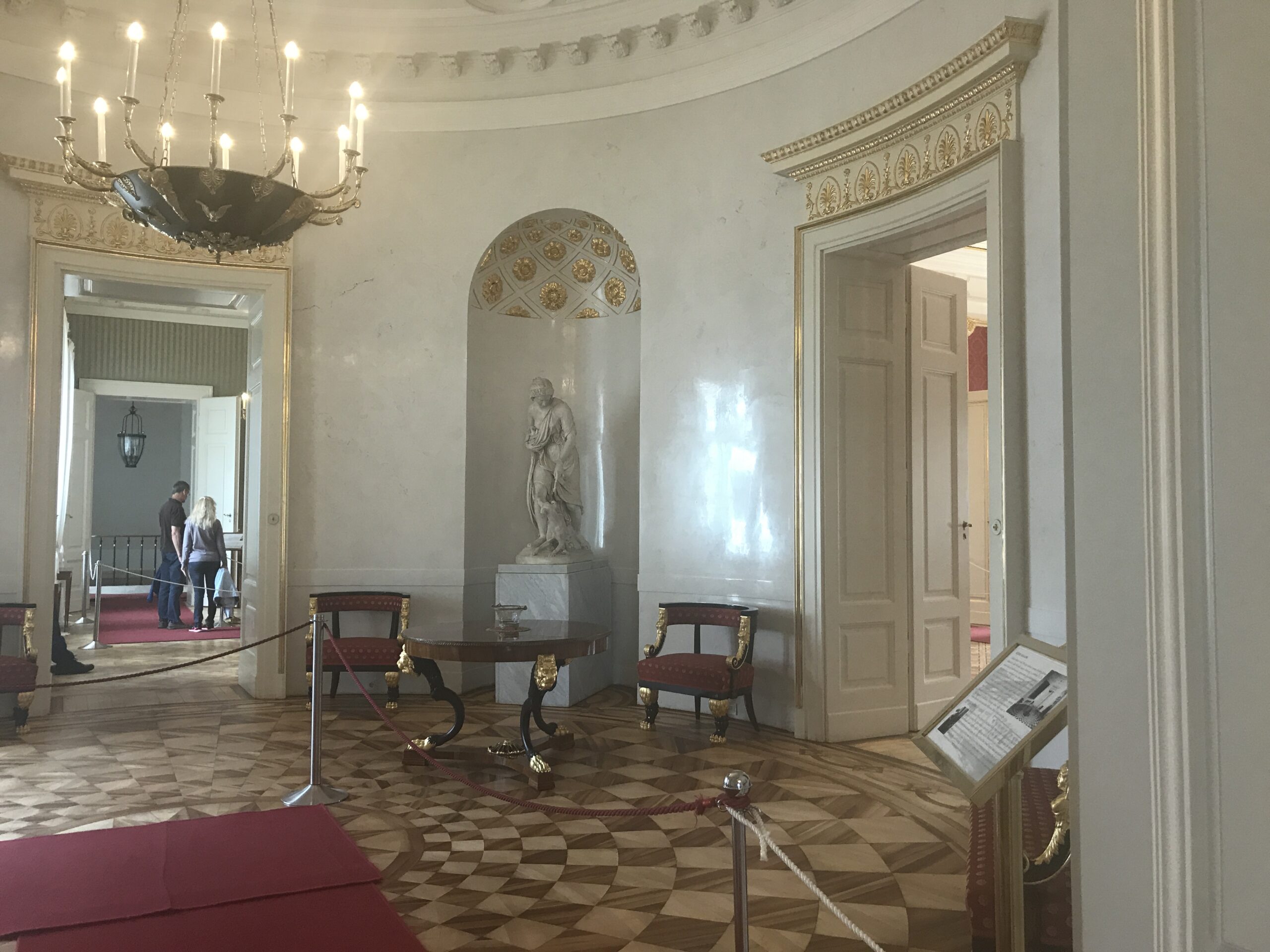
The palace is a fine example of Neo-Classical architecture, with a restrained yet harmonious façade that fits perfectly into the Castle District’s historic surroundings. While the interior is not generally open to the public, the exterior alone makes it a worthwhile stop during a Castle Hill walk.

One of the highlights for visitors is the changing of the guards, which takes place regularly in front of the palace and adds a ceremonial touch to the quiet square.

Sándor Palace on a Guided Tour

During a guided walk through the Castle District, Sándor Palace offers an excellent opportunity to talk about:

  • Hungary’s modern political system

  • the transition from monarchy to republic

  • life in the Castle District past and present

  • the contrast between royal, aristocratic, and presidential power

Its location makes it an easy and natural stop on a Budapest city tour or a thematic history walk.

Why Include Sándor Palace in Your Itinerary?

Sándor Palace is ideal for travelers who enjoy:

  • elegant architecture without crowds

  • political and modern Hungarian history

  • hidden landmarks beyond the usual highlights

  • quiet corners of the Castle District

It adds depth and context to any visit to Buda Castle.

Yes, Pécs is one of my favorite destinations so I’d like to encourage you to book a tour at your earliest convenience. Once you have a look at the pictures below I’m sure you’ll fall in love with the city, too.

Pécs is very unique because the entire Hungarian history is on display in the city’s architecture, spirit and charm. You can learn so much while just walking around the cobblestoned streets.

We start the tour discovering the 1700-year-old Early Christian Necropolis, the well preserved burial chambers of the Romans fron the 4th century. We continue in the 11th century Basilica on Dóm square, an important symbol of the continuous fight of the Hungarians for Christianity. We tour the ruins of the Turkish baths, the only Turkish age mosque in Hungary that has remained intact together with its minaret and the 13th century Catholic church converted into a mosque in the 1540’s and reconverted into a Catholic church in the 1680’s. I’m sure you’ll be surprised to notice the special combination of the Muslim crescent moon and the Christian cross topping the church, reminding us of the peaceful coexistence of different religions. We admire the harmonious Baroque architecture and also have a look at the Vasarely museum.

After the city tour I take you to the Zsolnay quarter, the completely renovated and restored Zsolnay factory buildings where the most beautiful Hungarian porcelain and ceramic products have been manufactured since 1853.


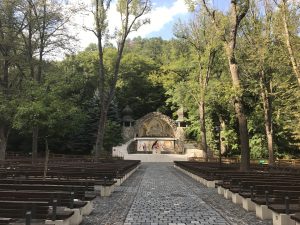
We visited this cute little village last week as it was part of a family research I was working on for my guests arriving from Australia. I’ve never been to Szentkút before but I’m very much impressed by this enormous pilgrimage site, it’s just too bad it was deserted this part of the year. I understand it’s much more crowded in August when open air masses are held for hundreds of thousands of people.

The fountains have been famous for their healing power for some 700 years now and is declared a National Shrine since 2006.


The Hungarian “Székelykáposzta” is a great dish combining sauerkraut and pork stew, a nice meal to warm your body and soul on a cool day.

Drain 2.2 pound sauerkraut in a colander, rinse it gently under cold water and let it sit in the colander for a few minutes. Put half of the cabbage in a large saucepan, put in 1.3 pound diced pork rib and cover with the other half of the cabbage. Add 4 bay leafs and water to cover it and cook gently for 2 hours on low.

Heat 5.25 oz lard in a large saucepan on medium heat. Toss in 2 large chopped onions, cook them with a pinch of salt until they soften up. Remove saucepan from heat, stir in 3 teaspoon paprika powder with the onions until they’re fully coated. Put the saucepan back on the heat, turn it up to medium-high, and add 1.3 pound diced pork shoulder or leg. Cook until all the meat has browned. Once the meat is browned, add 1 tablespoon paprika paste or cream, 1 large chopped tomato and 1 diced bell pepper. Pour in water until it covers the meat, bring it up to a simmer, then reduce heat to low and cook slightly uncovered stirring occasionally for about 90 minutes.

Pour the pork stew in the cabbage stew, cook on medium low for 15 minutes, stirring occasionally.

Heat 1 tablespoon lard in a small saucepan on medium high. Add 2 tablespoon flour, stir until it’s browned, add 1 teaspoon paprika powder. Add 1 cup cold water, mix it and add the flour mixture to the cabbage. Add half of the sour cream, bring it up to a simmer.

You can serve the cabbage dish with the other half of the sour cream.

Located near the Austrian border, Sopron has quickly become one of my guests’ most loved day-trip destinations in western Hungary — and it’s easy to see why. Rich in medieval heritage and elegant Baroque architecture, Sopron is a beautifully preserved town that feels both intimate and historically layered.

After guiding several tours in northern Hungary, Sopron naturally became part of my Győr and Sopron private tour, combining two of the region’s most charming historic towns in one memorable itinerary.

Why Sopron Is Called “The Most Loyal Town”

Sopron is often referred to as Hungary’s “most loyal” town, a title earned after World War I. When two-thirds of Hungary’s territory were detached from the country, Sopron’s citizens were offered Austrian citizenship in a referendum.

In 1921, the people of Sopron voted to remain Hungarian — a decision that is still commemorated every year and remains a strong part of the town’s identity and local pride.

Medieval Churches and the Iconic Fire Tower

A guided walk through Sopron reveals architectural treasures from multiple eras. Highlights include:

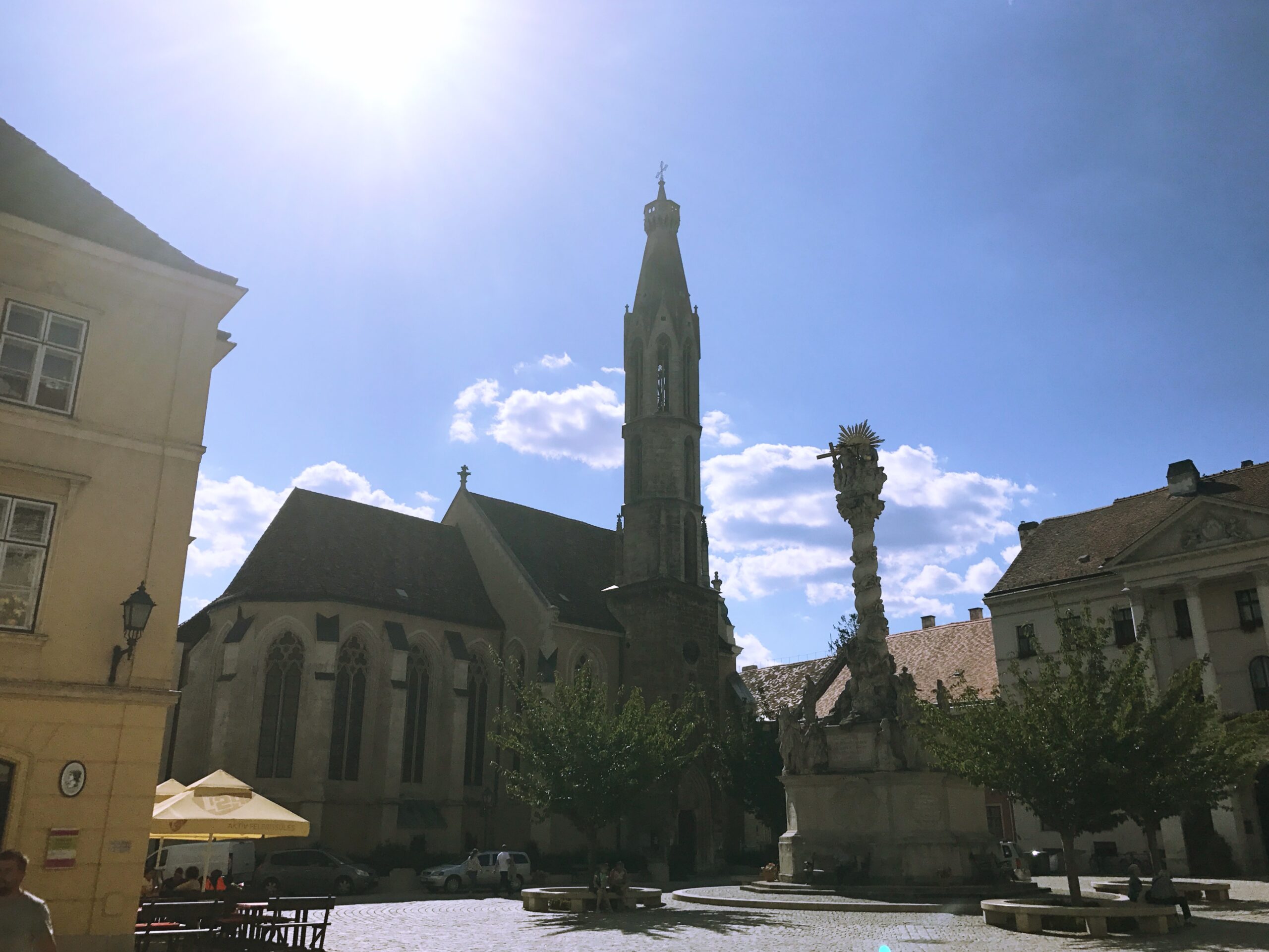
  • 13th-century churches featuring Romanesque and Gothic elements

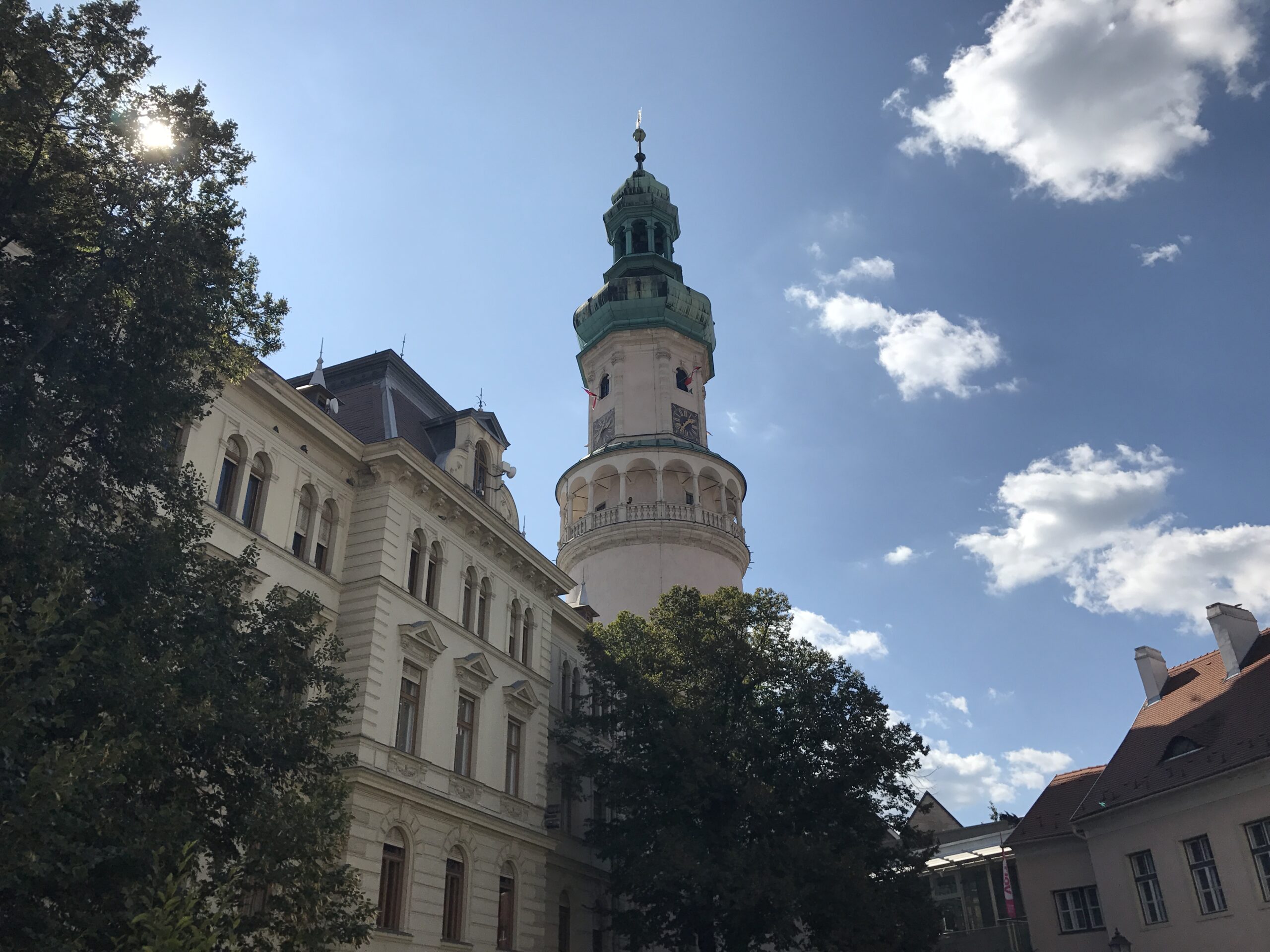
  • the iconic Fire Tower, the symbol of the town since the 17th century

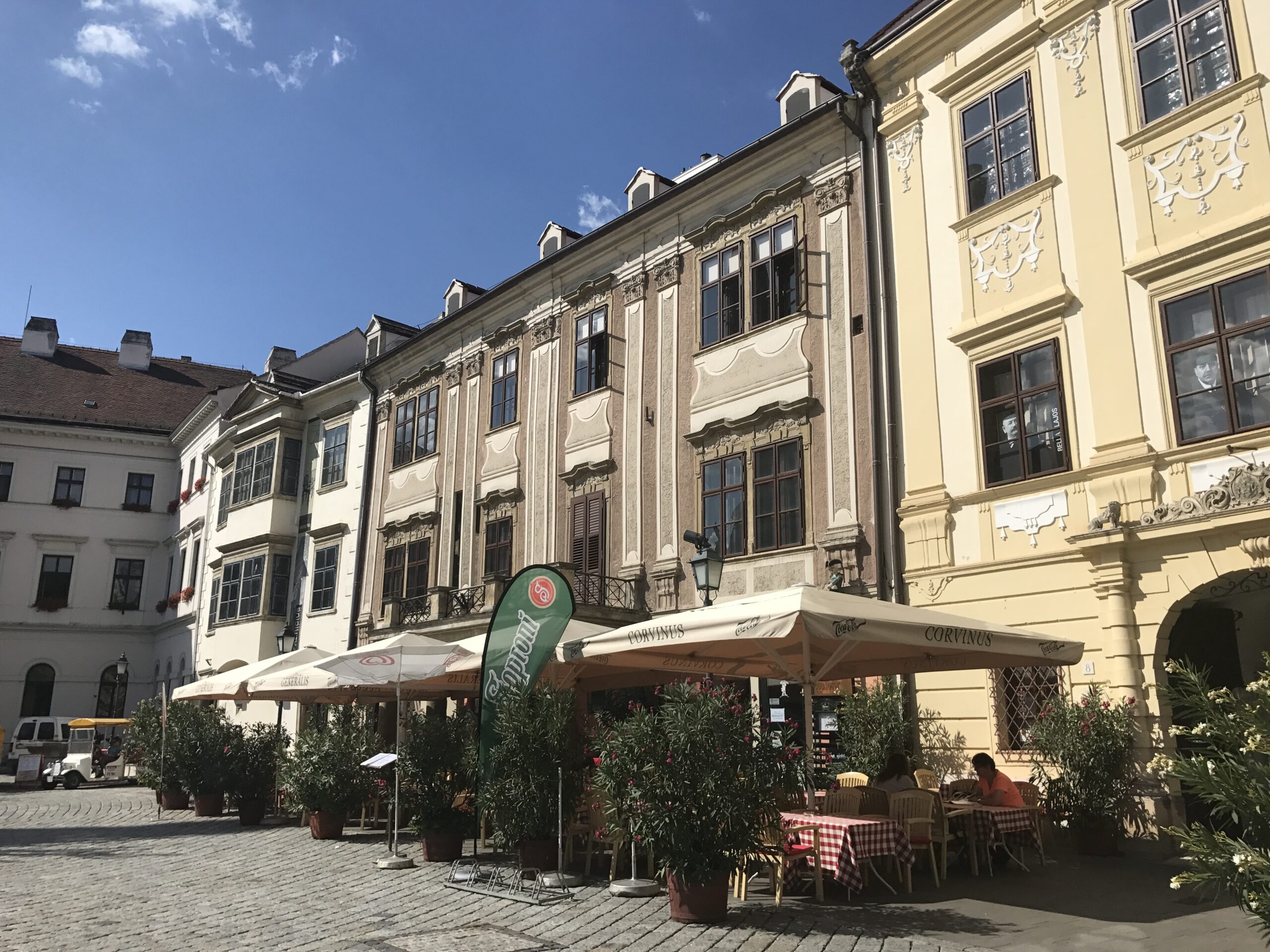
  • elegant 18th-century Baroque townhouses lining narrow streets and hidden courtyards

From the top of the Fire Tower, visitors are rewarded with panoramic views over Sopron’s rooftops and the surrounding countryside.

Kings, Composers, and Roman Roots

Sopron’s streets have hosted remarkable historical figures. During the tour, you’ll see:

  • where Matthias Corvinus stayed while besieging Vienna in 1482

  • buildings associated with concerts given by Franz Liszt in the 19th century

Beneath the medieval and Baroque layers lie even older foundations. Sopron was built on the remains of a Roman settlement, and visitors can still see the ruins of the ancient Roman town hall and market, offering a fascinating glimpse into the city’s earliest past.

Visiting Sopron on a Private Tour

Sopron is an ideal destination for travelers interested in:

  • medieval and Baroque architecture

  • Hungarian history beyond Budapest

  • quiet, walkable historic towns

  • meaningful countryside experiences

It pairs perfectly with a visit to Győr, making the Győr and Sopron tour a well-balanced journey through western Hungary’s cultural highlights.