Wishing you all a Very Happy New Year from the top of the Buda Castle district!
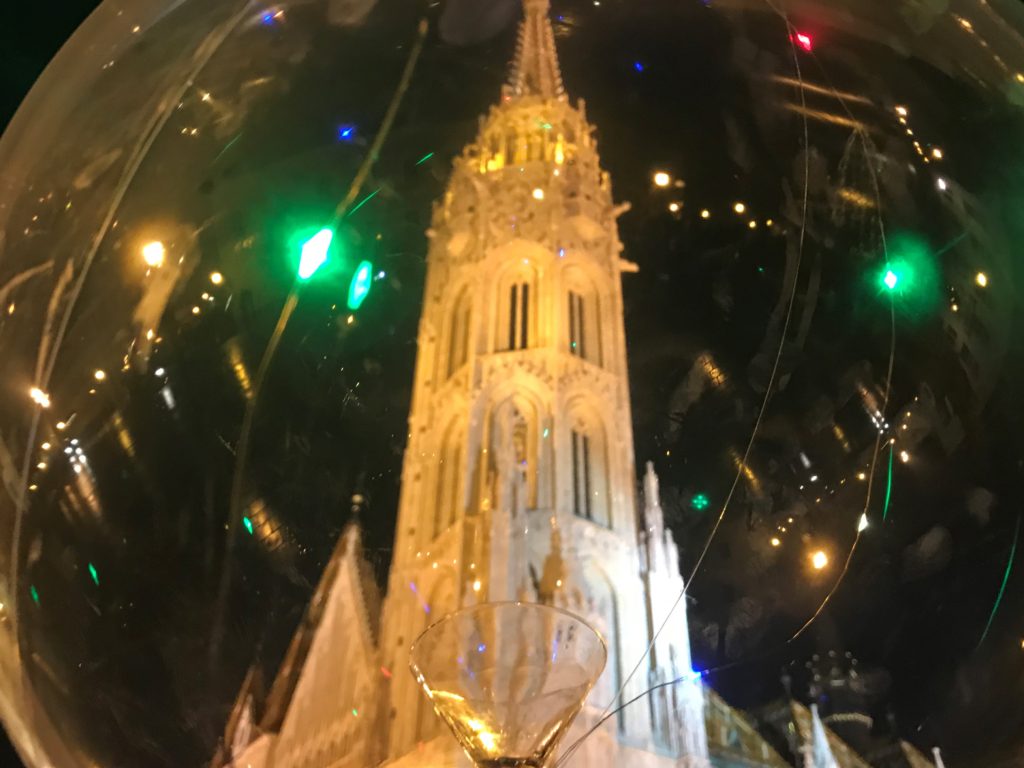
Wishing you all a Very Happy New Year from the top of the Buda Castle district!
Wishing you all a very Merry Christmas, Happy Holidays from beautiful Budapest!
Take a look at how Budapest looks like now, all white and snowy. It’s such a special period of the year, as unfortunately we’re getting less and less snow every year. Come and see for yourself!
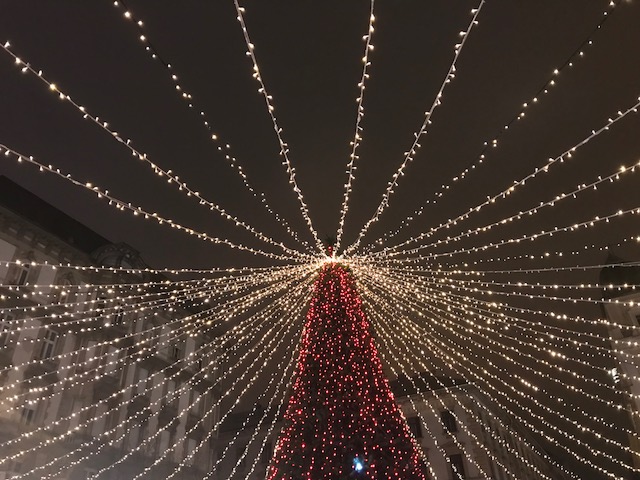
Budapest Christmas markets transform the city each winter into a festive wonderland filled with lights, seasonal flavours, and local traditions.
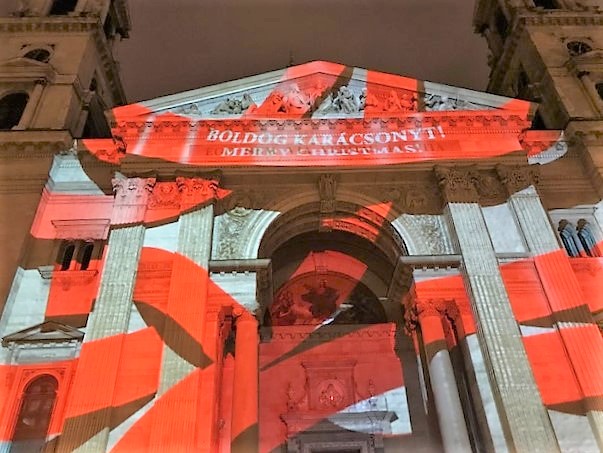
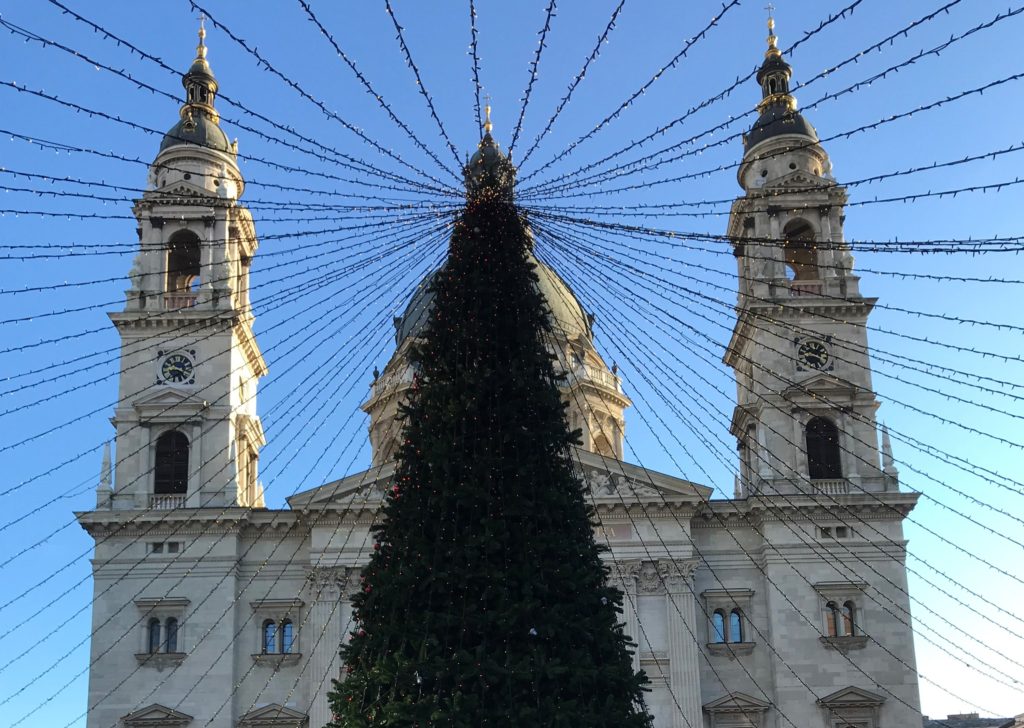
Every year, hundreds of thousands of travellers vote for their favourite Christmas markets across Europe. In 2018, one of Budapest’s most beloved festive spots received an exceptional honour: the Advent Feast at St. Stephen’s Basilica was voted the second best Christmas market in Europe by European Best Destinations.
Anyone who has visited this market will immediately understand why it ranked so highly. Set against the stunning backdrop of the Basilica, the atmosphere is unmistakably festive. The market focuses on what Budapest does best at Christmas: comforting seasonal food and drinks, beautifully crafted local handicrafts, and a warm, welcoming ambiance in the heart of the city.
One of the highlights is the spectacular video mapping show projected onto the main façade of St. Stephen’s Basilica after dark. The illuminated visuals transform the square into a magical winter scene and make this market especially memorable in the evening hours.
And of course, no visit would be complete without sampling traditional treats. Be sure to try a cup of local hot wine and freshly baked chimney cake (kürtőskalács)—arguably the most irresistible flavours of Budapest’s Christmas markets.
Few visitors realise that the Buda caves in Budapest form an extensive underground labyrinth, revealing a hidden, quieter side of the city beneath the hills.
One of the things I love most about guiding in Budapest is when travellers ask for something different—experiences that go beyond the classic sightseeing routes. On one such occasion, our curiosity led us underground, into the fascinating cave system hidden beneath the Buda Hills.
We visited Pálvölgyi Cave, the longest cave in Budapest and one of its most surprising natural treasures. The guided visit lasts around 60 minutes and takes you through a labyrinth of passages filled with spectacular stone formations. Along the way, you’ll see delicate dripstones, dramatic shapes sculpted over thousands of years, and even the fossilized imprints of ancient seashells—silent reminders that this area was once underwater.
Beyond its geological wonders, the caves have another very practical appeal: the temperature remains a constant 11°C (52°F) all year round. That makes it a wonderfully cool escape during Budapest’s hot summers and a surprisingly comfortable option in winter, when the caves feel almost warm compared to the chilly streets above.
Exploring the Buda caves is not part of standard city tours—but it can be a memorable addition to a custom-designed Budapest experience. For travellers who enjoy nature, light adventure, or simply seeing a lesser-known side of the city, going underground offers a completely different perspective on Budapest.
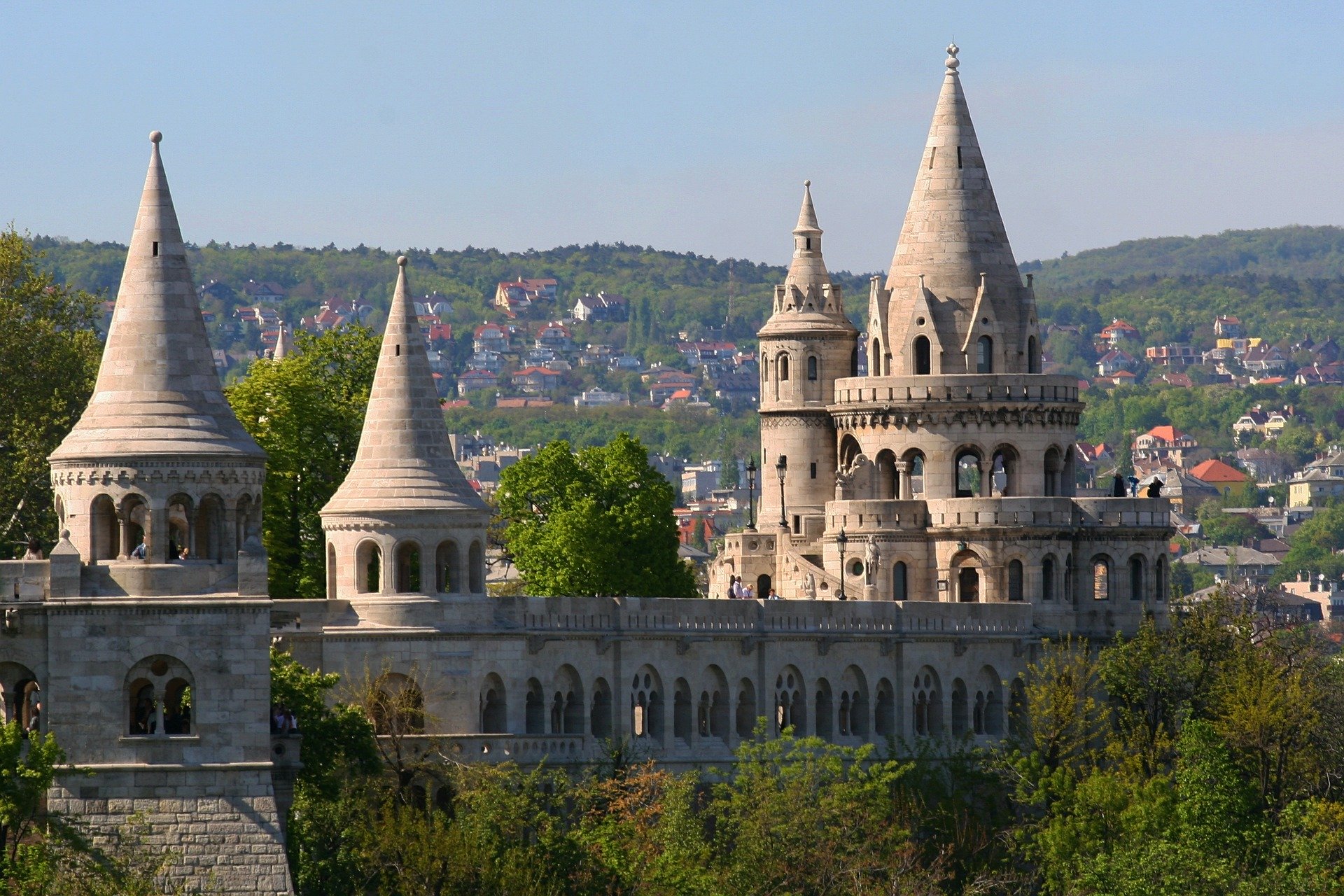
Perched high above the Danube on Castle Hill, Fisherman’s Bastion is one of Budapest’s most iconic and enchanting landmarks. With its fairytale-like towers, sweeping terraces, and breathtaking views over the Pest side of the city, it’s a place that leaves a lasting impression on first-time visitors and returning travellers alike.
Despite its castle-like appearance, Fisherman’s Bastion was never built for defense. Constructed between 1895 and 1902, it replaced part of the medieval town walls of Buda and was designed as a panoramic lookout terrace. Its Neo-Romanesque style was chosen to complement the neighbouring Matthias Church, creating one of the most beautiful architectural ensembles in the city.
The Bastion features seven ornate towers, symbolizing the seven Hungarian tribes who settled in the Carpathian Basin in 896 — a key moment in Hungarian history.
The name comes from the guild of fishermen who, in the Middle Ages, were responsible for defending this section of the city walls. Today, instead of guarding Budapest, the Bastion offers one of the best viewpoints in the city — especially towards the Hungarian Parliament Building across the river.
From the terraces, you’ll enjoy a stunning panorama of:
the Danube River
the Pest skyline
Margaret Island
the Parliament building
bridges stretching across the city
It’s beautiful at any time of day, but the atmosphere changes constantly with the light, weather, and seasons — which is why I never get tired of visiting it.
Upper terrace: Part of the Bastion requires a small entrance fee, and I highly recommend going up — the view is worth it. Tickets can be bought on-site or online.
Best time to visit: Early morning is the quietest and most magical, especially if you love photography.
Accessibility: Easy to reach on foot within the Buda Castle District, or as part of a guided walk or driving tour.
Fisherman’s Bastion is a highlight of my Buda Castle Walk, where I share not only the history, but also the hidden details, legends, and best photo angles. It can also be included in my private Budapest city tours by car, making it an effortless and memorable stop.
If you’re visiting Budapest for the first time, Fisherman’s Bastion is truly a must-see — not just for the views, but for the atmosphere, history, and sense of timeless beauty it offers.
Budapest chairlift autumn experiences are at their most beautiful when the forests of the Buda Hills glow with warm seasonal colours.
Autumn is one of my favourite seasons in Budapest, especially when a custom tour takes us slightly away from the city centre and closer to nature. Chairlifting to the Elizabeth Lookout Tower on top of St. John’s Hill is always a memorable experience — but in fall, it becomes truly magical.
As the chairlift gently carries you above the forest of Budapest, the city slowly fades away and is replaced by layers of gold, rust, and deep green. The ride itself is calm and almost meditative, making it ideal for travellers who enjoy slower moments and unique perspectives.
At the top, the reward is more than worth it. From the lookout tower, you can enjoy panoramic views over Budapest, stretching across Buda, Pest, and the winding Danube. On clear autumn days, the light is softer, the air is crisp, and the city feels wonderfully peaceful from above.
This experience is especially popular with nature lovers, photographers, and guests looking for something a little different from classic sightseeing. It fits beautifully into a customised Budapest tour, combining fresh air, gentle walking, and one of the best viewpoints in the city.
Sometimes, the most memorable moments in Budapest happen when we slow down, rise above the city, and simply enjoy the view.
This weekend’s Foodie Tour turned out to be a little unusual — and very memorable. Instead of moving between markets and small food shops across the city, we dedicated the day to one single event: a Pig Slaughtering Festival in Budapest, held on a bright, sunny autumn weekend.
It was intense in the best possible way.
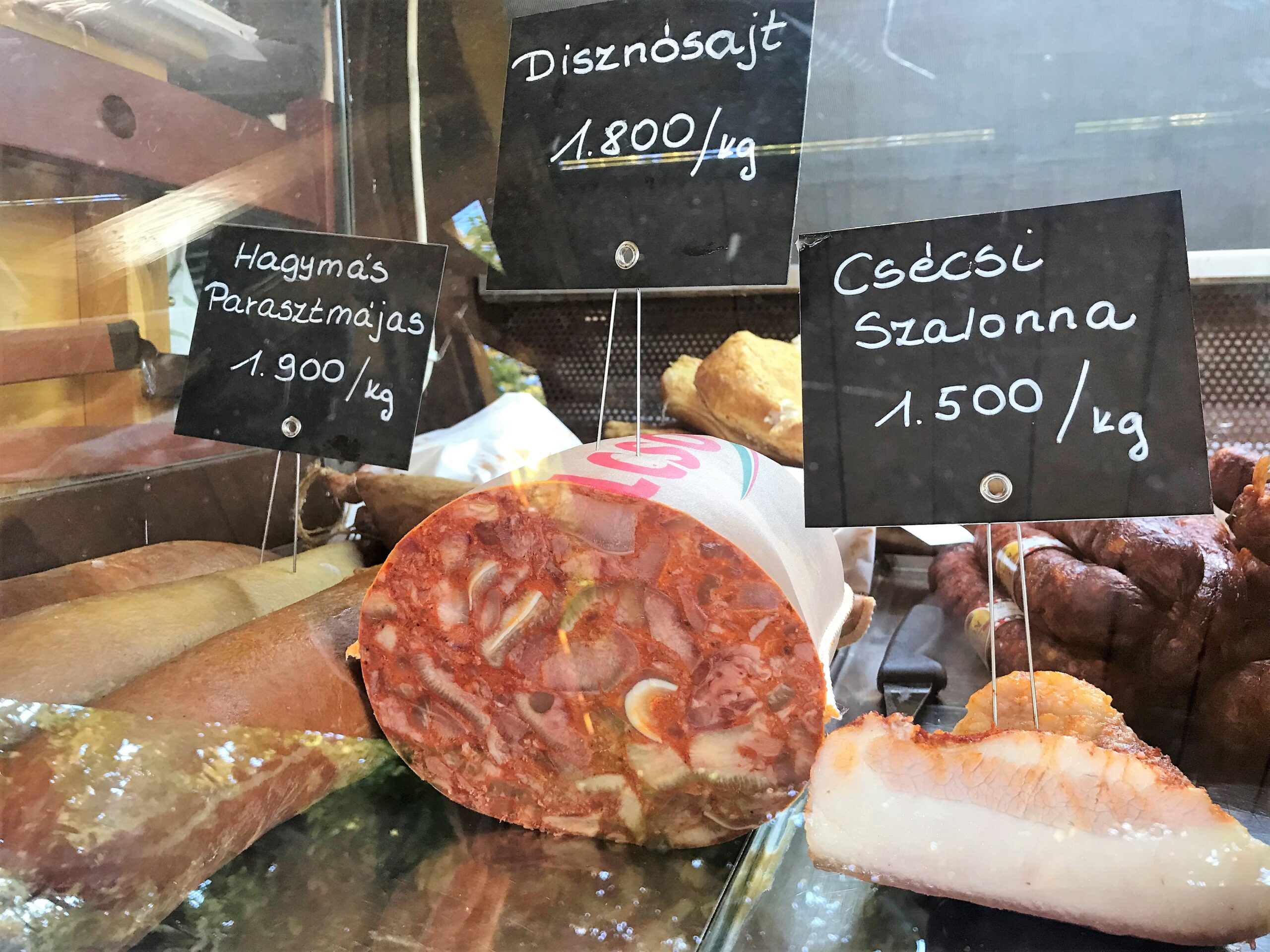
From the moment we arrived, we were surrounded by the unmistakable aromas of grilled meats, freshly made sausages, and slow-cooked Hungarian classics. Stalls lined up one after another, each offering its own version of traditional pork dishes, prepared with pride and confidence.
Hungarian cuisine is deeply rooted in pork — and this festival was a perfect snapshot of that tradition. Over the course of just a few hours, we tasted an astonishing variety of sausages, cuts of meat, and rich, comforting flavours. By the end of the tour, I realised I had probably eaten as much in four hours as I normally would in an entire week.
And honestly? I had no regrets.
If there’s one thing I always recommend to visitors, it’s to try mangalica sausage. Made from Hungary’s famous curly-haired mangalica pig, it’s rich, flavourful, and truly in a league of its own — for me, it’s the absolute best of Hungarian sausage-making.
Experiences like this are exactly why I love customising my Foodie Tours. Sometimes it’s about discovering hidden bakeries or wine bars; other times, it’s about diving headfirst into a local festival and embracing Hungarian food culture at its most authentic and unapologetic.
Food events like pig slaughtering festivals are not staged for tourists — they’re for locals, families, and producers who care deeply about tradition. Sharing this kind of experience with my travellers is always a highlight.
If you’re curious about Hungarian cuisine and want to explore it beyond restaurant menus, I’m always happy to tailor a custom Foodie Tour around seasonal events, markets, or local specialities.
I woke up early this morning and witnessed a most unique moment: the sun rising up over the beautiful buildings of Pest. It was just a few seconds but made my entire day.
Tip: the best location in Budapest to watch sunrise is the top of the Fisherman’s Bastion (I took the video and the picture from there) or the top of Gellért hill.
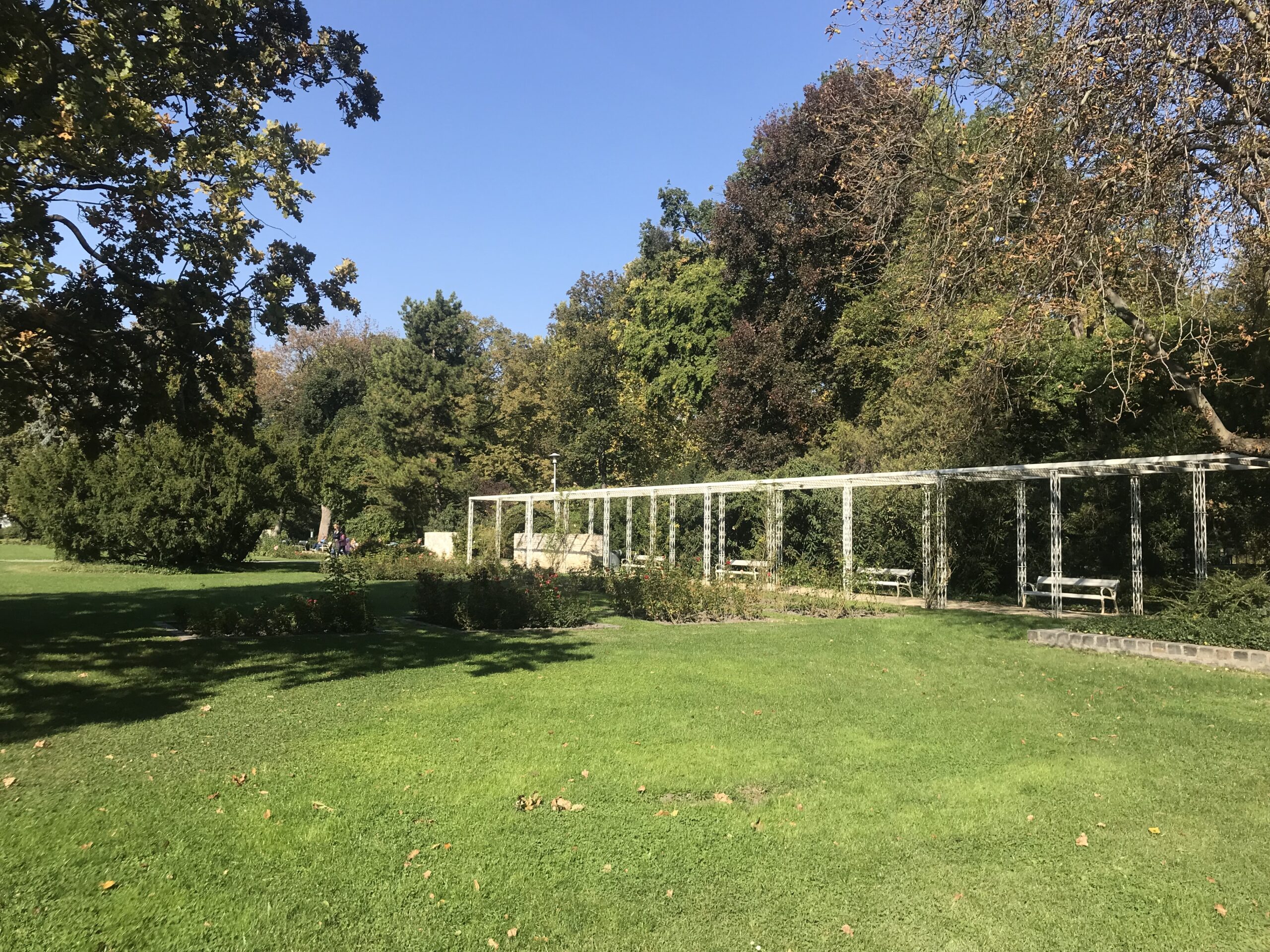
Floating gently between Buda and Pest, Margaret Island in Budapest is one of those places that feels instantly familiar to locals and surprisingly intimate to visitors. Long before it became Budapest’s most popular park, the island lived many lives — and traces of that past are still quietly present among the trees.
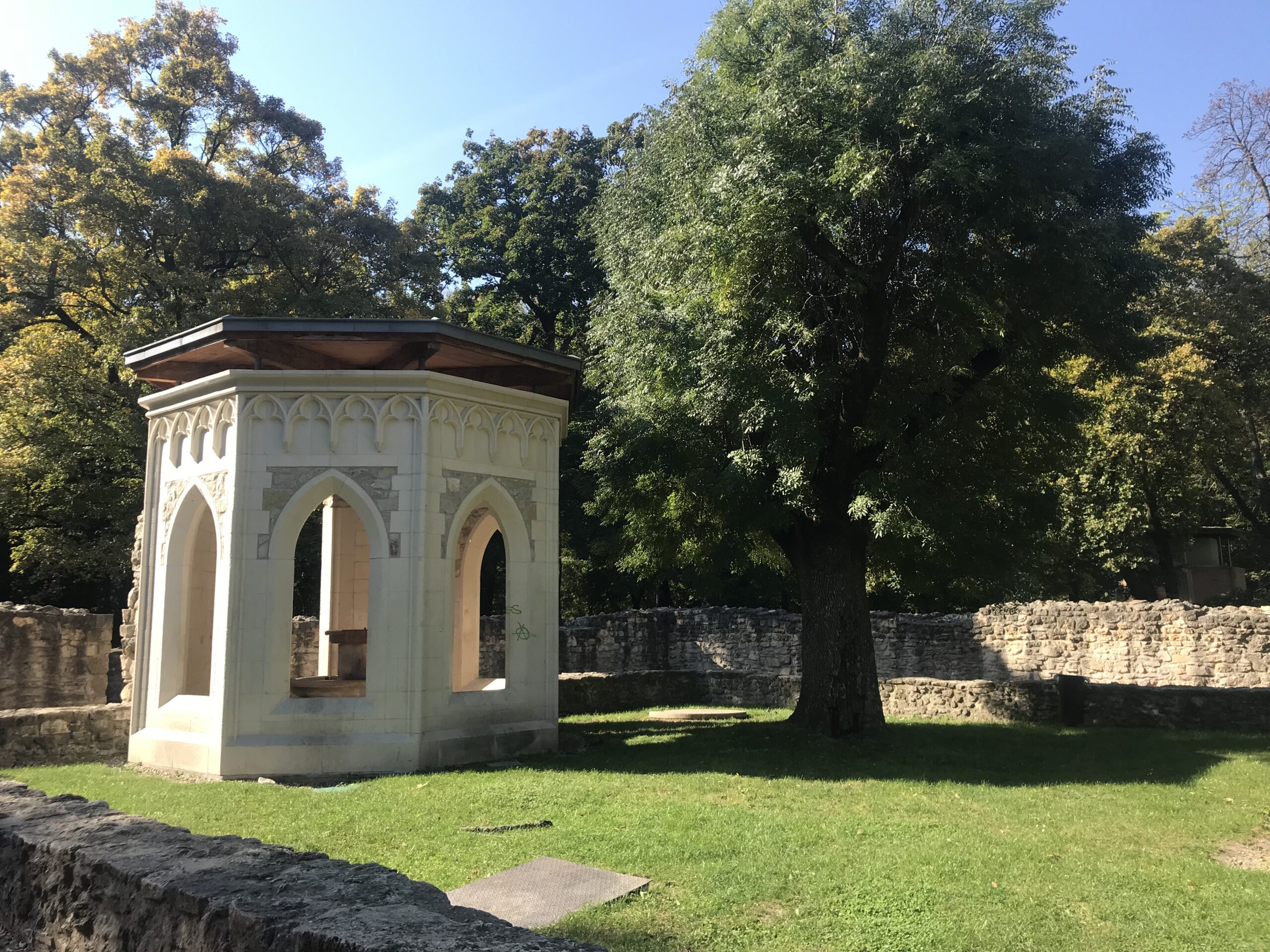
Centuries ago, this was a place of withdrawal and reflection. Medieval monasteries once stood here, followed by periods when the island served as a place of isolation. Its most famous resident was Princess Margaret, daughter of King Béla IV, who chose a life of service and devotion on the island in the 13th century. Today, little remains of those structures, but the sense of calm they left behind is unmistakable.
For Budapesters, Margaret Island is less a sightseeing stop and more a way of life. People come here to jog, picnic, read, cycle, or simply sit in the shade on a warm afternoon. It’s where the city exhales — especially in summer.
Because it’s surrounded by the Danube and free from traffic, the island has a slower, softer rhythm than the rest of the city. That’s exactly why many visitors end up calling it one of their favourite unexpected discoveries.
Margaret Island is best enjoyed without rushing. One of the most enjoyable ways to explore is by renting one of the pedal-powered group bikes or electric vehicles, which allow you to move comfortably between highlights while still soaking in the atmosphere.
Margaret Island isn’t part of my standard city walks, mainly because of its location slightly outside the historic centre. However, it fits perfectly into customised walking or driving tours, especially for guests who want to balance sightseeing with relaxed, local experiences.
It’s an ideal addition in late spring or summer, offering a refreshing contrast to the architectural intensity of the city centre. Margaret Island may not demand attention — and that’s exactly its charm. It’s a place to slow down, breathe, and experience Budapest the way locals do.
If you’d like to include Margaret Island in a bespoke tour itinerary, I’m always happy to tailor the route to your interests and pace.