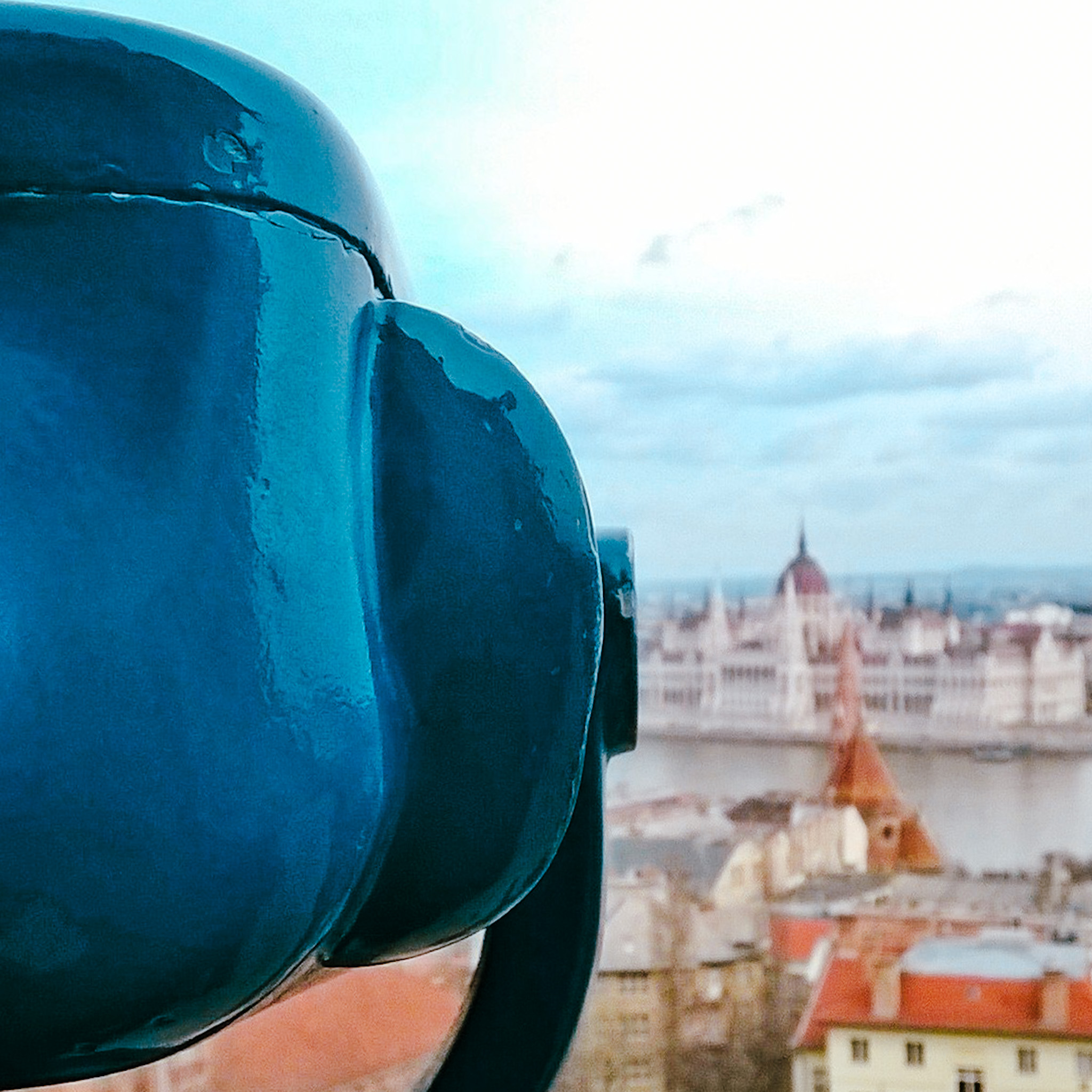
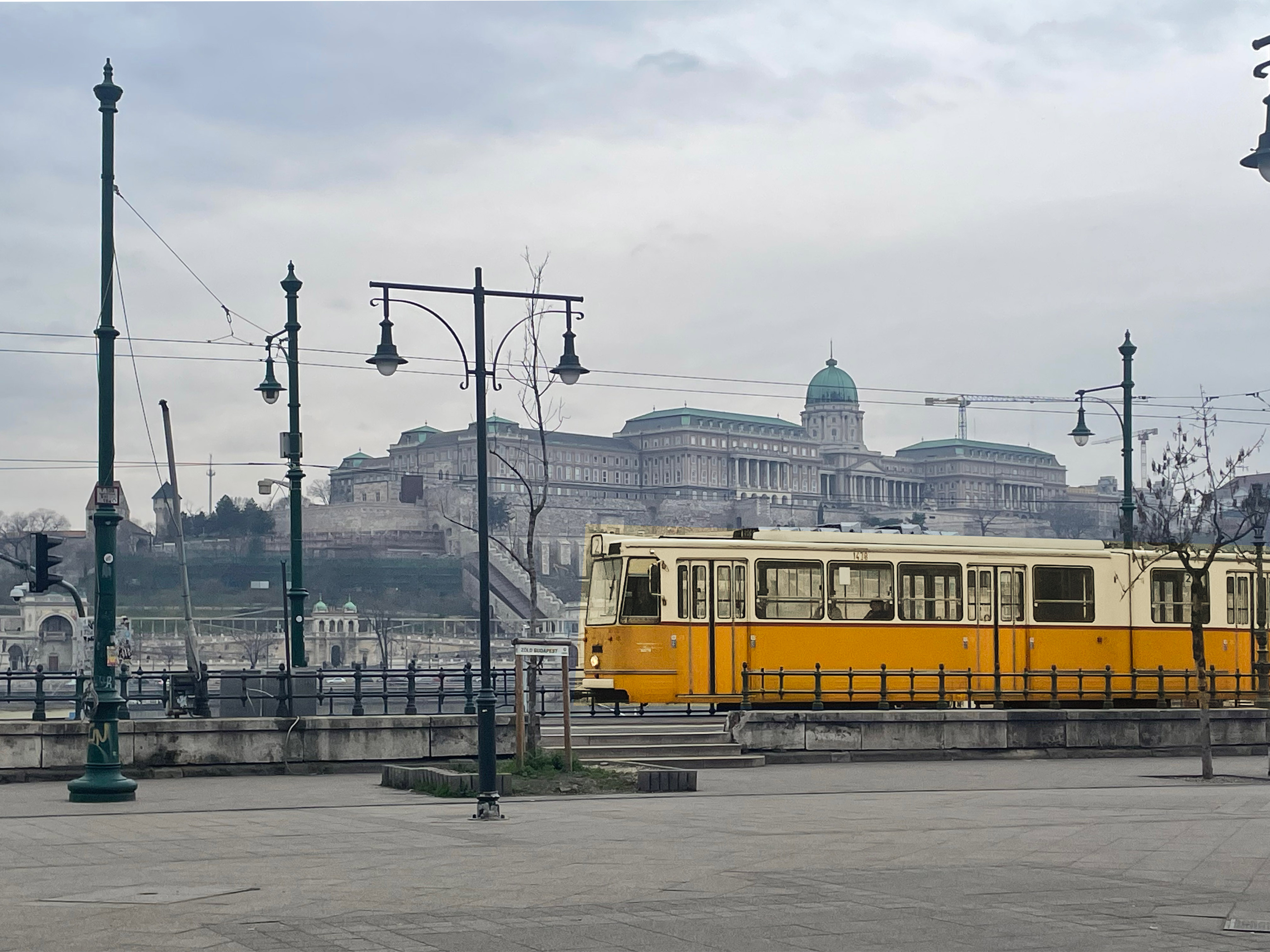
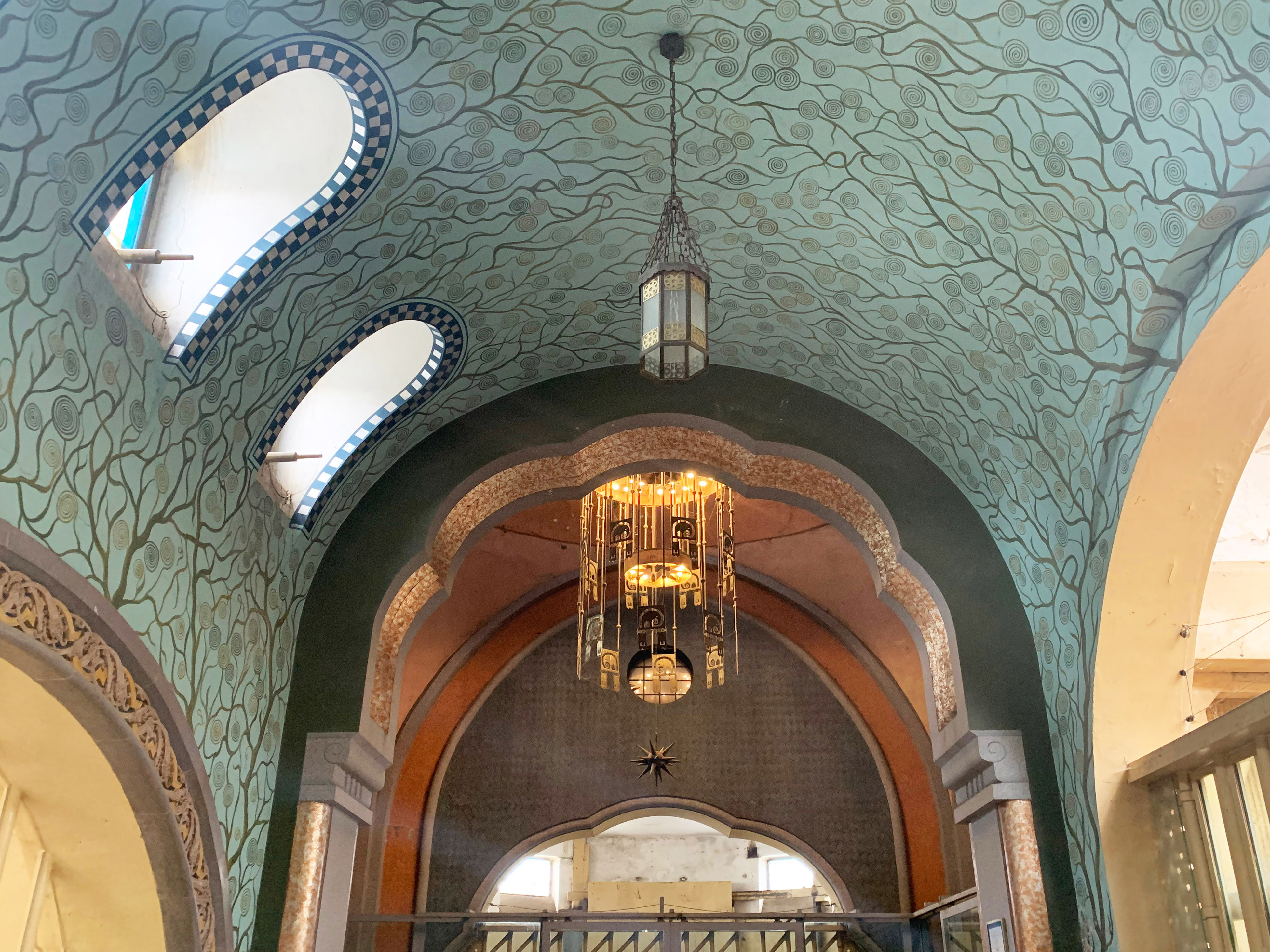
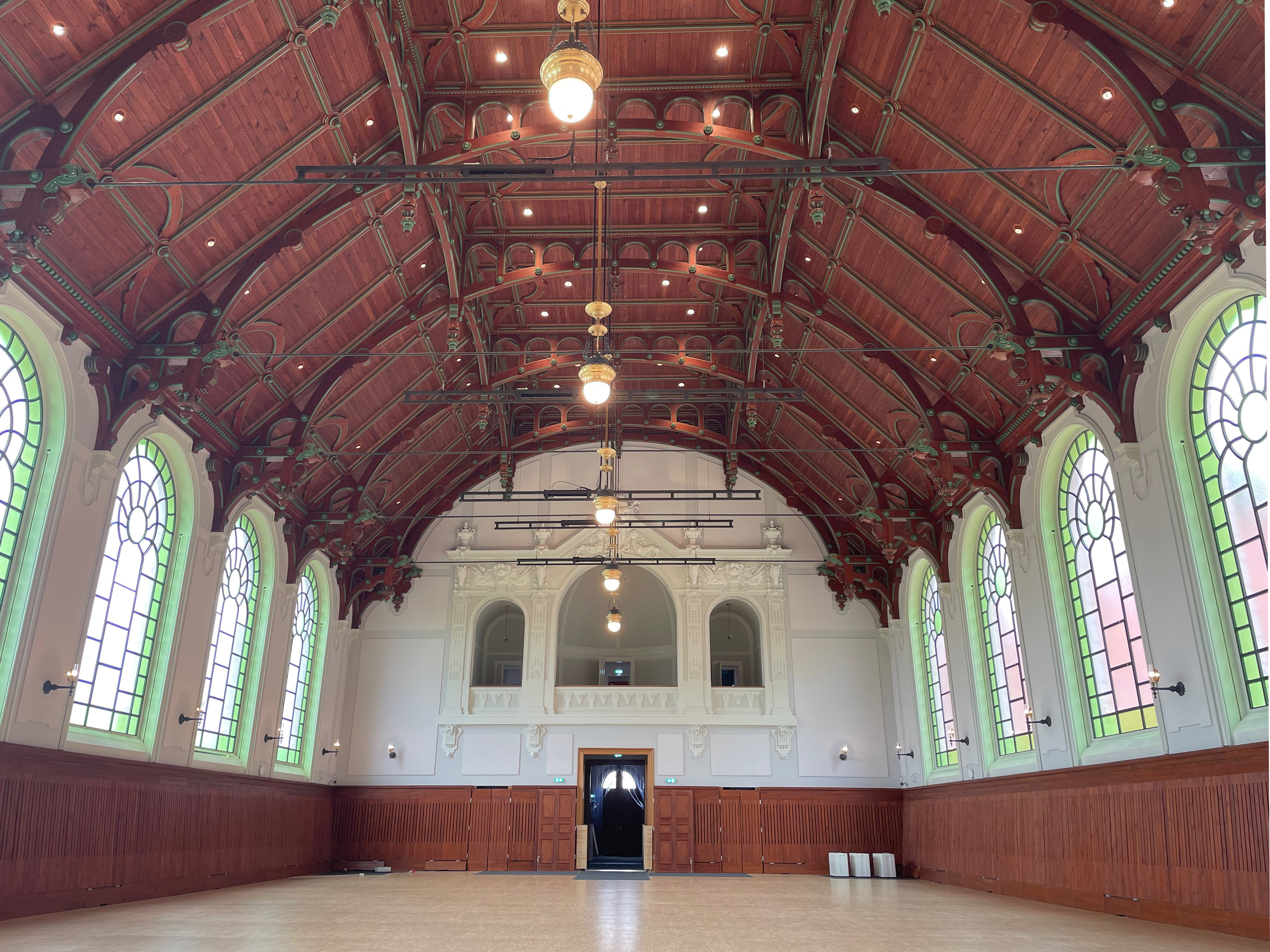
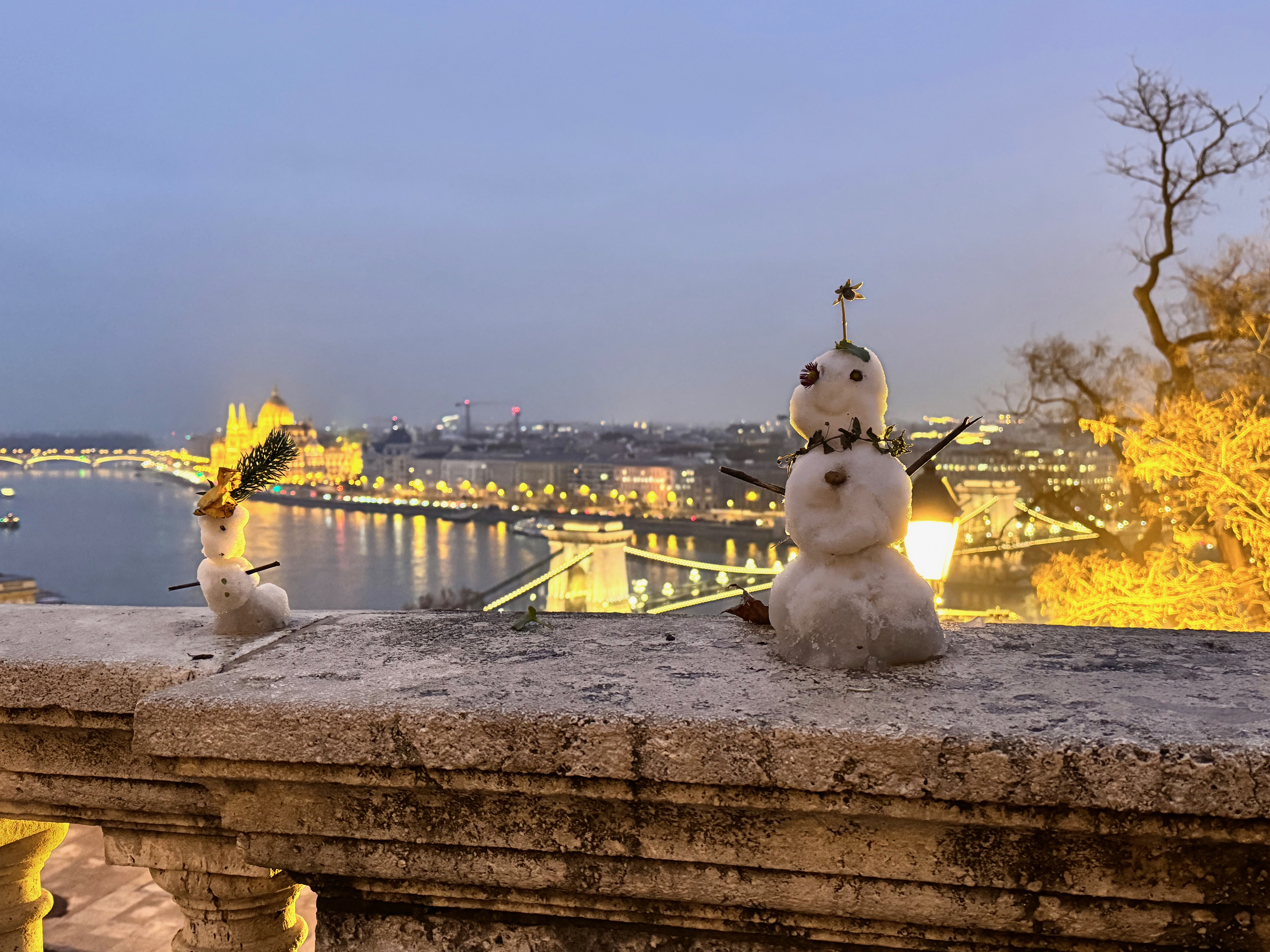
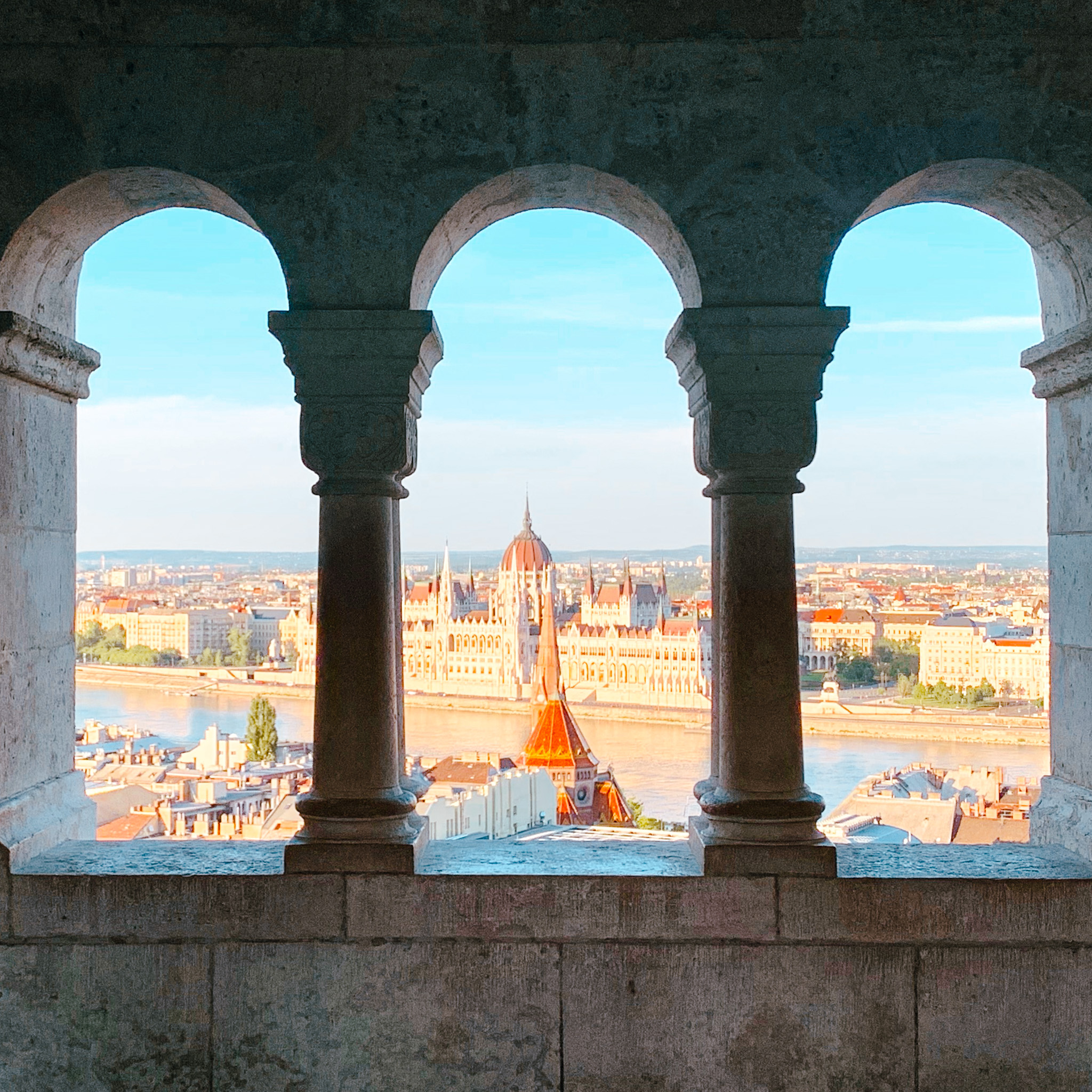
Fisherman’s Bastion is without a doubt one of the most photographed and iconic sights in Budapest. Perched high on Castle Hill, this fairytale-like terrace offers breathtaking panoramic views over the Danube, the Hungarian Parliament, and the entire Pest side of the city. Its whimsical turrets, staircases, and white-stone arches draw visitors from around the world — and once you see it, you’ll understand why.

What makes Fisherman’s Bastion truly special is how photogenic and inviting it is from every angle. Whether you’re capturing the early morning light, the towers framed by the neighbouring Matthias Church, or simply walking beneath its arches, each view offers something new. It’s one of those rare places that feels different every time you visit.

To fully experience this magical spot, I recommend joining my Buda Castle Walk — a private tour that explores the history, legends, and hidden corners of the castle district. If you prefer a broader look at the city that includes this highlight, my Full-Day Budapest Tour by Car also includes a scenic stop at Fisherman’s Bastion with plenty of time to explore. Don’t hesitate to contact me for more details or ideas!

Originally built in the late 1800s to celebrate 1,000 years of Hungary, the Bastion is more about beauty than battle — a tribute to the fishermen who once protected this stretch of the medieval walls. Today, it’s a peaceful, inspiring place to slow down and take in the soul of Budapest.

Personal tip: If you’d like to take photos like me, with no people in them, it’s best to visit early in the morning — it’s when the Bastion is at its quietest and most magical.

Curious about the Bastion’s story? This History Tools article dives deep into its medieval defense roots, the fishermen’s role, the Neo‑Romanesque design by Frigyes Schulek, and the significance of its seven symbolic towers.

There’s something truly magical about Budapest that never fades, no matter how many times I walk its streets. From the golden light of sunrise over the Danube to the glow of Parliament at night, every hour brings a new kind of beauty. I love capturing these moments—quiet alleys, bustling markets, soft reflections on the river—each one telling a part of the city’s story.

Taking photos and videos here isn’t just about visuals; it’s about emotion, rhythm, and the atmosphere of everyday life. With every shot, I try to preserve the feeling of being here: the laughter from a café, the hush in a church, the buzz of trams gliding by. Creating this video is my way of sharing that energy, that intimacy, that wonder. Budapest always gives me something new to fall in love with—and I hope you feel a bit of that in every frame.

As a private Budapest tour guide, I’ve had the joy of leading over 2,000 tours in this incredible city—and I can honestly say that every single one has been special. No two tours are ever the same—because no two travellers are ever the same. That’s what makes being a private Budapest tour guide so rewarding.

Some come for the history, others for the food and wine, and many are simply curious to understand what makes this city so magical.

From Strangers to Friends

Whether it’s a half-day stroll through Pest or a full-day adventure across both sides of the Danube, something remarkable always happens.

We start as strangers, but somehow, by the end of the tour, we’re sharing stories like old friends. There’s a closeness that naturally forms when walking through streets filled with meaning and memory. As a result, these moments stay with me long after the tour is over.

Budapest Through My Eyes

Every corner I show holds personal significance—these aren’t just stops on a route; they’re part of my life in Budapest. For example the grandeur of Andrássy Avenue while the quiet courtyards of the Jewish Quarter still feel like hidden gems.

The Magic of a Shared Experience

I love seeing the city through fresh eyes again and again. Watching someone fall in love with Budapest—often without even realising it—is one of the best parts of my job. In fact, I especially love that moment when I catch the first sparkle in their eyes, when I know the city has started to work its magic on them.

Of course, it’s not just about sharing facts—though of course, I share plenty! It’s about creating an experience that reflects each guest’s curiosity, energy, and pace.

Tailored Tours, Every Time

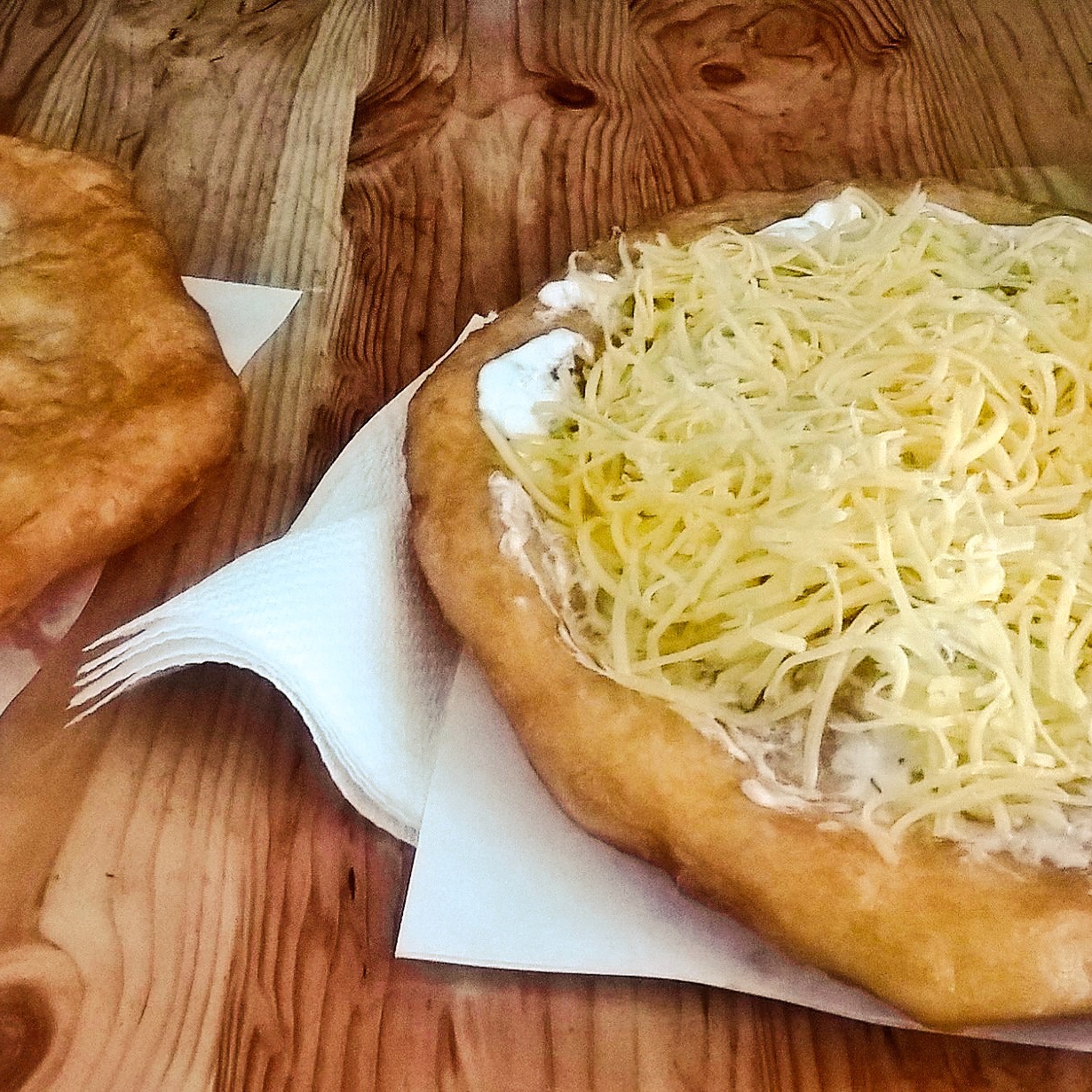
Some guests want slow, thoughtful conversations about architecture and culture; others are eager to try lángos at the market or sip some sparkling wine in Etyek. Either way, I’m here for all of it.

These moments—spontaneous, personal, and often funny—make each tour unforgettable for me too. After all, that’s what makes being a private Budapest tour guide so rewarding.

Budapest is always changing, but it never loses its beauty. And after all these years, I still feel incredibly lucky to call it home—and to share it with others.

Let Me Show You Around

If you’re planning a trip, I’d be honoured to show you around the city that I love. Whether you’re after history, food, or just a warm local connection, consider booking with a private Budapest tour guide who truly knows the heart of the city.

The past few weeks have been filled with unforgettable moments shared with wonderful guests on my food and wine tours across Hungary. From tasting delicious local wines in wine cellars to wandering through bustling markets in Budapest, it’s been a joy to introduce travellers to the authentic flavours of this beautiful country. Every private tour brings new connections, unique stories, and plenty of delicious discoveries.

I’ve gathered a few short clips to share the atmosphere and magic of these recent experiences—full of laughter, learning, and of course, lots of wine! Whether you’re looking for a city-based adventure or a countryside escape, there’s something for every kind of traveller.

If you’re feeling inspired, here are a few tours you might enjoy:
🍷 The Budapest Culinary & Etyek Wine Tour blends urban food culture with a scenic vineyard visit – a true taste of both worlds.
🥖 The Budapest Foodie Tour is perfect for curious eaters wanting to dive into local flavors and hidden gems.
🍇 And the Eger and Wine Tour is a beautiful day trip that combines history, countryside charm, and some of Hungary’s best reds.

You can find all the details and book your next experience here:
👉 https://lovefromhungary.com/tour-category/private-hungary-budapest-food-wine-tours/

Looking forward to sharing a table with you soon!

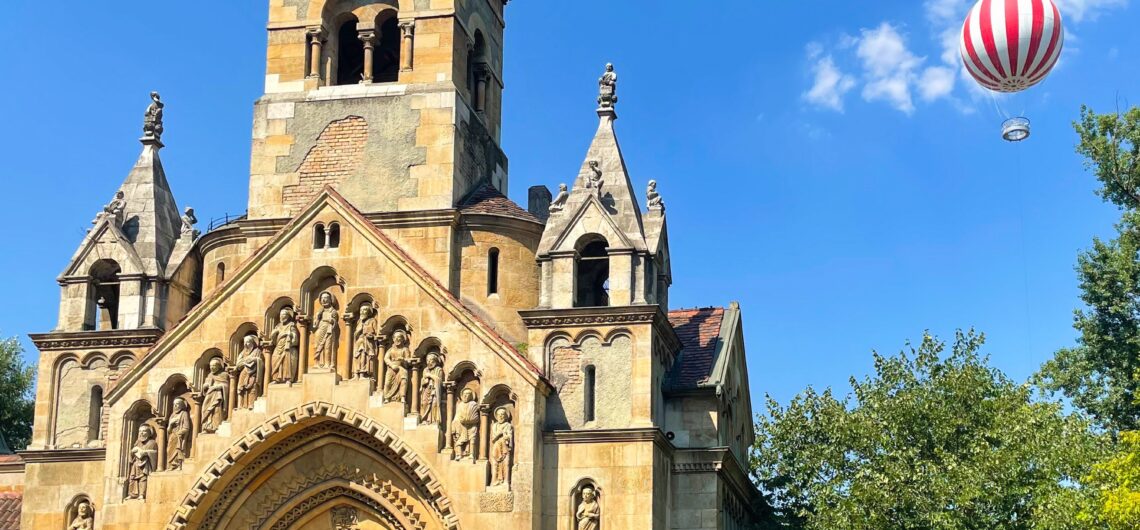
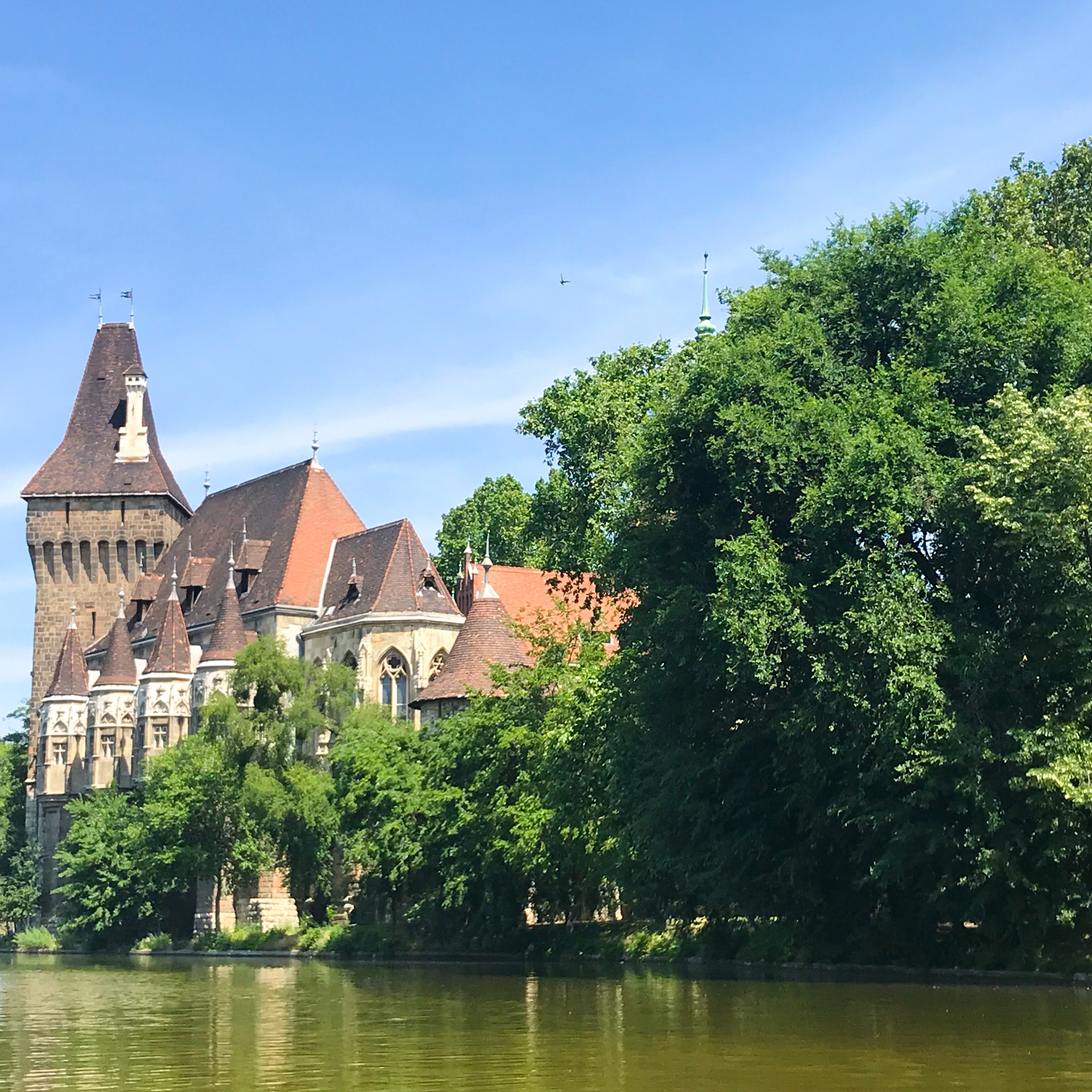
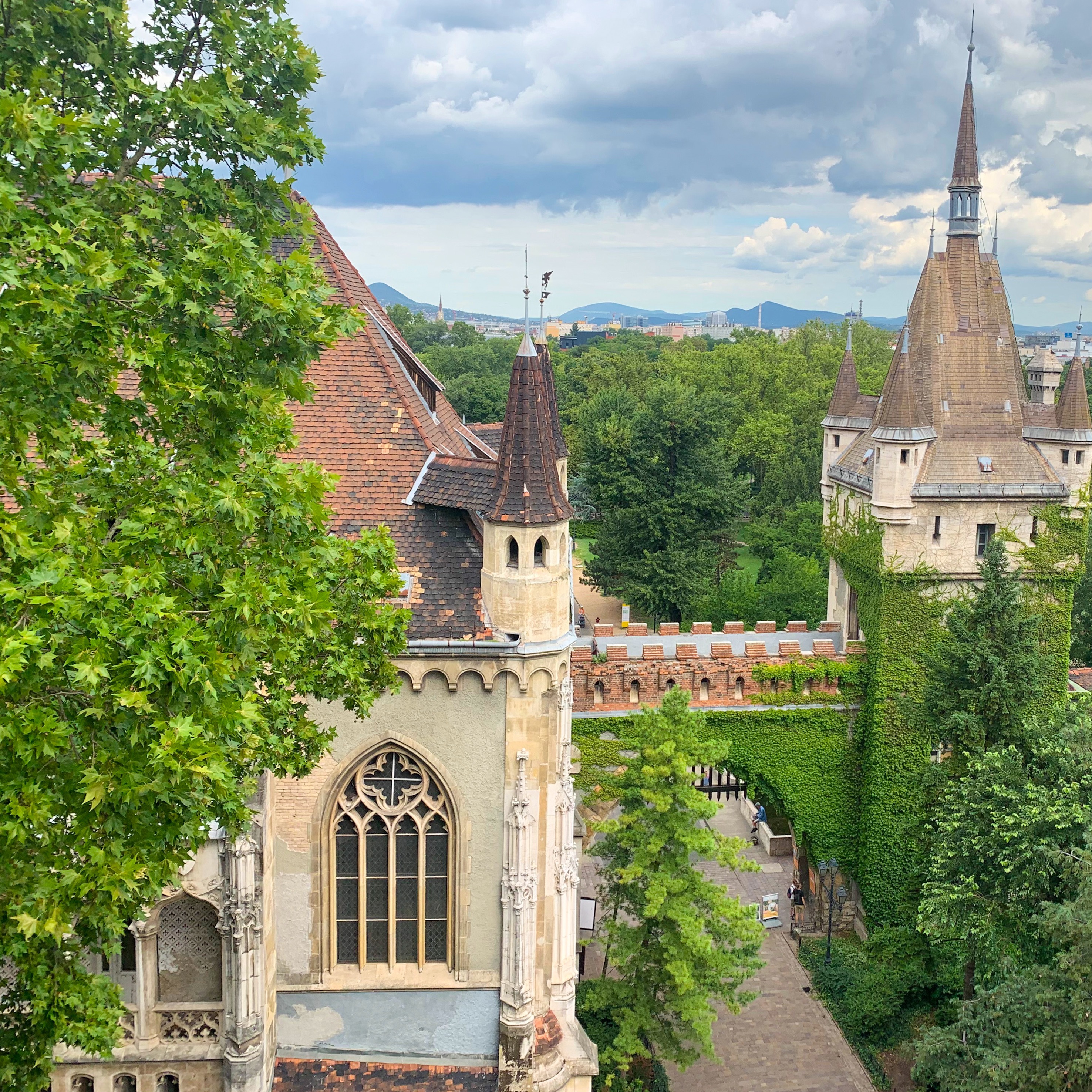
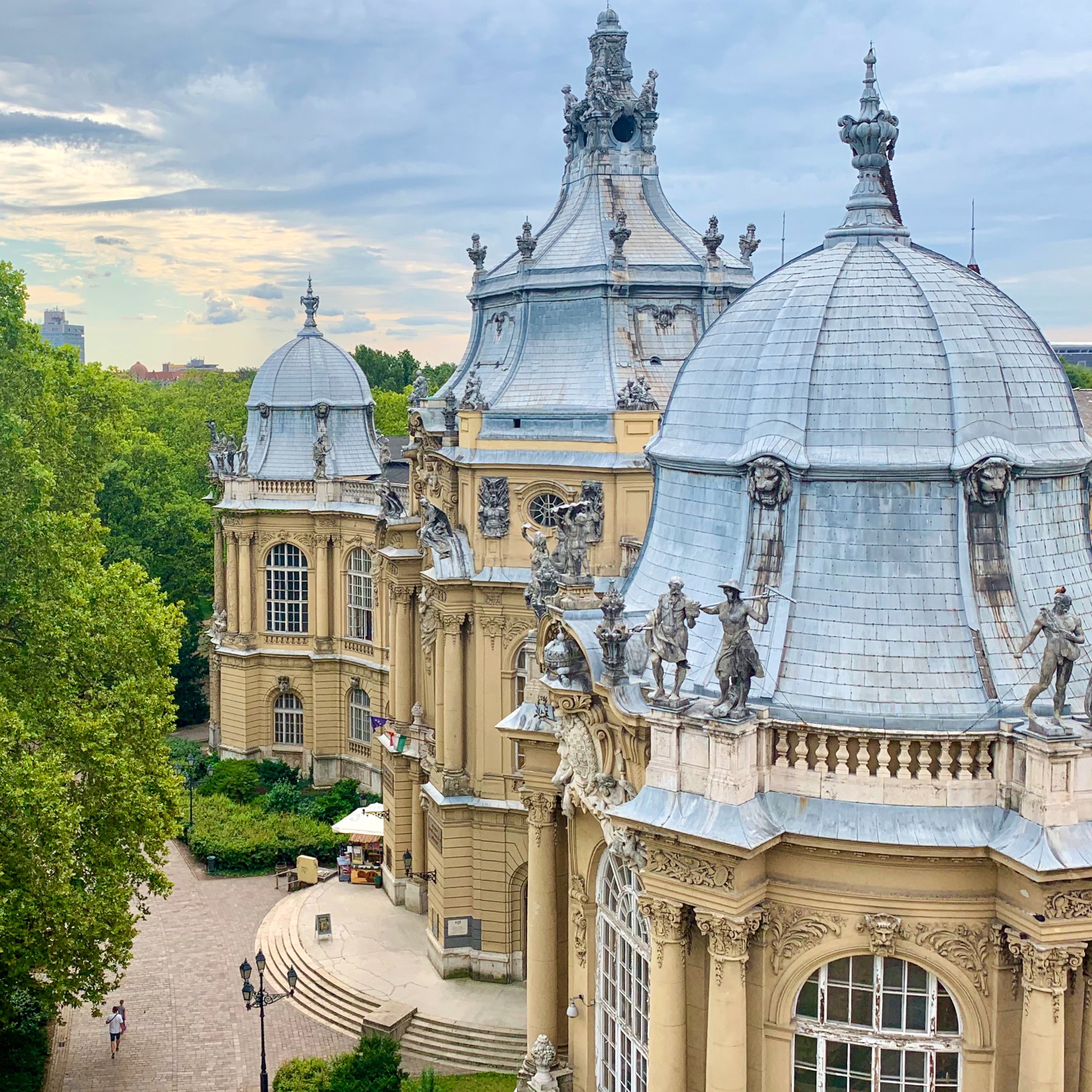
Tucked away in Budapest’s City Park, Vajdahunyad Castle is one of the city’s most charming and photogenic landmarks. Originally built in 1896 for the Millennium Exhibition, the castle showcases a mix of architectural styles — Romanesque, Gothic, Renaissance, and Baroque — all in one fairytale-like complex. It was designed to represent the diverse architectural heritage of Hungary, and walking through its grounds feels like stepping into different centuries.

From the front, the Gothic towers and arched windows echo the legendary Transylvanian castle of the same name. A walk around the back reveals peaceful courtyards, ivy-covered walls, and stunning reflections on the lake. Each angle offers a new photo opportunity, whether you’re standing on the bridge or capturing the castle through the trees.

Vajdahunyad Castle isn’t just a photogenic site—it also houses Hungary’s Museum of Agriculture, the largest of its kind in Europe. Visitors can explore both the architectural beauty and fascinating exhibits inside. A guided tour brings the whole story to life, connecting history, legend, and daily life in Hungary. Inside, the Museum of Hungarian Agriculture is surprisingly fascinating, and nearby, you’ll find statues of historical figures and a whimsical sculpture of Anonymous, the medieval chronicler.

For a truly magical view over Vajdahunyad Castle, don’t miss the chance to climb the castle’s tower or take a ride in the hot air balloon in City Park. Both options offer a unique perspective of this storybook landmark and its stunning surroundings. It’s an unforgettable way to see Budapest from above — peaceful, panoramic, and perfect for photos!

To truly appreciate Vajdahunyad Castle’s stories and its place in Budapest’s cultural landscape, I recommend joining a customised walking or driving tour. I’d love to show you around — book your experience here: https://lovefromhungary.com/fully-customisable-budapest-private-tours/

Learn more about the history of Vajdahunyad Castle on the Agricultural Museum’s official site.

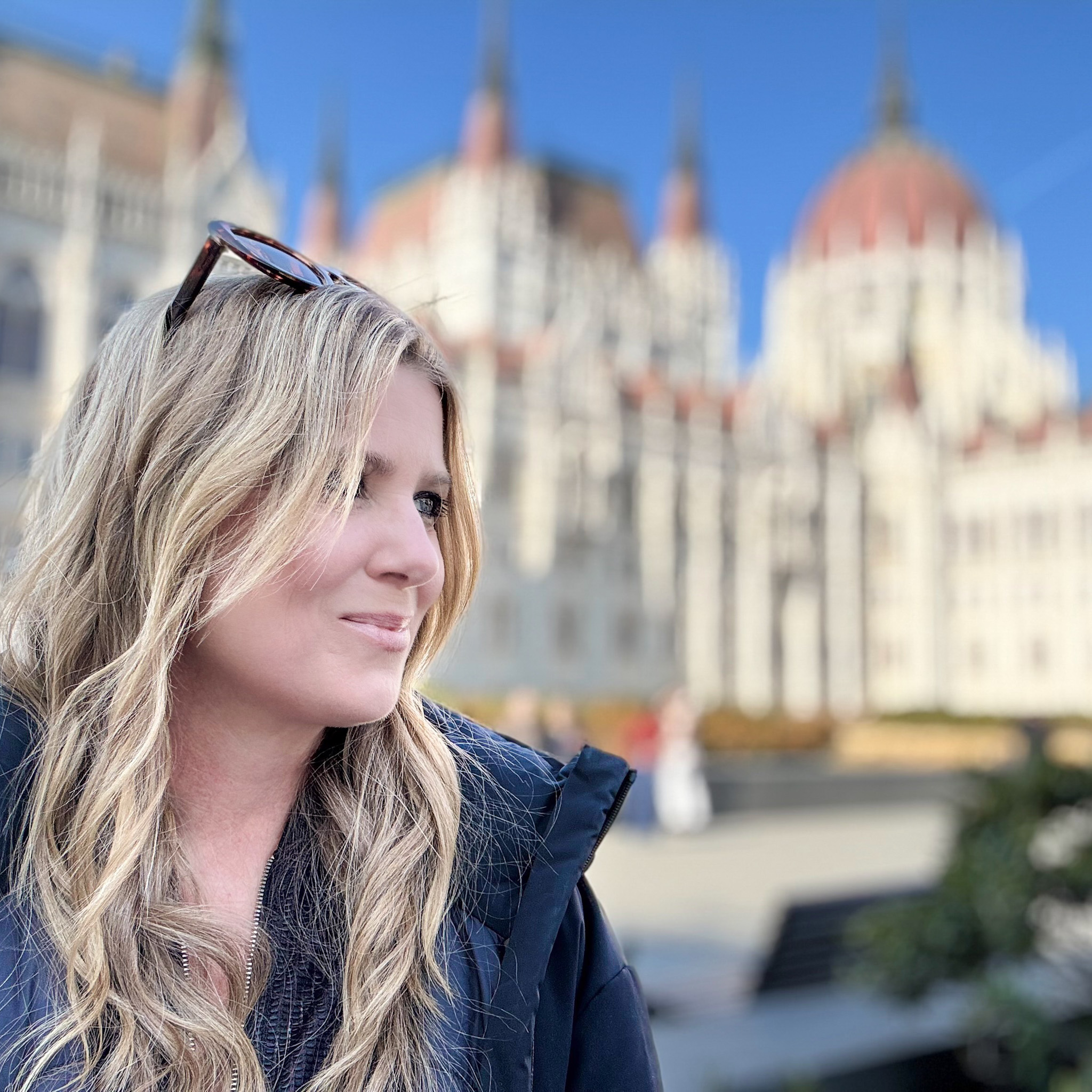
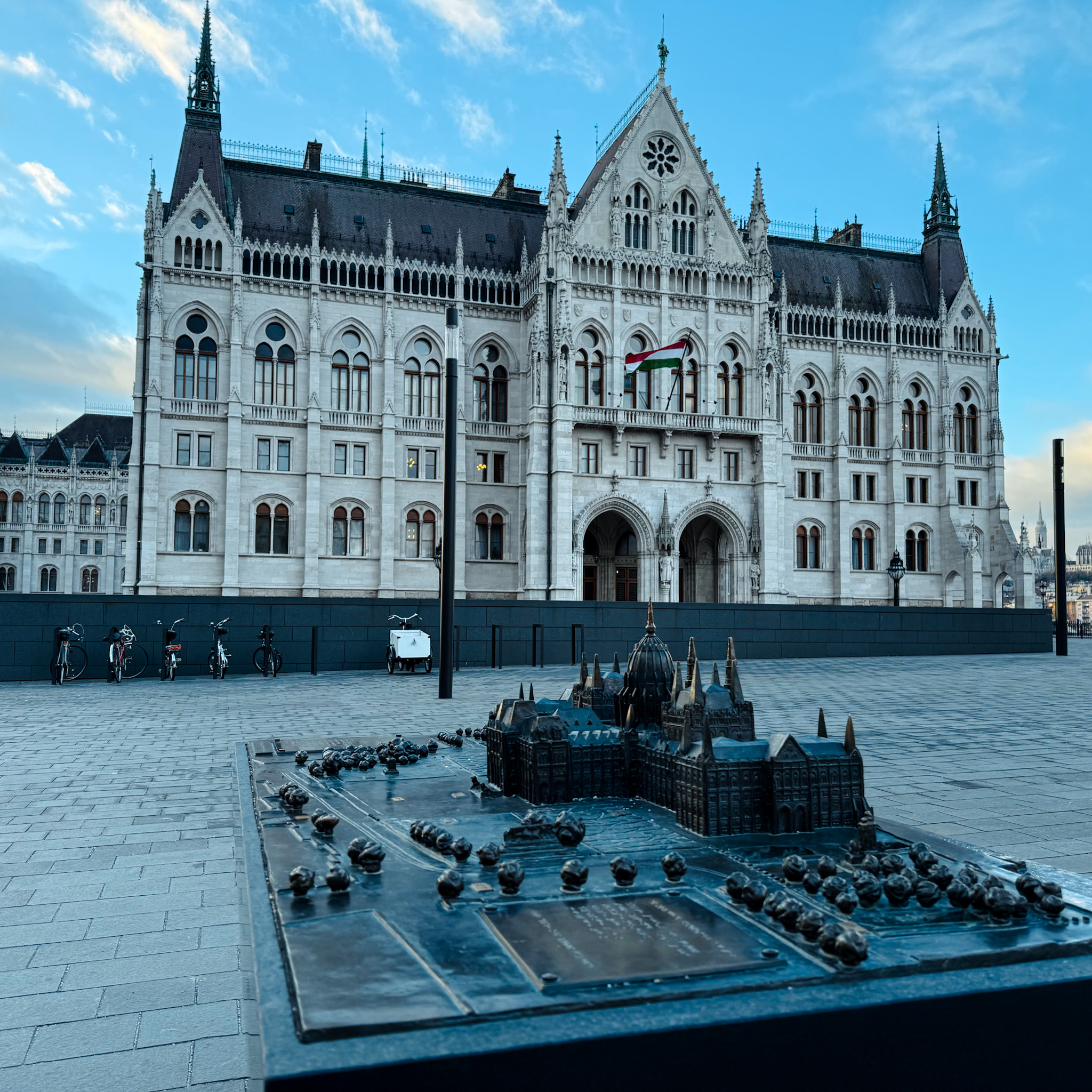
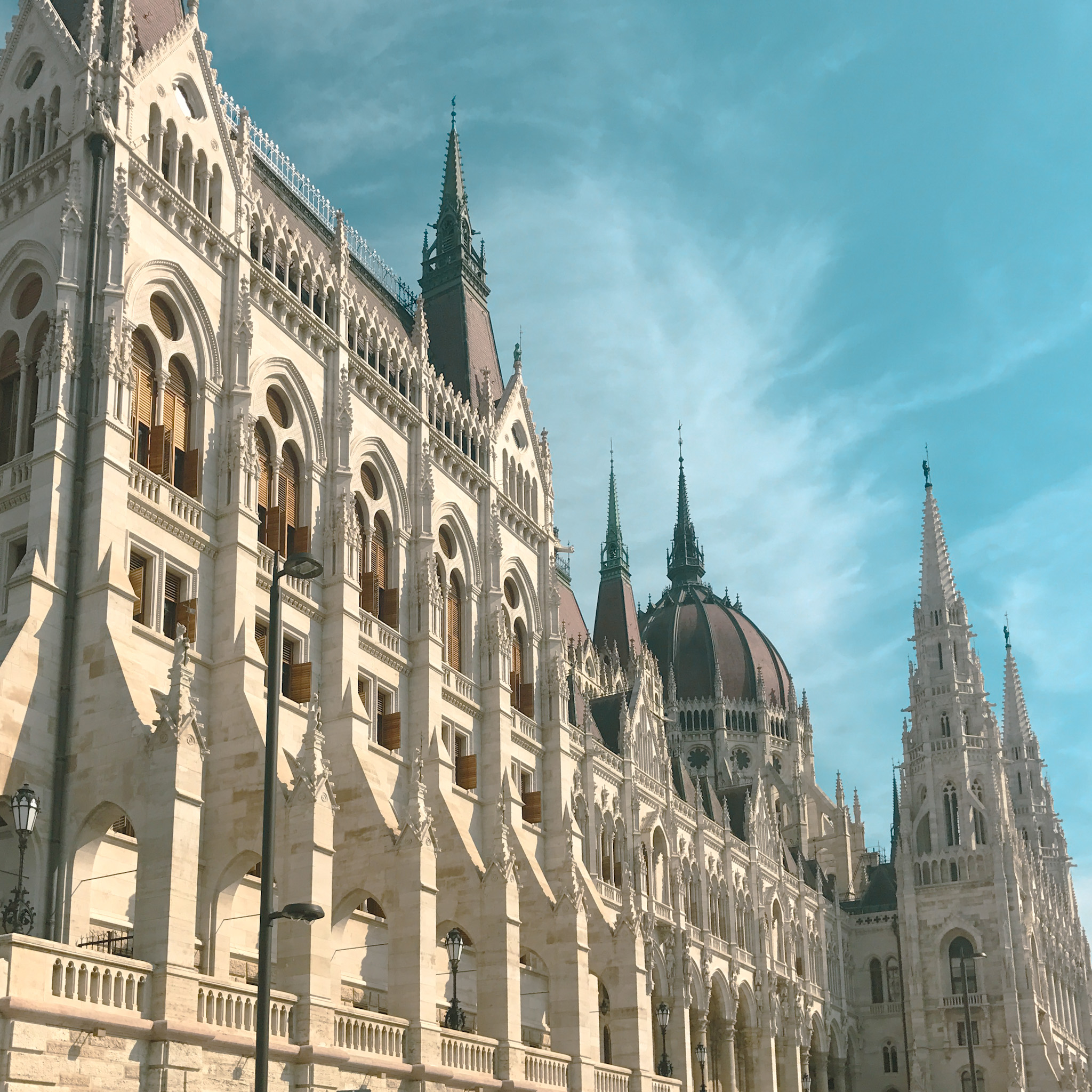
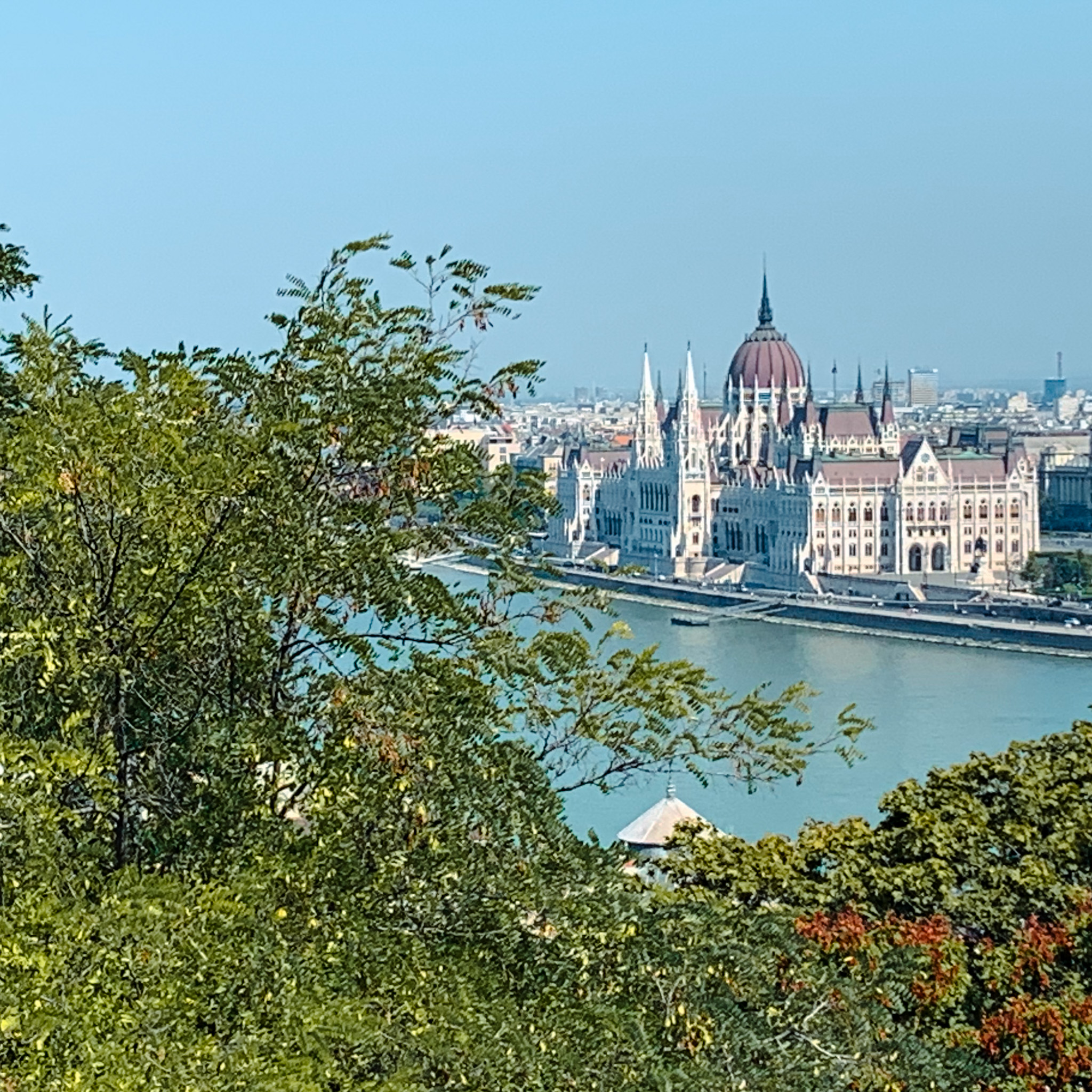
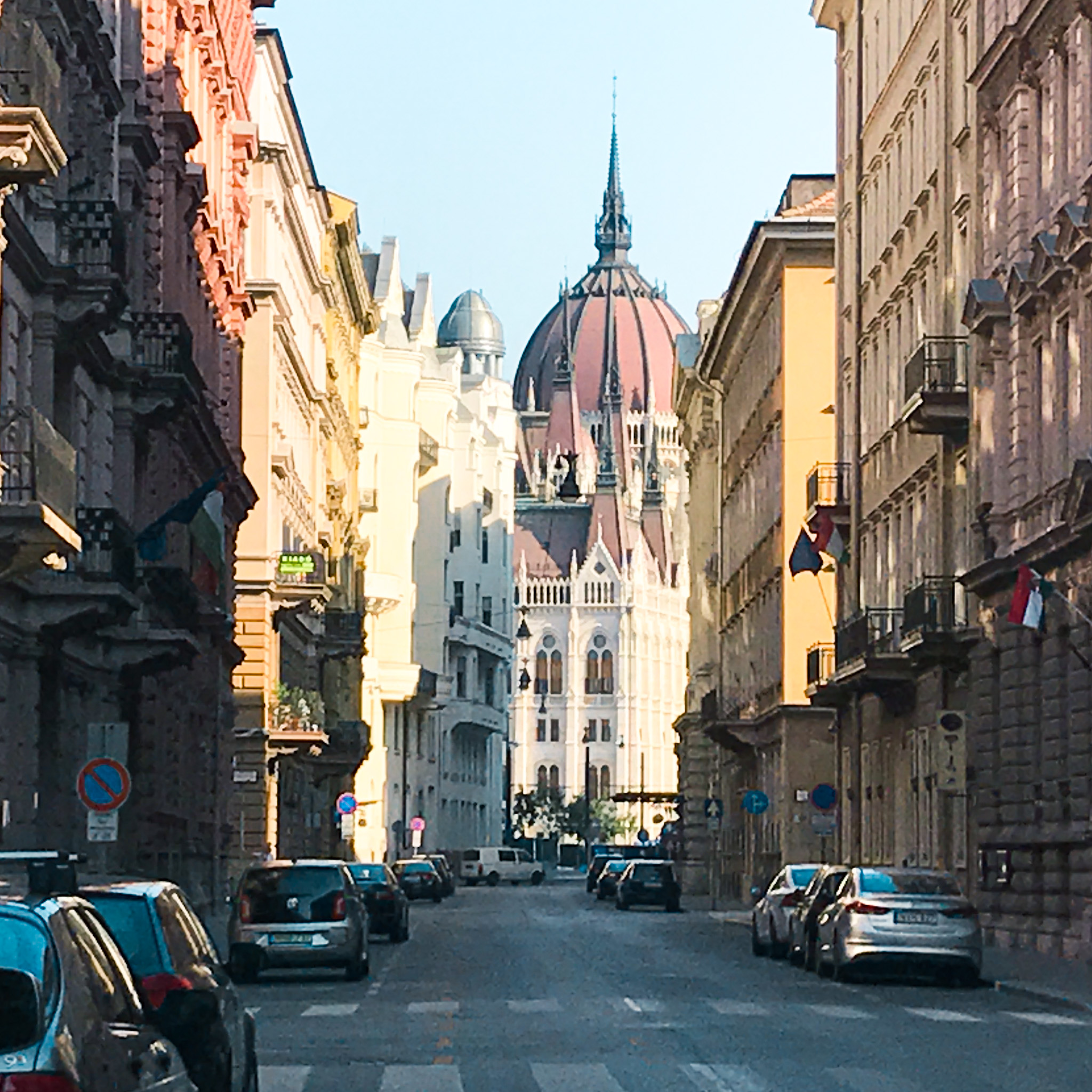
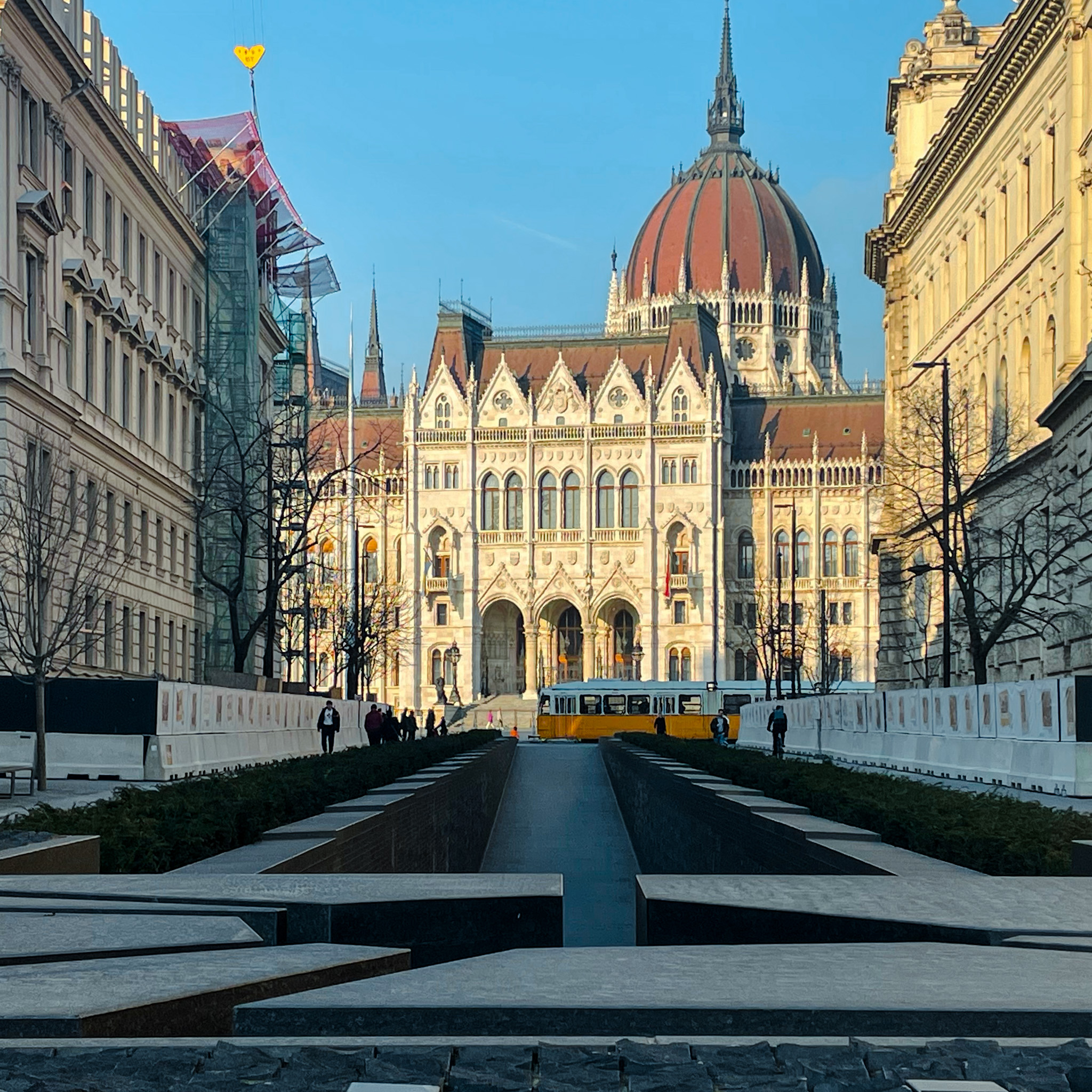
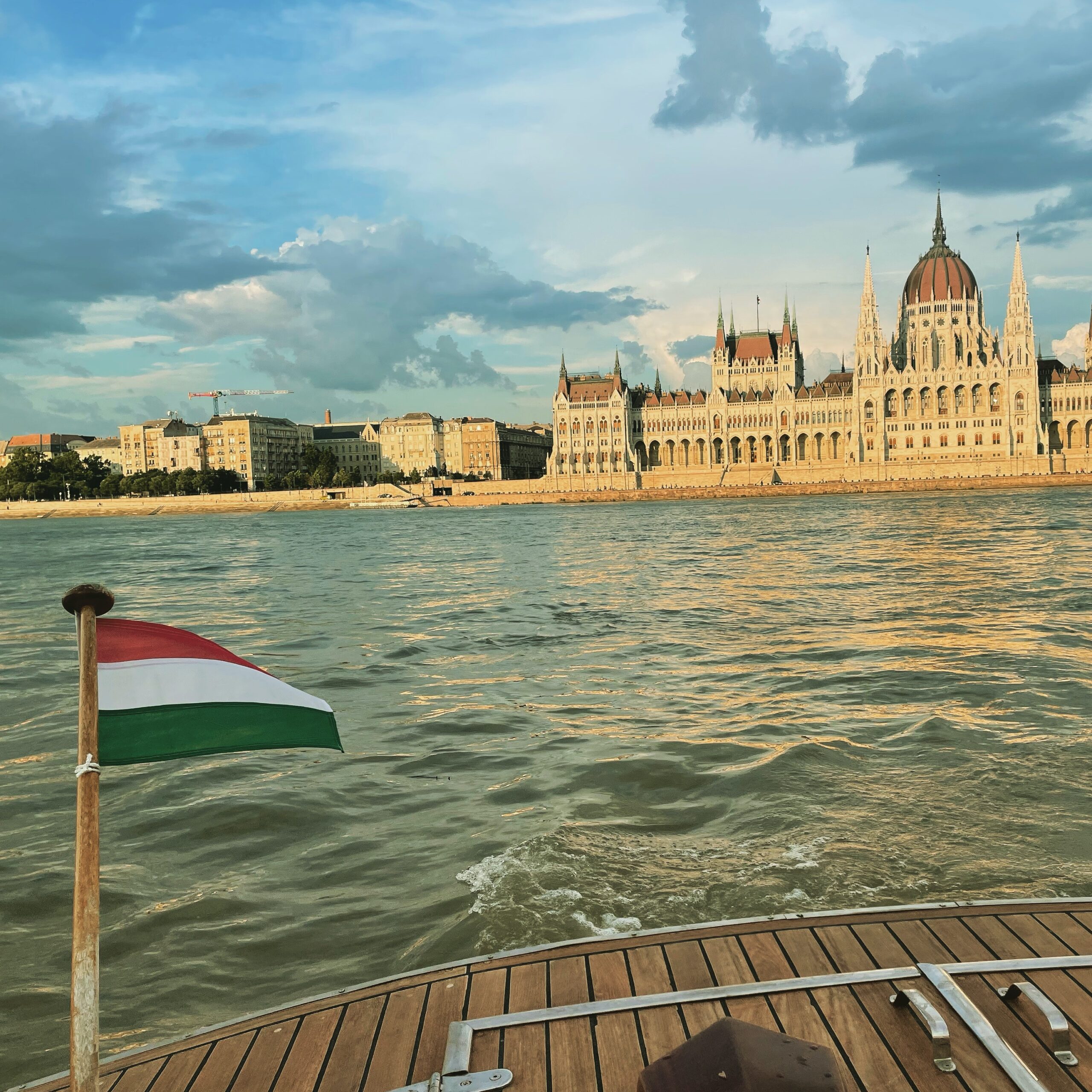
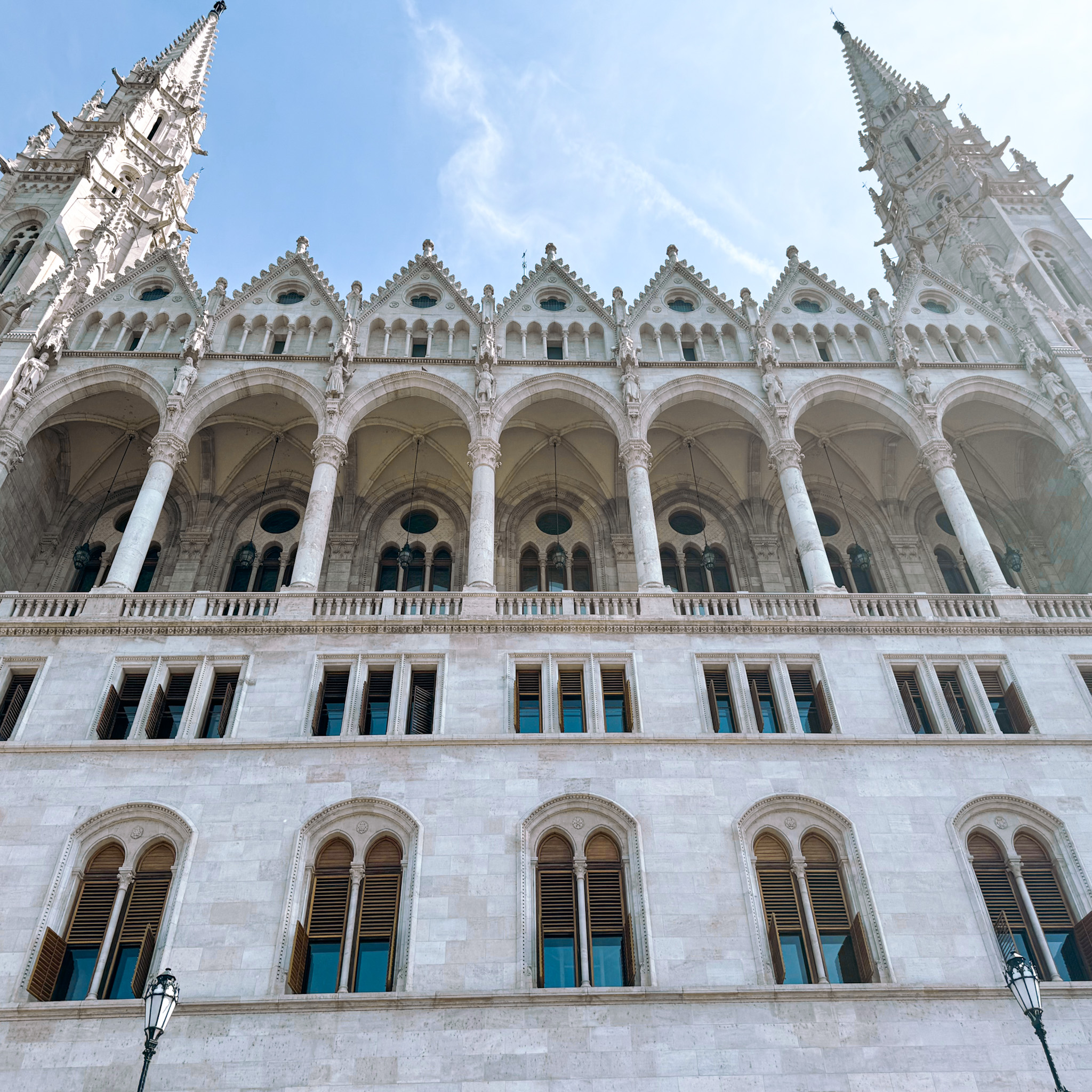
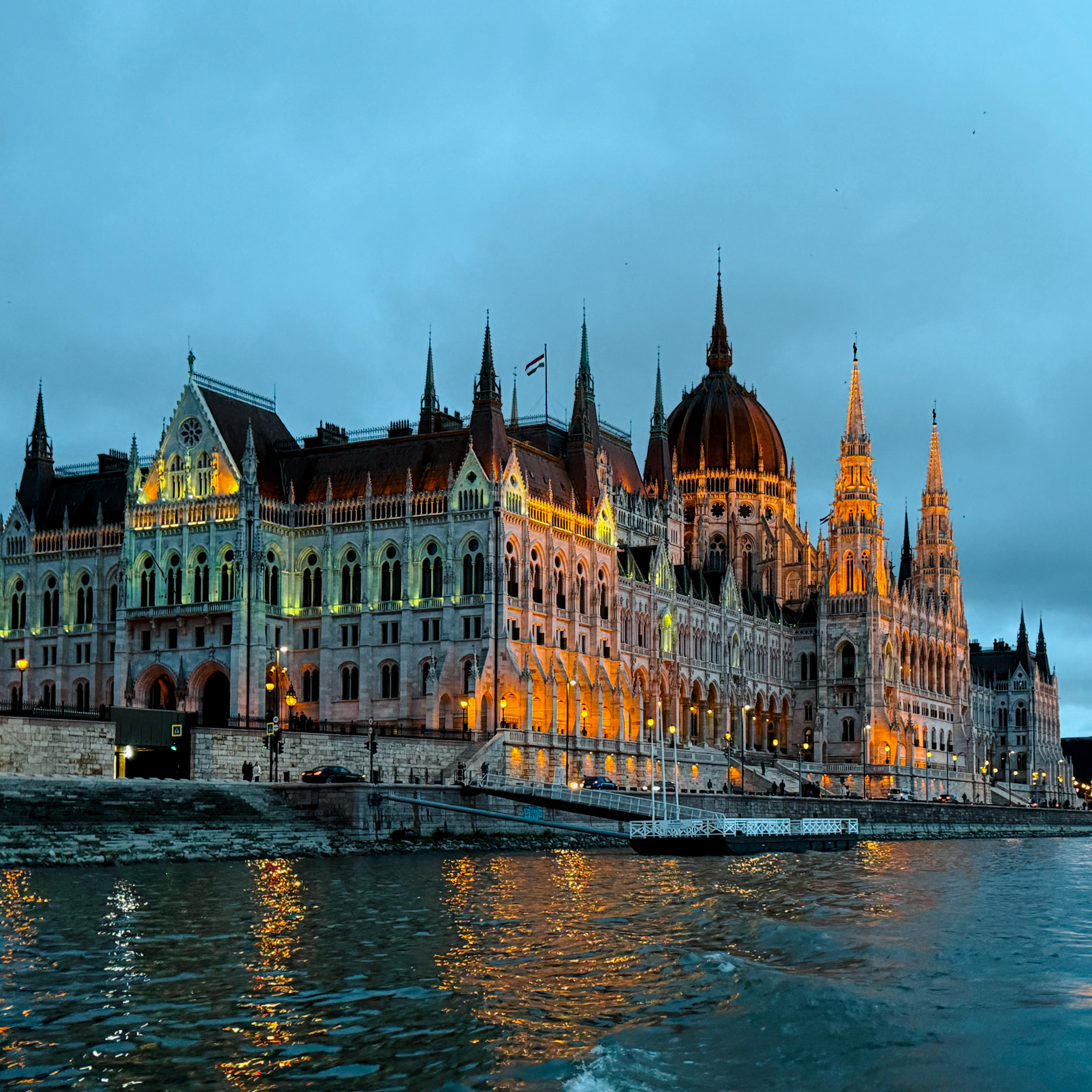
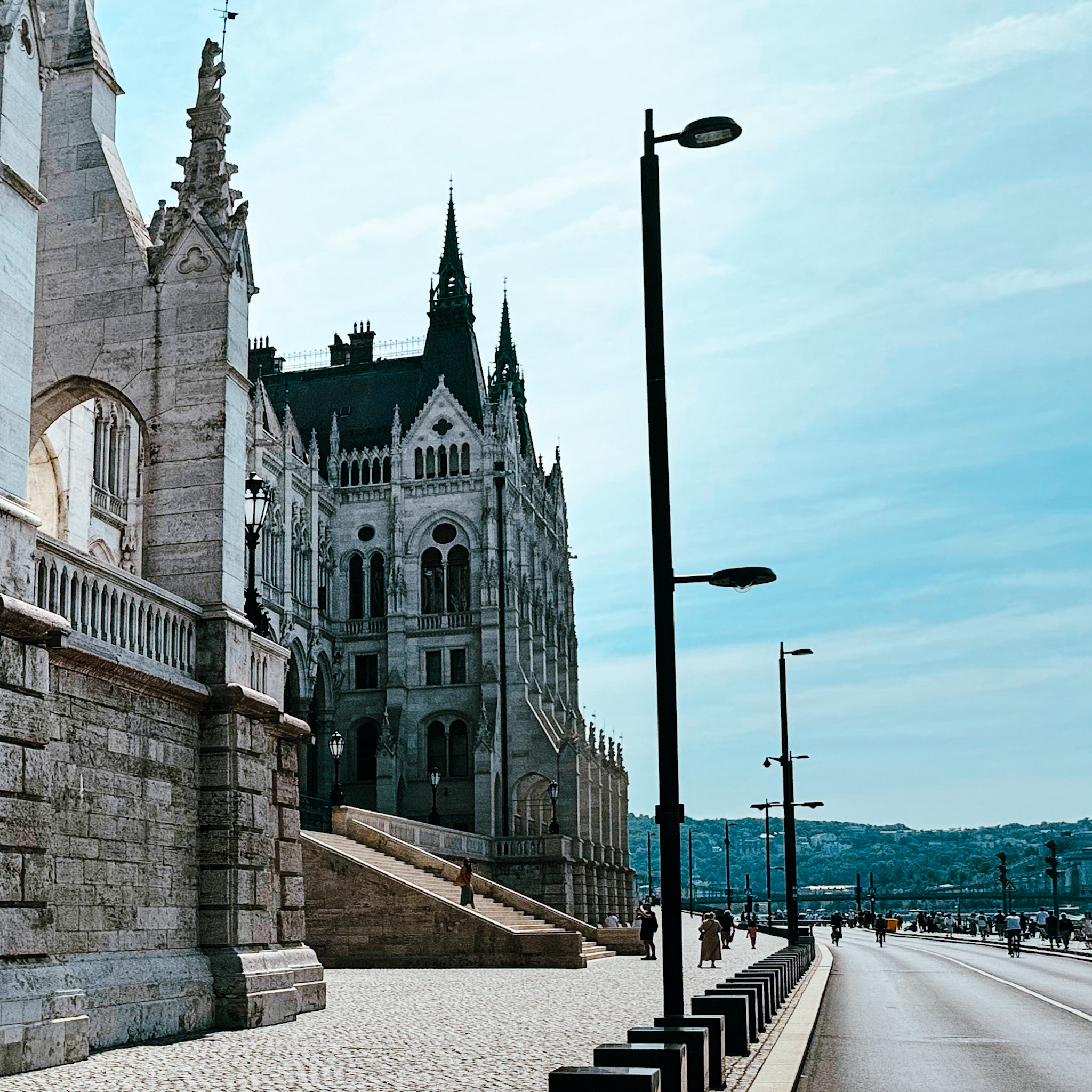
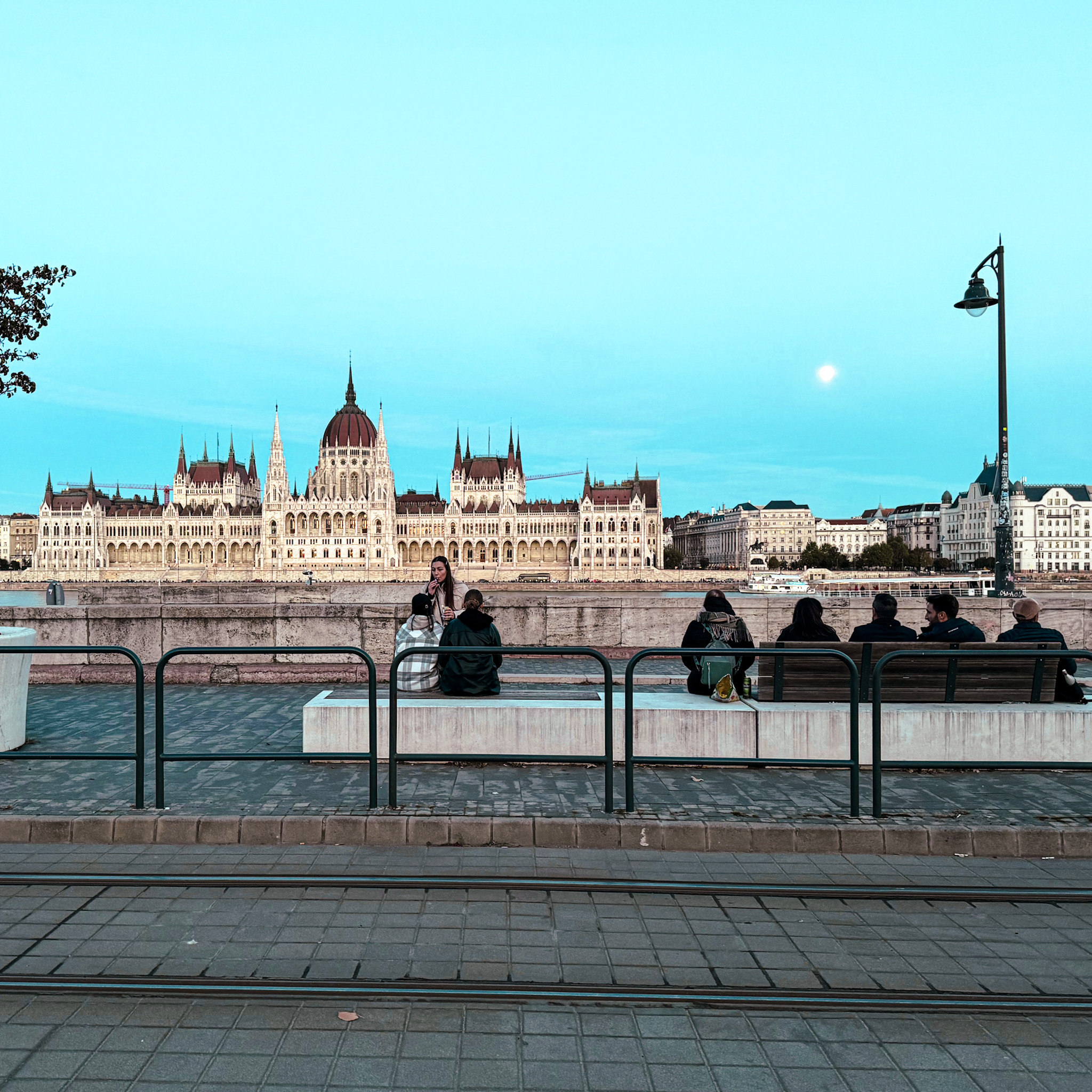
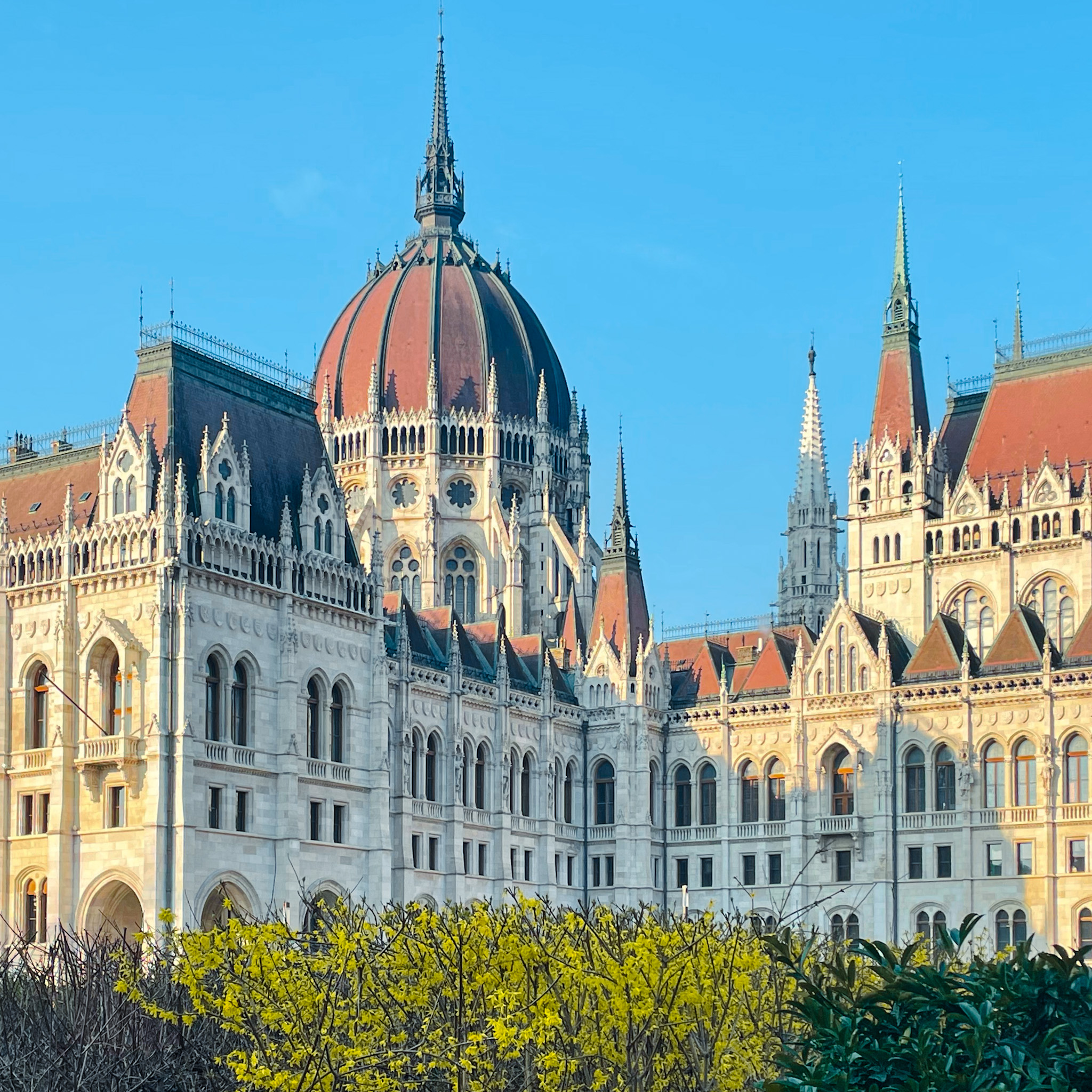
Budapest Parliament Building is one of the most iconic landmarks in Europe, offering stunning views from various angles. Admiring a building from different angles unveils new perspectives and highlights details often overlooked from a single viewpoint. Each shift in position allows for a deeper appreciation of its design, offering unique opportunities to capture its beauty in fresh, unexpected ways.

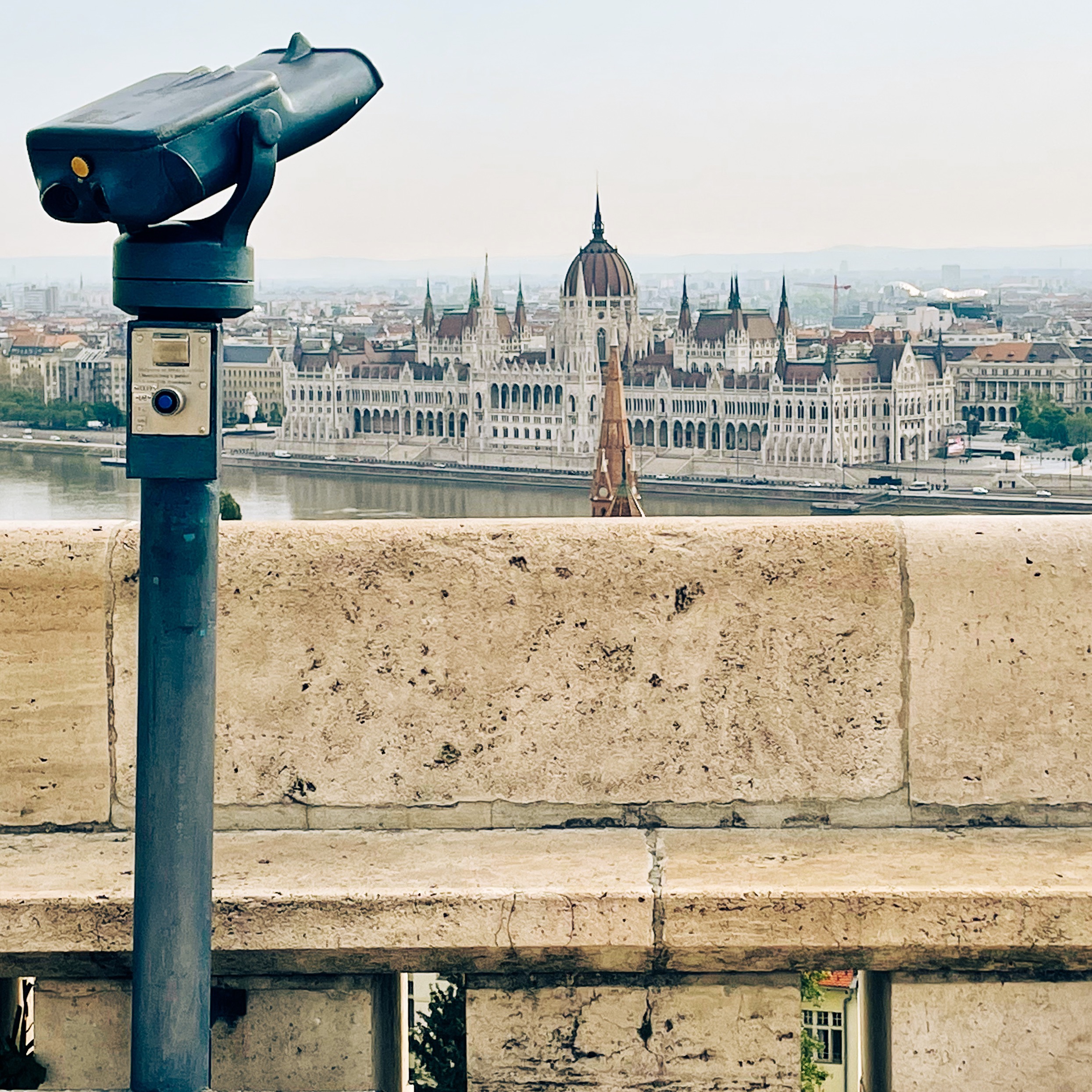
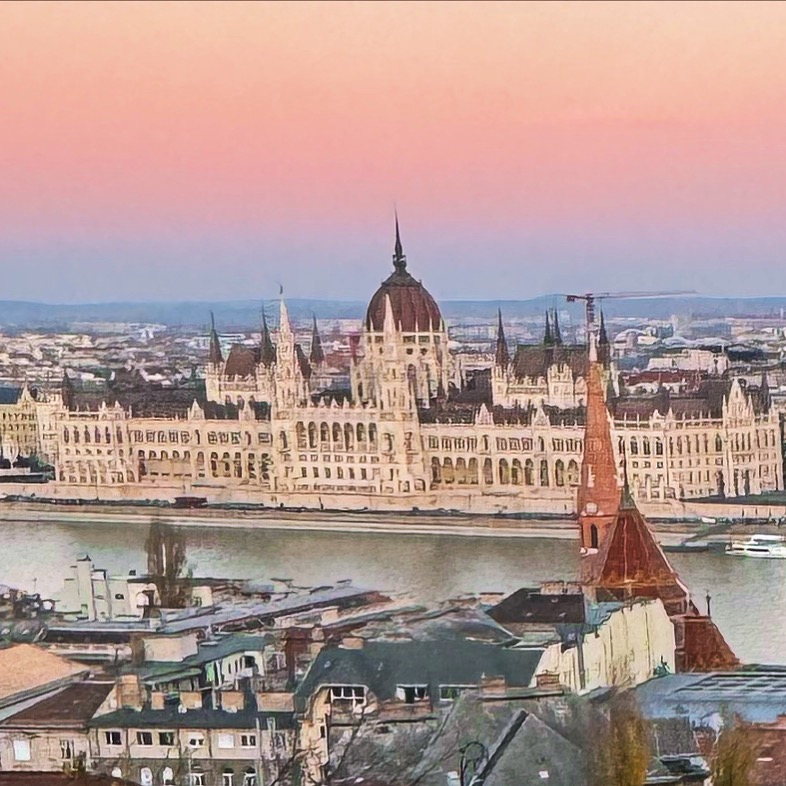
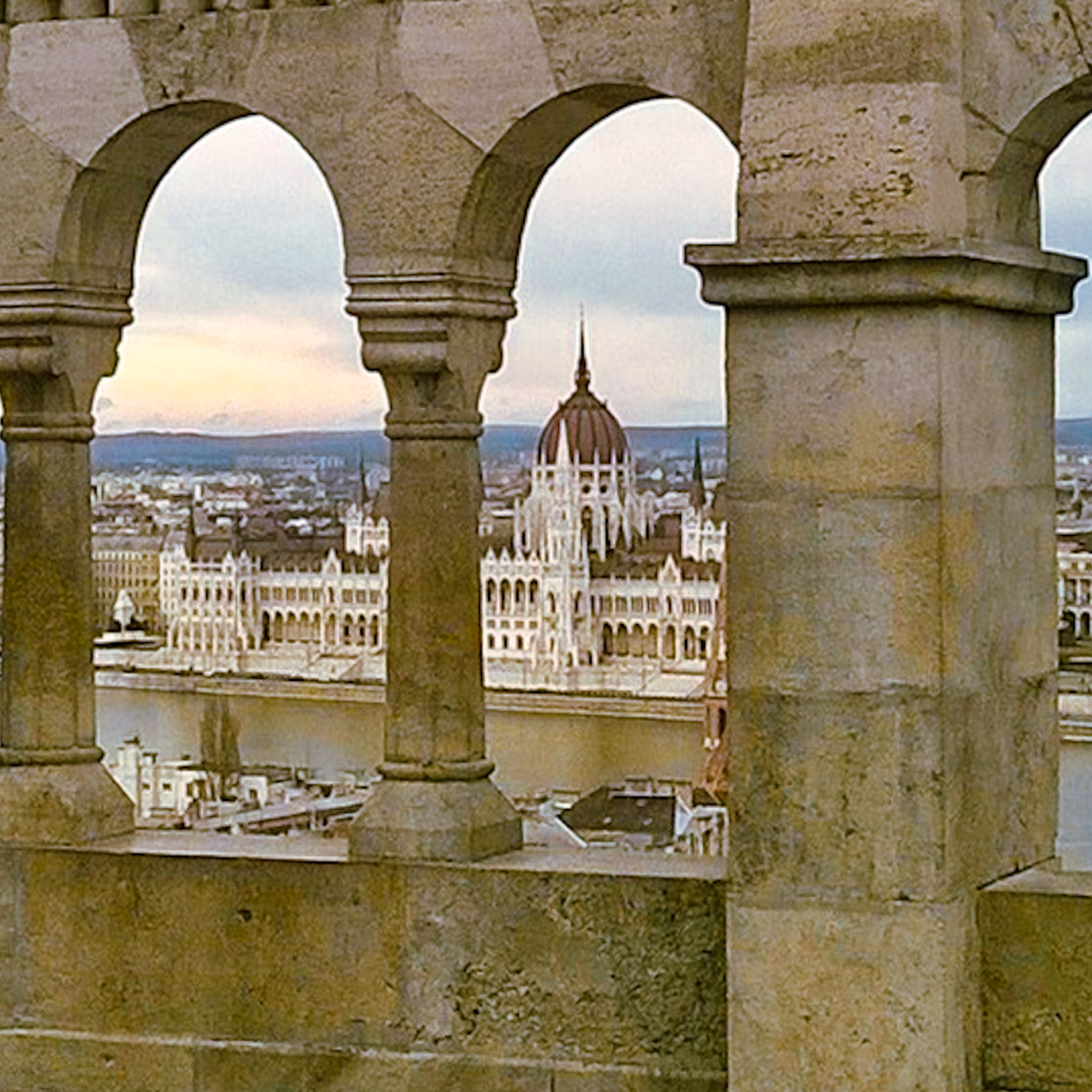
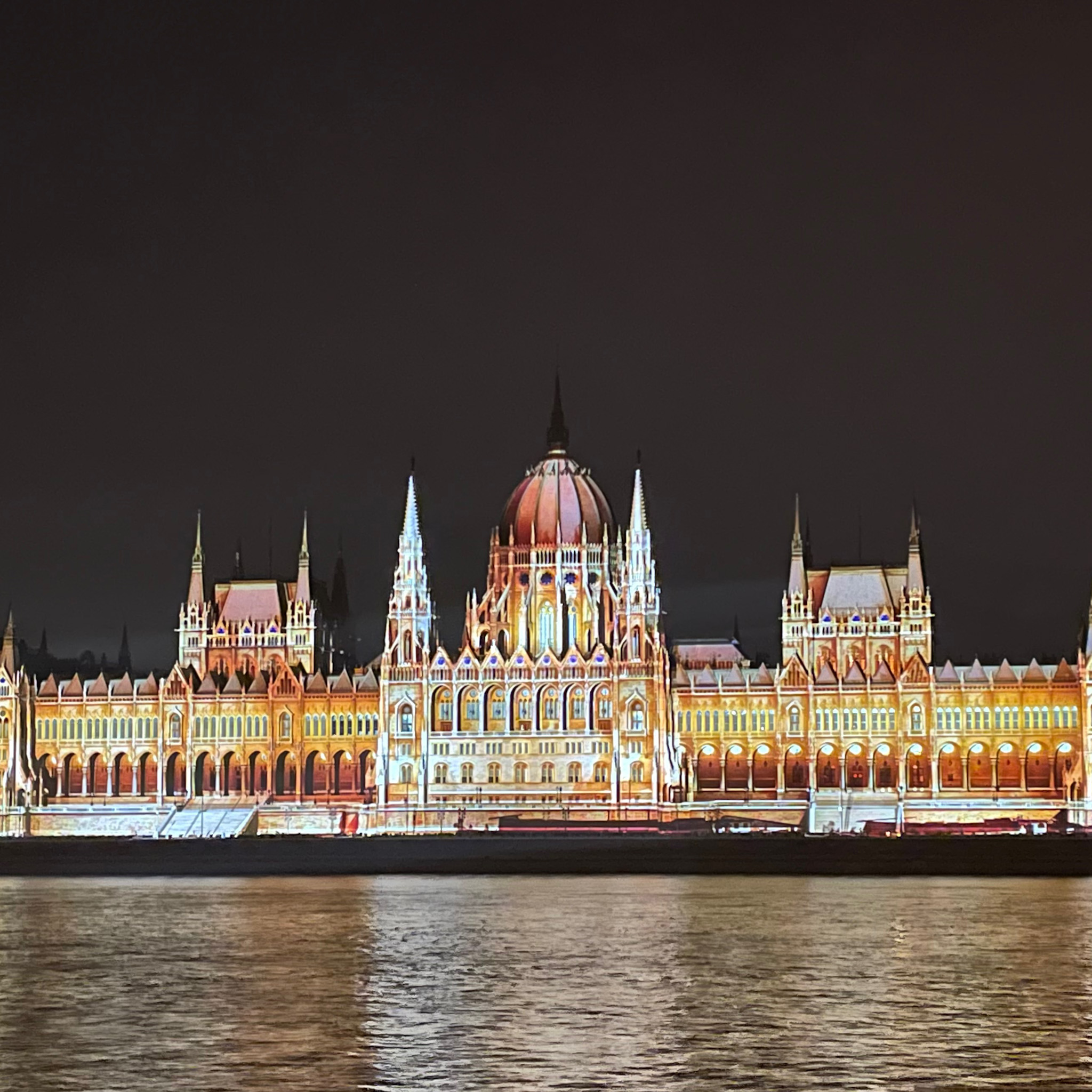
One of the best perspectives is from the banks of the Danube River, where you can capture the full grandeur of the Gothic Revival architecture with the water reflecting the building’s majestic silhouette. A boat tour along the river (I highly recommend Danube Legend) allows for a unique shot from the water, giving you an intimate yet sweeping view of the Parliament and its surrounding bridges. Another fantastic viewpoint is from the Buda side of the city, particularly from Fisherman’s Bastion, where you can beautifully frame the Parliament.

For a more panoramic shot, head to Gellért Hill, offering an elevated vantage point with a wide-angle view of both the Parliament and the sweeping cityscape. A great time to capture the building’s beauty is during golden hour, when the sunlight casts a warm glow on its intricate details, making it shine against the sky. Nighttime photography also offers magical opportunities, as the Parliament is beautifully illuminated, providing a striking contrast to the dark sky. From Margaret Island, you can frame the Parliament against lush green landscapes, making for a peaceful yet grand shot.

Book a private tour to experience the building up close, so that I can reveal hidden details and offer exclusive perspectives that will leave you in awe of its true magnificence.

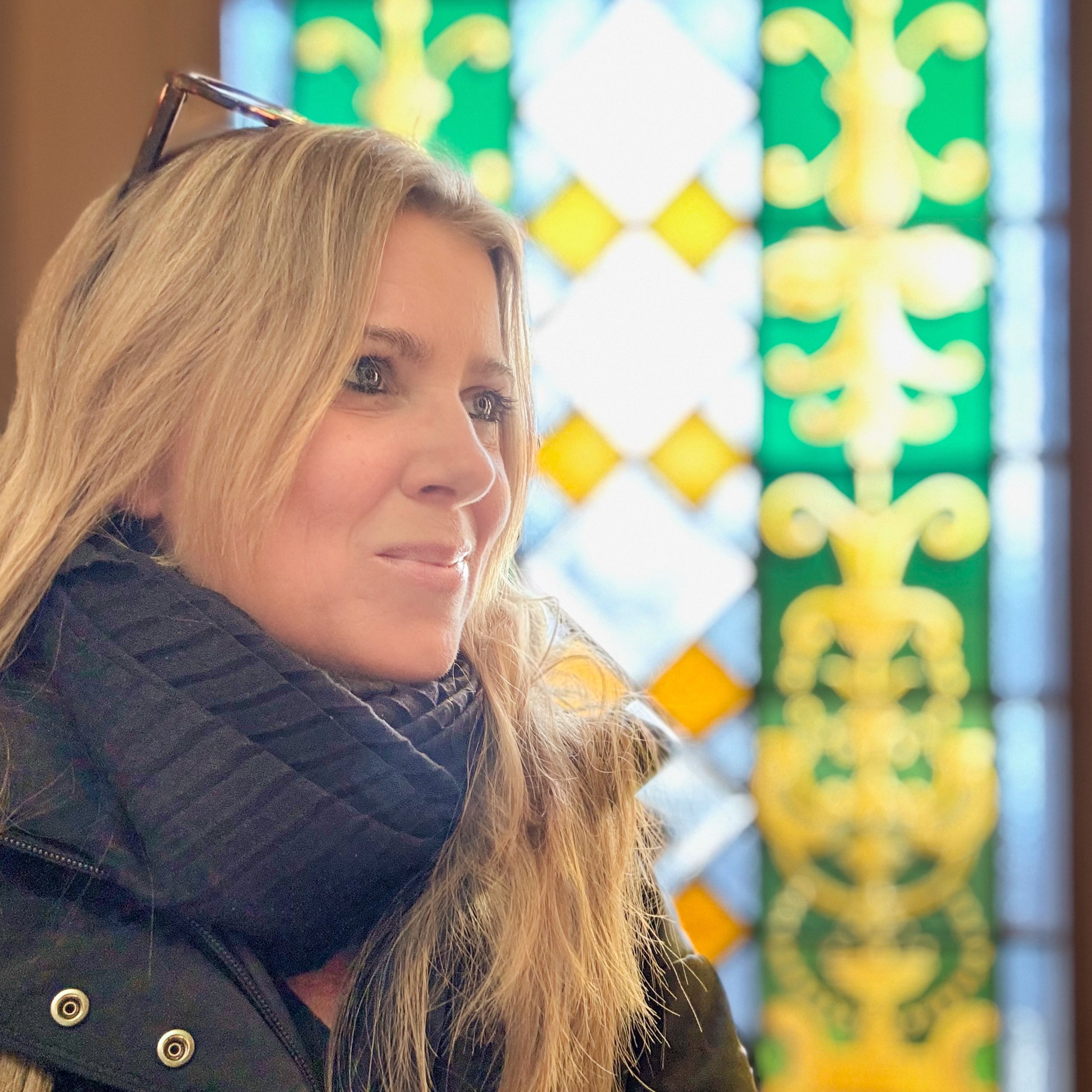
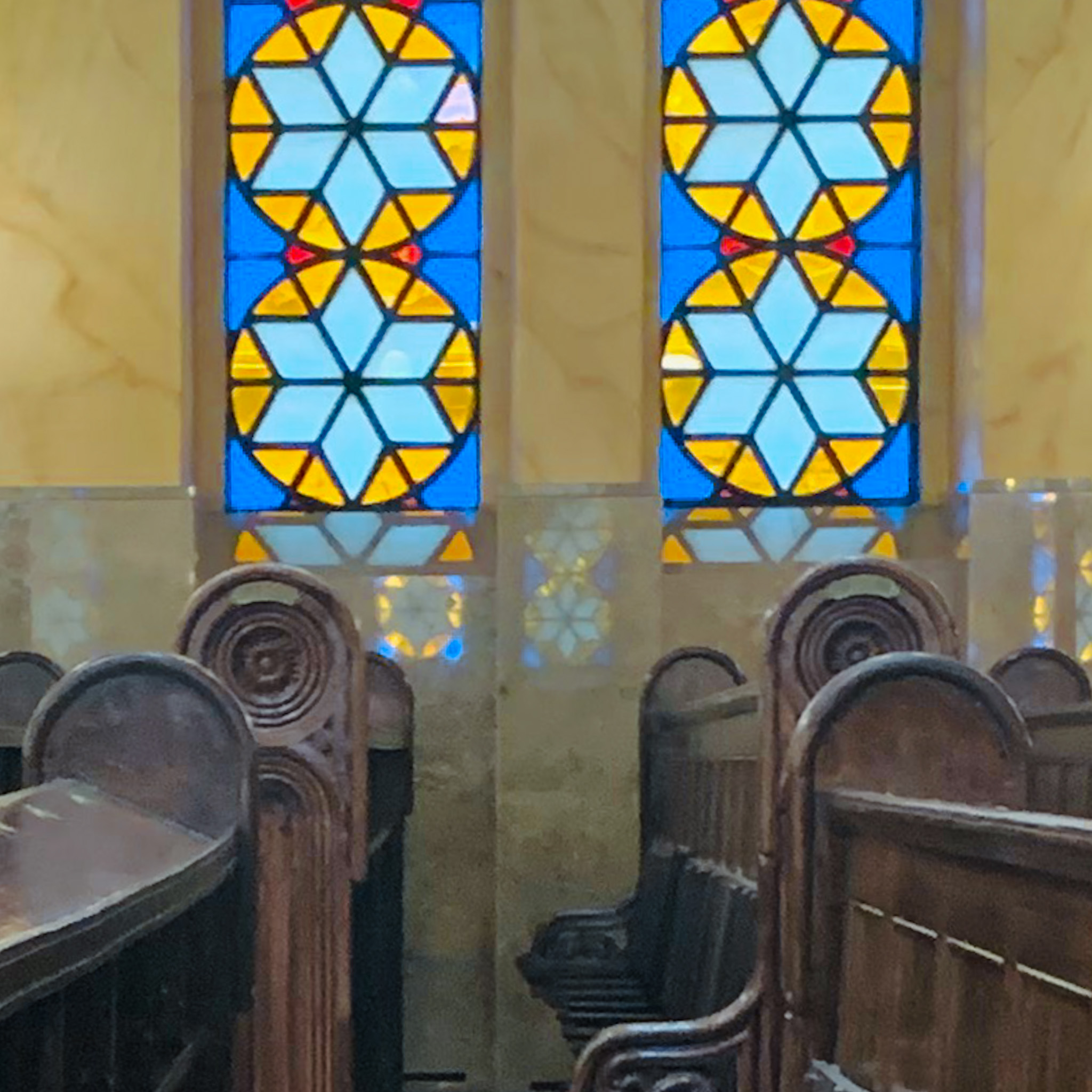
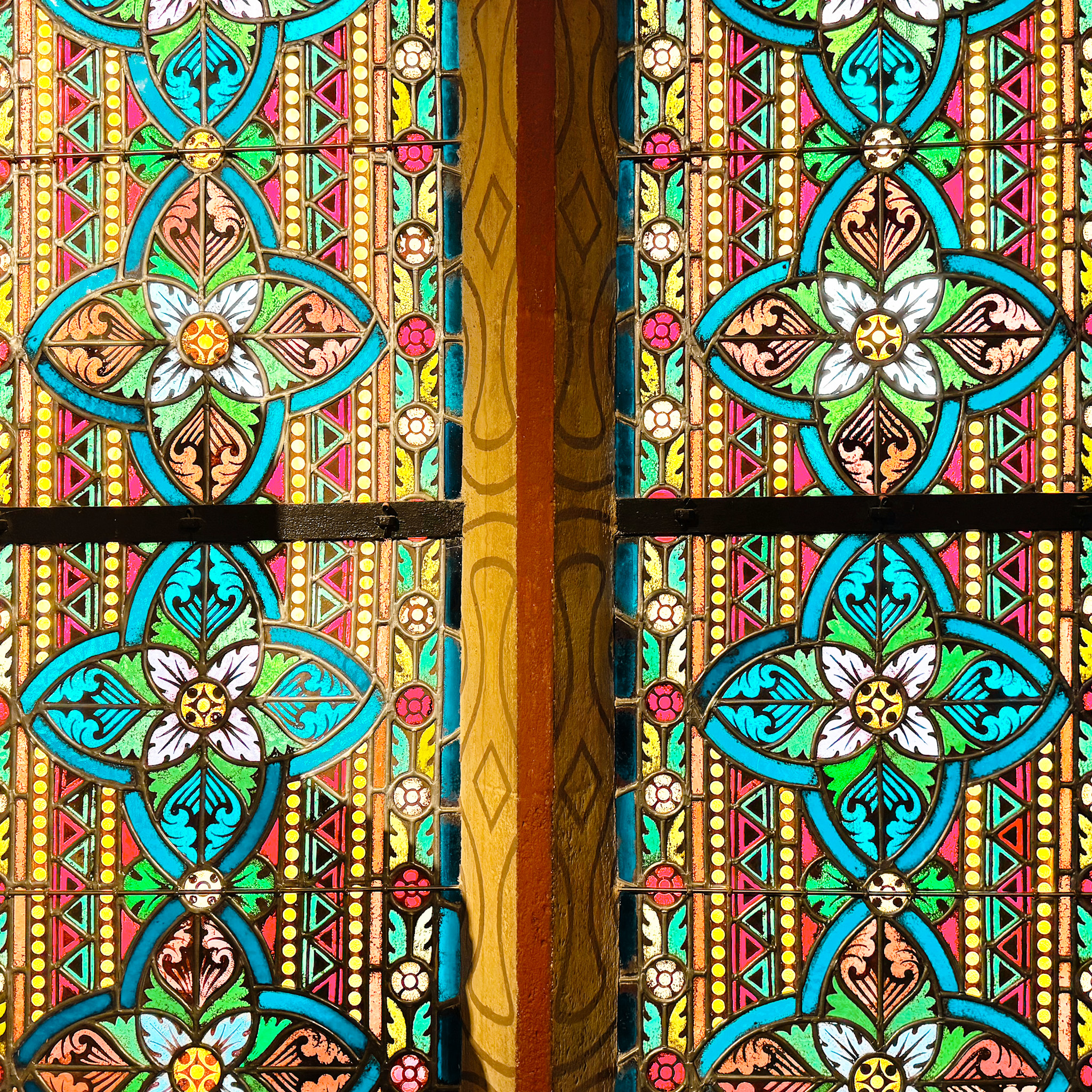
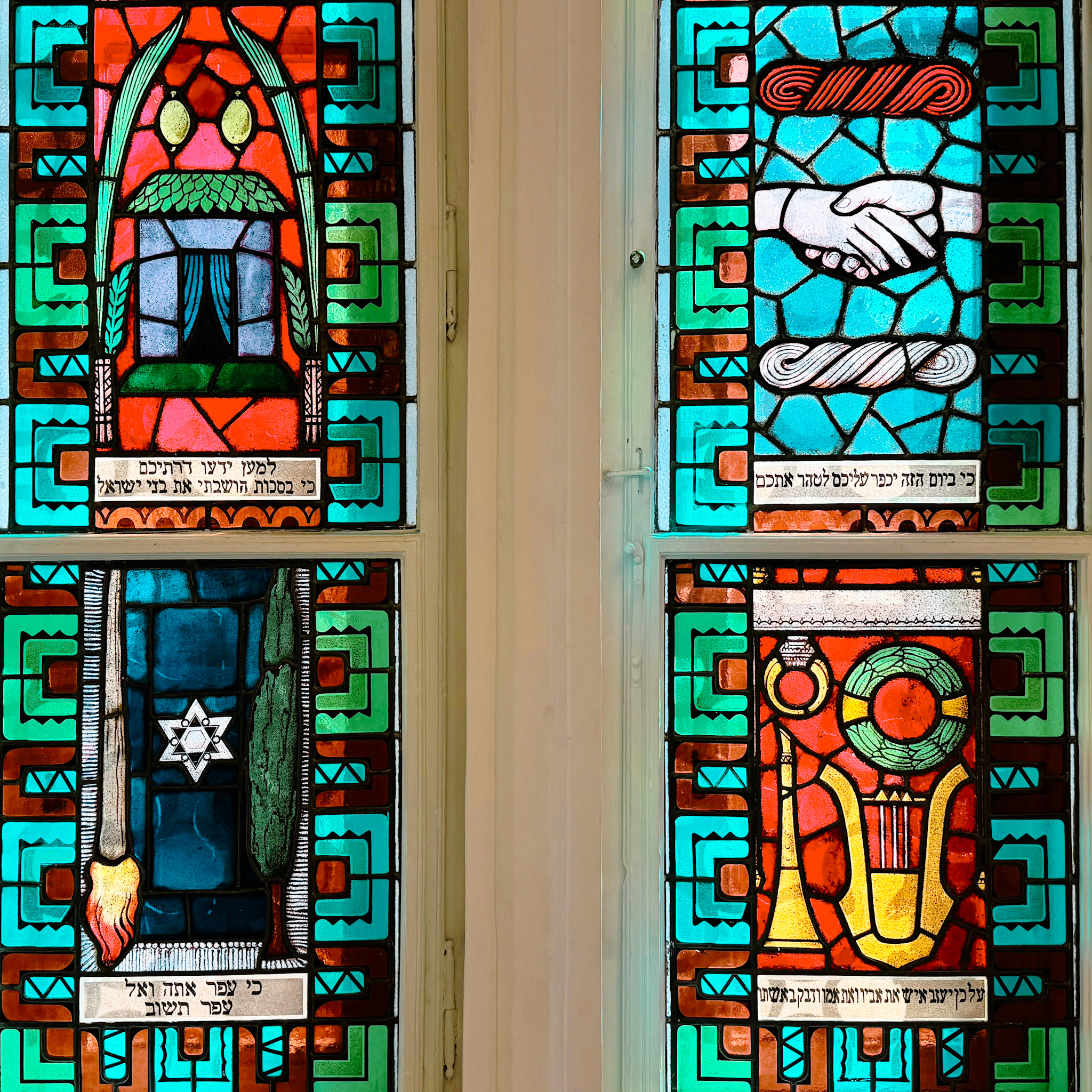
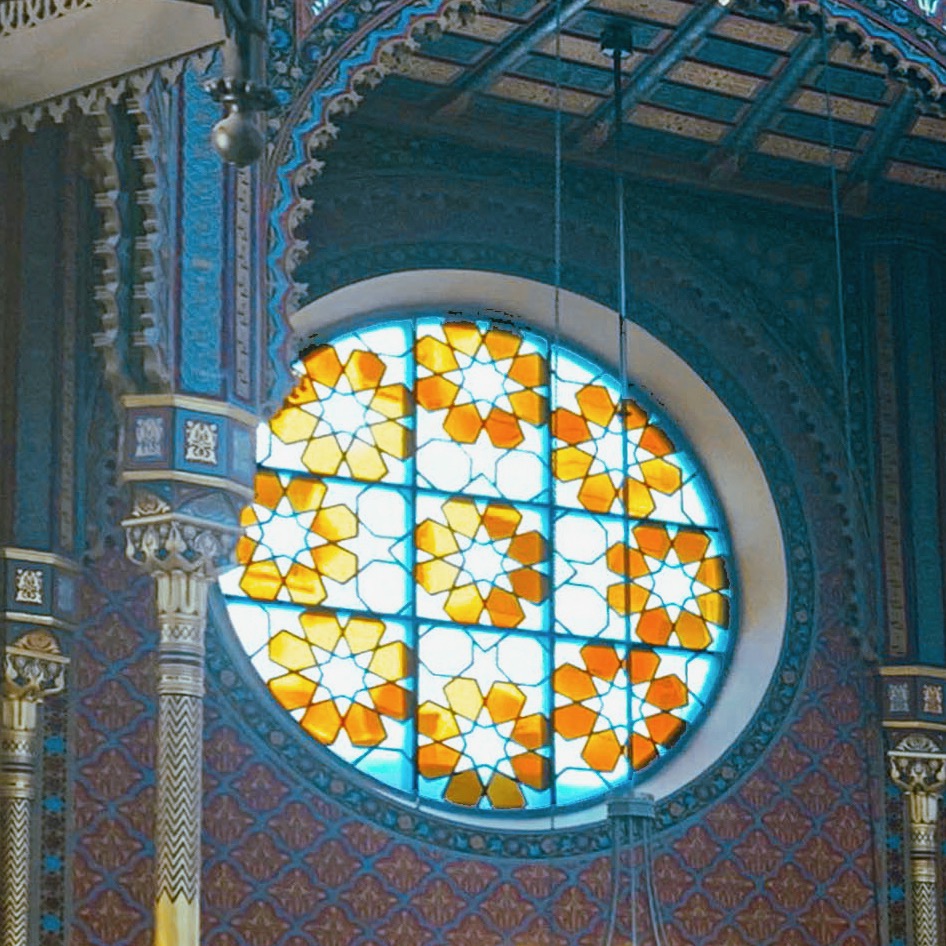
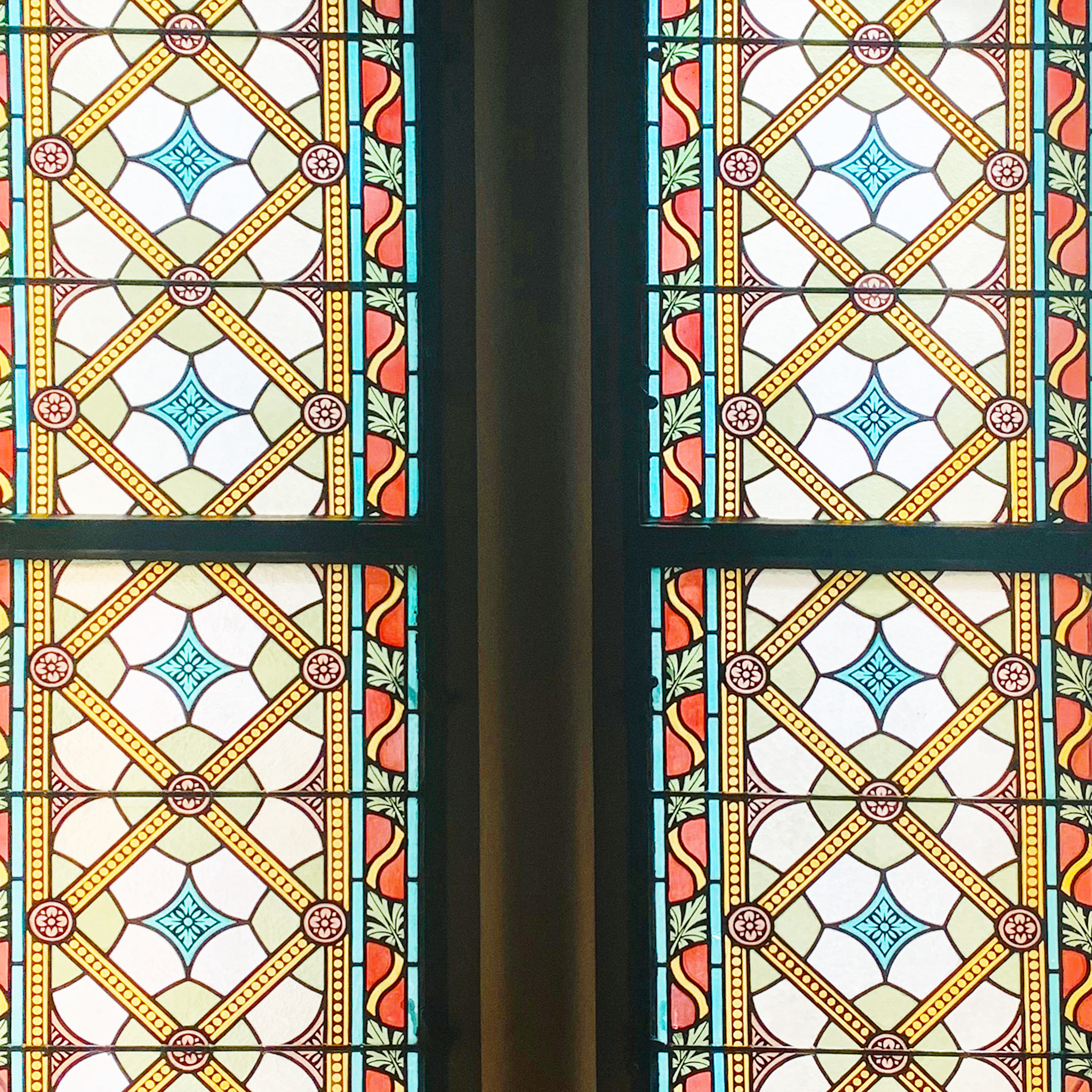
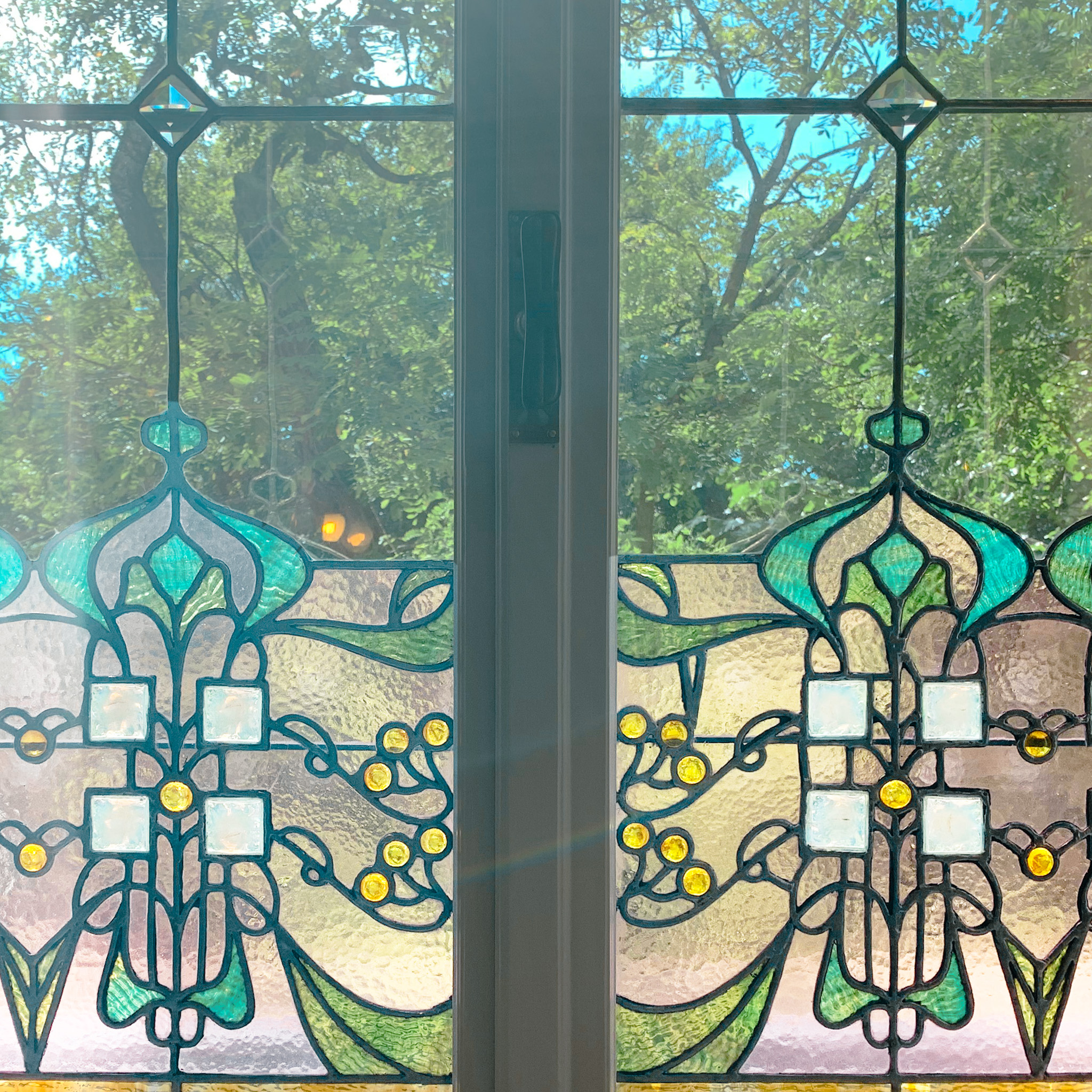
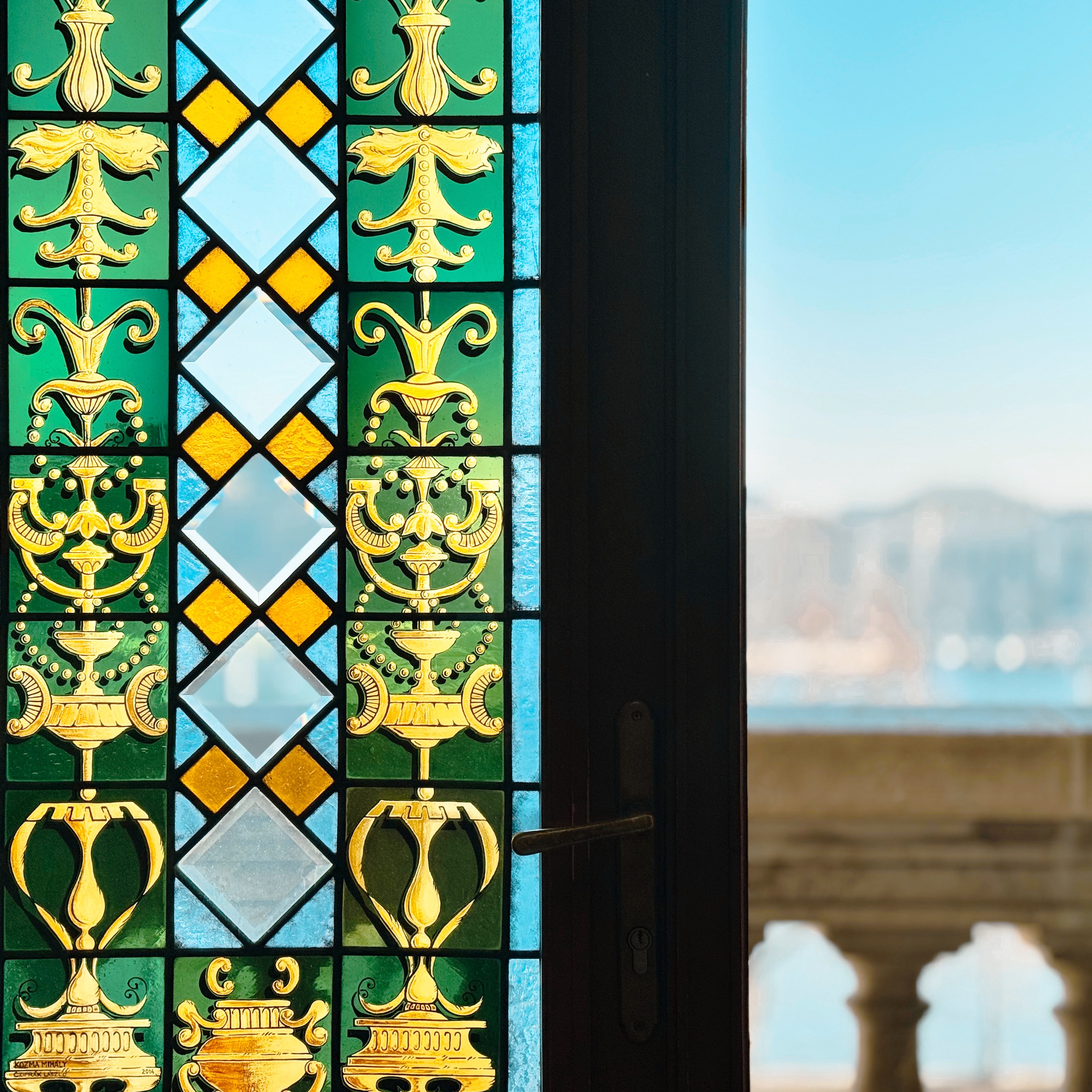
Budapest is a city that dazzles with its architectural wonders, and among its many treasures, stained glass windows stand out as one of its most beautiful and intricate forms of artistry. These stunning windows can be found throughout the city, each piece telling a unique story through its vibrant colors and delicate designs. The tradition of stained glass in Budapest dates back centuries, and it continues to be a significant part of the city’s architectural heritage.

One of the best places to appreciate stained glass in Budapest is the majestic Matthias Church. Inside, visitors can marvel at the intricate stained glass windows that depict biblical scenes and saints, all crafted with painstaking detail. The rich colours and light filtering through the glass create a serene atmosphere that enhances the spiritual experience.

Another iconic location to view stained glass is the Hungarian Parliament Building. Here, you’ll find windows that showcase both historical and symbolic themes, blending art with national identity. The craftsmanship of these windows is a testament to the skilled artisans who worked tirelessly to bring these designs to life.

Beyond religious and governmental buildings, stained glass can be found in many of Budapest’s Art Nouveau and eclectic-style buildings. The early 20th century saw a boom in decorative glasswork, with many structures featuring stunning, nature-inspired motifs and modernist designs. These windows not only enhance the beauty of the buildings but also give a glimpse into the cultural and artistic movements of the time. ne of my favourite spots in Budapest is the Róth Miksa Museum, highly recommended for those interested in stunning stained glass art and the city’s history.

For those interested in learning more about this unique art form, the Hungarian National Museum offers exhibitions that explore the history of stained glass in Budapest and Hungary.

Stained glass in Budapest is more than just a decorative feature—it’s a reflection of the city’s rich history, culture, and artistry. Whether in a grand cathedral, a synagogue or a hidden corner of a historic building, these windows offer a glimpse into the soul of the city. So, next time you’re wandering through Budapest, take a moment to look up and appreciate the vibrant world of stained glass that tells a story centuries in the making or join me for a tour to discover more!

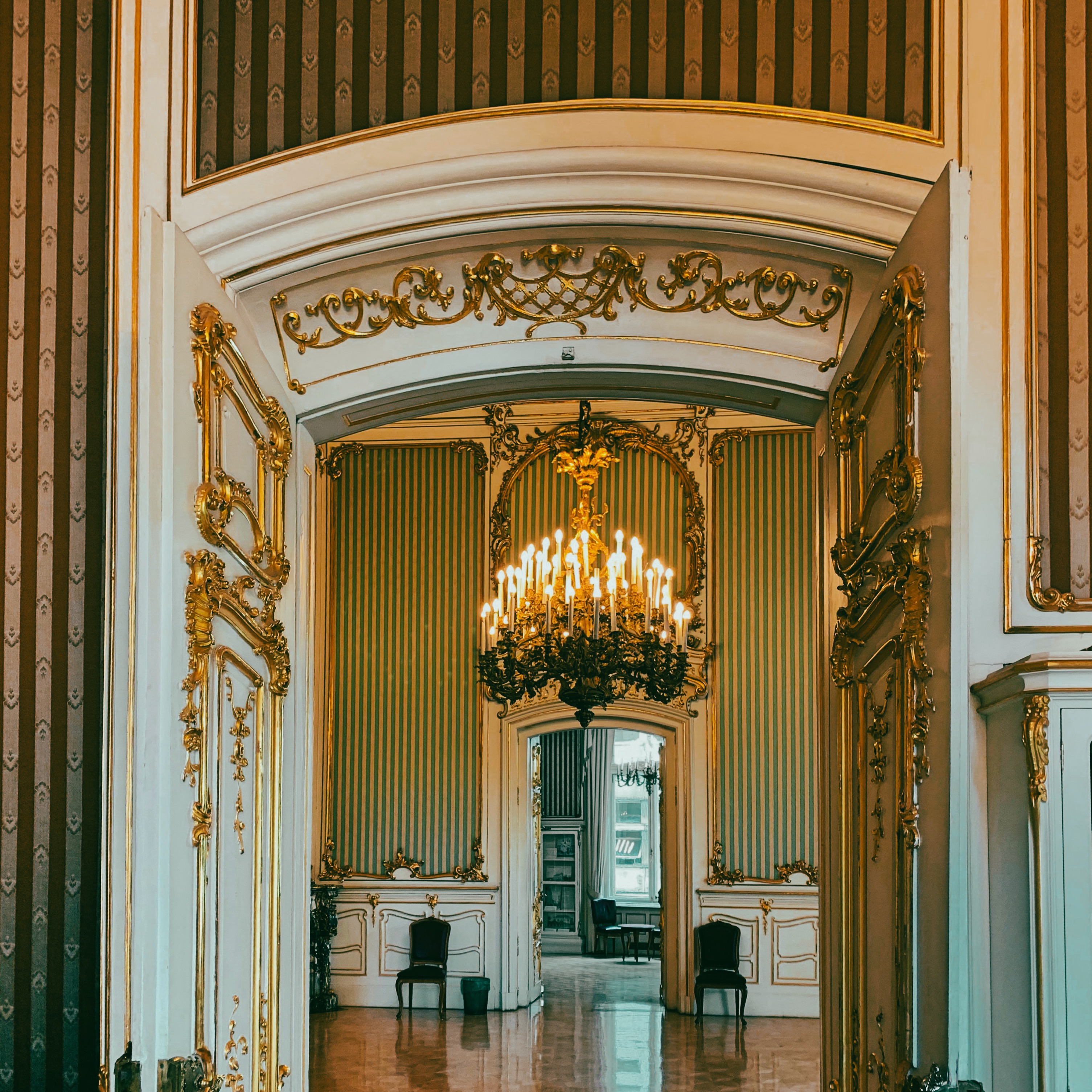
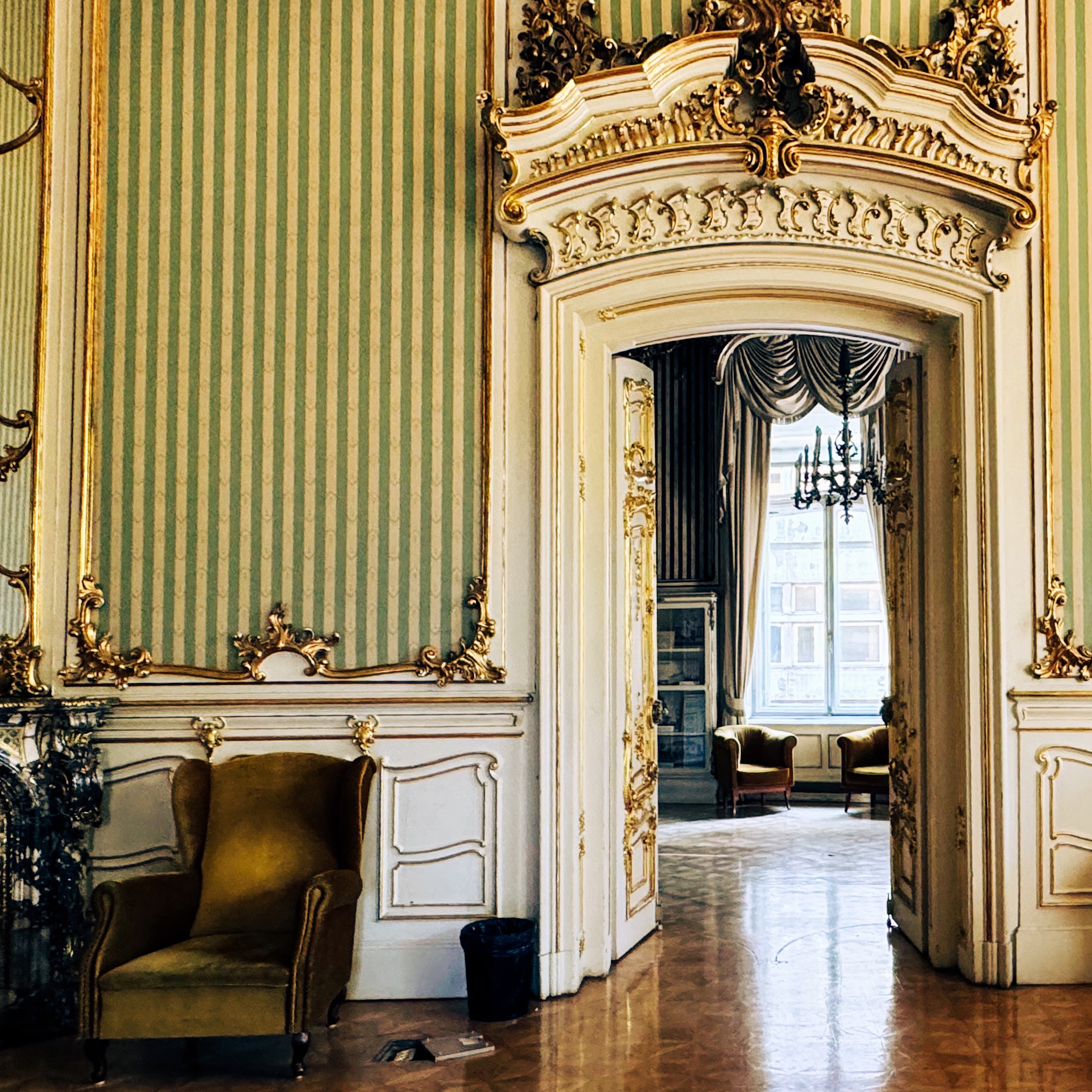
The Wenckheim Palace Budapest story begins quietly—behind heavy doors, beneath chandeliers, and far from the noise of the city outside.

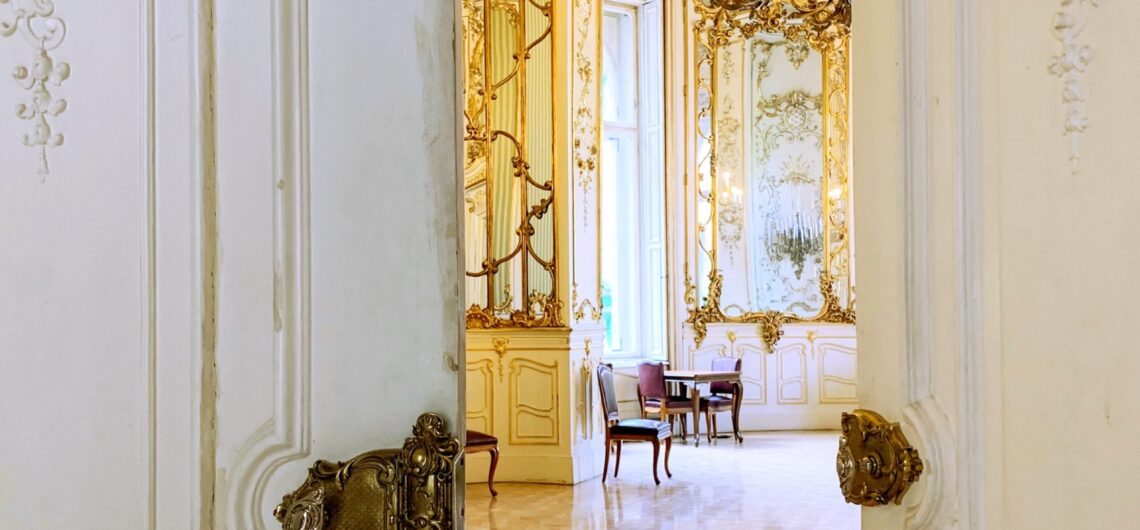
Some buildings in Budapest impress from the outside. Others reveal themselves slowly, once you step inside and let the silence, the light, and the details do the talking. Wenckheim Palace belongs firmly to the second category—a true jewel box hidden in the Palace Quarter.

Built in 1889, the palace was commissioned by Count Frigyes Wenckheim and his wife, Krisztina Wenckheim (yes, they were first cousins), and designed by architect Artúr Meinig. Behind its Neo-Baroque façade, the interiors unfold in an elegant Louis XV style, rich with gilded details, carved woodwork, and soft symmetry. Count Wenckheim was a wealthy landowner and a Member of Parliament, and his Budapest residence quickly became one of the most admired palaces of the 8th district.

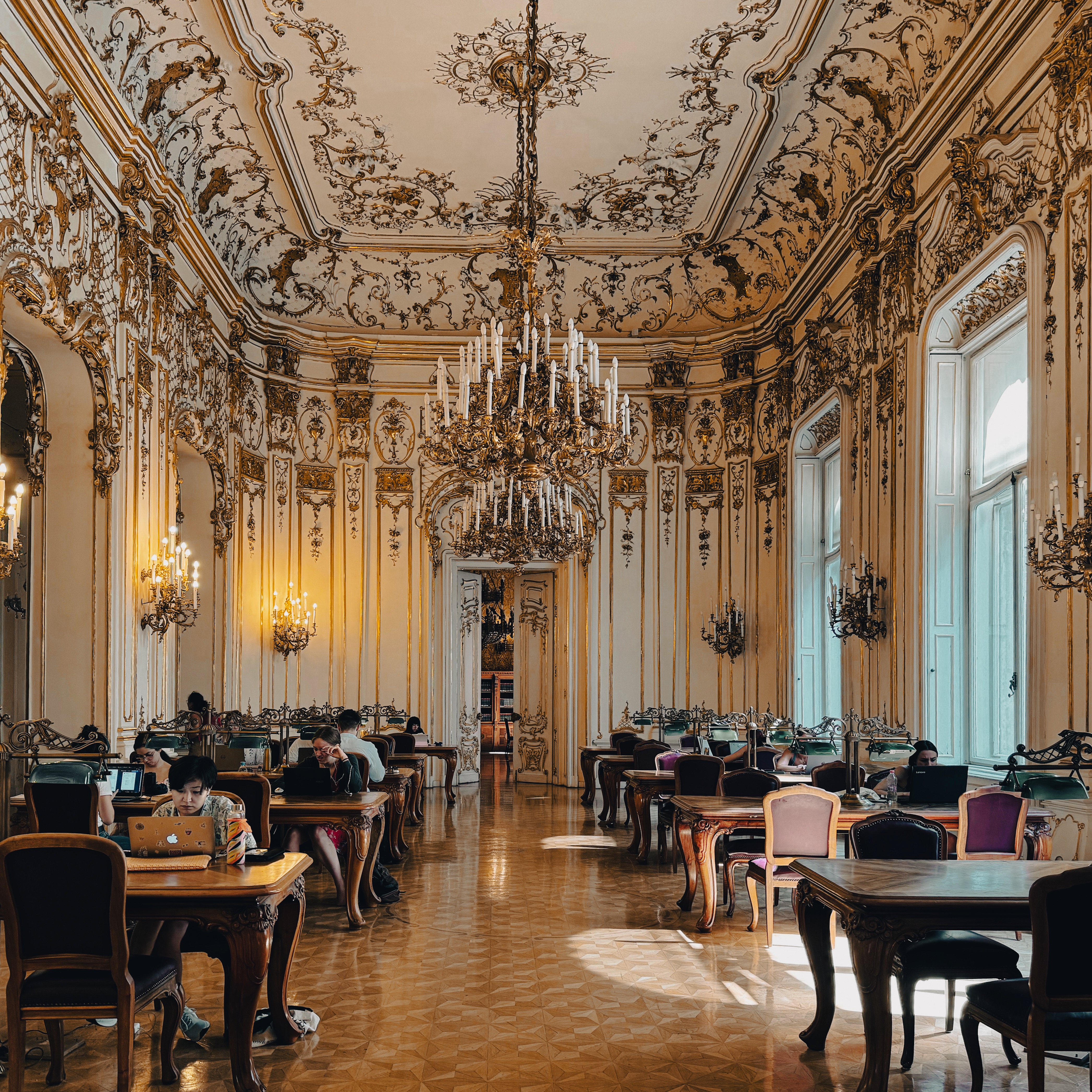
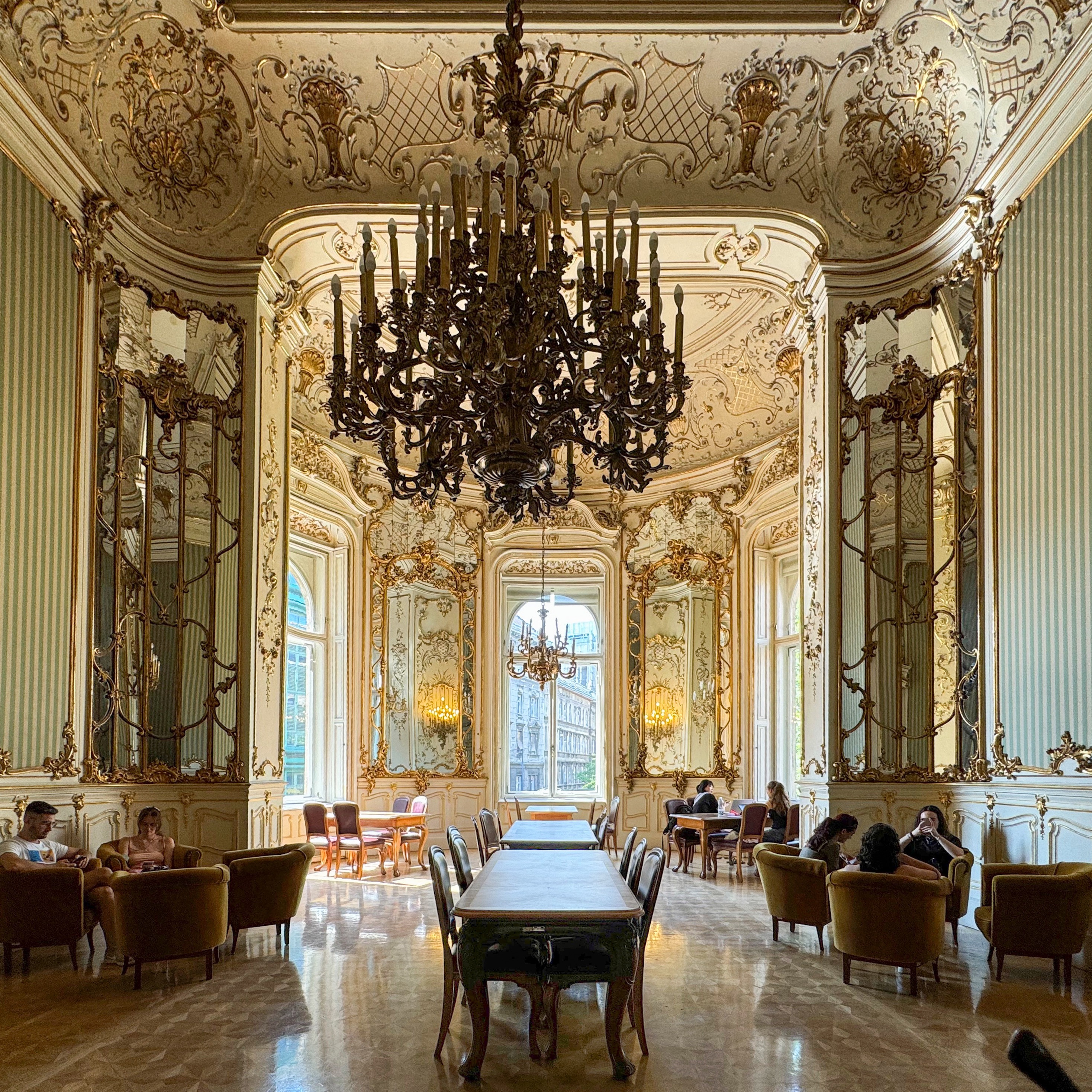
At the heart of the building lies the grand ballroom—ornate, luminous, and surprisingly vast. It could easily host up to 500 guests, and it almost certainly did. The Wenckheim family was known for their magnificent receptions and glittering balls, attended by the elite of the era, including Franz Joseph, Emperor of Austria and King of Hungary. One can still imagine the music, the movement, and the carefully choreographed elegance of late-19th-century high society lingering in the space.

But the Wenckheim Palace story in Budapest is not only one of architecture and aristocratic glamour—it is also rich in drama. The family’s history was so full of passion, scandal, and unexpected turns that it inspired Jókai Mór, one of Hungary’s greatest novelists. Elements of the Wenckheim legacy found their way into his famous novel A Hungarian Nabob, blurring the line between literature and real life in a way that feels quintessentially Budapest.

After Count Wenckheim’s death in 1912, the palace gradually lost its private function and was sold to the city in 1927. A new chapter began in 1931, when it became the central building of the Budapest Metropolitan Library. Since then, the palace has lived a wonderfully dual life: a former aristocratic residence where chandeliers now shine over reading desks, and quiet concentration has replaced the sound of orchestras.

Today, students, researchers, and curious visitors move through the same halls that once hosted lavish balls. The contrast is part of the magic—and perhaps the reason filmmakers are so drawn to the building. Wenckheim Palace has appeared in international productions such as Red Sparrow, The Alienist, Spy, and The Phantom of the Opera.

Wenckheim Palace is one of those places where Budapest’s layers come together effortlessly—aristocratic ambition, literary echoes, everyday life, and cinematic allure, all under one roof. It’s not just a building you visit; it’s a story you quietly step into.

If you’re planning your visit and wondering how to include Wenckheim Palace in your itinerary, you may find my Must-See guide to Wenckheim Palace useful. If you’d like to experience Wenckheim Palace as part of a personalised Budapest walk, I’m always happy to weave it into a tour—because places like this are best discovered through their stories.

Guiding tours around Beautiful Budapest, I cannot help but snap random moments that are catching my eye. From the vibrant street art to the hidden alleyways, there’s magic in every corner. Sometimes the best shots come when you’re not looking for them at all. This city is full of surprises, and I’m so grateful for every photo I get to capture along the way. Here’s to the joy of spontaneous exploration and the stories each photo tells! Spring is coming, days are getting longer and there is no greater joy than exploring this wonderful city.

Book a tour with me so that you can see some of these attractions and many more! All the private tours are fully customisable, based on your interests and preferences.
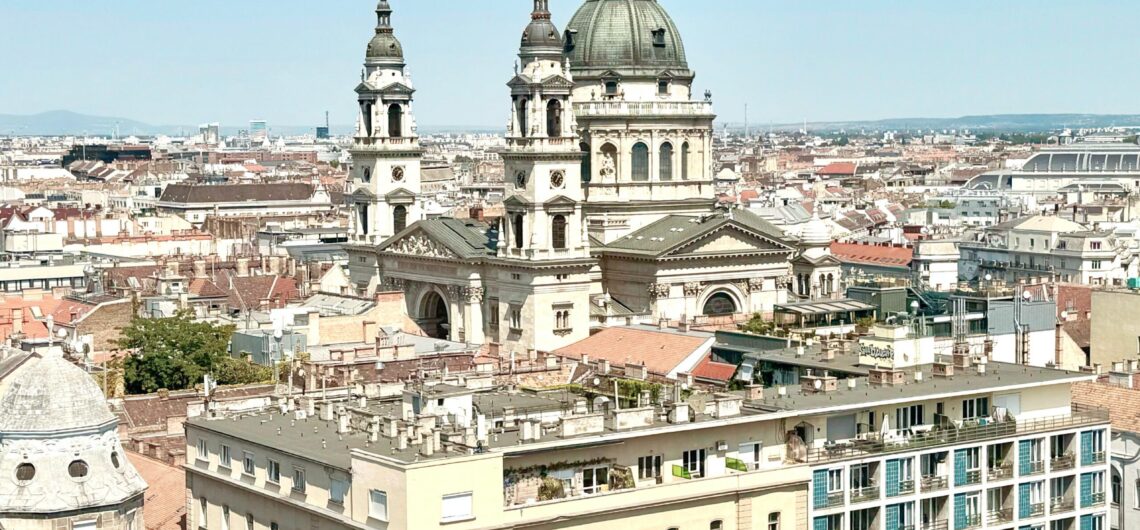
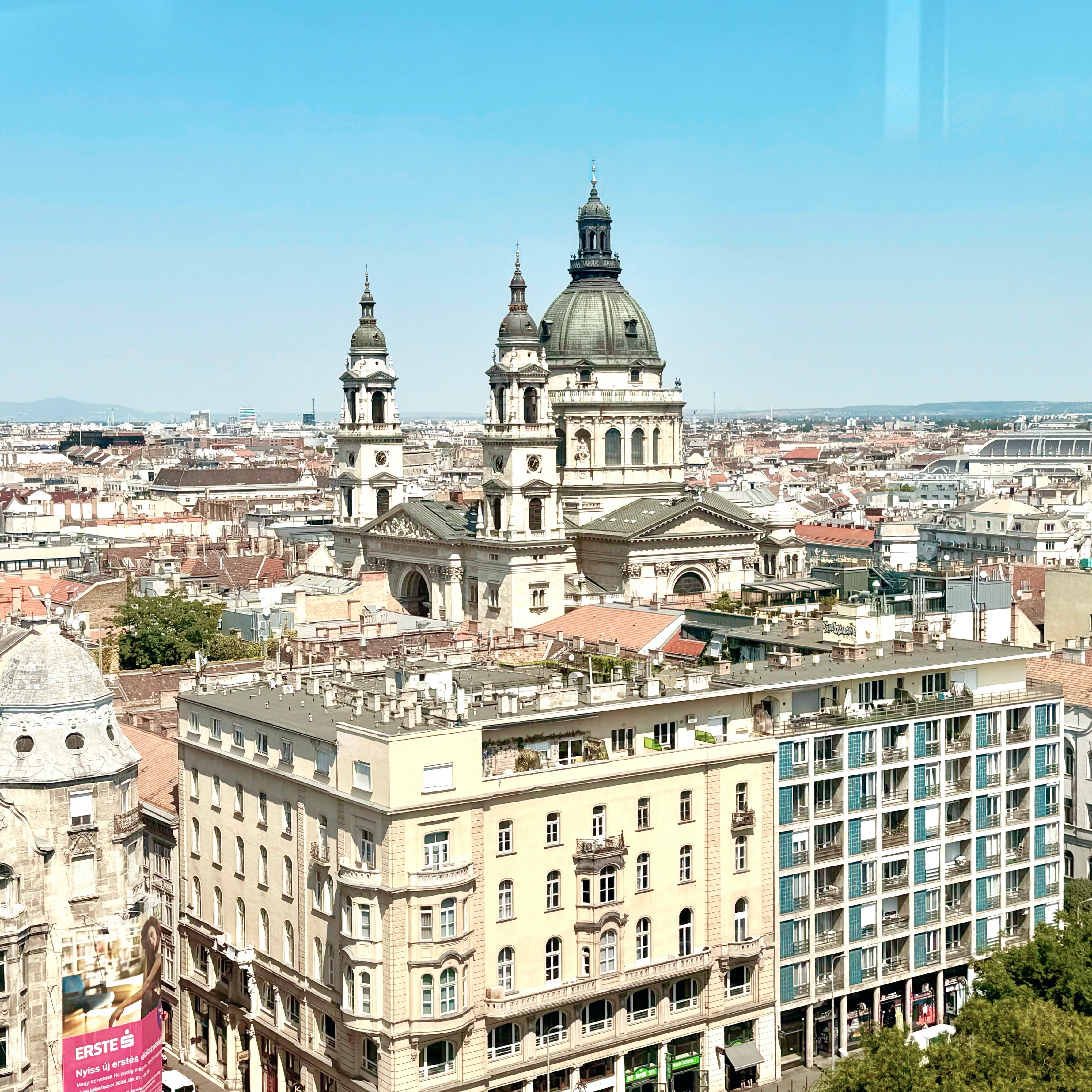
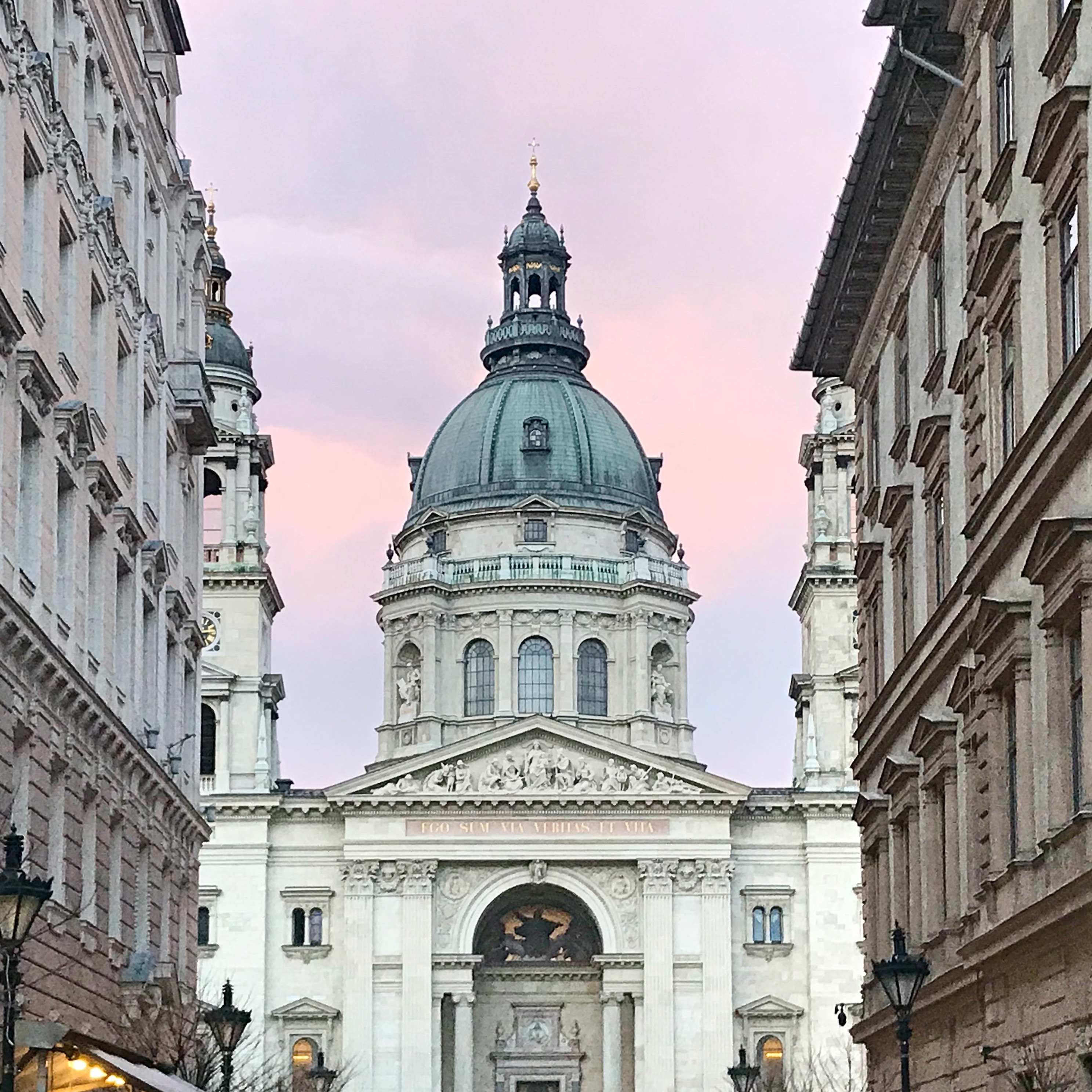
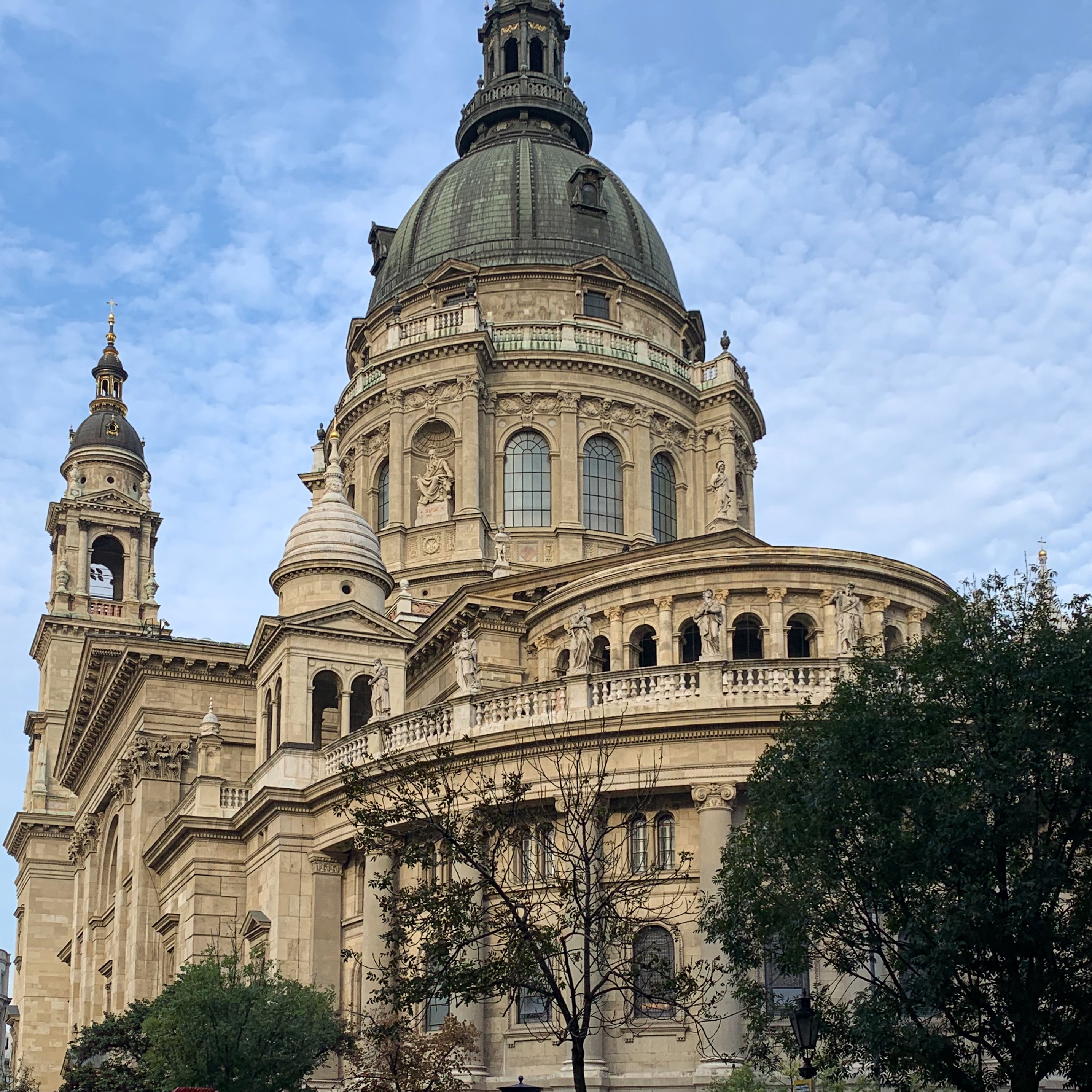
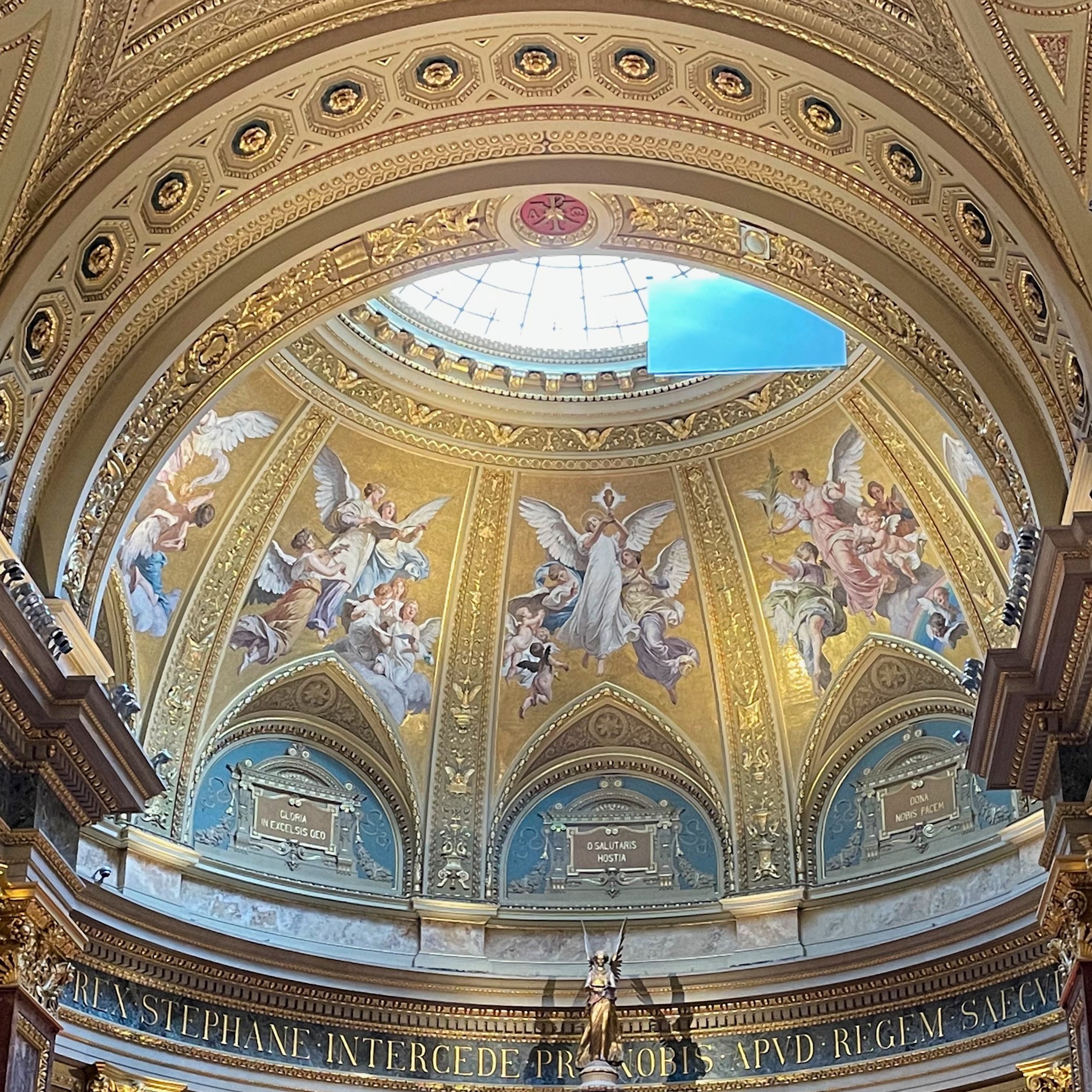
St. Stephen’s Basilica is the largest Catholic Church of Budapest and the third largest church of Hungary. After the devastating floods of the Danube river in 1838 local people from the neighbourhood wanted to thank God for saving their lives, and raised a lot of money for the construction of the largest church of the city. Construction works started in 1851 and after multiple unfortunate events (death of two of the church’s architects, a devastating storm when the dome collapsed) it was finally consecrated 54 years later, in 1905. The building is an appealing mix of different styles: Baroque, Classicist and Neo-Renaissance. The artworks (paintings, sculptures and stained glass windows) were all created by Hungarian artists, including Gyula Benczúr, Károly Lotz and Miksa Róth.

The church is dedicated to St. Stephen, the first Christian king of Hungary, the founder of the Catholic Church in Hungary, and the founder of a Christian state. His statue made of Carrara marble is the main altarpiece of the church. The principal relic of the Basilica is the mummified right hand of king Stephen, it is on display in the church hall.

The magnificent views

A panorama terrace was created around the main dome of the Basilica at a height of 65 meters, which is the highest viewpoint in Pest, offering a 360-degree panorama over the city. You can take the stairs (about 300 steps) or the elevators to get to the dome. There is a Holy Mass in English in Mary’s chapel at 6.10 PM on Mondays, Wednesdays and Fridays and at 4.00 PM in the Basilica on Sundays and holidays.
We usually try to include the visit of the interior on the Budapest tours if time permits. You can learn more about the Basilica, visiting hours and ticket prices here.
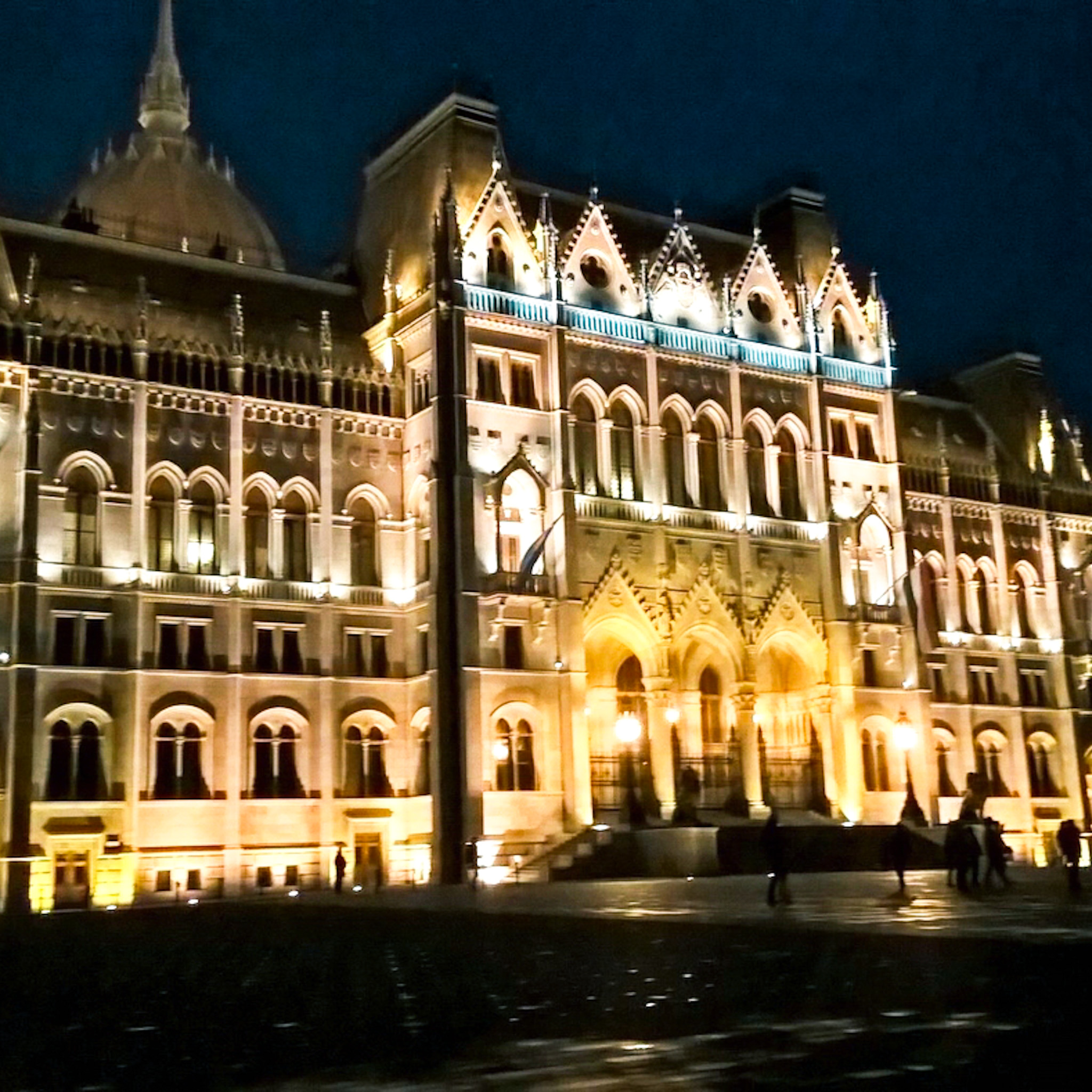
I am spending a lot of time wondering around my beautiful city, and I am fortunate to see its buildings from all different angles and viewpoints. There’s something alluring about capturing a building from multiple angles; each perspective reveals a new layer of its architecture and character. As I moved around, I saw how the light shifted and how the structure seemed to change, transforming with each viewpoint. It’s a reminder that sometimes, to truly appreciate a subject, you need to step back and see it from every possible angle.