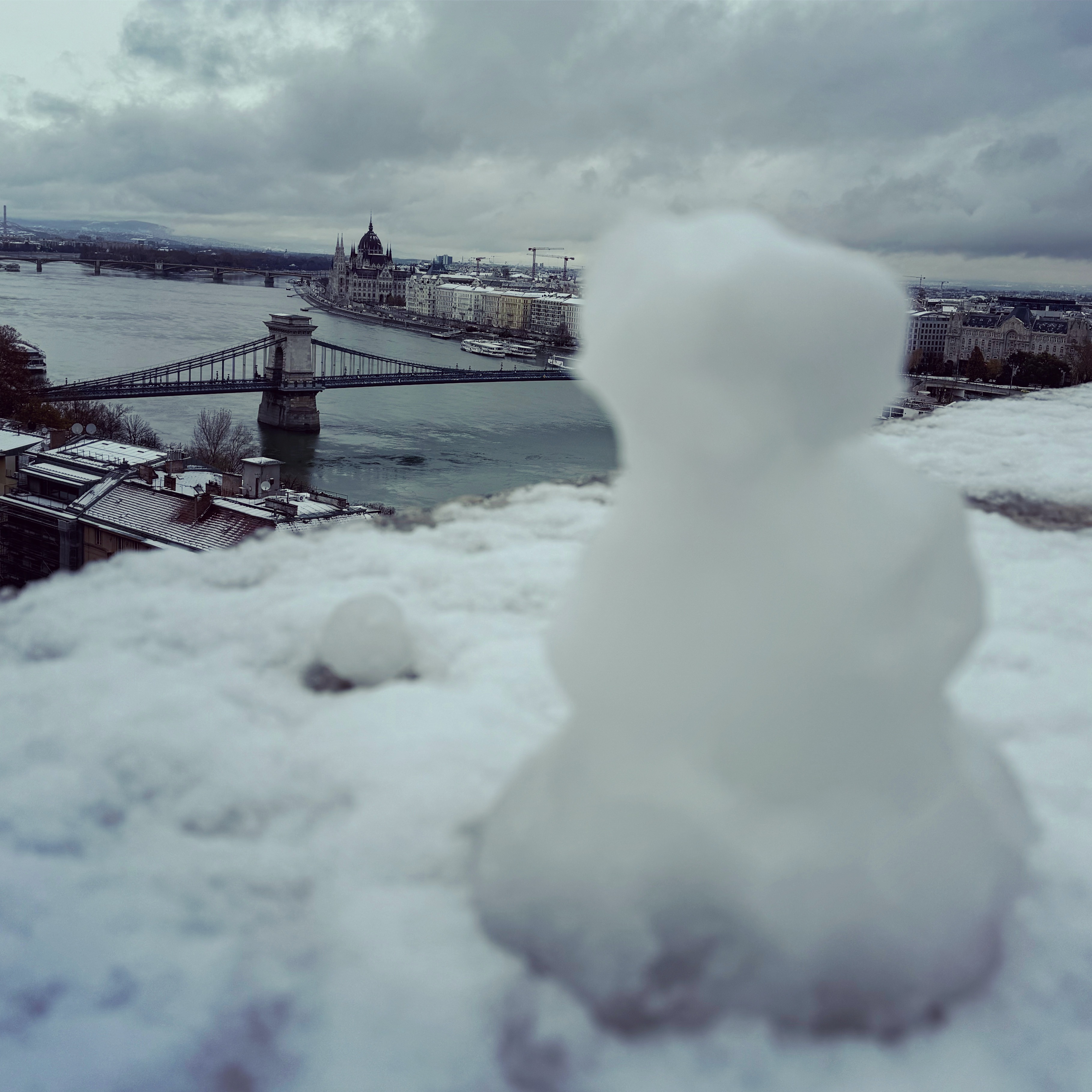
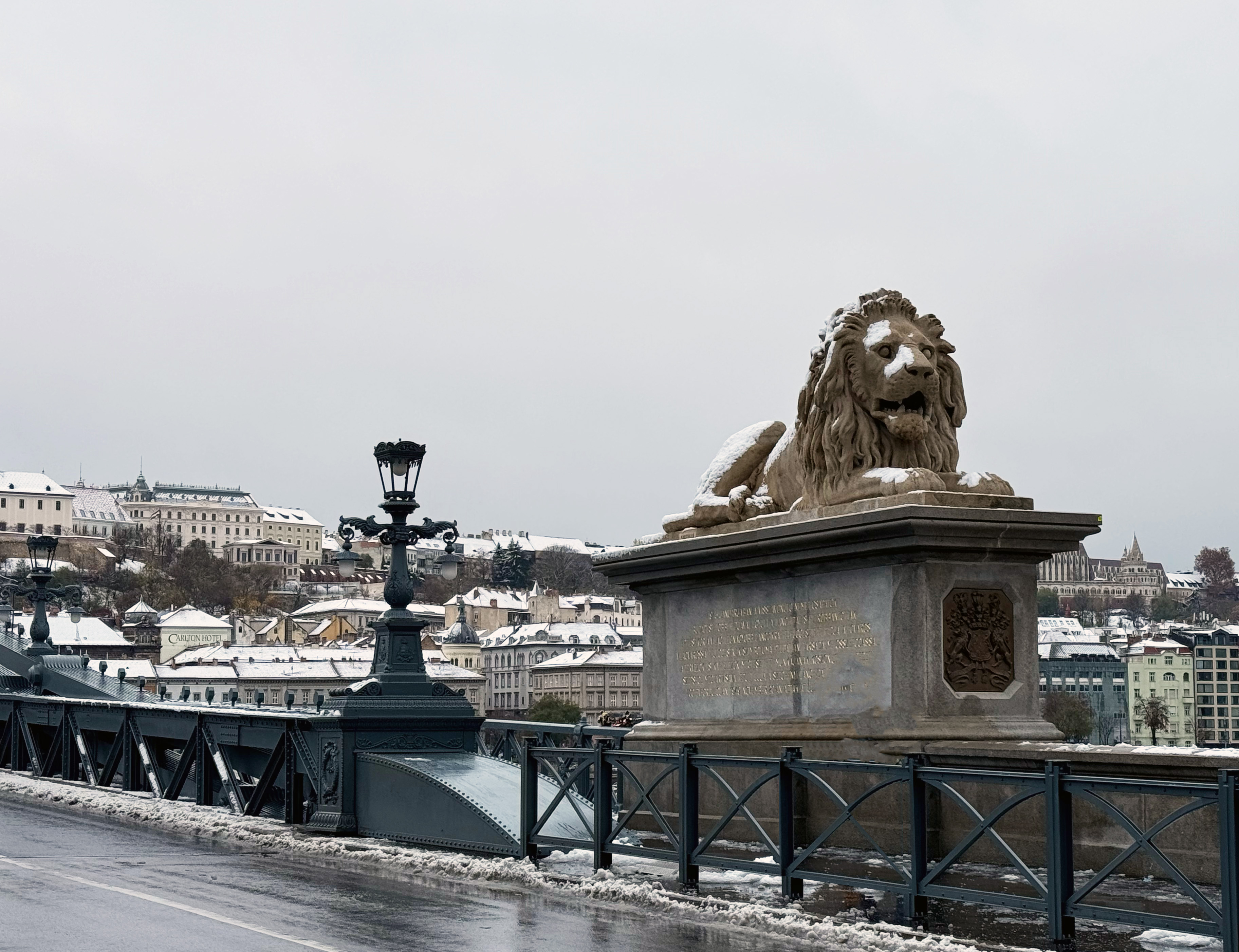
Looking for a Budapest walking tour that includes Kolodko statues? In this guide, you’ll find an interactive Kolodko mini statues map to help you locate 14 of the most interesting sculptures in Budapest. If you have ever noticed a tiny bronze figure sitting quietly on a railing in Budapest, you have likely discovered one of the city’s most delightful secrets: the Kolodko mini statues. They are small — only about 10–15 cm tall — but they tell monumental stories. Treasure hunting in Budapest begins here. Who Is Kolodko? Mihály Kolodko Mykhailo (Mihály) Kolodko is a Ukrainian-born sculptor who studied monumental sculpture at the Lviv Academy of Arts before moving to Hungary in 2017. Although trained in large-scale art, he became famous for something entirely different: miniature public sculptures placed unexpectedly around cities. His philosophy is simple: “Even in small form it is possible to depict a monumental idea.” And that is exactly what he does. Why Are Kolodko Statues So Popular in Budapest? Locals often call his work guerrilla sculpture. The statues appear quietly in public spaces, without official permission. One day they are not there — the next day they are. People love them because: They feel like hidden discoveries They reference Hungarian history and culture They revive beloved cartoon characters They often carry subtle political symbolism They invite curiosity During the communist era, Hungarians developed a refined sense for decoding hidden meanings in art, literature and music. Kolodko’s sculptures continue that tradition — playful on the surface, layered underneath. Some statues have even been stolen. Others are dressed up in winter coats by locals. They are small — but deeply loved. 5 Kolodko Mini Statues You Can Find in Budapest 1️⃣ The Sad Tank (2017) A tiny Russian tank faces the Parliament building. Its muzzle hangs down, shaped
Looking for a Budapest walking tour that includes Kolodko statues? In this guide, you’ll find an interactive Kolodko mini statues map to help you locate 14 of the most interesting sculptures in Budapest.
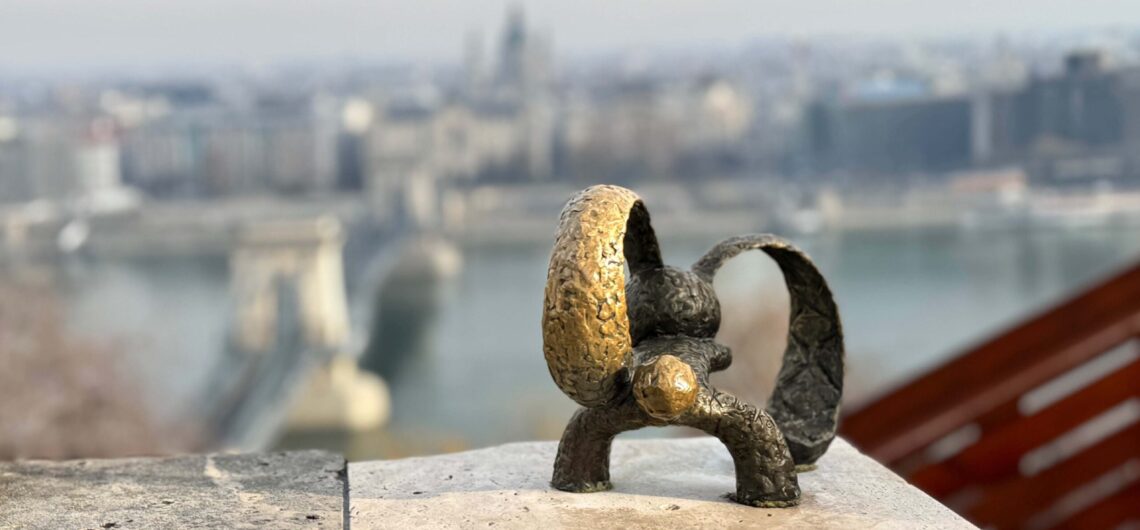
If you have ever noticed a tiny bronze figure sitting quietly on a railing in Budapest, you have likely discovered one of the city’s most delightful secrets: the Kolodko mini statues.
They are small — only about 10–15 cm tall — but they tell monumental stories. Treasure hunting in Budapest begins here.
Who Is Kolodko?
Mihály Kolodko
His philosophy is simple:
“Even in small form it is possible to depict a monumental idea.”
And that is exactly what he does.
Why Are Kolodko Statues So Popular in Budapest?
Locals often call his work guerrilla sculpture. The statues appear quietly in public spaces, without official permission. One day they are not there — the next day they are.
People love them because:
-
They feel like hidden discoveries
-
They reference Hungarian history and culture
-
They revive beloved cartoon characters
-
They often carry subtle political symbolism
-
They invite curiosity
During the communist era, Hungarians developed a refined sense for decoding hidden meanings in art, literature and music. Kolodko’s sculptures continue that tradition — playful on the surface, layered underneath.
Some statues have even been stolen. Others are dressed up in winter coats by locals. They are small — but deeply loved.
5 Kolodko Mini Statues You Can Find in Budapest
1️⃣ The Sad Tank (2017)
A tiny Russian tank faces the Parliament building. Its muzzle hangs down, shaped like an elephant’s trunk — a symbolic gesture that the war is over.
This sculpture references the 1956 Hungarian Revolution and quietly comments on history.
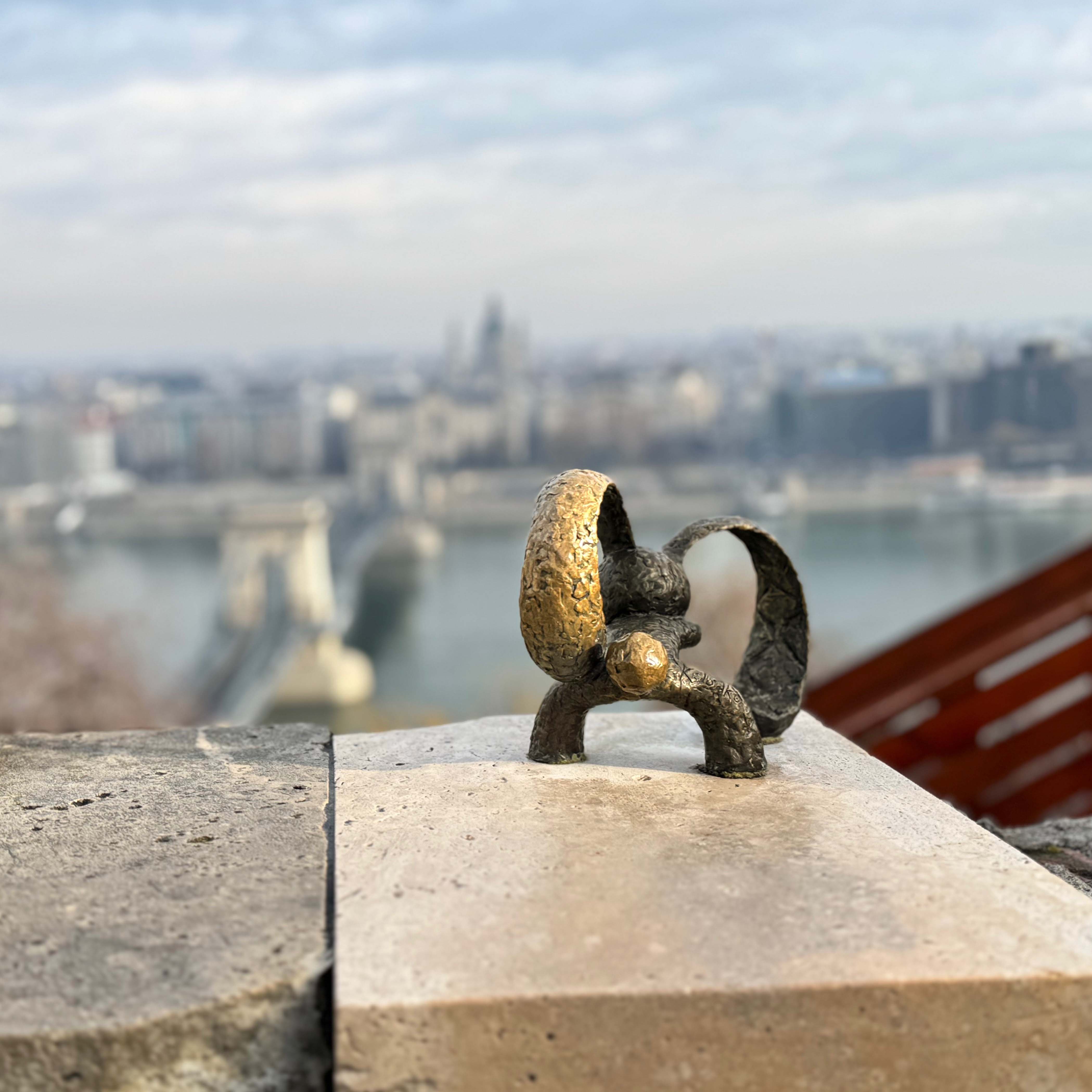
2️⃣ The Rabbit with the Checkered Ears (2018)
Perched on Castle Hill, this beloved character from a 1970s Hungarian animated series enjoys the UNESCO-protected Budapest panorama.
Locals instantly recognise him. Visitors often need the story behind him.
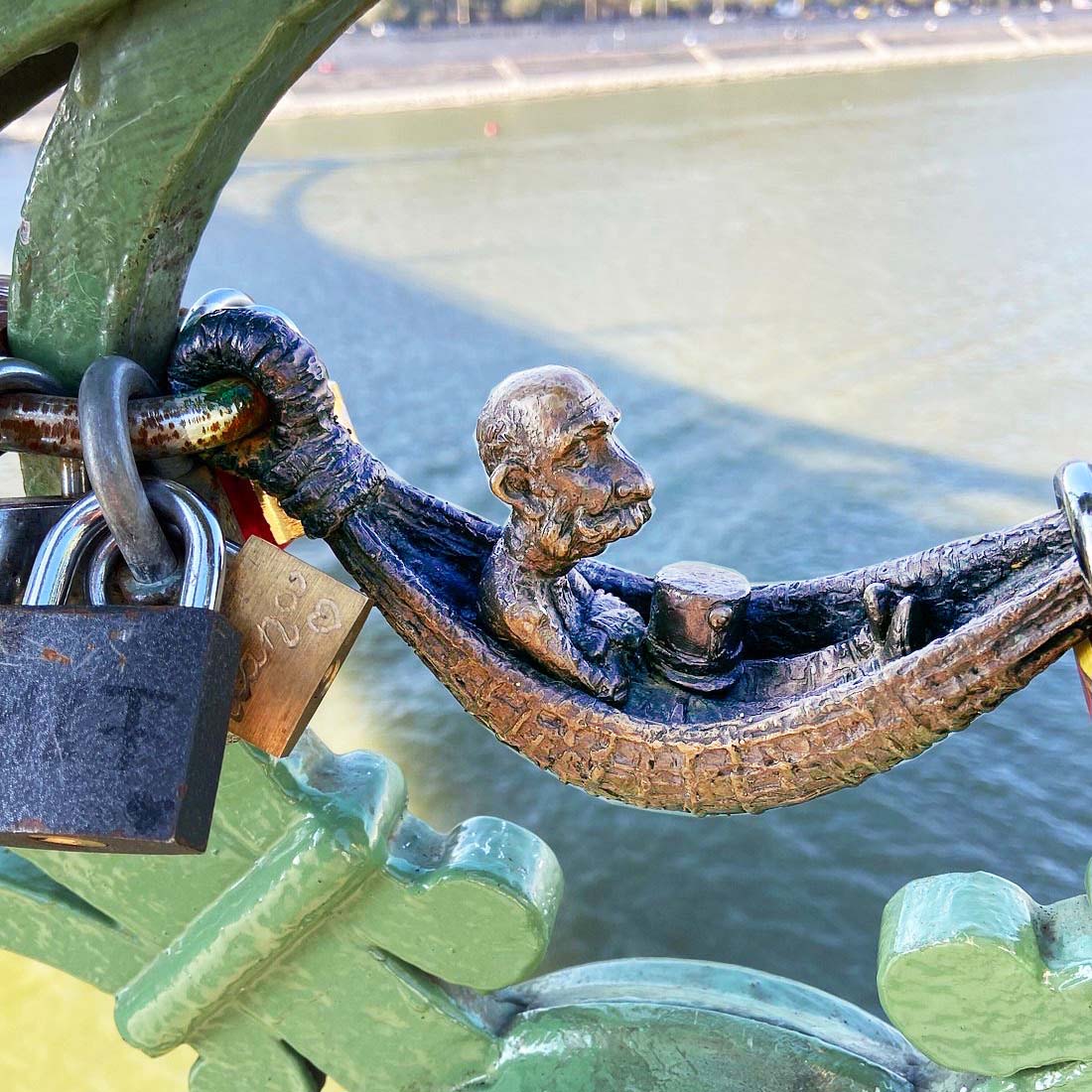
3️⃣ Emperor Franz Joseph in a Hammock (2021)
A peaceful metaphor: the emperor relaxing on Liberty Bridge — originally named after him — symbolising reconciliation through time.
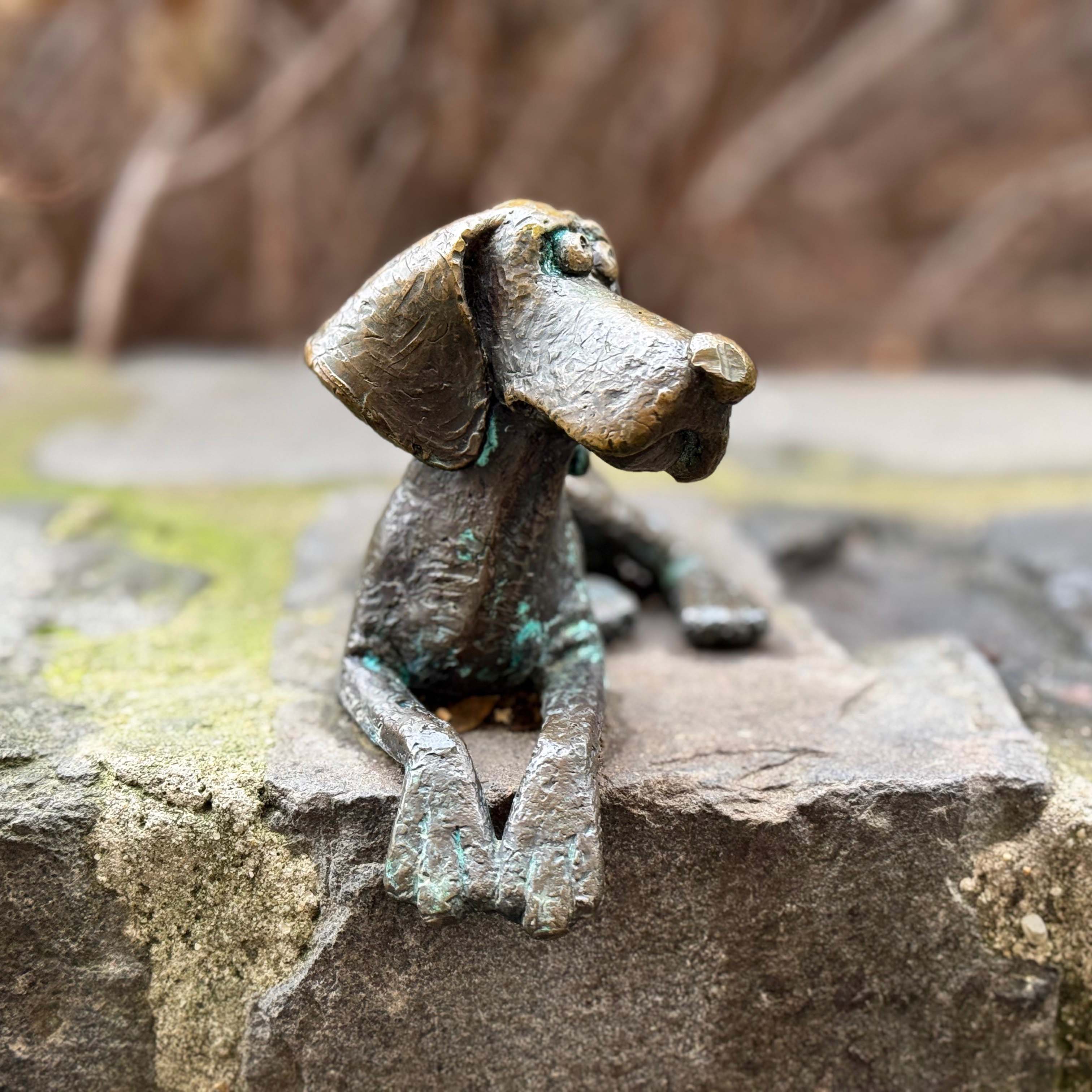
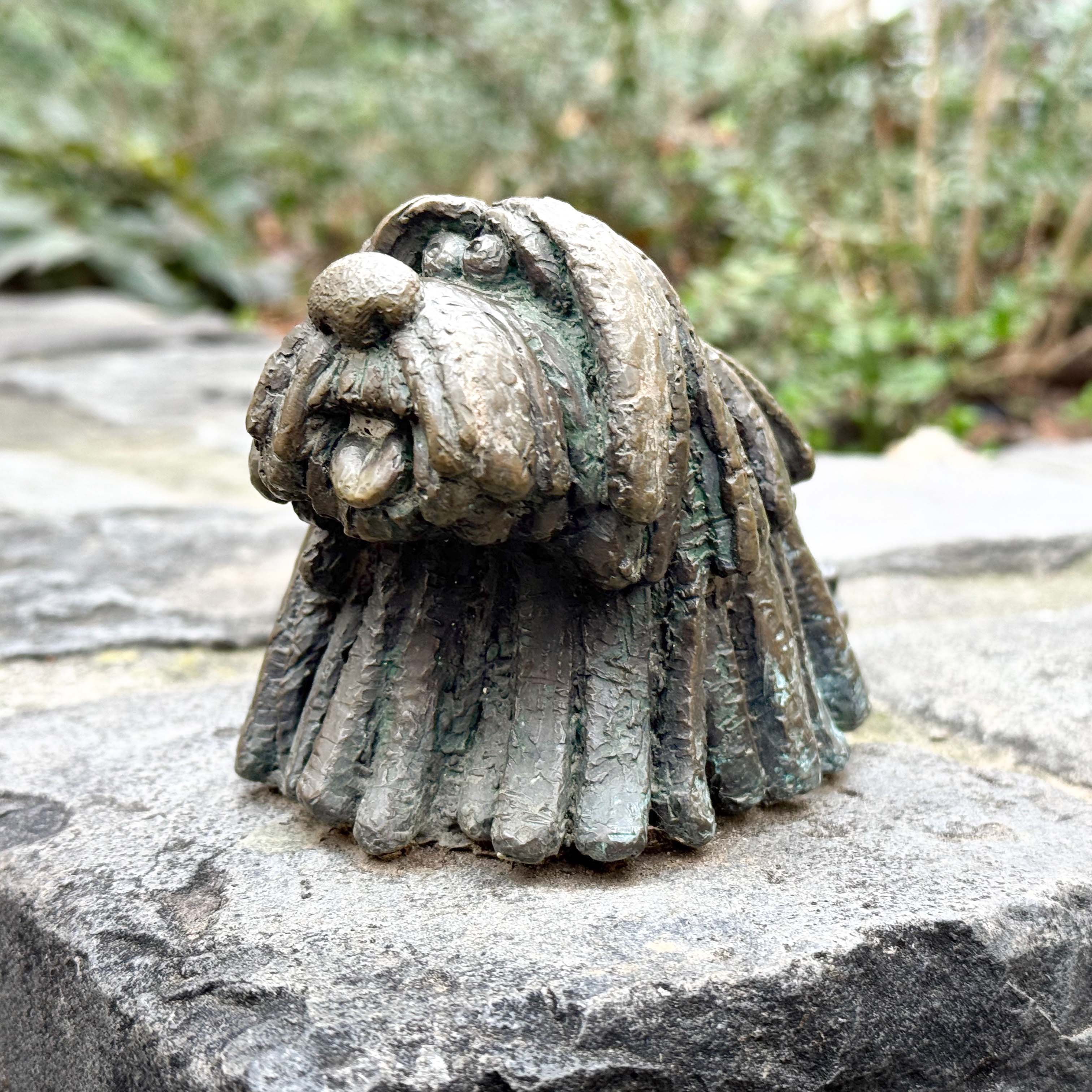
4️⃣ There Was Only One Dog Fair in Buda
Inspired by a popular Hungarian folk tale connected to King Matthias. You’ll recognise traditional Hungarian dog breeds like the puli and the vizsla.
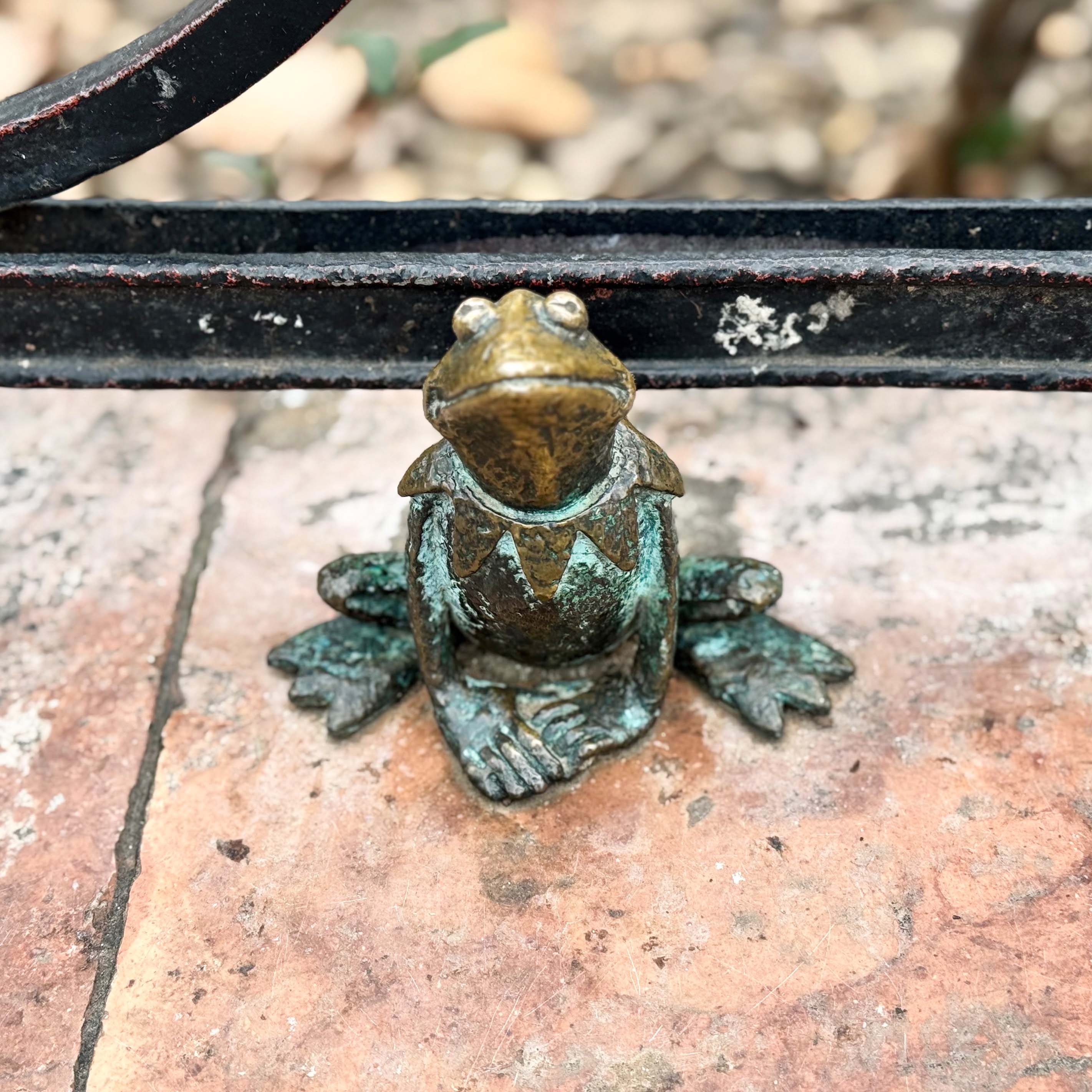
5️⃣ Kermit the Frog
Yes — that Kermit. Sitting in front of the former Hungarian Television headquarters, he playfully nods to media history.
How Many Kolodko Statues Are There in Budapest?
There are dozens scattered across the city centre, and new ones occasionally appear.
Some are near:
-
The Danube promenade
-
Buda Castle
-
Liberty Bridge
-
Central Pest
Part of the magic is that they are not always easy to find. And that is intentional.
A Treasure Hunt With Stories
When I guide guests through Budapest, one of my favourite moments is watching someone spot their first Kolodko statue.
It changes the way they look at the city.
They begin to slow down.
They begin to notice details.
They start asking questions.
And that is when Budapest truly opens up. If you would love to discover hidden details like these — and understand the history, symbolism and humour behind them — I would be delighted to design a private walking tour for you.
Kolodko Mini Statues Map – Self-Guided Walking Route
Below you’ll find my curated map of 14 Kolodko mini statues in central Budapest. Most of them are within walking distance of each other, making it easy to turn your exploration into a relaxed city walk along the Danube, Castle Hill and downtown Pest.
You can use the map for a self-guided treasure hunt — or, if you’d like to discover the stories behind these tiny sculptures, I’d be delighted to show them to you on a private walking tour.
FAQ About Kolodko Mini Statues
Who is Mihály Kolodko?
A Ukrainian-Hungarian sculptor known for placing miniature bronze sculptures in public spaces.
Where can I find Kolodko statues in Budapest?
Many are located near the Danube promenade, Buda Castle and central Pest.
Why are they so small?
Kolodko believes that monumental ideas can be expressed even in miniature form.
Are new statues still appearing?
Yes. Occasionally new sculptures appear unexpectedly.