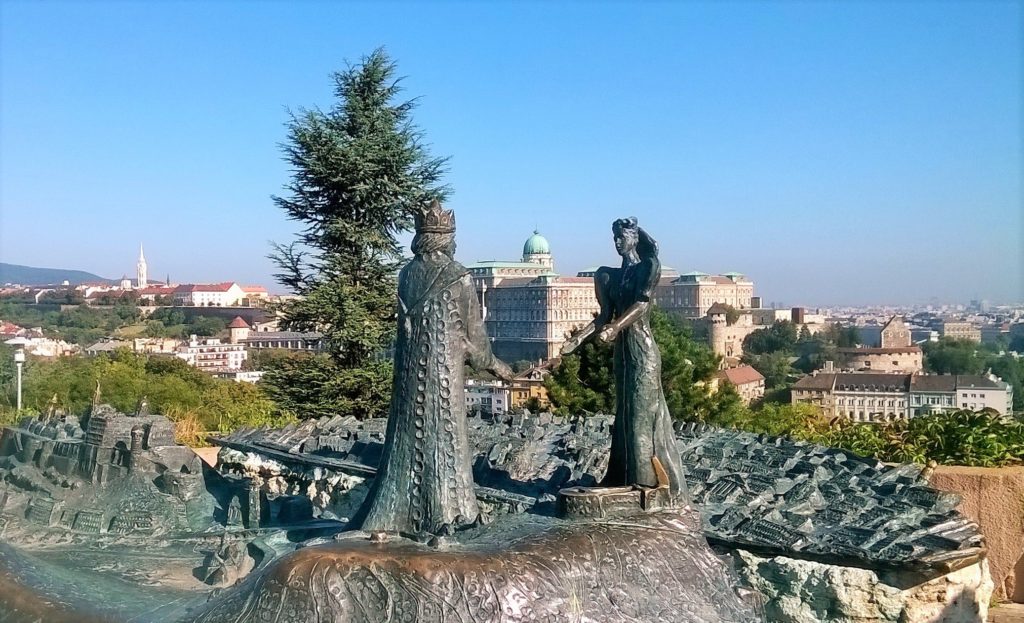
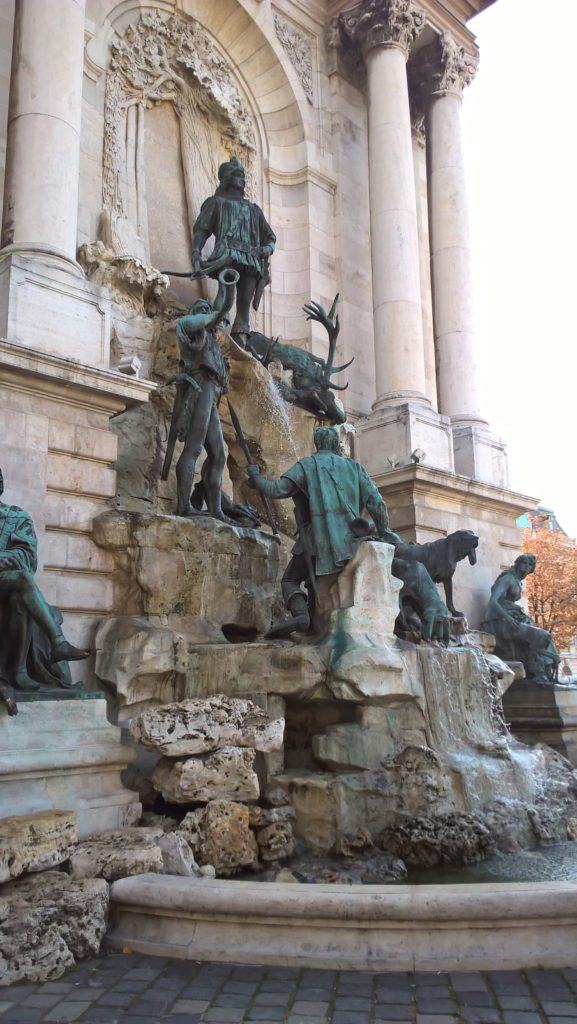
One of the most impressive statues in Budapest is the King Matthias Fountain, located in the Royal Palace of the Buda Castle District. Monumental, theatrical, and rich in symbolism, it portrays King Matthias — Hungary’s great Renaissance ruler — in a moment of triumph and drama.

This fountain is part of my ongoing Statues of Budapest series, which explores how monuments tell stories far beyond what first meets the eye.

A king on the hunt

At the centre of the composition stands King Matthias, depicted during a hunt. It is a traditional symbol of royal power, leadership, and control over nature. Surrounded by courtiers and hunting dogs, the scene feels almost cinematic, carved in stone against the walls of the palace.

The statue reflects how Matthias wished to be remembered: strong, charismatic, and unquestionably king.

A hidden love story

Look more closely, and the fountain reveals a second narrative. At the lower level of the composition stands a young woman, often identified as Ilonka, a figure from Hungarian folklore. According to legend, she fell in love with the king without knowing his true identity.

This quiet, almost melancholic detail adds emotional depth to the monument. It transforms the fountain from a celebration of power into a layered story of love. It’s about longing, and human vulnerability — a reminder that even great kings were not untouched by romance.

Where history and storytelling meet

Set within the Buda Castle complex, the Matthias Fountain is impossible to ignore, yet many visitors miss its deeper meaning. It perfectly represents how Budapest uses public art to combine history, legend, and national identity in a single visual narrative.

If you’d like to uncover more stories like this — including the legends behind the statues and the lives of the people they depict — this fountain is one of the highlights I often discuss on my Buda Castle walk, where history becomes personal and alive.

Explore more: King Matthias is featured in my broader Statues of Budapest collection, showcasing the city’s most meaningful monuments and hidden details.

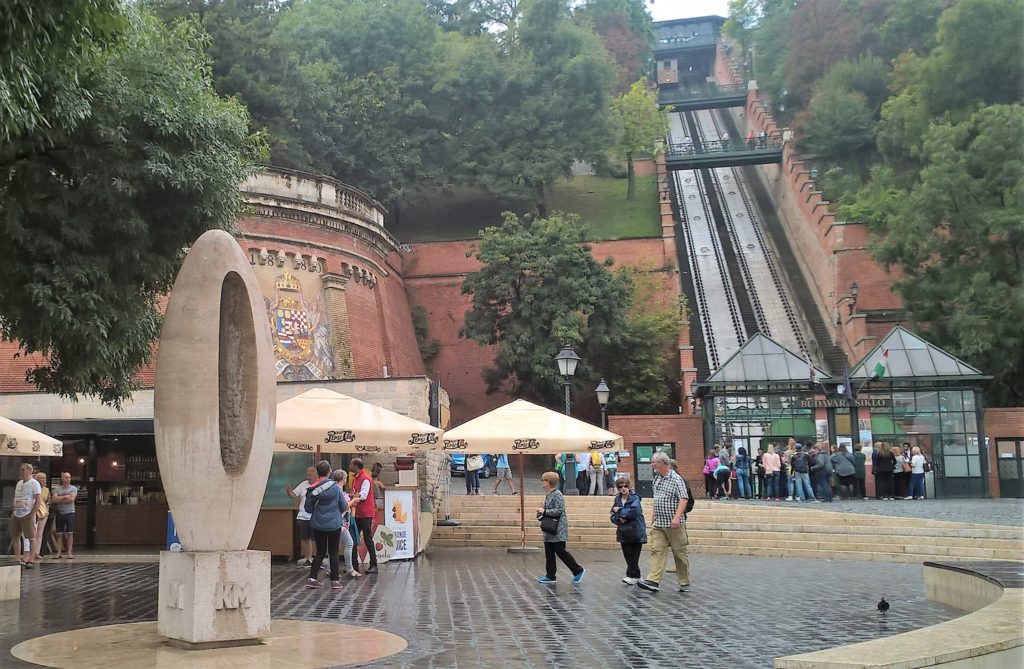
The Matthias Fountain depicting King Matthias at the Royal Palace in Buda Castle, Budapest


With over 100,000 Hungarian and international artworks spanning from ancient civilisations to the end of the 18th century, the Museum of Fine Arts is the largest and most comprehensive art museum in Budapest — and an absolute must for culture lovers visiting the city.

Opened in 1906, the museum’s Classical Revival building is a work of art in itself. From the outside, it resembles an ancient Greek temple — and that’s no coincidence. The tympanum on the main façade is an exact replica of the Temple of Zeus in Olympia, giving the building a timeless, monumental presence on Heroes’ Square.

After being closed for almost four years of renovation, the museum has fully regained its original splendour. The restored interiors are just as breathtaking as the collections they house. Wandering through the building truly feels like stepping back in time.

My personal favourites are the Romanesque Hall and the Renaissance Hall — spaces so atmospheric that even visitors who don’t usually consider themselves “museum people” are often left speechless. Exploring the museum is not just about viewing artworks; it’s a journey through centuries of European and ancient history.

The Museum of Fine Arts collections at a glance

The Museum of Fine Arts is divided into six main departments:

  • Egyptian Antiquities

  • Classical Antiquities

  • Old Master Paintings

  • Sculptures

  • Prints and Drawings

  • Old Hungarian Collection

Thanks to this wide range, the museum works equally well for first-time visitors, returning travellers, and families with older children.

Visiting tips

The Museum of Fine Arts is located right at Heroes’ Square, making it easy to combine with a walk through City Park, a visit to Vajdahunyad Castle, or even a relaxing stop at Széchenyi Thermal Bath afterwards.

I often recommend it as an extra stop during a custom Budapest walking tour, especially for guests interested in art, architecture, or classical history.

    %For up-to-date opening hours and current exhibitions, I always suggest checking the museum’s official website before your visit.


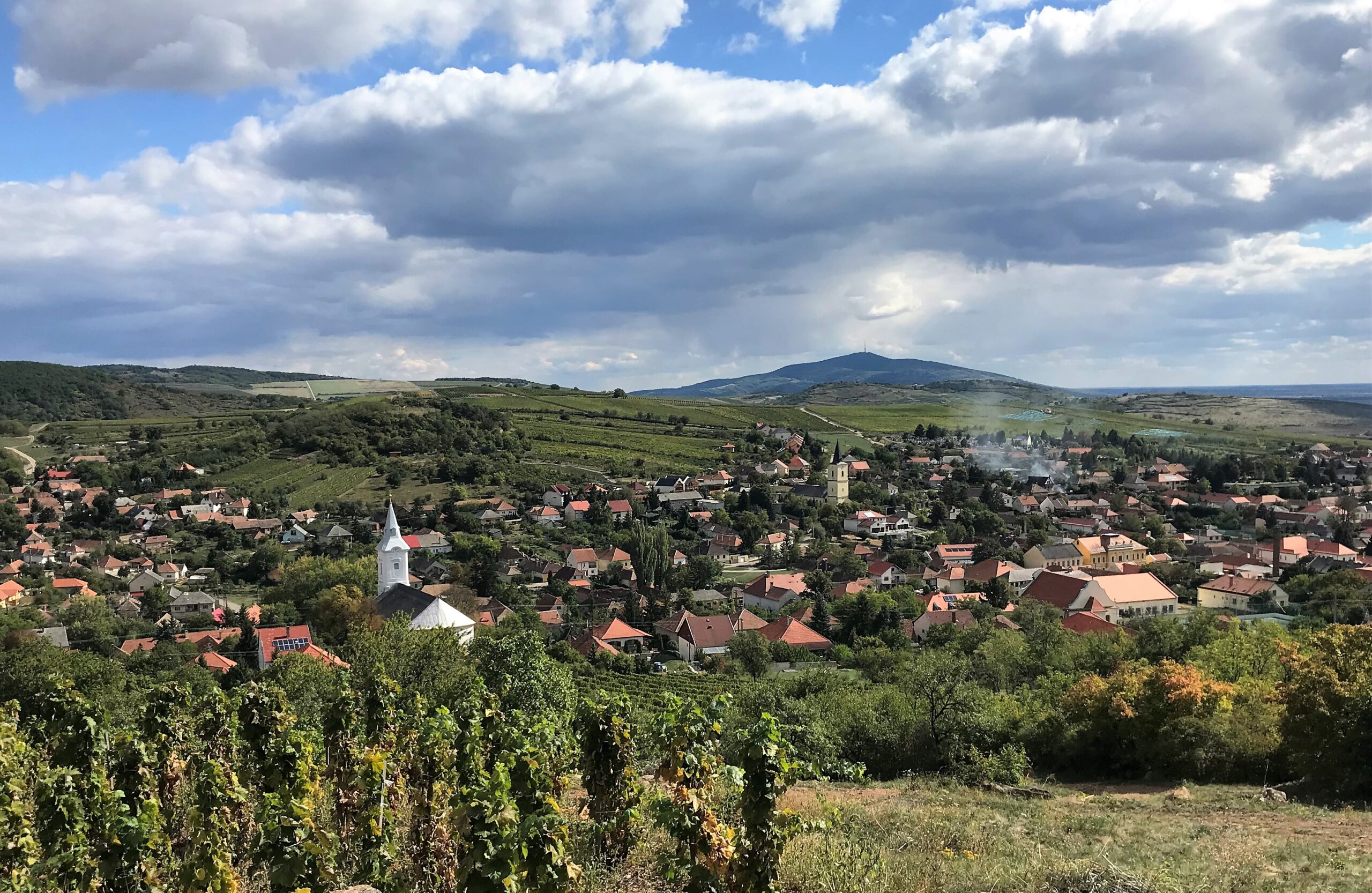
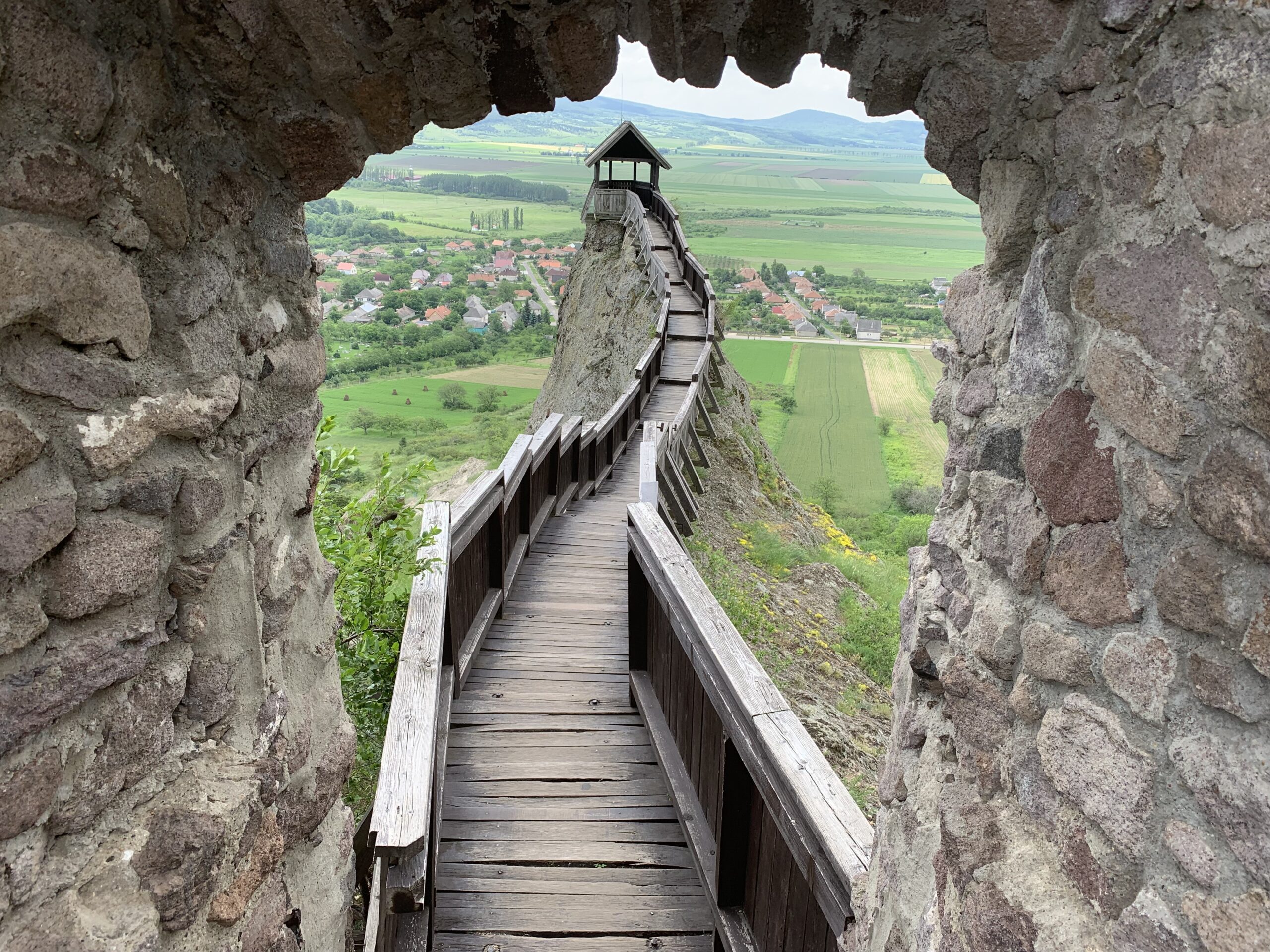
We were lucky enough to visit the Tokaj wine region last week, this is one of my favourite tours. We were able to sample some truly amazing wine in Tokaj and Mád, visited the fairytale castle of Boldogkő, saw a beautiful rainbow over the vineyards and had also the chance to see the Mád synagogue.

This was a tour to remember, I hope I can show more and more travellers this beautiful part of Hungary.


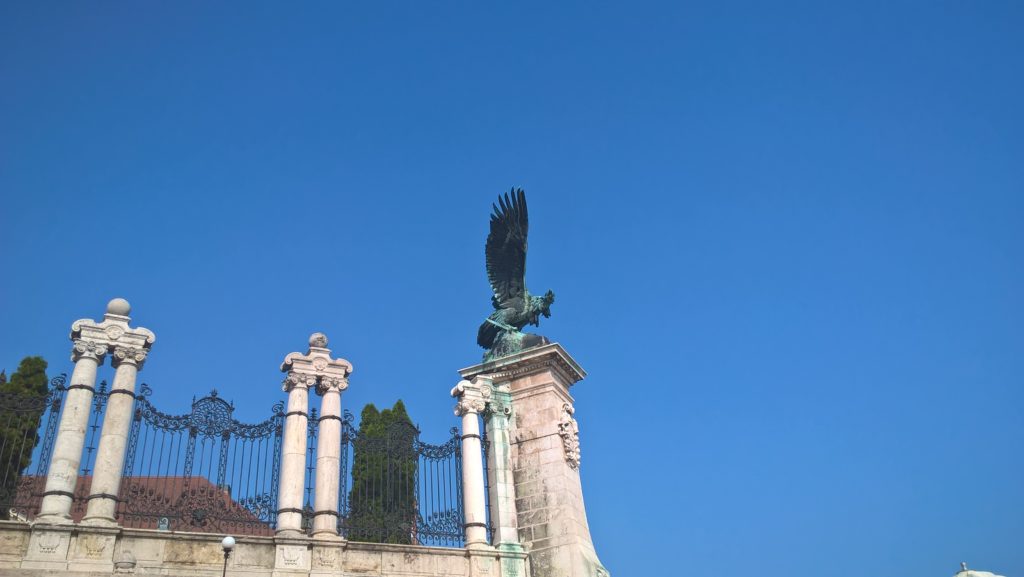
Few statues in Budapest carry as much symbolic weight as the Turul bird statue. More than a decorative monument, the Turul is one of Hungary’s most important national symbols, deeply rooted in legend, origin stories, and identity.

This statue is part of my ongoing Statues of Budapest series, which explores how public sculptures reflect the layers of history and mythology that shape the city.

The legend of the Turul

According to Hungarian tradition, the Turul — a powerful, mythical falcon — guided the ancestors of the Hungarians to the Carpathian Basin in 896, the year associated with the founding of the Hungarian homeland.

Because of this legend, the Turul represents origin, protection, strength, and destiny. It appears frequently in Hungarian art, literature, and monuments, always carrying a meaning that goes far beyond its physical form.

Where can you see the Turul statue?

One of the best-known Turul statues in Budapest stands at the upper station of the Buda Castle Funicular, near the entrance to the Castle District. With its wings spread wide above the city, the bird overlooks the Danube and Pest — a fitting position for a symbol meant to watch over the nation.
Many visitors pass beneath it on their way into Buda Castle without realizing its significance, yet once you know the story, the statue becomes impossible to ignore.

Why the Turul still matters

The Turul bird is not tied to a single historical figure or event. Instead, it represents continuity — the connection between myth, history, and modern Hungary.

Standing beneath it, you’re reminded that Budapest is not only a city of architecture and monuments, but also a place shaped by stories passed down for more than a thousand years.

Explore more: The Turul bird is featured in my Statues of Budapest collection, where famous monuments and symbolic figures reveal the deeper identity of the city.

Turul bird statue at the upper station of the Buda Castle Funicular in Budapest


At first glance, the 0 km Stone is easy to miss. Modest in size and quietly placed near one of Budapest’s busiest areas, it doesn’t compete for attention — yet symbolically, it represents the very center of the country.

This monument is part of my ongoing Statues of Budapest series, which explores how meaning in this city is often hidden in plain sight.

What does the 0 km Stone represent?

The 0 km Stone marks the point from which all road distances in Hungary are officially measured. Every kilometer sign pointing toward Budapest begins here, making this small monument a geographic and symbolic reference point for the entire country.

It is less about spectacle and more about orientation — a reminder of how Budapest has long functioned as Hungary’s political, cultural, and infrastructural heart.

Where can you find it?

The statue is located on the Buda side of the Széchenyi Chain Bridge, close to the Buda Castle Funicular. Thousands of people pass by daily on their way to the Castle District, often without realizing the significance of the stone beneath their feet.

Once you know what it represents, it becomes one of those details you can never quite ignore again.

Why the 0 km Stone matters

Unlike statues that commemorate people or events, the 0 km Stone symbolizes connection and movement. It quietly links every town, village, and road back to Budapest — and by extension, to one another.

It’s a simple monument, but one that reflects how geography, history, and everyday life intersect in the city.

Explore more: The 0 km Stone is featured in my Statues of Budapest collection, where famous monuments and easily overlooked details reveal the deeper structure of the city.

The 0 km Stone near the Chain Bridge on the Buda side of Budapest


Ok, the timing might not be ideal. But. I originally created a Facebook profile for my tour guiding services some 5 years ago but I never really had time to take care of it and to publish enough interesting content. Now that I only deliver virtual tours obviously I have more time to work on my tours and profiles and uploaded some pictures and information.

I’ll try to post as often as I can so that you can learn more on my beautiful city and country:

Please like, share, comment, send me messages, so that I can see that you’re checking back on what’s new in Beautiful Budapest!

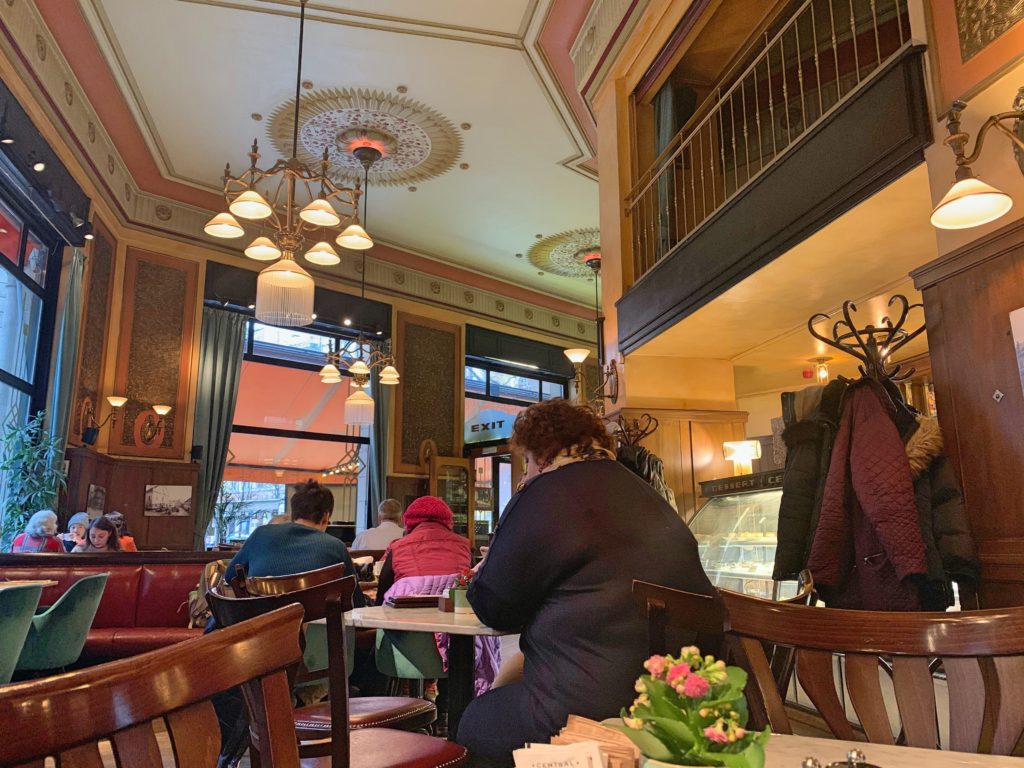
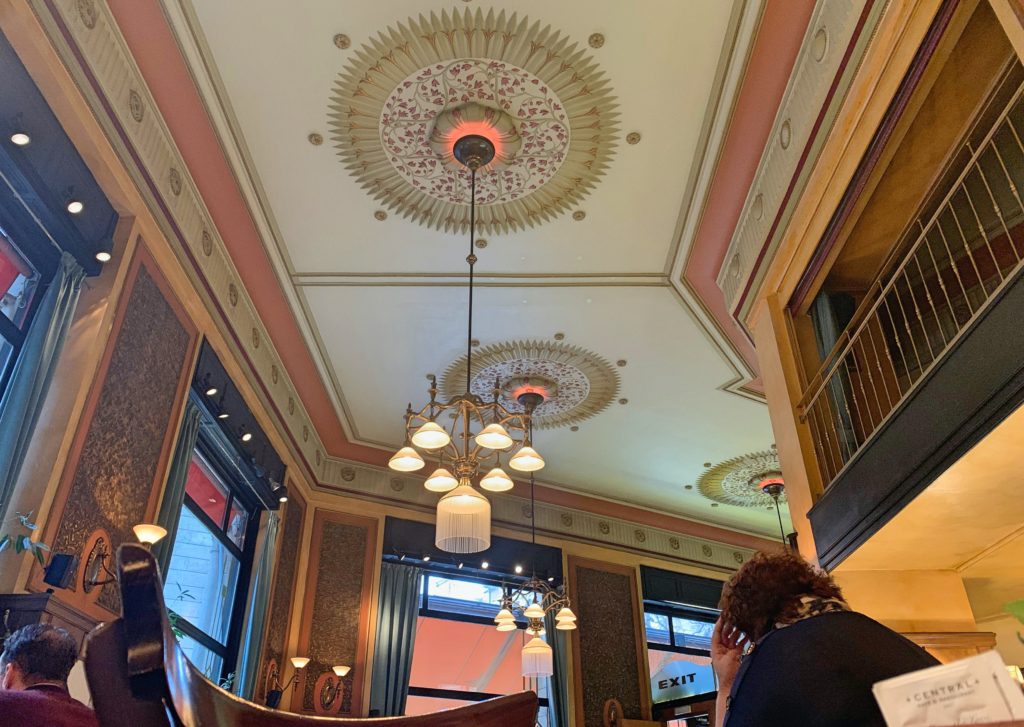
The golden age of Budapest’s famous coffeehouses was at the end of the 19th and the beginning of the 20th century. Today, we are once again seeing a renaissance of coffeehouse culture — and Budapest remains a city where cafés are deeply connected to everyday life, culture, and history.

Hungarians have always loved their coffee, but cafés here have traditionally been much more than places to drink it. I explore this unique relationship in more detail in my main article, We Love Our Coffee – And Our Coffeehouses, Too, which looks at why coffeehouses have played such an important role in Budapest for generations.

On my Budapest Foodie Tour, we usually visit different historic cafés, giving travelers the chance to enjoy Hungarian coffee and cakes while discovering the stories behind these iconic places.

About the Book Café Budapest

Book Café has always been one of the most special and memorable café spaces in Budapest. Hidden inside a 20th-century department store on Andrássy Avenue, it surprised visitors with a breathtaking historic interior — high ceilings, ornate frescoes, and a grand atmosphere that felt more like a palace than a café.

Sitting in Book Café was an experience in itself. It was the kind of place where you could easily forget time, surrounded by books, elegant architecture, and the quiet hum of conversation. For many visitors, it was one of the most unexpected highlights of Budapest’s café scene.
Unfortunately, both the building and the café are currently closed, and at the moment there is no confirmed reopening date. Although it cannot be visited right now, Book Café remains one of the most talked-about historic café interiors in Budapest and an important part of the city’s coffeehouse heritage.

I sincerely hope that this beautiful space will reopen in the future. Until then, Book Café lives on in memories — and in stories I love to share when talking about Budapest’s rich and ever-evolving coffeehouse culture.

I’m delighted to see how many people explore my beautiful Budapest as part of their river cruise. I know that while on a cruise travellers have very limited time to discover each place.

That’s the reason why I offer Shore Excursions, fully customisable driving and walking tours, so that each and every visitor can make the most of their time in Budapest. I know what the cruise companies offer on their tours, and I’ll make sure I see you much more when you decide to book a private tour with me. The tours include driving and walking tours in both Budapest and the beautiful Hungarian countryside.

Don’t hesitate to get in touch with me for further details or to book a tailor-made tour!


This really was a very popular tour but unfortunately the Trabant car is so terribly polluting that I decided to stop it. Now the same tour is available by car, I’m happy to offer the same experience with less impact on the environment.

This was not an easy decision for me, especially after my tour was featured in a French travel TV show but our planet’s and our kids’ future is more important than some business opportunities.


… and it breaks my heart. I realise it’s a very delicate situation and every country’s government is responsible for the measures they’re taking. But I’ve also seen how differently other governments are dealing with the pandemic and only few of them decided to say no to tourists, brave and enthusiastic travellers who, despite of the spreading of the virus were still considering visiting my Beautiful Budapest.

This is all over for now, indefinitely, for 1 or 2 months, we don’t know. I’ll of course continue delivering Virtual Tours for the time being but I’ll miss terribly the real tours, the real adventures and the real people I’ve had the chance to work with these last couple of months.

You’ll find below a gallery of stunning pictures taken by one of my travellers, Jessica with whom I’ve had the chance to explore Buda, Pest and the cute little town of Vác last week.

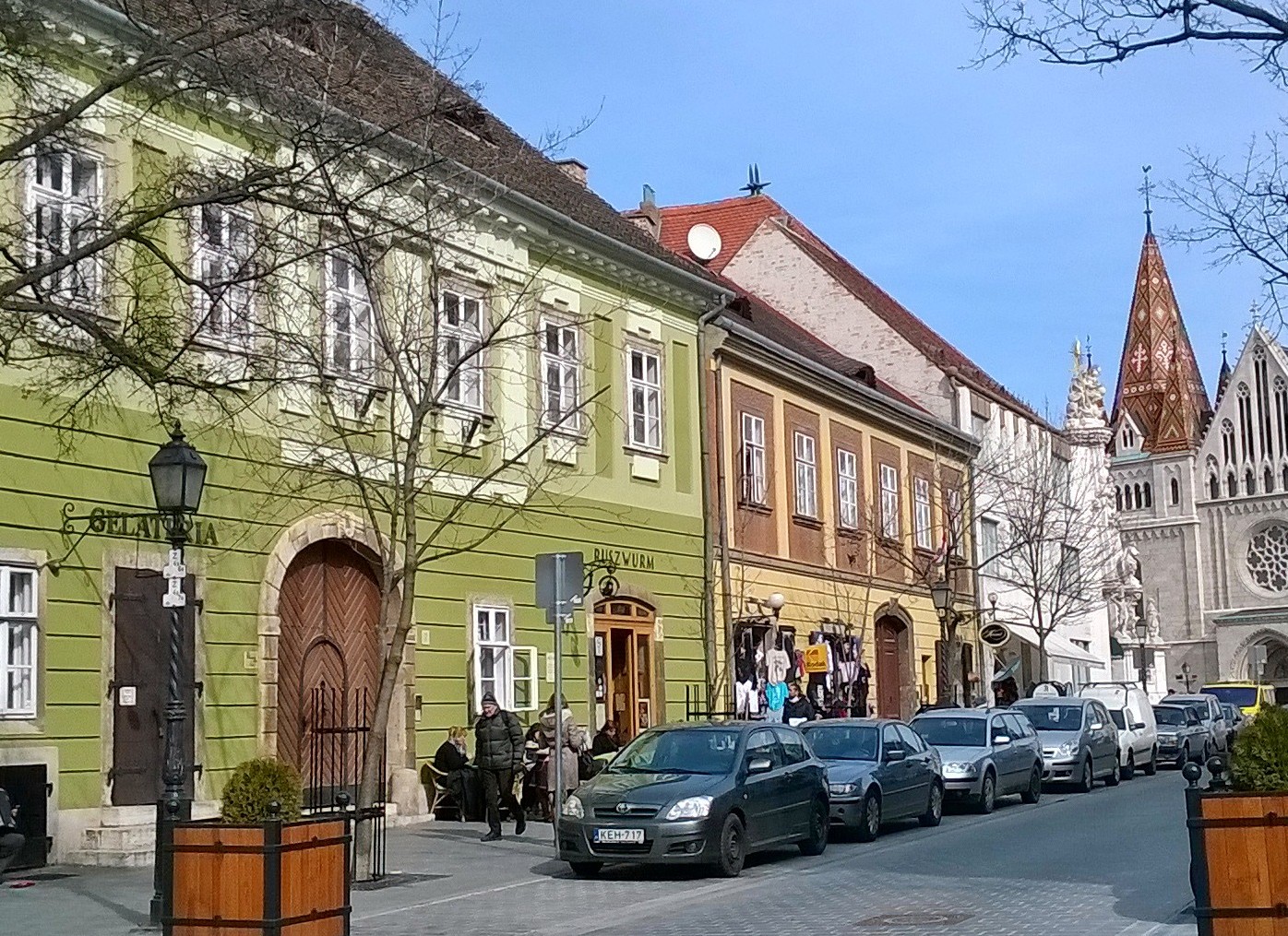
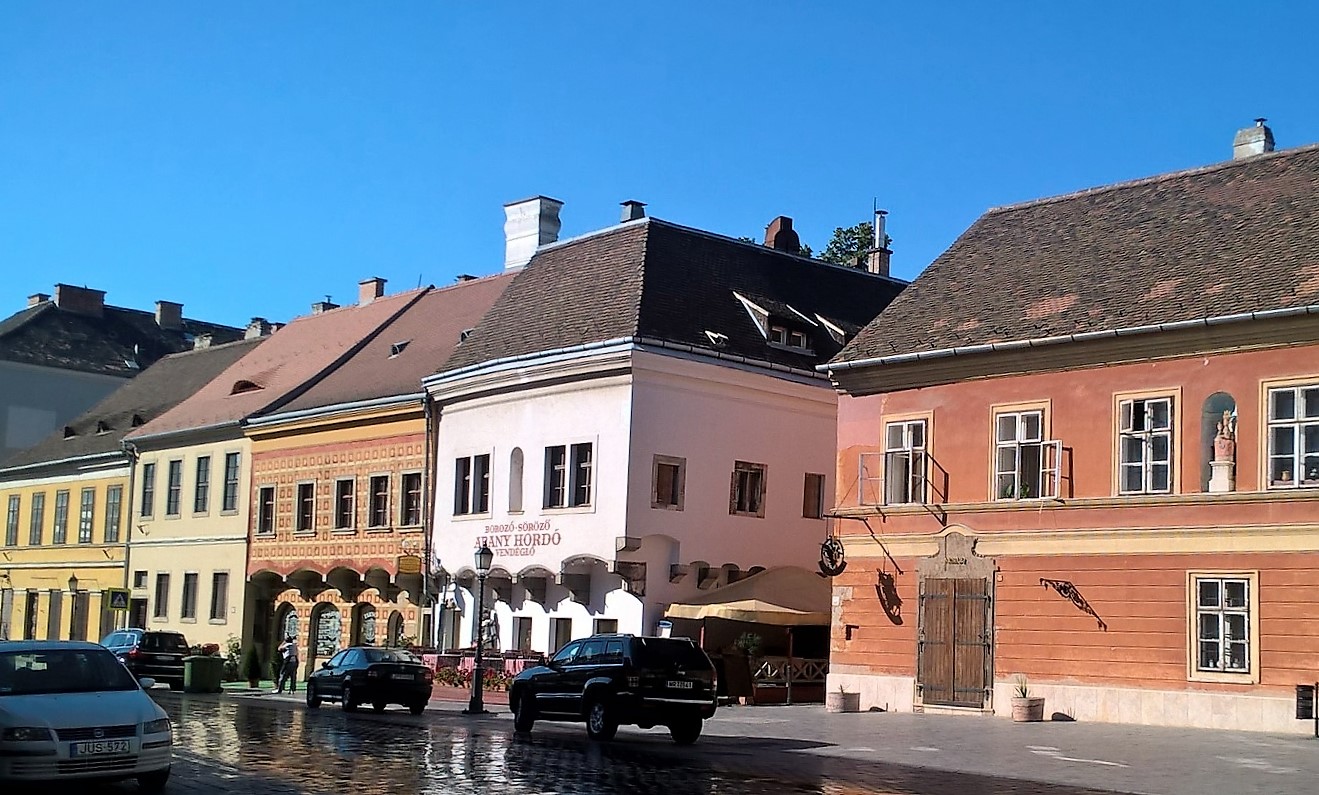
I’ve decided to share this blogpost originally from 2016 because my experience is that the Buda Castle District of Budapest is the most popular choice for the virtual tours. Most of the attractions below are to be seen during the tour and I’m happy to discuss the special architecture, culture and traditions of this beautiful neighbourhood. Feel free to contact me for further details on live or virtual tours!

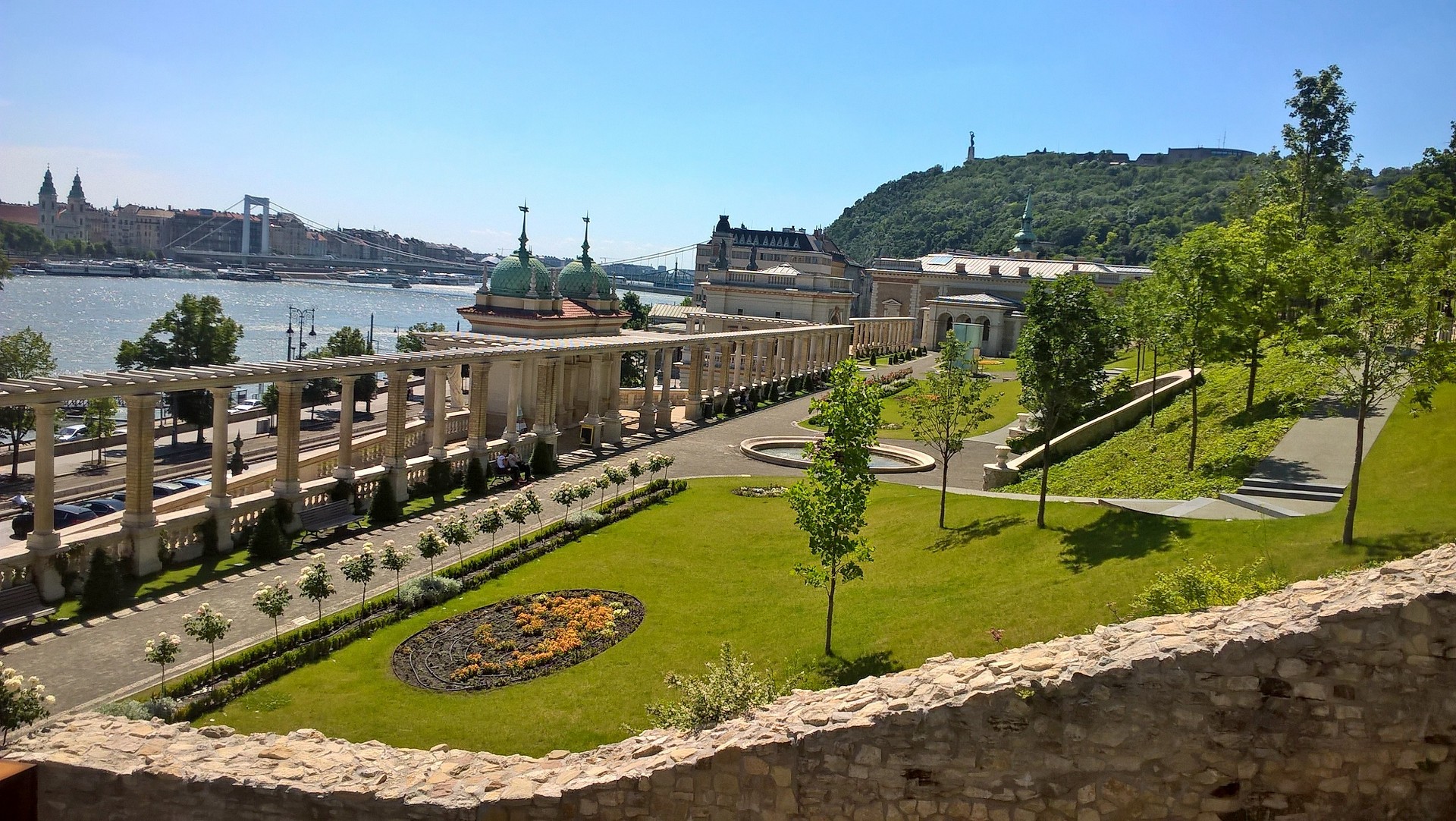
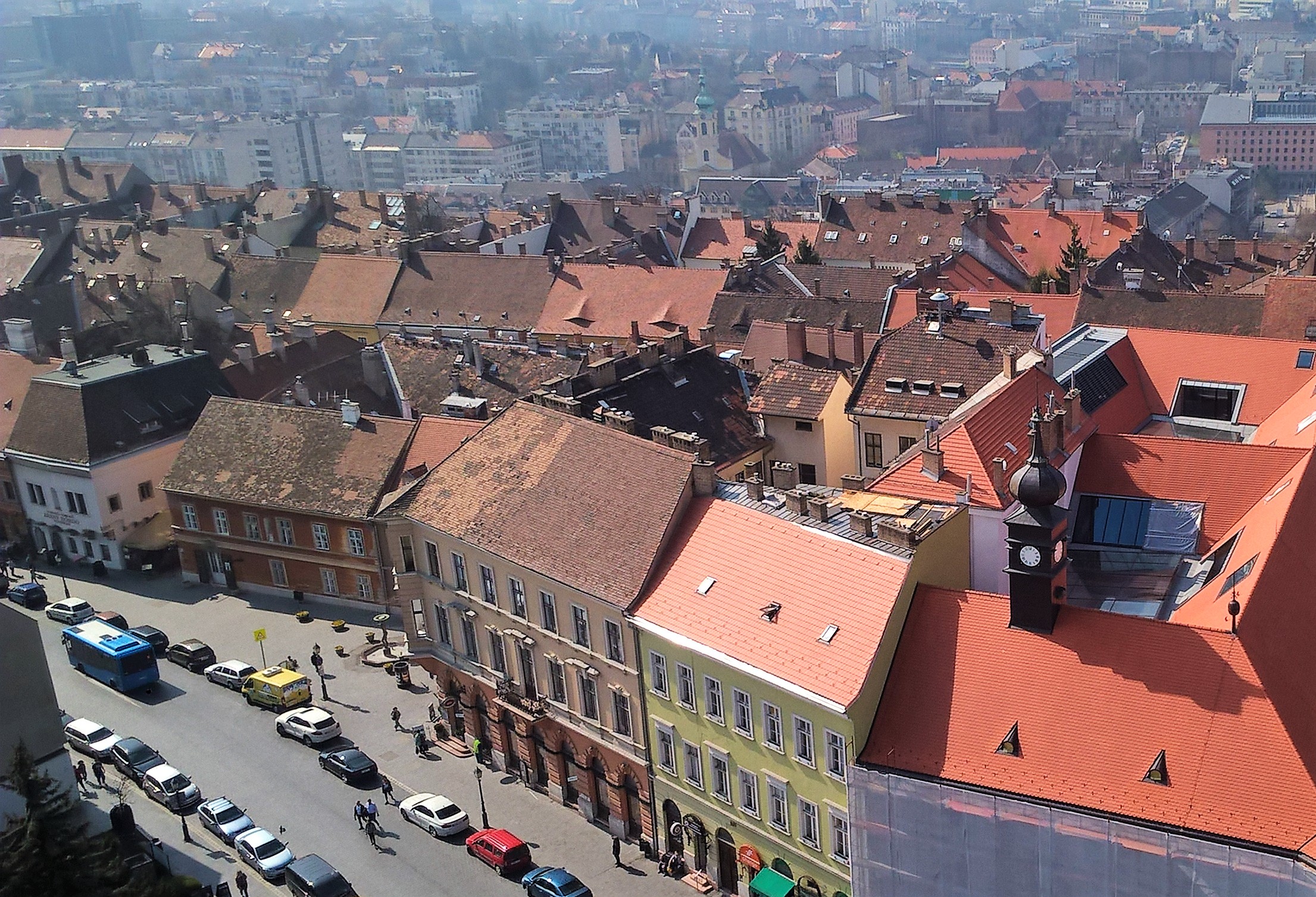
The Buda Castle district is the oldest part of Buda, many of the buildings are originally from the Middle Ages. Buda became the capital of Hungary by the middle of the 13th century, the castle and the medieval town were constructed in the top of the Castle hill.

I don’t want to disappoint you but The Castle district is not a real castle. The Hungarian Medieval castle, residence of many of our great kings, constructed in Gothic and Renaissance architectures was destroyed in the 17th century. Only some parts of it are accessible in the Budapest History Museum, unfortunately the rest of the castle rest in the ground now.

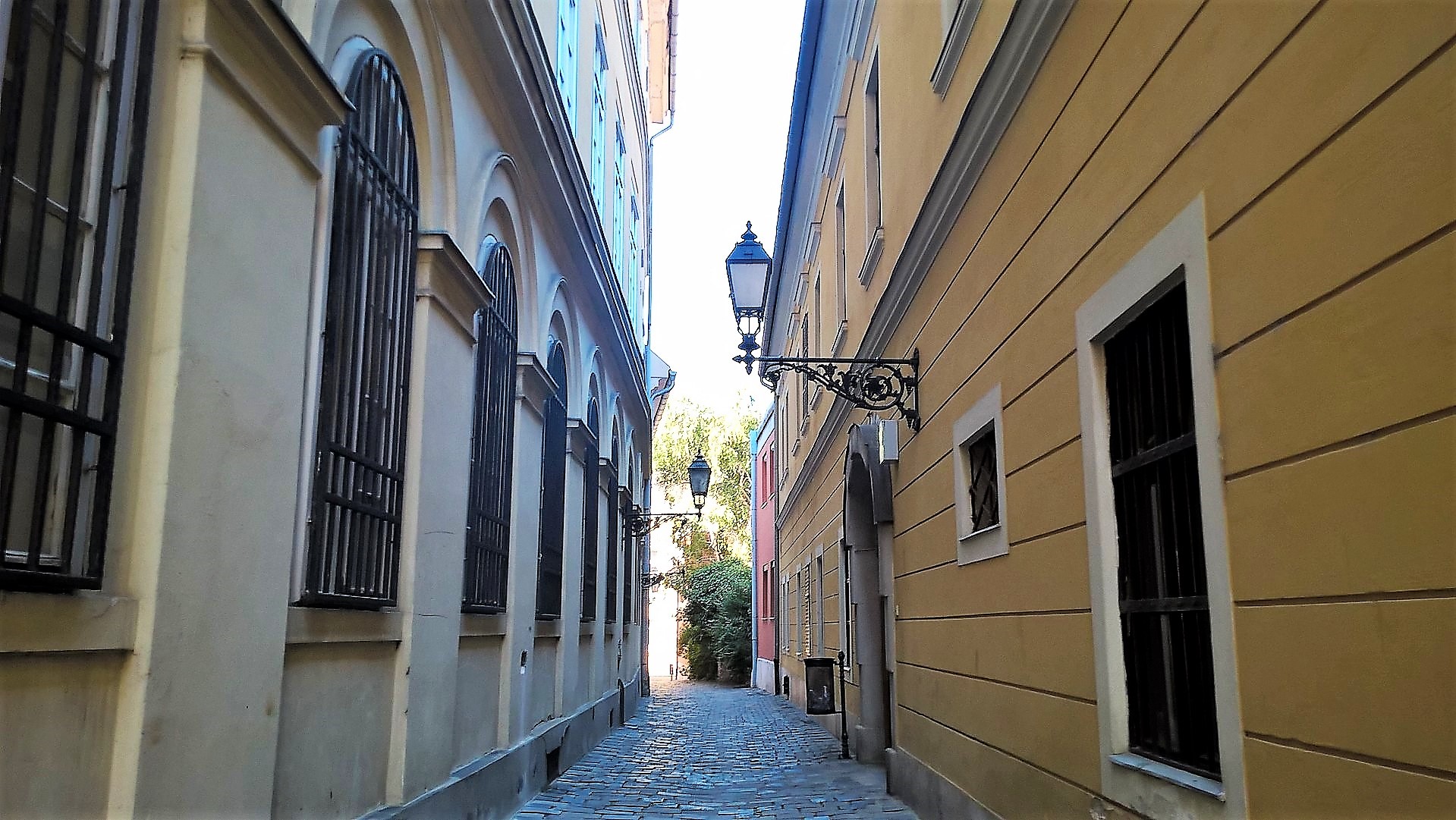
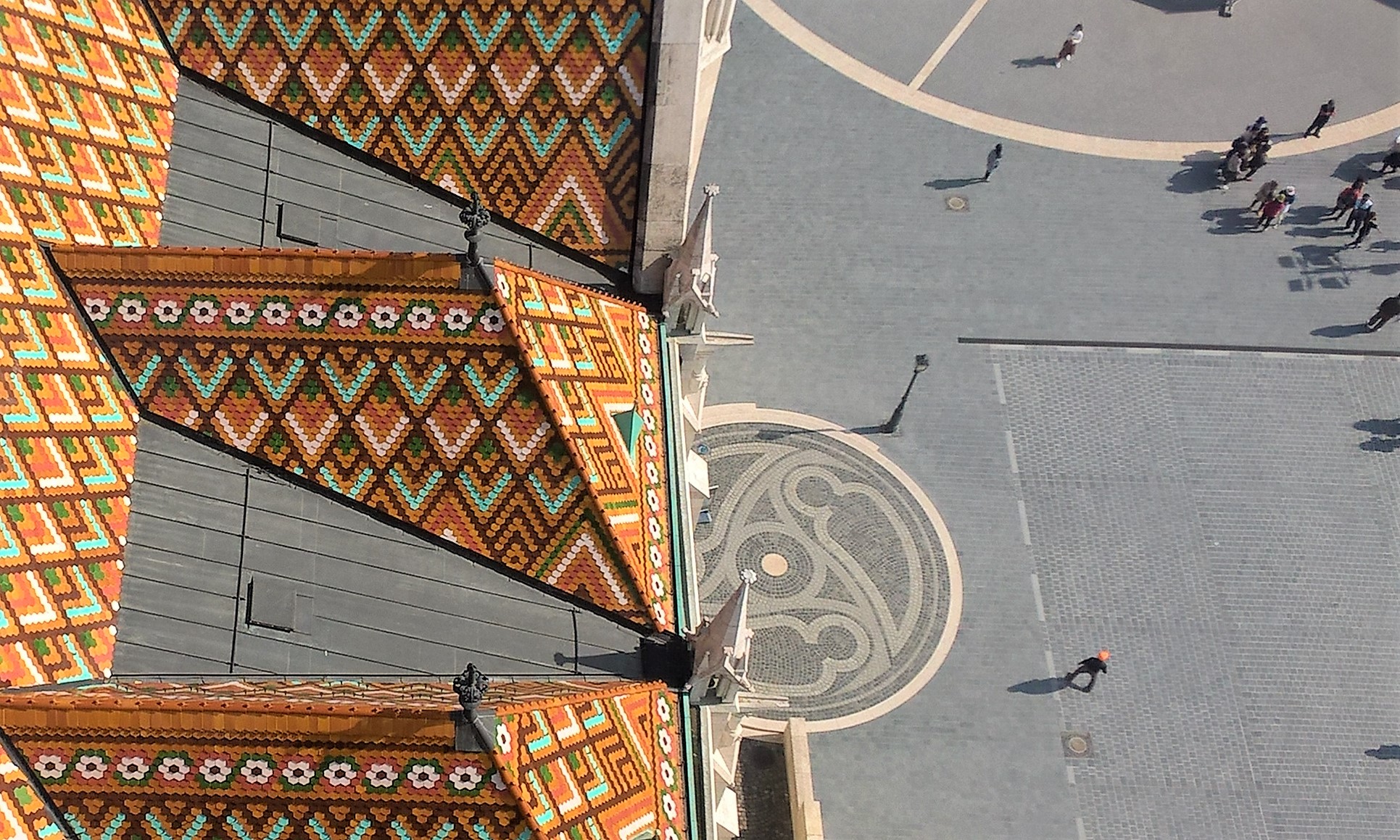
You can walk up the hill along the ramparts of the Medieval Castle to get to the 18th century Baroque Palace which houses the Budapest History Museum and the National Gallery. The cobblestoned streets of the historical old town of Buda lead you to the Matthias Church, one of the oldest churches of the city originating from the 13th century. If you have some time, you really need to climb the 197 stairs to the church tower from where you can have the best view over our beautiful city.

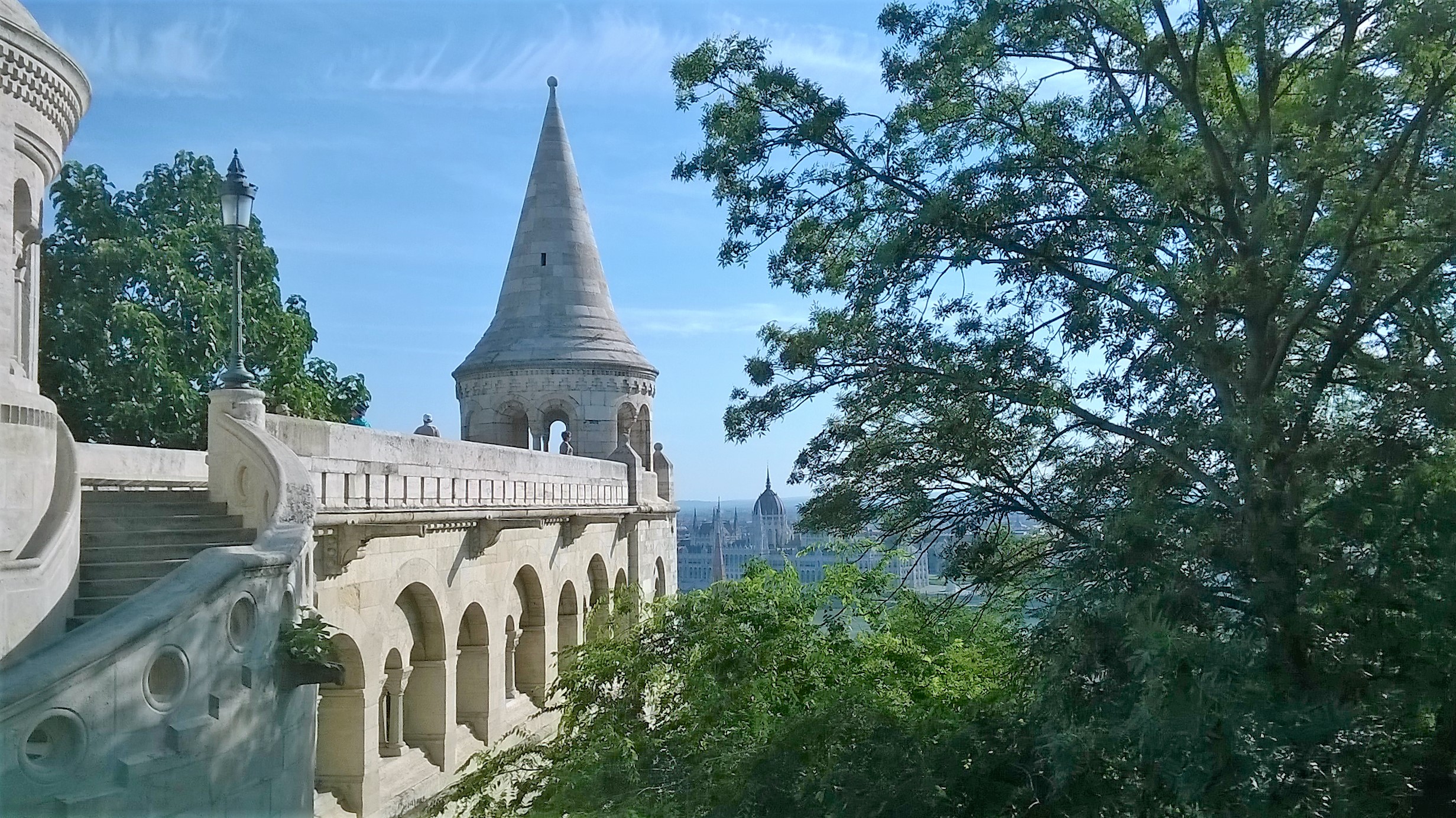
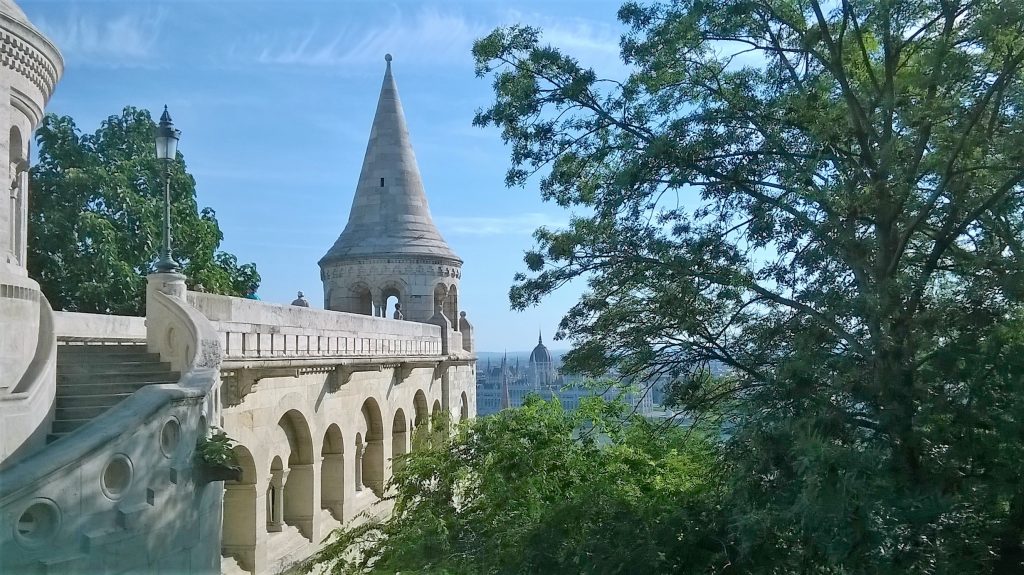
From the top of the Fisherman’s Bastion you can enjoy the panorama over the Parliament building and the Pest side.

Continue your walk in the civilian town, admire the unique architecture of the National Archives and wonder around the old Jewish quarter. Probably the most interesting fact about the distric is that there is a 12 km long underground cave and cellar complex underneath the Castle District. There are 2 museums where you can discover this unique labyrinth. The Hospital in the Rock was a military hospital during WW2 and a nuclear bunker during the Communist era. The Labyrinth museum is all about scary fun and you might also meet Dracula, the infamous vampire count.

I’d be glad to show you the famous attractions and the hidden treasures of the neighborhood, too, book the Buda Castle walk!

Most of the inquiries I’m getting these days are about information on how one can enter Hungary in light of the spreading of COVID-19. It seems to me that the general information available online is mostly in Hungarian and it’s not exactly easy to understand for most of travellers.

So, here are the latest news and latest rules for you.

The government of Hungary has been applying a colour-based categorisation depending on how serious the spreading of the virus is in the country of origin since the 15th of July. The three colours are green, yellow and red and it determines the rules of entry to Hungary. In case of transfer passengers the country of origin is applicable.

Travellers arriving from GREEN countries are:

  • allowed to enter Hungary without restrictions,
  • if they have symptoms of the infection within 14 days after entry, then they can’t leave their actual residence, and must notify the epidemiological authority immediately.

Travellers arriving from YELLOW countries:

  • have to undergo medical examination upon entry
  • if there is a suspicion of infection, the travellers are not allowed to enter Hungary
  • if no such suspicion arises, travellers are allowed to enter, but it is mandatory for them to go to home quarantine for 14 days.
  • no quarantine is needed if travellers have 2 negative SARS COVID tests (in English or in Hungarian) that were taken consecutively within 48 hours of each other and up to 5 days prior to entering Hungary

Travellers arriving from RED countries are not allowed to enter Hungary in passenger traffic.

The good news is that the spreading of the virus in Hungary is still under control and we don’t see sudden increase in the number of infections. As of today there are 4,465 registered cases and 596 people died.

I’d say that it’s still relatively safe to visit Budapest and visit Hungary, if you do so, don’t hesitate to get in touch with me to book a private social distancing friendly tour, 100% safe, 100% fun. If you decide to stay at home, I’m still here to offer you a virtual experience.

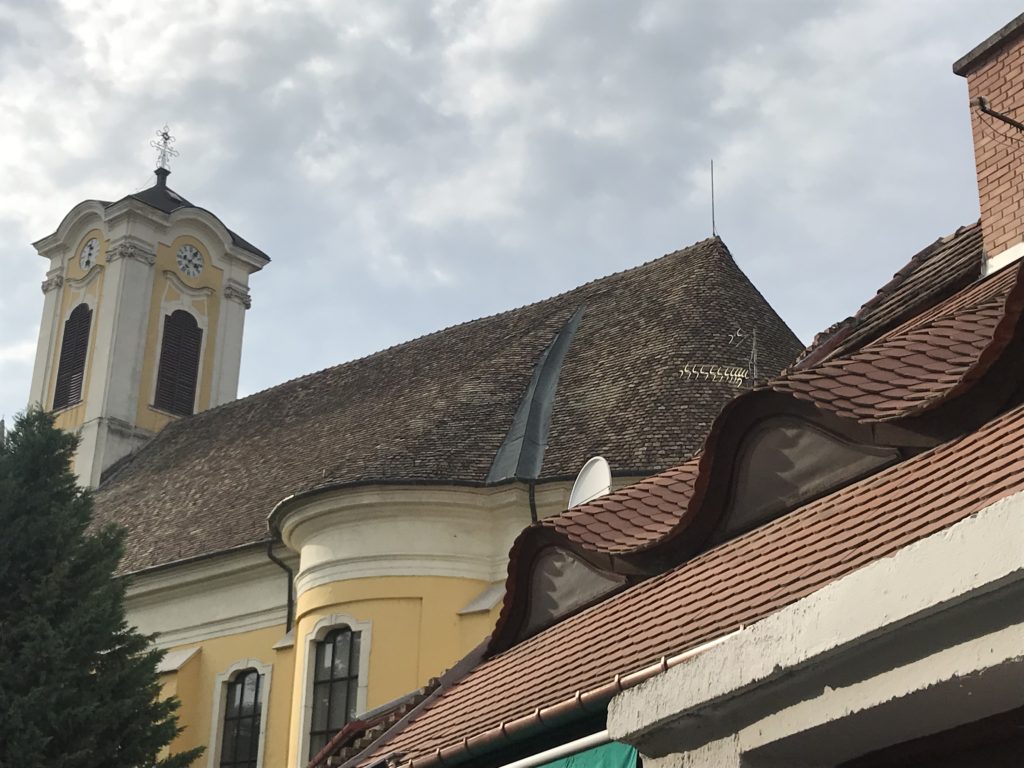
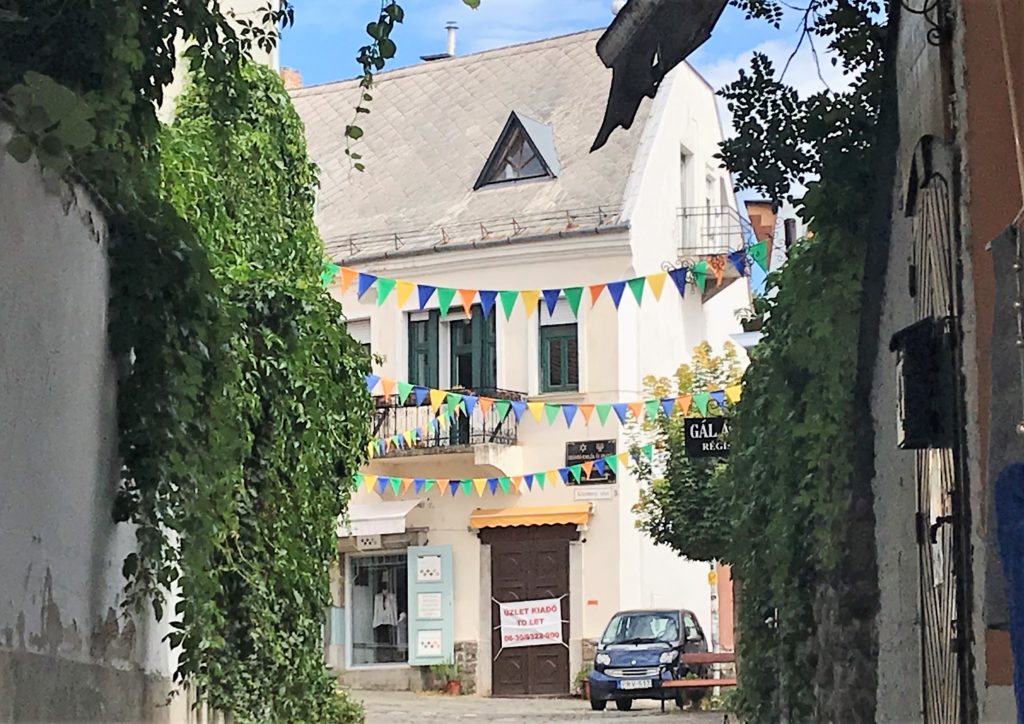
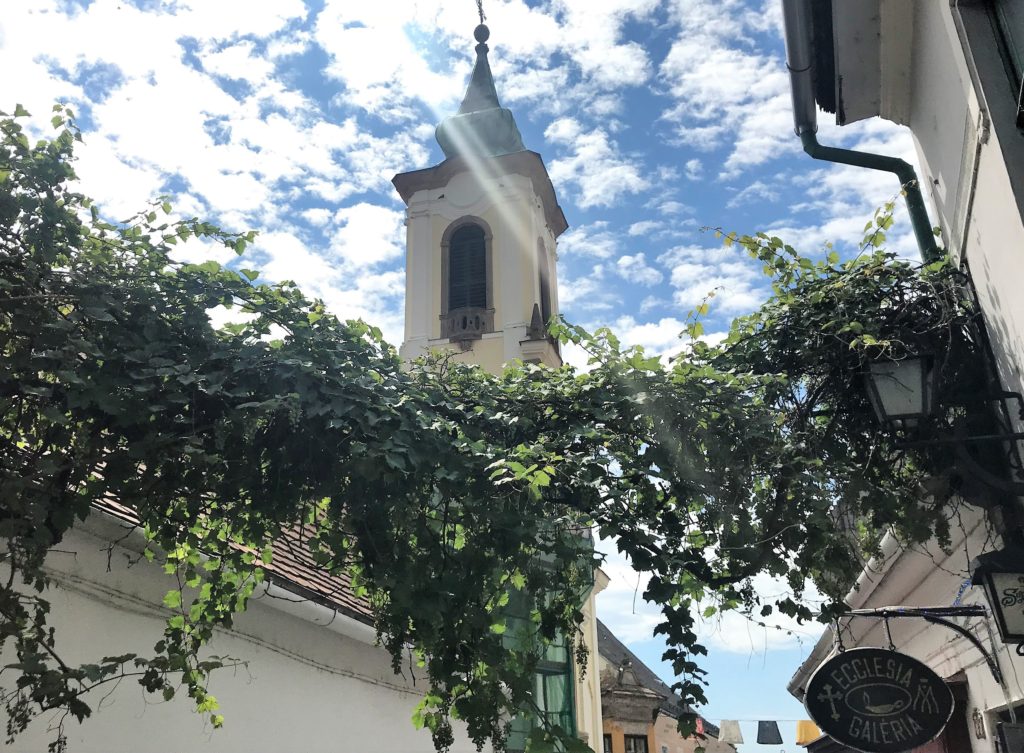
I’m posting a lot of pictures of Szentendre on my Instagram, this is such a lovely little town and is only a 30-minute drive from Budapest. It’s a popular destination for both locals and visitors.

I’m currently putting together an itinerary of a few tours for a traveller’s request in September and got the idea to include a countryside tour in my Social Distancing tours. So, here it is, 100% safe and social distance friendly, a private driving tour to Szentendre.

My Szentendre tour is a great combination of history, architecture and culture, the Baroque style little town that has inspired many generations of Hungarian painters and sculptors.

The village has a really unique Mediterranean atmosphere and stunning Baroque architecture. Its charm is due to its colorful houses and cobblestoned streets. The town is full of art galleries, cafés, restaurants and souvenir shops. We’ll see beautiful Baroque architecture, small shops and the sweet Marzipan museum. You’ll have a magnificent view over the city from the top of the church hill and will witness 1000 years of history and culture. You’ll also have the option to taste some local treats or coffee and to do some souvenir shopping.

This is a very personal note as I think it’s time to say THANK YOU. It’s hard for me to express my gratitude for everything I’ve been given these last four months.

I truly appreciate the kind words, support, phone calls, virtual tours and cooking classes, donations and all the great advice I’ve gotten so far. Thank you for postponing the tours instead of cancelling them. Thank you for booking tours in 2021, my calendar is filling up fast and I’m very happy. This is actually giving me more trust and strength to continue and to give the very special Budapest experience to all my travellers.

I know that for most of you travelling to Europe is not possible right now so I’m still offering virtual tours. Also, I’m certain that in the not very far future we’ll meet in person, we’ll shake hands and we’ll walk together around my Beautiful Budapest.