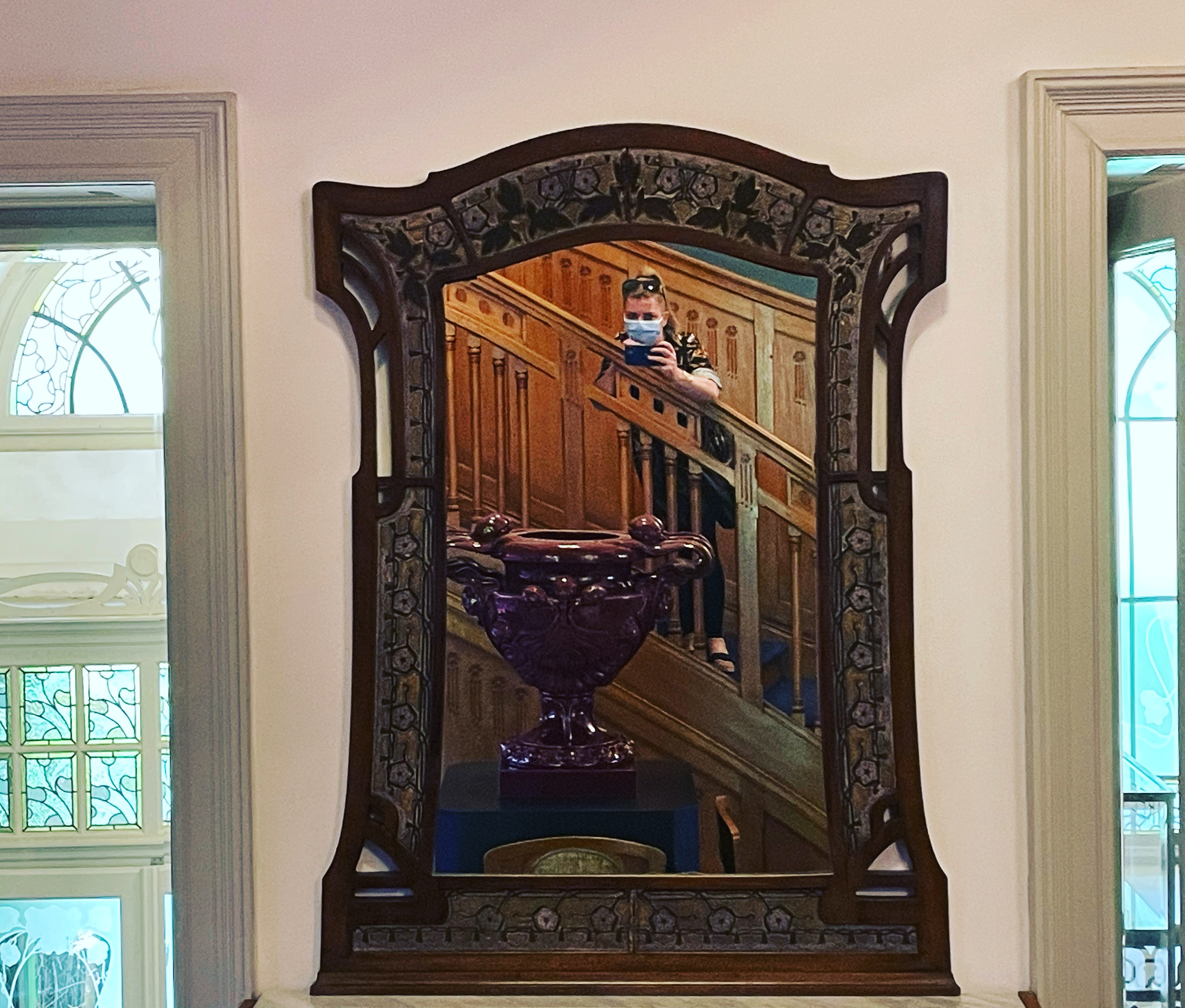
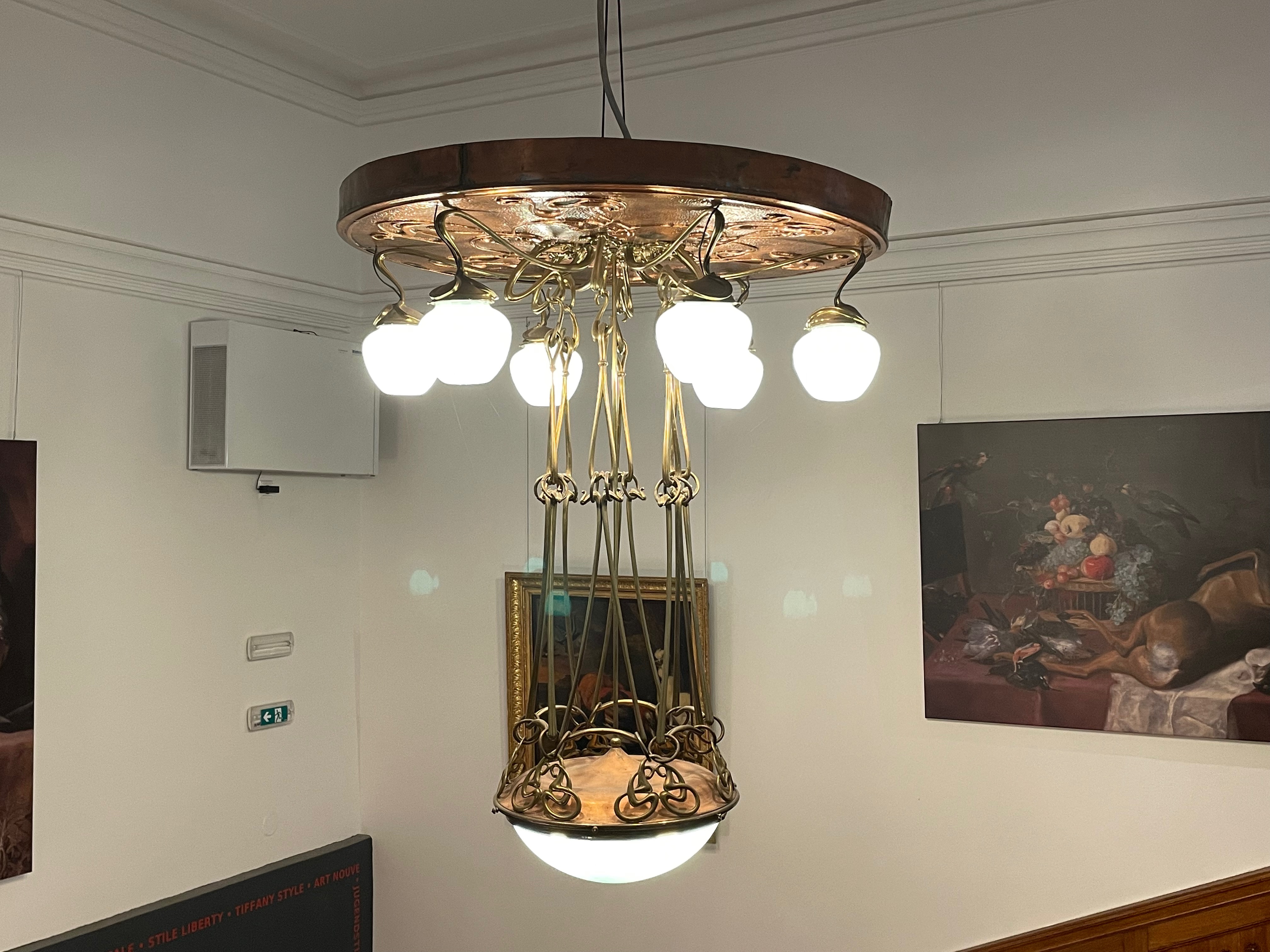
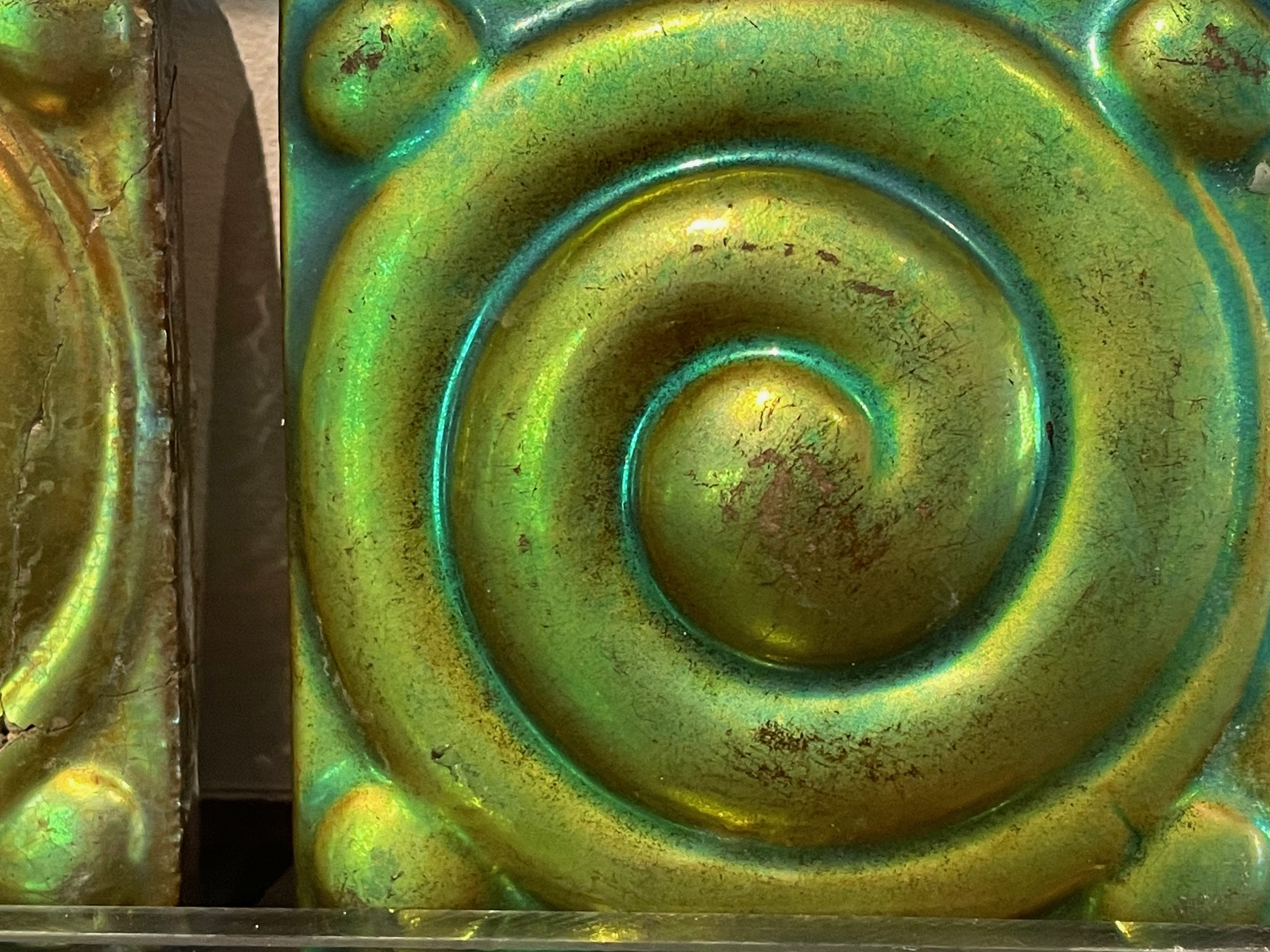
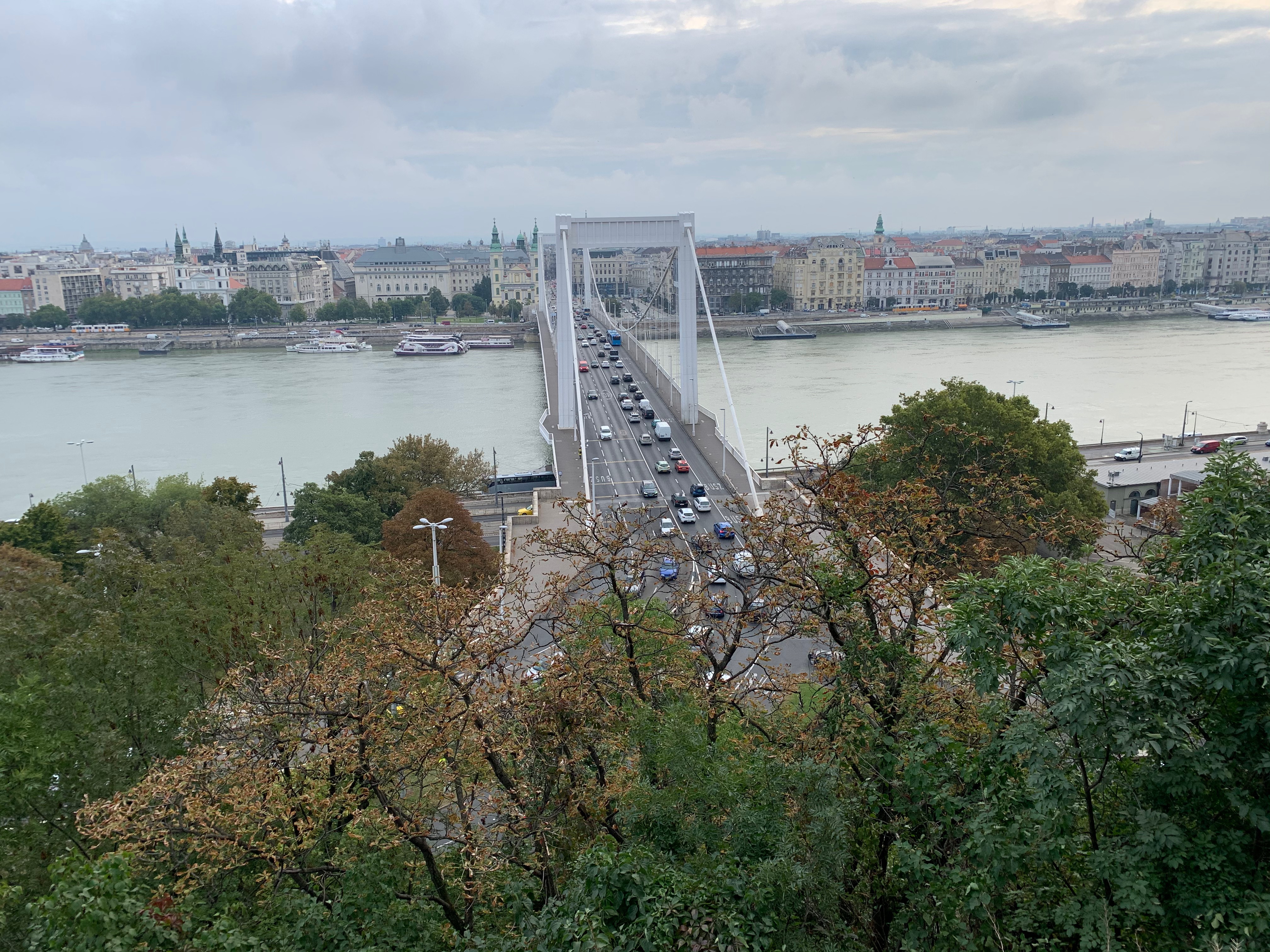
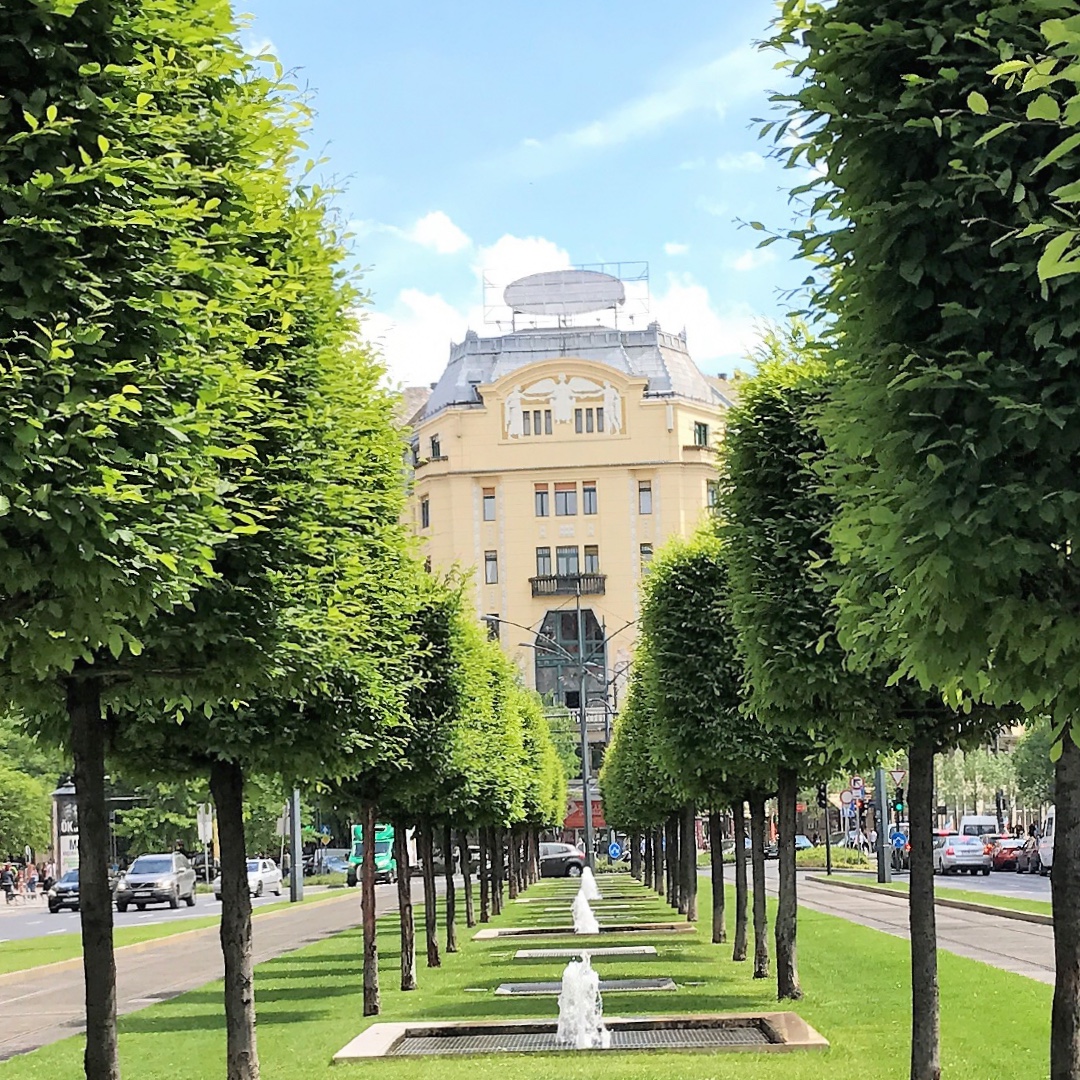
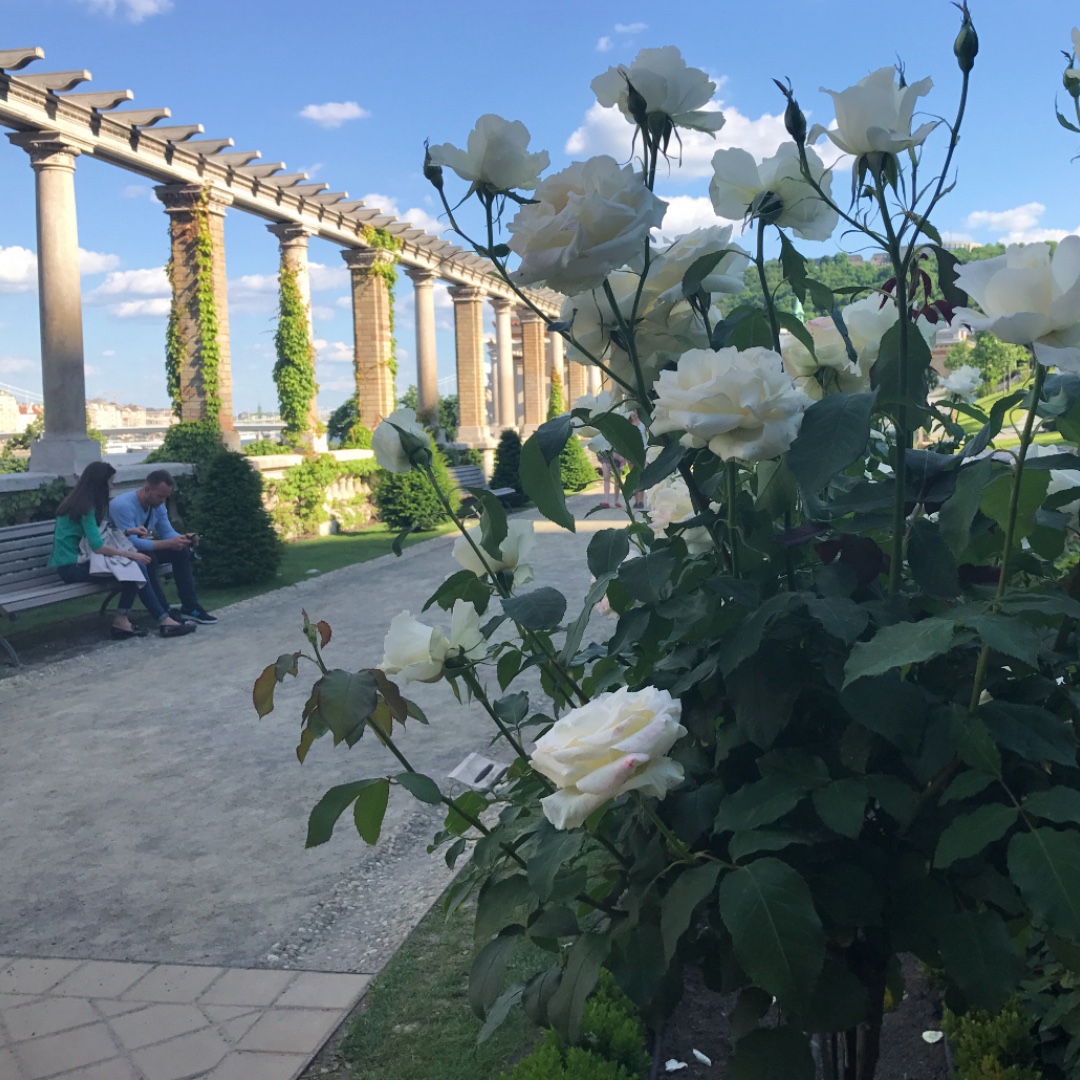
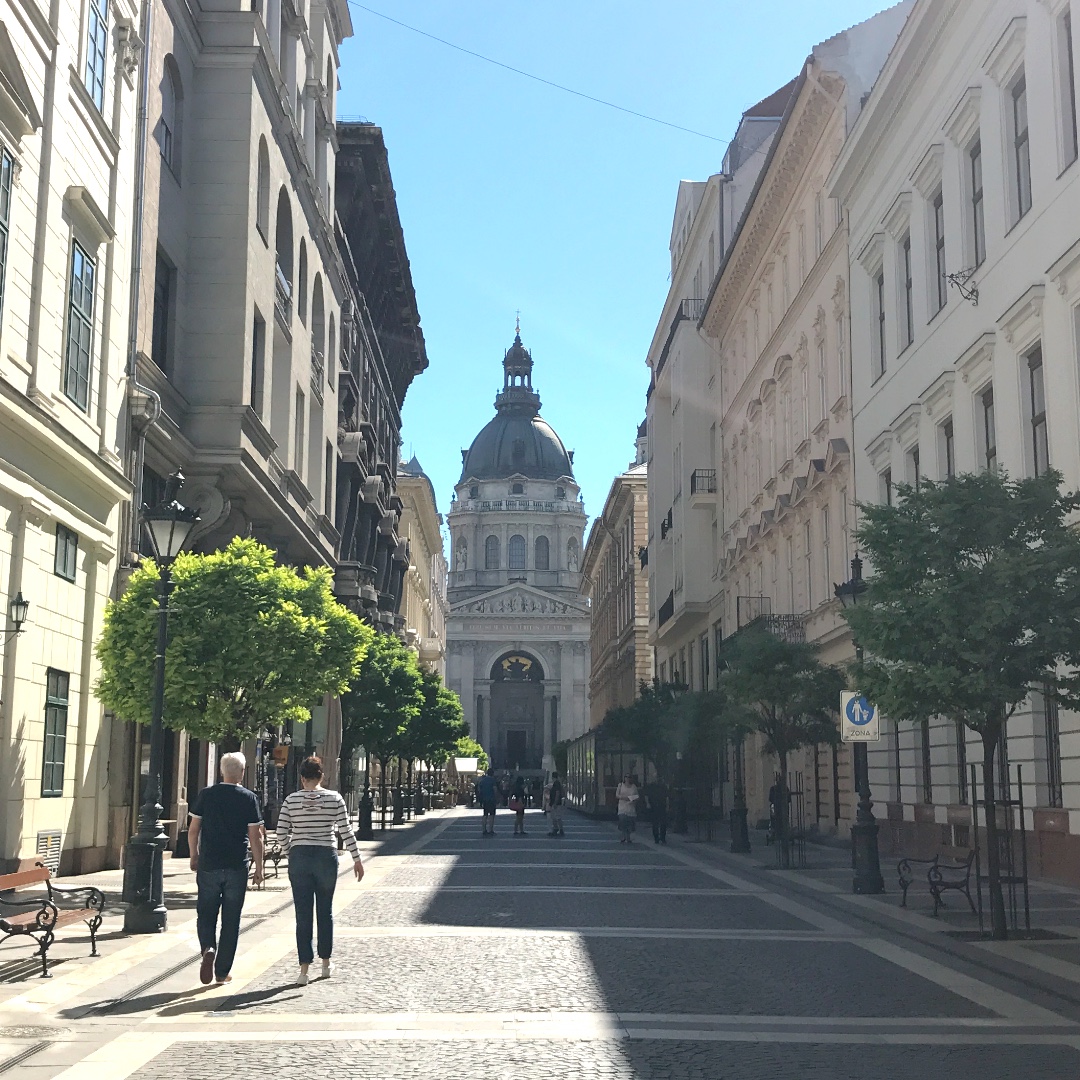
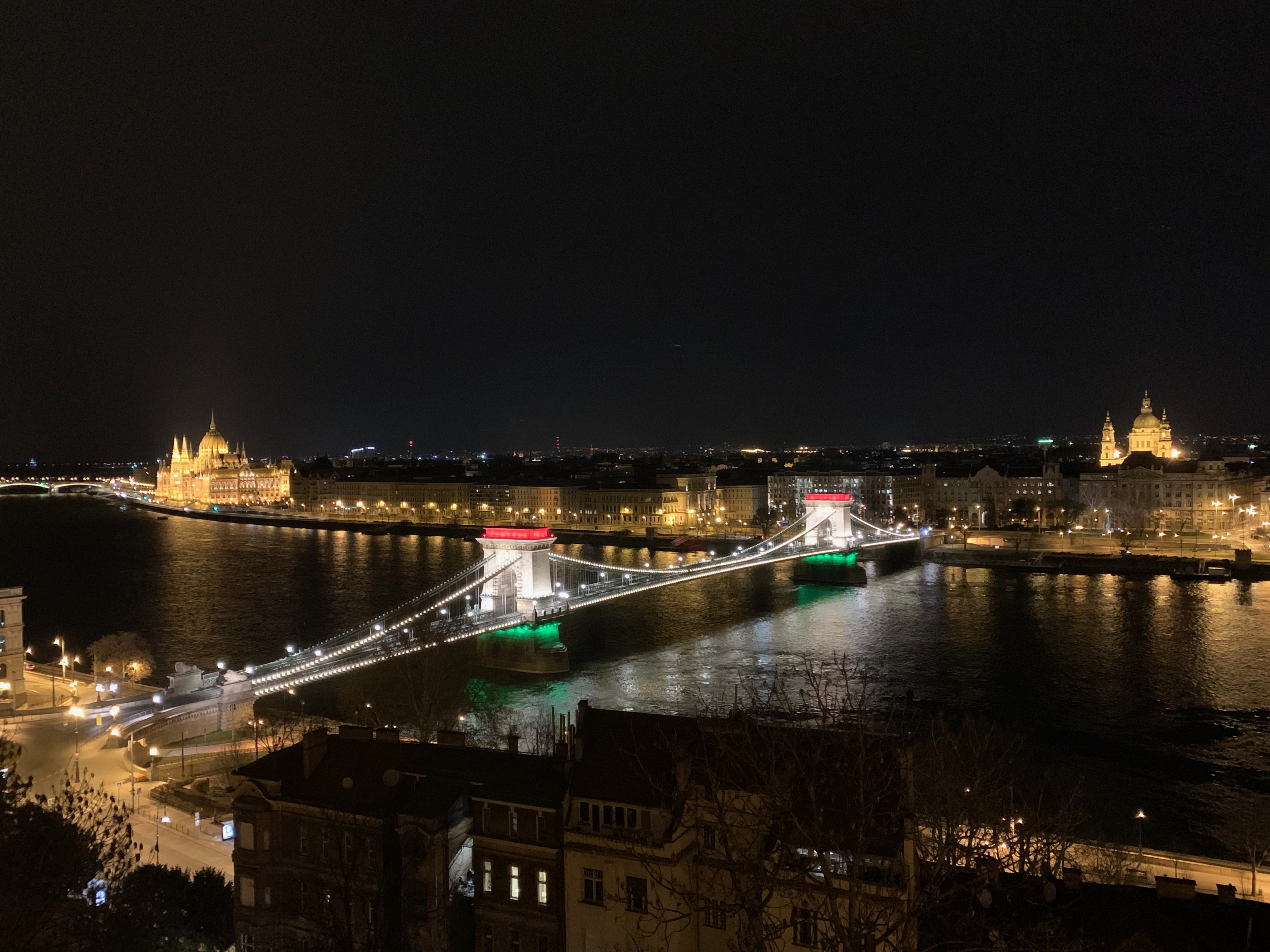
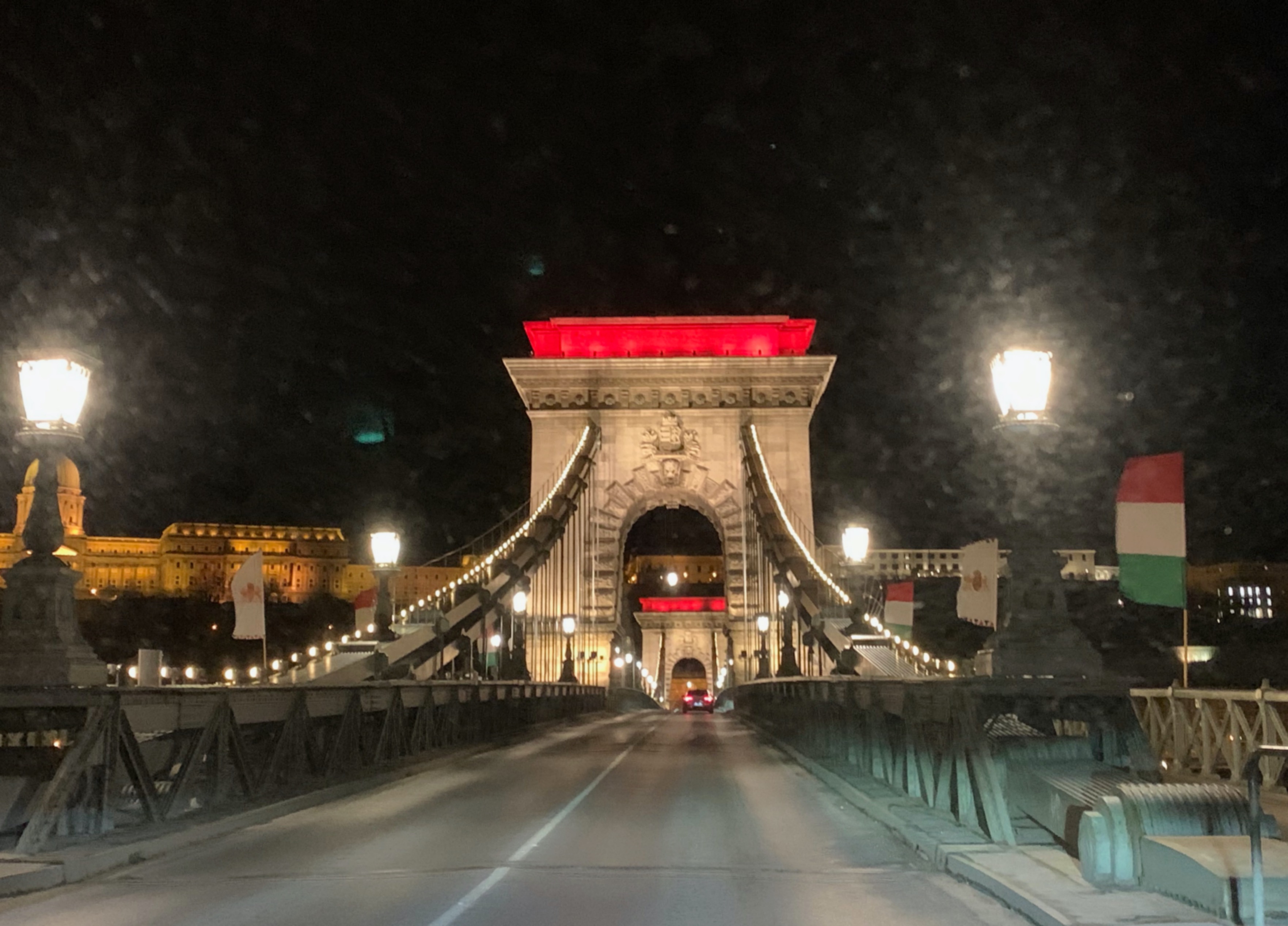
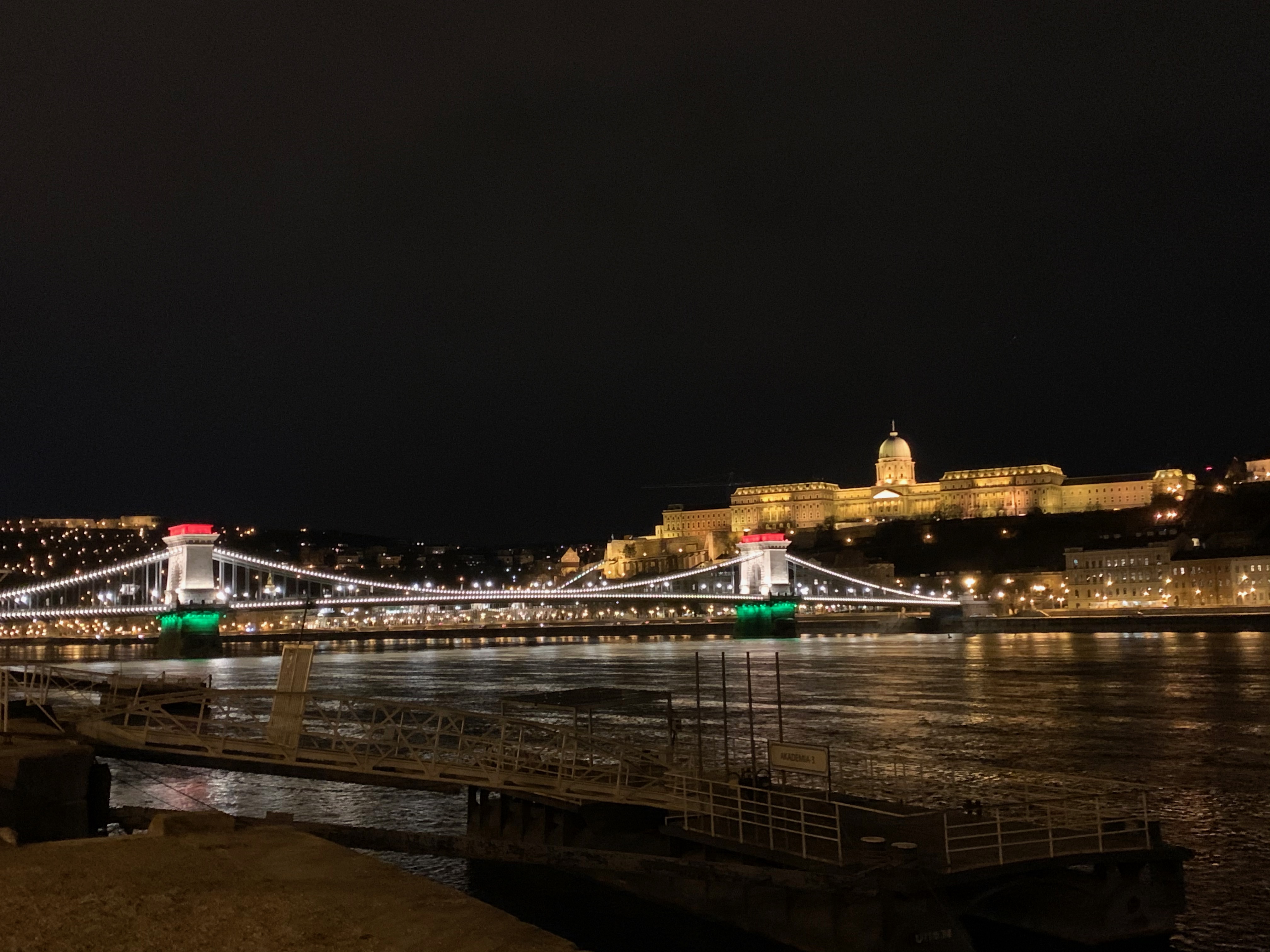
Sometimes it's hard to get out of bed in the morning but by the time I get to downtown Pest for a tour I'm the most grateful to live in the most beautiful city of the world.
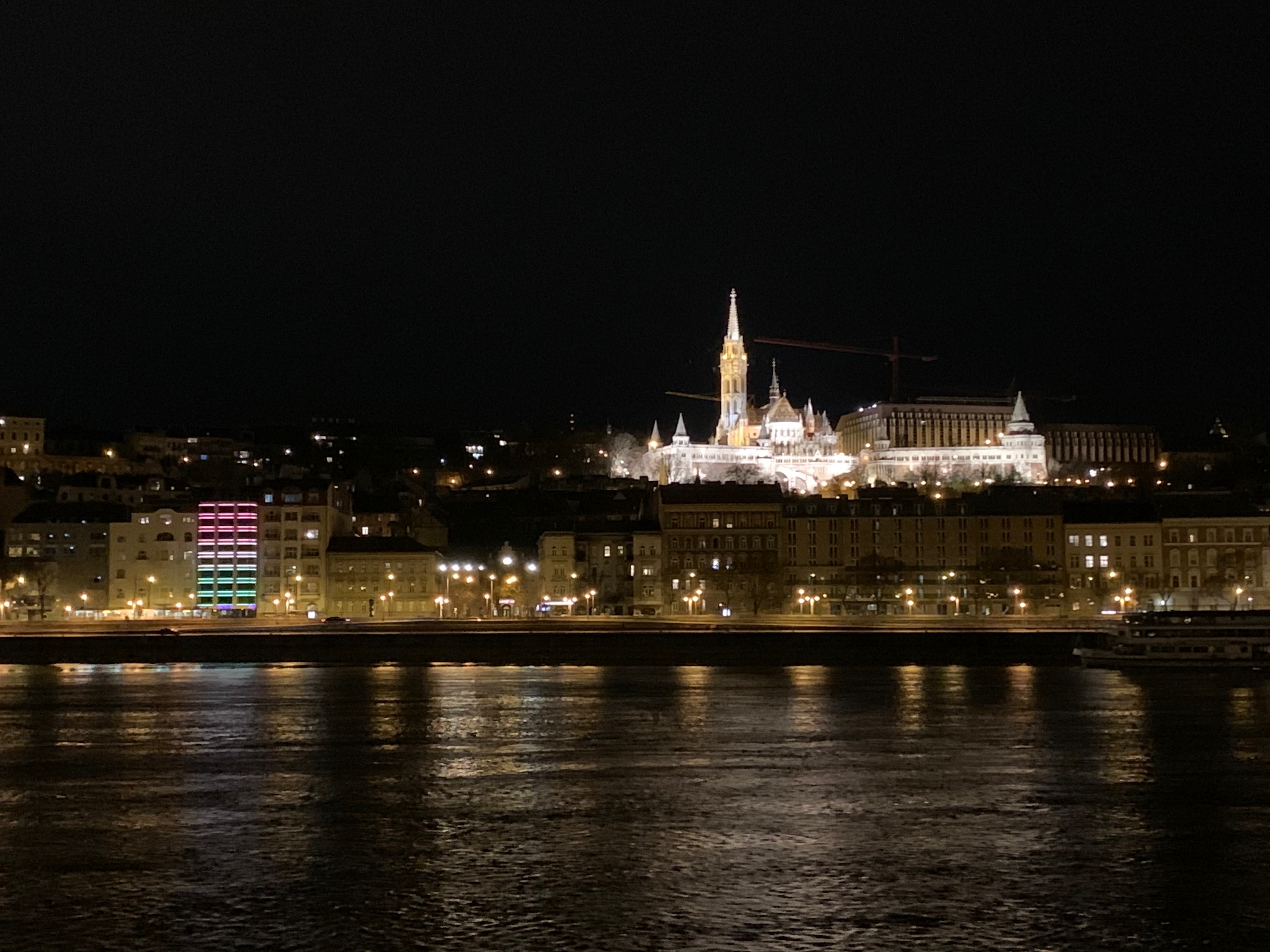
Sometimes it’s hard to get out of bed in the morning but by the time I get to downtown Pest for a tour I’m the most grateful to live in the most beautiful city of the world.
It really is a great time to visit Budapest, the colours of autumn are simply magnificent and there aren't big crowds of tourists at the hot spots. Book a tour or let me know if you're interested in a custom itinerary!
It really is a great time to visit Budapest, the colours of autumn are simply magnificent and there aren’t big crowds of tourists at the hot spots. Book a tour or let me know if you’re interested in a custom itinerary!
It's always nice to watch the fireworks from the balcony - the advantages of living on a beautiful hill in Buda. St. Stephen's Day (20th of August) is a national holiday in Hungary and the day's celebrations are crowned every year by amazing fireworks at night.
It’s always nice to watch the fireworks from the balcony – the advantages of living on a beautiful hill in Buda. St. Stephen’s Day (20th of August) is a national holiday in Hungary and the day’s celebrations are crowned every year by amazing fireworks at night.
I love my Gödöllő-Hollókő tour for many reasons, one of those being that I'm truly fascinated by the beauty of the Baroque Palace of Gödöllő. There are so many things to fall in love with: the architecture, the style, the colours, the details. It really is special because throughout the tour one has the impression to travel back in time to the 19th century. On our very last visit earlier this month we were being guided by Queen Sissi - the wife of the Austrian Emperor Franz Josef which has made our tour even more remarkable.
I love my Gödöllő-Hollókő tour for many reasons, one of those being that I’m truly fascinated by the beauty of the Baroque Palace of Gödöllő. There are so many things to fall in love with: the architecture, the style, the colours, the details. It really is special because throughout the tour one has the impression to travel back in time to the 19th century.
On our very last visit earlier this month we were being guided by Queen Sissi – the wife of the Austrian Emperor Franz Josef which has made our tour even more remarkable.
The lake Balaton is the number one destination of Hungarians in the summer months. It’s the greatest freshwater lake in Central Europe and is famous for its wine regions, cute little villages, beautiful castles and of course the magnificent views over the lake.
You can book the tour or contact me for further details. I’ll make sure to include in the itinerary all the sights you would like to see.
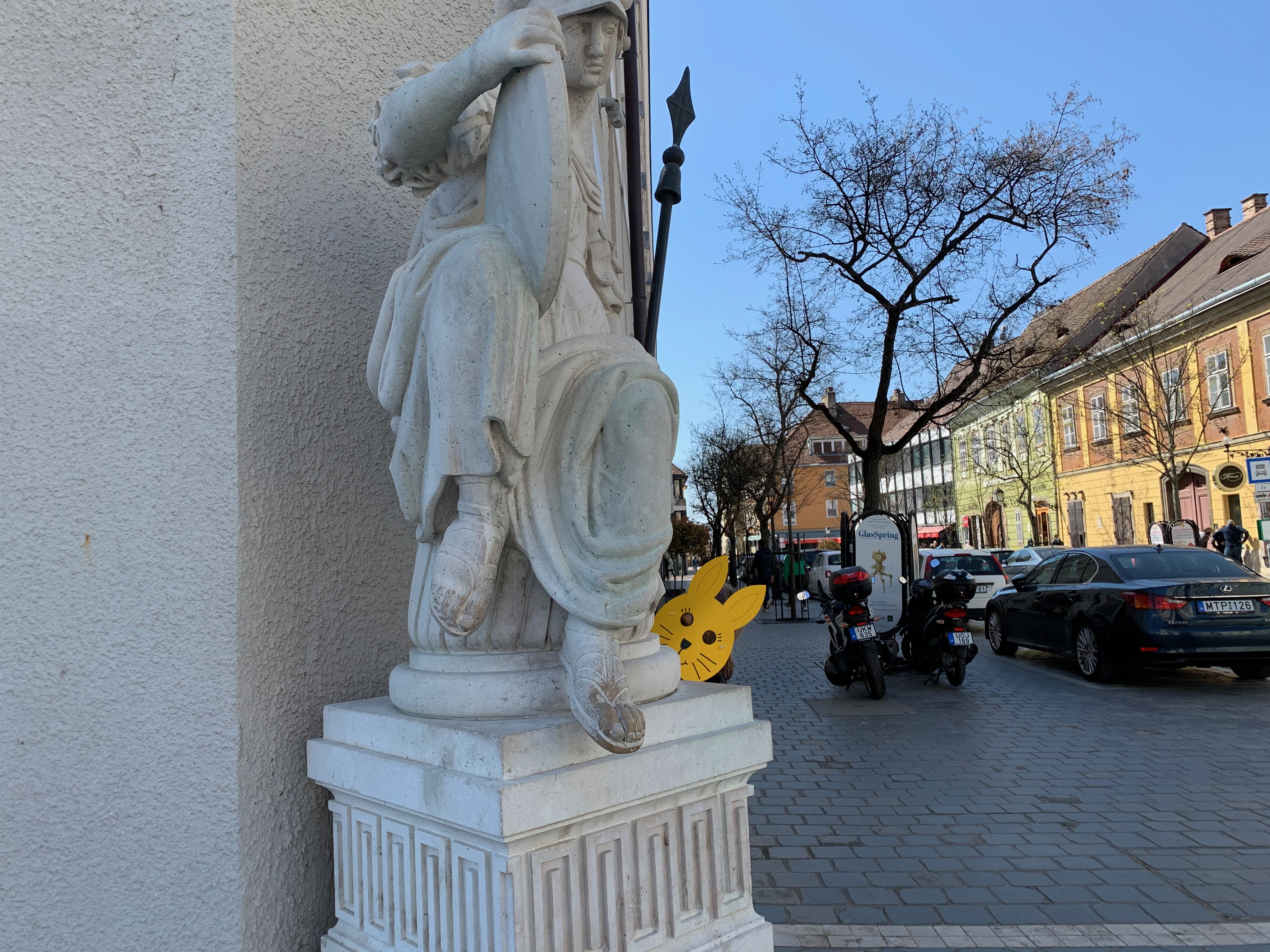
If you walk along the Danube in Pest, the area around the Hungarian Parliament is filled with symbols of Hungarian identity — and one of the most striking is the equestrian statue of Count Gyula Andrássy. This sculpture is part of my ongoing Statues of Budapest series, where I introduce both famous monuments and smaller details that add meaning to the city’s streetscape. Where is the Count Gyula Andrássy statue? The statue stands at the Hungarian Parliament building, in one of the most important public spaces in Budapest. Even if you’re only passing by for photos of the Parliament, it’s worth stopping for a minute: monuments here are carefully chosen, and Andrássy’s presence tells a very specific story about Hungary’s 19th-century political turning point. Who was Count Gyula Andrássy? Count Gyula Andrássy (1823–1890) was one of Hungary’s most influential politicians and statesmen. He played a key role in the events that led to the Austro–Hungarian Compromise of 1867, a major political agreement that created the Austro–Hungarian Monarchy. For visitors, this is where a statue becomes more than decoration: it highlights a moment when Hungary’s modern political structure took shape — and why this part of Budapest is so dense with national symbolism. Why an equestrian statue? Equestrian statues traditionally represent leadership, authority, and statehood. In Budapest, this visual language matters: statues around the Parliament are designed to communicate political continuity and historical legitimacy. Whether you love history or you simply enjoy reading the city through its monuments, Andrássy’s statue is a good example of how Budapest “speaks” in stone and bronze. A quick tip for your visit When you’re photographing the Parliament, try including the statue in the foreground for a stronger composition — it adds context and scale, and immediately signals that you’re not just capturing a building, but
If you walk along the Danube in Pest, the area around the Hungarian Parliament is filled with symbols of Hungarian identity — and one of the most striking is the equestrian statue of Count Gyula Andrássy. This sculpture is part of my ongoing Statues of Budapest series, where I introduce both famous monuments and smaller details that add meaning to the city’s streetscape.
Where is the Count Gyula Andrássy statue?
The statue stands at the Hungarian Parliament building, in one of the most important public spaces in Budapest. Even if you’re only passing by for photos of the Parliament, it’s worth stopping for a minute: monuments here are carefully chosen, and Andrássy’s presence tells a very specific story about Hungary’s 19th-century political turning point.
Who was Count Gyula Andrássy?
Count Gyula Andrássy (1823–1890) was one of Hungary’s most influential politicians and statesmen. He played a key role in the events that led to the Austro–Hungarian Compromise of 1867, a major political agreement that created the Austro–Hungarian Monarchy. For visitors, this is where a statue becomes more than decoration: it highlights a moment when Hungary’s modern political structure took shape — and why this part of Budapest is so dense with national symbolism.
Why an equestrian statue?
Equestrian statues traditionally represent leadership, authority, and statehood. In Budapest, this visual language matters: statues around the Parliament are designed to communicate political continuity and historical legitimacy. Whether you love history or you simply enjoy reading the city through its monuments, Andrássy’s statue is a good example of how Budapest “speaks” in stone and bronze.
A quick tip for your visit
When you’re photographing the Parliament, try including the statue in the foreground for a stronger composition — it adds context and scale, and immediately signals that you’re not just capturing a building, but a piece of Hungarian history.
Explore more: If you enjoy noticing details like this, you might like my collection of Statues of Budapest, featuring famous monuments and hidden gems across Buda and Pest.
Equestrian statue of Count Gyula Andrássy at the Hungarian Parliament in Budapest
We were finally very lucky to enjoy a lovely spring weekend with great weather and a lot of sunshine. Yes, our borders are still closed and we have absolutely no idea when travellers can visit our Beautiful Budapest, so here is a short video of the Heroes square - City Park area to get a little taste of the Budapest spring.
We were finally very lucky to enjoy a lovely spring weekend with great weather and a lot of sunshine. Yes, our borders are still closed and we have absolutely no idea when travellers can visit our Beautiful Budapest, so here is a short video of the Heroes square – City Park area to get a little taste of the Budapest spring.
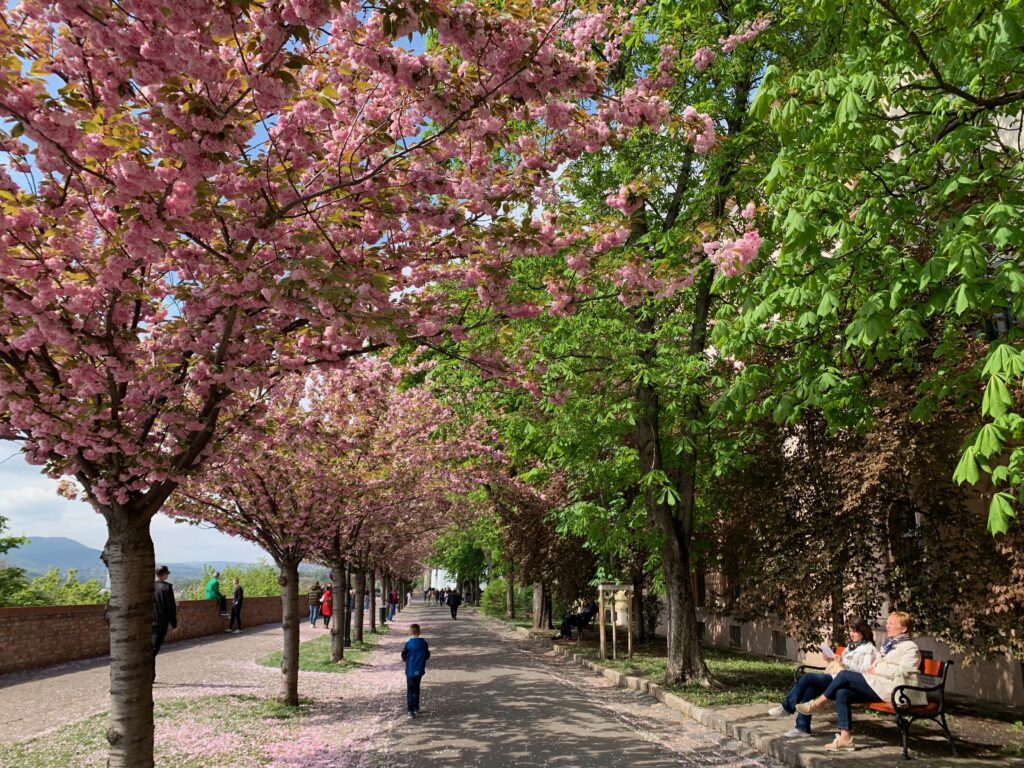
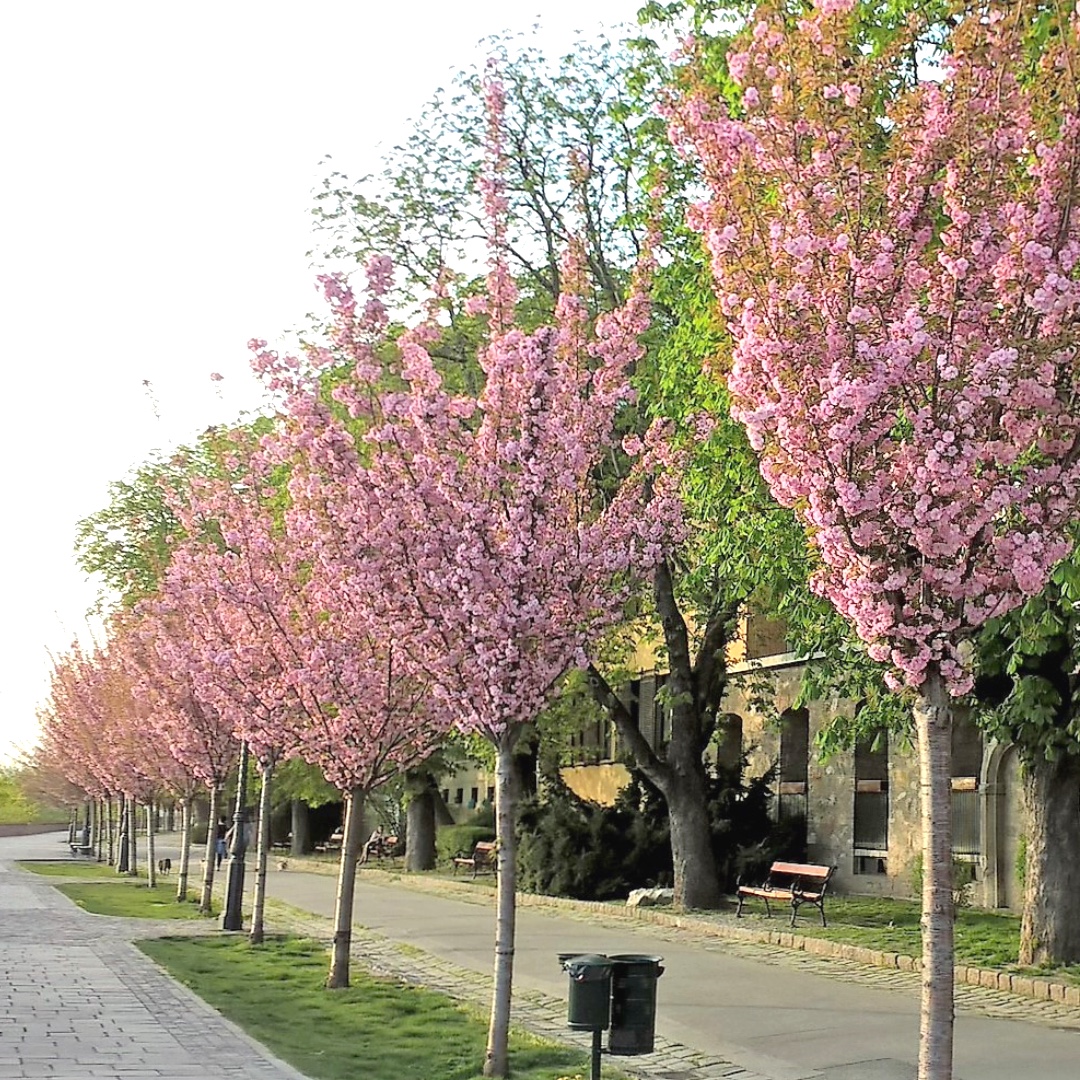
This is my favourite season and I can't get enough of the spring colours, smells and lights. Here are a few pictures but they don't do justice, I recommend you come and see for yourself in person or virtually!
This is my favourite season and I can’t get enough of the spring colours, smells and lights. Here are a few pictures but they don’t do justice, I recommend you come and see for yourself in person or virtually!
It’s hard to tell now what happens next week or next month and when and how we can start travelling again. The crazy April weather wouldn’t help either, it’s raining and cold in Budapest and it’s hard to believe that summer is only two months away.
I’ll also offer social distance friendly tours, those were very popular last summer and I think that it’s a safe option for families and groups of friends travelling together. The social distancing tours are available in English and French, as for now I have four options:
Buda Castle District walk
Downtown Pest walk
Jewish quarter walk
Szentendre tour by car
All of the tours are designed to be 100% social distance friendly. We don’t take public transport, avoid crowds and admire all buildings only from the outside. It’s not a group tour, it’s only for you, your family or friends.
Rules are the same as last year:
Tours are maximum 3 hours long
Only walking and driving tours are available, we don’t use public transportation
Travellers, tour guide (and driver) are required to wear a mask for the length of the tour
No inside visit of the monuments, attractions, museums
No coffee or lunch break together
Maximum number of travellers on the tour shouldn’t exceed 4 people
Don’t hesitate to get in touch if you have any question or need more details.
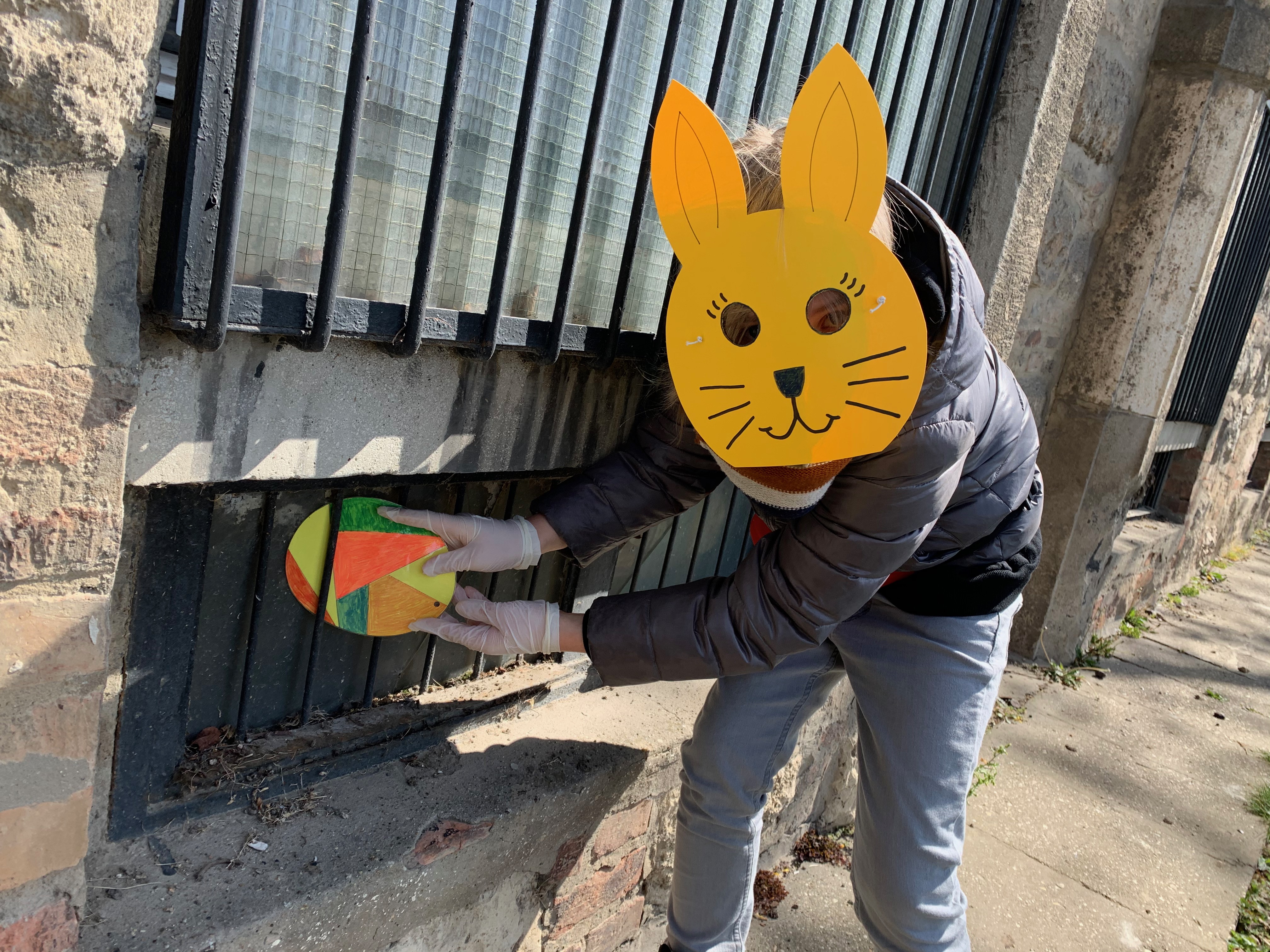
Because of COVID and travel restrictions tour guiding has only been available virtually for the last 13 months - and yes, I love virtual tours and I think that participants love them, too. However, it was time to start a new adventure and we launched Budapesti Helyszínelők with my sister last year. As for now it's only available in Hungarian, we're offering scavanger hunts in Budapest, crime mysteries to be solved in the picturesque Buda Castle District, City Park area or Downtown Pest. It's all about Budapest and its stories, we were mostly inspired by murders, robberies or other mysteries that had happened decades ago. At Easter we had a special program for families, it was an egg hunt for kids who had to investigate the mystery of the egg theft. So let me take this opportunity to wish you all very Happy Easter with pictures we took on the egg hunts.
Because of COVID and travel restrictions tour guiding has only been available virtually for the last 13 months – and yes, I love virtual tours and I think that participants love them, too.
However, it was time to start a new adventure and we launched Budapesti Helyszínelők with my sister last year. As for now it’s only available in Hungarian, we’re offering scavanger hunts in Budapest, crime mysteries to be solved in the picturesque Buda Castle District, City Park area or Downtown Pest. It’s all about Budapest and its stories, we were mostly inspired by murders, robberies or other mysteries that had happened decades ago.
At Easter we had a special program for families, it was an egg hunt for kids who had to investigate the mystery of the egg theft. So let me take this opportunity to wish you all very Happy Easter with pictures we took on the egg hunts.
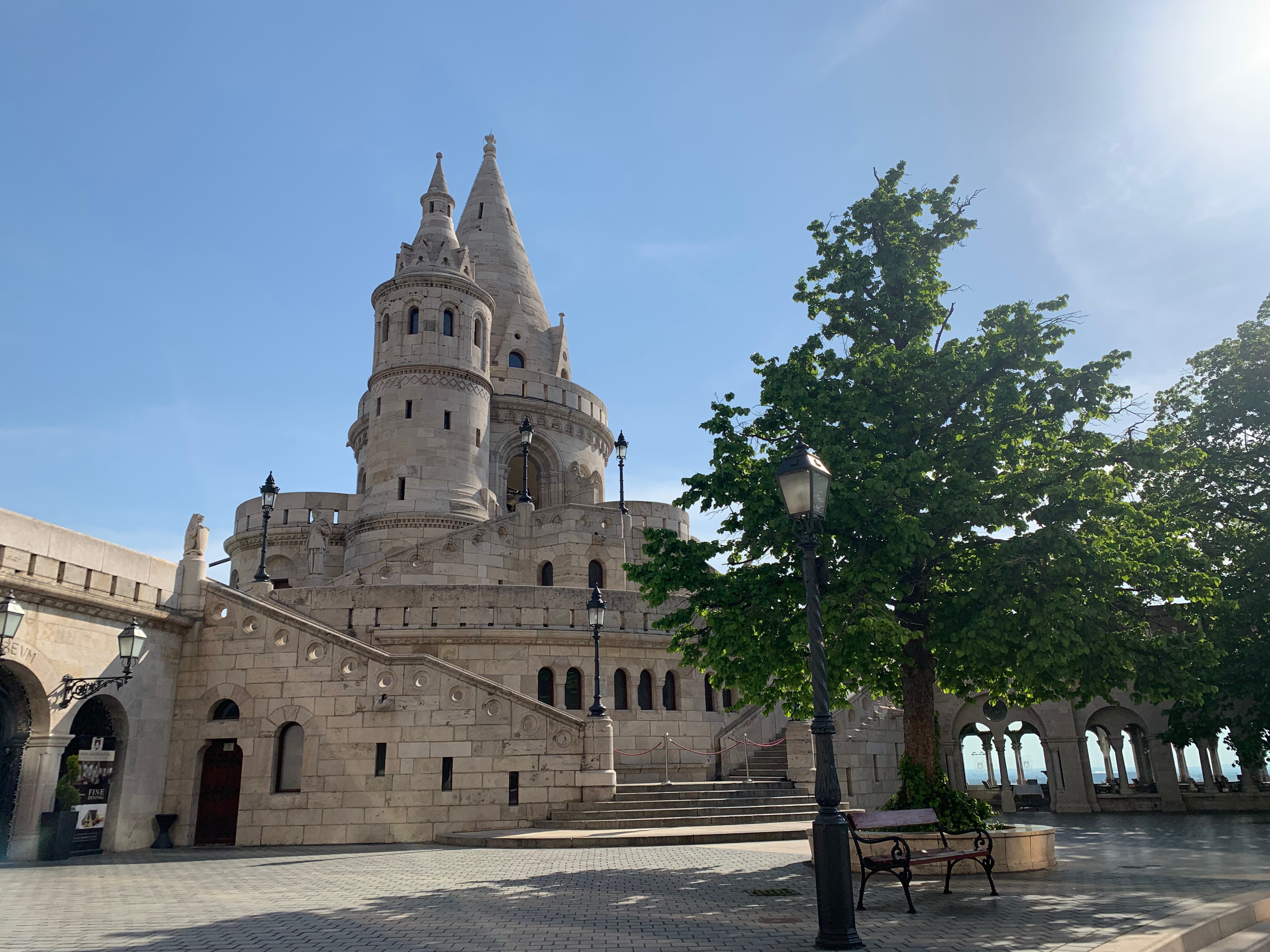
One of my favourite moments of the day is when the street lights of Budapest are switched off just a few minutes before sunrise. Eventually the best place to film it from is the very top of the Fisherman's Bastion.
One of my favourite moments of the day is when the street lights of Budapest are switched off just a few minutes before sunrise. Eventually the best place to film it from is the very top of the Fisherman’s Bastion.
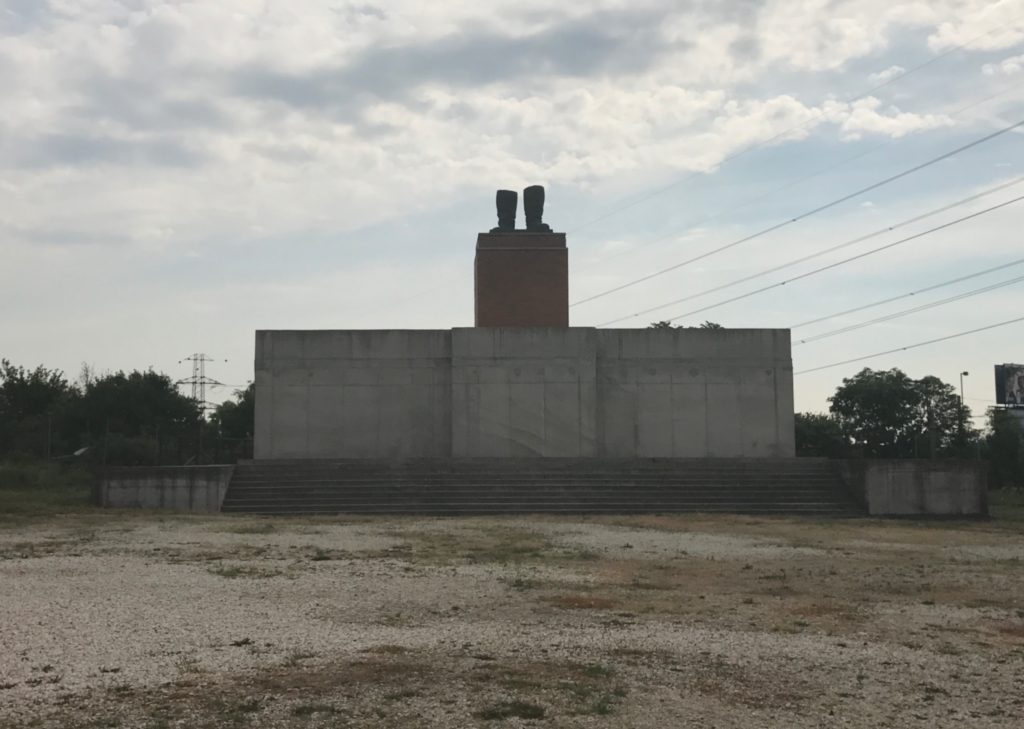
Among Budapest’s statues, few are as striking — or as symbolic — as Stalin’s Boots. What remains today is not a full monument, but a fragment, and that absence is exactly what gives it its power. This statue is part of my ongoing Statues of Budapest series, which explores how monuments reflect the city’s history, memory, and identity. The original Stalin statue In 1951, a giant statue of Joseph Stalin, approximately eight meters high, was erected in Budapest to commemorate his 70th birthday. The monument was intended as a display of loyalty and political obedience during Hungary’s communist era. Towering over its surroundings, the statue was meant to project authority and permanence. What happened in 1956? During the Hungarian Revolution of 1956, protesters tore down the Stalin statue as a powerful act of resistance. The figure itself was destroyed — but the boots remained standing. This image quickly became iconic: the ruler was gone, but the empty boots were left behind, symbolizing the collapse of imposed power and the rejection of dictatorship. Where can you see Stalin’s Boots today? A replica of Stalin’s Boots can be seen today at the entrance of Memento Park in Buda. The park is dedicated to monuments from Hungary’s socialist period, preserving them as historical documents rather than political symbols. Seeing the boots outside their original context helps visitors understand how Hungary chose to remember — rather than erase — this chapter of its past. Why Stalin’s Boots still matter Unlike traditional statues that glorify individuals, Stalin’s Boots represent absence, resistance, and memory. They tell the story of 1956 without words and remain one of Budapest’s most powerful visual reminders of the communist period. Explore more: Stalin’s Boots are part of my broader Statues of Budapest collection, featuring monuments that reveal the city’s layered and
Among Budapest’s statues, few are as striking — or as symbolic — as Stalin’s Boots. What remains today is not a full monument, but a fragment, and that absence is exactly what gives it its power.
This statue is part of my ongoing Statues of Budapest series, which explores how monuments reflect the city’s history, memory, and identity.
The original Stalin statue
In 1951, a giant statue of Joseph Stalin, approximately eight meters high, was erected in Budapest to commemorate his 70th birthday. The monument was intended as a display of loyalty and political obedience during Hungary’s communist era.
Towering over its surroundings, the statue was meant to project authority and permanence.
What happened in 1956?
During the Hungarian Revolution of 1956, protesters tore down the Stalin statue as a powerful act of resistance. The figure itself was destroyed — but the boots remained standing.
This image quickly became iconic: the ruler was gone, but the empty boots were left behind, symbolizing the collapse of imposed power and the rejection of dictatorship.
Where can you see Stalin’s Boots today?
A replica of Stalin’s Boots can be seen today at the entrance of Memento Park in Buda. The park is dedicated to monuments from Hungary’s socialist period, preserving them as historical documents rather than political symbols.
Seeing the boots outside their original context helps visitors understand how Hungary chose to remember — rather than erase — this chapter of its past.
Why Stalin’s Boots still matter
Unlike traditional statues that glorify individuals, Stalin’s Boots represent absence, resistance, and memory. They tell the story of 1956 without words and remain one of Budapest’s most powerful visual reminders of the communist period.
Explore more: Stalin’s Boots are part of my broader Statues of Budapest collection, featuring monuments that reveal the city’s layered and often complex history.
Stalin’s Boots in Budapest – A Symbol of the 1956 Revolution
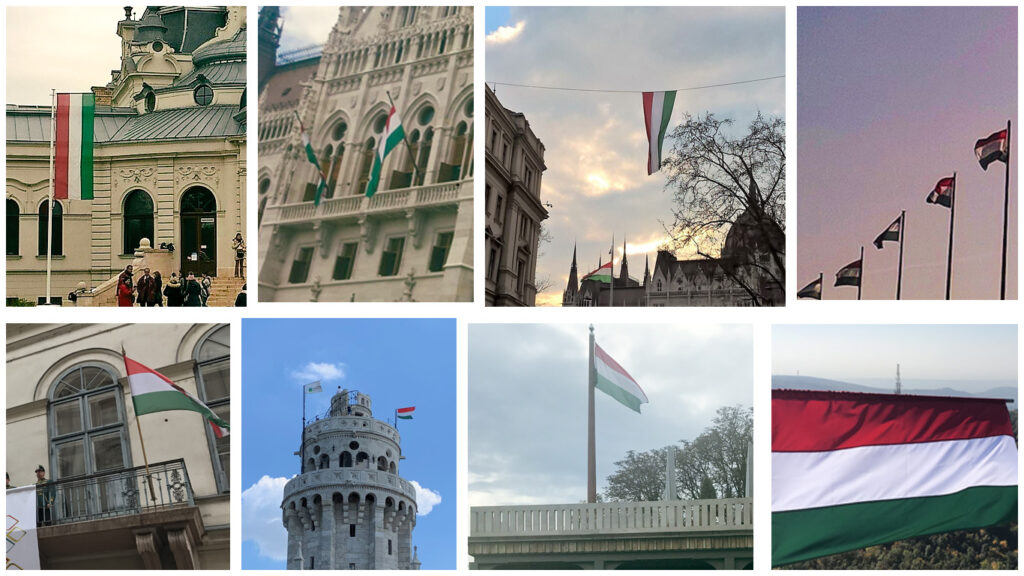
Today is a national holiday in Hungary, we celebrate the outbreak of the revolution of 1848-1849. Today we celebrate our national independence, the freedom of speech, the freedom of press and we remember the heroism and the courage of the young Hungarians who became united to confront and fight the oppressors. I hope that the spirit of the revolution lives on in the Hungarian soul and we never give up fighting for the values our ancestors had been fighting for 173 years ago.
Today is a national holiday in Hungary, we celebrate the outbreak of the revolution of 1848-1849.
Today we celebrate our national independence, the freedom of speech, the freedom of press and we remember the heroism and the courage of the young Hungarians who became united to confront and fight the oppressors.
I hope that the spirit of the revolution lives on in the Hungarian soul and we never give up fighting for the values our ancestors had been fighting for 173 years ago.
It all started almost exactly a year ago and we had no idea back then how COVID-19 was going to change our lives. We really hoped for better but the pandemic is still in its full force and unfortunately numbers are indicating that the situation in Hungary is very, very bad. This is the third wave with far more people in hospital and far more deceased people than before. This is just very sad. Another lockdown starts today, all shops have to close - except grocery stores and pharmacies. People are recommended to stay at home and work from home office. All schools went digital. We're told this is for 2 weeks but nobody knows for sure. I continue offering virtual city tours and cooking classes and work on different other projects for after the pandemic is over. Let me know if you want to know more! Stay safe, stay happy and book a tour!
It all started almost exactly a year ago and we had no idea back then how COVID-19 was going to change our lives. We really hoped for better but the pandemic is still in its full force and unfortunately numbers are indicating that the situation in Hungary is very, very bad. This is the third wave with far more people in hospital and far more deceased people than before. This is just very sad.
Another lockdown starts today, all shops have to close – except grocery stores and pharmacies. People are recommended to stay at home and work from home office. All schools went digital. We’re told this is for 2 weeks but nobody knows for sure.
Get in touch with me if you'd like to schedule a private virtual tour!
Save the date! 20th of March, 2021, Travel From Home Virtual Tours Festival organised by TheWaysBeyond. You’ll have the chance to visit virtually several destinations around the world, I’ll be your virtual tour guide in Beautiful Budapest. Stay tuned!
It’s about time to announce Travel from Home, the first virtual guided tour festival @travelfromhomewithus a new project we have been working on for a while already with our dear partner @beyondromaniatravel and @sofar_virtualtours – a team of smart and passion master students from Sorbonne Nouvelle university.