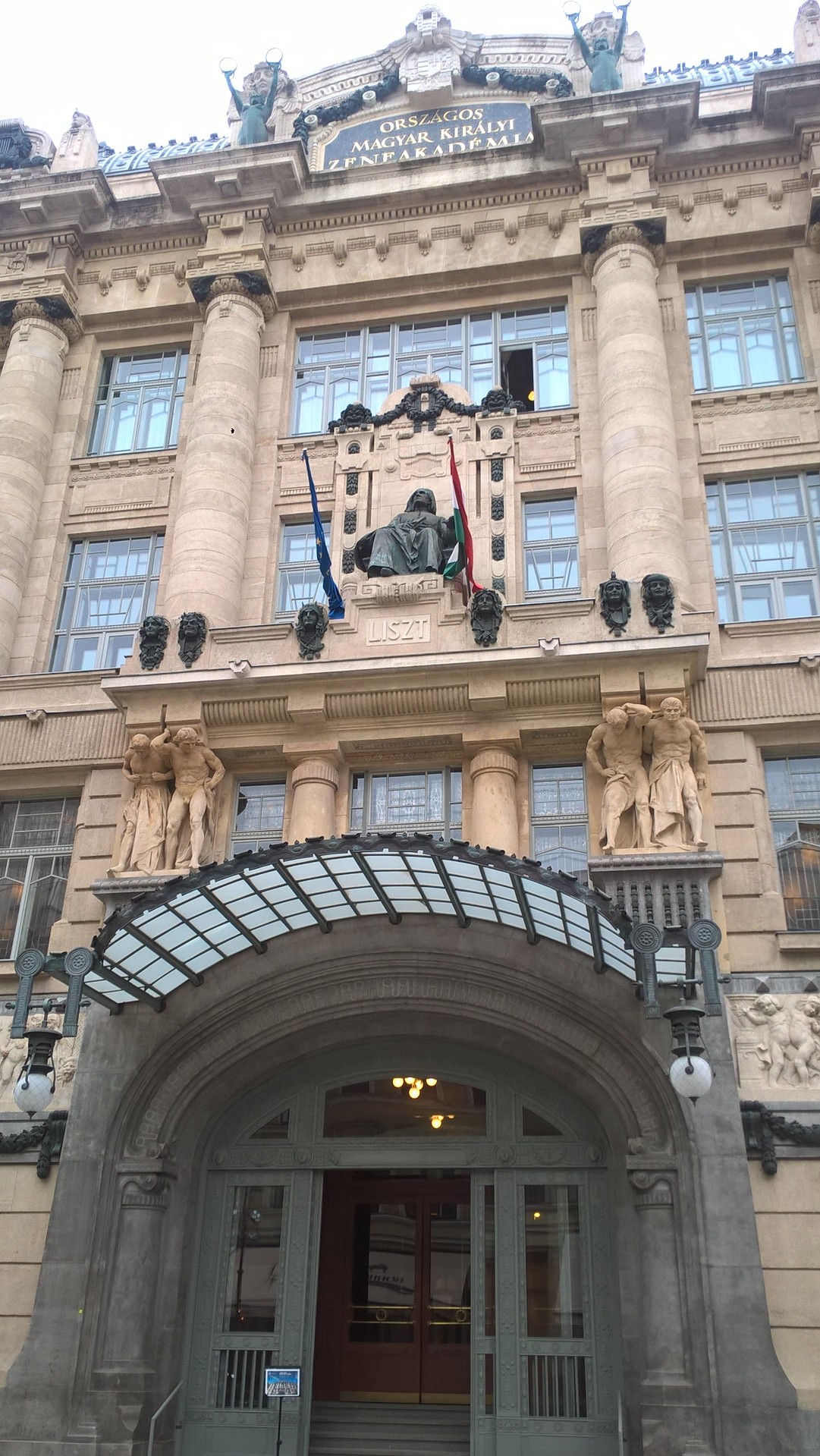
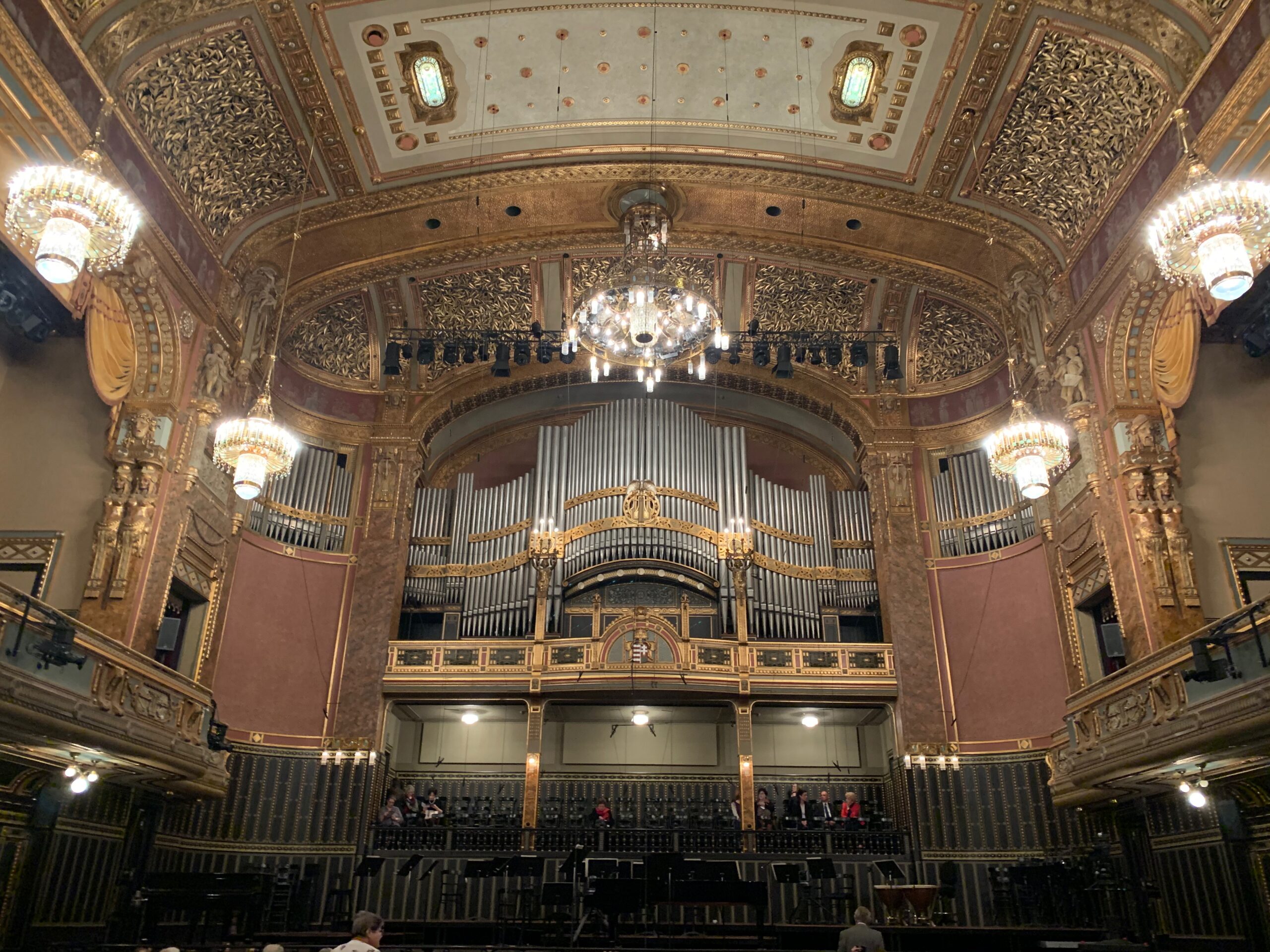
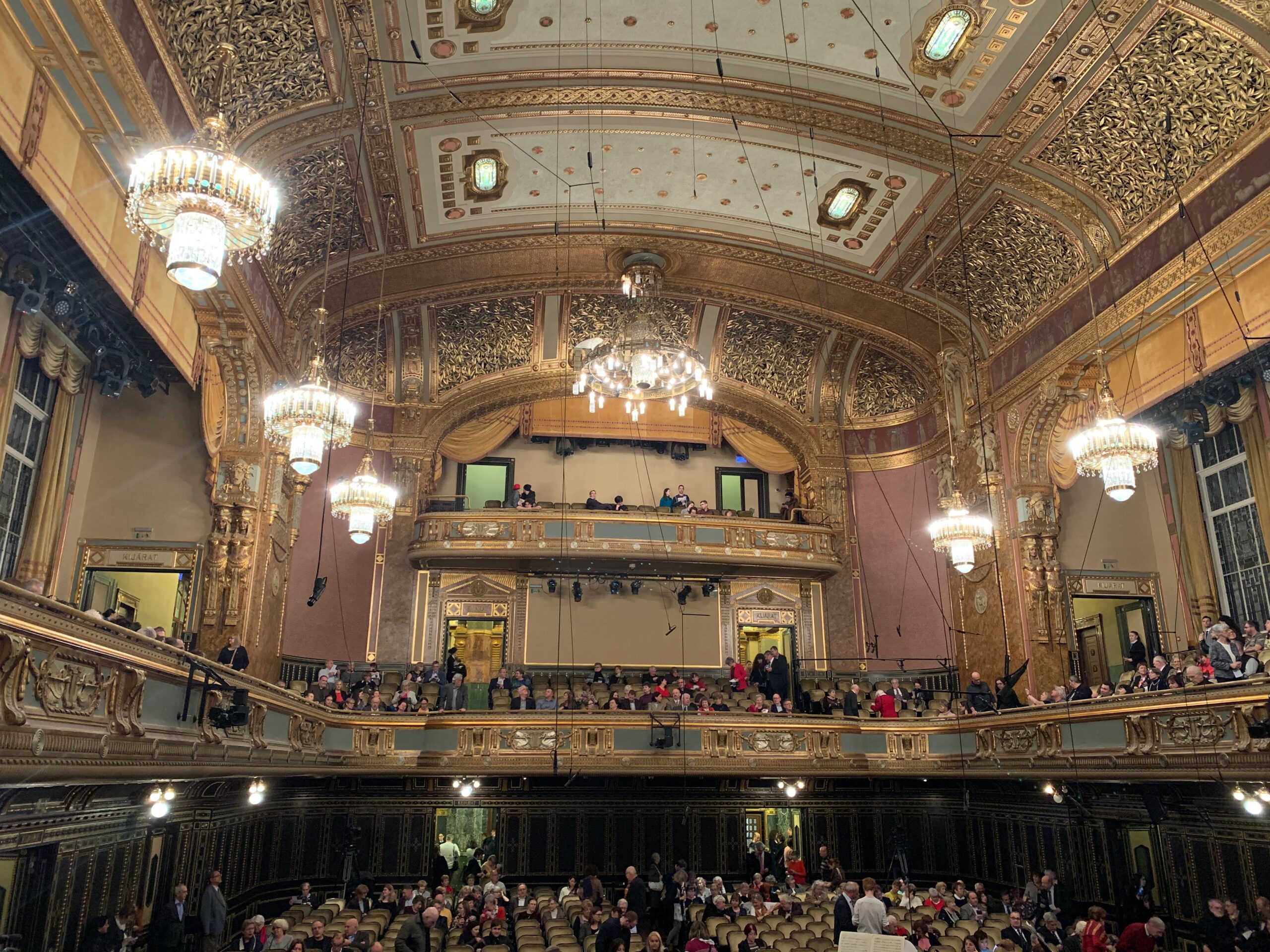
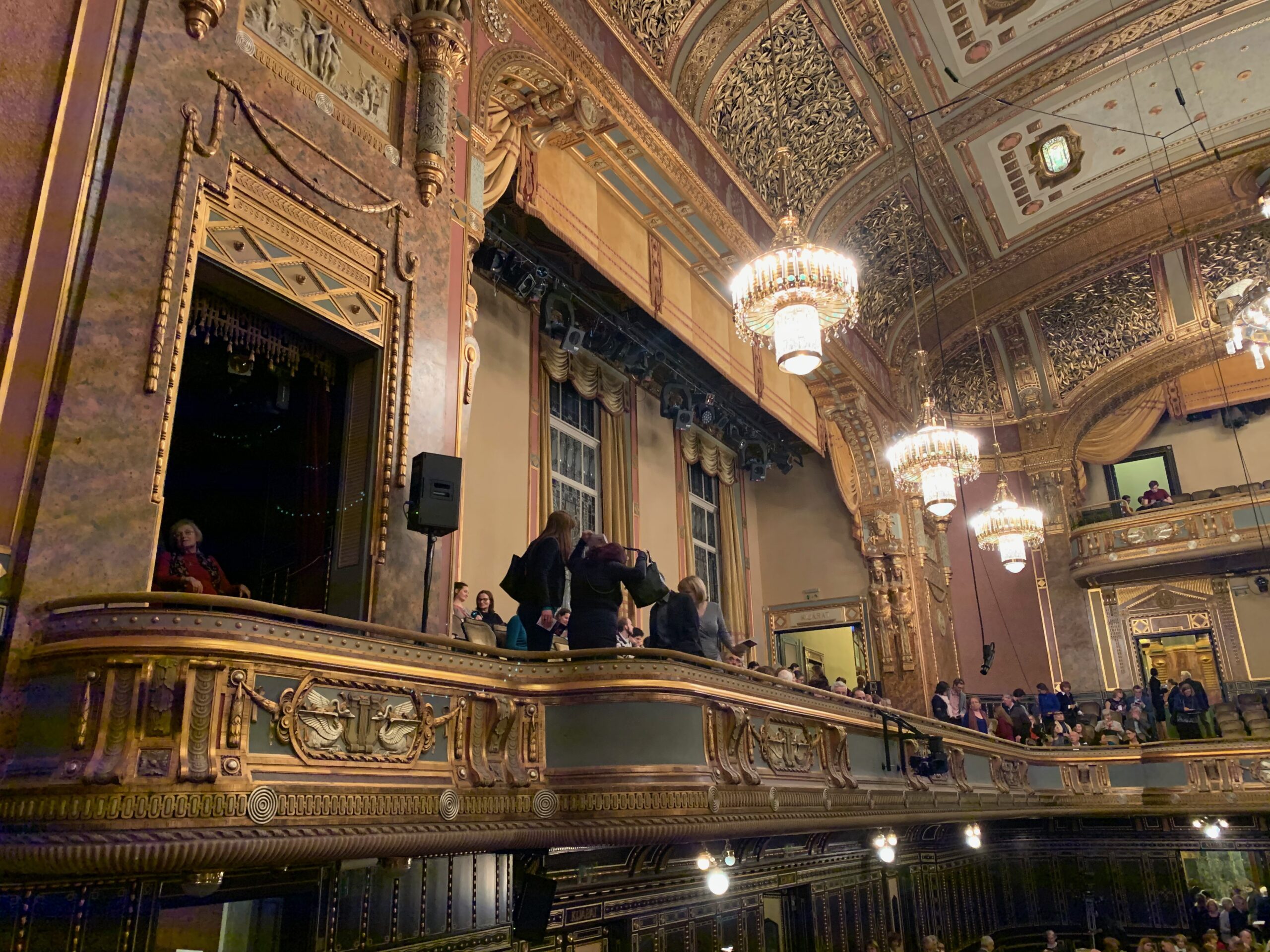
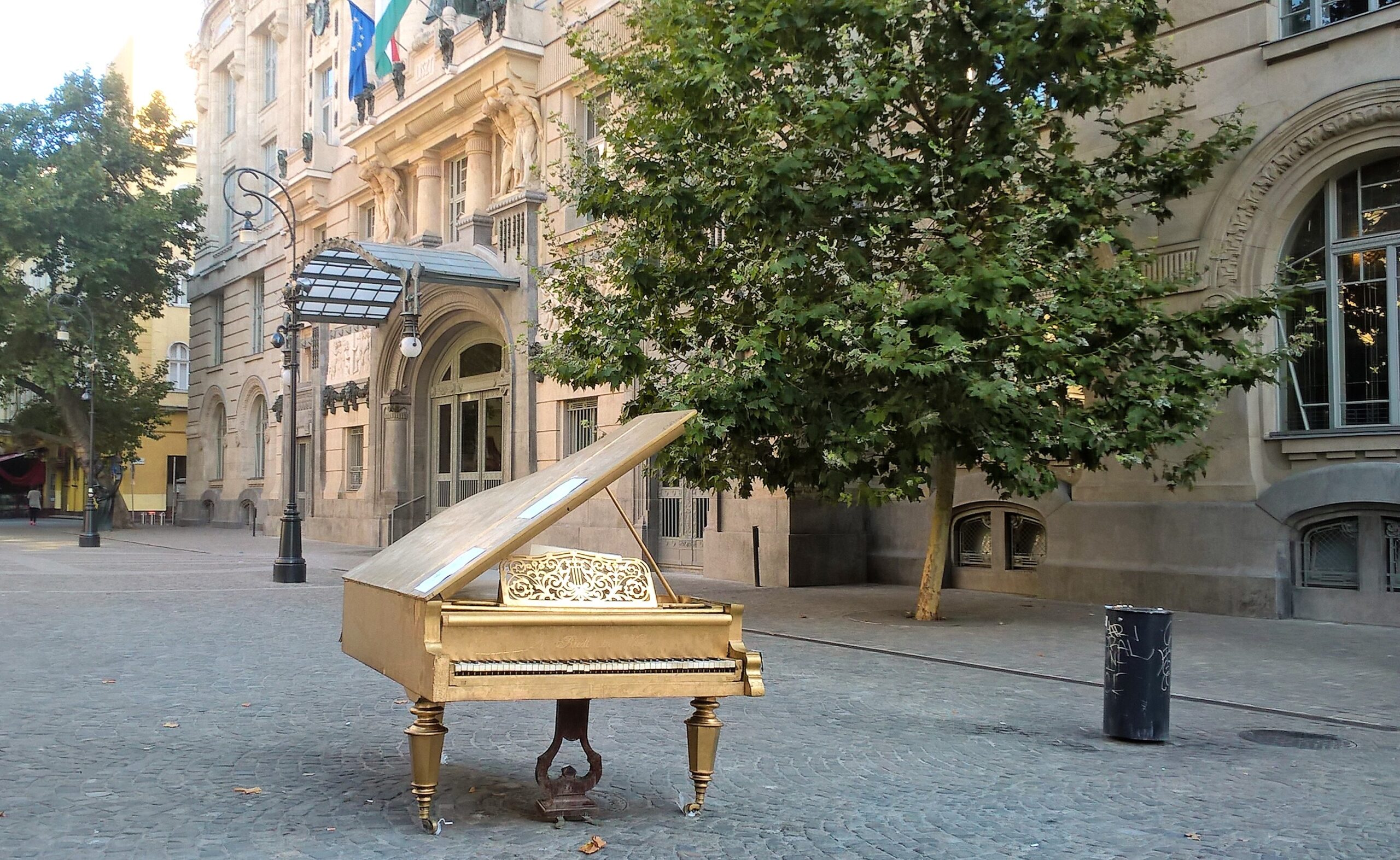
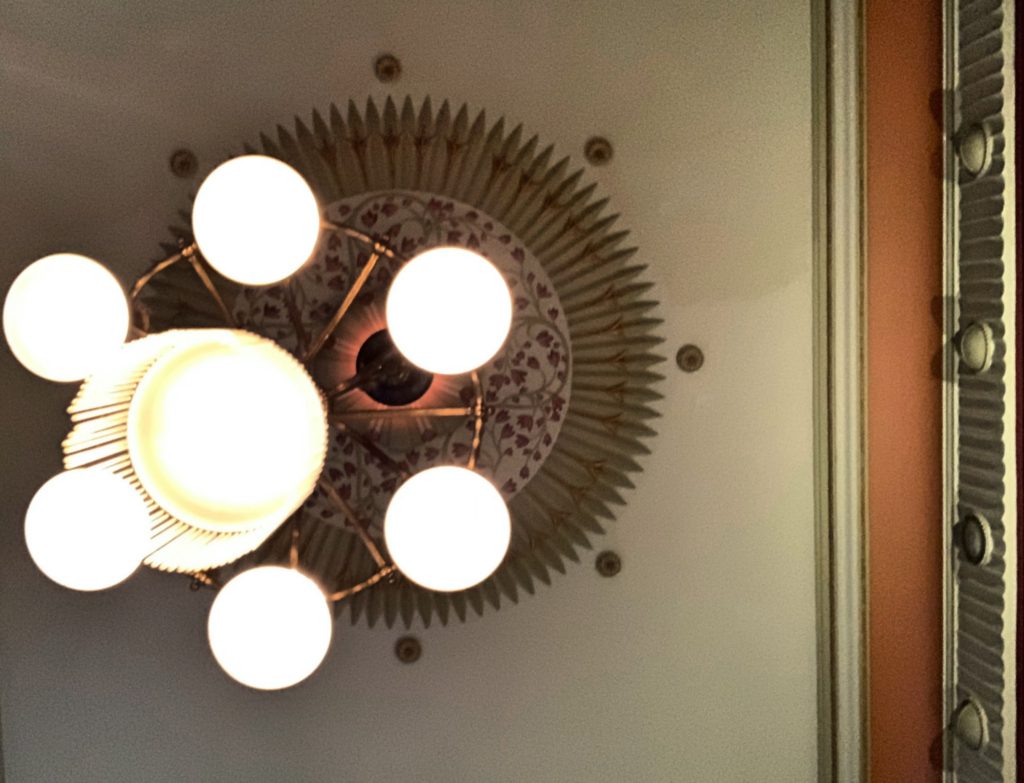
I'm still not sure when Hungary's borders will reopen and travellers can visit Beautiful Budapest, so here is another building for you to admire from a distance. The Academy of Music is a real jewellery box in the 6th district of Budapest. It's a music university and a concert hall that opened in 1907. The style is a very interesting mixture of Gothic and Art Nouveau but you might see elements of Classicism, too. The facade is so ornate that it will take you some time to spot the statue of Franz Liszt right above the entrance. Franz Liszt, the most famous Hungarian composer founded the music academy in his home in 1875 and the academy got named after him in 1925. The building can be visited, there are guided tours, but the most amazing experience is to go to a concert, so that you can admire the building and music at the same time. Most of the programs were either cancelled or are held online and personally I can't wait to go in person hopefully in the near future.
I’m still not sure when Hungary’s borders will reopen and travellers can visit Beautiful Budapest, so here is another building for you to admire from a distance.
The Academy of Music is a real jewellery box in the 6th district of Budapest. It’s a music university and a concert hall that opened in 1907. The style is a very interesting mixture of Gothic and Art Nouveau but you might see elements of Classicism, too. The facade is so ornate that it will take you some time to spot the statue of Franz Liszt right above the entrance. Franz Liszt, the most famous Hungarian composer founded the music academy in his home in 1875 and the academy got named after him in 1925.
The building can be visited, there are guided tours, but the most amazing experience is to go to a concert, so that you can admire the building and music at the same time. Most of the programs were either cancelled or are held online and personally I can’t wait to go in person hopefully in the near future.
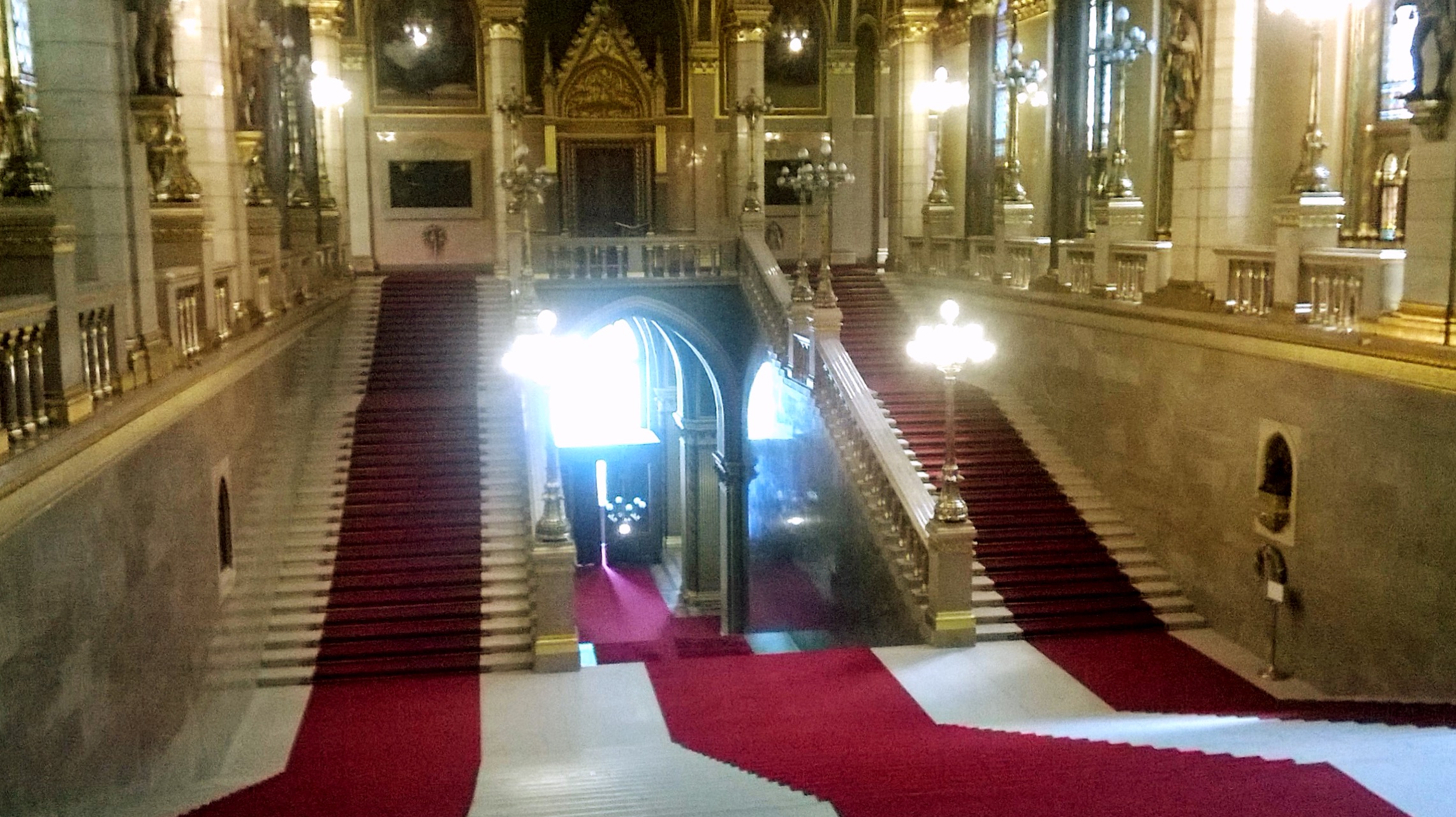
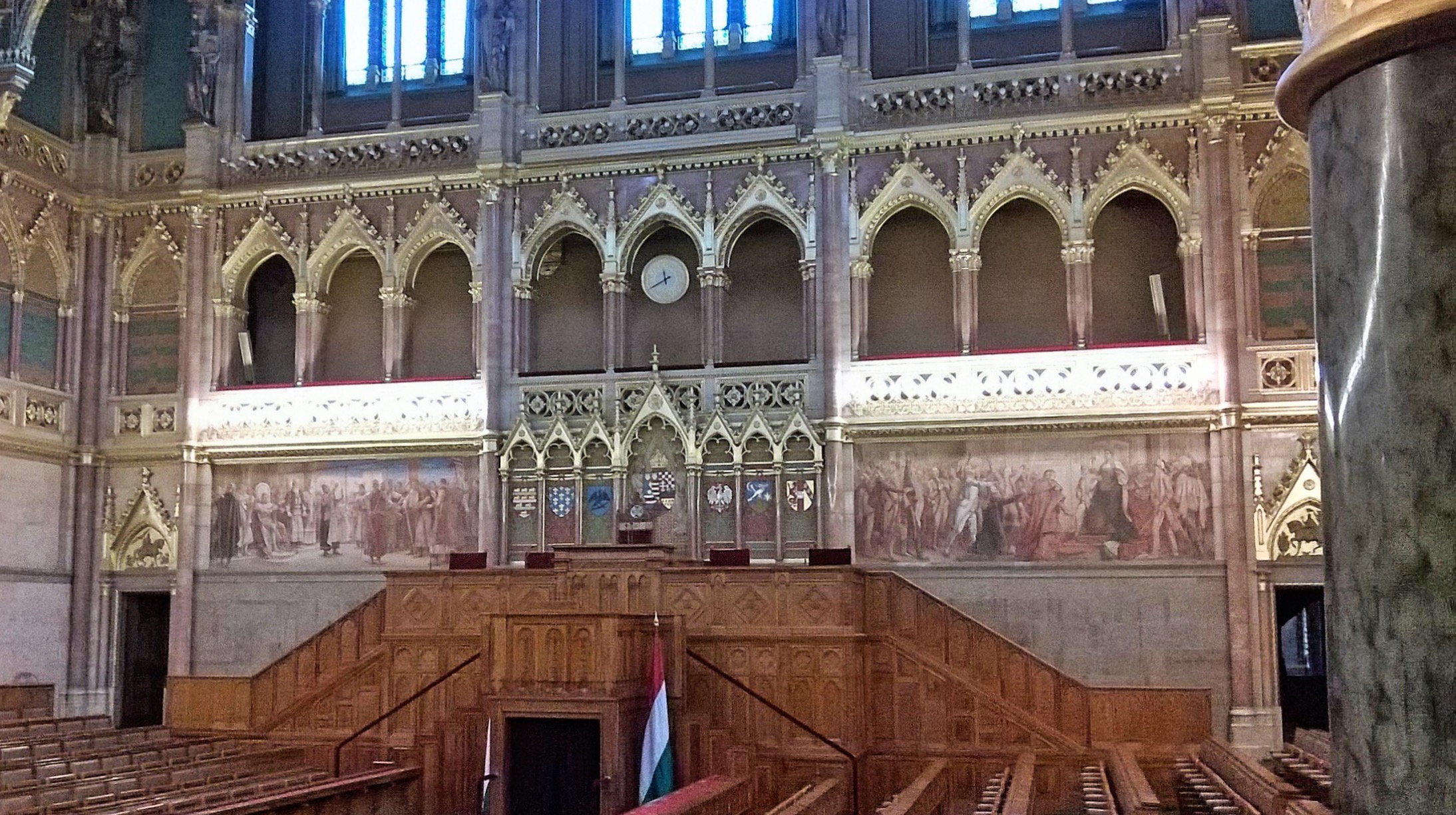
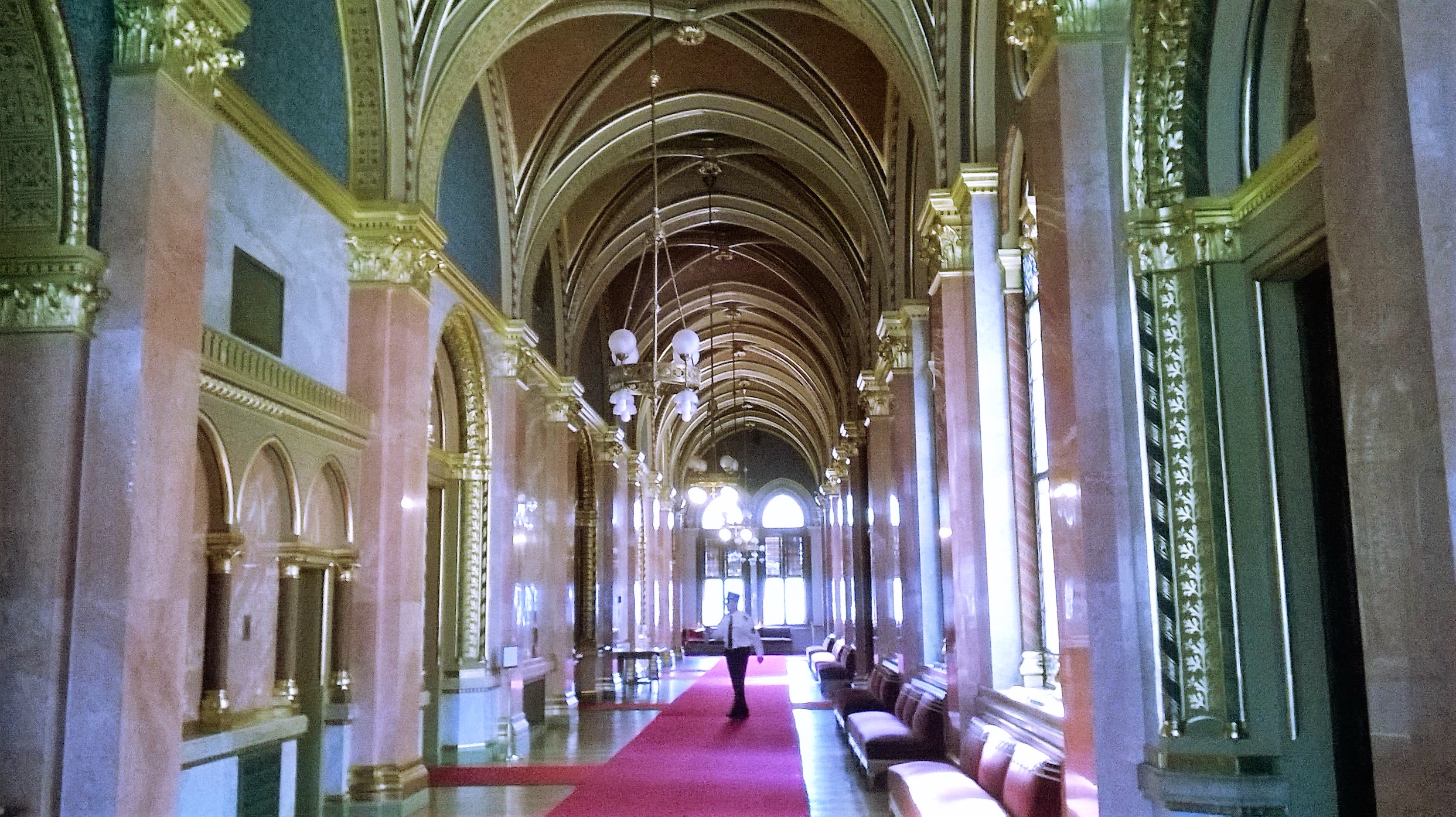
Great news from Budapest: from the 14th of May the fascinating building of the Parliament of Hungary can be visited again, there are tours every day between 9.00 AM and 3.00 PM. What's more important is that the ticket prices have been reduced by 50%: EU citizens: HUF 1600 / person non-EU citizens: HUF 3200 / person I think it's a great opportunity to visit the Parliament now, I often tell that this really is one of the most spectacular buildings of Beautiful Budapest and definitely is a must-see when you visit my city. As for now the COVID regulations are very strict: "The House of Parliament is open for visitors with an immunity certificate or immunity certificate application as well as for minors under their supervision; after their body temperatures are taken. The use of hand sanitisers installed in the Parliament building and the Visitor Centre is mandatory. Wearing a mask covering the nose and mouth is recommended. Please observe the social distancing rule and keep a 1.5-metre distance from others. Visits are to be undertaken on the sole responsibility of the visitors." The only problem is that it's impossible for individuals to book a tour in advance, tickets can only be purchased on the spot on the day of the visit. I'm an official Tour Guide partner of the Parliament Visitor Center with special permissions so if you book a Full-day tour with Parliament visit with me I can book your Parliament tickets in advance. The Parliament visit can be incorporated in other tours, too, just let me know about your preferences!
Great news from Budapest: from the 14th of May the fascinating building of the Parliament of Hungary can be visited again, there are tours every day between 9.00 AM and 3.00 PM. What’s more important is that the ticket prices have been reduced by 50%:
EU citizens: HUF 1600 / person
non-EU citizens: HUF 3200 / person
I think it’s a great opportunity to visit the Parliament now, I often tell that this really is one of the most spectacular buildings of Beautiful Budapest and definitely is a must-see when you visit my city.
As for now the COVID regulations are very strict: “The House of Parliament is open for visitors with an immunity certificate or immunity certificate application as well as for minors under their supervision; after their body temperatures are taken. The use of hand sanitisers installed in the Parliament building and the Visitor Centre is mandatory. Wearing a mask covering the nose and mouth is recommended. Please observe the social distancing rule and keep a 1.5-metre distance from others. Visits are to be undertaken on the sole responsibility of the visitors.”
The only problem is that it’s impossible for individuals to book a tour in advance, tickets can only be purchased on the spot on the day of the visit. I’m an official Tour Guide partner of the Parliament Visitor Center with special permissions so if you book a Full-day tour with Parliament visit with me I can book your Parliament tickets in advance. The Parliament visit can be incorporated in other tours, too, just let me know about your preferences!
We were finally very lucky to enjoy a lovely spring weekend with great weather and a lot of sunshine. Yes, our borders are still closed and we have absolutely no idea when travellers can visit our Beautiful Budapest, so here is a short video of the Heroes square - City Park area to get a little taste of the Budapest spring.
We were finally very lucky to enjoy a lovely spring weekend with great weather and a lot of sunshine. Yes, our borders are still closed and we have absolutely no idea when travellers can visit our Beautiful Budapest, so here is a short video of the Heroes square – City Park area to get a little taste of the Budapest spring.
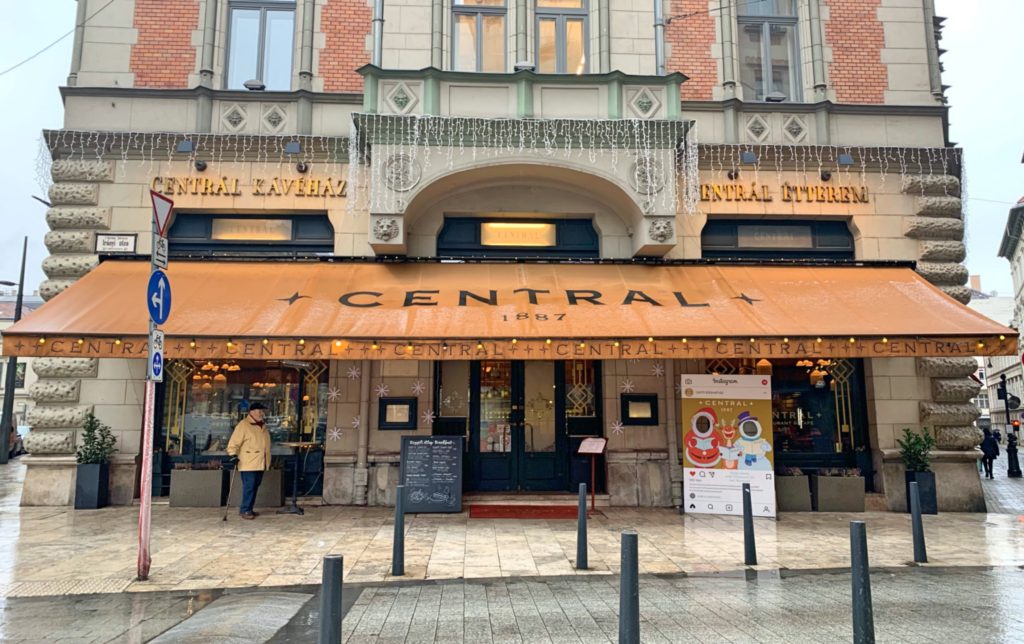
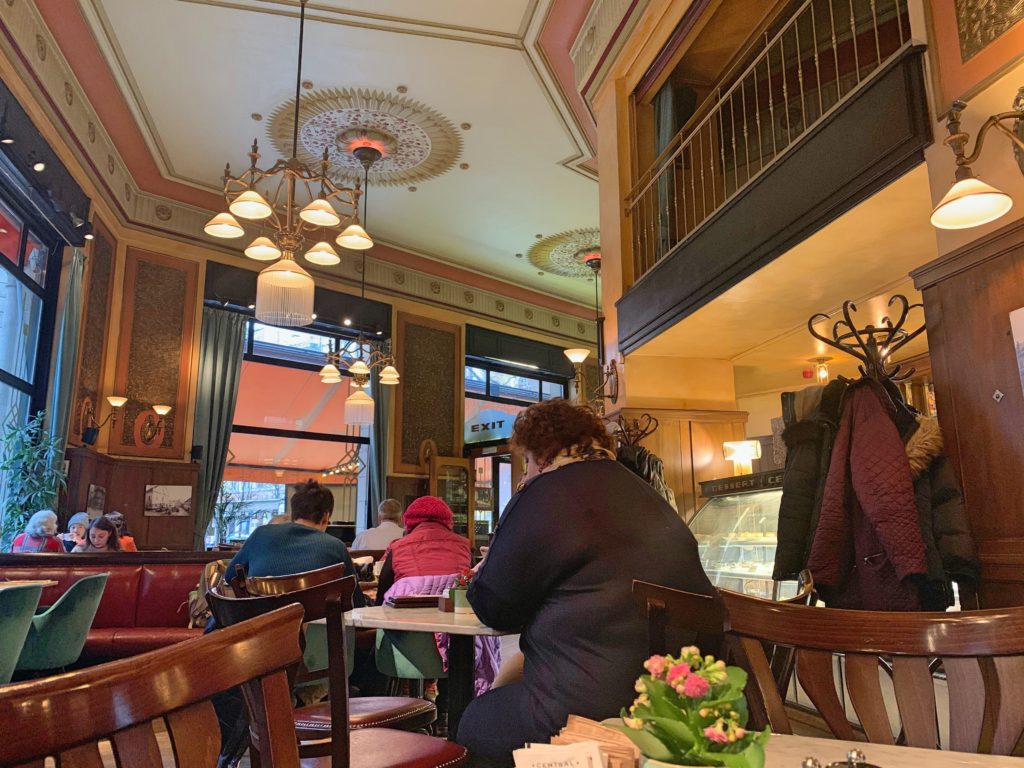
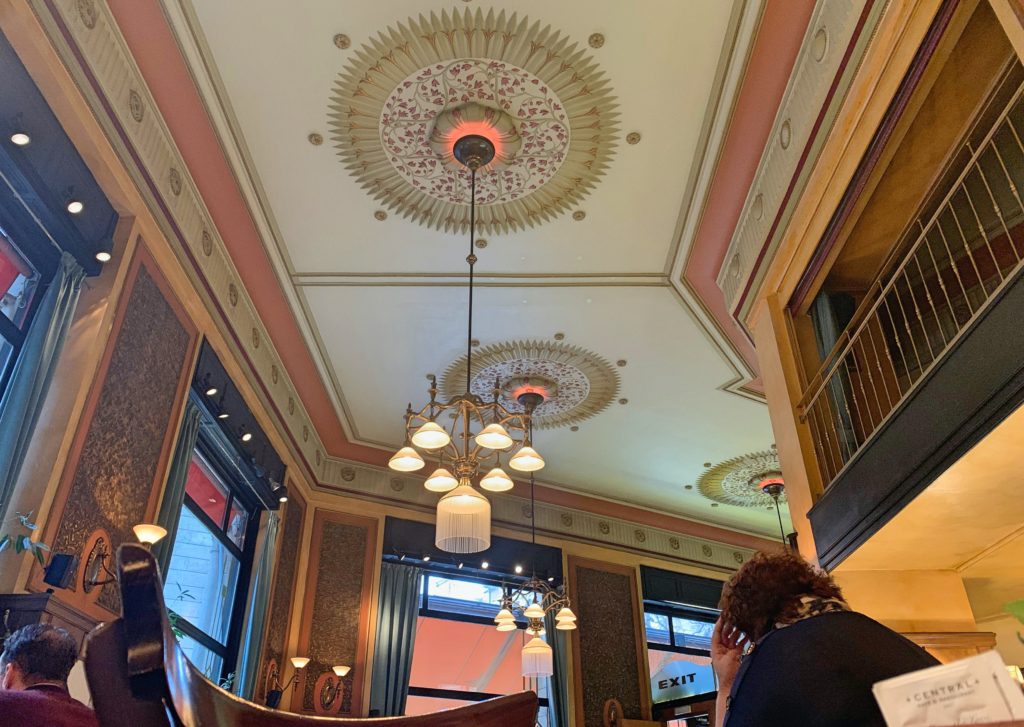
The golden age of the famous coffeehouses of Budapest was at the end of the 19th and beginning of the 20th century. However, we see now the renaissance of the coffeehouse and coffee culture. We try to see different coffeehouses on our foodie tours so that travellers can sample the best Hungarian coffee and cakes. Central is situated in the heart of Downtown Pest near the Elizabeth bridge. By the end of the 19th and the beginning of the 20th century it was considered as the coffeehouse of the writers and journalists, as it was mostly frequented by those working in the neighbourhood. Writers spent days and nights in the coffeehouse writing their columns and discussing politics, economics and gossips. There is a legend of a local writer who considered Central to be his second home where he kept a bathrobe and many of his personal belongings and his pills. When you go to Central must try the Rákóczi Túrós, a great Hungarian cake with cottage cheese and meringue that goes very well with an espresso or cappuccino.
The golden age of the famous coffeehouses of Budapest was at the end of the 19th and beginning of the 20th century. However, we see now the renaissance of the coffeehouse and coffee culture. We try to see different coffeehouses on our foodie tours so that travellers can sample the best Hungarian coffee and cakes.
Central is situated in the heart of Downtown Pest near the Elizabeth bridge. By the end of the 19th and the beginning of the 20th century it was considered as the coffeehouse of the writers and journalists, as it was mostly frequented by those working in the neighbourhood. Writers spent days and nights in the coffeehouse writing their columns and discussing politics, economics and gossips. There is a legend of a local writer who considered Central to be his second home where he kept a bathrobe and many of his personal belongings and his pills.
When you go to Central must try the Rákóczi Túrós, a great Hungarian cake with cottage cheese and meringue that goes very well with an espresso or cappuccino.
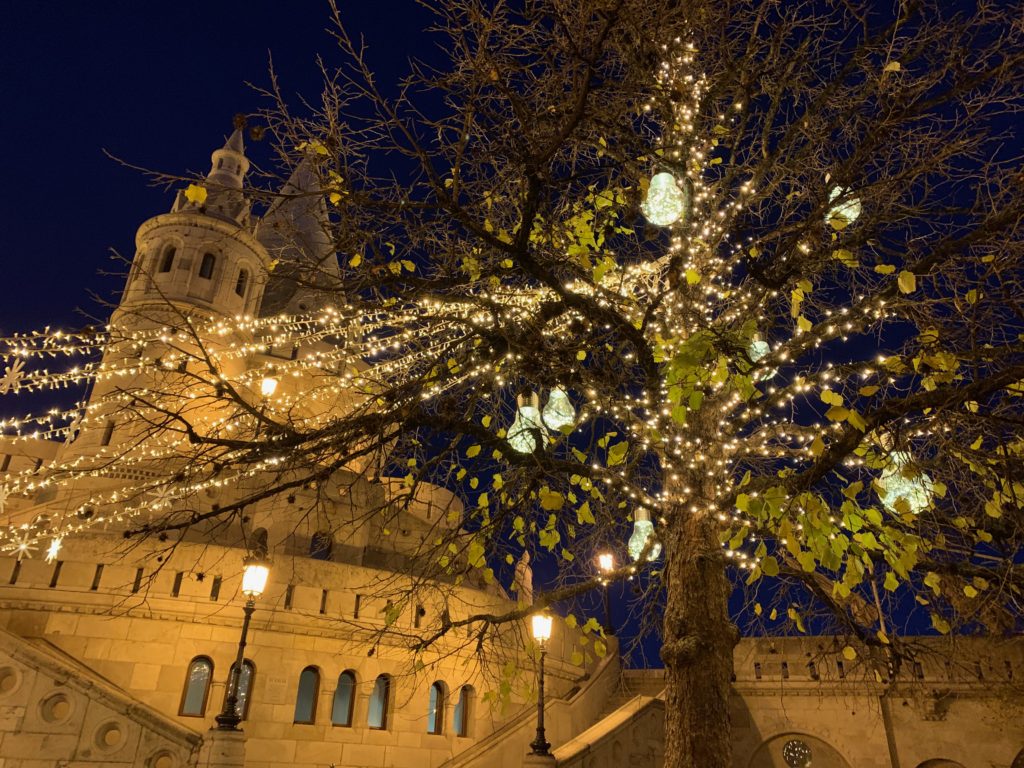
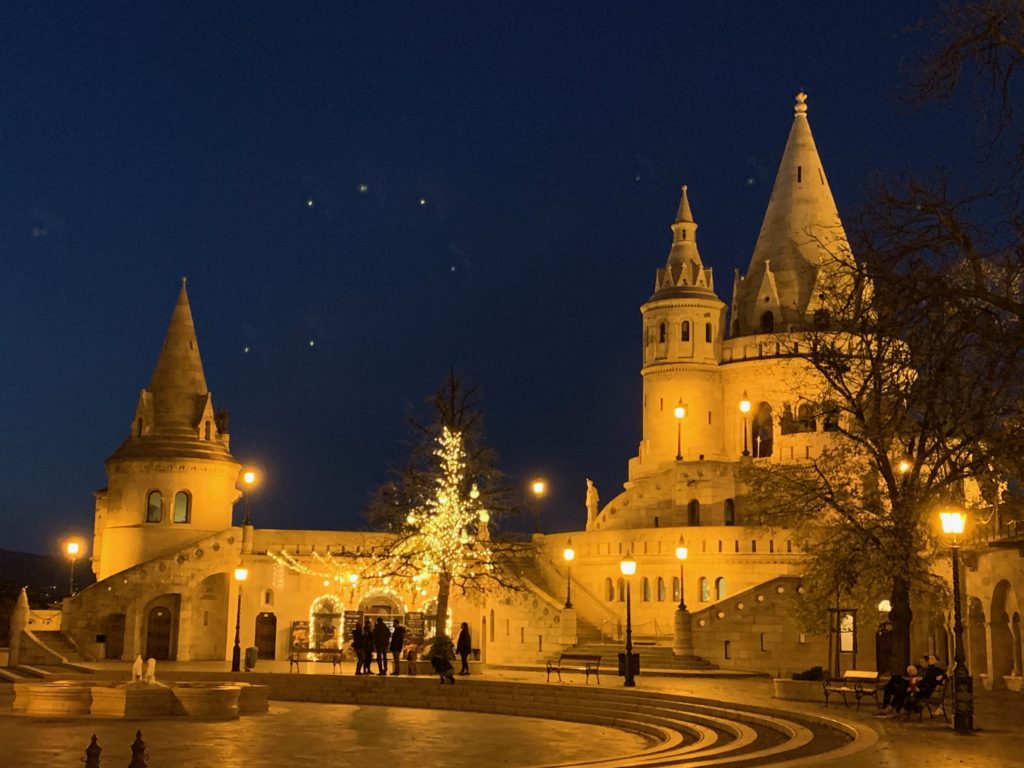
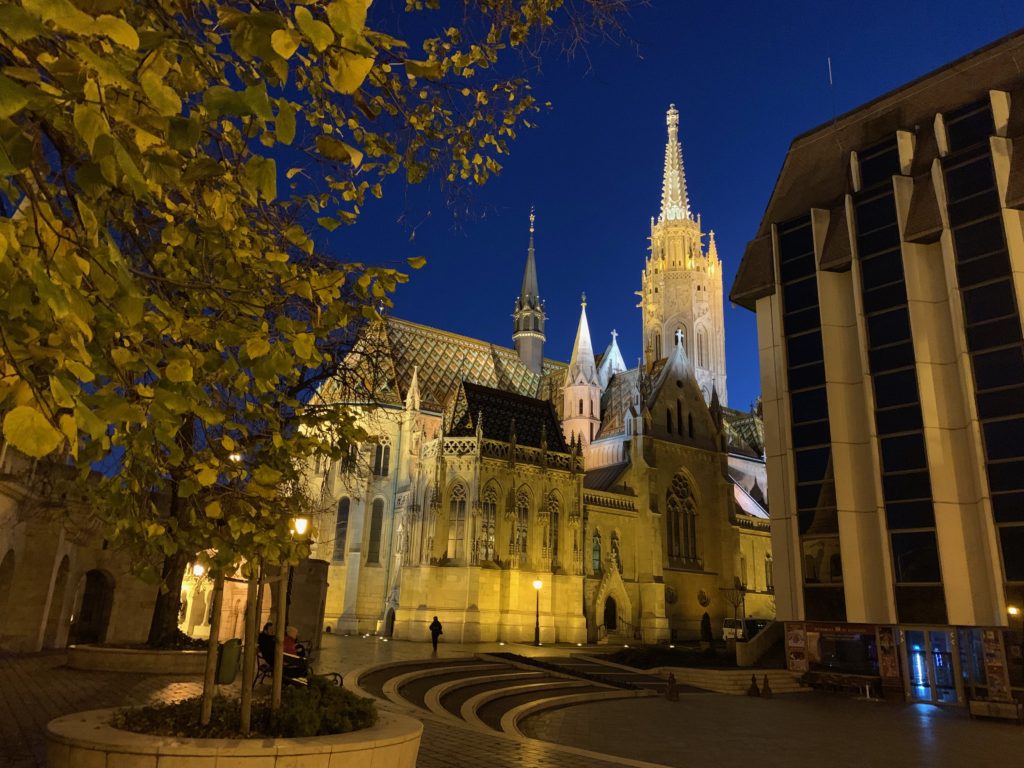
Because of the time difference most of my virtual tours these days are delivered after sunset, giving a very special atmosphere to those tours. Besides enjoying the views, learning more about Budapest and its history visitors also have the chance to explore the night scene, with all the magical lights and colours. Book a tour today to be part of an exciting fairytale!
Because of the time difference most of my virtual tours these days are delivered after sunset, giving a very special atmosphere to those tours. Besides enjoying the views, learning more about Budapest and its history visitors also have the chance to explore the night scene, with all the magical lights and colours.
Book a tour today to be part of an exciting fairytale!
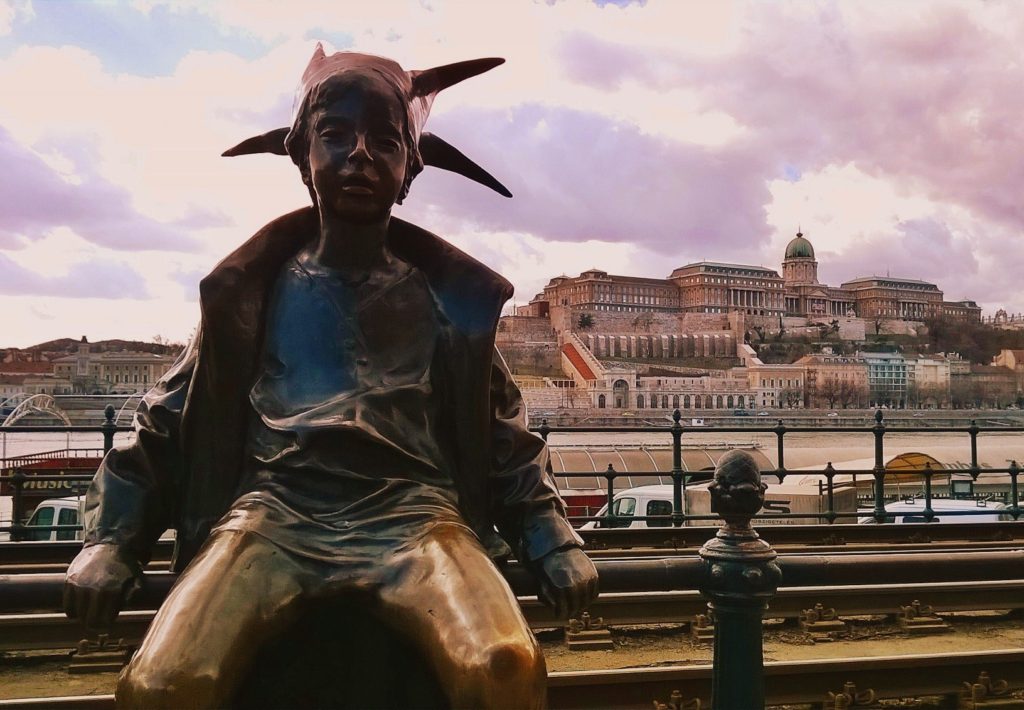
Another statue with a quiet kind of magic, the Little Princess is one of Budapest’s most beloved and photographed sculptures. Perched gracefully on the railings of the Danube Promenade, she watches the river flow past with a dreamy, childlike calm. Created in 1989 by Hungarian sculptor László Marton, the bronze figure depicts a young girl wearing a playful paper crown and a simple robe. The statue was inspired by the artist’s own daughter, captured in a moment of childhood imagination as she played dress-up at home. With her knees bent and her expression lost somewhere between curiosity and wonder, the Little Princess feels both intimate and universal — a small figure with an outsized emotional presence. A small statue with a powerful setting Despite her modest size, the Little Princess sits in one of Budapest’s most iconic locations. Behind her rise the Danube, Buda Castle, and the city’s elegant skyline, creating a contrast that makes her feel even more special. People passing along the promenade often stop instinctively — to take a photo, to sit beside her, or simply to pause for a moment. She has a way of slowing the city down. A local tradition: make a wish According to local tradition, rubbing the Little Princess’s knees brings good luck. Those who believe in her magic say the key is to make a wish with a truly childlike heart. Whether you believe in wishes or not, the ritual itself is part of the statue’s charm — a small act of hope in the middle of a busy city. Why the Little Princess matters The Little Princess is more than a photo opportunity. She’s a gentle reminder of imagination, innocence, and the importance of holding on to wonder, even as we grow older. Among Budapest’s grand monuments and historic statues,
Another statue with a quiet kind of magic, the Little Princess is one of Budapest’s most beloved and photographed sculptures. Perched gracefully on the railings of the Danube Promenade, she watches the river flow past with a dreamy, childlike calm.
Created in 1989 by Hungarian sculptor László Marton, the bronze figure depicts a young girl wearing a playful paper crown and a simple robe. The statue was inspired by the artist’s own daughter, captured in a moment of childhood imagination as she played dress-up at home.
With her knees bent and her expression lost somewhere between curiosity and wonder, the Little Princess feels both intimate and universal — a small figure with an outsized emotional presence.
A small statue with a powerful setting
Despite her modest size, the Little Princess sits in one of Budapest’s most iconic locations. Behind her rise the Danube, Buda Castle, and the city’s elegant skyline, creating a contrast that makes her feel even more special.
People passing along the promenade often stop instinctively — to take a photo, to sit beside her, or simply to pause for a moment. She has a way of slowing the city down.
A local tradition: make a wish
According to local tradition, rubbing the Little Princess’s knees brings good luck. Those who believe in her magic say the key is to make a wish with a truly childlike heart.
Whether you believe in wishes or not, the ritual itself is part of the statue’s charm — a small act of hope in the middle of a busy city.
Why the Little Princess matters
The Little Princess is more than a photo opportunity. She’s a gentle reminder of imagination, innocence, and the importance of holding on to wonder, even as we grow older.
Among Budapest’s grand monuments and historic statues, she offers something rare: a quiet, heartfelt moment for anyone who chooses to notice her.
You’ll find the Little Princess near the Danube, close to the Marriott Hotel, sitting patiently on the railing — ready to listen.
Explore more: The Little Princess is part of my ongoing Statues of Budapest series, featuring both famous monuments and easily missed gems across the city.
The Little Princess statue sitting on the railing of the Danube Promenade in Budapest
Vác is a cute little town on the left bank of the Danube, it's some 25 minutes drive from Budapest. The visit of Vác can be included in a customised Danube Bend day trip. It's such a beautiful Baroque jewellery box, I strongly recommend a short visit. We had been fortunate to tour Vác with my travellers before the borders of Hungary got closed again on the 1st of September. The mummified remains of 265 people were found in 1994 in the crypt of the Dominican church, they had been laid to rest in hand painted, wooden coffins in the 18th and 19th centuries. The bodies didn't decompose but were mummified naturally because of the favourable air conditions and dry settings. The findings were extraordinary and not only because it's a veritable gold mine for ethnographers about 18th century Hungarian everyday life and funeral traditions. It's also a fantastic source for medical researches, a large number of tests have been performed by scientists on the mummified remains related to tuberculosis, HIV researches and they could also confirm C section had been performed as early as in the 18th century in Hungary. The coffins are simply beautiful, all colourful, all hand-painted, all prepared with a lot of care, it's very much like the fascinating celebration of life and death in a small Vác museum.
Vác is a cute little town on the left bank of the Danube, it’s some 25 minutes drive from Budapest. The visit of Vác can be included in a customised Danube Bend day trip. It’s such a beautiful Baroque jewellery box, I strongly recommend a short visit. We had been fortunate to tour Vác with my travellers before the borders of Hungary got closed again on the 1st of September.
The mummified remains of 265 people were found in 1994 in the crypt of the Dominican church, they had been laid to rest in hand painted, wooden coffins in the 18th and 19th centuries. The bodies didn’t decompose but were mummified naturally because of the favourable air conditions and dry settings.
The findings were extraordinary and not only because it’s a veritable gold mine for ethnographers about 18th century Hungarian everyday life and funeral traditions. It’s also a fantastic source for medical researches, a large number of tests have been performed by scientists on the mummified remains related to tuberculosis, HIV researches and they could also confirm C section had been performed as early as in the 18th century in Hungary.
The coffins are simply beautiful, all colourful, all hand-painted, all prepared with a lot of care, it’s very much like the fascinating celebration of life and death in a small Vác museum.
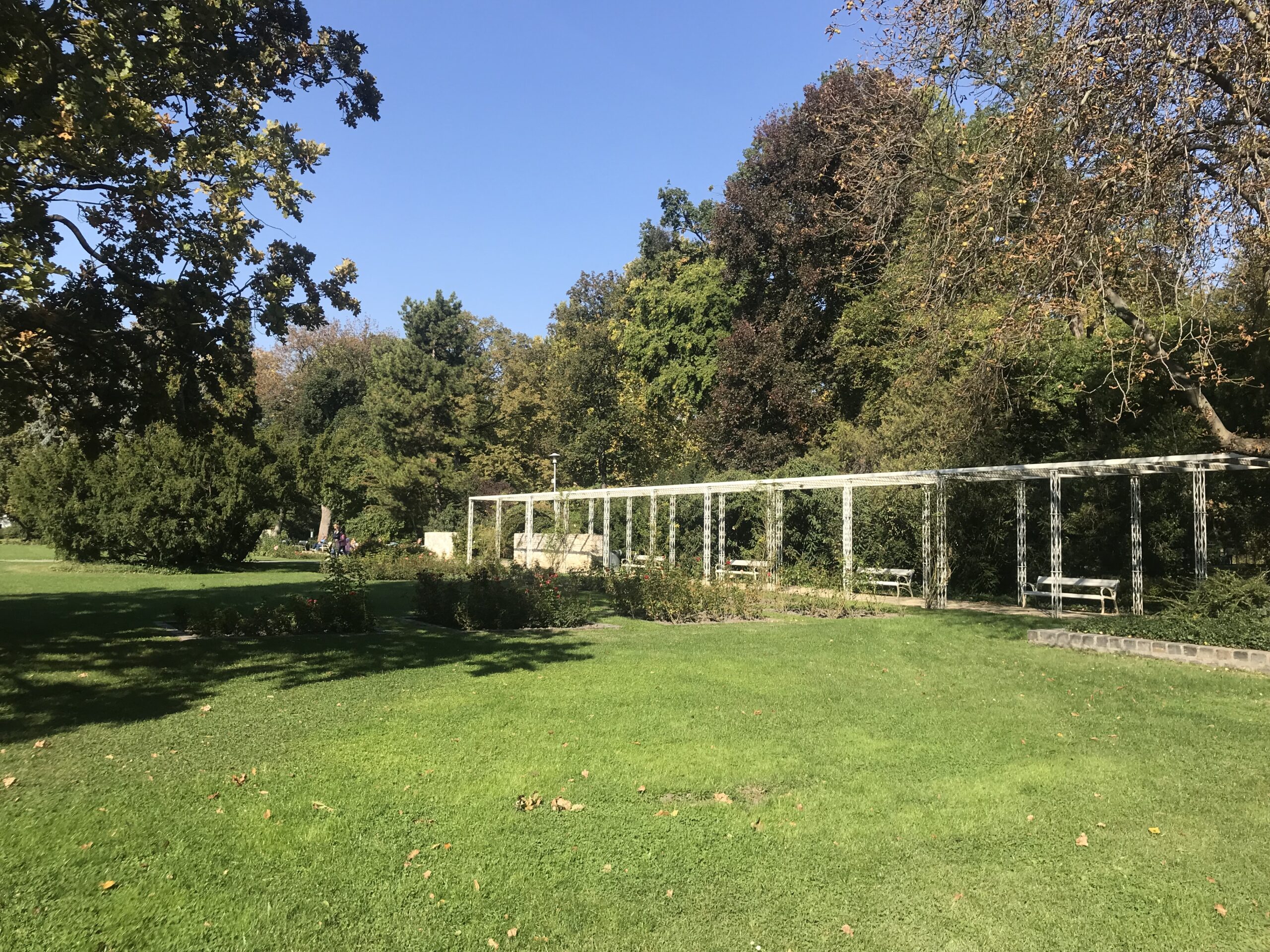
Floating gently between Buda and Pest, Margaret Island in Budapest is one of those places that feels instantly familiar to locals and surprisingly intimate to visitors. Long before it became Budapest’s most popular park, the island lived many lives — and traces of that past are still quietly present among the trees. Centuries ago, this was a place of withdrawal and reflection. Medieval monasteries once stood here, followed by periods when the island served as a place of isolation. Its most famous resident was Princess Margaret, daughter of King Béla IV, who chose a life of service and devotion on the island in the 13th century. Today, little remains of those structures, but the sense of calm they left behind is unmistakable. How locals use the island today For Budapesters, Margaret Island is less a sightseeing stop and more a way of life. People come here to jog, picnic, read, cycle, or simply sit in the shade on a warm afternoon. It’s where the city exhales — especially in summer. Because it’s surrounded by the Danube and free from traffic, the island has a slower, softer rhythm than the rest of the city. That’s exactly why many visitors end up calling it one of their favourite unexpected discoveries. Exploring at an easy pace Margaret Island is best enjoyed without rushing. One of the most enjoyable ways to explore is by renting one of the pedal-powered group bikes or electric vehicles, which allow you to move comfortably between highlights while still soaking in the atmosphere. A place that fits beautifully into a custom tour Margaret Island isn’t part of my standard city walks, mainly because of its location slightly outside the historic centre. However, it fits perfectly into customised walking or driving tours, especially for guests who want to balance sightseeing
Floating gently between Buda and Pest, Margaret Island in Budapest is one of those places that feels instantly familiar to locals and surprisingly intimate to visitors. Long before it became Budapest’s most popular park, the island lived many lives — and traces of that past are still quietly present among the trees.
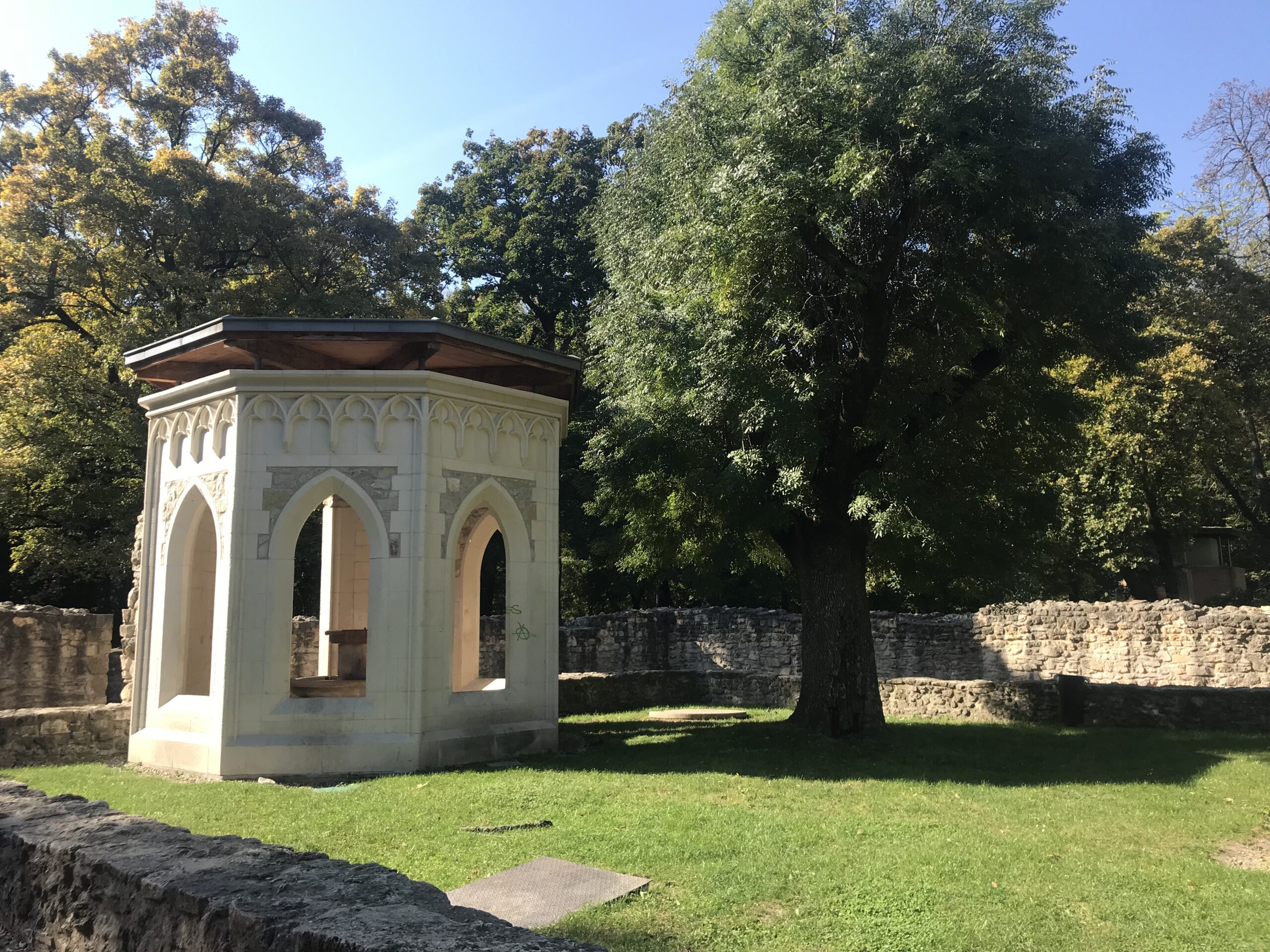
Centuries ago, this was a place of withdrawal and reflection. Medieval monasteries once stood here, followed by periods when the island served as a place of isolation. Its most famous resident was Princess Margaret, daughter of King Béla IV, who chose a life of service and devotion on the island in the 13th century. Today, little remains of those structures, but the sense of calm they left behind is unmistakable.
How locals use the island today
For Budapesters, Margaret Island is less a sightseeing stop and more a way of life. People come here to jog, picnic, read, cycle, or simply sit in the shade on a warm afternoon. It’s where the city exhales — especially in summer.
Because it’s surrounded by the Danube and free from traffic, the island has a slower, softer rhythm than the rest of the city. That’s exactly why many visitors end up calling it one of their favourite unexpected discoveries.
Exploring at an easy pace
Margaret Island is best enjoyed without rushing. One of the most enjoyable ways to explore is by renting one of the pedal-powered group bikes or electric vehicles, which allow you to move comfortably between highlights while still soaking in the atmosphere.
A place that fits beautifully into a custom tour
Margaret Island isn’t part of my standard city walks, mainly because of its location slightly outside the historic centre. However, it fits perfectly into customised walking or driving tours, especially for guests who want to balance sightseeing with relaxed, local experiences.
It’s an ideal addition in late spring or summer, offering a refreshing contrast to the architectural intensity of the city centre. Margaret Island may not demand attention — and that’s exactly its charm. It’s a place to slow down, breathe, and experience Budapest the way locals do.
If you’d like to include Margaret Island in a bespoke tour itinerary, I’m always happy to tailor the route to your interests and pace.
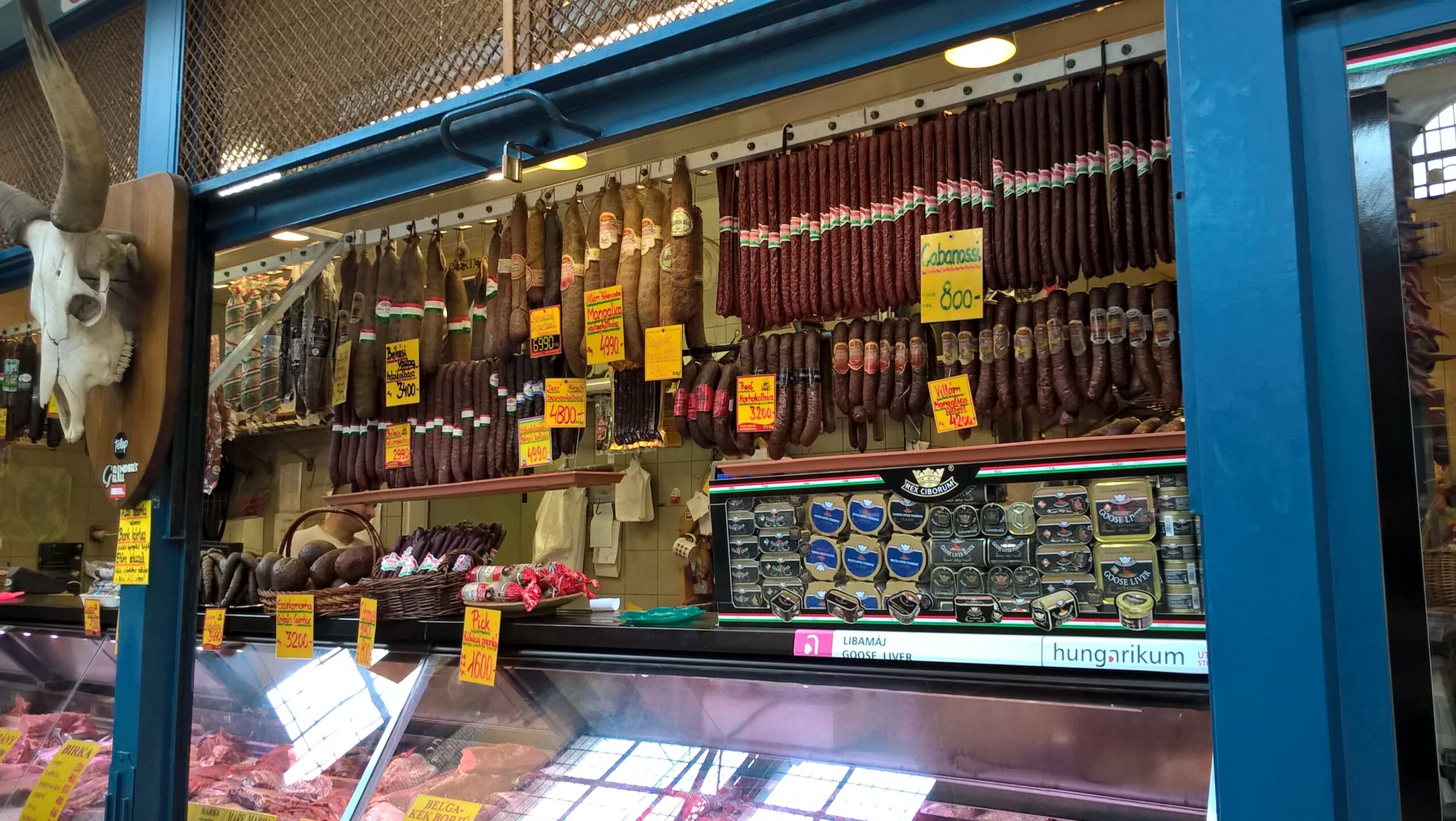
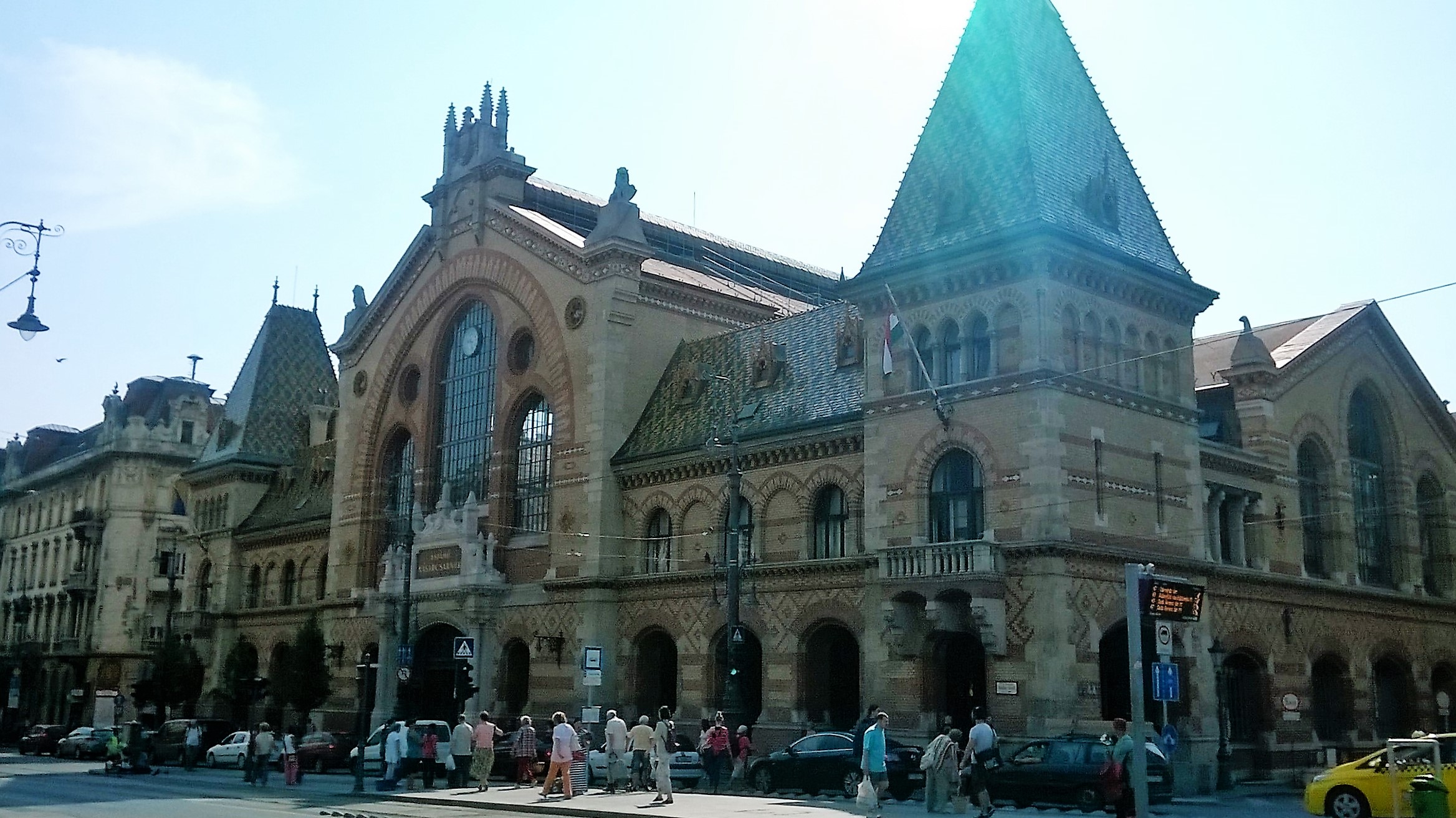
Yes, I agree — the Central Market of Budapest has become a major tourist attraction over the years. And yet, it may come as a surprise that it is still one of the favourite shopping places of locals. Despite the crowds, the market remains a living, breathing part of everyday Budapest life — and that’s exactly why it’s such a fascinating place to visit. A Personal Memory of the Central Market I first visited the market with my grandmother when I was around five years old. At that age, I couldn’t tell the difference between the "aisle of the rich" and the "aisle of the poor" — but I was completely captivated by the smells, colours, and endless variety of products. That sensory overload is still very much part of the experience today. The Great Market Hall: 120 Years of History The Central Market, officially known as the Great Market Hall, opened more than 120 years ago and quickly became the heart of Budapest’s food trade. The iron structure and glass roof often remind visitors of a 19th-century train station, while the colorful Zsolnay roof tiles make the building unmistakable from the outside. Inside, you’ll find: Fresh fruits and vegetables from across Hungary Hungarian sausages, salami, and cured meats Paprika in every form imaginable Local cheeses, honey, and preserves Traditional Hungarian pastries and street food Why the Central Market Is a Foodie Must-See If you’re curious about Hungarian gastronomy, this market is one of the best places to understand it. The Central Market showcases: Seasonal Hungarian ingredients Regional food traditions Everyday eating habits of locals The contrast between traditional stalls and modern food counters It’s lively, noisy, sometimes chaotic — and absolutely authentic. Visiting the Central Market on a Budapest Food Tour A visit to the Central Market is part
Yes, I agree — the Central Market of Budapest has become a major tourist attraction over the years. And yet, it may come as a surprise that it is still one of the favourite shopping places of locals.
Despite the crowds, the market remains a living, breathing part of everyday Budapest life — and that’s exactly why it’s such a fascinating place to visit.
A Personal Memory of the Central Market
I first visited the market with my grandmother when I was around five years old. At that age, I couldn’t tell the difference between the “aisle of the rich” and the “aisle of the poor” — but I was completely captivated by the smells, colours, and endless variety of products.
That sensory overload is still very much part of the experience today.
The Great Market Hall: 120 Years of History
The Central Market, officially known as the Great Market Hall, opened more than 120 years ago and quickly became the heart of Budapest’s food trade.
The iron structure and glass roof often remind visitors of a 19th-century train station, while the colorful Zsolnay roof tiles make the building unmistakable from the outside.
Inside, you’ll find:
Fresh fruits and vegetables from across Hungary
Hungarian sausages, salami, and cured meats
Paprika in every form imaginable
Local cheeses, honey, and preserves
Traditional Hungarian pastries and street food
Why the Central Market Is a Foodie Must-See
If you’re curious about Hungarian gastronomy, this market is one of the best places to understand it.
The Central Market showcases:
Seasonal Hungarian ingredients
Regional food traditions
Everyday eating habits of locals
The contrast between traditional stalls and modern food counters
It’s lively, noisy, sometimes chaotic — and absolutely authentic.
Visiting the Central Market on a Budapest Food Tour
A visit to the Central Market is part of my Budapest Food Tour (except on Sundays, when the market is closed).
During the tour, I’ll:
Help you navigate the market beyond the obvious tourist stalls
Explain what locals really buy and why
Introduce Hungarian food traditions and shopping habits
Make sure you taste one of the best sausages and a proper Hungarian strudel
The market is not just about food — it’s about culture, history, and everyday life.
Combine Market Visit with Wine Tasting
Many guests choose to combine their market experience with a food and wine-focused day, pairing the Budapest food tour with a countryside escape such as the Etyek Wine Tour, Hungary’s closest wine region to the capital.
It’s a wonderful way to connect Budapest’s culinary scene with local wines and rural traditions.
Planning Your Visit to the Central Market of Budapest
If you’d like to explore the Central Market of Budapest with a local guide and truly understand what you’re seeing — and tasting — I’d be happy to show you around as part of one of my private food tours.