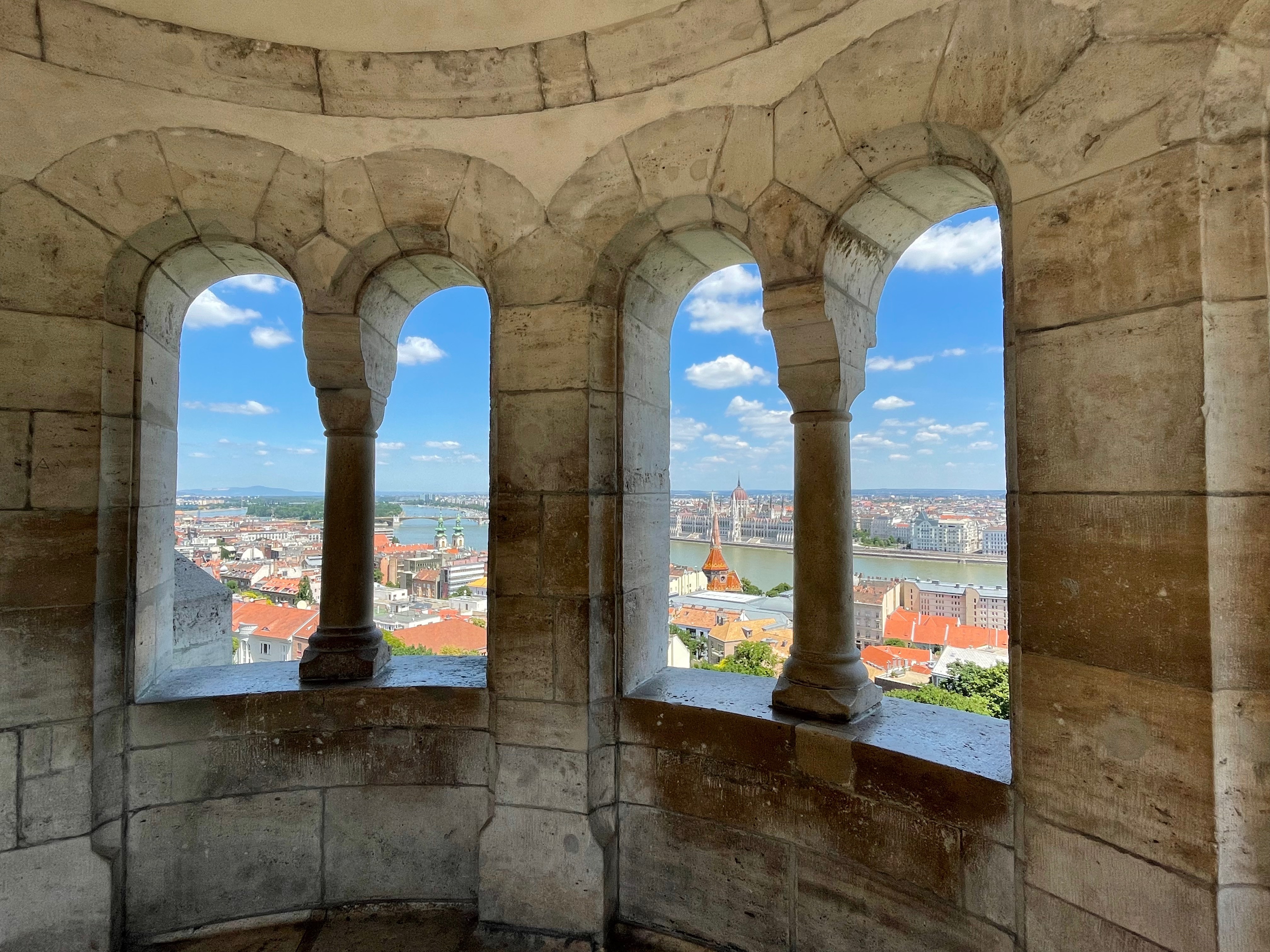
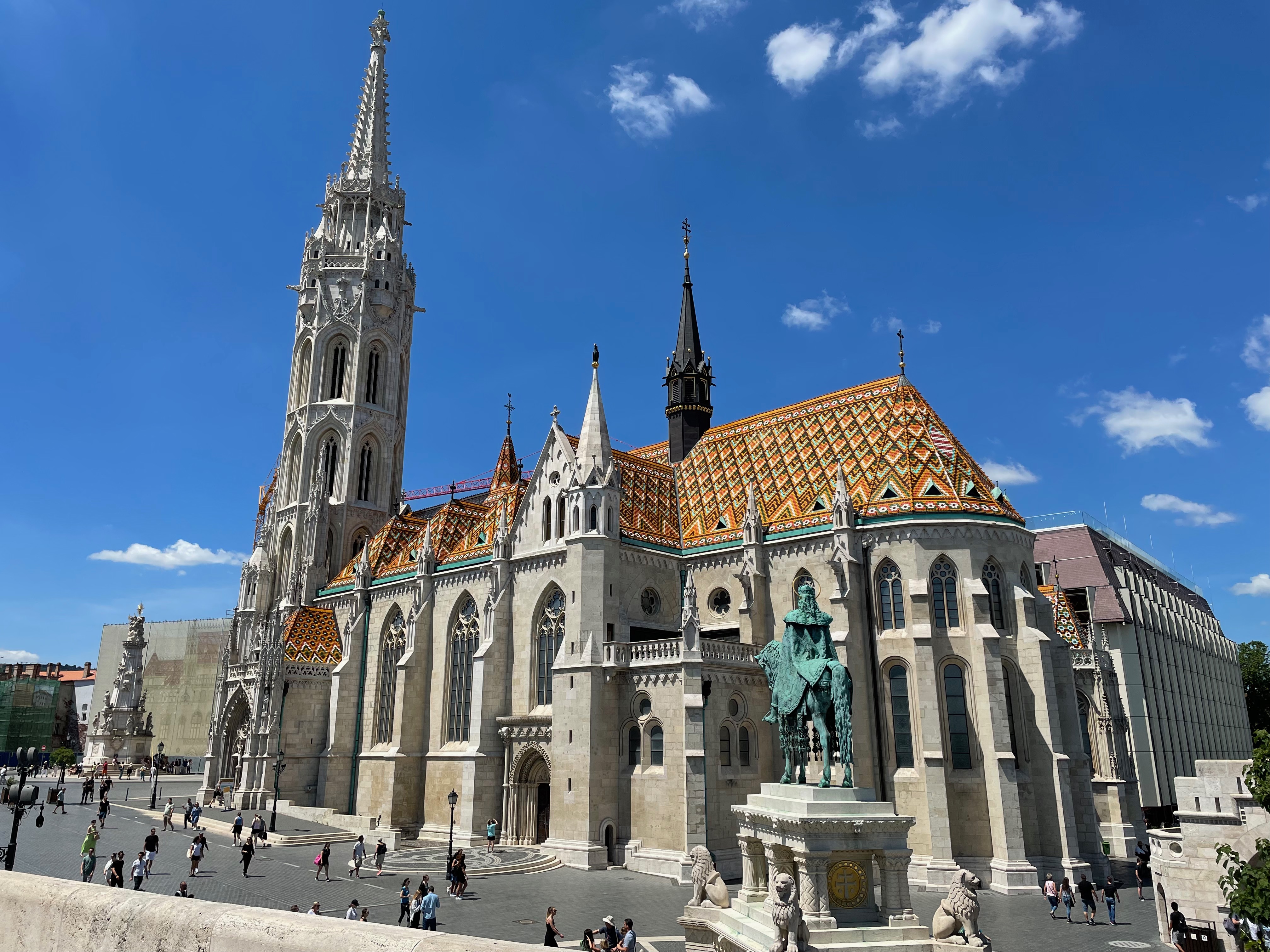
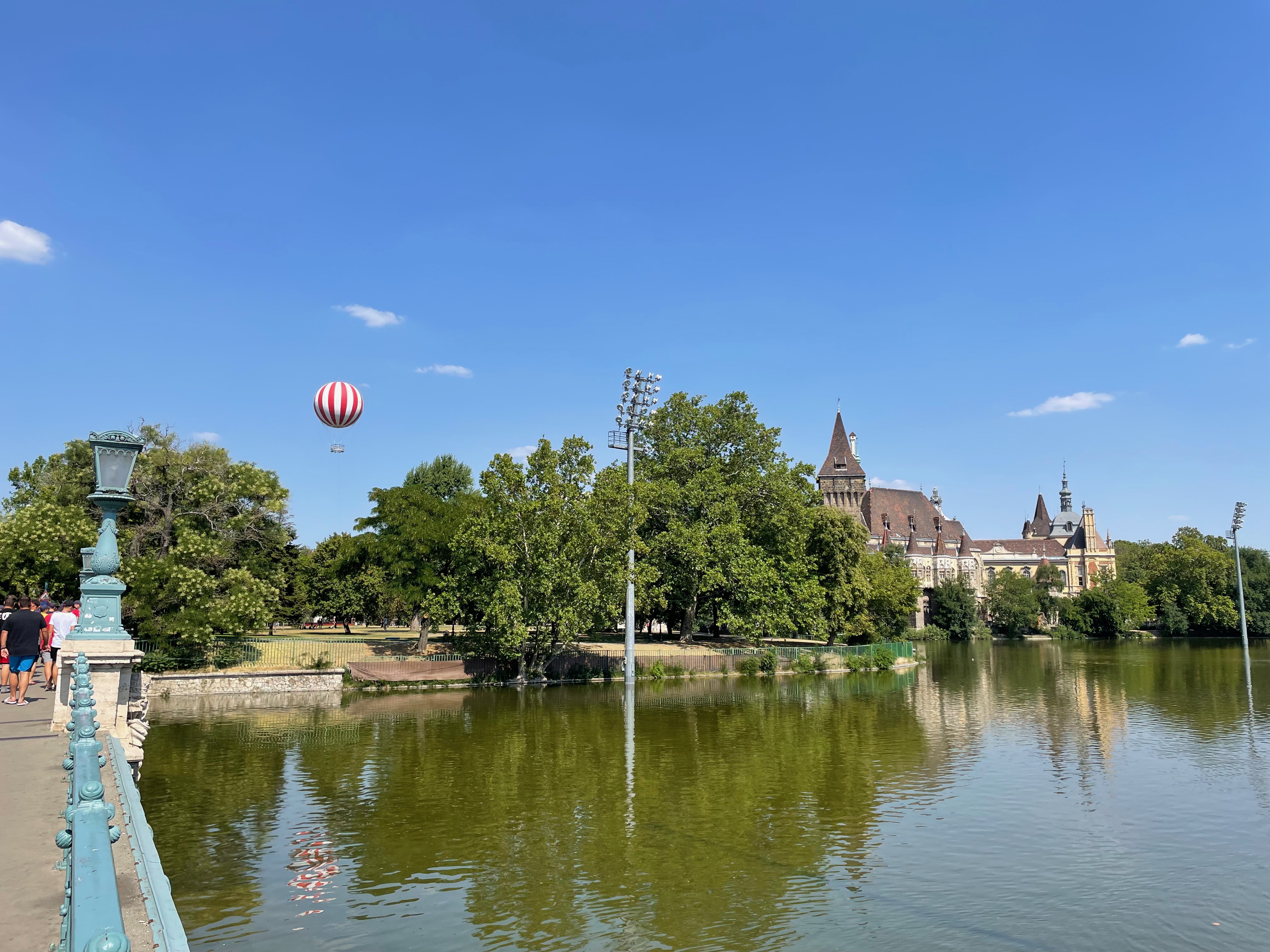
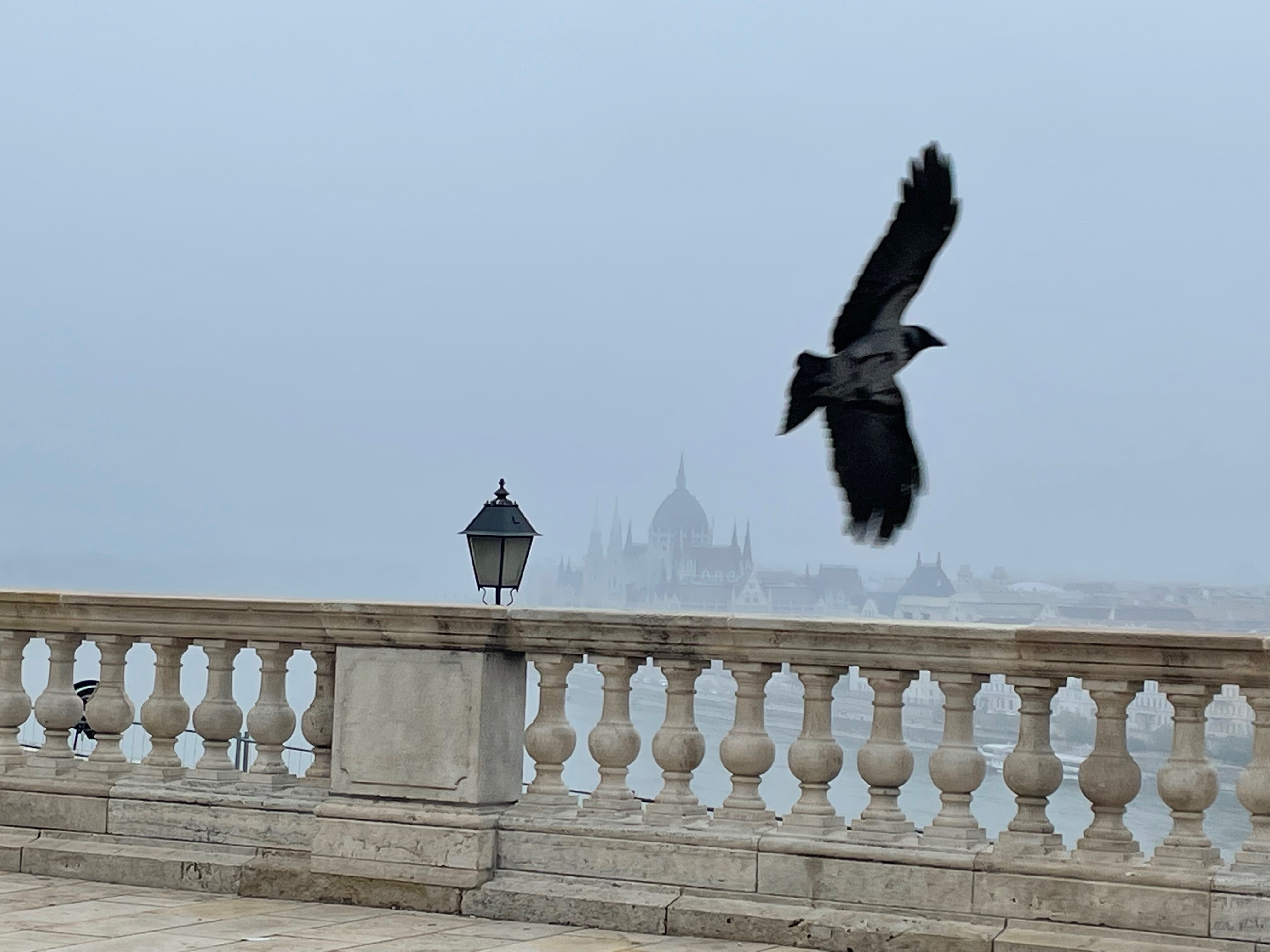
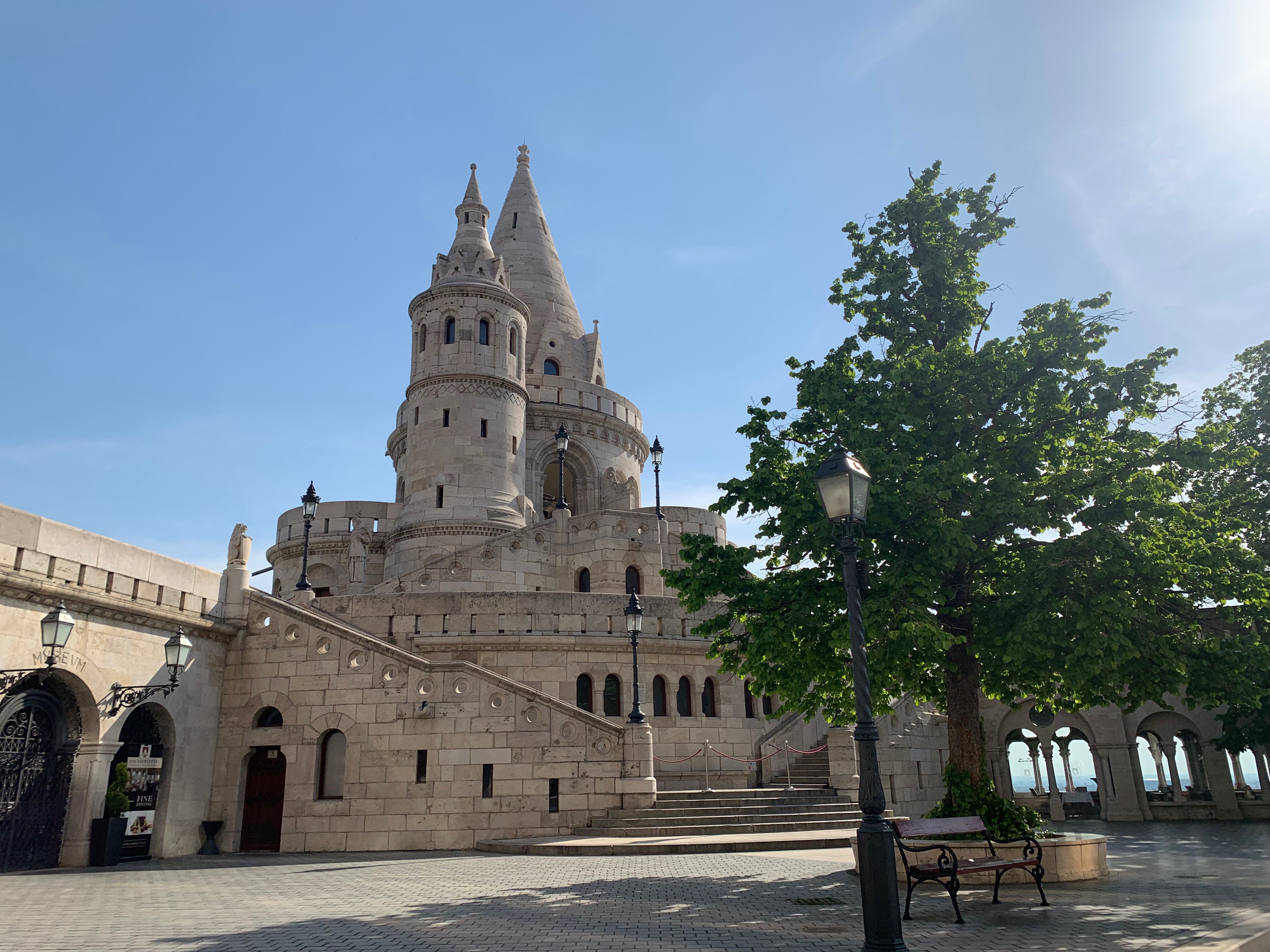
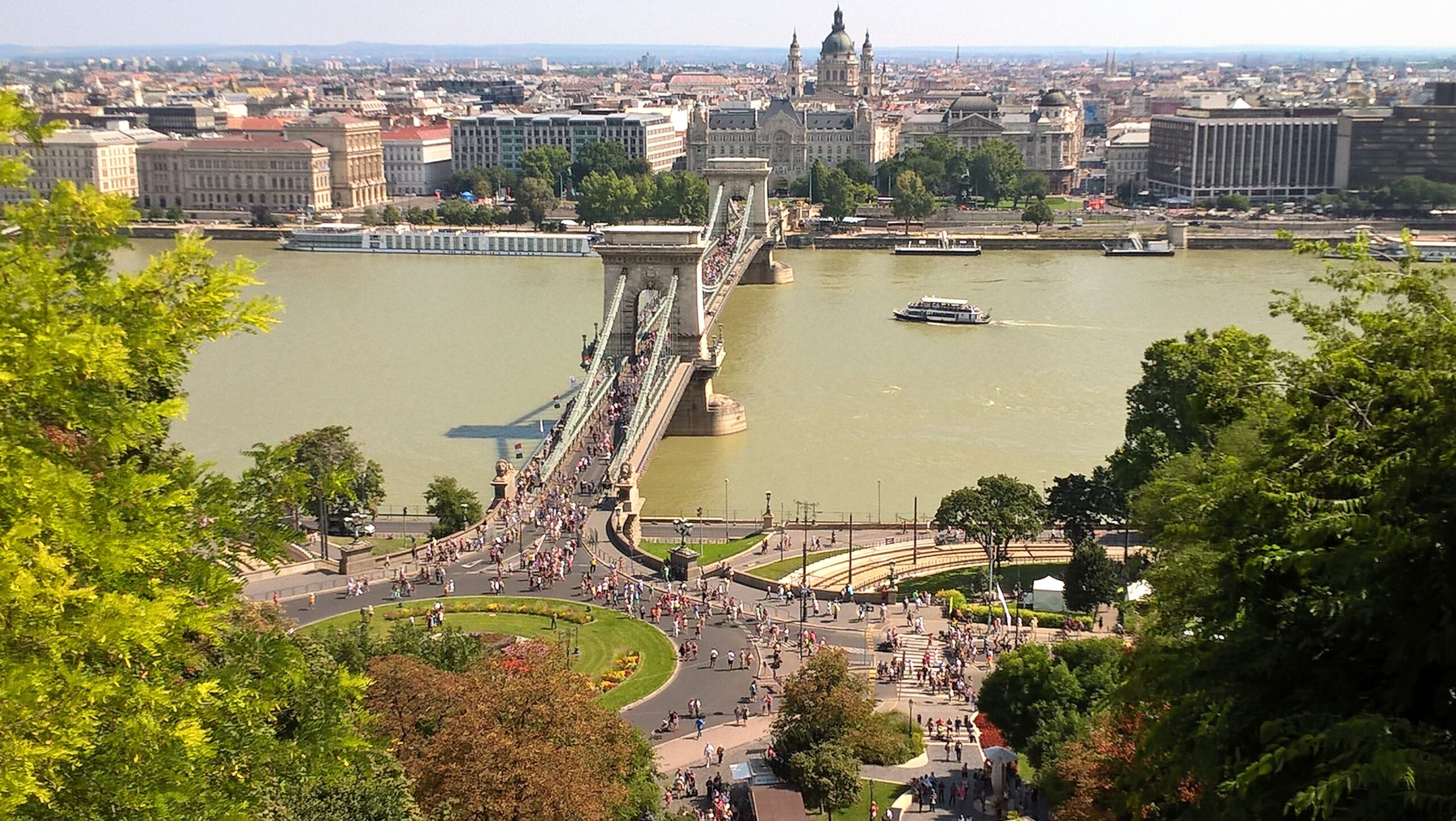
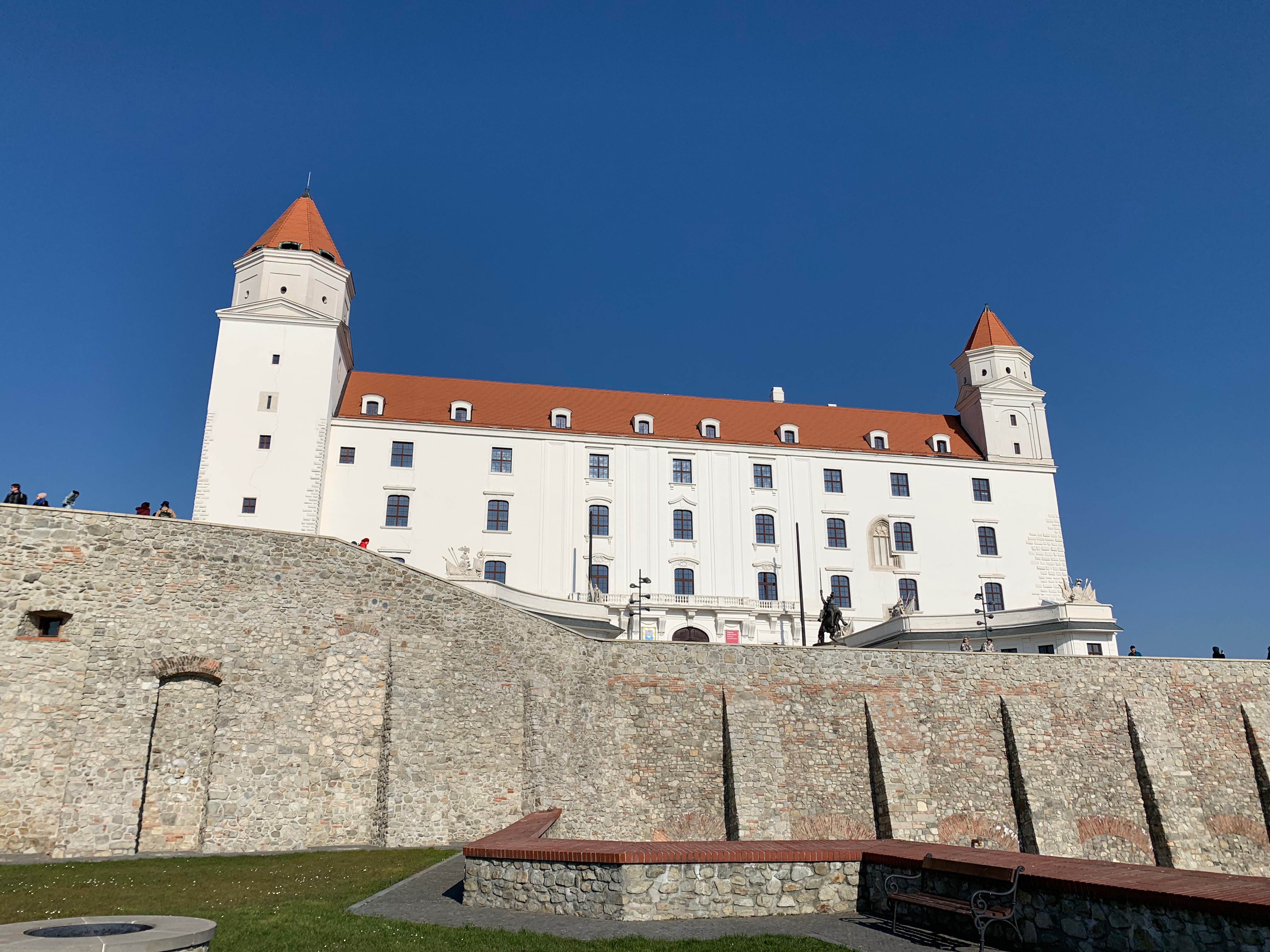
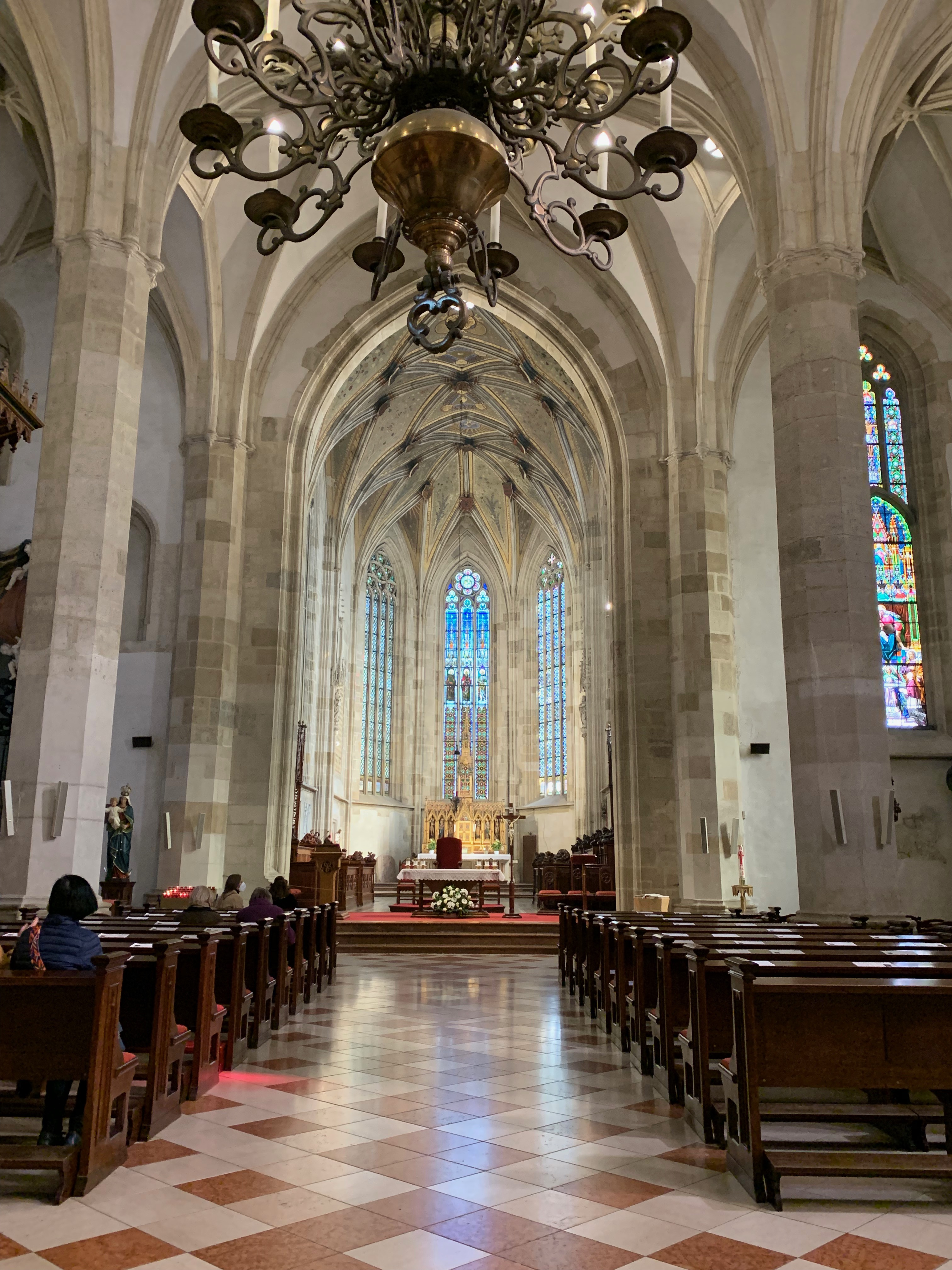
Fisherman’s Bastion seasons reveal how this iconic Budapest landmark transforms from spring blossoms to winter calm throughout the year.

There are very few places in Budapest that feel completely different throughout the year — and Fisherman’s Bastion is one of them. Thanks to my private Budapest tours, I visit this iconic spot almost every day, in every season, and it never looks the same twice.

Whether you’re visiting in spring blossoms, summer sunshine, autumn colours, or winter snow, Fisherman’s Bastion always offers something special.

Spring Atmosphere

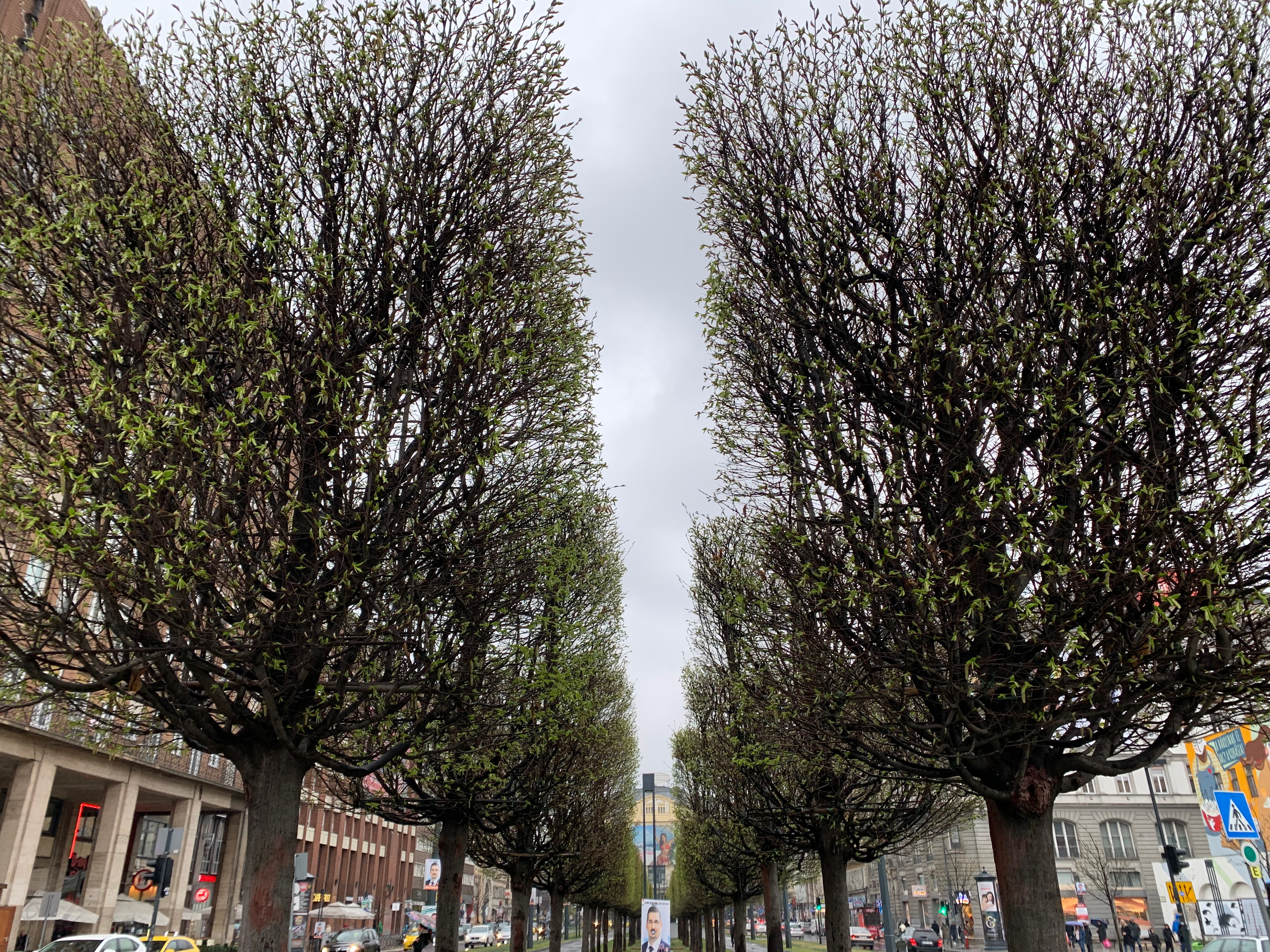
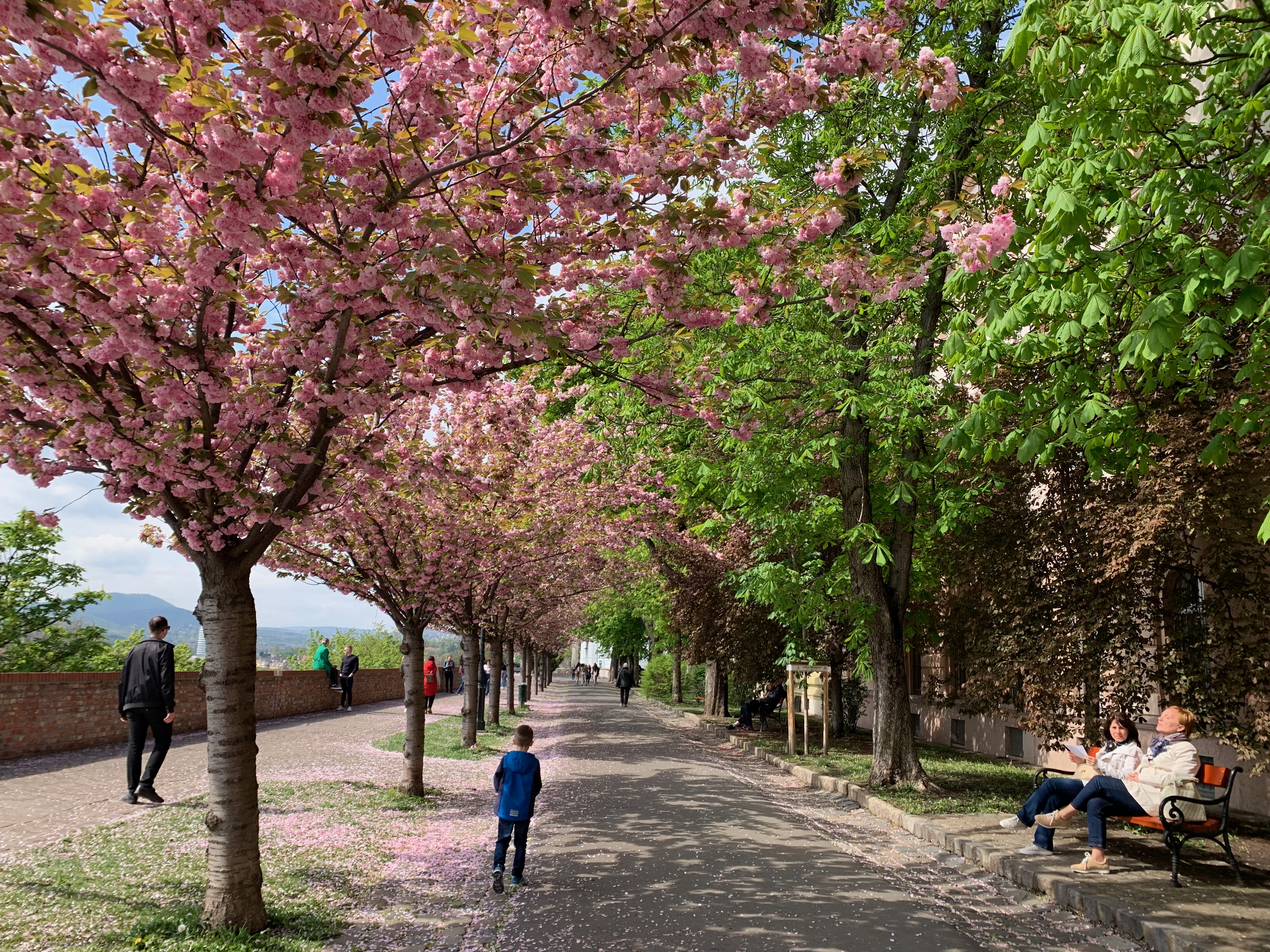
Spring brings fresh greenery, soft light, and a calm, hopeful atmosphere to the Buda Castle District. Trees begin to bloom around the Bastion, and the views over the Danube feel especially crisp and clear. It’s a wonderful time for relaxed walks, gentle light for photography, and fewer crowds than in high summer.

Summer Vibes

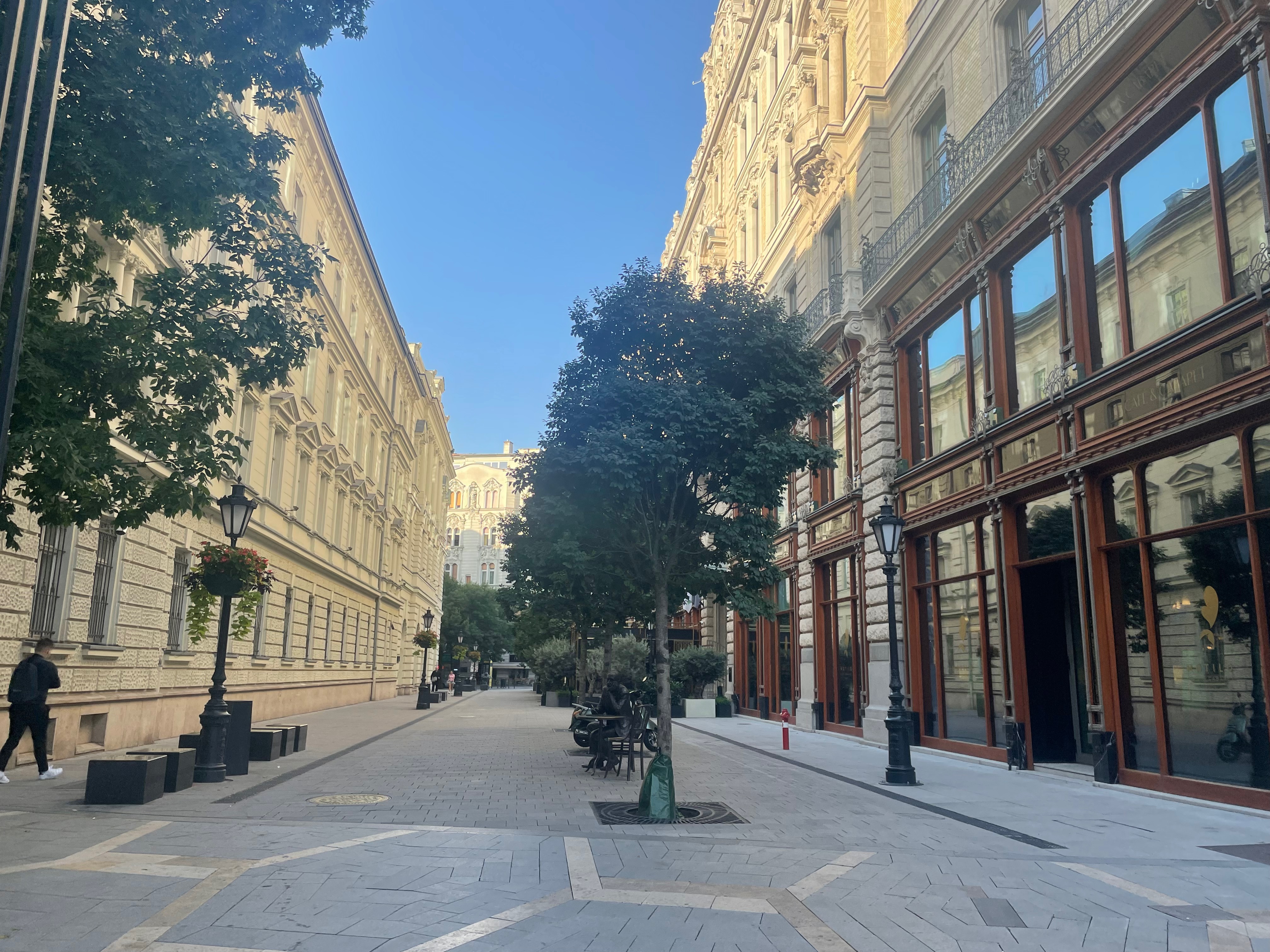
In summer, Fisherman’s Bastion is at its liveliest. Long daylight hours, blue skies, and warm evenings make it one of Budapest’s most popular viewpoints. The terraces buzz with visitors, musicians, and travellers soaking in the views — especially at sunset, when the city glows golden.

Early mornings or late evenings are ideal if you want to enjoy summer without the busiest crowds.

Autumn Colours

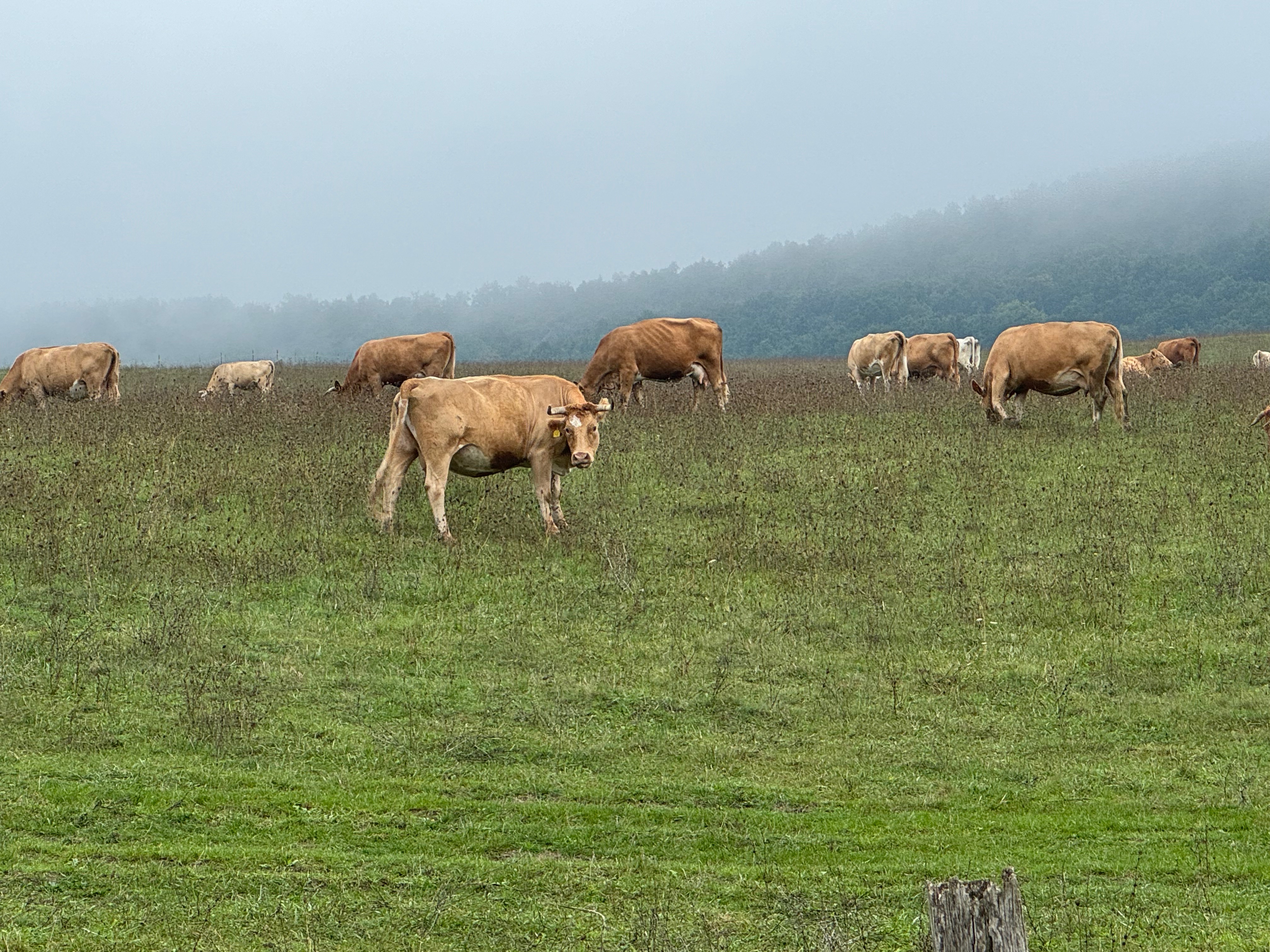
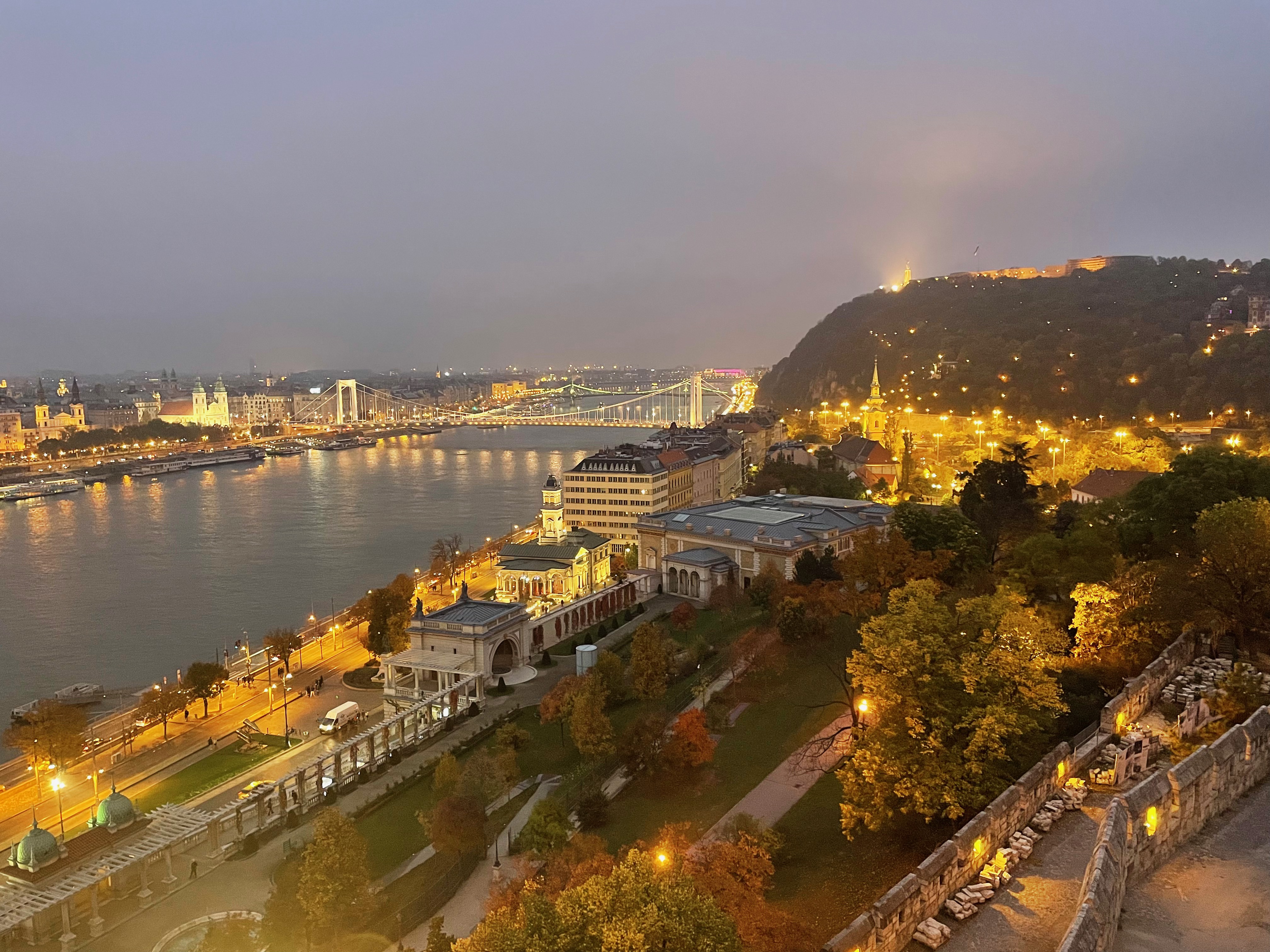
Autumn is one of my personal favourites. The surrounding hills turn shades of gold and rust, the air becomes cooler, and the light softens beautifully. It’s a peaceful, photogenic season that feels slower and more local — perfect for travellers who enjoy atmosphere as much as views.

Winter at Fisherman’s Bastion

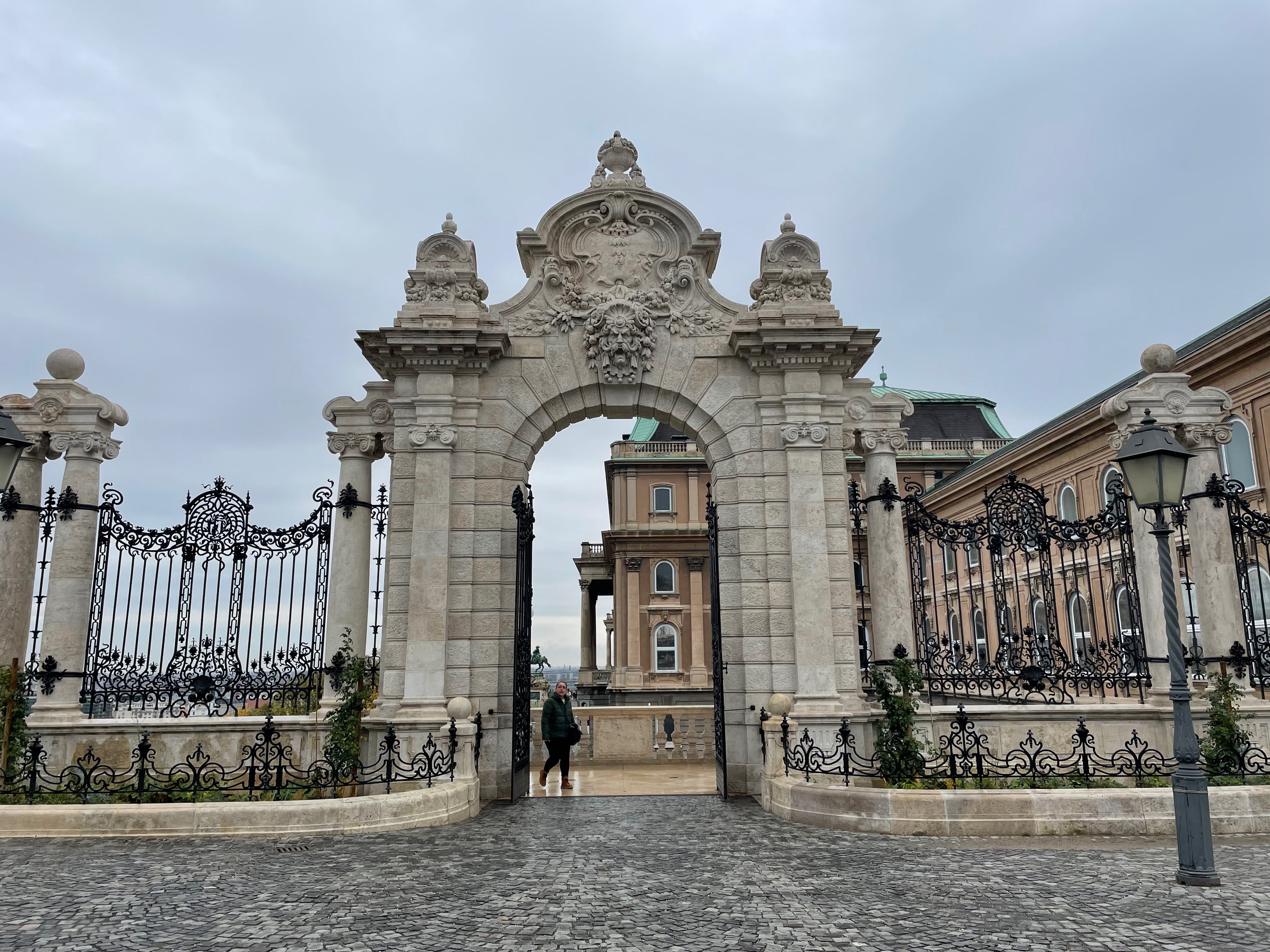
Winter transforms Fisherman’s Bastion into something almost magical. On frosty mornings — or rare snowy days — the white stone towers blend into the winter landscape, creating a fairytale scene. There are fewer visitors, the air is crisp, and Budapest feels quieter and more intimate.

What’s the best season to visit Fisherman’s Bastion?

The beauty of Fisherman’s Bastion is that there is no bad season — only different moods. Each time of year offers:

  • changing light and colours

  • a different crowd level

  • a unique atmosphere

That’s why I always tell my guests: the best time to visit is when you’re here.

If you’d like to understand why this spot is considered one of Budapest’s highlights — and how to experience it for the first time — start with my main guide:
👉 A Must-See: Fisherman’s Bastion

And if you want to experience it at the right time of day, with local insight and hidden details, Fisherman’s Bastion is part of my Buda Castle Walk and can also be included in my private Budapest tours.

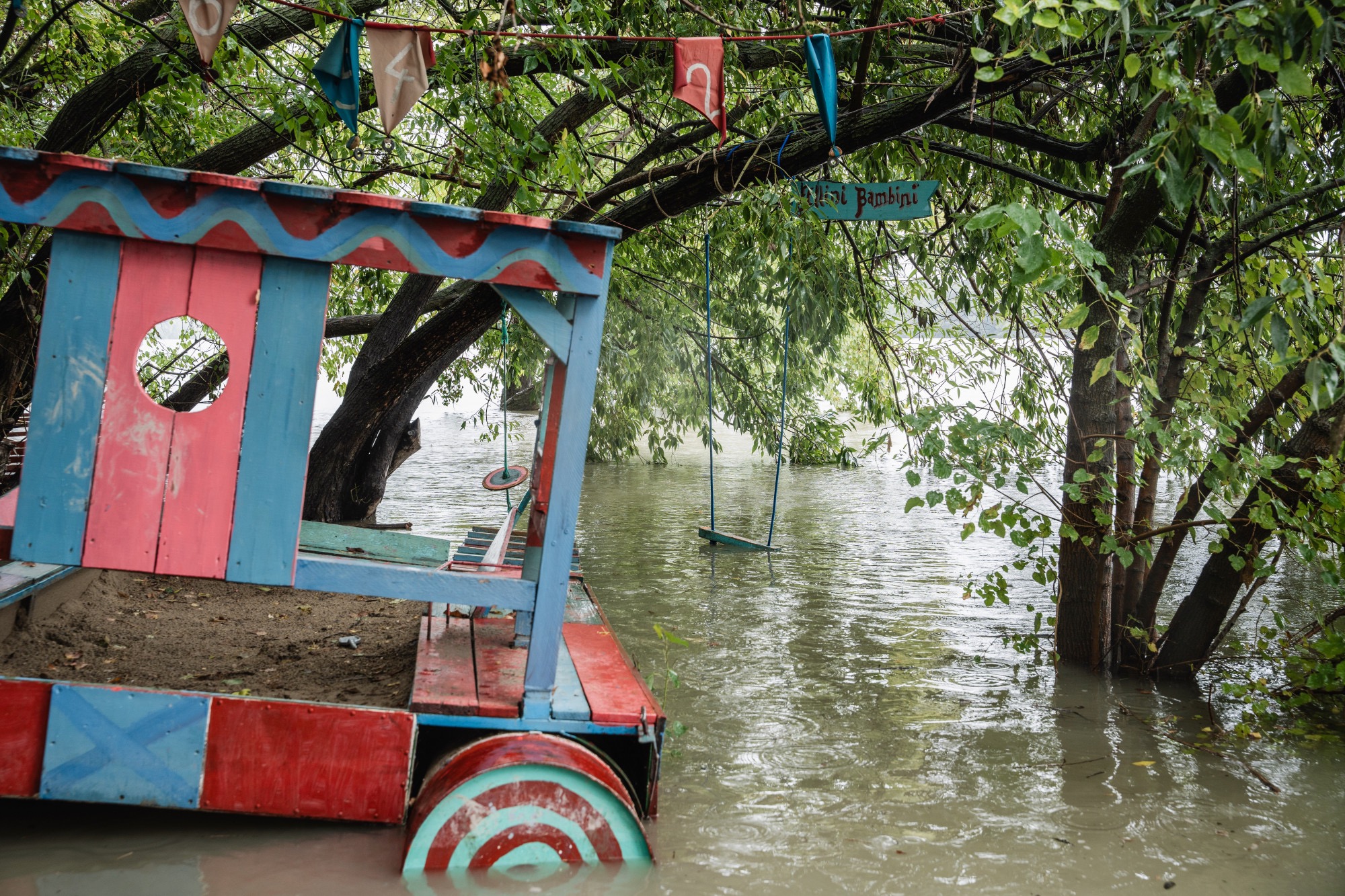
Did you know that Budapest has multiple beaches where you can swim in the Danube? My personal favourite spot is Római Part with magnificent views, very unique character, a nice range of recreational activities, cool bars and great food. Don’t miss to walk around a little bit to see the old boathouses!

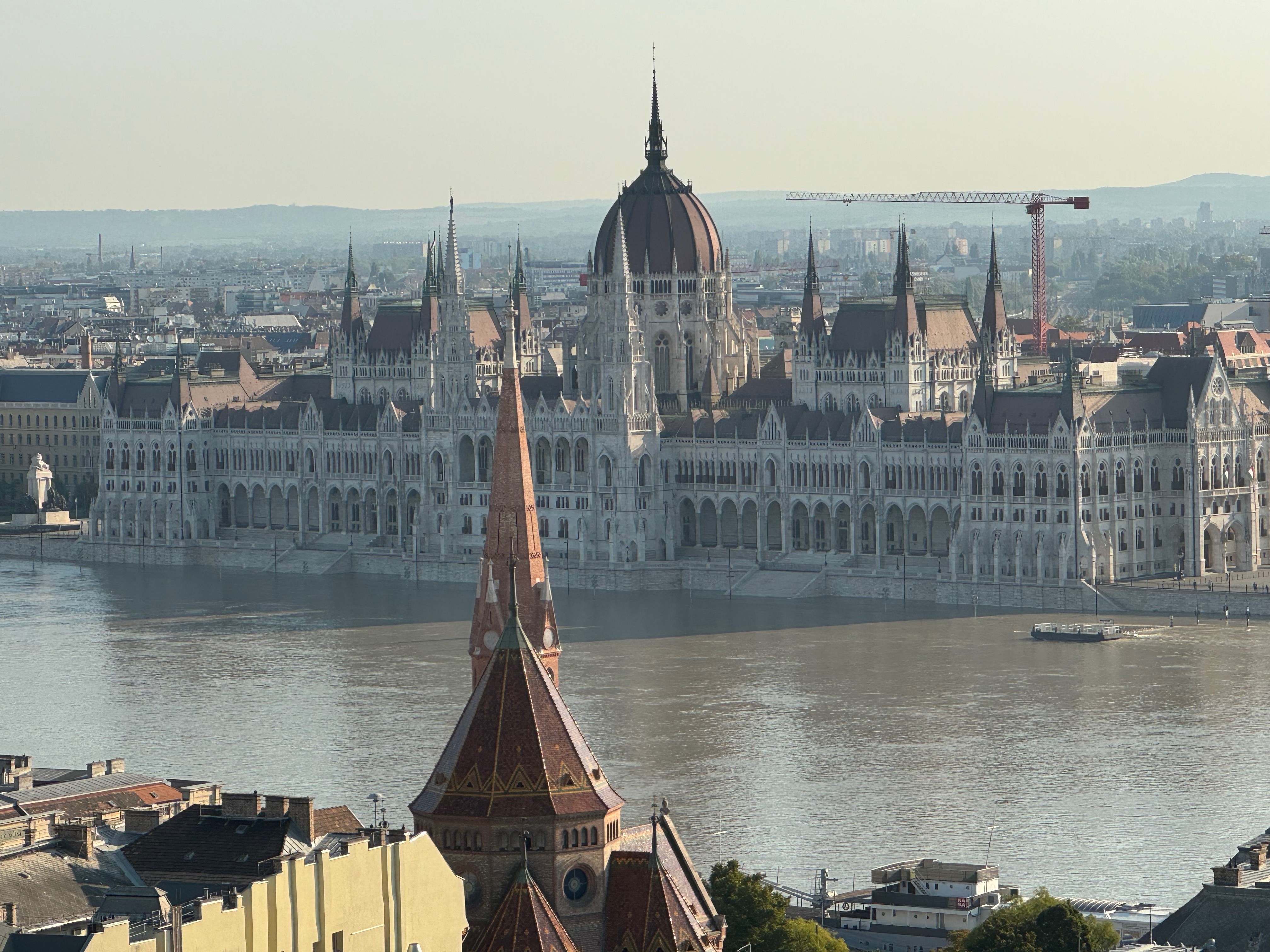
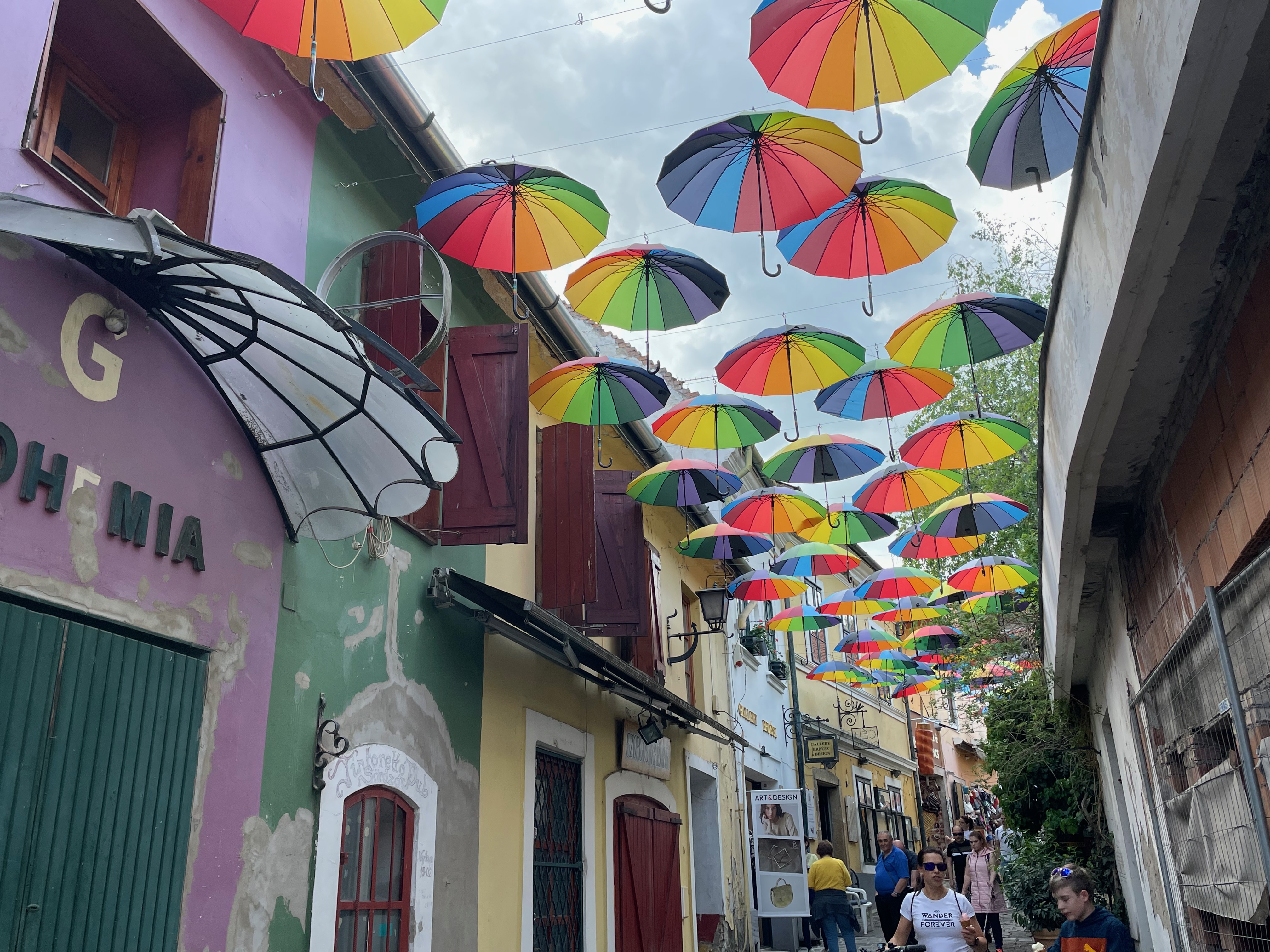
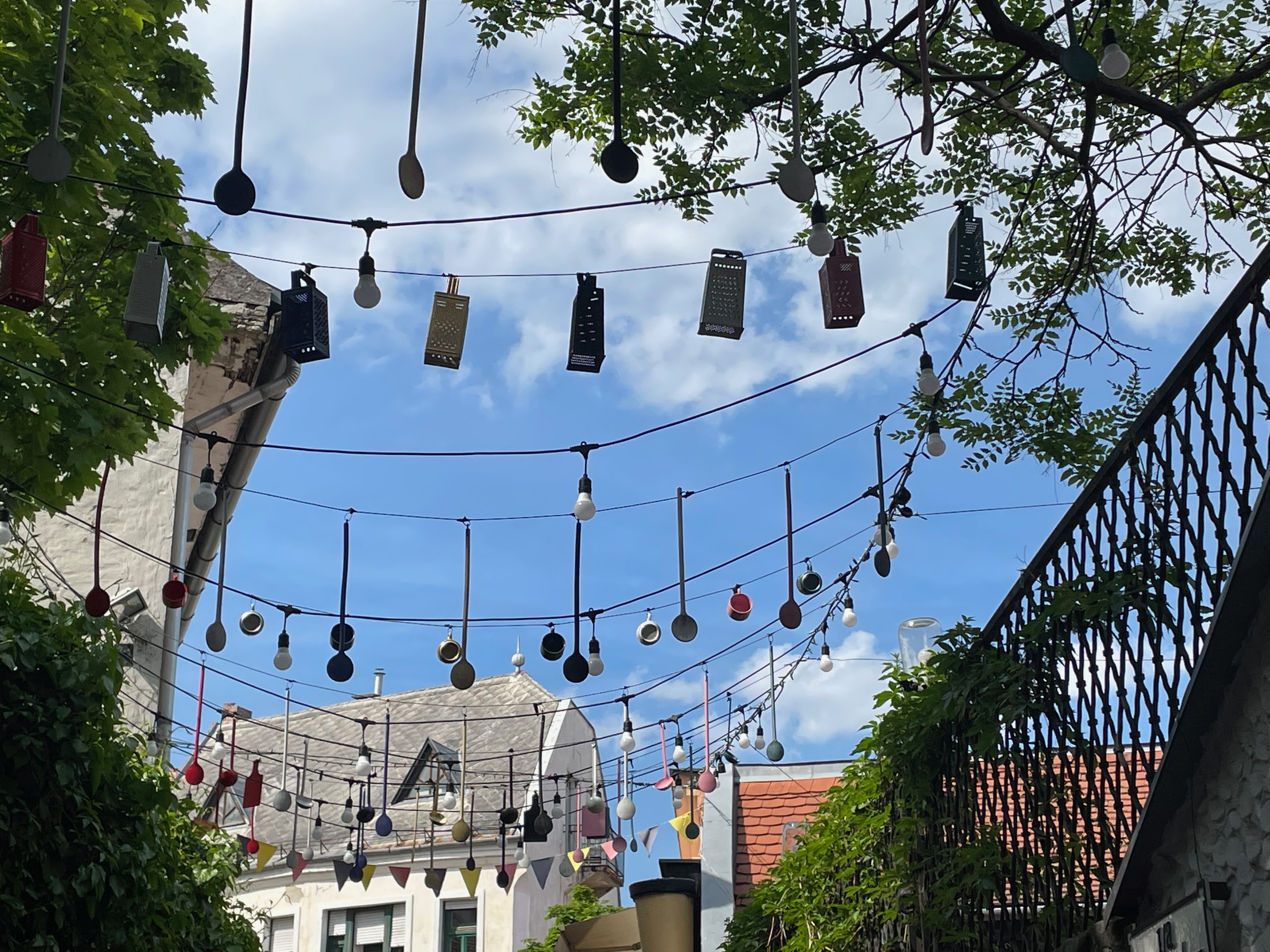
A little photo gallery from the thousands of photographs I’ve been taking while walking around my Beautiful Budapest. These are not the most famous attractions, but some hidden gems that you can discover when you book a tour with me. The reason why I’m sharing these with you is that I very much like the colours, the vibes, the ambience of these places. Feel free to contact me for more details!

My travellers always ask me which baths are the best, which one they should go to. There are plenty, they are all different. You can book the Budapest Baths tour with me so that you can get more ideas about the Budapest baths and their history. Here is a little video for you to show what you can expect when you go to Széchenyi baths in the City Park:

You can reserve tickets online in advance if you’d like to skip the line.

The views from the top of Buda hills are magnificent. There are some great spots to watch sunrise or sunset from, one of my favourite spots is on top of Gellért hill, by the Statue of Liberty. Don’t miss the views during your stay in Budapest!


The Buda hills are beautiful and very unique, you can experience the most amazing views from the top of the hills. Here’s what you can see from the top of Gellért hill, the truly magnificent panoramic view from the very top. Book a half-day or full-day driving tour with me to see it for yourself!

My travellers often ask me to recommend some great museums to visit during their stay in Budapest. I’ve put together a list of the museums that I like and that I think would be a great addition to your Budapest experience. I’ve just updated the list, so that you can have the most amazing cultural Budapest experience.

A carefully selected list of Budapest museums for history, art, photography, and music lovers — recommended by a licensed local tour guide

History lovers

Hungarian National Museum – all about Hungarian history from the ancient times to nowadays. the most significant item on display is the coronation robe of the Hungarian kings from 1000. The interior of the museum is just magnificent.

Hospital in the Rock – a museum in the cave system of the Buda Castle District that served as an underground hospital during WW2. Amazing stories from the war and a very detailed presentation.

Budapest History Museum – dedicated to the history of the Buda Castle complex and Budapest. You can visit the old parts of the castle as well as the newly renovated royal halls.

Memento Park – although it’s located outside the city centre, it’s worth a visit. The cemetery of the old statues of the communist era puts on display Hungarian history in the second half of the 20th century.

Glass House – former Swiss consul Carl Lutz saved the life of thousands of Hungarian Jews during WW2. The museum is dedicated to his amazing work and to all people who found peace and safety in the Glass House of Budapest.

Art lovers

Fine Art Museum – hundreds of thousands of pieces from all the different periods of European fine arts. Plan to spend a couple of hours to see them all.

National Gallery – an amazing collection of Hungarian art form the Middle Ages to nowadays. The museum is located in the Royal Palace of Buda and offers magnificent views over the city.

Ludwig Museum – the contemporary art museum started from a private collection and is expanding dynamically year by year. You can admire art from the late 1960’s to present time.

Ráth György villa – the Art Nouveau fans (myself included) will love this exhibition near the City Park. It’s the home of György Ráth, former director of the Museum of Applied Arts with very unique interiors, furniture and art from the late 19th and early 20th century.

Kiscelli Museum – showcasing the cultural history of Budapest from the 18th century to nowadays. It’s located a little further from the city centre, but it’s worth the extra time.

Photography lovers

Robert Capa Contemporary Photography Center – located in the Art Nouveau Ernst House in Nagymező utca is named after Robert Capa, the first photo journalist of the world with his war reportage on the Spanish Civil War, WWII, China, and Vietnam.

Mai Manó Ház – the Hungarian House of Photographers with temporary exhibitions showcasing the works of some of the greatest Hungarian photographers from the 21th and 21st century.

Music lovers

Liszt Museum – the little museum is located in the home of composer and piano virtuoso Franz Liszt, and actually, you’ll feel like you’re visiting him personally. Most of the items are original and belonged to Franz Liszt.

House of Hungarian Music – one of Budapest’s newest and most exciting cultural institutions, located in City Park. The museum presents Hungarian and international music history in a highly interactive way, with immersive exhibitions, listening stations, and contemporary architecture designed by Japanese architect Sou Fujimoto. Even visitors who don’t usually go to music museums find this place engaging and memorable.


Don’t forget that most of the Budapest museums are closed on Mondays, always check the opening hours before your visit! Feel free to get in touch with me for further details and more information or if you feel like that there is something else you’d like to add to this list. Many of these museums can be easily combined with a custom Budapest walking tour — don’t hesitate to get in touch if you’d like a personalised itinerary built around your interests.

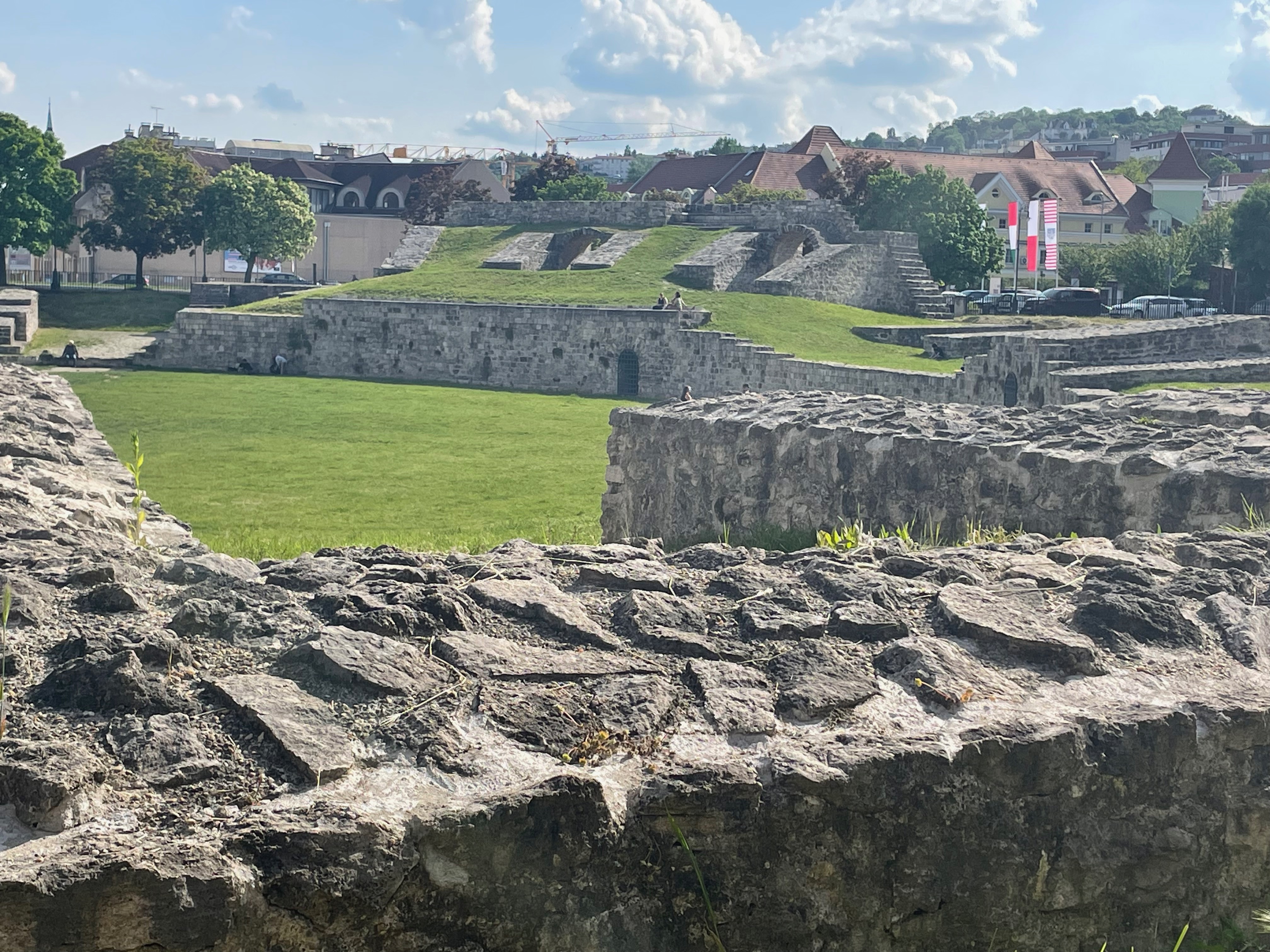
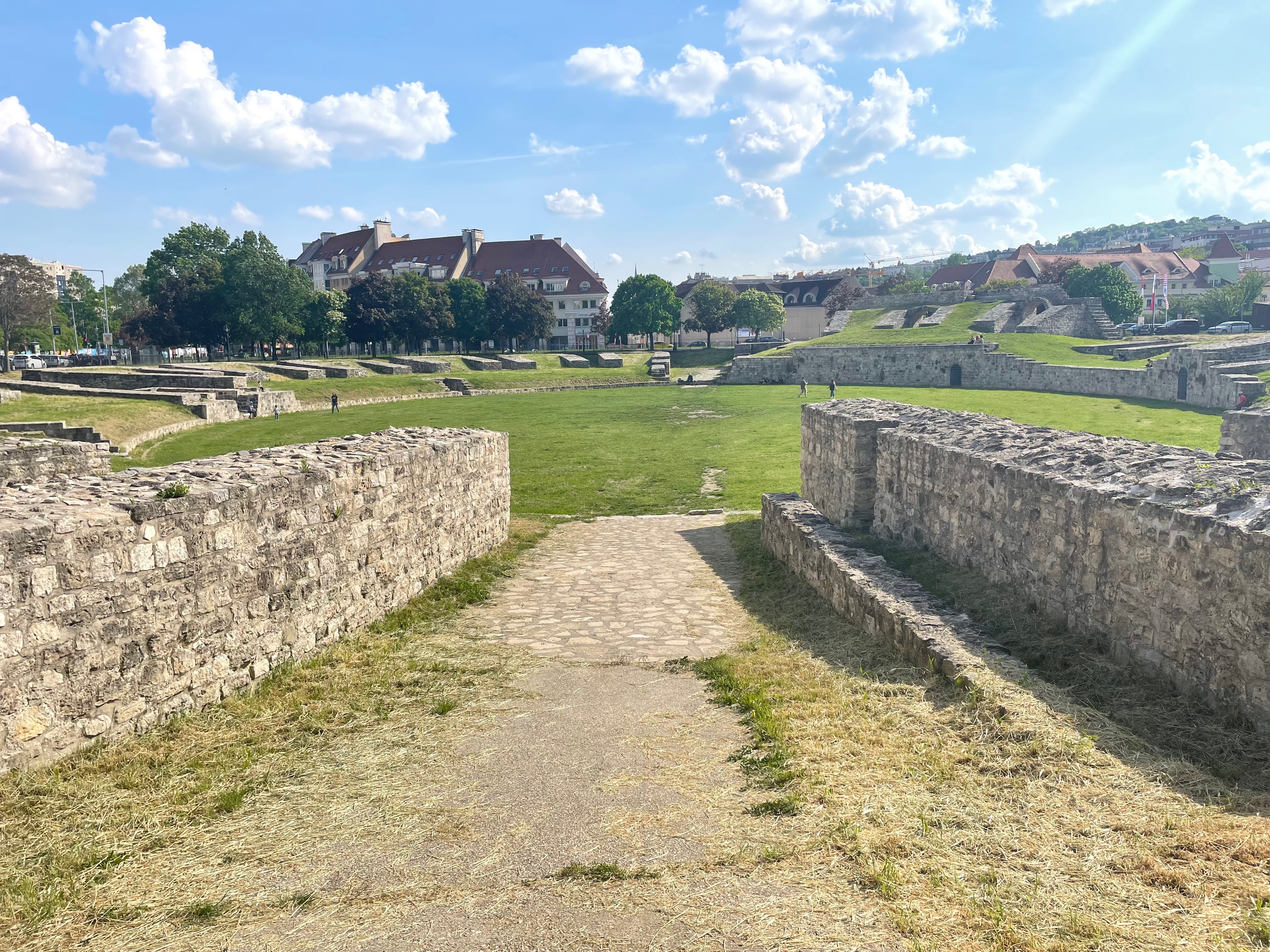
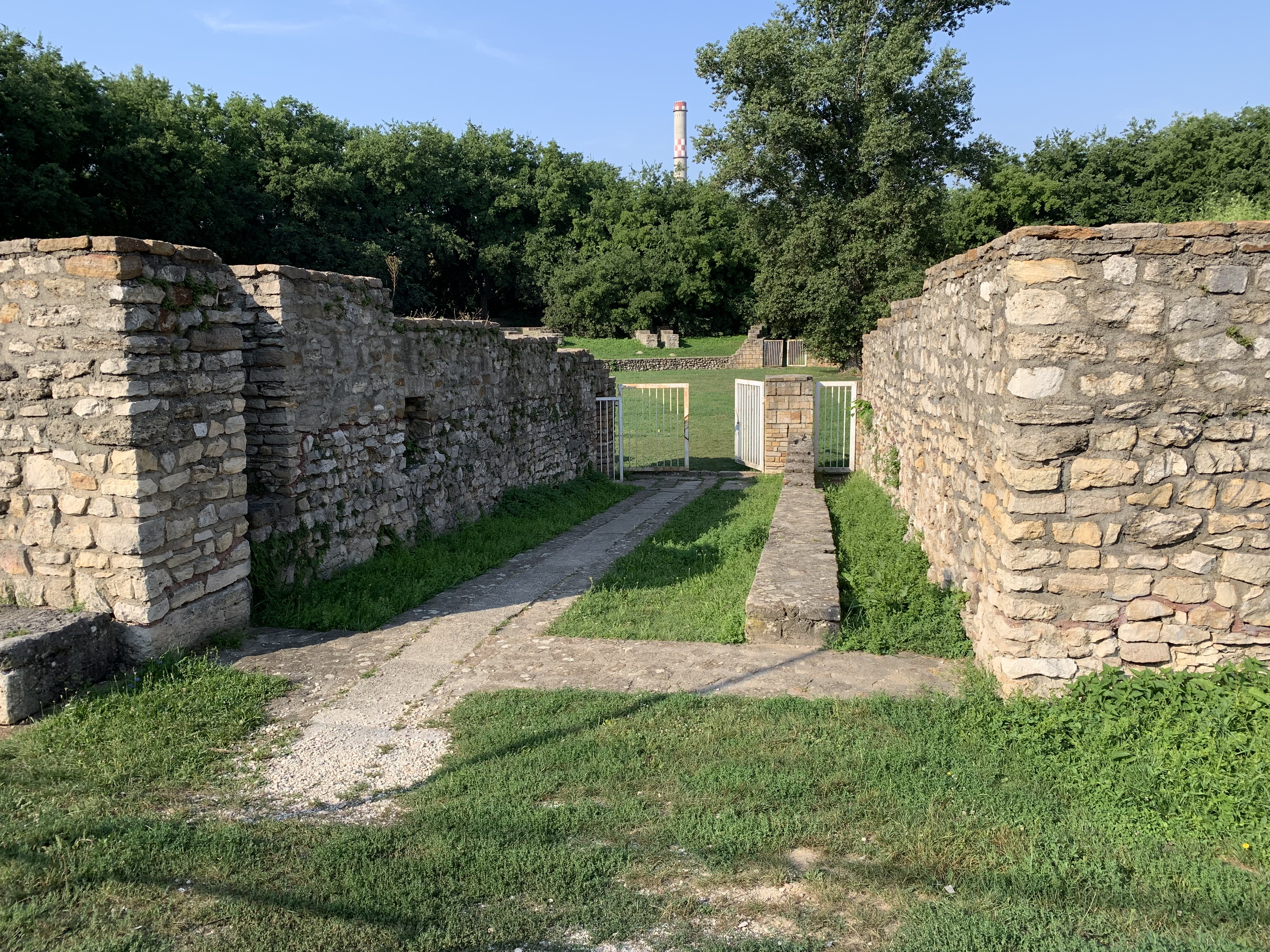
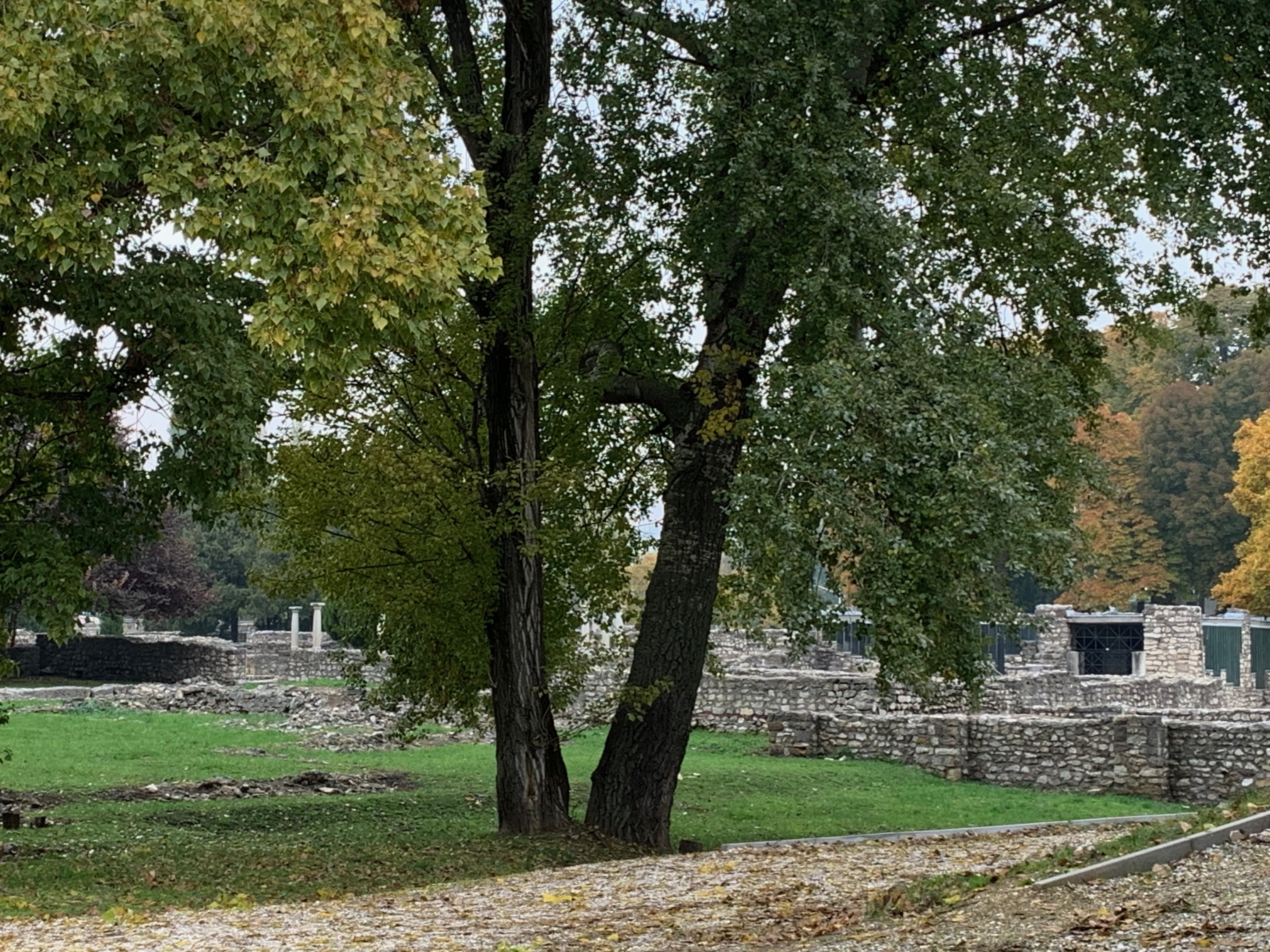
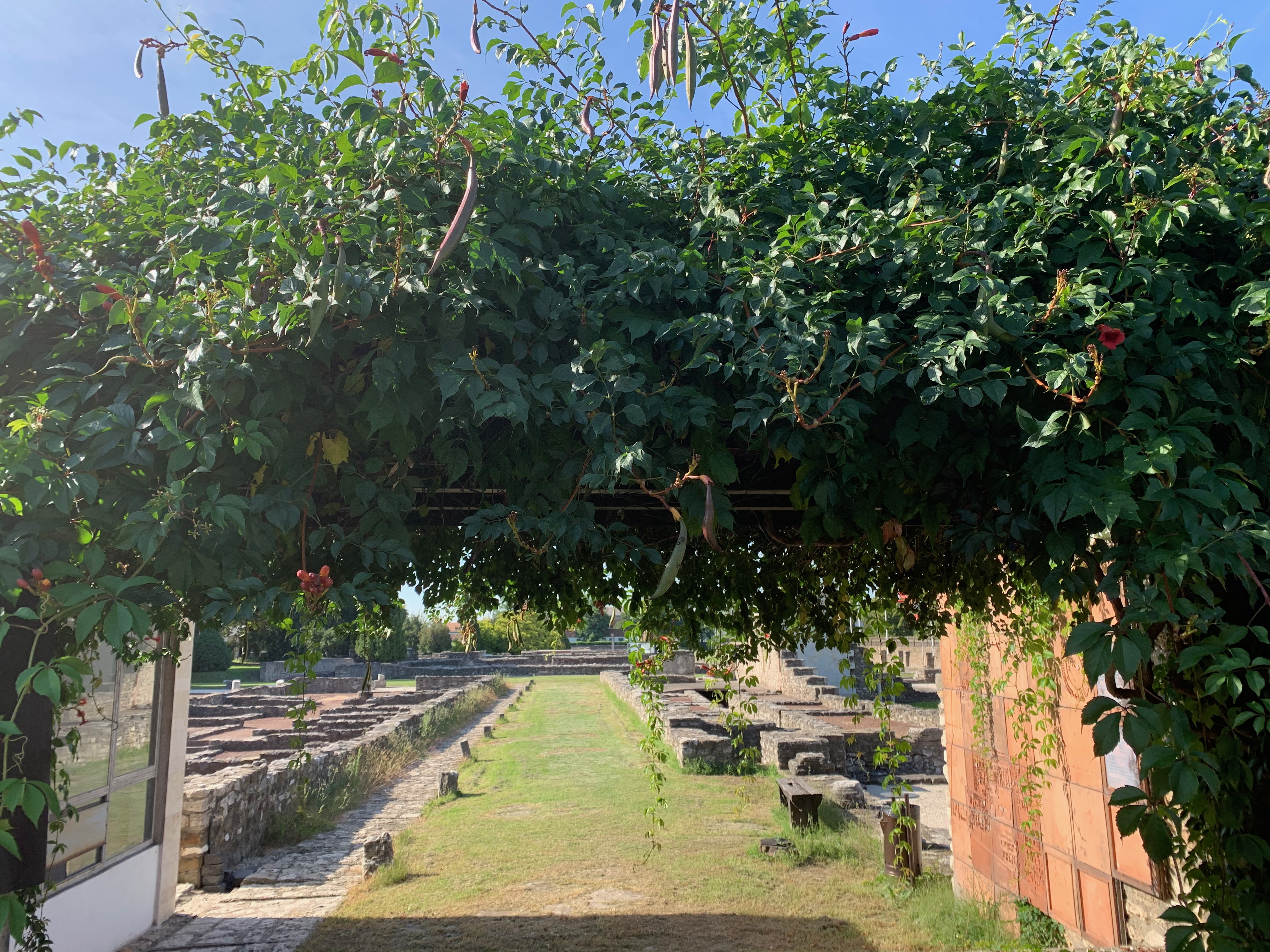
The ancient Roman Empire was the largest empire of the world, at its peak the greatest territorial extent of the empire was almost 2 million square miles with a population from 50 to 90 million people. From the 1st century Romans created settlements along the Danube river to protect the empire from the east. There were several settlements created in the actual territories of Hungary, some ruins can be seen in the Northern part of Buda even today.

You can visit the ruins of an amphitheatre or Aquincum, the centre of the settlement with the remains of the governor’s palace and many residential buildings.

Here are a few pictures I took visiting Szentendre with my travellers yesterday. The photographs don’t do any justice to the spectacular little village, but they give you an idea about what you can expect. Szentendre is only a 20-minute drive from Budapest, also, you can take a local train to get there. I’m offering multiple tours to visit the village, the full-day driving tour to the Danube Bend and the half-day Szentendre driving tour. Book now!


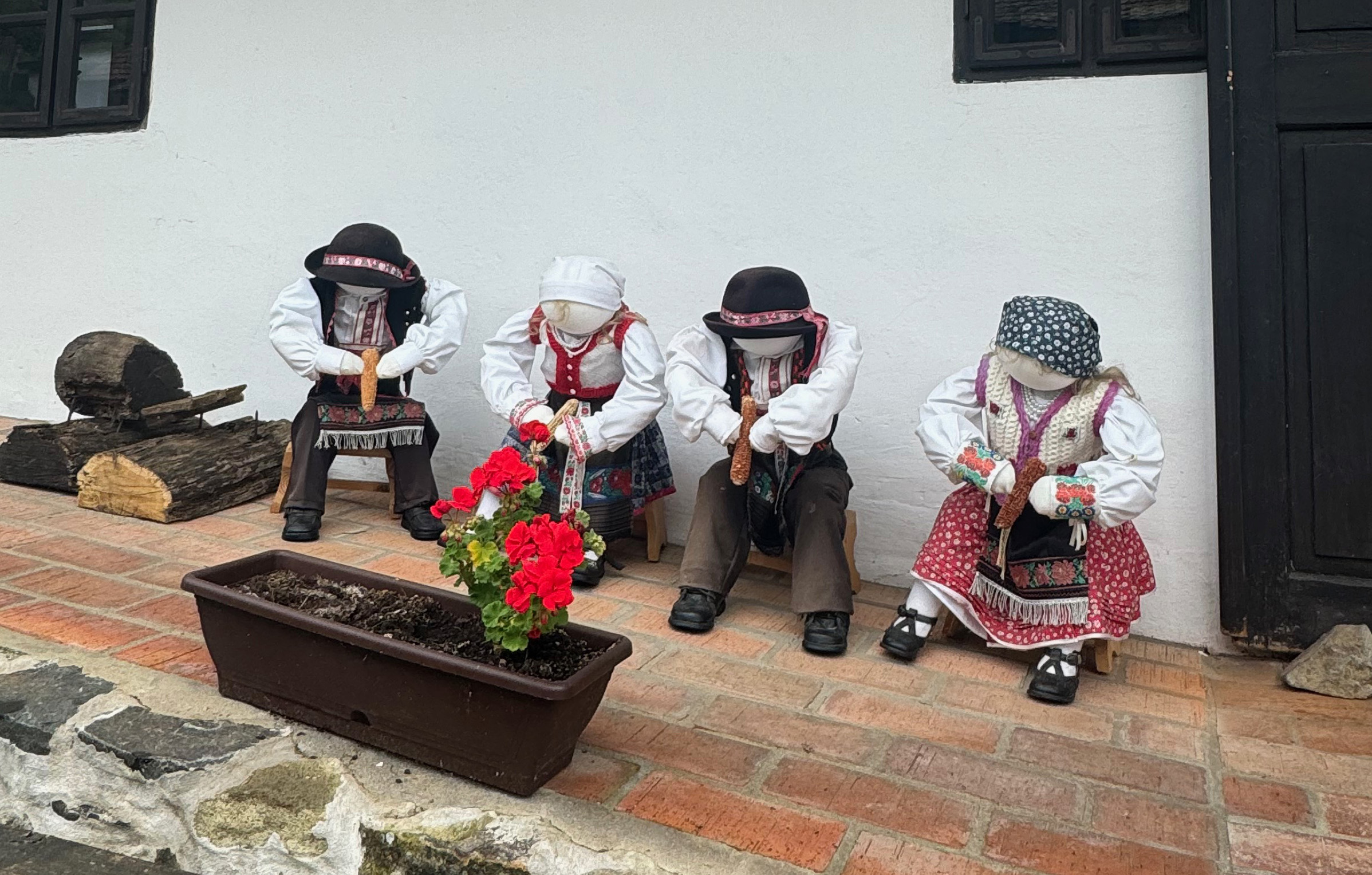
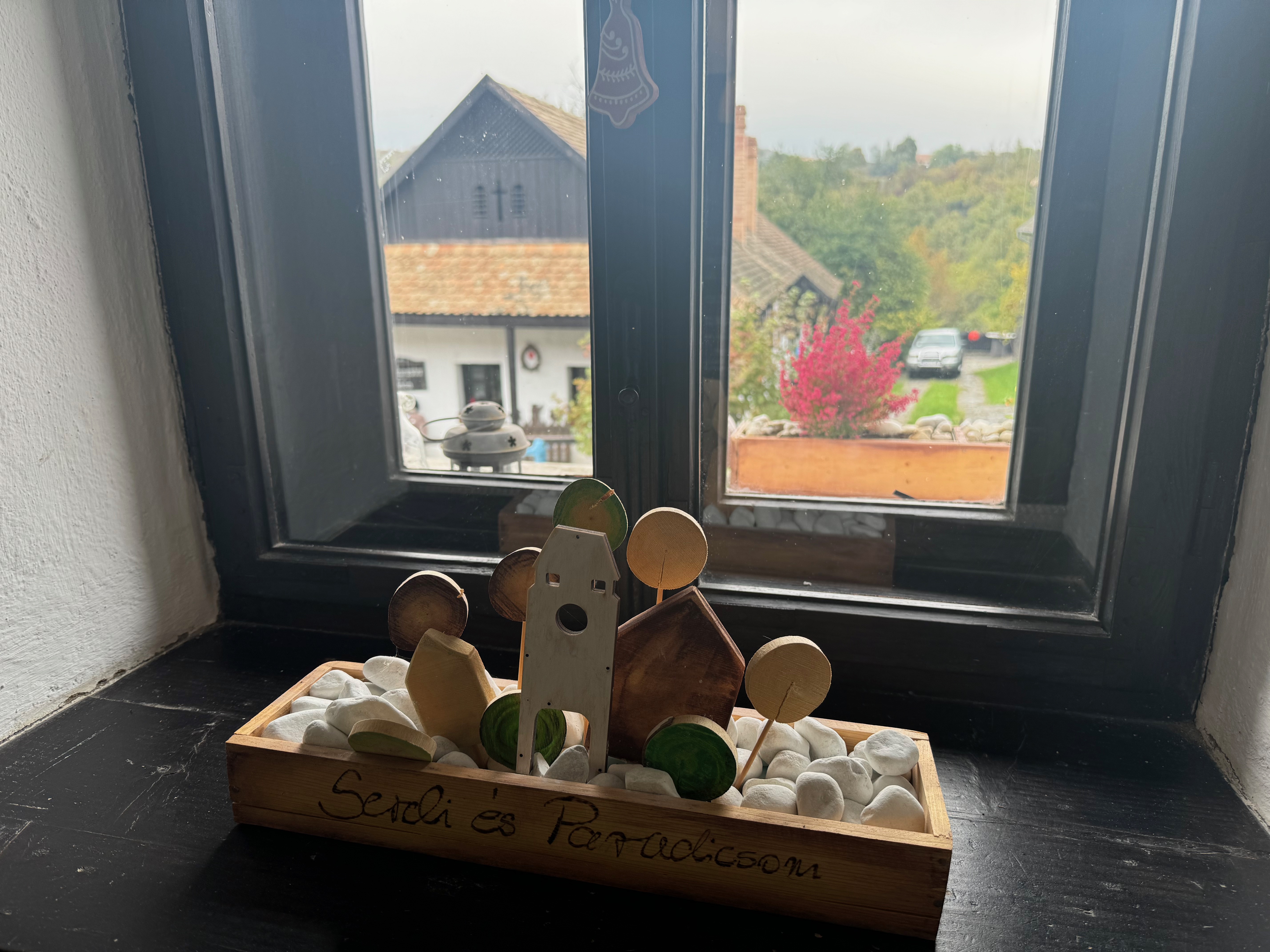
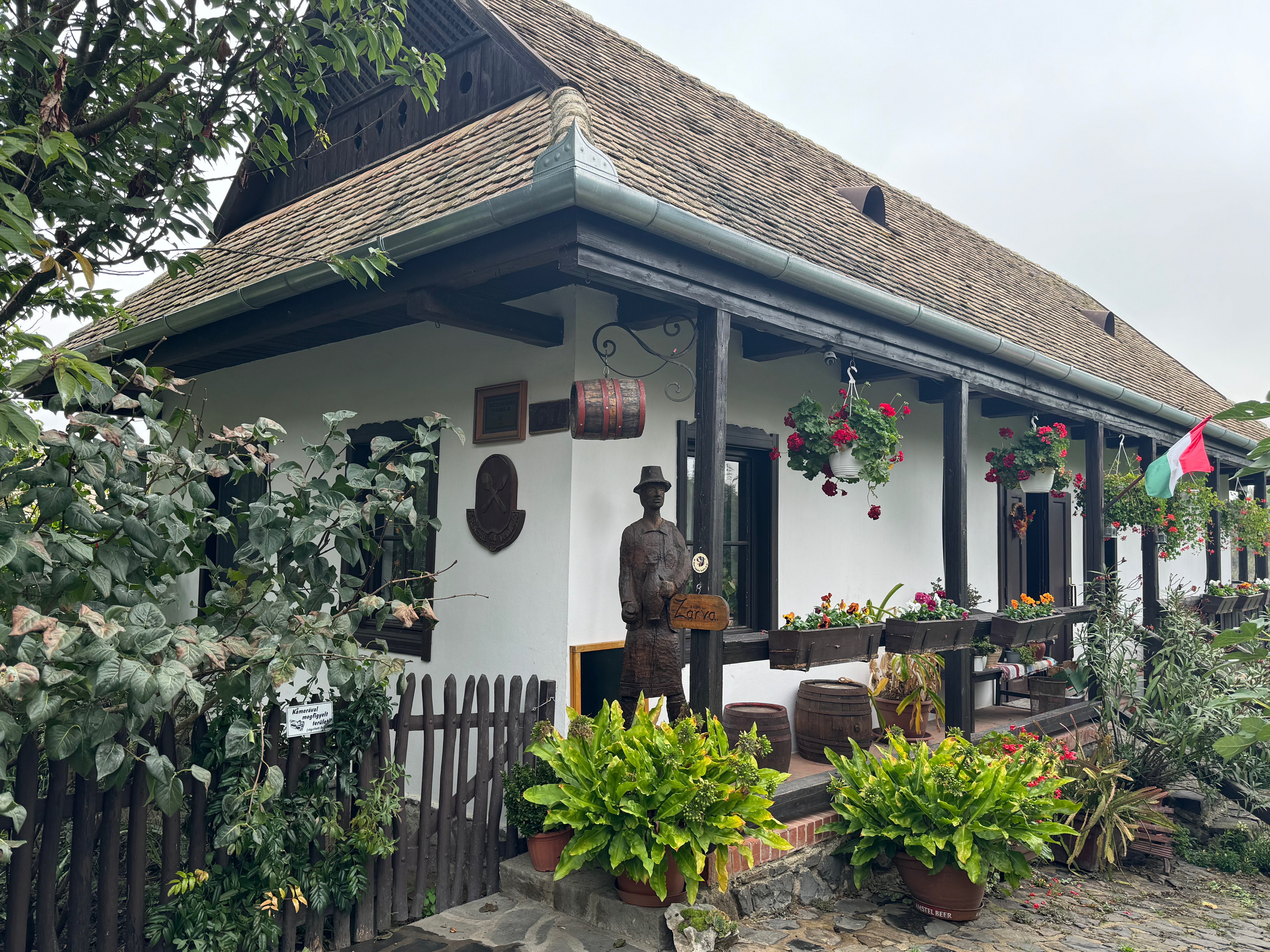
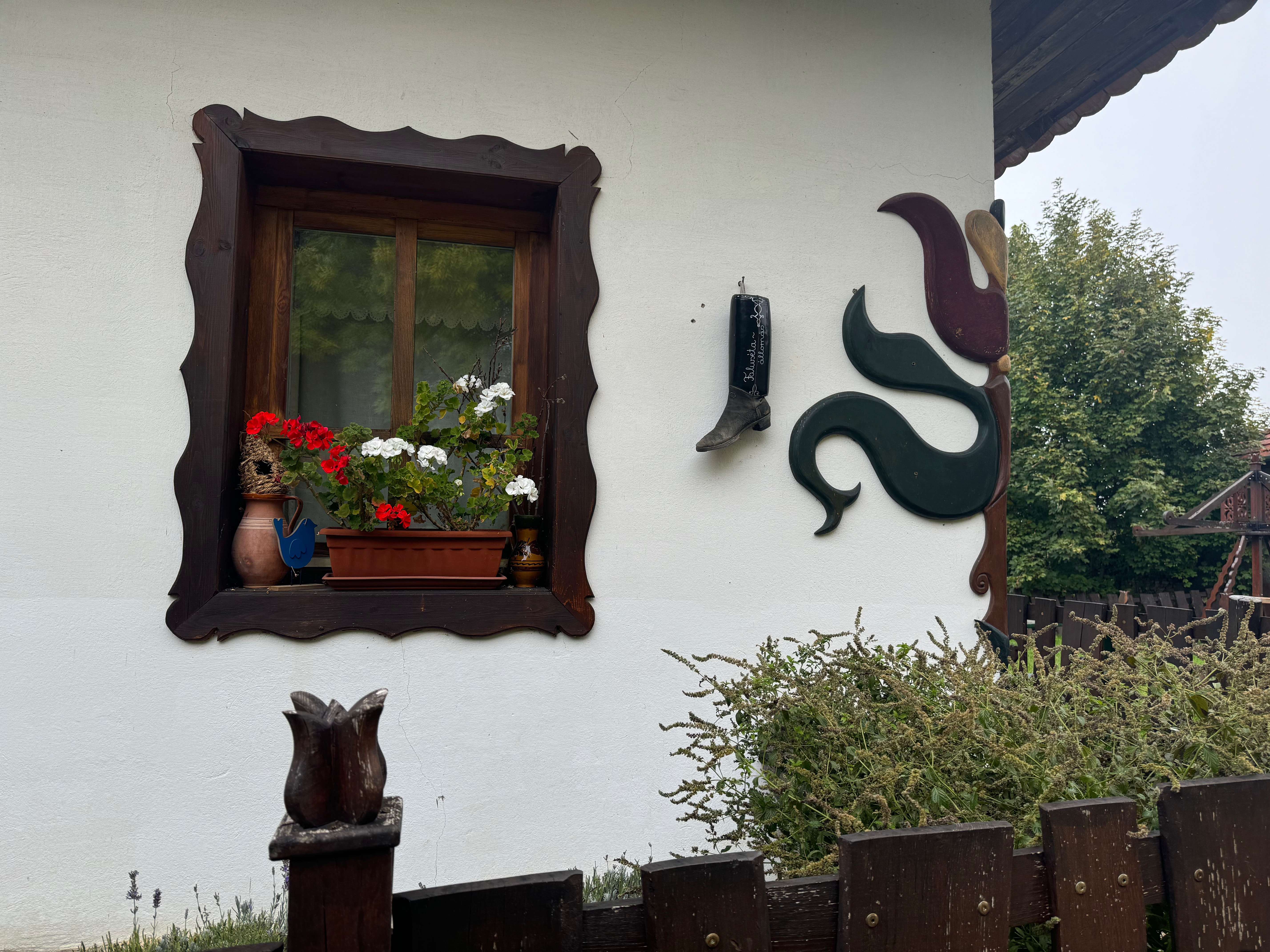
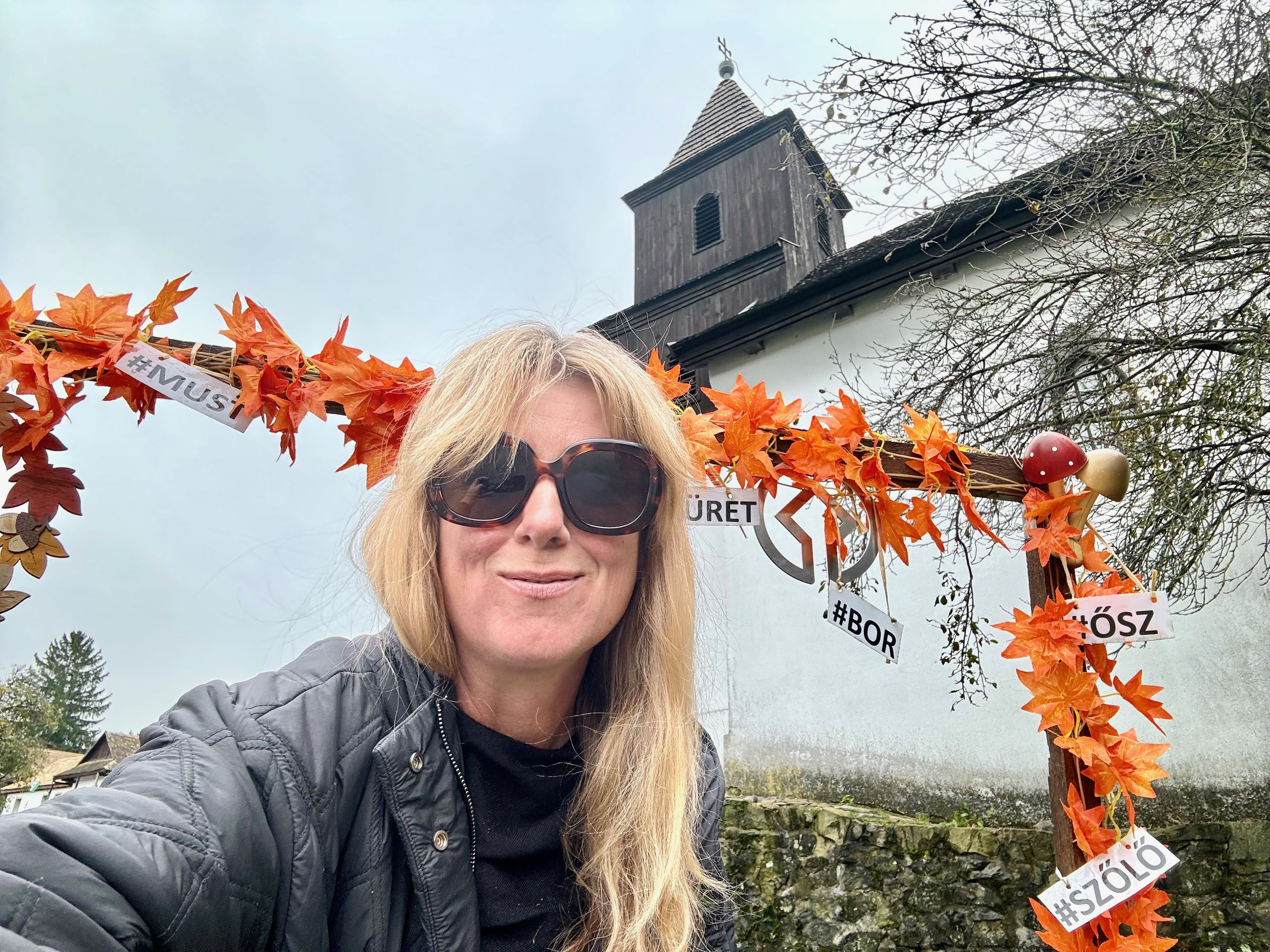
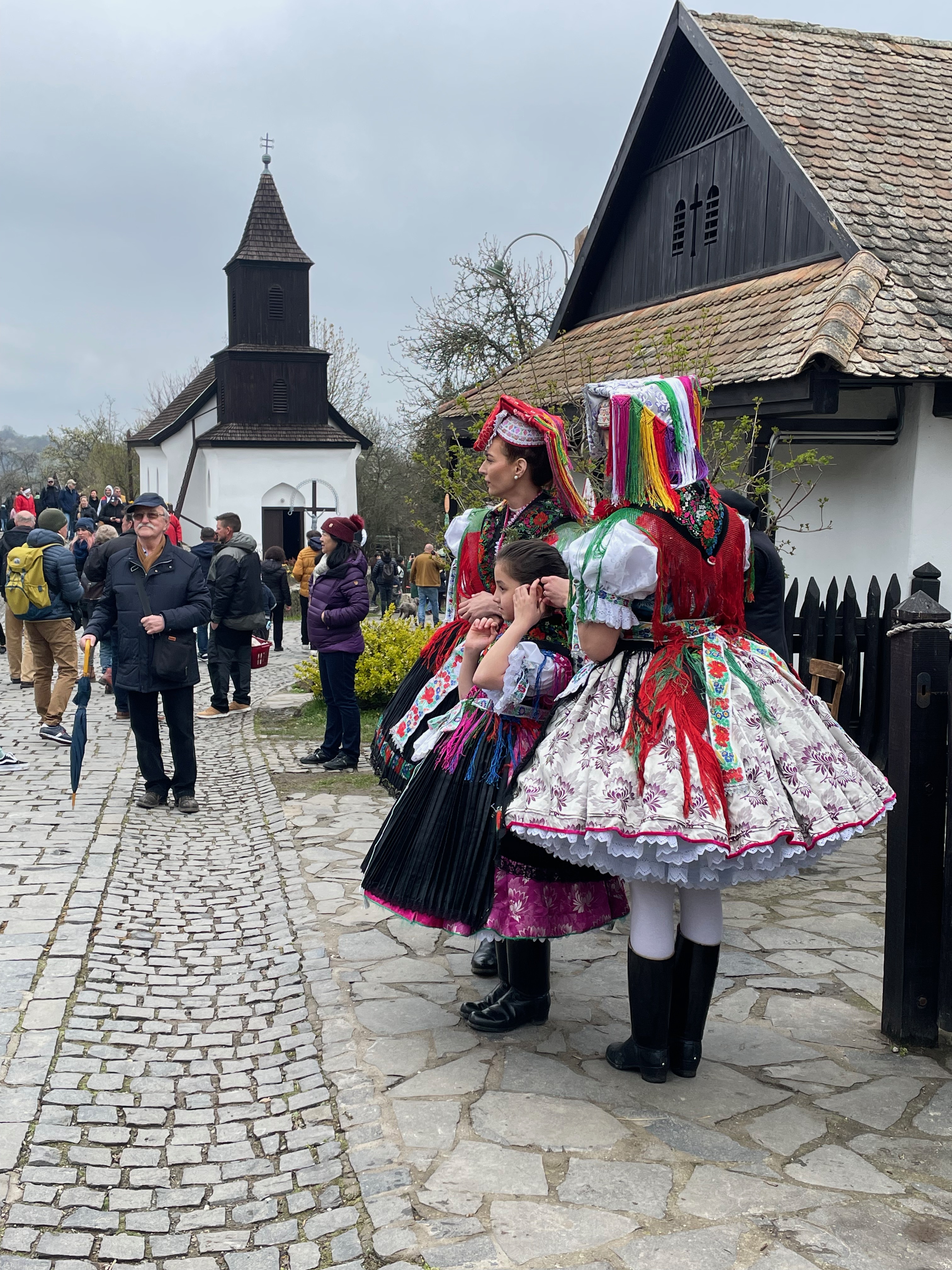
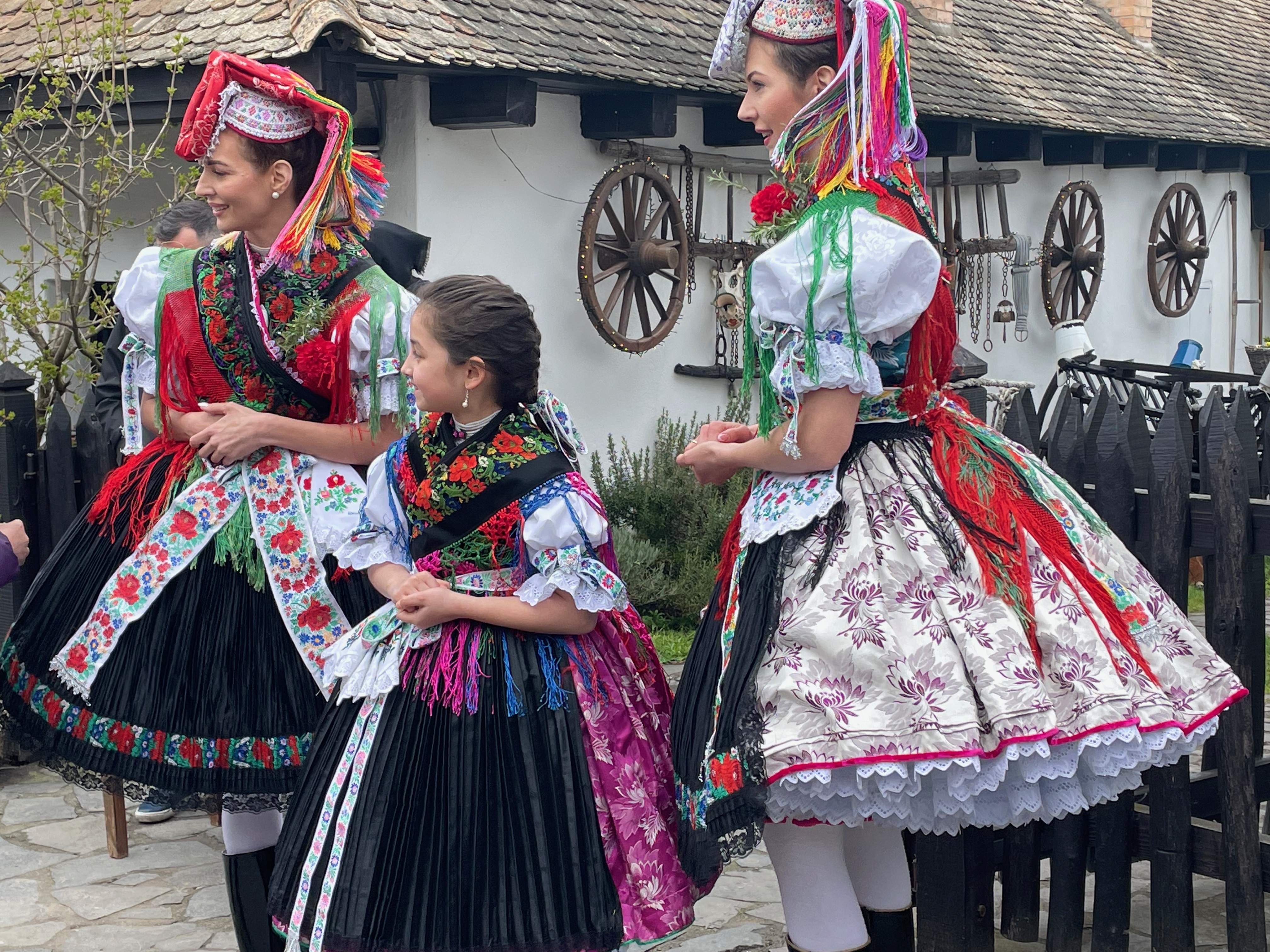
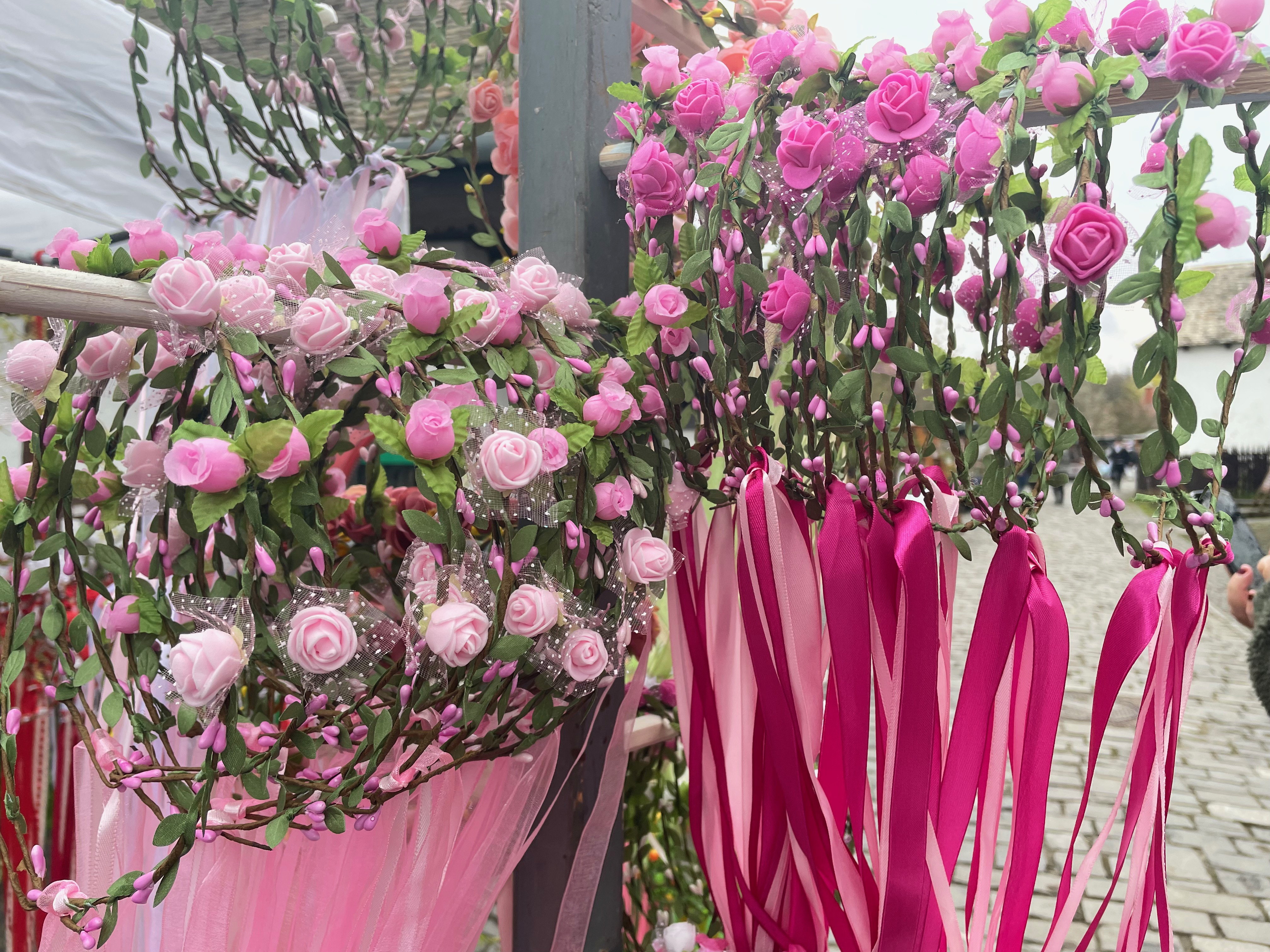
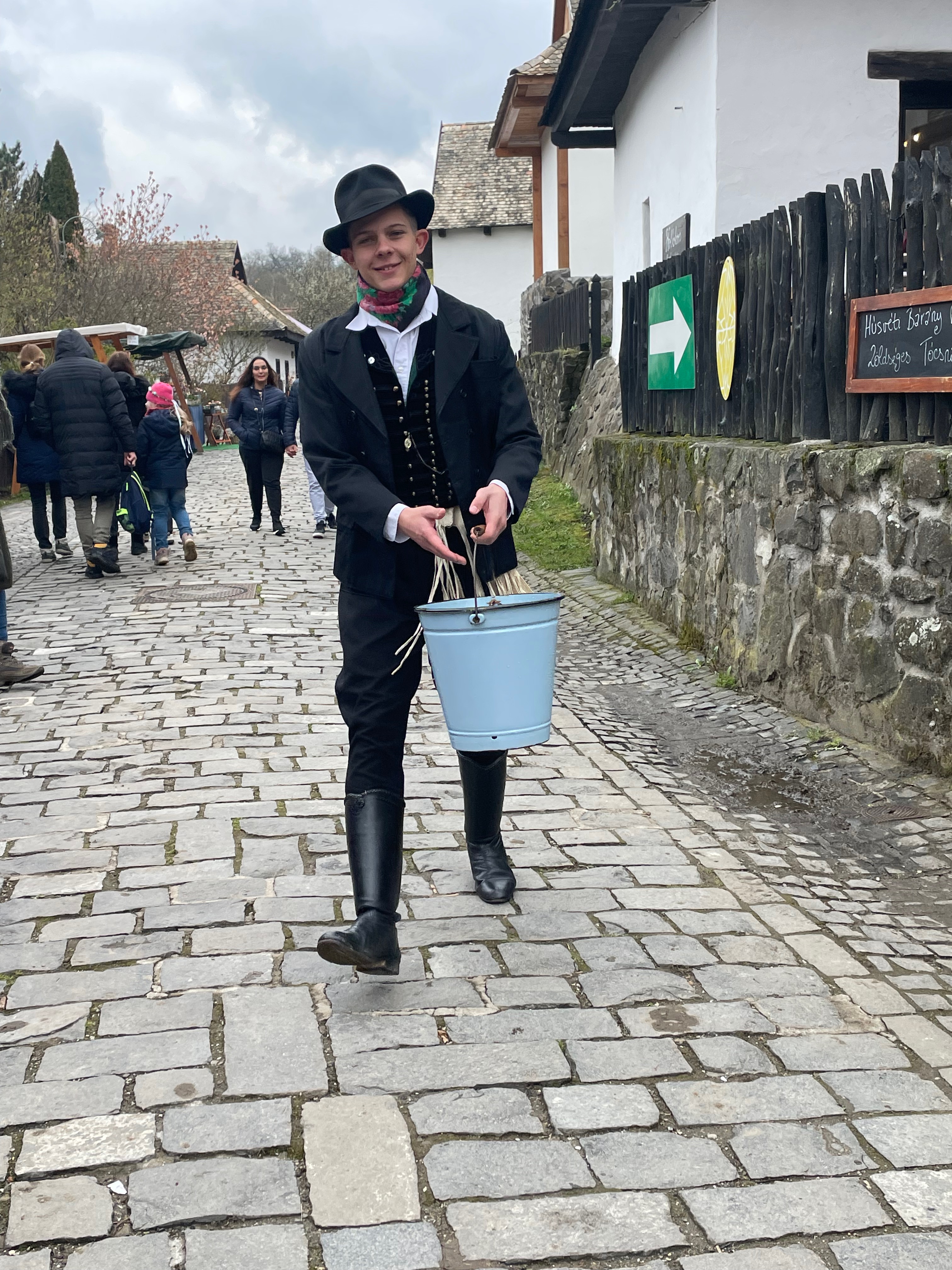
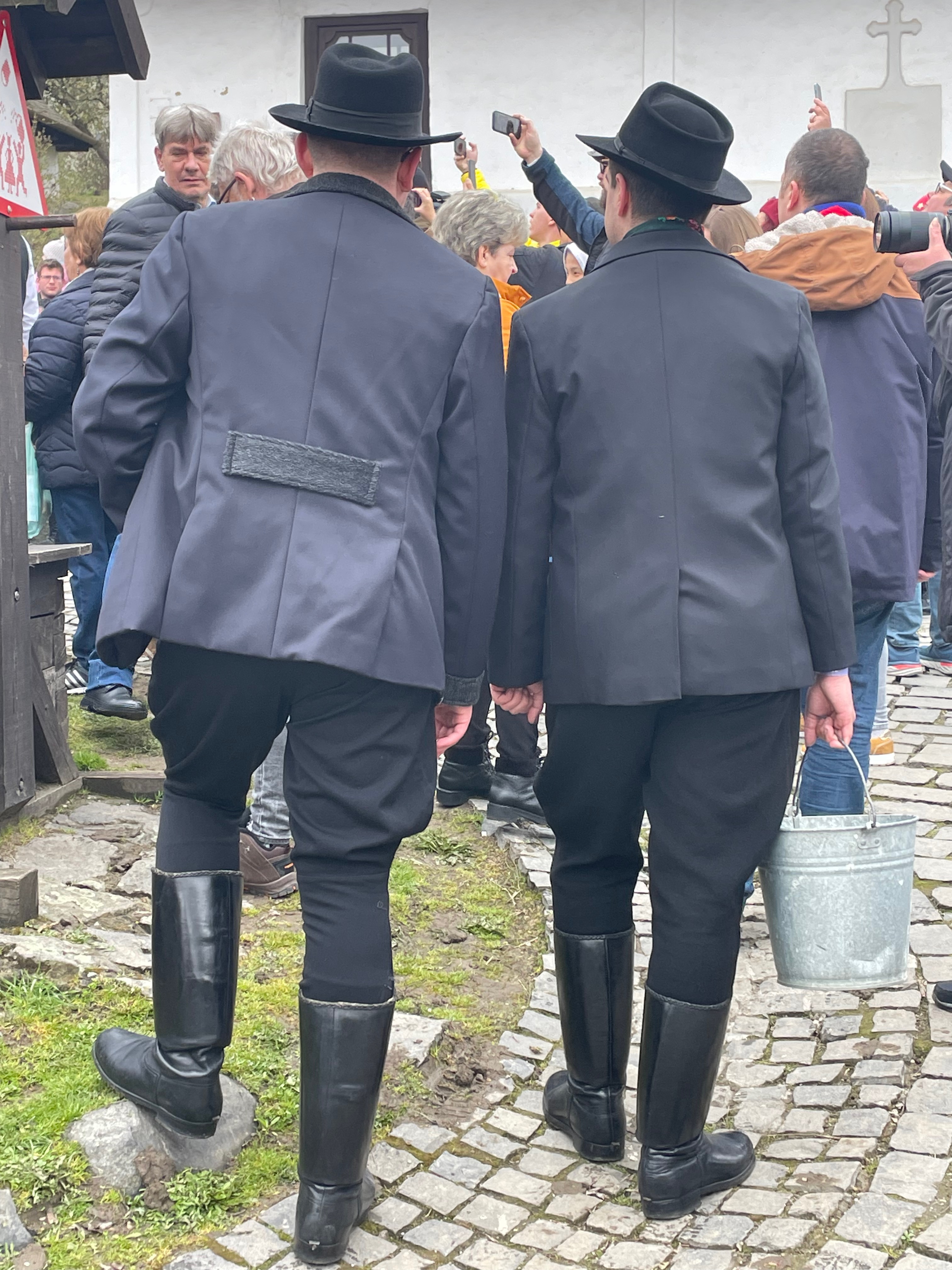
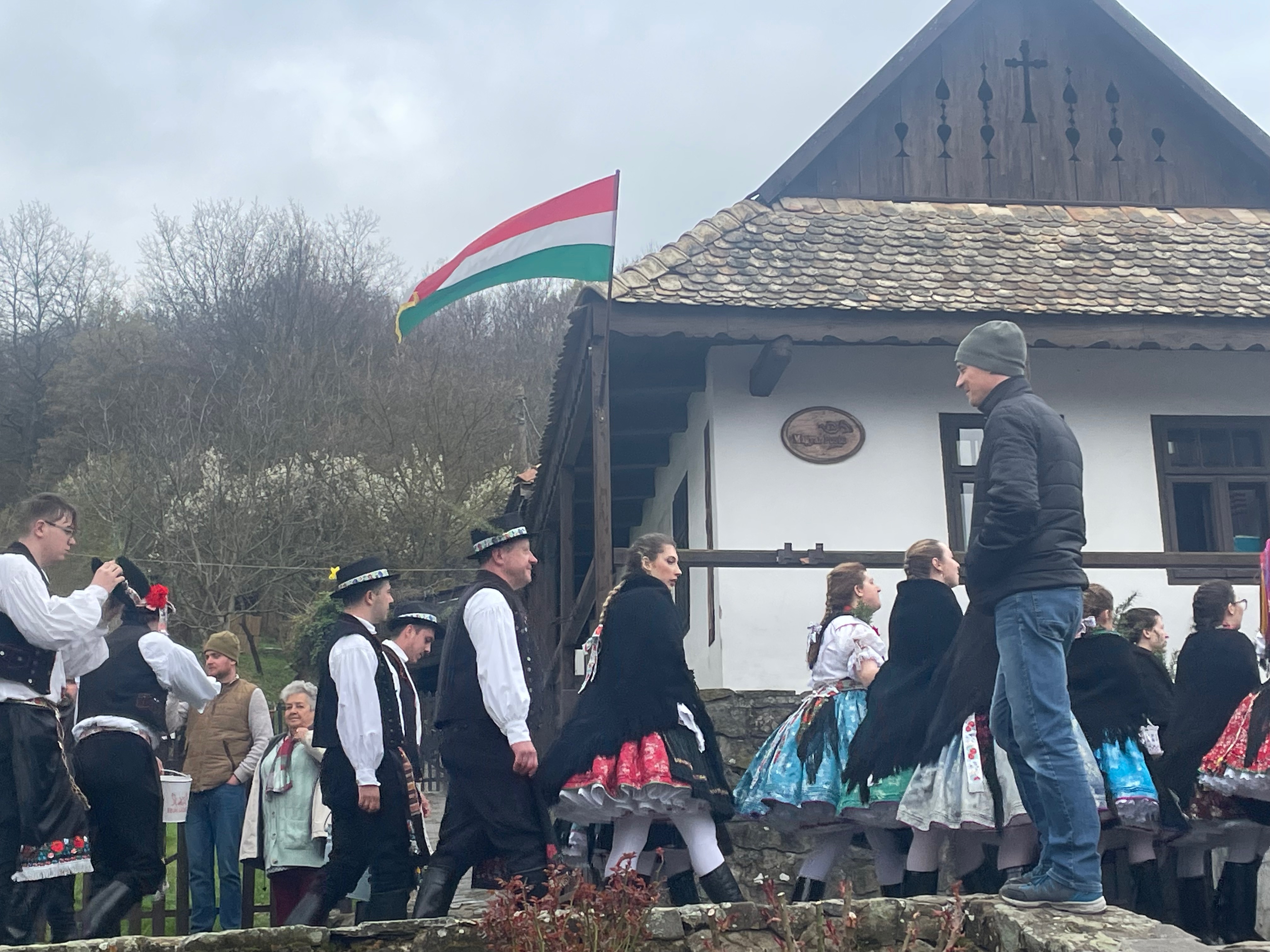
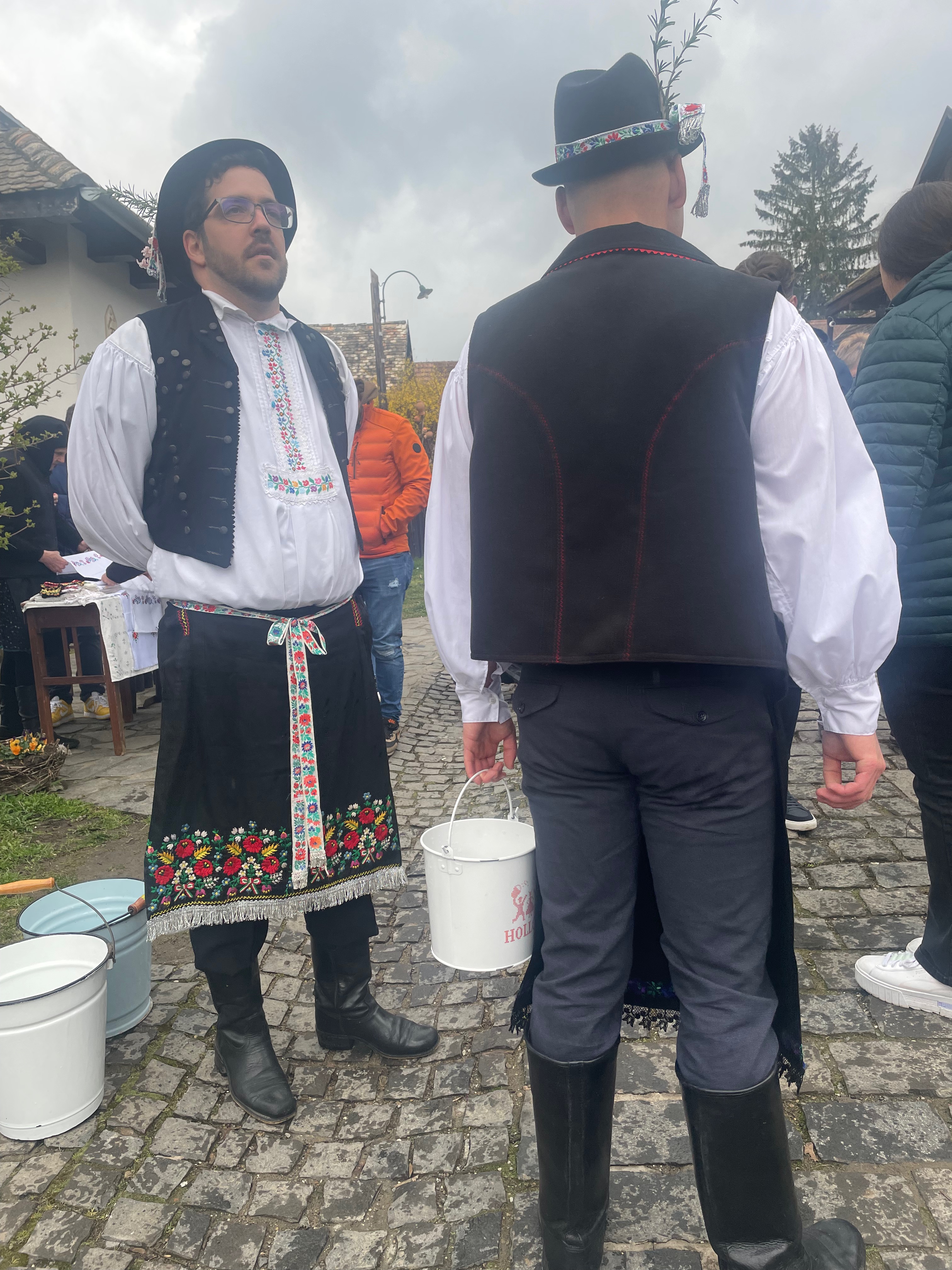
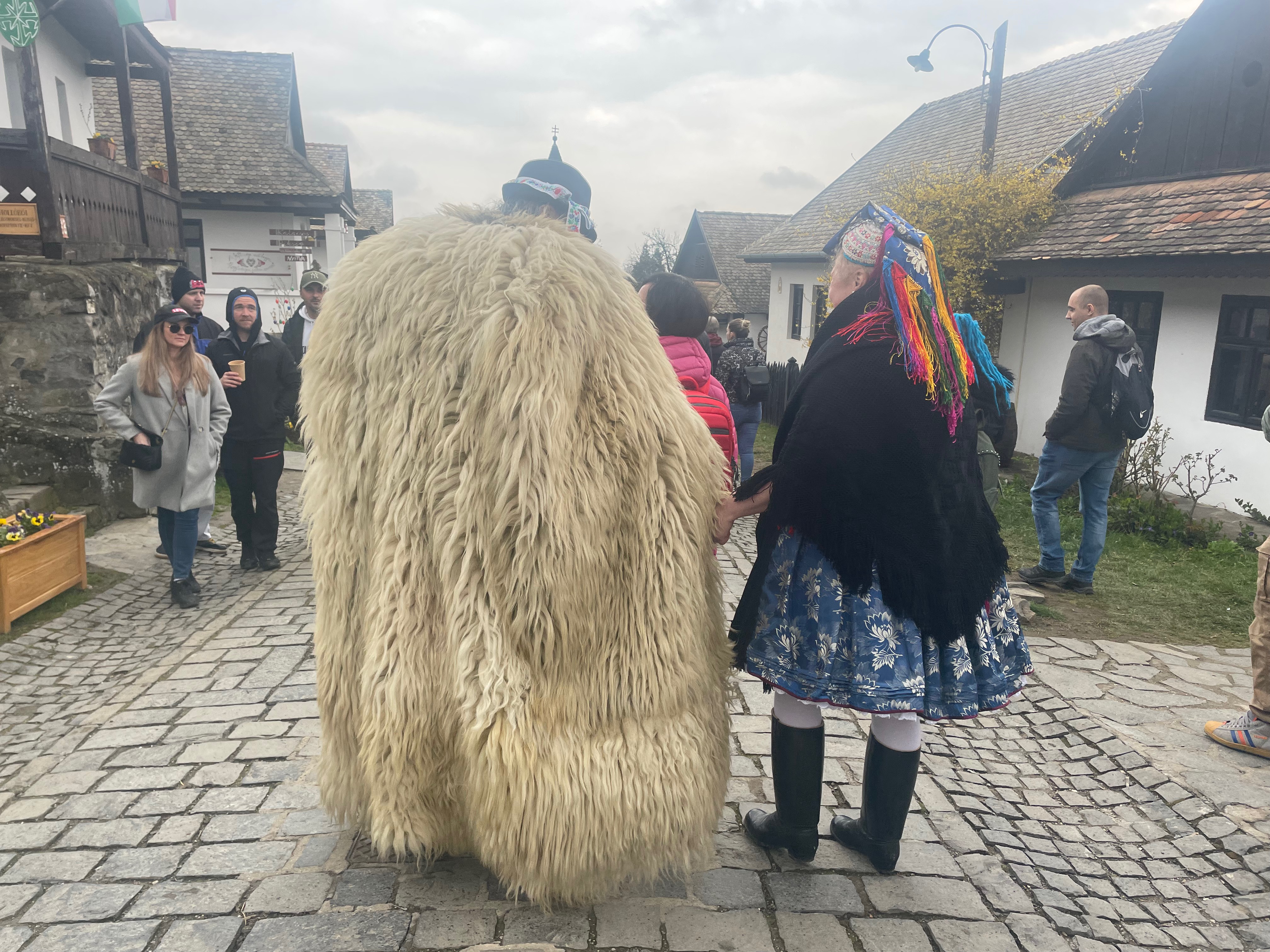
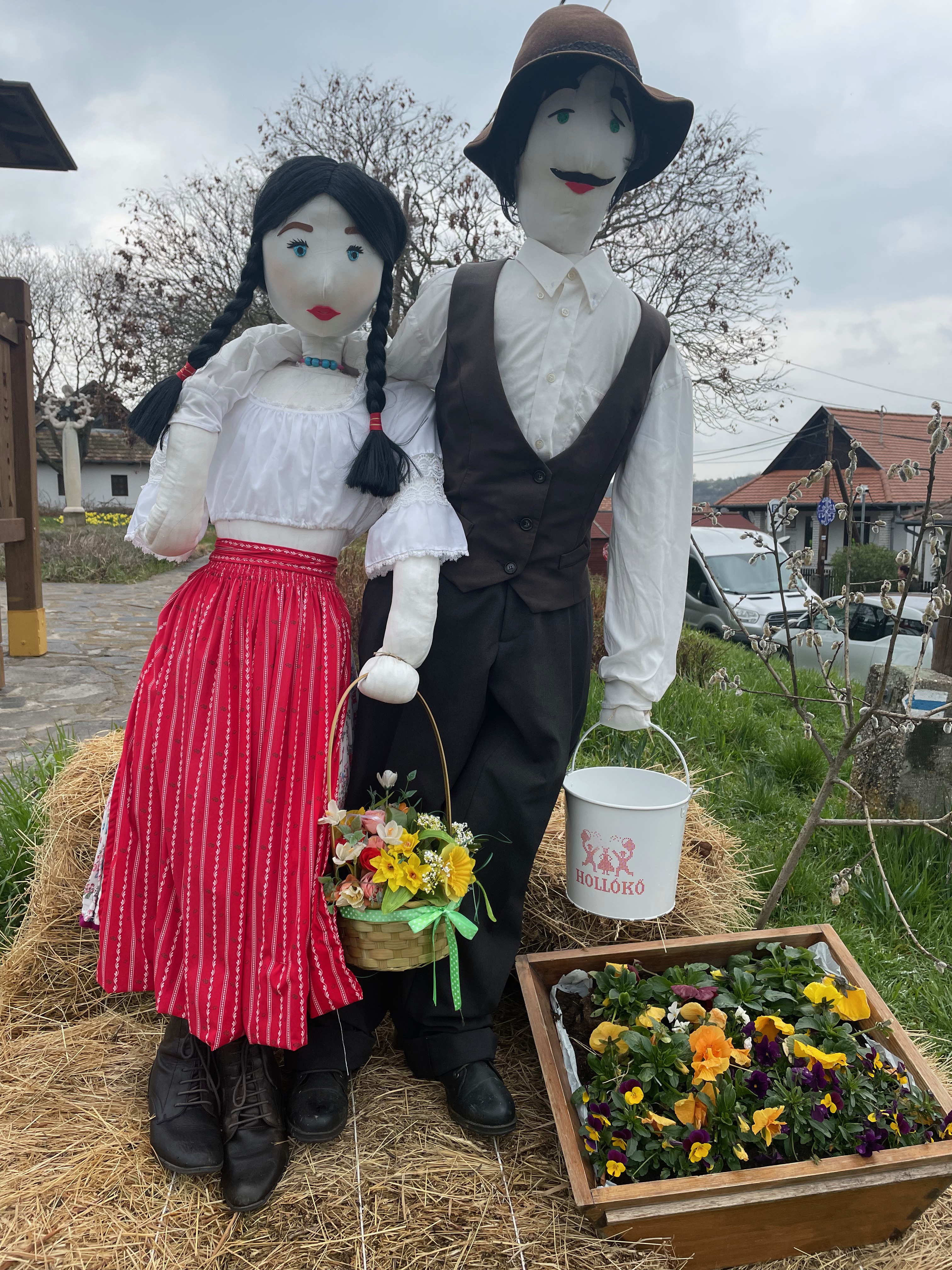
I was very lucky this Easter Monday because I could take my travellers to Hollókő, one of the cutest and most traditional Hungarian villages where people still cherish old traditions. Most of the village people are beautifully dressed up in locally designed costumes.  There is music, great food and drinks, plenty of locally crafted products.

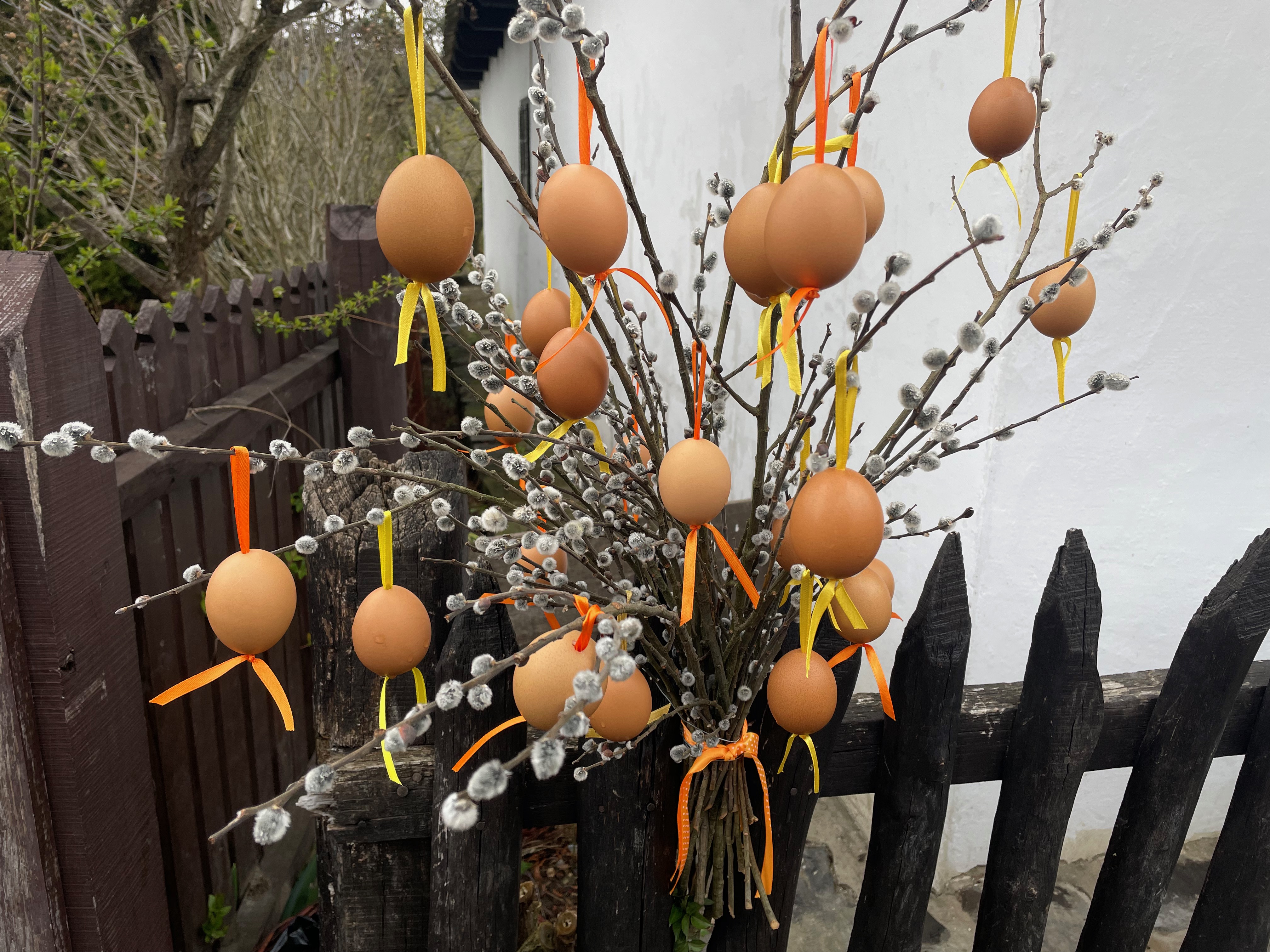
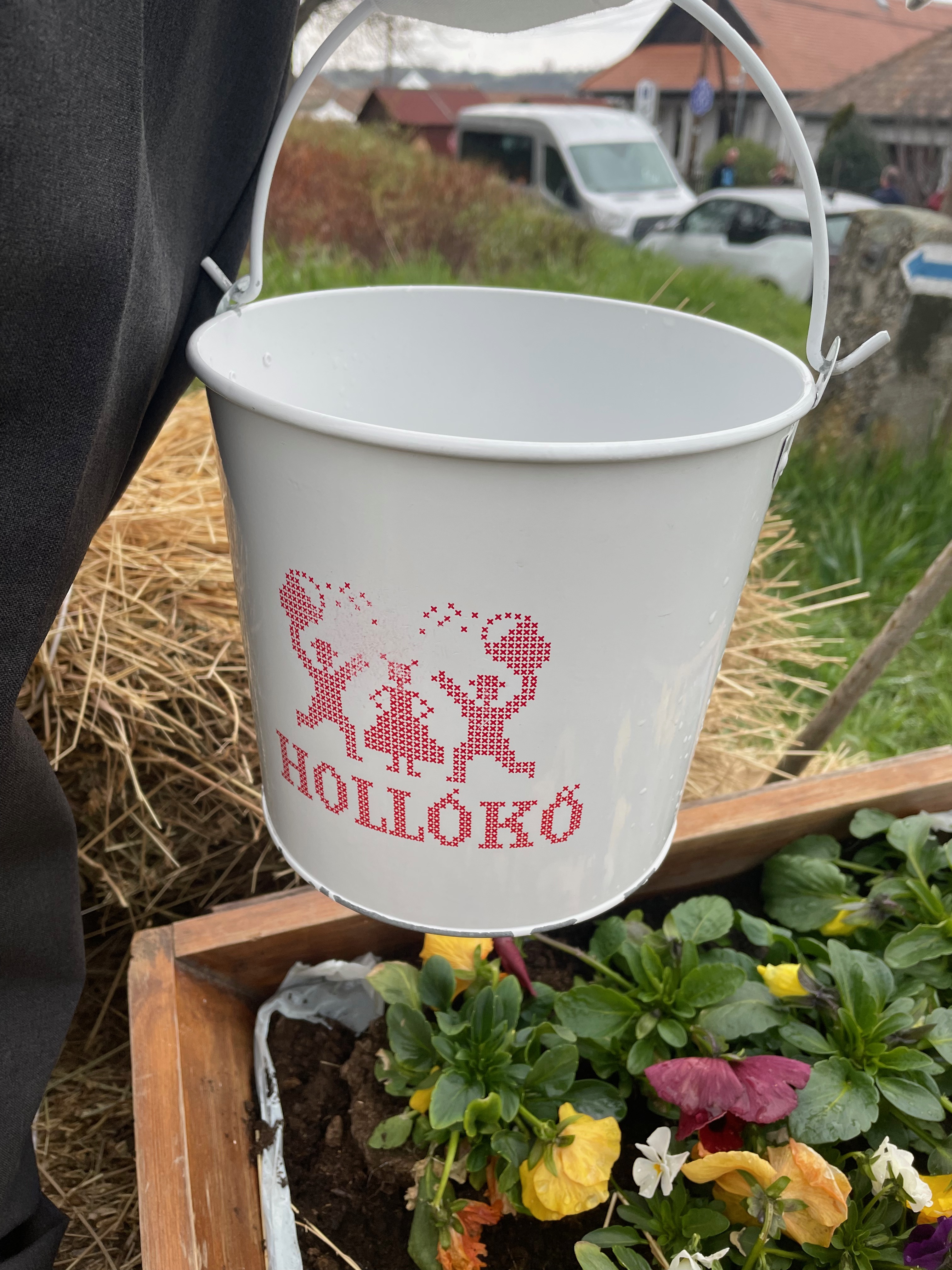
One can also participate in the festivities. The most cherished Hungarian Easter tradition is the “watering”, young men tossing buckets of cold water on girls, to keep them fresh all year long. In exchange they are given hand painted and decorated Easter eggs. Visiting tourists might also get wet if they don’t avoid young men carrying buckets of water :).

Hollókő is a very special village all year around, it was a very special treat to be there and celebrate Easter with locals. Book a tour with me, so that I can tell you more about the village and its traditions!


My travellers often ask me to recommend some great museums to visit during their stay in Budapest. I’ve put together a list of the museums that I like and that I think would be a great addition to your Budapest experience.

History lovers:

Hungarian National Museum – all about Hungarian history from the ancient times to nowadays. the most significant item on display is the coronation robe of the Hungarian kings from 1000. The interior of the museum is just magnificent.

Hospital in the Rock – a museum in the cave system of the Buda Castle District that served as an underground hospital during WW2. Amazing stories from the war and a very detailed presentation.

Budapest History Museum – dedicated to the history of the Buda Castle complex and Budapest. You can visit the old parts of the castle as well as the newly renovated royal halls.

Memento Park – although it’s located outside the city centre, it’s worth a visit. The cemetery of the old statues of the communist era puts on display Hungarian history in the second half of the 20th century.

Glass House – former Swiss consul Carl Lutz saved the life of thousands of Hungarian Jews during WW2. The museum is dedicated to his amazing work and to all people who found peace and safety in the Glass House of Budapest.

Art lovers

Fine Art Museum – hundreds of thousands of pieces from all the different periods of European fine arts. Plan to spend a couple of hours to see them all.

National Gallery – an amazing collection of Hungarian art form the Middle Ages to nowadays. The museum is located in the Royal Palace of Buda and offers magnificent views over the city.

Ludwig Museum – the contemporary art museum started from a private collection and is expanding dynamically year by year. You can admire art from the late sixties to present time.

Don’t forget that most of the Budapest museums are closed on Mondays, always check the opening hours before your visit! Feel free to get in touch with me for further details and more information.


Tucked away in the heart of the Jewish Quarter of Budapest, the recently renovated Rumbach Street Synagogue is one of the city’s most striking and meaningful landmarks. Together with the Dohány Street and Kazinczy Street synagogues, it forms the famous synagogue triangle — a unique concentration of Jewish heritage within just a few streets.

After decades of neglect, Rumbach has finally reclaimed its place as one of Budapest’s architectural and cultural treasures.

A masterpiece by Otto Wagner

The synagogue was designed by the renowned Austrian architect Otto Wagner and built in the early 1870s. At the time, Wagner was already known for pushing architectural boundaries, and Rumbach is a perfect example of his bold vision.

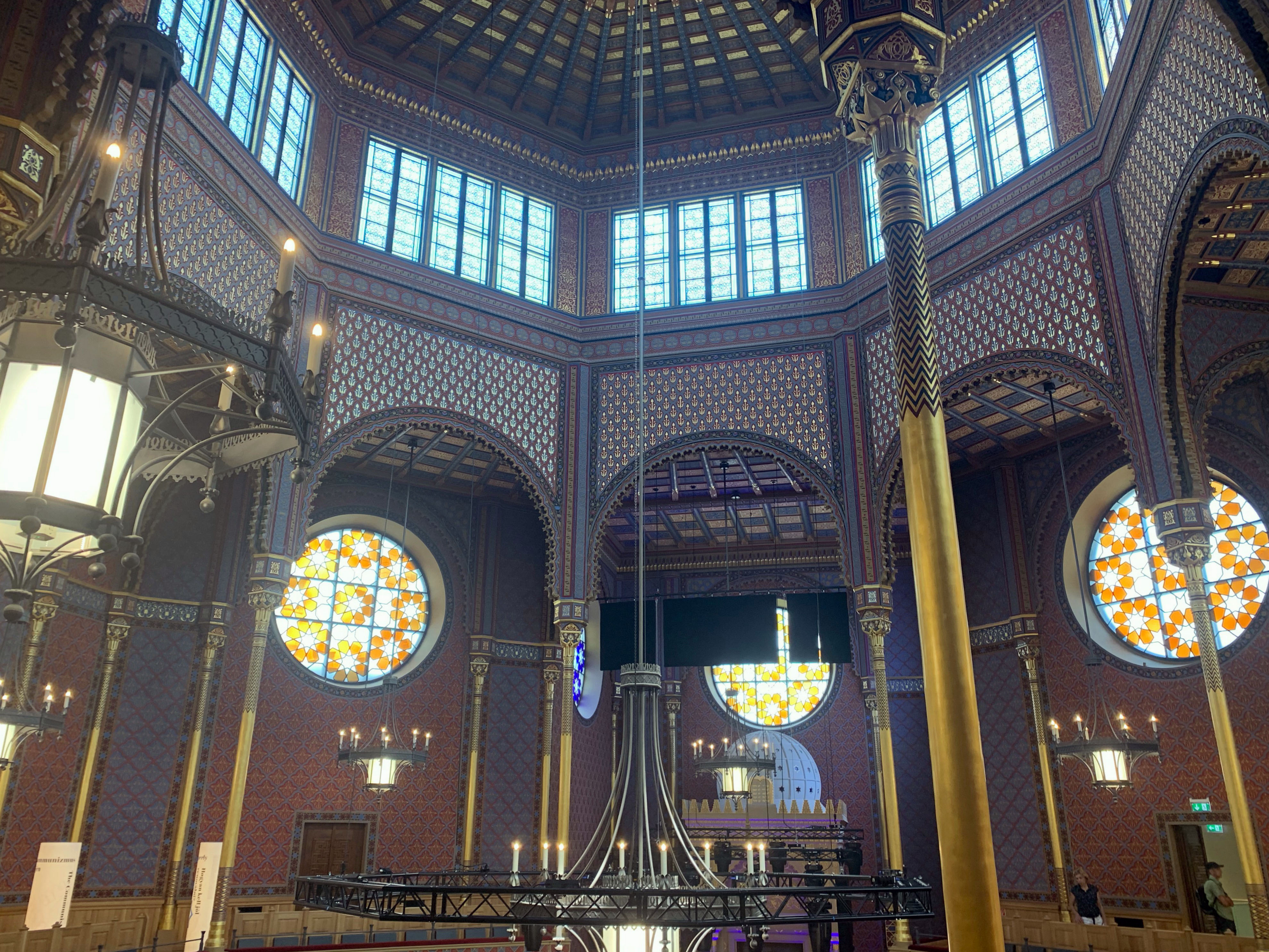
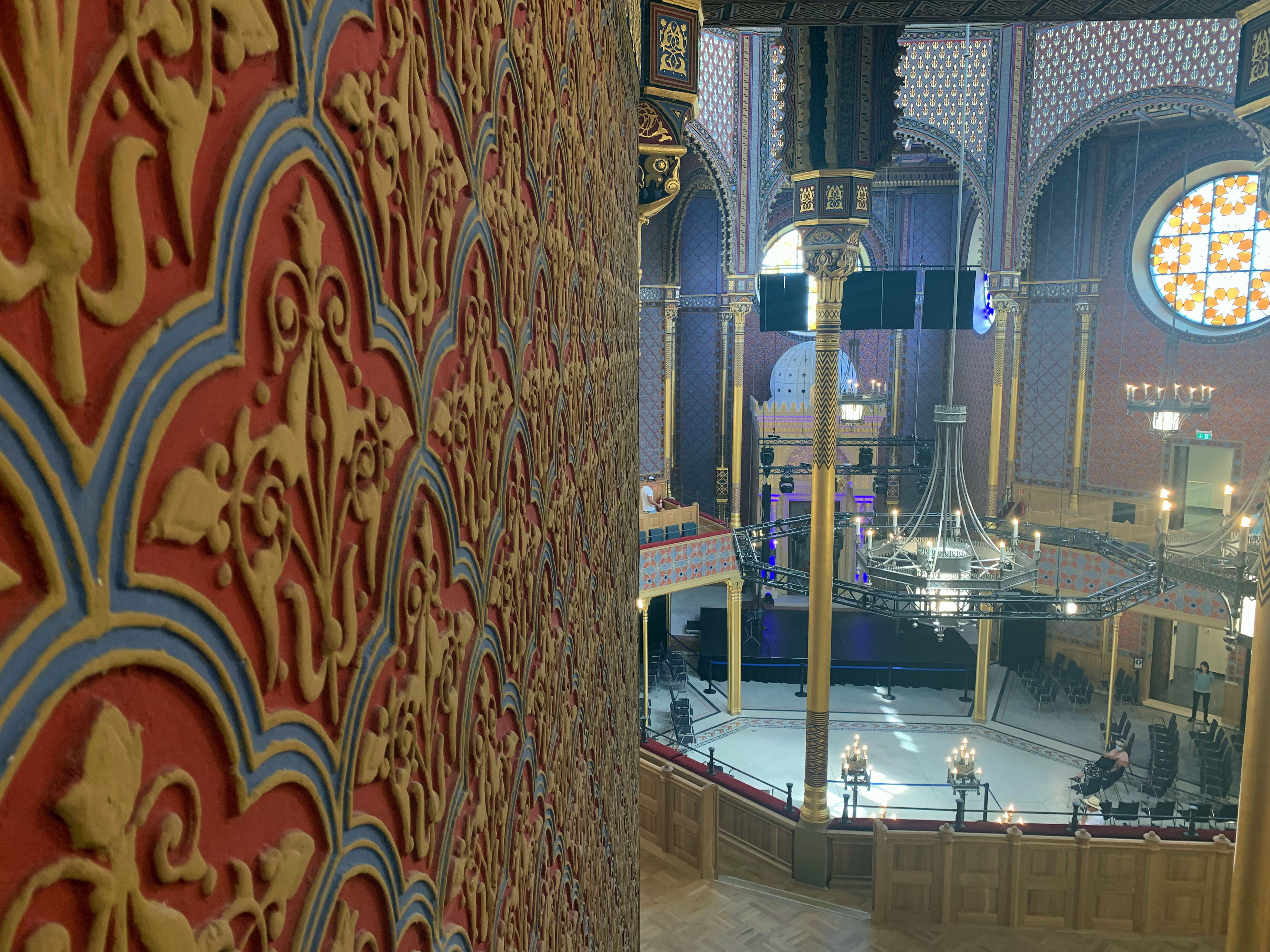
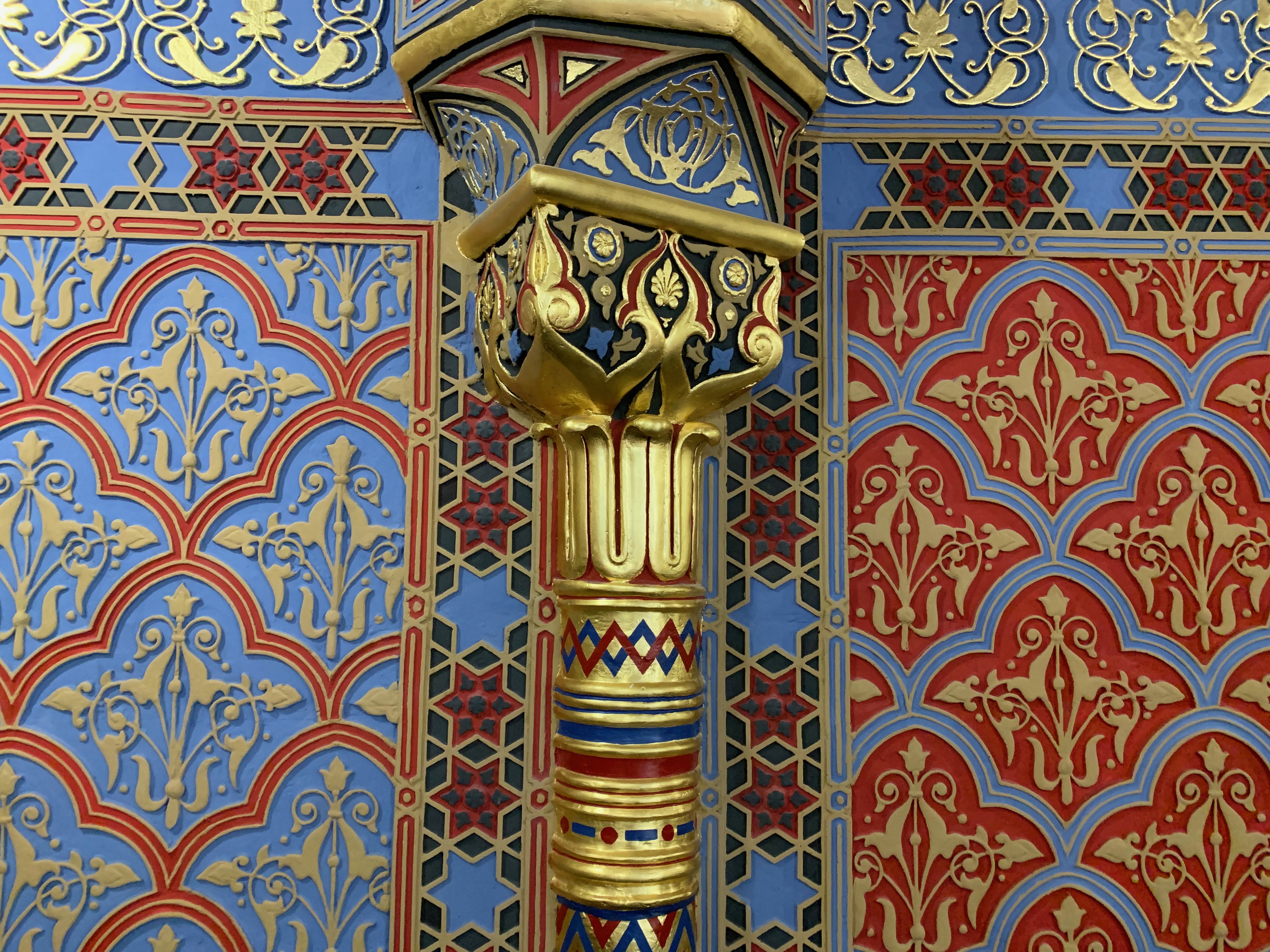
The building follows the Moorish Revival style, instantly recognisable through its vibrant colours, geometric patterns, and richly decorated details. Inside, shades of red, blue, purple, and gold create an almost otherworldly atmosphere. The craftsmanship is extraordinary, and every corner invites you to stop and look closer.

One of the synagogue’s most distinctive features is its octagonal interior, with eight equal sides. This unusual design was inspired by the Dome of the Rock in Jerusalem, giving the space both architectural balance and symbolic depth.

From thriving community to silence

Before the Second World War, Rumbach Street Synagogue served a smaller local Jewish community. Like so many Jewish institutions in Hungary, its story was tragically interrupted by the Holocaust. Most members of the congregation were murdered, and after the war the building lost its original function.

For decades, the synagogue stood abandoned and deteriorating — a silent witness to the destruction of a once-vibrant community. Its slow decay mirrored the painful absence left behind in the neighbourhood.

A long-awaited rebirth

After many years of planning and careful restoration, Rumbach Street Synagogue finally reopened in 2021. The renovation respected the original design while giving the building a new role as a cultural and historical space.

Today, it is once again open to the public — not only as a synagogue, but also as a venue for exhibitions, concerts, and remembrance. Walking inside feels both uplifting and deeply moving: beauty and loss exist side by side here.

Visiting Rumbach Street Synagogue

The synagogue can be visited, but it’s important to know that opening hours are very limited and irregular. Unlike larger attractions, Rumbach is not always open to visitors, and access often depends on events, services, or guided visits.

If you’re planning a trip to Budapest and would like to include Rumbach Street Synagogue in your itinerary, I strongly recommend contacting me in advance. I’m happy to check whether the synagogue will be open during your stay and advise on the best way to visit.

Rumbach and the Jewish Quarter Walk

Rumbach Street Synagogue is an essential stop — or at least a key reference point — on my Jewish Quarter walk, where we explore not only the major synagogues but also the stories of everyday life, survival, and renewal in this historic neighbourhood.

Seeing Rumbach in context, surrounded by former Jewish homes, courtyards, and memorials, adds layers of meaning that go far beyond architecture alone.

If you’re interested in discovering the Jewish Quarter with a licensed private guide, at a relaxed pace and with personal stories woven into the walk, this tour might be a perfect fit for you.

A place that stays with you

Rumbach Street Synagogue is not just beautiful — it’s unforgettable. Its colours, its silence, and its history linger long after you leave. Whether you’re interested in architecture, Jewish heritage, or Budapest’s complex past, this is a place that truly deserves a spot on your list.

If you’d like help planning your visit or booking a Jewish Quarter walk, feel free to get in touch — I’ll be happy to help you make the most of your time in Budapest.
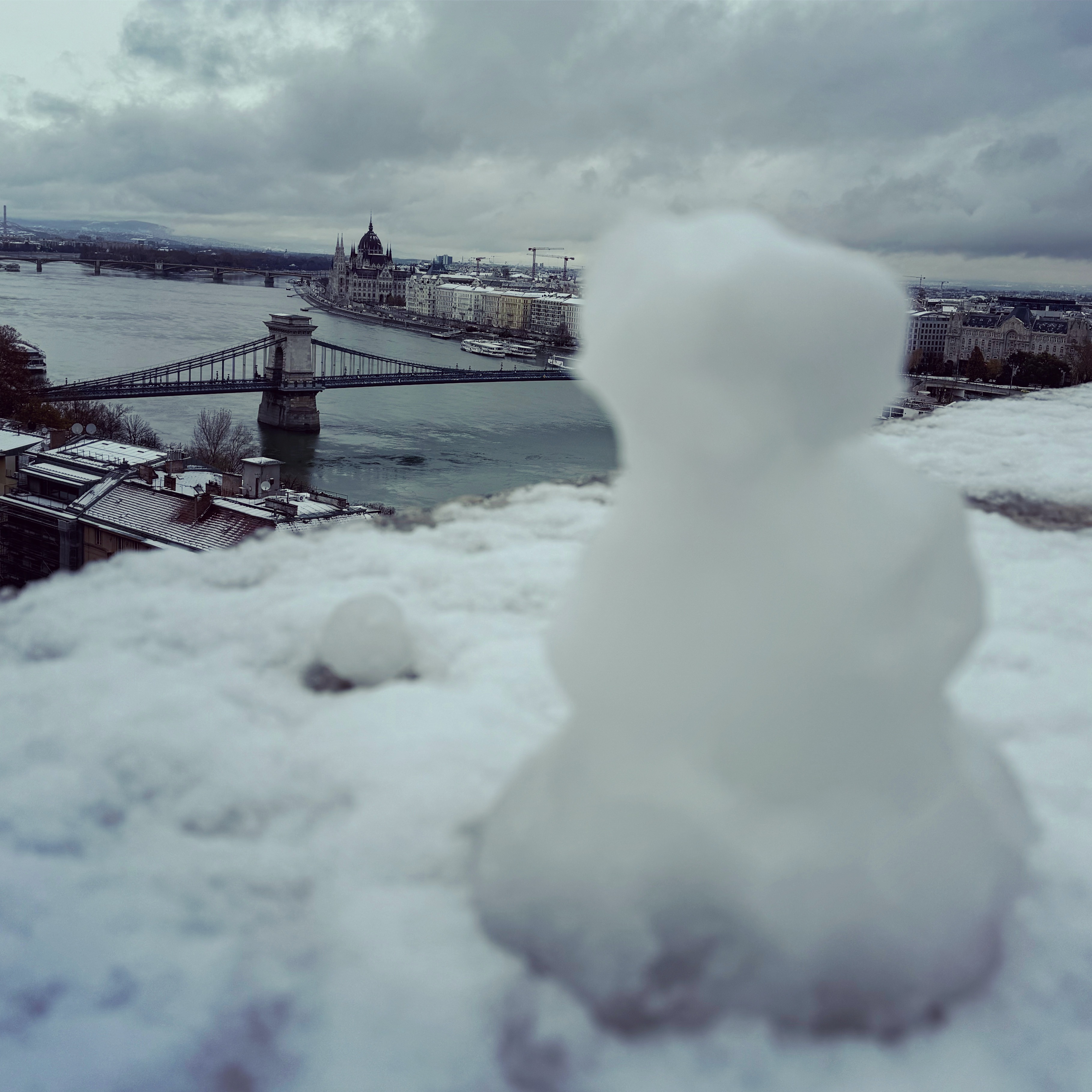
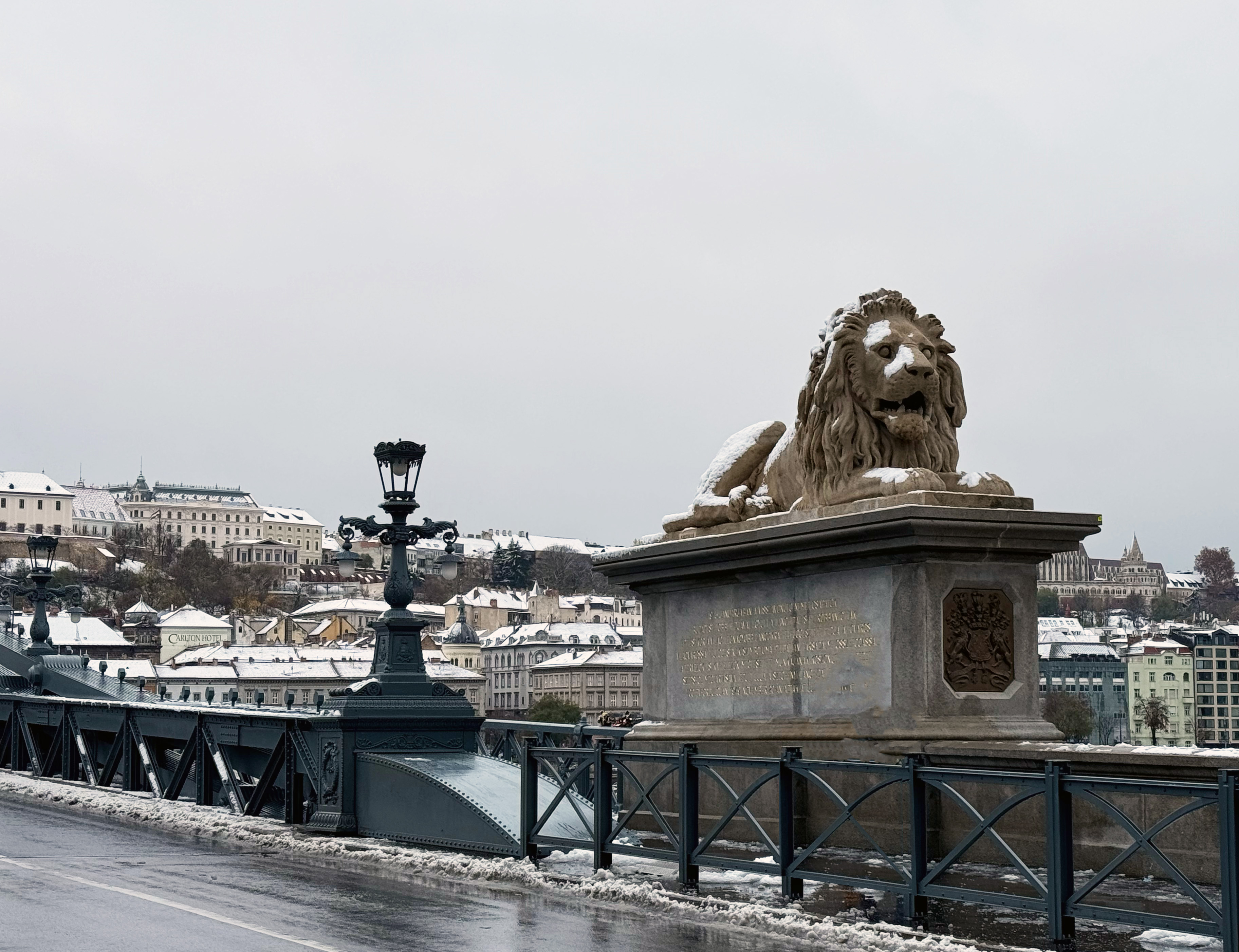
The historic Chain Bridge has been under structural renovation for a year and a half. The bridge reopens later this week for public transportation and cabs. It will be fully reopened for pedestrian traffic in late summer 2023.

The oldest bridge of Budapest was opened in 1849 and has been the favourite bridge of locals and travellers ever since. The renovation was very much needed and was completed in a relatively short period of time, however, every day when we cannot cross the river on the Chain Bridge is considered a sad day. We’ve been missing you Chain Bridge and can’t wait to see you again very soon!

Bratislava is the capital of Slovakia, it’s a 2-2,5 hours drive from Budapest. It’s one of the four capitals along the Danube river. A charming town with Bratislava castle from the Middle Ages and the Baroque style city centre with colourful buildings, cobblestoned streets, little cafés, art galleries and great atmosphere.
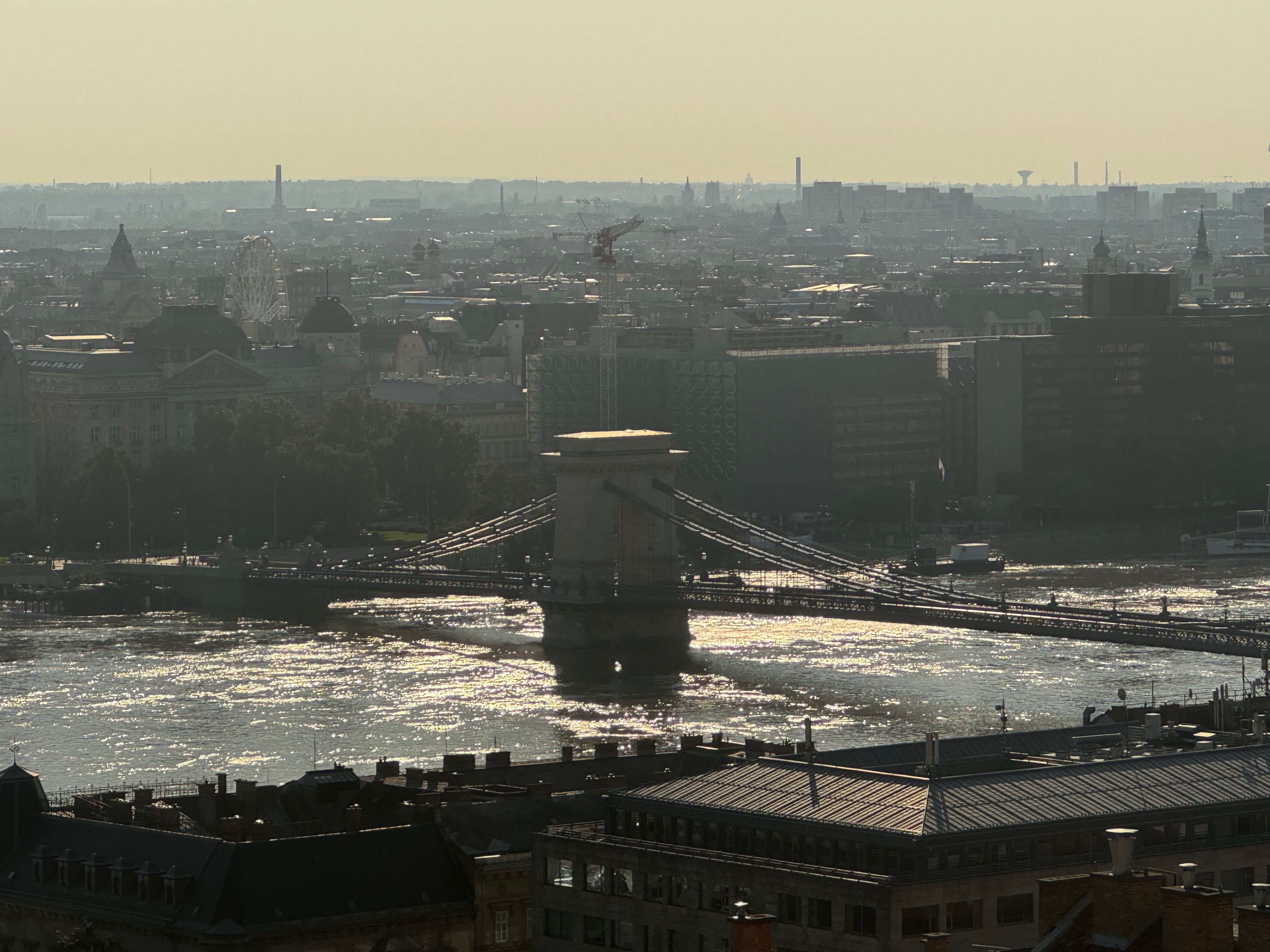
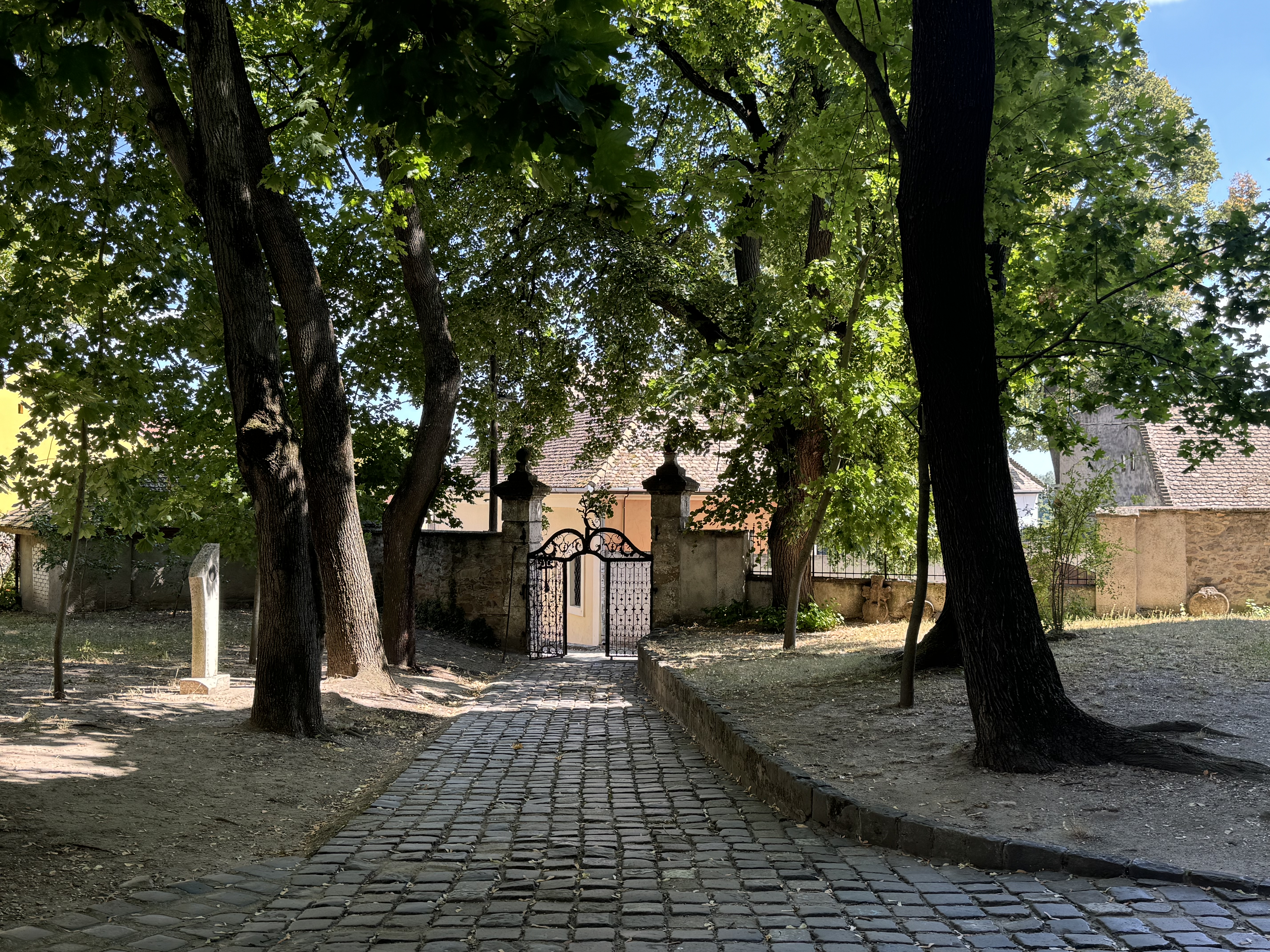
I’d highly recommend a tour when you are in Vienna or Budapest, you won’t be disappointed. These are the pictures from our last tour, we were lucky with beautiful weather and clear blue skies.


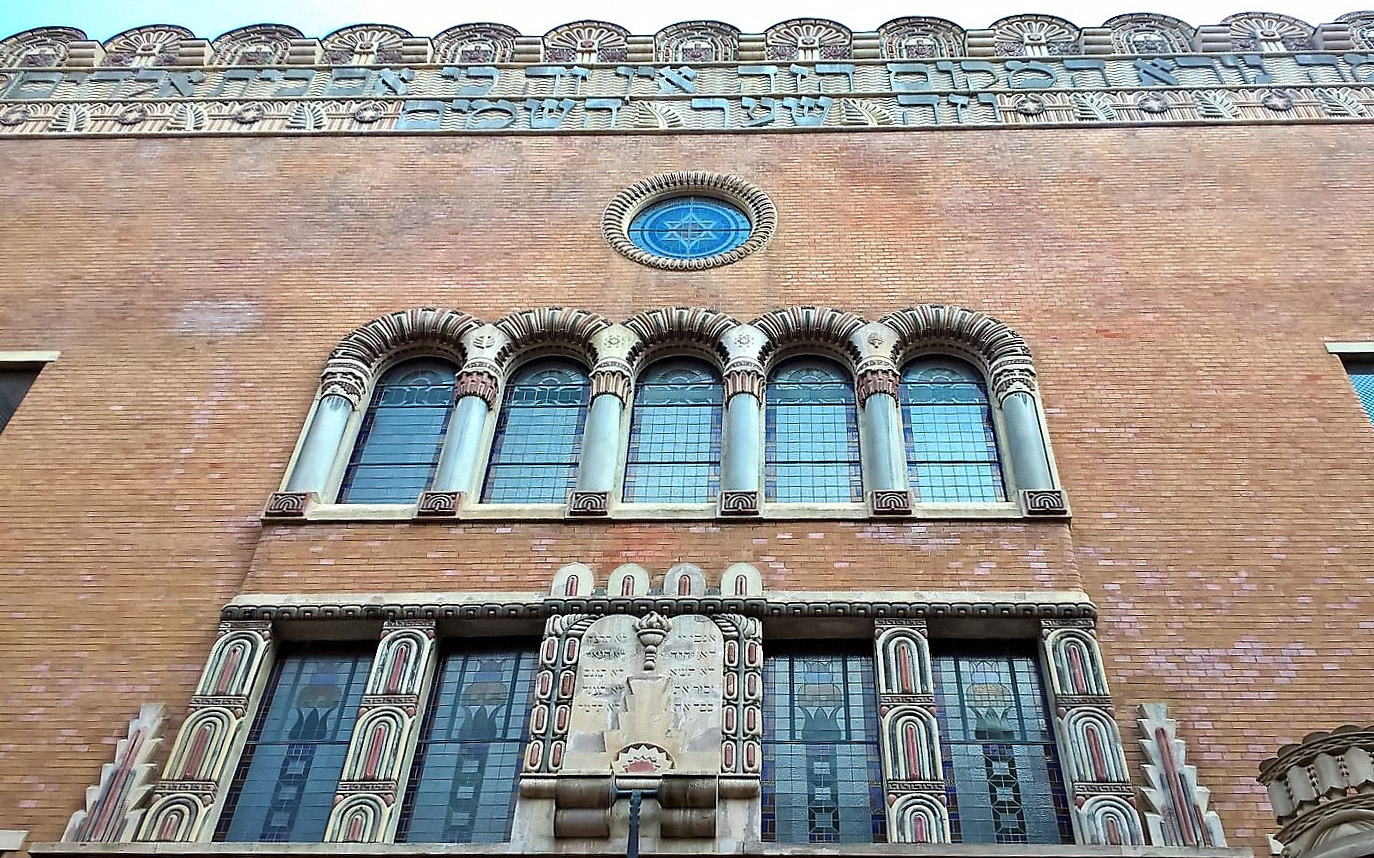
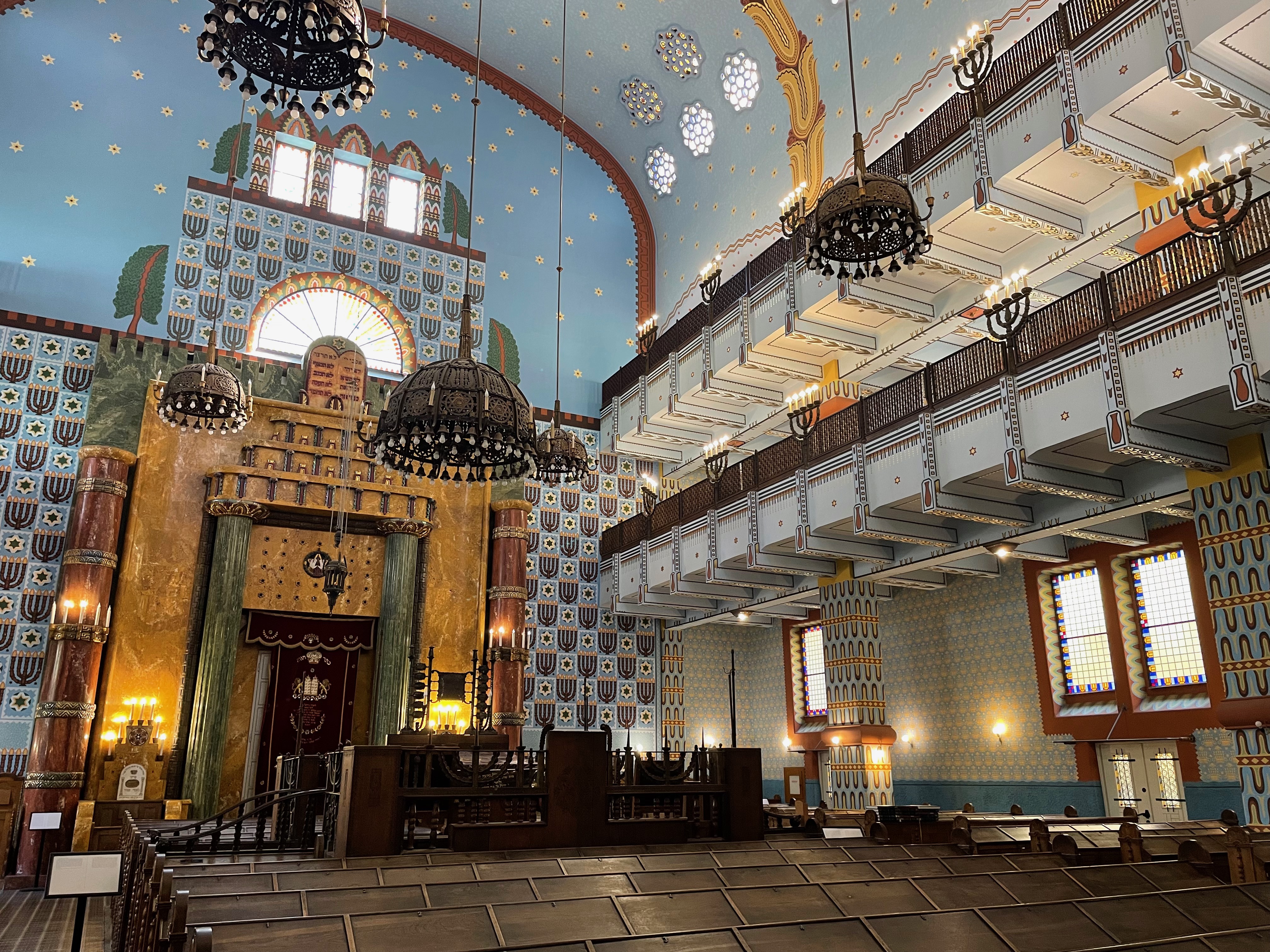
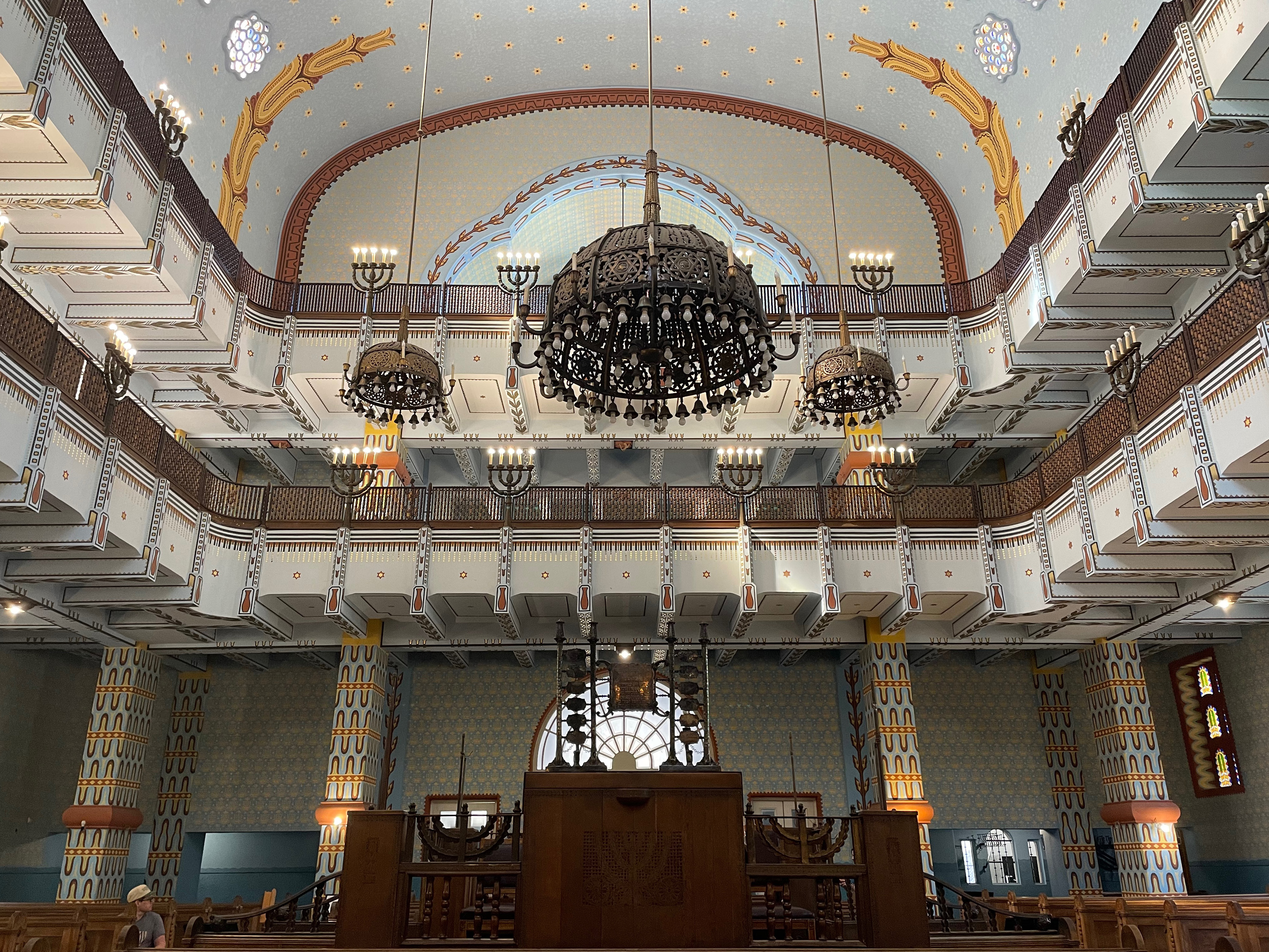
The Orthodox synagogue in Kazinczy street was bulit in Art Nouveau architecture in the early 1900’s. The Art Nouveau characteristics are truly magnificent: the rose window on top of the facade, the various building materials including raw brick and colourful stone pieces, the floral ornaments, the stained-glass windows. The building is a masterpiece of the architects, Sándor and Béla Löffler.

The synagogue was badly damaged during WW2 and the building was restored after the war. It’s part of a complex where there are apartments, two kosher restaurants, a little design shop, a kosher grocery store and offices of the Orthodox community. The visit of the synagogue can be included in the Budapest Jewish district tour.

I would like to share with you this little video I took last weekend when we visited the Gödöllő Palace. This beautiful Baroque palace from the 18th century is included in my Gödöllő and Hollókő tour and the visit is always a special experience. I very much love being lost in the past, in history, it’s a real time travel and history comes to life.