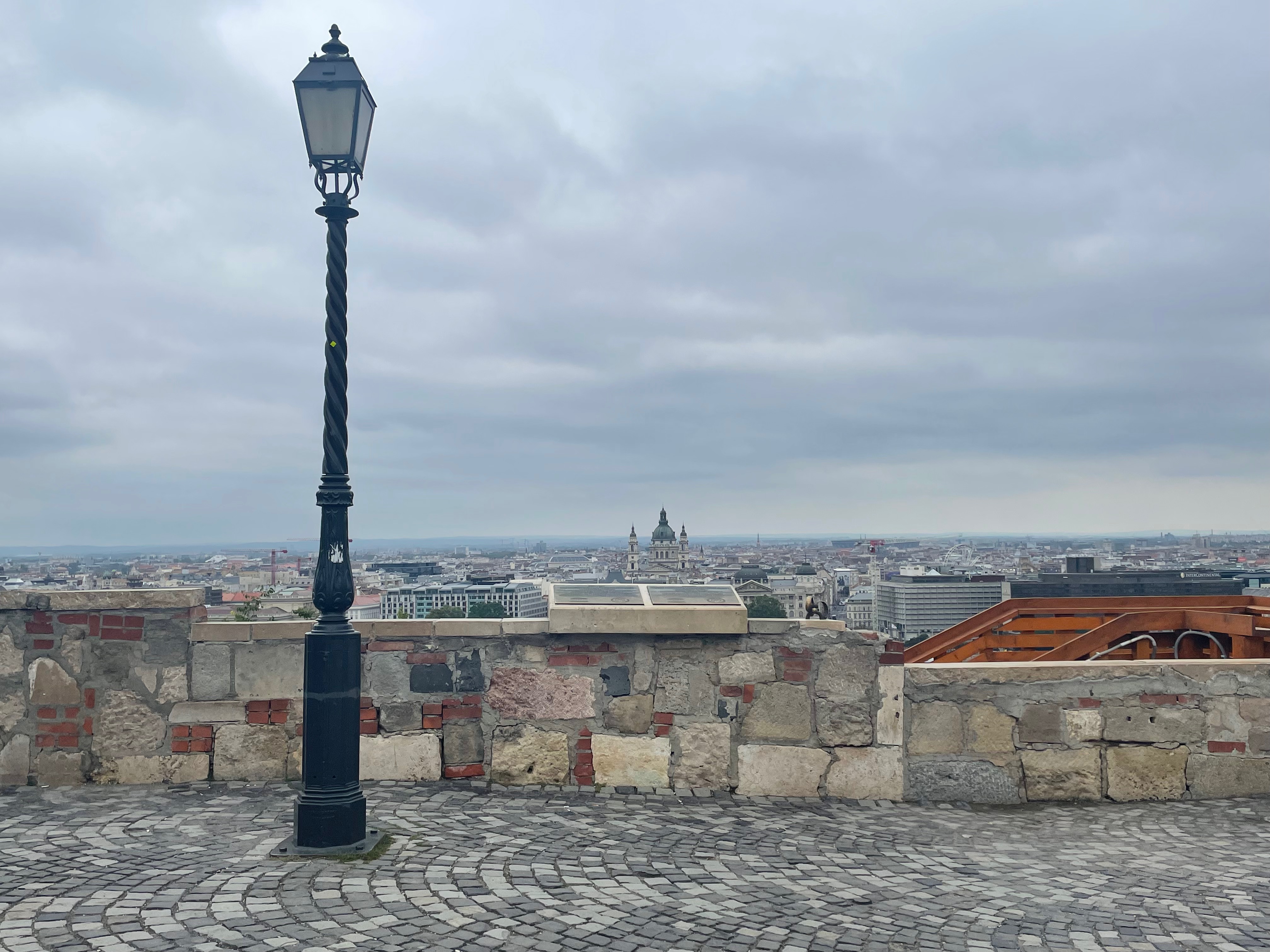
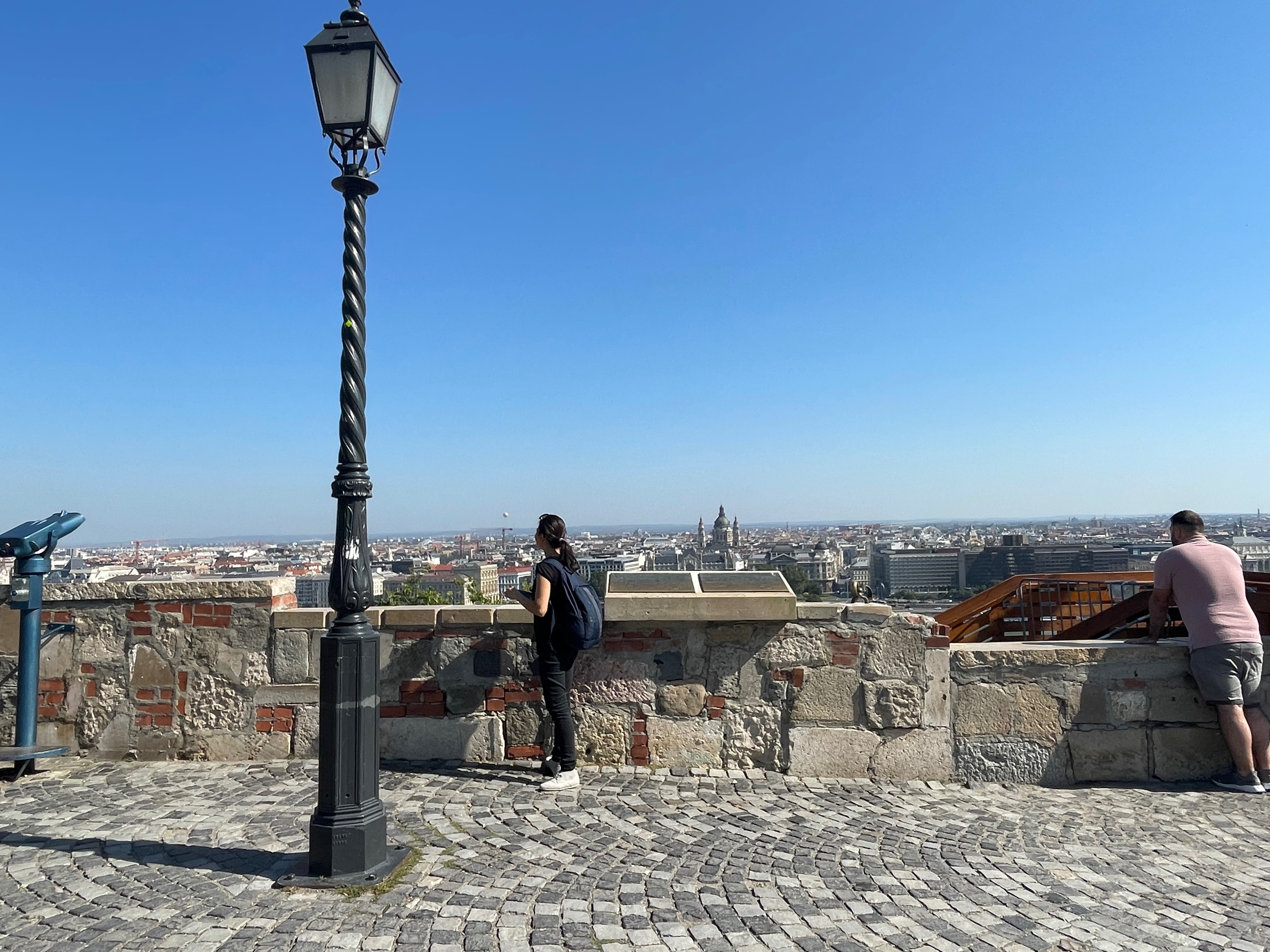
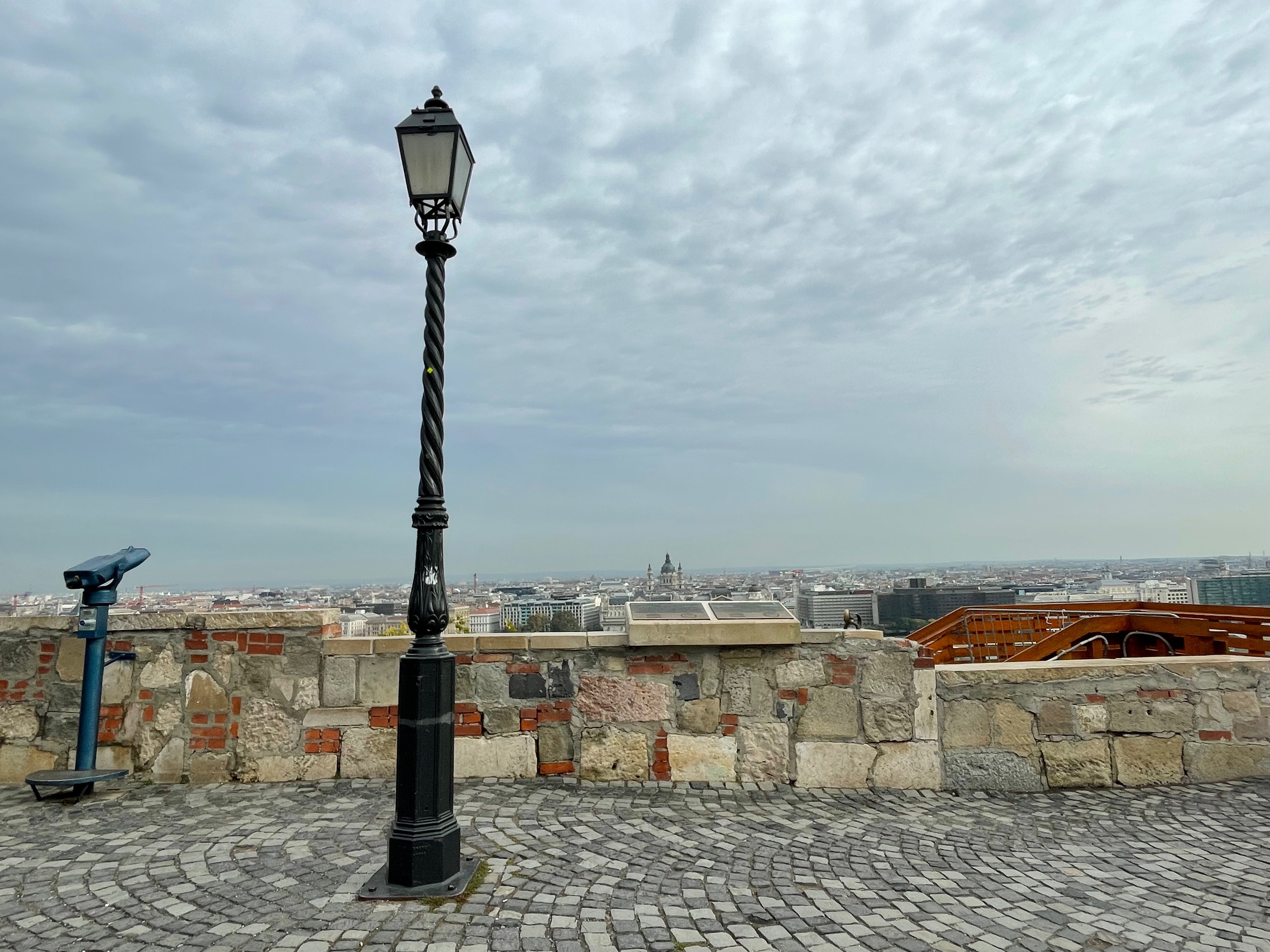
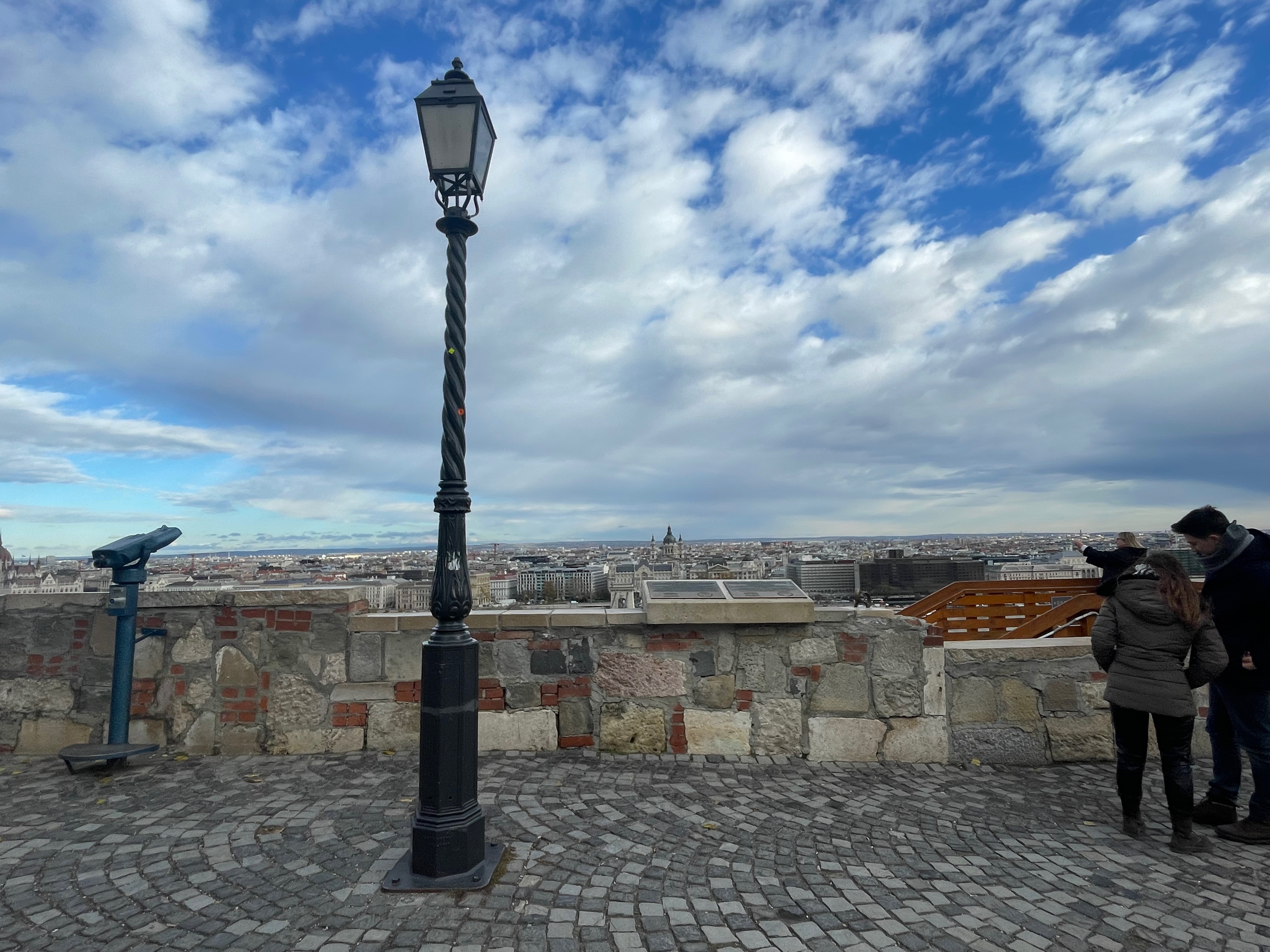
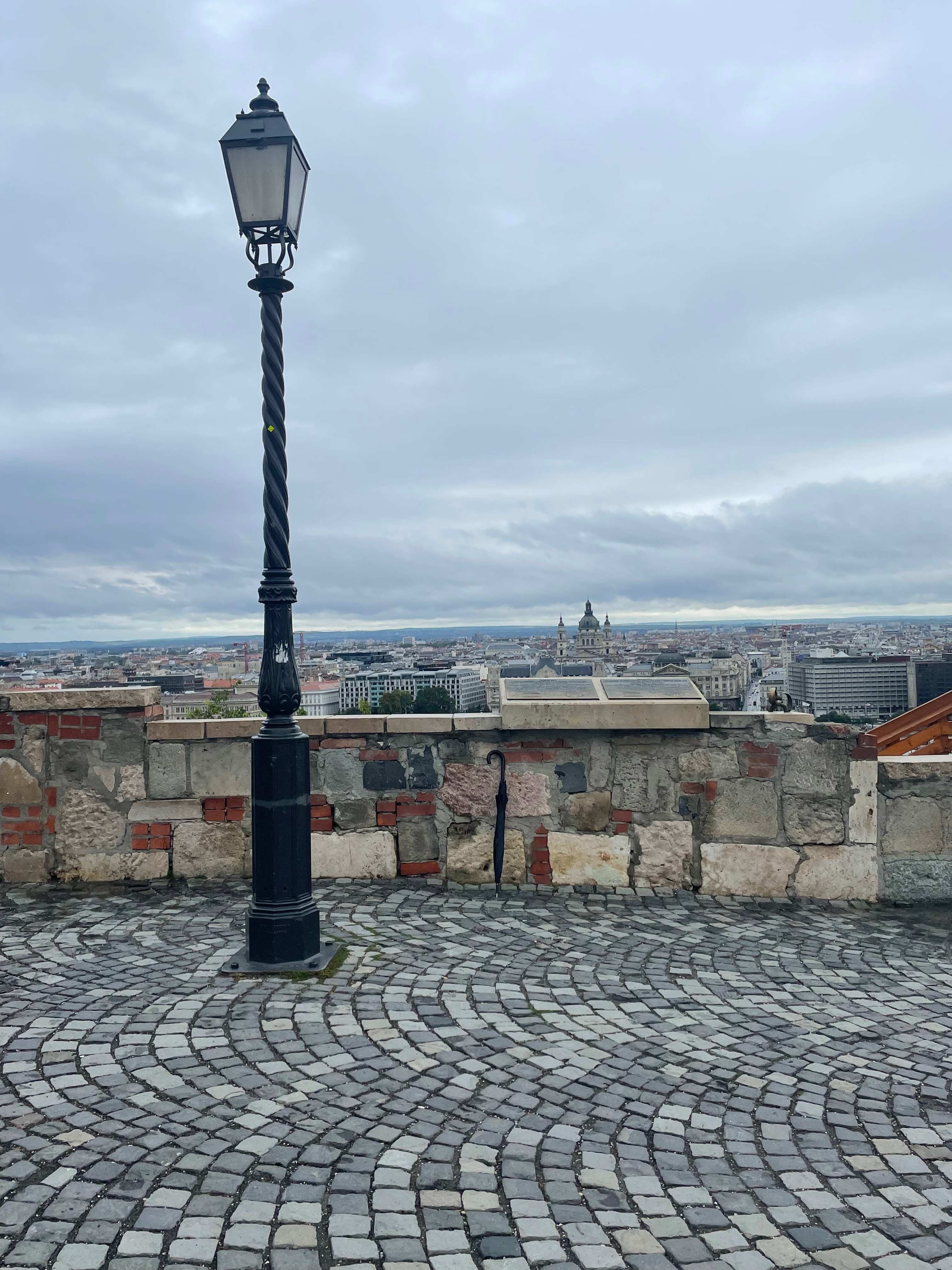
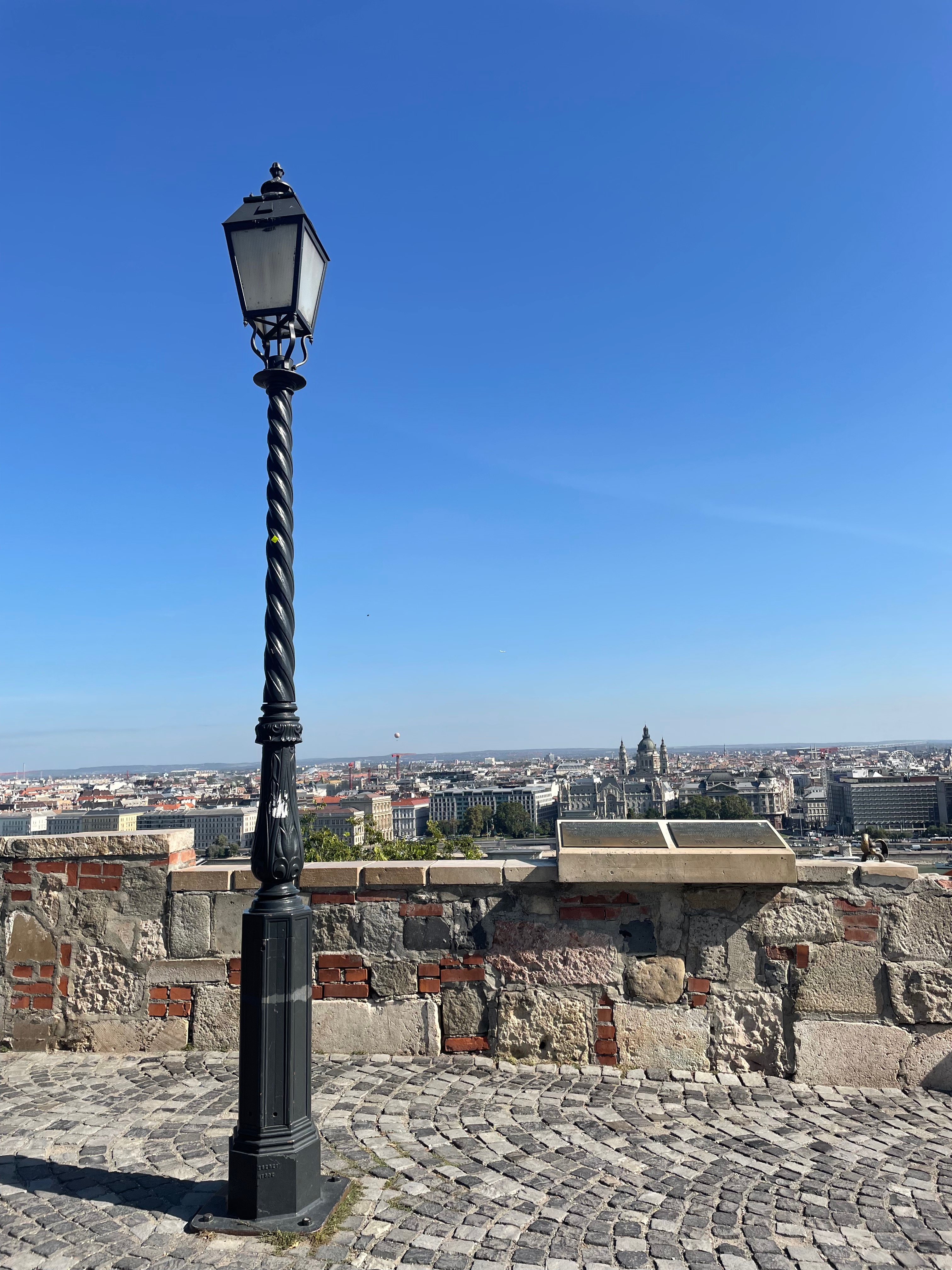
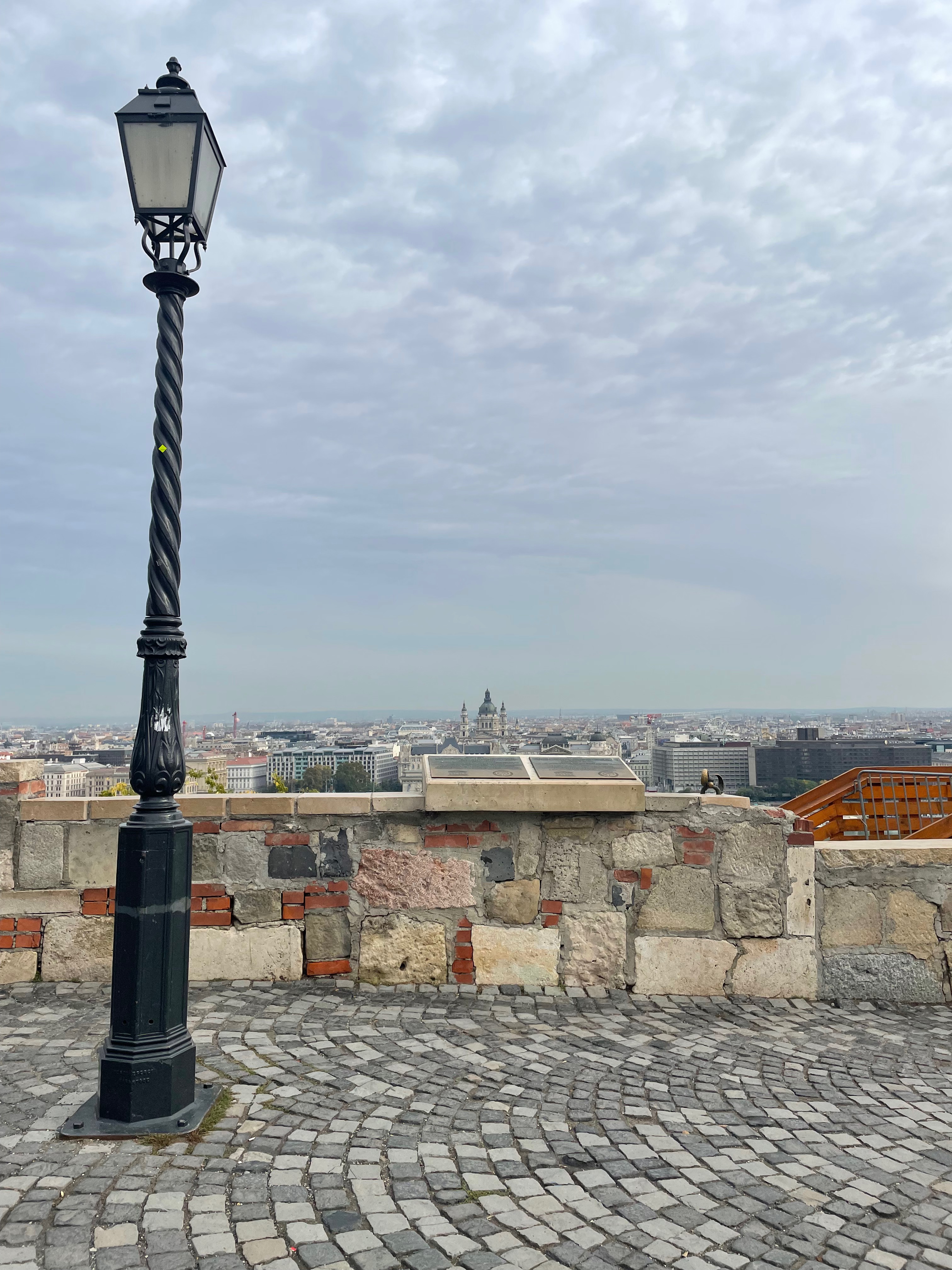
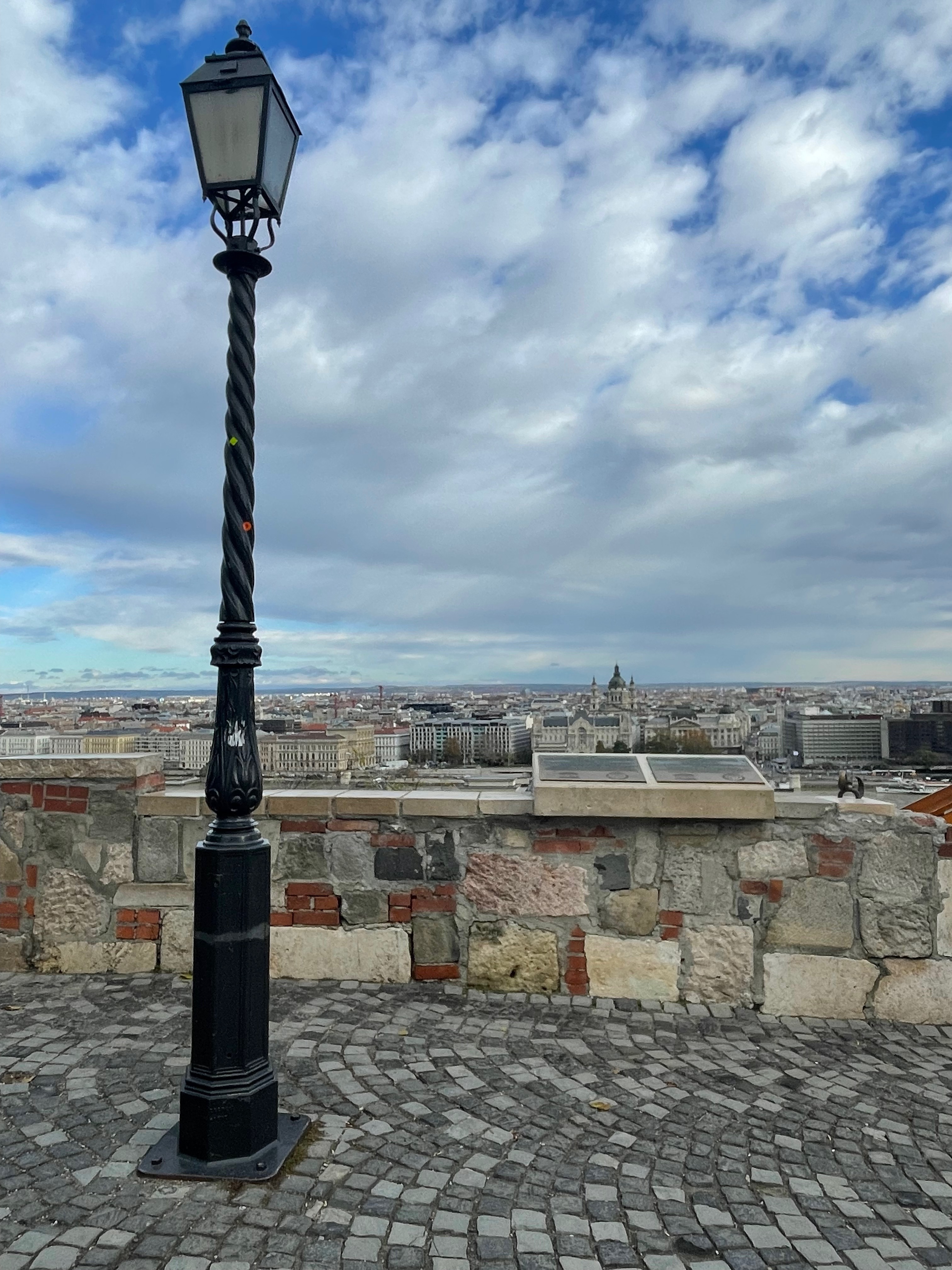
I'm taking thousands of pictures in Budapest every year, and many of them are taken at the very same spot. This is the upper station of the Buda Castle Funicular, close to the Sándor Palace and the Royal Palace. While my travellers are entertained by the changing of the guards, I'm taking pictures. Have a look, how different the pictures are even though they are taken at the same place. Join me for a walk in the Buda Castle District to see it for yourself!
I’m taking thousands of pictures in Budapest every year, and many of them are taken at the very same spot. This is the upper station of the Buda Castle Funicular, close to the Sándor Palace and the Royal Palace. While my travellers are entertained by the changing of the guards, I’m taking pictures. Have a look, how different the pictures are even though they are taken at the same place. Join me for a walk in the Buda Castle District to see it for yourself!
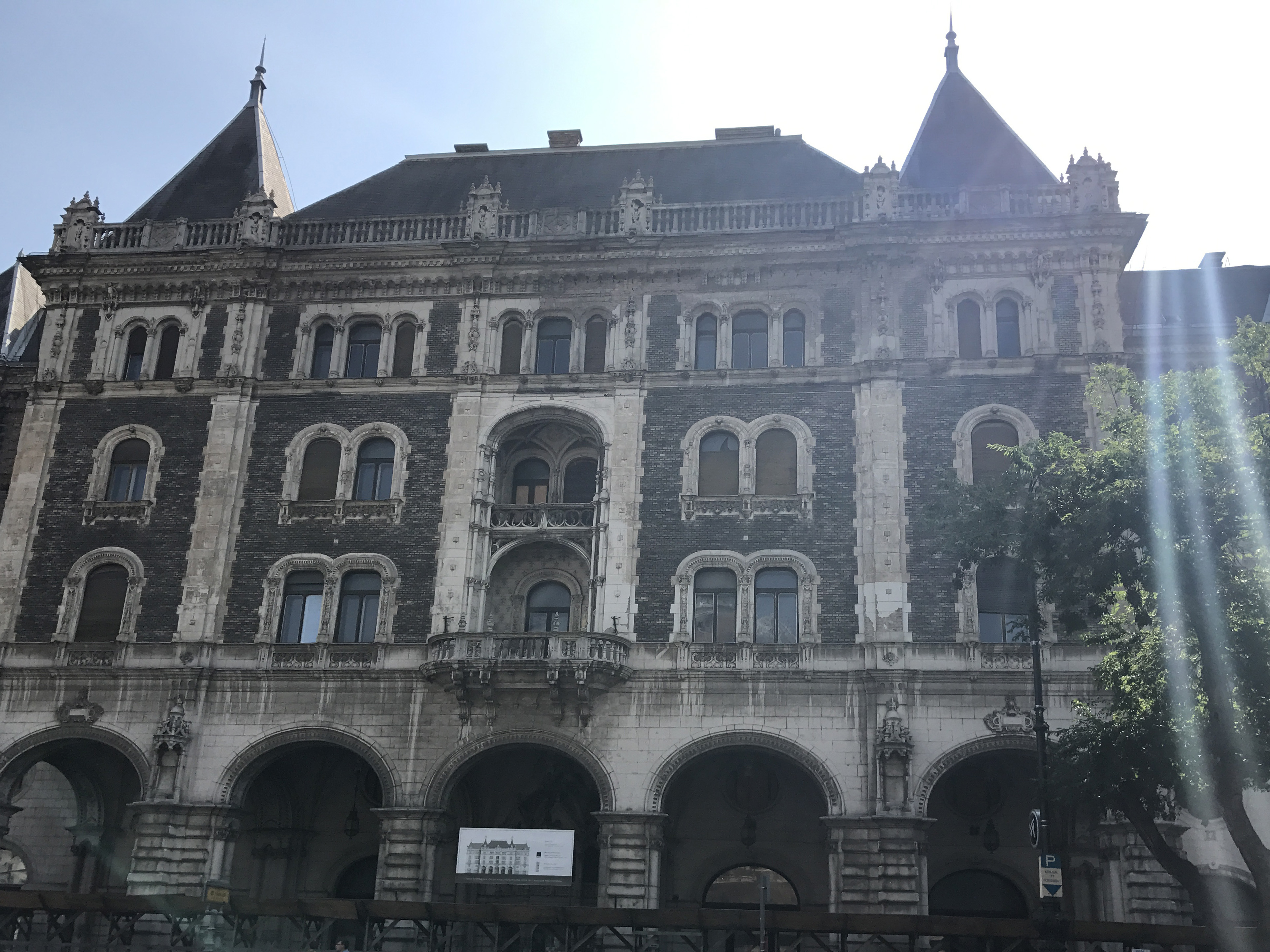
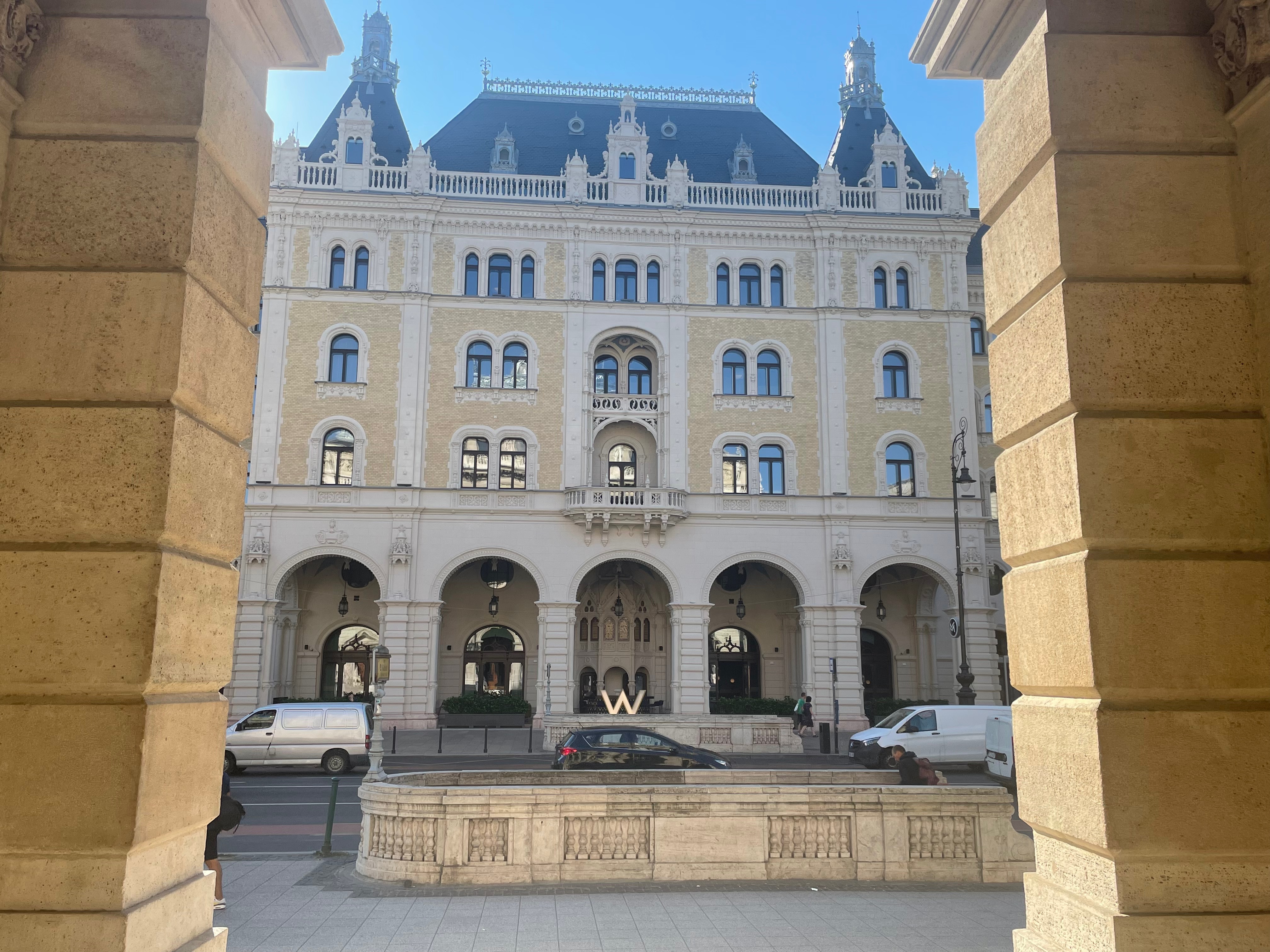
This truly magnificent Neo-Renaissance building is on Andrássy street, right across from the State Opera House. I keep telling stories about the building, home of Drechsler Café, that was originally built for the pensioners of the National Rail Services. For many many long years the building was hiding behind scaffolding and recently it reopened as the W hotel. I hope you agree with me when I say that the renovators made a wonderful job and filled the palace with elegance and charm.
This truly magnificent Neo-Renaissance building is on Andrássy street, right across from the State Opera House. I keep telling stories about the building, home of Drechsler Café, that was originally built for the pensioners of the National Rail Services. For many many long years the building was hiding behind scaffolding and recently it reopened as the W hotel. I hope you agree with me when I say that the renovators made a wonderful job and filled the palace with elegance and charm.
Thank you for all your great reviews and comments, it's always a pleasure to read your kind words. And, I'm very proud to announce that I just got this very special award from Tripadvisor - Travelers' Choice 2023. I'm truly happy and promise to do my best to help you collect the nicest memories while I'm showing you around my Beautiful Budapest. And please keep sharing your comments!
Thank you for all your great reviews and comments, it’s always a pleasure to read your kind words. And, I’m very proud to announce that I just got this very special award from Tripadvisor – Travelers’ Choice 2023.
I’m truly happy and promise to do my best to help you collect the nicest memories while I’m showing you around my Beautiful Budapest. And please keep sharing your comments!
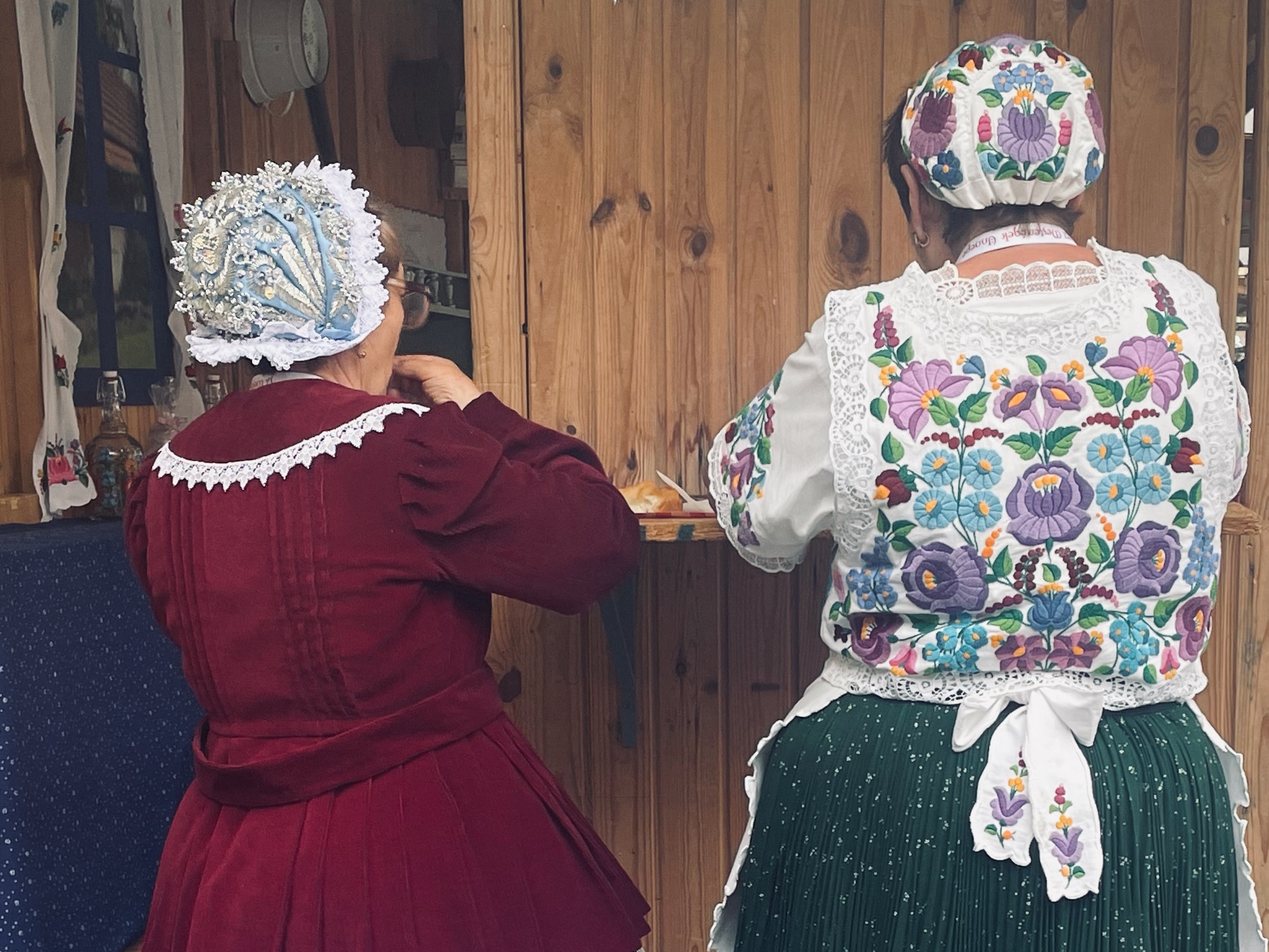
Every year, at the end of August some of the great Hungarian folk artists have a special opportunity to put on display their talent and products: the folk art festival in the Buda Castle district. Visitors can watch and also participate in activities, such as sewing, lace or embroidery making, wood carving and many more. It's a great occasion to meet local craftsmen and craftswomen, observe their techniques and tricks and also to buy local folk products. I loved the little old ladies teaching me sewing, trust me, they are very patient with visitors much less talented and experienced than they are.
Every year, at the end of August some of the great Hungarian folk artists have a special opportunity to put on display their talent and products: the folk art festival in the Buda Castle district. Visitors can watch and also participate in activities, such as sewing, lace or embroidery making, wood carving and many more. It’s a great occasion to meet local craftsmen and craftswomen, observe their techniques and tricks and also to buy local folk products. I loved the little old ladies teaching me sewing, trust me, they are very patient with visitors much less talented and experienced than they are.
The 20th of August is the only Hungarian national holiday in the summer, celebrations usually go on for days and the city is filled with visitors from all around Hungary and from abroad. The most special attraction every year is the fireworks on the night of the 20th, that can be seen from the banks of the river and the hills around it.
The 20th of August is the only Hungarian national holiday in the summer, celebrations usually go on for days and the city is filled with visitors from all around Hungary and from abroad. The most special attraction every year is the fireworks on the night of the 20th, that can be seen from the banks of the river and the hills around it.
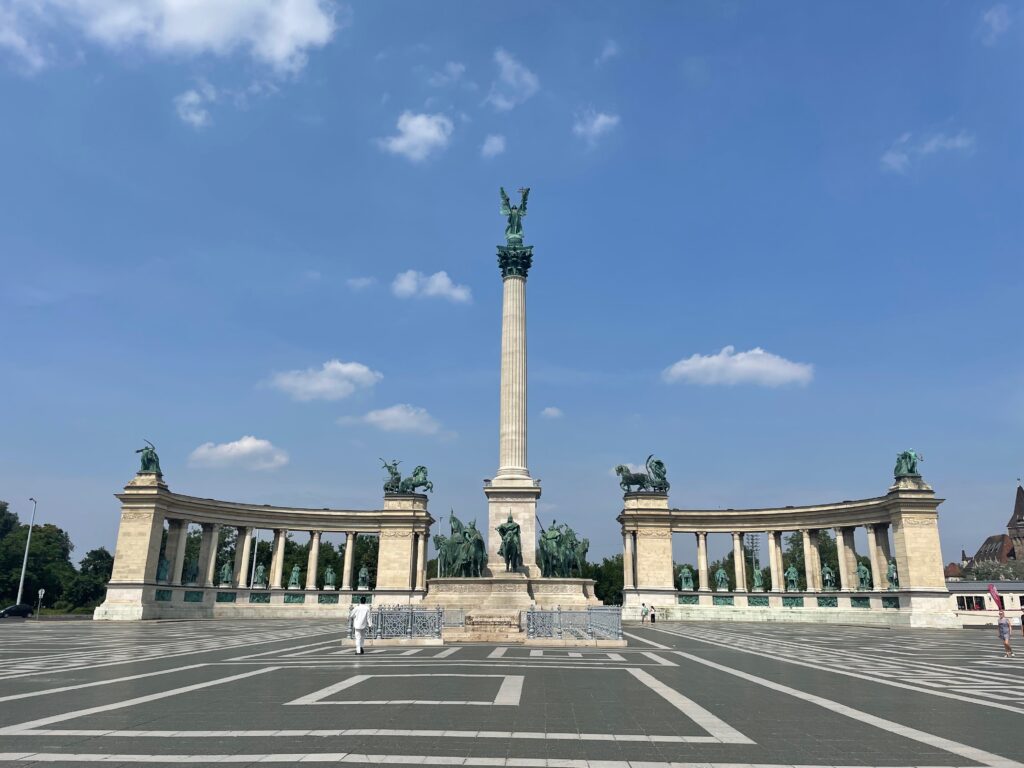
Heroes’ Square truly is the alpha and omega of Budapest sightseeing. Almost every walking or driving tour passes through here — and for good reason. Monumental, symbolic, and visually striking, this grand square tells the story of Hungary in stone and bronze. At the heart of Heroes’ Square stands the Millennium Monument, crowned by the Archangel Gabriel and surrounded by statues of Hungary’s most important historical leaders. From the arrival of the Magyar tribes in the 9th century to the great kings and national heroes, the entire sweep of Hungarian history unfolds here in a single, powerful composition. But Heroes’ Square is not only about the past — it’s also a gateway. The square marks the ceremonial end of Andrássy Avenue, one of Budapest’s most elegant streets, and the entrance to City Park, one of the city’s largest and most loved green spaces. Just a few steps beyond the monuments, Budapest opens up into a world of leisure and culture. From here, you can easily reach: Vajdahunyad Castle, with its fairytale mix of architectural styles Széchenyi Thermal Bath, one of Europe’s largest spa complexes Budapest Zoo, one of the oldest zoos in the world the City Park lake, ice skating rink, museums, circus, and excellent playgrounds for children Heroes’ Square is rarely quiet. It’s usually alive with visitors, locals, tour groups, and photographers — which makes moments of stillness here especially precious. Seeing the square empty and peaceful, as it was this morning, is a reminder of its timeless, almost theatrical beauty. As a local guide, I always say this: if you want to understand Budapest, start at Heroes’ Square. It sets the tone for the city — proud, complex, layered, and deeply connected to its history — while inviting you forward into one of its most enjoyable districts. Heroes’
Heroes’ Square truly is the alpha and omega of Budapest sightseeing. Almost every walking or driving tour passes through here — and for good reason. Monumental, symbolic, and visually striking, this grand square tells the story of Hungary in stone and bronze.
At the heart of Heroes’ Square stands the Millennium Monument, crowned by the Archangel Gabriel and surrounded by statues of Hungary’s most important historical leaders. From the arrival of the Magyar tribes in the 9th century to the great kings and national heroes, the entire sweep of Hungarian history unfolds here in a single, powerful composition.
But Heroes’ Square is not only about the past — it’s also a gateway.
The square marks the ceremonial end of Andrássy Avenue, one of Budapest’s most elegant streets, and the entrance to City Park, one of the city’s largest and most loved green spaces. Just a few steps beyond the monuments, Budapest opens up into a world of leisure and culture.
the City Park lake, ice skating rink, museums, circus, and excellent playgrounds for children
Heroes’ Square is rarely quiet. It’s usually alive with visitors, locals, tour groups, and photographers — which makes moments of stillness here especially precious. Seeing the square empty and peaceful, as it was this morning, is a reminder of its timeless, almost theatrical beauty.
As a local guide, I always say this: if you want to understand Budapest, start at Heroes’ Square. It sets the tone for the city — proud, complex, layered, and deeply connected to its history — while inviting you forward into one of its most enjoyable districts.
Heroes’ Square is included in most of my customised walking and driving tours, often paired with Andrássy Avenue and City Park. It’s a perfect starting point for discovering how history, everyday life, and grand architecture come together in Budapest.
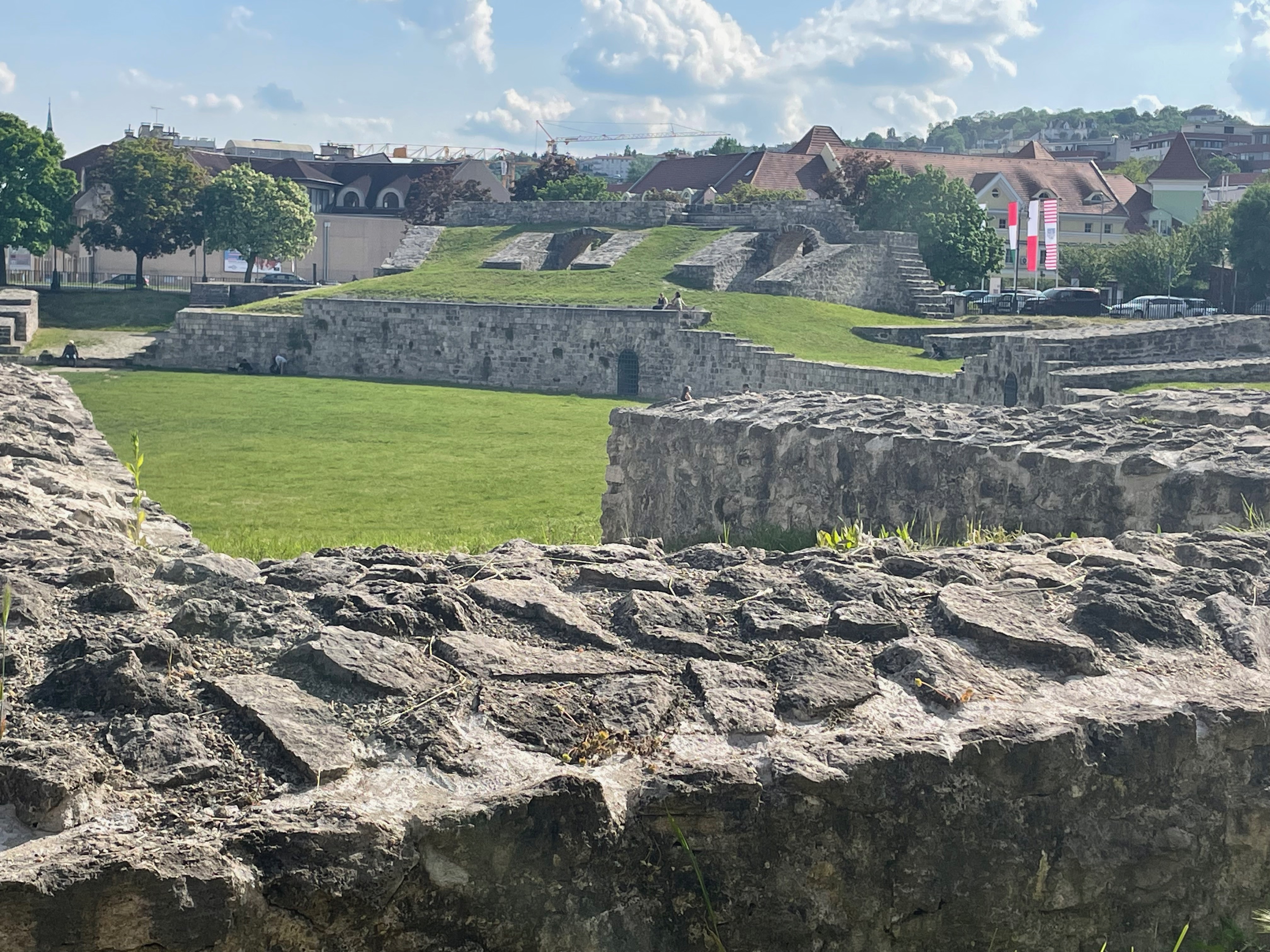
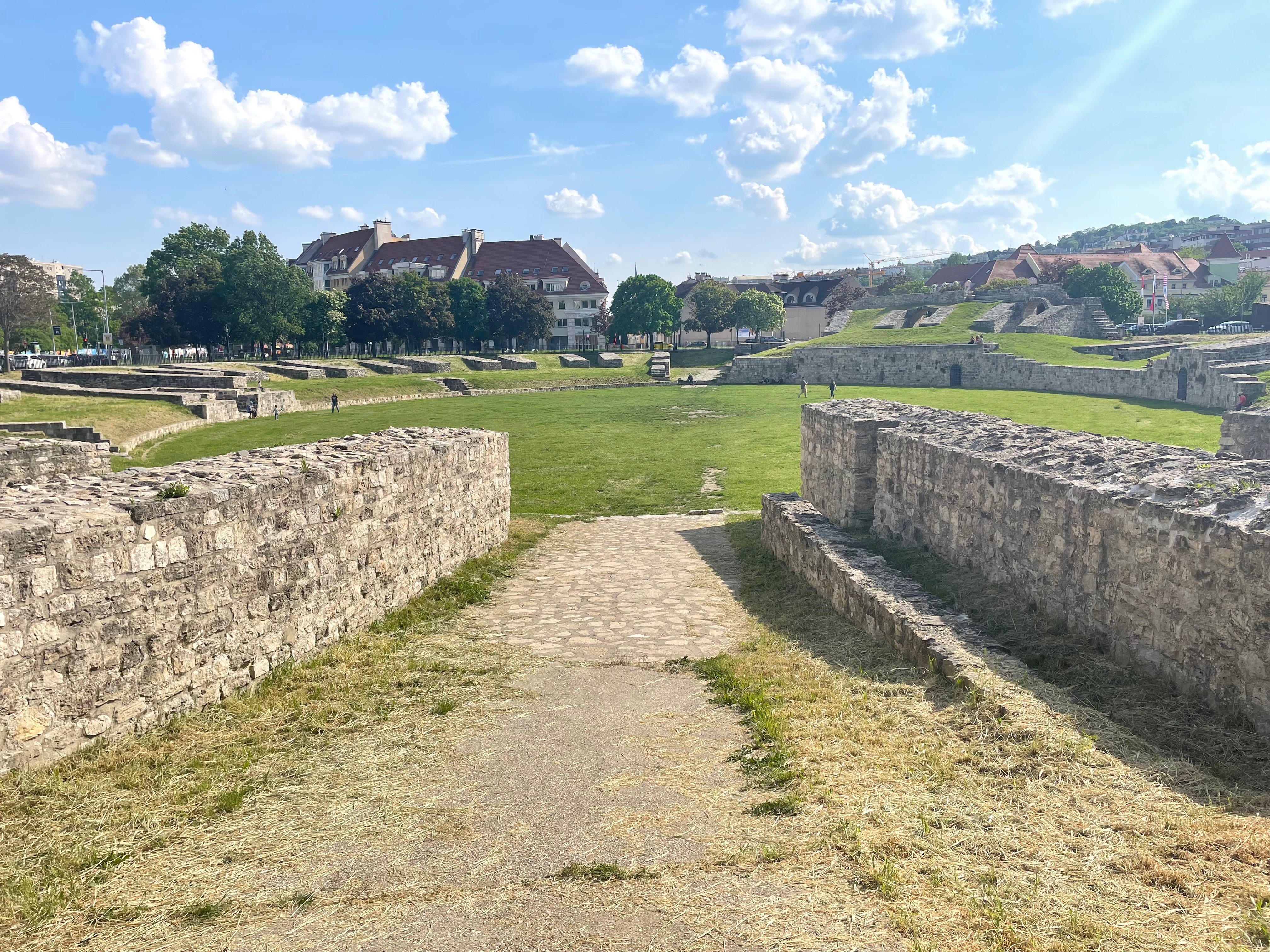
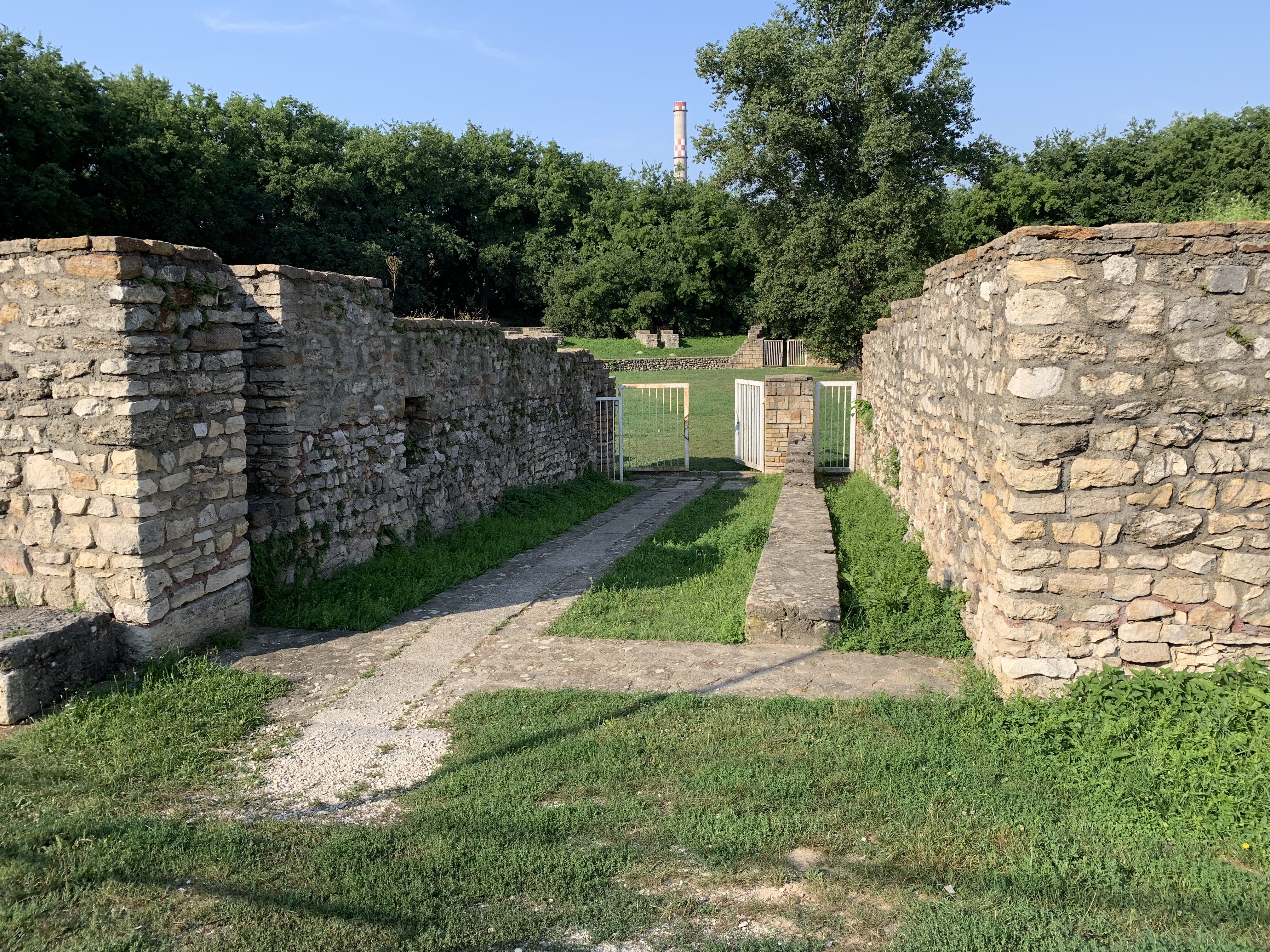
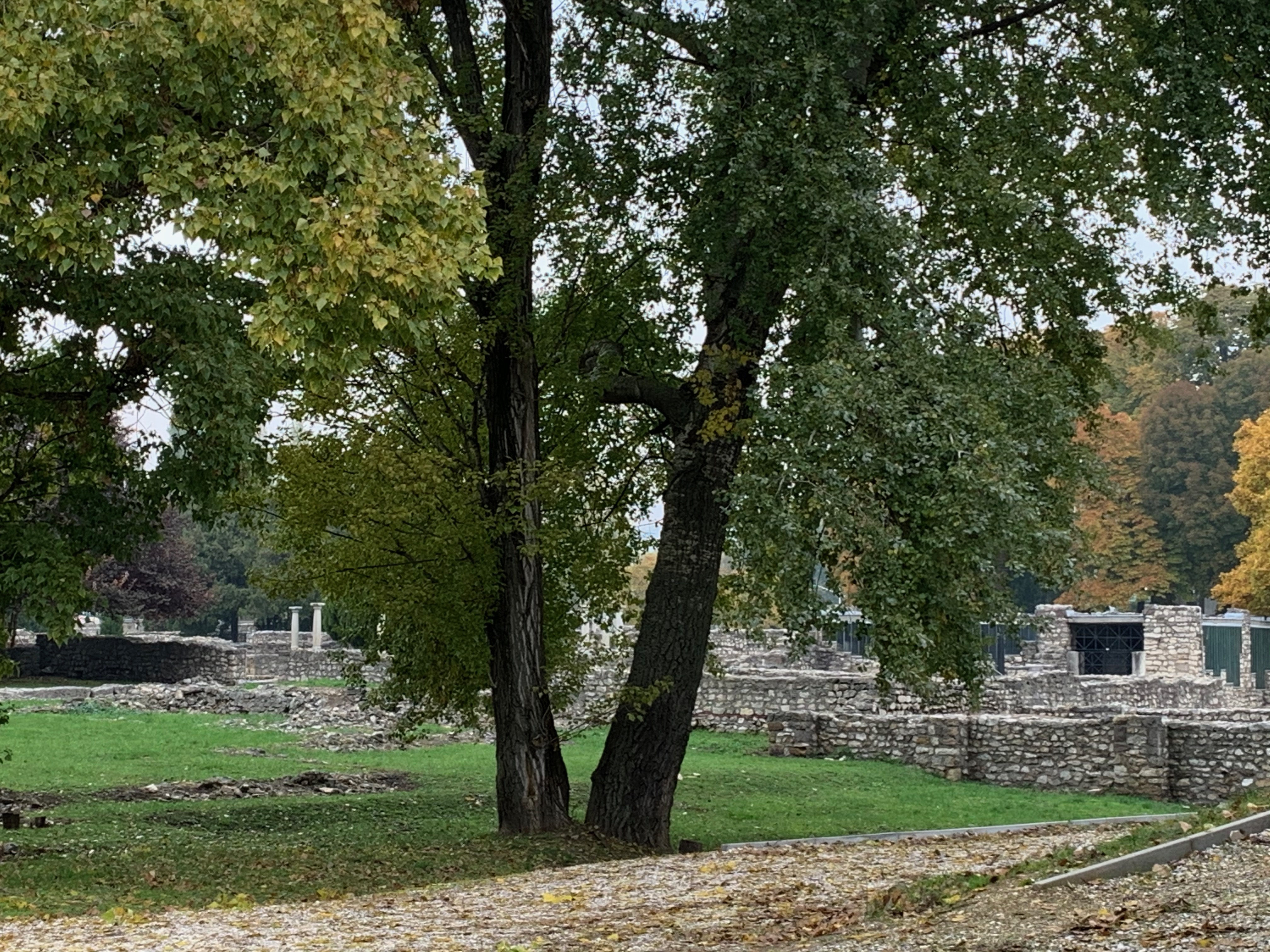
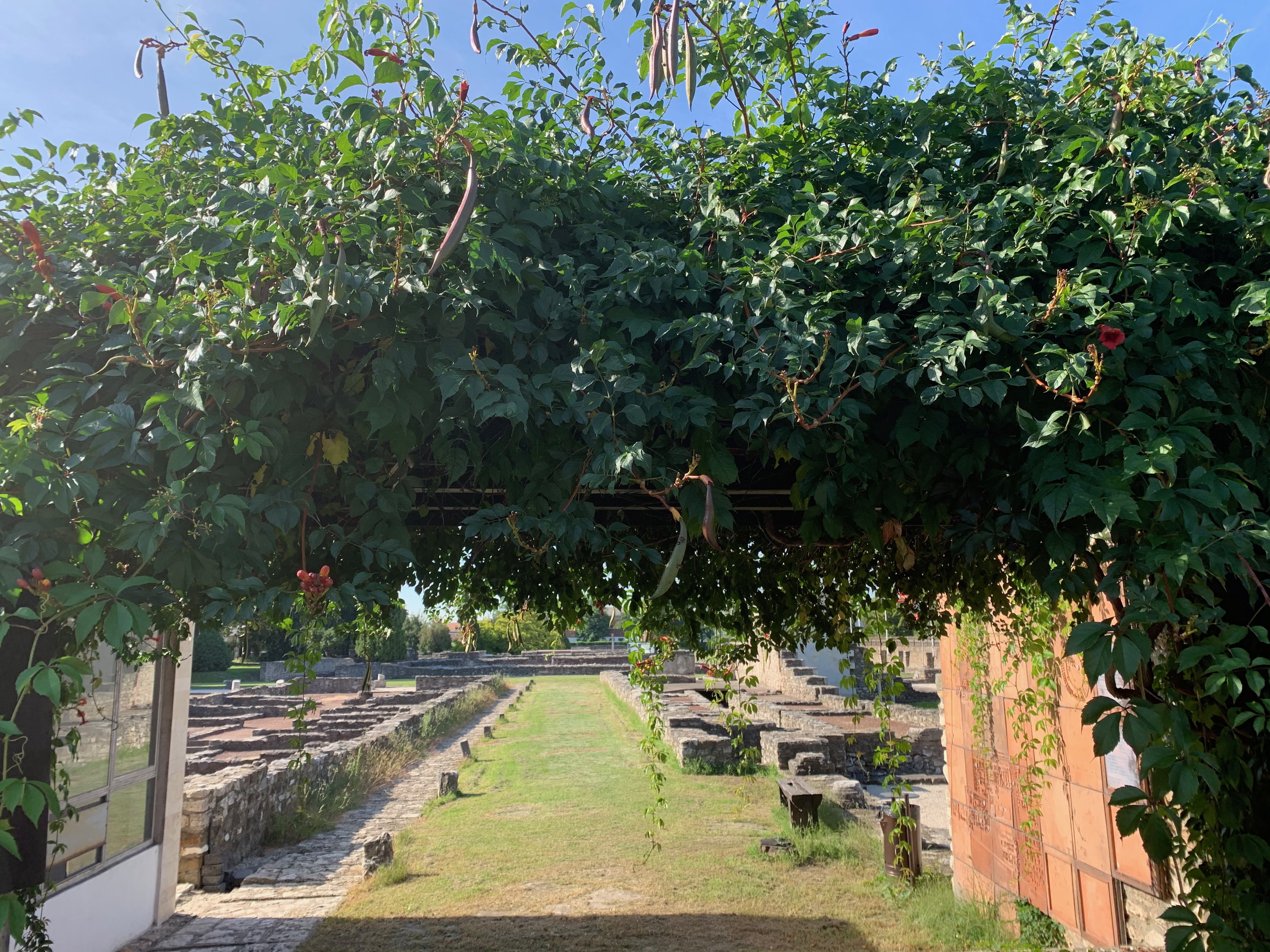
The ancient Roman Empire was the largest empire of the world, at its peak the greatest territorial extent of the empire was almost 2 million square miles with a population from 50 to 90 million people. From the 1st century Romans created settlements along the Danube river to protect the empire from the east. There were several settlements created in the actual territories of Hungary, some ruins can be seen in the Northern part of Buda even today. You can visit the ruins of an amphitheatre or Aquincum, the centre of the settlement with the remains of the governor's palace and many residential buildings.
The ancient Roman Empire was the largest empire of the world, at its peak the greatest territorial extent of the empire was almost 2 million square miles with a population from 50 to 90 million people. From the 1st century Romans created settlements along the Danube river to protect the empire from the east. There were several settlements created in the actual territories of Hungary, some ruins can be seen in the Northern part of Buda even today.
You can visit the ruins of an amphitheatre or Aquincum, the centre of the settlement with the remains of the governor’s palace and many residential buildings.
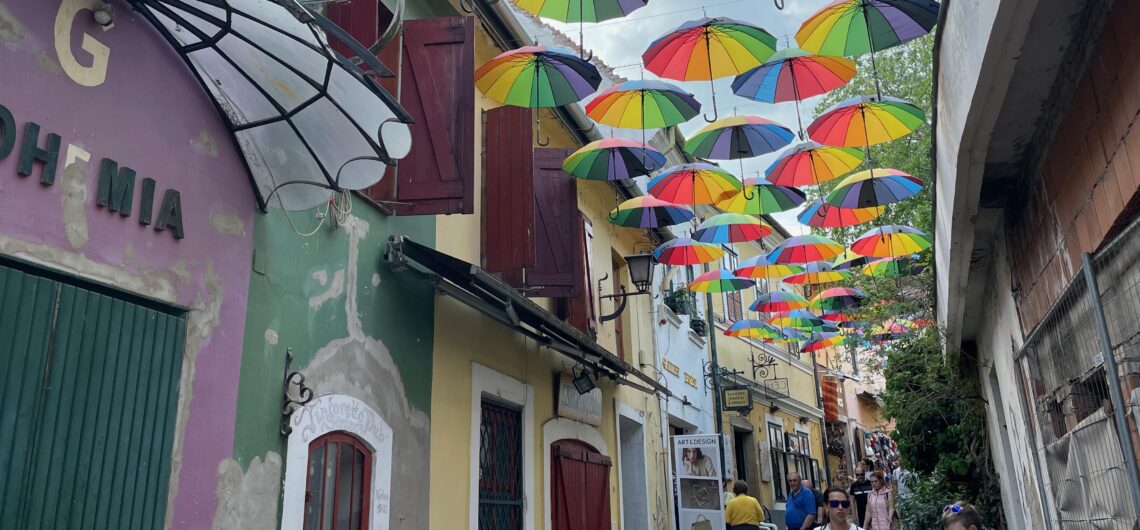
There are places that seem almost too pretty to be real. Szentendre is one of them. Just north of Budapest, this charming little riverside town is a wonderful collection of colourful houses, cobbled lanes, church towers, art galleries and inviting cafés. Around almost every corner, there's another beautiful doorway, a hidden courtyard or a picturesque staircase waiting to be photographed. I visit Szentendre regularly with my travellers, and no matter how many times I return, I always find something that makes me stop and look again. If you're looking for a relaxed and memorable Szentendre day trip from Budapest, here's why this lovely town deserves a place on your itinerary. A Little Town with a Fascinating History Szentendre's colourful character has a fascinating story behind it. During the late 17th century, Serbian families fleeing Ottoman expansion settled here, bringing their Orthodox religious traditions, culture and architecture. Their influence is still visible today in the town's beautiful church towers and historic streets. As you wander through the centre, you'll notice that Szentendre feels a little different from other Hungarian towns. There's something wonderfully Mediterranean about its narrow lanes, warm colours and lively little squares. And while the town is small, its cultural heritage is remarkably rich. A Town of Artists and Colourful Streets Szentendre has long been associated with artists, particularly since the establishment of its artists' colony in the 1920s. Painters were drawn here by the light, the architecture and the atmosphere. Today, galleries, museums and small creative workshops continue that tradition. But you don't have to visit a museum to enjoy Szentendre's artistic spirit. Simply wander through the cobbled streets, admire the colourful façades and look for the little architectural details that make the town so photogenic. My favourite way to explore Szentendre is without rushing. There's always another
There are places that seem almost too pretty to be real. Szentendre is one of them. Just north of Budapest, this charming little riverside town is a wonderful collection of colourful houses, cobbled lanes, church towers, art galleries and inviting cafés. Around almost every corner, there’s another beautiful doorway, a hidden courtyard or a picturesque staircase waiting to be photographed. I visit Szentendre regularly with my travellers, and no matter how many times I return, I always find something that makes me stop and look again. If you’re looking for a relaxed and memorable Szentendre day trip from Budapest, here’s why this lovely town deserves a place on your itinerary.
A Little Town with a Fascinating History
Szentendre’s colourful character has a fascinating story behind it. During the late 17th century, Serbian families fleeing Ottoman expansion settled here, bringing their Orthodox religious traditions, culture and architecture. Their influence is still visible today in the town’s beautiful church towers and historic streets.
As you wander through the centre, you’ll notice that Szentendre feels a little different from other Hungarian towns. There’s something wonderfully Mediterranean about its narrow lanes, warm colours and lively little squares. And while the town is small, its cultural heritage is remarkably rich.
A Town of Artists and Colourful Streets
Szentendre has long been associated with artists, particularly since the establishment of its artists’ colony in the 1920s. Painters were drawn here by the light, the architecture and the atmosphere. Today, galleries, museums and small creative workshops continue that tradition.
But you don’t have to visit a museum to enjoy Szentendre’s artistic spirit. Simply wander through the cobbled streets, admire the colourful façades and look for the little architectural details that make the town so photogenic. My favourite way to explore Szentendre is without rushing. There’s always another lovely corner to discover.
Fő tér – The Heart of Szentendre
The town’s main square, Fő tér, is surrounded by colourful historic buildings and is one of the loveliest places to begin exploring. Look out for the Merchants’ Cross in the centre of the square, a reminder of the town’s Serbian Orthodox heritage.
From here, narrow streets and little passageways lead towards churches, galleries, shops and hidden courtyards. It’s the perfect place to put away your map for a while and simply enjoy wandering.
Churches, Courtyards and Hidden Corners
One of the most interesting things about Szentendre is its collection of historic churches, reflecting the different communities that shaped the town. The Serbian Orthodox churches are especially important to its identity, and their distinctive architecture adds so much character to the skyline.
I also love the smaller details: old gates, colourful shutters, unexpected staircases and little courtyards that are easy to miss if you’re in a hurry. These are often the places where I take my favourite photographs.
Something Sweet: The Marzipan Museum
Szentendre has a rather unusual attraction: a museum dedicated to marzipan! The Marzipan Museum is a delightful little stop, especially for families or anyone with a sweet tooth. You’ll discover surprisingly elaborate creations made from marzipan, proving that this traditional confection can be an art form in its own right.
And yes, there’s an opportunity to buy something sweet afterwards.
A Walk Along the Danube
After exploring the historic centre, I always recommend spending a little time by the river. The Danube gives Szentendre a completely different atmosphere. Away from the busier little streets, the riverside is a lovely place for a gentle stroll, a few photographs or a relaxing coffee.
On a sunny day, it’s easy to understand why this town has inspired so many artists.
How to Get to Szentendre from Budapest
If you are planning a Szentendre day trip from Budapest, it is an easy excursion from Budapest, making it an excellent choice for a half-day visit. You can reach the town by suburban railway (HÉV H5) from Batthyány tér. The journey takes approximately 40 minutes, followed by a short walk into the historic centre.
Travelling by car is another convenient option, particularly if you’re combining Szentendre with other destinations along the Danube.
Seasonal boat services can also provide a scenic alternative, depending on the timetable.
How Much Time Should You Spend in Szentendre?
For most visitors, three to four hours is enough to explore the historic centre, enjoy the riverside, visit a museum or gallery and stop for coffee. Of course, if you love art, architecture or photography, you could easily spend longer here.
Szentendre also makes a wonderful final stop on a Danube Bend day trip from Budapest, combining its artistic charm with the historic treasures of Esztergom and Visegrád.
Discover Szentendre with a Private Local Guide
Szentendre is beautiful to explore independently, but there’s so much more to discover when you know the stories behind its streets, churches and colourful buildings. I offer a Szentendre day trip from Budapest for travellers who would like to explore the town at a relaxed pace.
Alternatively, my private Danube Bend tour by car combines Szentendre with some of Hungary’s most spectacular landscapes and fascinating historic destinations.
Both experiences can be tailored to your interests.
And if you love beautiful little towns, fascinating stories and discovering places beyond the usual tourist routes, I think you’ll fall in love with Szentendre.
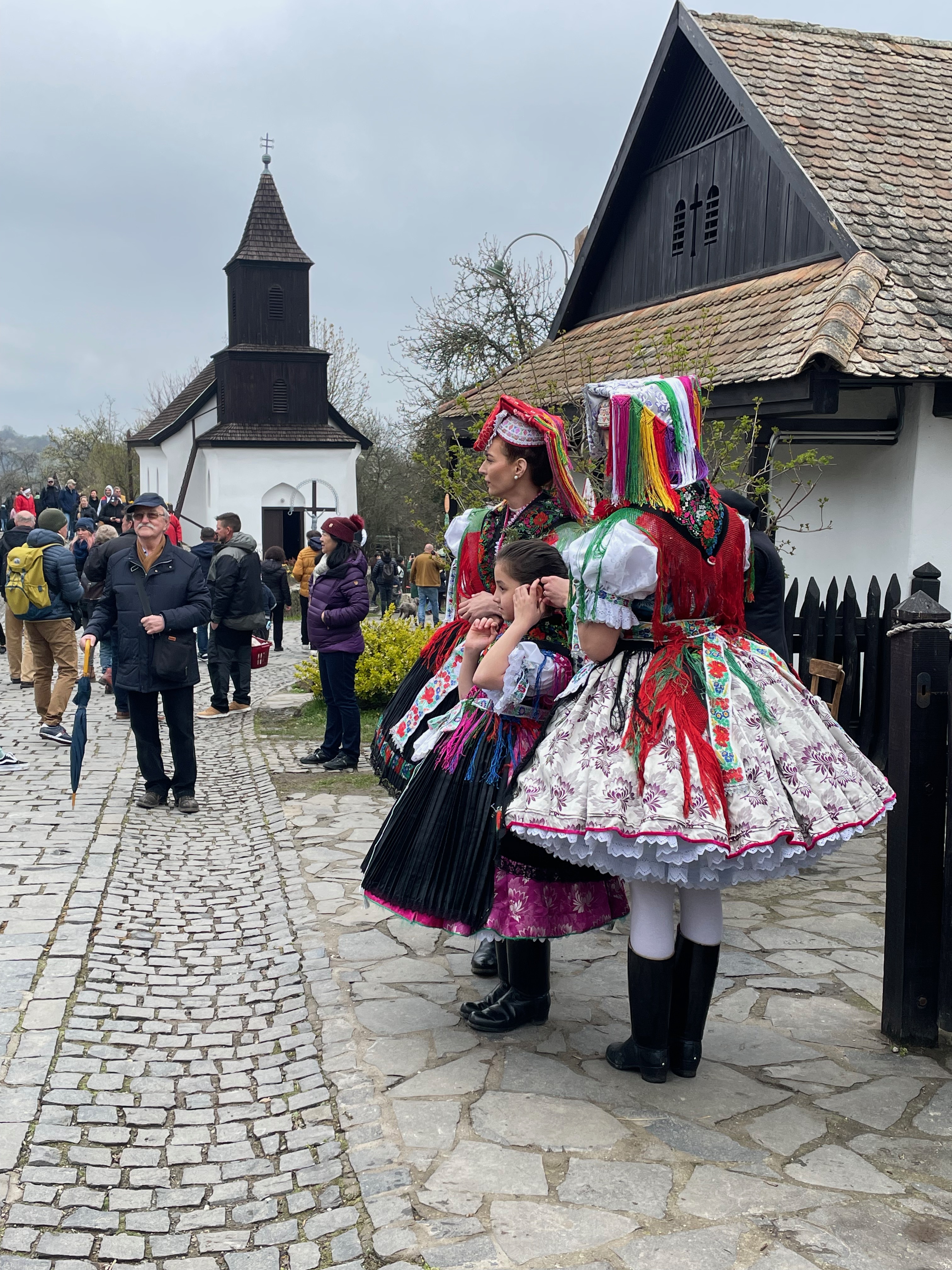
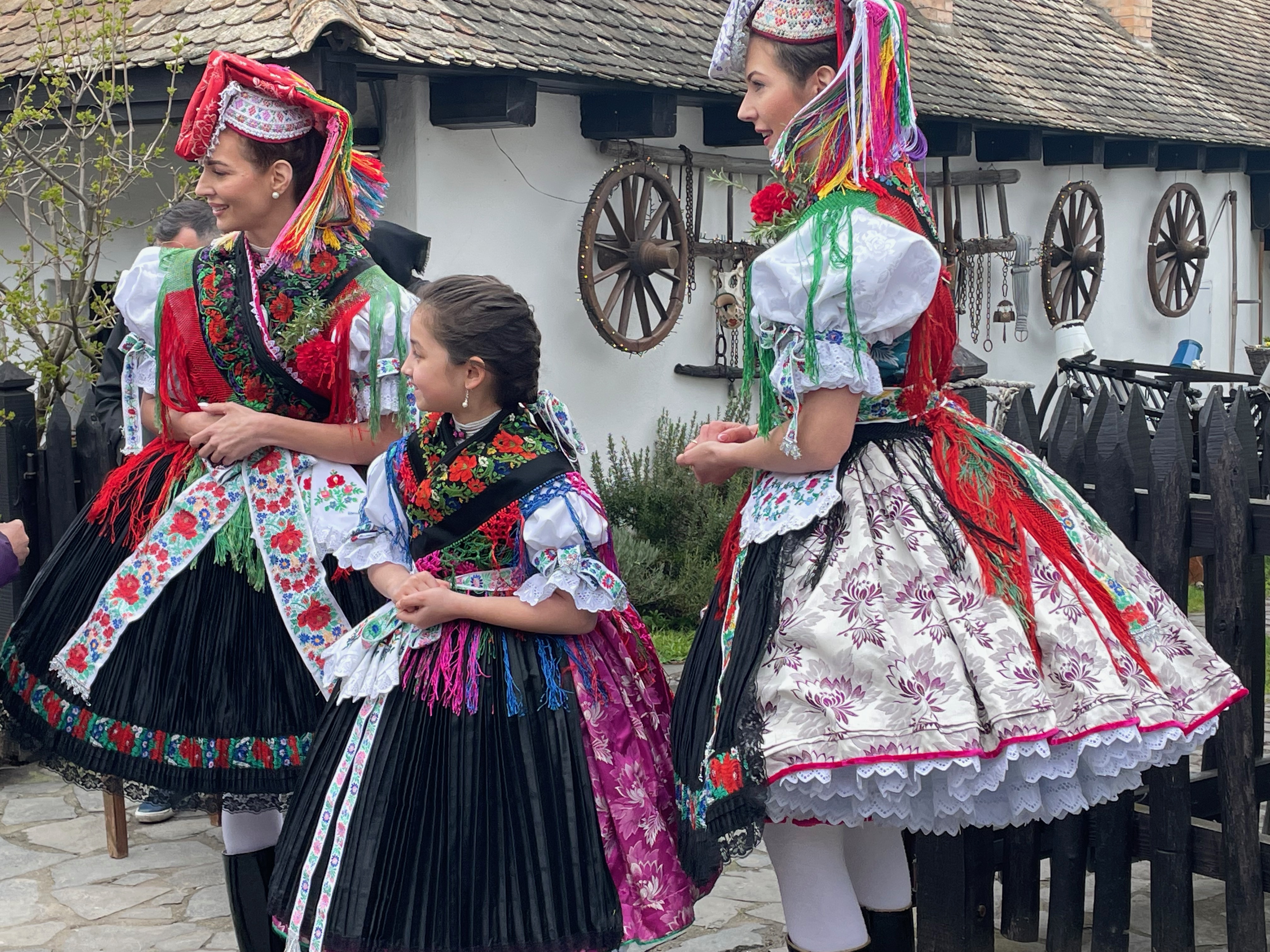
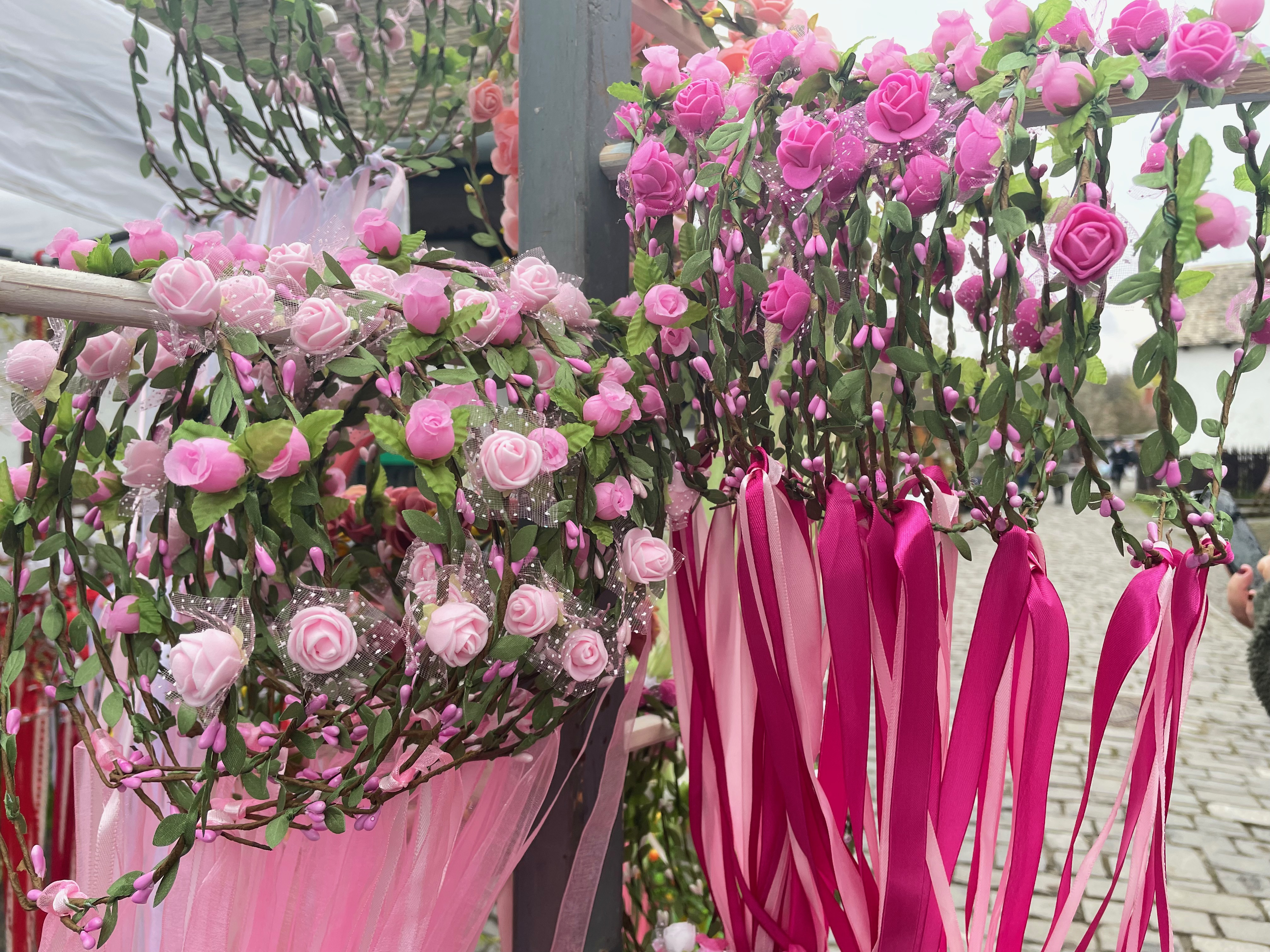
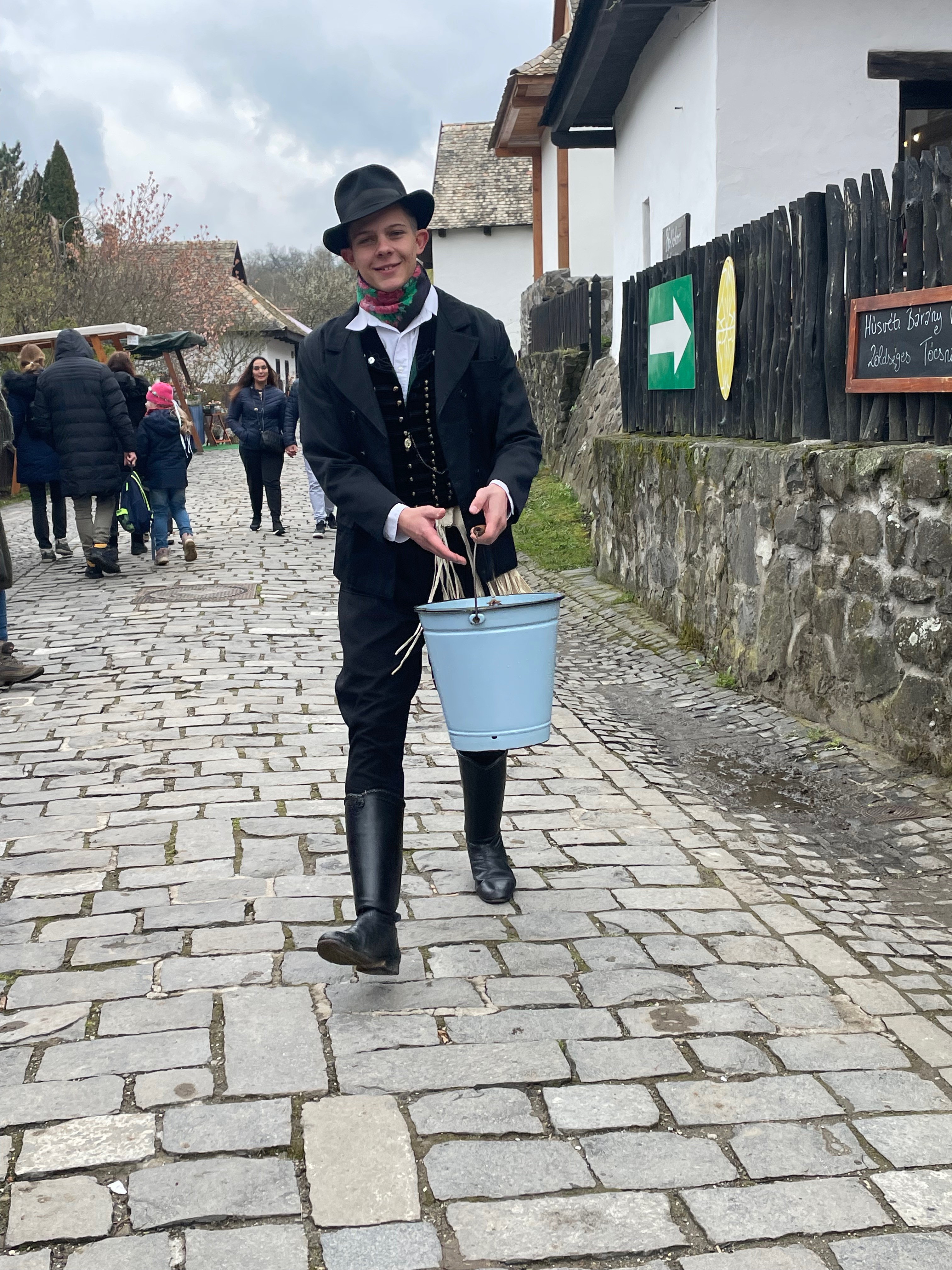
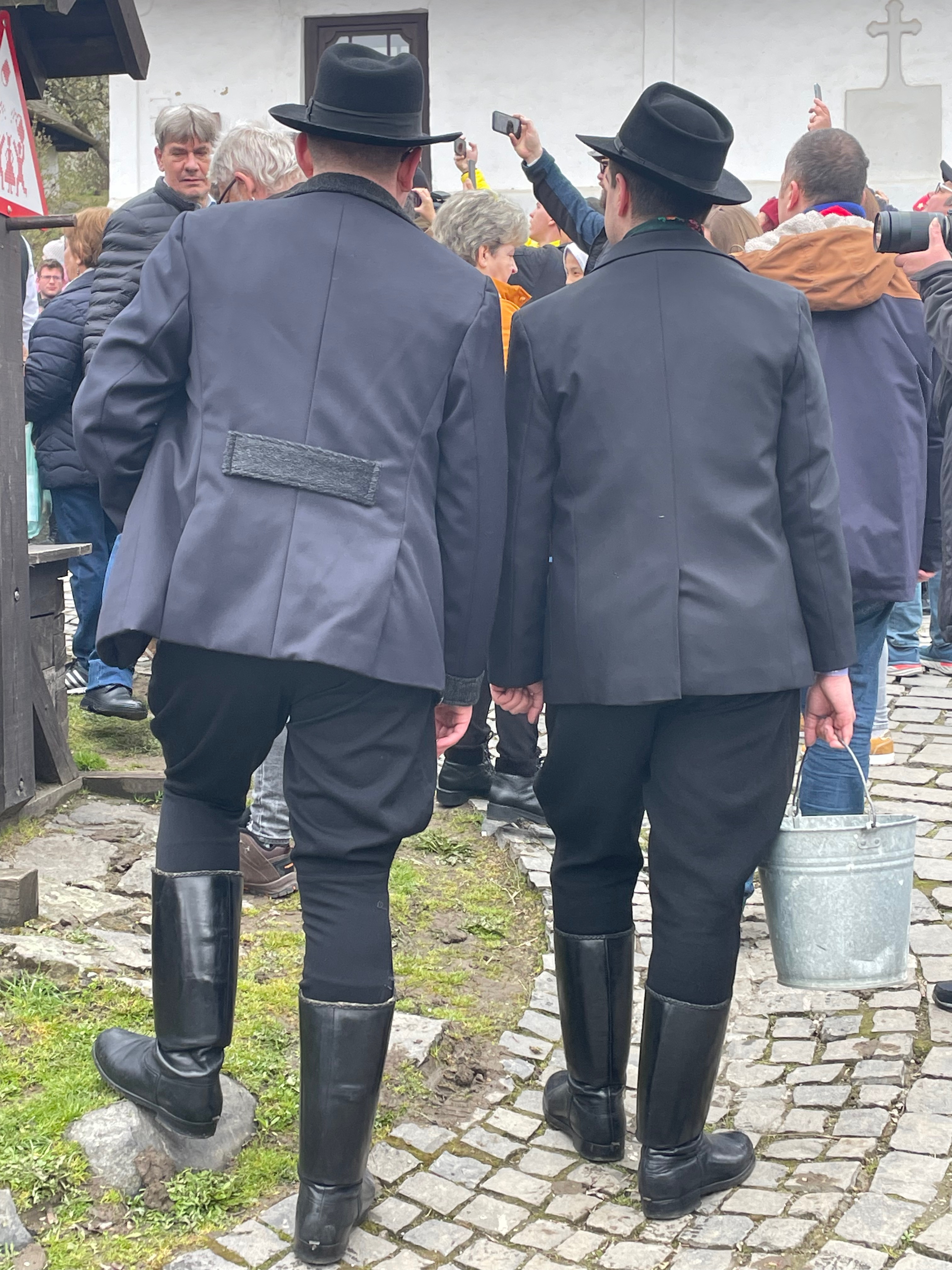
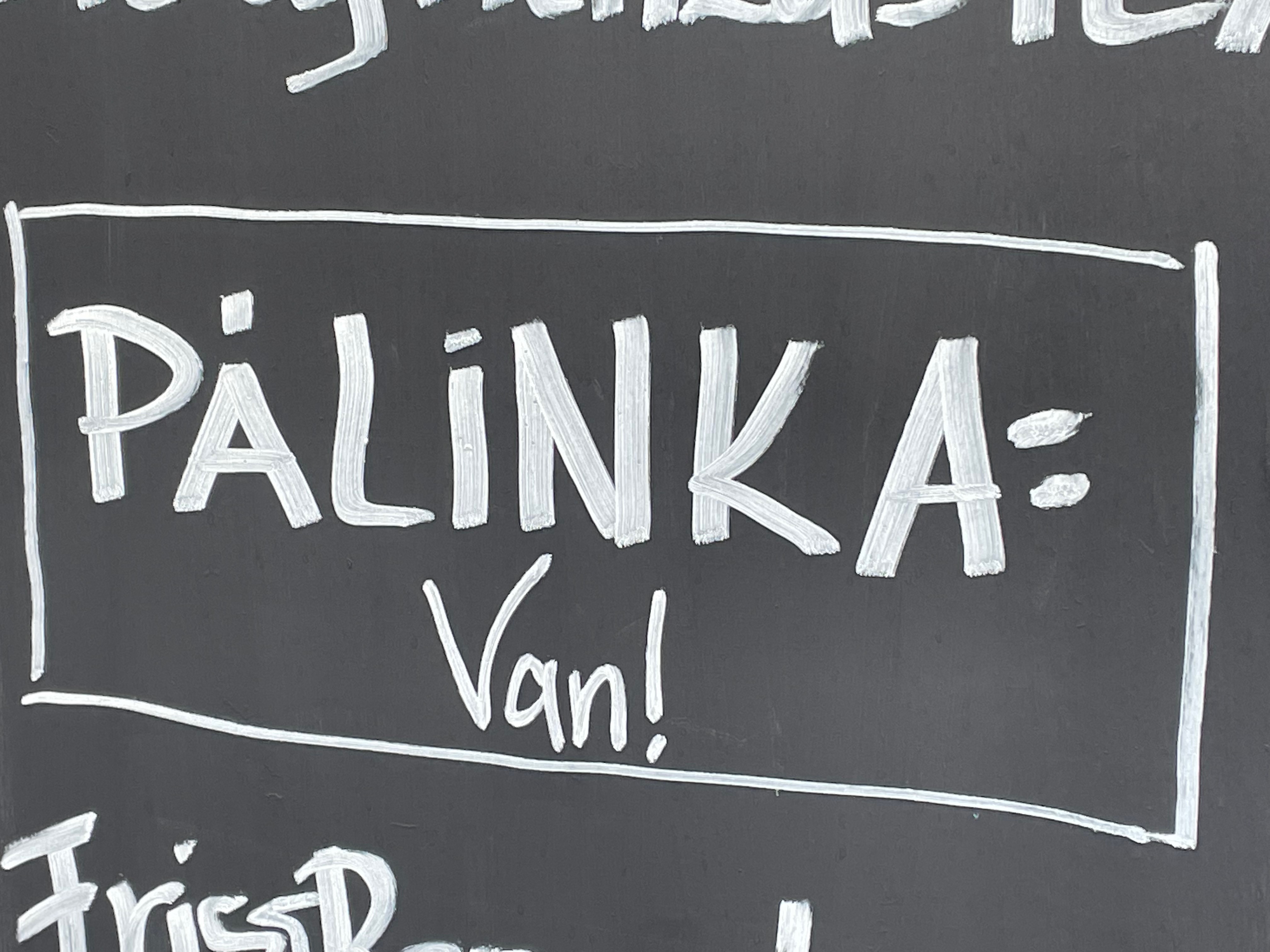
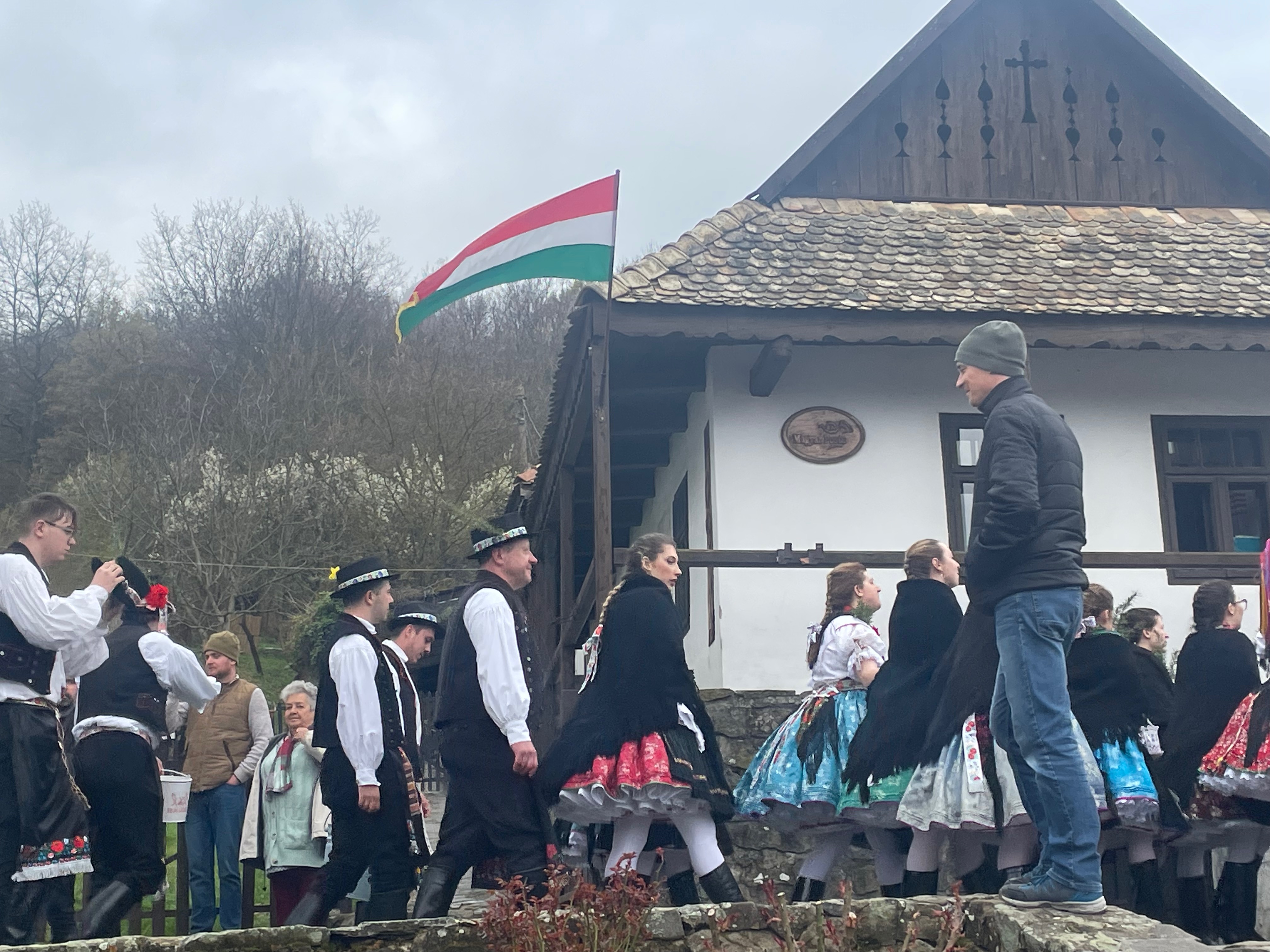
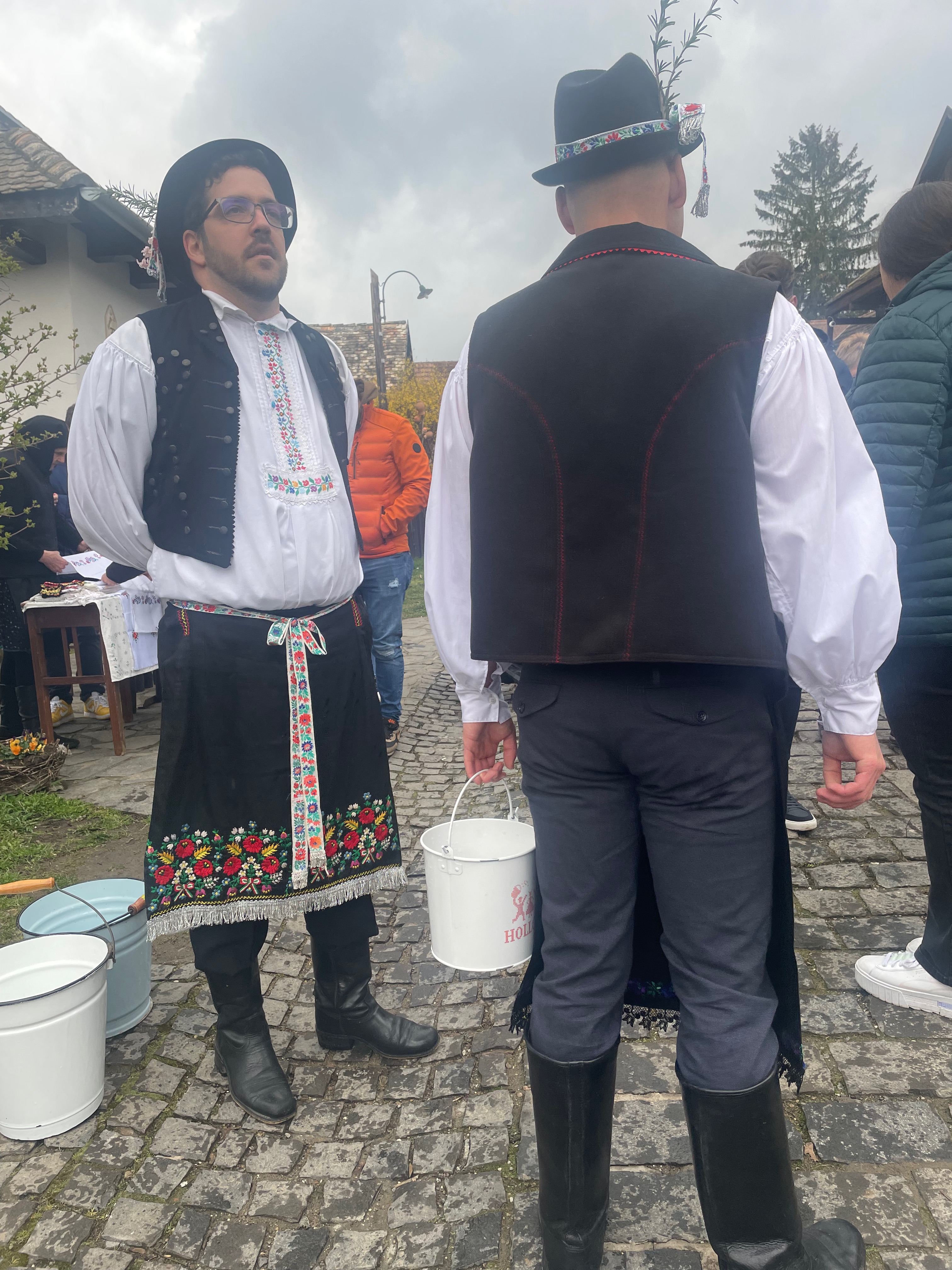
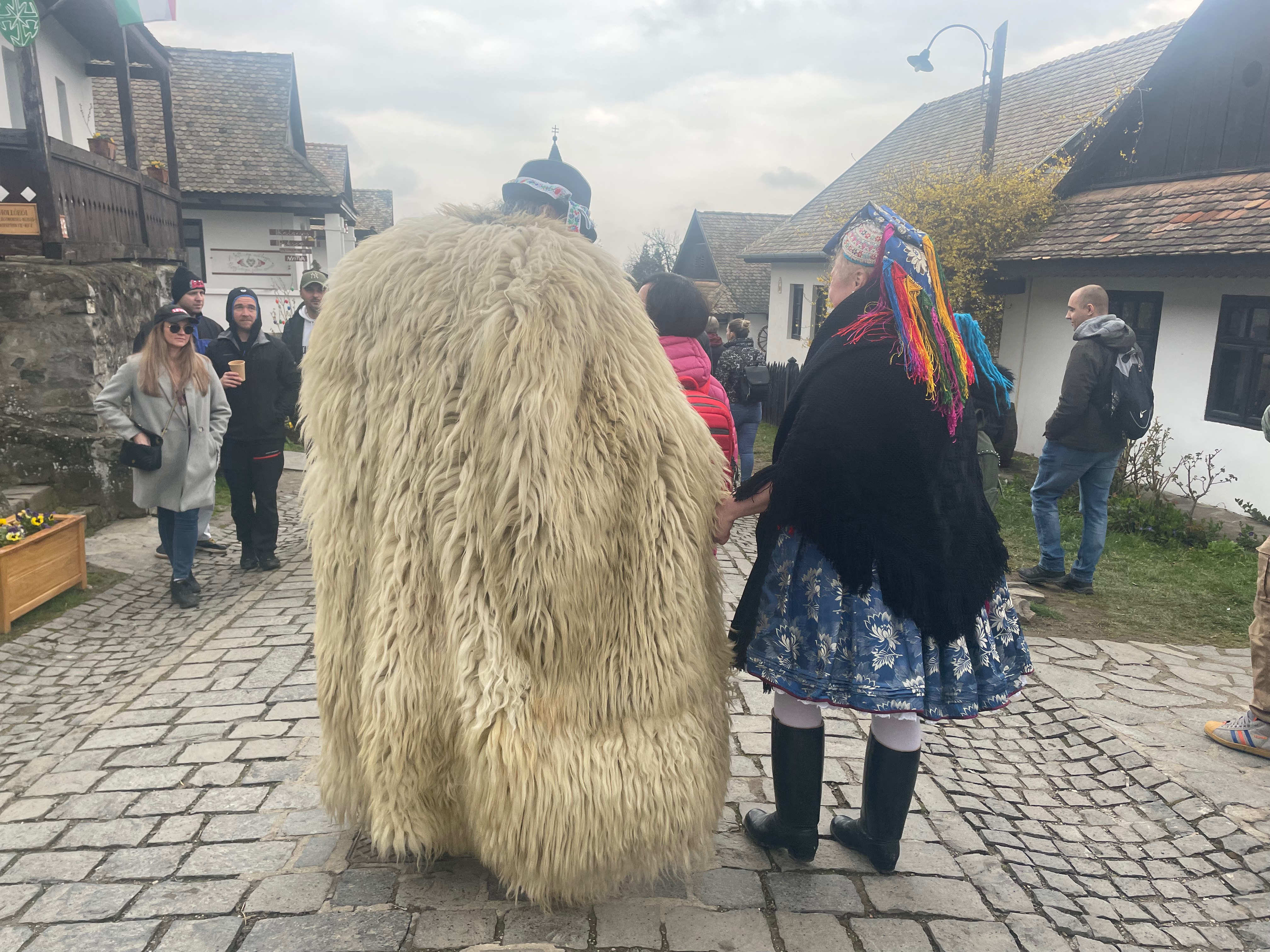
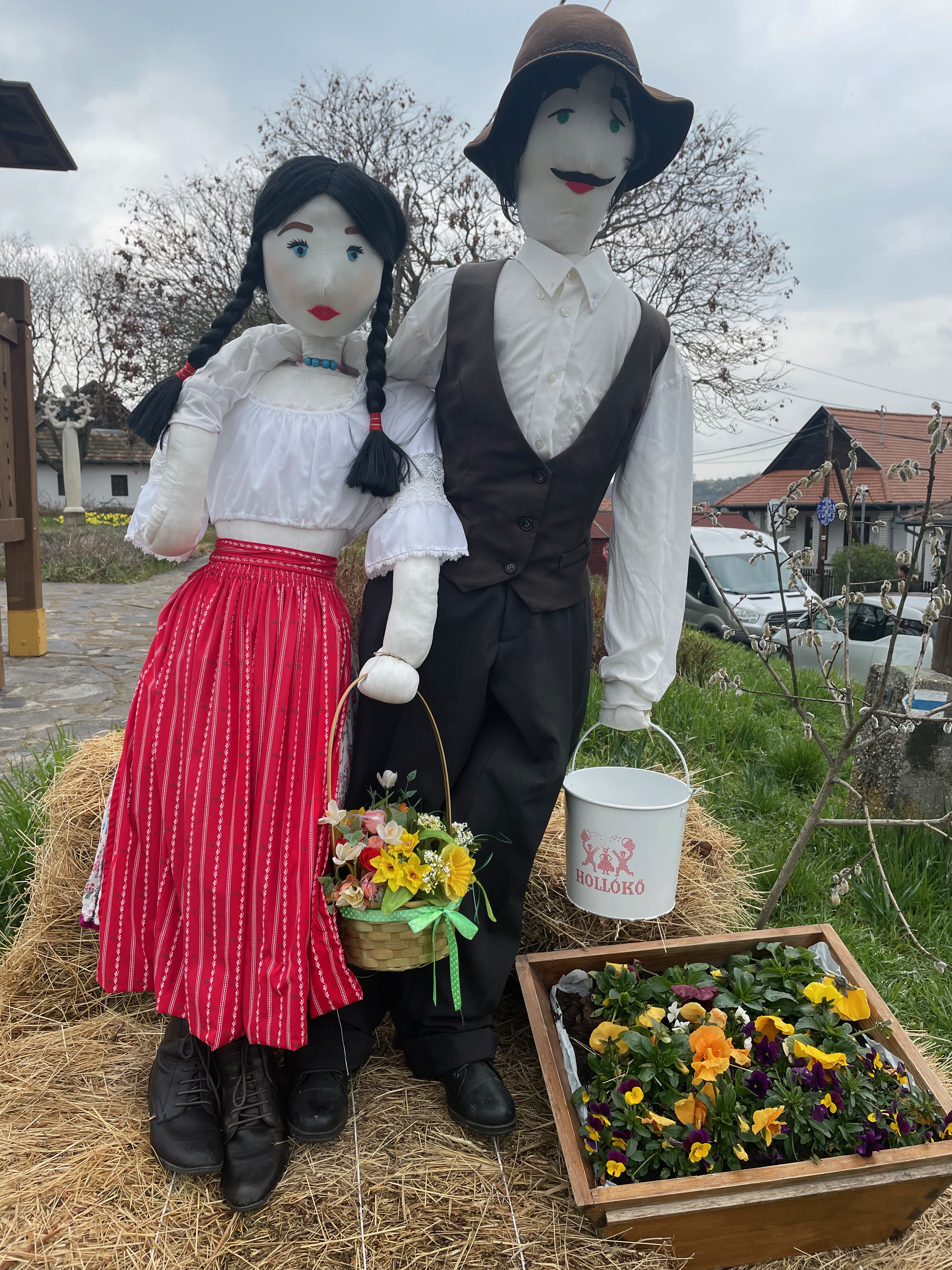
I was very lucky this Easter Monday because I could take my travellers to Hollókő, one of the cutest and most traditional Hungarian villages where people still cherish old traditions. Most of the village people are beautifully dressed up in locally designed costumes. There is music, great food and drinks, plenty of locally crafted products. One can also participate in the festivities. The most cherished Hungarian Easter tradition is the "watering", young men tossing buckets of cold water on girls, to keep them fresh all year long. In exchange they are given hand painted and decorated Easter eggs. Visiting tourists might also get wet if they don't avoid young men carrying buckets of water :). Hollókő is a very special village all year around, it was a very special treat to be there and celebrate Easter with locals. Book a tour with me, so that I can tell you more about the village and its traditions!
I was very lucky this Easter Monday because I could take my travellers to Hollókő, one of the cutest and most traditional Hungarian villages where people still cherish old traditions. Most of the village people are beautifully dressed up in locally designed costumes. There is music, great food and drinks, plenty of locally crafted products.
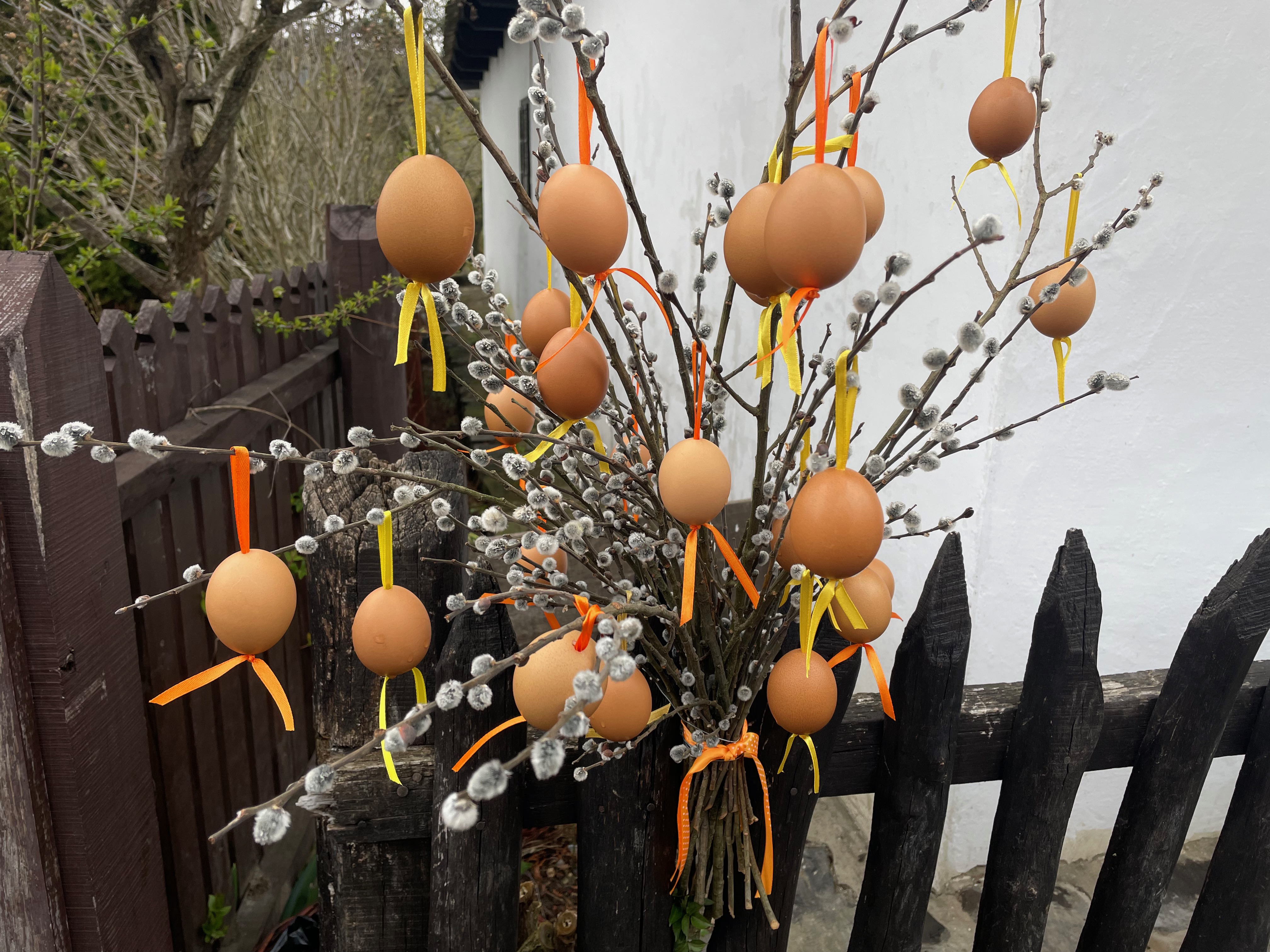
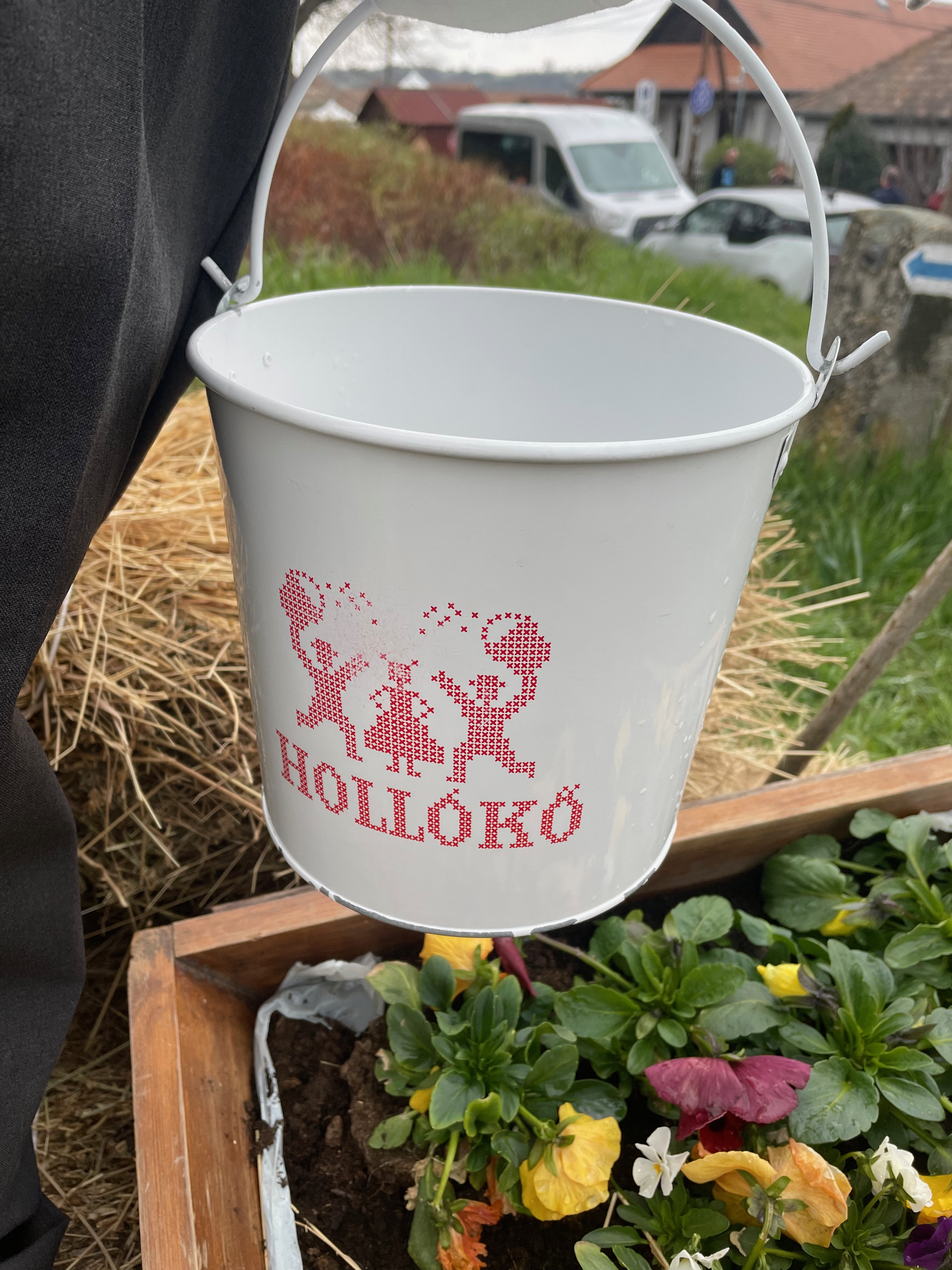
One can also participate in the festivities. The most cherished Hungarian Easter tradition is the “watering”, young men tossing buckets of cold water on girls, to keep them fresh all year long. In exchange they are given hand painted and decorated Easter eggs. Visiting tourists might also get wet if they don’t avoid young men carrying buckets of water :).
Hollókő is a very special village all year around, it was a very special treat to be there and celebrate Easter with locals. Book a tour with me, so that I can tell you more about the village and its traditions!