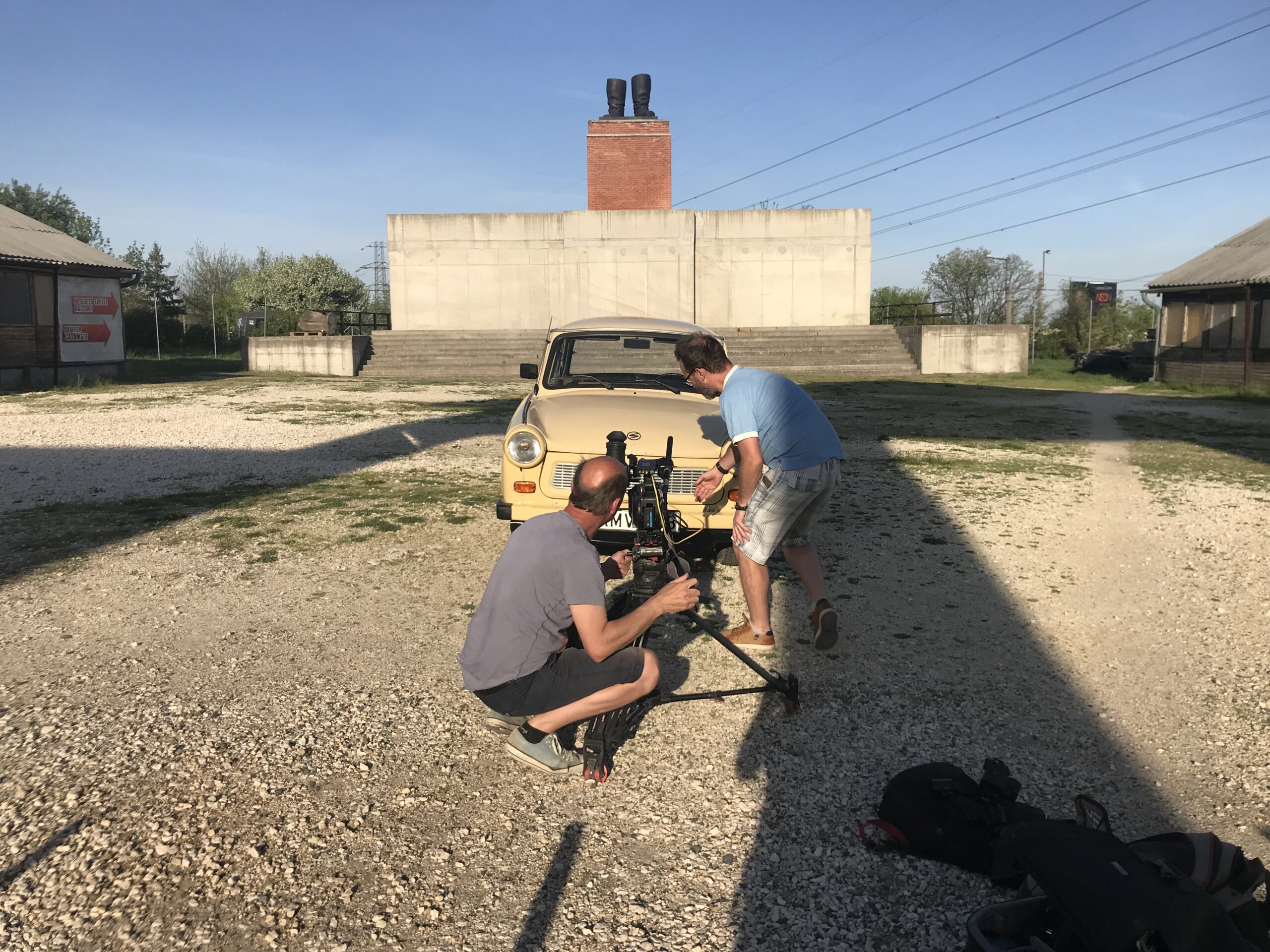
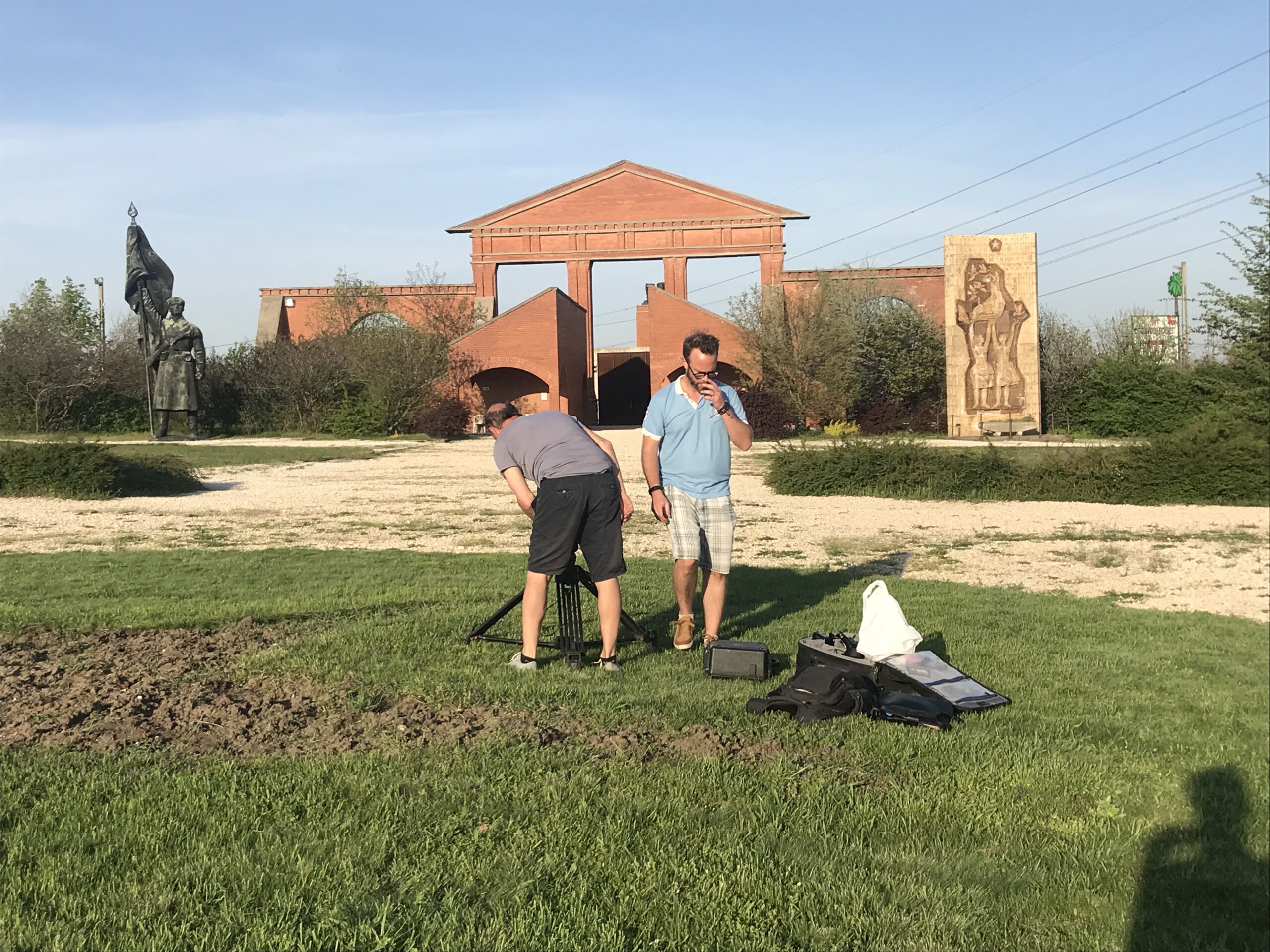
I’m very much honoured because my Trabant tour will be included in a French TV show about Budapest. The idea is a really good one, it gives tips and recommendations about what to do in my lovely city when you visit Budapest for 2-3 days. The filming was a very special experience for me, I can’t wait to see the cut version which I’ll share once I have it.
I’m very much honoured because my Trabant tour will be included in a French TV show about Budapest. The idea is a really good one, it gives tips and recommendations about what to do in my lovely city when you visit Budapest for 2-3 days.
The filming was a very special experience for me, I can’t wait to see the cut version which I’ll share once I have it.
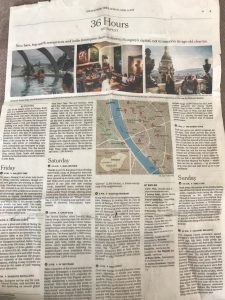
I've received this article from three guests of mine at different occasions - and thank you so much guys for your preparations before your actual trip to Budapest. I need to tell that most of the places recommended by The New York Times are both fun and nice, still, I have the impression I can show you so much more when you come to visit my beautiful city. Feel free to ask for my special recommendations!
I’ve received this article from three guests of mine at different occasions – and thank you so much guys for your preparations before your actual trip to Budapest. I need to tell that most of the places recommended by The New York Times are both fun and nice, still, I have the impression I can show you so much more when you come to visit my beautiful city.
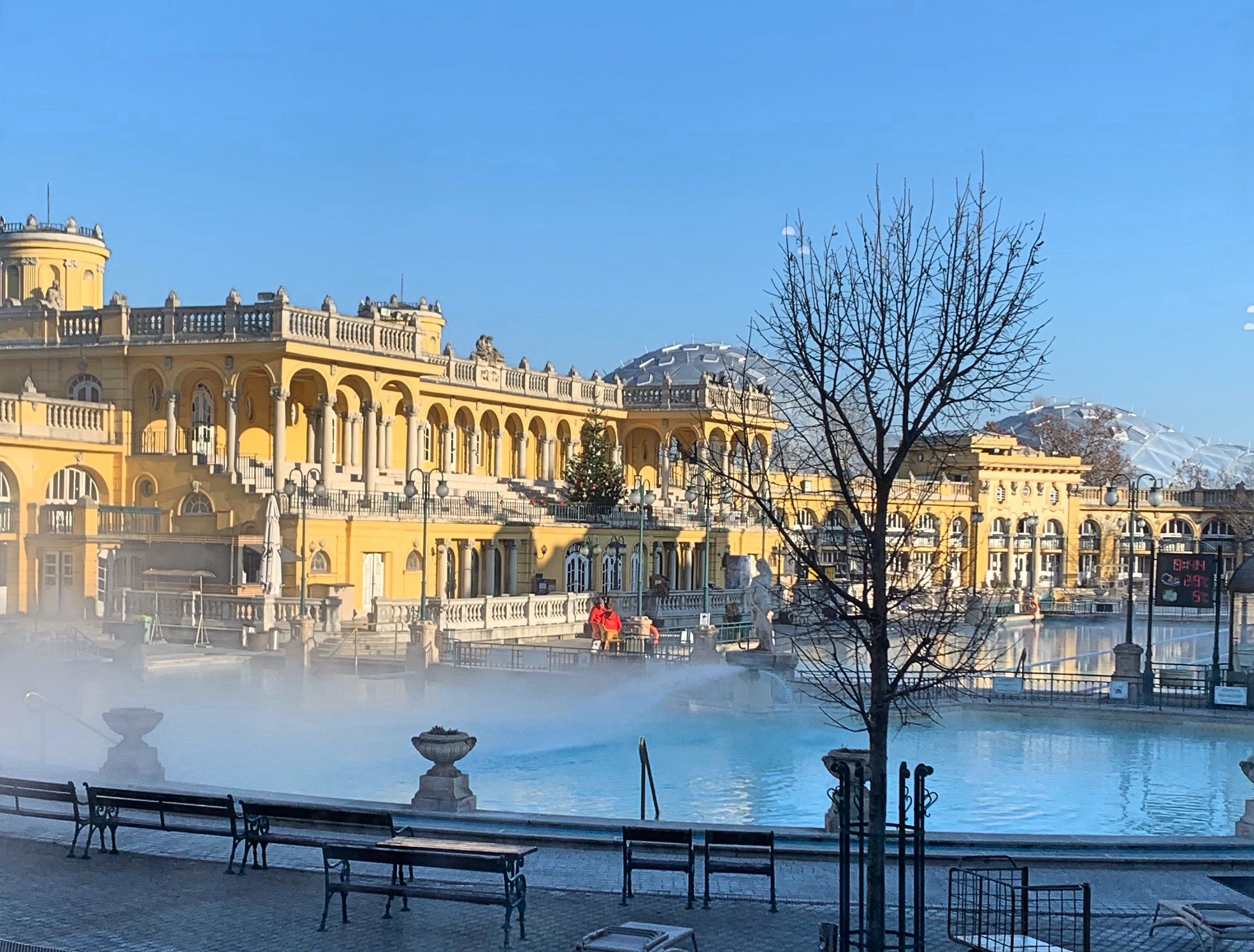
To understand how much locals love the Széchenyi Baths, it’s enough to know that we even have a nickname for it: “Szecska.” Opened in 1913, Széchenyi is not only one of Budapest’s most famous bathhouses, but also the largest thermal bath complex in Hungary. With a total of 18 indoor and outdoor pools, Széchenyi is a must-see for anyone interested in Budapest’s unique bathing culture. Architecture Inspired by Water and Wellness The Széchenyi Baths are housed in one of the city’s most richly decorated buildings. Its architecture blends Neo-Renaissance and Classicist elements, creating a grand yet playful atmosphere that reflects the joy of bathing. Don’t miss the main foyer, where statues, frescoes, and mosaics are all dedicated to themes of water, healing, and bathing culture — a beautiful introduction to Hungary’s long spa tradition. Outdoor Pools in Every Season One of Széchenyi’s greatest attractions is its large outdoor thermal pools, which are open all year round. Summer: lively, social, and energetic — perfect if you don’t mind crowds Winter: surprisingly peaceful and atmospheric, with warm thermal water surrounded by steam and snow Personally, I recommend visiting Széchenyi in winter, when the contrast between cold air and hot water creates an unforgettable experience. Visiting Széchenyi on a Guided Bath Tour Széchenyi is an essential stop on my Baths of Budapest walking tour, where I introduce visitors to the city’s most important bathhouses while explaining: Hungarian bathing traditions how locals use the baths today architectural and historical background practical tips for visiting A guided visit helps turn a busy bath complex into a meaningful cultural experience. Practical Information For up-to-date details on ticket prices and opening hours, it’s best to check official sources before your visit, as these may change seasonally.
To understand how much locals love the Széchenyi Baths, it’s enough to know that we even have a nickname for it: “Szecska.” Opened in 1913, Széchenyi is not only one of Budapest’s most famous bathhouses, but also the largest thermal bath complex in Hungary.
With a total of 18 indoor and outdoor pools, Széchenyi is a must-see for anyone interested in Budapest’s unique bathing culture.
Architecture Inspired by Water and Wellness
The Széchenyi Baths are housed in one of the city’s most richly decorated buildings. Its architecture blends Neo-Renaissance and Classicist elements, creating a grand yet playful atmosphere that reflects the joy of bathing.
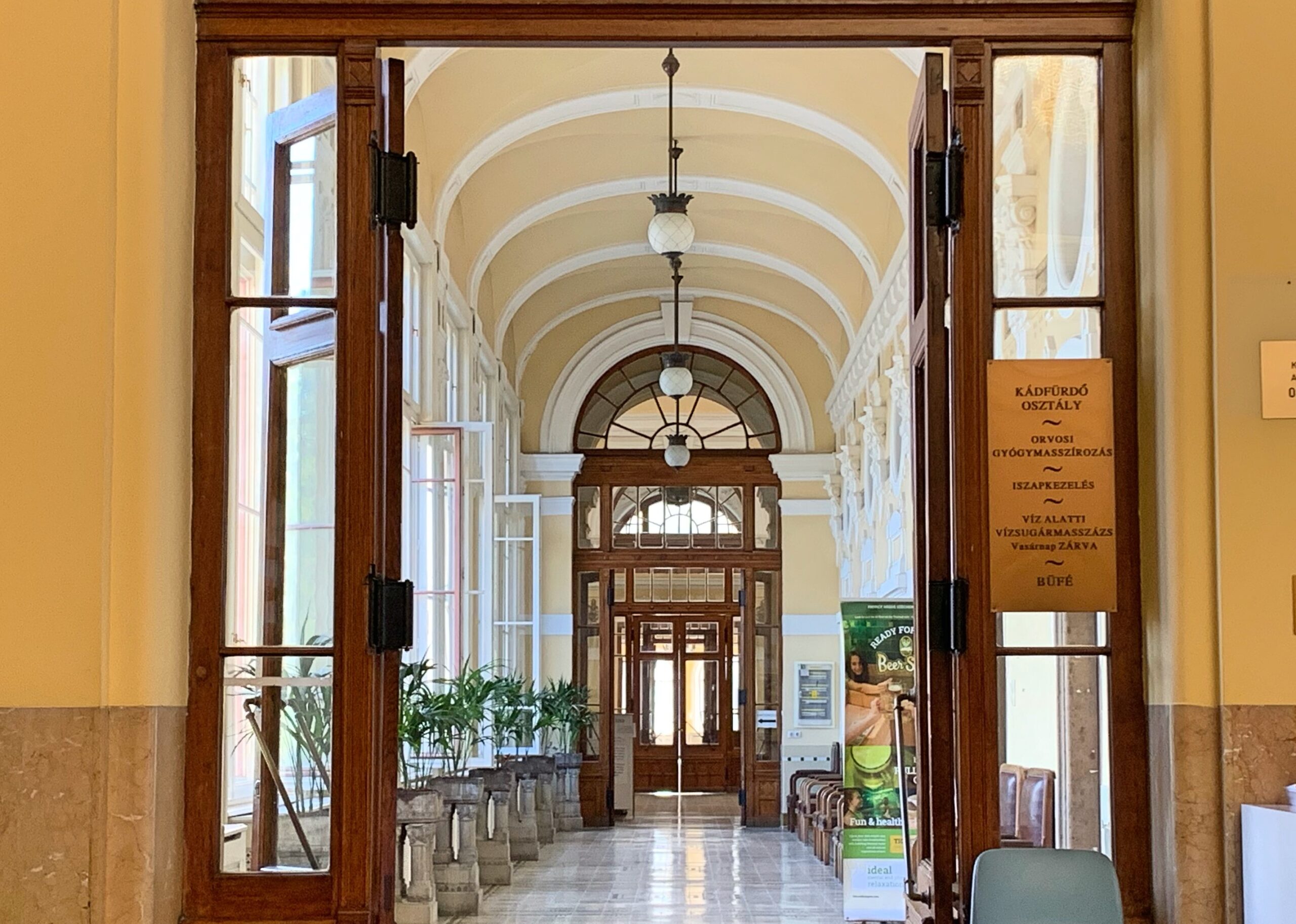
Don’t miss the main foyer, where statues, frescoes, and mosaics are all dedicated to themes of water, healing, and bathing culture — a beautiful introduction to Hungary’s long spa tradition.
Outdoor Pools in Every Season
One of Széchenyi’s greatest attractions is its large outdoor thermal pools, which are open all year round.
Summer: lively, social, and energetic — perfect if you don’t mind crowds
Winter: surprisingly peaceful and atmospheric, with warm thermal water surrounded by steam and snow
Personally, I recommend visiting Széchenyi in winter, when the contrast between cold air and hot water creates an unforgettable experience.
Visiting Széchenyi on a Guided Bath Tour
Széchenyi is an essential stop on my Baths of Budapest walking tour, where I introduce visitors to the city’s most important bathhouses while explaining:
Hungarian bathing traditions
how locals use the baths today
architectural and historical background
practical tips for visiting
A guided visit helps turn a busy bath complex into a meaningful cultural experience.
Practical Information
For up-to-date details on ticket prices and opening hours, it’s best to check official sources before your visit, as these may change seasonally.
We had the most exciting tour today about the Hungarian Samizdat press. I had the privilege to work with Közgazdasági Politechnikum in this great project: Building Democratic Europe Together - http://budet.poli.hu/ My tour's focus was the illegal, uncensored production, publishing and distribution of books and articles which couldn't have been published in the Communist regime. It was all about conspiracy, clandestine operations and about how the state and state security tried to liquidate the entire movement, but more importantly my tour was about the desire to exercise free speech and free press, essential pillars of our new democracy. It was great to see the enthusiasm of both students and teachers and I'm very proud to have been part of it.
We had the most exciting tour today about the Hungarian Samizdat press. I had the privilege to work with Közgazdasági Politechnikum in this great project: Building Democratic Europe Together – http://budet.poli.hu/
My tour’s focus was the illegal, uncensored production, publishing and distribution of books and articles which couldn’t have been published in the Communist regime. It was all about conspiracy, clandestine operations and about how the state and state security tried to liquidate the entire movement, but more importantly my tour was about the desire to exercise free speech and free press, essential pillars of our new democracy.
It was great to see the enthusiasm of both students and teachers and I’m very proud to have been part of it.
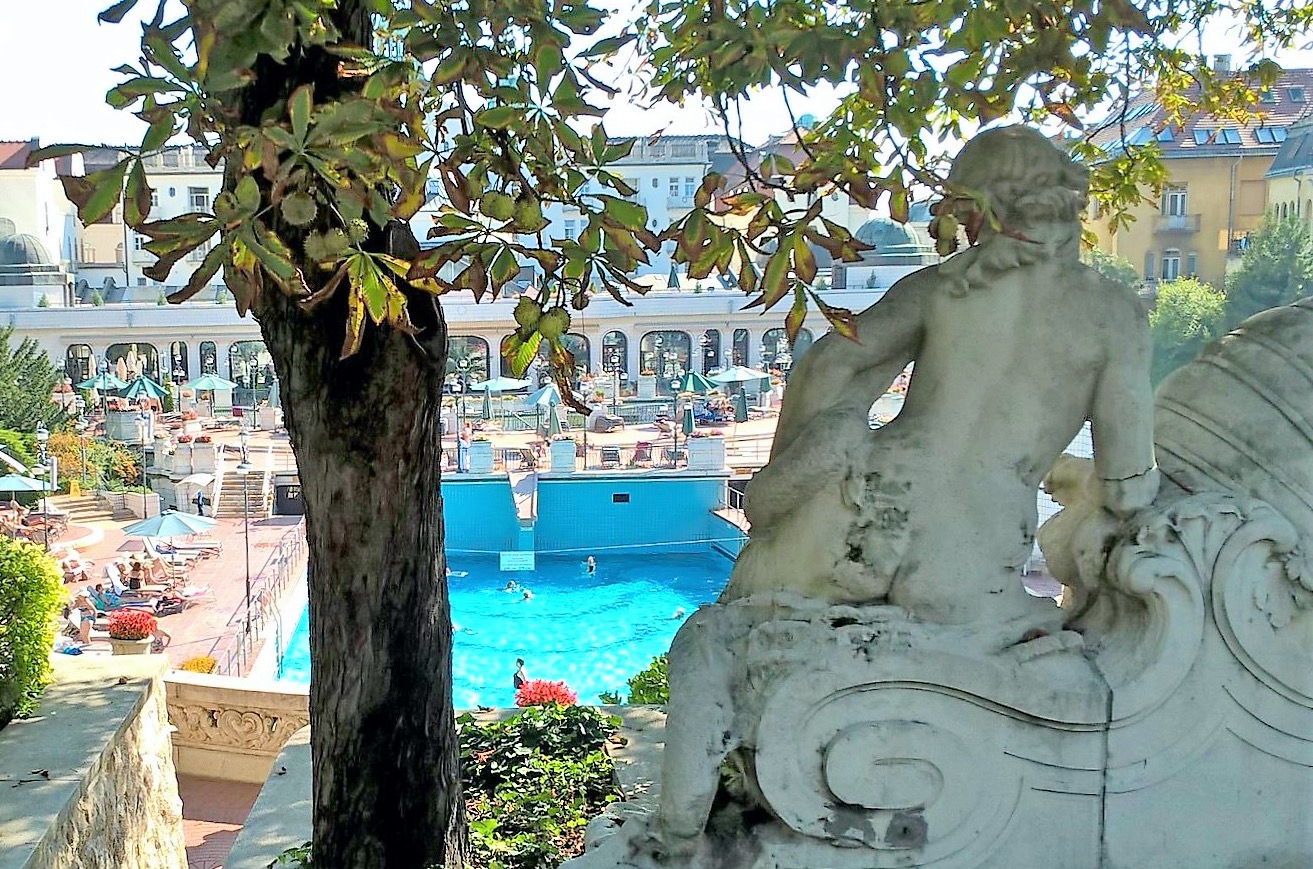
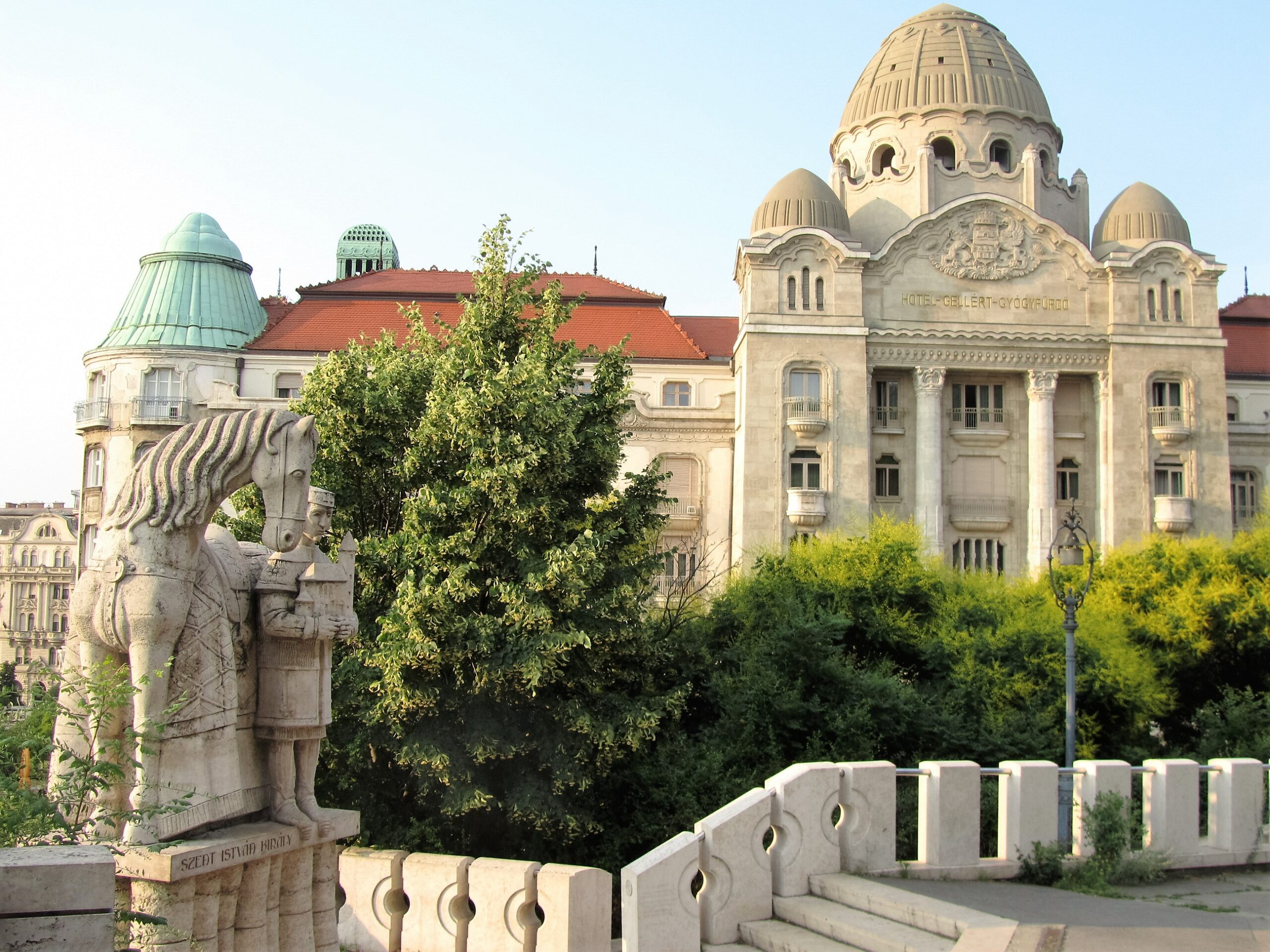
Bathing and bathing culture have always been an important part of our everyday life. According to a survey I've just read 30% of the locals go to the baths regularly. It's fun, very relaxing and has healing effects, too. I can show you some of the most authentic Budapest baths if you join me for a tour. The Gellért bathhouse is the most elegant bath complex of Budapest. The building is one of the most amazing pieces of the Budapest Art Nouveau and opened in 1918. When you have a look at the richly ornate facade of the building its hard to imagine that before the construction of the elegant hotel, the place had been referred to as to the muddy baths, where both people and animals had their regular bath. The thermal baths are fed by the mineral hot springs of the Gellért hill. The water is rich in calcium, magnesium, hydrocarbonate and sulfate. The water temperature varies from 35 °C to 40 °C. Don't miss the Turkish section where the walls are so nicely decorated with colorful mosaics. The bath can be visited throughout the year, if you happen to be in Budapest in the summer, you can also take advantage of the outdoor wave pool.
Bathing and bathing culture have always been an important part of our everyday life. According to a survey I’ve just read 30% of the locals go to the baths regularly. It’s fun, very relaxing and has healing effects, too. I can show you some of the most authentic Budapest baths if you join me for a tour.
The Gellért bathhouse is the most elegant bath complex of Budapest. The building is one of the most amazing pieces of the Budapest Art Nouveau and opened in 1918. When you have a look at the richly ornate facade of the building its hard to imagine that before the construction of the elegant hotel, the place had been referred to as to the muddy baths, where both people and animals had their regular bath.
The thermal baths are fed by the mineral hot springs of the Gellért hill. The water is rich in calcium, magnesium, hydrocarbonate and sulfate. The water temperature varies from 35 °C to 40 °C.
Don’t miss the Turkish section where the walls are so nicely decorated with colorful mosaics. The bath can be visited throughout the year, if you happen to be in Budapest in the summer, you can also take advantage of the outdoor wave pool.
My two greatest passions are tour guiding and photography. I've been involved in photography in a way or another my entire adult life and I always try to catch the beauty I see walking around Budapest every day. Some of my pictures are on Instagram, too.
My two greatest passions are tour guiding and photography. I’ve been involved in photography in a way or another my entire adult life and I always try to catch the beauty I see walking around Budapest every day. Some of my pictures are on Instagram, too.

 I’ve received this article from three guests of mine at different occasions – and thank you so much guys for your preparations before your actual trip to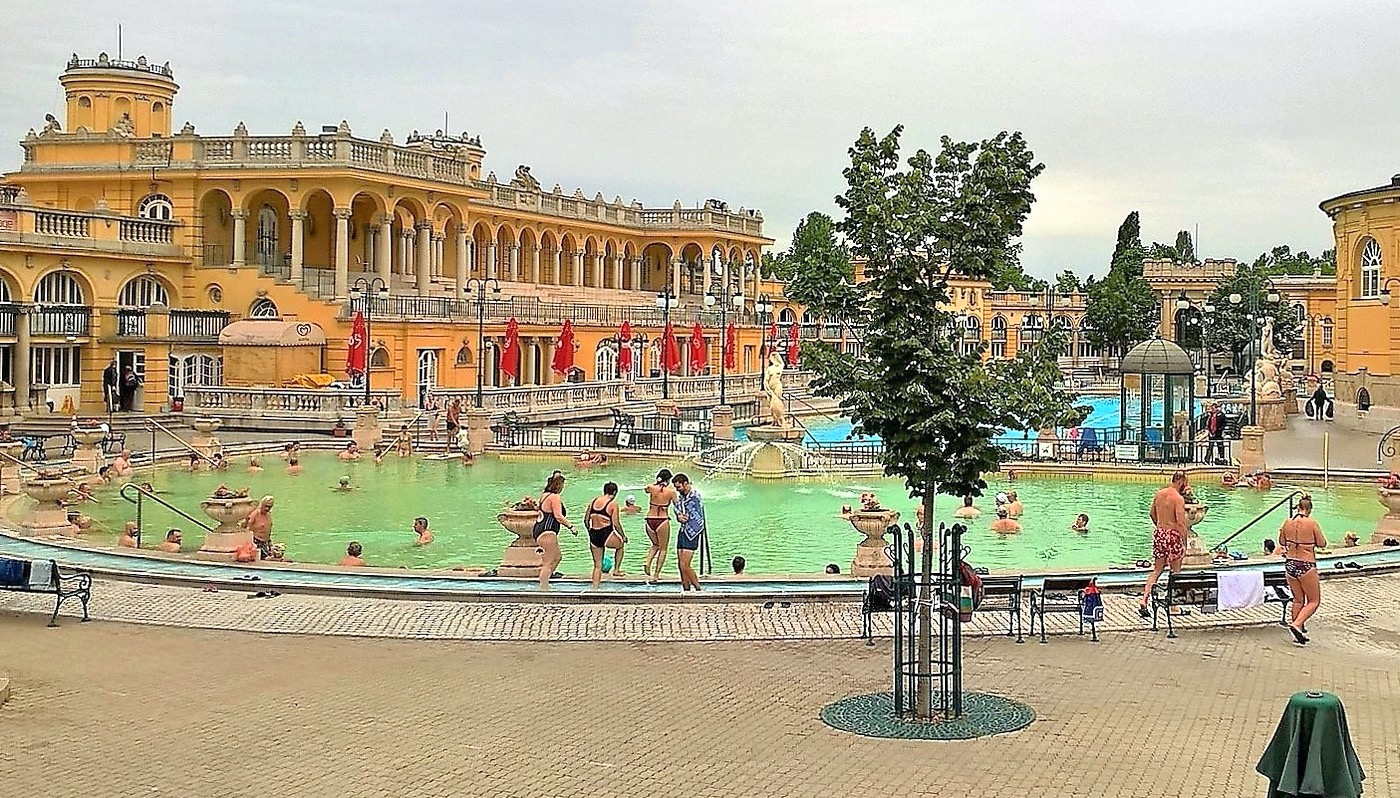
 zgazdasági Politechnikum in this great project: Building Democratic Europe Together –