I’m aware that some of you were planning to visit Budapest in November and December and decided to cancel or postpone your visit, although it’s hard to see what we can expect the next weeks and months and the government’s actions are also hard to anticipate.

Yes, we’ve been experiencing the resurgence of the COVID-19 virus since the middle of August after successfully slowing the outbreaks earlier in the year. The last time I shared information about the numbers was in June, four months ago there were 3892 confirmed cases and 527 people died. As of today, there are 31480 confirmed cases (+ 700%) and 833 people died (+60%). Because of the limited testing capacities we are not sure about the accuracy of these numbers but they are worrying nevertheless. Because of the increasing numbers many countries around the world advise their nationals against all but essential international travel to Hungary.

Lockdowns and other strict measures to protect public health were imposed quickly in spring and that led to record low number of registered cases and deaths. This is a very different situation now, as the government refuses to re-impose strict health measures and at the same time to offer financial help to businesses badly affected by COVID-19. A personal note: self employed tour guides can’t expect any help from the government, financial or other.

So, here are the rules:

  • physical distancing of 1,5 meters is to be kept,
  • face masks (medical or textile masks that cover the nose and mouth) are mandatory in shops, in taxis, on public transport and at public transport stations, in theatres, cinemas and shopping malls,
  • restaurants, cafés and bars are to close at 11.00 PM.

And here are the rules about entering Hungary (from the 1st of September until further notice):

  • only Hungarian citizens and foreign citizens who have a permanent Hungarian residence permit can enter Hungary in passenger traffic and they are subject to home quarantine for 10 days,
  • foreign citizens are not allowed to enter Hungary,  (entry into Hungary from the Czech Republic, Poland and Slovakia is regulated separately), the exceptions:
    • foreign citizens who arrive to Hungary for international sports or cultural events can enter Hungary without restriction (they must have a negative PCR test result performed within 3 days prior to entry and an authentic ticket for the sports or cultural event),
    • foreign citizens studying in Hungary or participating in family events might be exempted from the prohibition,
    • foreign citizens who arrive to Hungary to perform some business or economic activity are also exempted from the prohibition.

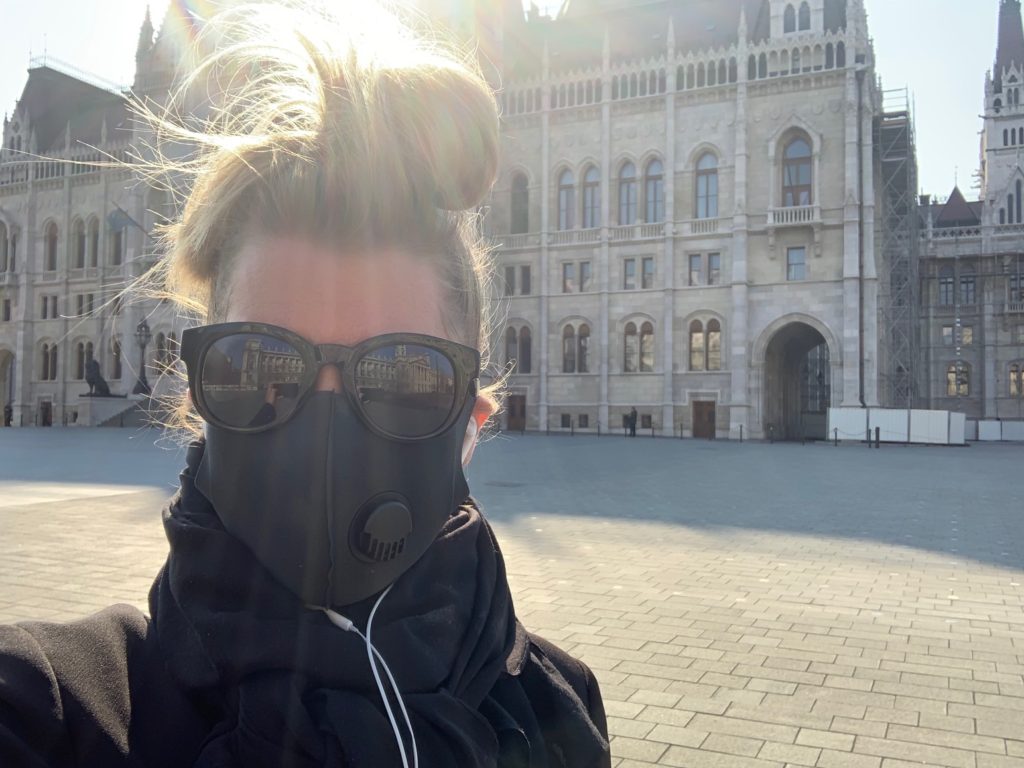
So, if you’re coming to Budapest for either sports, cultural or business reasons, don’t hesitate to get in touch to discuss the options of a 100% safe Social Distancing tour, believe me, Budapest is so beautiful, it’s safe and most of the sights and attractions are entirely deserted.
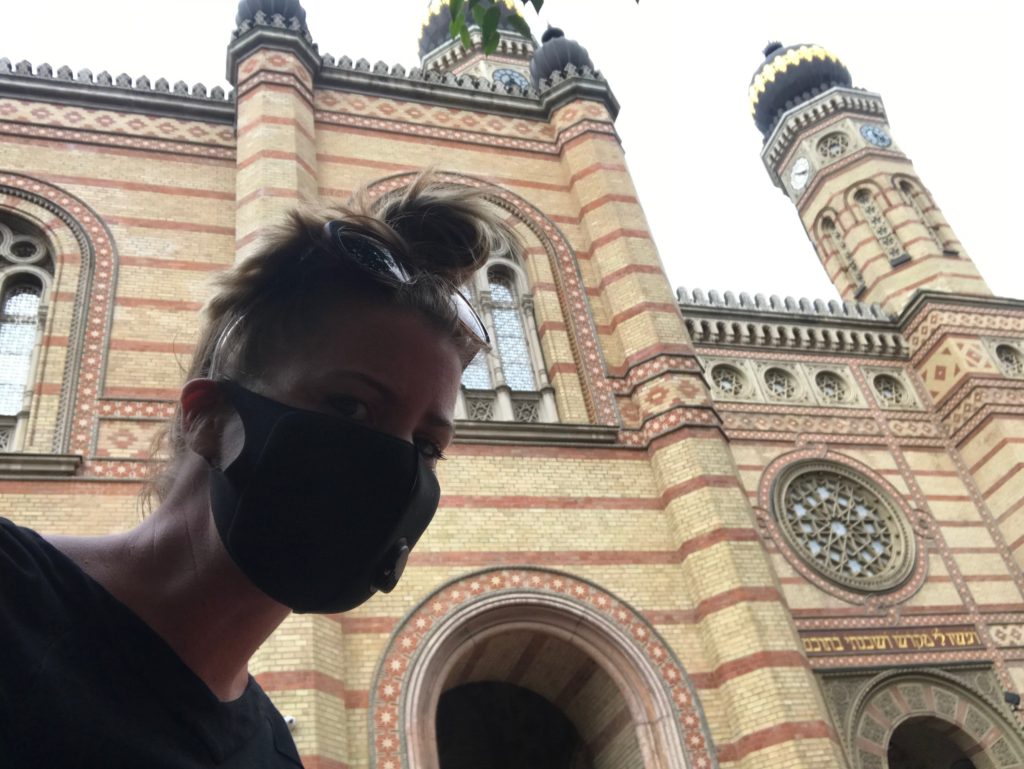
And, don’t forget about Virtual Tours, a great live, personal experience to visit Budapest from the comfort of your armchair and to support Budapest tourism.

As always, stay safe, stay healthy and stay happy!

Vác is a cute little town on the left bank of the Danube, it’s some 25 minutes drive from Budapest. The visit of Vác can be included in a customised Danube Bend day trip. It’s such a beautiful Baroque jewellery box, I strongly recommend a short visit. We had been fortunate to tour Vác with my travellers before the borders of Hungary got closed again on the 1st of September.

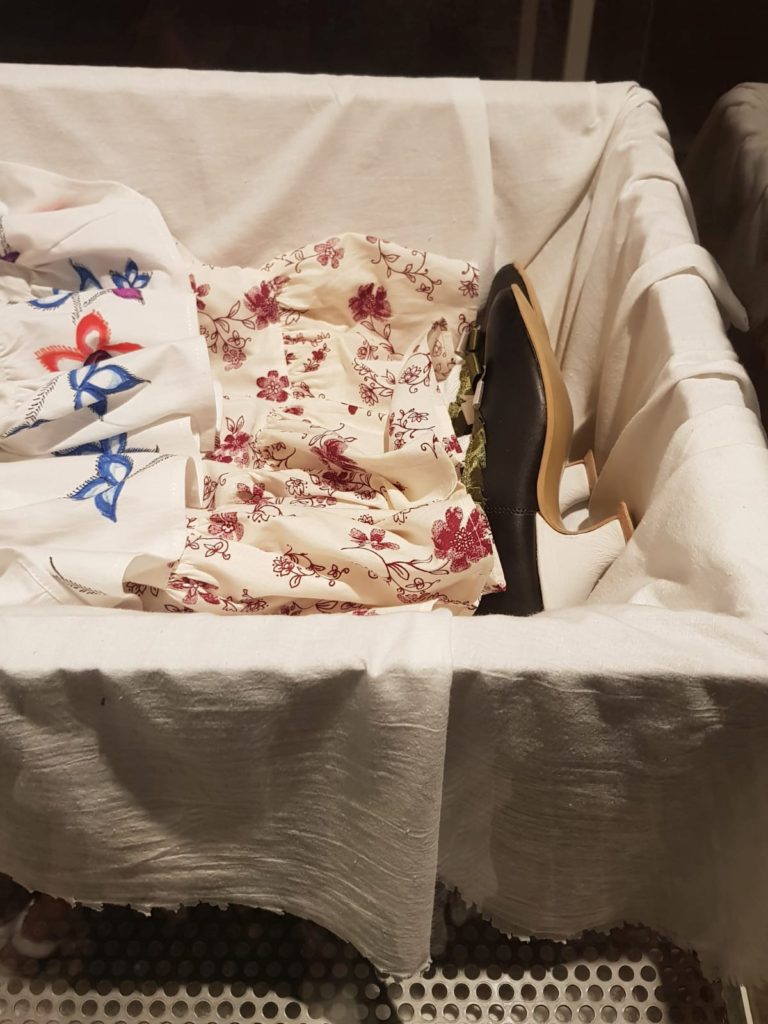
The mummified remains of 265 people were found in 1994 in the crypt of the Dominican church, they had been laid to rest in hand painted, wooden coffins in the 18th and 19th centuries. The bodies didn’t decompose but were mummified naturally because of the favourable air conditions and dry settings.

The findings were extraordinary and not only because it’s a veritable gold mine for ethnographers about 18th century Hungarian everyday life and funeral traditions. It’s also a fantastic source for medical researches, a large number of tests have been performed by scientists on the mummified remains related to tuberculosis, HIV researches and they could also confirm C section had been performed as early as in the 18th century in Hungary.

The coffins are simply beautiful, all colourful, all hand-painted, all prepared with a lot of care, it’s very much like the fascinating celebration of life and death in a small Vác museum.


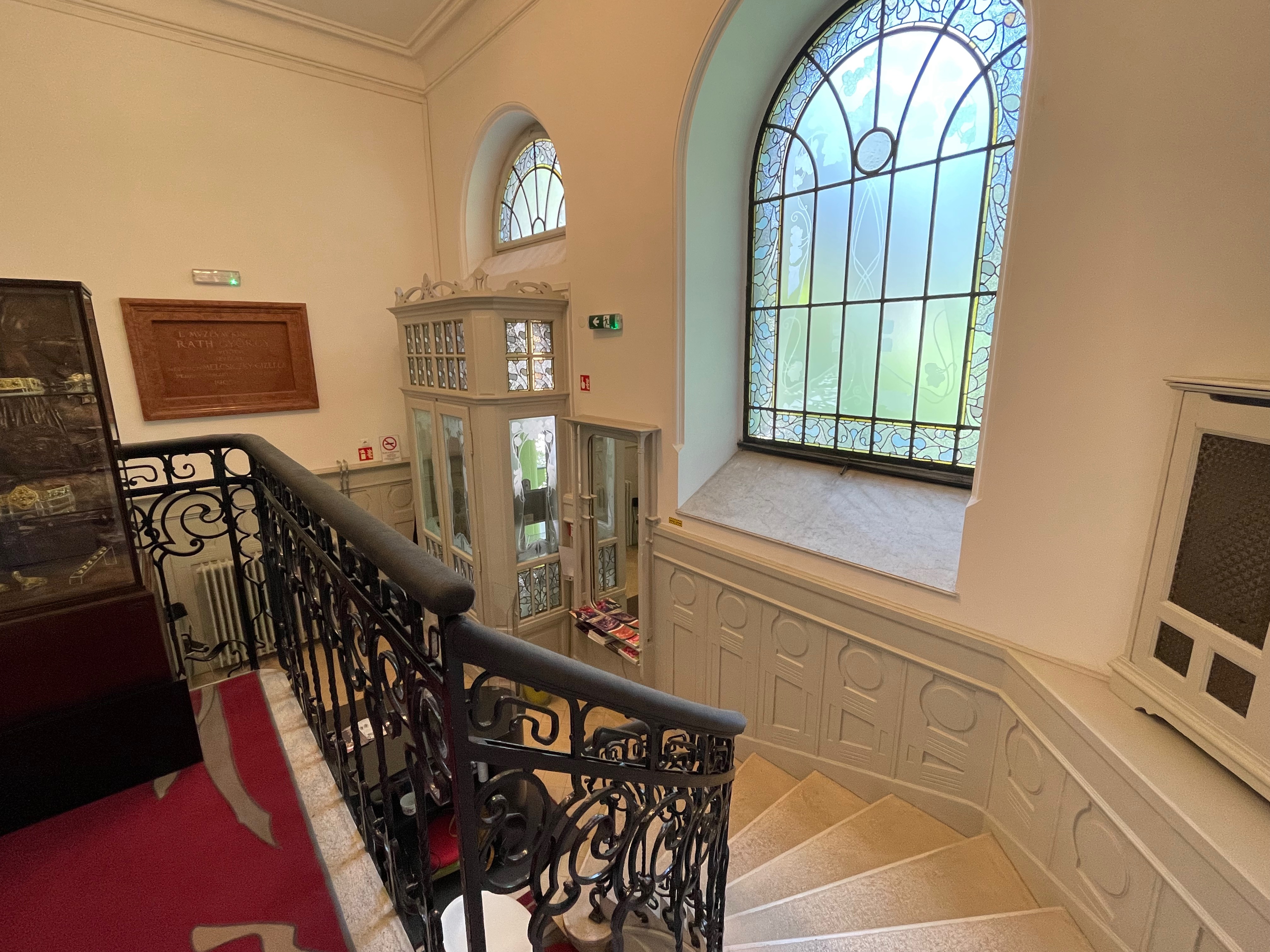
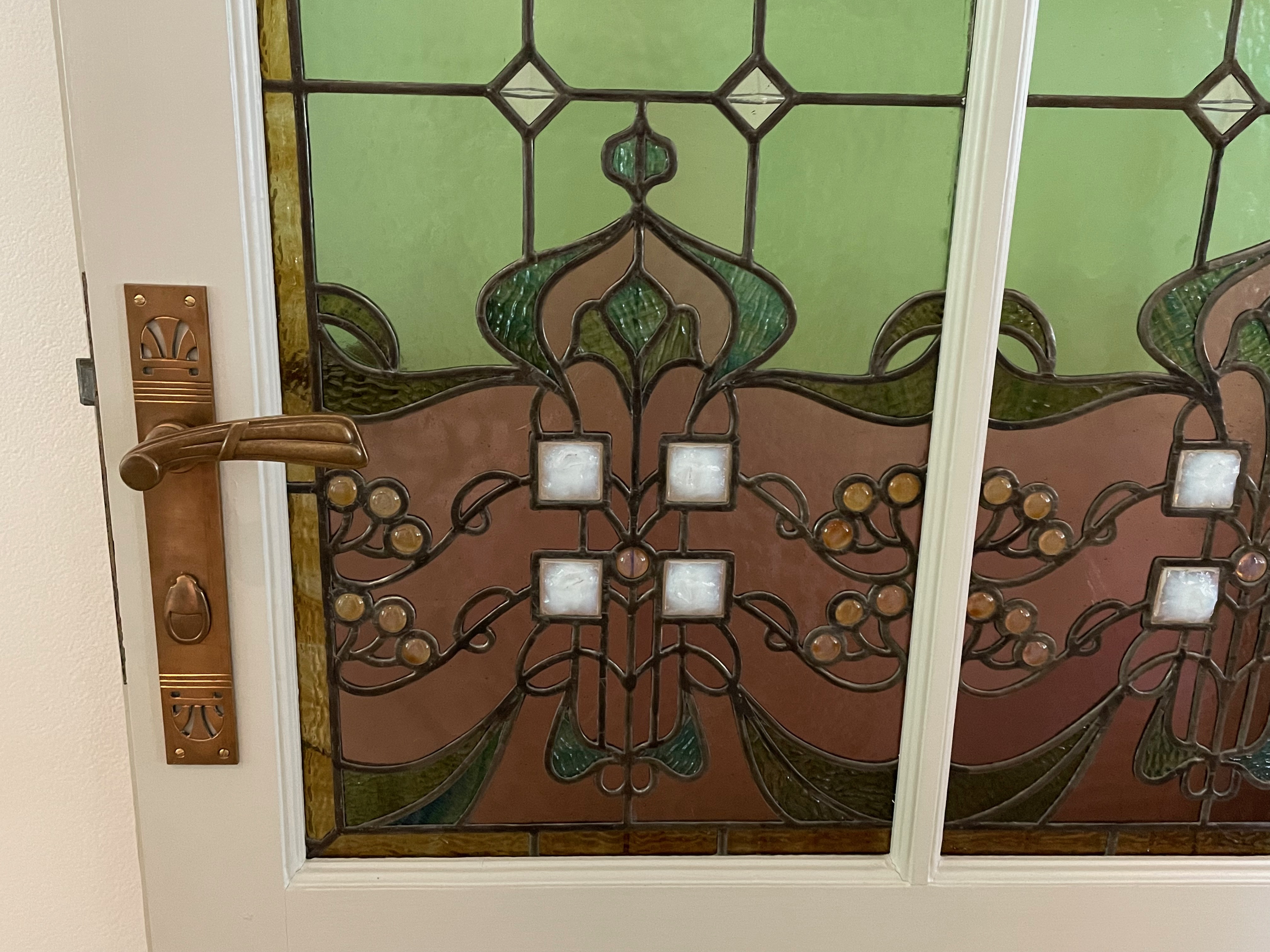
I’m a huge admirer of the Hungarian Art Nouveau movement, and I’m always proud to show travellers some of Budapest’s most beautiful Art Nouveau buildings. For me, the former home of György Ráth, the first director of the Museum of Applied Arts, is a true jewellery box — both the building itself and the artworks and furniture on display are absolutely unique.

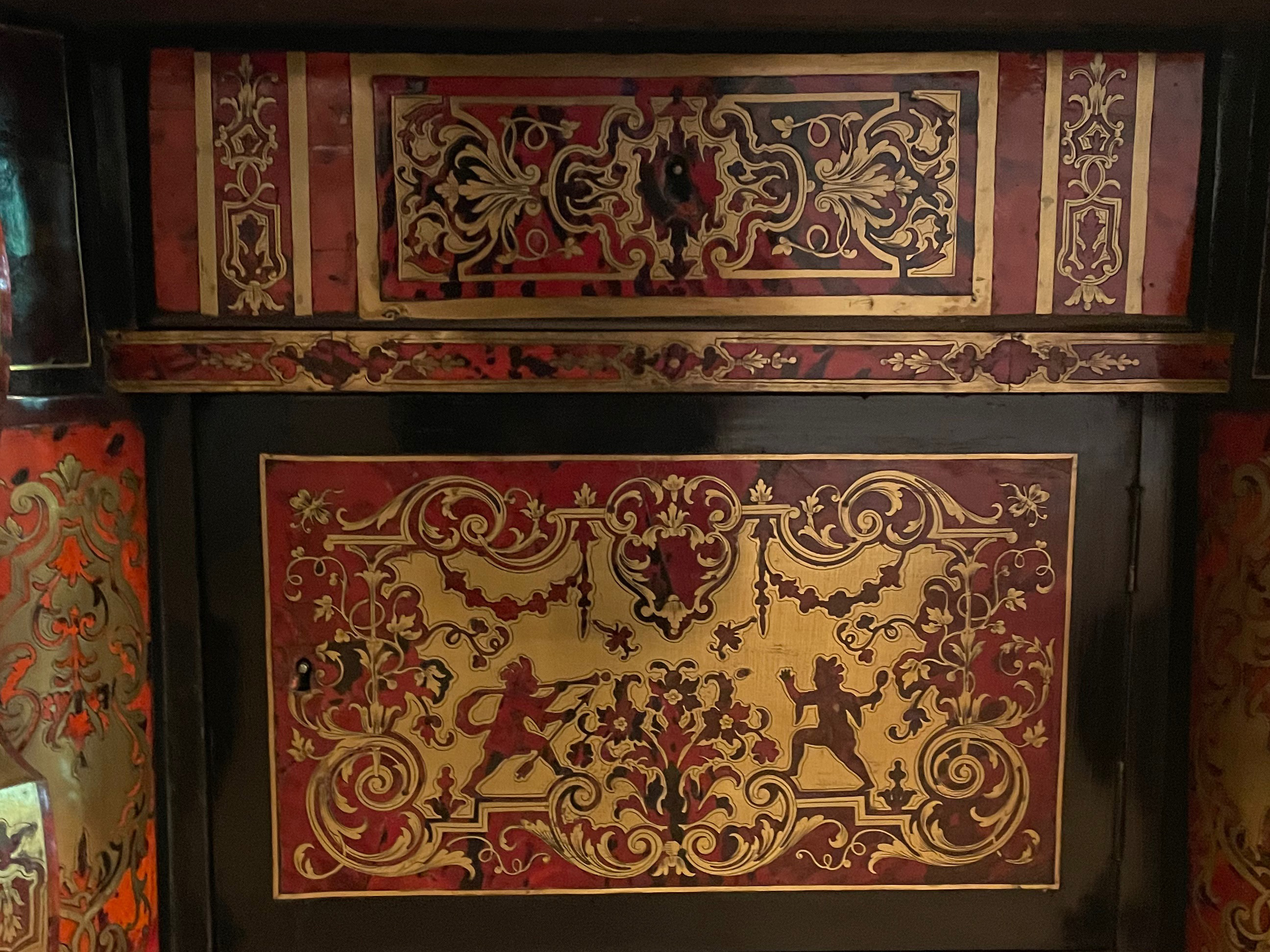
Originally built as the Ráth family home, the villa today houses the permanent exhibition “Art Nouveau – A Hungarian Perspective.” Every room feels different, yet perfectly harmonious. The furniture, textiles, ceramics, and artworks were selected and arranged with such care that visiting the villa feels like stepping into the private world of a cultured, well-travelled family.

Walking through the rooms is an intimate experience — like visiting an elderly relative whose home is filled with authentic objects, each telling its own story. Nothing feels staged or distant; everything feels lived-in, warm, and deeply personal.

Tips for your Ráth György Villa Visit

When visiting the villa, don’t forget to take a walk along Városligeti fasor, one of Budapest’s most elegant avenues, lined with fascinating Art Nouveau villas. It’s the perfect continuation of the experience and an often-overlooked highlight of the City Park area.

If you’re fascinated by Art Nouveau, this villa is a beautiful stop to include in a custom Art Nouveau walking tour of Budapest.


I’ve been neglecting these last few weeks that old passion of mine to collect the sounds of Budapest, recording local music all over the city. This is part 2 of the series, stay tuned for the rest of my Beautiful Budapest Symphony!

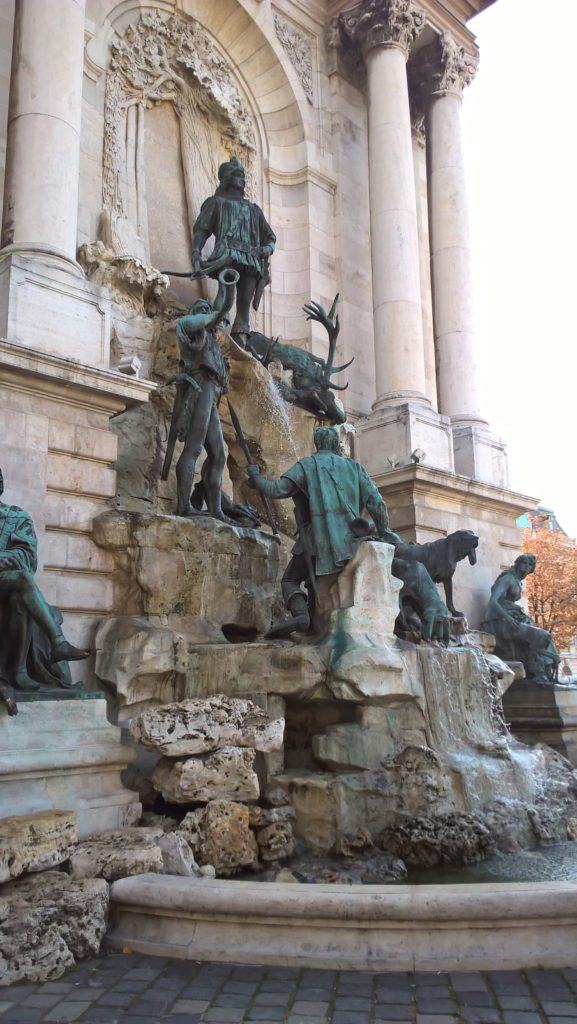
One of the most impressive statues in Budapest is the King Matthias Fountain, located in the Royal Palace of the Buda Castle District. Monumental, theatrical, and rich in symbolism, it portrays King Matthias — Hungary’s great Renaissance ruler — in a moment of triumph and drama.

This fountain is part of my ongoing Statues of Budapest series, which explores how monuments tell stories far beyond what first meets the eye.

A king on the hunt

At the centre of the composition stands King Matthias, depicted during a hunt. It is a traditional symbol of royal power, leadership, and control over nature. Surrounded by courtiers and hunting dogs, the scene feels almost cinematic, carved in stone against the walls of the palace.

The statue reflects how Matthias wished to be remembered: strong, charismatic, and unquestionably king.

A hidden love story

Look more closely, and the fountain reveals a second narrative. At the lower level of the composition stands a young woman, often identified as Ilonka, a figure from Hungarian folklore. According to legend, she fell in love with the king without knowing his true identity.

This quiet, almost melancholic detail adds emotional depth to the monument. It transforms the fountain from a celebration of power into a layered story of love. It’s about longing, and human vulnerability — a reminder that even great kings were not untouched by romance.

Where history and storytelling meet

Set within the Buda Castle complex, the Matthias Fountain is impossible to ignore, yet many visitors miss its deeper meaning. It perfectly represents how Budapest uses public art to combine history, legend, and national identity in a single visual narrative.

If you’d like to uncover more stories like this — including the legends behind the statues and the lives of the people they depict — this fountain is one of the highlights I often discuss on my Buda Castle walk, where history becomes personal and alive.

Explore more: King Matthias is featured in my broader Statues of Budapest collection, showcasing the city’s most meaningful monuments and hidden details.

The Matthias Fountain depicting King Matthias at the Royal Palace in Buda Castle, Budapest


… and it breaks my heart. I realise it’s a very delicate situation and every country’s government is responsible for the measures they’re taking. But I’ve also seen how differently other governments are dealing with the pandemic and only few of them decided to say no to tourists, brave and enthusiastic travellers who, despite of the spreading of the virus were still considering visiting my Beautiful Budapest.

This is all over for now, indefinitely, for 1 or 2 months, we don’t know. I’ll of course continue delivering Virtual Tours for the time being but I’ll miss terribly the real tours, the real adventures and the real people I’ve had the chance to work with these last couple of months.

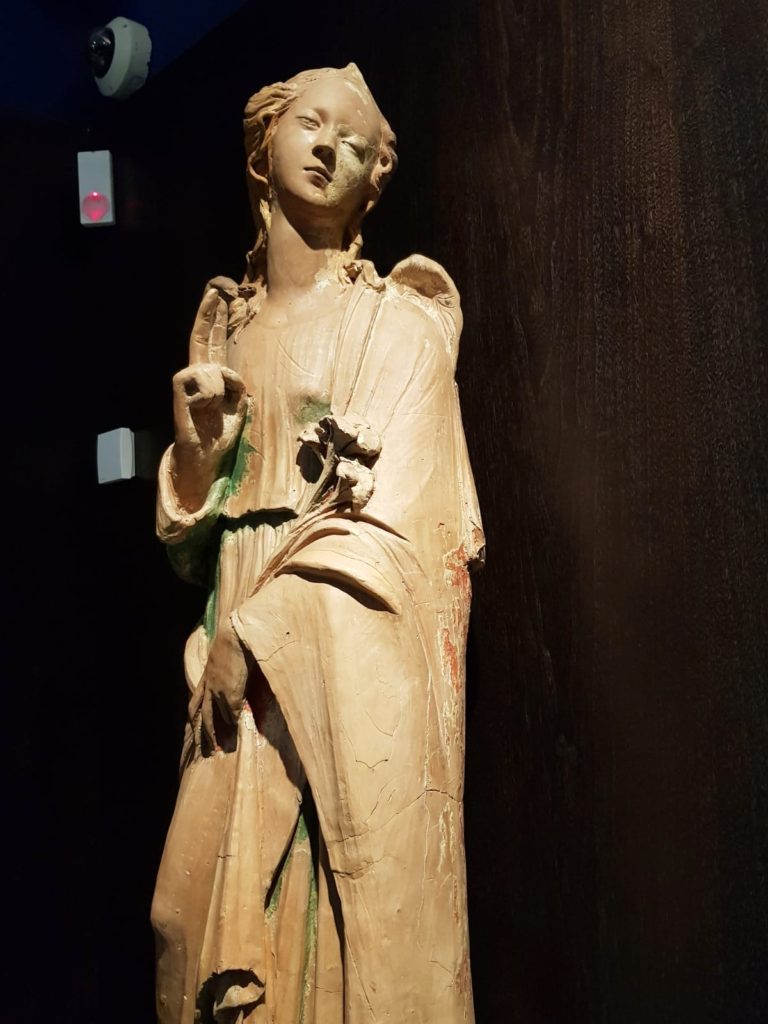
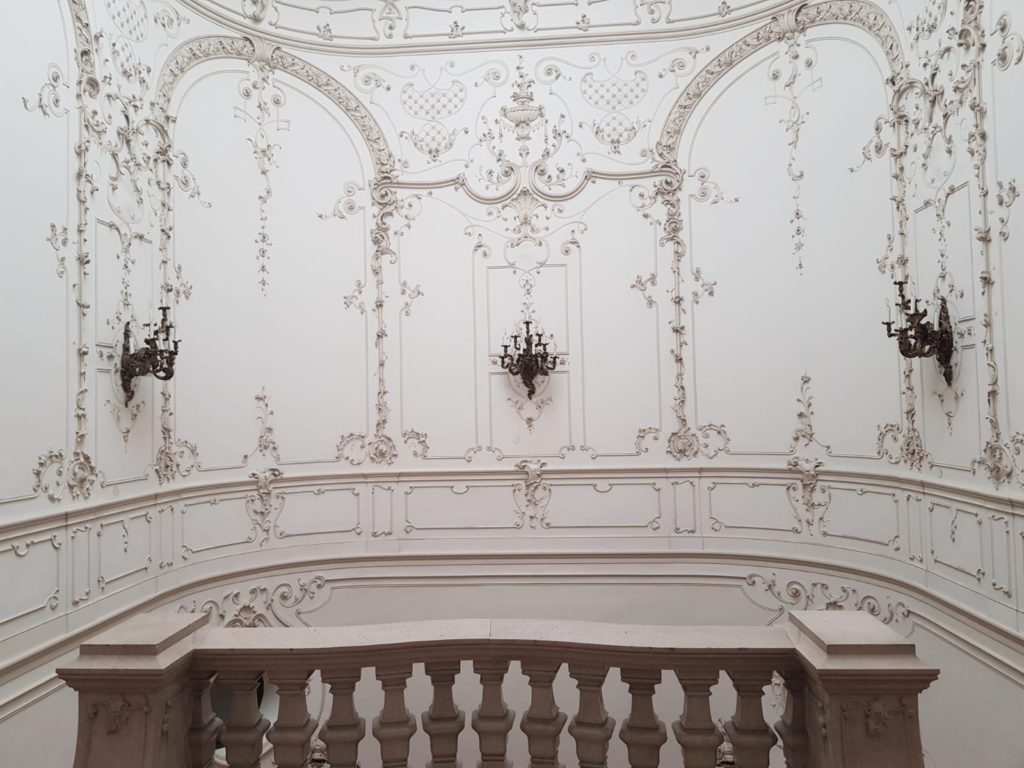
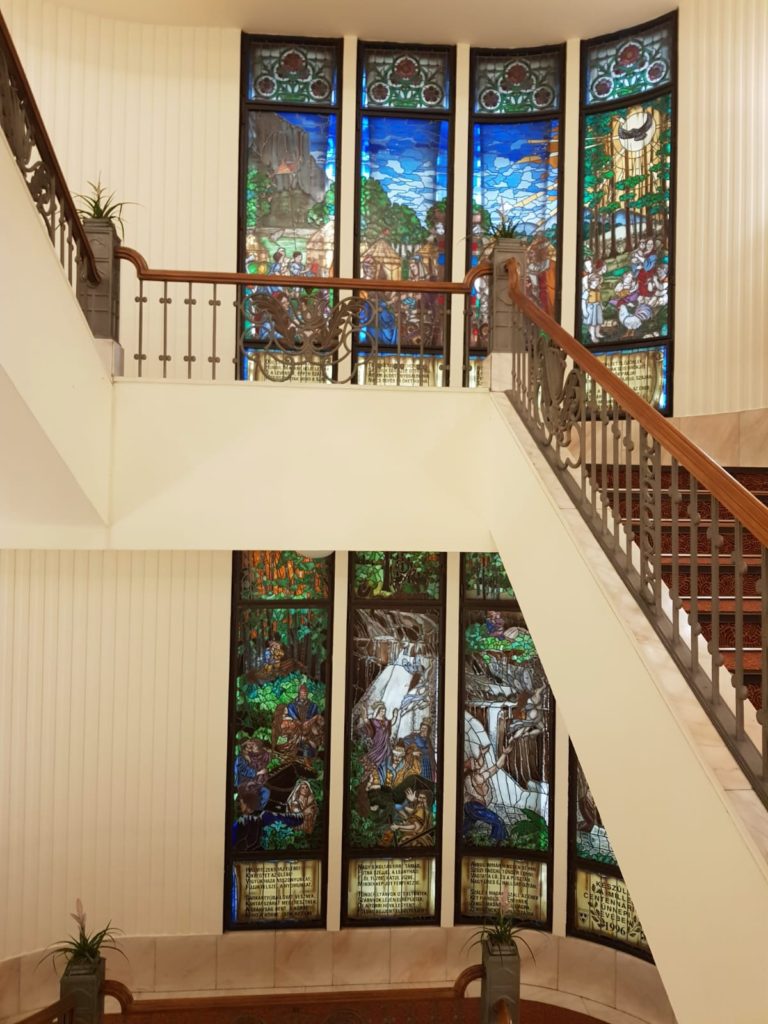
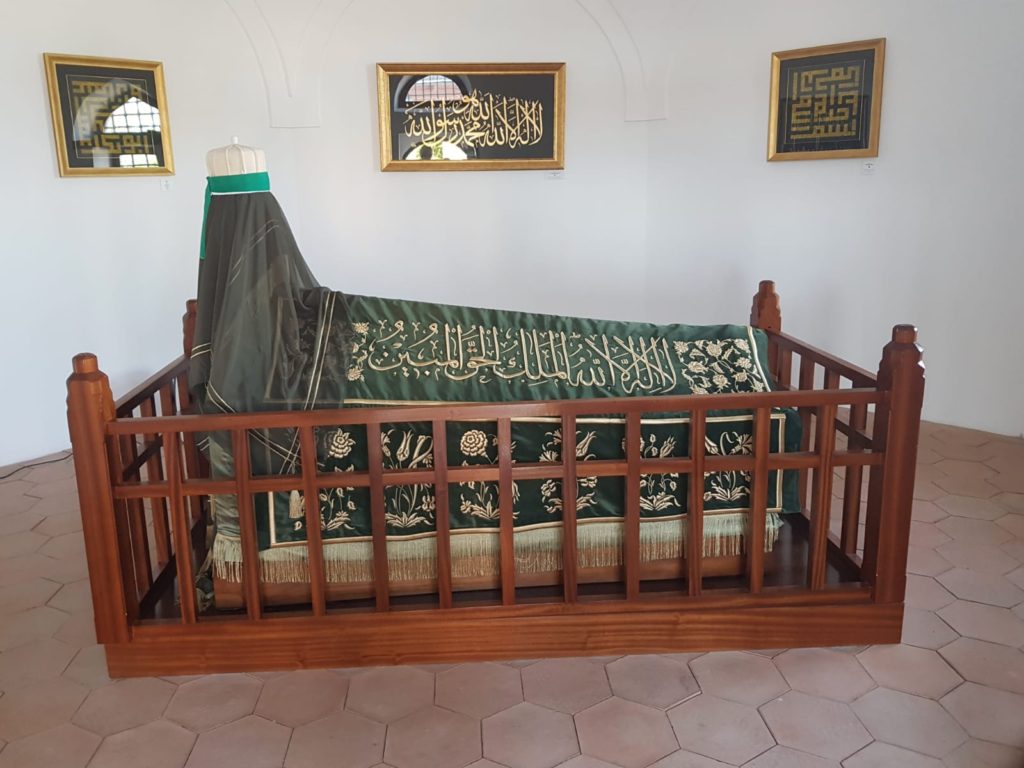
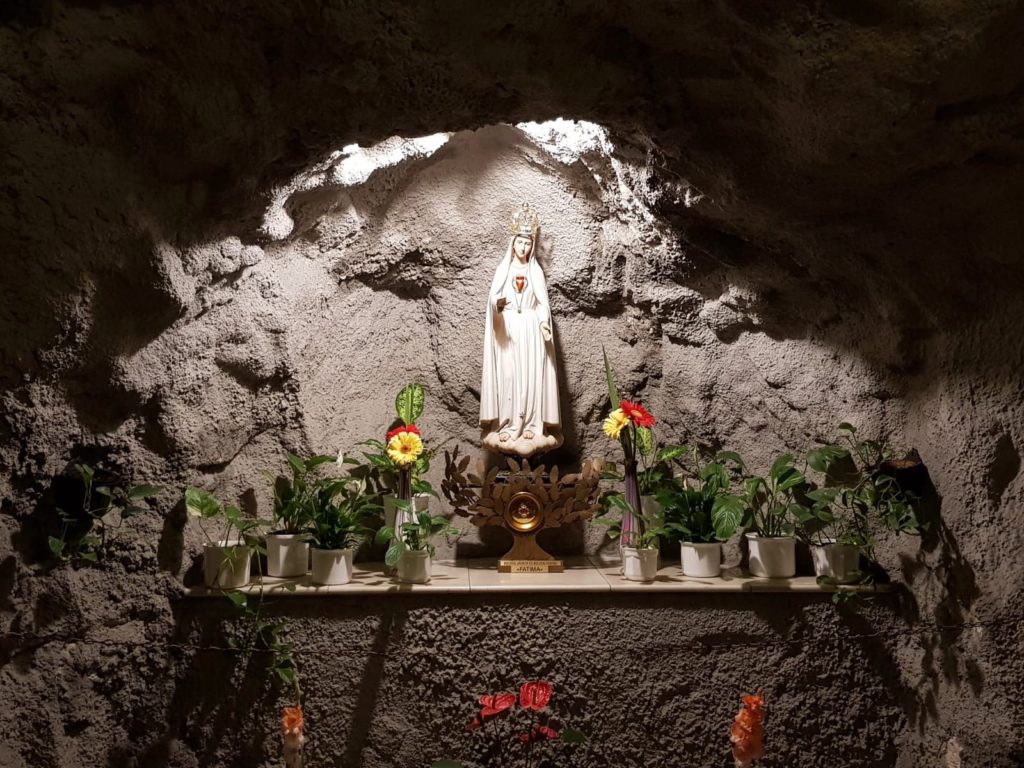
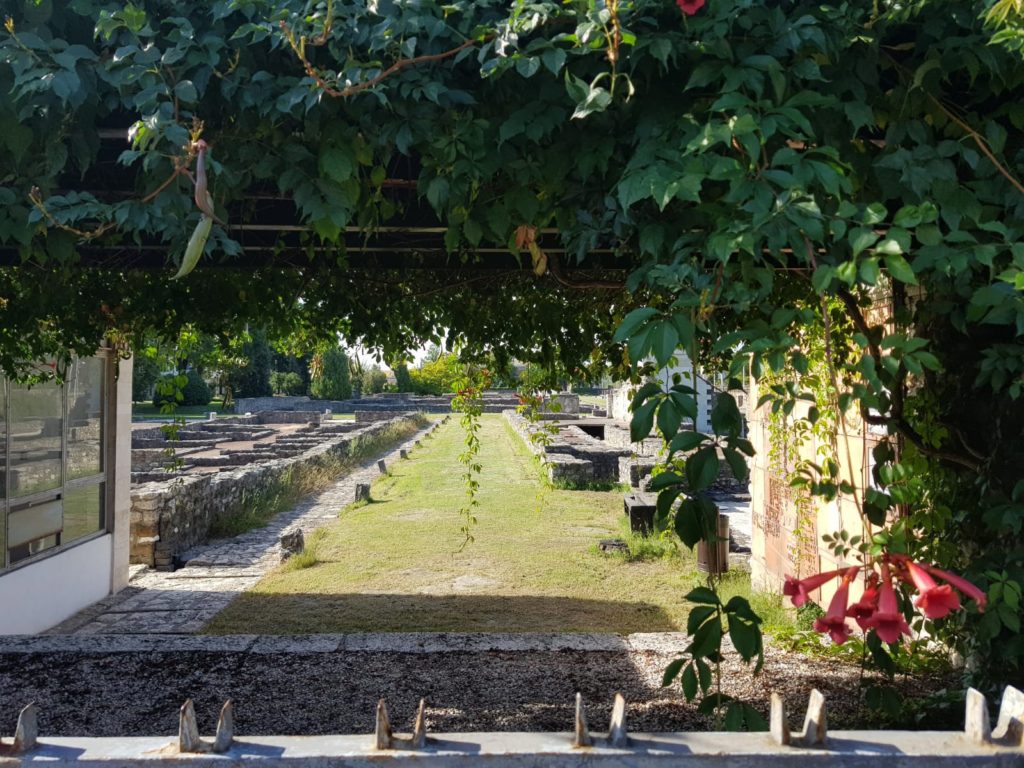
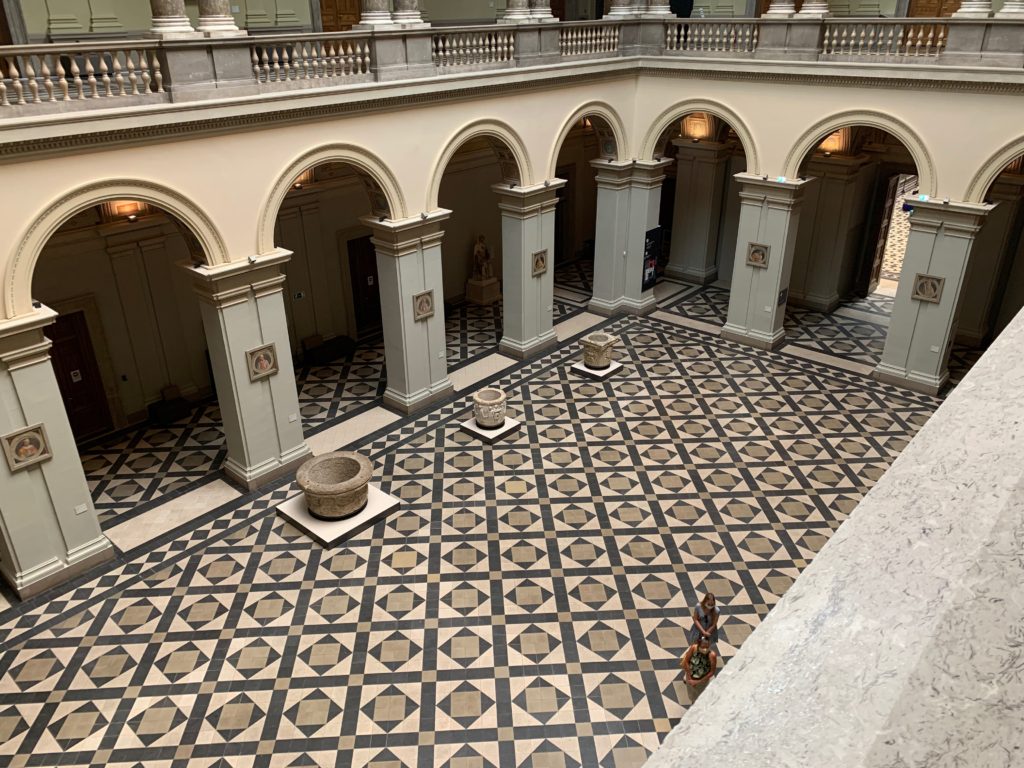
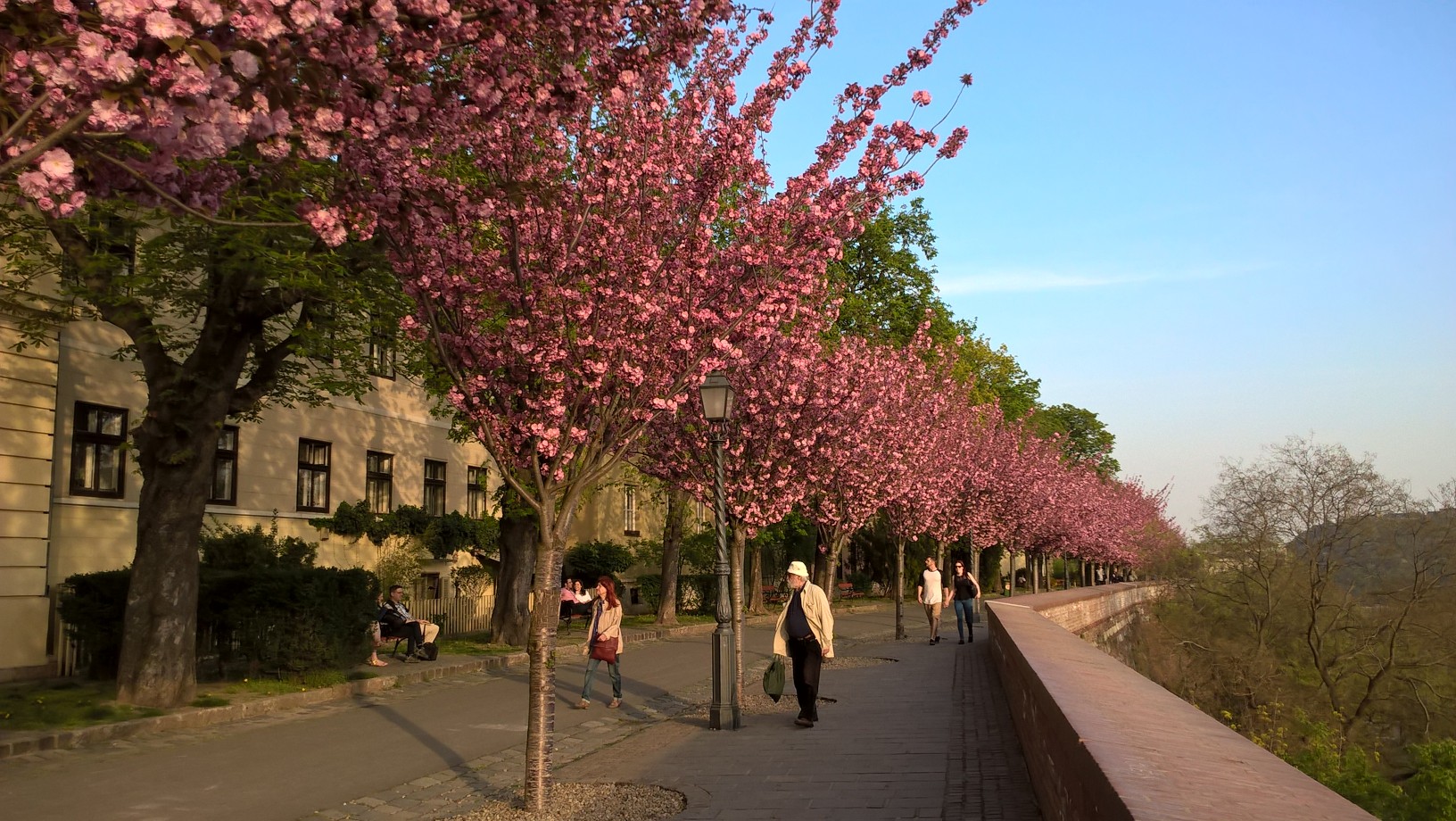
You’ll find below a gallery of stunning pictures taken by one of my travellers, Jessica with whom I’ve had the chance to explore Buda, Pest and the cute little town of Vác last week.

With over 100,000 Hungarian and international artworks spanning from ancient civilisations to the end of the 18th century, the Museum of Fine Arts is the largest and most comprehensive art museum in Budapest — and an absolute must for culture lovers visiting the city.

Opened in 1906, the museum’s Classical Revival building is a work of art in itself. From the outside, it resembles an ancient Greek temple — and that’s no coincidence. The tympanum on the main façade is an exact replica of the Temple of Zeus in Olympia, giving the building a timeless, monumental presence on Heroes’ Square.

After being closed for almost four years of renovation, the museum has fully regained its original splendour. The restored interiors are just as breathtaking as the collections they house. Wandering through the building truly feels like stepping back in time.

My personal favourites are the Romanesque Hall and the Renaissance Hall — spaces so atmospheric that even visitors who don’t usually consider themselves “museum people” are often left speechless. Exploring the museum is not just about viewing artworks; it’s a journey through centuries of European and ancient history.

The Museum of Fine Arts collections at a glance

The Museum of Fine Arts is divided into six main departments:

  • Egyptian Antiquities

  • Classical Antiquities

  • Old Master Paintings

  • Sculptures

  • Prints and Drawings

  • Old Hungarian Collection

Thanks to this wide range, the museum works equally well for first-time visitors, returning travellers, and families with older children.

Visiting tips

The Museum of Fine Arts is located right at Heroes’ Square, making it easy to combine with a walk through City Park, a visit to Vajdahunyad Castle, or even a relaxing stop at Széchenyi Thermal Bath afterwards.

I often recommend it as an extra stop during a custom Budapest walking tour, especially for guests interested in art, architecture, or classical history.

    %For up-to-date opening hours and current exhibitions, I always suggest checking the museum’s official website before your visit.


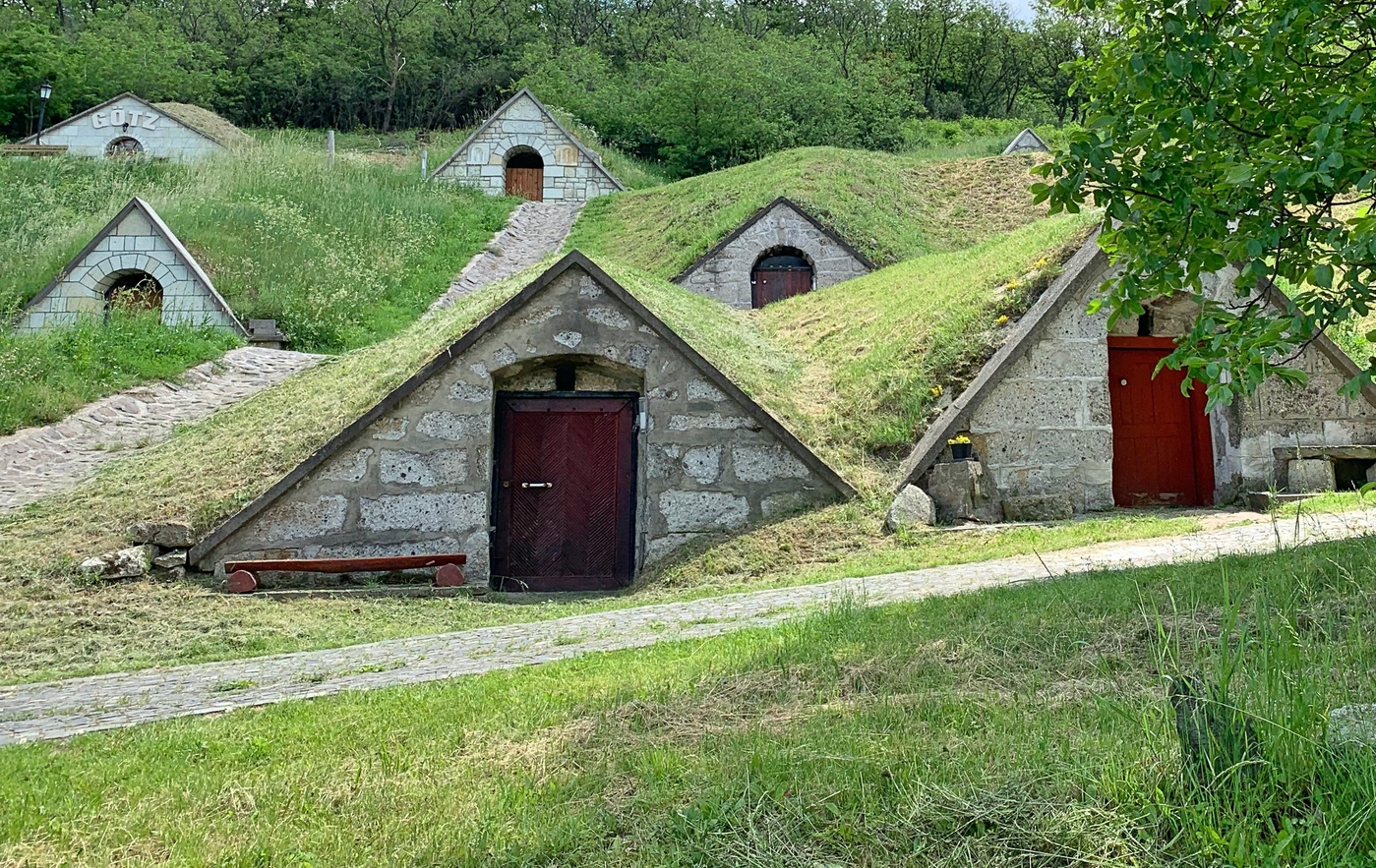
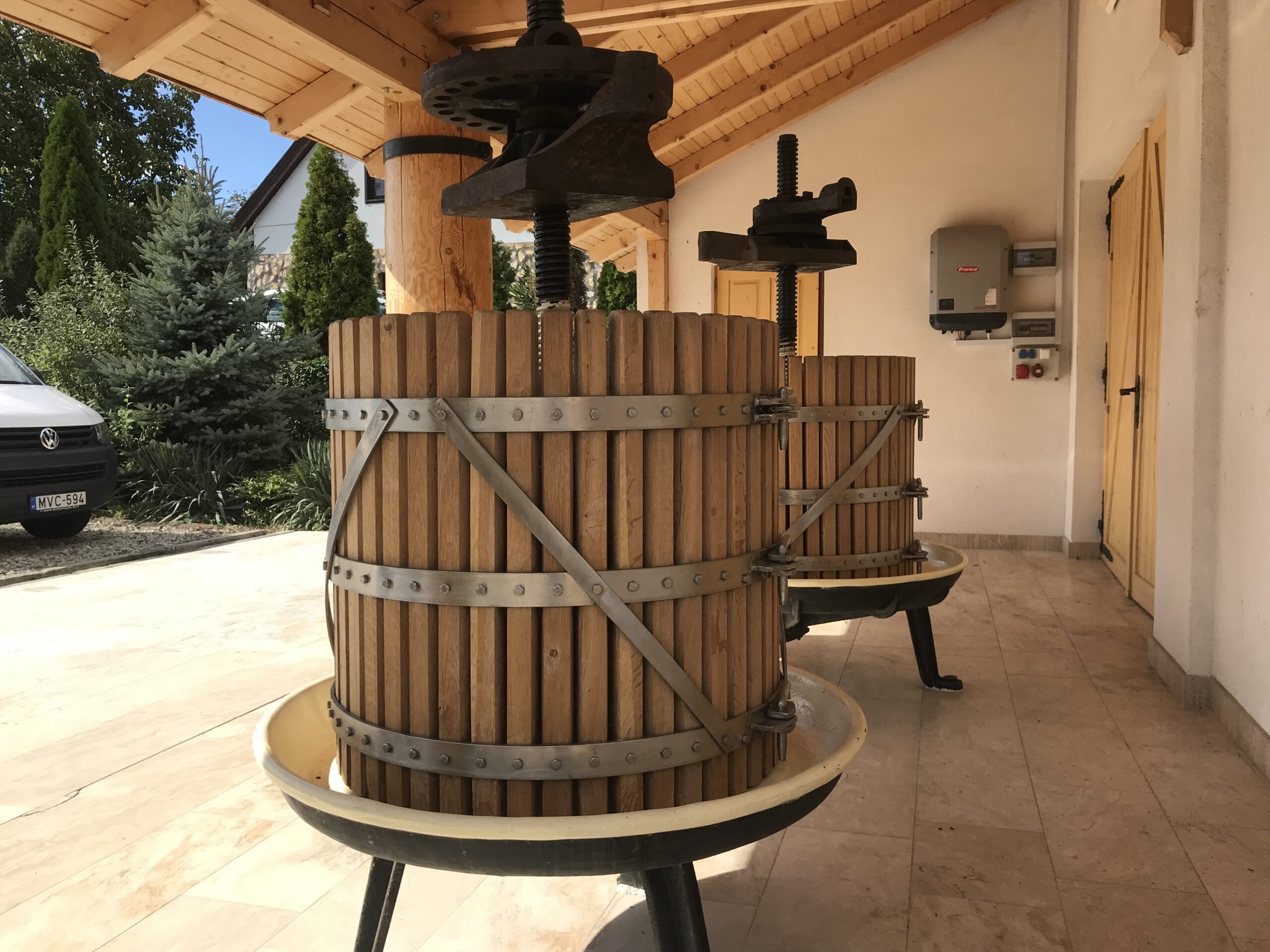
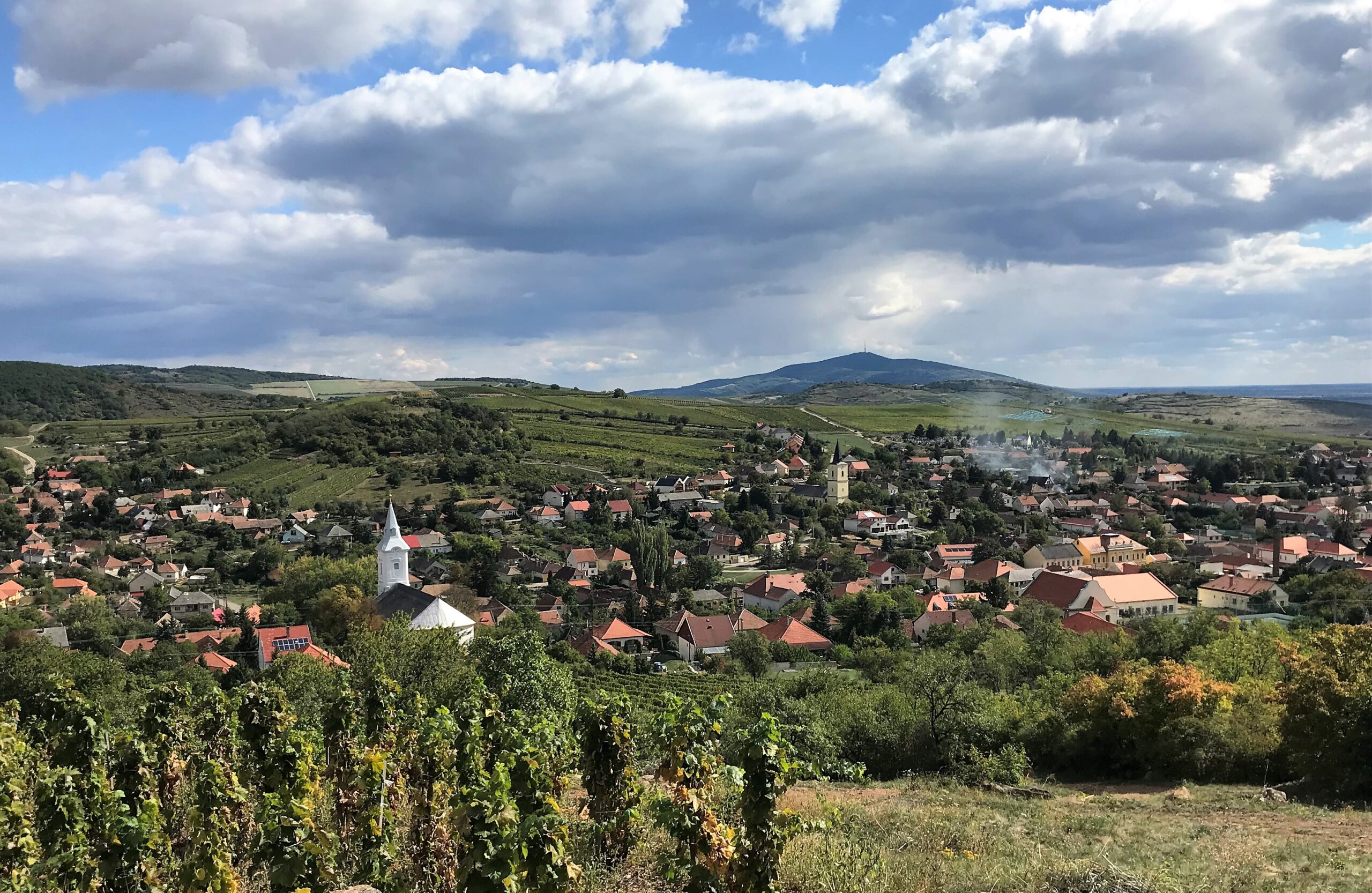
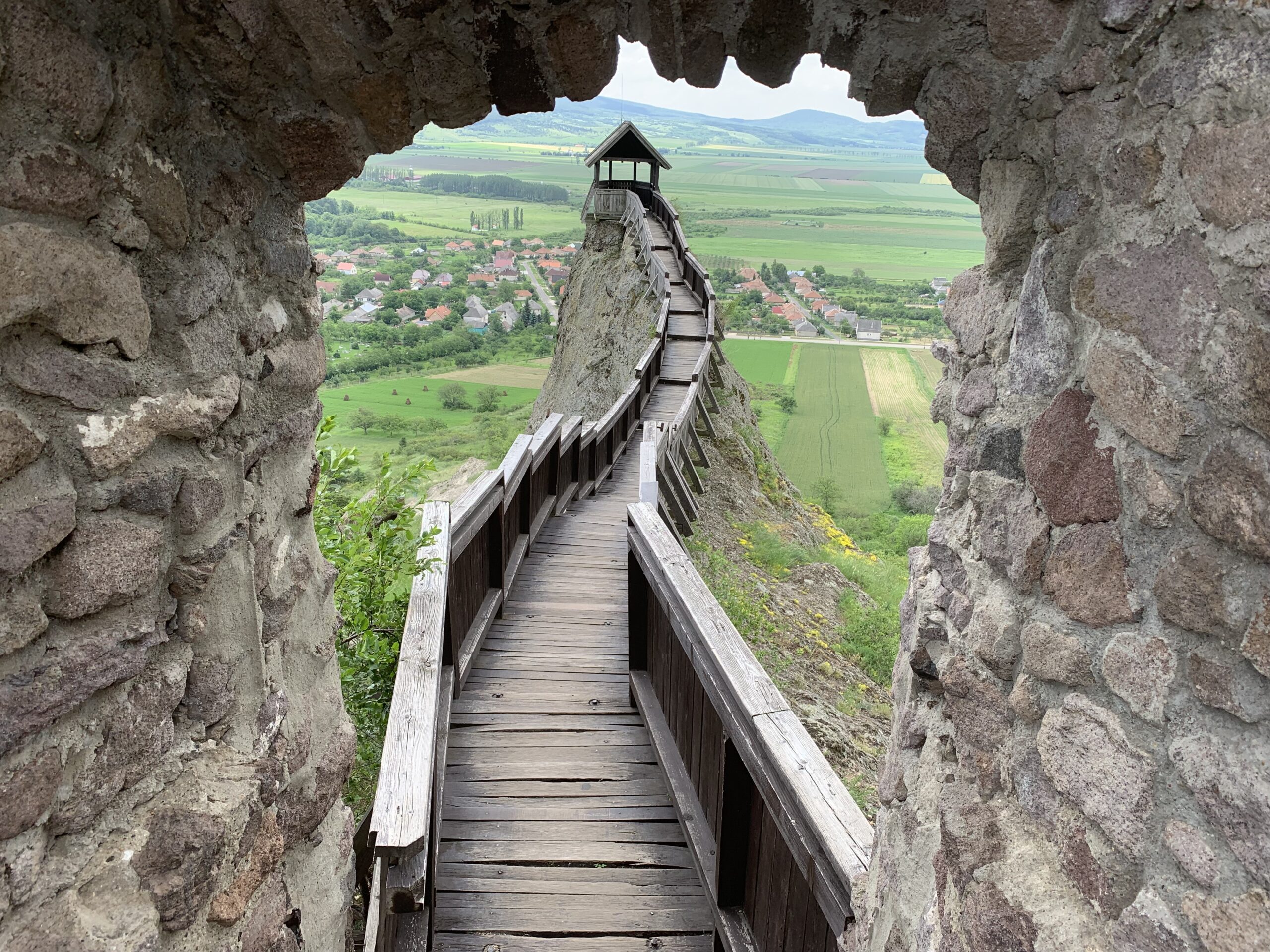
We were lucky enough to visit the Tokaj wine region last week, this is one of my favourite tours. We were able to sample some truly amazing wine in Tokaj and Mád, visited the fairytale castle of Boldogkő, saw a beautiful rainbow over the vineyards and had also the chance to see the Mád synagogue.

This was a tour to remember, I hope I can show more and more travellers this beautiful part of Hungary.


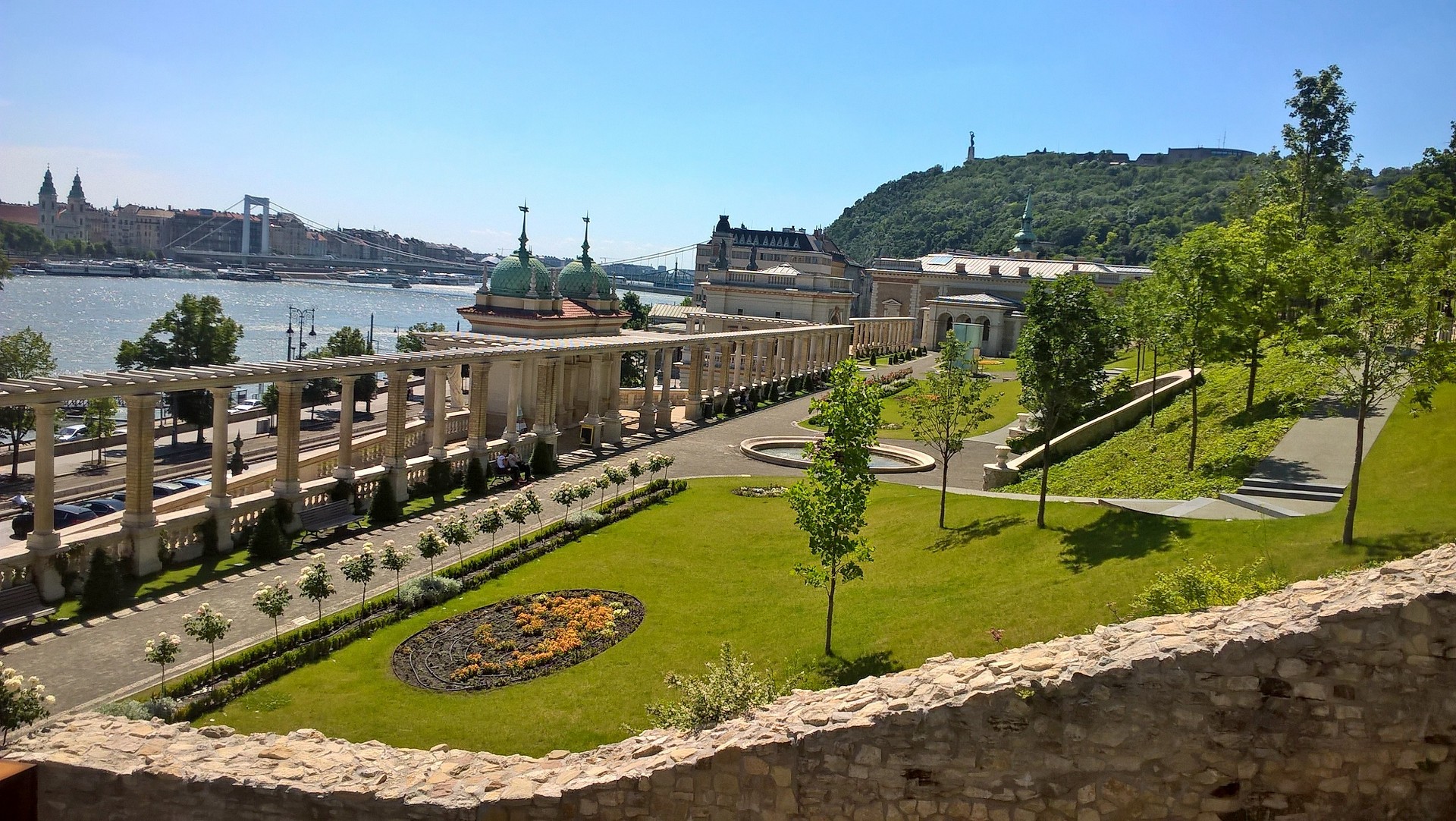
I’ve decided to share this blogpost originally from 2016 because my experience is that the Buda Castle District of Budapest is the most popular choice for the virtual tours. Most of the attractions below are to be seen during the tour and I’m happy to discuss the special architecture, culture and traditions of this beautiful neighbourhood. Feel free to contact me for further details on live or virtual tours!

The Buda Castle district is the oldest part of Buda, many of the buildings are originally from the Middle Ages. Buda became the capital of Hungary by the middle of the 13th century, the castle and the medieval town were constructed in the top of the Castle hill.

I don’t want to disappoint you but The Castle district is not a real castle. The Hungarian Medieval castle, residence of many of our great kings, constructed in Gothic and Renaissance architectures was destroyed in the 17th century. Only some parts of it are accessible in the Budapest History Museum, unfortunately the rest of the castle rest in the ground now.

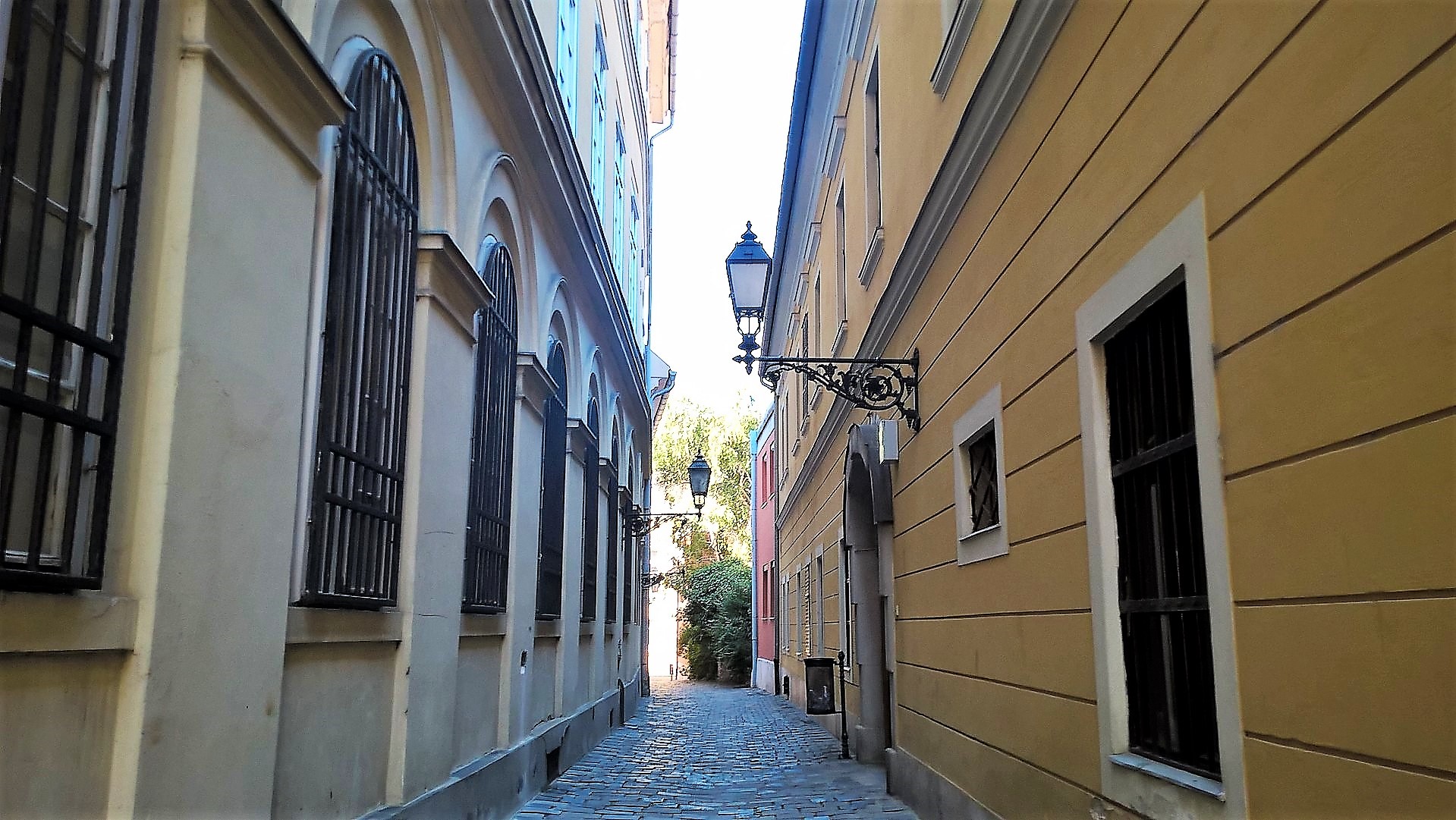
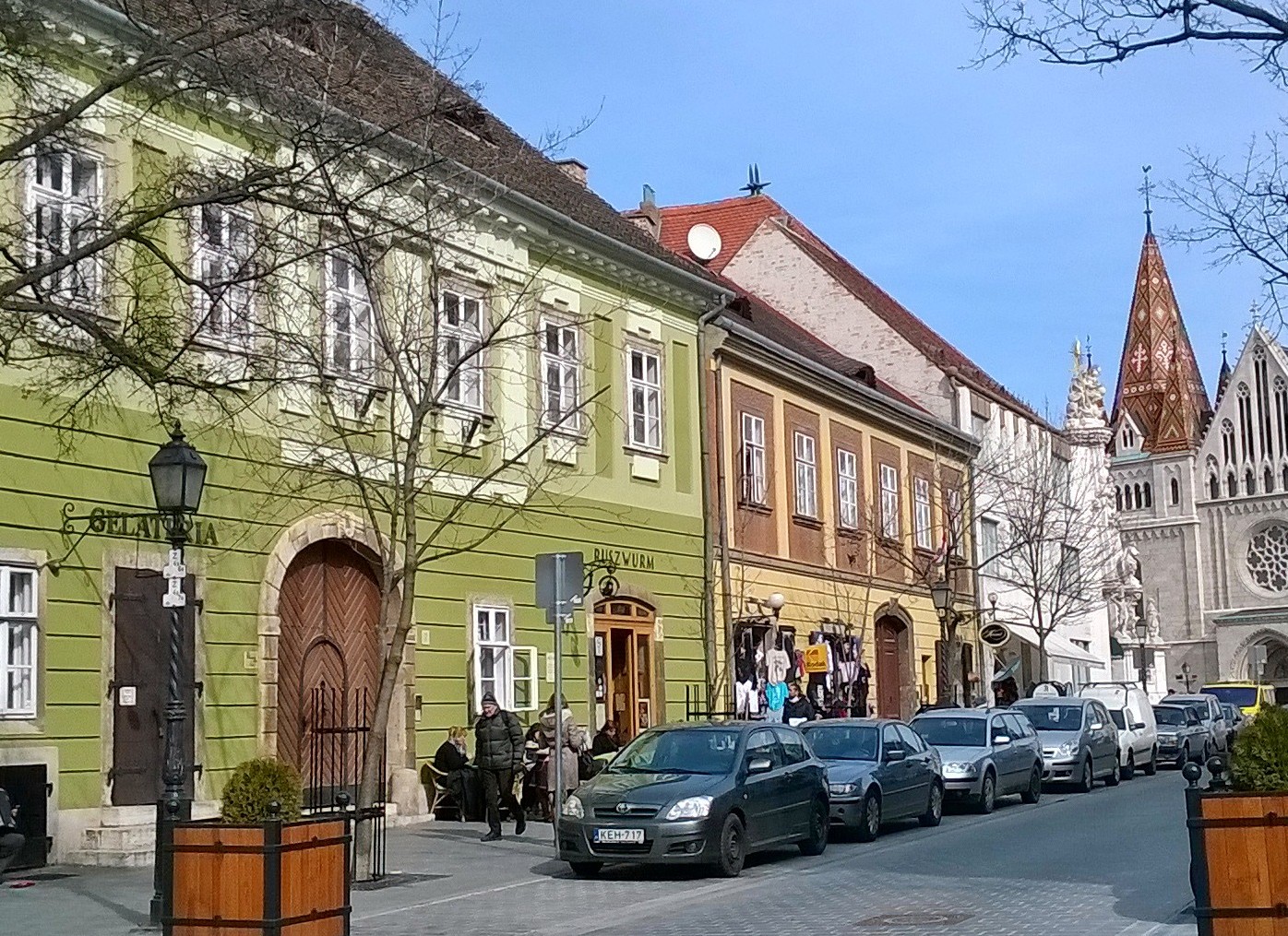
You can walk up the hill along the ramparts of the Medieval Castle to get to the 18th century Baroque Palace which houses the Budapest History Museum and the National Gallery. The cobblestoned streets of the historical old town of Buda lead you to the Matthias Church, one of the oldest churches of the city originating from the 13th century. If you have some time, you really need to climb the 197 stairs to the church tower from where you can have the best view over our beautiful city.

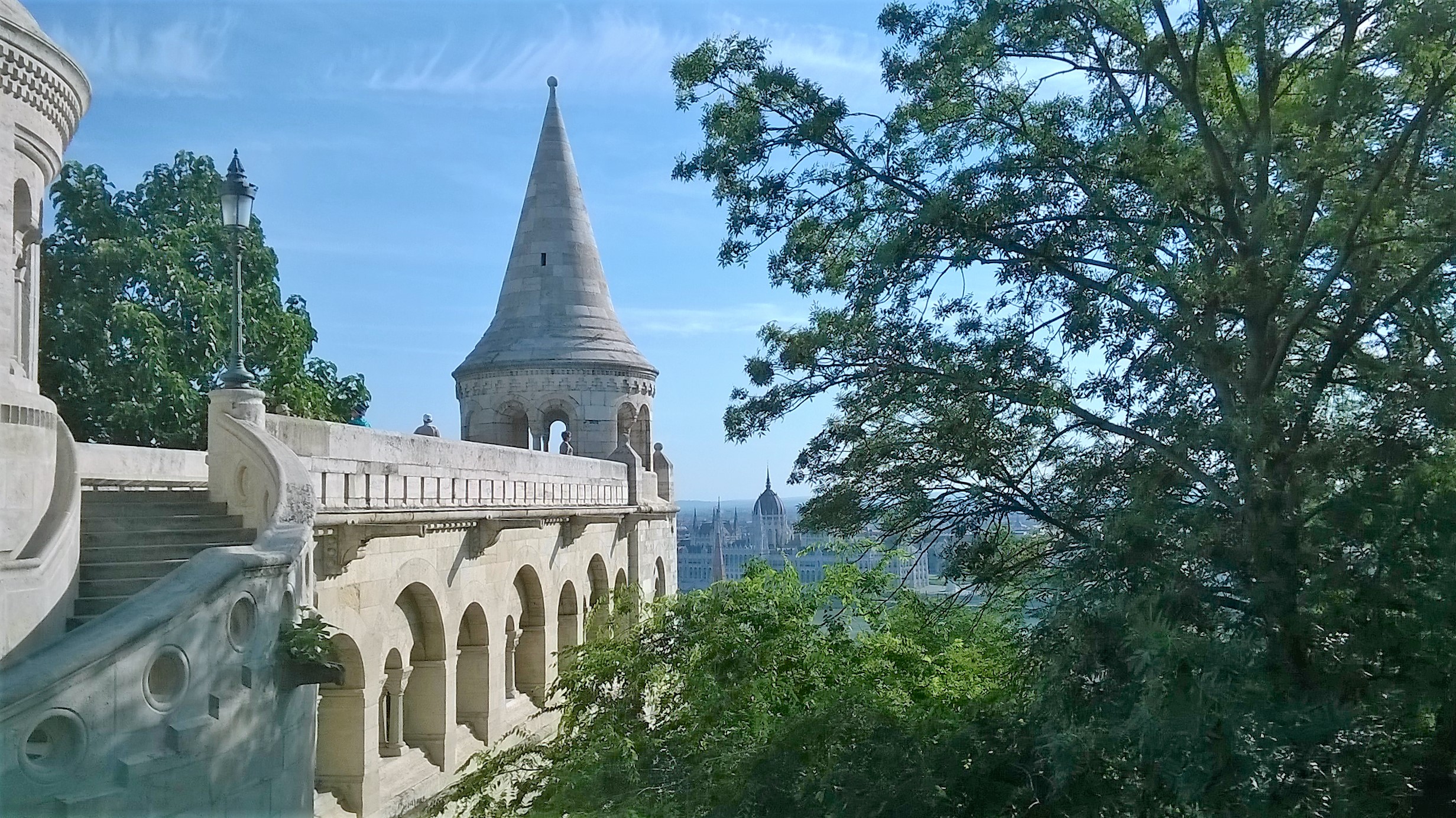
From the top of the Fisherman’s Bastion you can enjoy the panorama over the Parliament building and the Pest side.

Continue your walk in the civilian town, admire the unique architecture of the National Archives and wonder around the old Jewish quarter. Probably the most interesting fact about the distric is that there is a 12 km long underground cave and cellar complex underneath the Castle District. There are 2 museums where you can discover this unique labyrinth. The Hospital in the Rock was a military hospital during WW2 and a nuclear bunker during the Communist era. The Labyrinth museum is all about scary fun and you might also meet Dracula, the infamous vampire count.

I’d be glad to show you the famous attractions and the hidden treasures of the neighborhood, too, book the Buda Castle walk!

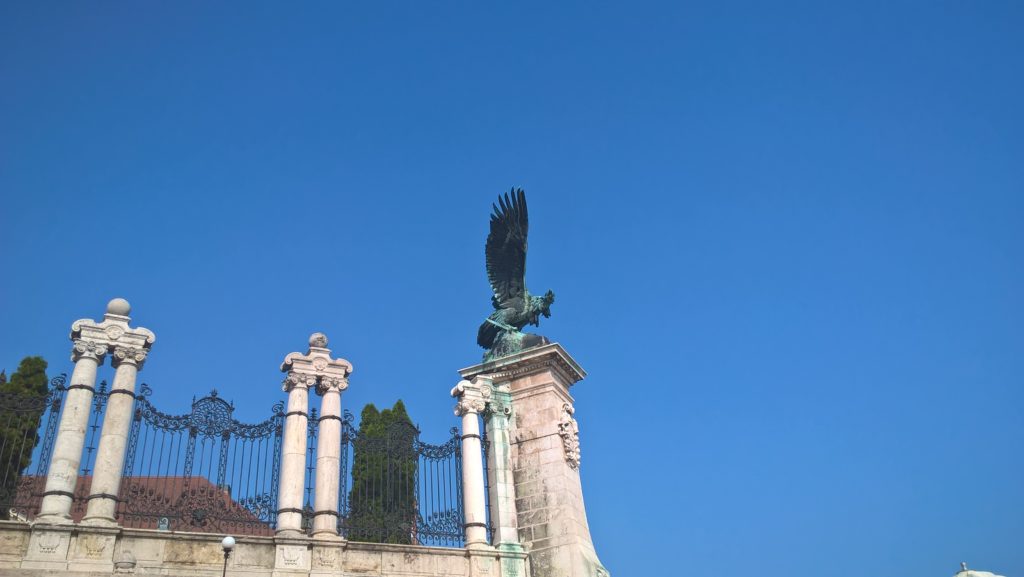
Few statues in Budapest carry as much symbolic weight as the Turul bird statue. More than a decorative monument, the Turul is one of Hungary’s most important national symbols, deeply rooted in legend, origin stories, and identity.

This statue is part of my ongoing Statues of Budapest series, which explores how public sculptures reflect the layers of history and mythology that shape the city.

The legend of the Turul

According to Hungarian tradition, the Turul — a powerful, mythical falcon — guided the ancestors of the Hungarians to the Carpathian Basin in 896, the year associated with the founding of the Hungarian homeland.

Because of this legend, the Turul represents origin, protection, strength, and destiny. It appears frequently in Hungarian art, literature, and monuments, always carrying a meaning that goes far beyond its physical form.

Where can you see the Turul statue?

One of the best-known Turul statues in Budapest stands at the upper station of the Buda Castle Funicular, near the entrance to the Castle District. With its wings spread wide above the city, the bird overlooks the Danube and Pest — a fitting position for a symbol meant to watch over the nation.

Many visitors pass beneath it on their way into Buda Castle without realizing its significance, yet once you know the story, the statue becomes impossible to ignore.

Why the Turul still matters

The Turul bird is not tied to a single historical figure or event. Instead, it represents continuity — the connection between myth, history, and modern Hungary.

Standing beneath it, you’re reminded that Budapest is not only a city of architecture and monuments, but also a place shaped by stories passed down for more than a thousand years.

Explore more: The Turul bird is featured in my Statues of Budapest collection, where famous monuments and symbolic figures reveal the deeper identity of the city.

Turul bird statue at the upper station of the Buda Castle Funicular in Budapest