I want to wish you all a Merry Christmas, Boldog Karácsonyt!
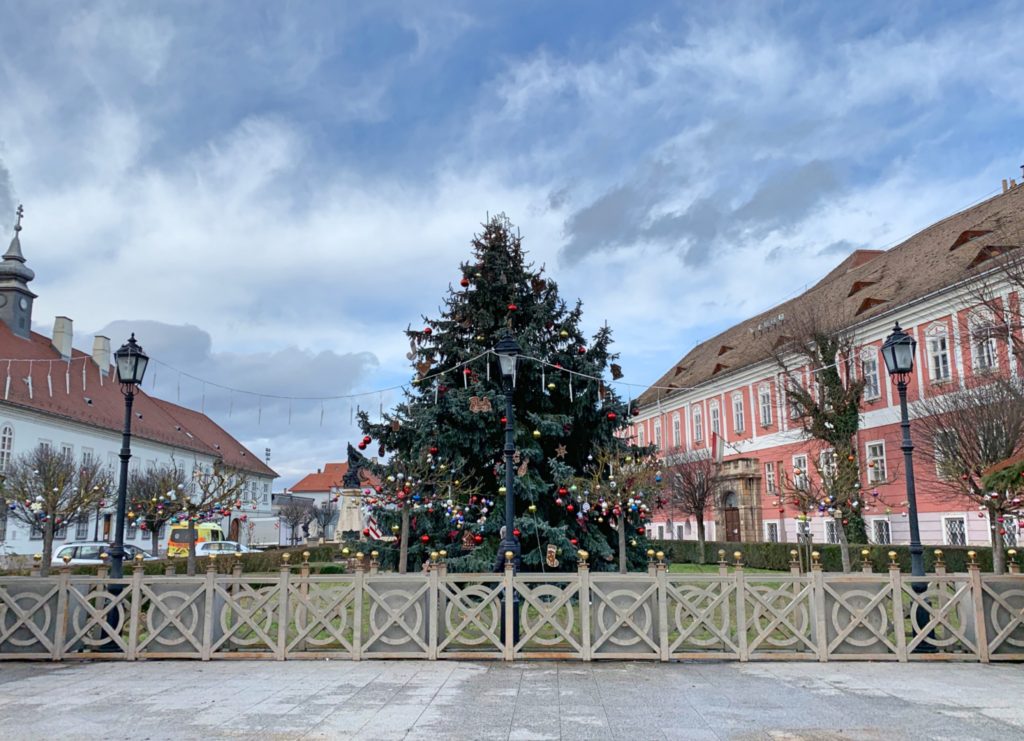
I want to wish you all a Merry Christmas, Boldog Karácsonyt!
The golden age of the famous coffeehouses of Budapest was at the end of the 19th and beginning of the 20th century. However, we see now the renaissance of the coffeehouse and coffee culture. We try to see different coffeehouses on our foodie tours so that travellers can sample the best Hungarian coffee and cakes.
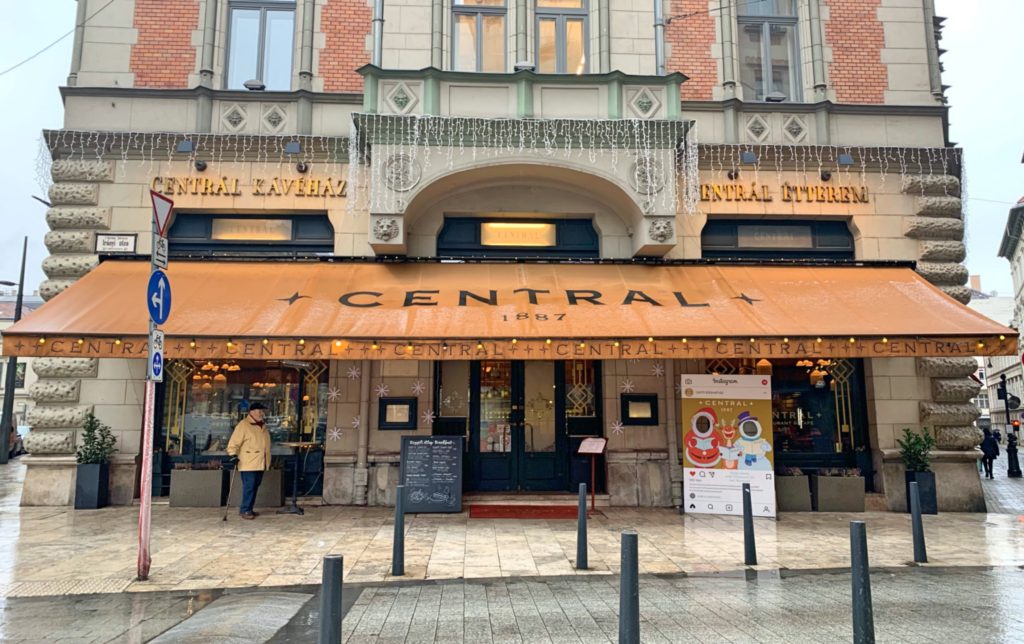
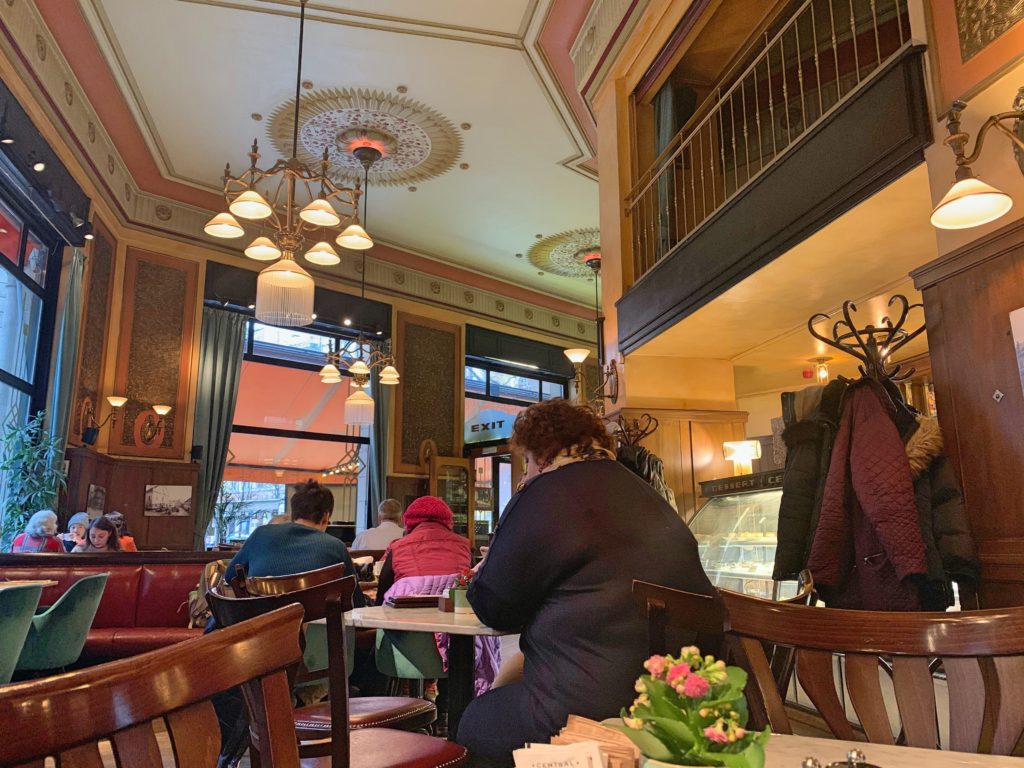
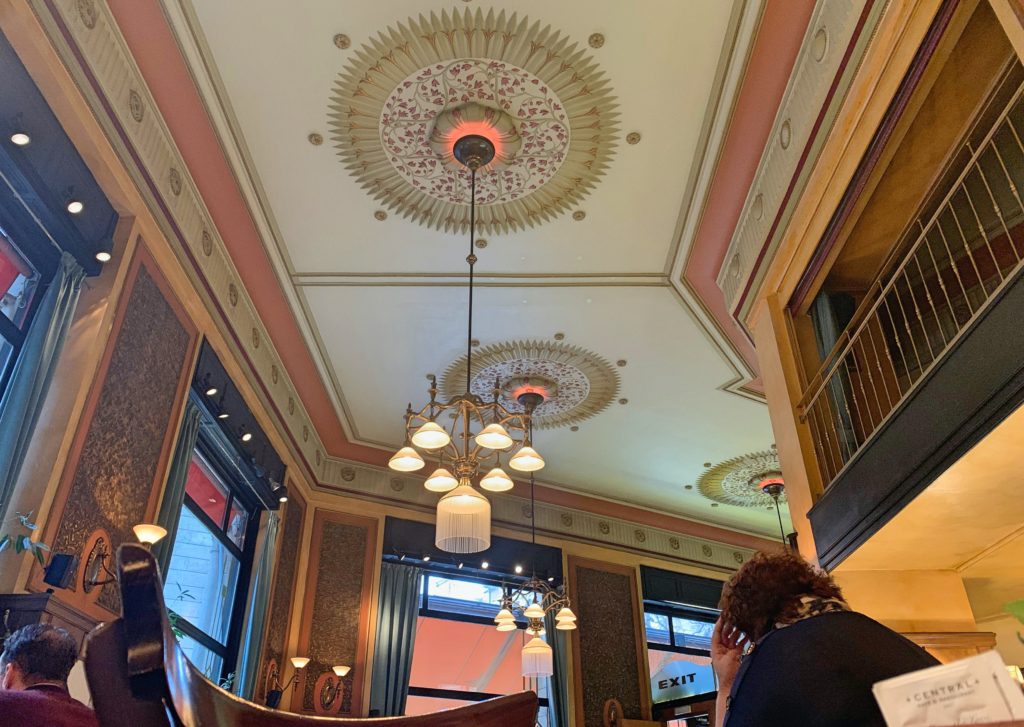
Central is situated in the heart of Downtown Pest near the Elizabeth bridge. By the end of the 19th and the beginning of the 20th century it was considered as the coffeehouse of the writers and journalists, as it was mostly frequented by those working in the neighbourhood. Writers spent days and nights in the coffeehouse writing their columns and discussing politics, economics and gossips. There is a legend of a local writer who considered Central to be his second home where he kept a bathrobe and many of his personal belongings and his pills.
When you go to Central must try the Rákóczi Túrós, a great Hungarian cake with cottage cheese and meringue that goes very well with an espresso or cappuccino.
Because of the time difference most of my virtual tours these days are delivered after sunset, giving a very special atmosphere to those tours. Besides enjoying the views, learning more about Budapest and its history visitors also have the chance to explore the night scene, with all the magical lights and colours.
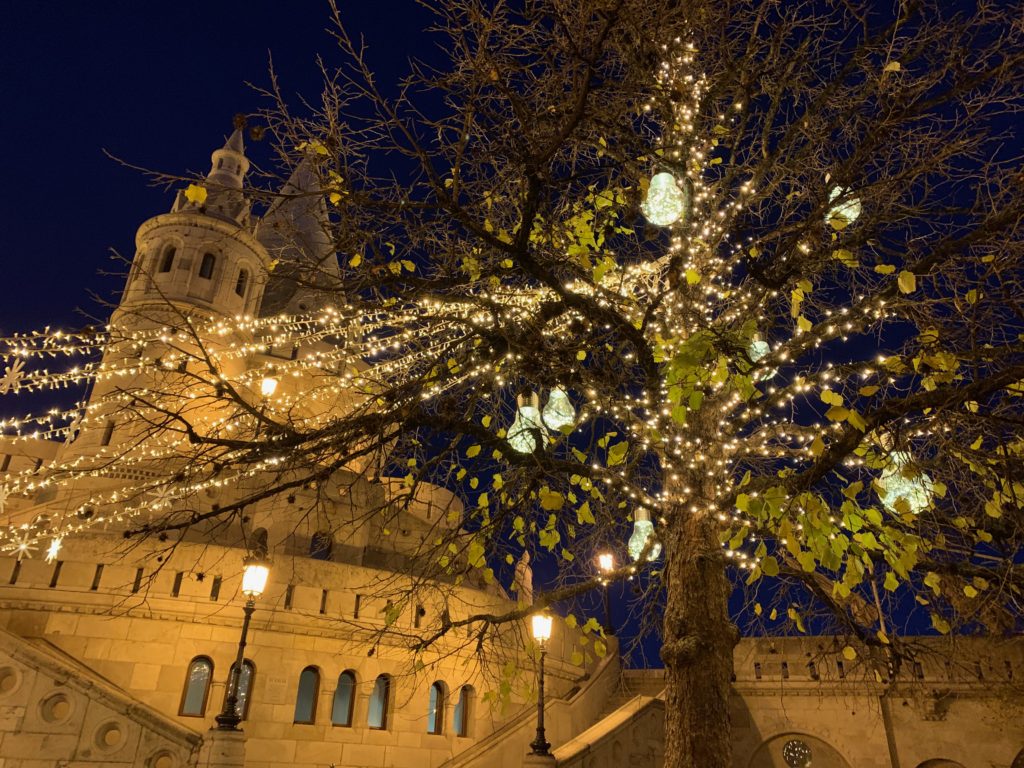
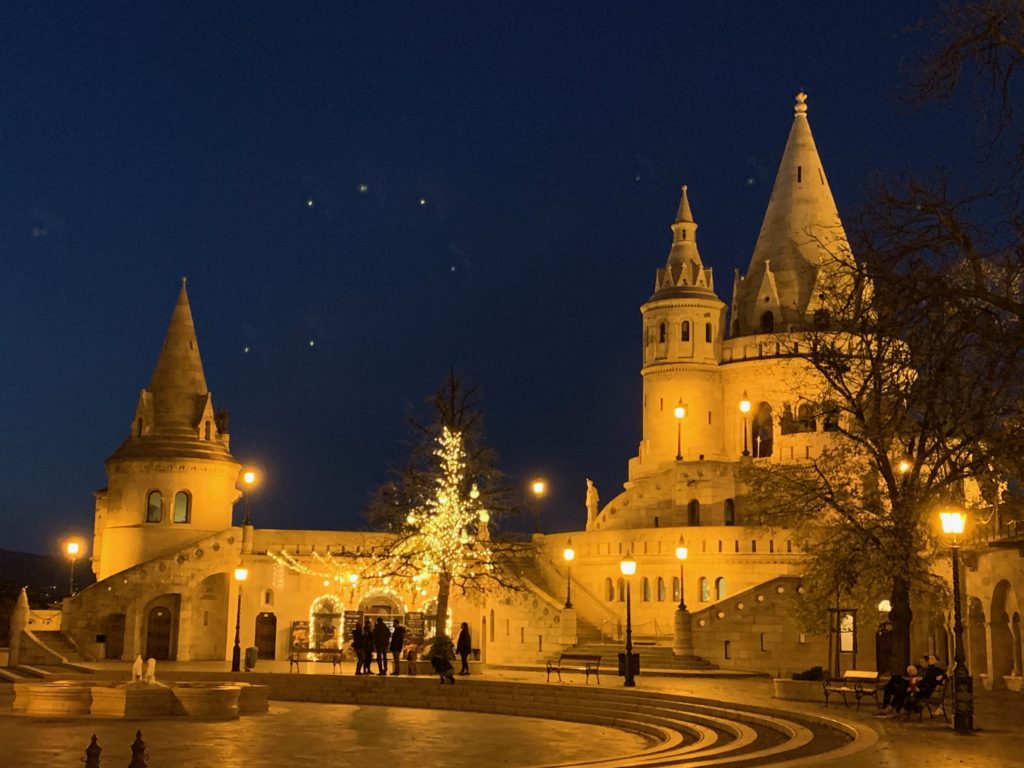
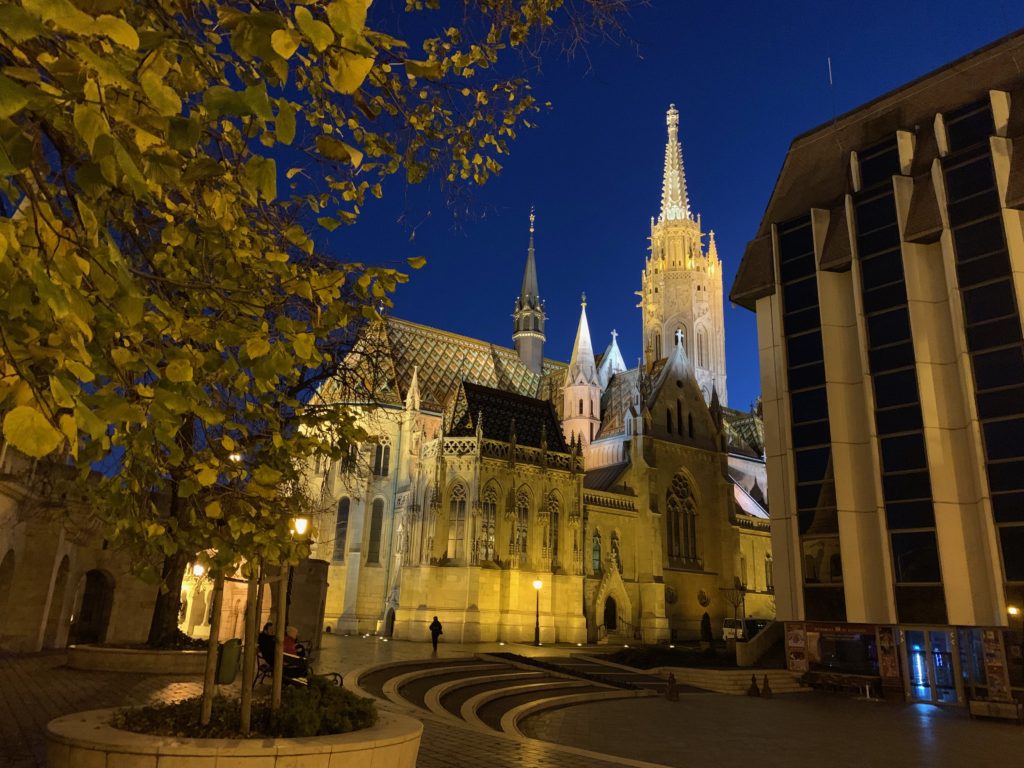
Book a tour today to be part of an exciting fairytale!
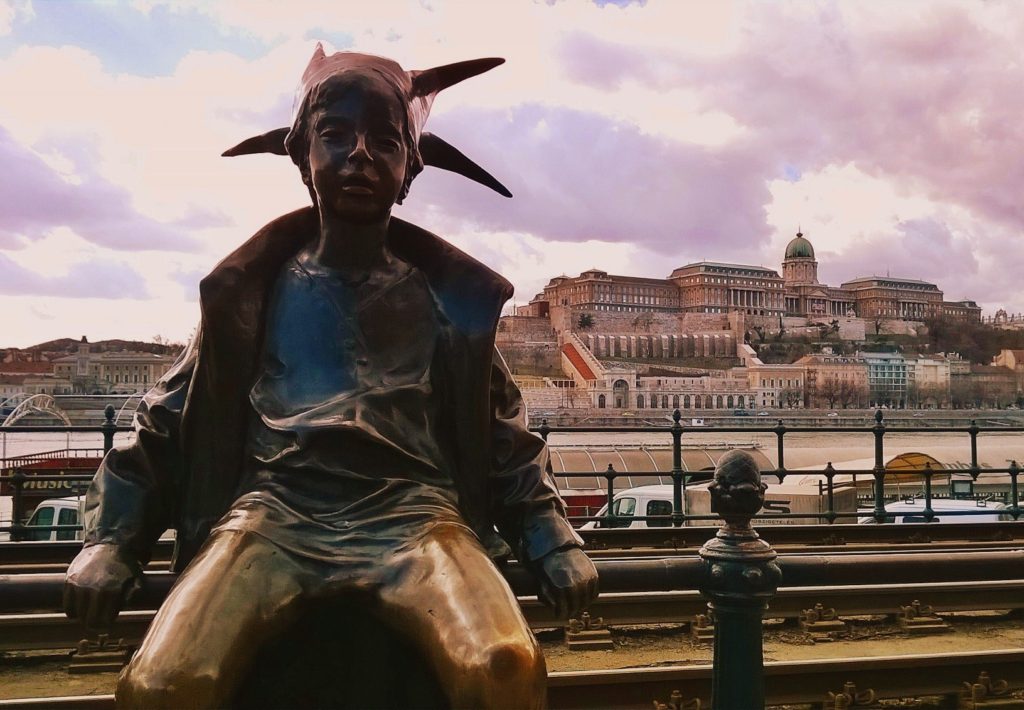
Another statue with a quiet kind of magic, the Little Princess is one of Budapest’s most beloved and photographed sculptures. Perched gracefully on the railings of the Danube Promenade, she watches the river flow past with a dreamy, childlike calm.
Created in 1989 by Hungarian sculptor László Marton, the bronze figure depicts a young girl wearing a playful paper crown and a simple robe. The statue was inspired by the artist’s own daughter, captured in a moment of childhood imagination as she played dress-up at home.
With her knees bent and her expression lost somewhere between curiosity and wonder, the Little Princess feels both intimate and universal — a small figure with an outsized emotional presence.
Despite her modest size, the Little Princess sits in one of Budapest’s most iconic locations. Behind her rise the Danube, Buda Castle, and the city’s elegant skyline, creating a contrast that makes her feel even more special.
People passing along the promenade often stop instinctively — to take a photo, to sit beside her, or simply to pause for a moment. She has a way of slowing the city down.
According to local tradition, rubbing the Little Princess’s knees brings good luck. Those who believe in her magic say the key is to make a wish with a truly childlike heart.
Whether you believe in wishes or not, the ritual itself is part of the statue’s charm — a small act of hope in the middle of a busy city.
The Little Princess is more than a photo opportunity. She’s a gentle reminder of imagination, innocence, and the importance of holding on to wonder, even as we grow older.
Among Budapest’s grand monuments and historic statues, she offers something rare: a quiet, heartfelt moment for anyone who chooses to notice her.
You’ll find the Little Princess near the Danube, close to the Marriott Hotel, sitting patiently on the railing — ready to listen.
Explore more: The Little Princess is part of my ongoing Statues of Budapest series, featuring both famous monuments and easily missed gems across the city.
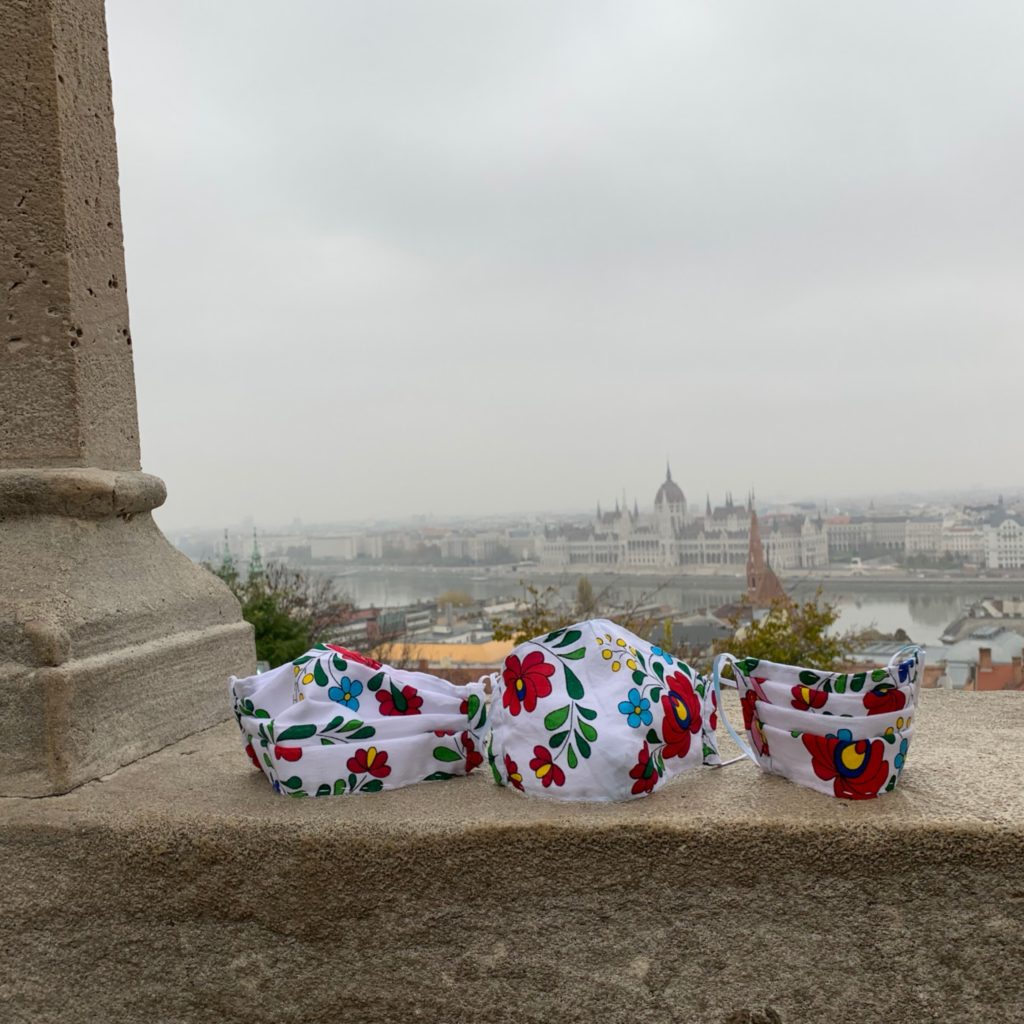
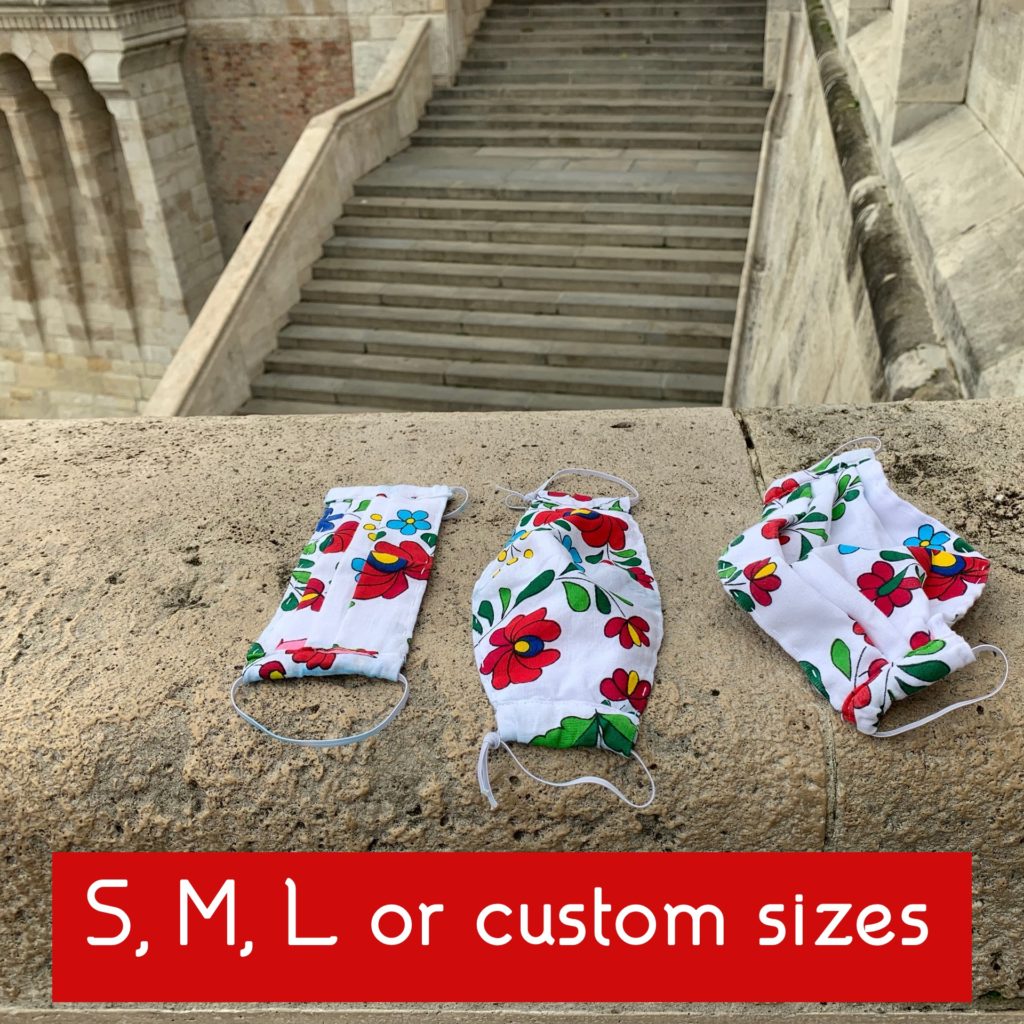
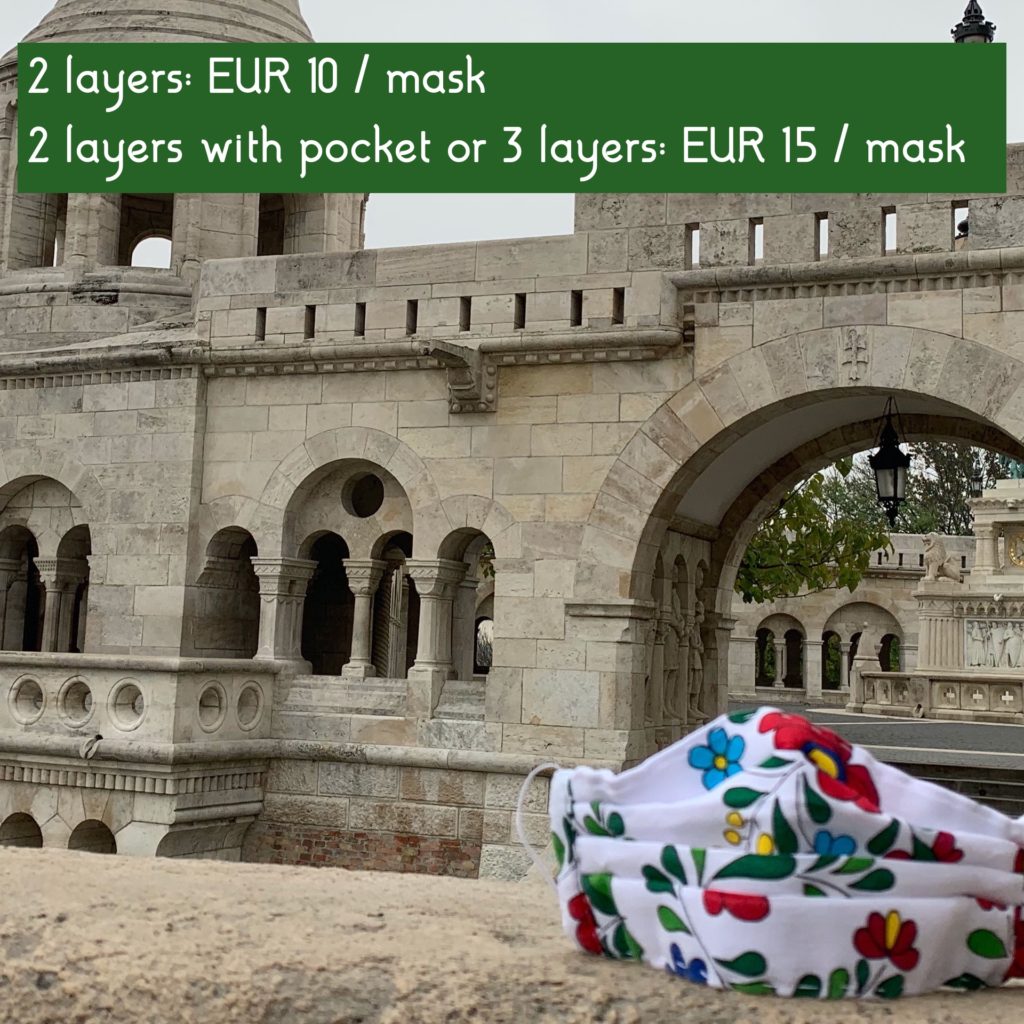
It looks like we’ll be wearing masks for another couple of months so it was time for me to buy some new ones. A tour guide friend of mine is making these amazing masks, here is a little promotion for her and her products.
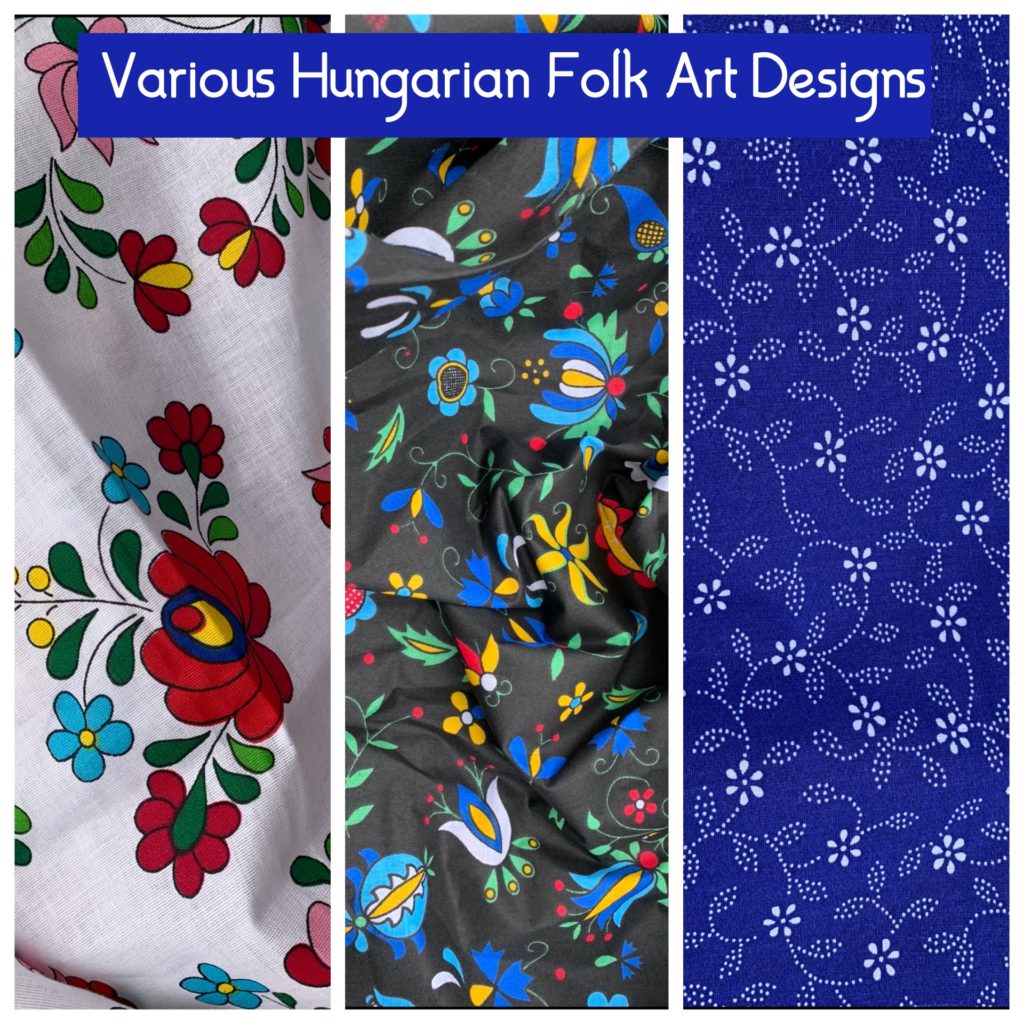
All masks are reusable and washable, made of 100% cotton. They are double or triple layered. There are several designs to choose from, my favourites are the ones with Hungarian folk art design: Kalocsa, Matyó or Blue-Dyeing patterns are all available. They come in 3 sizes: S, M and L. The price is EUR 10 or EUR 15 per mask, excluding shipping.
Let me know if you’re interested 🙂
I know that life is getting more and more difficult for all of us around the world. Now that there are more than 50 million people around the world who’ve had the virus and over a million people died, I can’t tell how grateful I am that my family and friends are safe and healthy.
In Hungary the figures have been terrible for 2 months now (as of today there is a total of 114 778 registered COVID-19 cases and 2493 people died), still, it took ages for the government to introduce new restrictions. Finally, the Parliament will decide tomorrow about the introduction of the measures below as of the 11th of November:
As a reminder, these are the rules about entering Hungary (from the 1st of September until further notice):
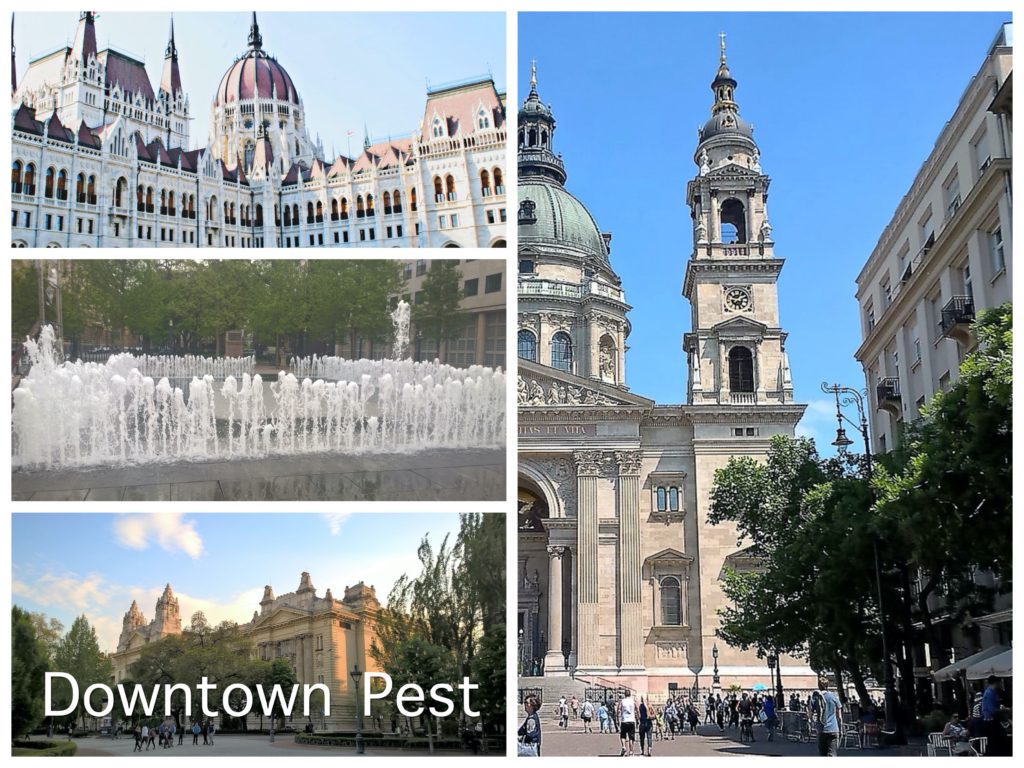
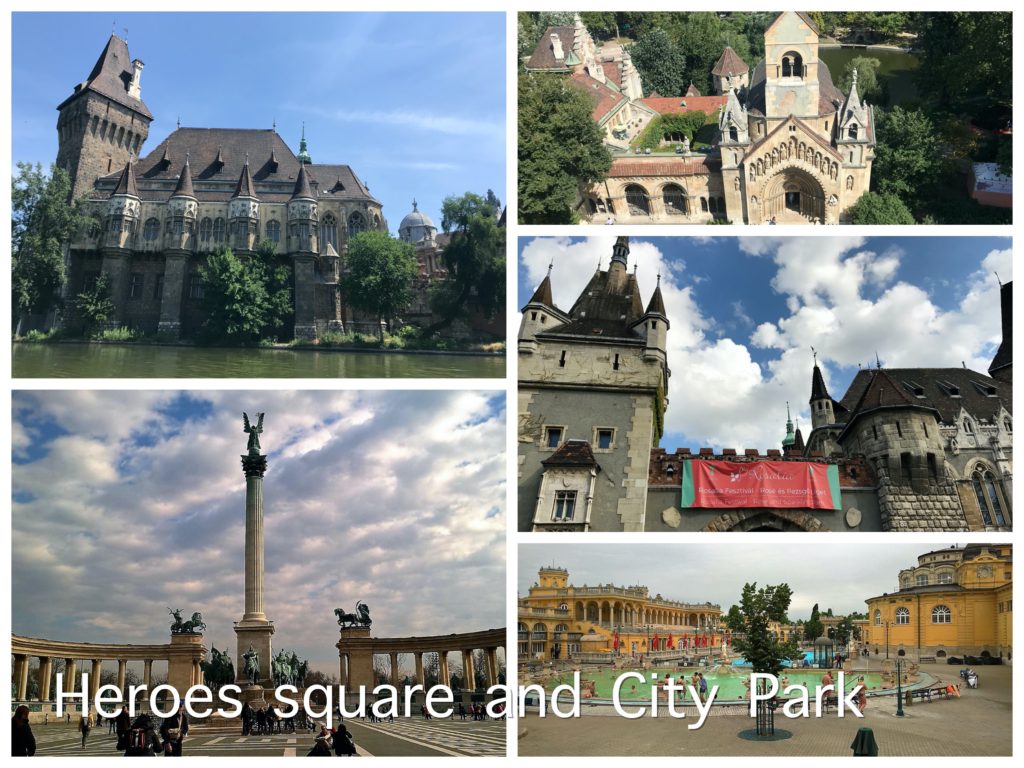
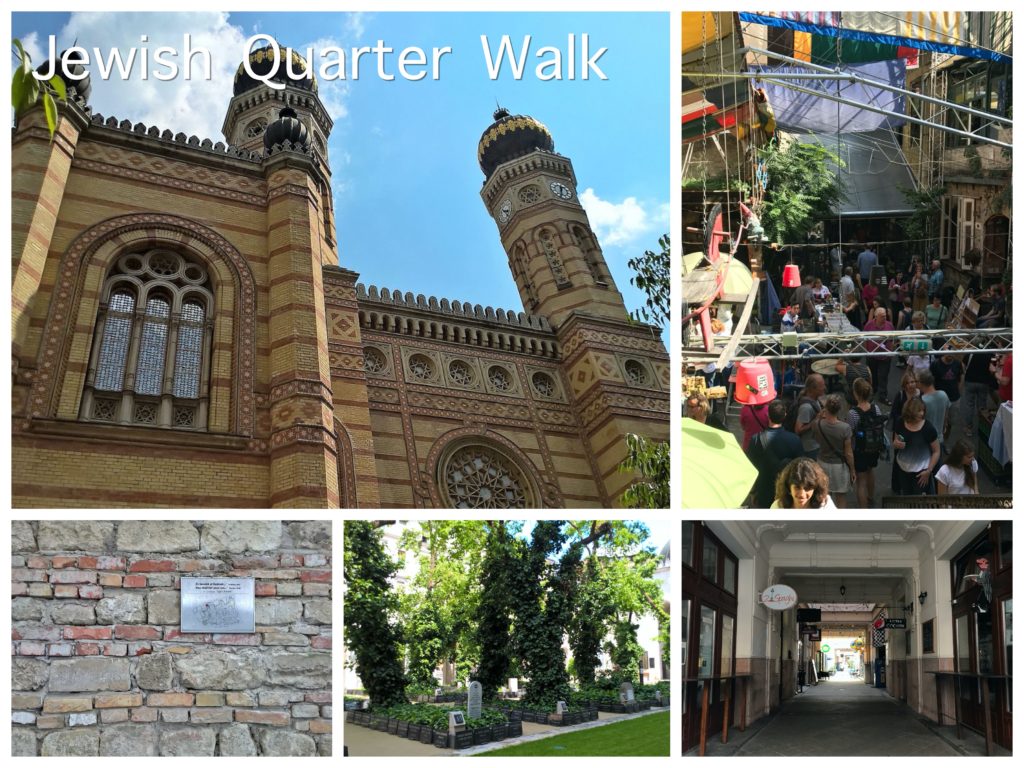
The beautiful city of Budapest is getting close to another lockdown, so the best thing to do is to enjoy a virtual tour from the comfort of your armchair, take a walk with me in the Old Town of Buda, Downtown Pest, Heroes Square and City Park or the Jewish Quarter.
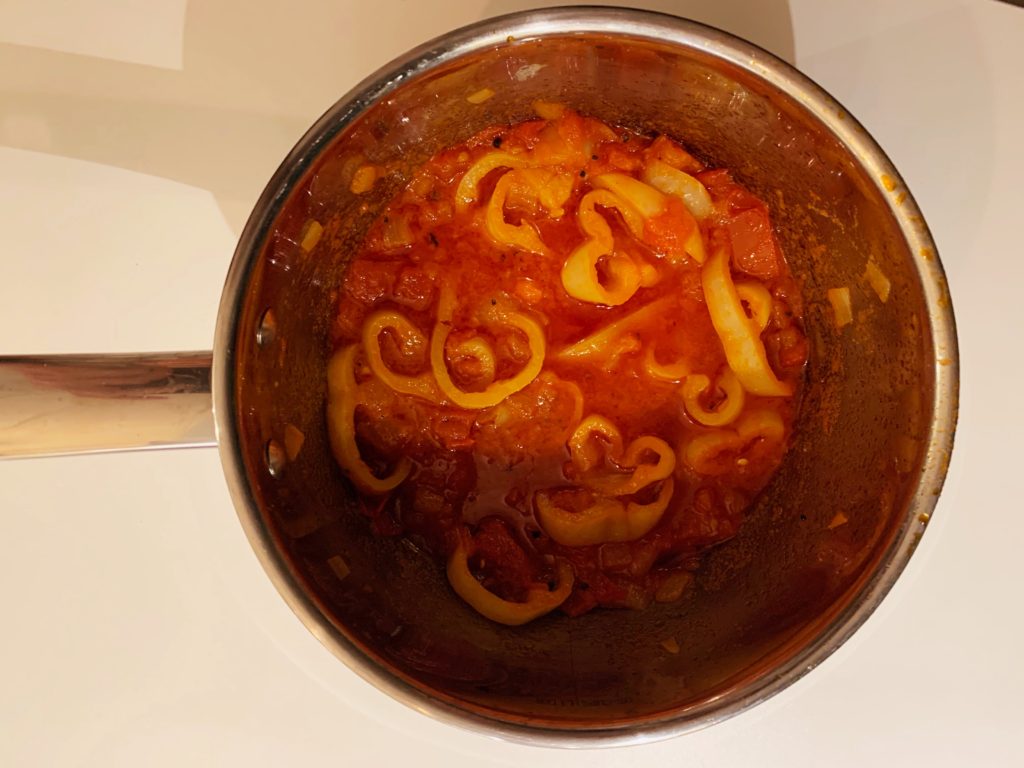
The Lecsó, or Hungarian ratatouille is a great delight, especially in the summer month as it’s relatively light, compared to the very heavy Hungarian dishes. It’s a very simple vegetable stew you can prepare in 20 minutes. This is a vegetarian version, feel free to add sausage and bacon or fry 3 eggs in the stew if you wish.
Finely chop 1 onion and fry it until golden or light brown in hot vegetable oil. Add salt and pepper and 1 tbsp hot paprika powder. Remove the stalks of 2 lbs yellow bell peppers and cut into thin rings. Add to the onion and fry until translucent.
Slice 1 lb tomatoes and add to the peppers. Simmer gently for 8-10 minutes, cook until soft.
We can cook and other Hungarian dishes together online, book a Virtual Cooking Class and pick your favorite Hungarian meal!
In the early 20th century fuel and lighting gas used in Hungary was manufactured from coal and because of the increasing consumption there was a need for modern, high capacity gas plants. The location of the gas plants was crucial, as they needed road, rail and waterway connection. The Óbuda Gas Works was inaugurated in 1914, it was the most advanced gas factory of the country producing 250 thousand cubic meters of gas every day. In the 1970’s natural gas became more accessible and cheaper and Budapest switched to natural gas. The Óbuda gas works was decommissioned in 1984.
The factory with its great colours and shapes might remind you of an abandoned castle with its four towers, they originally housed the turbines, control rooms and water towers.
What I personally love about the place is that because of the generosity of the original owners of the factory, residential buildings had also been built for the employees, so that they could live close to their workplace. Two locations were created, a villa neighbourhood for managers and a more simple housing estate for the workers. Walking around the early 20th century buildings is like a real time travel.
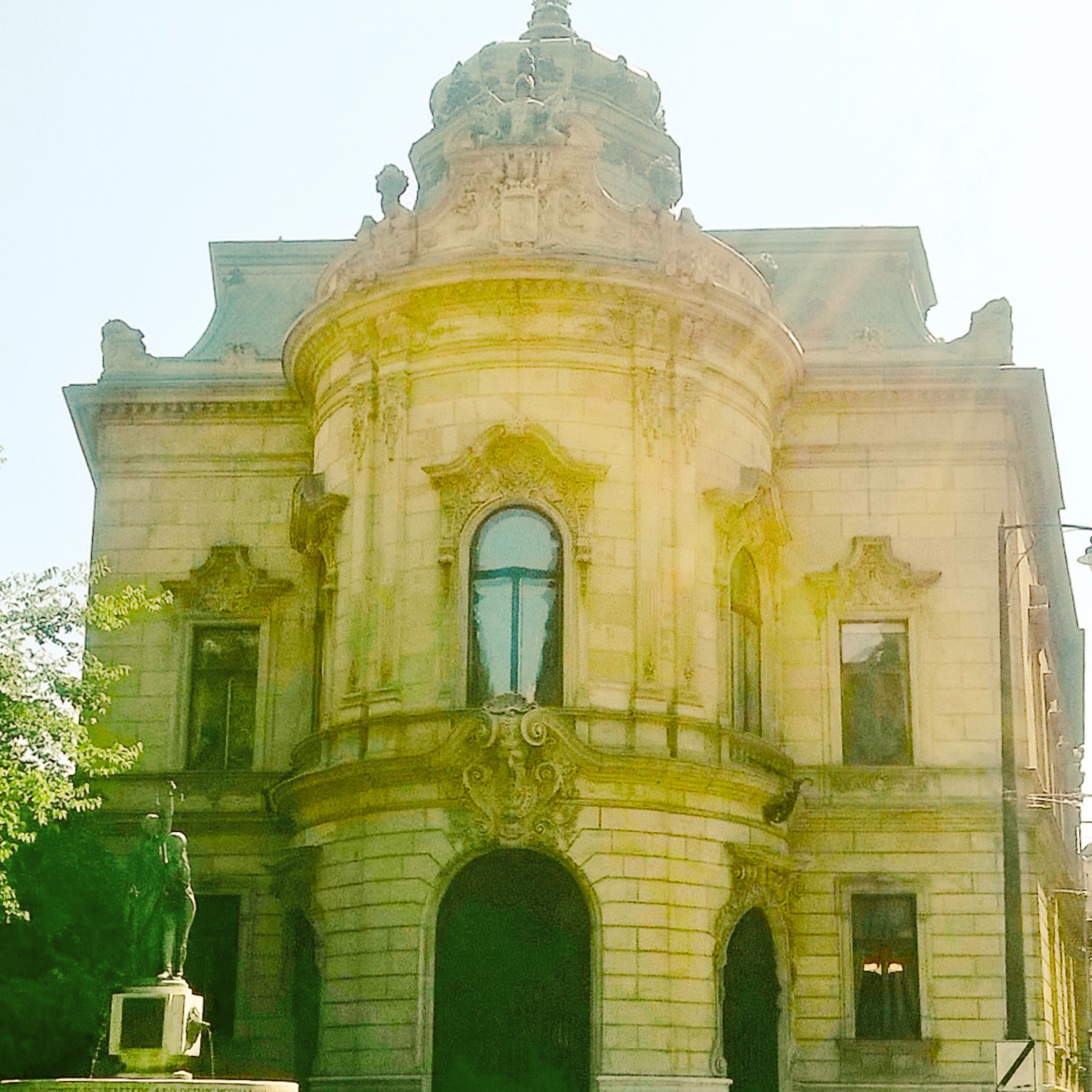
Located on the edge of Budapest’s elegant Palace Quarter, Wenckheim Palace is one of those places that often surprises visitors. Just steps away from busy streets, it offers a calm, richly decorated interior that feels worlds apart from the surrounding city—and that’s exactly what makes it so special.
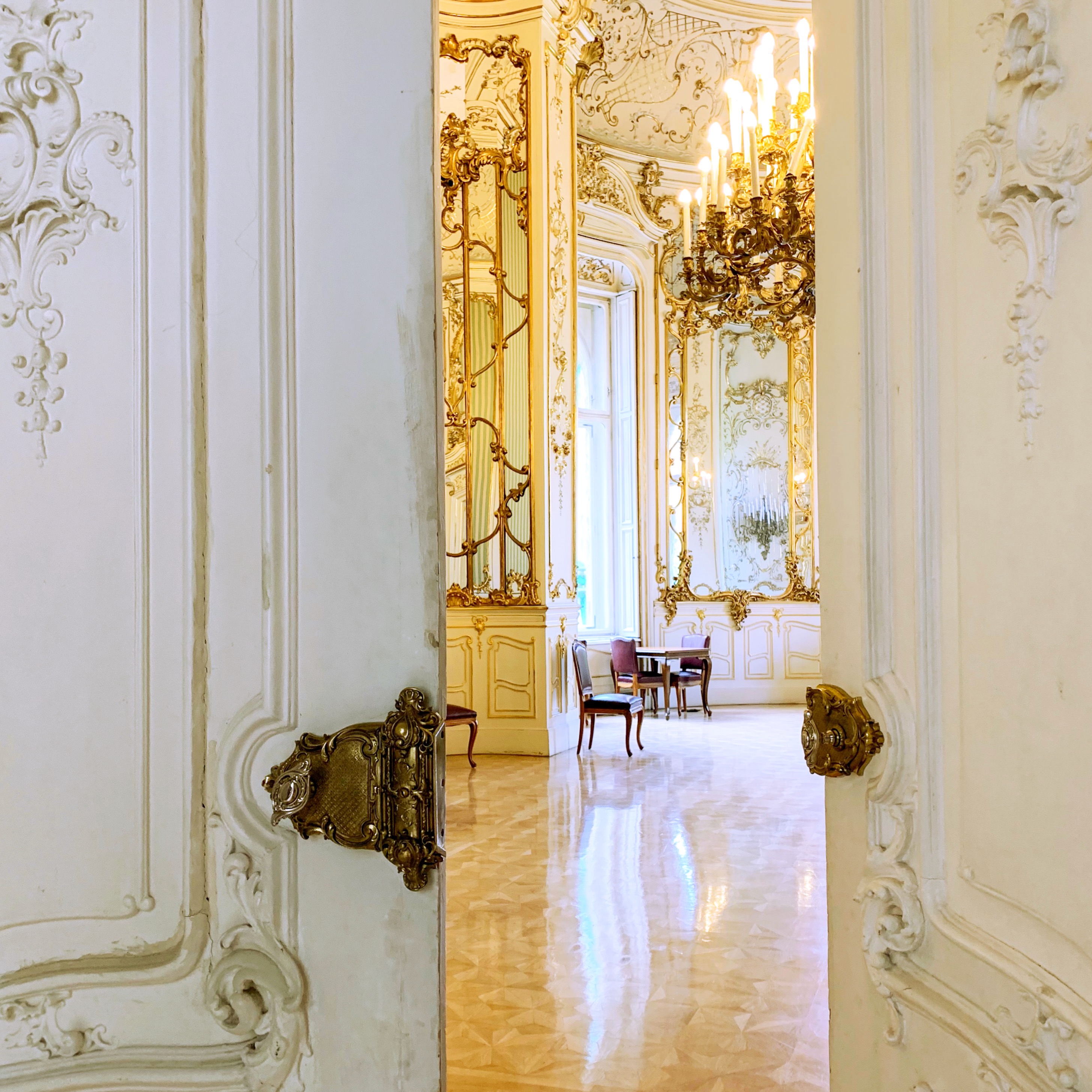
Built in 1889, the palace was commissioned by Count Frigyes Wenckheim and his wife, Krisztina Wenckheim, and designed by architect Artúr Meinig. The Neo-Baroque exterior gives way to lavish interiors decorated in Louis XV style, reflecting the wealth and refined taste of Budapest’s late-19th-century aristocracy. At the time, Wenckheim Palace was considered one of the most beautiful private residences of the 8th district.
The highlight of the building is its magnificent ballroom. Spacious, light-filled, and richly ornamented, it could easily accommodate up to 500 guests. The Wenckheim family was known for their elegant receptions and social events, welcoming members of the political and aristocratic elite—including Franz Joseph, Emperor of Austria and King of Hungary.
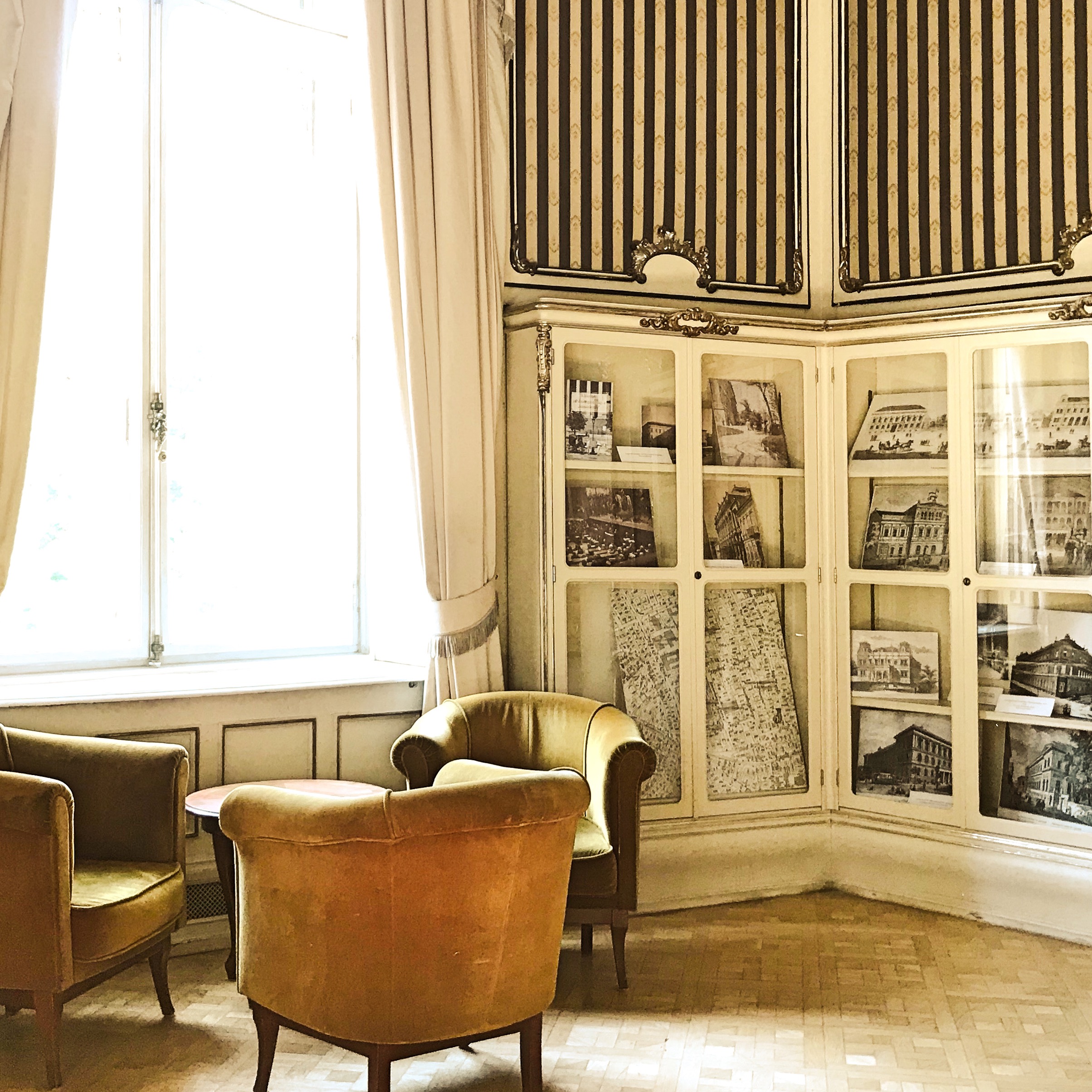
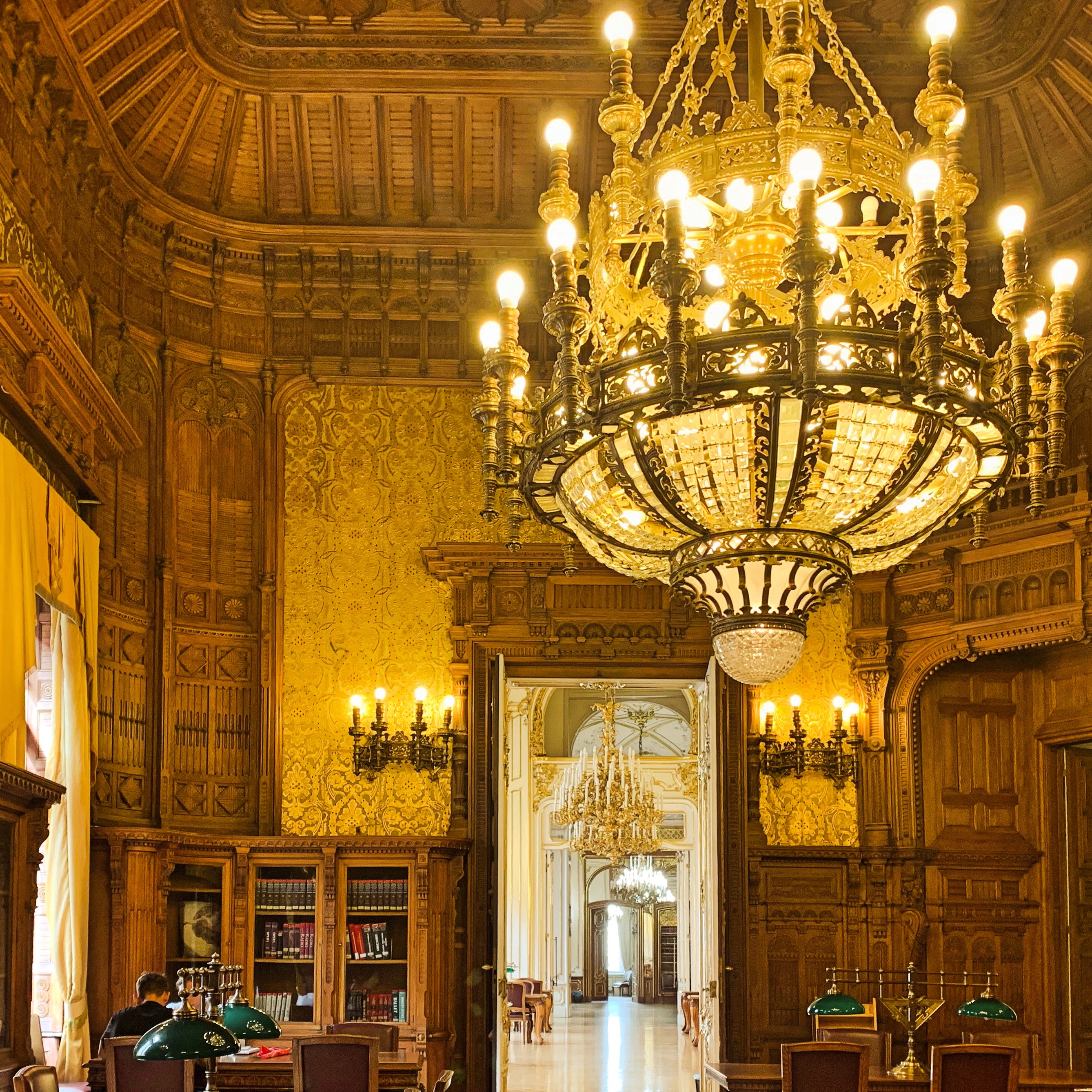
After Count Wenckheim’s death in 1912, the palace was sold to the city in 1927, and a few years later it began a new chapter. In 1931, it became the central building of the Budapest Metropolitan Library. Today, this unique function allows visitors to experience an authentic aristocratic interior while the building remains very much part of everyday Budapest life.
One of the palace’s great advantages is accessibility. The main halls can usually be visited during library opening hours. That said, occasional closures do happen due to filming, special events, or the summer break.
Easy access: Wenckheim Palace can usually be visited during the opening hours of the Budapest Metropolitan Library, making it one of the easiest historic palaces to see from the inside without advance booking.
Best timing: Late mornings or early afternoons on weekdays are usually the quietest, offering the best chance to enjoy the interiors without crowds.
Possible closures: Parts of the palace may occasionally be closed due to filming, special events, or during the summer school break—worth keeping in mind if this is a highlight of your visit.
Photography: Discreet photography is generally allowed, but flash and tripods are not.
Who it’s ideal for: A great stop for visitors interested in architecture, film locations, libraries, or travellers looking for an elegant yet relaxed indoor visit.
How to include it: Wenckheim Palace fits naturally into a Palace Quarter walk or can be combined with nearby sights on a longer city tour.
Wenckheim Palace is also a popular filming location. Its interiors have appeared in several international productions, including Red Sparrow, The Alienist, Spy, and The Phantom of the Opera.
Elegant yet approachable, central yet surprisingly peaceful, Wenckheim Palace is an excellent stop on a Budapest walking or driving tour—especially for visitors interested in architecture, film locations, or simply experiencing a lesser-known side of the city’s aristocratic past.
If you enjoy discovering the stories behind Budapest’s buildings, you might also like my Beautiful Budapest Stories piece on Wenckheim Palace, where I focus more on atmosphere and hidden details.
The Budapest home of Liszt is surprisingly modest with only two rooms, one of them serving as bedroom and study at the same time but it’s nevertheless full of treasures. The Budapest home of the one and only Hungarian composer universally renowned as one of the greatests of the 19th century was on the elegant Andrássy avenue.
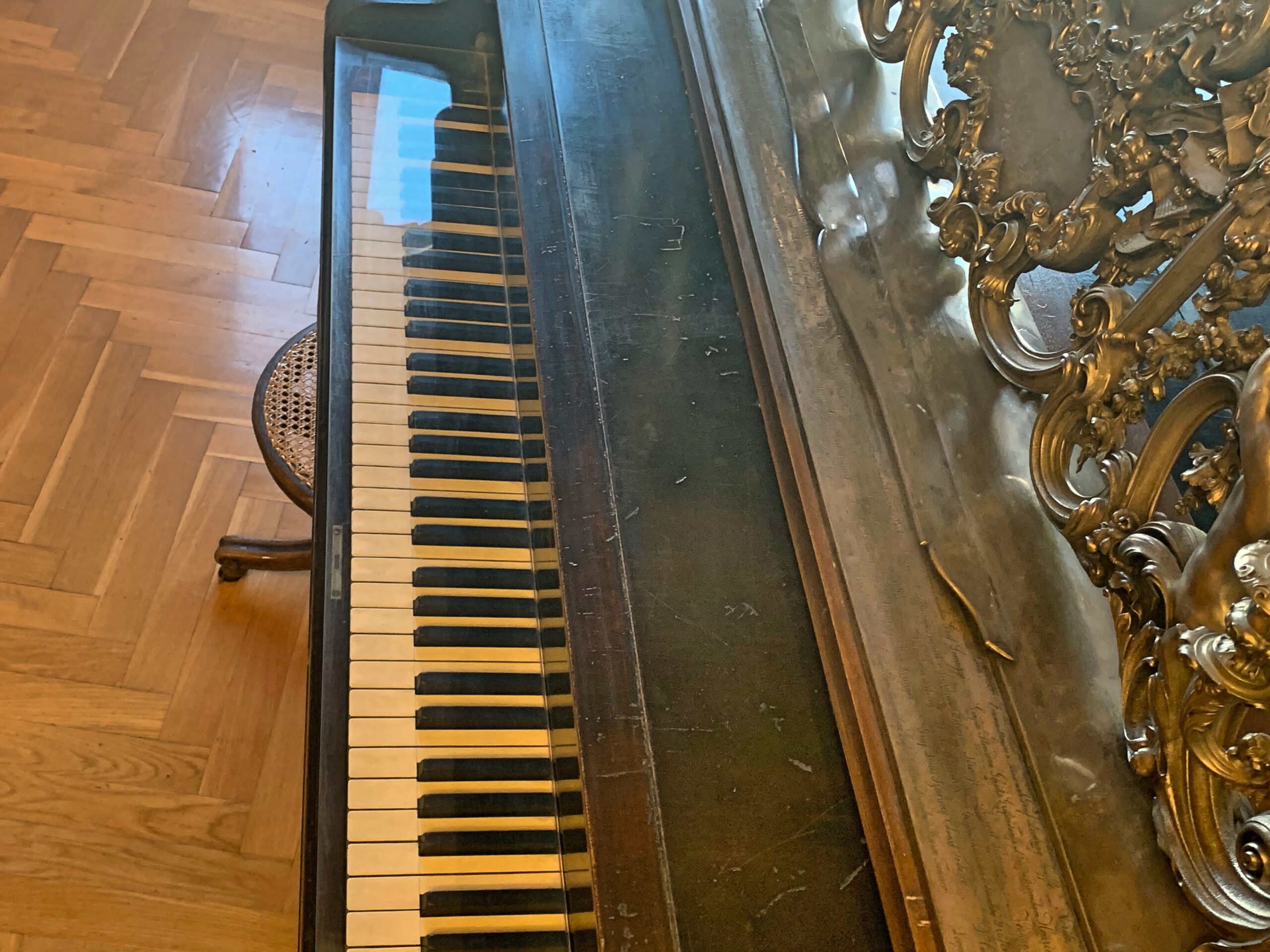
His home is a museum now and it’s a remarkably valuable collection of objects: personal items and amazing instruments of music. My favourite piece is a music composing desk with a built-in three-octave piano keyboard, specially designed for Liszt in the 1870’s. I also love the ornate music stand that Liszt received as a gift in 1858 and thanked it by saying: “I wish to produce soon some works worthy of being offered as an homage to the three patrons of music: Beethoven, Weber and Schubert” – whose busts decorate the wonderful piece.
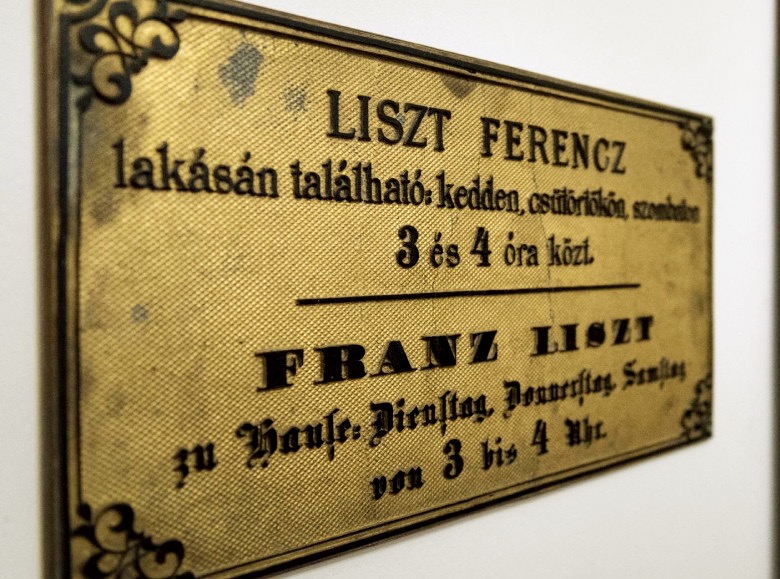
Although Liszt only welcomed visitors in his home on Tuesday, Thursday and Saturday afternoons, the museum is open to visitors every day except Sundays.